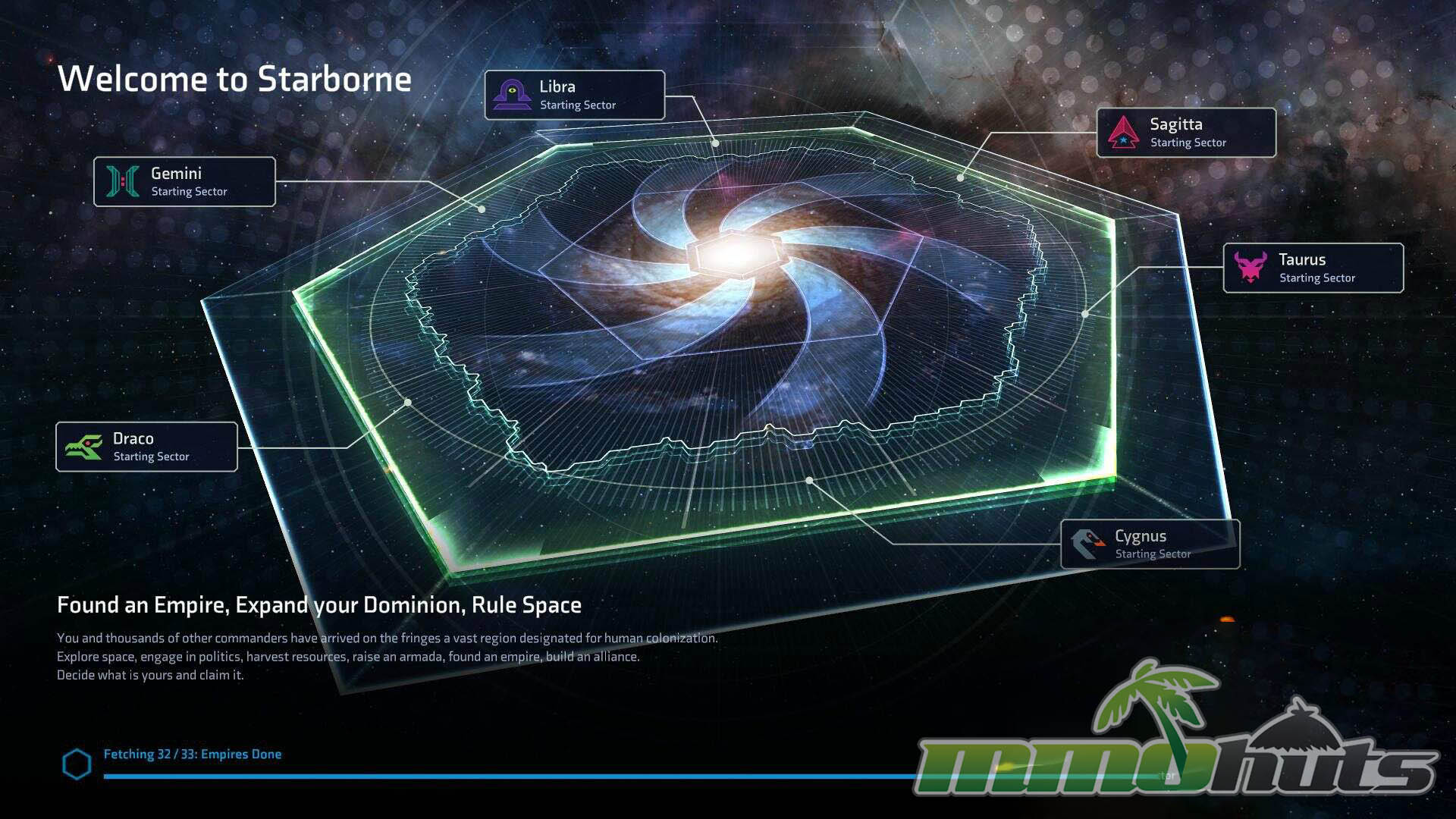
Starborne is a free-to-play sci-fi MMORTS that blends empire management with real-time fleet operations in a shared galaxy. You begin with a single station and gradually turn it into a sprawling space network by harvesting resources, expanding territory, and choosing when to negotiate or when to strike, all while other players are doing the same in real time.
 | Publisher: Solid Clouds Playerbase: High Type: 3D Sci-fi MMORTS Release Date: April 2, 2020 Pros: +Relaxed, low-maintenance sessions that still feel productive. +Several ways to win besides pure conquest. +Strong visual presentation for a strategy title. +Guided onboarding through achievements and goals. +Alliance politics and player interaction matter. Cons: -Demanding hardware for an RTS-style game. -Interface can feel busy and overwhelming. -The tempo is deliberate, which can feel sluggish if you want constant action. |

Starborne Overview
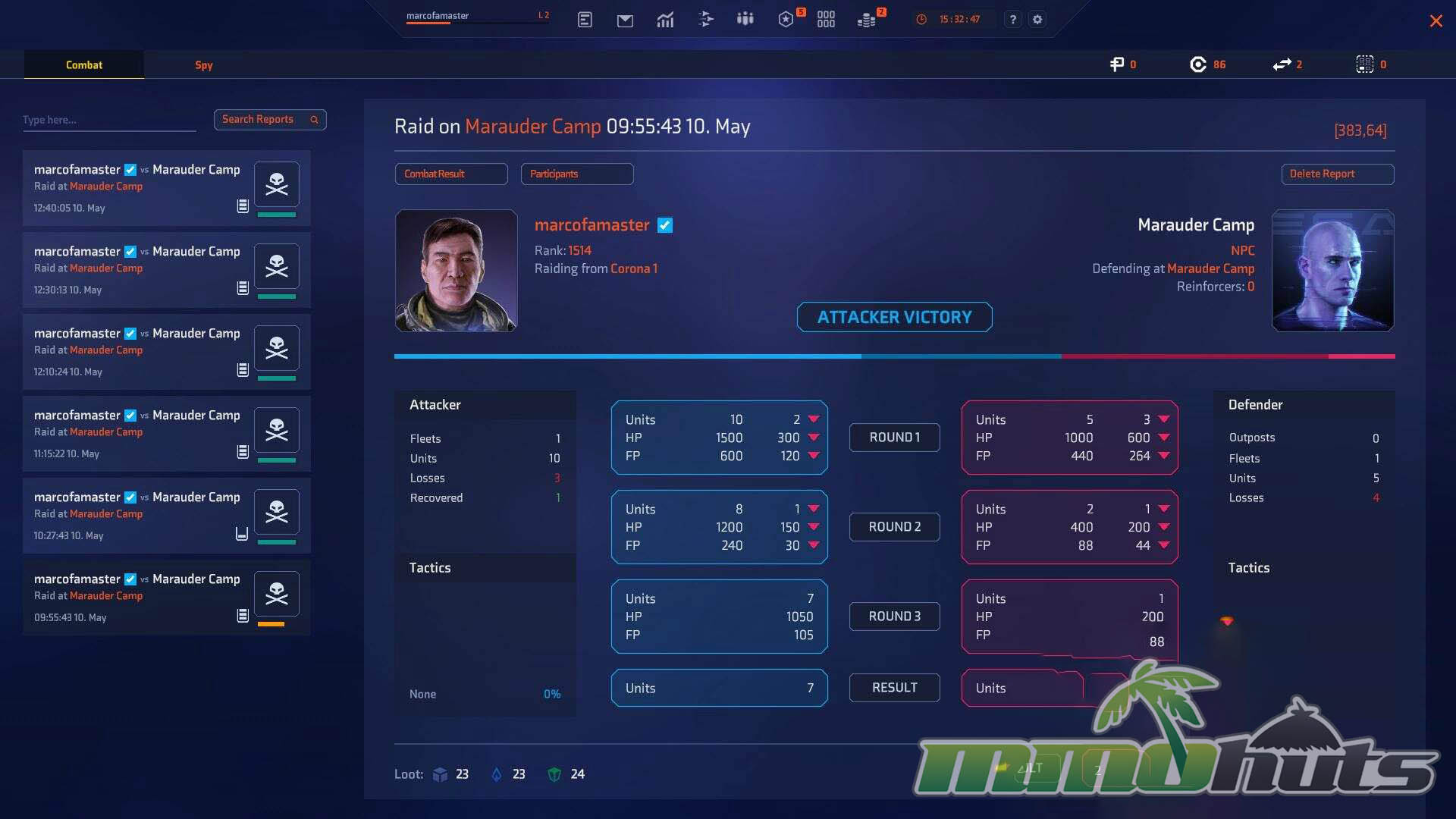
Starborne asks you to think like a space-faring power broker as much as a commander. From your first station, your early priorities are simple, secure income, expand reach, and scout what is around you. Resources come from the environment (debris fields, planets, stars) and from opportunism, since NPC targets and rival players can be raided for stockpiles if you are willing to accept the political consequences.
Fleet building sits at the center of the experience, and the ship roster supports different jobs rather than a single optimal blob. Smaller combat ships such as Corvettes and Destroyers help with quick strikes and pressure, while larger options like Carriers provide heavier presence when conflicts escalate. You will also lean on utility craft, Scouts and Recon ships for information and exploration, plus Industrial ships and Troop Carriers to keep expansion moving and to shift assets where they are needed.
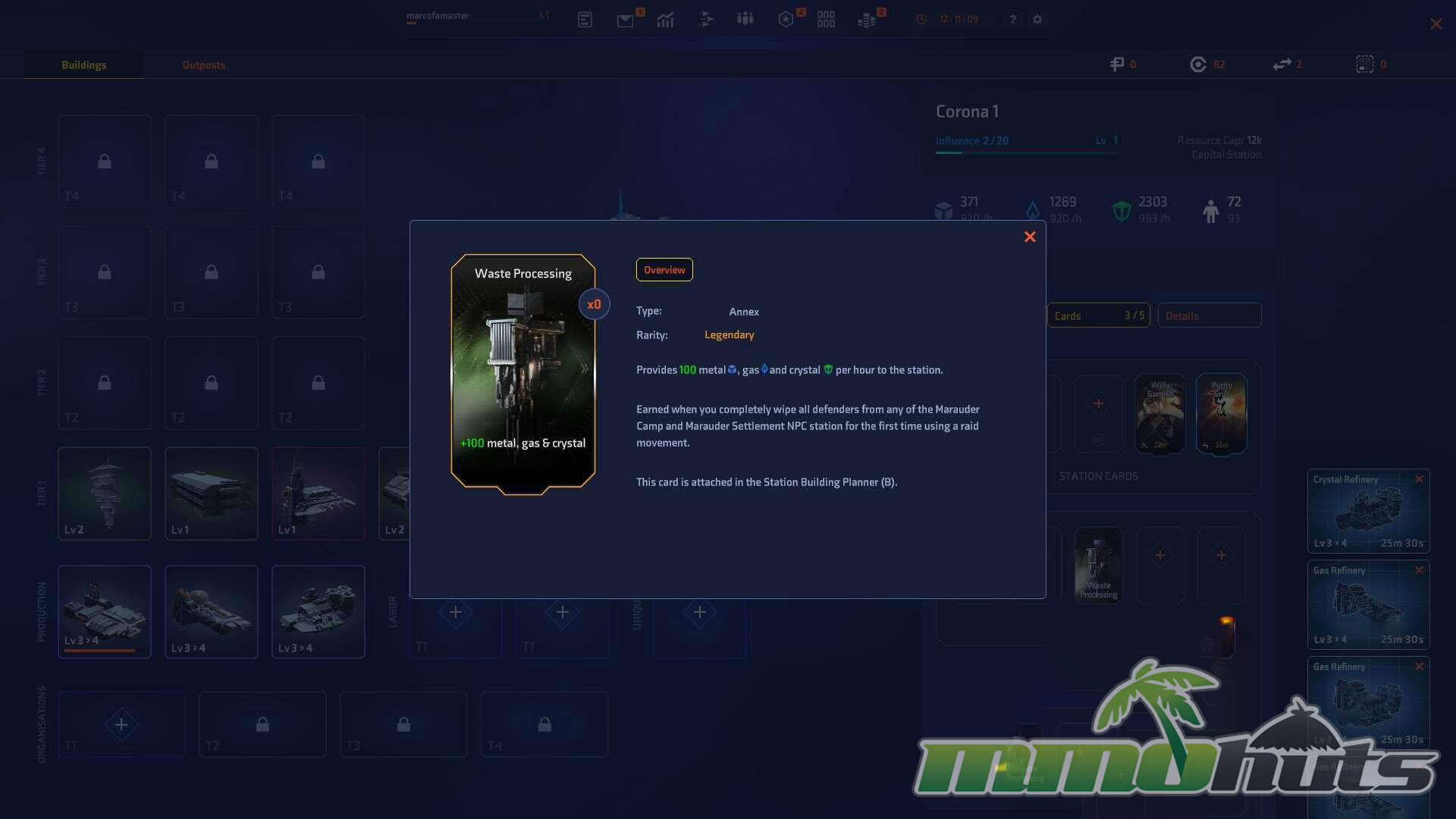
Territory grows through construction and infrastructure. Modules improve your stations, outposts extend influence, and additional stations let you project power and logistics farther from home. As your footprint widens, the social layer becomes harder to ignore, because nearby empires are not just targets, they are potential trade partners, buffers, or future enemies. Alliances, coalitions, and the inevitable betrayals are not side activities here, they are part of the core loop, and knowing when to sign a deal is often as valuable as winning a fight.
Starborne Key Features:
- Build A Galactic Empire – begin with one space station and steadily add fleets, upgrades, outposts, and more stations in real-time as you push influence outward across your region and beyond.
- Multiple Victory Conditions – pursue domination through combat strength, industrial growth, or political leverage, with success shaped by the approach you commit to.
- Build Your Fleet – field a mix of spacecraft, from nimble corvettes and scouting vessels to cargo and support ships, plus larger capital-scale options for major operations.
- Politics and Alliances – collaborate or compete with large numbers of other players, where diplomacy, rivalries, and coalition play can decide the balance of power.
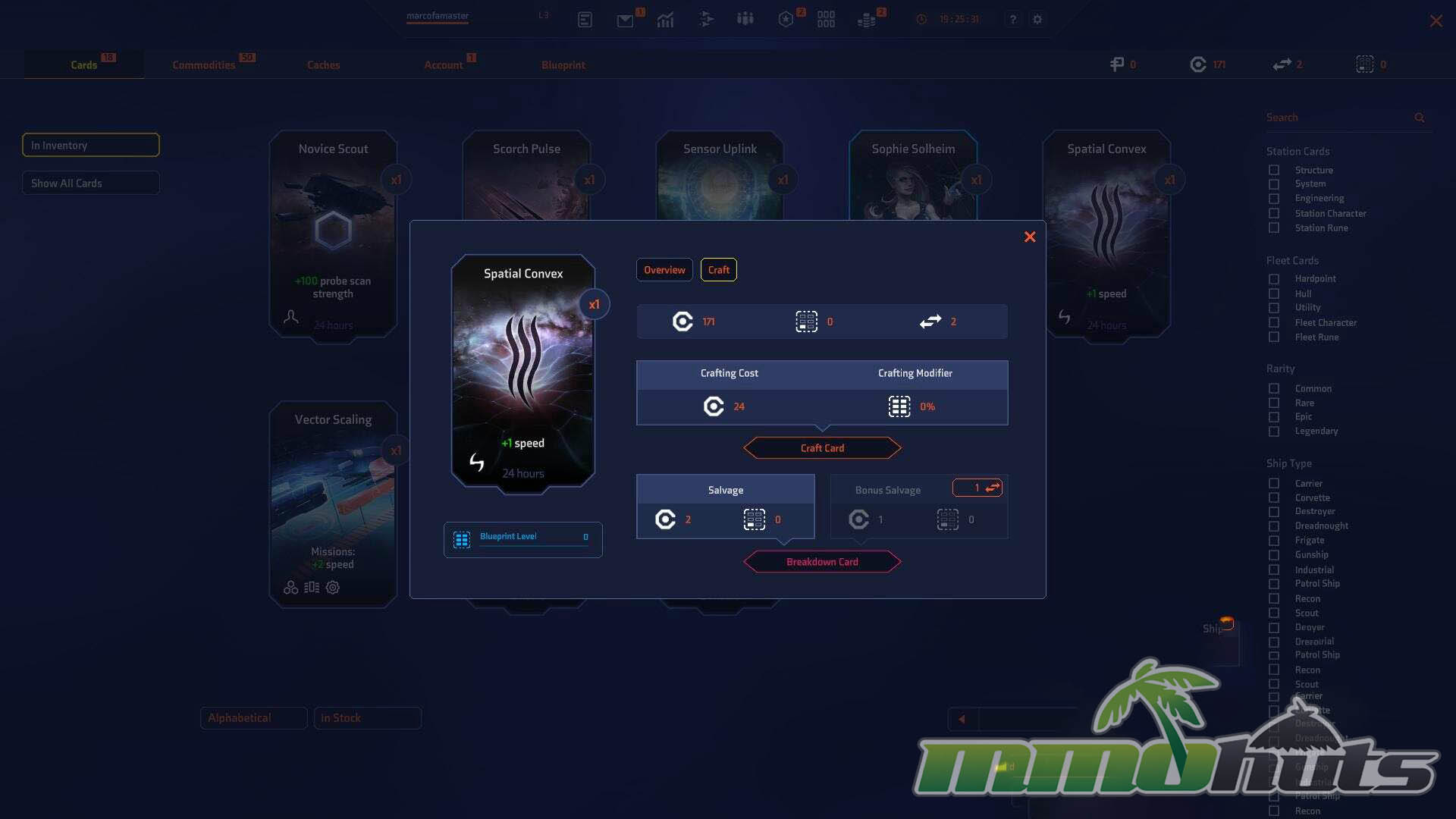
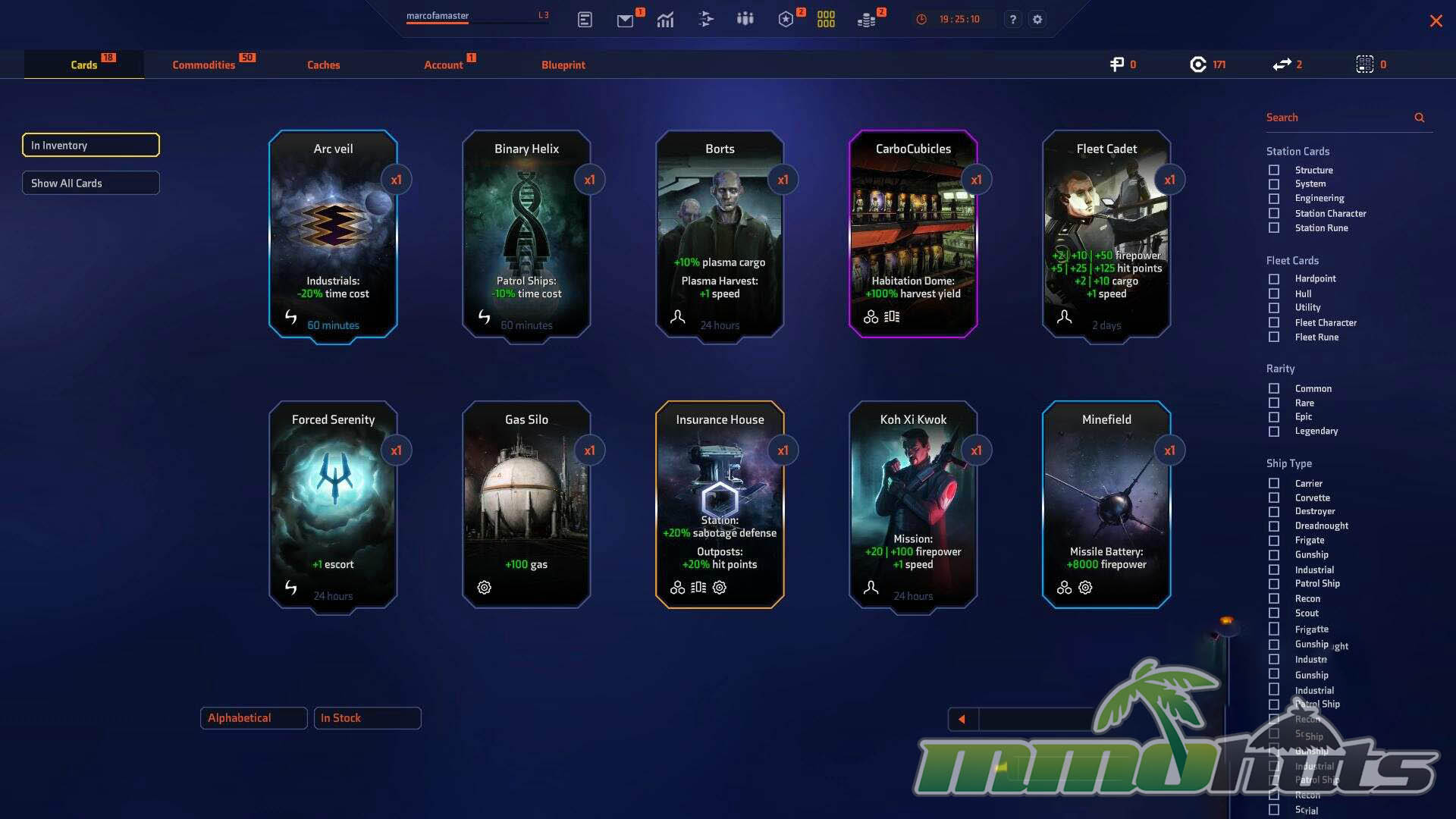
- Play Your Cards Right – equip from a large pool of cards to tune stations, outposts, and fleets, improving stats like output, firepower, capacity, and efficiency.
Starborne Screenshots

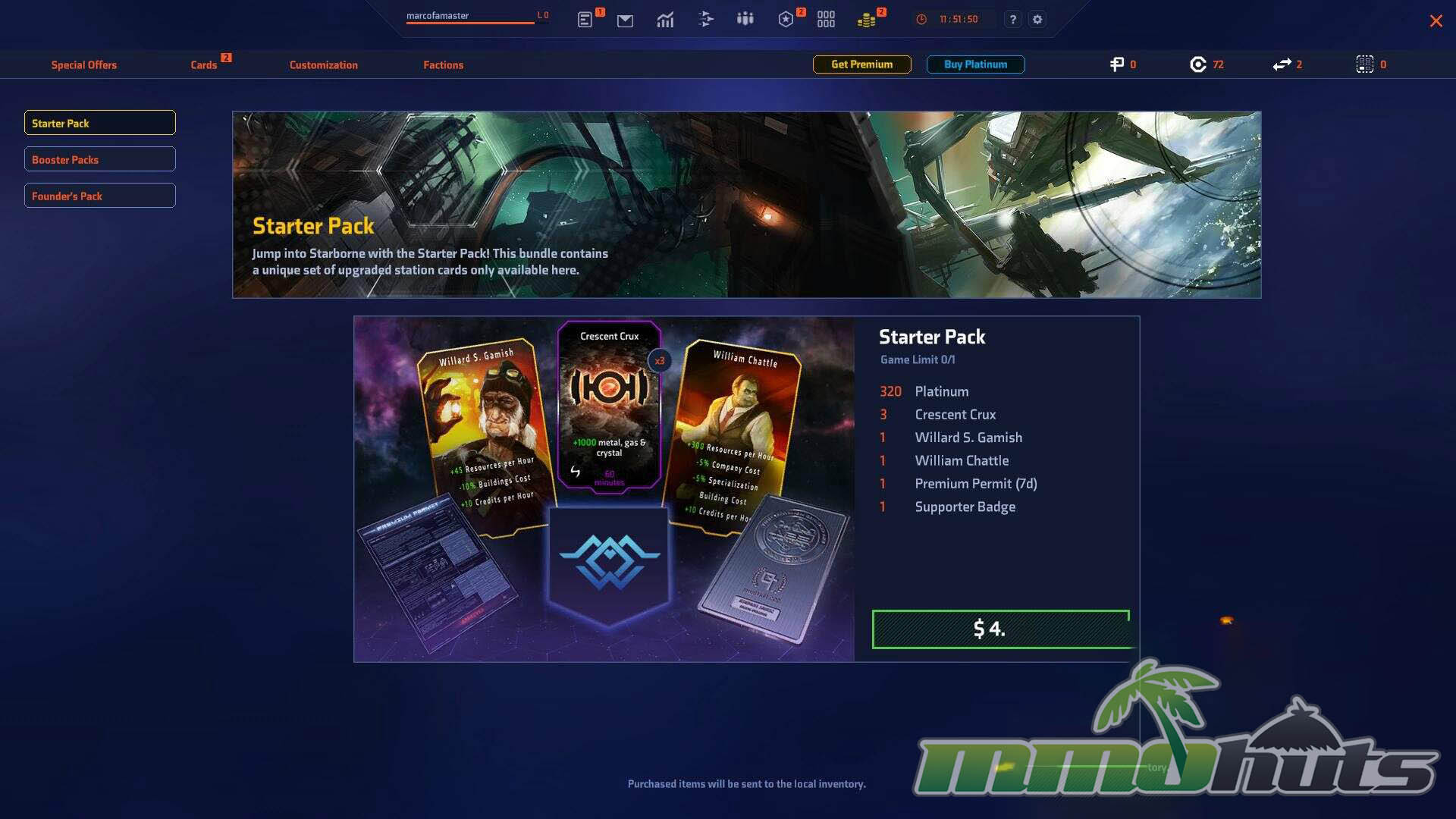

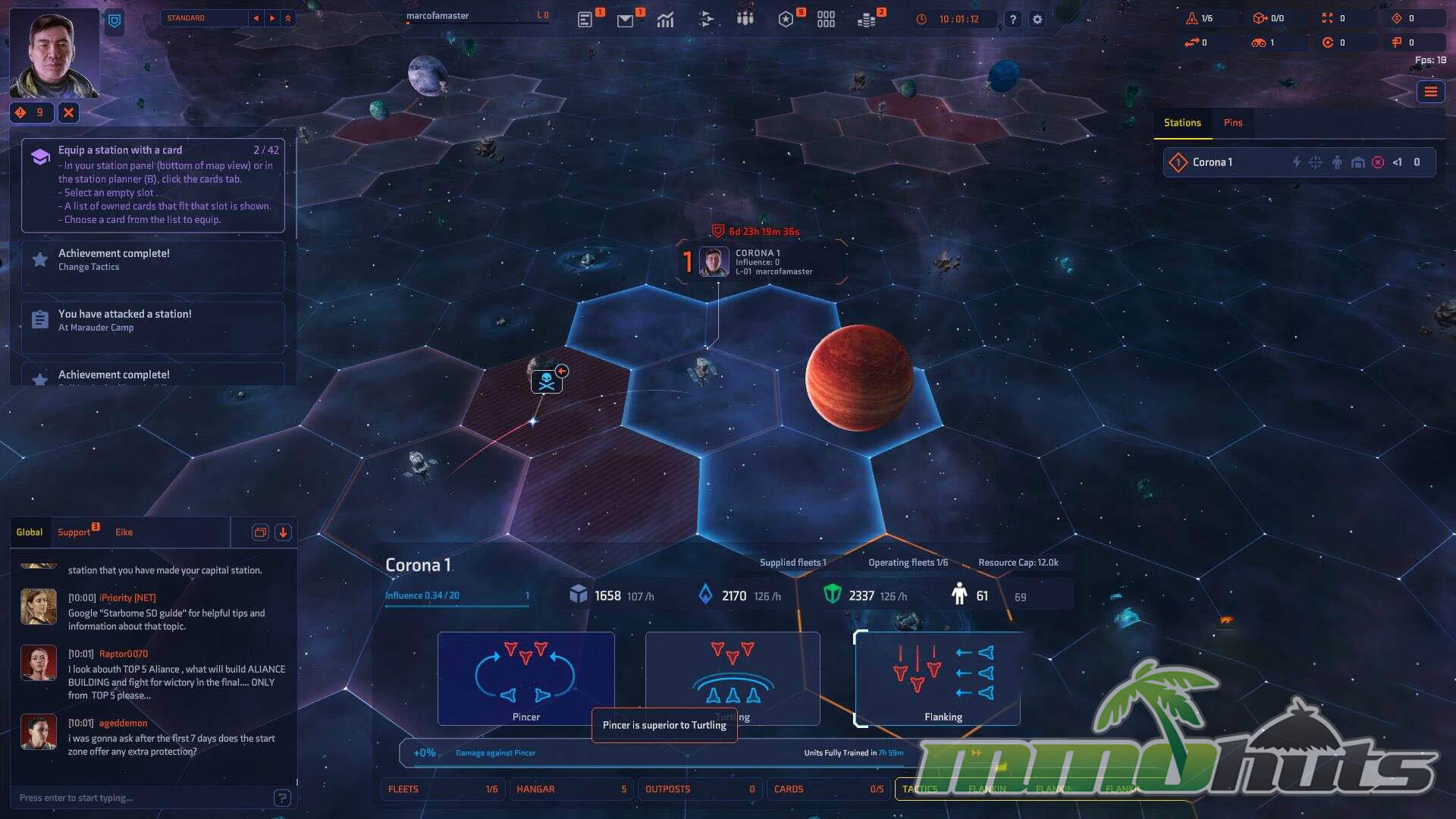
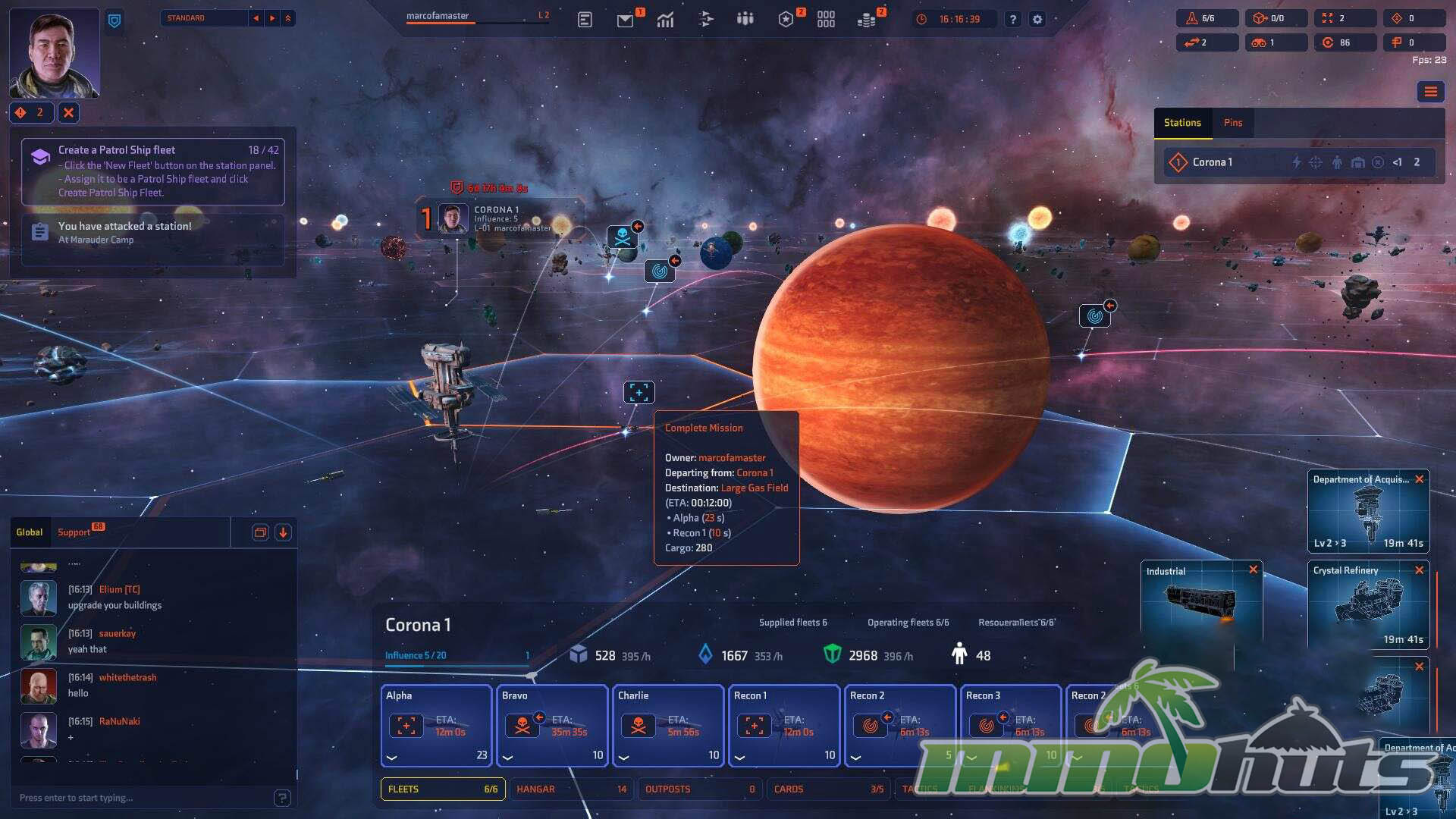
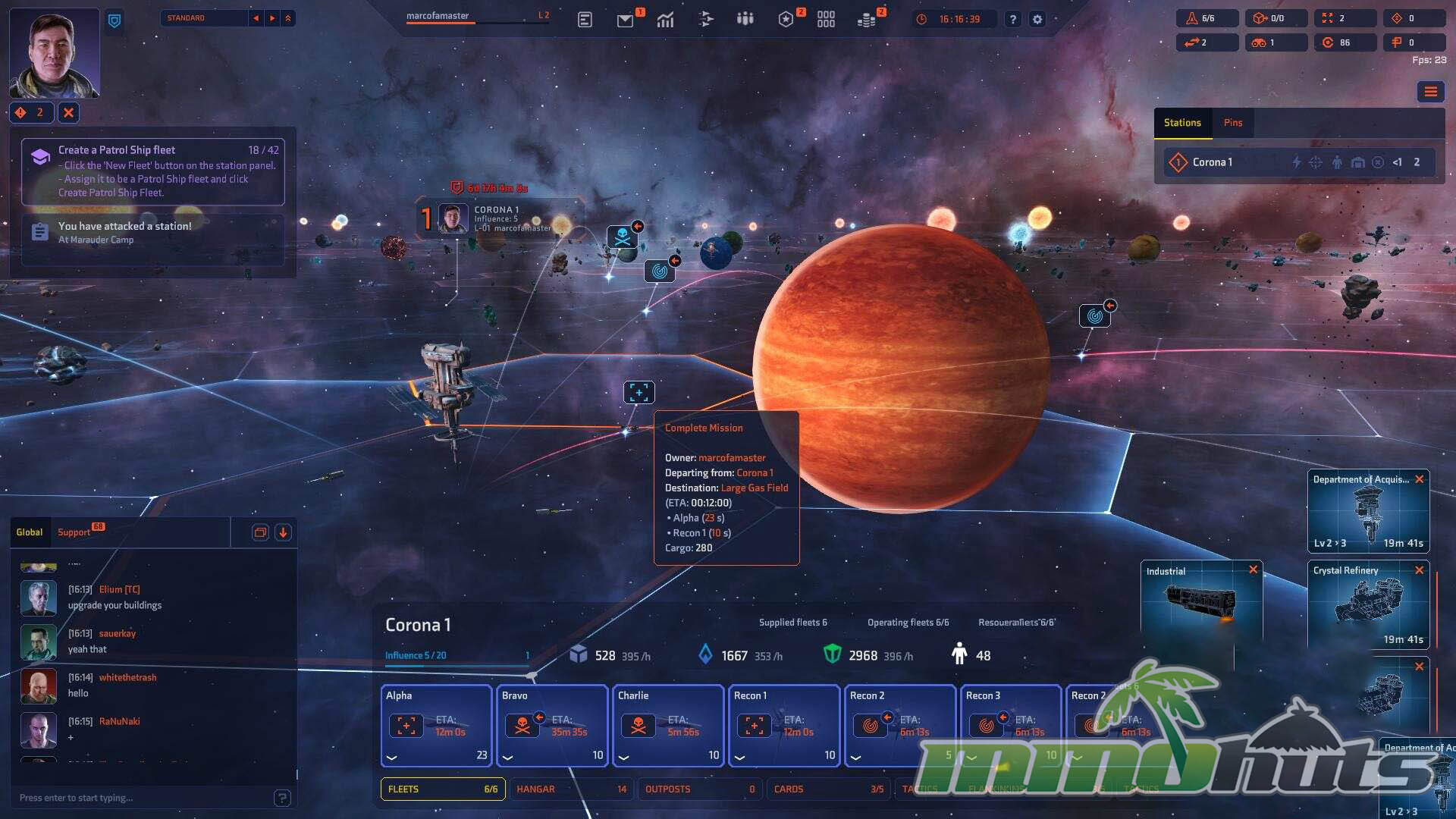

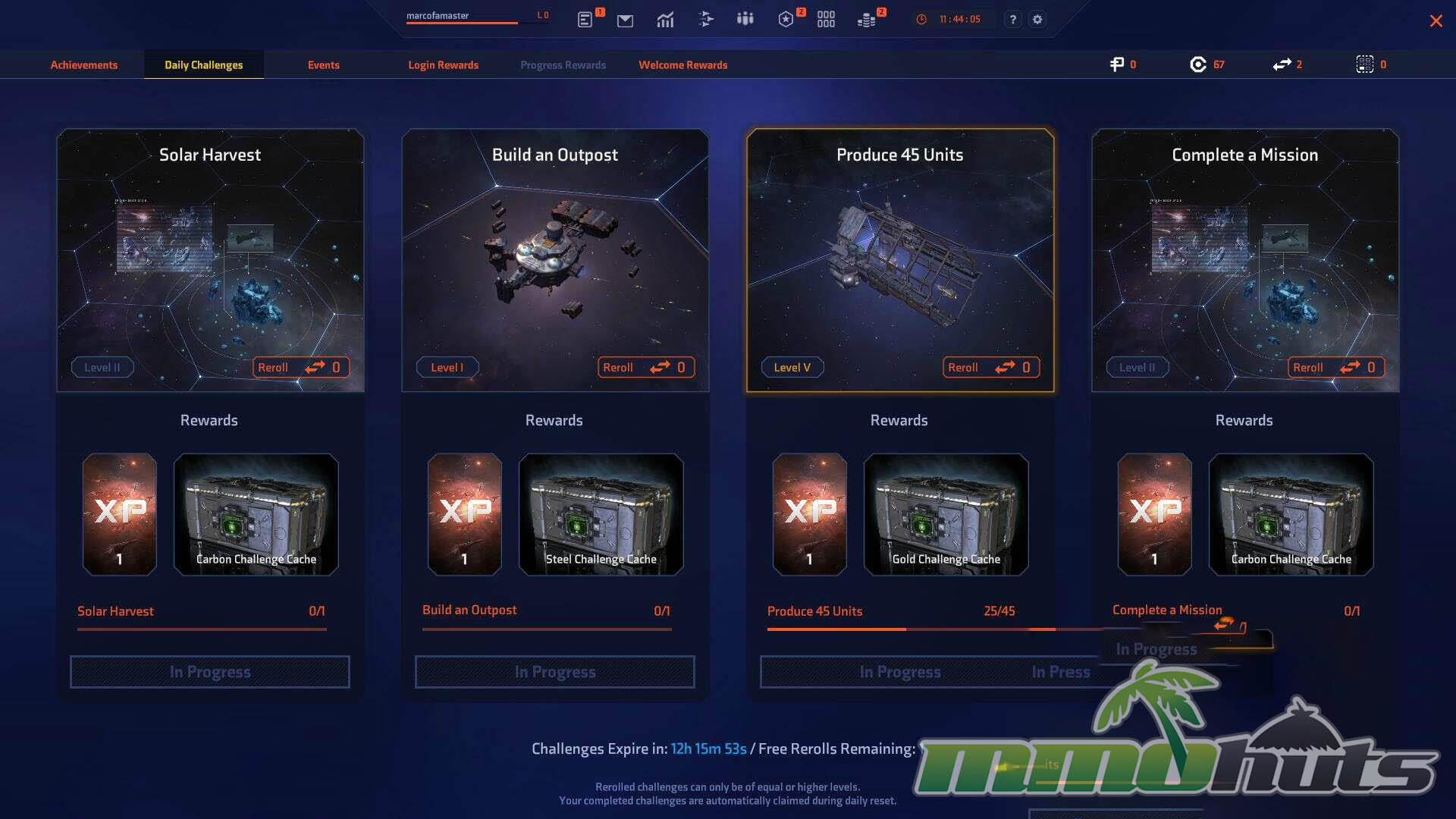


Starborne Featured Video

Starborne Review
Starborne plays like a modern, MMO-flavored take on classic 4X and RTS ideas, but with a clear emphasis on persistence and player politics. Instead of rapid skirmishes and constant micro, most of your time is spent setting up strong routines, planning logistics, and choosing engagements carefully. That makes it approachable for players who like checking in, making meaningful decisions, and letting their empire progress without needing uninterrupted multi-hour sessions.
The early game does a solid job of communicating priorities. You are pushed toward expansion, scouting, and securing a stable resource base, and the achievement-driven guidance helps you find key systems without forcing a strict campaign. It is not a traditional story-led experience, the narrative comes more from the map state and the players around you, where shifting alliances and opportunistic raids create the most memorable moments.
Combat is best understood as the consequence of preparation. Fleet composition matters, and information matters even more. Sending the right scouts, learning where opponents are overextended, and timing attacks around defenses can be the difference between a clean raid and an expensive failure. When wars do break out, the game’s pace can feel measured compared to faster RTS titles, but that slower rhythm supports longer-term strategy and coordination within alliances.
The social layer is where Starborne either clicks or falls flat depending on your preferences. If you enjoy negotiation, coalition building, and the tension of living next to other ambitious empires, the game offers plenty of room for that. If you prefer largely solo progression with minimal interference, the same systems can feel like obstacles rather than opportunities, since diplomacy and player-driven conflict are tightly woven into the endgame.
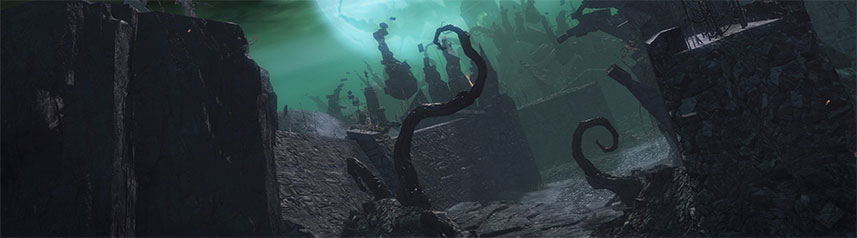
Presentation is a pleasant surprise for the genre. The 3D look gives stations, ships, and the galaxy map a sense of scale that helps the fantasy of running a space empire. The downside is that the UI can get crowded as your holdings grow, with more panels, more timers, and more information competing for attention. Combined with the comparatively high system requirements, it is a reminder that this is not a lightweight browser RTS in spirit, even if the gameplay loop often feels relaxed.
Overall, Starborne is a strong fit for strategy players who want an empire builder that rewards planning, patience, and social maneuvering. It is less suited for anyone chasing constant action or a streamlined interface, but for the right audience, the mix of diplomacy, infrastructure, and fleet operations can be genuinely compelling.
Starborne Links
Starborne Official Site
Starborne Facebook Page
Starborne Twitter Page
Starborne Wiki
Starborne Subreddit
Starborne System Requirements
Minimum Requirements:
Operating System: Windows 7 (х64)
CPU: Intel Core i5-6600K 3.5GHz / AMD FX-6350
Video Card: AMD Radeon HD 7850 or NVIDIA GeForce GTX 660
RAM: 8 GB RAM
Hard Disk Space: 40 GB available space
Direct X: Version 11
Recommended Requirements:
Operating System: Windows 10 (х64)
CPU: Intel Core i5-7600K 3.8GHz / AMD FX-8350
Video Card: AMD Radeon RX 480 4GB or NVIDIA GeForce GTX 1060 3GB
RAM: 16 GB RAM
Hard Disk Space: 40 GB available space
Direct X: Version 11
Starborne Music & Soundtrack
Coming soon!
Starborne Additional Information
Developer: Solid Clouds
Publisher: Solid Clouds
Platforms: PC
Engine: Unity/In-house Clauswitz Engine
Alpha Tests: 2015-2020
Open Beta Release: April 2, 2020
Development History / Background:
Starborne is a free-to-play 3D sci-fi MMORTS developed and published by Icelandic indie studio Solid Clouds. The studio was established by former EVE Online Lead Concept Designer Ásgeir Ásgeirsson and former EVE Online Art Director Hrafnkell Óskarsson. Development included Alpha testing from 2015-2020, with the game entering open beta on April 2, 2020.