Spirit Guardian was a free-to-play mobile action RPG built around collecting Heroes, running short stage missions, and leaning on flashy, anime-styled 3D visuals. It mixed tap-to-move combat with an ever-present Auto option, offered asynchronous Arena fights, and occasionally dropped random Boss Raids into your routine before the game ultimately shut down.
 | Publisher: GTArcade Type: Mobile RPG Release Date: July 15, 2015 Shut Down Date: August 31, 2017 Pros: +Polished 3D visuals and effects. +Large roster of Heroes to recruit and build. +Some real decision-making in skills and team matchups. Cons: -Auto-play heavily encouraged. -Progression can feel like repeated farming. -Monetization and VIP perks can tilt competition. |
Spirit Guardian Overview
Spirit Guardian was a 3D, hero-collecting mobile RPG developed and published by GTArcade (also known for the “League of Angels” franchise). Set in the Eternal Dream, it cast you as a Dreamer fighting back against the Lord of Discord and his forces across Dreamworld. The core loop centered on building a team from a large Hero roster, pushing through stage maps, and upgrading units through evolution and star growth so you could keep up with rising difficulty.
Combat blended tap-based movement and target selection with an optional Auto mode, while still asking you to trigger Hero skills at the right moments. Alongside story stages, the game offered asynchronous Arena battles for rank-based rewards, plus timed Boss Raids that appeared as random encounters and asked for more hands-on play.
Spirit Guardian Features:
- Stage-based Levels – Progress through hundreds of bite-sized stages filled with enemy packs, bosses, and varied backdrops.
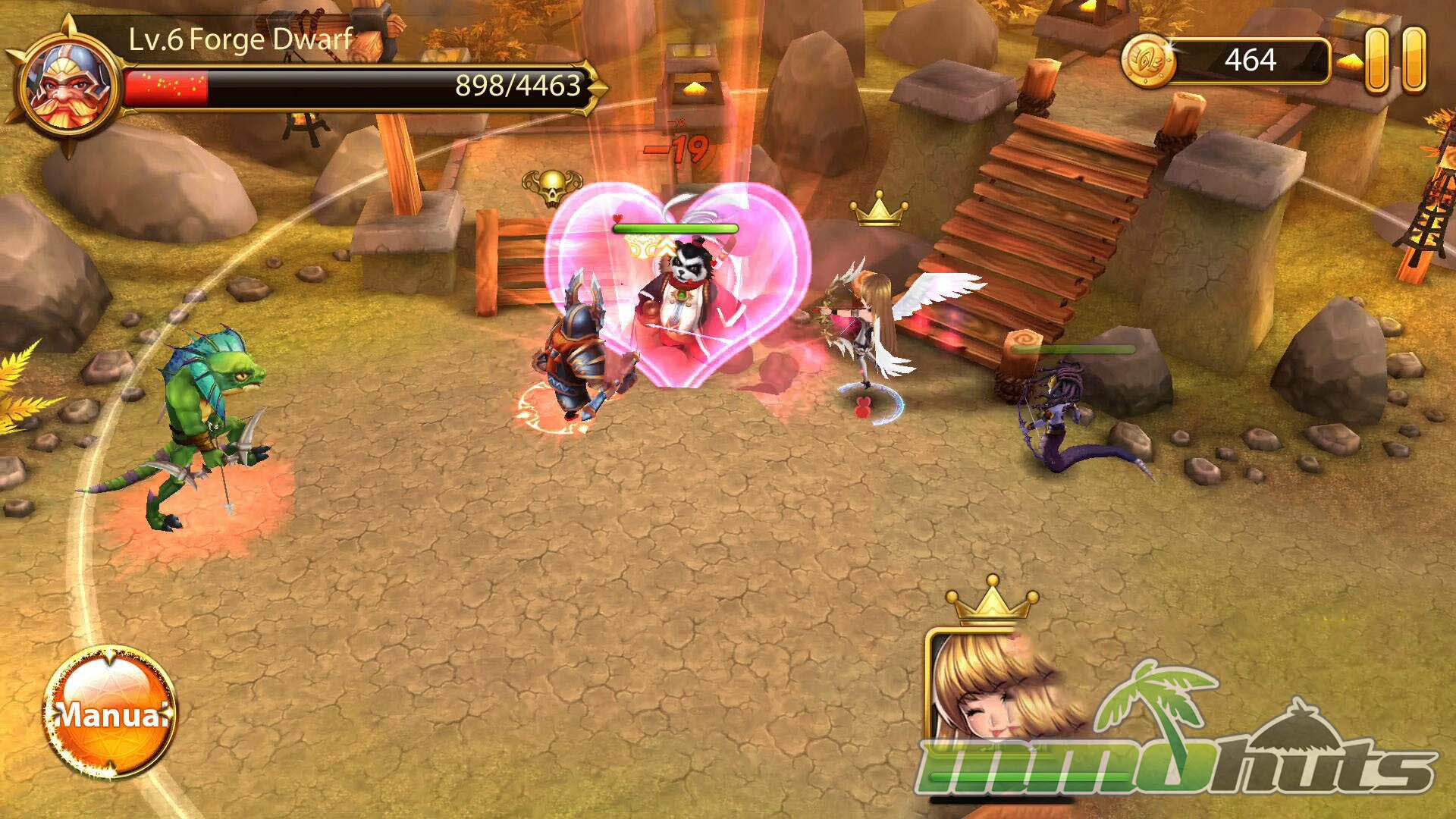
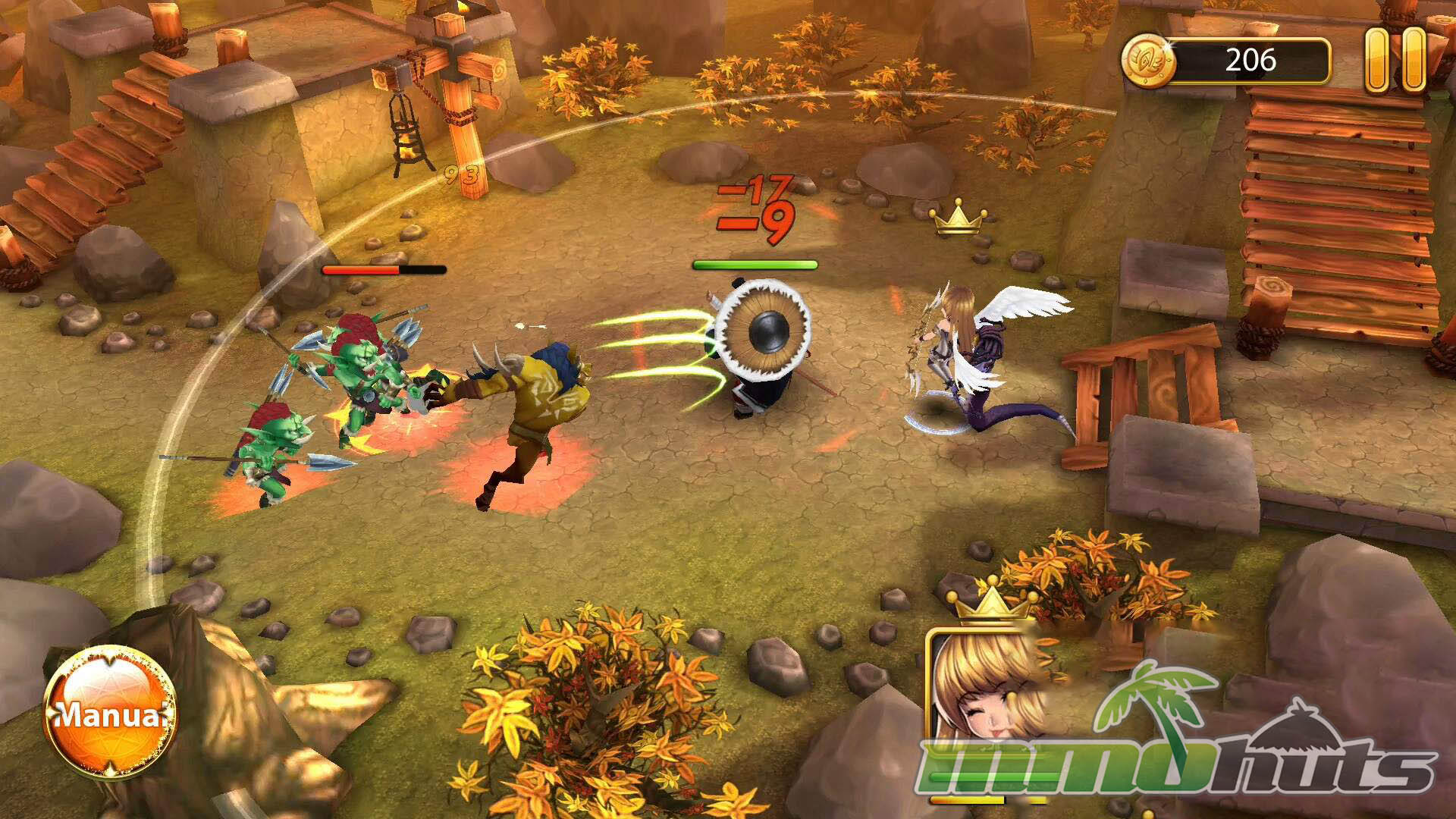
- 3D Anime Graphics – Character models and environments aim for an anime-inspired look, supported by bright animations and skill effects.
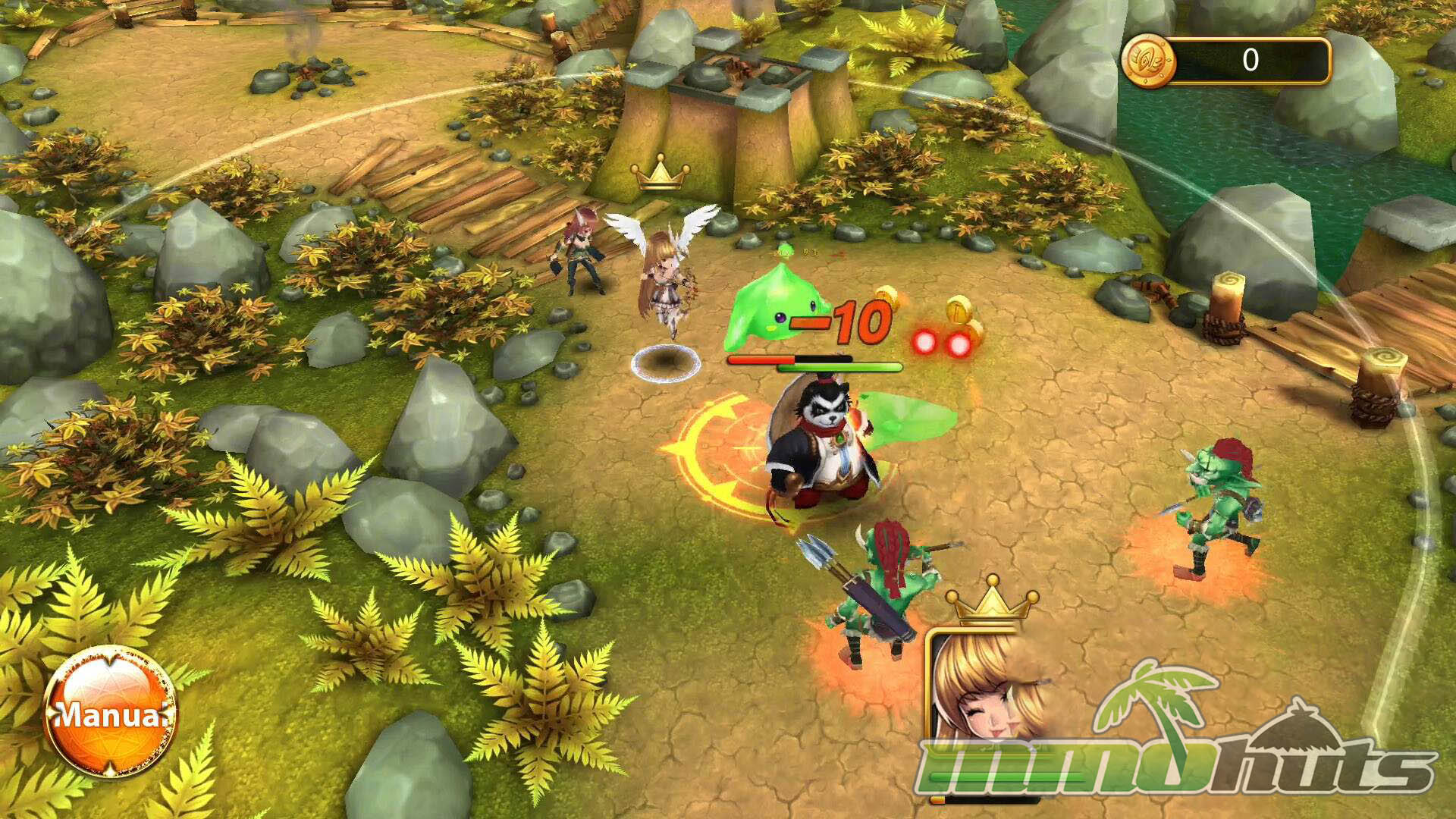
- Semi-Action Combat – Tap to reposition and pick targets, toggle Auto when you want, and manage skills for interrupts and survival.
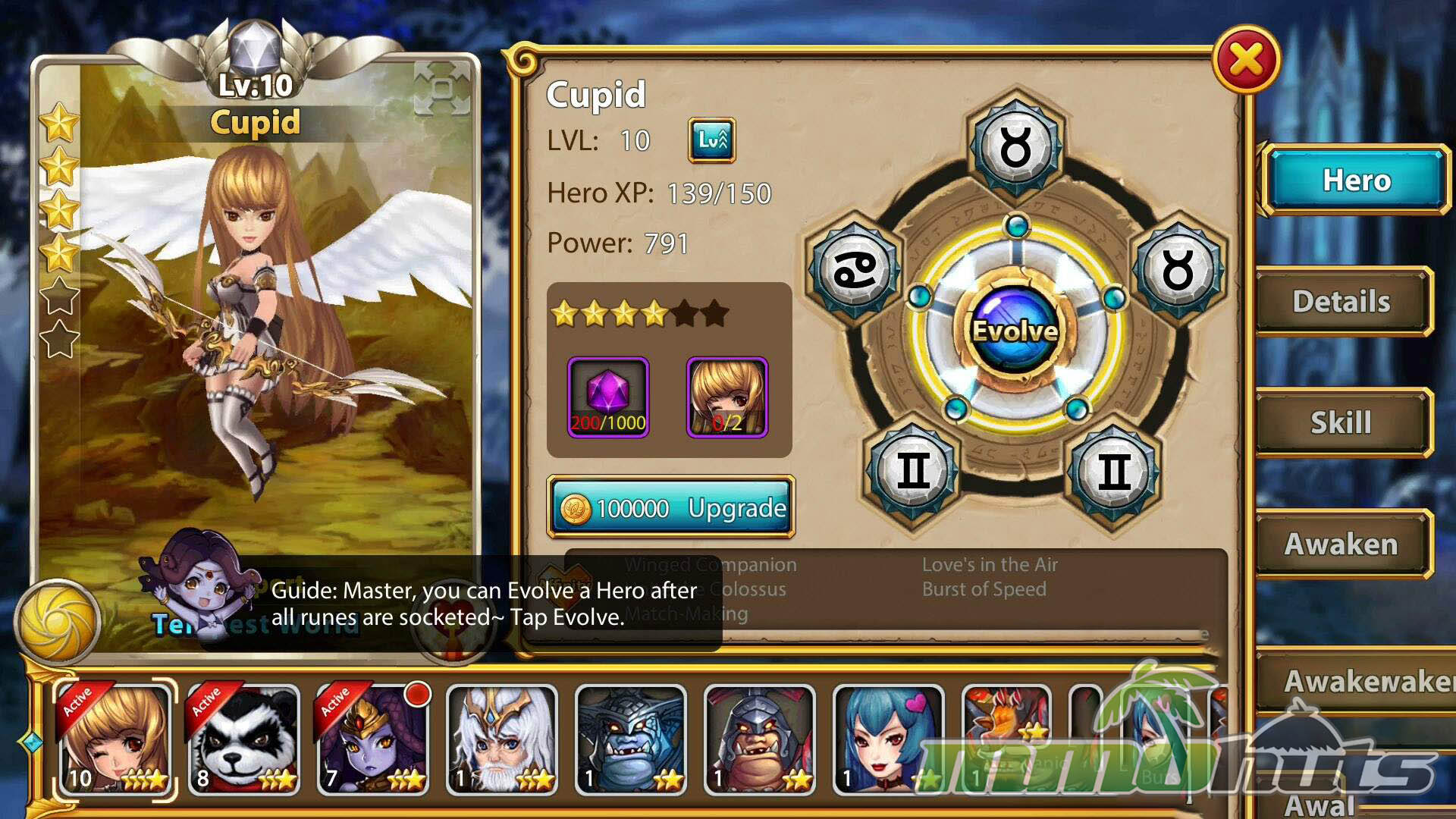
- Many Heroes to Collect – Recruit over 70 Heroes spanning different roles, elements, and growth paths through upgrades and evolution.
- PVP & Boss Raid – Climb the Arena ladder against other players’ teams, and tackle random encounter Boss Raids featuring dragons and demons.
Spirit Guardian Screenshots




Spirit Guardian Featured Video

Spirit Guardian Review
Spirit Guardian was GTArcade’s free-to-play follow-up in the same general mold as its earlier mobile work, taking the familiar stage-based, party-building formula and presenting it with full 3D presentation. The result was a competent, approachable mobile RPG with a lot to do and plenty of characters to chase, but one that rarely separated itself from the crowd due to its reliance on automation and a progression curve that often pushed you toward repetitive farming (or spending to accelerate it).
Dreamworld as a Stage Tour
The game’s structure was straightforward: each region was a map made up of individual stages, and each stage played out as a short run through a compact area with multiple enemy waves and a final boss. Most missions were designed to be finished quickly, which fit mobile sessions well, even if it made the adventure feel more like a checklist than an extended dungeon crawl.
Rewards fed directly into progression, including player and Hero experience, gold, equipment drops, and materials used for strengthening your roster. As you moved forward, difficulty ramps encouraged returning to earlier stages to gather the right resources for evolution and upgrades. Clearing a map on Normal also unlocked Elite variants with improved loot, effectively doubling down on the “replay older content for better materials” approach.
Visually, Spirit Guardian was one of the stronger entries in its lane at the time. Stages leaned into colorful fantasy scenery and showy skill effects, and character animations helped sell the anime-inspired style. Story delivery existed mostly as occasional dialogue and light framing rather than a deeply developed narrative, so it was more of a backdrop than a main draw.
Tap, Move, Then Let Auto Take Over
In battle you could field up to four Heroes, but direct control largely centered on your leader while the rest followed and fought on their own. Movement was handled through taps to reposition, and basic attacks triggered automatically when targets were in range. You could also tap specific enemies to focus them, which mattered more than it first appeared.
Each Hero carried an active skill that charged up and could be fired when ready. In practice, the game strongly promoted its Auto-combat toggle, which handled movement and basic attacking, letting you focus on timing skills. That division sounds ideal on paper, but it also meant much of moment-to-moment play could slip into watching your party clean up routine waves until something dangerous demanded attention.
That said, Spirit Guardian was not completely mindless. Team composition and in-fight decisions could make a real difference, especially as stages became less forgiving. The elemental matchup system (Fire > Wind > Earth > Water > Fire) rewarded building around favorable counters, and choosing who to burst down first was often smarter than letting Auto pick the nearest target. Fragile ranged enemies, for example, could be priority threats even if they were not standing closest.
Bosses and tougher monsters also telegraphed skills with brief cast windows, creating opportunities to sidestep danger or interrupt with your own abilities. As difficulty climbed, holding skills for the right moment became more valuable than simply pressing them on cooldown, even if early-game content rarely demanded that level of discipline.
Roster Building and Long-Term Growth
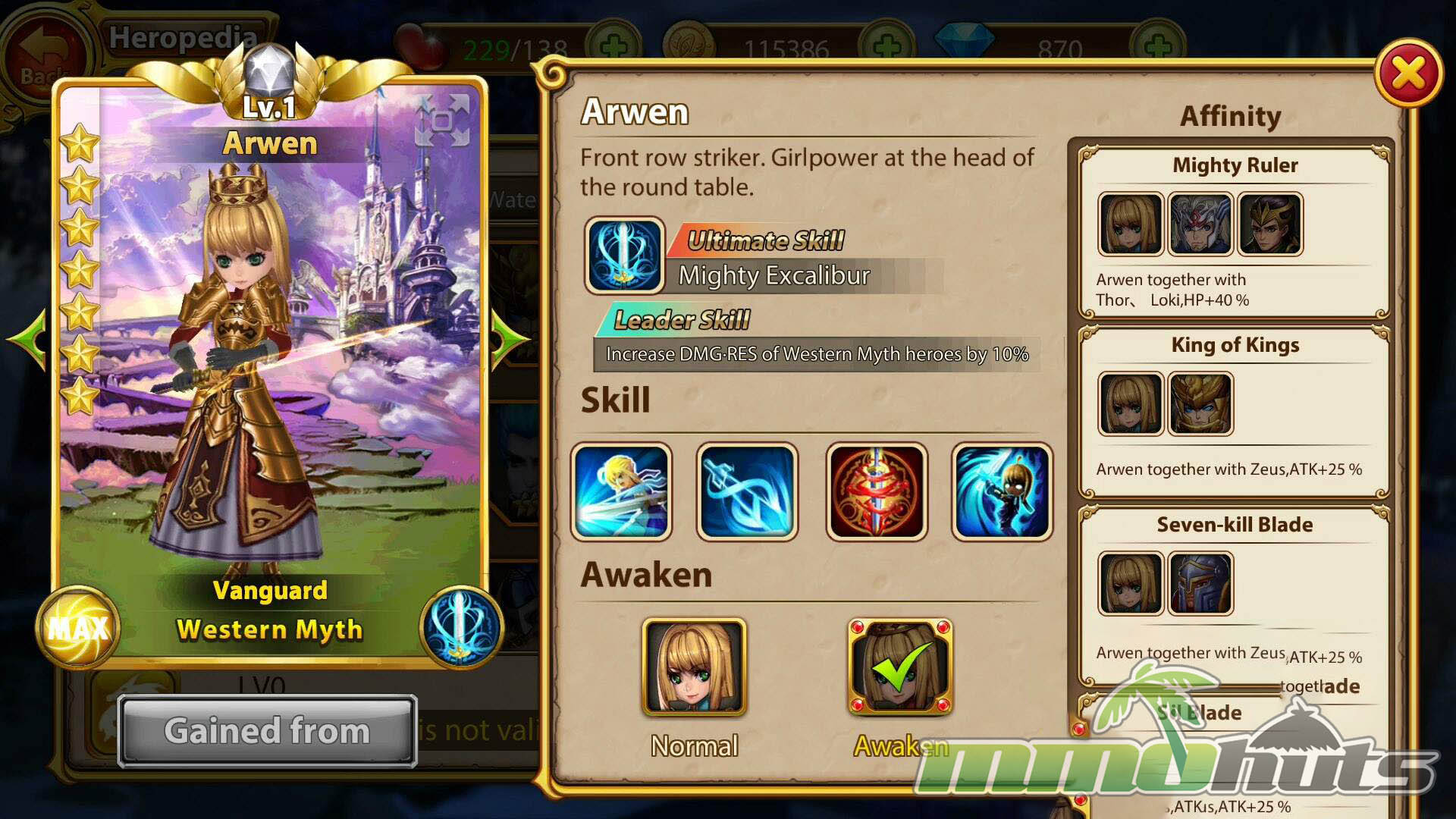
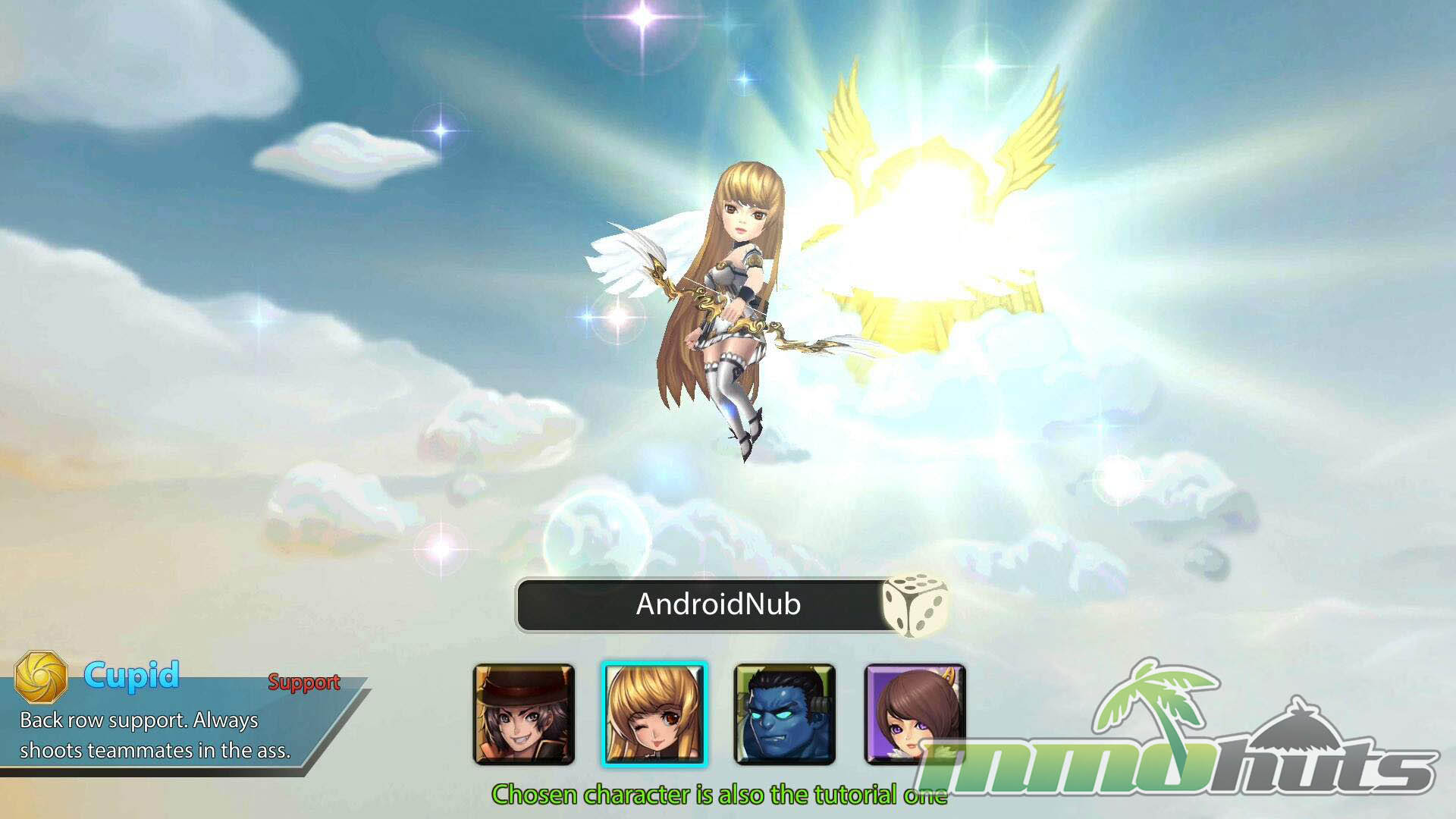
Collecting Heroes was the main hook. Each unit came with its own element and role, and the class lineup covered familiar archetypes: Vanguard for aggressive damage dealers (melee or ranged), Support for healing and utility, and Tank for sturdier front-line defense. New Heroes came from stage rewards, shard crafting, and the gacha-style summoning system.
Progression leaned heavily on evolution and upgrades. Evolution required specific Runes earned from targeted stages and pushed Heroes up through ranks (Fine, Superior, Epic, Legendary), improving stats and unlocking additional skills. Separate from that, star upgrades asked for Amethysts, gold, and duplicate copies of the same Hero, boosting core attributes like HP, ATK, and DEF. The system worked, but it also meant repeating content was unavoidable if you wanted a team strong enough to keep pace without paying to speed things up.
Arena Battles You Mostly Observe
At level 10 the Arena opened, and with it came asynchronous PVP. You selected from a small list of opponents near your rank and then watched the two teams fight. Unlike story stages, you did not actively move, aim, or trigger skills; the match played out entirely on its own.
This hands-off approach could feel odd for a game that marketed action elements, but the ranking ladder still created competition. Daily and weekly payouts scaled with performance and included resources such as gold, Medals, and Diamonds. Medals, in turn, functioned as a specialized currency used for rotating shop items like shards and other materials, giving regular Arena participation a practical purpose even if the fights themselves lacked interactivity.
Boss Raids as the More Engaging Detour
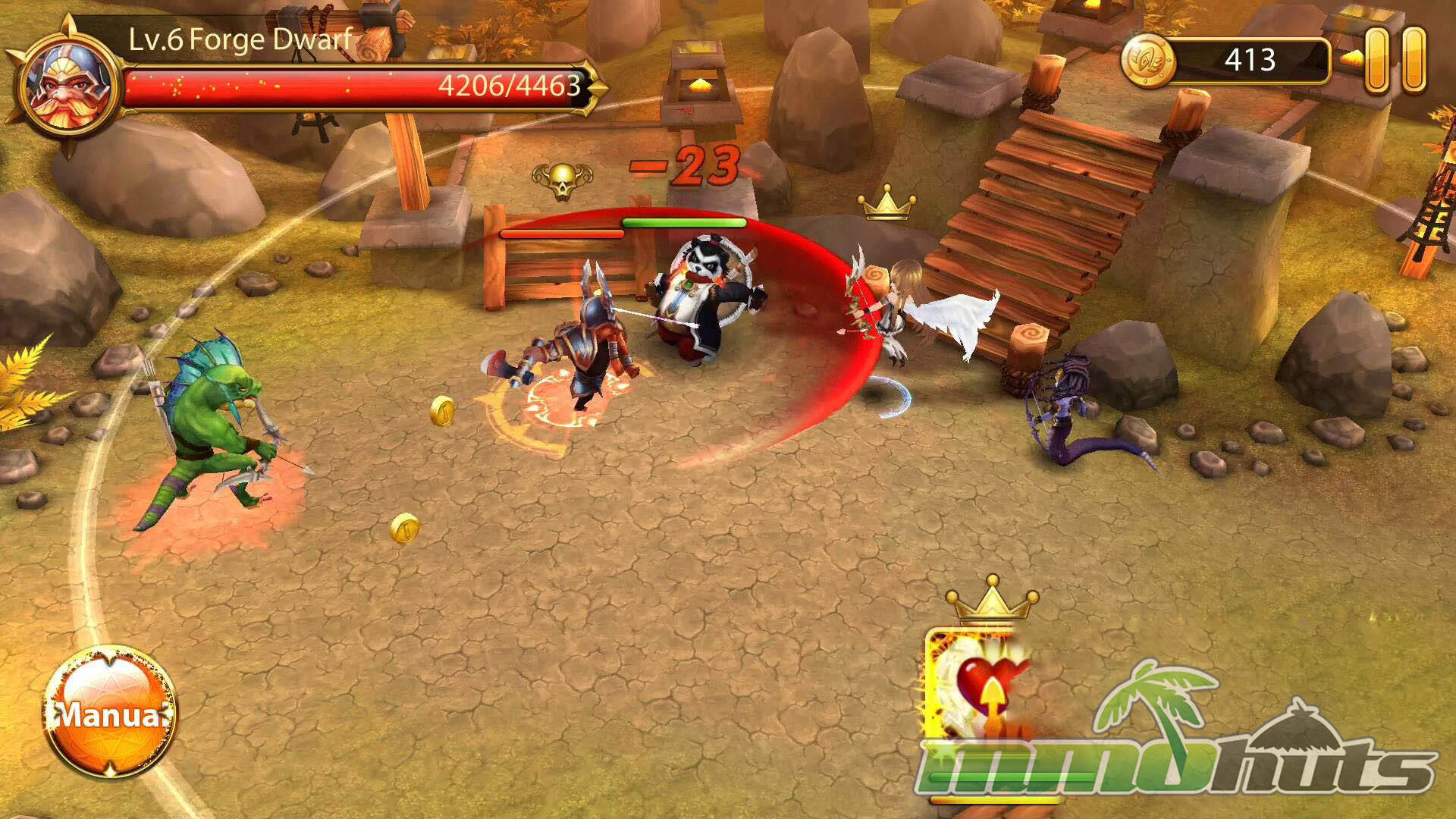
Boss Raids were a welcome change of pace. They could appear after finishing a stage, functioning like a random encounter, and presented high-health enemies such as dragons and demons with a time limit to claim rewards. Unlike standard stages, these raids were not designed to be auto-cleared, pushing you to manually reposition and manage skill usage.
Boss mechanics leaned on big area attacks and survivability checks, and failure was not the end of the attempt, since the boss kept the damage you had already dealt until the timer expired. Because raids consumed the same energy resource as story content, the mode naturally competed with progression farming, but the payoff could be worthwhile. Rewards included items like Hero shards, Amethysts, and treasure chests, and repeated victories escalated the boss’s level for tougher fights with better returns.
Cash Shop/In-App Purchases (IAP)
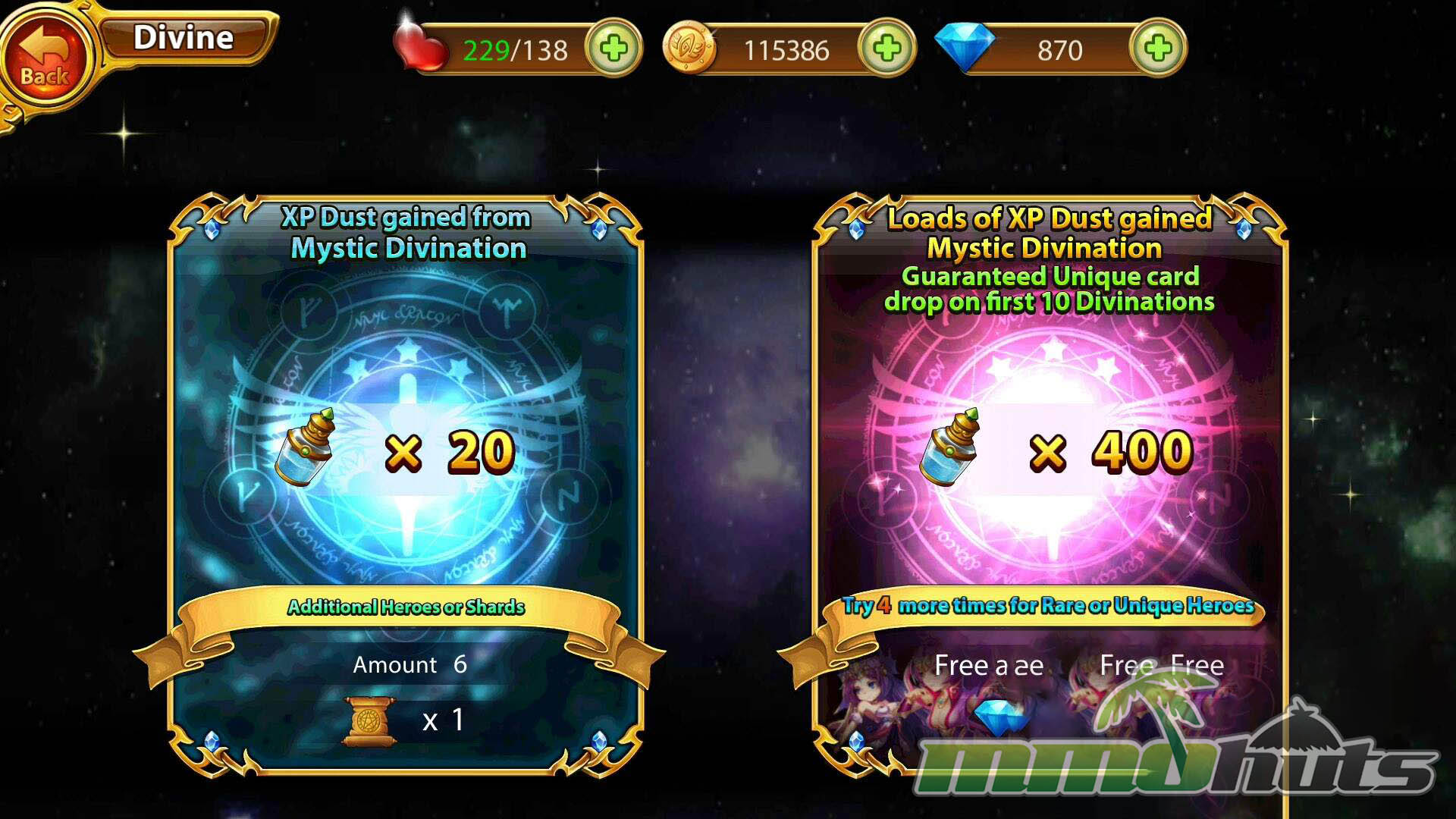
Spirit Guardian’s monetization followed the common mobile hero-collector playbook. Premium Diamonds could be used for higher-tier summoning (3-6 stars), stamina refills, and buying gold. Divination scrolls, obtainable through normal play such as quests and achievements, provided a more limited summoning pool (1-3 stars) and could also yield shards for higher-star Heroes.
Because assembling top-end Heroes via shards took time, direct Diamond summons for 4-6 star Heroes offered a clear convenience edge, particularly for players trying to accelerate roster strength and get ahead in Arena rankings. The VIP system amplified this by granting perks tied to Diamond purchases, including more daily stamina and gold buys, additional dungeon attempts, and extra store refreshes. Spending was not mandatory to see content, but it meaningfully shortened the grind and could translate into early competitive advantages.
Final Verdict – Fair
Spirit Guardian delivered a polished, accessible take on the stage-based hero-collecting RPG, backed by attractive 3D visuals and enough systems to keep casual players busy. Its better moments came from team-building decisions, elemental matchups, and well-timed skill use, particularly during Boss Raids. Still, the heavy push toward automation, frequent farming, and pay-for-speed advantages left it feeling like a familiar template rather than a standout entry in the genre.
Spirit Guardian Links
Spirit Guardian Official Site
Spirit Guardian Google Play
Spirit Guardian iOS
Spirit Guardian Official Facebook
Spirit Guardian System Requirements
Minimum Requirements:
Android 3.0 and up / iOS 6.0 or later
Spirit Guardian Music & Soundtrack
Spirit Guardian Additional Information
Developer: GTArcade
Publisher: GTArcade
Platforms: Android, iOS
Release Date: July 15, 2015
Shut Down Date: August 31, 2017
Spirit Guardian was developed and published by GTArcade, a Chinese game developer under YOUZU Games Hong Kong Limited best known for the “League of Angels” browser series. It was the studio’s second mobile release and reportedly reached nearly 500,000 downloads within its first year on the market. GTArcade has since continued focusing on browser titles while also pursuing mobile projects, and has been associated with releases such as Magerealm, Knight’s Fables, and League of Angels: Fire Raiders. On July 11, 2017, GTArcade announced that Spirit Guardian’s servers would close on August 31, 2017.