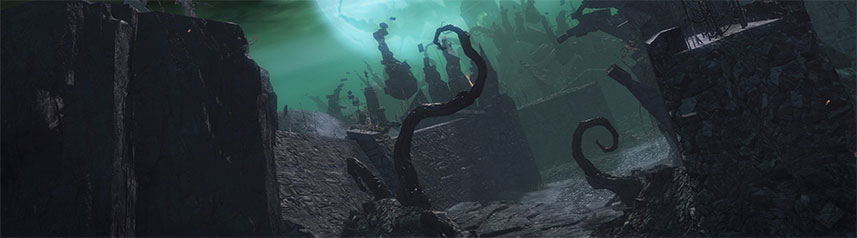
League of Angels is a 2D fantasy MMORPG you can jump into directly from your web browser, built around turn-based, auto-resolved battles and a constant drip of upgrades. Your job is to gather a party, awaken angelic allies, and push back the forces threatening the realm. It is designed to be accessible, feature-heavy, and easy to play in short sessions, even if you are multitasking.
 | Publisher: GTArcade Playerbase: High Type: Browser MMORPG Release Date: Dec 13, 2013 (NA) PvP: Arenas Pros: +A huge amount of activities and progression paths. +Item crafting and upgrade loops that feel rewarding early on. +Strong character and UI art for a browser title. Cons: -Real-money spending translates directly into power. -Menus and pop-ups can feel crowded and noisy. -Only 3 classes to choose from. -Progression becomes very slow in the later levels. |

League of Angels Overview
League of Angels is a 2D MMORPG that arrived in 2013 and leans heavily into streamlined, browser-friendly design. You play as a champion fighting against Suurde’s influence after angels have been sealed away and the world has been left exposed to invading threats. Character choice is straightforward: Warrior, Mage, or Archer, and each class supports both male and female avatars.
In practice, the classes do not feel dramatically different because combat actions are not manually selected. Most of your “build” identity comes from how you assemble stats through equipment, enhancements, and systems like gems, with some restrictions (for example, magic-focused and physical-focused gem options are not universally interchangeable). Alongside your hero, you also raise a guardian angel companion that grows stronger as you continue to progress.
League of Angels Key Features:
- AFK System – The game includes automation that can handle a surprising amount of routine play, making it easy to progress with minimal input.
- Lots of Content – Multiple upgrade tracks contribute to power growth, including things like Elemental training, gear improvement, Dragon Souls, and other layered systems.
- Cross-Server PvP – The hub town supports interacting with players beyond your home server, which helps PvP feel more populated.
- Mount Up – Mounts are more than cosmetics, they can be upgraded and provide meaningful stat bonuses.
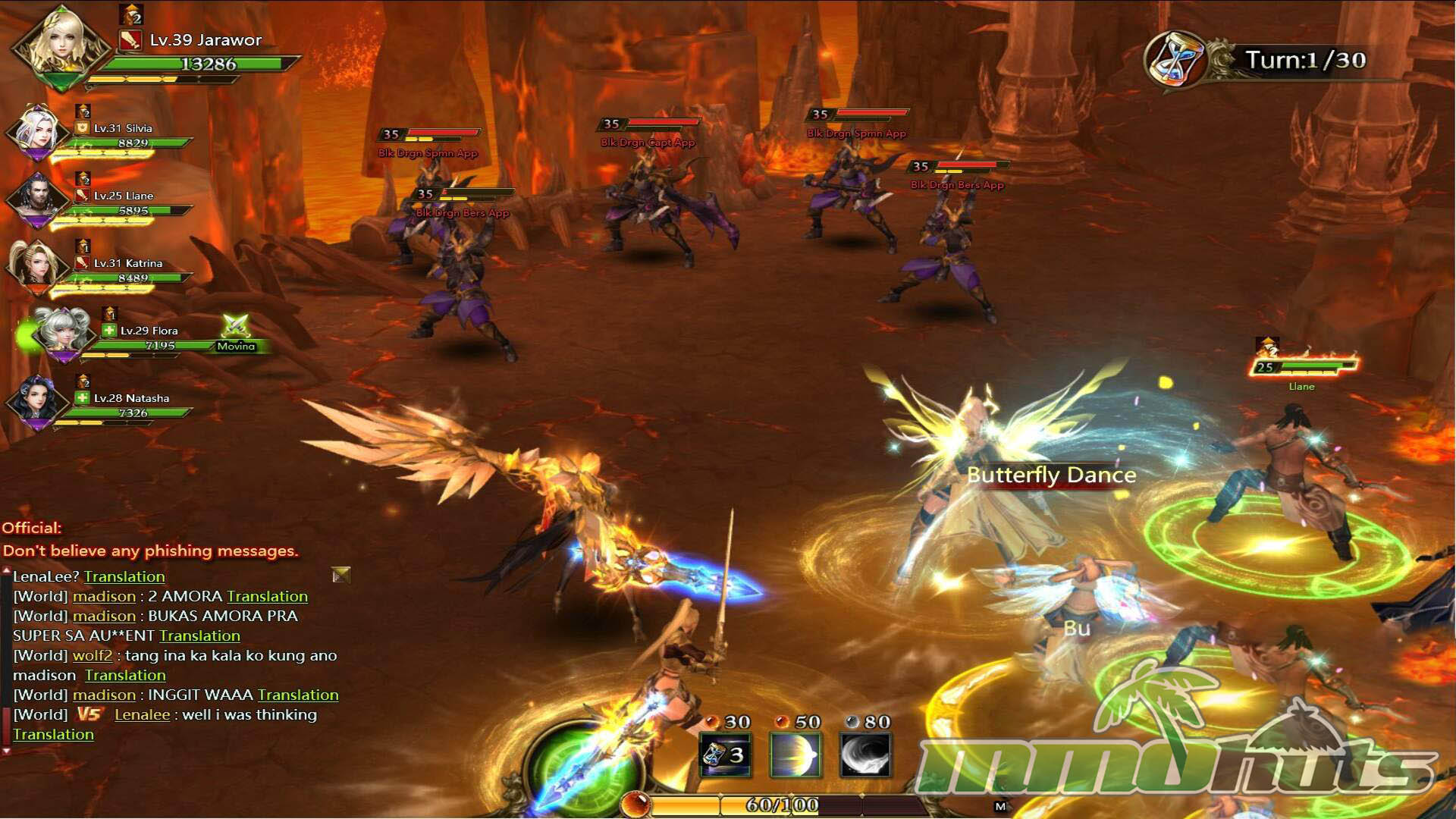
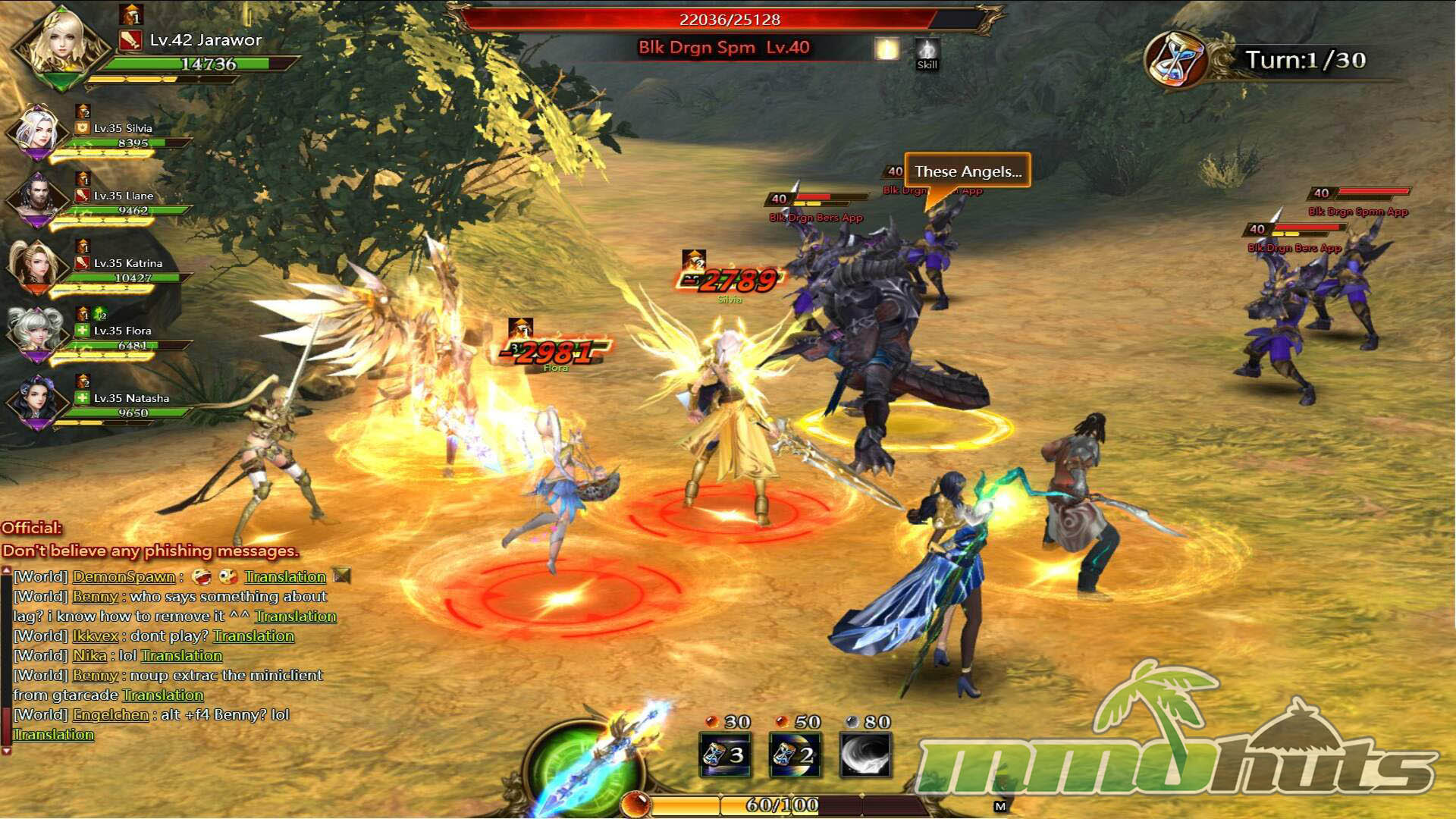
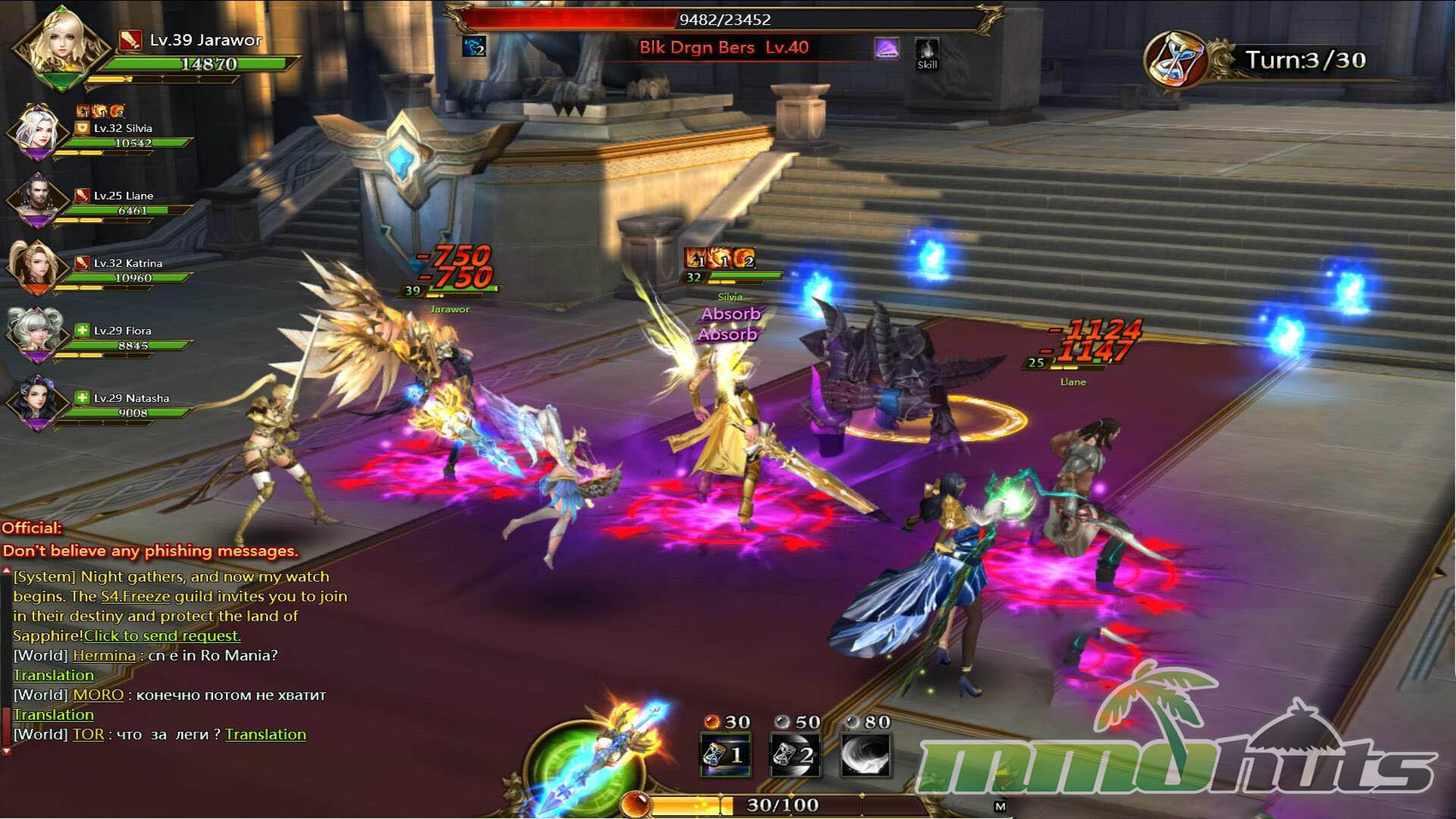
League of Angels Screenshots

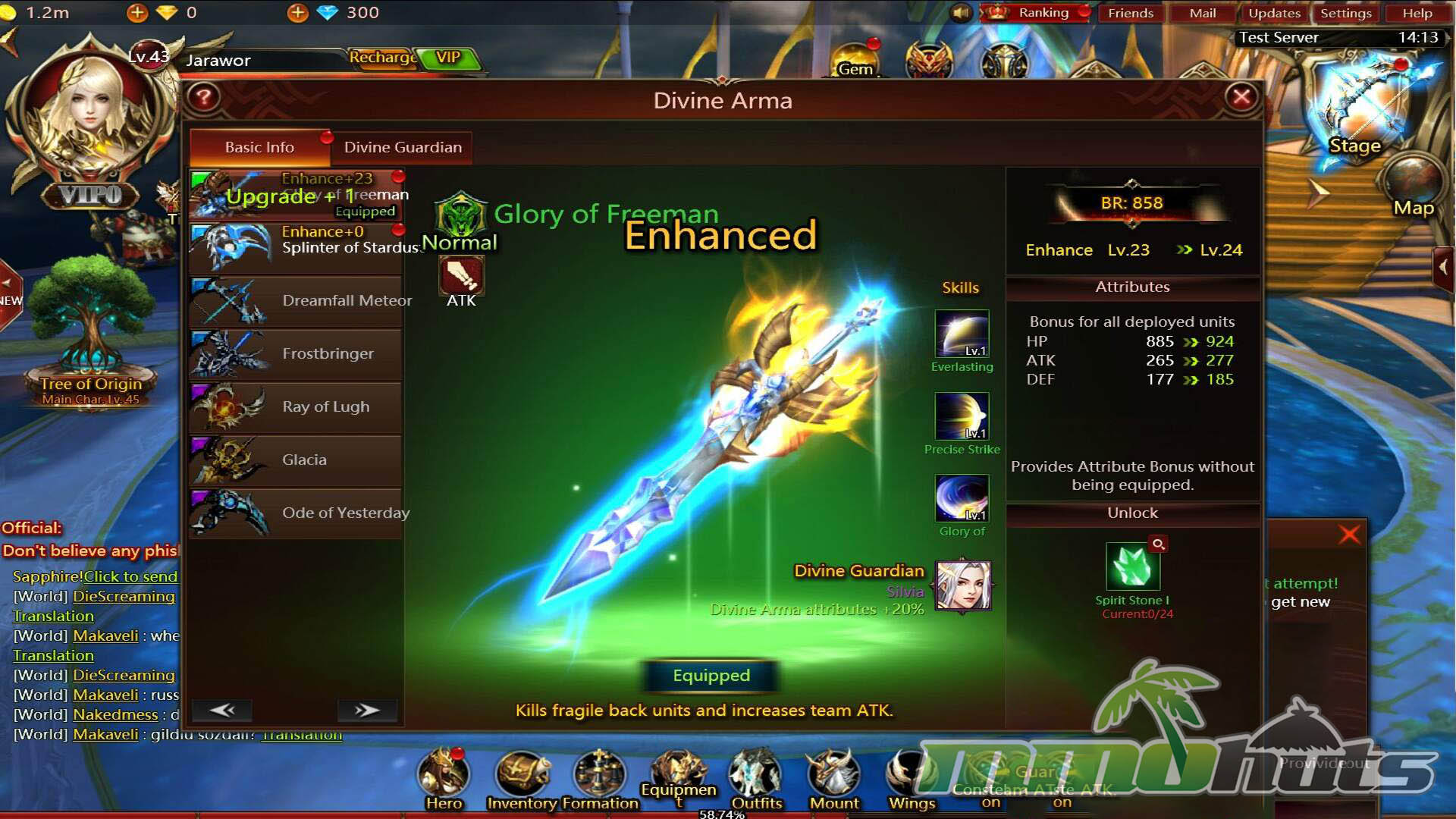
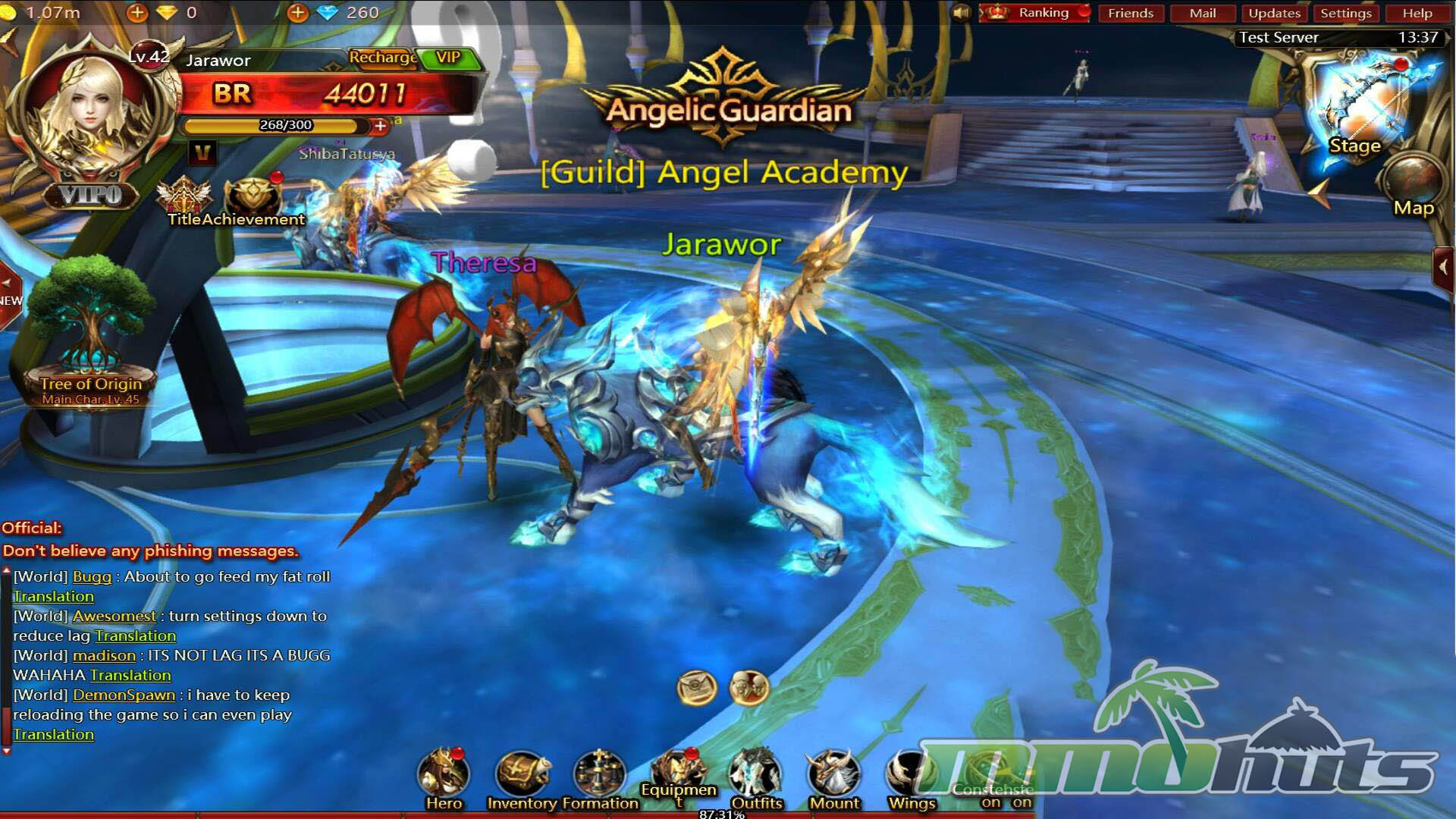
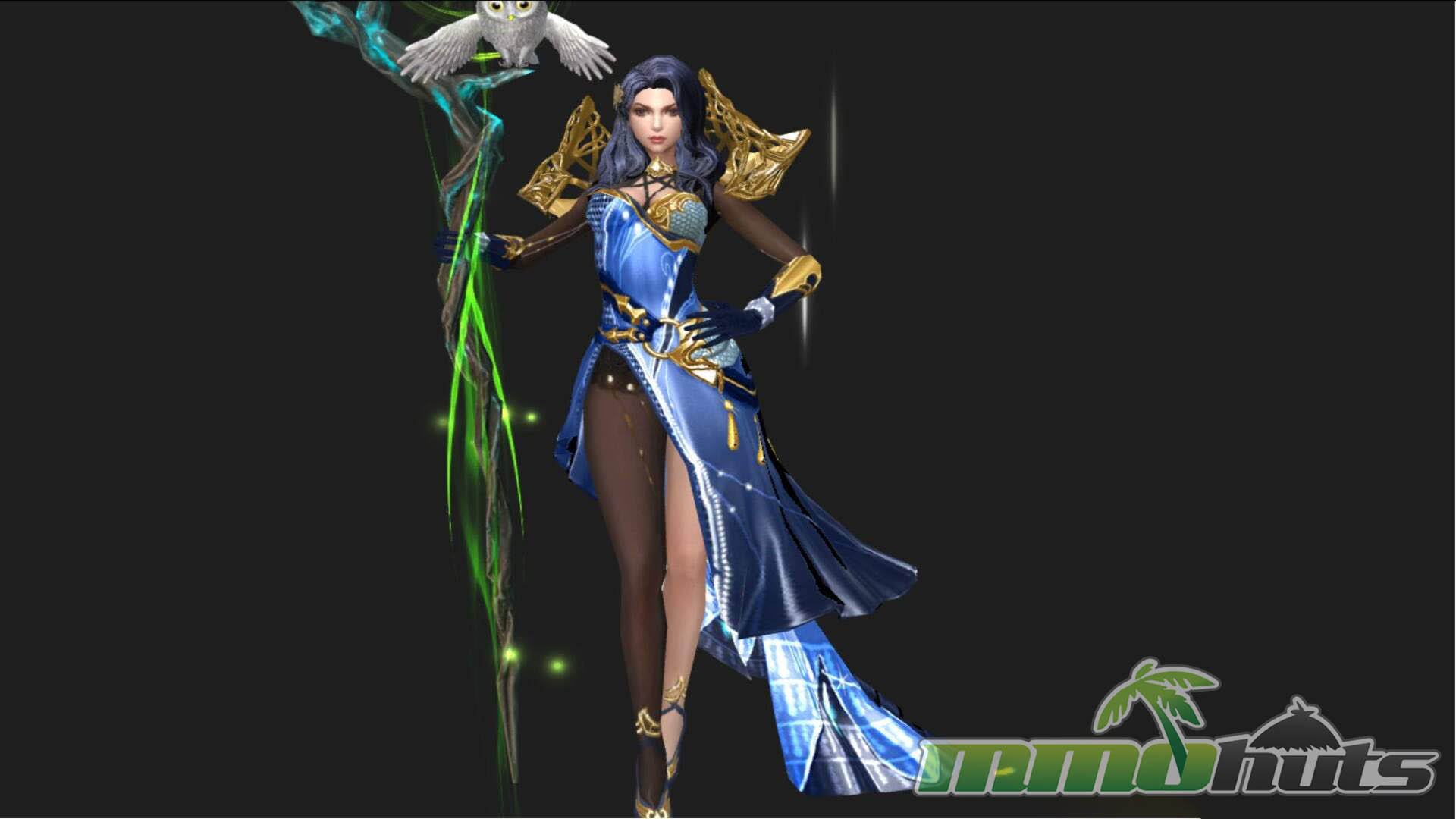
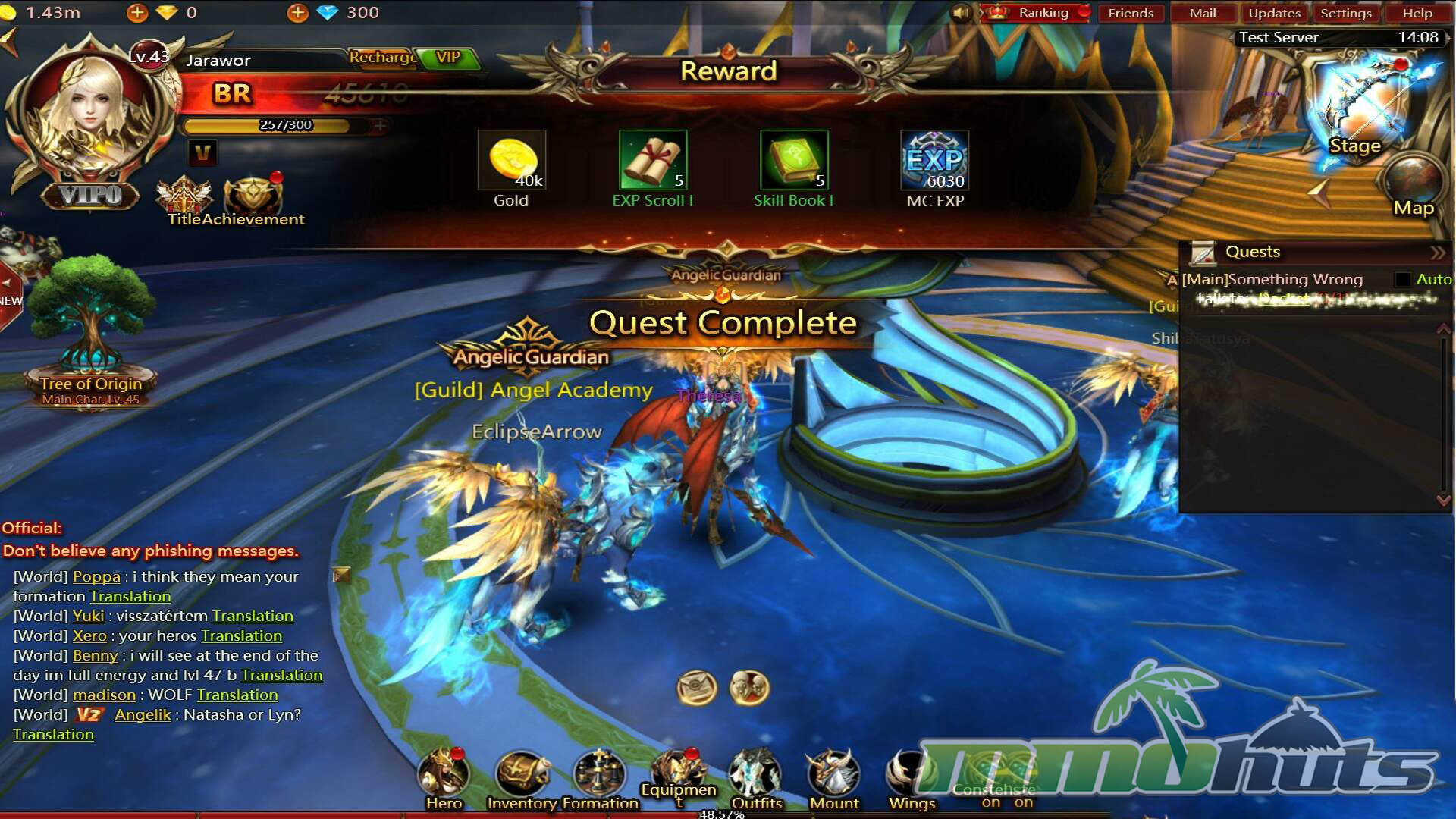
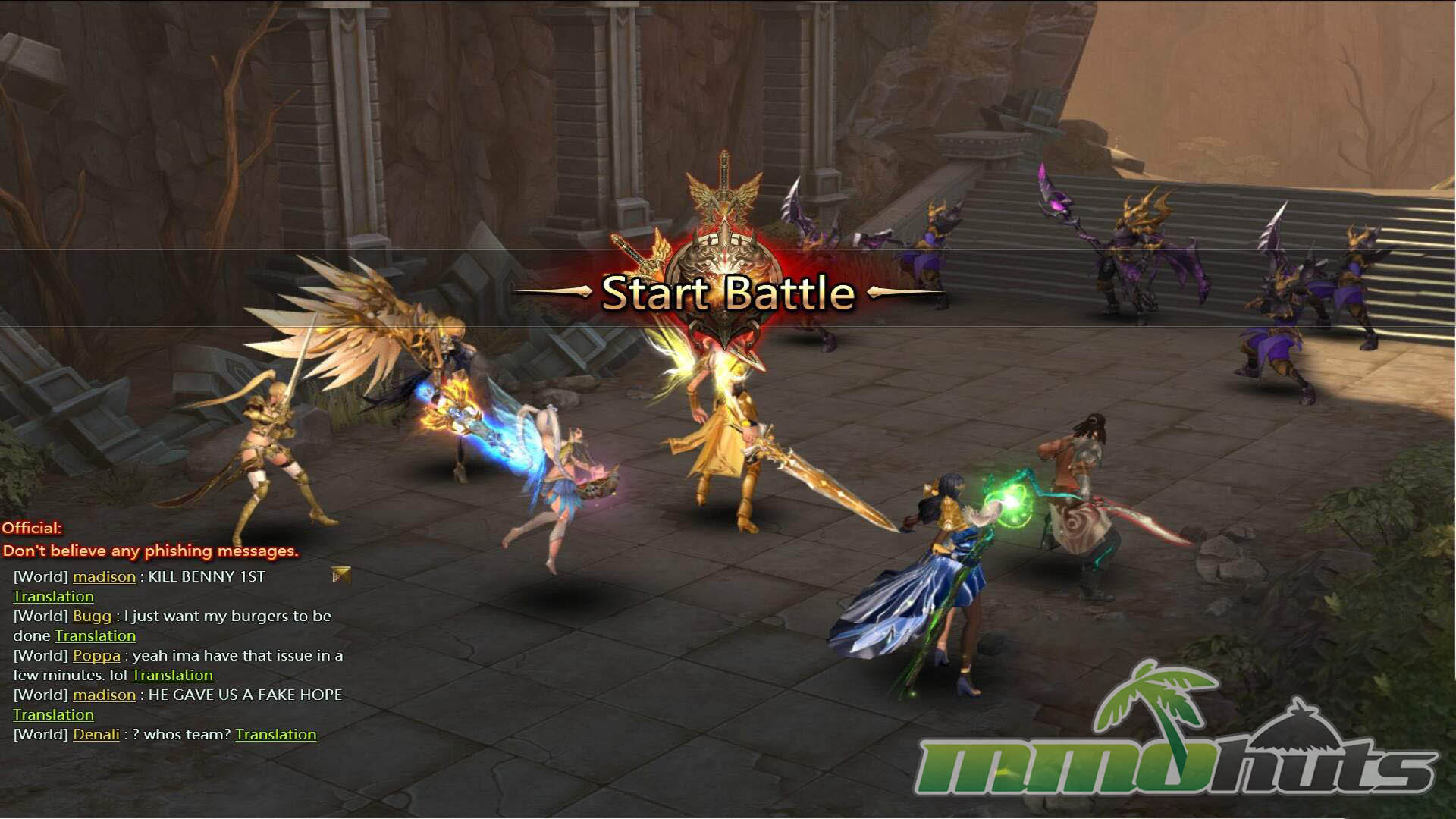
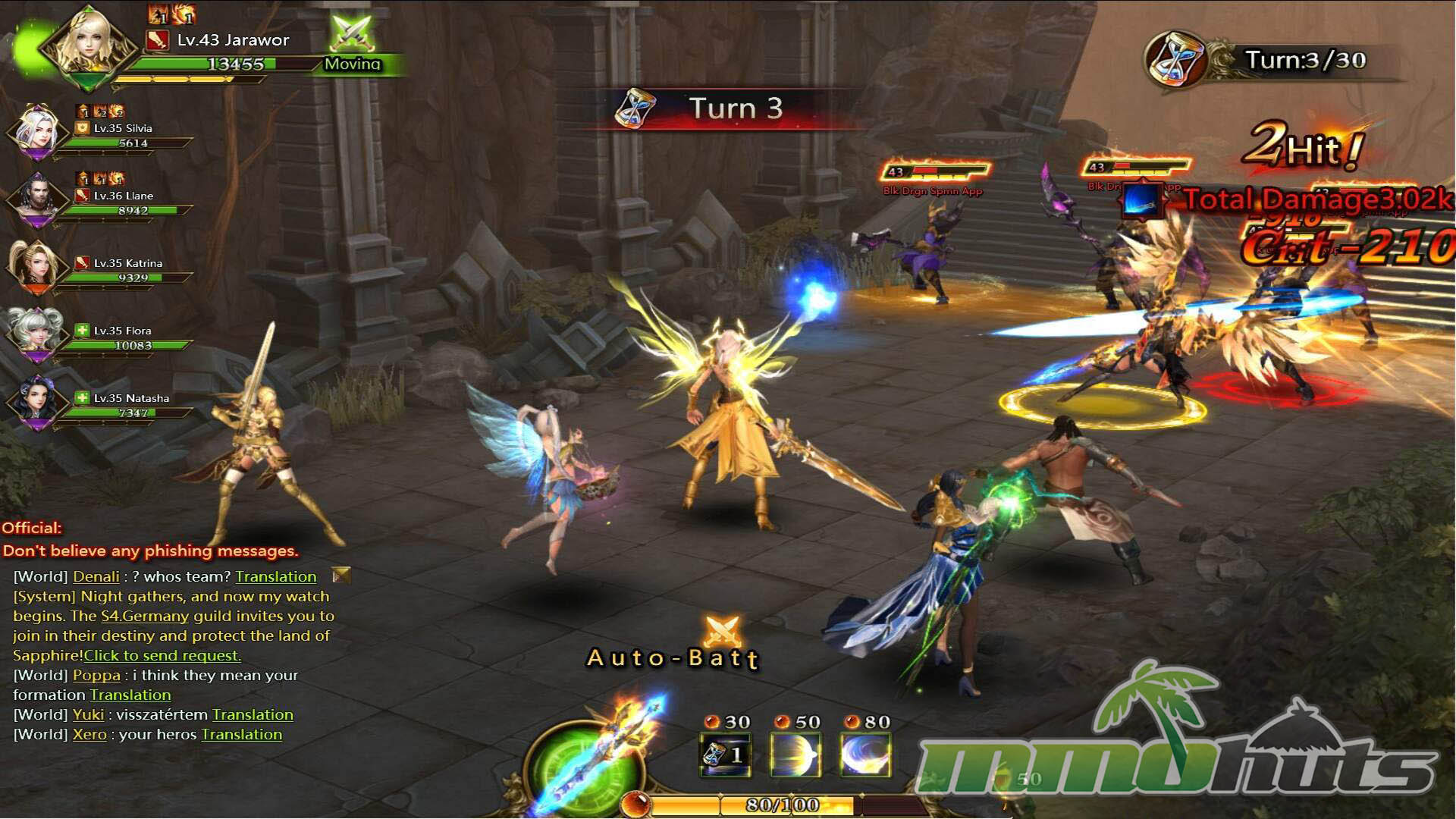
League of Angels Featured Video

League of Angels Review
League of Angels is a 2D MMORPG developed and published by Youzu Interactive, launching on December 10, 2013. Its biggest calling card is how much it tries to pack into a lightweight browser experience: team dungeons, PvP arenas, side activities like gardens and races, and even mini-games such as a match-style gem activity. If you want something you can run on almost any PC without a hefty client install, it fits that niche well.
For players who prefer not to keep a dozen tabs open, there is also a tiny “micro client” option (under 1MB) that essentially runs the game in its own dedicated window while still keeping the convenience of a browser title.
Getting Into the Game
The opening funnels you through a short prologue that sets up the conflict and introduces the hands-off combat flow. The premise is simple: Suurde’s forces have locked away the angels, and your character joins the resistance, traveling from area to area to reclaim power and free those angelic allies.
Movement is handled by clicking where you want to go, and most interaction is mouse-driven, including navigating menus and jumping between activities. Once the tutorial portion wraps up, you select a gender and one of the three available classes (Warrior, Mage, Archer), which mostly determines your visual style and general stat direction rather than changing moment-to-moment play.
Early Progression Pace
The first stretch of levels is intentionally fast. Quests chain together quickly, pushing you through battles and unlocking features in rapid succession, similar to the “stage to stage” rhythm seen in action-oriented online dungeon games, even though League of Angels itself is turn-based and automated.
That early speed comes with a tradeoff: the game introduces new systems constantly, often via pop-ups and new menus, and some of those mechanics are not explained clearly. You are frequently expected to experiment, click through tabs, and learn by doing. Presentation is also a major focus, with polished fantasy visuals and character art that leans heavily into fan service, a common approach for many browser MMORPGs.
The pacing changes notably around Level 30, when progression slows dramatically. Activities that once pushed your experience bar meaningfully begin to add only a small fraction, and daily limits (such as a cap on dungeon runs) become more noticeable. This structure can work for players who like incremental daily progress, but it also creates pressure to spend on convenience and boosts, especially for anyone trying to keep a fast leveling tempo.
Gameplay Feel
Moment to moment, League of Angels is more about preparation than execution. Battles play out automatically, so your influence is primarily indirect: gearing up, improving stats through the many progression systems, and arranging positions. Because outcomes can be somewhat swingy, the displayed “battle rating” does not always predict results perfectly, and you can occasionally lose to opponents that look weaker on paper.
This approach is not unusual for the genre, particularly among browser MMORPGs that emphasize accessibility and long-term upgrading. The upside is that it is easy to keep moving forward while doing other tasks. The downside is that players looking for active decision-making in combat may find the core loop thin.
Many of the side modes initially feel like welcome variety, but they also double as recurring prompts for spending premium currency. Extra dungeon blitzes, additional attempts, or more turns in certain mini-games are frequent offers. Over time, the sheer number of daily checklists can feel like the main “game,” where logging in becomes a routine of collecting rewards and pushing timers rather than exploring or mastering mechanics.
PvP Modes
Player versus player content exists in multiple formats, but it is built on the same auto-battle foundation. In standard Arena play, you are given a limited list of opponents. Once you run through your available targets, you either wait for the next refresh or pay to refresh immediately.
Clash of Might is structured around climbing a ranking ladder from a low starting position, challenging higher-ranked players to move up. Attempts are limited, and additional tries can be purchased (50 gems each), reinforcing the game’s overall pattern: participation is available to everyone, but extra momentum is monetized.
Because fights resolve without direct input, PvP tends to feel more like a comparison of account strength and resource investment than a contest of tactics. Upsets can happen due to variability, but consistent success usually comes from being significantly ahead in levels and upgrades, which can make victories feel less earned than in more skill-driven PvP systems.
Group Play
Co-op exists for both dungeons and certain arena formats, supporting teams of up to three. On paper, that sounds like a good social hook, but in practice the incentives are limited. Team dungeons often provide rewards comparable to solo play, so grouping is not always the most efficient option.
Forming parties can also take longer than the content itself. Many encounters resolve almost instantly once combat begins, and battle animations can be skipped, so the “run” may last only seconds. Team arenas follow a similar pattern, with the additional limitation that they are only open during two separate one-hour windows each day, which can make coordinating with others more inconvenient than it should be.
Cash Shop
League of Angels is deeply intertwined with its premium currency. Monetization is not confined to a single menu, it shows up across screens as a steady stream of shortcuts, extra attempts, and paid refreshes. Pricing varies widely, with many offers landing in the hundreds to thousands of gems (roughly $5 to $10 for 500 to 1,000 gems), and at least one high-ticket item listed at 6999 gems (about $70).
The bigger concern is not just cost, it is impact. The shop enables large power jumps via gear and items that can tilt both PvE progression and PvP competitiveness. Players who want to remain free-to-play can still participate, but they should go in expecting a meaningful disadvantage compared to heavy spenders.
Final Verdict – Fair
League of Angels is best understood as a highly automated, feature-dense browser MMORPG that focuses on daily progression systems and collecting upgrades rather than active combat play. It delivers attractive art and an impressive amount of things to click through, and it can be genuinely entertaining if you enjoy incremental power growth and routine-based play.
Its most significant drawbacks are tied to fairness and originality. The game has been criticized for using artwork and music taken from other well-known titles (including League of Legends, Skyrim, and World of Warcraft), and its monetization supports clear pay-to-win outcomes. As long as you approach it with those expectations, it is still a functional, content-heavy MMO experience that many players have found easy to stick with.
League of Angels Links
League of Angels Official Site
League of Angels Wikipedia
League of Angels Facebook
League of Angels Wikia [Database / Guides]
League of Angels Apple Store
League of Angels Google Play
League of Angels System Requirements
Minimum Requirements:
Operating System: XP / Vista / 7 / 8
CPU: Intel Pentium 4 or AMD Equivalent
Video Card: Any Graphics Card (Integrated works well too)
RAM: 512 MB
Hard Disk Space: 100 MB (Cache)
League of Angels is a browser based MMORPG and will run smoothly on practically any PC. The game was tested and works well on Internet Explorer, Opera, Firefox, and Chrome. Any modern web-browser should run the game smoothly. The game is available on Facebook as well.
League of Angels Music & Soundtrack
League of Angels Additional Information
Developer: Youzu Interactive
Release Date: December 10, 2013 (North America)
Foreign Releases:
China: July, 2013 (Youzu Interactive)
Platforms: PC, iOS, Android, Facebook
Other Publishers:
Game321, GTArcade, R2 Games, Kongregate, AMZGame, Koramgame, and TBGames
Development History / Background:
League of Angels (often shortened to LOA) was created by the Chinese developer Youzu Interactive, a company known for operating multiple free-to-play online RPGs for domestic and international audiences. The title debuted in China in July 2013 and later launched in English on December 10, 2013, where it quickly gained traction.
That growth led to a very large international server footprint (300+ servers) spanning regions such as North America, Europe, Russia, Asia, and South America. At the same time, Western coverage frequently called out the use of music and art associated with other popular games, a controversy that followed the game as it expanded. As the audience grew, the brand also extended onto mobile, with versions available for both iOS and Android.