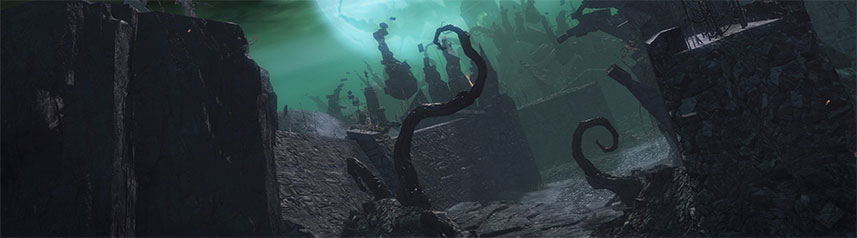
Spellgear was an open world action MMORPG built around manual, skill-driven combat and competitive arena PvP that borrowed heavily from the MOBA playbook. Alongside its instanced matches, it also offered a large fantasy world to roam, with quests, monsters, dungeons, and loot progression aimed at players who prefer action controls over traditional tab targeting.
 | Publisher: SkyRiver Studios Type: MMORPG Release Date: April 7, 2017 Shut Down: May 16, 2017 Pros: +Action combat that rewards aim and timing. +Several distinct class options. +Arena PvP with MOBA-like objectives. Cons: -Felt unfinished and rough around the edges. -Low population hurt matchmaking and PvP. -Unremarkable quests and narrative. |
Spellgear Overview
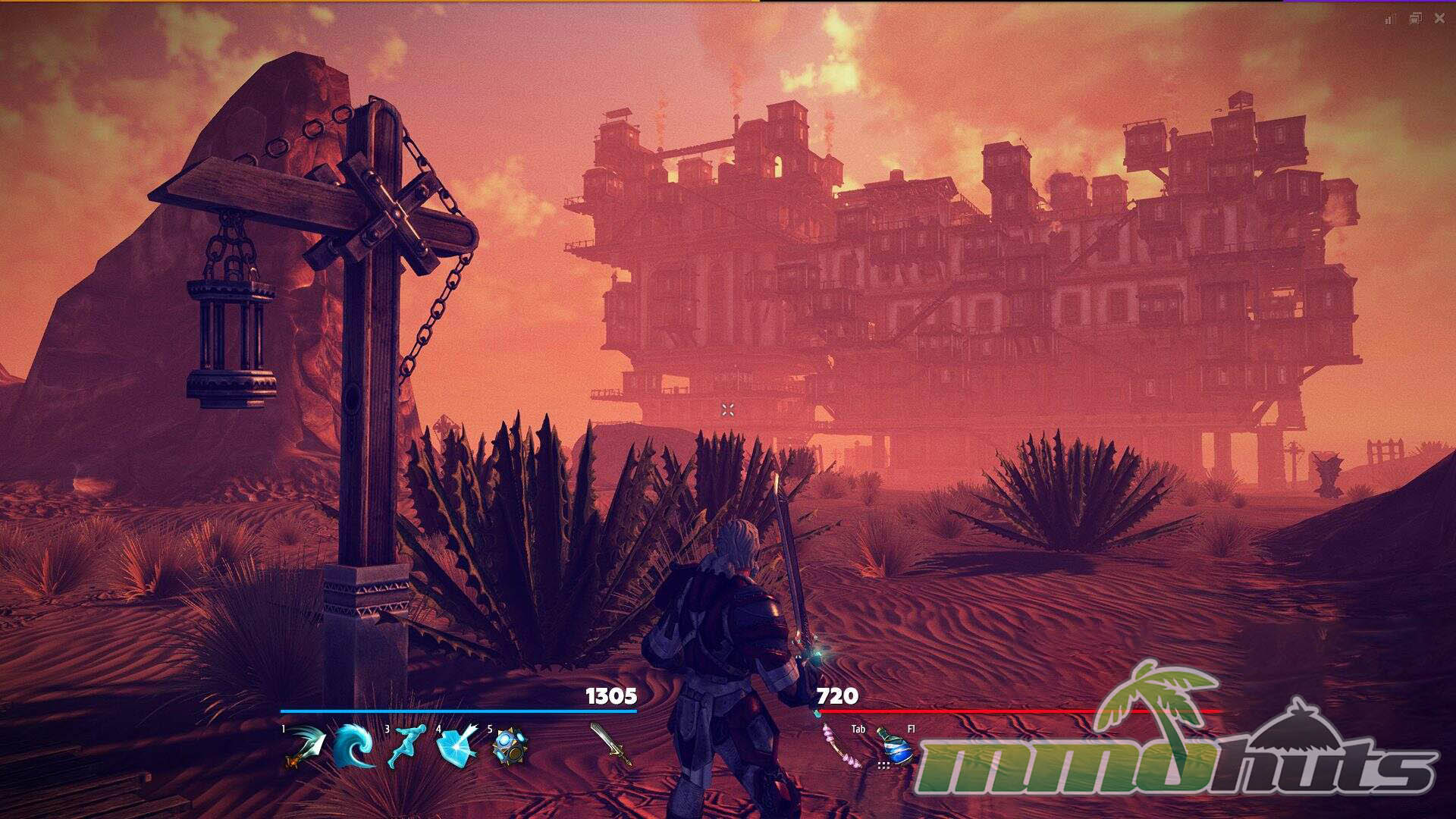
Spellgear was a fantasy action MMORPG that started as buy-to-play and later shifted to free-to-play, with its identity centered on hands-on combat and PvP that leaned into MOBA-inspired structure. Instead of locking on or relying on auto-targeting, players had to aim attacks themselves and actively avoid incoming damage, which made even basic encounters feel more dependent on positioning and reaction time than gear alone.
A major pillar of the game was instanced arena PvP, where teams fought across modes like Domination, Team Deathmatch, and Classic. The Classic rule set, in particular, pushed the MOBA influence further with familiar objective pressure, including lanes supported by minions and defenses like towers, plus bases that defined the flow of a match. Outside of arenas, the world also supported faction-based conflict in the open field, giving PvP-focused players another outlet beyond queued matches.
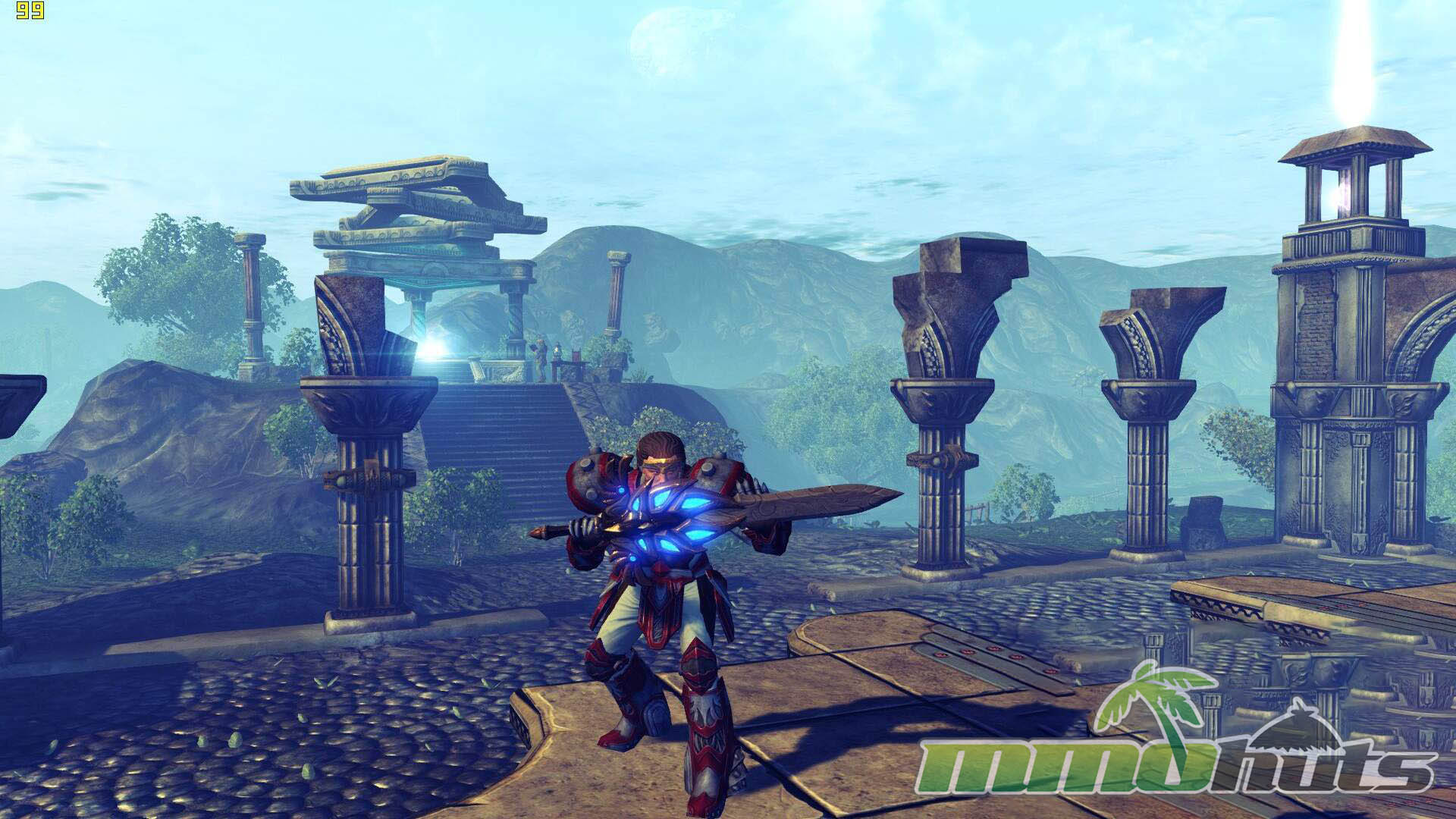
On the character side, Spellgear offered three classes, Tamer, Paladin, and Ranger, each providing a different baseline playstyle. The game also experimented with flexibility by allowing players to swap weapons and abilities through interaction with others, letting you temporarily access tools associated with other classes and adjust your kit on the fly. Beyond combat systems, the feature list included staples like a player economy, a main quest line, dungeons, a PvP hub, clans, and housing, aiming to round out the experience with social and progression hooks.
Spellgear Key Features:
- Skill-based Action Combat – attacks and movement are manually directed, so accuracy, timing, and dodging matter far more than automated targeting.
- MOBA-Inspired PvP Arenas – queue for structured team modes that incorporate MOBA-style map elements, including minions, towers, and base objectives.
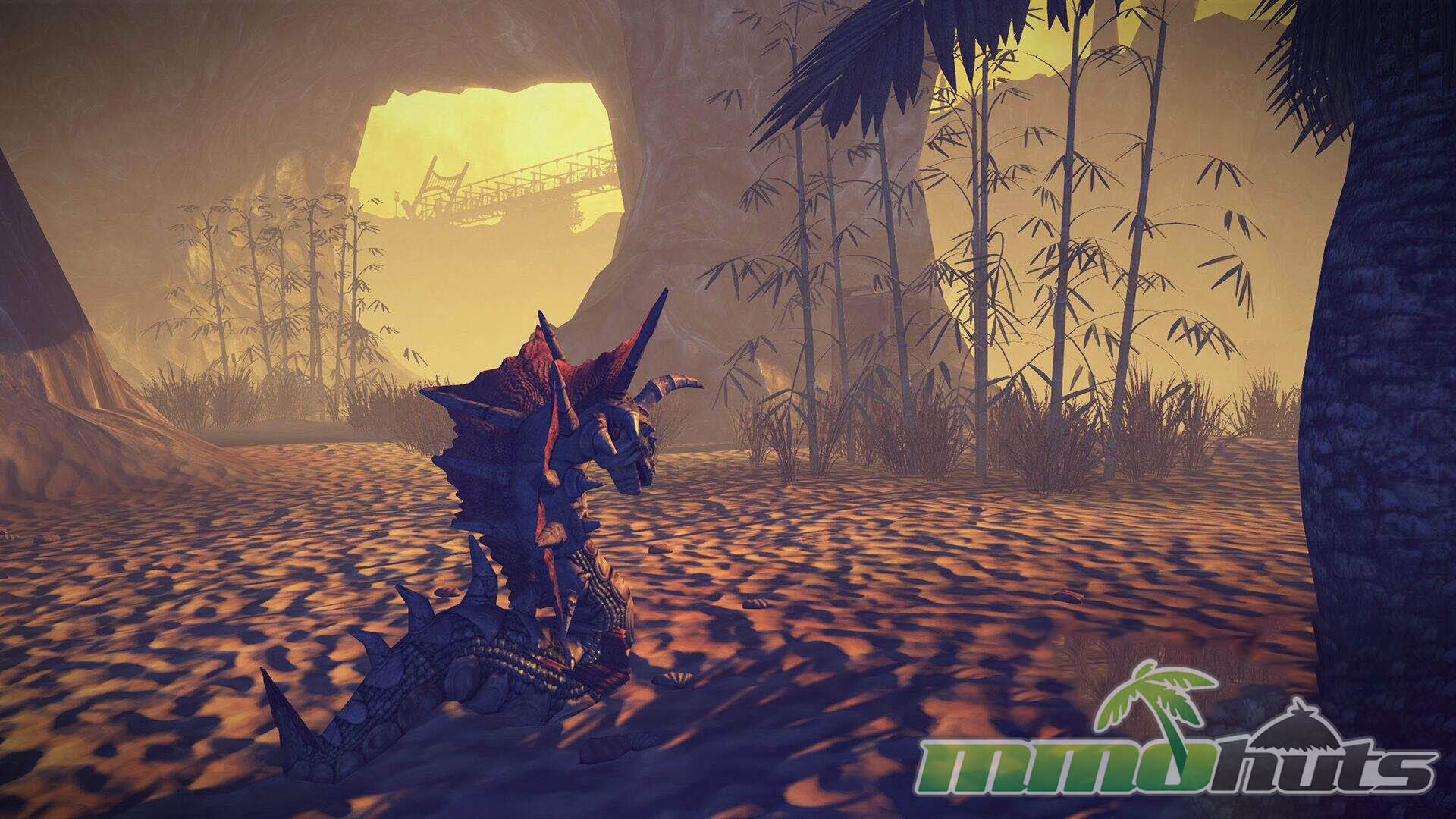
- Massive Open World –travel across Astarma and its two main islands, with varied enemies and zones designed for exploration and progression.
- Swap Weapons and Abilities Freely – pick Tamer, Paladin, or Ranger, then exchange weapons during combat with other players to gain access to abilities from different class kits.
- Variety of PvE and PvP Content – mix arena matches and world PvP with dungeon runs, questing, crusades, and other activities.
Spellgear Screenshots
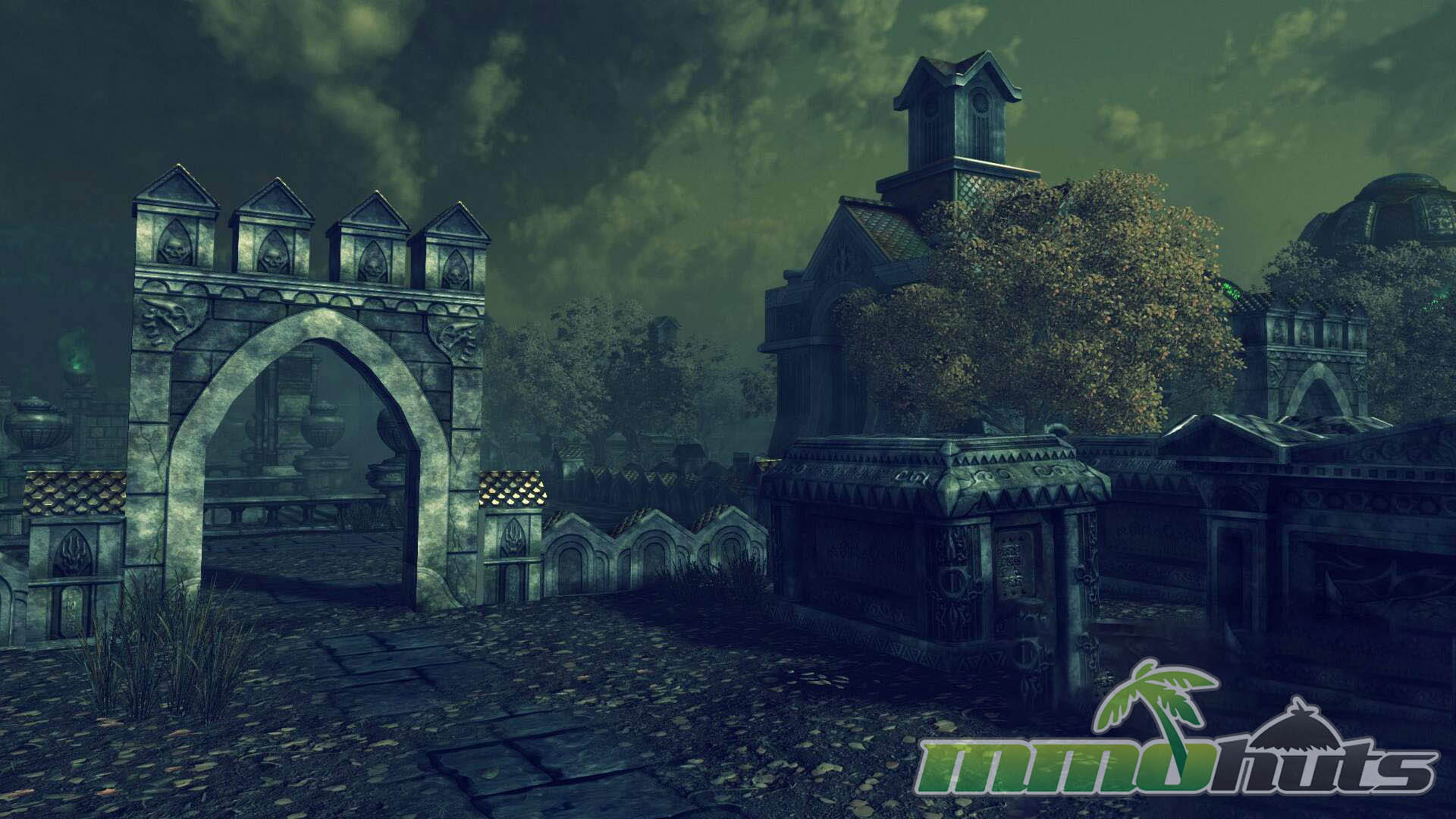
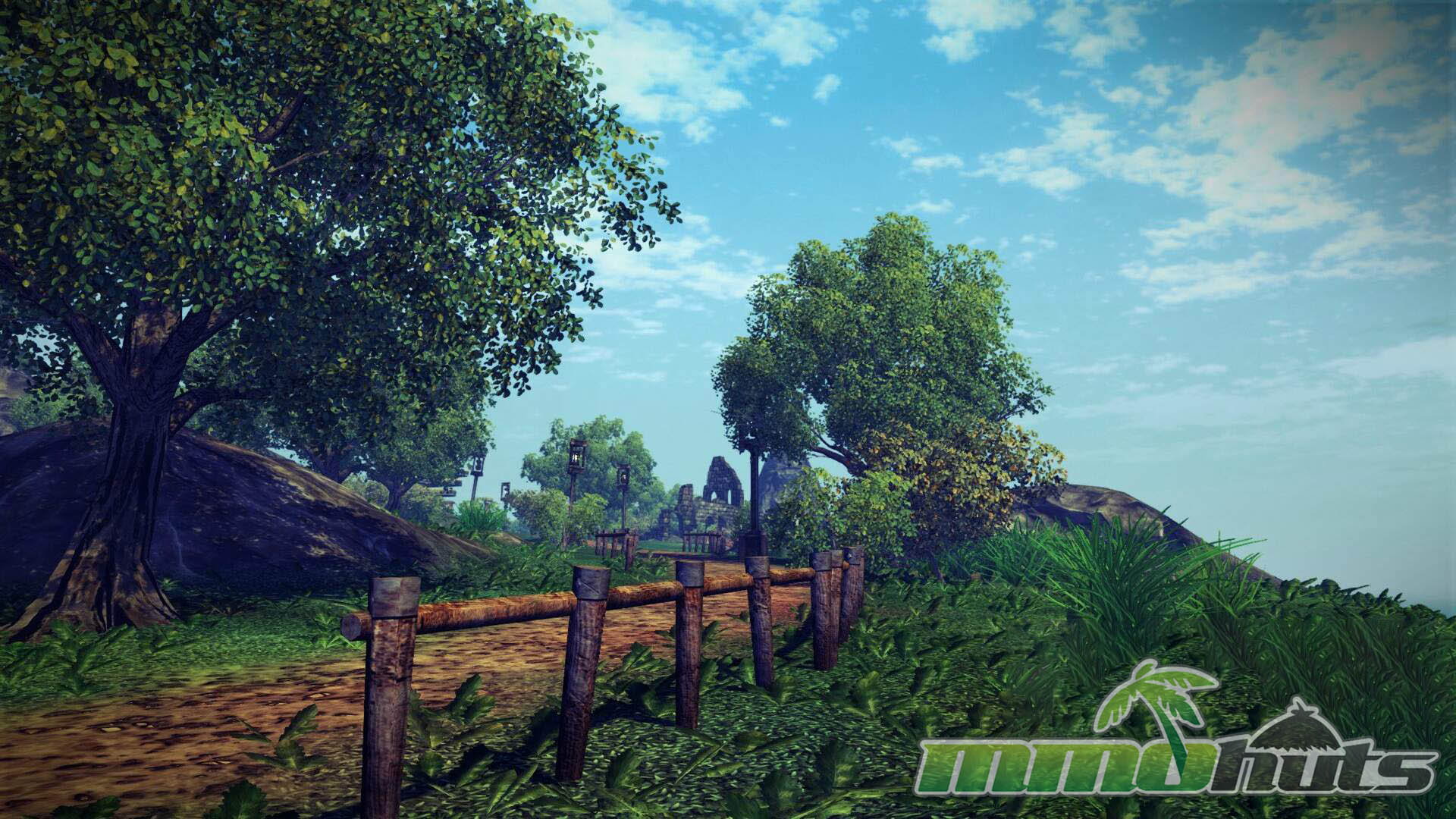
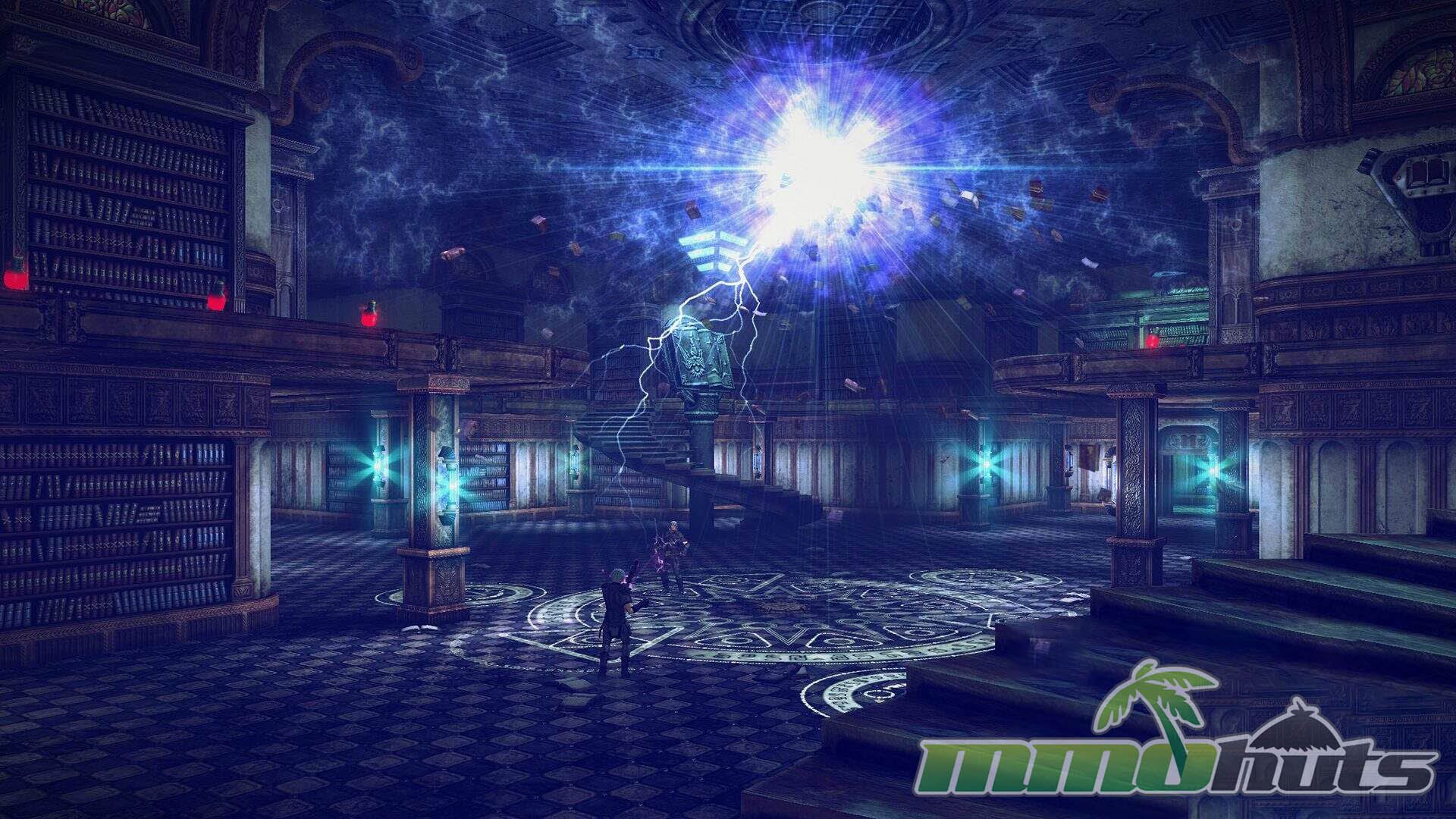

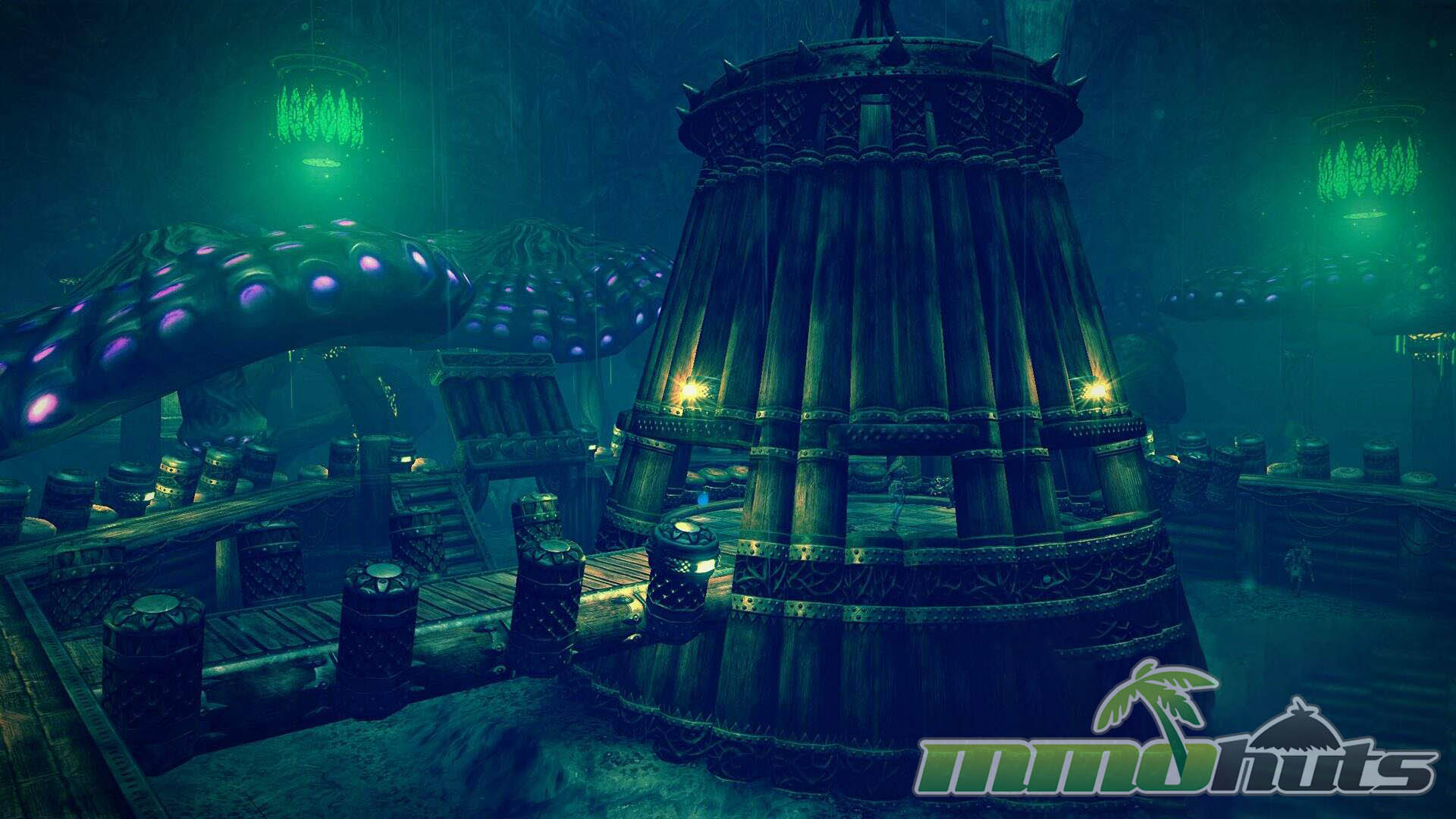
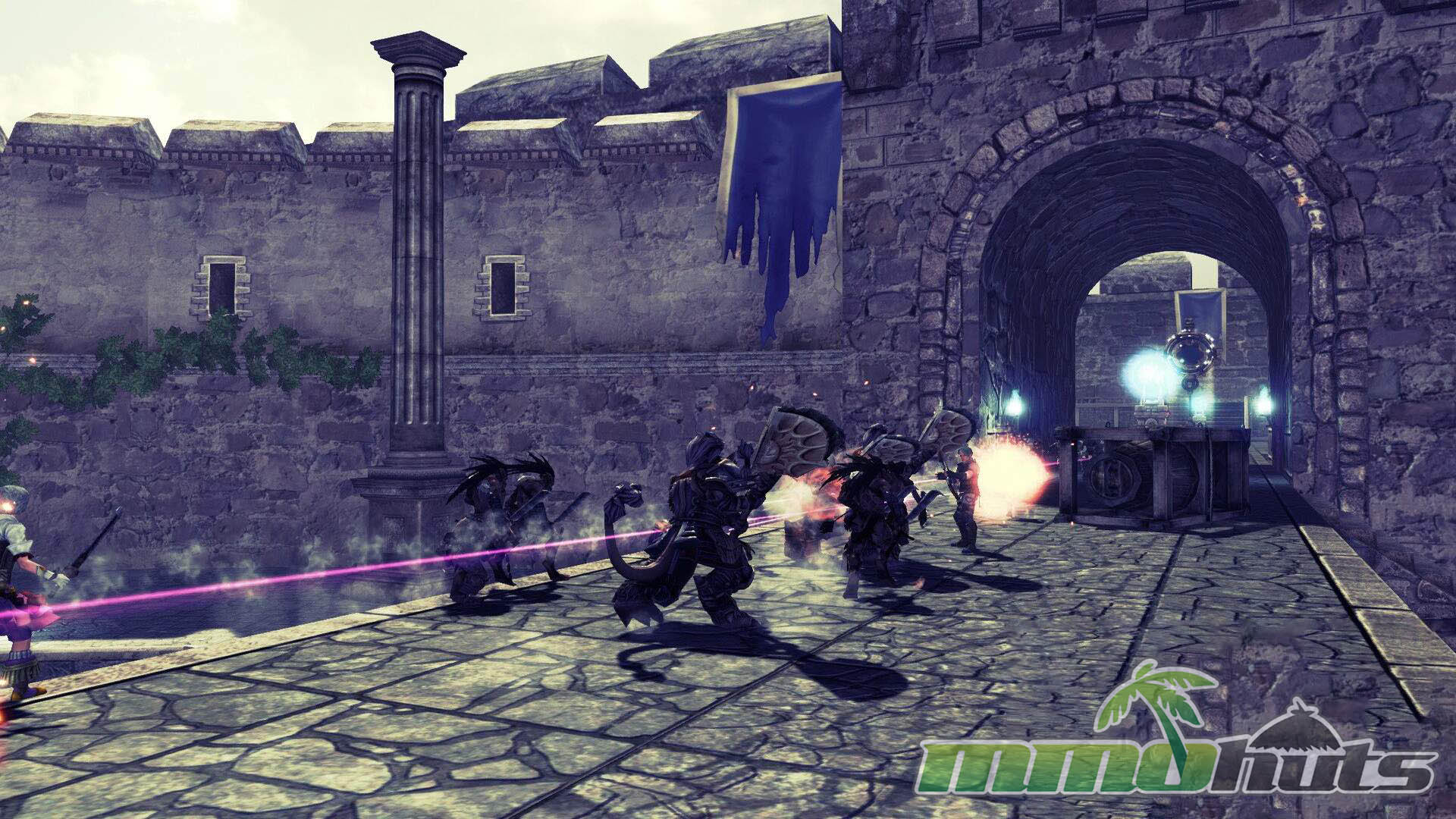
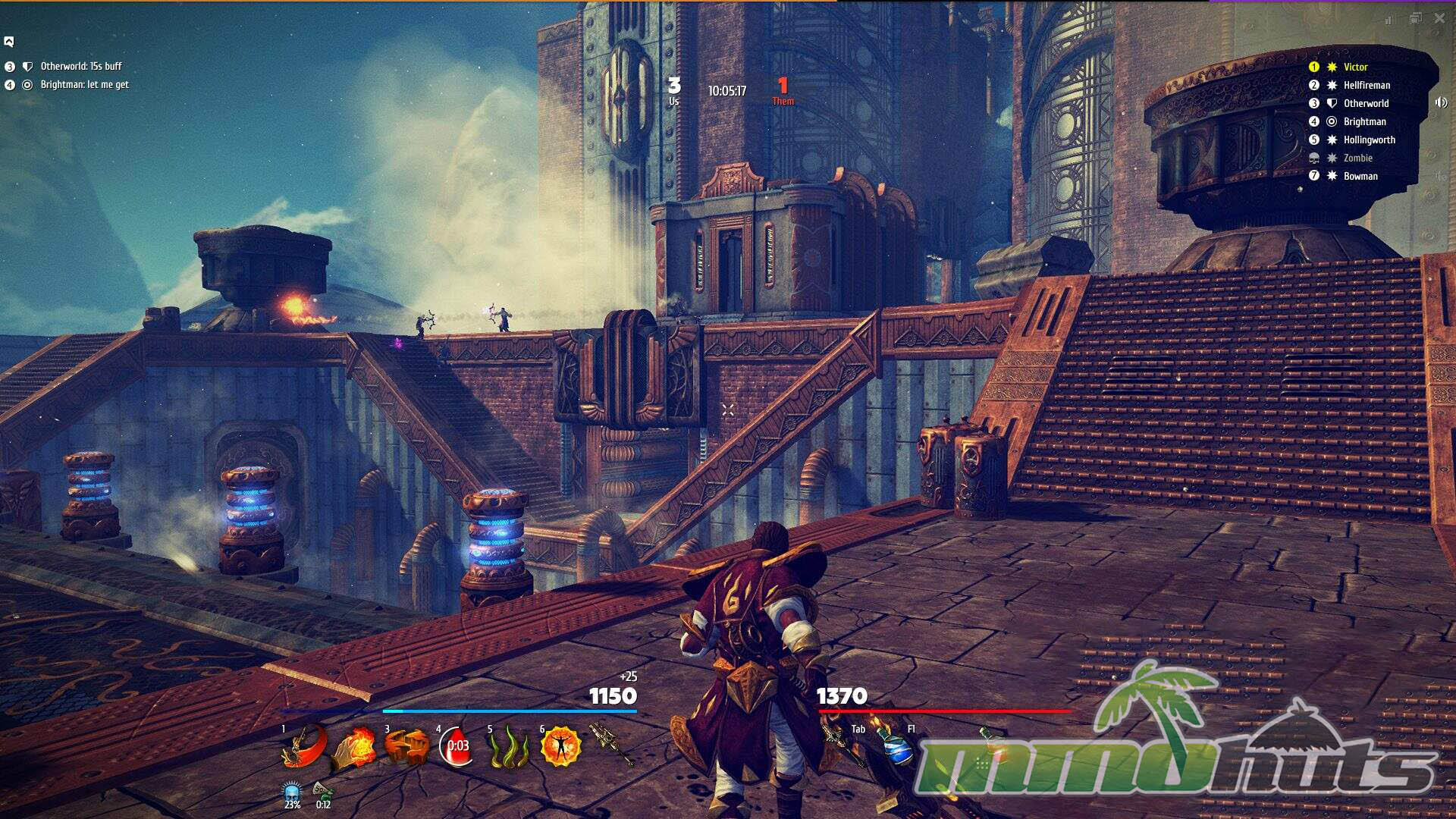
Spellgear Featured Video

Spellgear Review
Spellgear’s best idea was also its biggest risk: an MMO framework built around player execution rather than target locking. In moment-to-moment play, the combat aimed to feel closer to an action brawler than a traditional MMORPG, asking you to commit to swings, manage spacing, and avoid damage through movement instead of relying on long cooldown rotations and passive mitigation. When it worked, fights were more engaging than typical early-game MMO combat because you had to stay present, especially in PvP where predictable patterns get punished quickly.
The MOBA-styled arenas were the clearest attempt to carve out a niche. Objective-based modes gave teams something to play around besides raw kill counts, and the inclusion of towers, minions, and bases helped create pressure points that naturally led to skirmishes. This structure suited Spellgear’s skill-based controls, since coordinated pushes and clean execution mattered. The downside is that these modes live or die on population and matchmaking quality, and in a PvP-forward game a small community can rapidly undermine the core loop. Long queues, uneven teams, and repeated matchups are the kinds of issues that make even a solid rule set feel stagnant.
In PvE, Spellgear leaned on familiar MMORPG scaffolding: quest chains, dungeon content, and open-world grinding for loot and progression. While the action combat could make routine tasks less sleepy than tab-target alternatives, the surrounding quest and story material did not stand out as a major draw. Players looking for strong narrative hooks or inventive quest design were unlikely to find them here, and the game’s more interesting moments tended to come from mechanical play, group content, and PvP encounters.
The class lineup was compact, but readable. Tamer, Paladin, and Ranger covered distinct roles and combat ranges, and the weapon and ability swapping concept tried to add experimentation without requiring a full reroll. In practice, systems like this are compelling when the game has enough players to support social interaction and enough balance passes to keep options viable. Spellgear’s broader challenge was that it felt early and incomplete, with the kind of rough edges that are tolerable in Early Access only if development continues steadily and the community grows alongside it.
Ultimately, Spellgear was a niche-focused action MMORPG with a promising PvP direction, but it struggled to sustain the foundation needed for a competitive, multiplayer-first experience. If you are reading about it now, it is best remembered as an interesting attempt at blending MMO progression with MOBA-style arenas and manual combat, rather than a fully realized long-term world.
Spellgear System Requirements
Minimum Requirements:
Operating System: Windows XP/7/8/10
CPU: Duo-Core
Video Card: Intel HD4000, nVIDIA GT 220, AMD HD 6450
RAM: 2 GB
Hard Disk Space: 3 GB
Recommended Requirements:
Operating System: Windows 7/8/10
CPU: Quad-Core 2.5 GHz
Video Card: nVIDIA GTX 660, AMD HD 7850
RAM: 3 GB
Hard Disk Space: 3 GB
Spellgear Music & Soundtrack
Coming Soon…
Spellgear Additional Information
Developer: RIC, SkyRiver Studios
Publisher: RIC, Bitbox Ltd.
Steam Greenlight Date: December 24, 2015
Early Access Date: August 19, 2016
Release Date: April 7, 2017
Shut Down: May 16, 2017
Development History / Background:
Spellgear was developed by RIC and SkyRiver Studios, with publishing handled by RIC and Bitbox Ltd. It appeared on Steam Greenlight in December 2015 and was approved by the community on December 24, 2015. The title entered Steam Early Access on August 19, 2016 with a $19.99 price tag. Because the game leaned heavily toward PvP and struggled with a very small active community, it later transitioned to a free-to-play model on February 4, 2017, roughly six months after arriving in Early Access. Spellgear remained free-to-play at its full release on April 7, 2017. On May 16, 2017, the project was effectively abandoned, with development ending without prior warning to the remaining players.