Galactic Junk League is a free-to-play, lobby-based MMO shooter that mixes arcade space combat with a surprisingly flexible ship builder. You scavenge and unlock new blocks, assemble a starship from scrap, then take it into short team matches where smart designs and good piloting matter as much as raw firepower.
 | Publisher: Pixel Federation Playerbase: Shut Down Type: Sci-Fi Shooter Release Date: January 17, 2017 Pros: +Deep ship customization and creative freedom. +Quick, energetic match flow. +Controls are easy to pick up. +Friendly, enthusiastic community. Cons: -Mode variety is extremely thin. -Map pool feels small over time. |
Galactic Junk League Overview
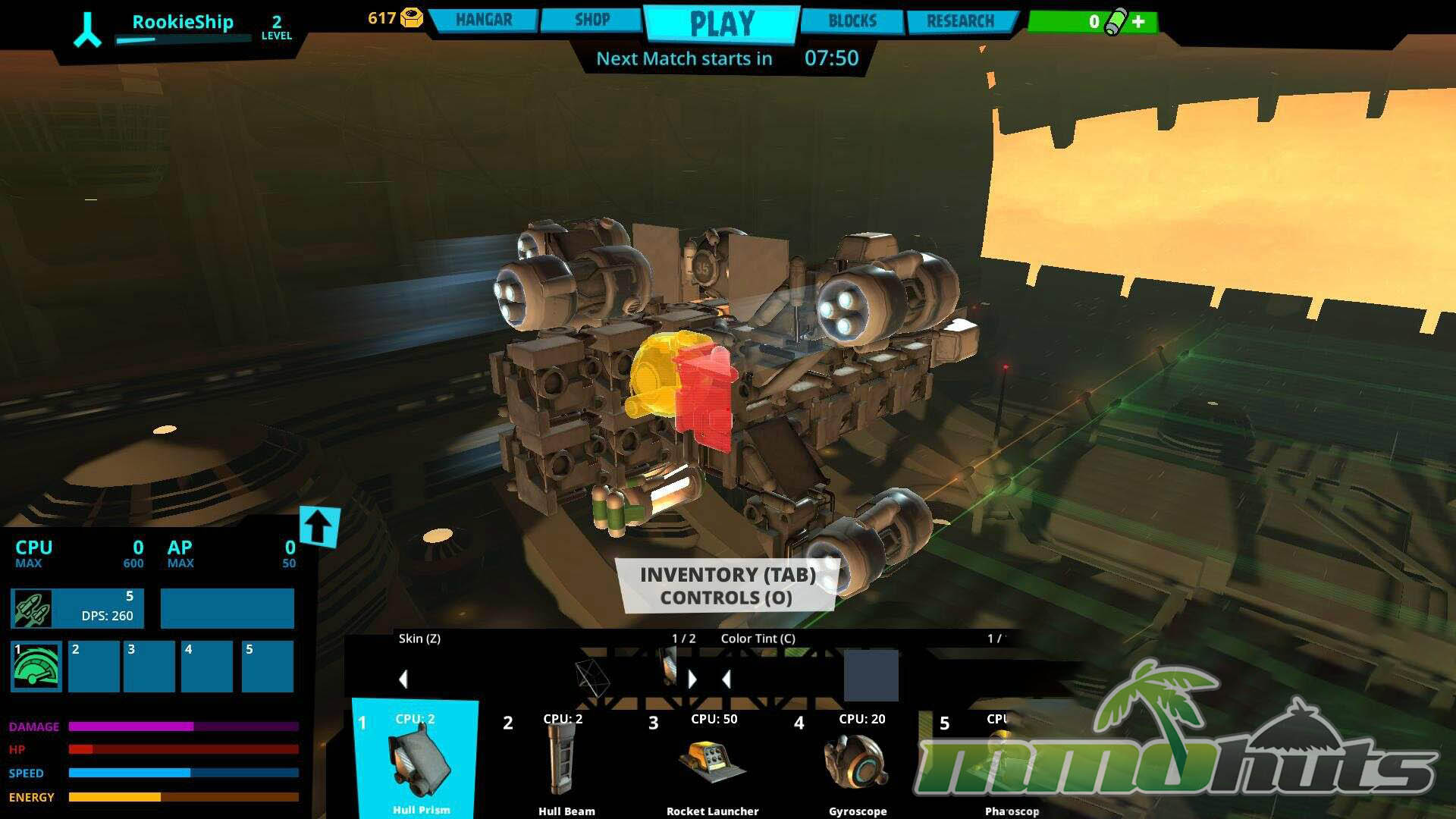
Galactic Junk League is a 3D sci-fi shooter set among space junk and the leftovers of a collapsed civilization. The hook is simple: you gather and unlock parts, then build a ship from scratch (or start from a template) and bring it into multiplayer arenas. The builder lets you go wild, whether you prefer sleek, TV-inspired silhouettes or ridiculous flying bricks, as long as you can make the design function in combat.
Your ship’s effectiveness comes down to trade-offs. Armor, weapons, and propulsion all compete for your build budget, so you end up tuning for your preferred role, for example, a nimble skirmisher that relies on angles and burst damage, or a heavier brawler that can stay in the fight longer. Matches are 7v7 PvO (player versus other players) and take place across several distinct environments. Progression unlocks additional ship classes, ranging from quick Frigates to slower, sturdier Battleships, each pushing you toward different builds and responsibilities. On top of functional parts, there are skins and cosmetic add-ons for players who enjoy dressing up their creations.
Galactic Junk League Key Features:
- Fully-customizable Ships – fly stock builds, tweak existing designs, or assemble a ship block-by-block.
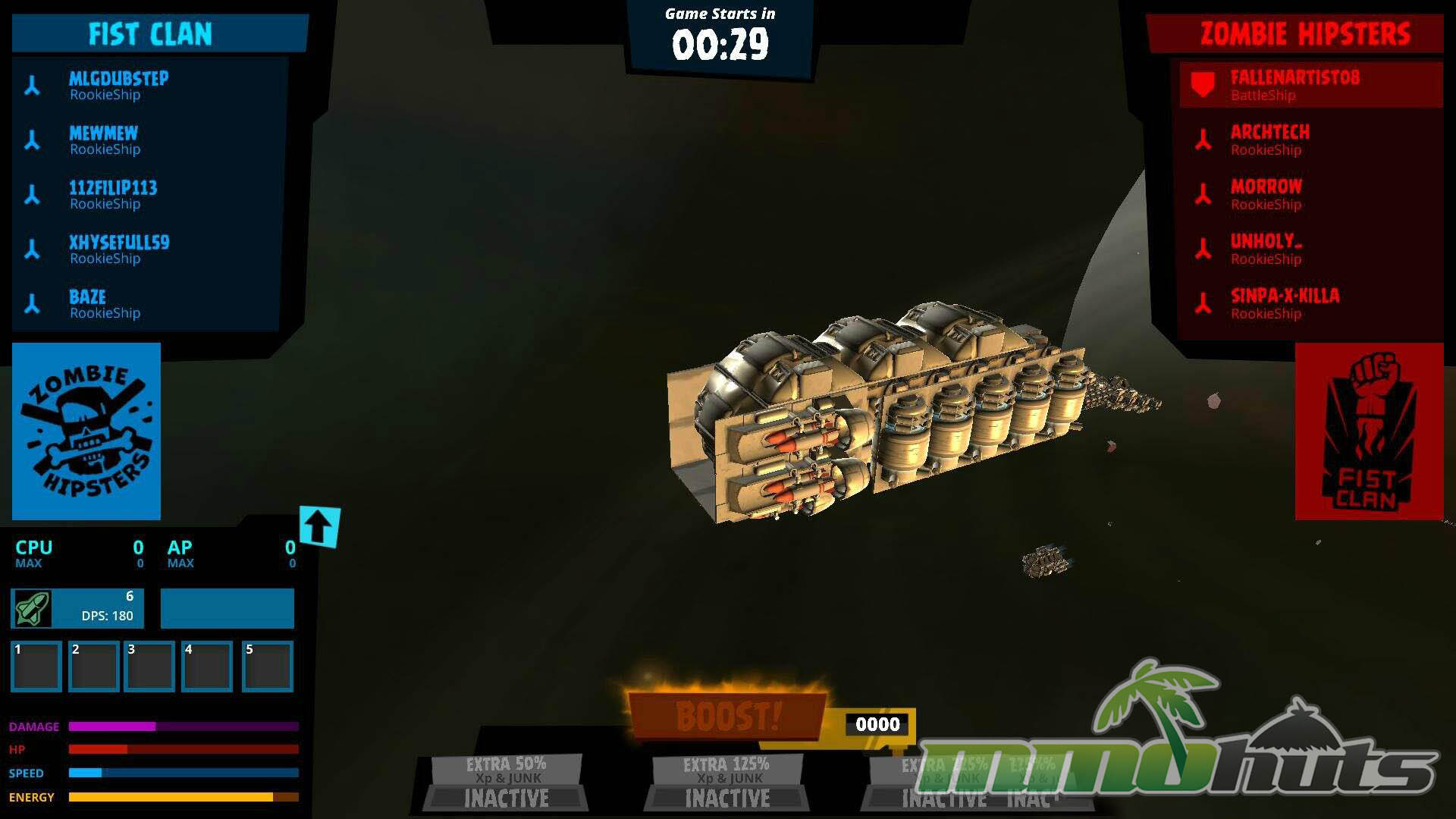
- 7v7 Arenas – join team-based battles against other pilots in straightforward deathmatch-style matches.
- Get Creative – design almost any shape, from simple starter hulls to elaborate, fully-kitted war machines.
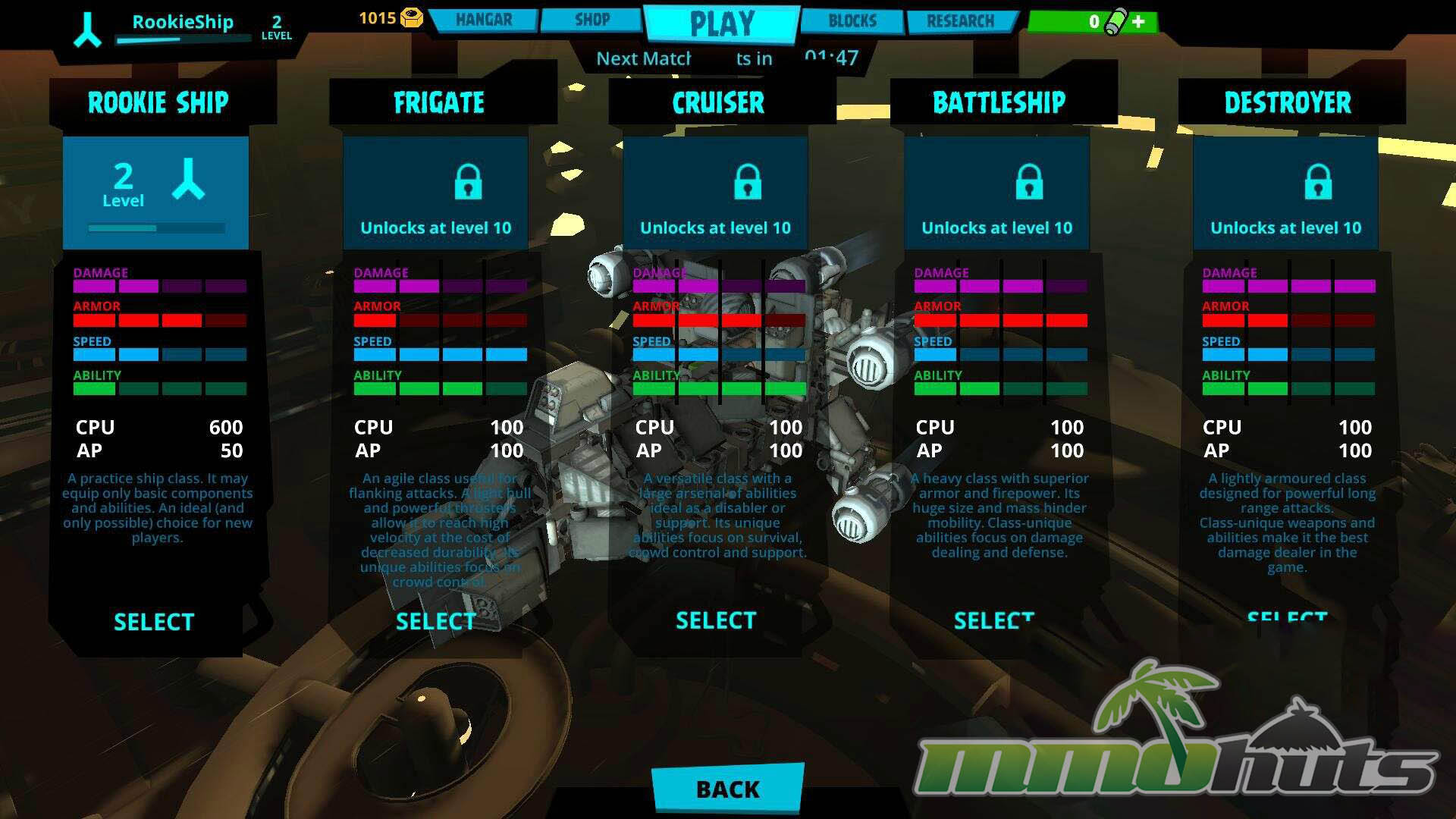
- Multiple Ship Classes – play across five classes: Rookie, Frigate, Cruiser, Battleship or Destroyer, each leaning into different strengths and tools.
- Class Progression – earn unlocks over time, including new blocks, weapons, and abilities tied to each class.
Galactic Junk League Screenshots
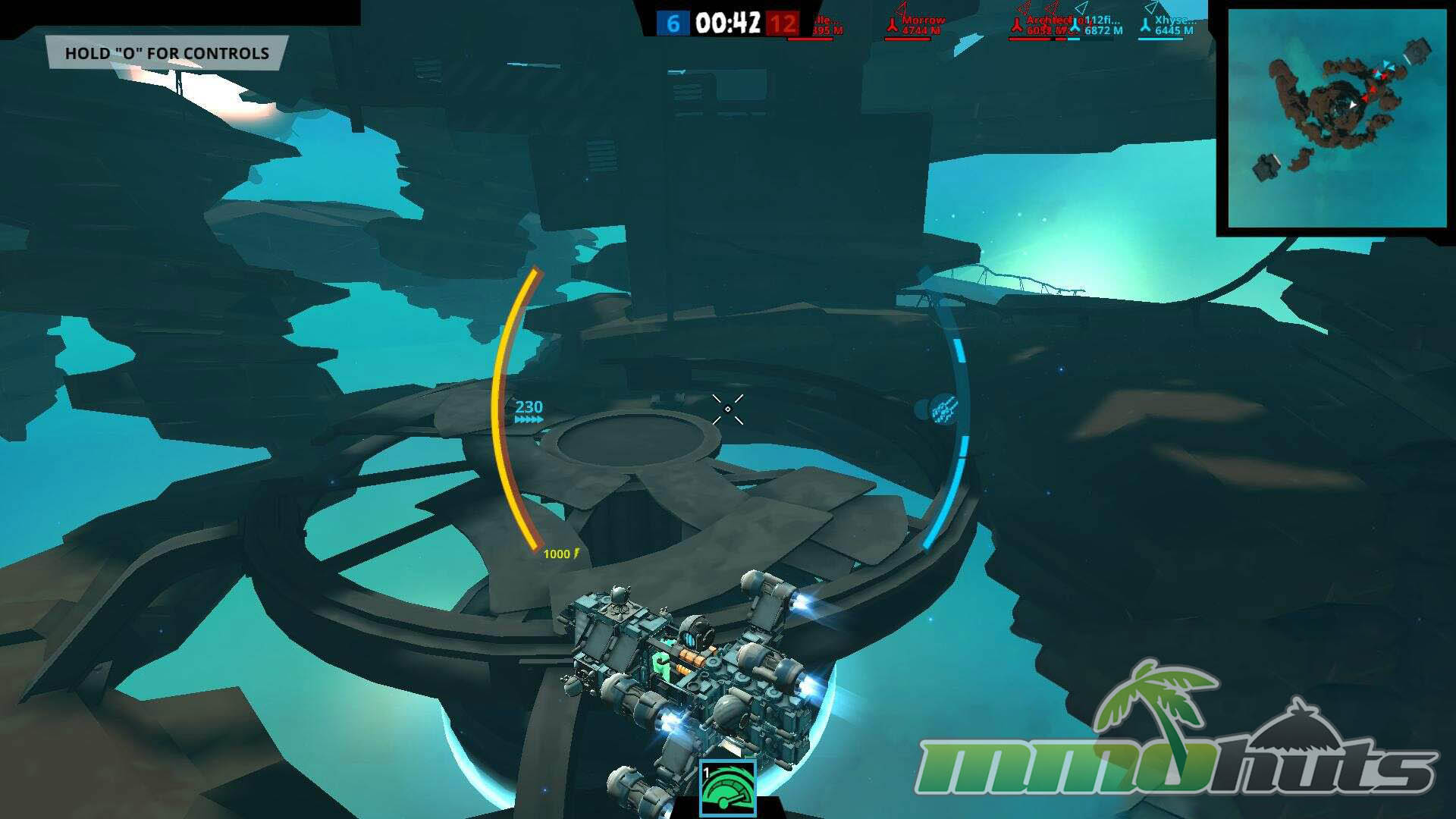
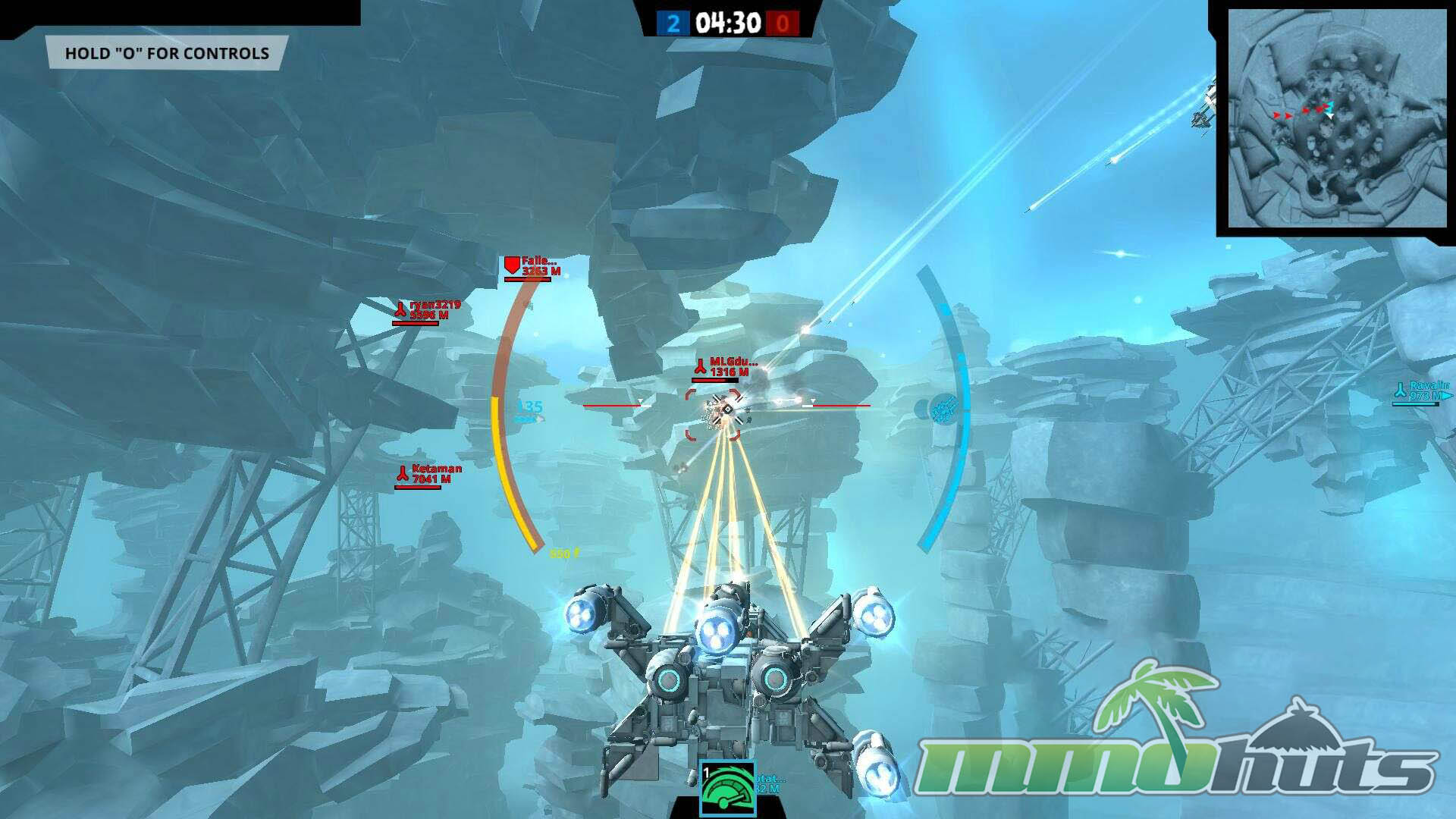
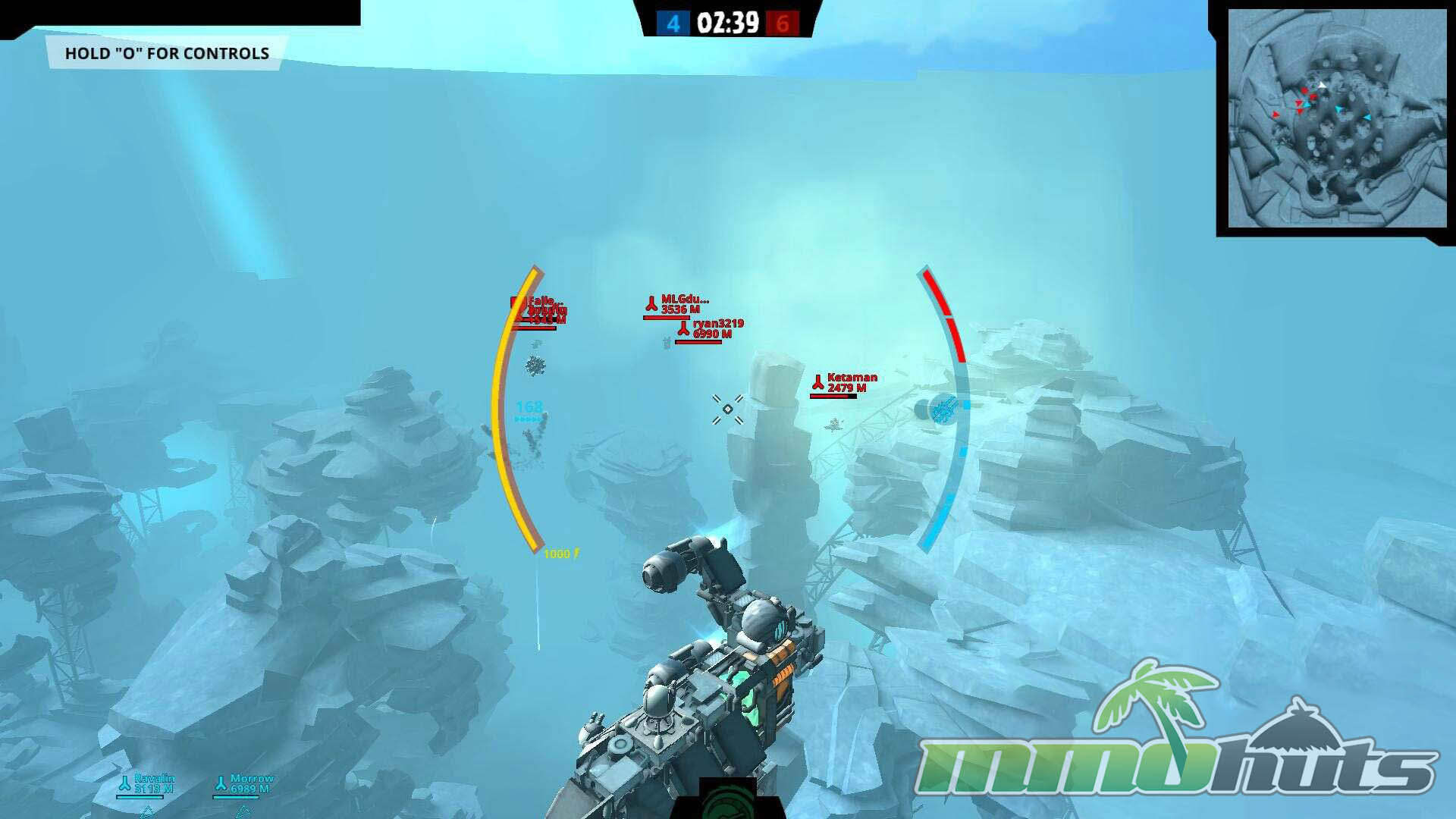
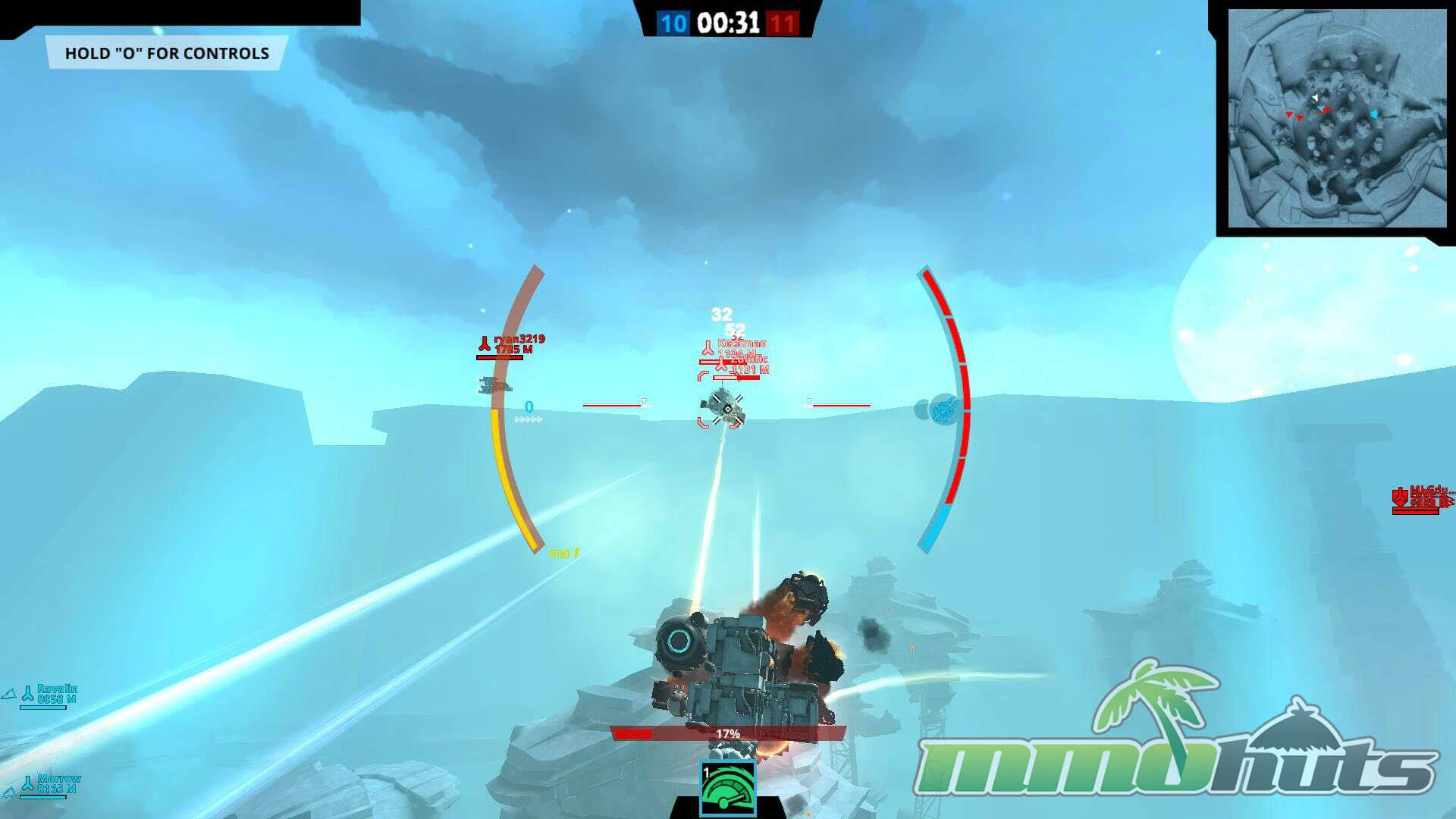
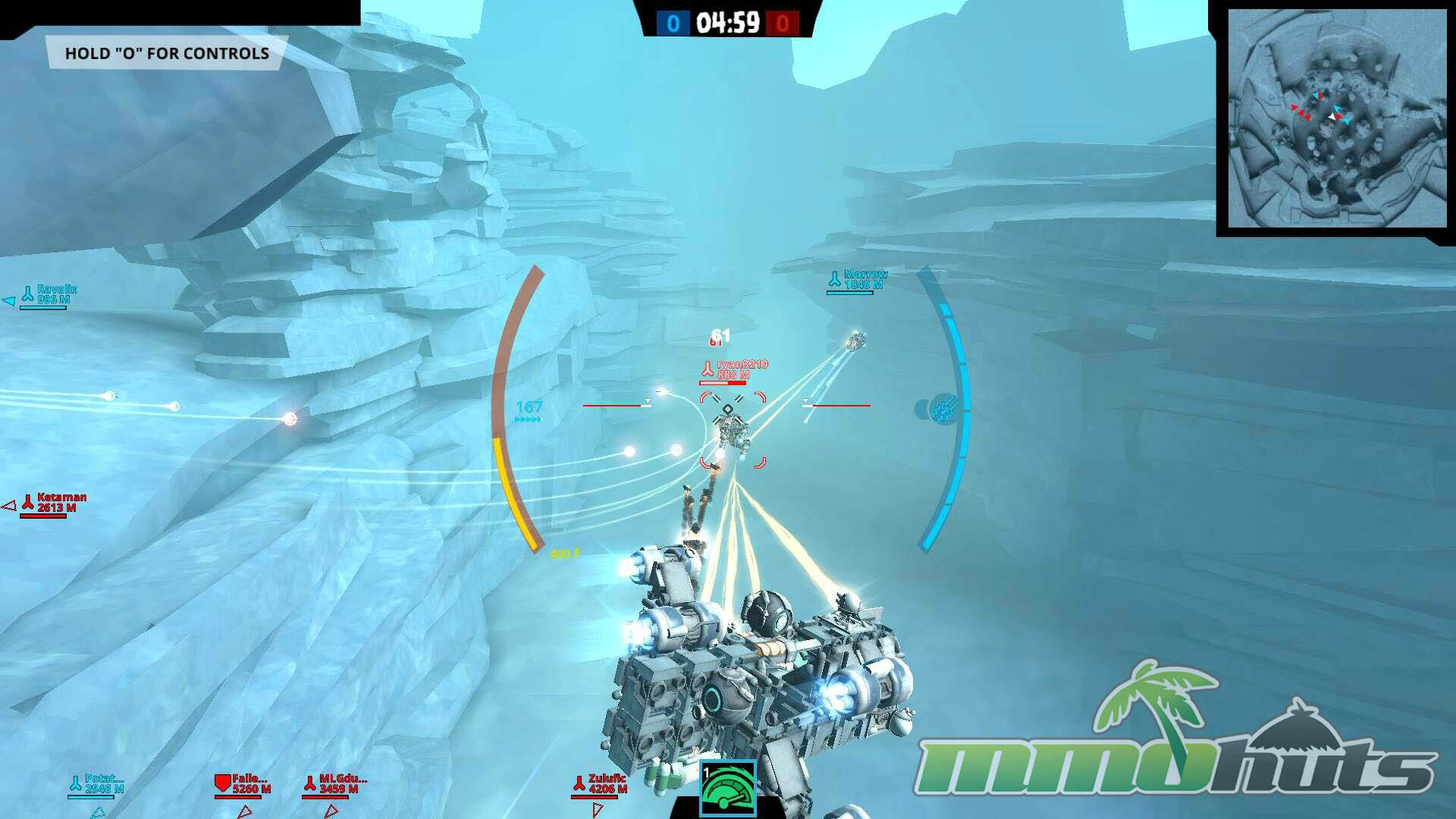
Galactic Junk League Featured Video

Galactic Junk League Review
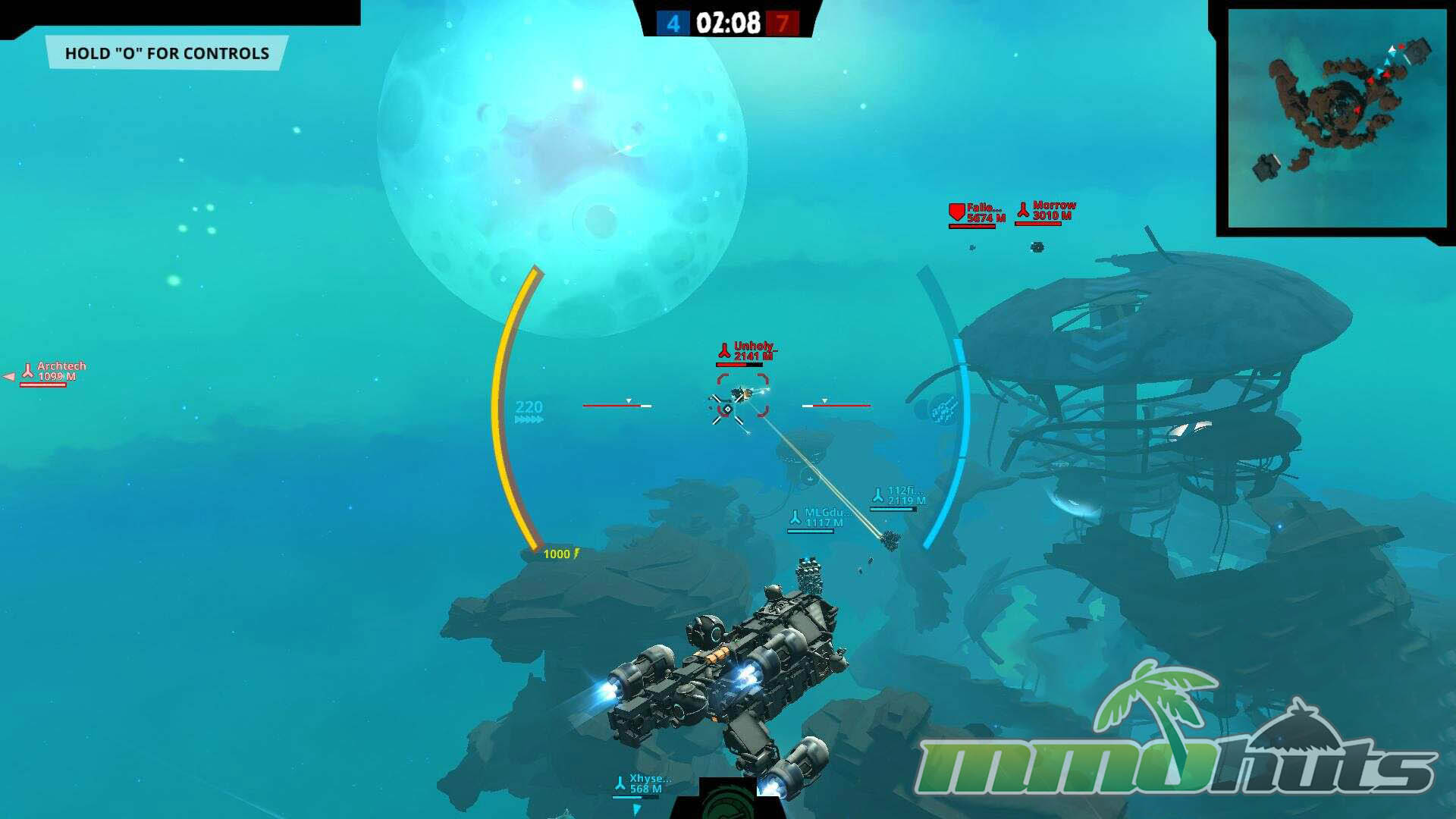
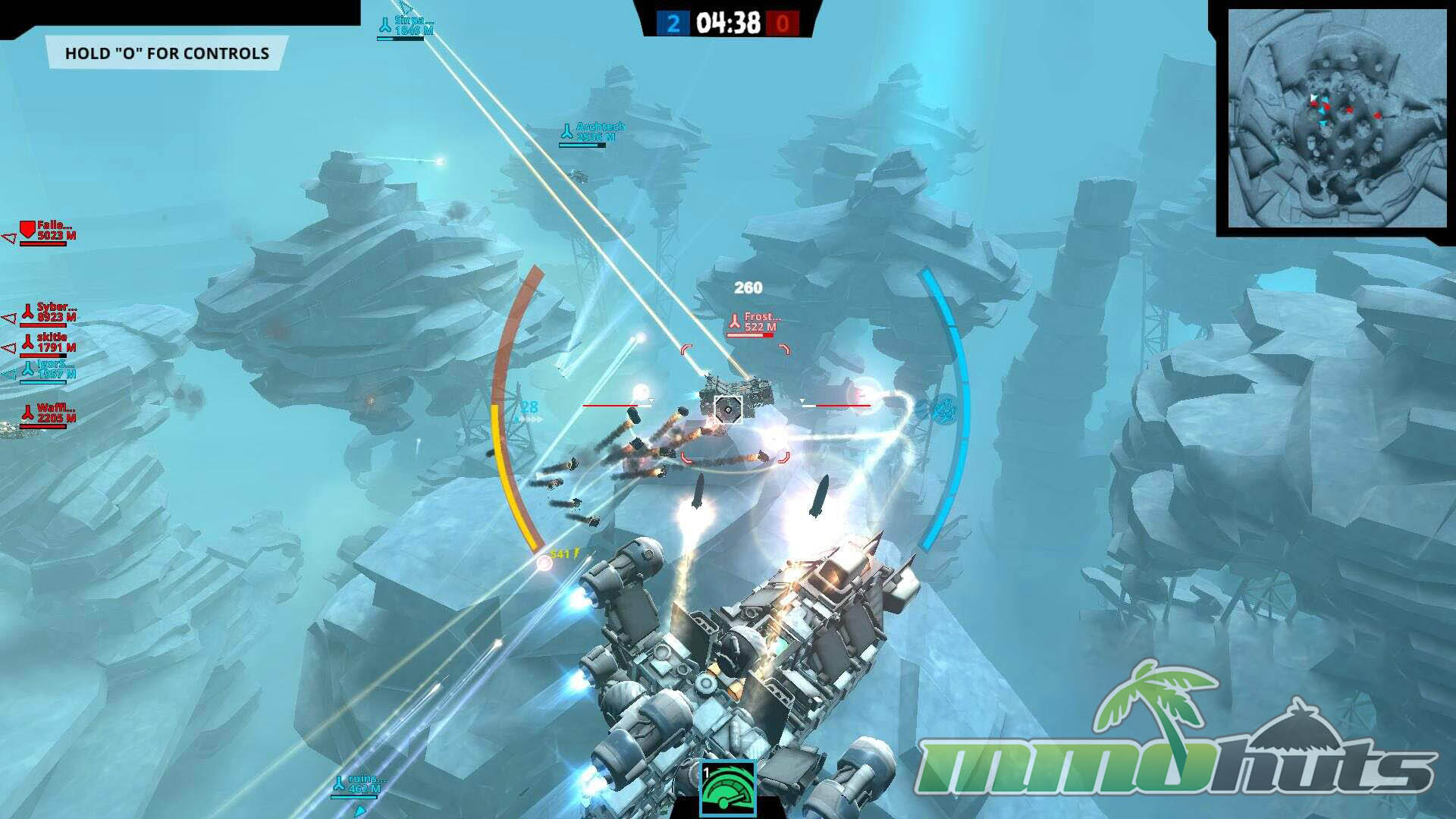
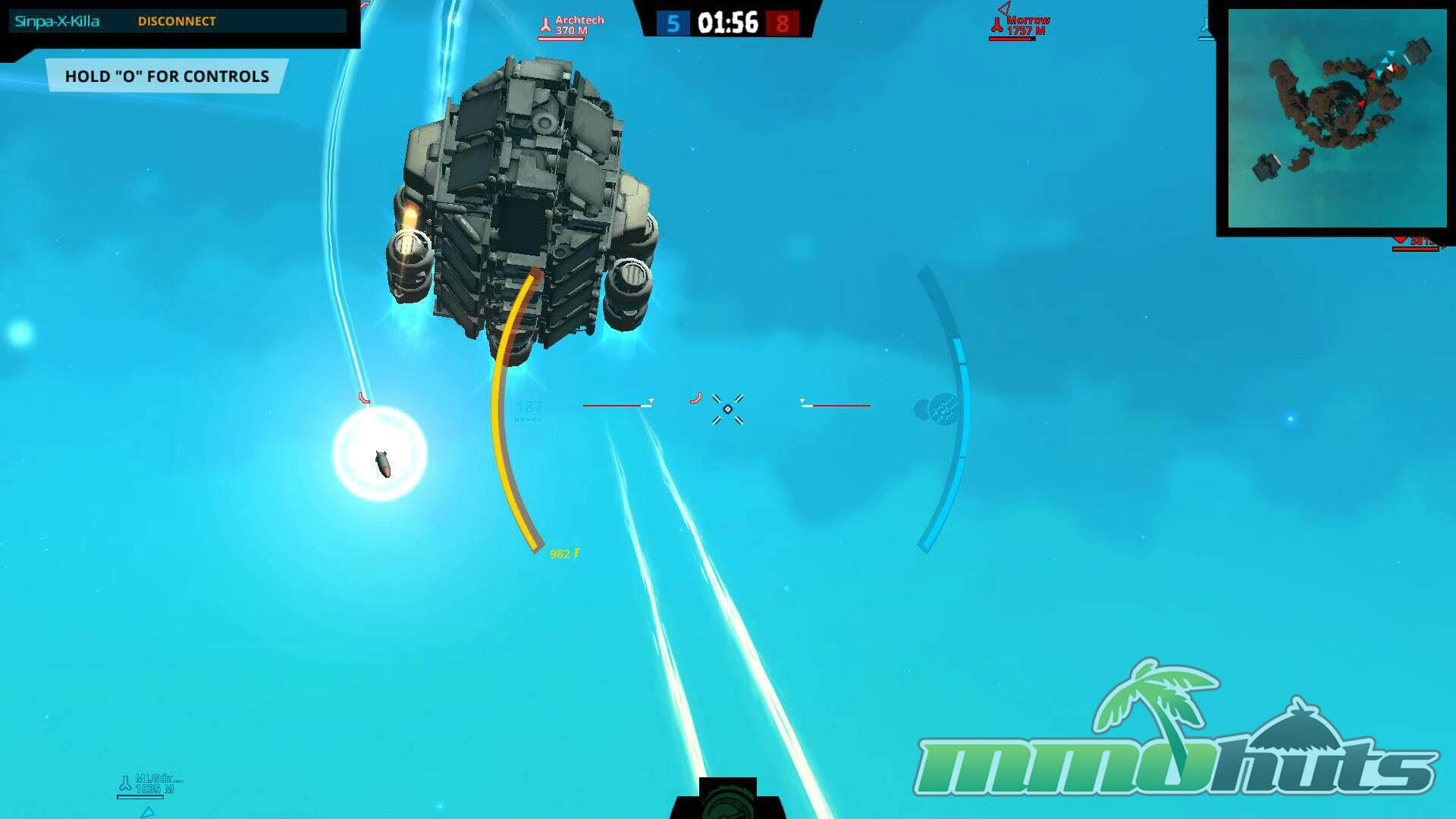
Galactic Junk League is a 3D, match-based space shooter built around player-made ships. You queue from a lobby, load into compact arenas, and try to outfly and outbuild the opposing team. Maps lean into varied backdrops (ice fields, mined-out rock, and industrial debris) but the moment-to-moment focus stays on positioning, target selection, and whether your ship’s layout can survive focused fire.
Graphics & Audio
Visually, the game uses a cel-shaded, cartoon-like style that keeps everything readable in motion and helps the scrap-built ships feel playful instead of grim. It does not aim for the heavier realism you see in naval or sim-leaning vehicle shooters, but it generally holds up well and is friendly to modest hardware. That said, environments and ship surfaces can feel a bit plain once you have played for a while, and extra detailing would have helped sell the “junkyard in space” theme even more.
Audio is one of the game’s stronger elements. Weapons have clear, punchy feedback, impacts are easy to parse during messy brawls, and the music fits the brisk arcade tone. The tutorial’s lighthearted voice work also frames the experience as something approachable and fun-first, rather than a purely competitive grinder.
First Flight and Learning the Basics
When you first launch, you can either run the tutorial or skip it. If you have not played a builder-combat hybrid before, the tutorial is worth the time because the ship editor has enough options and menus to overwhelm new players. Veterans of lobby shooters will recognize the match flow immediately, but even they may need a few minutes to get comfortable with how blocks snap, how systems are arranged, and what matters most for survivability.
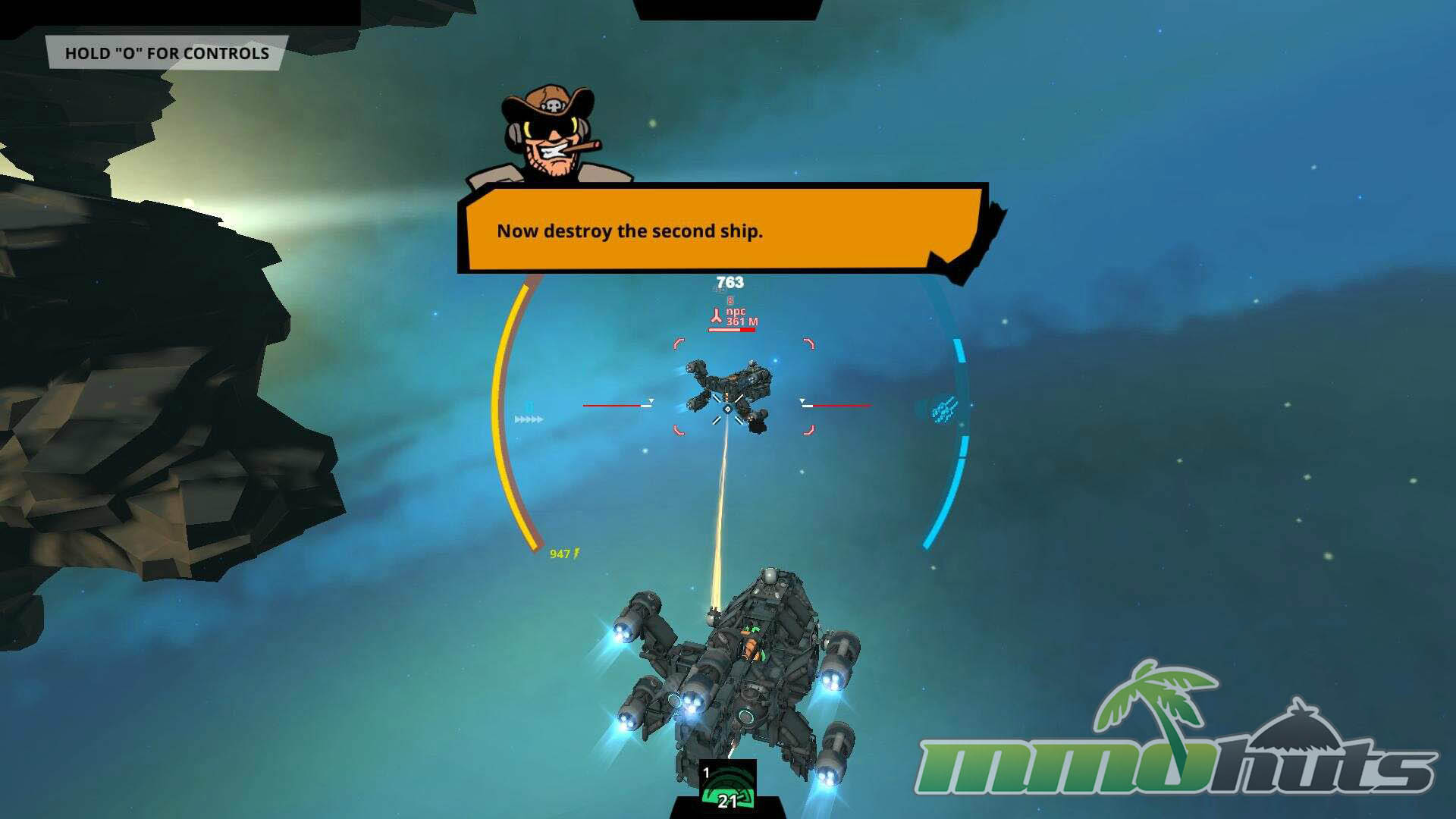
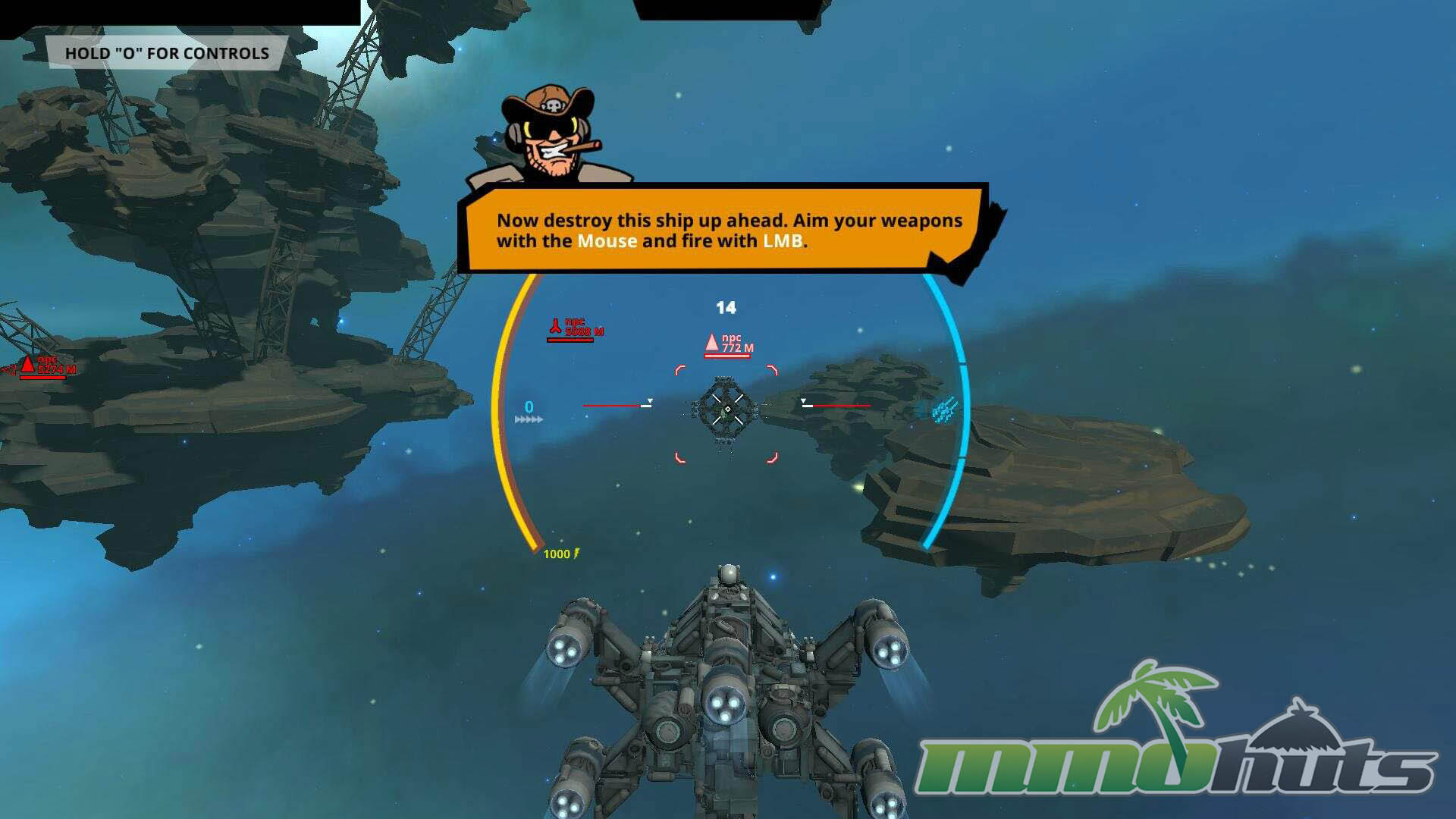
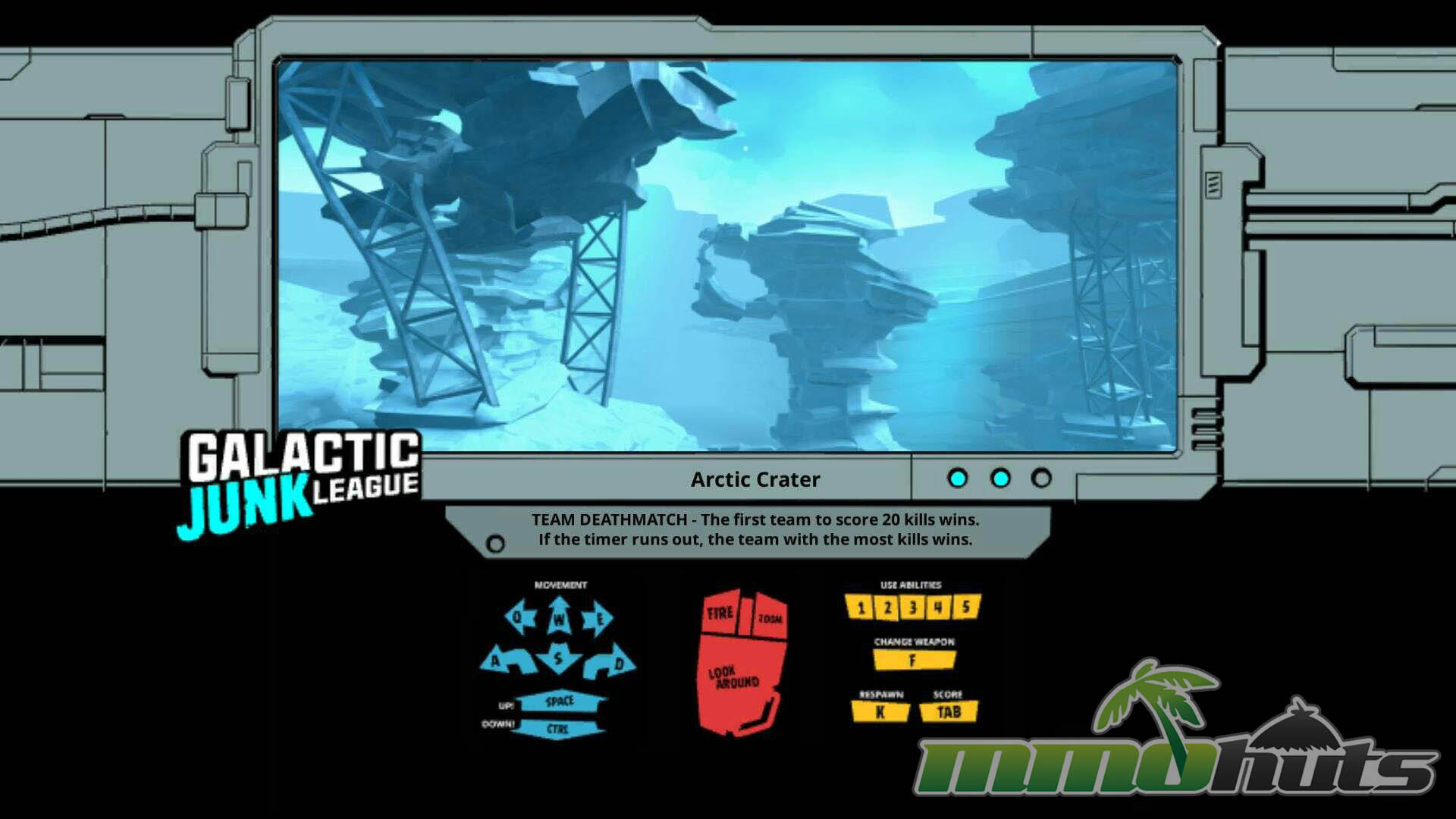
The tutorial is short (roughly a quarter of an hour) and covers building, researching blocks, and piloting. It wraps with a practice fight against AI ships, which is useful for learning how targeting and movement feel. The real learning curve starts in PvP, where opponents move unpredictably, punish exposed cores, and focus down engines to cripple ships. Controls are standard for the genre: WASD for movement, right mouse to zoom, and left mouse to fire.
The Builder is the Whole Point
Combat is enjoyable, but the ship workshop is what makes Galactic Junk League stand out. You can use functional templates and still contribute, yet the game is clearly at its best when you iterate on your own designs and see them succeed (or fail) in live matches. Because the system is block-based, players regularly create everything from practical gun platforms to novelty shapes that are mostly for laughs, and the community creativity is a genuine highlight.
Ship Classes and the CPU Budget
Build limits are controlled by a CPU cap tied to class and class level, which prevents extreme designs from dominating. The five classes are Rookie, Frigate, Cruiser, Battleship, and Destroyer. Faster, lighter ships like Frigates work with a smaller CPU budget, while slower, more durable Battleships can mount more blocks and survive longer under pressure. You begin as a Rookie and unlock the other four classes at Rookie level 10. Each class then levels separately, and leveling increases your max CPU and opens class-specific parts, including weapons and abilities.
This cap does a good job of forcing meaningful choices, you cannot simply stack every advantage at once. You end up deciding what to protect, what to expose, and how to distribute thrust so you can still maneuver after taking damage. Balance issues can still crop up, and long-range Destroyer “sniper” builds in particular can feel oppressive on open maps, since they can delete key components before slower ships can even close distance. Faster builds can sometimes mitigate that gap, but heavier ships tend to feel the pain more.
Match Structure and Destruction
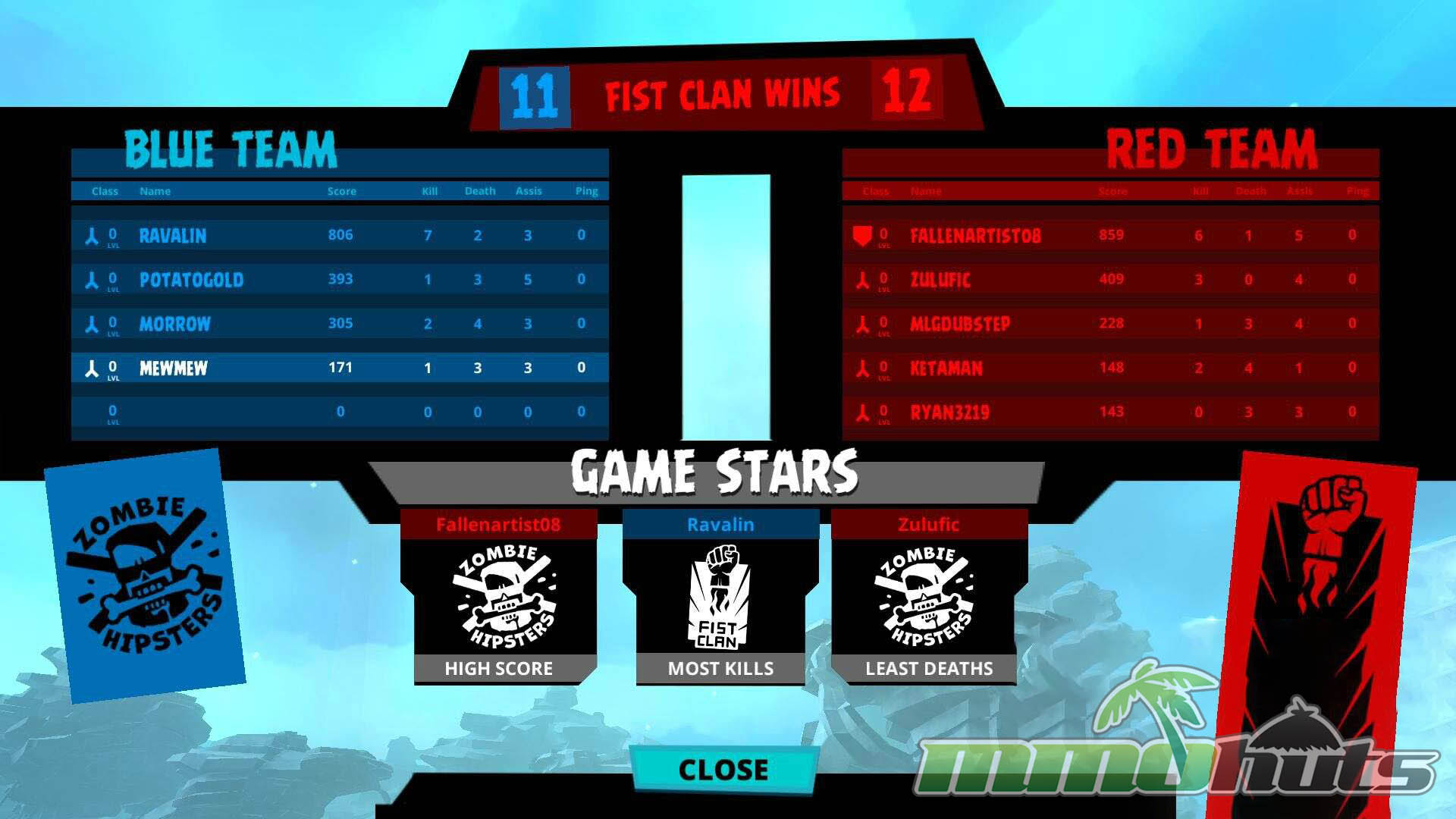
At the time covered here, the game offers only Team Deathmatch. Two teams of seven fight across five maps, and the win condition is either reaching 20 kills first or leading when the 6-minute timer ends. Ships are fully destructible in a way that encourages smart targeting, you can strip thrusters to immobilize someone, remove weapons to blunt their threat, or go straight for an exposed core to finish the job.
One downside is the lack of a repair option. If you lose your engines or key weapons early, you can end up limping around until you are finished off, or you self-destruct to re-enter the action. Since self-destruct still awards the enemy a point, the decision becomes more about time efficiency than tactics. Scoring also has a frustrating edge: assist credit is very strict, because it only counts if you tag the core, even if you did most of the work by tearing off armor, disabling weapons, or leaving the target helpless. Finally, the 6-minute timer can feel cramped, with many games ending before either team hits 20 kills, especially in uneven matchmaking.
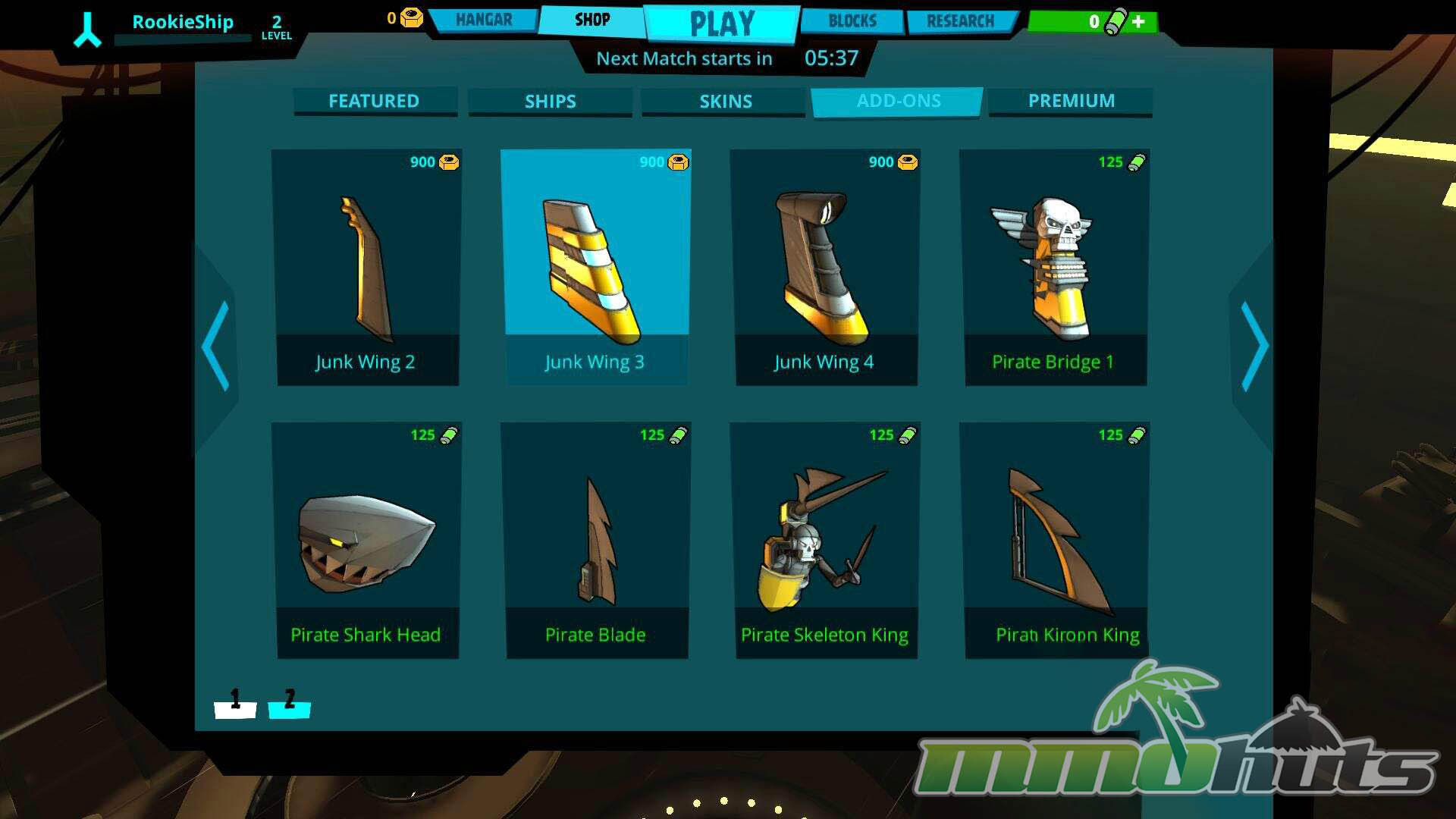
Cash Shop
The store follows the familiar free-to-play pattern and focuses heavily on cosmetics. Most premium items are purchased with Space Credits, while some cosmetics can be obtained with Junk, the standard currency you earn through play and also use for upgrades. The shop also sells EXP and Junk boosters, and when activated they apply broadly for matches, which can feel questionable from a fairness standpoint. Overall, though, the monetization leans more toward convenience and style than hard pay-to-win power.
The Final Verdict – Good
Galactic Junk League has clear rough edges, especially its limited mode selection and the way some match systems (assists, repairs, and pacing) can undermine otherwise great fights. Still, the core loop works: building is intuitive once learned, battles are quick and readable, and the audiovisual presentation supports the game’s light, arcade identity. For players who enjoy tinkering with designs and jumping into short PvP sessions, it was an easy recommendation during its life, even if it needed more variety and polish to reach its full potential.
Galactic Junk League Online Links
Galactic Junk League Official Site
Galactic Junk League Steam Page
Galactic Junk League Facebook
Galactic Junk League Wikia
Galactic Junk League System Requirements
Minimum Requirements:
Operating System: Windows 7 SP1
CPU: Intel Dual Core
Video Card: Intel HD 3000
RAM: 4 GB
Hard Disk Space: 4 GB
Recommended Requirements:
Operating System: Windows 7 SP1
CPU: Intel Core i5
Video Card: Nvidia GeForce GTX 650 and better
RAM: 8 GB
Hard Disk Space: 4 GB
Galactic Junk League Music & Soundtrack
Coming Soon…
Galactic Junk League Additional Information
Developer: Pixel Federation
Publisher: Pixel Federation
Game Engine: Unity
Closed Alpha Date: June 21, 2016
Open Alpha Date: July 12, 2016 – August 23, 2016
Open Beta Date: September 14, 2016
Early Access: January 17, 2017
Shut Down: September 28, 2018
Development History / Background:
Galactic Junk League was developed and published by Pixel Federation, a Slovakia-based studio founded in 2007 and also known for titles like Trainstation and Emporea. Work on the project began in September 2015 using the Unity engine, with a relatively small internal team. The first public testing phase was a closed alpha starting June 21, 2016, initially focused on Central Europe before later widening to include players from other regions. An open alpha followed on July 12, 2016 and ran until August 23, 2016, allowing worldwide access. The game then moved into open beta on September 14, 2016, bringing in additional features such as new maps and game modes. Galactic Junk League entered Steam Early Access on January 17, 2017, and it did not receive a final release date announcement before service ended. The game was shut down on September 28, 2018.