
Soul Seeker was a 3D isometric action RPG for mobile that focused on fast, stage-based dungeon runs where you cut through packs of enemies and finish with a boss encounter. Along the way, you could collect and unlock a huge roster of heroes, then assemble them into a party to support your main character in battle.
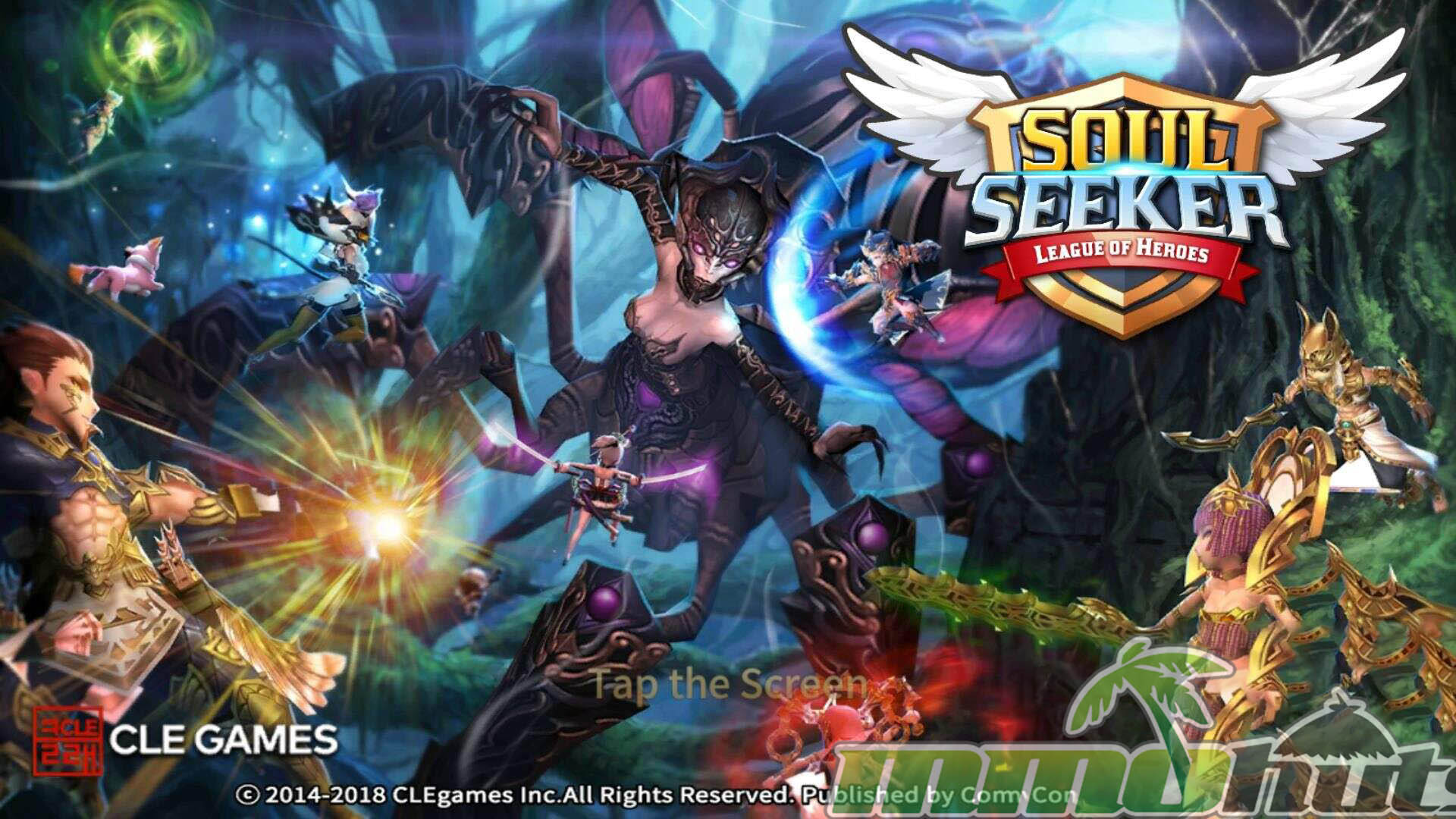 | Publisher: Com2uS Type: Mobile ARPG Release Date: February 5, 2015 Shut Down: January 30, 2019 Pros: +Easy-to-pick-up combat and straightforward controls. +Bright, flashy presentation that looks good on mobile. +Strong character art and appealing hero designs. Cons: -Runs can start to feel samey over time. -Monetization can create pay-to-win pressure. -Some systems are gated behind account level progression. -Energy limits how long you can play in one sitting. |
Soul Seeker Overview
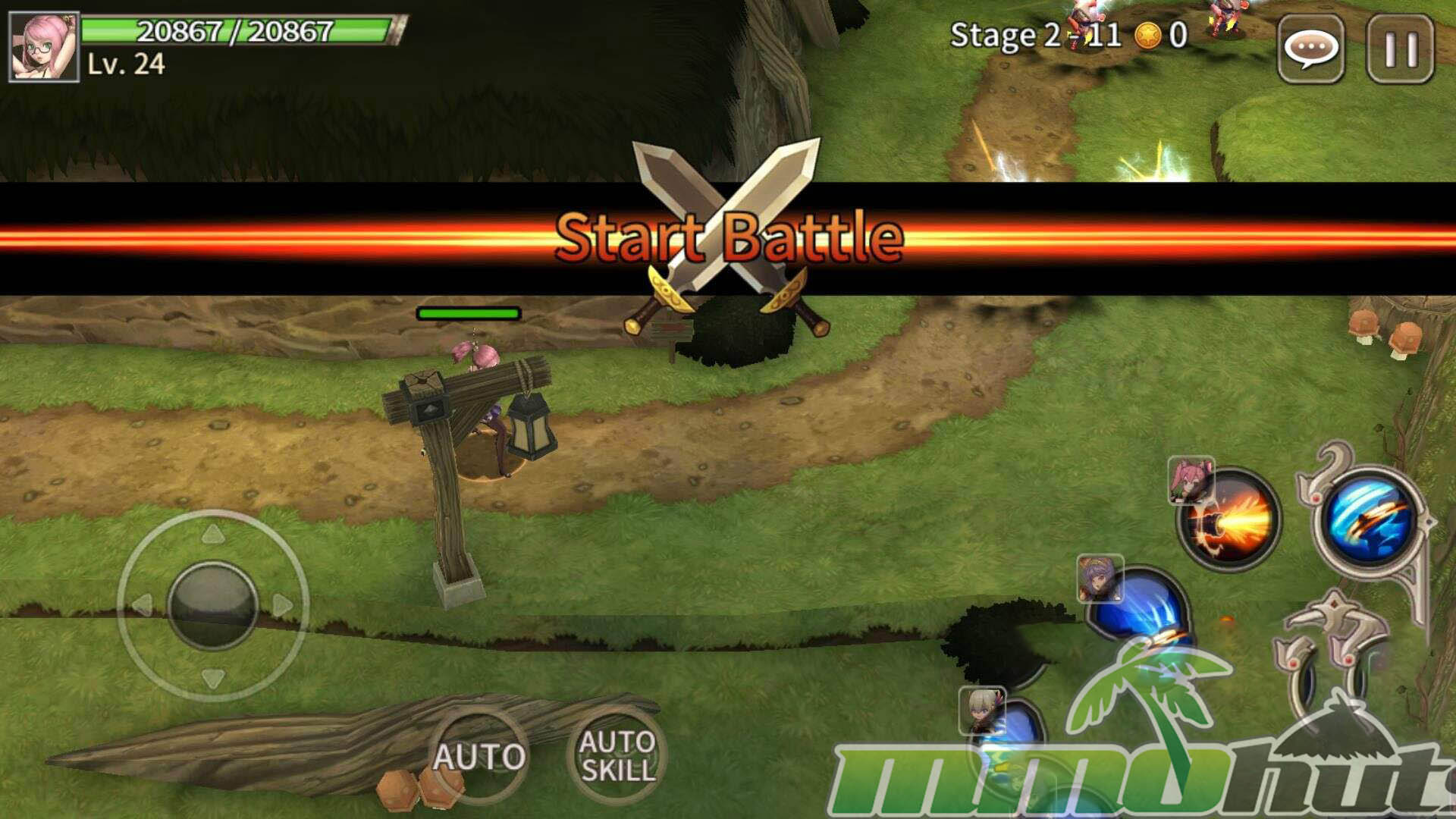
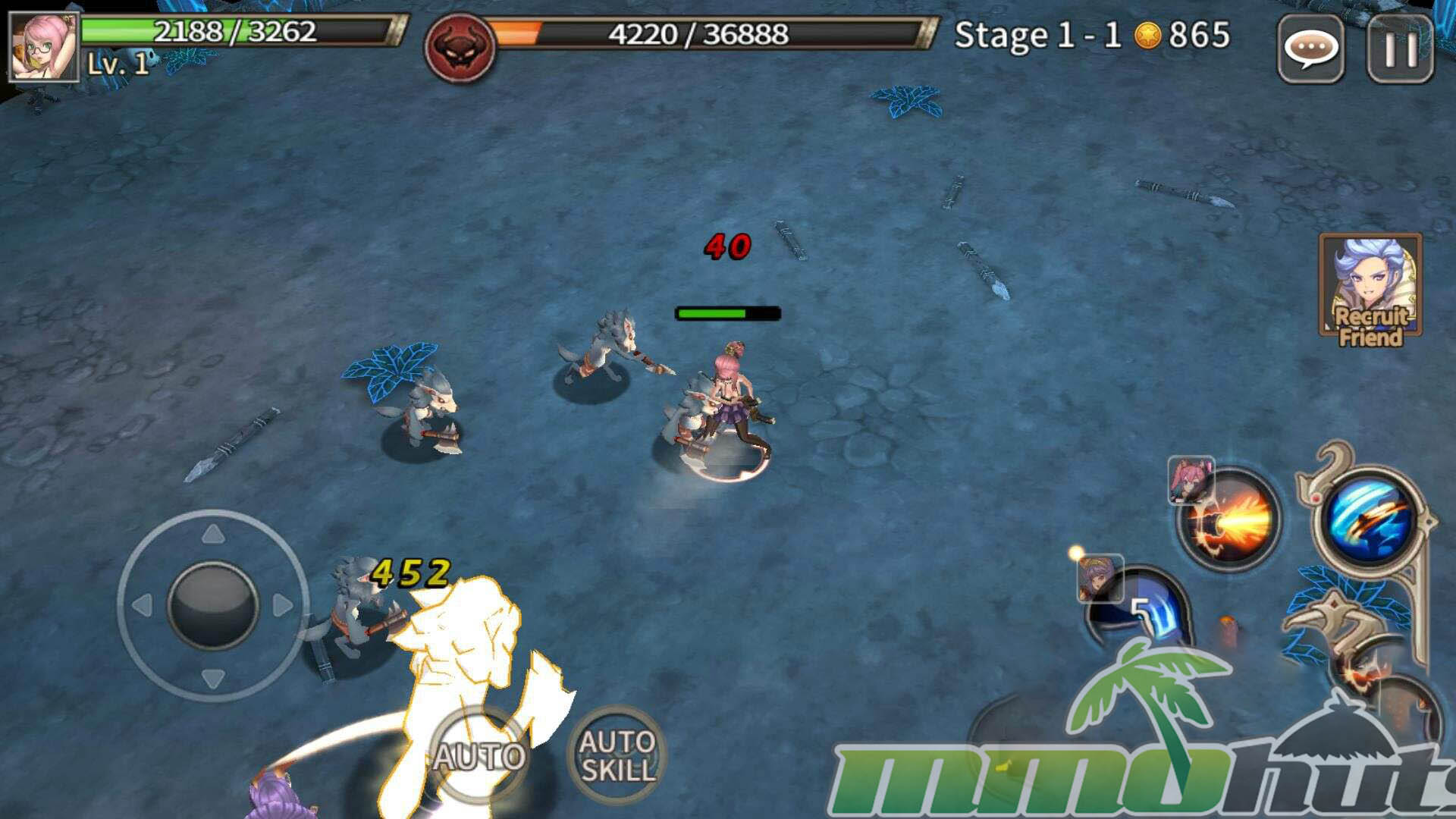
Soul Seeker drops you into a fantasy adventure built around compact, repeatable missions. You pick a lead hero, then fill out a roster of recruitable allies who can be called in to help during fights. The game’s stages are structured like classic ARPG gauntlets, you move from room to room clearing groups of monsters, then cap the run with a boss guarding the end of the level.
While the story setup leans into mythic fantasy, the real hook is the loop of building a stronger party. As you progress, you unlock a wide selection of heroes with different stats and abilities, letting you experiment with team compositions and skill synergy. Between runs you gather materials that can be used to craft weapons and equipment, then distribute that gear across your main character and supporting cast to keep pace with escalating enemy strength.
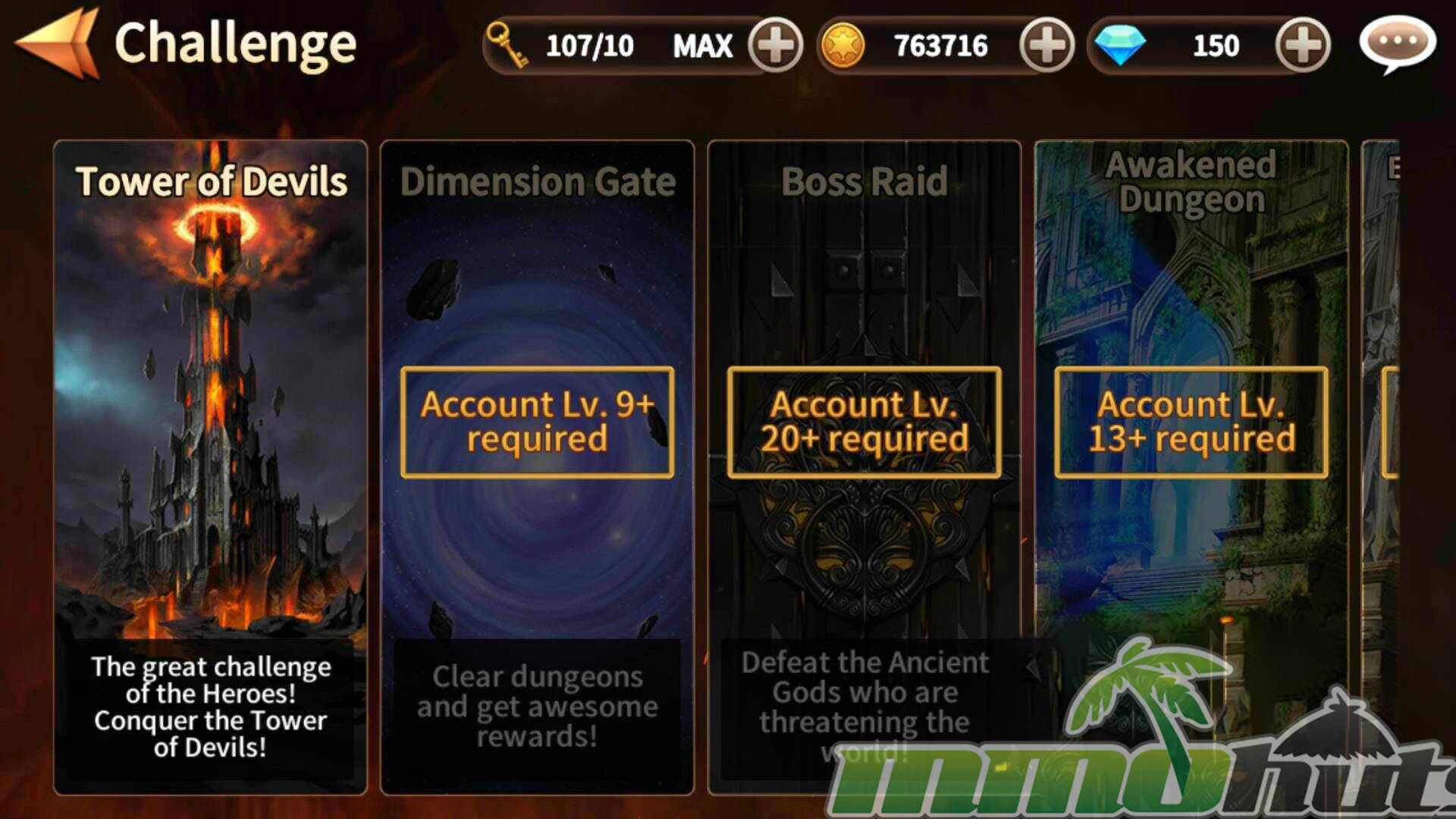
Outside of the campaign-style stages, Soul Seeker also offers competitive modes. PvP ranges from automated matchups to real-time encounters, with formats like tournaments and larger guild-focused battles. For players who prefer PvE challenges, the Challenge Towers provide a steady climb of increasingly difficult floors, rewarding persistence with useful resources that feed back into progression.
Soul Seeker Key Features:
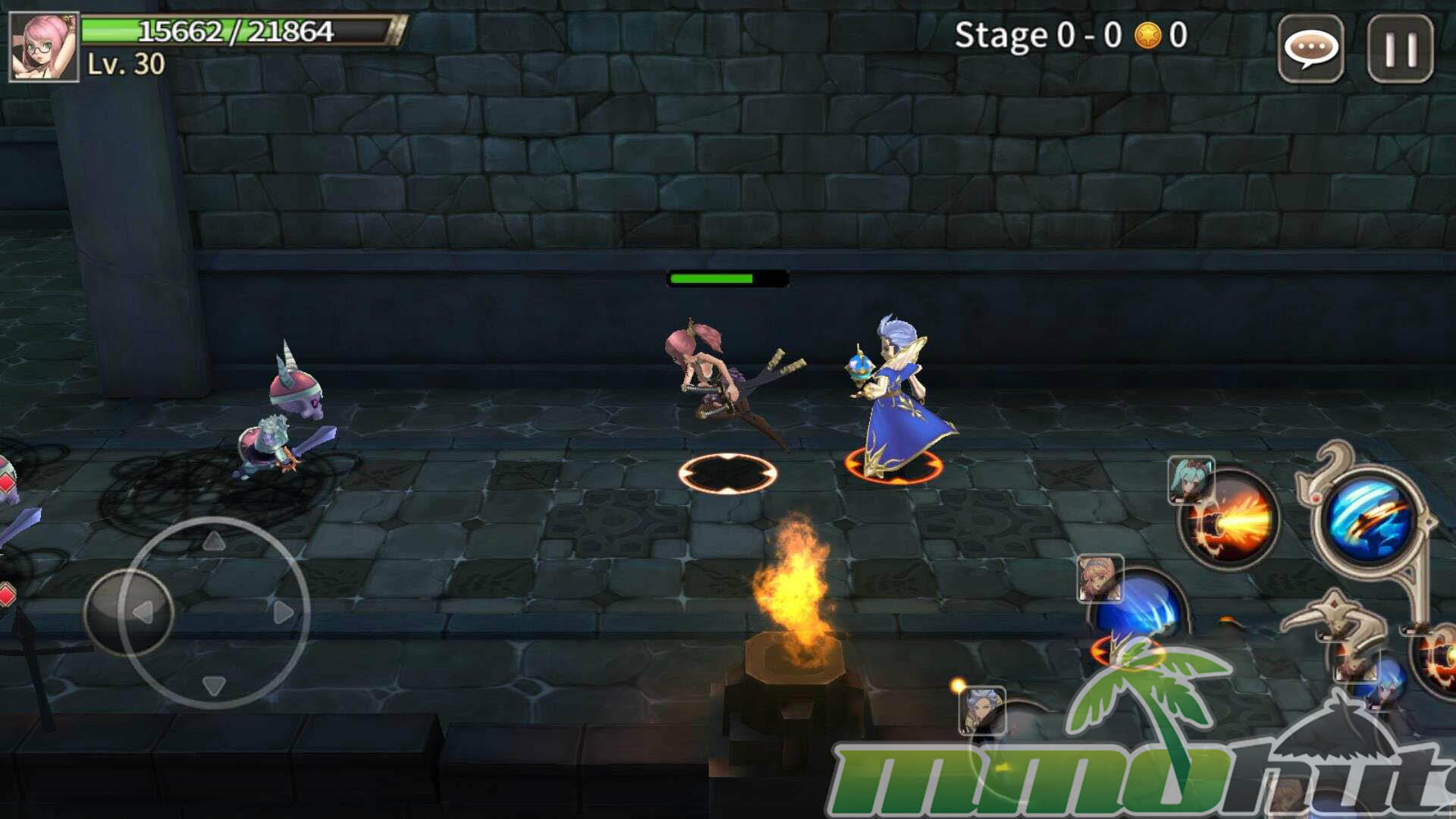
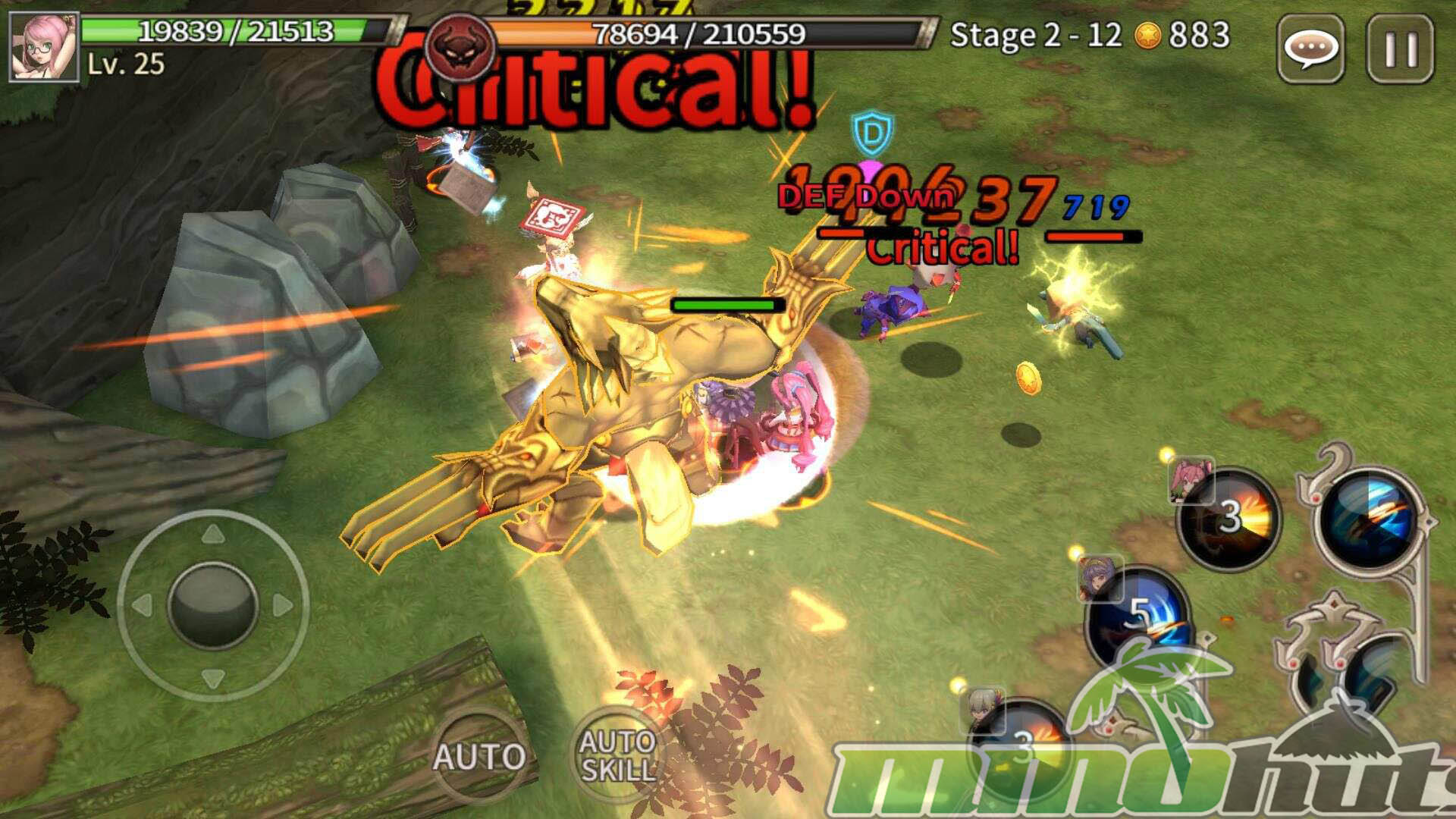
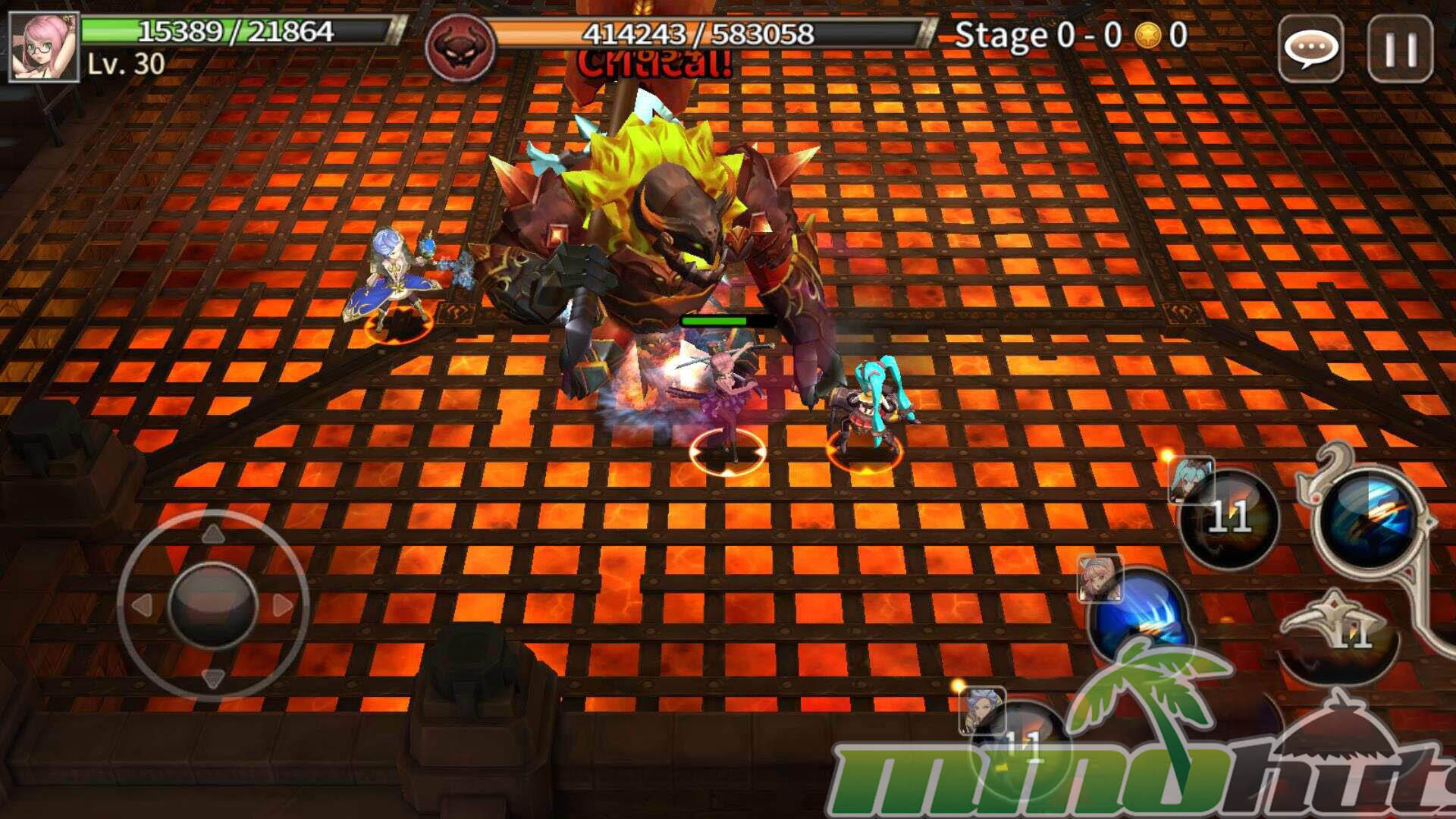
- Stage-Based Hack-and-Slash – fight through continuous rooms of enemies with a boss battle waiting at the end of each stage.
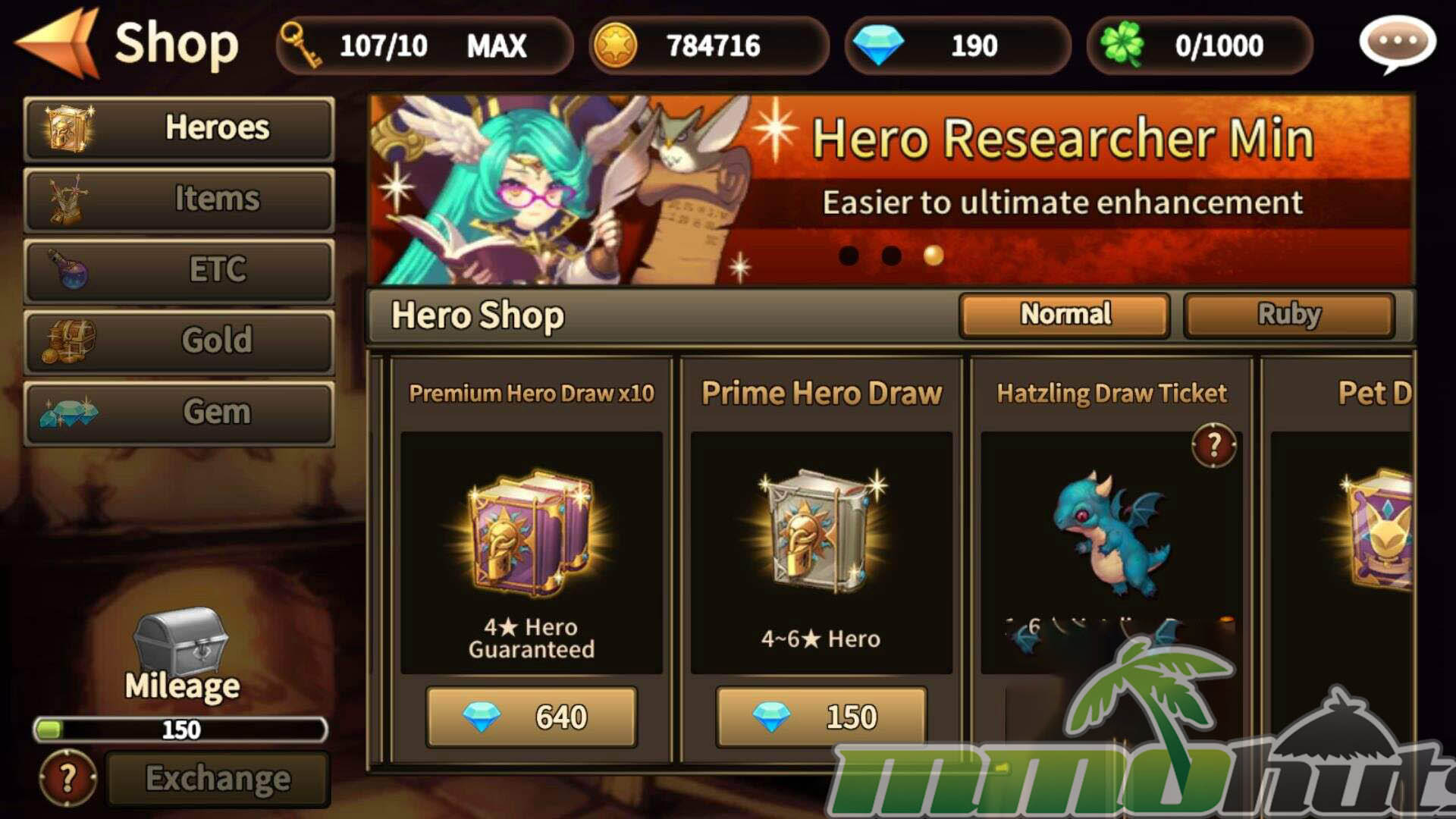
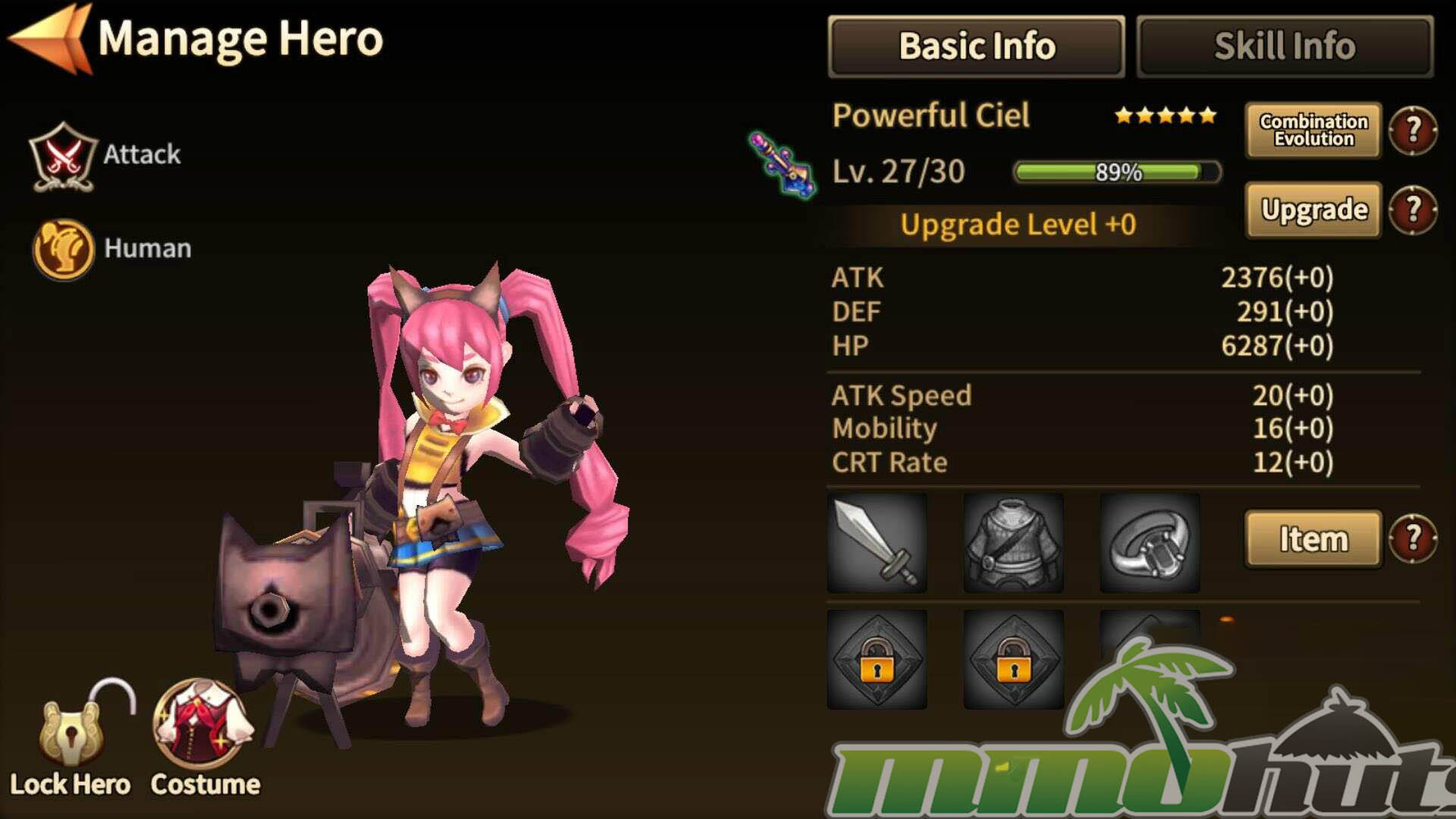
- Large Hero Roster – unlock many different heroes with distinct skills and attributes, then bring them into your party and summon them briefly during combat.
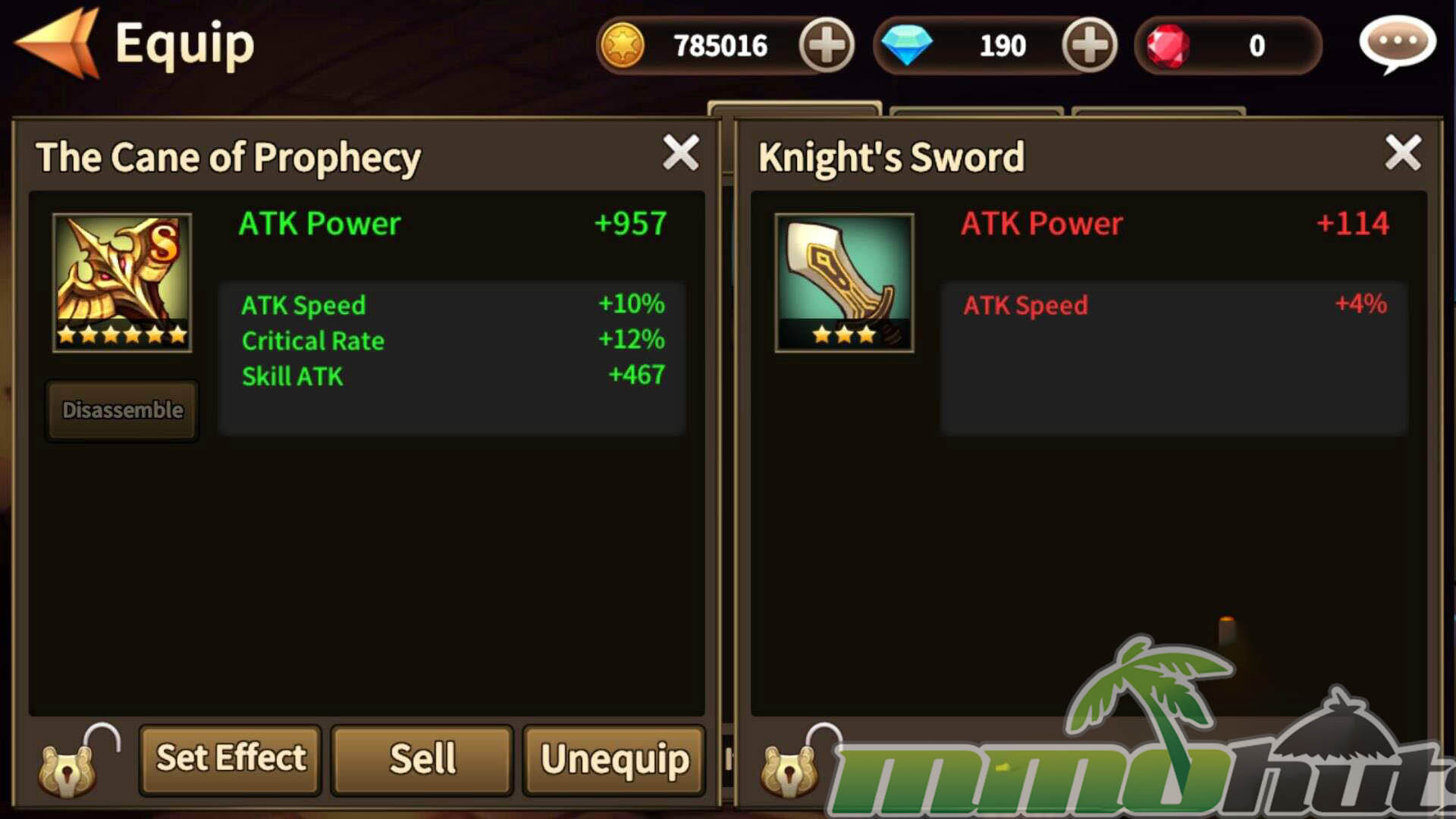
- Crafting and Equipment – collect materials and forge weapons and gear to improve your main hero and your supporting team.
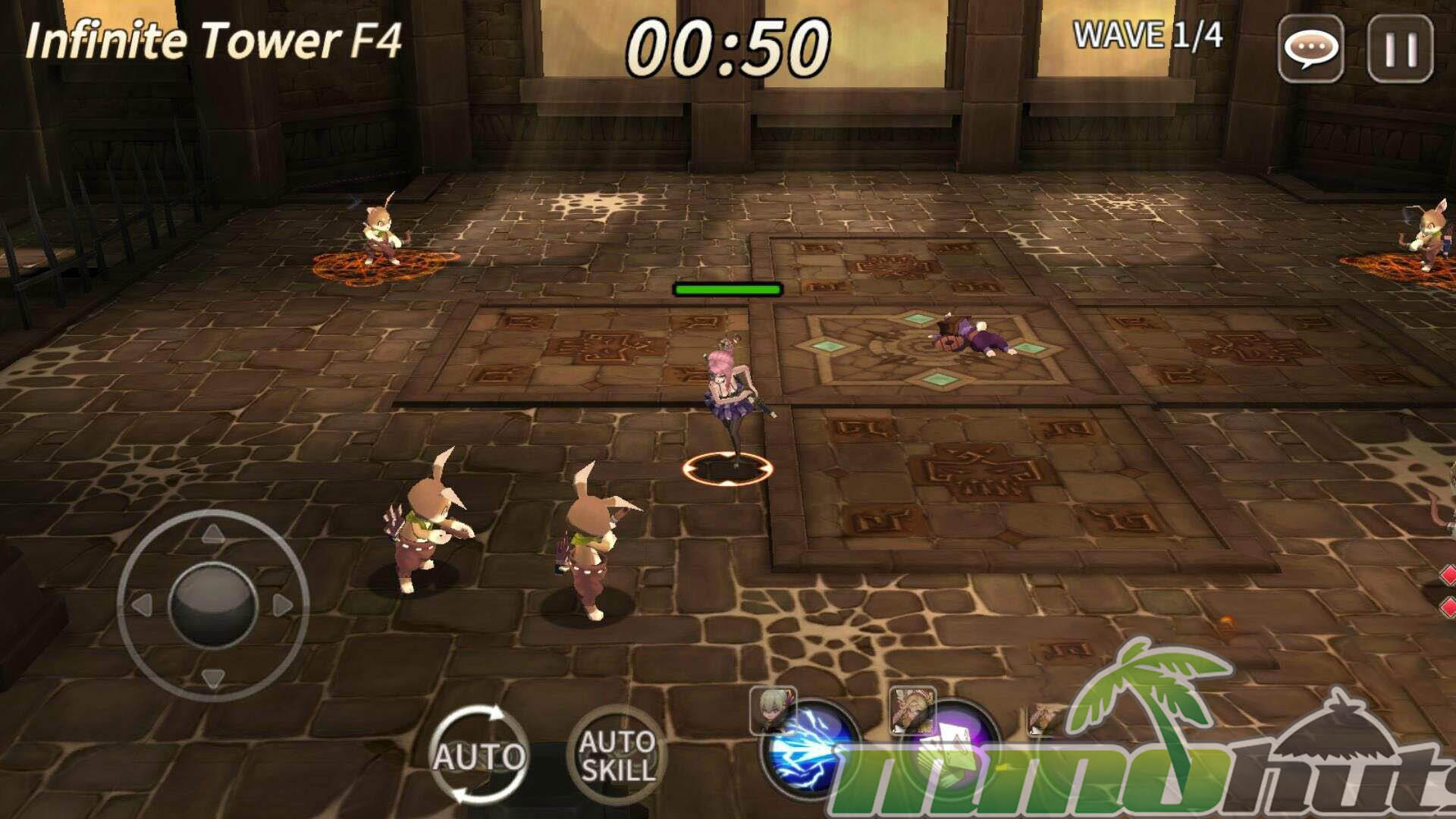
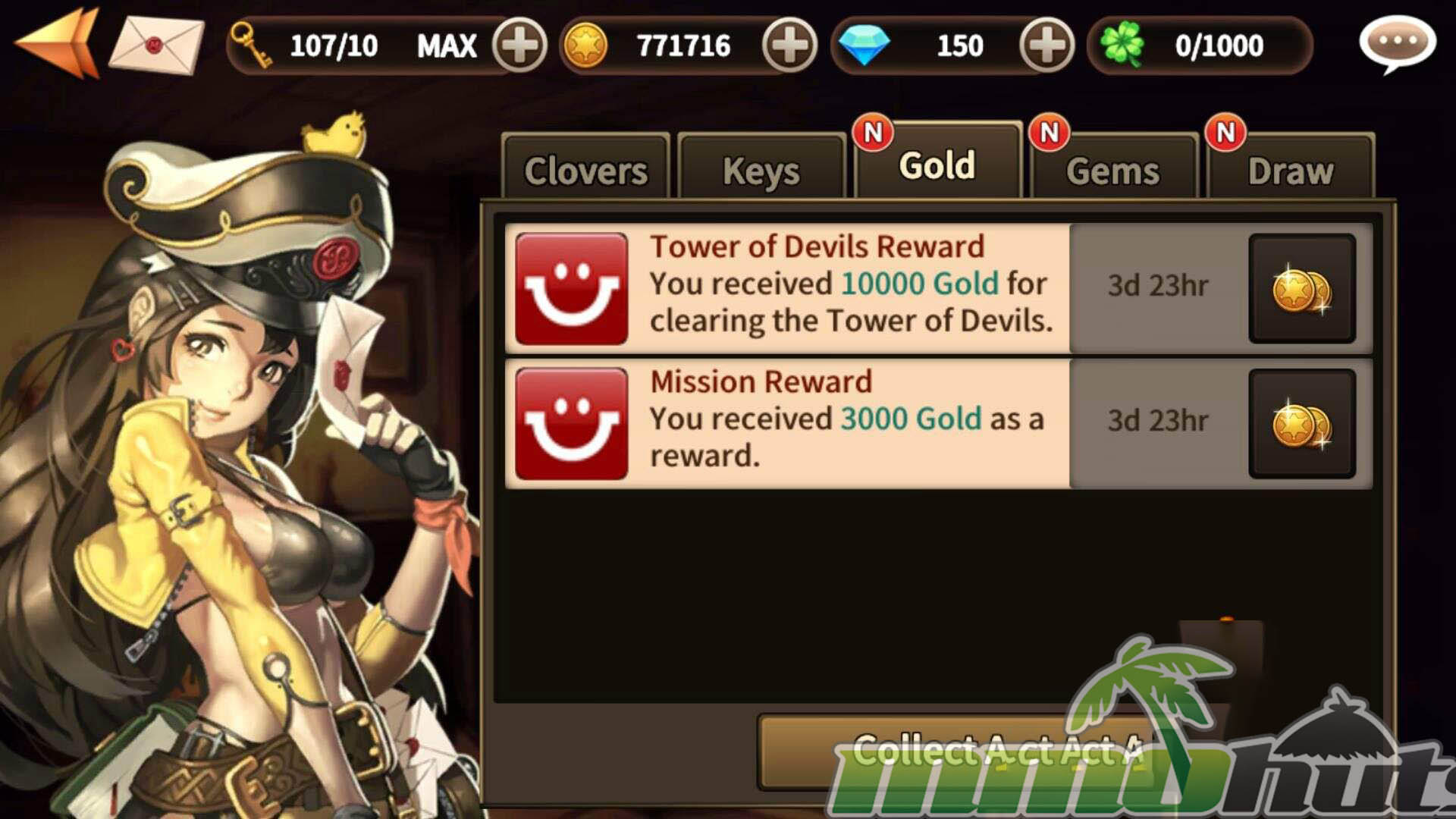
- Challenge Towers – push through floor-by-floor waves of enemies, earning better rewards as you climb higher.
- PvP Arena – try your builds against other players through tournaments, 5vs5, 10vs10, and Guild Siege battles.
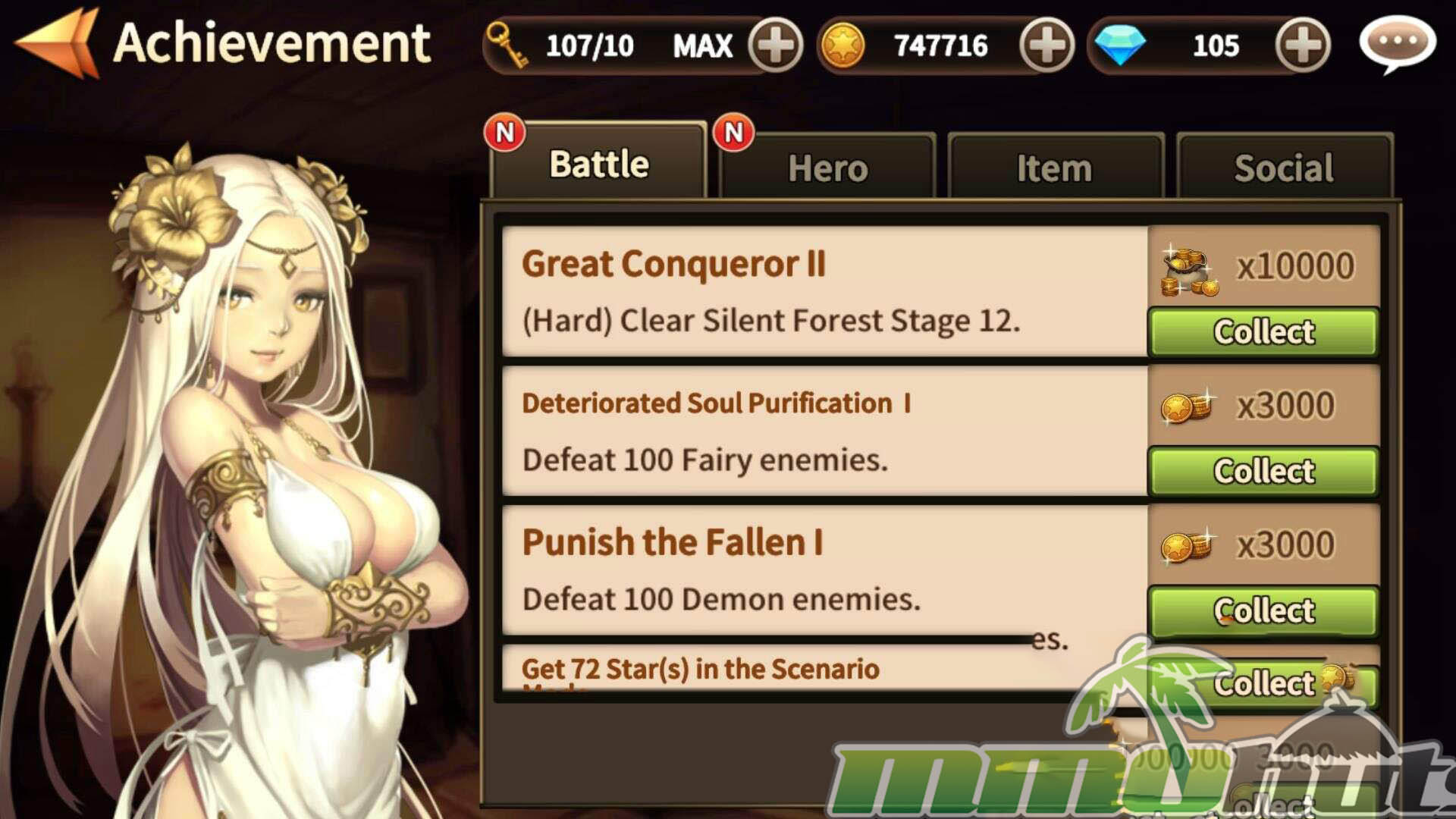
Soul Seeker Screenshots


Soul Seeker Featured Video

Soul Seeker Review
Soul Seeker is best understood as a mobile-first ARPG built around short, repeatable sessions. The isometric perspective and room-to-room pacing make it easy to read the action on a phone screen, and the early game does a solid job teaching the fundamentals without overwhelming you. If you enjoy the idea of constantly upgrading a party and watching numbers climb while you tear through enemies, it delivers that familiar mobile ARPG rhythm.
Combat that prioritizes speed and readability
Moment to moment, the gameplay is about moving into a room, triggering skills at the right time, and keeping your character safe while your party contributes damage and utility. The controls are simple and responsive enough for quick play, and the visuals are deliberately bold, abilities pop, hits are easy to track, and enemy groups are clearly telegraphed. Boss fights generally serve as the check at the end of each stage, forcing you to manage cooldowns and positioning more carefully than you do against regular mobs.
That said, the core structure rarely changes. Because stages are built around repeating the same clear-the-room pattern, the game can become predictable once you have a stable team and a reliable rotation. The action remains satisfying in small bursts, but variety depends heavily on whether you enjoy trying new heroes and experimenting with builds.
Progression revolves around heroes, gear, and gates
The collection side is one of Soul Seeker’s biggest draws. Unlocking new heroes and fitting them into your party gives you steady goals, and the character artwork helps sell the roster. Crafting and equipping gear adds another layer of optimization, especially when you start focusing on which heroes deserve investment and which are better as situational support.
The downside is that progression is not purely skill-driven. Like many mobile ARPGs, some features are tied to account level, which can make the mid-game feel like you are waiting for access rather than earning it through mastery. On top of that, the energy system naturally limits longer play sessions, pushing the game toward shorter check-ins rather than extended dungeon grinds.
PvP and towers add structure, but not always balance
The PvP offerings and guild modes are useful for players who like measuring their team against others. They also create reasons to keep improving your roster beyond the campaign. However, competitive modes can highlight the game’s monetization pressure. When power gains can be accelerated through spending, it can be difficult for free players to feel like they are competing on equal footing, particularly in modes where raw stats matter as much as execution.
The Challenge Towers, by contrast, are a more consistent source of difficulty and rewards. They work well as a long-term PvE goal, providing a clear ladder of milestones and a reason to keep tuning your party.
Who it was for
Soul Seeker worked best for players who wanted a visually flashy, easy-to-learn ARPG with a strong emphasis on hero collection and incremental upgrades. If you prefer deep mechanical variety, long uninterrupted play sessions, or tightly balanced competitive play, its repetition and mobile gating systems could be frustrating.
Soul Seeker Online Links
Soul Seeker Android
Soul Seeker iOS
Soul Seeker Official Facebook
Soul Seeker Wikia
Soul Seeker System Requirements
Minimum Requirements:
Operating System: Android 4.1 and up, iOS 7.0 or later.
Soul Seeker Music & Soundtrack
While Soul Seeker had a serviceable fantasy soundscape that fit its fast dungeon pacing, detailed soundtrack information is limited now that the game has been discontinued. In play, the audio leaned on energetic combat cues and effect-heavy ability sounds to keep fights feeling impactful, especially during boss encounters and tower runs.
Soul Seeker Additional Information
Developer: Com2uS
Publisher: Com2uS
Release Date: February 5, 2015
Shut Down: January 30, 2019
Development History / Background:
Soul Seeker is a 3D, fantasy-themed isometric ARPG created by South Korean developer and publisher Com2uS. It was originally planned for a global release on January 29, 2015, but the launch was delayed to February 5, 2015 for reasons that were not publicly detailed. After several years of operation, the game’s service ended on January 30, 2019.