Shattered Skies
 (No Ratings Yet)
Shattered Skies is a 3D sandbox survival shooter that drops you into a ruined Earth after a comet shattered the moon and pelted the planet with debris. The result is a harsh scavenging game where you are just as likely to die to another player as you are to the alien threats that arrived with the impact.
 | Publisher: Free Reign Entertainment Type: Sandbox MMO Release Date: July 21, 2016 Shut Down Date: January 31, 2017 Pros: +Large-scale open PvP. +Mission structure tied to factions. +Memorable alien look and atmosphere. +Character leveling with RPG flavor. Cons: -Feels closely related to the team’s earlier titles. -No real base-building loop. -Only one character slot per account. |
Shattered Skies Overview
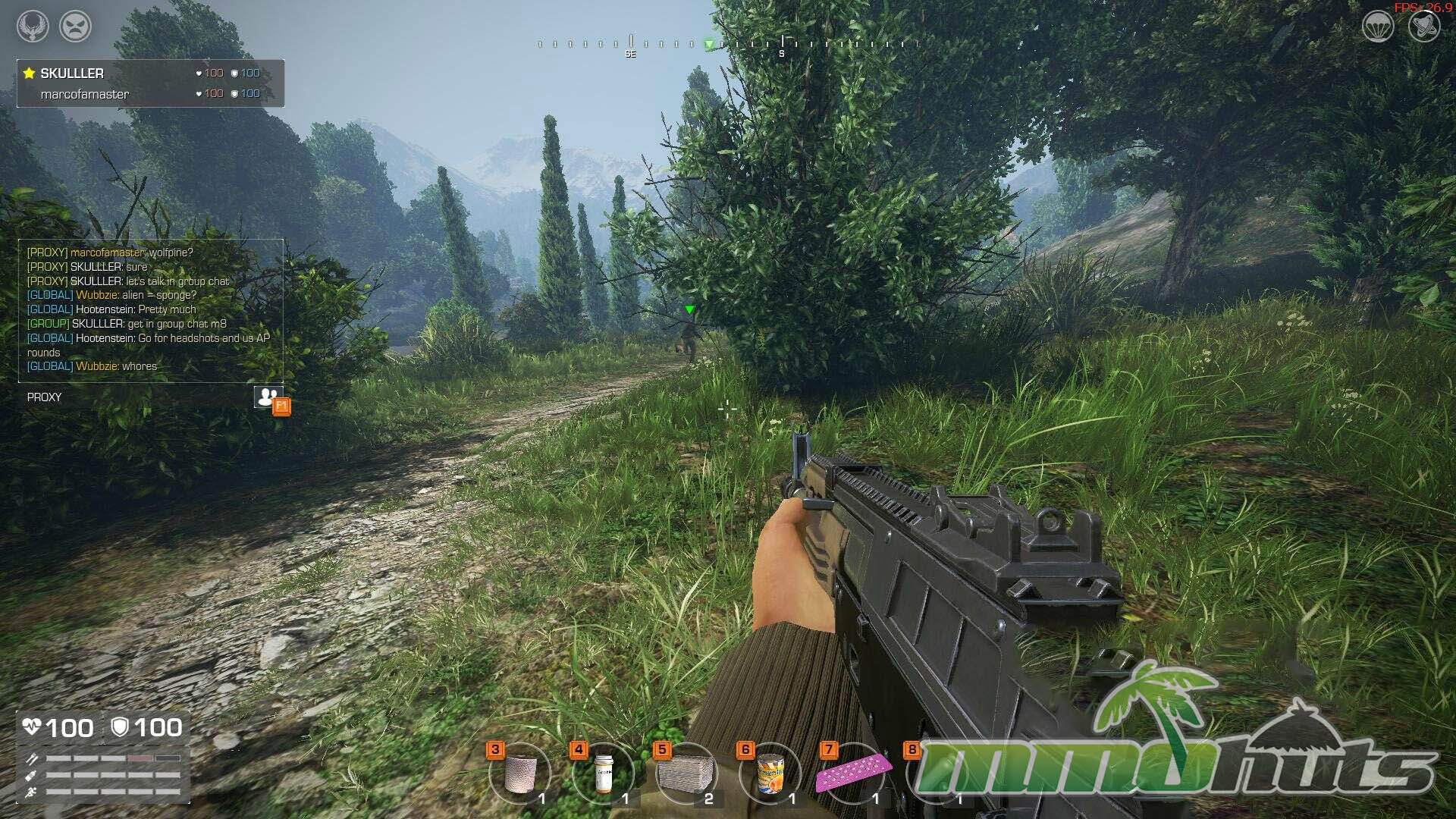
After a comet strike splinters the moon, fragments and strange materials crash into Earth, collapsing modern society and leaving pockets of survivors to fend for themselves. In Shattered Skies you enter that aftermath as a scavenger, choosing first-person or third-person view while sharing the world with up to 100 players. Staying alive is a constant routine of searching for firearms, ammunition, food, water, medicine, and crafting supplies, all while keeping an eye out for hostile survivors who see you as walking loot.
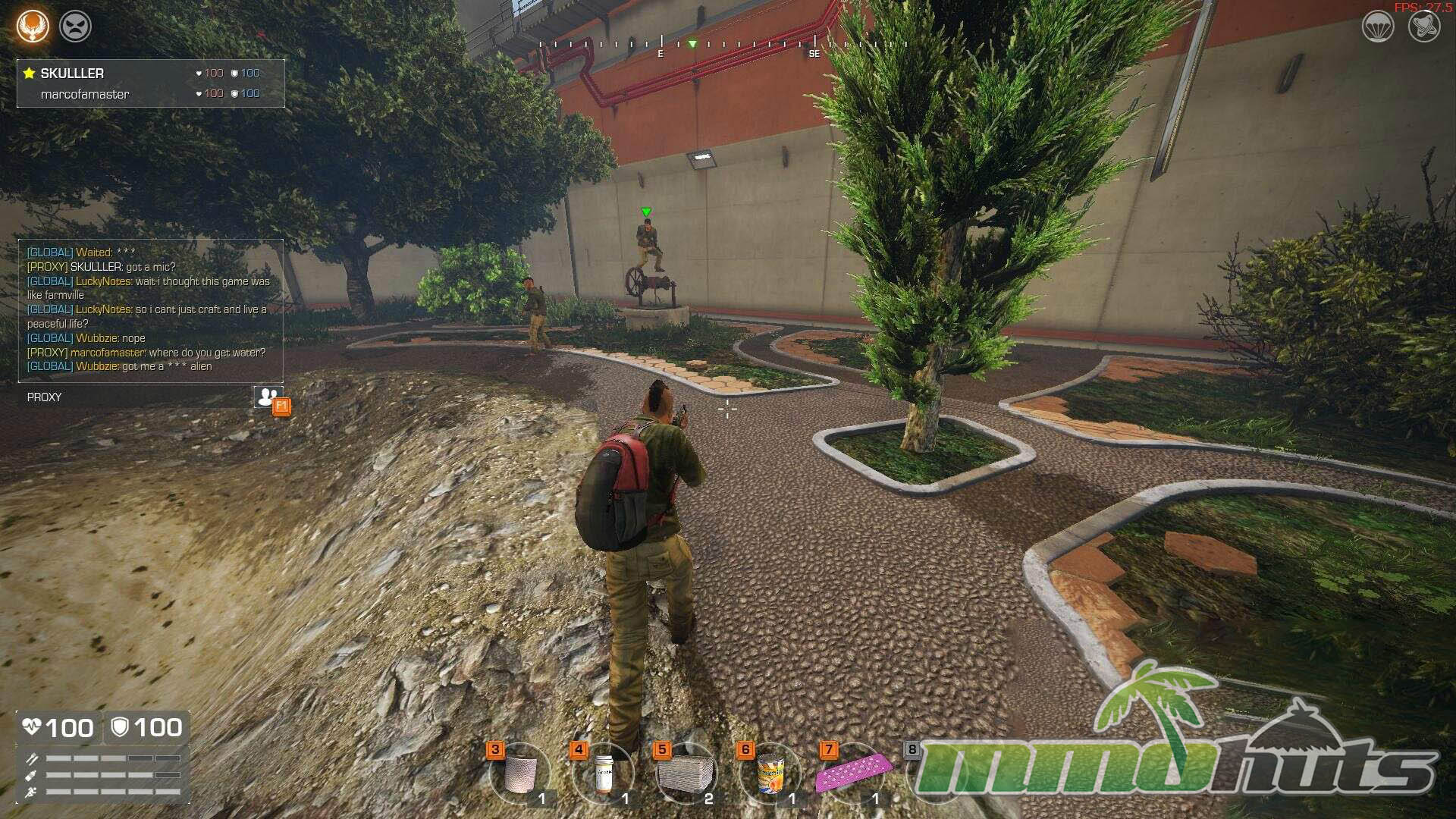
The comet’s fallout also introduced crystalline impact sites that survivors can exploit for energy and reputation, but those same areas are dangerous, with aggressive aliens frequently encountered around them. You can band together with up to 9 other players to run scavenging routes, take on faction-oriented tasks, and defend each other during long treks between settlements. Or you can embrace the outlaw side of the sandbox, ambushing travelers and stripping them of gear. Between ruined urban areas and wilderness stretches, you will constantly collect materials and convert them into practical tools, traps, and equipment to improve your odds in a world that rarely gives second chances.
Shattered Skies Key Features:
- Open-World PvP – expect player conflict almost everywhere once you leave the protection of non-combat towns.
- Player Groups – squad up with as many as 9 survivors to reduce the risk from both ambushes and alien encounters.
- Hunger/Thirst System – maintain supplies by looting food and water, then managing them during long trips.
- Crafting – assemble useful gear and defenses, including traps, shields, armor components, and weapon parts.
- Fortify Buildings – reinforce key positions with barricades, mines, and traps to hold rooftops and interior choke points.
Shattered Skies Screenshots
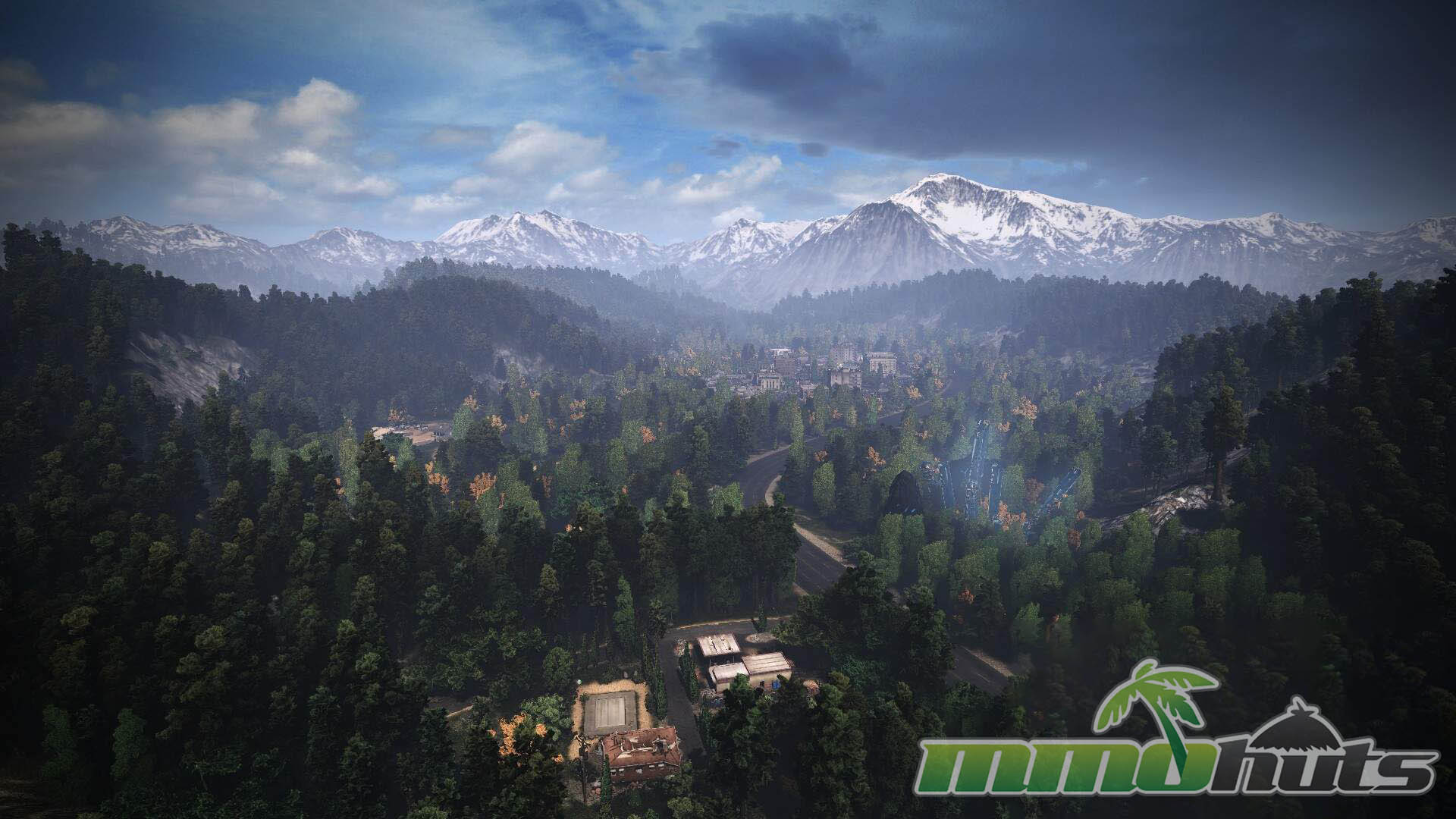
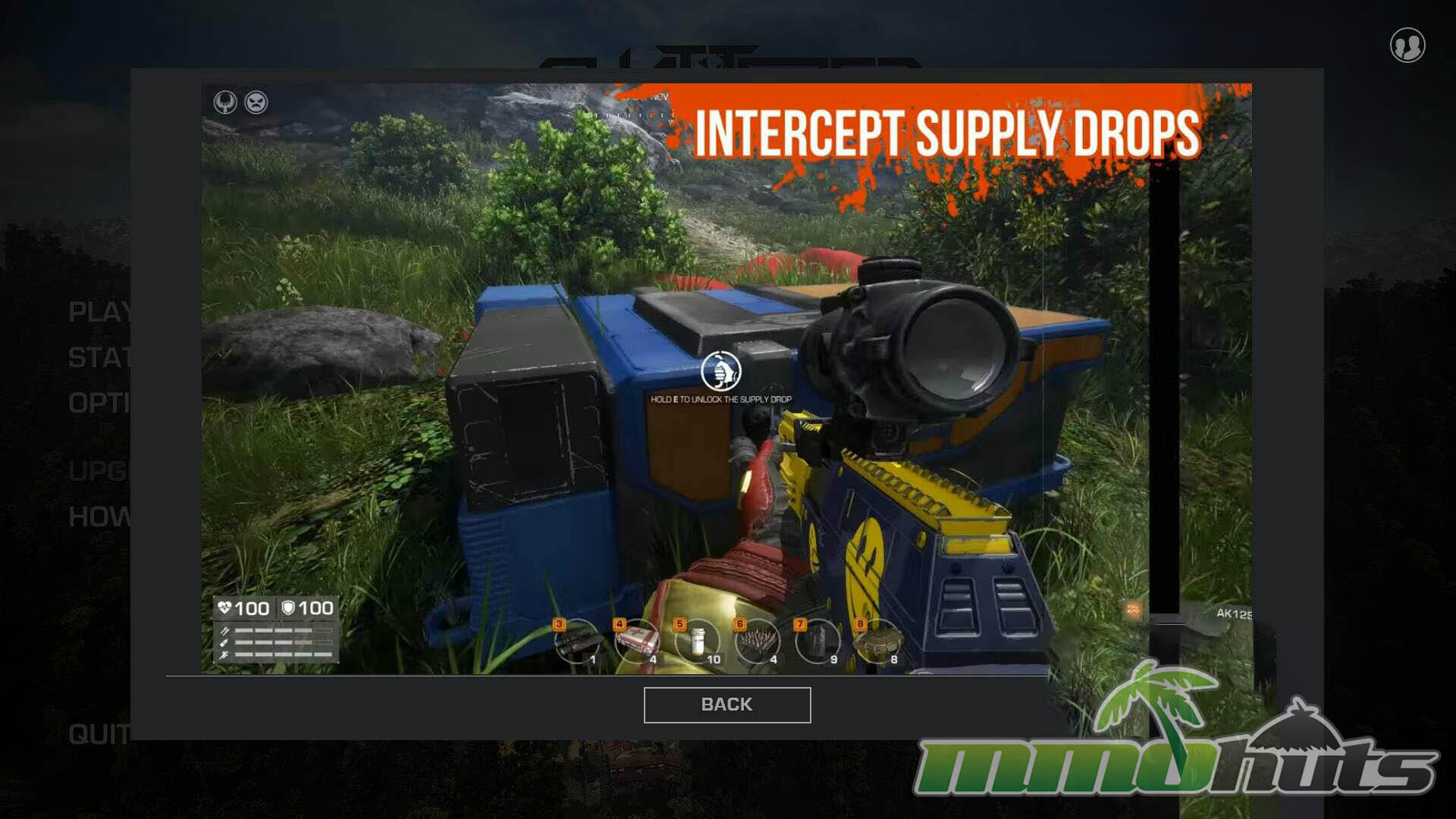
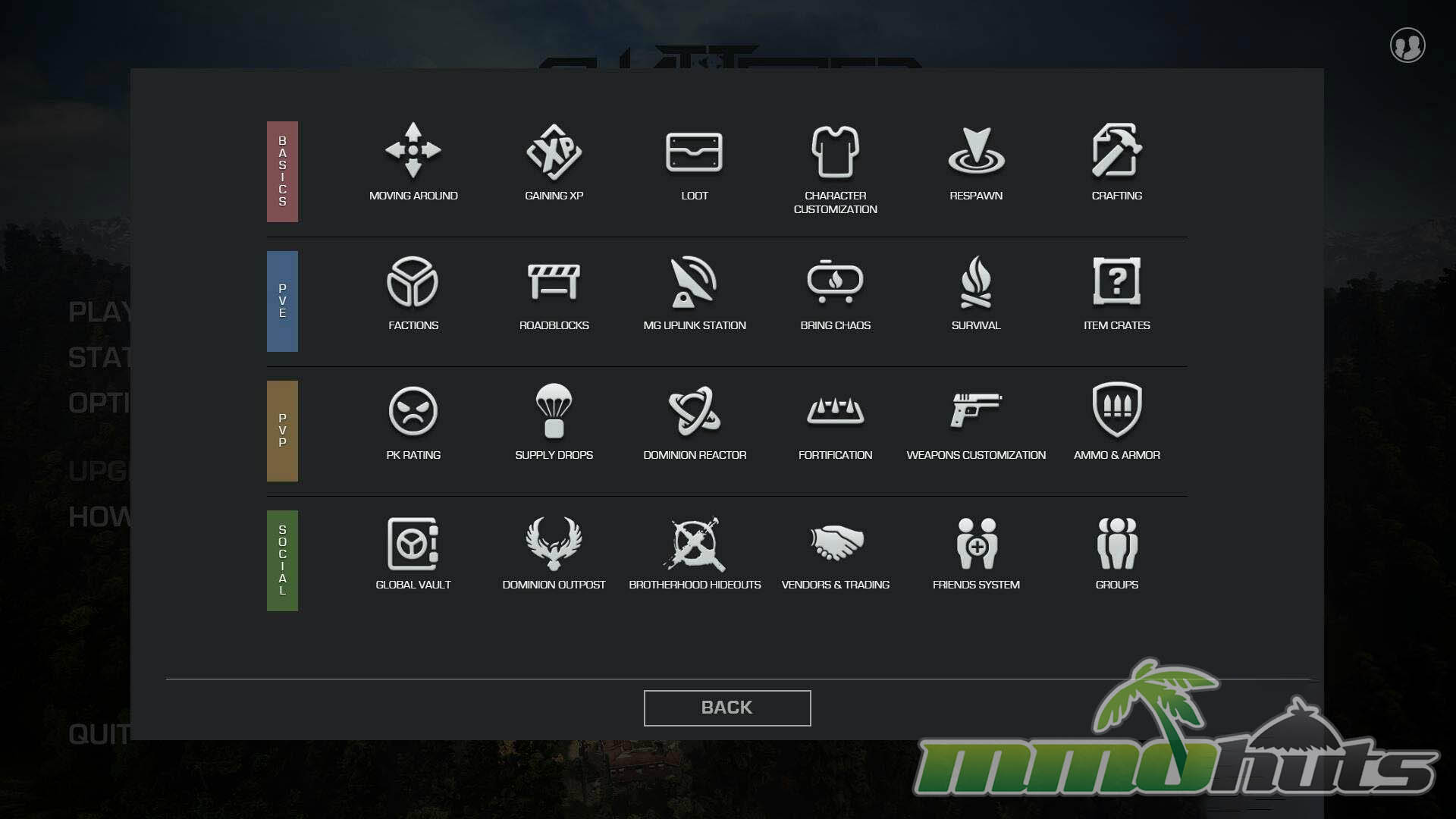
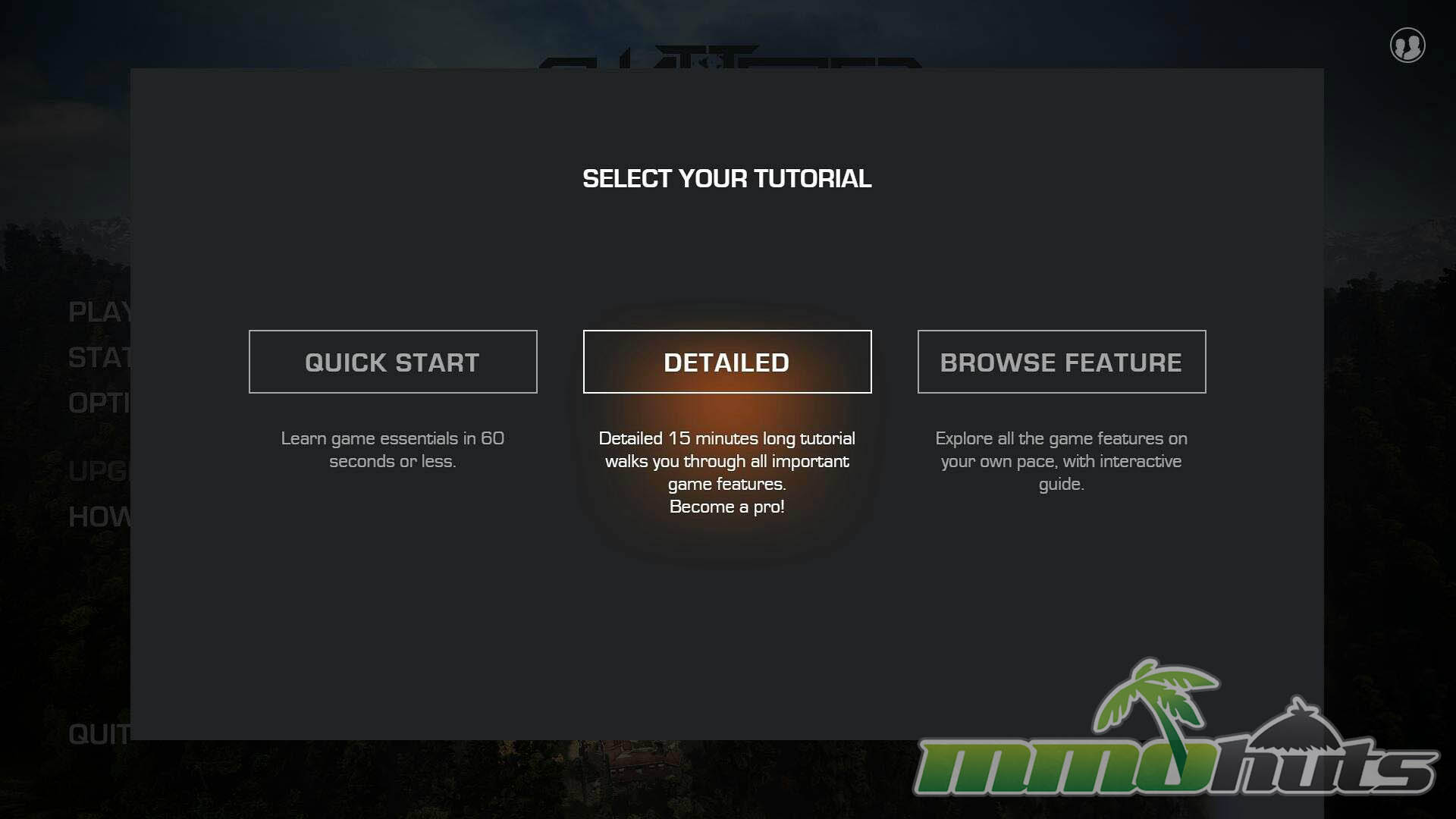
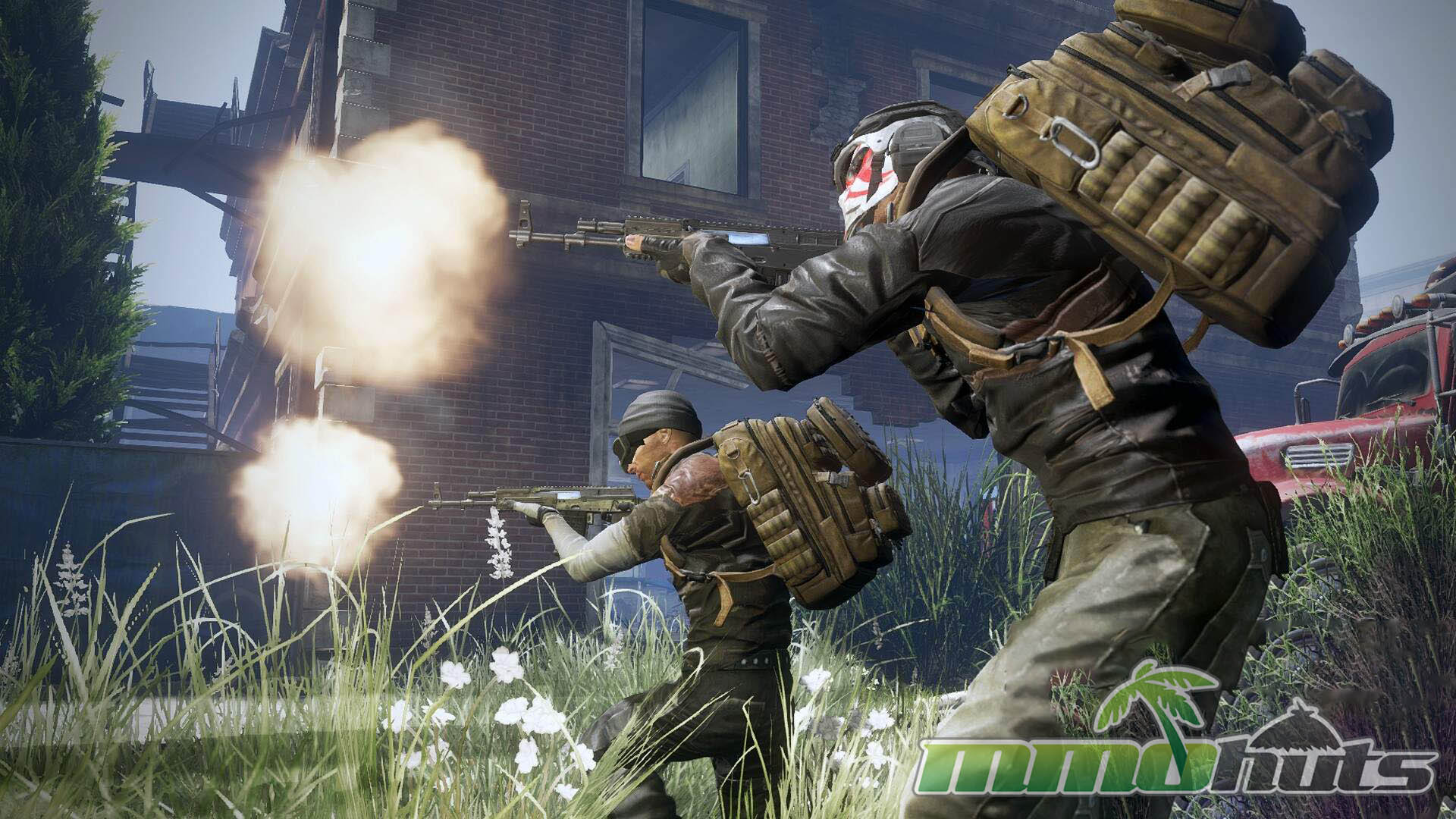

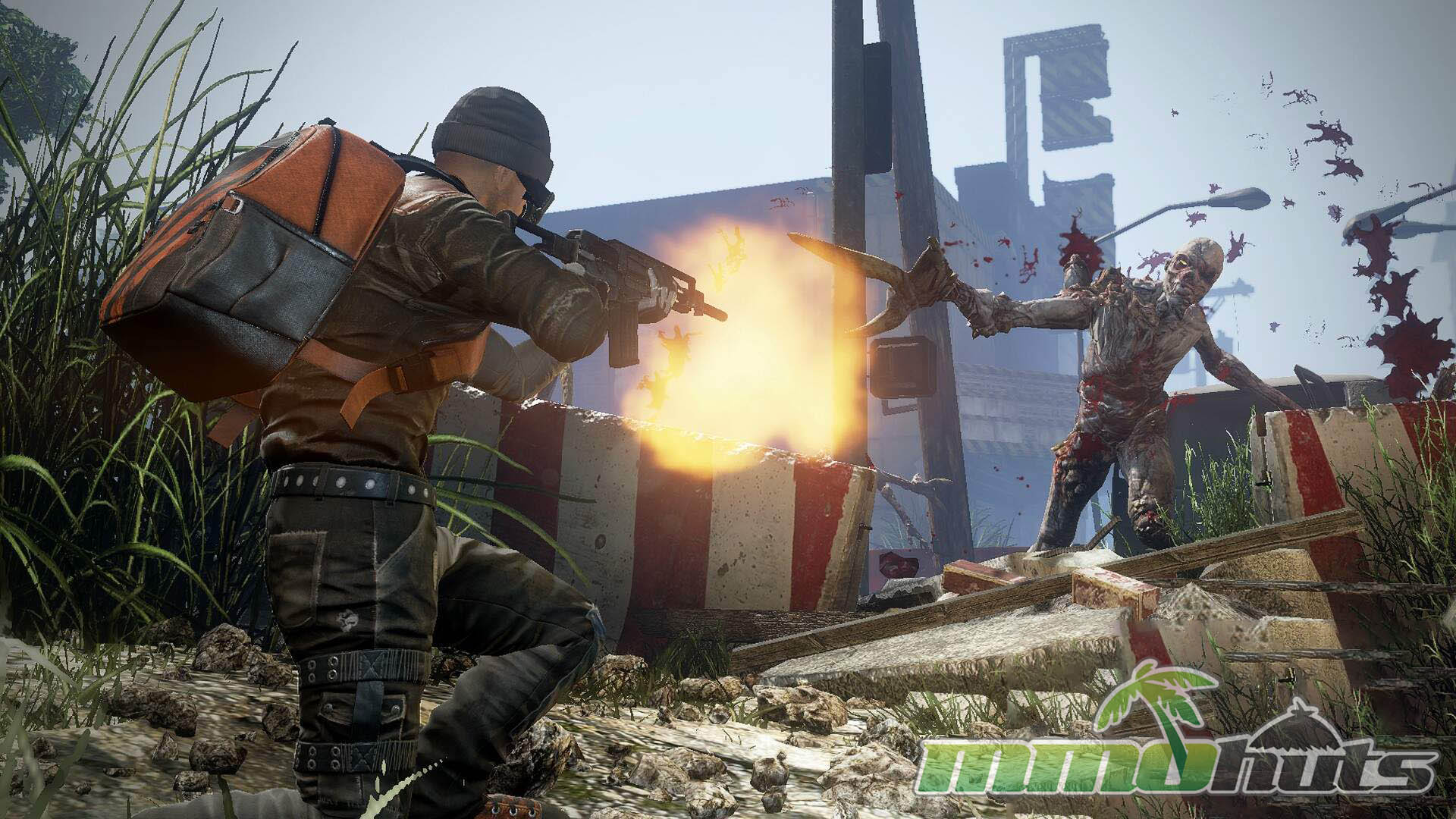

Shattered Skies Featured Video

Shattered Skies Review
Shattered Skies frames its survival sandbox around a simple but effective catastrophe: a comet destroys the moon, and the resulting bombardment reshapes the planet into a patchwork of wrecked cities, makeshift settlements, and contaminated impact zones. Long after the initial disaster, the few remaining humans have started organizing again, learning to tap the energy of crystal formations found near crash sites. Those crystals create a clear risk-reward loop, because they attract alien predators and also draw other players who want the same payout. Your role is not a chosen hero, you are simply one more survivor trying to stay fed, armed, and alive long enough to matter.

Technically, the game is built on the NightShade engine, described as an improved branch of the Eclipse tech associated with League of Legends. In practice, Shattered Skies aims for performance and readability over flashy presentation. Visuals are serviceable rather than striking, but the clarity helps in a PvP-heavy game where spotting movement and tracking targets matters more than scenery. The option to swap between first-person and third-person also changes how tense firefights feel, with first-person leaning toward precision and third-person offering better awareness in tight areas.
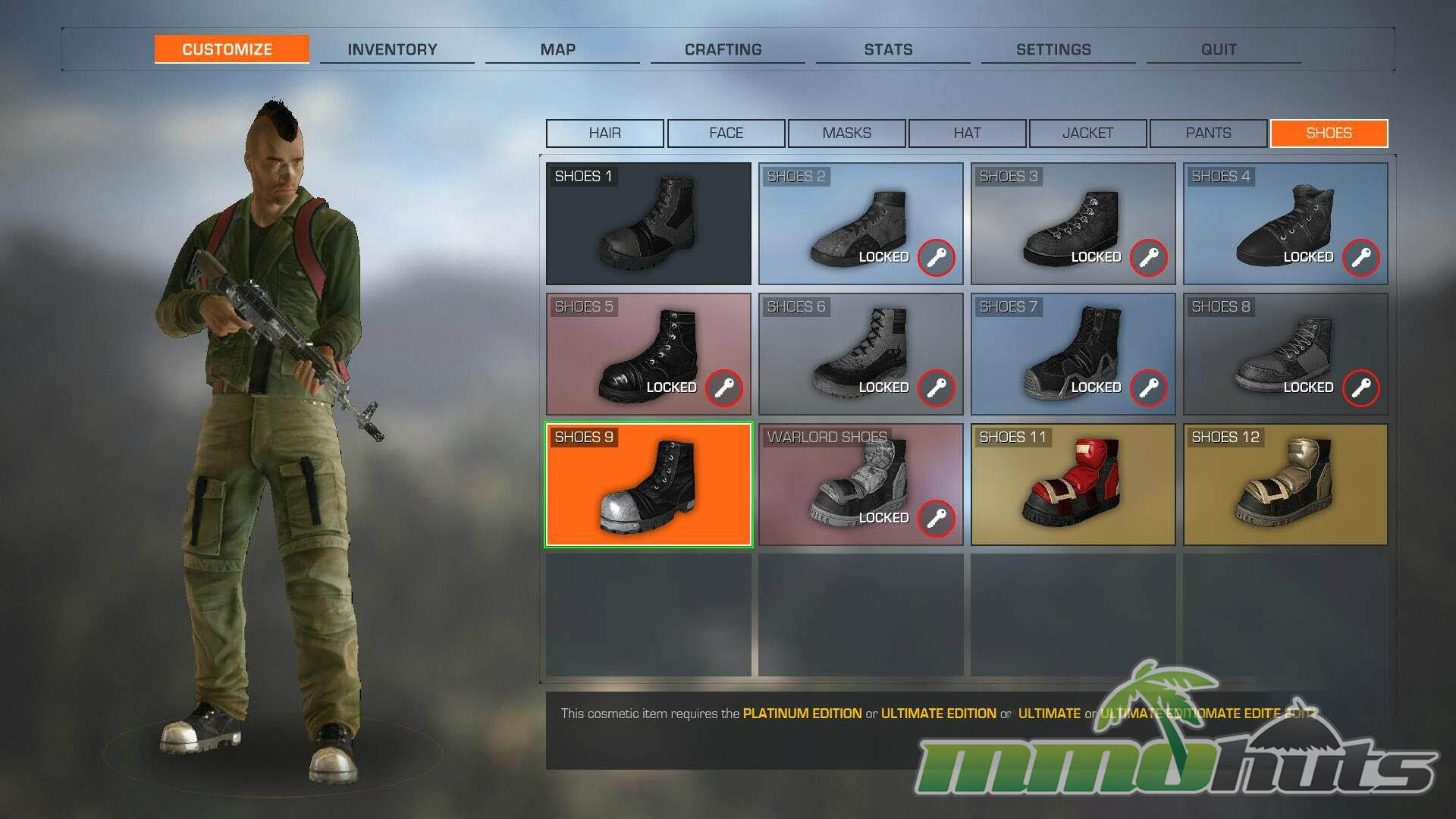
Learning the basics without a traditional tutorial
Instead of forcing you through a guided starting mission, Shattered Skies points new players toward short videos and a wiki-like knowledge hub that breaks down key mechanics. It is a practical approach for a sandbox where players often want to get moving quickly, yet it still provides enough structure for those unfamiliar with survival shooters. Experienced FPS players can skim the essentials and jump straight into scavenging, while newcomers can take the longer route and pick up the basics of inventory, survival meters, and combat expectations before risking their first long trip outside town.
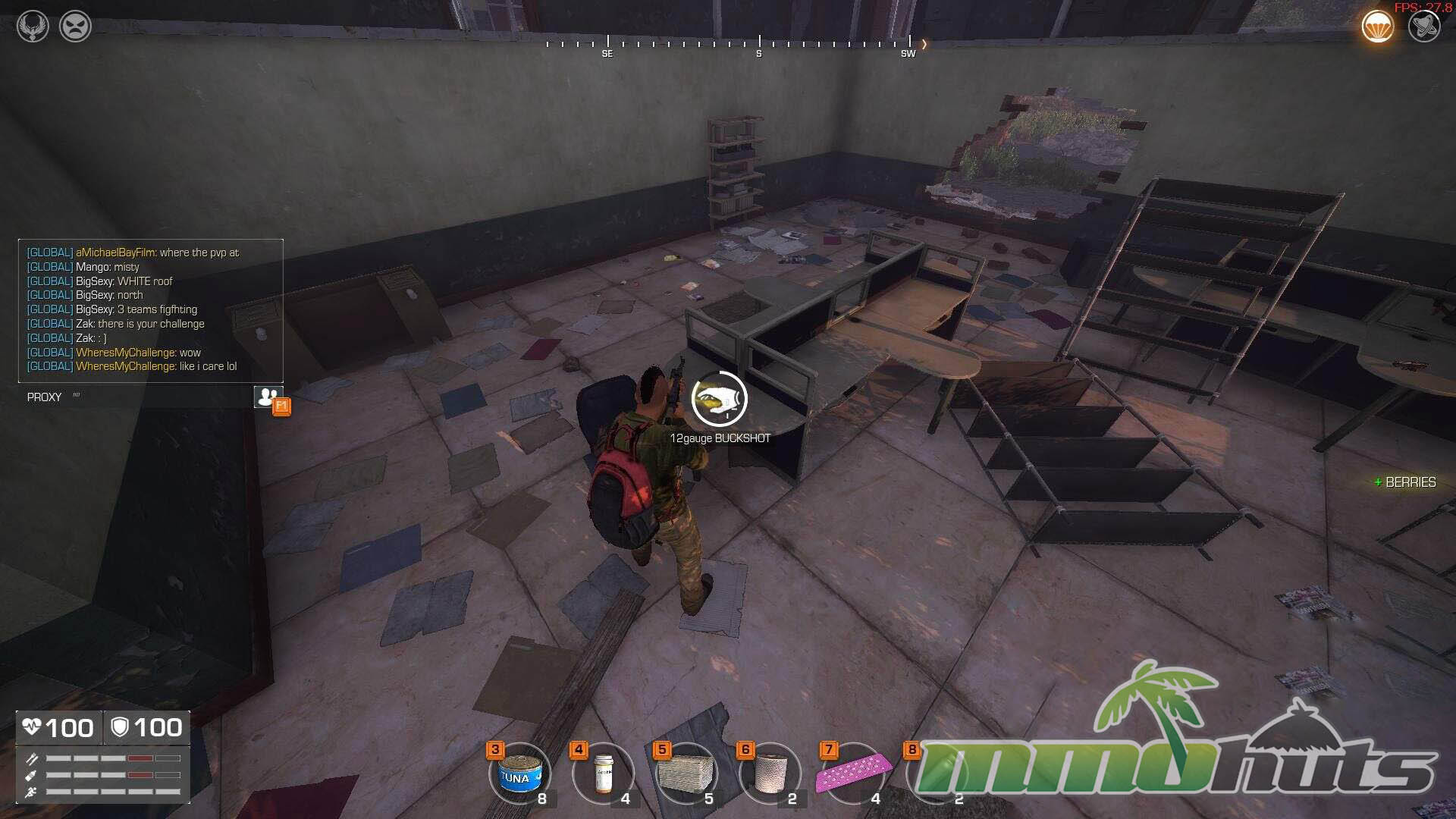
Scavenging, inventory pressure, and the early-game loop
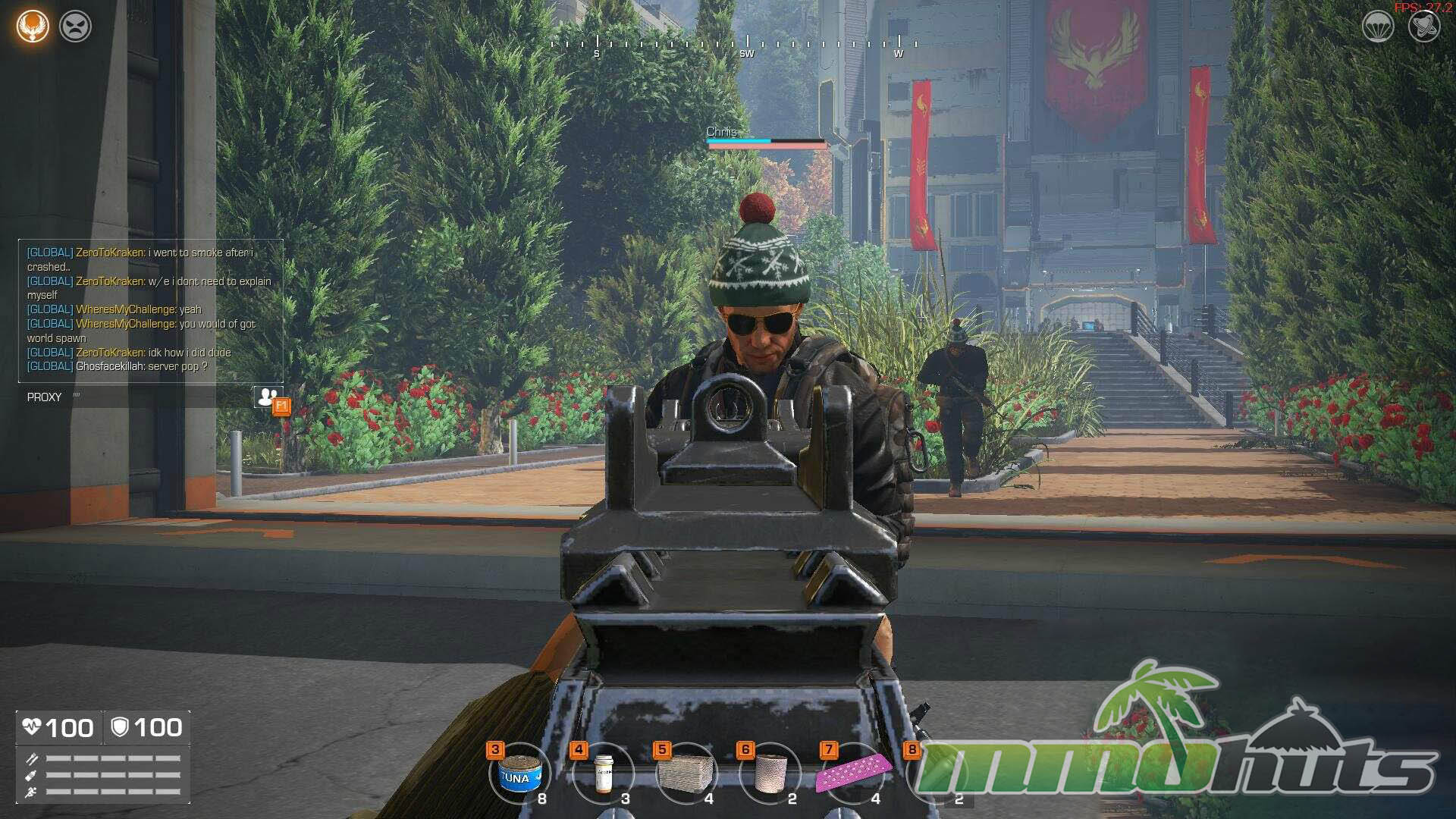
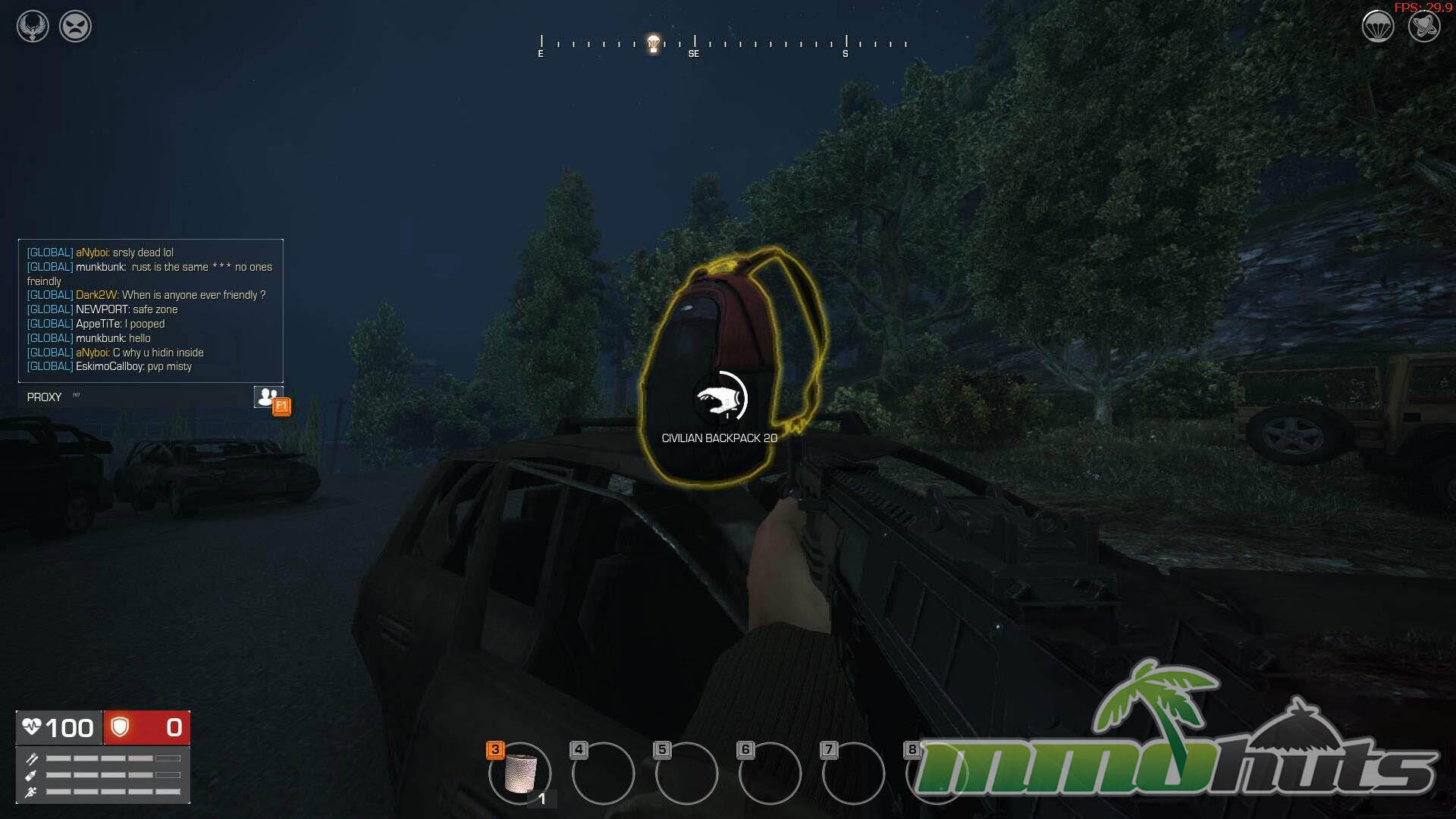
Moment to moment, Shattered Skies lands in familiar territory for fans of DayZ-style games, with survival needs and crafting sitting alongside gunplay. You begin at a random location and receive a starter “Welcome bag” that provides a baseline loadout (rifle, sidearm, some food and water, plus ammunition). From there the map becomes your checklist: search buildings for supplies, weigh what to carry in limited backpack space, and decide when to risk traveling to a settlement to bank valuables.
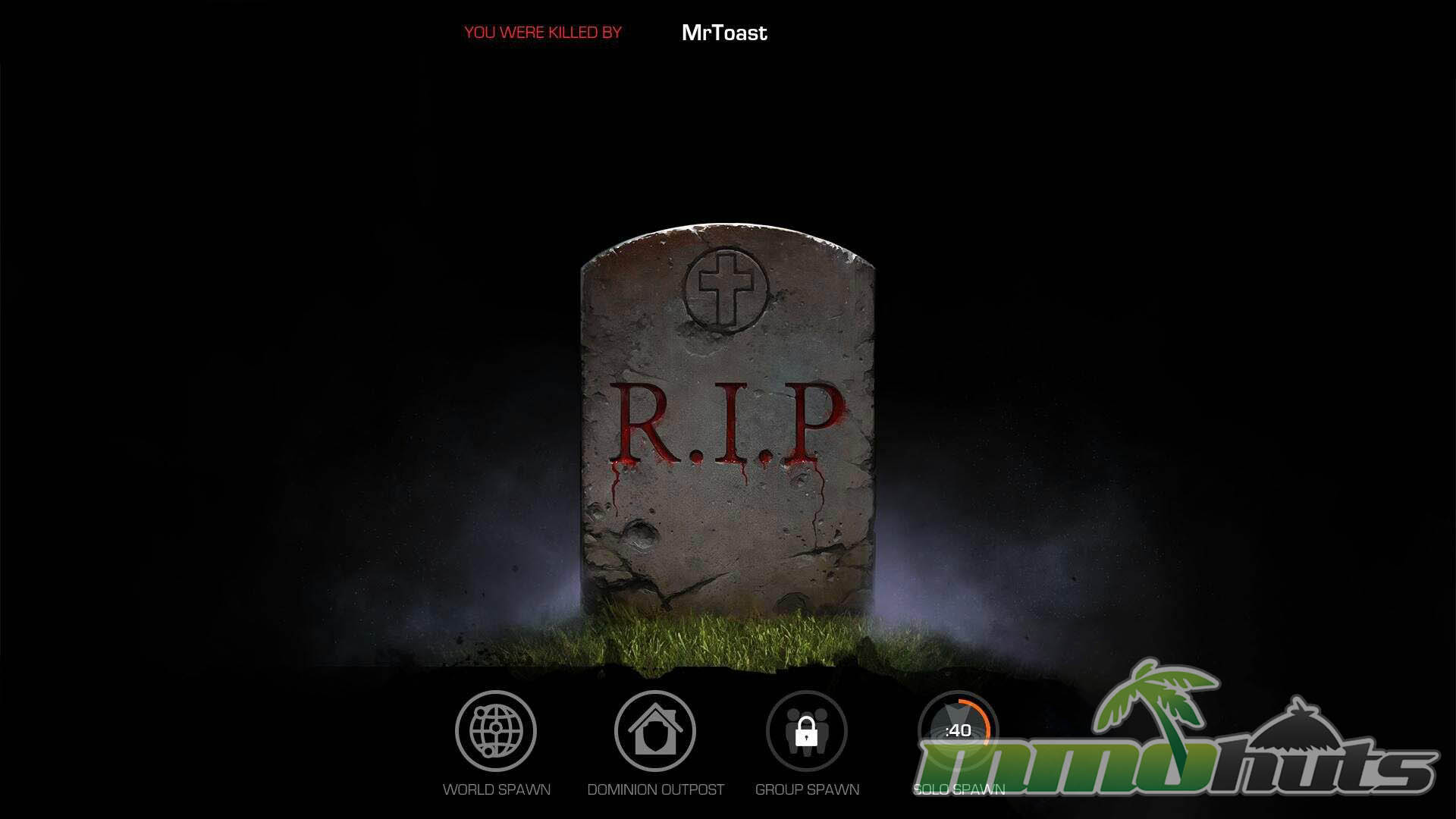
Storage is handled through global vaults located in both full-combat and non-combat settlements, which creates a clear rhythm. You do a scavenging run, try to avoid trouble, and then cash out by securing items before the next run. It also means death can be punishing in the field, because backpacks and their contents can be lost, but the game still gives you a path to rebuild if you can make it back to safety and re-equip.
A PvP-first sandbox with consequences
The defining feature is how aggressively the game pushes player conflict. Outside of two non-combat settlements, the world is effectively a constant threat zone, and many encounters end with gunfire rather than negotiation. Shattered Skies also feeds the PvP loop by awarding experience for kills, which nudges behavior toward “shoot first” play even when it is not strictly necessary.
To its credit, the game does attempt to put guardrails on random slaughter through an aggressor system. The first player to land a hit becomes the aggressor for a period that can extend based on recent attacks. That status briefly exposes the aggressor to the victim’s map and allows retaliation even in safe areas, creating a risk for players who initiate fights carelessly. In practice, it does not stop ambushes, but it does add a layer of decision-making: if you start the fight, you may have trouble using settlements until the flag clears.
PvE pressure comes from alien enemies that can appear in towns and especially in the foggier regions near crystal activity. They are not slow, disposable targets like classic zombies, they are faster and more dangerous, which keeps them relevant even when you are geared. Their sudden appearances can also complicate PvP in interesting ways, turning a careful standoff into chaos when an alien spawns nearby and forces both sides to reposition.
Crafting that stays out of the way
Crafting is intentionally uncomplicated, focusing on collecting components rather than grinding through primitive gathering steps. You do not spend early hours punching trees, instead you search for recipes and materials while exploring the ruined landscape. Once a recipe is learned, crafting becomes a simple matter of meeting the resource requirements, with certain items craftable in the field and others requiring proximity to a crafting bench (similar in concept to station-based crafting in games like Elder Scrolls).
A smart design choice is the separation of resources into an undroppable inventory, which reduces the frustration of losing long-term crafting materials every time you die. Recipes are the high-stakes part, since newly found recipes sit in your backpack and can be dropped on death, encouraging players to learn them immediately rather than hoard them for later.
Final Verdict – Great
Shattered Skies is at its best when you treat it as a PvP-driven survival sandbox with PvE threats designed to disrupt your plans rather than carry the whole experience. Gunplay feels responsive, audio does a solid job of selling danger, and the overall structure supports tense scavenging runs that can end in sudden firefights. The visuals are not standout, and the game’s design similarities to other survival shooters are hard to ignore, but the mix of constant risk, aggressor consequences, and alien pressure creates plenty of memorable moments.
Players who enjoy high-stakes open-world PvP and do not mind losing gear to ambushes will likely appreciate what Shattered Skies tries to do. If you prefer cooperative progression and more reliable PvE pacing, you may find the experience more stressful than satisfying, and games with stronger PvE focus (like 7 Days to Die) may be a better fit.
Shattered Skies Links
Shattered Skies Official Site
Shattered Skies Steam Page
Shattered Skies Wikia
Shattered Skies System Requirements
Minimum Requirements:
Operating System: Windows 7, Windows 8.1, Windows 10 (64-bit versions only)
CPU: Intel Core i5-2400 / AMD FX-6100, or better
Video Card: 1,024 MB RAM
RAM: 6 GB
Hard Disk Space: 10 GB
Recommended Requirements:
Operating System: Windows 7, Windows 8.1, Windows 10 (64-bit versions only)
CPU: Intel Core i5-2400 | AMD FX-6100, or better
Video Card: NVIDIA GeForce GTX 460 with 1 GB VRAM (current equivalent NVIDIA GeForce GTX 760) / AMD Radeon HD 7770 with 1 GB VRAM, or better
RAM: 8 GB
Hard Disk Space: 10 GB
Shattered Skies Music & Soundtrack
Coming Soon…
Shattered Skies Additional Information
Developer: Free Reign Entertainment
Publisher: Free Reign Entertainment
Closed Alpha: March, 2016
Open Beta: July 21, 2016
Release Date: July 21, 2016.
Shut Down Date: January 31, 2017
Development History / Background:
Shattered Skies is a 3D post-apocalyptic MMO shooter developed and published by Free Reign Entertainment, a studio made up of developers connected to the team behind Hawken. The company also previously released Romero’s Aftermath, and Shattered Skies clearly carries forward several familiar ideas from that survival MMO, including scavenging-driven progression and PvP tension. During its active period, the game received frequent monthly updates, and the developers discussed plans for multiple expansion packs and a series of content drops leading into Winter of 2017. Development ultimately stalled, and the project was effectively left behind, with the final announcement dated January 31, 2017.