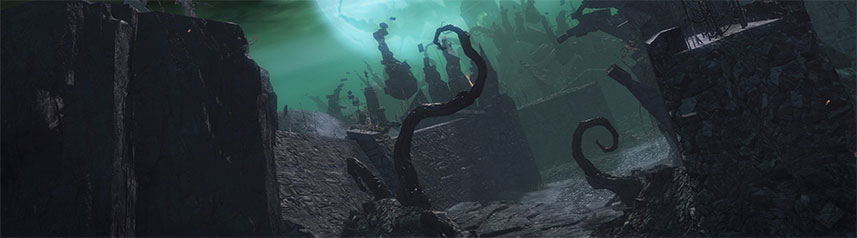
7 Days to Die is a sandbox survival RPG built around scavenging, crafting, and fortifying a foothold in a harsh zombie apocalypse. It mixes open-ended exploration with a constant pressure to secure food, water, and shelter, then turns the tension up at night when the undead become far more dangerous. Whether you prefer improvising with whatever you can loot or planning a long-term base with layered defenses, the game is designed to make every day of preparation matter.
 | Publisher: The Fun Pimps Playerbase: High Type: Sandbox Survival RPG Release Date: December 13, 2013 PvP: Persistent PvP World Pros: +Day/night cycle meaningfully affects zombie behavior. +Deep crafting and scavenging loop. +Strong base building and fortification options. Cons: -Visuals and textures show their age. -Difficulty can feel punishing, especially early on. -Melee and shooting can be stiff. -Long-term goals can run out once you are established. |

7 Days to Die Overview
7 Days To Die drops you into a hostile, post-apocalyptic sandbox and asks you to earn every small comfort. You will be managing basic needs like hunger and thirst while roaming for supplies, dismantling junk for materials, and turning scraps into useful gear. Crafting is central, letting you produce tools, weapons, armor, and even vehicles as you gain access to better recipes and components. The world is split into biomes with distinct climates and hazards, so traveling from snowy regions to arid zones can require different preparation and can introduce new risks through temperature and status effects.
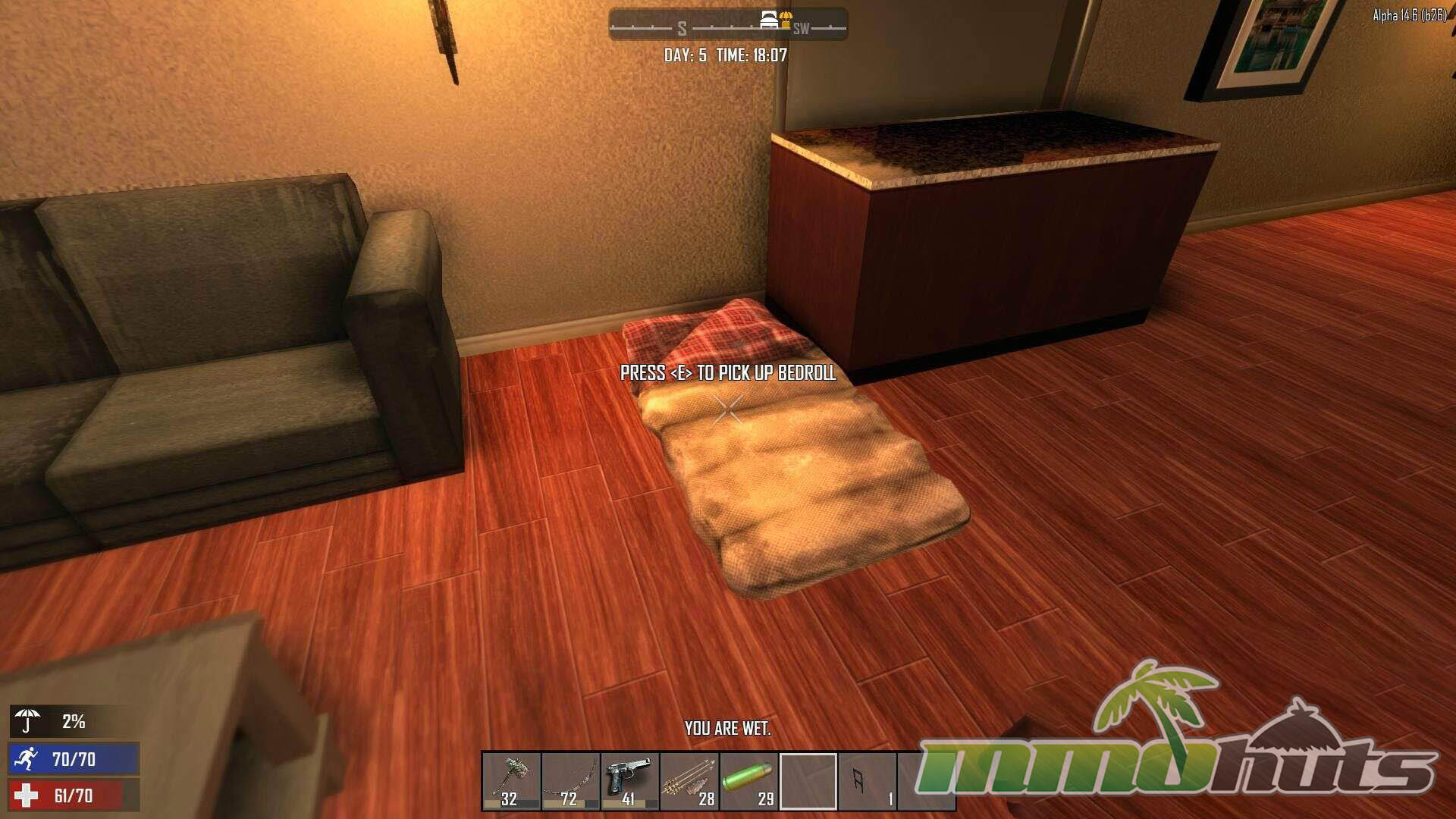
Scavenging is rarely quiet for long. Zombies wander during the day, but nights are the real test, with enemies becoming quicker and more aggressive once the sun sets. That threat pushes you toward building, either by constructing a base from the ground up or by taking over an existing structure and reinforcing it into a defensible shelter. Multiplayer servers support cooperative survival and base projects, while solo play offers a more controlled way to learn the systems and experiment at your own pace.
7 Days to Die Key Features:
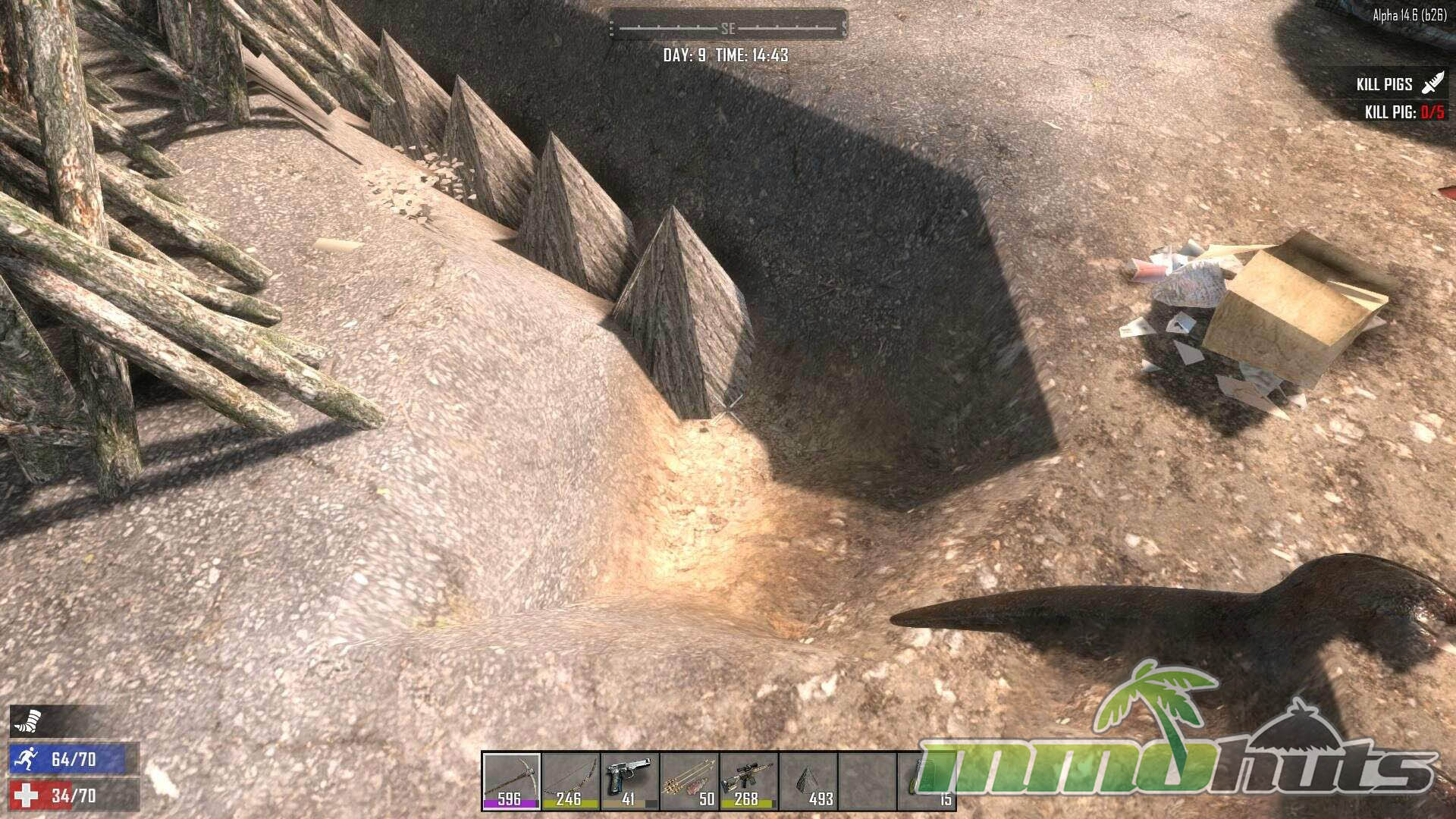
- Extensive Crafting – create a wide range of items, from early improvised weapons to advanced equipment and elaborate bases. Reinforce a discovered building, start fresh on open land, or carve out an underground hideout.
- Immersive Survival Gameplay – manage hunger, thirst, time of day, ailments, temperature, and the constant pressure of undead threats in a world that punishes poor planning.
- Massive World – explore a large procedurally-generated sandbox with multiple biomes, each bringing different resources, weather, and survival challenges.
- Day/Night Effect on Zombies – enemy behavior changes with the clock, with slower daytime roaming giving way to much more dangerous nighttime aggression.
- Leveling Up – grow your survivor with progression bonuses that can improve crafting capability and boost combat-relevant stats like stamina and damage.
- Single Player Mode – survive alone with the convenience of pausing, resuming, and tailoring your experience as you learn the game’s systems.
7 Days to Die Screenshots
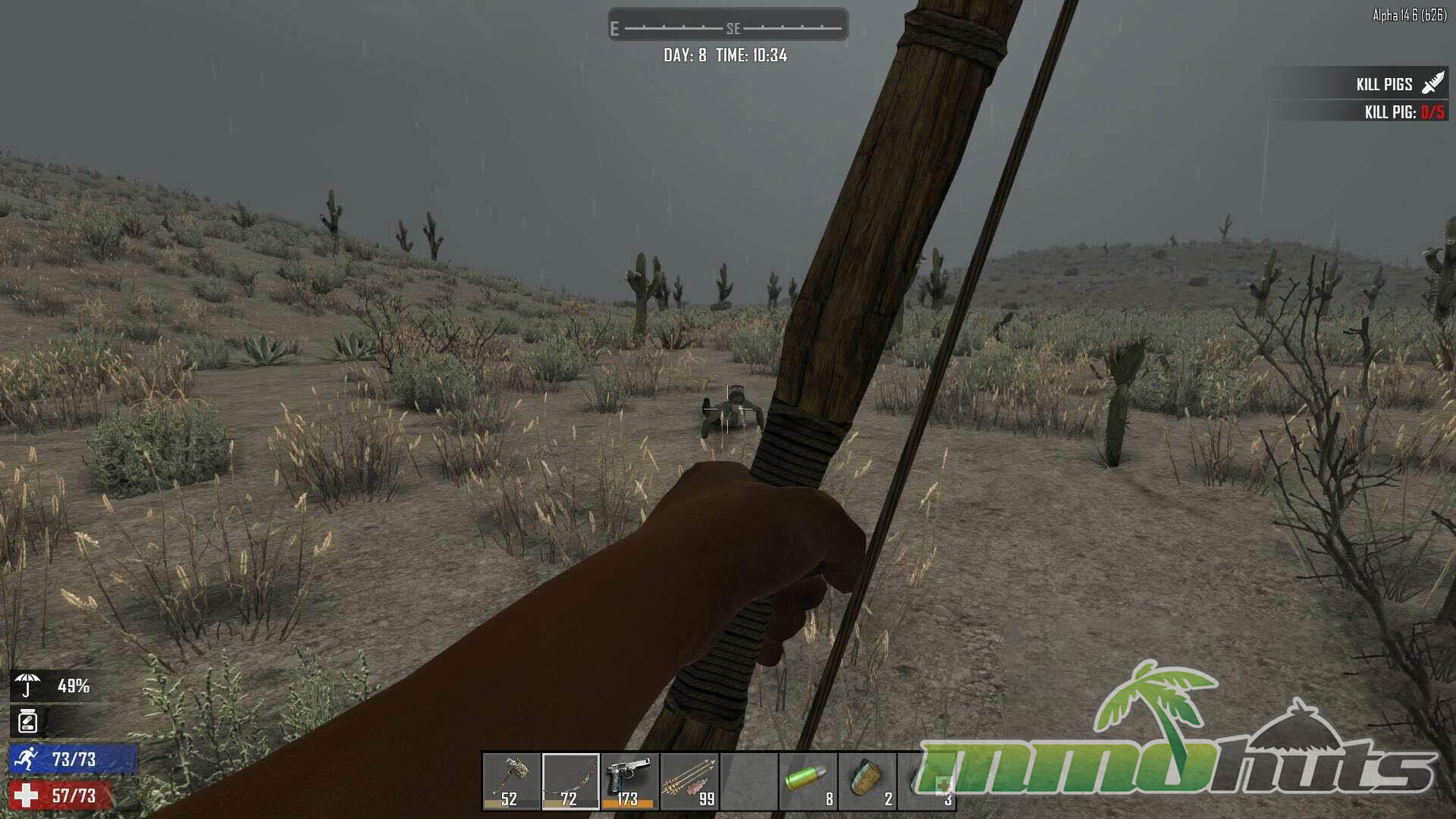
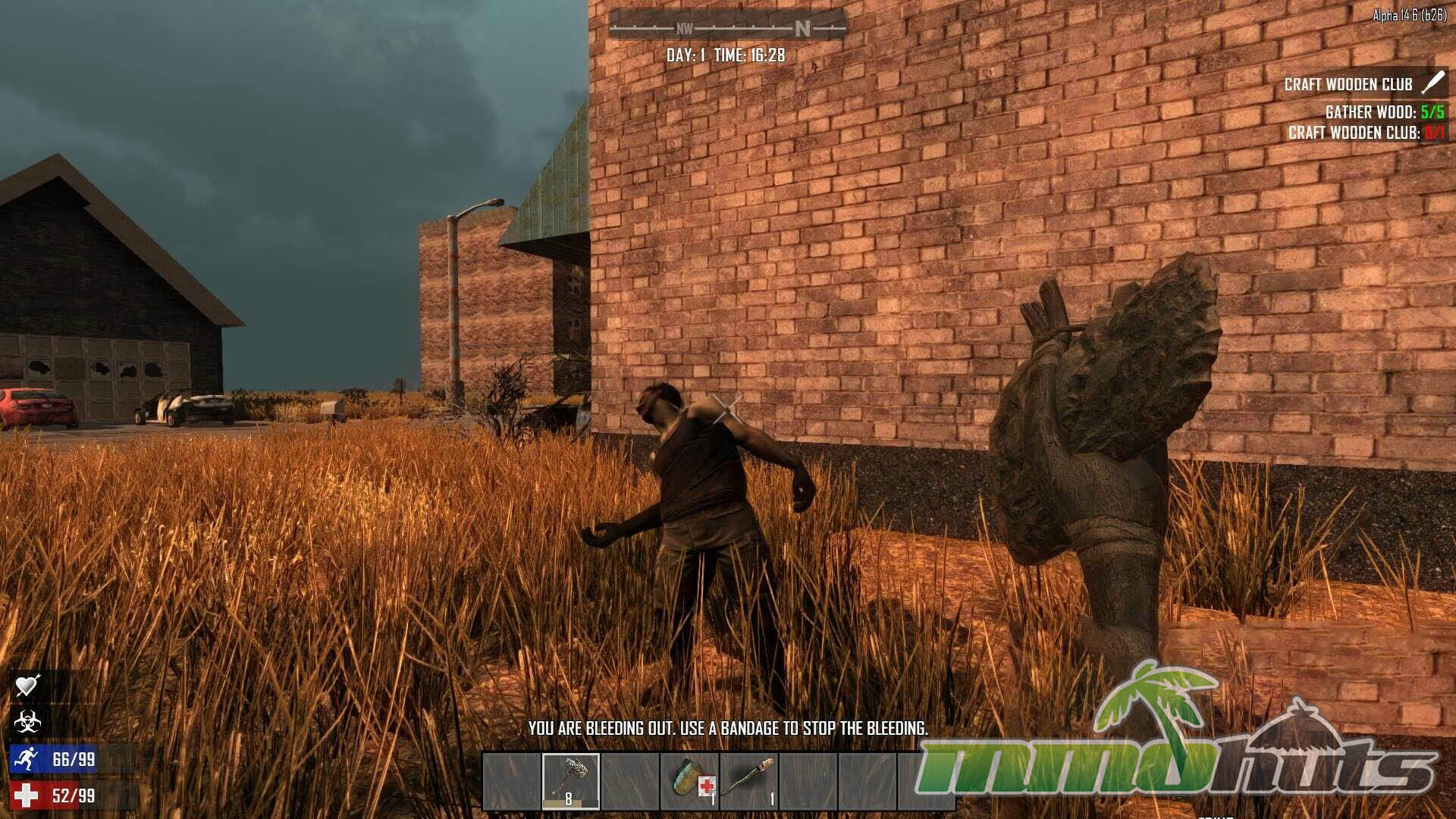
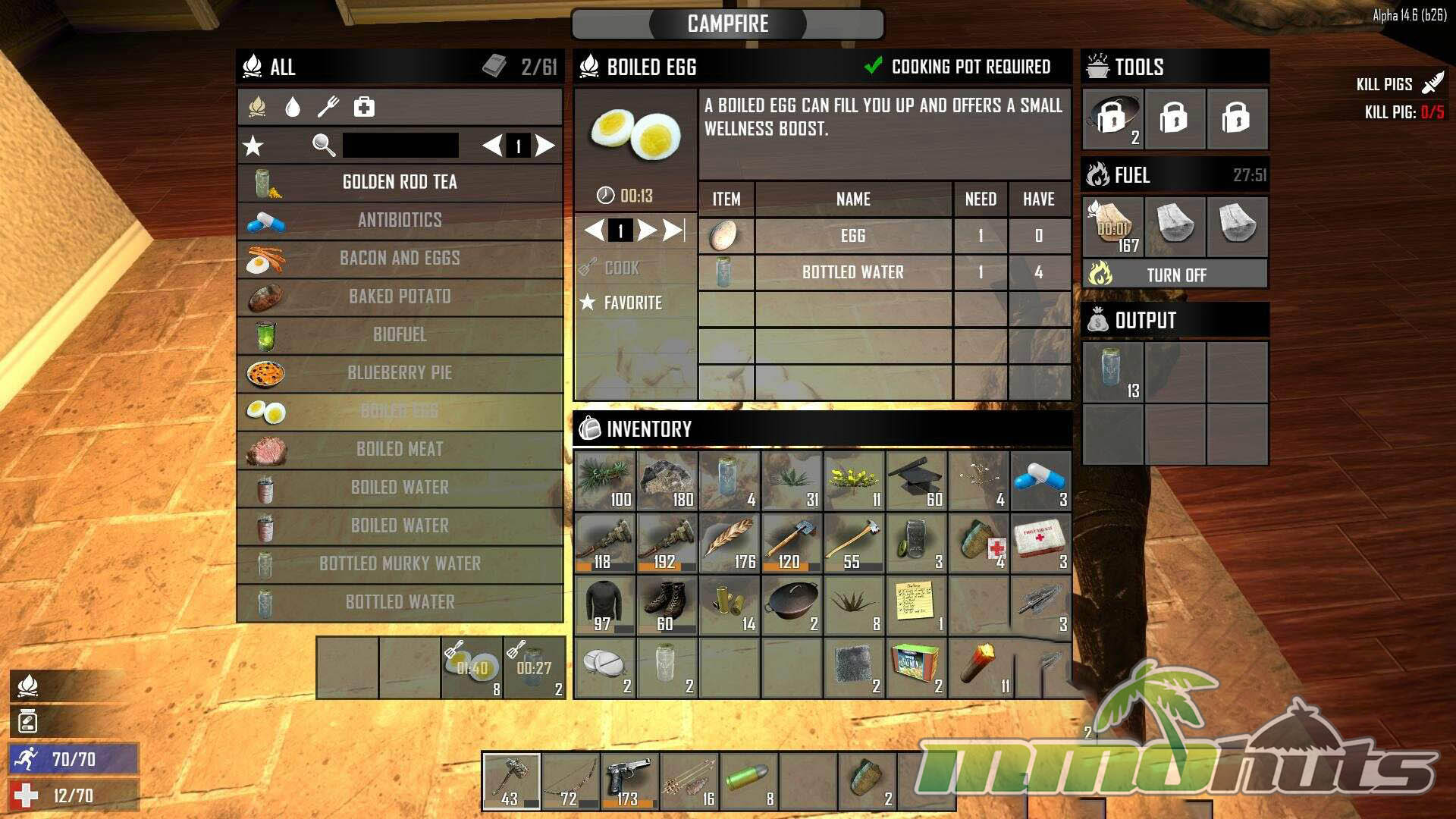
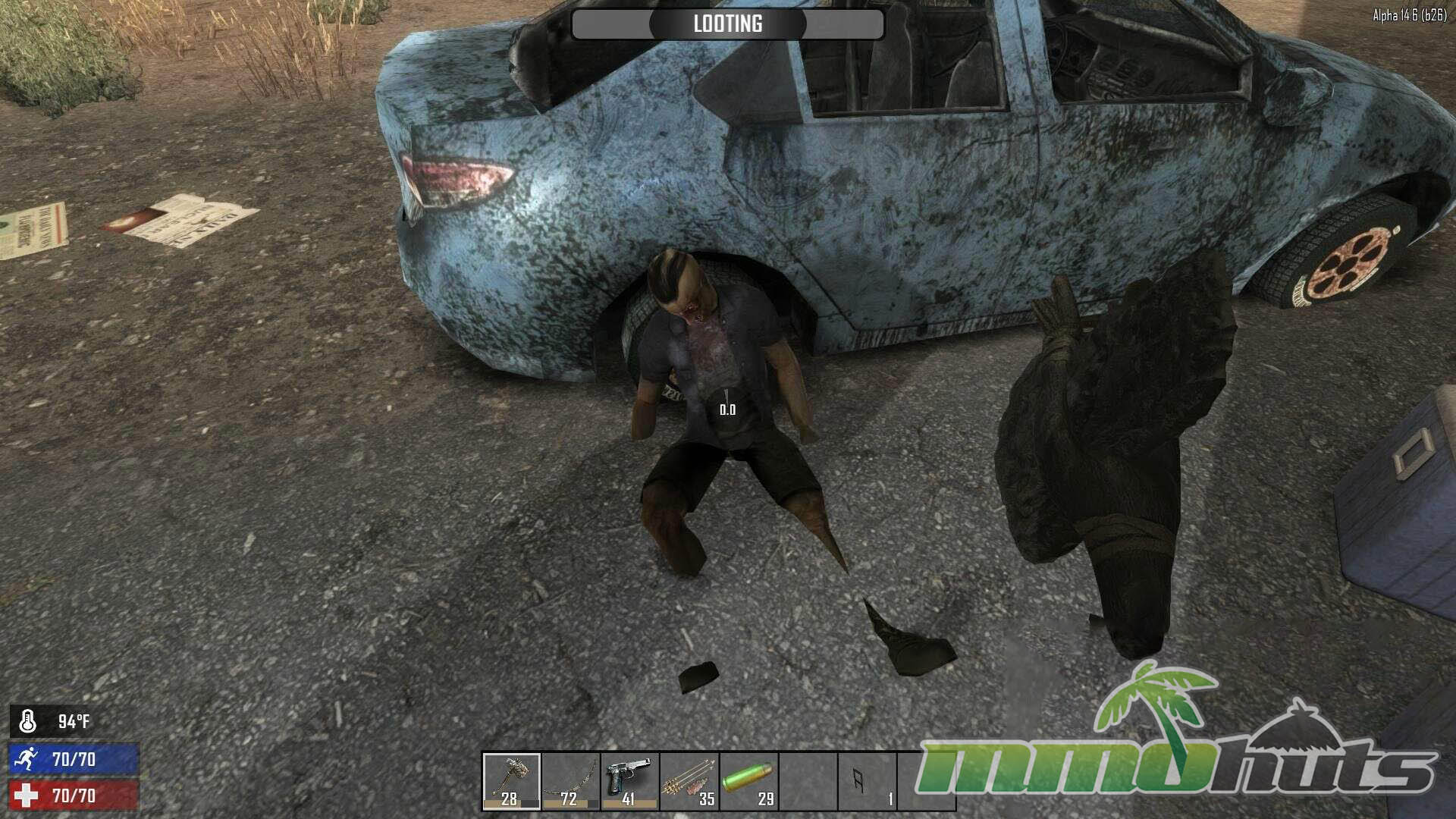

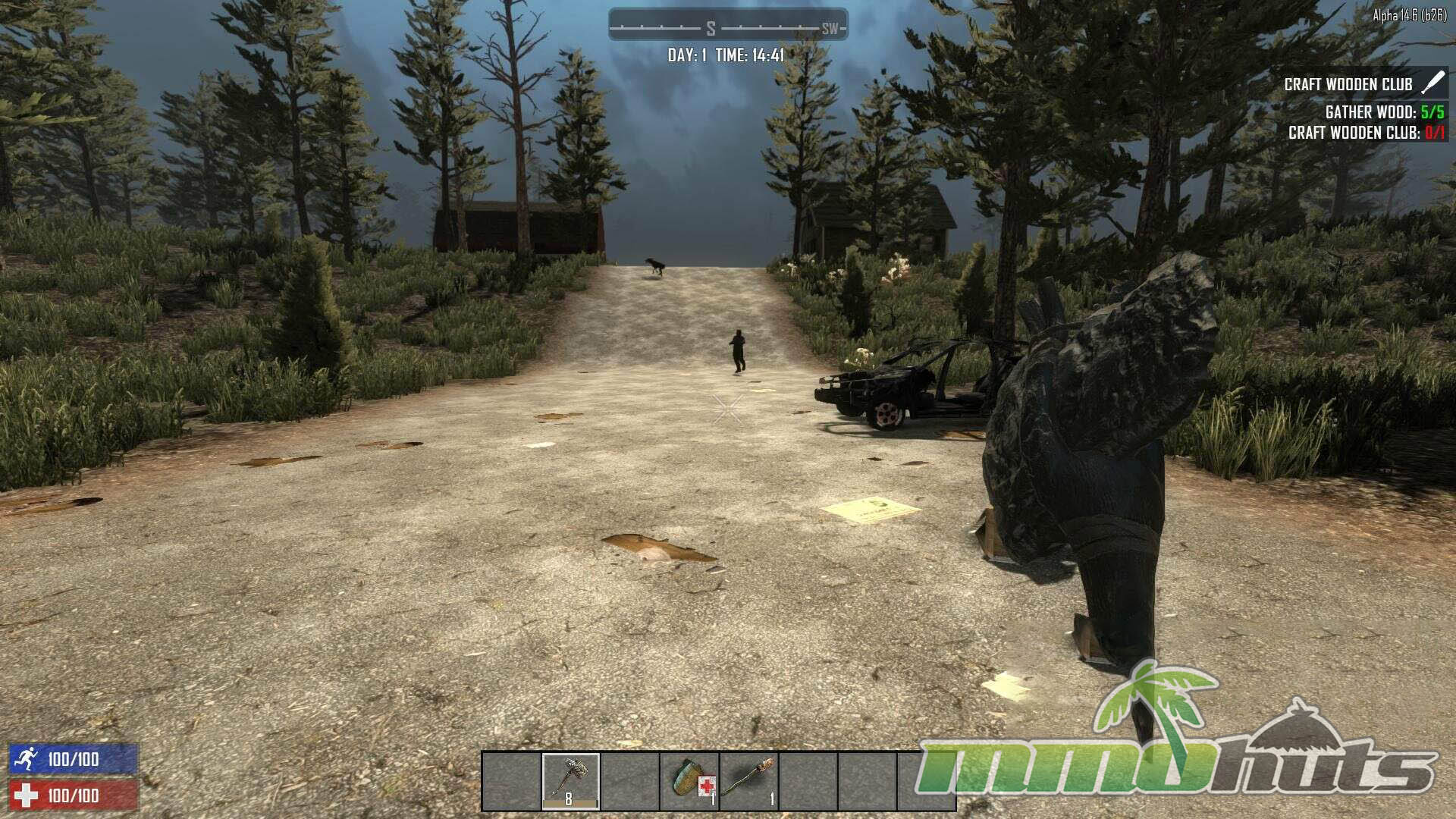
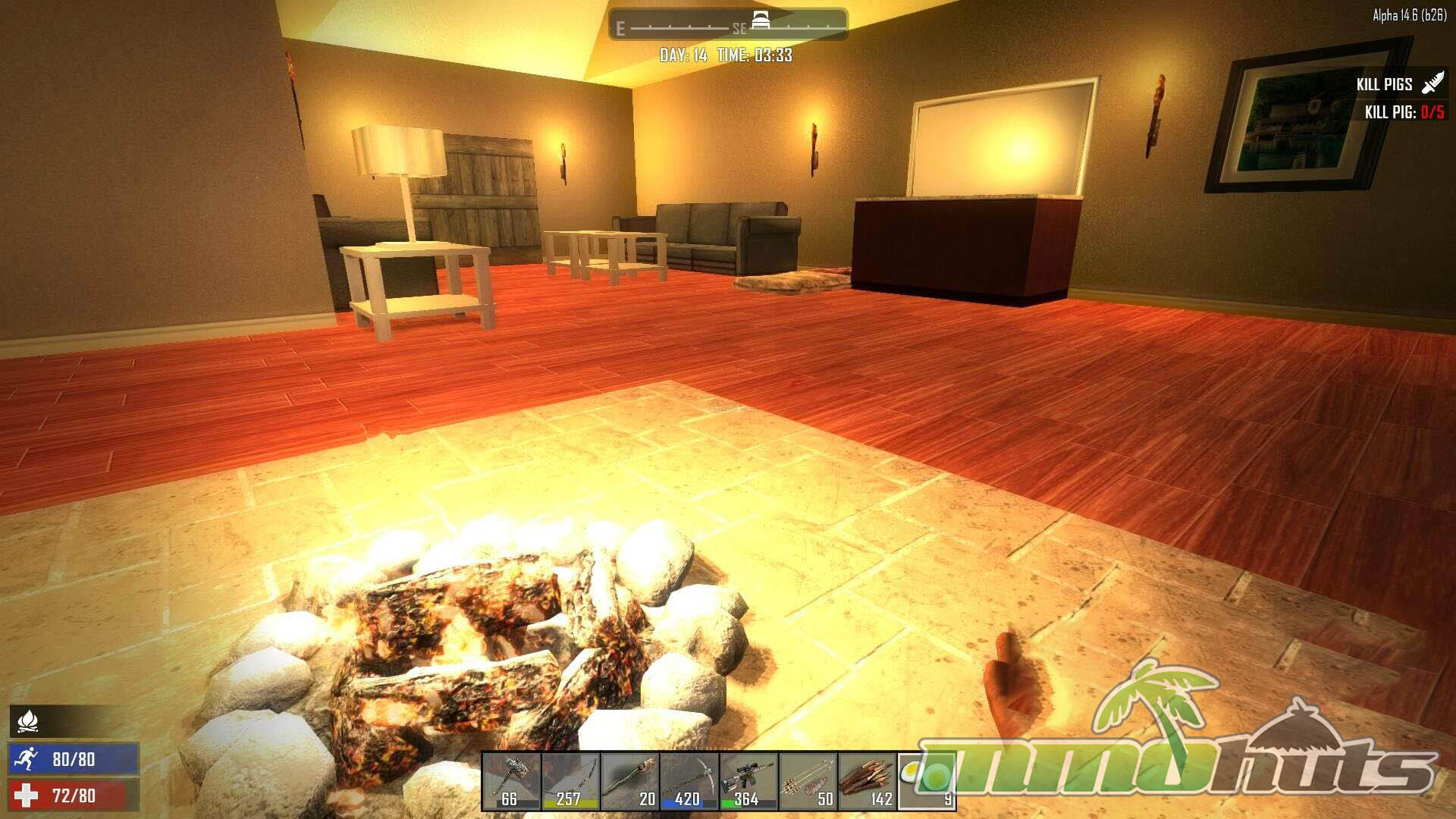
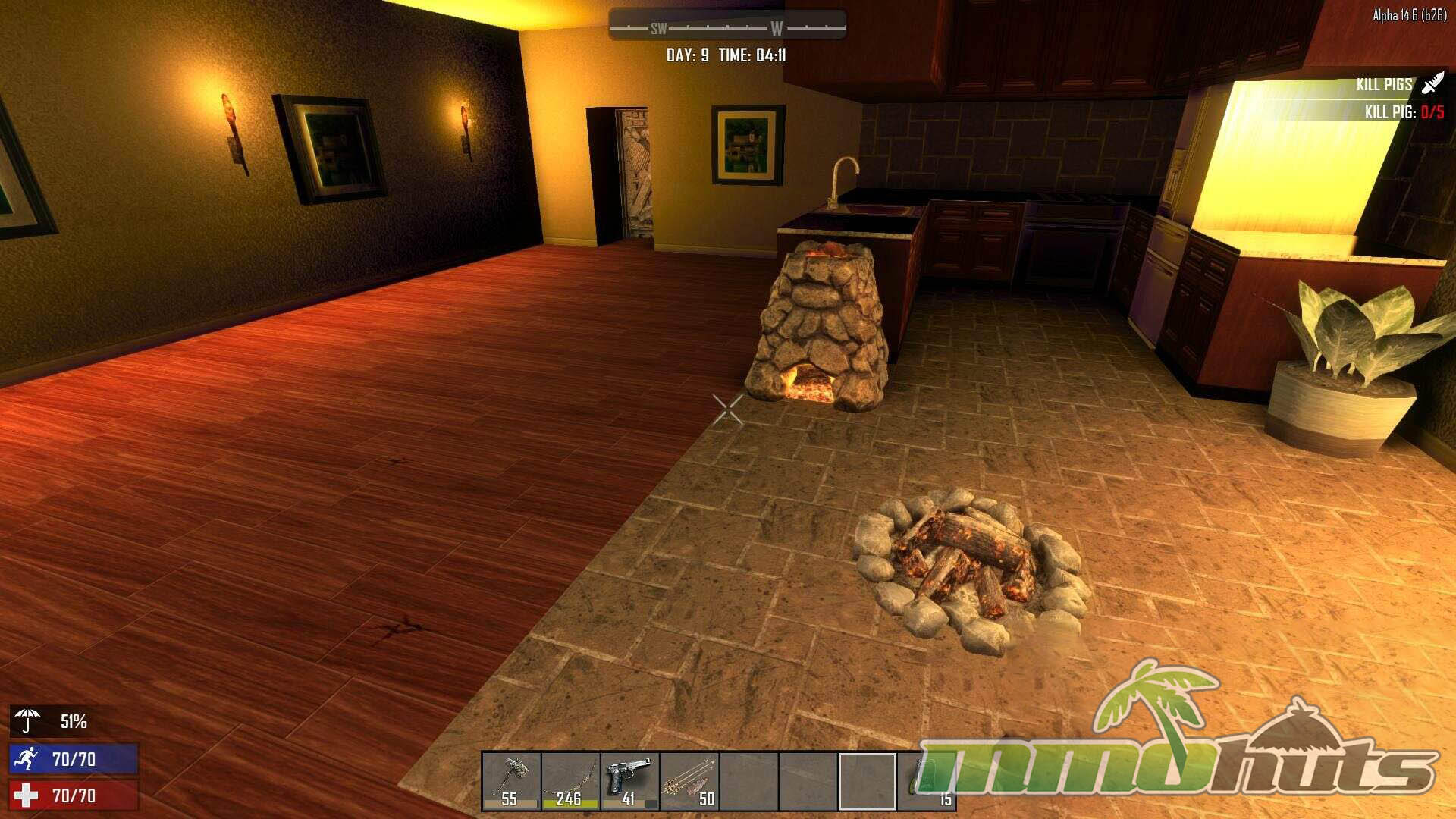
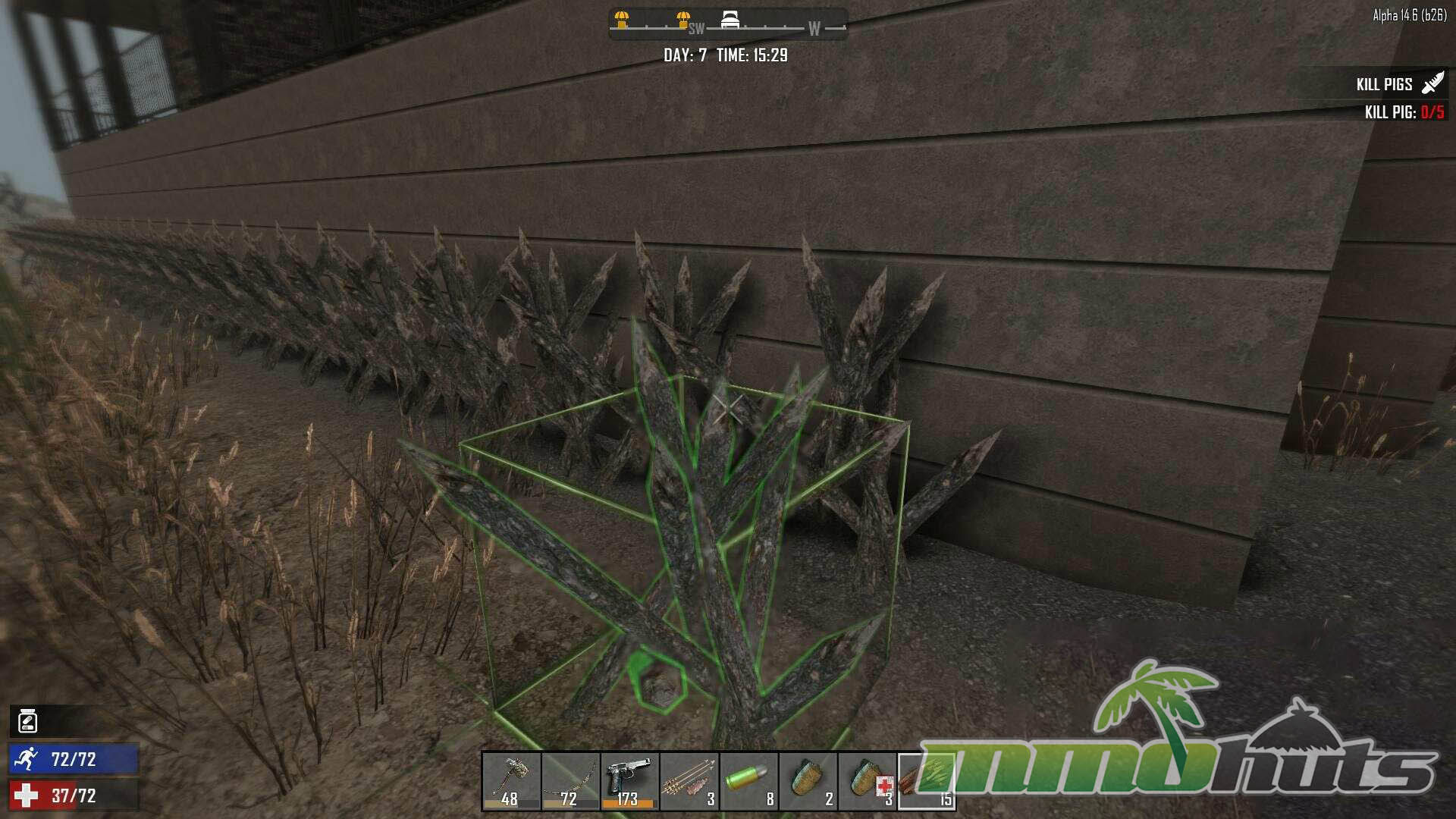
7 Days to Die Featured Video

7 Days to Die Review
7 Days to Die is a buy-to-play 3D sandbox survival RPG set after a world-ending catastrophe, where the landscape is littered with abandoned towns, ruined highways, and the ever-present risk of the undead. Your early hours are defined by scarcity, you start with minimal gear, then you slowly climb toward stability by scavenging, crafting, and learning how to defend yourself. Tools and transportation scale from crude starter equipment to more capable options like mini-bikes, and the game’s rhythm is built around making progress before the next dangerous night arrives.
Visually, the game can look behind the curve for its era, with environmental textures and character models that feel more functional than impressive. Animations, especially in combat and enemy movement, can also appear stiff and occasionally awkward. Where it often succeeds is atmosphere: the audio design and music cues do a solid job of creating unease, particularly when you are holed up in a shaky shelter and you can hear a threat outside that is not going away on its own.
Building Your Survivor
Before you settle into the world, you will likely set up a profile and decide what your survivor looks like. The creator offers preset characters alongside slider-based customization. In practice, it gives you some control, but the selection of faces and hairstyles can feel limited, so many survivors end up with a similar look. It is serviceable for getting into the action quickly, but players who enjoy deep character creation will probably find it basic.
First Steps, First Mistakes
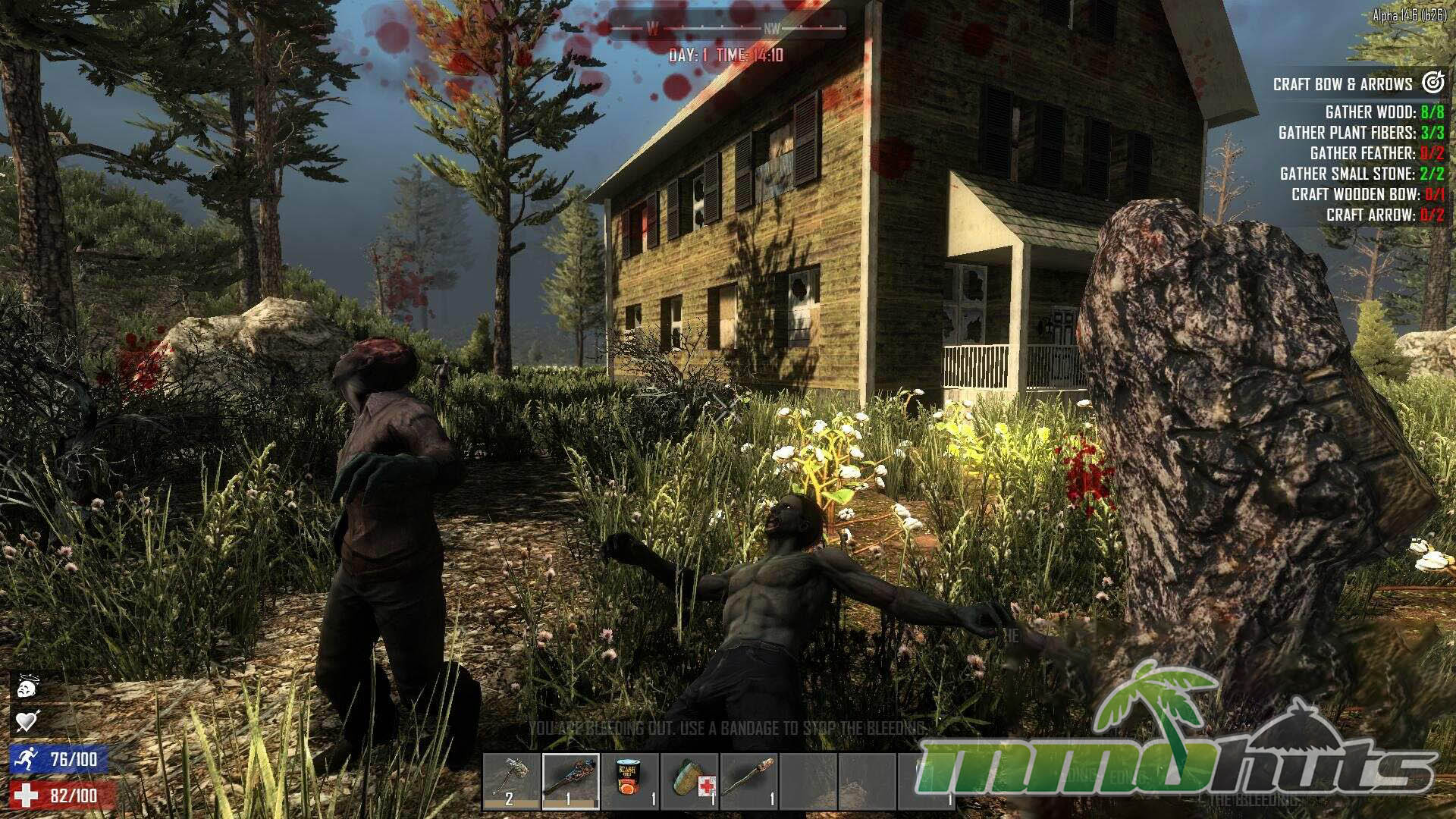
The opening moments are intentionally rough: you are dropped into the wilderness under-equipped and expected to figure things out quickly. A beginner quest chain introduces core actions, especially crafting and basic upgrading, and it helps prevent complete confusion. That said, the onboarding is not always comprehensive, and some essential survival knowledge, like efficient resource gathering and how to build a shelter that can actually withstand pressure, is learned through experimentation (or outside guides). The early game often becomes a crash course in priorities: get tools, secure water, find food, and identify a defensible place before nightfall.
Needs and Consequences
Survival is more than simply avoiding zombies. Hunger and thirst are persistent concerns, forcing you to loot houses, hunt, or later establish more reliable sources through farming and water management. On top of that, the game layers in illness and environmental stress. Unsafe water and questionable food can make you sick, and extreme temperatures can punish long trips or heavy work in harsh conditions. These systems create a believable pressure loop where planning matters as much as fighting.
Why the Seventh Night Matters
The title becomes clear once you experience the game’s signature pacing mechanic. Zombies are generally less threatening during the day, but they become faster and more aggressive at night. Many nights can be survived by staying hidden in a secure, enclosed space, provided you have not made too much noise or left obvious entry points. Every 7th night, however, a feral horde is a major escalation. These attacks push you to treat base building as a long-term project, not a cosmetic pastime, because the weekly pressure test can expose weak design instantly.
Progression Through Recipes
Once you have made it past the initial survival scramble, the next hurdle is advancement. Enemies scale up over time, and surviving comfortably requires better weapons, sturdier materials, and stronger defenses. Much of that progress is tied to recipes and schematics, which you typically obtain by looting and reading books found throughout the world, particularly in places that logically contain them, like bookstores and homes. Finding the right book can be a turning point, turning a pile of parts into a usable firearm or unlocking a key craft that improves your efficiency.
Solo Play Versus Servers
Mechanically, single player and multiplayer share the same foundation, but the experience can feel very different. Single player is often the better learning environment because you can adjust settings like difficulty, spawn rates, and block durability, then test strategies without other people interfering. Multiplayer servers can be rough for newcomers, especially if you join a long-running world where established players and built-up threats make the environment feel immediately hostile. PvP also introduces additional risk: even if you survive the undead, you may still lose progress to other survivors.
One notable multiplayer tool is land claiming. By using Land Claim Blocks (often called keystones), you can designate an area as yours, increasing the durability of blocks inside the claimed zone and preventing other players from placing objects within it. That protection is not permanent, though, and it weakens the longer you remain offline. Server rules and technical factors can also affect your experience; for example, high ping can result in penalties on some servers, which is frustrating when it is caused by a temporary spike rather than consistent instability.
Final Verdict – Great
Even with its rough edges, 7 Days to Die is easy to sink time into. The core loop of scavenging by day, crafting and reinforcing by dusk, then enduring the night is effective, and the weekly horde cycle gives the sandbox a steady sense of urgency. Combat can feel clunky and the visuals are not the game’s strongest asset, but the survival systems, crafting depth, and base building combine into a compelling long-term project. It is a strong recommendation for players who enjoy methodical survival and construction, especially those who like designing defenses and iterating on them. If you prefer constant action with minimal building, you may be better served by more straightforward zombie shooters.
7 Days to Die Links
7 Days to Die Official Site
7 Days to Die Steam Page
7 Days to Die Gamepedia Page
7 Days to Die Wikipedia
7 Days to Die Subreddit
7 Days to Die Facebook Page
7 Days to Die System Requirements
Minimum Requirements (Windows):
Operating System: Windows XP
CPU: 2.4 Ghz Dual Core CPU
RAM: 4 GB RAM
Video Card: 512MB Dedicated Memory
Hard Disk Space: 3 GB available space
Minimum Requirements (Mac):
Operating System: 10.7
CPU: 2.4 Ghz Dual Core CPU
RAM: 4 GB RAM
Video Card: 512MB Dedicated Memory
Hard Disk Space: 3 GB available space
7 Days to Die Music & Soundtrack
Coming Soon!
7 Days to Die Additional Information
Developer(s): The Fun Pimps
Publisher(s): The Fun Pimps (PC and Mac); Telltale Publishing (PS4 and Xbox One)
Platforms: PC, Mac, PS4, Xbox One
Game Engine: Unity
Early Access Release Date: December 13, 2013
Console Release Date: June 2016
Full Release Date: June 28, 2016
Development History / Background:
7 Days to Die is a sandbox survival RPG developed by the Fun Pimps. On PC and Mac, it is published by the Fun Pimps, while Telltale Publishing handled publishing duties for the PS4 and Xbox One versions. The title arrived on Steam as an Early Access release in December 2013. After close to two and a half years of ongoing development, a full release window was set for June 2016, alongside the planned console launch during the same month.