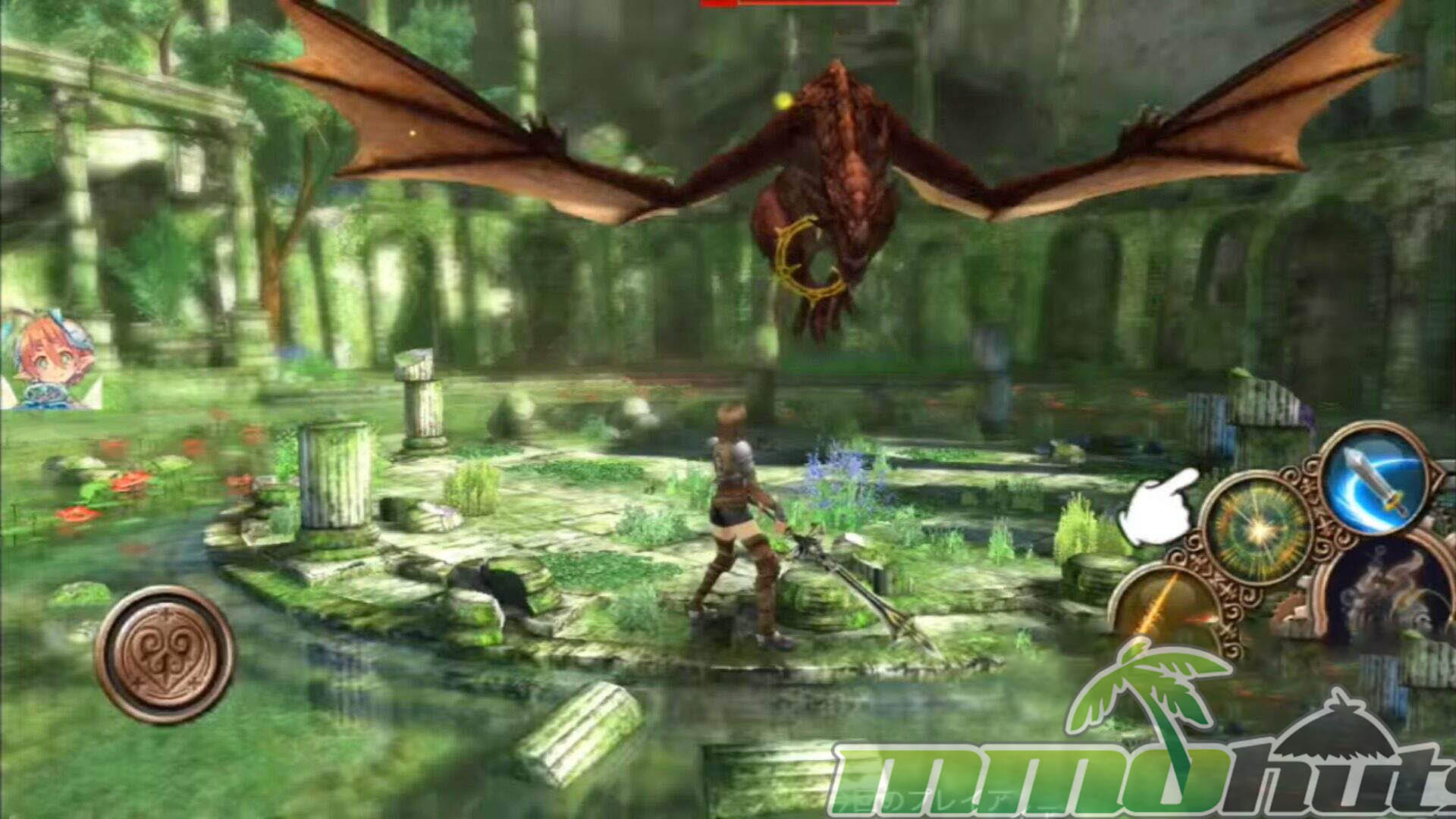
Seven Sword Second was a mobile MMORPG, and it served as a follow-up to Asobimo’s earlier Seven Swords (2010). Designed around touch-friendly, action-leaning combat, it aimed to stand out with distinct class roles and a strong focus on faction warfare, including large PvP battles that were ambitious for a smartphone MMO of its era.
 | Publisher: Asobimo, Inc. Type: Mobile MMORPG PvP: 50v50 Wars Release Date: January 2017 Pros: +Multiple class options with clear playstyle differences. +Large-scale 50v50 PvP designed for mobile. +Hands-on, action-focused combat. Cons: -No announced release outside of Japan. -Public details were limited for much of its development. |
Seven Sword Second Overview
Seven Sword Second was a free-to-play 3D MMORPG for Android and iOS from Asobimo, the studio known for mobile online RPGs such as Izanagi Online and Aurcus Online. As a sequel, its pitch leaned heavily into the same identity that helped the original Seven Swords get attention, faction-based territorial conflict on a scale that was uncommon for mobile MMORPGs at the time.
The earlier game’s loop centered on kingdoms competing over regions, then using that control to influence day-to-day play (such as where you could safely farm and progress between scheduled PvP events). Seven Sword Second positioned itself as a continuation of that idea, promising large faction wars and a roster of classes built around different weapons, skill kits, and combat roles. The overall feel was meant to be more active than tab-target MMOs, with movement, positioning, and timely skill use playing a bigger part in moment-to-moment survival.
A notable strategic layer tied into the war format as well, players could gather materials in the field and use them to create structures intended to slow down or disrupt enemy pushes during invasions. Combined with three competing factions, the design emphasized preparation and coordination as much as raw character strength.
Seven Sword Second Key Features:
- Real-Time, Touch-Driven Fighting – move and act directly with mobile controls, weaving in class skills while reacting to incoming attacks.
- Large Faction Warfare – participate in territorial battles with up to 120 players split across three factions, fighting for control of key zones.
- Multiple Class Archetypes – choose from familiar MMO roles such as warriors, mages, priests, and rangers, each bringing different tools to group play.
- Buildable Defenses – collect resources through mining and convert them into structures that can help blunt enemy advances during wars.
- Three Competing Kingdoms – align with one faction and contribute to its broader campaign under a kingdom banner and leadership.
Seven Sword Second Screenshots


Seven Sword Second Featured Video

Seven Sword Second Review
Coming Soon!
Seven Sword Second System Requirements
Minimum Requirements:
Operating System: Android 4.0.3 or later / iOS 7.0 or later
Seven Sword Second Music & Soundtrack
Coming soon…
Seven Sword Second Additional Information
Developer: Asobimo, Inc.
Publisher: Asobimo, Inc.
Game Engine: Unreal Engine
Announcement Date: September 11, 2015
Alpha Release Date (JP): January 2017
Seven Sword Second was developed and published by Asobimo, Inc., a Japanese company recognized for producing visually ambitious mobile MMORPGs and long-running online RPGs. Alongside the original Seven Swords, the studio’s broader catalog includes Iruna Online, Aurcus Online, and Toram Online, all of which share an emphasis on online party play and character progression designed for phones and tablets.
The project was first revealed on September 11, 2015, timed around the lead-up to Tokyo Game Show 2015. It later appeared again during Tokyo Game Show 2016, where an Alpha test for Japanese players was indicated for January 2017. Over time, the project’s name shifted, and it ultimately became known as Almategia. It did release in Japan under that title, but the service was later discontinued and the game shut down.