Seal Online: Blades of Destiny (often shortened to Seal Online) is a 3D, anime-styled fantasy MMORPG built around point-and-click movement and a light combo system. It mixes traditional PvE leveling with raids, collectible pets, several PvP formats, and a notable soulmate feature aimed at social play.
 | Publisher: Playwith Interactive Playerbase: Medium Type: MMORPG Release Date: Nov 19, 2007 (NA/EU) PvP: Duels / Guild Wars / Open PKing / Arena Pros: +Eight classes with meaningful job upgrades later on. +Pets feel useful, not just cosmetic. +Multiple ways to PvP depending on mood. Cons: -Shows its age visually and in UI. -Cash shop can edge into pay-to-win. -Progression leans heavily on repetitive grinding. |

Seal Online Overview
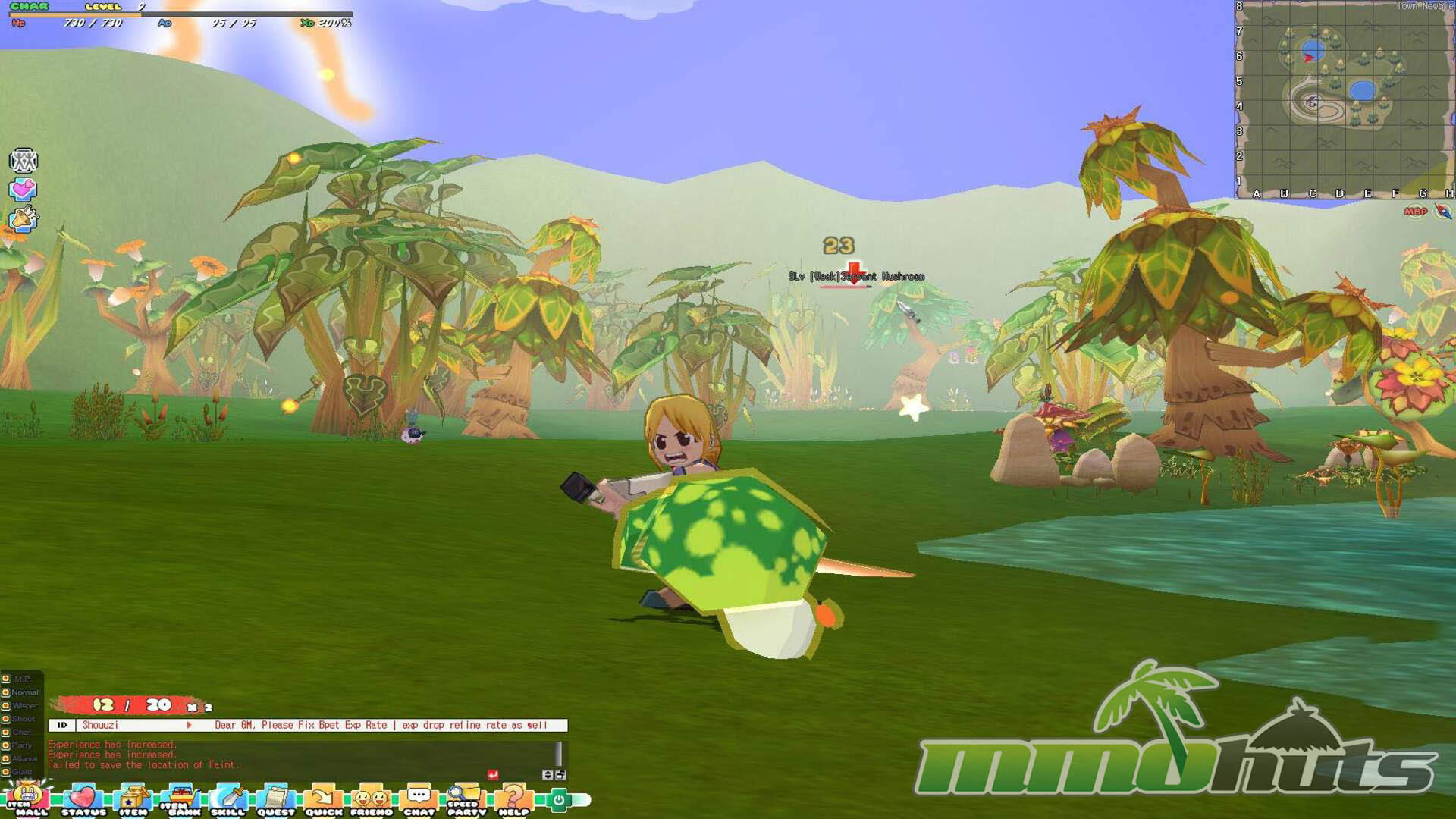
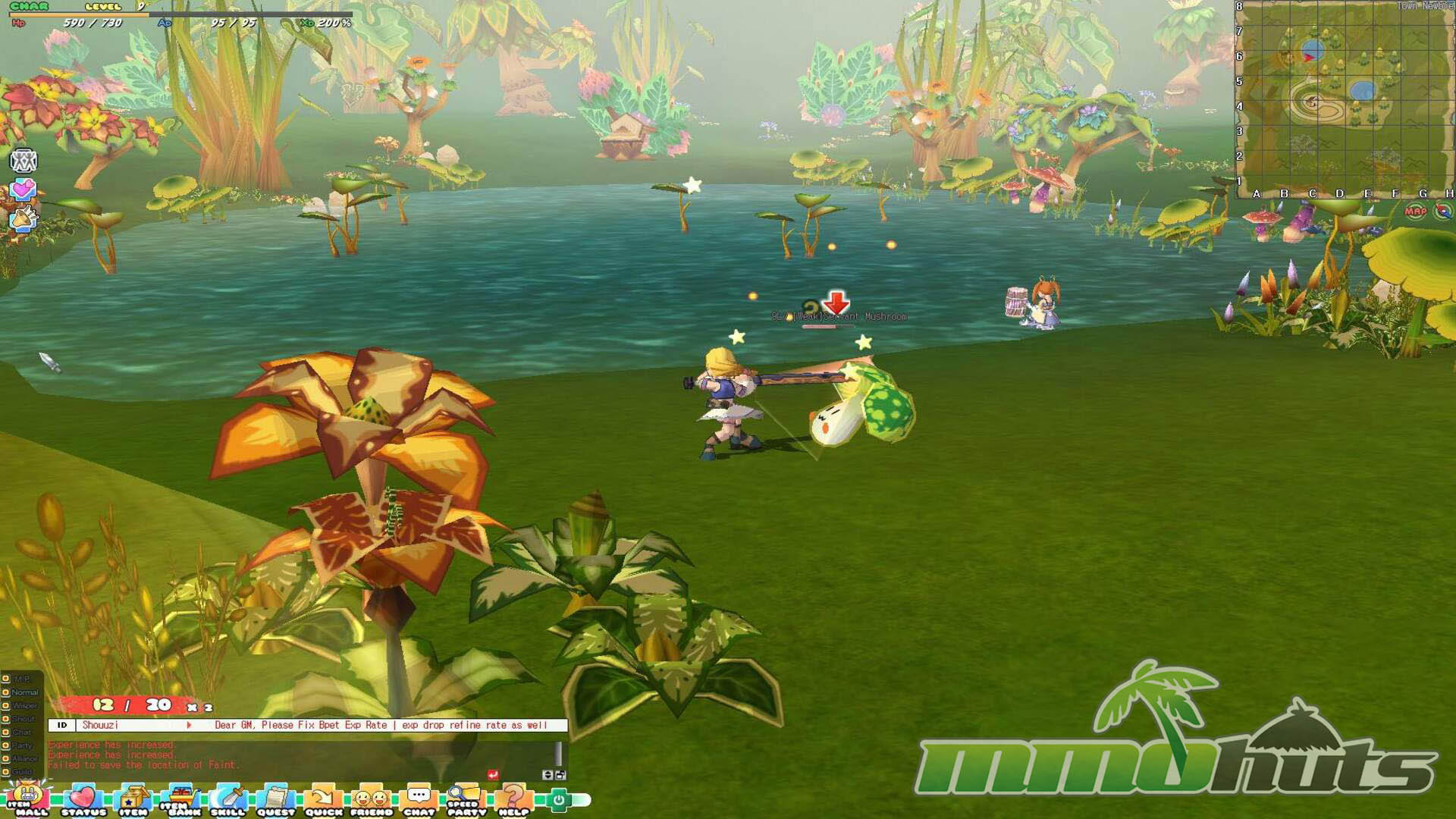
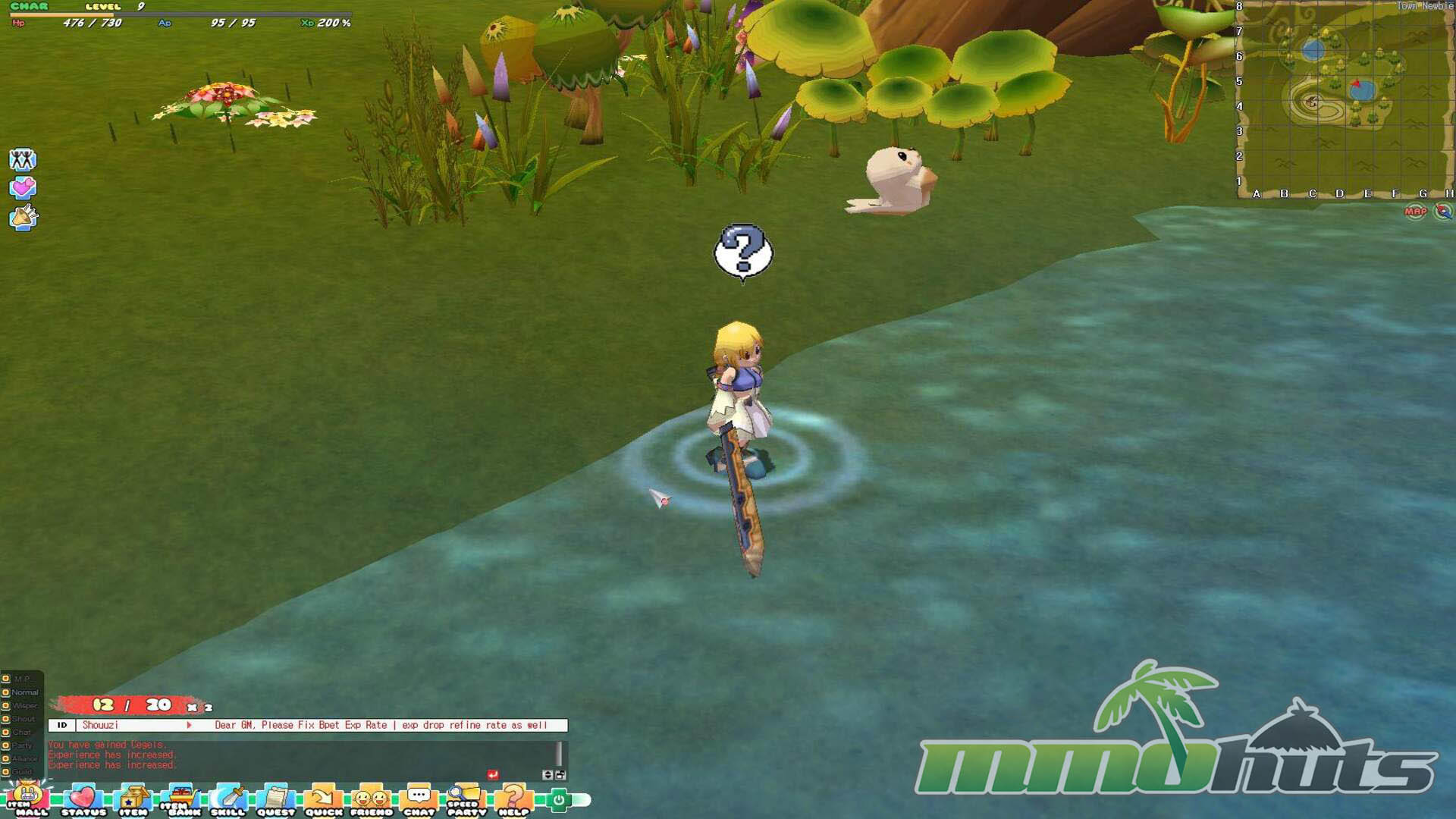
Seal Online is a 3D fantasy MMORPG with a bright, playful anime presentation, originally created by YNK Games and set in the cheerful world of Shiltz. The tone is intentionally upbeat, with chibi-like character proportions, vibrant zones, and a generally lighthearted vibe that sets it apart from darker fantasy MMOs.
First launched in South Korea in 2003, Seal Online has been around long enough to be considered a genre veteran. Despite its age, it still offers a surprisingly complete feature set: eight playable classes with distinct roles and weapons, a late-game job advancement choice for each class, and long-term progression supported by a level cap above 250. On top of the usual questing and monster hunting, the game leans into social and collection systems, including pets and the soulmate mechanic, while also supporting several PvP modes for players who want competition alongside the grind.
Seal Online Key Features
- Variety of Classes – play one of 8 classes, each branching into 2 job advancements at Level 150.
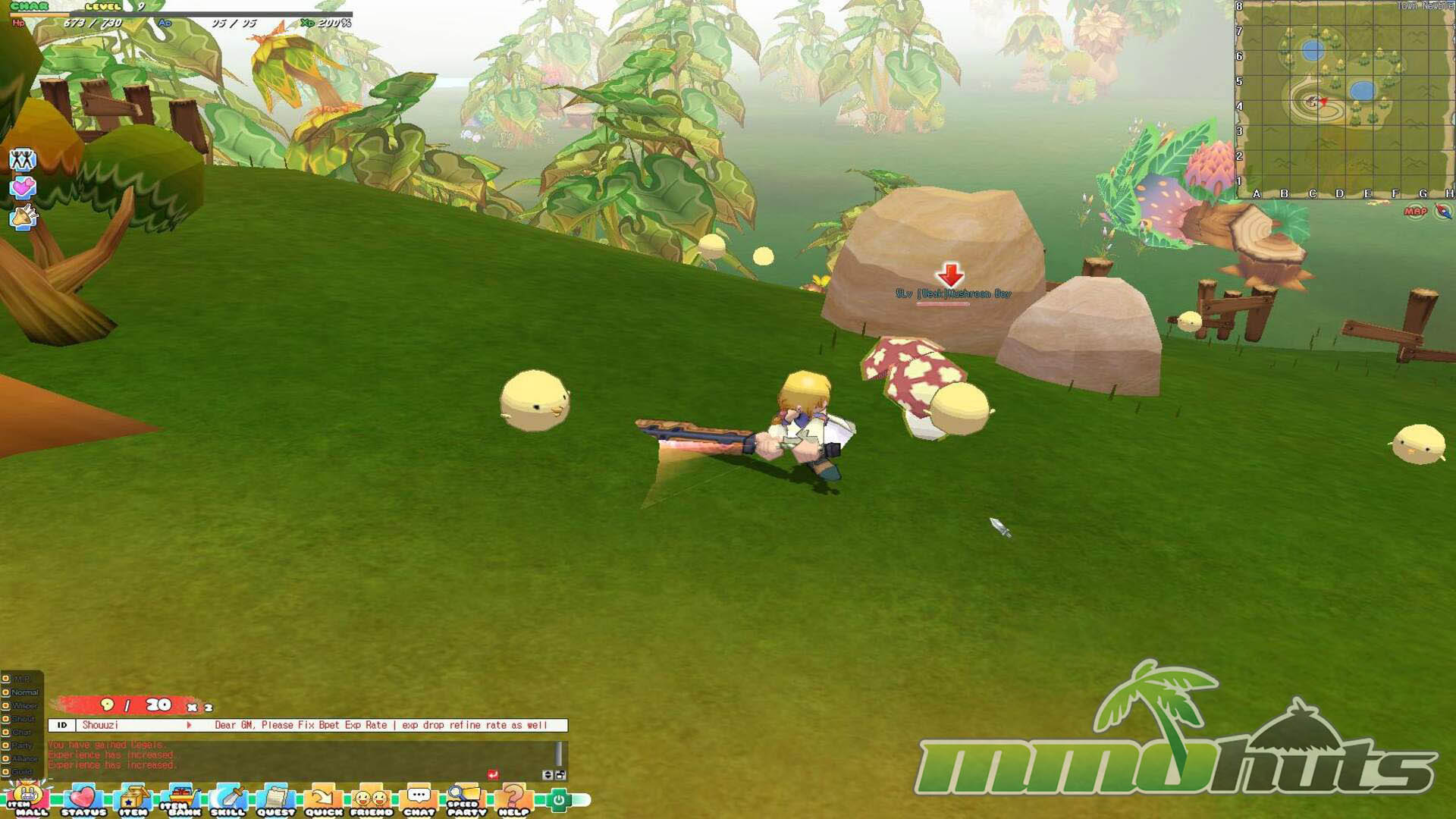
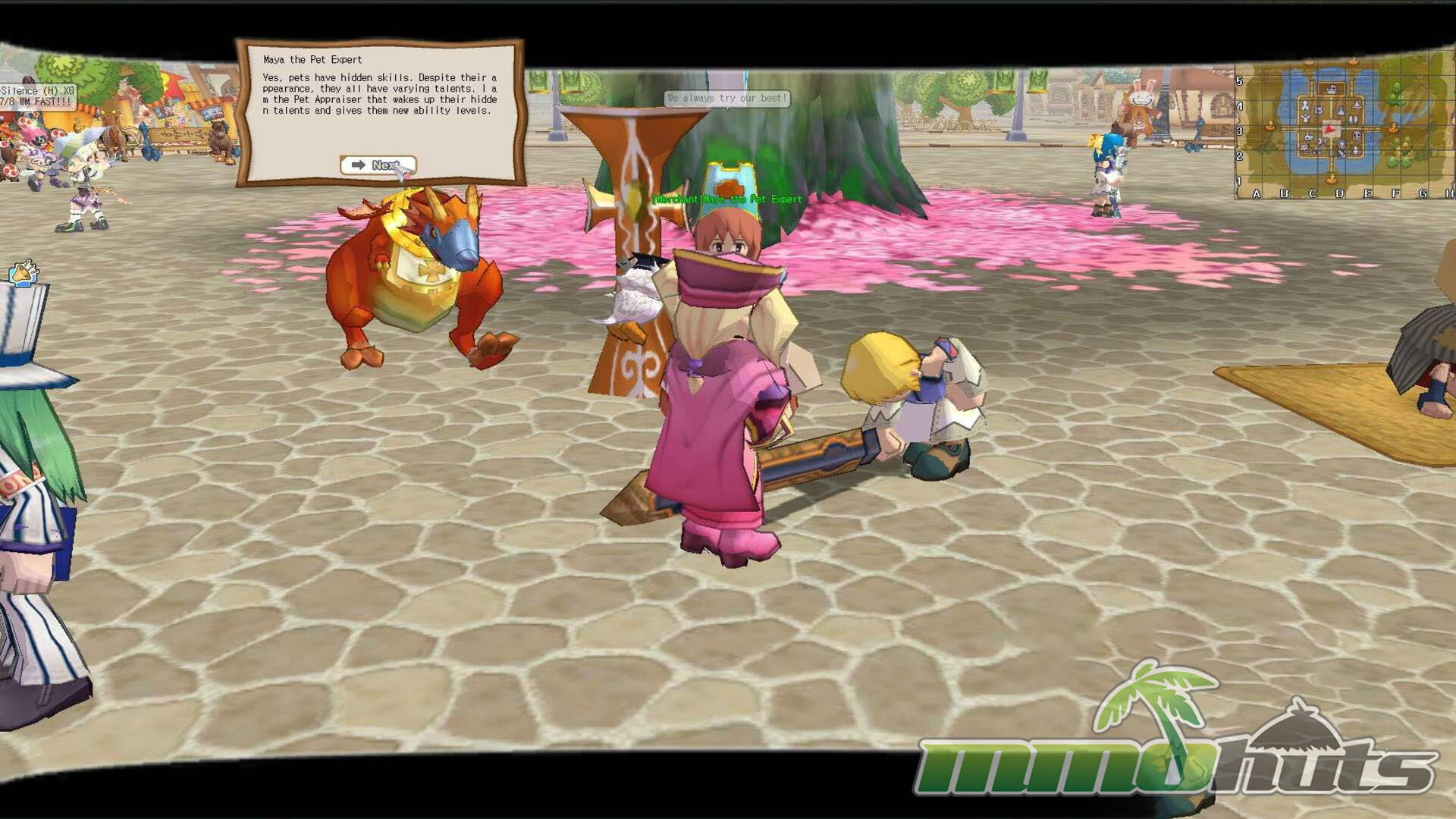
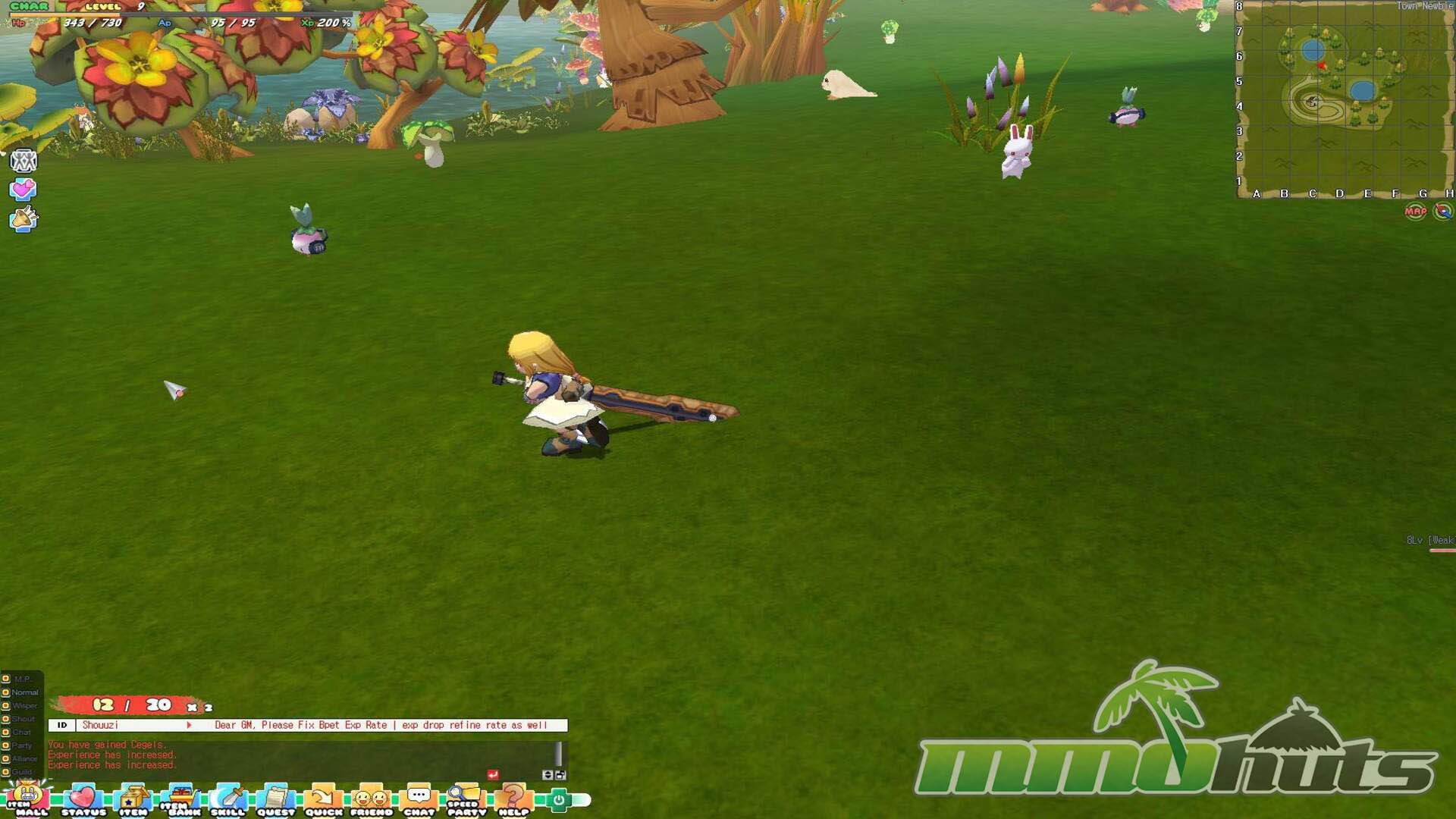
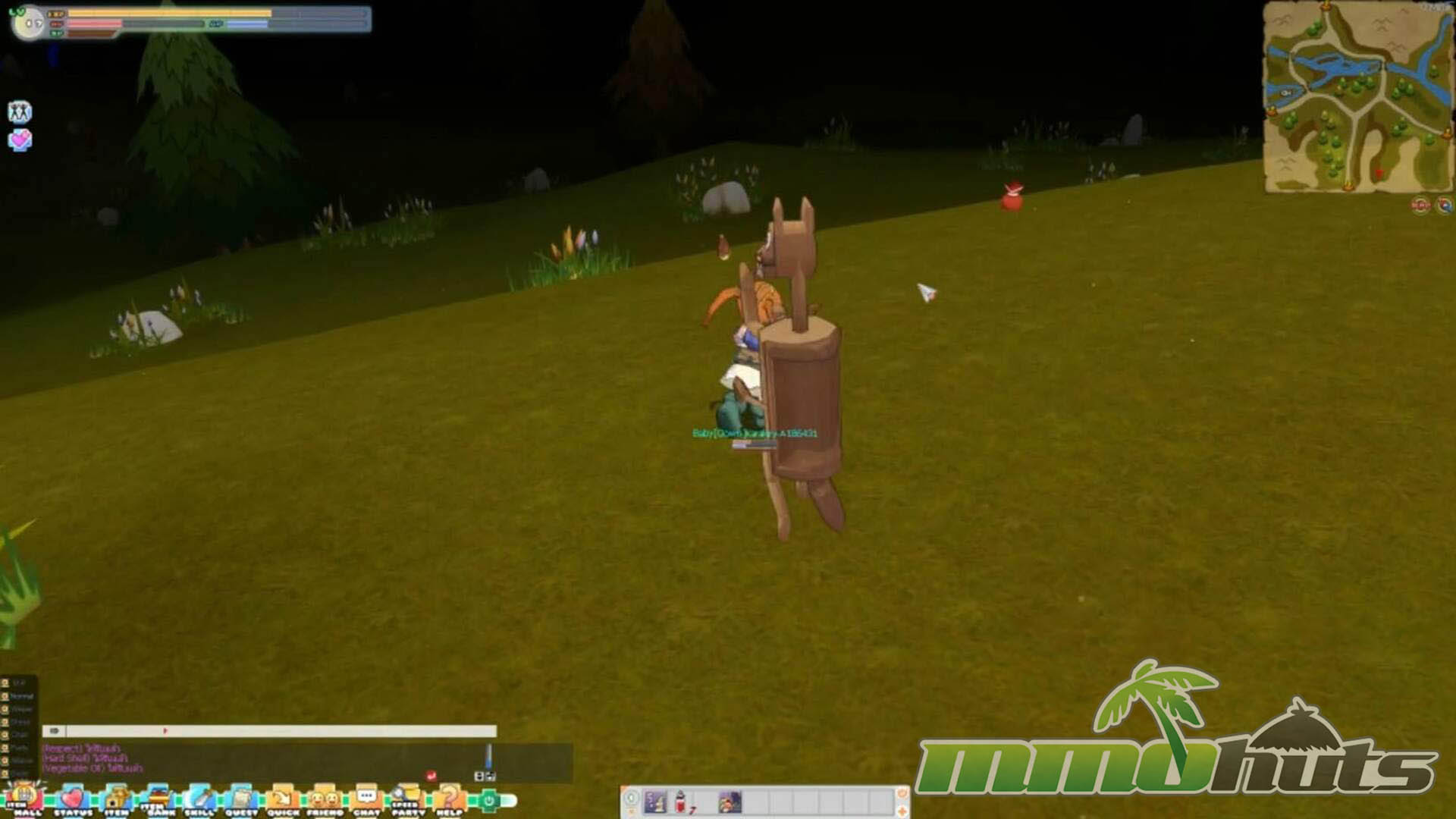
- Color Graphics – a lively anime look and bright environments that keep the world feeling upbeat.
- In-Depth Pet System – pets progress through 5 evolution stages and provide stat bonuses to their owners.
- Varied PvP Options – open PKing, Arenas, Duels, and Guild Wars give PvP fans multiple lanes to pursue.
- High Level Cap – with a level cap over 250, progression is built for long-term character building.
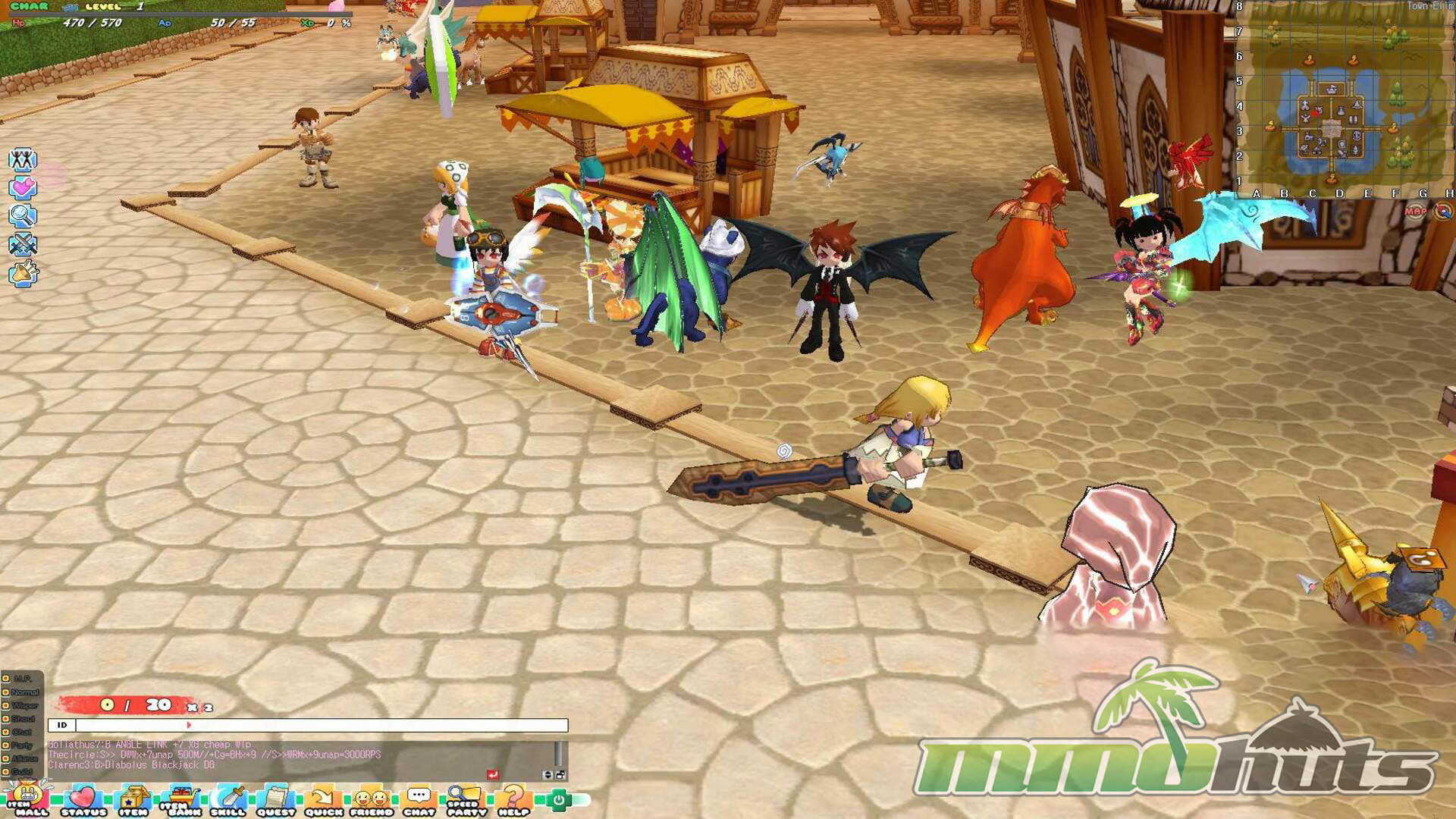
Seal Online Screenshots



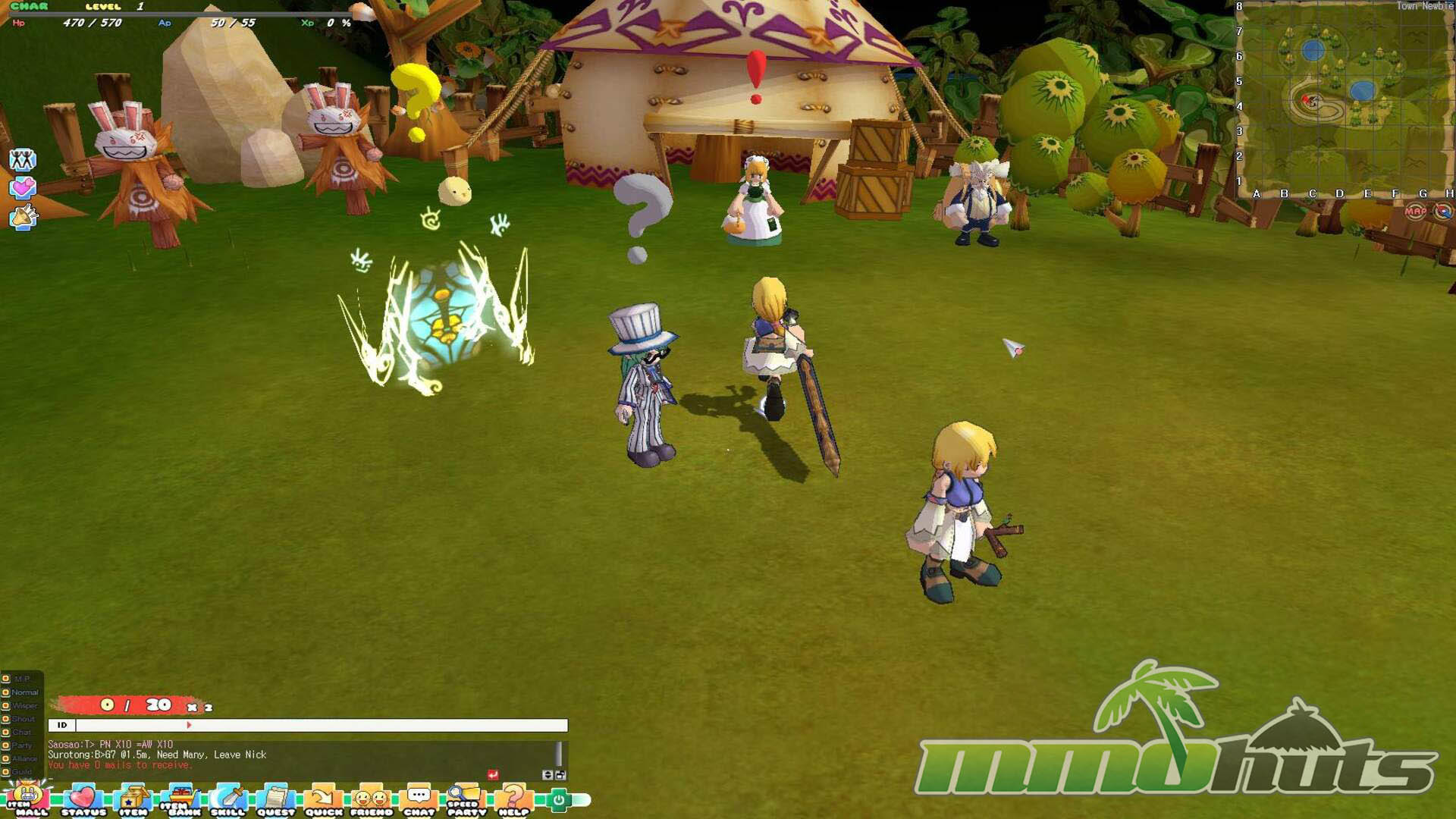
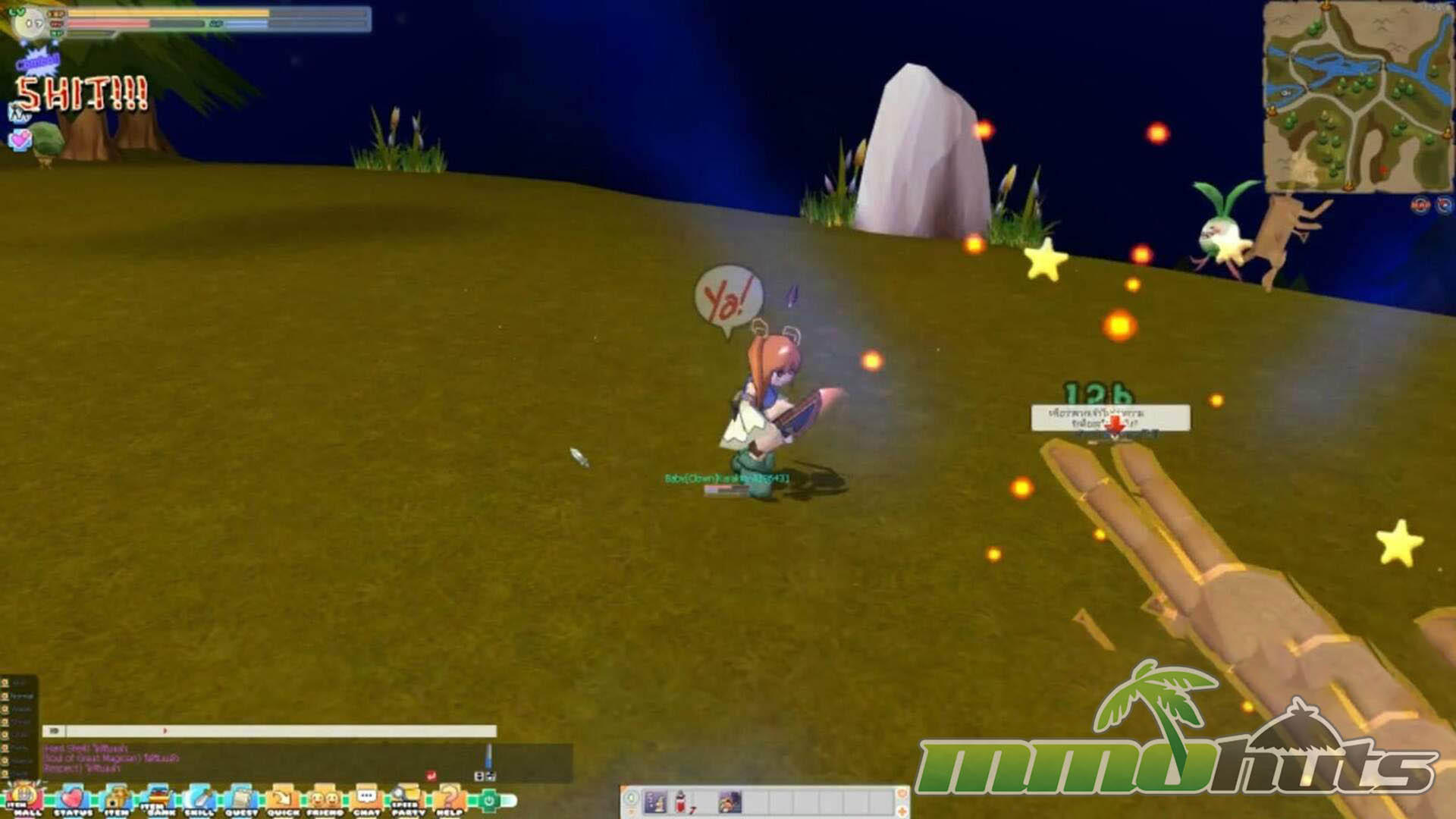
Seal Online Featured Video

Seal Online Classes
Beginner – this starter path exists for players who want a guided introduction before committing to a main class at Level 10. It is also possible to keep playing as a Beginner beyond Level 10 for extra rewards, or skip the Beginner track entirely and select a class immediately if you already know what you want.
At Level 150, each class can branch into one of two advanced specializations.
- Warrior – a melee damage dealer focused on two-handed swords, quick strings of attacks, and combo-driven pressure.
- Subclasses: Berserker/Swordmaster
- Knight – the classic frontline tank, typically using a one-handed sword and built to absorb damage for the group.
- Subclasses: Renegade/Defender
- Mage – a high-damage caster using staves and elemental magic, trading survivability for strong offensive output.
- Subclasses: Ice Wizard/Fire Wizard
- Priest – a support-focused class with buffs and utility, with advancement options that can push it toward more aggressive play later.
- Subclasses: Templar/Apostle
- Jester – a tricky ranged fighter built around deception and flexible tools, using things like darts and thrown cards, with daggers available when enemies close in.
- Subclasses: Assassin/Gambler
- Craftsman – a crafting-centered class that shines through production skills more than raw combat power, and often benefits from party support while leveling.
- Subclasses: Demolitionist/Artisan
- Hunter – a ranged specialist that uses a slingshot, leaning into kiting and consistent damage from a safe distance.
- Subclasses: Archer/Gunner
Seal Online Review
Seal Online is a 3D anime-styled MMORPG that began life under Grigon Entertainment, launching in South Korea on July 16, 2003. The publishing rights later moved to YNK in February 2007, with a North American release following on November 19, 2007. Development responsibilities also shifted internally over time, with YNK’s own studio, YNK Games, taking over development duties in January 2009. The game has been operated across multiple regions, including South Korea, the United States, Taiwan, Indonesia, Japan, and Thailand.
In 2013, Seal Online: Blades of Destiny arrived as an expansion, bringing additions like new raids and a battle pet system alongside general fixes. In terms of presentation, it sits in the same visual neighborhood as other older, anime-forward MMORPGs, with a colorful style that has charm but also makes the game’s age easy to spot.
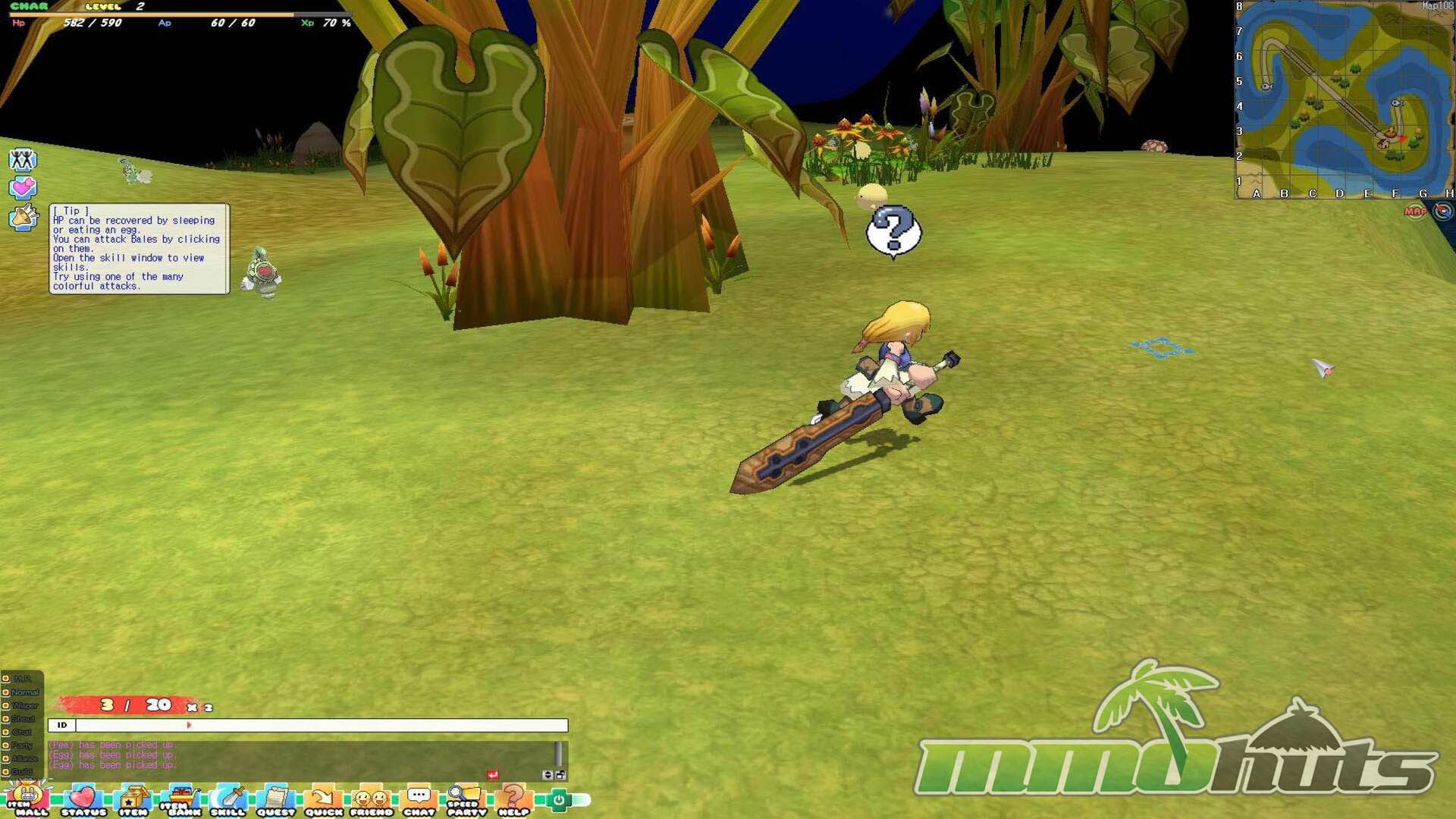
A light fantasy world with a mythic backbone
While the moment-to-moment vibe is cute and comedic, Seal Online frames its setting with a myth-leaning origin story about creation, gods, conflict, and betrayal. You do not need to be deeply invested in the lore to play, but it provides context for why the world of Shiltz is filled with strange monsters, heroic archetypes, and whimsical towns.
Character creation is relatively limited, focusing mainly on basics like gender and hairstyle rather than detailed sliders. The real identity choice is your class. There are eight total, including the Beginner option. The class list covers familiar MMO roles (Knight, Priest, Mage) and adds a few unusual flavors such as Jester and Craftsman. Long-term progression is supported by the job advancement system at Level 150, and with a level cap above 250, this is a game designed around a lot of leveling and incremental upgrades.
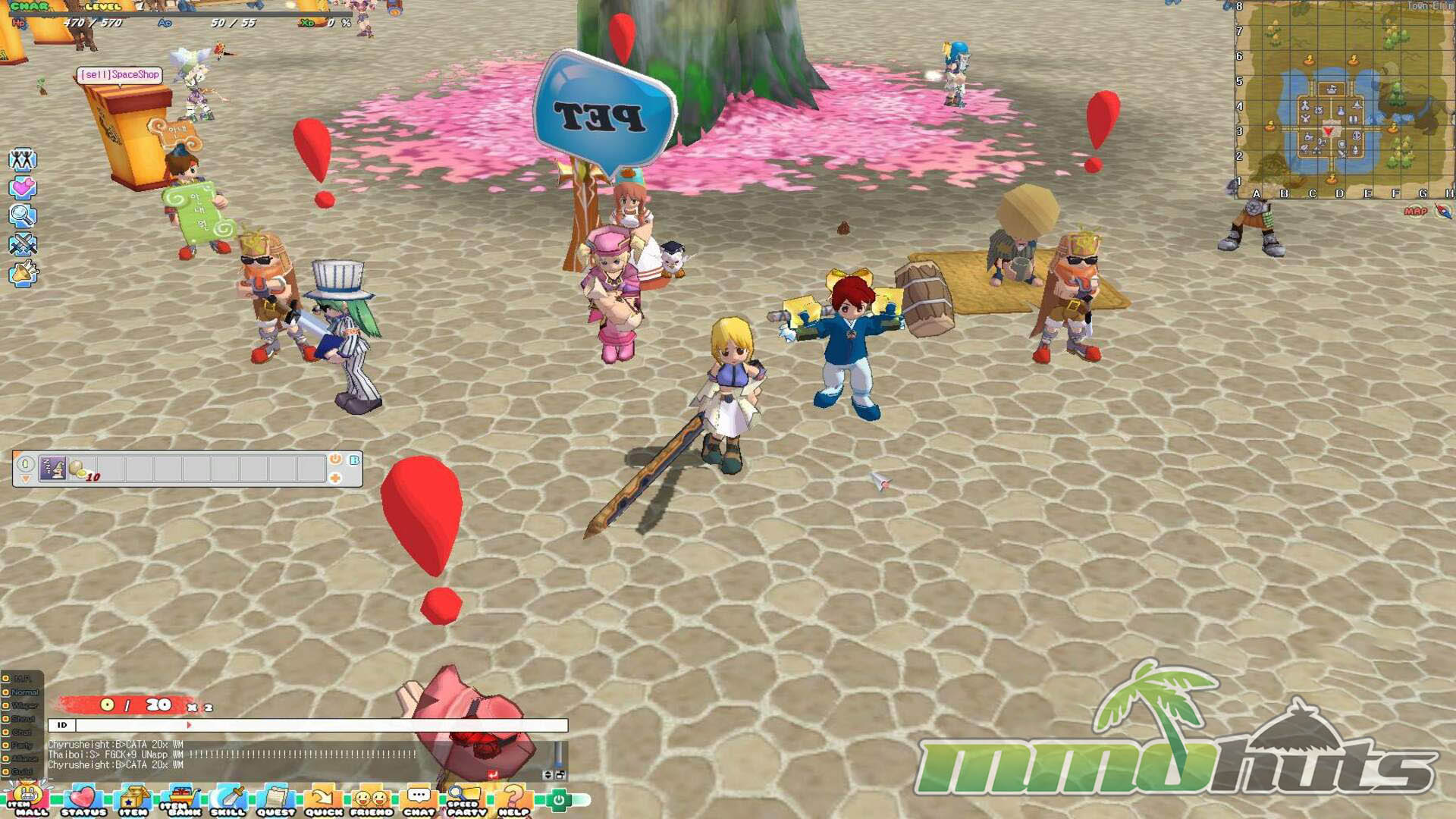
Interface and controls: very much from an earlier era
Seal Online uses point-and-click controls for movement and interaction, with the mouse doing most of the navigation work. Combat layers in a simple combo mechanic tied to A, S, and D inputs, which helps break up the otherwise straightforward flow of auto-attacking and skill usage.
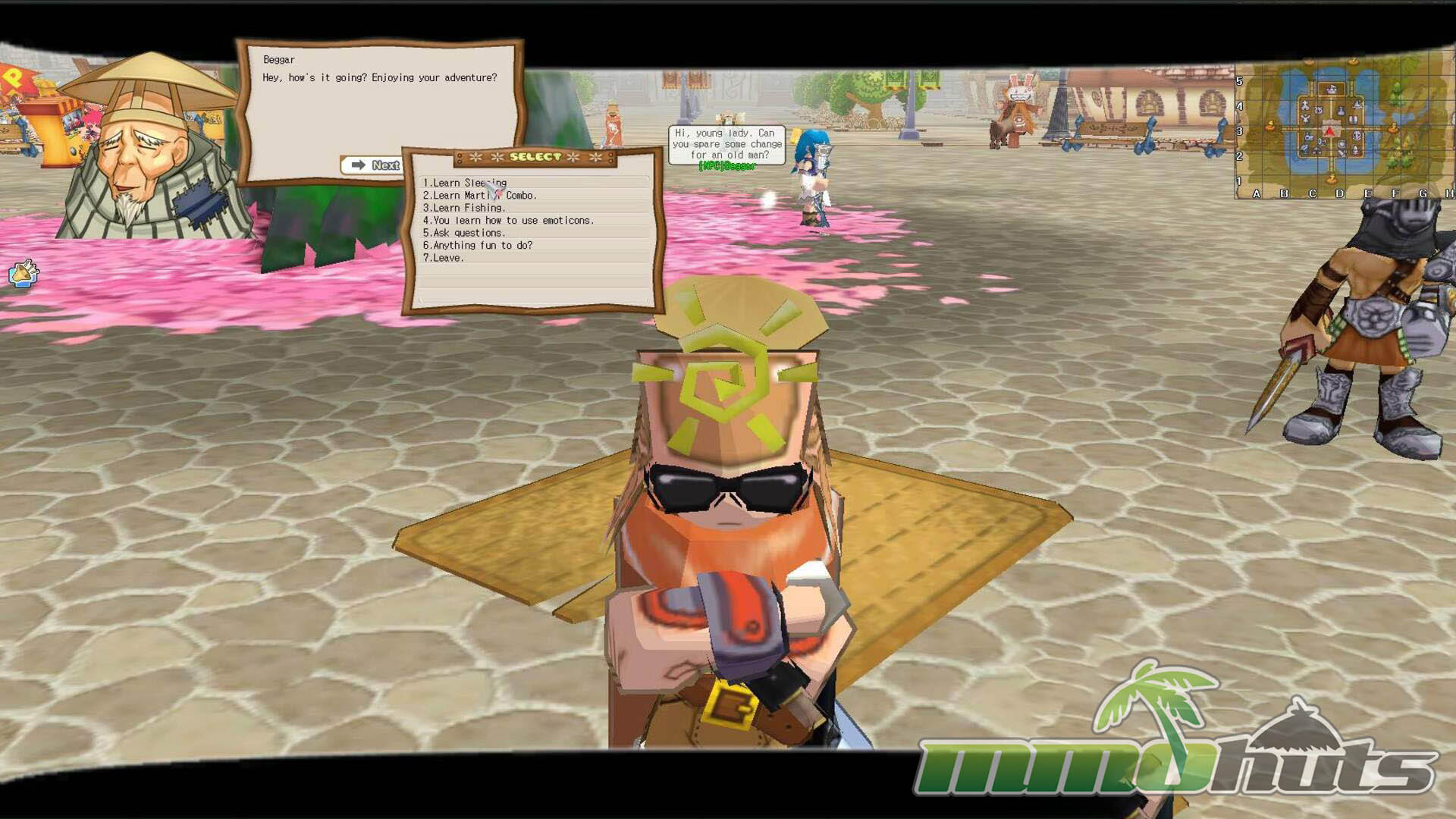
The downside is that the overall feel can be awkward for modern players. Menus, NPC interaction, and quest tracking often come across as unintuitive, and it is not always clear what the most efficient next step is. Age explains some of this, but it still creates friction, especially early on when the game is trying to teach multiple systems at once.
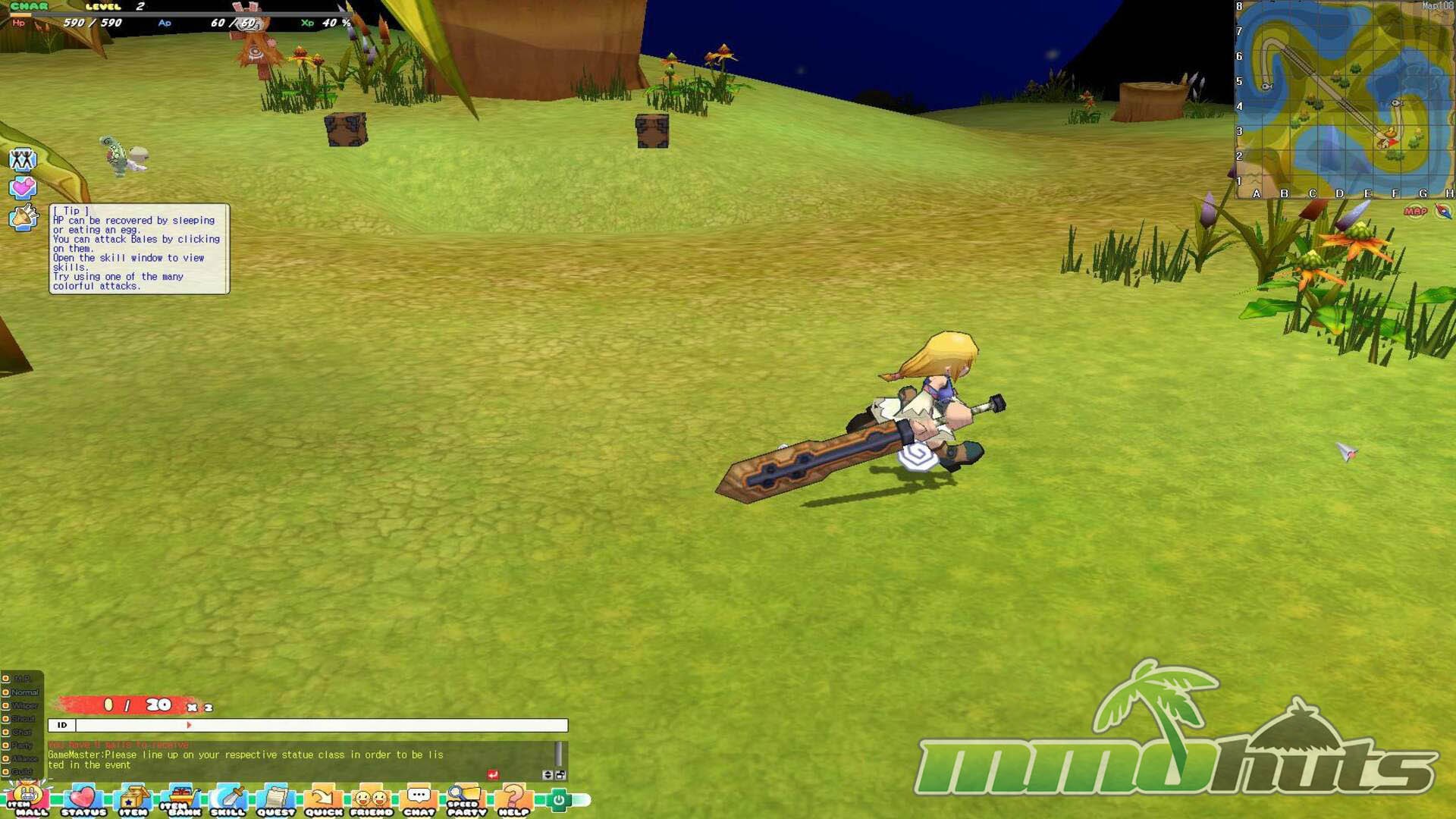
Leveling and Combat
The opening levels are structured as a guided onboarding phase rather than a sprint to “real” content. Early progression introduces mechanics that many MMOs would treat as side activities, including resting and fishing, along with travel tools like teleporters and warp portals. It is a slower ramp, but it does make the game’s many small systems feel like part of the core experience.
The world is split into 30 zones, and they are generally large, sometimes to a fault. A few areas feel spacious in a way that reads as empty rather than epic, and monster variety can blur together over long sessions, which contributes to the game’s grind-heavy reputation. Travel helpers, especially teleporters, do a lot of work in keeping questing practical.
Quest design is mostly classic “kill X” and “collect Y,” but Seal Online adds a fame system that influences progression in a more interesting way. Fame grants titles and can affect what gear and pets you are able to use, giving players an additional axis to work on besides pure level. Skills are learned from trainers in town, and after learning them, you can raise their effectiveness through continued use and leveling.
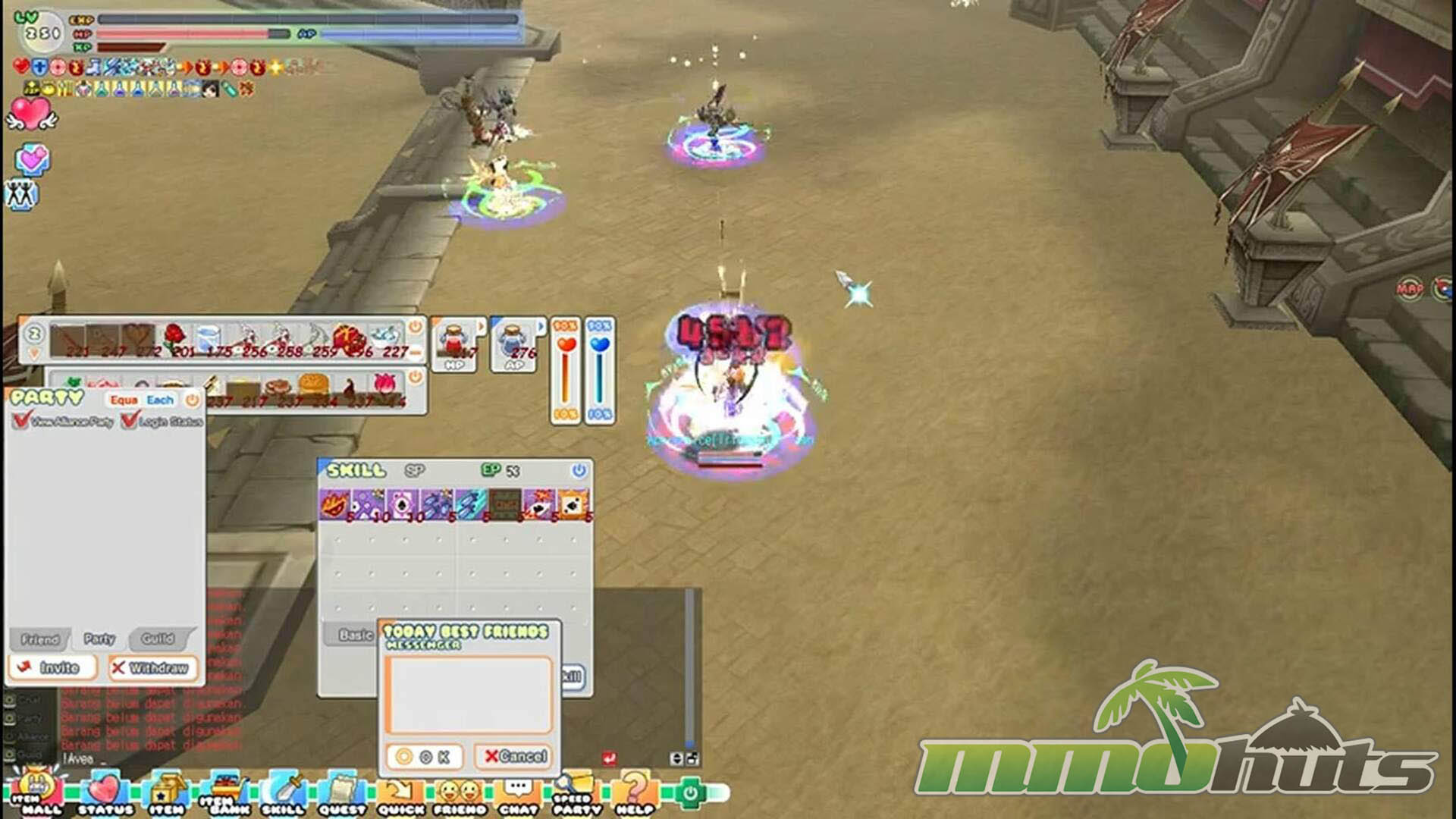
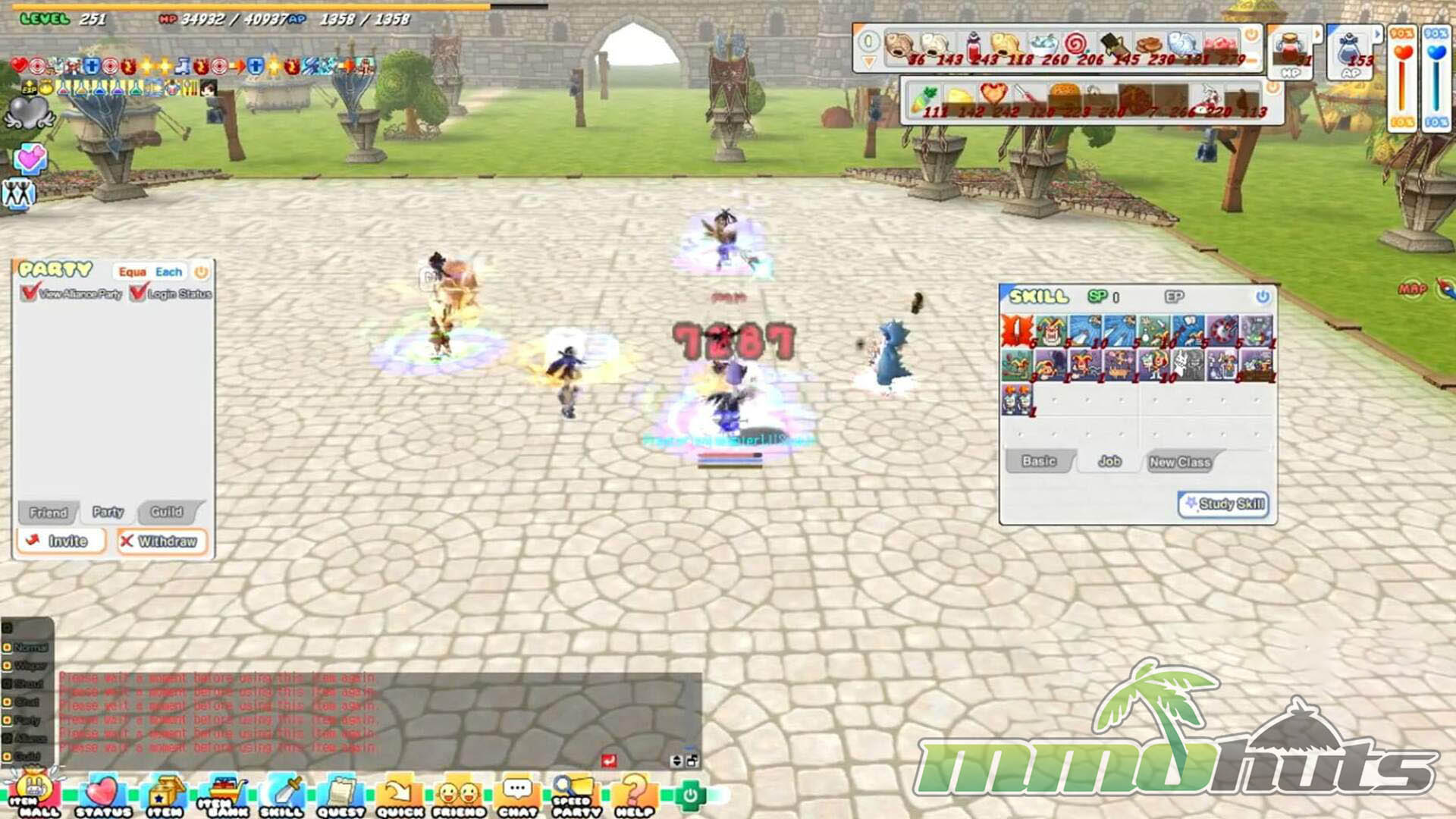
In combat, the combo system is the standout. Certain classes can trigger combos by matching on-screen prompts during fights, which adds a small timing element and makes basic grinding less mindless. Not every class relies on it equally, and some builds feel more like traditional skill rotations.
Consumables also play a major role. Potions can be used freely without cooldowns, which makes them powerful but also turns them into a constant expense, particularly for newer characters without strong income sources. This is one of the clearest examples of Seal Online’s older-school design, where resource management is part of the leveling loop.

Social systems: the soulmate feature is more than a novelty
Seal Online’s couples system is one of its defining social mechanics, functioning similarly to systems seen in games like Asda Story. A player can invite a character of the opposite gender to form a couple, and once paired, the UI provides a heart icon that indicates whether your partner is online. From there, you can message them, and even summon them to your location through the interface.
Progressing the relationship is tied to “relationship days,” which accumulate while both players are online. Each relationship day lasts 24 minutes, and the timer continues even if the couple is not standing together or is AFK. Rewards include items like roses, fireworks, and cosmetics, with the highest tier (wedding clothes and 2,400 roses) requiring 22,000 relationship days, which totals 305 days, 13 hours and 20 minutes. Couples also receive a shared seat that upgrades as the relationship progresses, and the system includes a breakup option that costs currency.
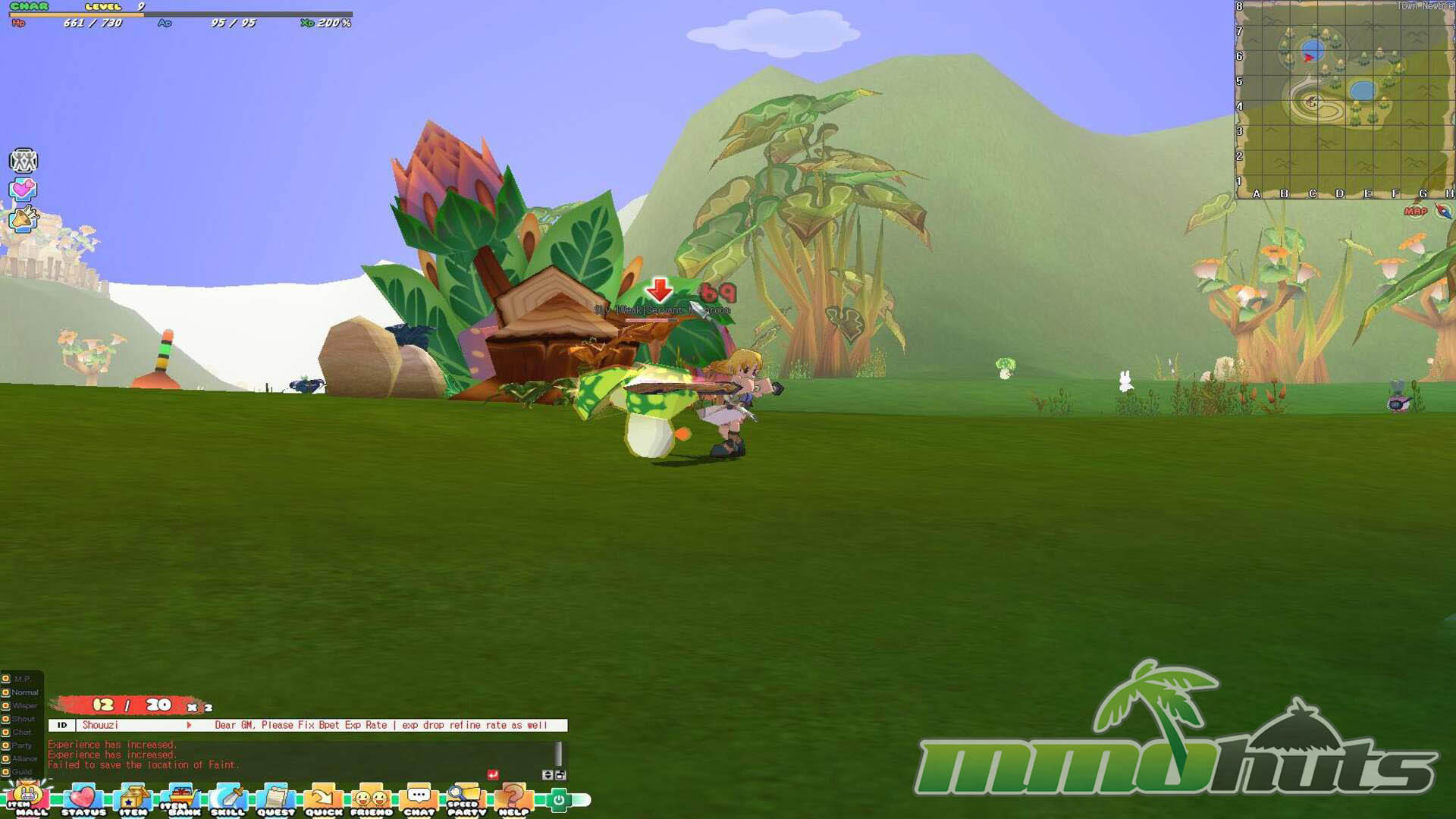
PvP and Other Features
Seal Online’s visuals may suggest a purely casual PvE experience, but the game actually offers a fairly robust PvP menu. Players can duel, fight in arenas, participate in guild wars, or engage in open-world PKing.
Open PKing comes with consequences. Player killing generates chaos points, and those points impose penalties such as reduced experience gain and the chance to drop items on death. It is a familiar risk-reward model for players who have experience with older Asian MMORPGs, and it encourages players to think carefully before picking fights. Chaos points can be reduced by grinding monsters, creating a loop where PvP behavior influences your PvE routine.
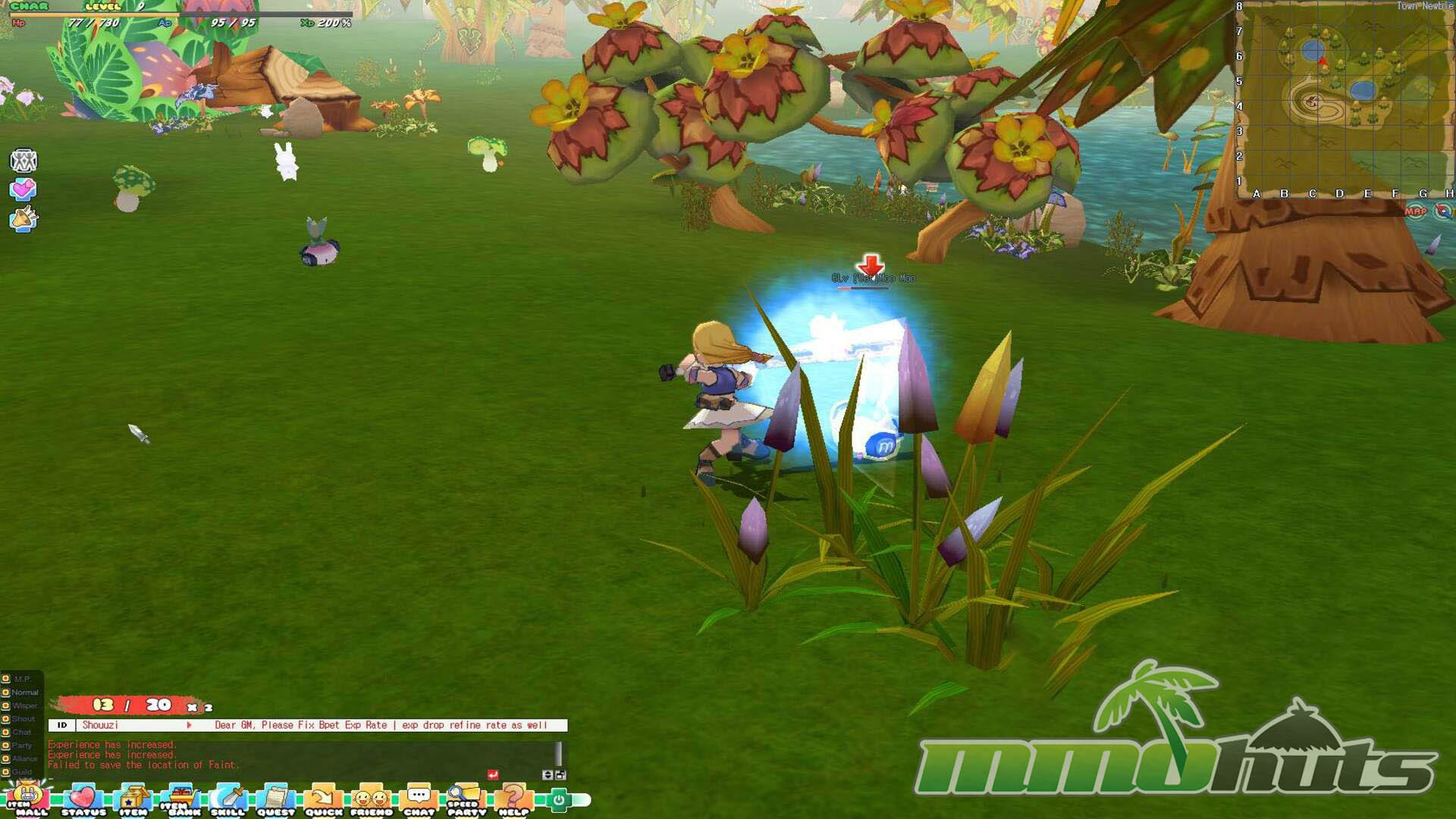
Outside of PvP, there is a solid set of “extra” activities. Raids offer the standard MMO structure of grouping up for boss fights and loot, spanning a wide range of level requirements from Level 10 up to Level 251, and supporting group sizes from 6 to 30 players. Pets are another major pillar: they evolve through item-driven progression and provide stat bonuses, so they function as meaningful character power rather than purely cosmetic companions. The monster survival challenge rounds out the mix, placing groups against waves of enemies for 20 rounds in exchange for experience and items.
The economy is also worth noting. Without a strong auction house, Seal Online leans on a player-store approach where players set up stalls in popular areas to sell items and gear. It can feel more social and “market-like,” but it is also less convenient than modern marketplace systems, especially for players who prefer quick search-and-buy functionality.
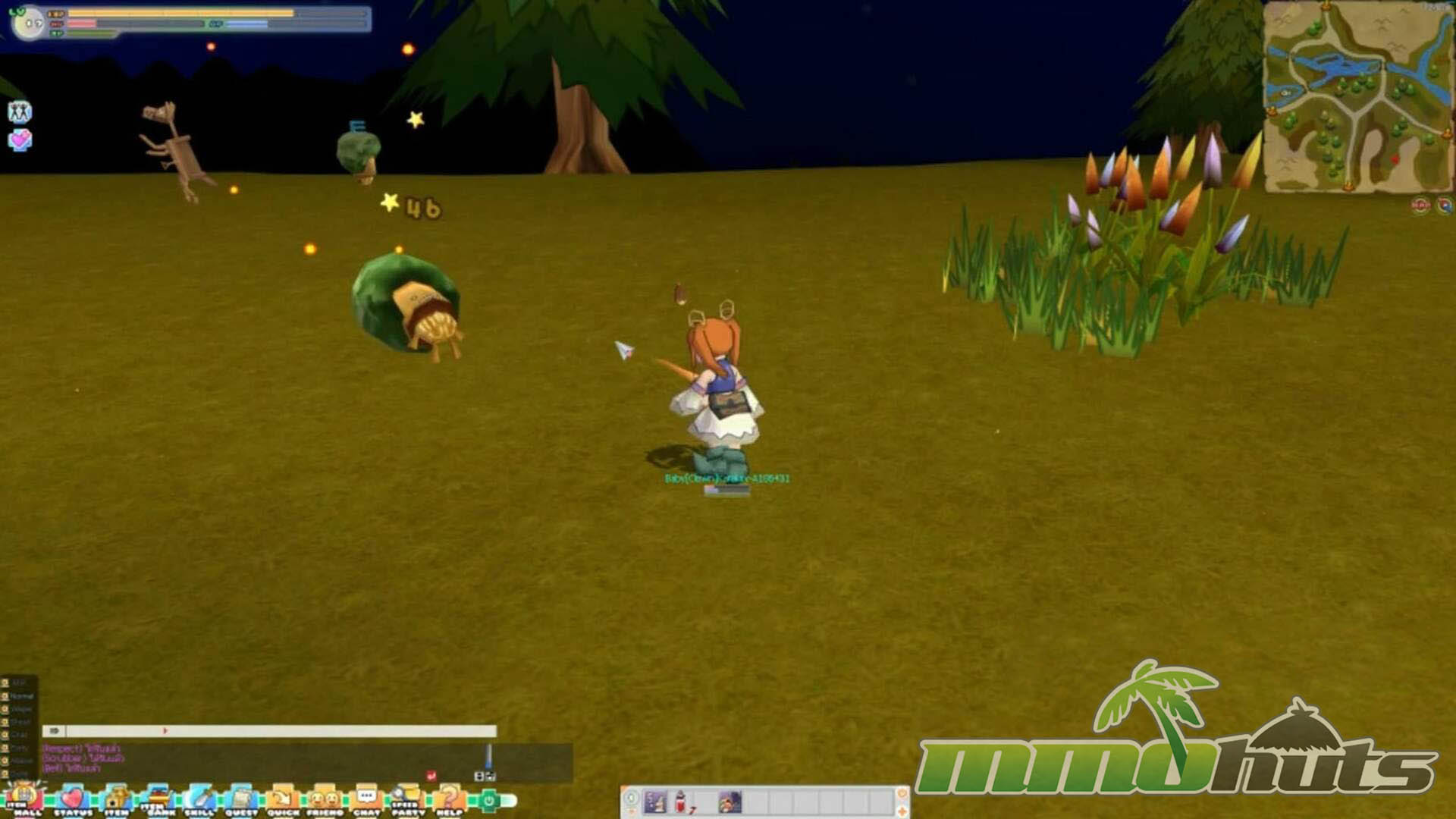
Item Mall
The Item Mall is extensive, offering things like 2nd class reset scrolls, skill reset scrolls, crafting materials, experience boosts, pet-related items, convenience options, potions, and cosmetics. Importantly, it does not lock core content such as classes, zones, or dungeons behind payment, so everyone has access to the same playable areas.
However, the shop does include items that can impact power at the top end, including endgame gear. That pushes the cash shop into pay-to-win territory, and it is the biggest long-term drawback for players who want a purely progression-driven economy.
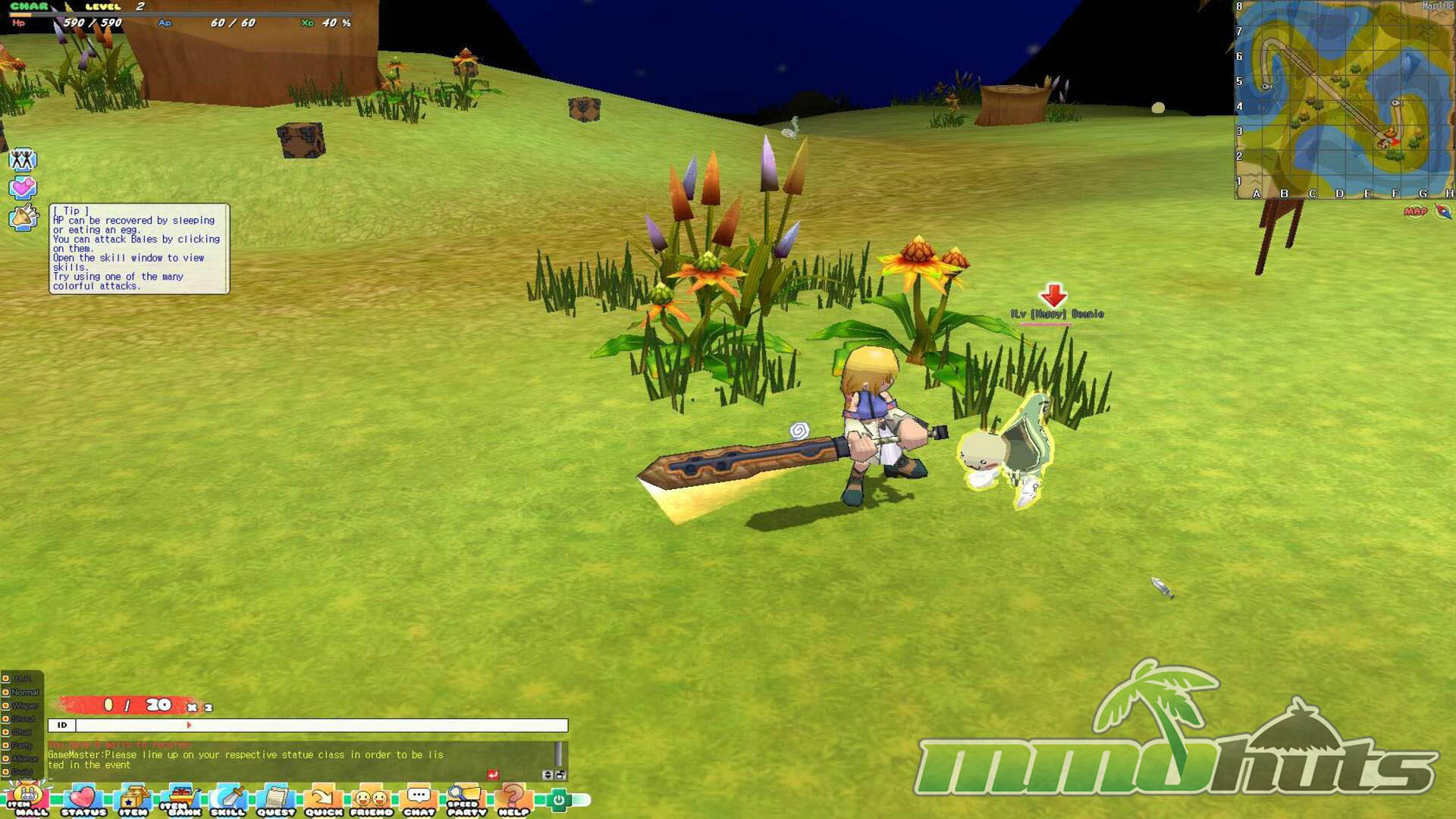
Final Verdict – Fair
Seal Online remains a distinctive relic of an earlier MMO era, with a charming world, a class roster that supports long-term goals, and social features that go beyond simple friend lists. At the same time, its dated interface, grind-forward pacing, and pay-to-win concerns can be difficult to overlook.
For players who enjoy older MMORPG design and do not mind a slower, repetitive progression loop, Seal Online still offers a lot to do, especially with pets, raids, and multiple PvP options. Those looking for modern polish or a strictly fair cash shop will likely find it frustrating, even if the world of Shiltz still has personality.
Seal Online Links
Seal Online Official Site
Seal Online Wikipedia
Seal Online Wikia [Database / Guides]
Seal Online System Requirements
Minimum Requirements:
Operating System: XP / Vista / 7 / 8
CPU: 600 MHz Intel CPU
Video Card: Any GPU
RAM: 256 MB
Hard Disk Space: 1.5 GB
Recommended Requirements:
Operating System: XP / Vista / 7 / 8
CPU: 1 GHz Intel CPU
Video Card: GeForce FX Series card
RAM: 256 MB
Hard Disk Space: 1.5 GB*
The listed requirements for Seal Online are quite broad. While a 600 MHz CPU is mentioned as minimum, modern operating systems typically need more resources than that to function comfortably. Given the game’s original 2003 release in Korea, most current PCs should run it easily.
Seal Online Music & Soundtrack
Seal Online Additional Information
Developer: Grigon Entertainment / YNK Games
Designer(s): Kim ByungChul
Release Date for South Korea: July 16, 2003 (Softnyx)
Release Date for North America: November 19, 2007
Seal Online is offered across many regions and languages. If you are unsure which version to start with, the Global version self-published by YNK is typically the simplest entry point.
Development History / Background:
Seal Online began as a project by South Korean studio Grigon Entertainment and later transitioned to YNK Games after the rights were acquired. The original Korean service started on July 16, 2003, with the North American release arriving much later on November 19, 2007. After the original developer closed, YNK Korea acquired the title in February 2007 and continued operating and developing it. The current global service is commonly referred to as Seal Online: Blades of Destiny, and the Korean service has remained active for more than a decade.