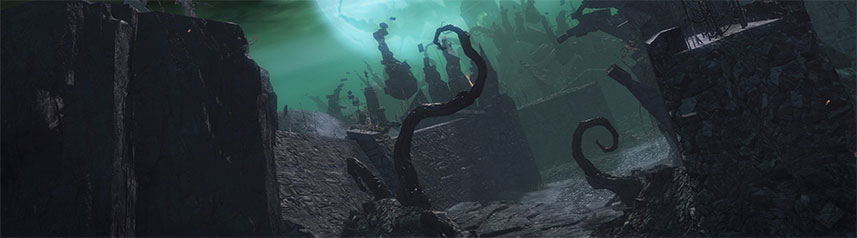
Sacrament was pitched as a next-generation MMORPG built around player agency, with systems designed to react to how you play rather than funneling everyone through the same quest treadmill. Its headline ideas included scalable challenge, loot that adapts to your activity, and a development approach that leaned heavily on community discussion. While the concept aimed to move away from rigid “quest hub to quest hub” progression, the project ultimately did not reach release.
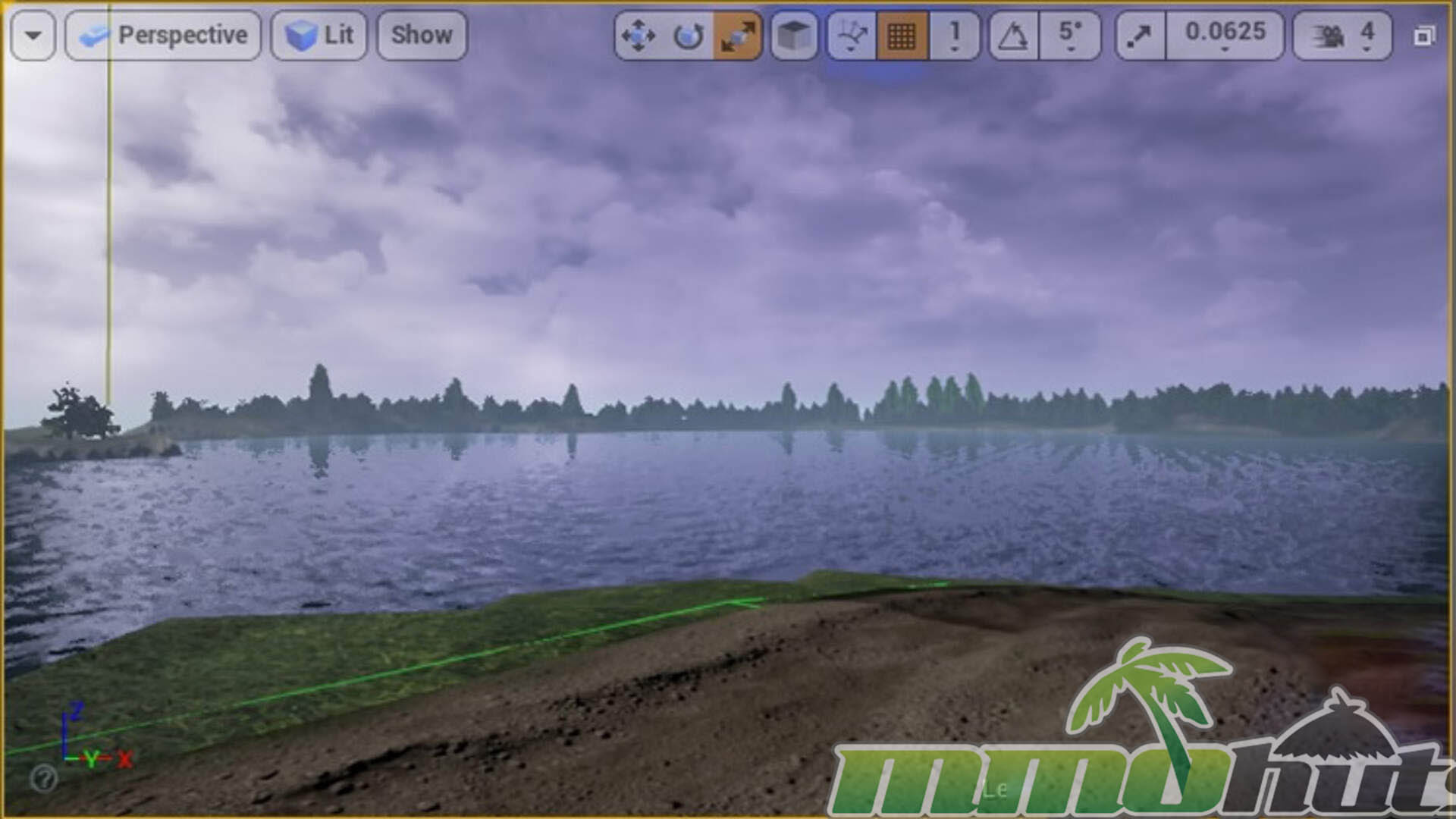 | Publisher: Ferocity Unbound Core Studios Type: MMORPG PvP: Arena / Battlegrounds / World PvP Release Date: Unreleased Shut Down: March 31, 2017 Pros: +Emphasis on meaningful player decisions. +Broad appeal across PvE, PvP, and social play. +Challenge that scales with ability. Cons: -Very large scope for a small team. -Never progressed beyond early development. -Tier structure could restrict progression for some players. |
Sacrament Overview
Sacrament was conceived as an MMORPG that tries to recapture the older genre staples, coordinated parties, risky adventures, server community, and rewards that feel earned, while avoiding the overly guided, linear structure common in many modern online worlds. Instead of centering the experience on a traditional level ladder leading to a fixed endgame, the game’s design leaned on a tier-based progression model. The idea was that players would shift between tiers depending on the type of content they pursue and how well they perform, placing more weight on player skill and mastery than on simply grinding experience bars.
A big part of the pitch was that Sacrament would support multiple ways to engage with the world, mixing PvE, PvP, and social systems without treating any of them as an afterthought. On paper, features like tailored loot tables and a large roster of role-driven classes were meant to make builds and group composition more deliberate, so your choices would matter not only in combat but also in how you approach progression.
Sacrament Key Features:
- 28 Role-based Classes – rather than relying solely on the classic tank, damage, healer split, Sacrament aimed to carve roles into narrower specialties, giving groups more defined responsibilities and more distinct class identities.
- PvE, PvP, and Social Balance – the project’s design targeted a mix of cooperative content, competitive modes, and community activities (including social and crafting-oriented play) to better accommodate different player motivations.
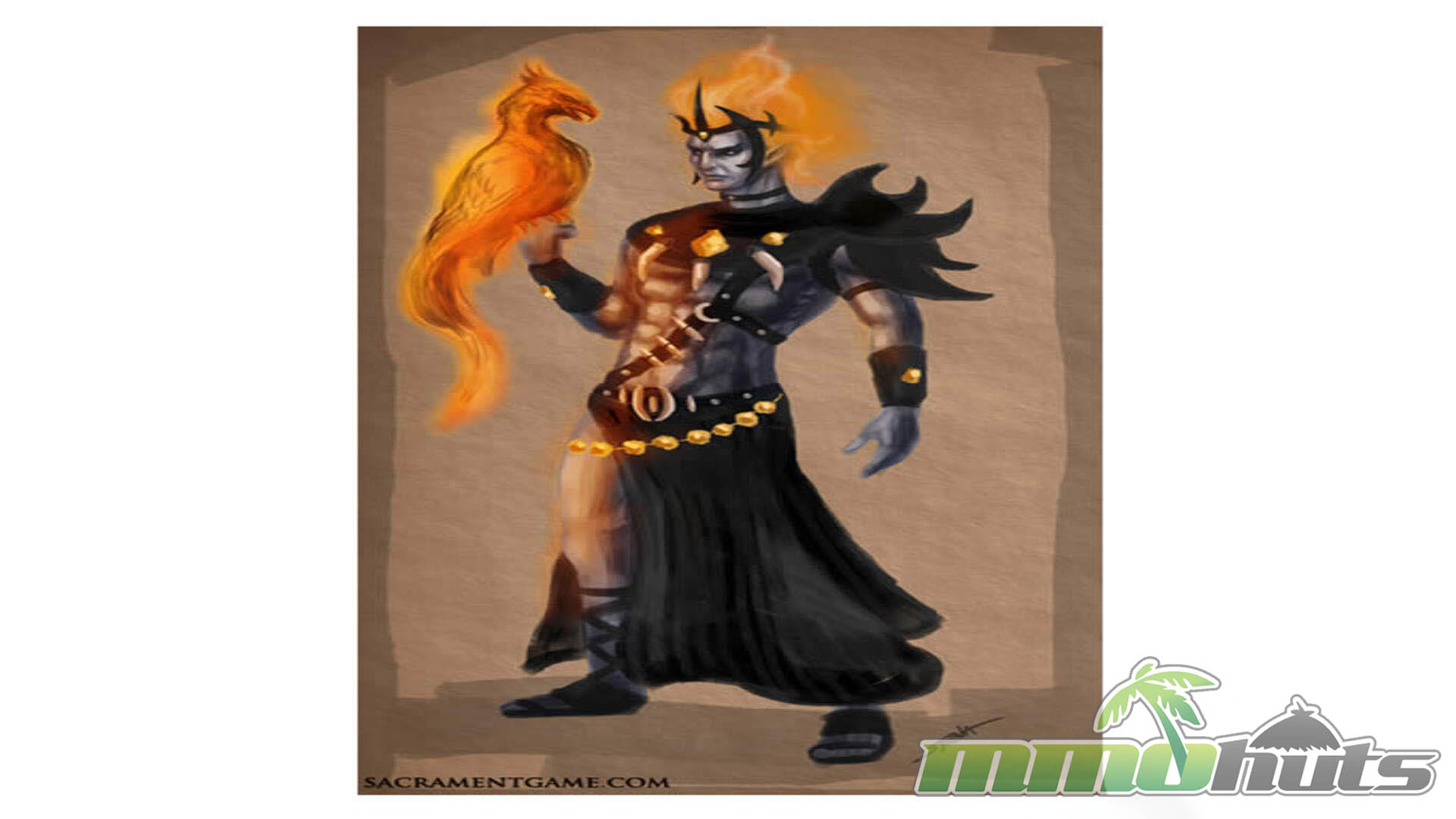
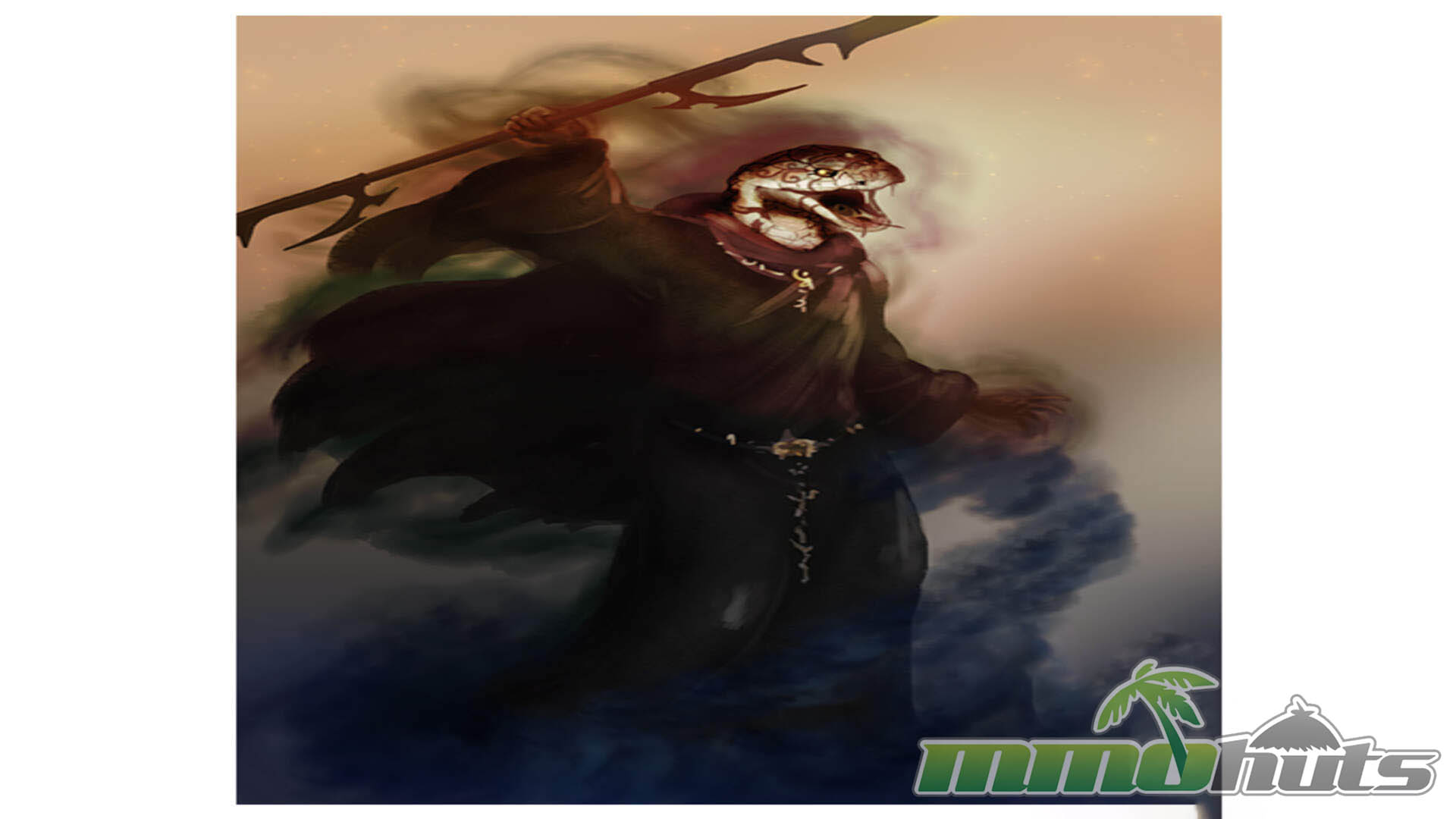
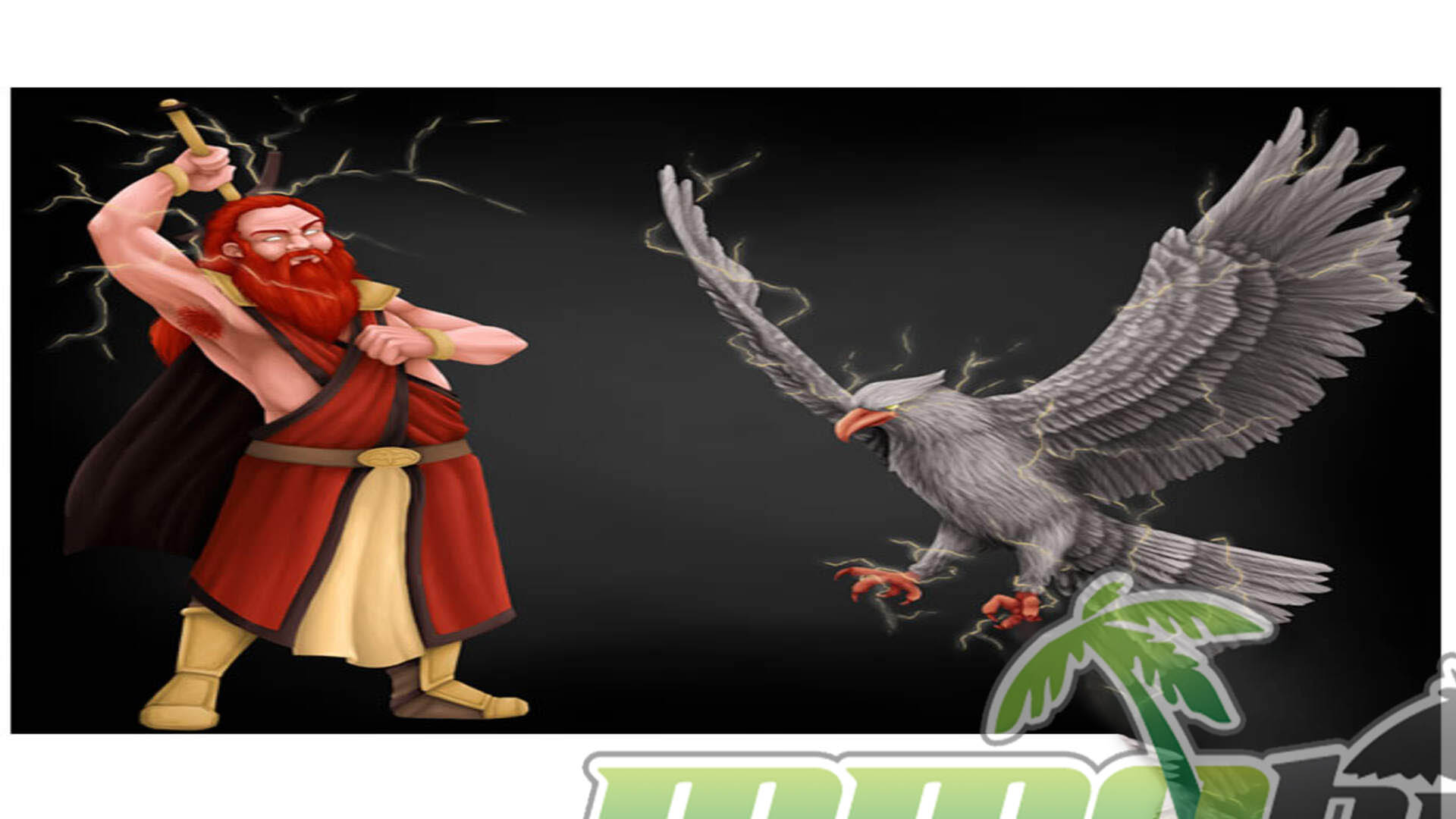
- Varied Playable Races – players were planned to have options such as Humans, Orcs, Gnomes, Halfings, Ursa, Goblins, and other races tied to different regions and environments across the setting.
- Community-focused Development – the team positioned the game as something built in close conversation with its community, encouraging feedback through forums and ongoing communication from the founders.
- Difficulty Tiers – content was intended to be approached at an appropriate challenge band, with player performance and capability defining progress more than completing simple checklist-style tasks.
Sacrament Screenshots
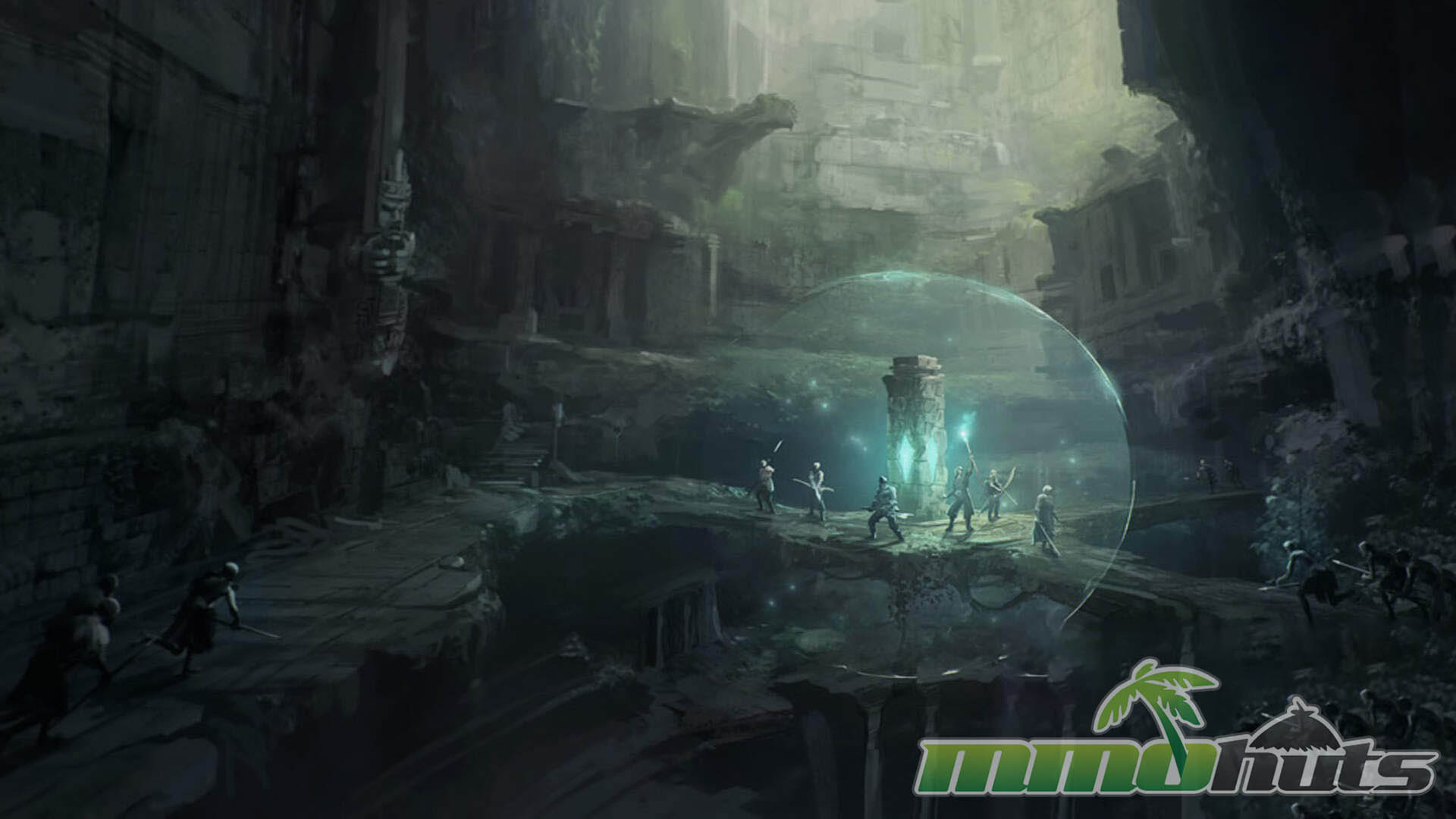
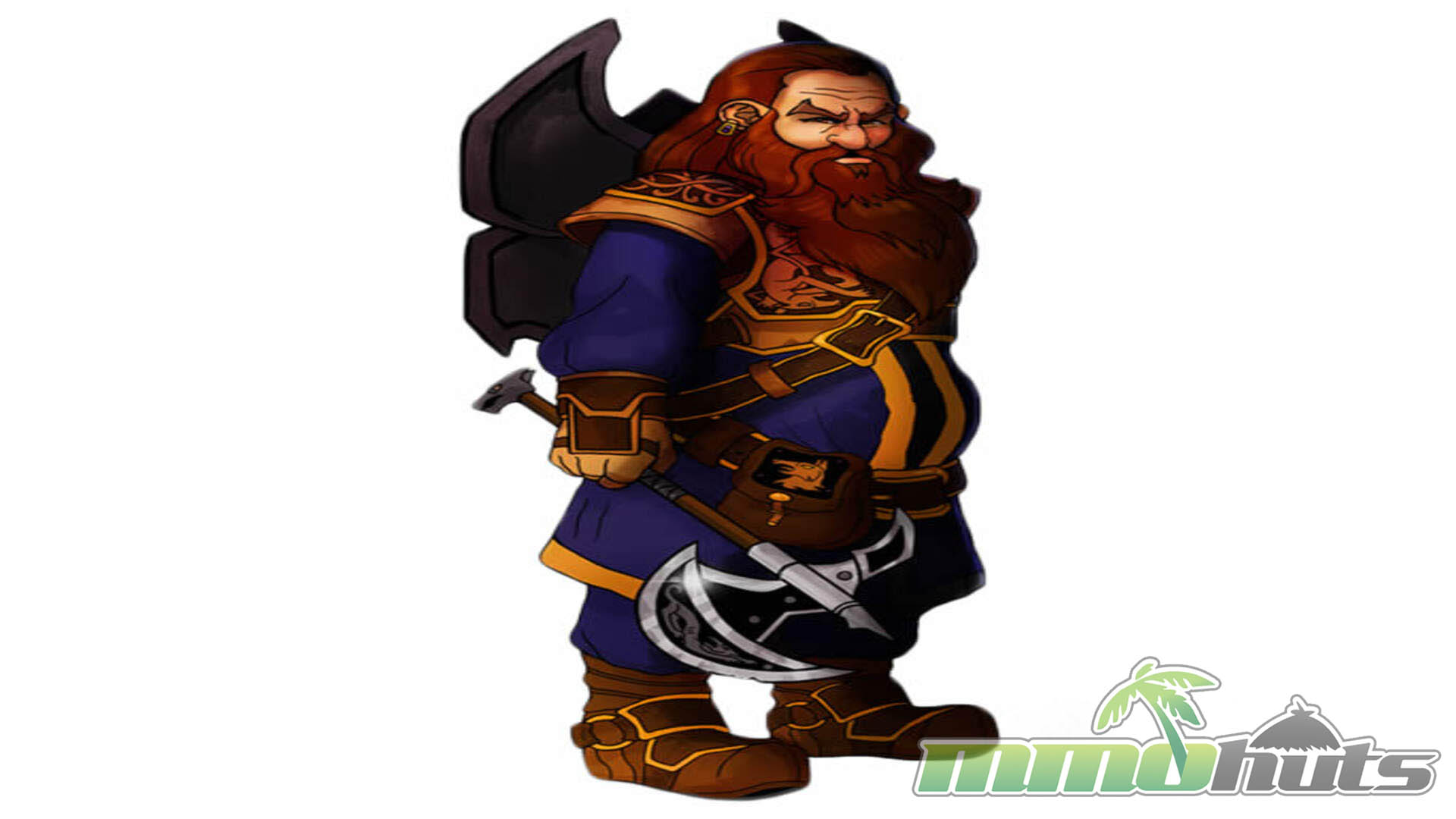
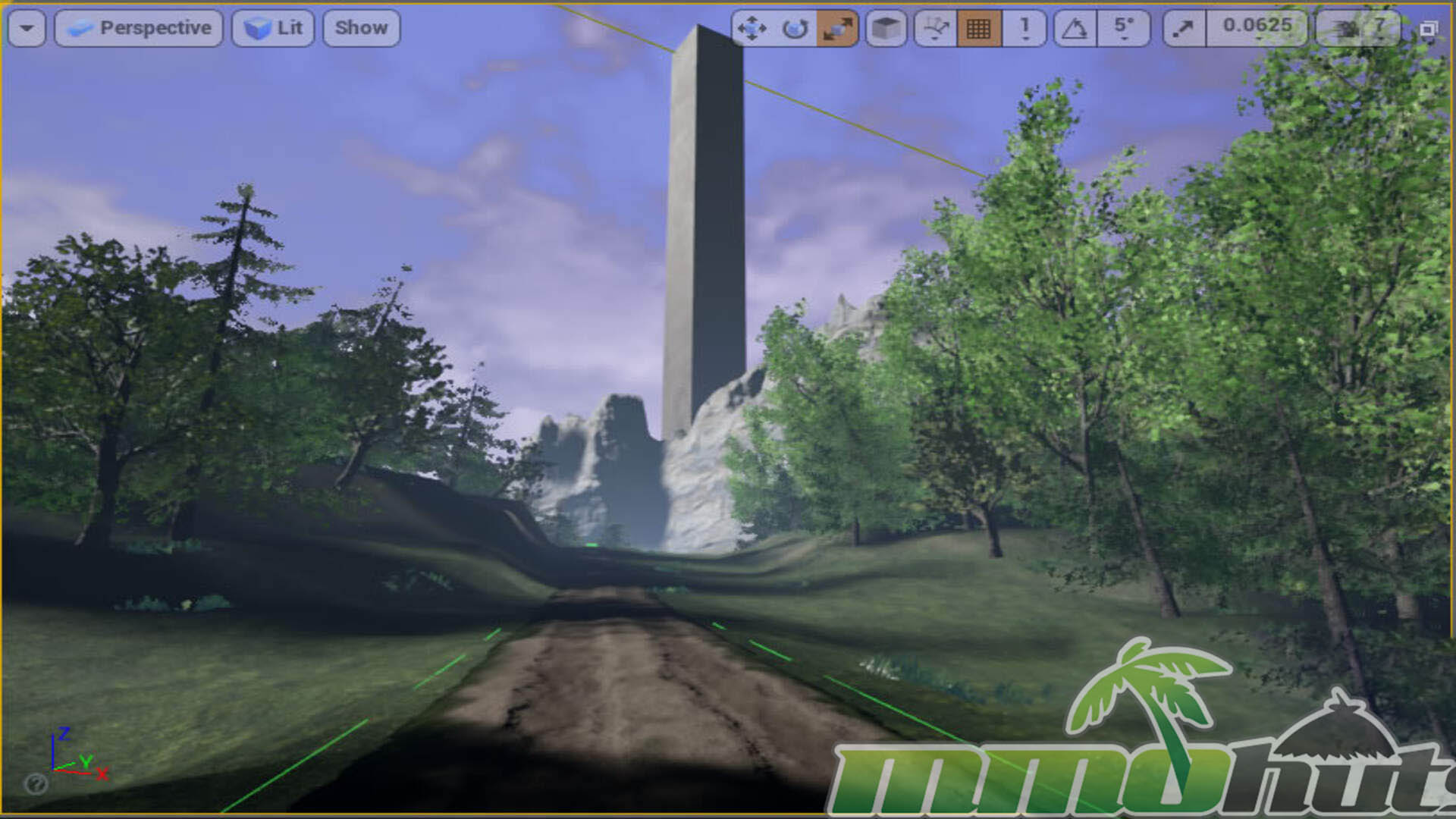
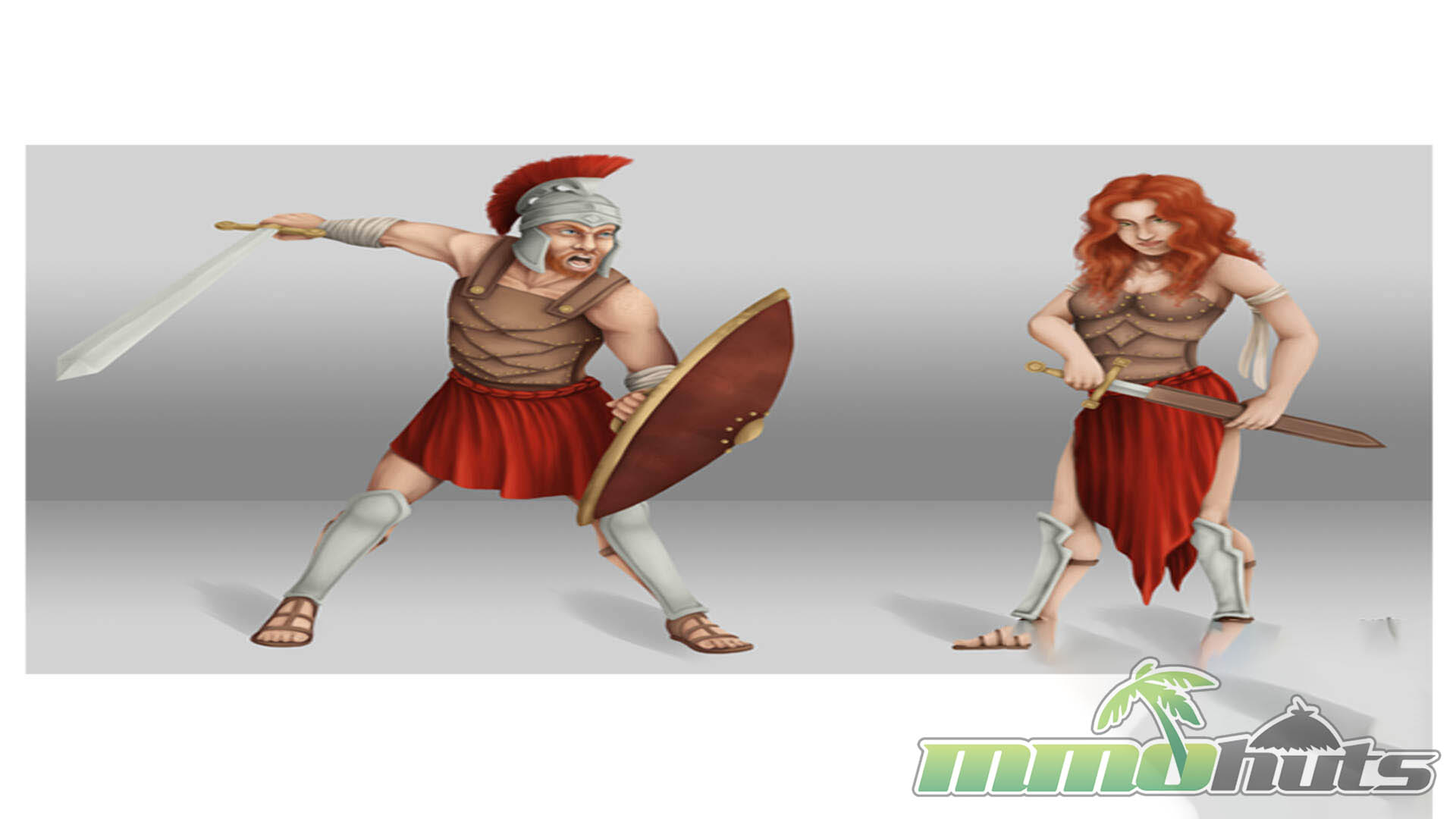

Sacrament Featured Video

Sacrament Review
Coming Soon!
Sacrament Online Links
Sacrament Official Site
Sacrament Official Forums
Sacrament Facebook
Sacrament Twitter
Sacrament System Requirements
Minimum Requirements:
Operating System: Windows 7 / 8 64-bit
CPU: Intel Core i7 3.0 GHz
Video Card: NVIDIA 970M or better
RAM: 16 GB
Hard Disk Space: 15 GB
Sacrament Music & Soundtrack
Coming Soon…
Sacrament Additional Information
Developer: Ferocity Unbound Core Studios
Release Date: Unreleased
Shut Down: March 31, 2017
Development History / Background:
Sacrament was in development at Ferocity Unbound, a small, volunteer-driven team that framed the project as a response to frustrations with the direction of the MMORPG genre. Their stated goal was to prioritize players and long-term world building rather than designing around monetization. Funding was expected to come through crowdfunding, with progress occurring alongside the team’s available free time.
Compared to many MMO projects, the development was presented in a relatively open manner. The founders communicated through forum posts, podcasts, and blog-style updates, and they routinely engaged with community questions. The last official announcement from the developer was dated March 31, 2017, and the project has been abandoned since then.