Run and Fire is a Russian, sci-fi themed 3D lobby-based MMOFPS built around speedy matches, multiple PvP and PvE modes, and loadouts that mix familiar firearms with more futuristic hardware, all framed by a post-apocalyptic setting.
 | Publisher: Nikita Online Playerbase: Medium Type: MMOFPS Release Date: May 27, 2014 Shut Down Date: June 30, 2017 Pros: +Sharp visuals for its era. +Runs well on modest PCs. +Quick, aggressive firefights. Cons: -No English support, all menus are Russian. -Premium guns can feel too strong. -Some default keys are uncomfortable. |
Run and Fire Overview
Run and Fire drops you into compact, lobby-driven firefights where mobility and quick decision-making matter as much as aim. Set in a ruined, post-apocalyptic future, it casts players as enhanced soldiers who bounce between close-quarters skirmishes and objective play, depending on the map and mode. The pacing is snappy, with matches designed to be jumped into quickly rather than treated like long-form campaigns.
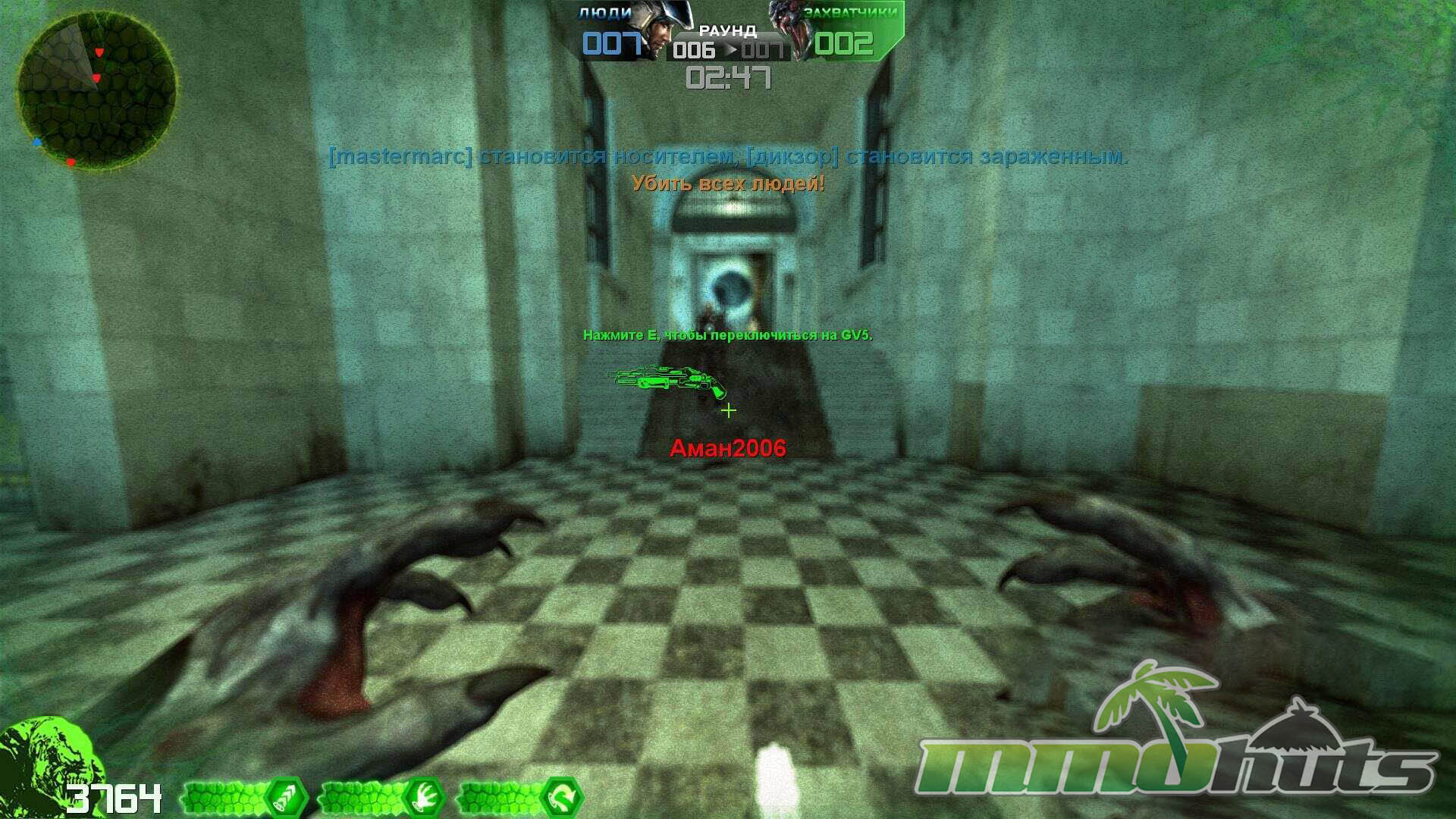
A notable twist is the ability to rotate between three combat roles across rounds, letting you adjust your toolkit when the opposing team’s strategy starts to hard-counter yours. The mode list covers the expected staples (deathmatch-style rulesets and bomb-focused objectives), plus cooperative PvE maps and a zombie variant for a change of tempo. Progress feeds into gear, as you earn currency through play and spend it on weapons and armor to keep your preferred loadouts competitive.
Run and Fire Key Features:
- High-speed firefights – use movement tools such as wall-jumps and a jetpack burst to create angles, close distance, or disengage when you are losing a duel.
- PvP and PvE playlists –queue into traditional competitive rooms or team up against AI opponents on dedicated PvE maps.
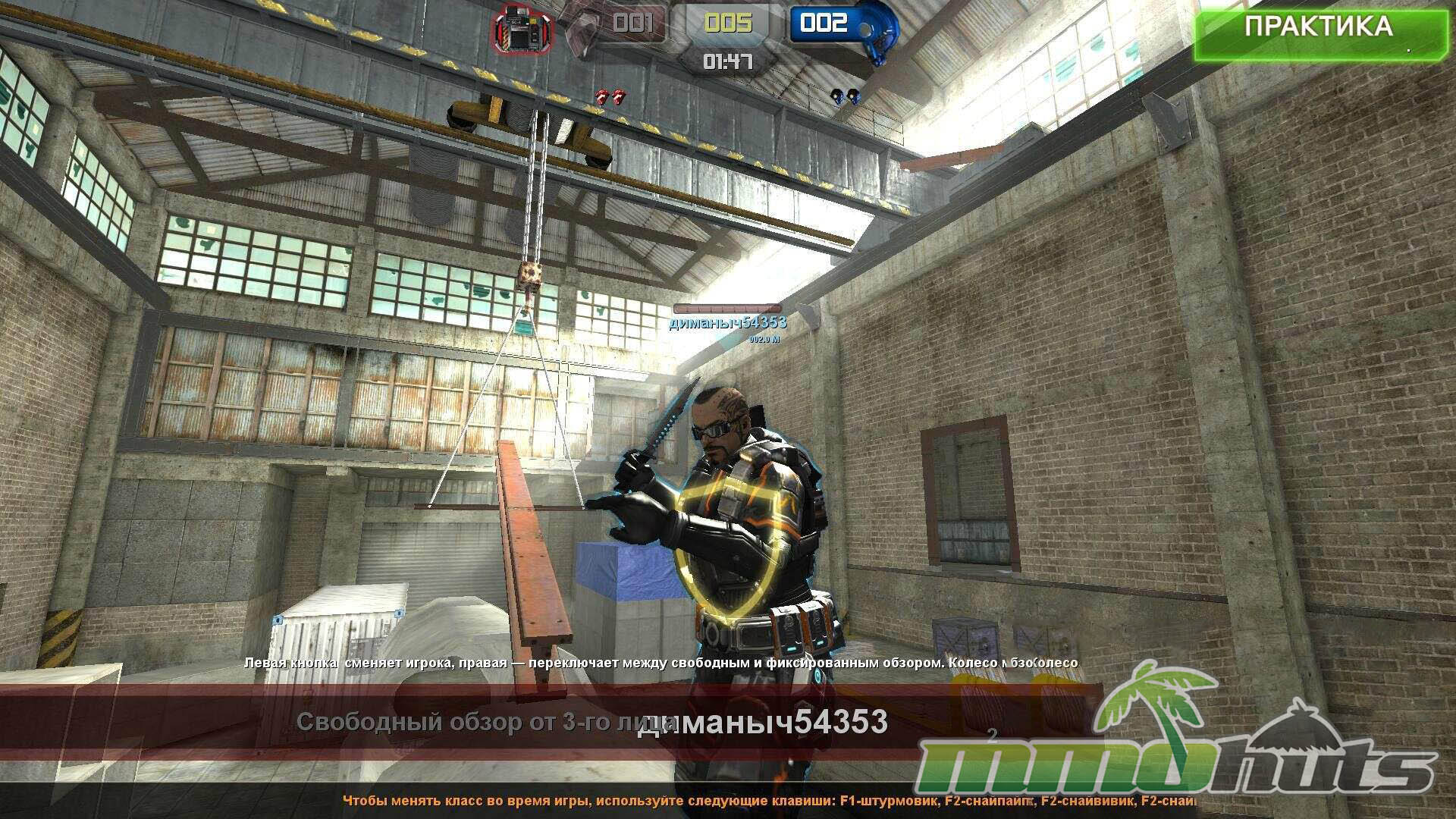
- Role flexibility – swap between three combat roles between rounds to better fit the map, the objective, or the enemy team’s composition.
- Extensive arsenal –build loadouts from a mix of real-world firearms and more sci-fi leaning weapons and equipment.
- Loadout customization –tune weapons, armor, grenades, and other gear using currency earned from matches to match how you like to play.
Run and Fire Screenshots
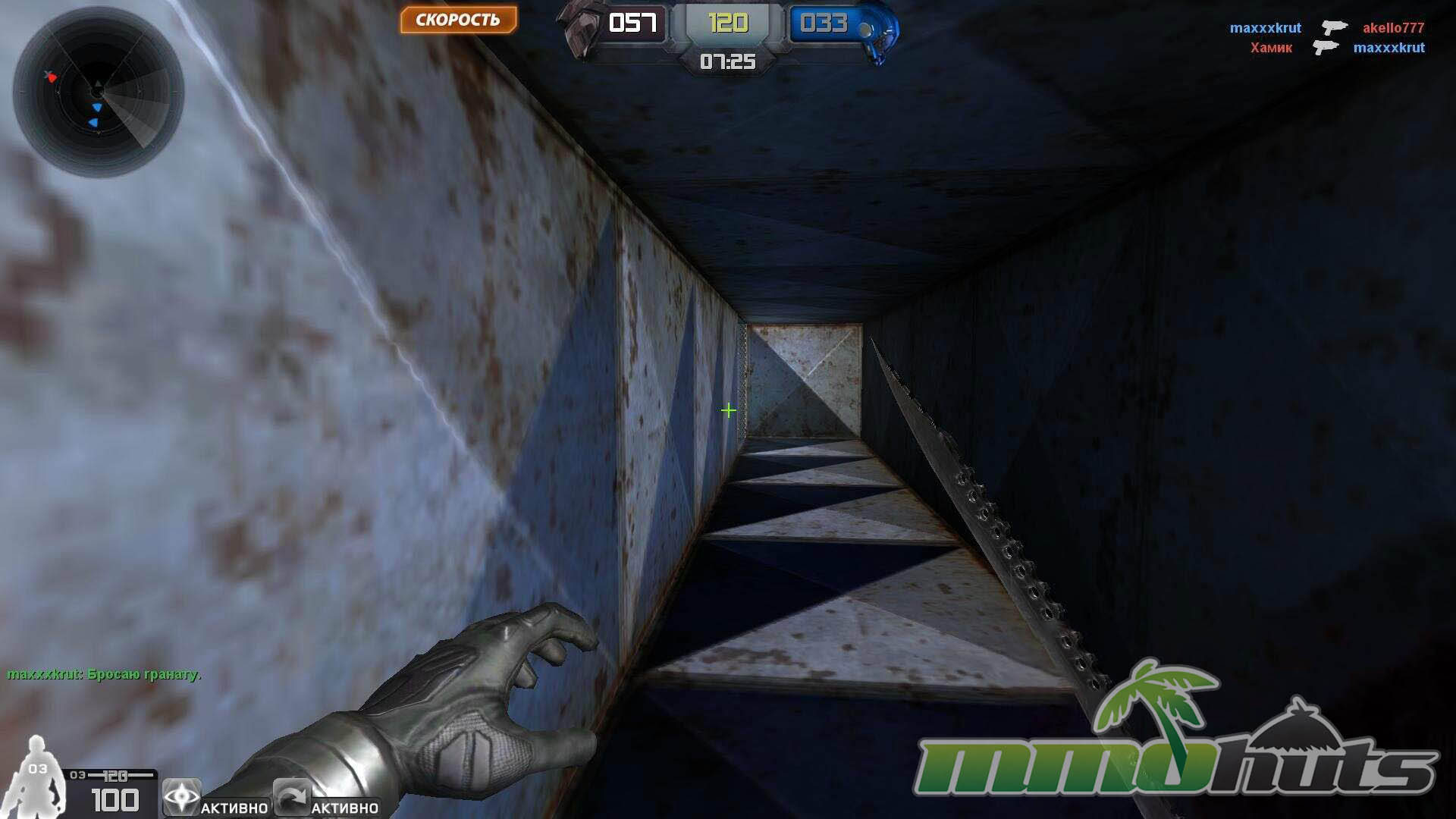
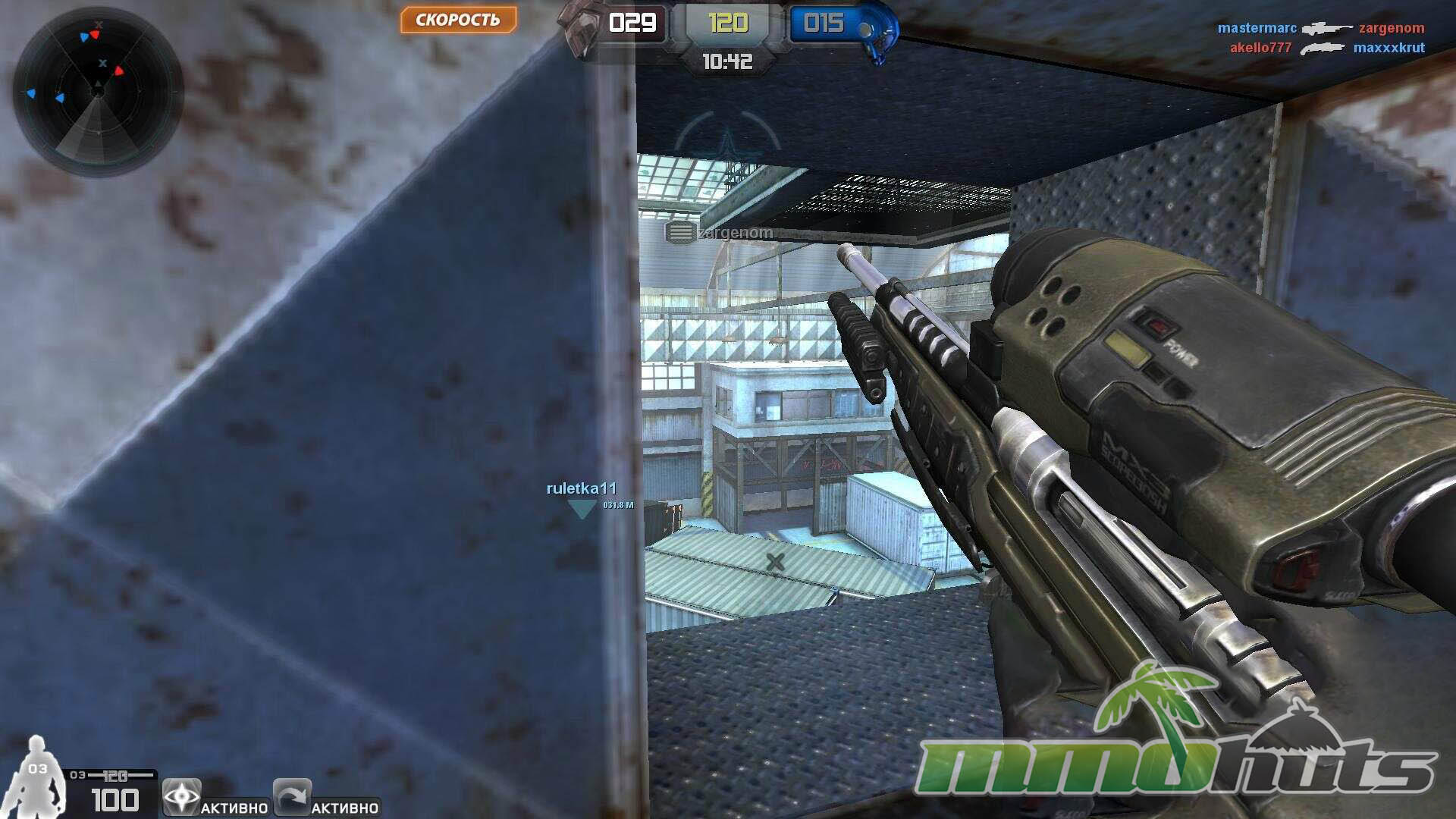
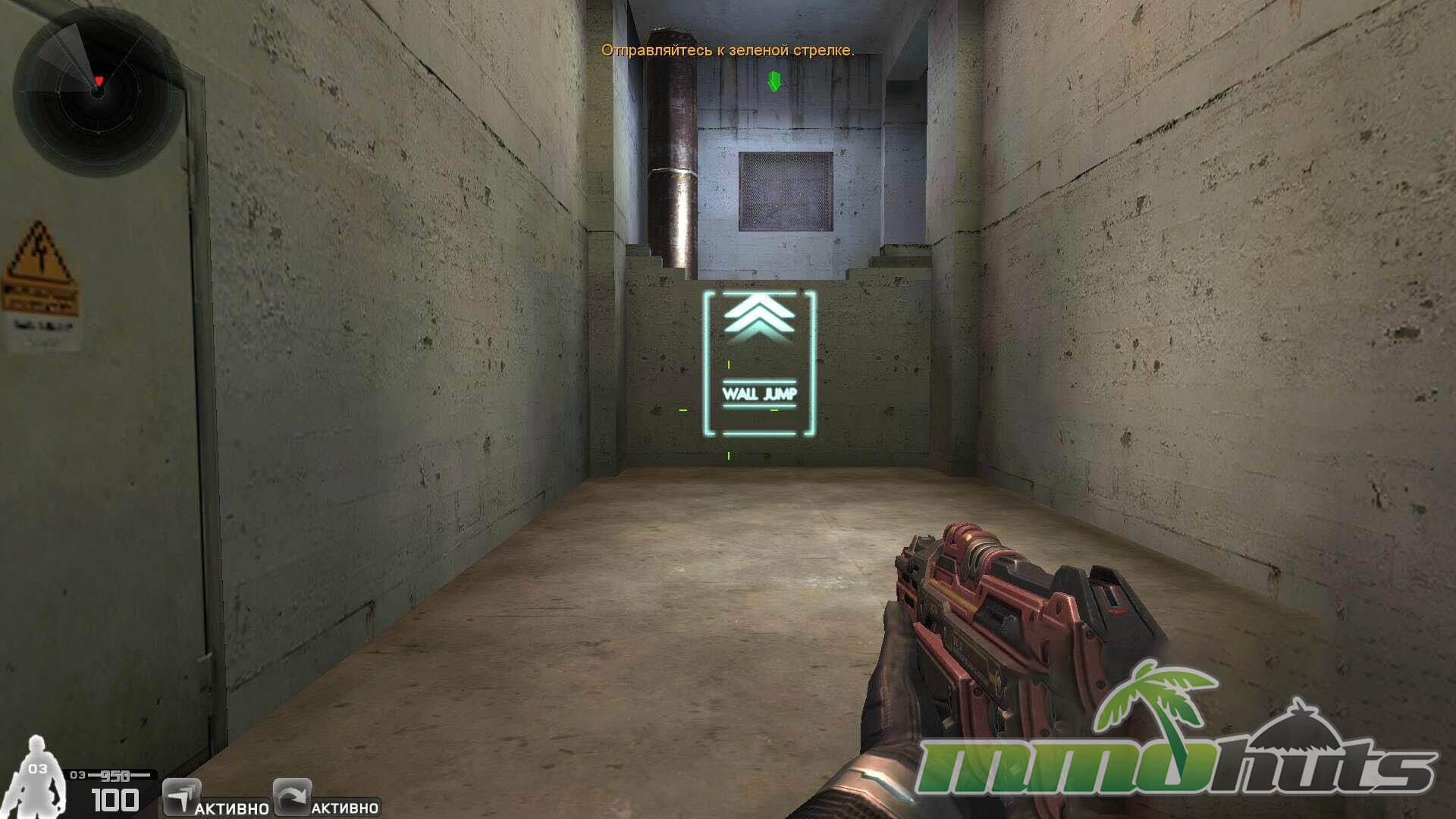
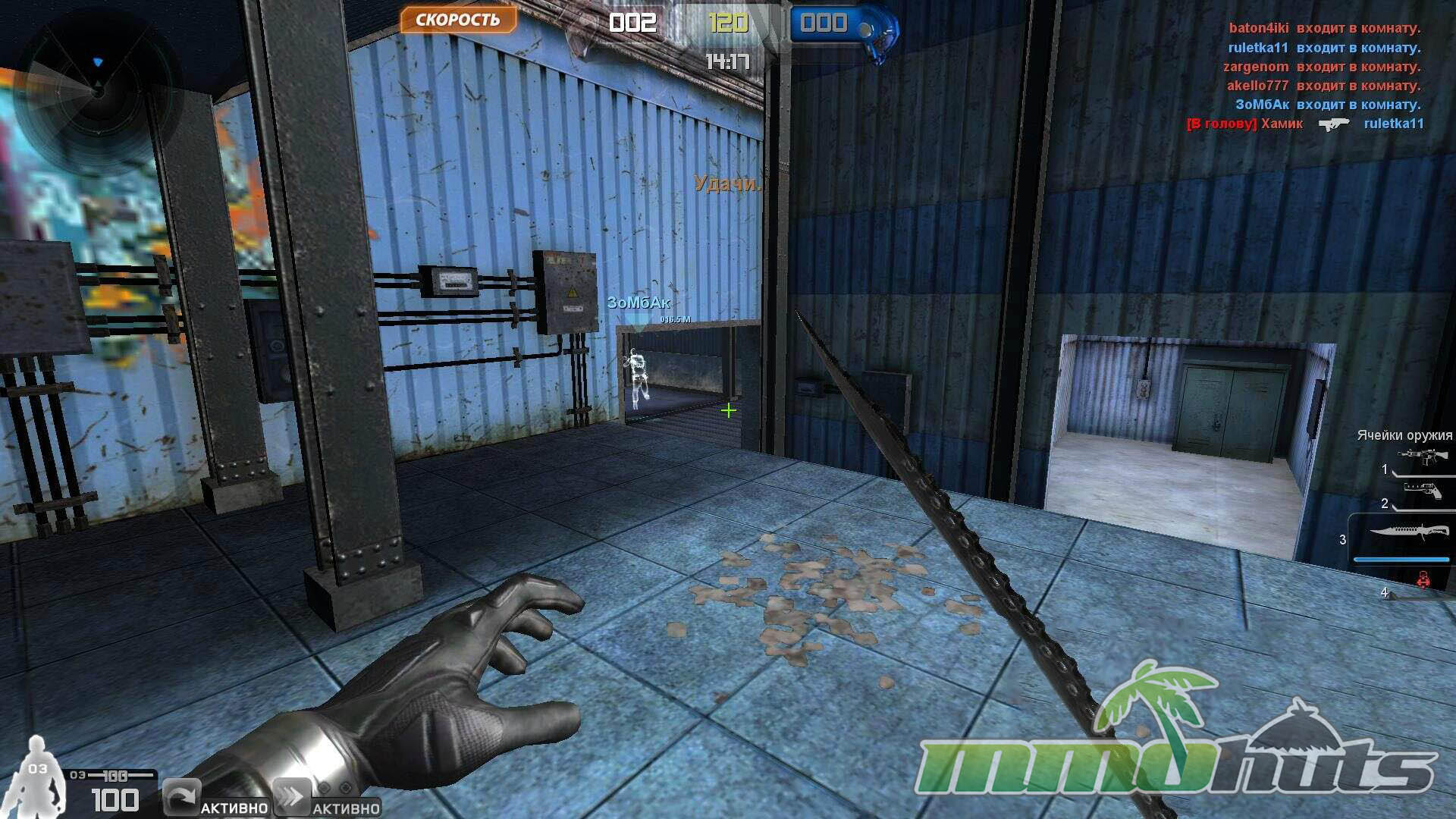

Run and Fire Featured Video

Run and Fire Review
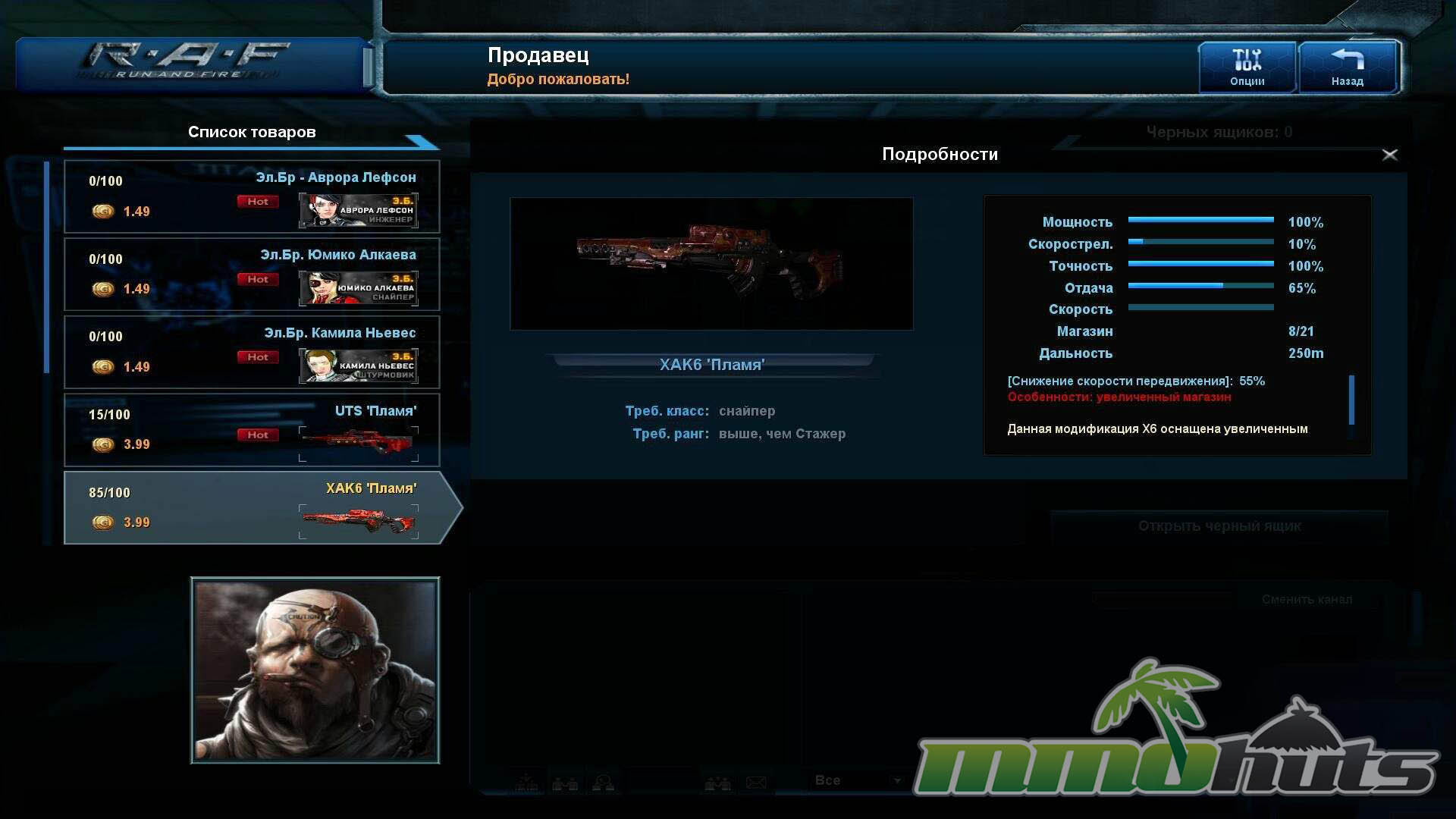
Run and Fire is a sci-fi, 3D lobby shooter built around short sessions and constant PvP pressure, wrapped in a post-apocalyptic theme and a “super-soldier” presentation. It is also, importantly, a Russian release, and the client is presented entirely in Russian. That single fact ends up shaping the experience almost as much as the gunplay does, because it affects everything from learning the menus to understanding exactly which mode you are about to join.
Under the hood, Run and Fire is tied to the lineage of Genesis A.D. (also known as Repulse), and it carries many of the same lobby-based design instincts. If you are comfortable with classic room browsers, quick match rotations, and repeated map learning, the overall structure will feel familiar. If you need clear onboarding and readable UI to enjoy a shooter, the language barrier can be an immediate deal-breaker, and an English alternative like A.V.A. or Counter-Strike: Global Offensive will be far easier to navigate.
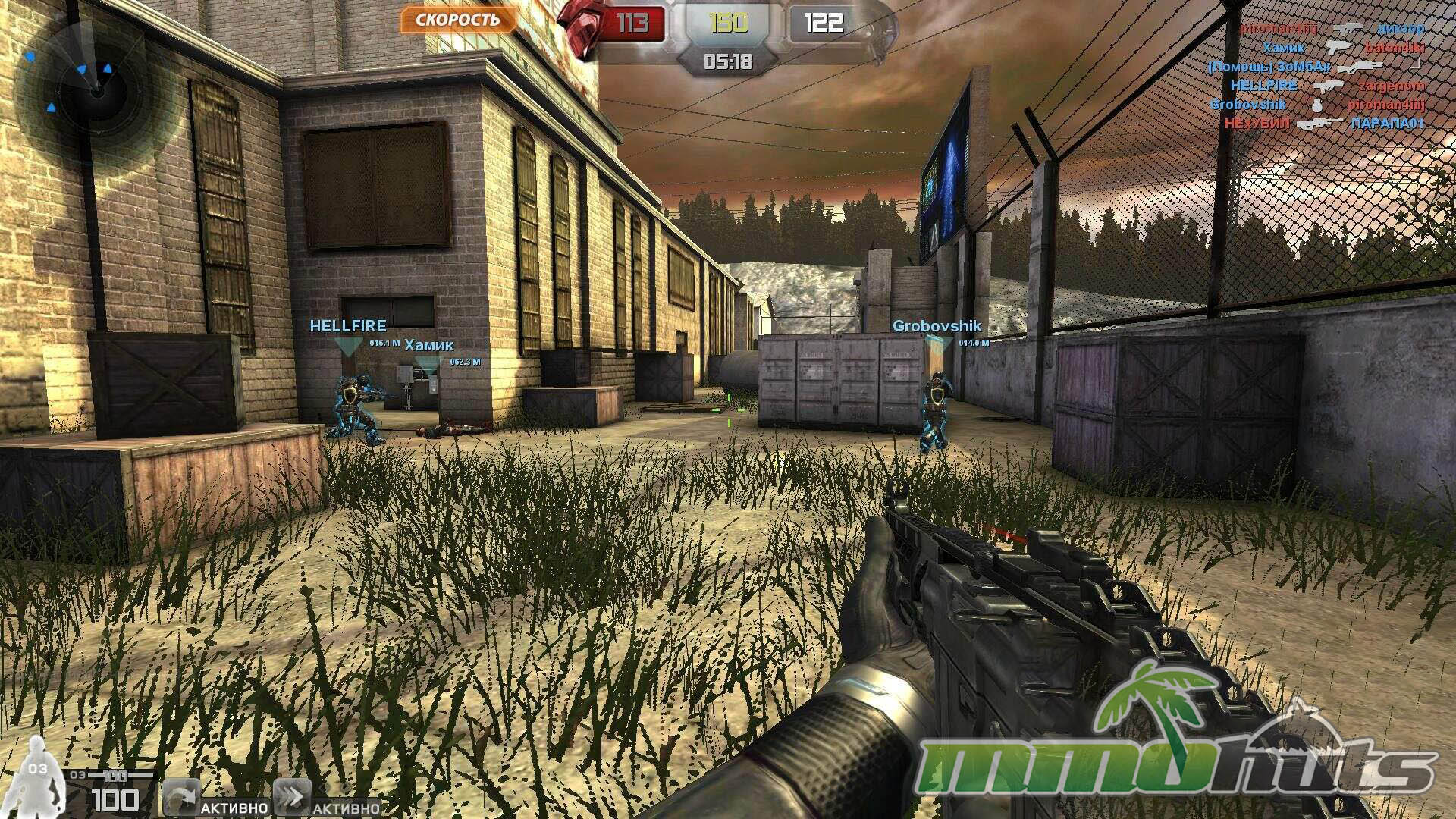
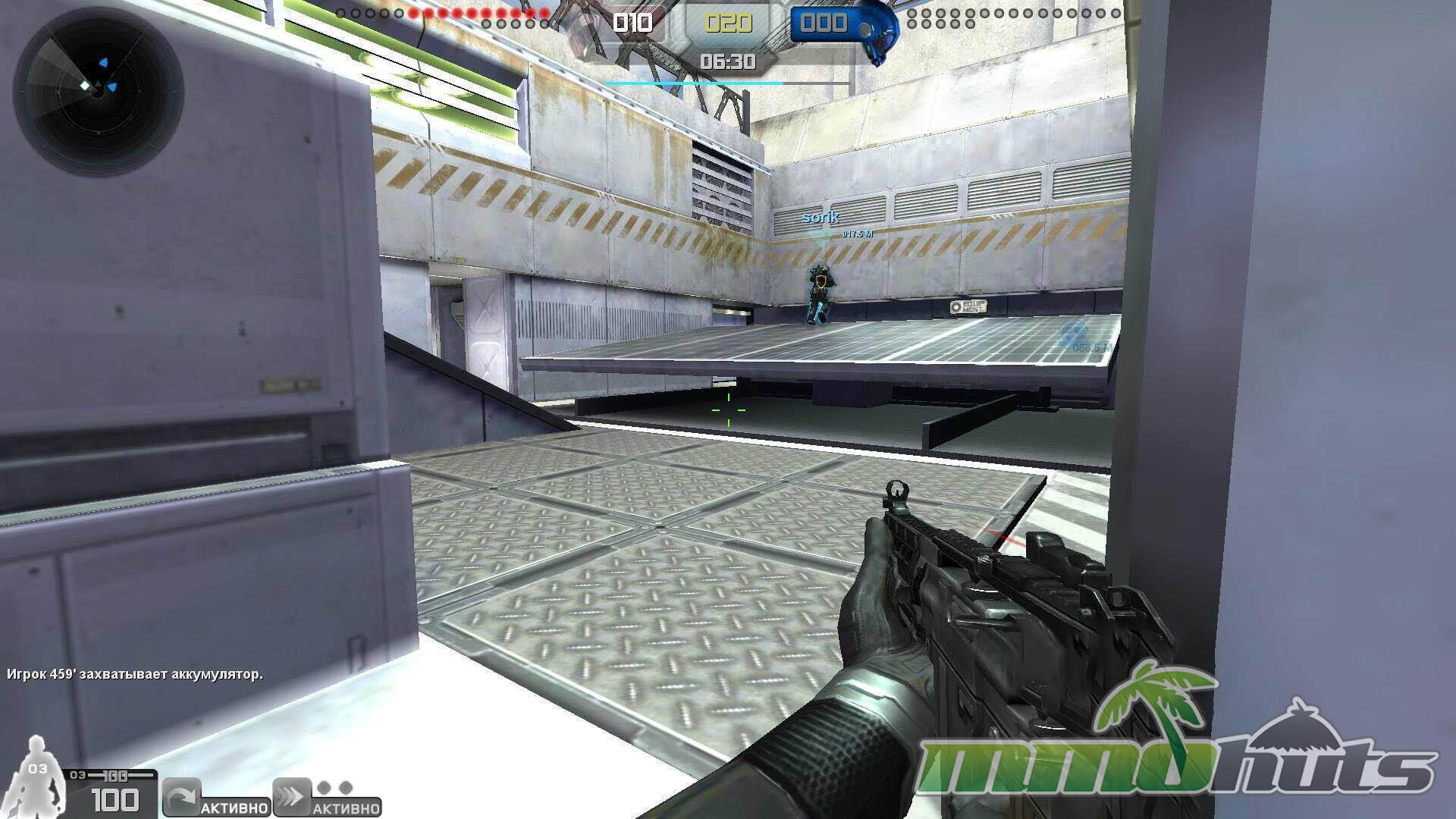
Visually, Run and Fire aims for a clean, readable look rather than cutting-edge spectacle. Compared to Genesis A.D., it comes across as slightly pared back, but that trade-off helps it perform smoothly on older systems. Audio design does its job well, with weapon reports and hit feedback that fit alongside other lobby shooters in the same general space such as CrossFire or Special Force, even if it does not try to be particularly cinematic.
Getting Started and First Steps
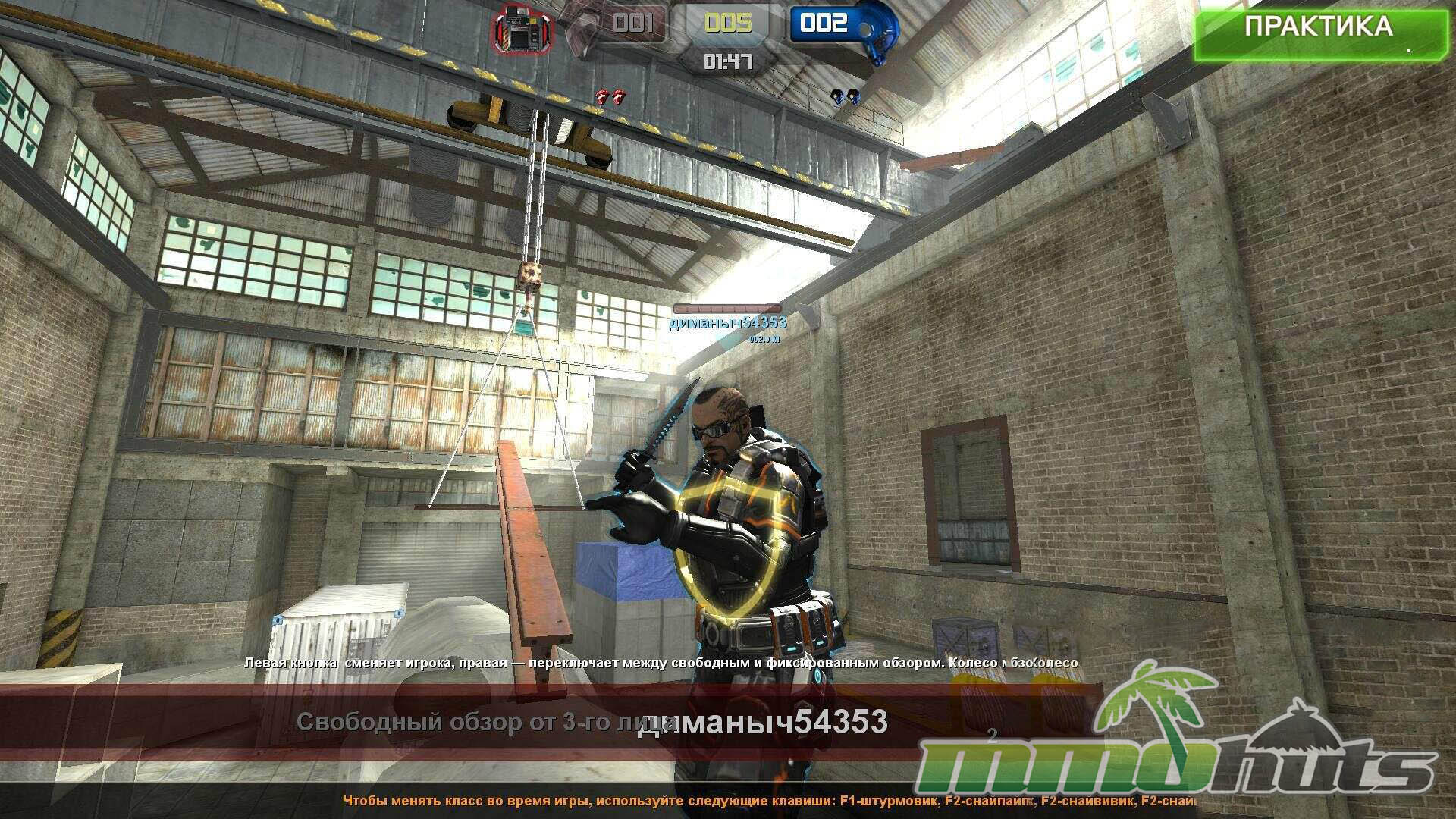
The early flow is straightforward: create a name, run through a short tutorial focused on movement and basic shooting, then enter the lobby to pick a server and channel. The tutorial is still fully in Russian, but it relies heavily on standard FPS language, movement prompts, and practice targets. Anyone with prior shooter experience can usually brute-force their way through it without too much friction.
How Matches Play
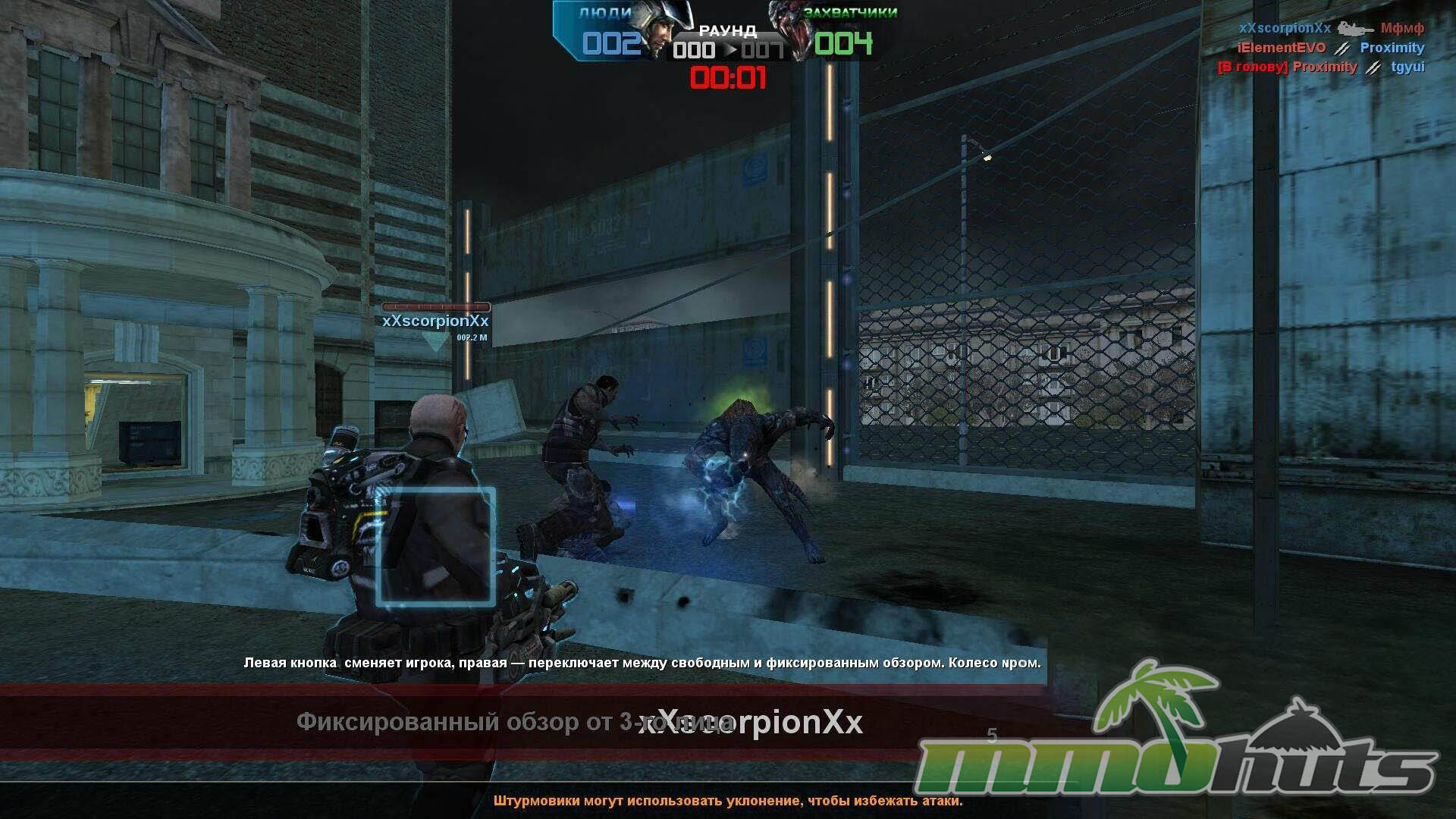
In actual combat, Run and Fire largely follows the expected lobby-shooter formula. You can enter free-for-all style rooms, join teams for objective play, or opt into cooperative PvE content where you work against AI. The role system adds a light tactical layer; similar to class-based shooters, it encourages you to rethink your approach between rounds rather than stubbornly sticking to a single setup when the match demands something else.
Moment-to-moment controls are familiar, but some default bindings can feel oddly placed. The jetpack burst is a good example, it gives you a quick movement spike for repositioning or aggressive pushes, but using it on an awkward key can force your hand away from core movement inputs at exactly the wrong time. If you are used to custom key layouts, you may find yourself wanting to rebind skills quickly, and doing so through Russian menus can be its own challenge.
The Biggest Obstacle: The Interface Language
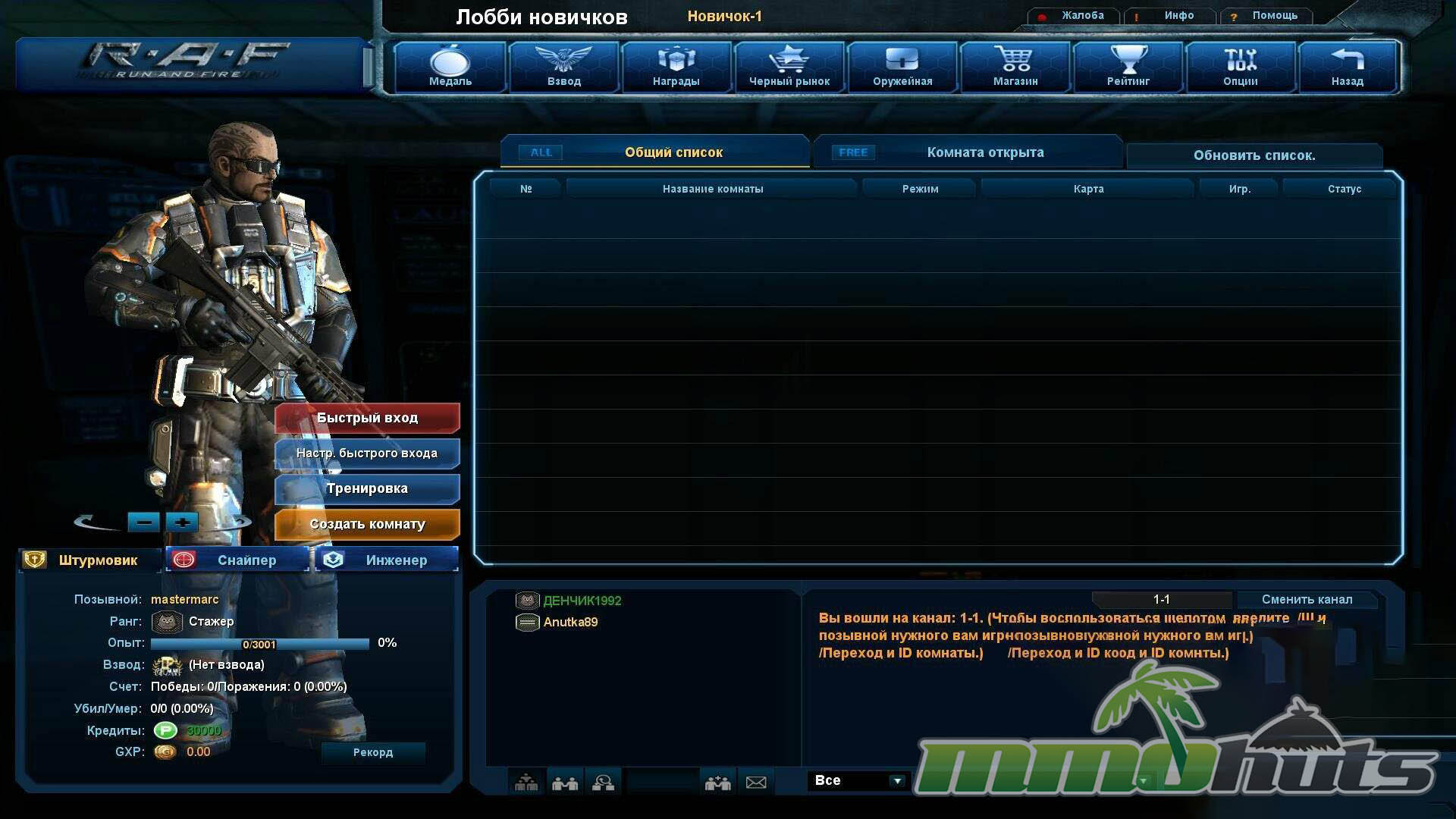
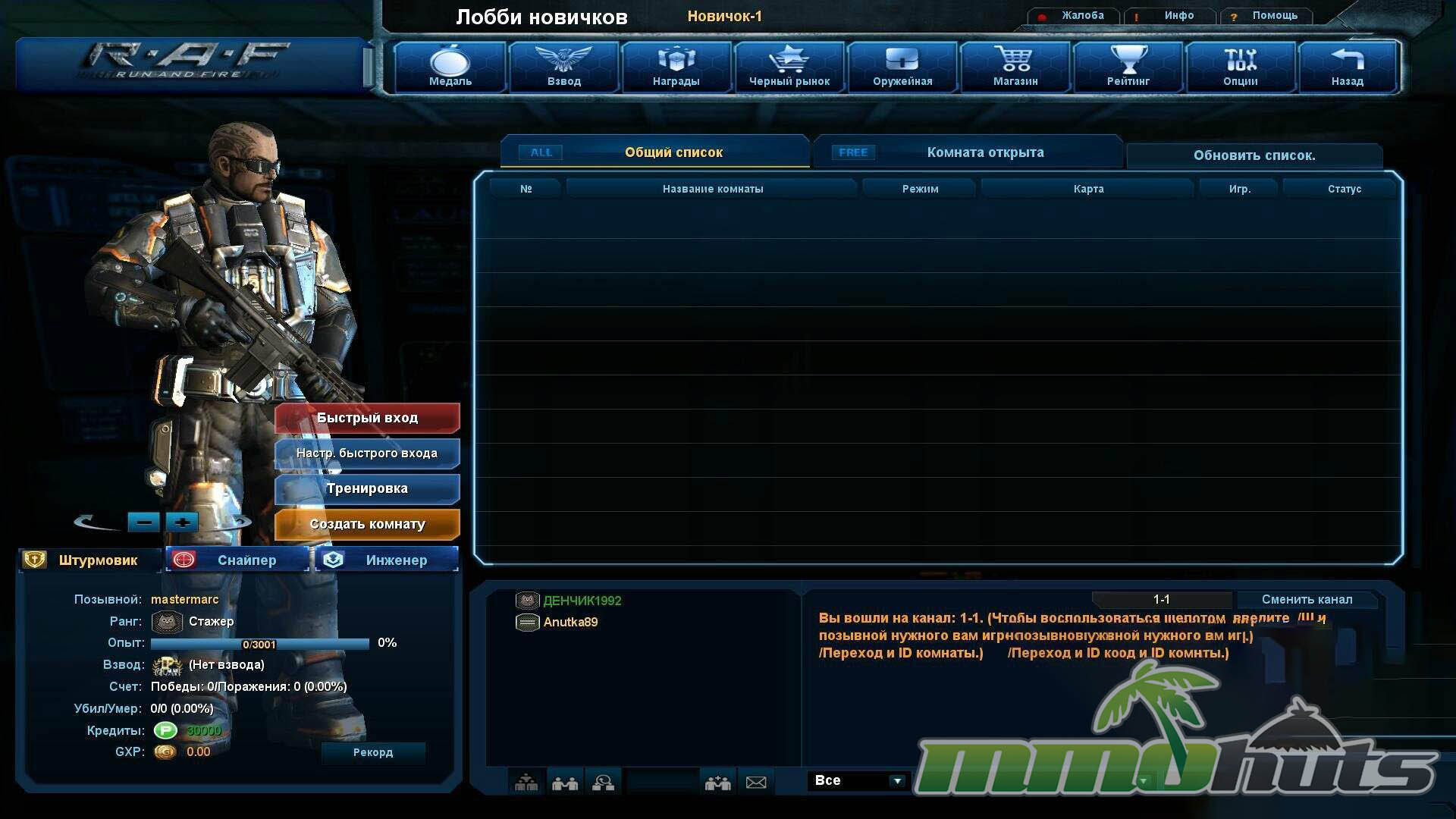
The toughest part of Run and Fire is not landing shots, it is simply operating the client efficiently. There are active rooms and a medium playerbase, so finding matches is not typically the issue. The problem is confidently selecting what you want to play. Without being able to read mode names, you can easily end up in a ruleset you did not intend to queue for. Over time, you can learn the layout and recognize patterns, but it is a slow, trial-and-error process.
On the positive side, leaving and re-queuing is not treated as harshly as in some modern competitive shooters, which makes the learning phase less punishing. That flexibility is especially useful when you accidentally enter a mode you do not enjoy, such as the game’s zombie variant, which can feel more novelty-driven than strategically deep.
Progression and Loadouts
Like many free-to-play lobby shooters, Run and Fire ties long-term progression to gear improvement. Playing matches earns currency, and that money is then spent on weapons, armor, and utility items to support each of the three roles. The loadout system is the heart of the meta, because your survivability and damage output can change dramatically depending on what you have purchased and equipped.
Item Shop and Pay-to-Win Concerns
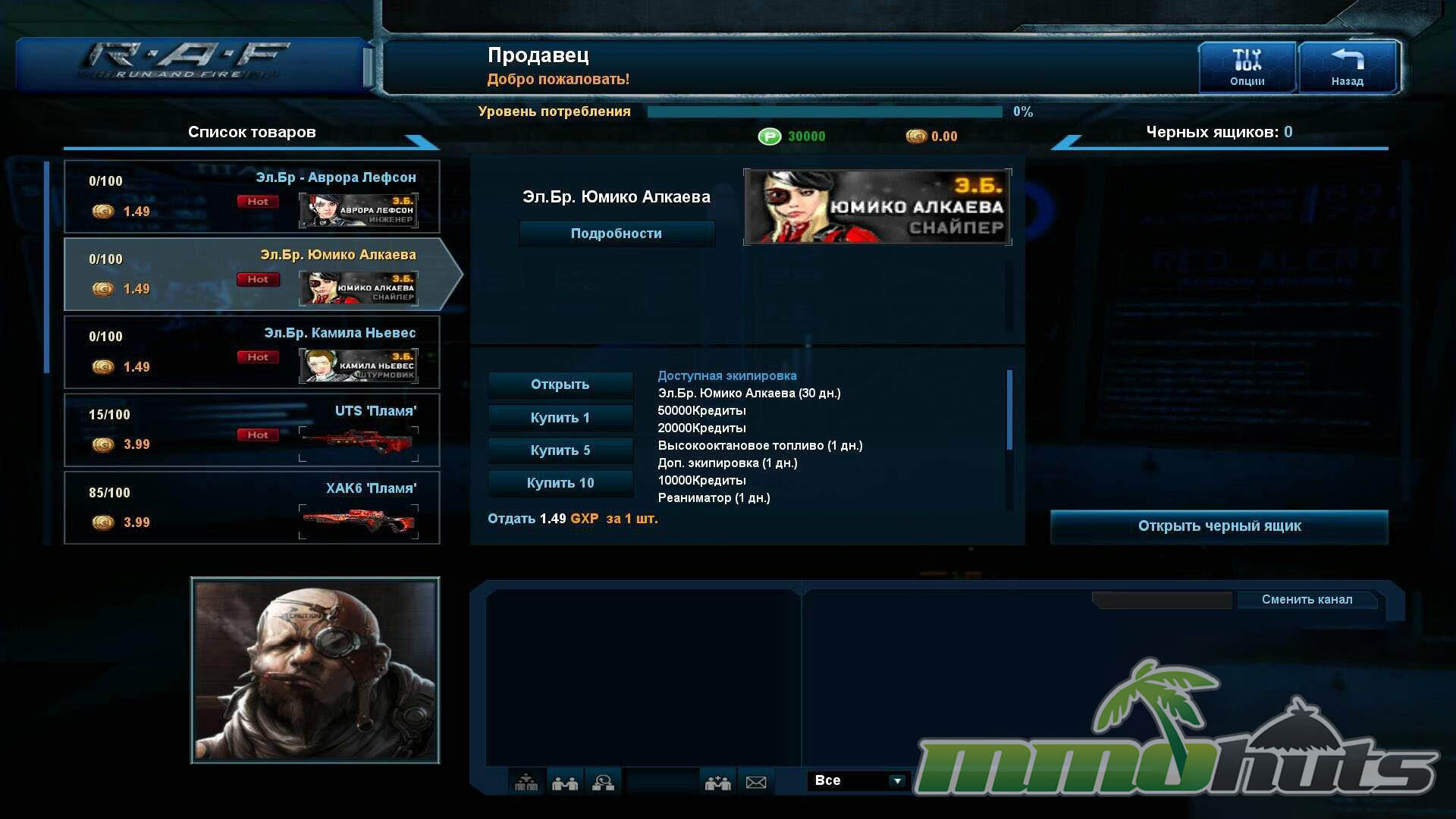
The cash shop offers the usual range of equipment: guns, armor pieces, grenades, and boosters. Some purchases are available through earned currency, while others require premium currency tied to real money. As a result, certain premium weapons can come across as stronger than standard options, and that perception can push the game toward “pay-to-win” territory for many players.
Even so, mechanical skill still matters a lot in this style of shooter. Superior positioning, recoil control, and map knowledge can overcome raw stats, especially when a less experienced player relies on premium gear as a crutch. The imbalance becomes more noticeable when similarly skilled veterans face each other and one side has access to stronger premium tools. One small equalizer is that weapons can be picked up after deaths, which creates moments where a well-timed takedown lets you turn an enemy advantage back on them.
Final Verdict – Good
Run and Fire delivers competent, fast-paced lobby shooting with a respectable selection of modes across PvP and PvE. The matches move quickly, the mobility tools help keep firefights dynamic, and the system requirements are forgiving for older PCs. Its biggest drawbacks are also hard to ignore: the client is entirely in Russian, some default controls feel uncomfortable, and premium weapon balance can sour competitive integrity.
For Russian-speaking players, or anyone willing to navigate through untranslated menus and learn by experimentation, there is genuine fun to be found here. For everyone else, the same time investment will likely be better spent on an MMOFPS with full language support and a more transparent progression economy.
Run and Fire System Requirements
Minimum Requirements:
Operating System: Windows XP, Vista, Windows 7, Windows 8
CPU: Dual Core or better
RAM: 1 GB RAM
Video Card: Geforce7600, Radeon3850 or better
Direct X: Version 9.0
Hard Disk Space: 5 GB available space
Recommended Requirements:
Operating System: Windows7, Windows8
CPU: Quad Core
RAM: 4 GB RAM or more
Video Card: NVIDIA GeForce GTS 450
Direct X: Version 9.0
Hard Disk Space: 10 GB or more available space
Run and Fire Music & Soundtrack
Coming Soon!
Run and Fire Additional Information
Developer: GalaxyGate
Publisher: Nikita Online
Distributor: Steam
Open Beta: May 27, 2014
Official Launch Date: May 27, 2015
Shut Down Date: June 30, 2017
Development History / Background:
Run and Fire is a free-to-play, sci-fi 3D MMOFPS developed by GalaxyGate, a Korean developer, and published in Russia by Nikita Online. It was distributed through Steam and released as a Russian-only version. The title is connected to the Korean MMOFPS Peta City (also released in Europe as Phyrok) and acts as a modified reincarnation of Another Day, a game also known as Genesis A.D. and Repulse. Run and Fire ultimately shut down on June 30, 2017.