ROKH is a sandbox survival game built around the idea of living on Mars with other players. You scavenge and extract resources, craft equipment, and keep your character alive by maintaining life support in a harsh, exposed environment on the red planet.
 | Publisher: Darewise Entertainment Type: Sandbox Survival Release Date: May 16, 2017 Shut Down: March 14, 2018 Pros: +Public and private servers. +A memorable Mars backdrop. +Flexible, component-based crafting. Cons: -Support ended early by the creators. -No active player population. |
ROKH Overview
ROKH drops you onto an unforgiving Martian surface and asks you to do the basics well: stay alive. Survival is not just about gathering materials, it is about managing the essentials that humans take for granted on Earth. Oxygen, food, water, and shelter all matter, and the planet itself is an ever-present threat. Exposure to radiation, extreme temperatures (both hot and cold), and physical harm means you are constantly balancing exploration with caution.
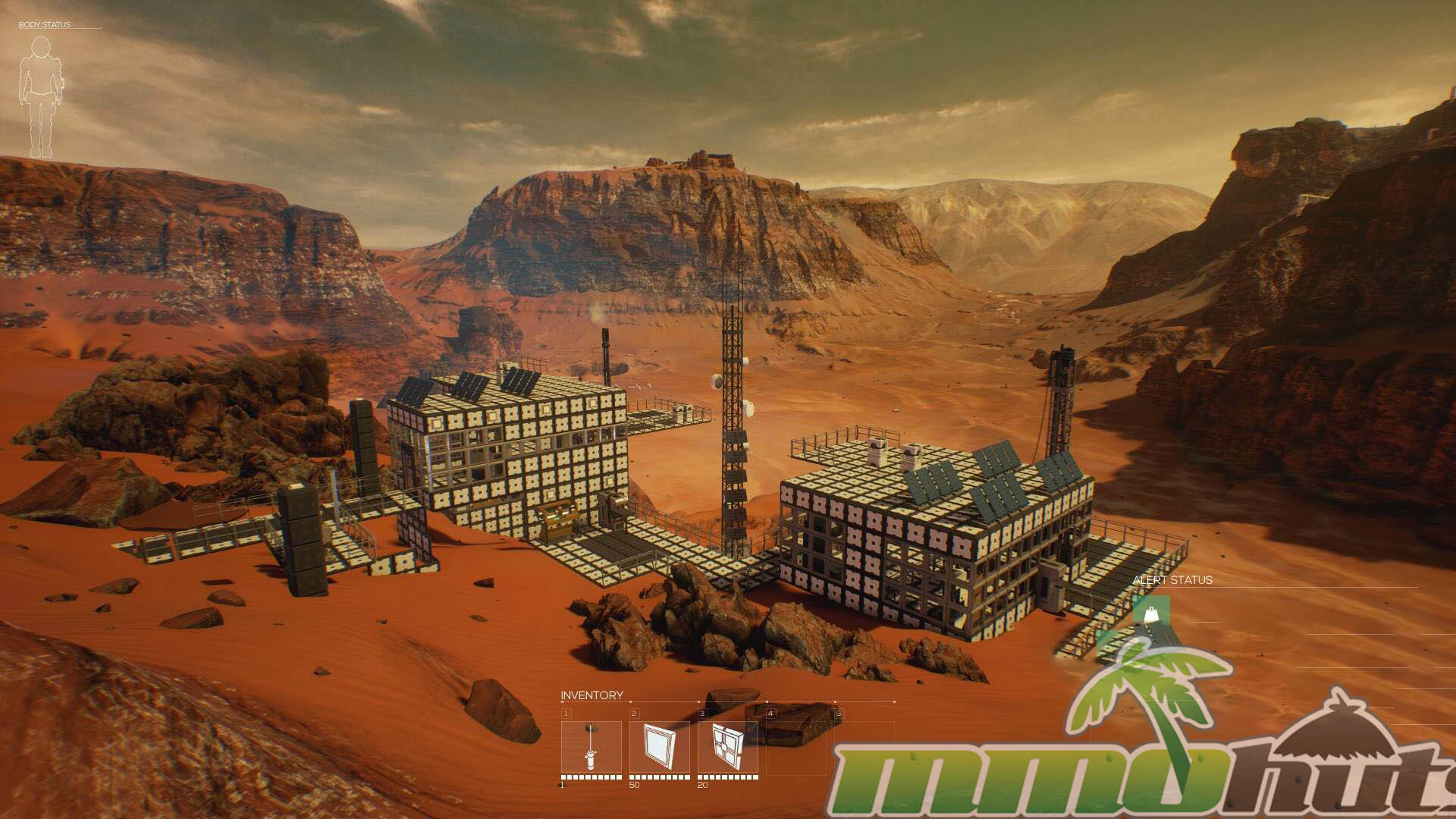
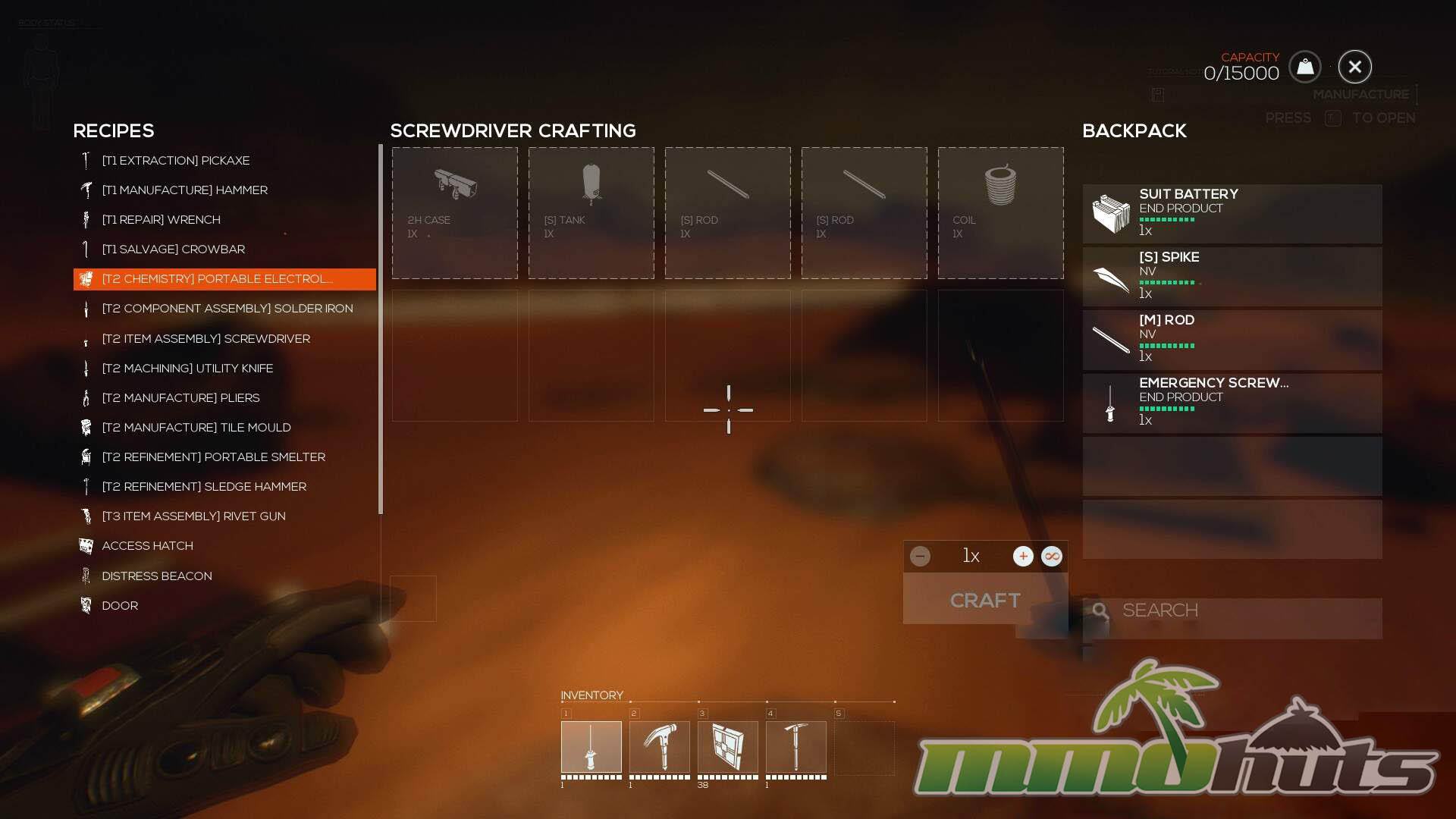
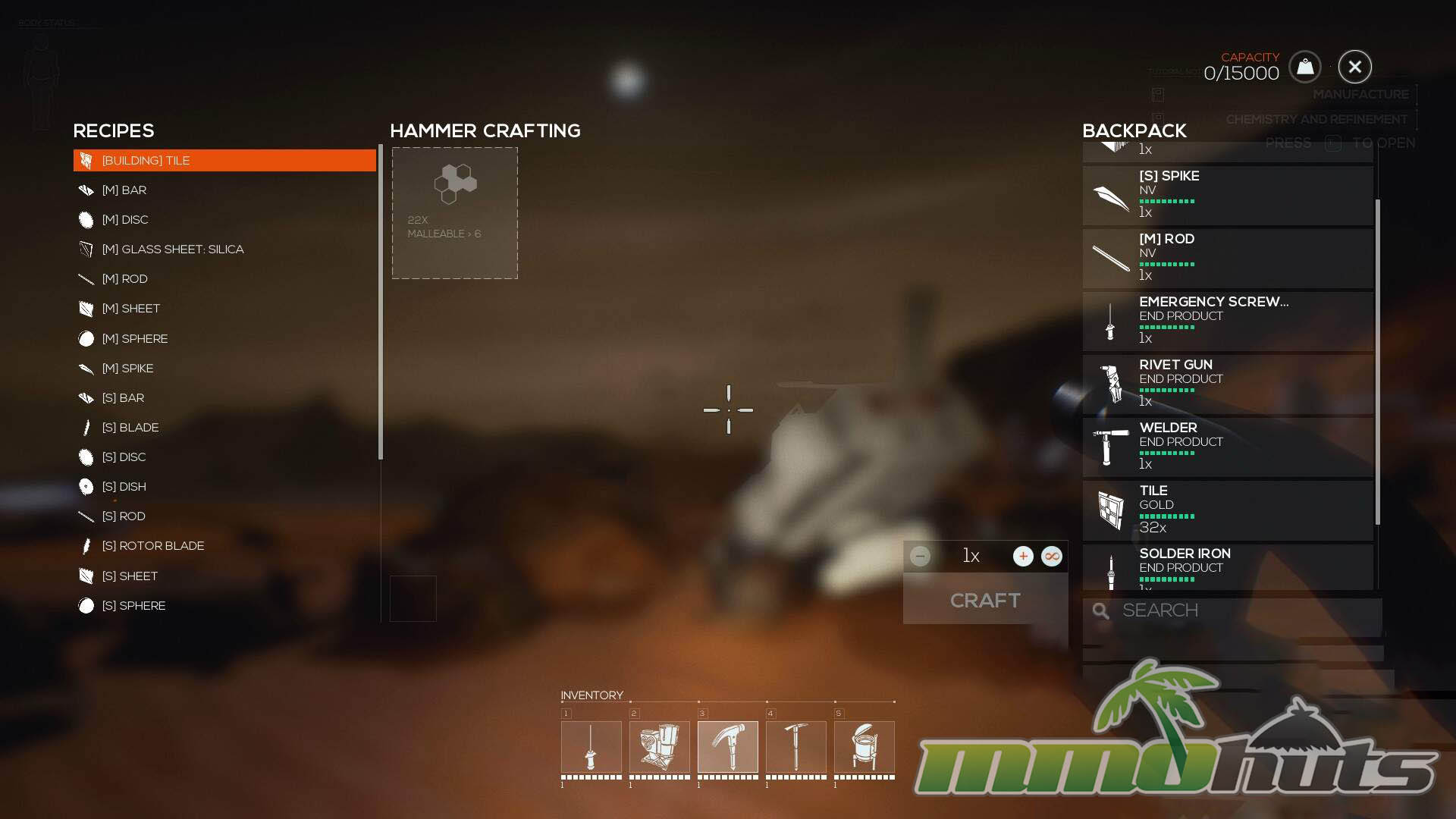
One of the game’s defining ideas is its modular crafting approach. Instead of simply unlocking a fixed list of items, you assemble tools, weapons, and devices from parts, tuning builds to match what you are trying to accomplish, whether that is efficient mining, safer travel, or defending your supplies. As you progress, you can establish a base designed to keep you alive long-term, expanding it with practical additions like piping and automated processes that reduce busywork and help stabilize your routine.
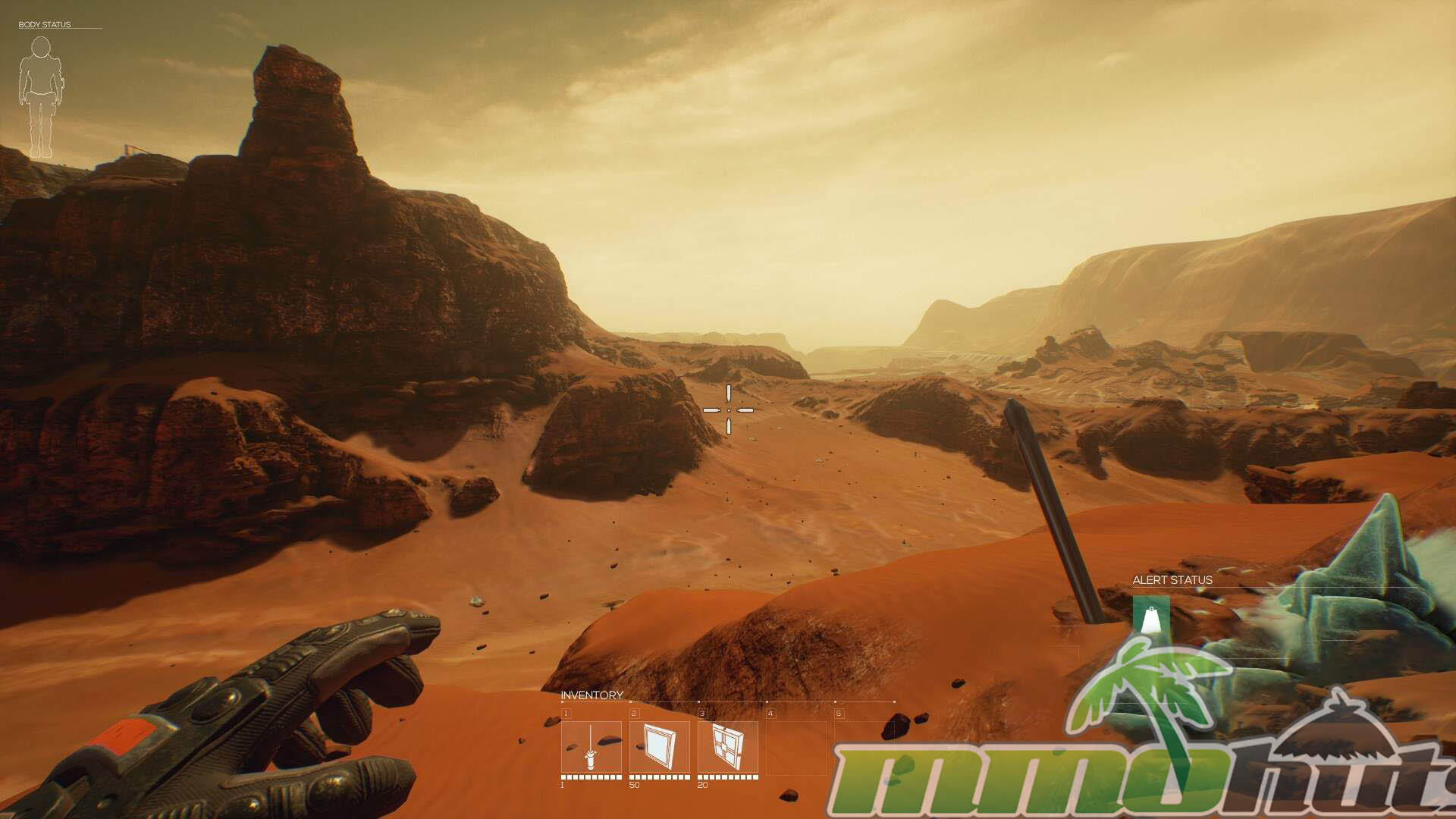
Exploration is a major pillar. Mars is presented as a wide, barren space filled with dunes, valleys, and rocky rises, with harsh weather like sandstorms adding friction to long trips. Scattered points of interest, including abandoned installations, provide a reason to push beyond your comfort zone and venture farther from home.
ROKH Key Features:
- Management – maintain food, water, oxygen, and other life support needs while coping with environmental hazards.
- Crafting – build gear through a modular system, allowing gadgets, weapons, and tools to be customized for different roles.
- Explore – trek across Martian dunes, valleys, and mountains, dealing with sandstorms and investigating abandoned colonies.
- Work Together Or Alone – cooperate with other survivors or treat them as rivals in a shared sandbox.
- Base Building – create a livable outpost and improve it with add-ons like pipe networks and automation to handle routine tasks.
ROKH Screenshots




ROKH Featured Video

ROKH Review
ROKH had a strong hook on paper: a survival sandbox that takes the genre’s familiar loops (gather, craft, build, expand) and places them somewhere far more hostile than a forest or an island. Mars is not just a backdrop here, it shapes the tone of play. The pressure of managing oxygen and life support makes even short excursions feel deliberate, and the environment sells the fantasy of being stranded somewhere that does not want you to exist.
Moment to moment, the game’s best ideas come from its systems rather than spectacle. Planning a run means thinking about what you can carry, how long your supplies will last, and whether you can afford to get delayed by weather or terrain. When those systems click, you get a slower, more methodical style of survival game where preparation matters as much as reflexes.
The modular crafting concept is another standout. Having the ability to assemble equipment from parts gives crafting more texture than a simple “unlock recipe, press craft” flow. It encourages experimentation and lets players adapt their loadout to the job at hand, which fits the setting well, since improvisation is part of any believable Mars survival scenario.
Base building is similarly practical. You are not only making a home for aesthetic reasons, you are building infrastructure to reduce risk. Features like piping and automation support the fantasy of establishing a functioning habitat, and they help shift the game from early desperation into longer-term sustainability.
The largest issue with recommending ROKH today is not mechanical nuance, it is viability. The game was shut down on March 14, 2018, and it is effectively abandoned, which removes the long-term multiplayer ecosystem that a sandbox survival title typically relies on. With no active population, the social layer (cooperation, conflict, server communities) that would normally create stories and emergent drama simply is not there.
ROKH is best viewed as an interesting attempt at Mars-based survival with a few smart system choices, but it is difficult to suggest to anyone looking for a living, evolving sandbox. If you are researching the genre’s history or curious about survival games that tried to lean harder into life support and harsh environments, it is a notable footnote, but not a destination.
ROKH Links
ROKH Official Site
ROKH Steam Page
ROKH Official Reddit
ROKH Official Facebook
ROKH Official Twitter
ROKH Kickstarter
ROKH System Requirements
Minimum Requirements:
Operating System: Windows 7 Service Pack 1
CPU: Intel i7 2.8 GHz
Video Card: Nvidia GTX 560
RAM: 8 GB RAM
Hard Disk Space: 30 GB
Recommended Requirements:
Operating System: Windows 10 64-bit
CPU: Intel i7 3.4 GHz or better
Video Card: Nvidia GTX 960
RAM: 16 GB RAM
Hard Disk Space: 30 GB
ROKH Music & Soundtrack
Coming Soon…
ROKH Additional Information
Developer: Nvizzio Creations, Darewise Entertainment
Publisher: Darewise Entertainment
Engine: Unreal Engine 4
Announcement Date: December, 2015
Kickstarter: May 05, 2016
Early Access: May 16, 2017
Release Date: May 16, 2017
Development History / Background:
ROKH was created by Nvizzio Creations working alongside Darewise Entertainment, with Darewise also handling publishing. Nvizzio Creations was formed by developers with prior experience at Funcom, including work on Age of Conan and The Secret World. The project went to Kickstarter on May 05, 2016, aiming for €100,000, but it only reached €21,991 and did not hit the target, leading to the campaign being canceled. The plan shifted toward an Early Access launch that was initially set for September 2016, then moved to January 2017, before finally arriving on May 16, 2017.