Rogalia is a medieval-themed sandbox MMO focused on player-driven building, crafting, and territorial conflict. It mixes open-world PvP with surprisingly detailed social systems, letting you do everything from settling land and running a workshop to dealing with hangovers and even the risk of STDs if you are not careful.
 | Publisher: TatriX Playerbase: Low Type: MMO Sandbox Release Date: December 9, 2016 Pros: +Robust crafting and production chains. +Lots of social interactions that affect play. +Developers and community remain engaged. Cons: -Uneven English localization in places. -Movement can feel sluggish. -Occasional bugs and rough edges. |

Rogalia Overview
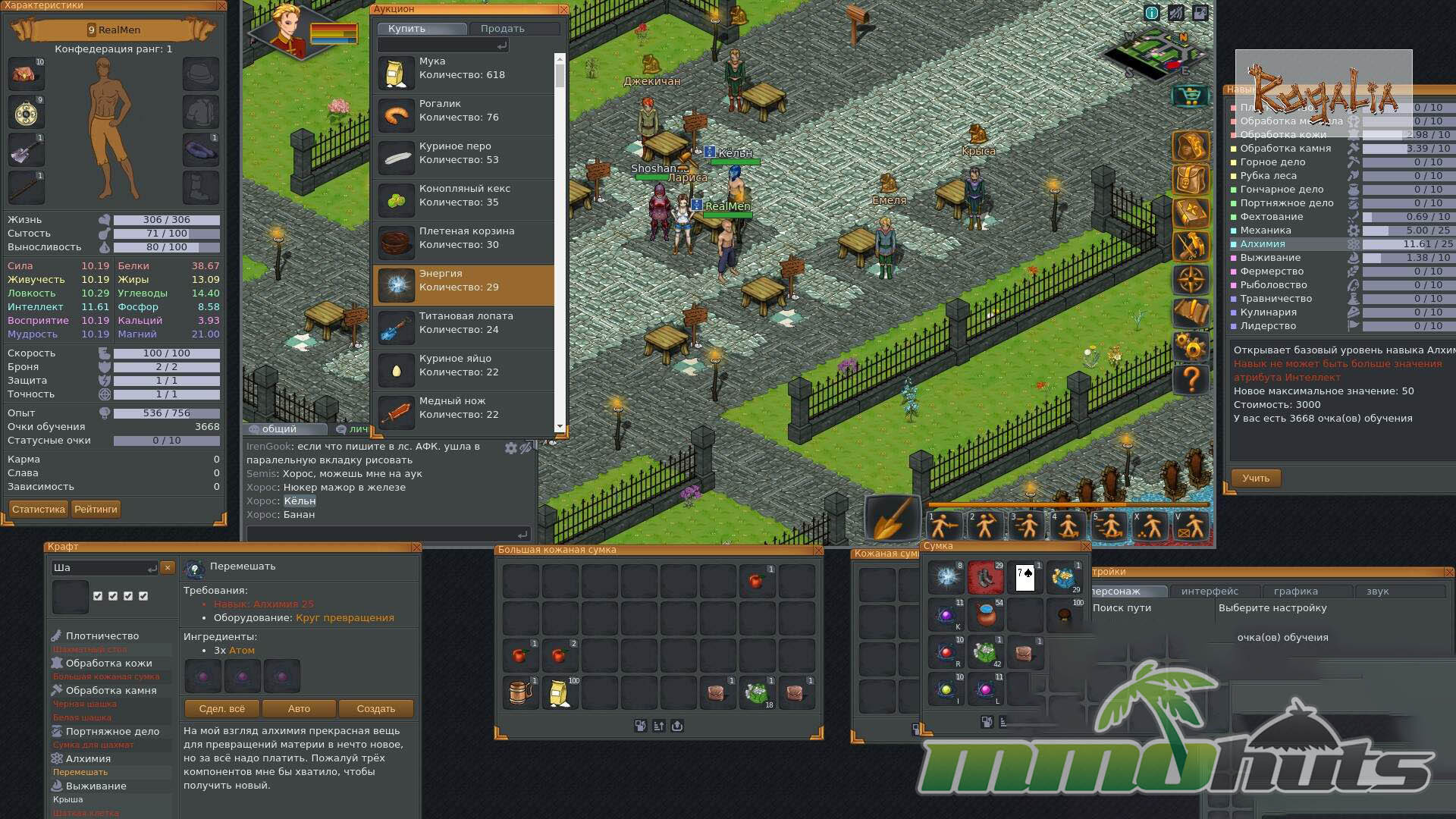
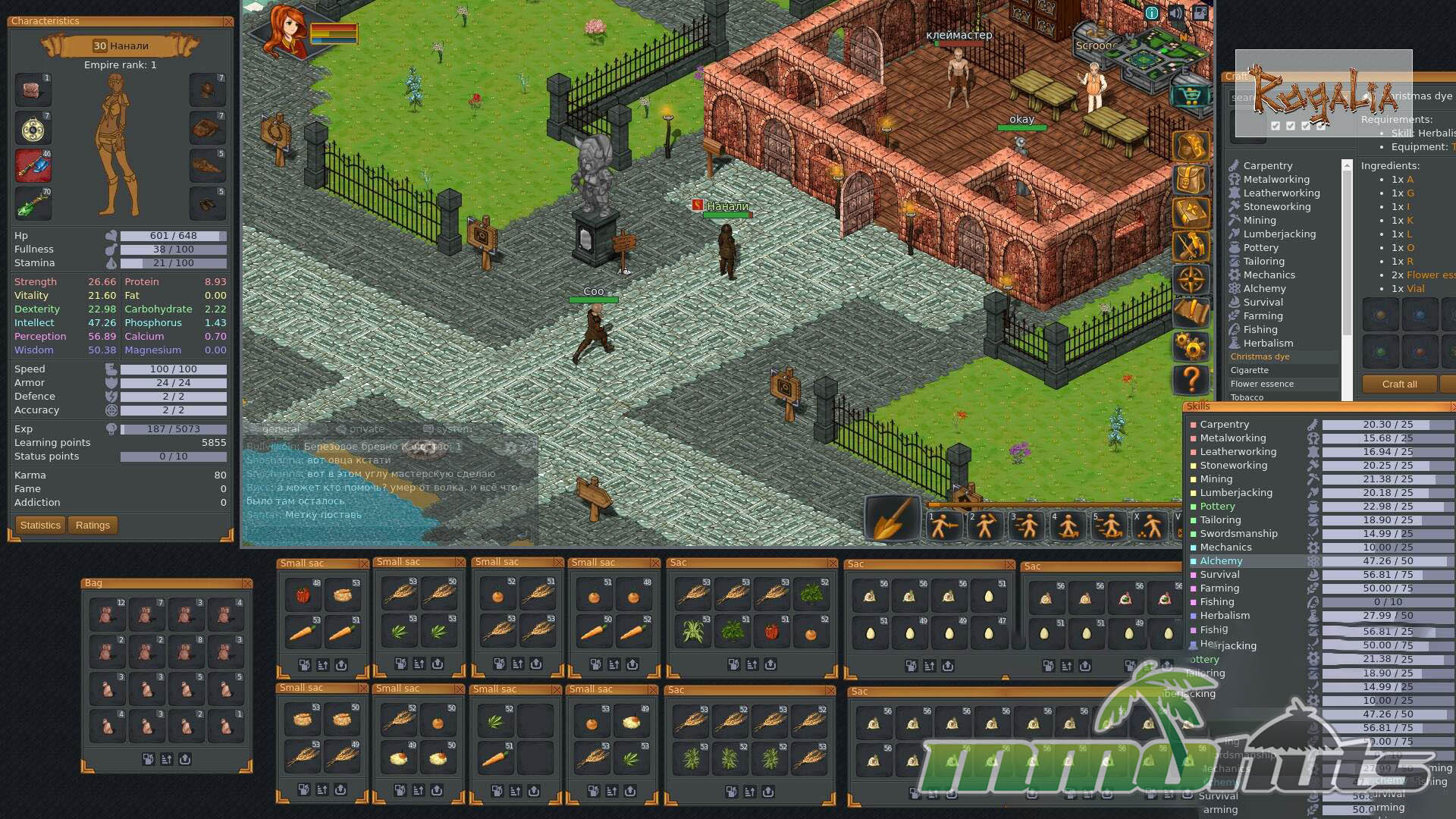
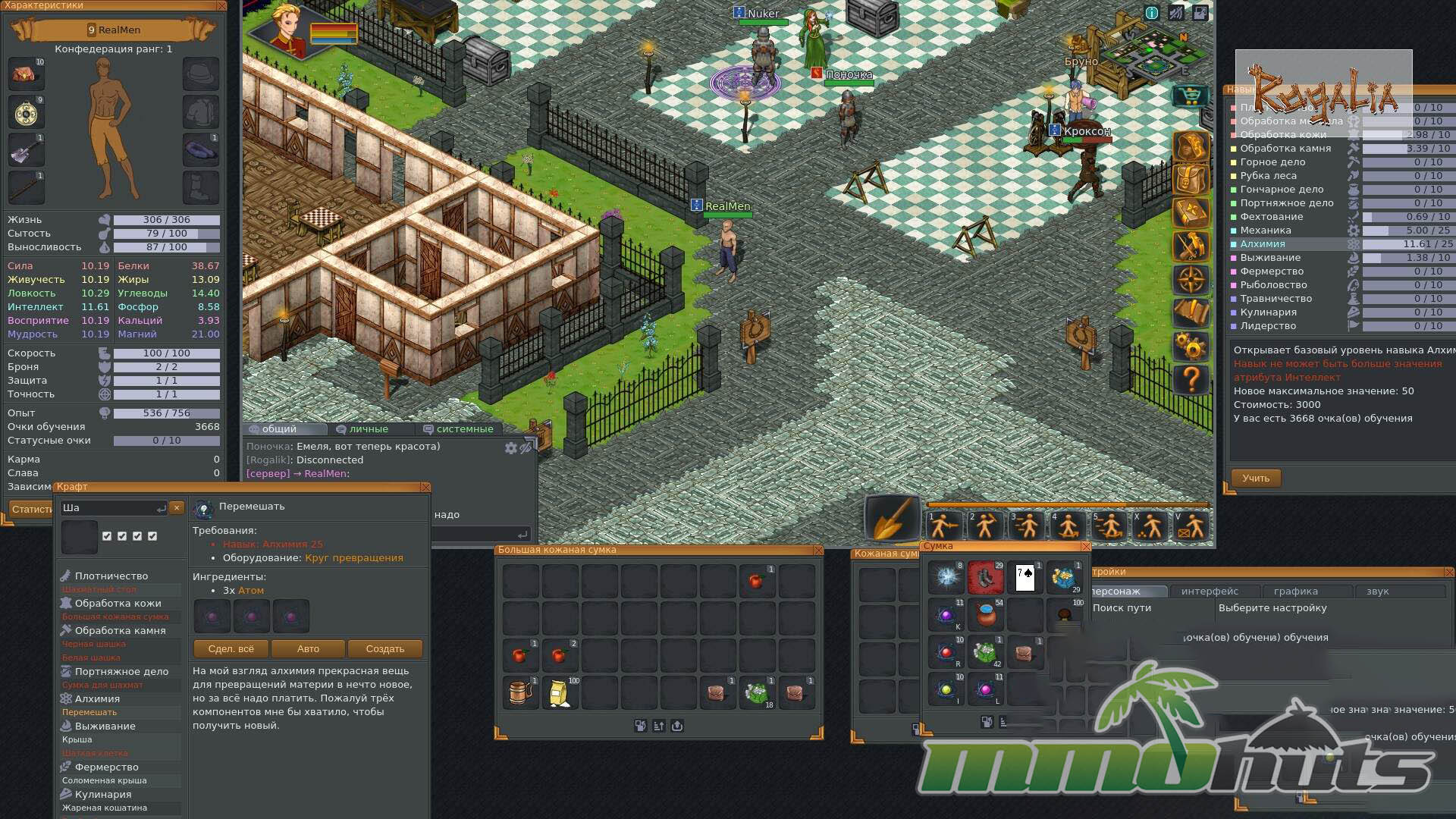
Rogalia drops you into a harsh medieval world where most of what matters is made, traded, or taken by players. After creating a character and adjusting their look, you develop your build through stats and skills, with progression tied to practical routines like eating meals and training up professions. Instead of a theme park leveling path, the game leans on self-directed goals, whether that means becoming a capable fighter, a specialist crafter, or a community builder who turns empty land into a functioning settlement.
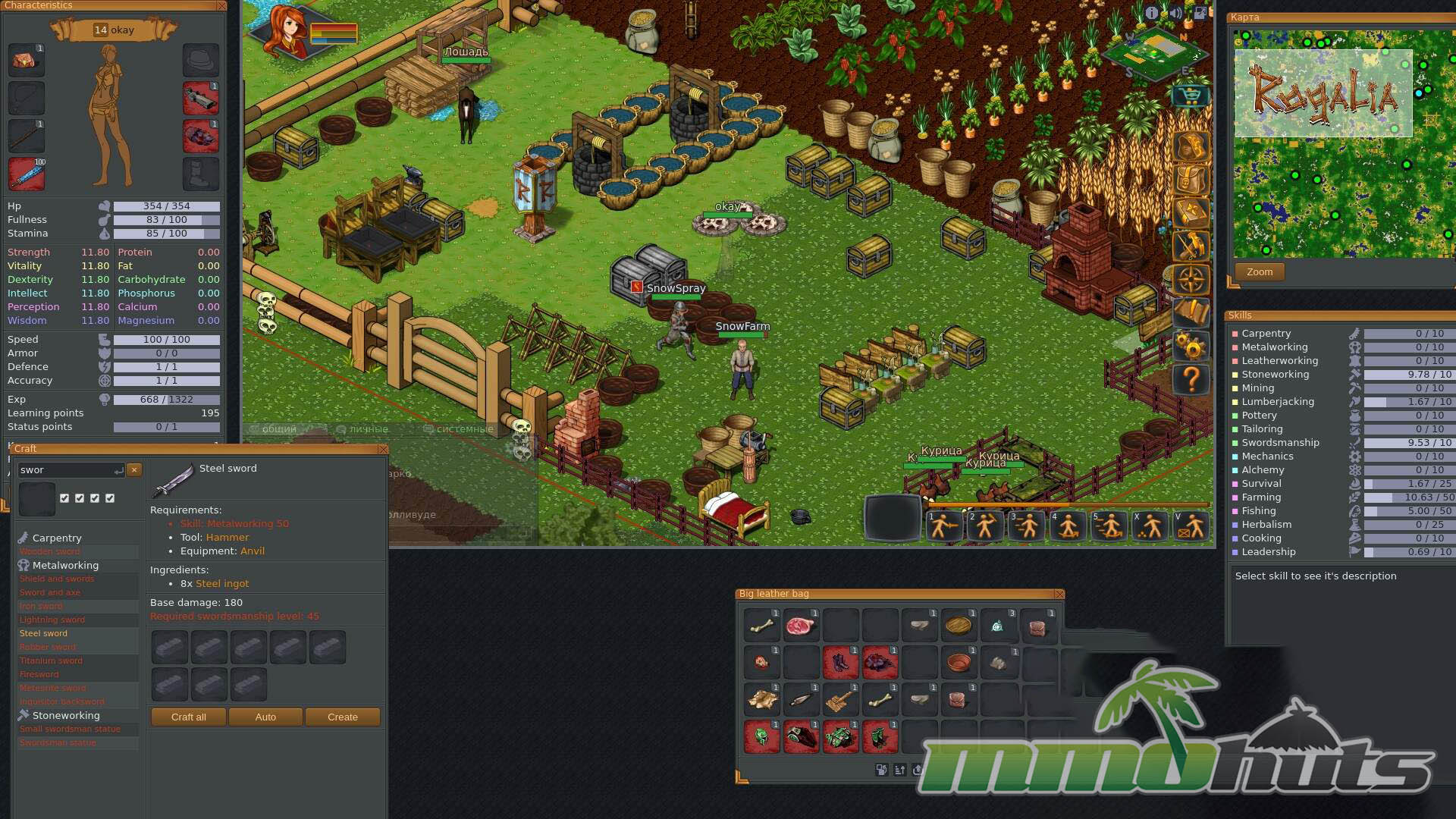
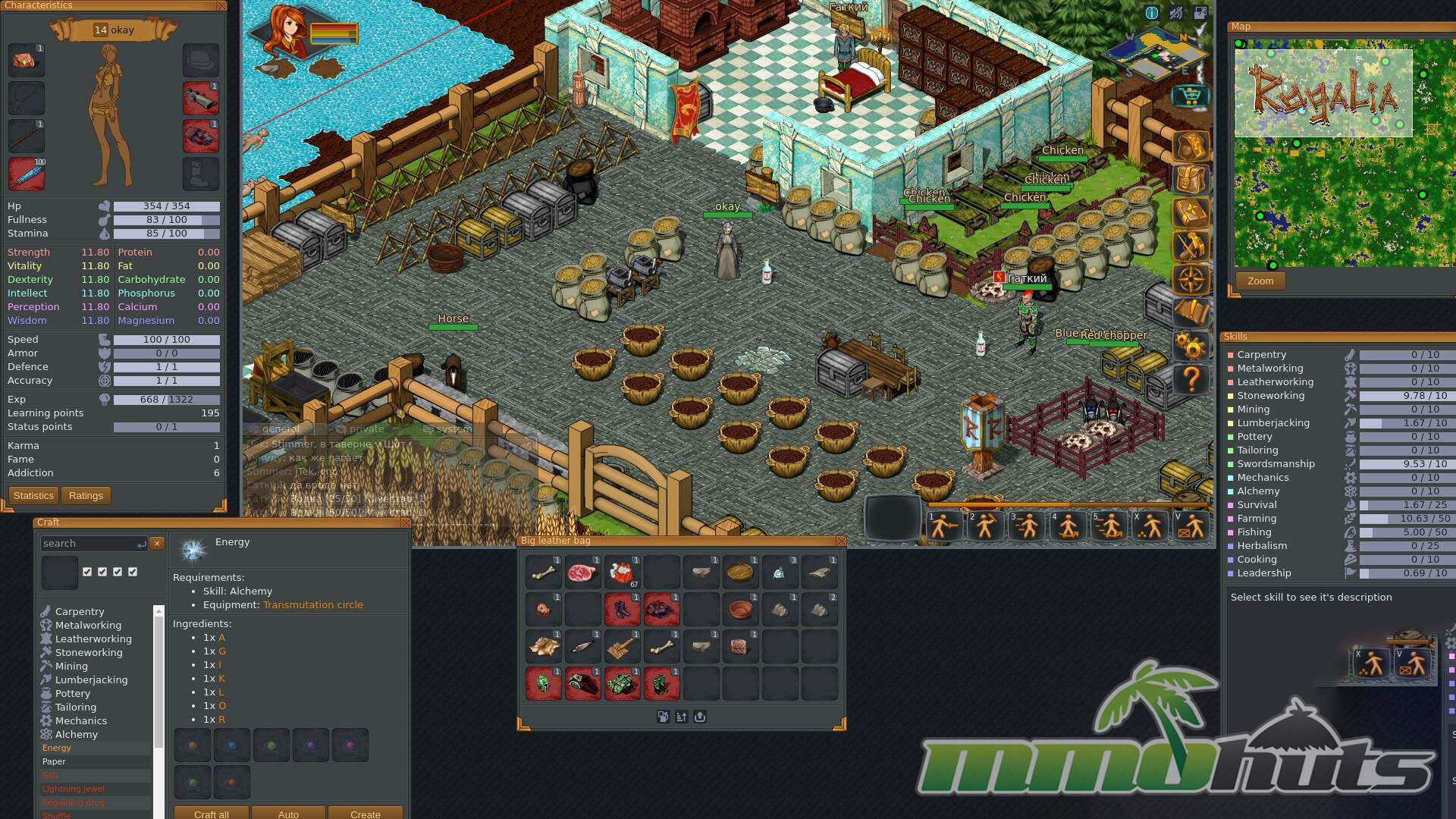
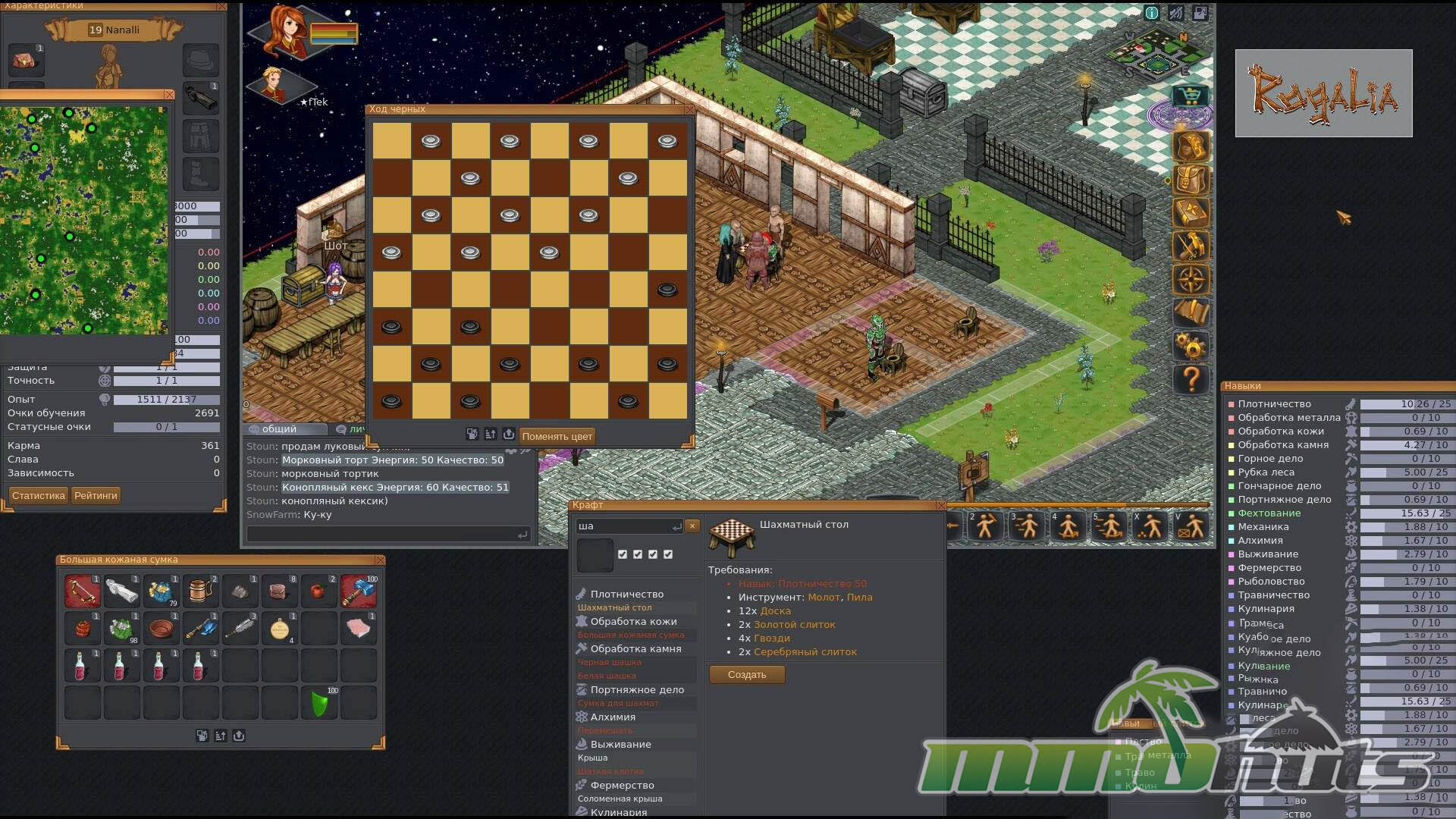
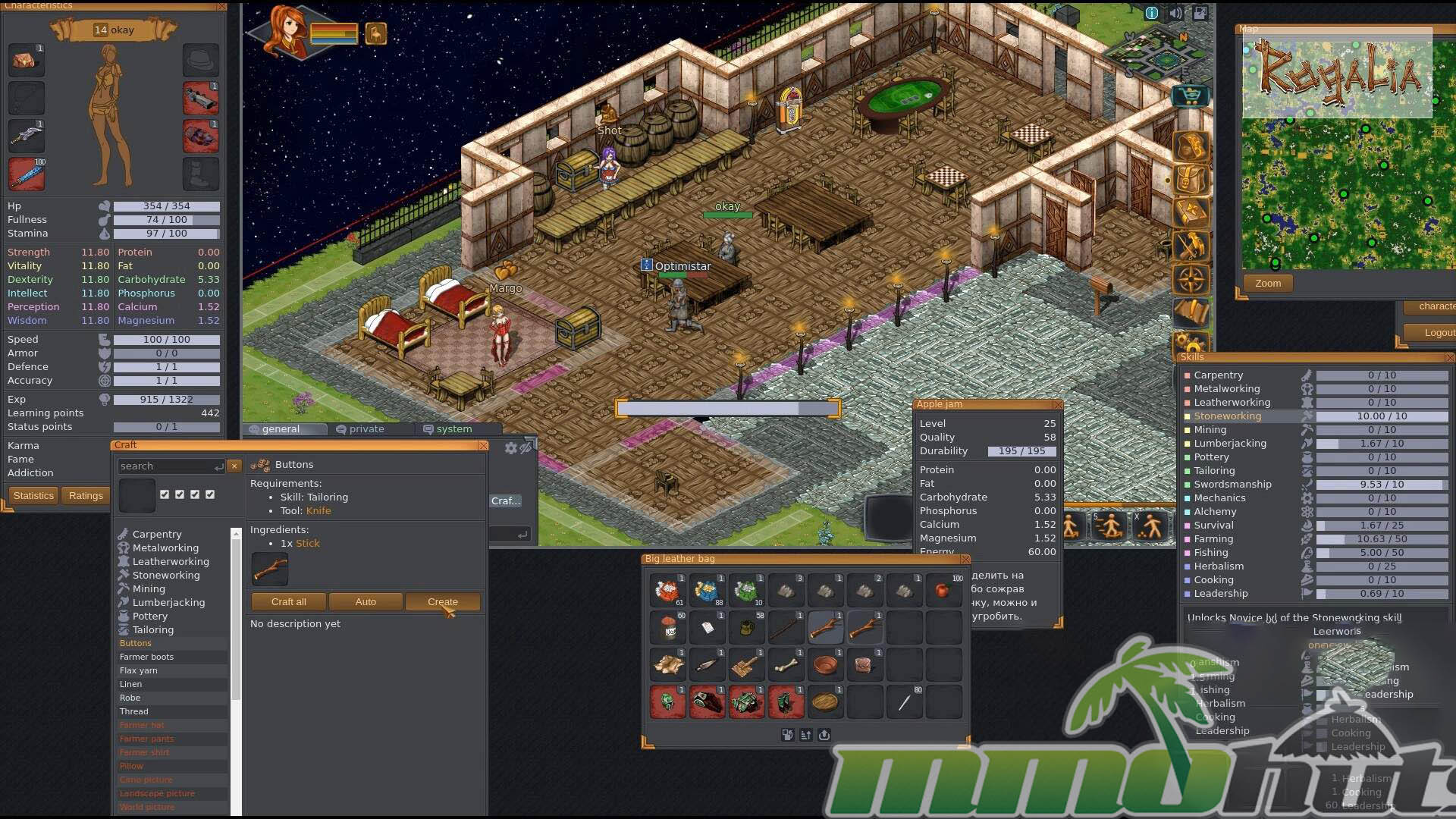
Gathering and processing resources is at the center of the experience. You break down materials, craft tools and equipment, and gradually expand into larger projects like fences, wells, gates, and defensive structures. Housing is tied to renting land, so establishing a base is both a practical milestone and a reason to engage with the wider economy. NPCs provide quests and basic direction, but most long-term momentum comes from what players choose to produce, sell, and protect.
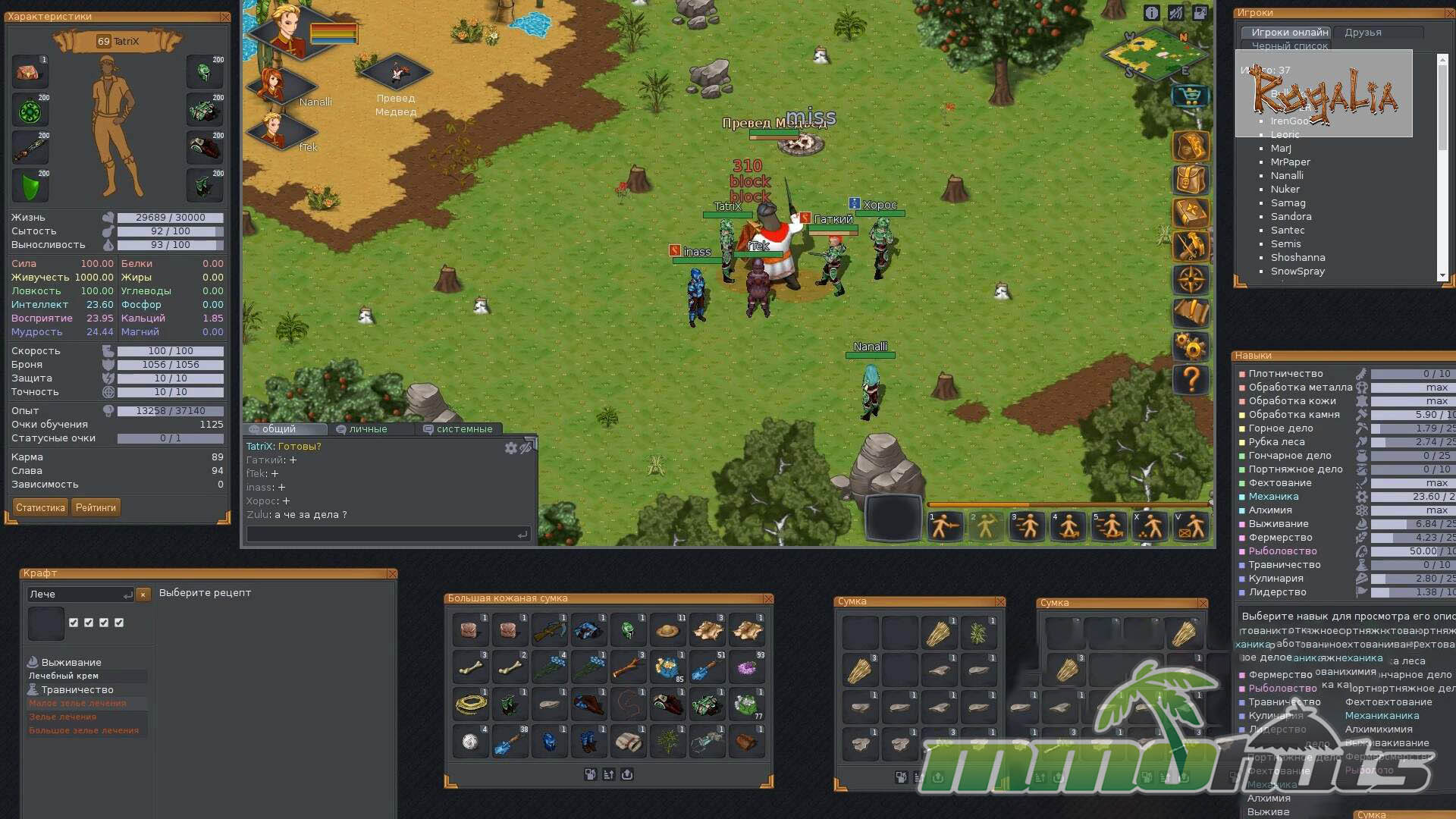
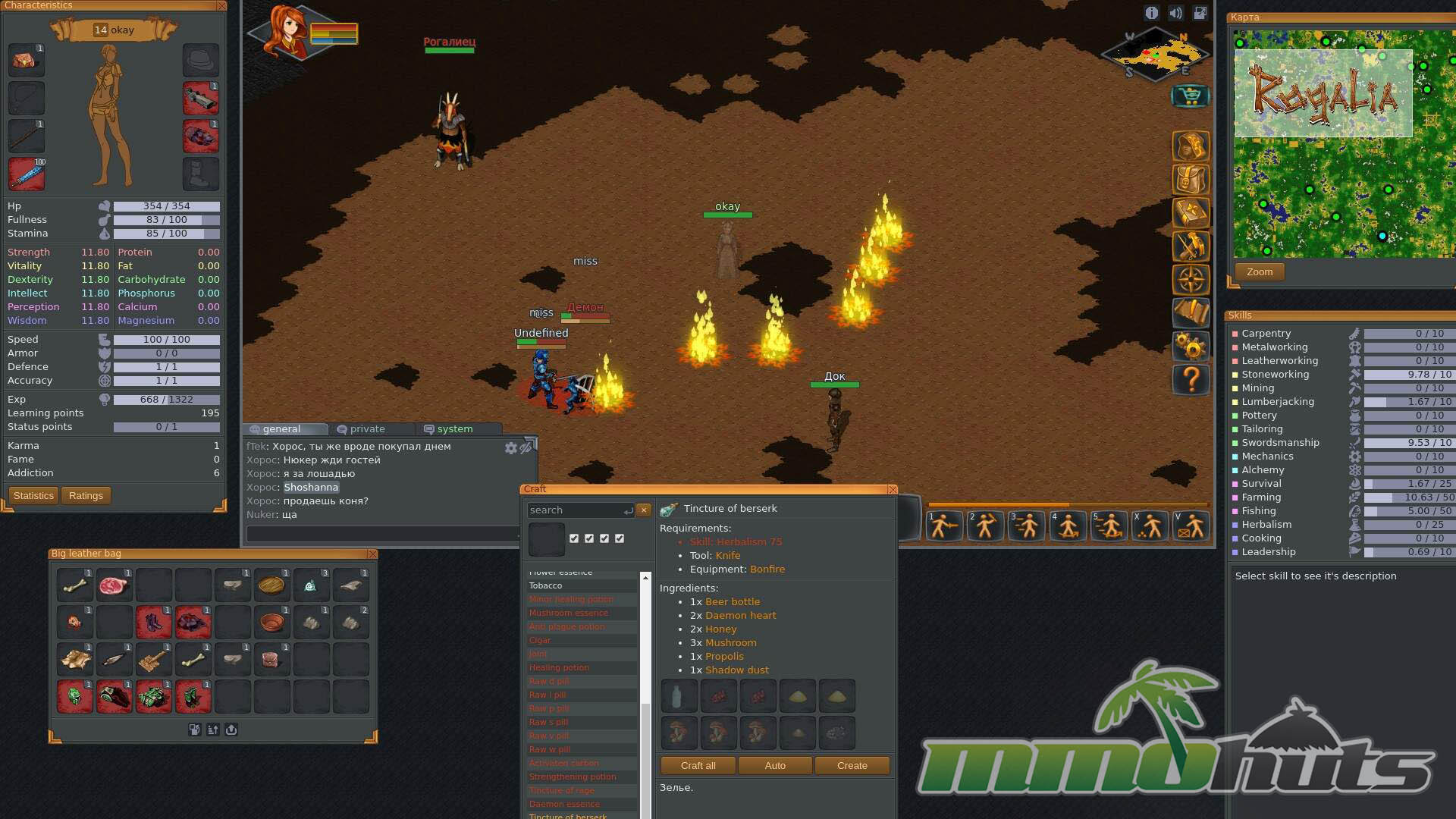
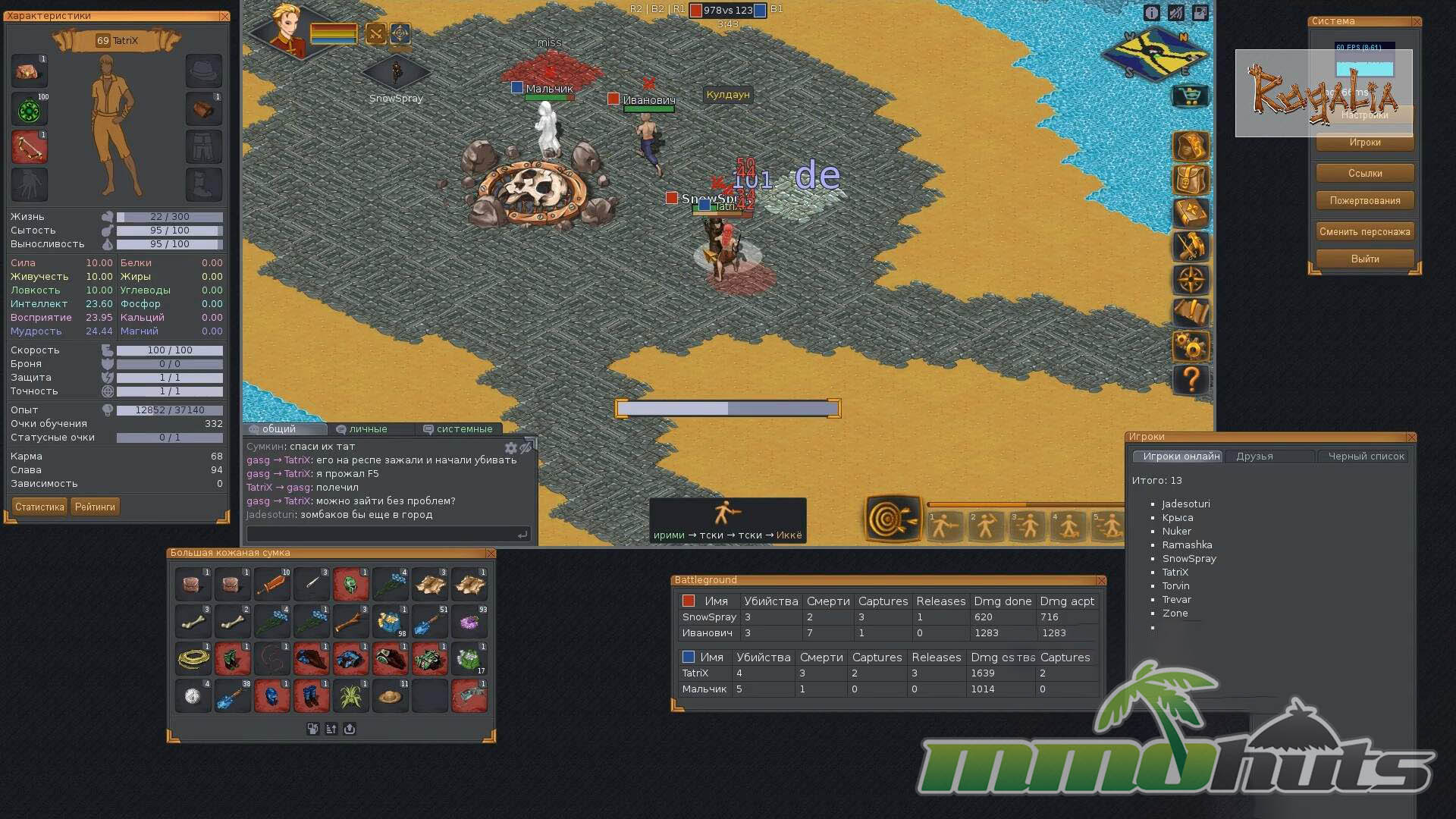
Combat and risk are ever-present because Rogalia supports open-world PvP, balanced by specific non-PvP areas that give newcomers and crafters some breathing room. Beyond fighting over gear and resources, players can compete for control of fortresses that offer tangible advantages. On top of that, the game stands out for its social mechanics, with actions like drinking and sleeping carrying consequences such as hangovers and the possibility of contracting STDs, systems that add a strange layer of roleplay-like decision-making to otherwise practical survival loops.
Overall, Rogalia plays like a small-scale sandbox where the economy, local politics, and day-to-day routines matter as much as combat, and where your personal story is largely shaped by what you build and who you clash (or cooperate) with.
Rogalia Key Features:
- Build Through Crafting – create structures and useful objects that directly reshape the world, including wells, gates, and other settlement essentials.
- Grow Your Character – raise stats through meals and develop practical skill lines as you specialize into different roles.
- Claim a Homestead – rent land, then turn it into a working base with housing and farm-style production.
- Social Systems With Consequences – use a wide range of interactions, from resting and drinking to dealing with hangovers and disease risk.
- Always-On PvP Tension – travel and work in a PvP-enabled world while relying on designated safe zones for protection.
Rogalia Screenshots
Rogalia Featured Video

Rogalia Review
Coming soon!
Rogalia Links
Rogalia Official Site [Russian]
Rogalia Steam Page
Rogalia Steam Greenlight Page
Rogalia Forums [Official]
Rogalia Wiki [Russian]
Rogalia: MMO System Requirements
Minimum Requirements:
Operating System: Windows 7 / 10
CPU: Intel 2.77GHz Dual Core
RAM: 2 GB
Video Card: OpenGL 2.1 compatible graphics card
Hard Drive Space: 300 MB available space
Rogalia is also available for the Mac.
Rogalia Music & Soundtrack
Coming soon!
Rogalia Additional Information
Russian Title: Рогалия
Developer(s): TatriX & Nanalli
Publisher(s): TatriX
Game Engine: Custom in-house
Language(s): English, Russian
Platform(s): PC, Mac
Steam Greenlight Post Date: July 8, 2016
Steam Greenlight Award Date: July/August 2016
Russian Early Access: 2015
Steam Early Access: December 9, 2016
Steam Release Date: December 2017
Development History / Background:
Rogalia is an MMO sandbox created by two developers, TatriX and Nanalli, and it runs on a custom in-house engine for PC and Mac. The project originally appeared in Russia in 2015 before moving toward a wider audience through Steam. It was submitted to Steam Greenlight in July 2016 and received approval in roughly two and a half weeks. The English-language version arrived on Steam as an Early Access release in December 2016, setting the stage for its later Steam release in December 2017.