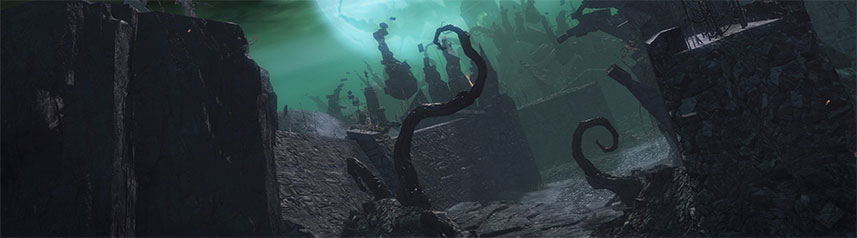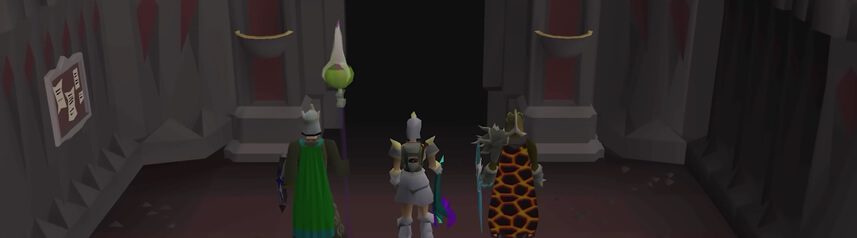
Realm Zero is a sandbox MMORPG concept built around the idea of a living world that responds to what players do, rather than staying static. Character building is designed to be highly flexible, letting you experiment with different skill combinations on the fly, without locking yourself into permanent choices.
 | Publisher: Realm Zero Devs Type: Sandbox MMORPG PvP: Full-Loot Open World Release Date: Unreleased Shut Down Date: May 03, 2017 Pros: +Large set of skills you can swap at will. +Player actions meaningfully alter the world. +Involved crafting with simulation-style depth. +First-person, FPS-like combat. Cons: -No confirmed launch window. -Details and updates are scarce. |
Realm Zero Overview
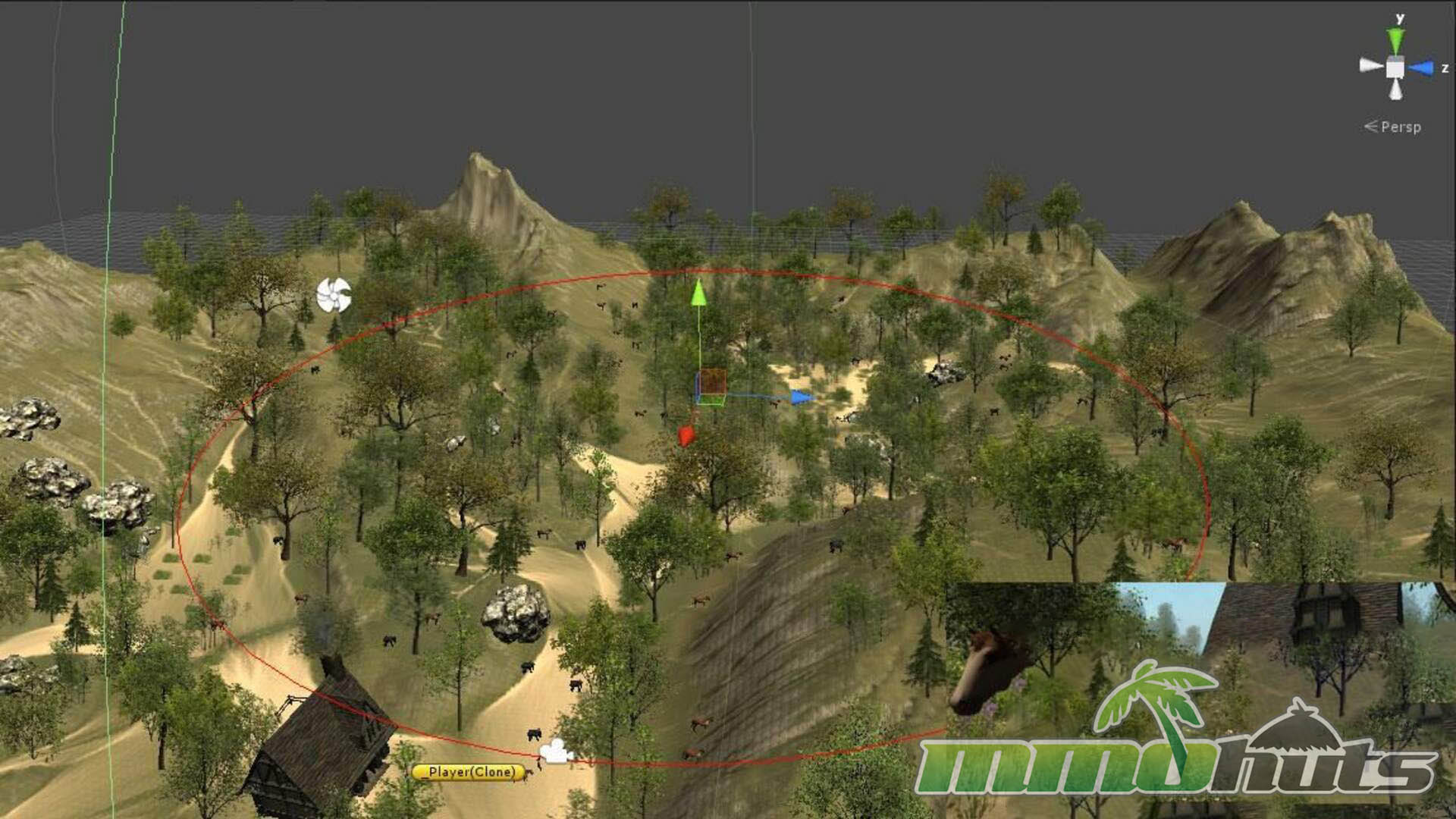
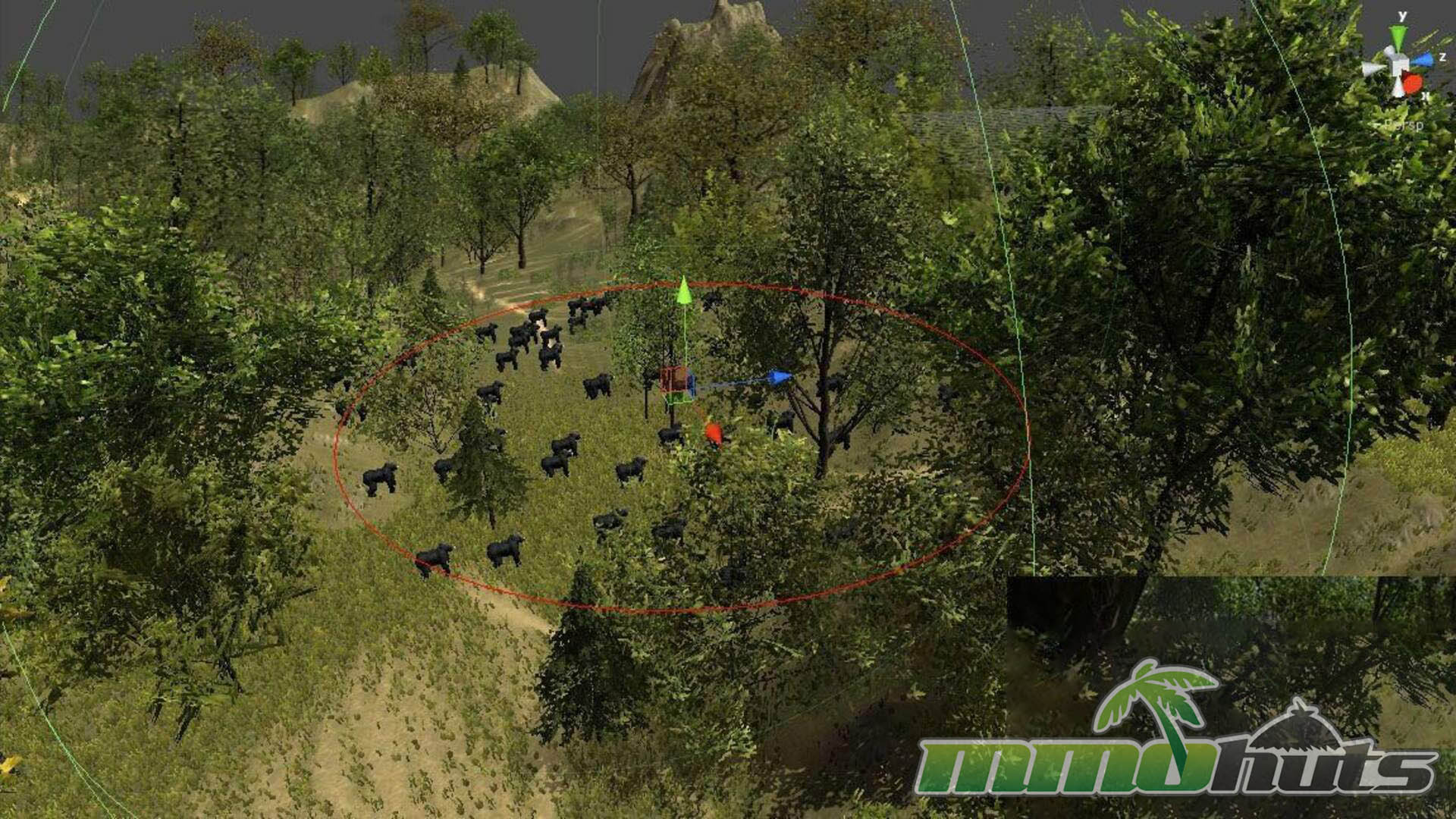
Realm Zero positions itself as a player-driven sandbox MMO where the environment is meant to shift in believable ways based on community activity. The pitch is that common MMO fixtures, such as creature populations, gatherable resources, territorial boundaries, and even where people choose to build, are influenced by how players interact with the land. Instead of a theme park structure with tightly guided roles, the game aims for a do-what-you-want approach that leans heavily on experimentation and emergent stories.
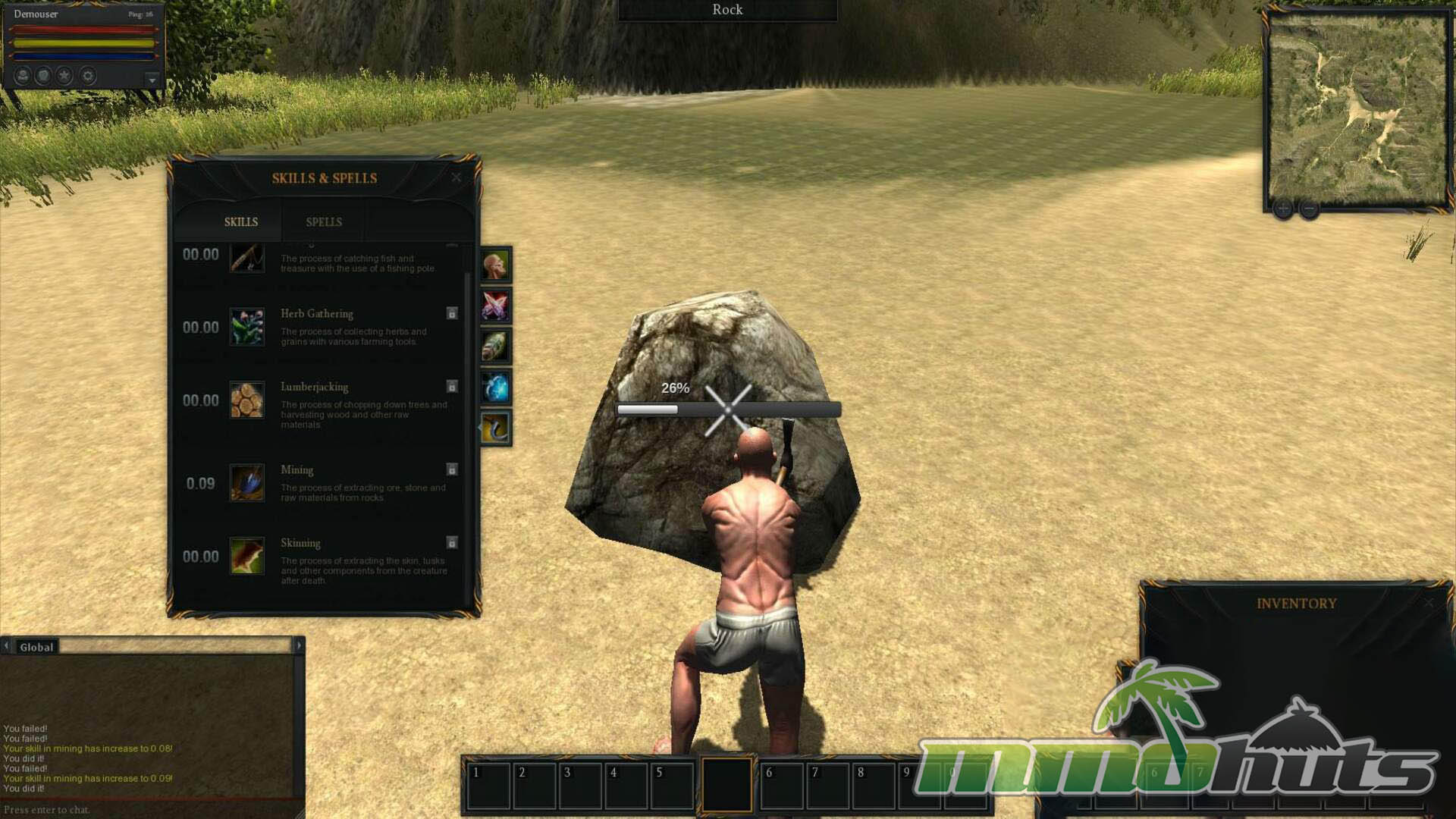
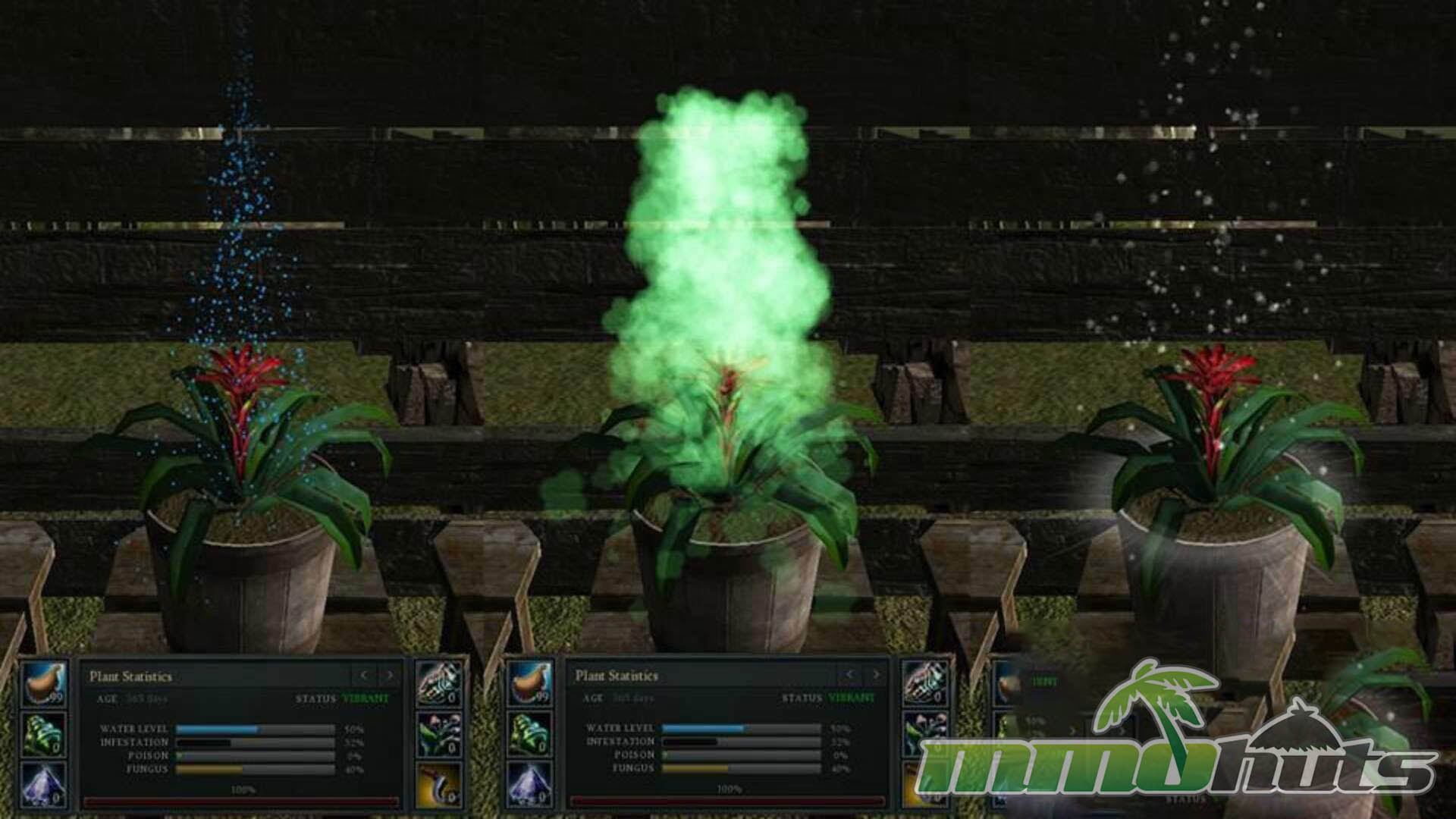
One of the most distinctive ideas is its commitment-free progression. Skills are not intended to be permanent picks, so you can reconfigure your loadout whenever you want to better handle a task, a fight, or a new plan. That flexibility is paired with a crafting model that tries to simulate processes rather than reduce everything to a simple recipe list. Farming, for example, is described as something you actively manage, gathering essentials like dirt and water before planting, then keeping an eye on factors such as infestation, poison, and fungus to help crops survive and produce useful materials.
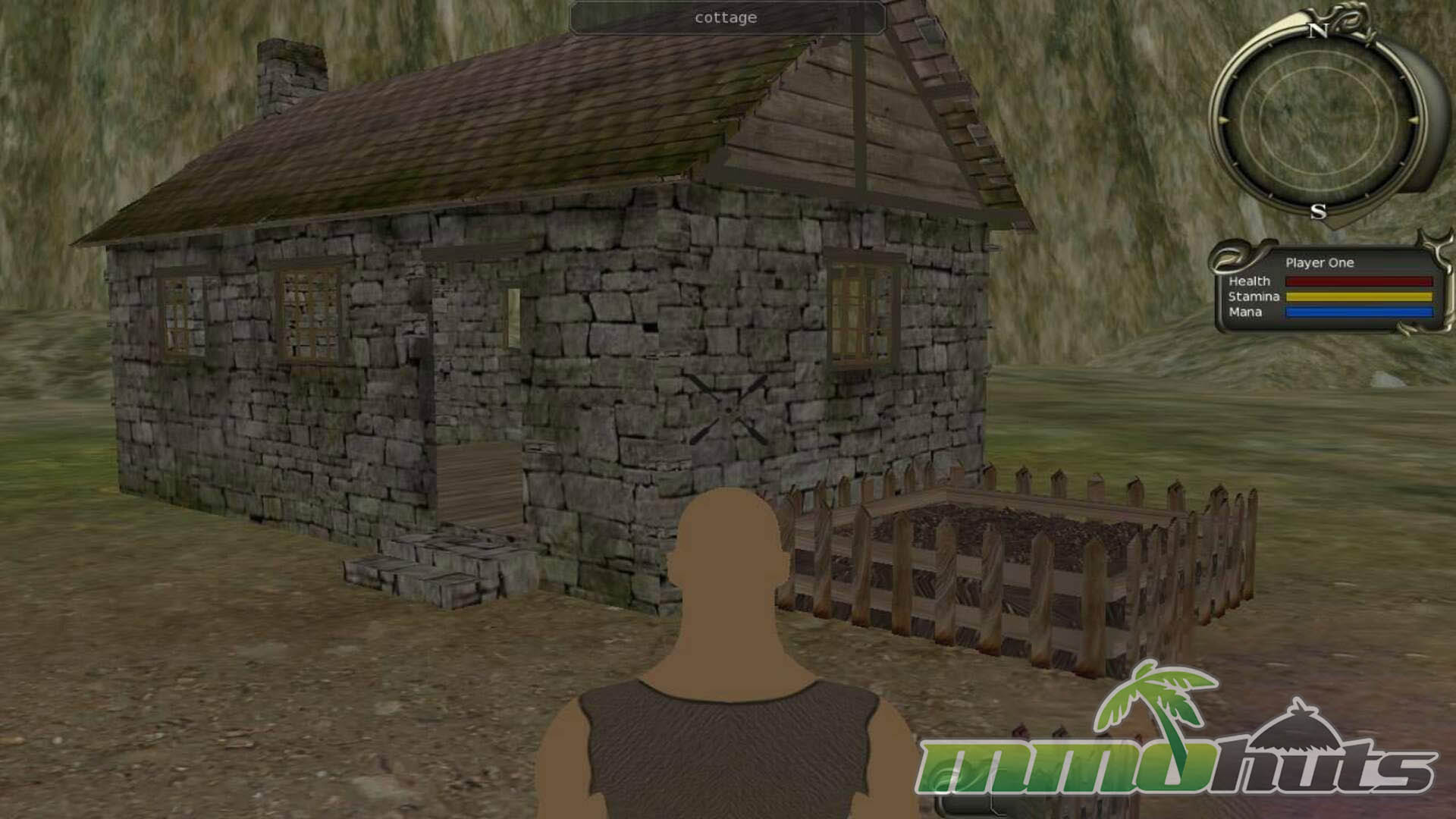
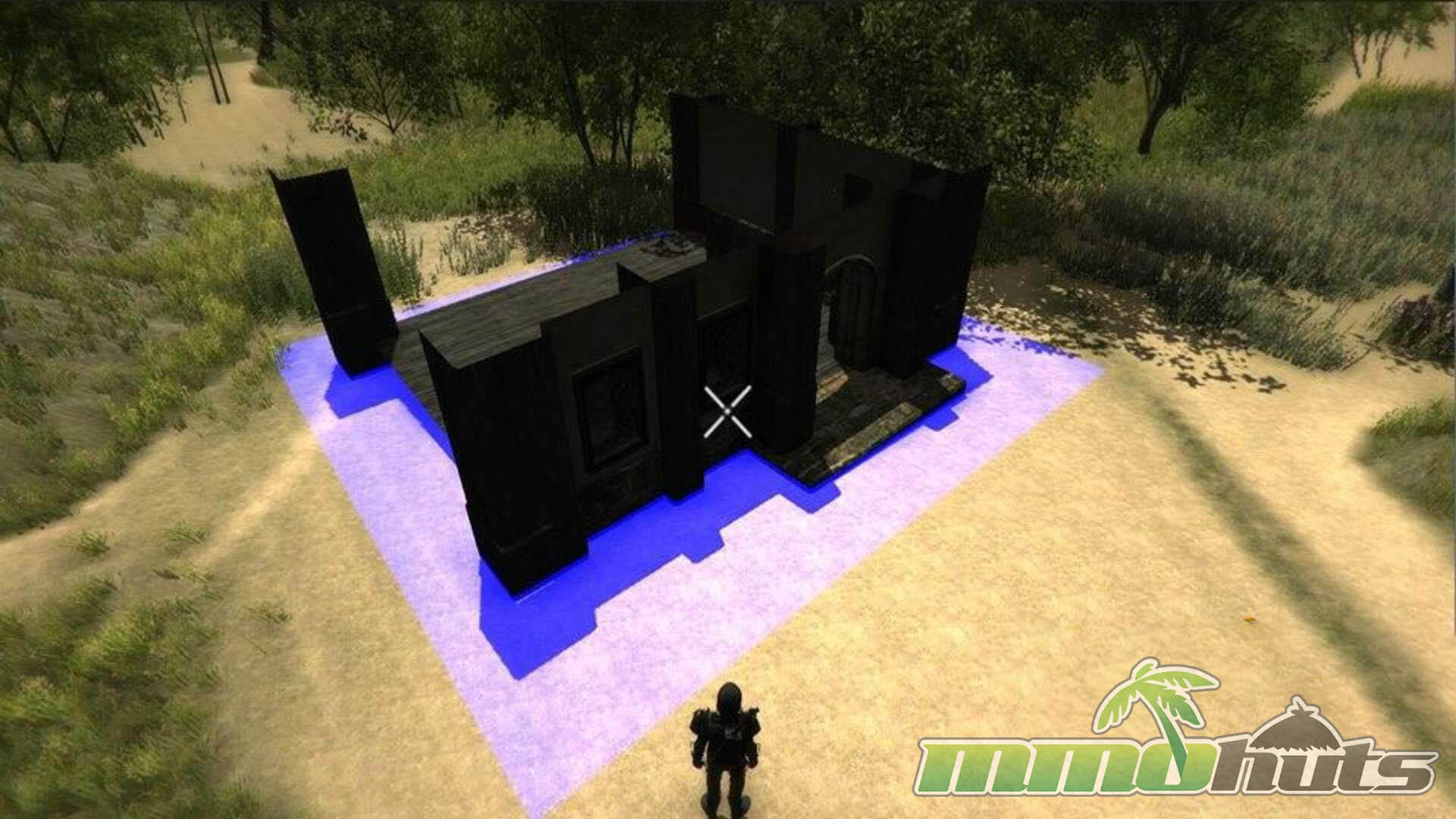
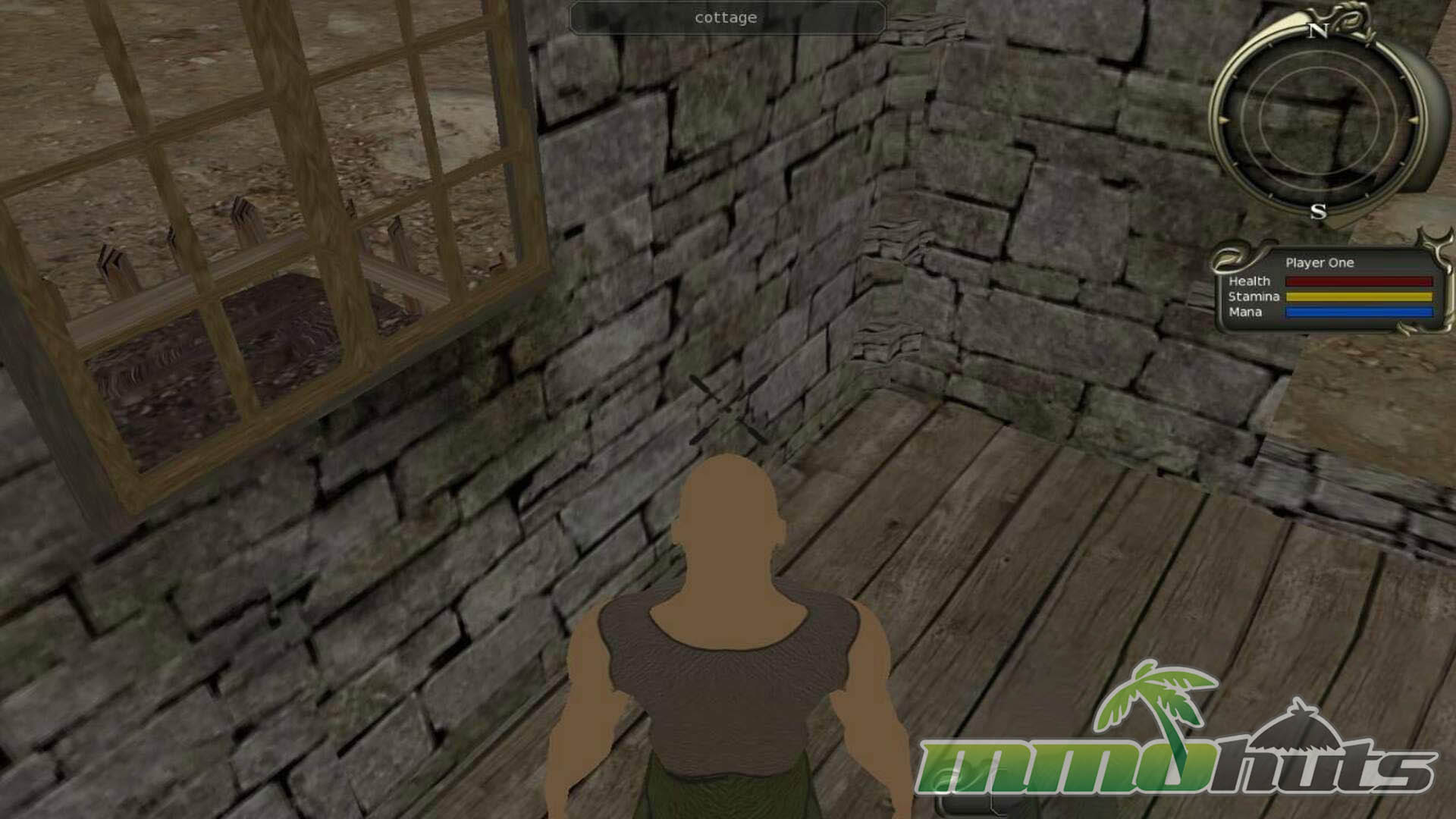
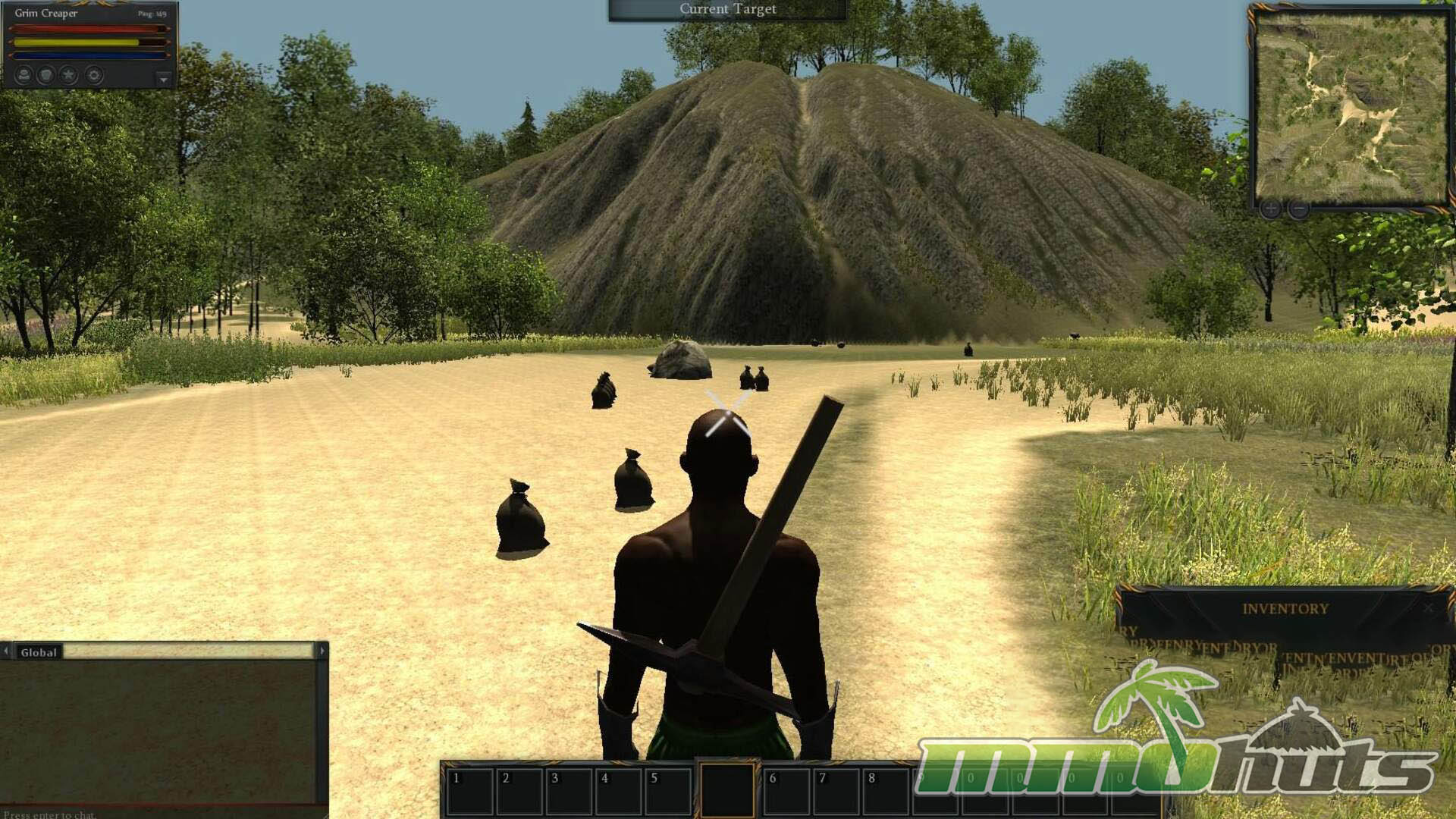
Housing and land ownership are also framed as hands-on systems. Players can claim a plot, build a home using modular construction, and keep that claim by maintaining it over time. The ownership loop is presented as something you need to check in on regularly, since neglected property can become vulnerable to being taken over by others. Combined with full-loot PvP and first-person combat, the overall direction points toward a harsher sandbox where preparation and routine matter as much as moment-to-moment combat.
Realm Zero Key Features:
- Fluid Game World – your actions are meant to have consequences, influencing creature activity, resource availability, and other parts of the world state.
- Freely Swap Skills – buildcrafting is designed around easy experimentation, with skills that can be changed without permanent point investment or swapping fees.
- Robust Crafting System – materials come from a more simulation-focused process, including plant care that involves managing infestation, poison and fungus levels.
- Detailed House Ownership – secure a deed, select a location, then construct a home with modular pieces, returning regularly (every two weeks) to keep your claim protected.
- Full-loot PvP – fight in first-person and engage in open PvP across much of the world, with death causing you to drop your items (except Blessed items).
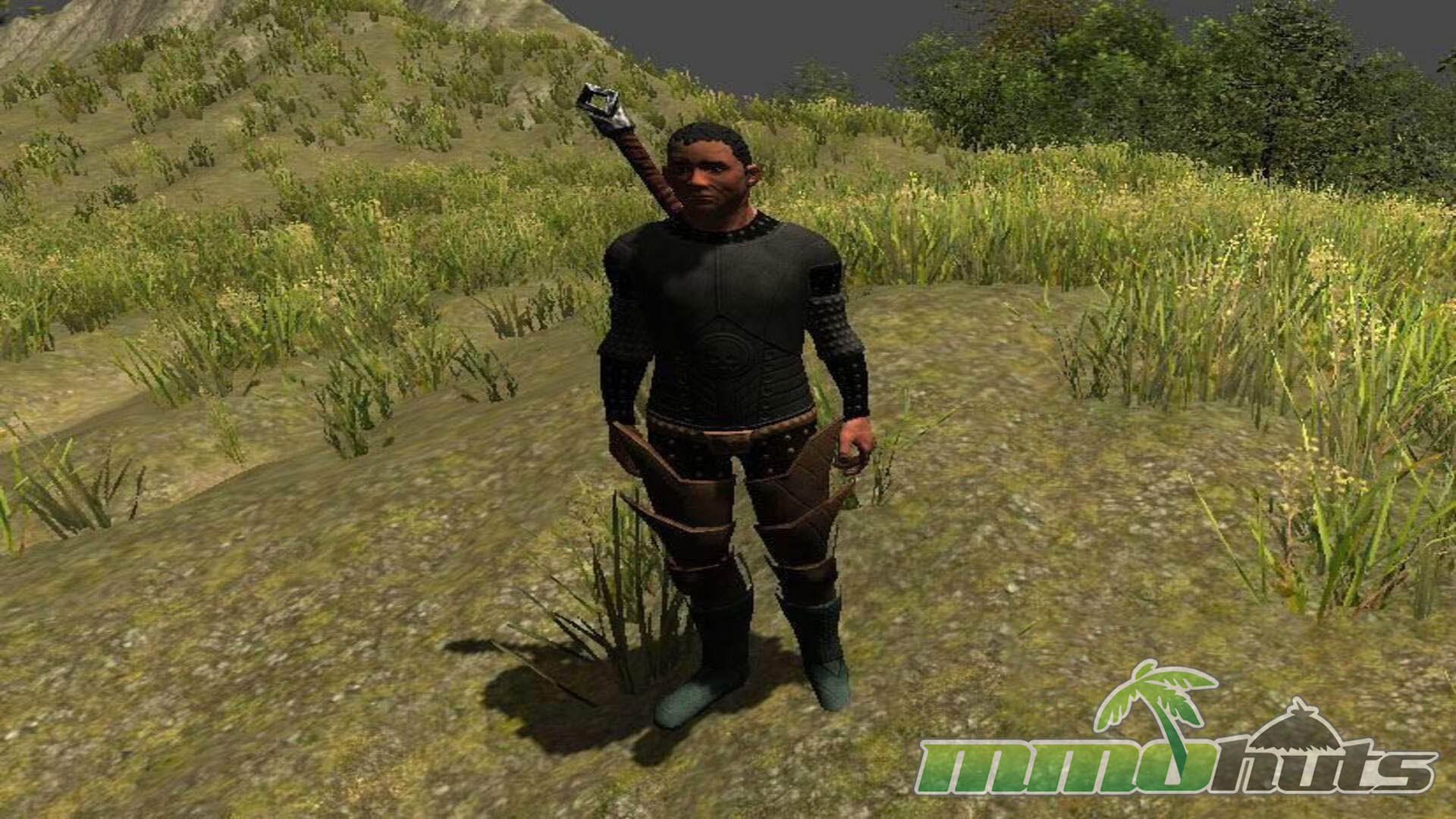
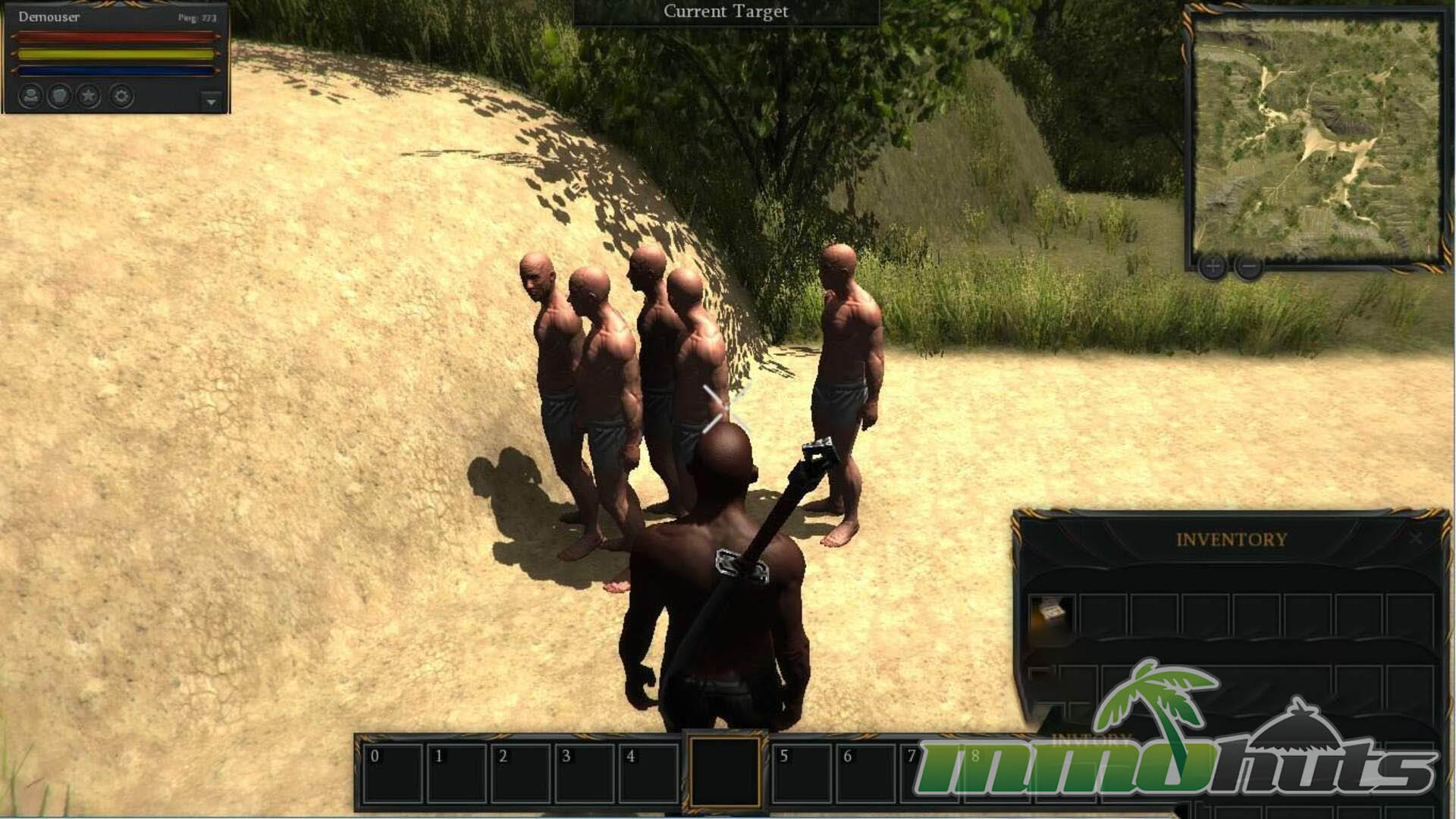
Realm Zero Screenshots




Realm Zero Featured Video

Realm Zero Review
Coming Soon!
Realm Zero Online Links
Realm Zero Official Site
Realm Zero GoFundMe
Realm Zero Kickstarter
Realm Zero Facebook
Realm Zero Youtube
Realm Zero Twitter
Realm Zero System Requirements
Minimum Requirements:
Operating System: Windows 7 or later
CPU: Core 2 Duo or better
Video Card: GeForce GTX 680 or better
RAM: 8 GB
Hard Disk Space: 10 GB
Realm Zero Music & Soundtrack
Coming Soon!
Realm Zero Additional Information
Developer: Realm Zero Devs
Game Engine: Unity
Kickstarter Launch Date: April 18, 2014
Open Alpha Date: December 18, 2014
Closed Alpha Date: January 26, 2015
Closed Beta Date: Q3 2016
Release Date: Unreleased
Abandoned: May 03, 2017
Development History / Background:
Realm Zero was developed and published by Hank Newman, the project lead, working alongside a small development team. Development began in 2013 and started out as a solo effort before expanding. To help fund the project, the team turned to crowdfunding and other community-supported options. A Kickstarter campaign went live on April 18, 2014, but it did not reach its funding target, collecting $922 toward a $320,000 goal. After that outcome, fundraising continued through GoFundMe with an $8,000 goal, where contributions were used to offer alpha access.
Testing originally opened broadly, with an open alpha starting on December 18, 2014. Later, the team chose to restrict new participation, closing the alpha to additional sign-ups on January 26, 2015. Plans at the time included moving toward a closed beta in Q3 2016. Ultimately, following the unsuccessful Kickstarter and ongoing challenges, the project was abandoned on May 03, 2017.