Priston Tale
 (No Ratings Yet)
Priston Tale is an old-school 3D fantasy MMORPG built around hands-on combat, heavy monster grinding, and long-term character growth through ten classes and their trainable skill trees.
 | Publisher: SubaGames Playerbase: Low Type: MMORPG Release Date: 2001 Pros: +Ten class options with distinct playstyles. +A dedicated community still keeps it alive. +Full 360-degree camera movement. Cons: -Visuals show their age. -Localization is rough in places. -Early guidance is unclear and easy to miss. |

Priston Tale Overview
Priston Tale drops you into the continent of Priston, a straightforward fantasy setting anchored by two primary towns with broad hunting zones stretching between them. The loop is familiar to anyone who grew up on early MMORPGs: head out, clear packs of monsters, return to town to sell, upgrade gear, and repeat. Where the game tries to stand out is in how it handles progression, with skills that improve through use and a roster of ten classes split between two factions, each leaning toward physical combat, magic, or a hybrid approach.
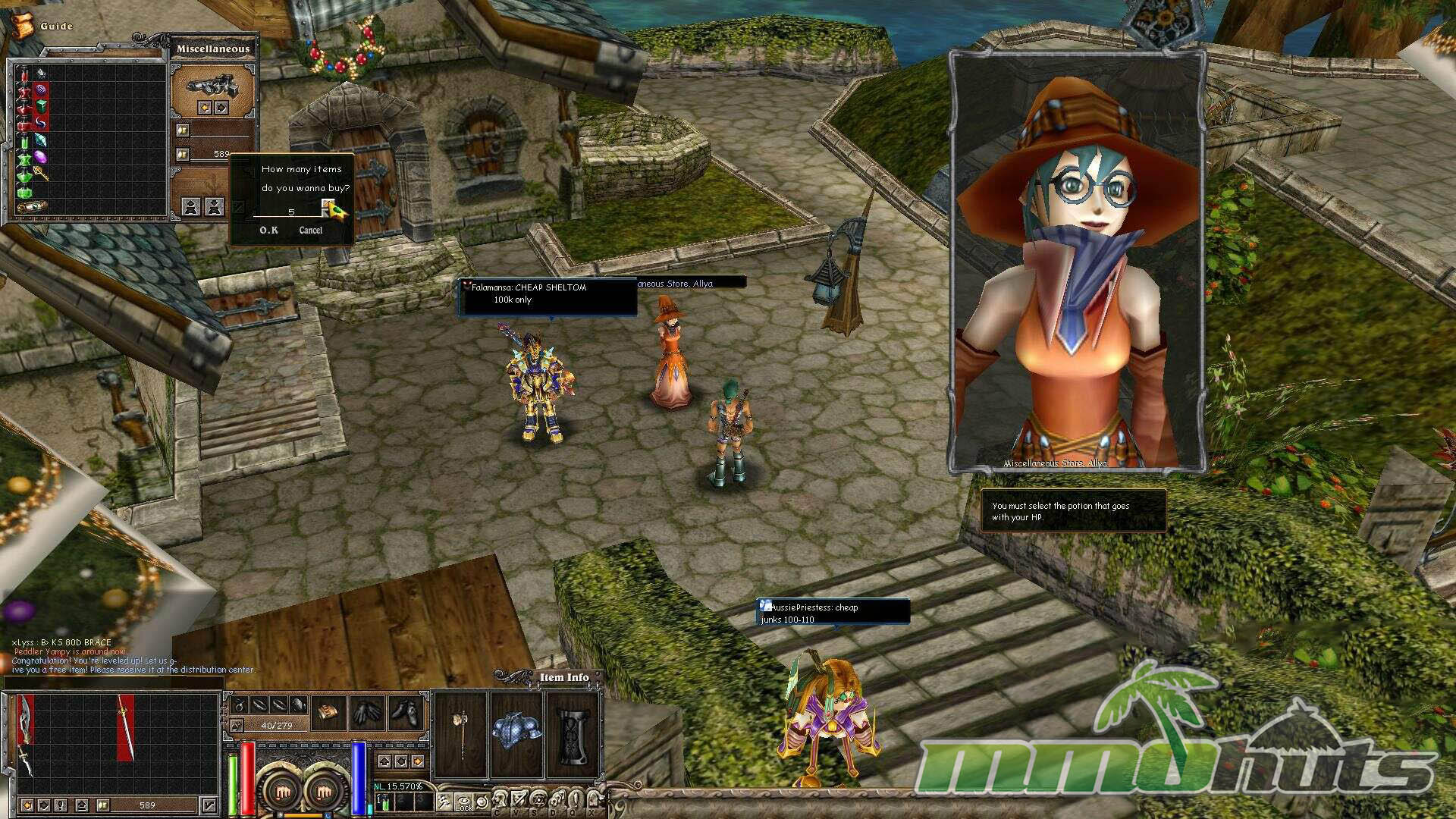
This is not an MMO that showers you with constant quest markers or carefully paced tutorials. There is a helper character that trails you for the first ten levels and a small starting quest chain, but most systems are only lightly introduced. You are expected to experiment with stat distribution, learn which weapons fit your class, and figure out efficient grinding routes on your own. If you like MMORPGs that feel more like a sandbox of numbers and mobs than a guided theme park, Priston Tale’s structure will feel familiar, and sometimes even refreshing.
Priston Tale Key Features:
- Ten Unique Character Classes – pick from ten distinct classes that each belong to the Tempskron and Morion factions: Fighter, Archer, Pikeman, Mechanician, Assassin, Knight, Priestess, Atlanta, Magician, and Shaman; each with multiple tiers of unique skills and weapon specializations.
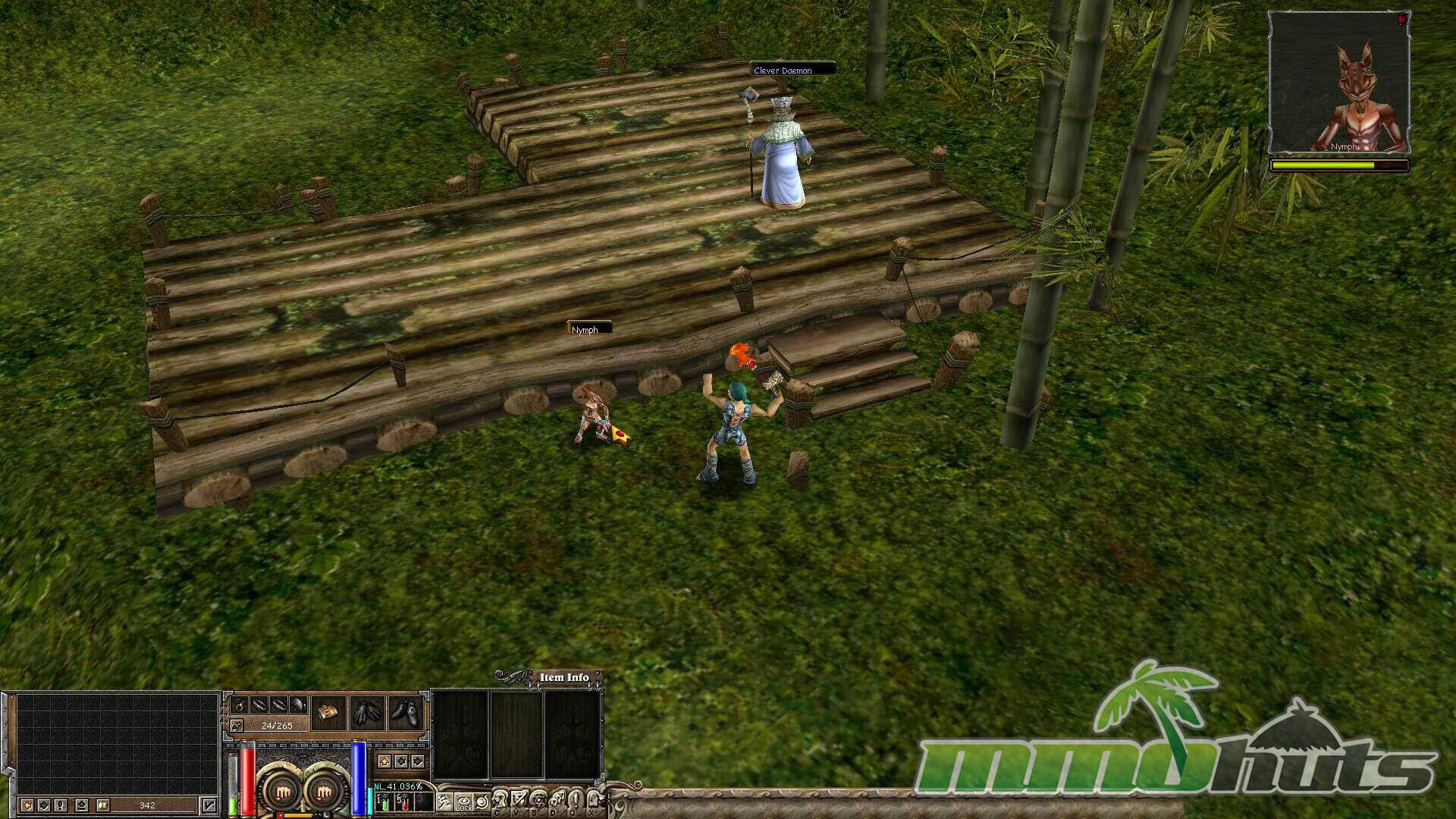
- Action-inspired Combat – combat is direct and active, you attack with mouse input and rely on quick potion use in tense fights, with no modern conveniences like auto-attack loops or free out-of-combat healing.
- Monster Grinding Mania – leveling is largely powered by repeated monster hunting, and the fast respawn rates can turn ordinary pulls into chaotic brawls if you overextend.
- 360 Degree Camera Controls – includes manual, lock, and auto camera styles, letting you rotate and view the world from different angles rather than staying locked into a fixed perspective.
- Monster Collection – as you progress you unlock tougher map variants (including Hard versions), along with achievements and challenges that add extra goals beyond raw experience gain.
Priston Tale Screenshots

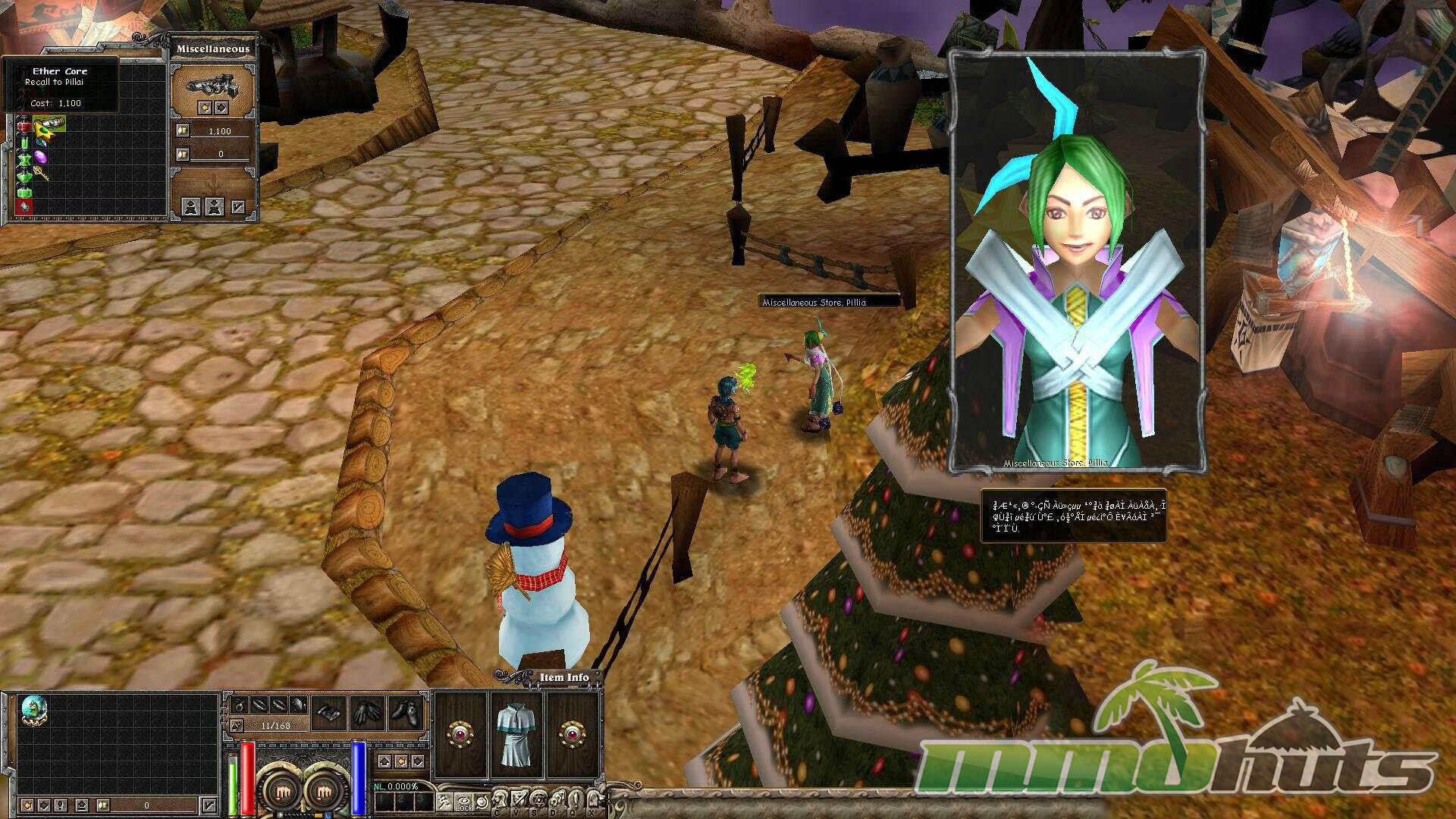
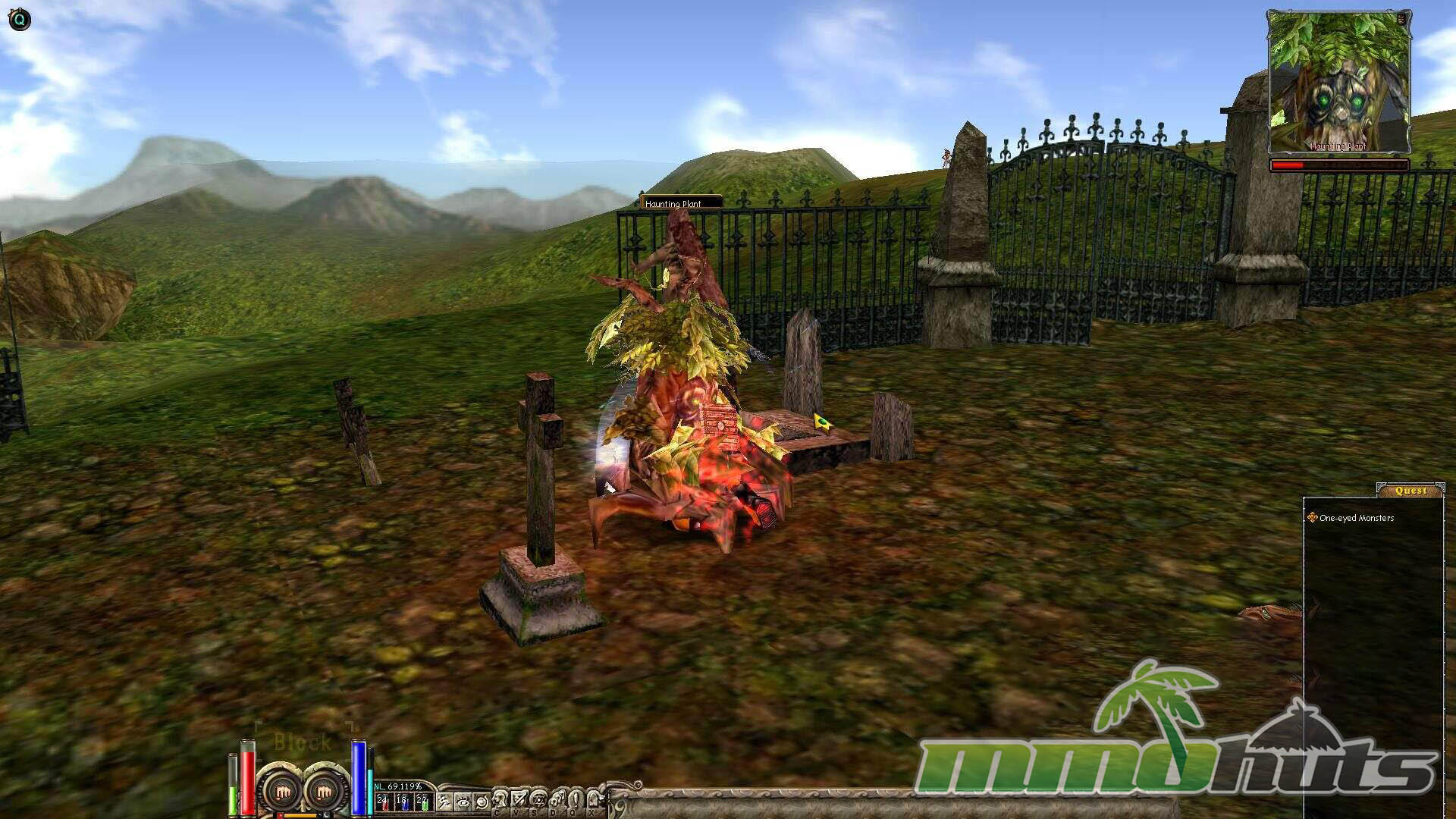

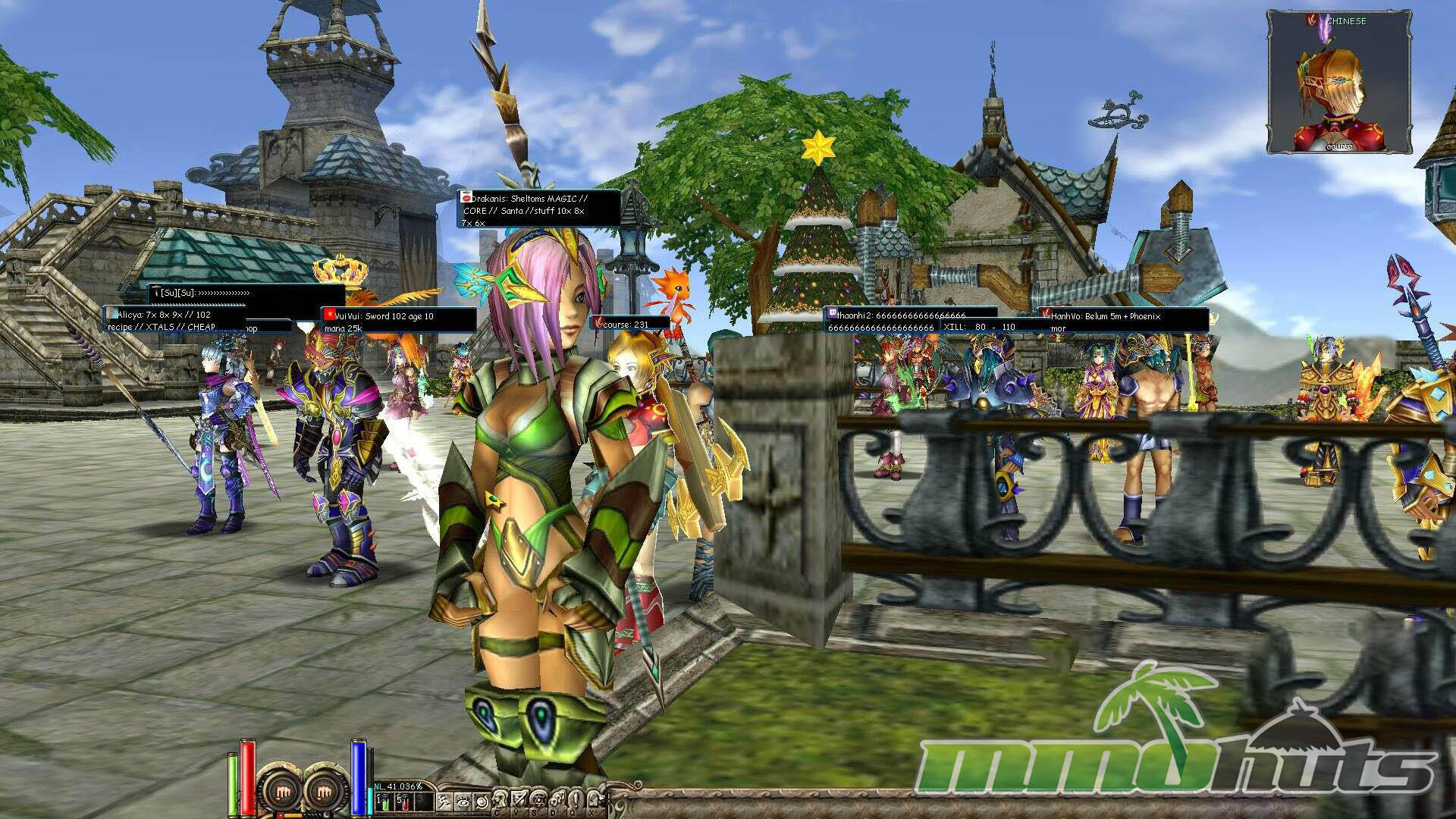

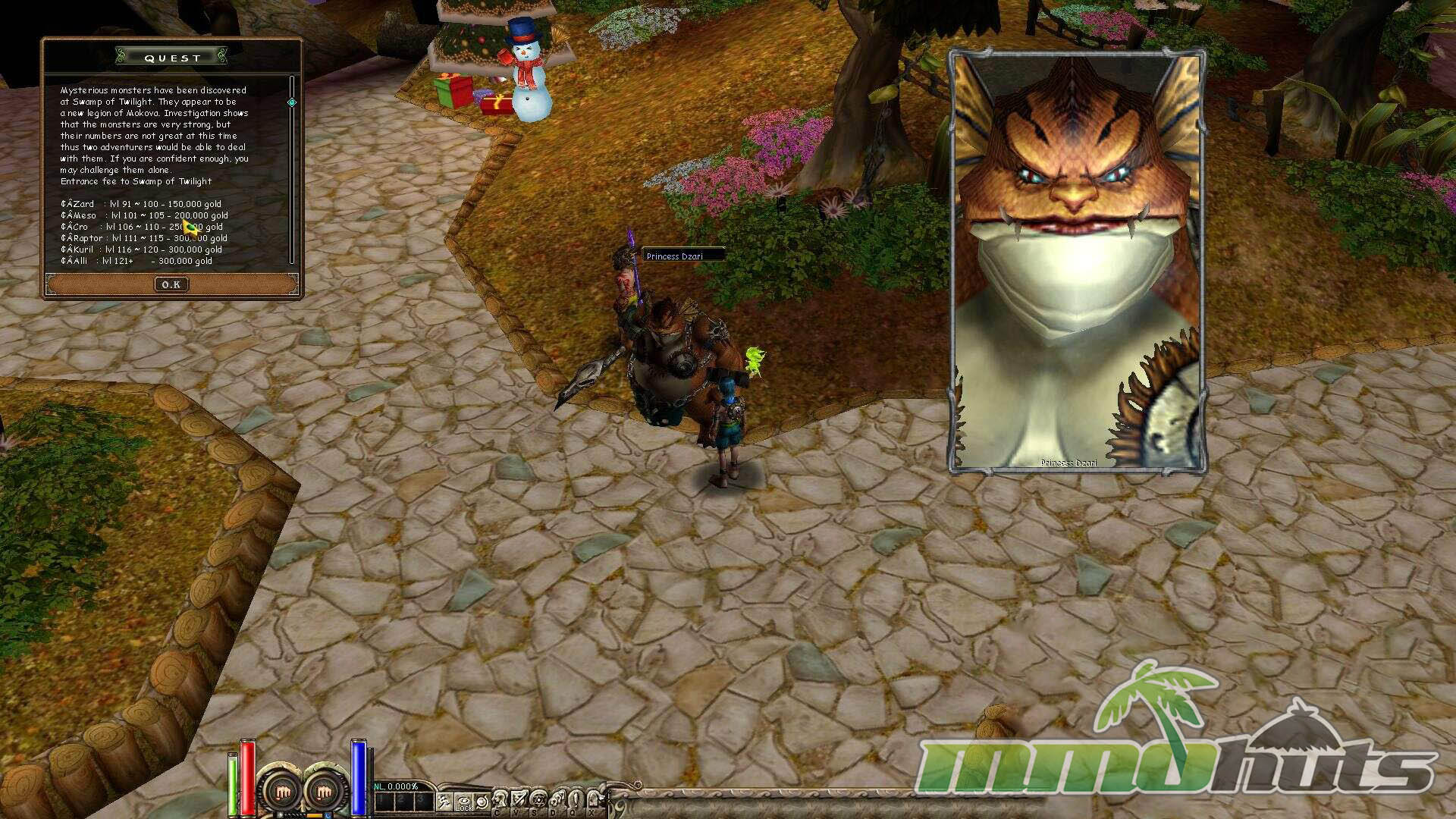

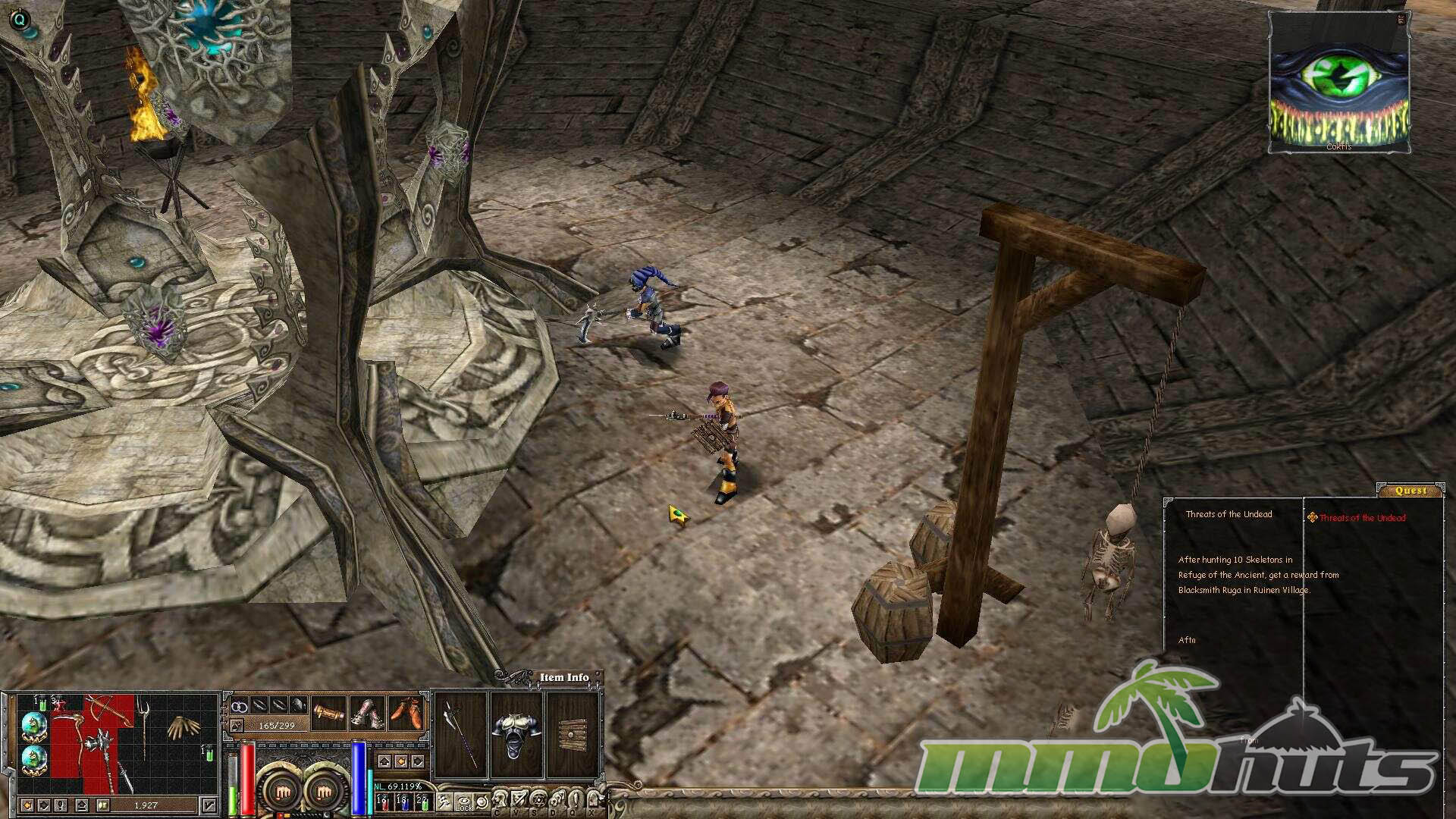
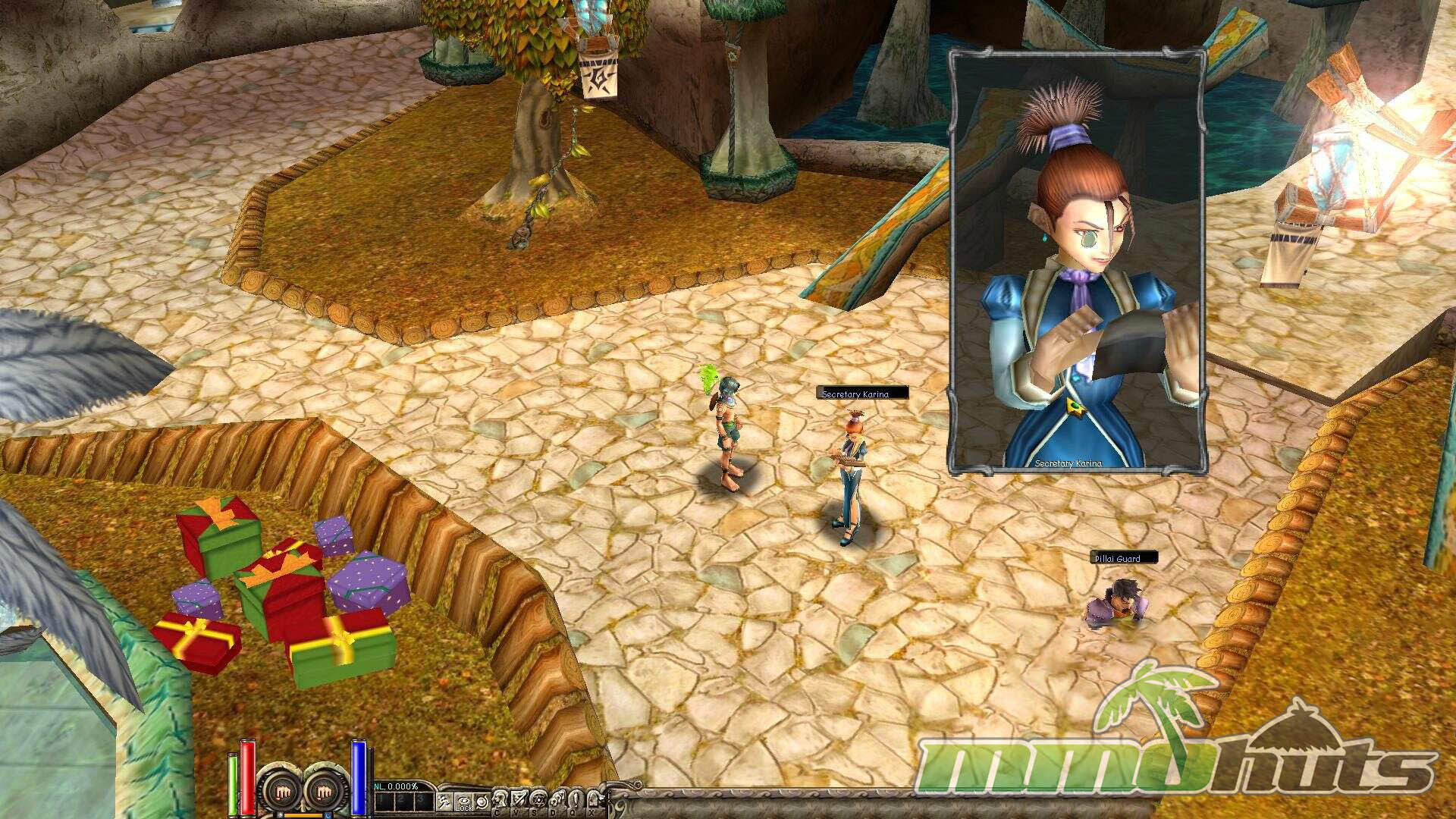

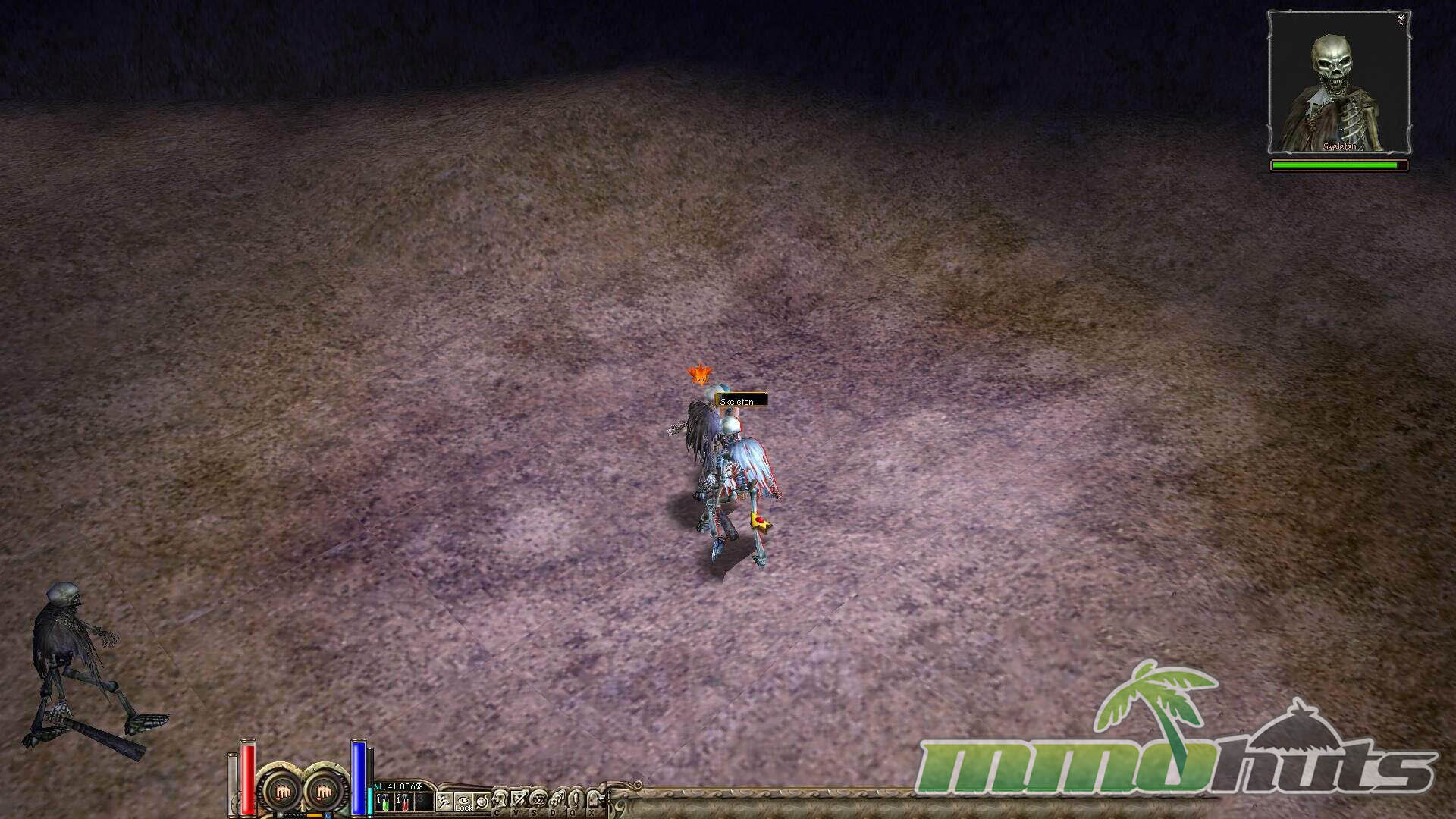
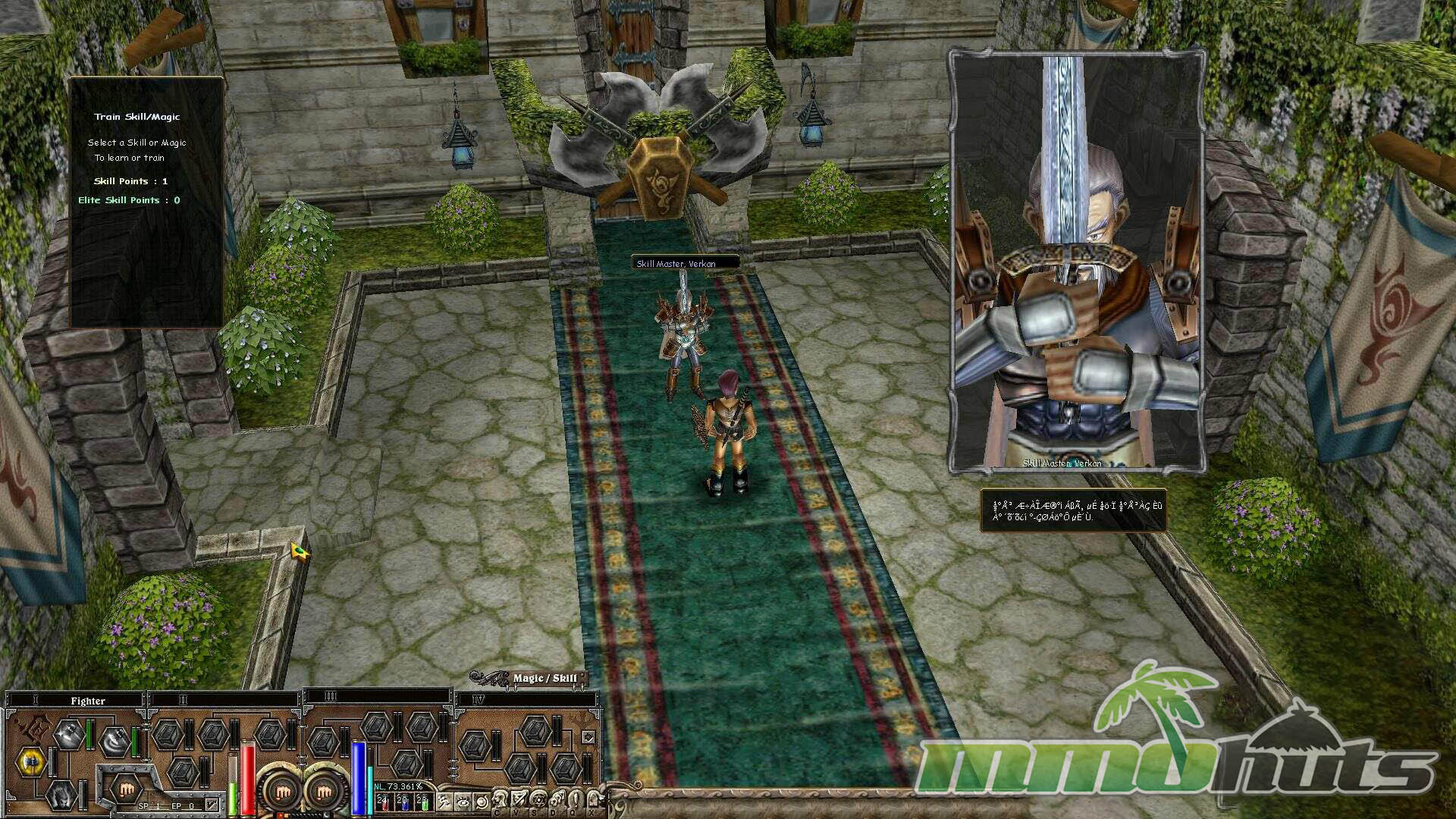
Priston Tale Featured Video

Priston Tale Classes
Tempskron Faction:
Fighter – a front-line brawler designed for close-range fighting, with an even spread of strengths that makes them dependable in parties and general grinding.
Archer – ranged specialists built around steady damage from a safe distance, able to use many weapon types but most comfortable with bows and crossbows.
Pikeman – polearm users known for high damage output, suited for players who want aggressive pacing and quick clears when positioning is handled well.
Mechanician –one of the more distinctive options, blending mechanical-themed attacks with buffs and utility that can flex into different roles depending on build.
Assassin – a fast, evasive fighter that leans on movement speed, stealth, and trickier tools like poison and traps to control fights.
Morion Faction:
Knight– a disciplined melee combatant enhanced by holy magic, with notable effectiveness against undead enemies compared to many other classes.
Priestess – a support-focused caster whose kit is geared toward keeping groups alive and empowered, rather than chasing damage numbers.
Atlanta – a mobile warrior class that favors javelins, combining agility with consistent pressure, and tied to rumors of Tempskron lineage.
Magician – staff users who focus on spellcasting, bringing strong magical offense that contrasts with the more physical Tempskron lineup.
Shaman – a dark-magic caster built around witchcraft-style abilities, aimed at players who want a more ominous flavor of spell damage.
Priston Tale Review
Priston Tale carries the feel of a specific MMO era, the early 2000s period when 3D online worlds were still novel and grinding was considered a core feature rather than filler. The game first launched in South Korea in 2001 and later arrived in the United States as a subscription title in 2004. It eventually shifted to a free-to-play model in May, 2007, which reflects the broader market changes happening at the time as the genre rapidly evolved and player expectations shifted.
Context matters, but the game still has to hold up.
Viewed today, Priston Tale is a compact, grind-centric MMORPG with limited questing compared to modern standards. Your first major decision is choosing between the Tempskron and Morion factions, which determines the set of classes you can select. In practice, it is a choice between a roster that leans more physical on one side and a roster with stronger magical options on the other, so it is worth deciding what style of progression you want before you commit.
Moment to moment, the game is mostly about managing pulls, staying stocked on potions, and slowly refining your character through stats, gear, and skills. That loop can be satisfying if you enjoy optimizing a build over time, but it also exposes the game’s age quickly, especially when compared to MMORPGs that modernized their onboarding and quality-of-life systems.
Where the age shows most.
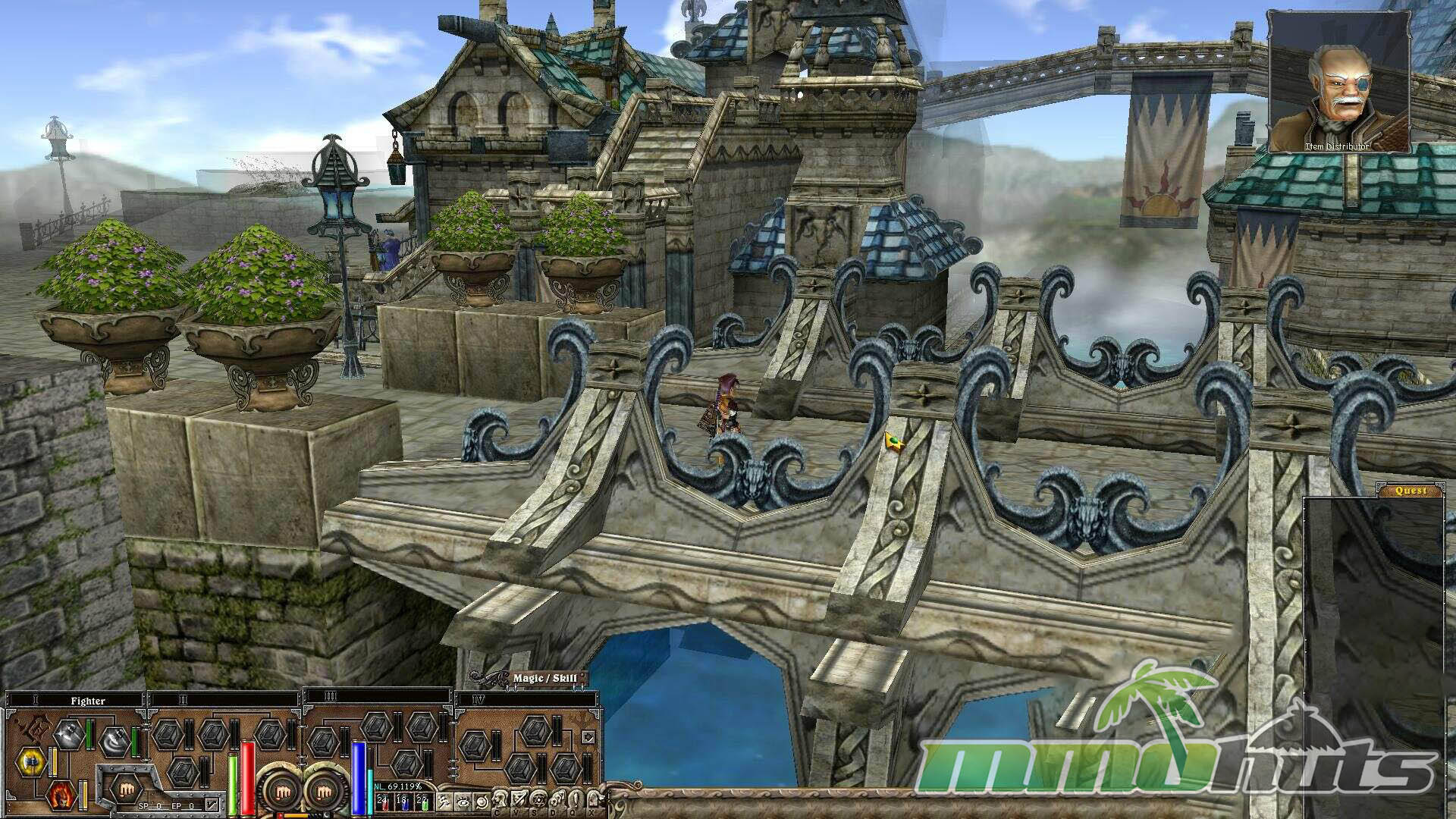
The limitations are hard to ignore. Character customization is extremely limited, and even basic choices many players take for granted are not available. The interface also feels dated and awkward, with a layout that can be unintuitive until you spend time learning it. The camera options sound flexible on paper, but in practice they can become an ongoing annoyance, especially in areas where terrain and scenery obstruct the view. You can switch between manual and automatic behavior, yet neither fully removes the need for constant readjustment while moving through forests or uneven landscapes.
Localization is another sticking point. Important information is sometimes phrased oddly, and the game’s early guidance does not always make mechanics clear. This can be appealing to players who like figuring things out through experimentation, but it also means the first hours can feel unnecessarily confusing.
What still works well.
Despite its rough edges, Priston Tale does have strengths that explain why it maintained a following. The class roster is broad for its time, and each class offers its own rhythm, which helps keep the long grind from feeling completely monotonous. Progression has a tangible, incremental feel, especially as skills grow stronger through use and you begin to understand which stats and gear choices best support your build.
One system that adds a bit of personality is the crystal mechanic, where monsters can drop a crystal version of themselves that you can use to summon that creature to fight for you. It functions like a twist on a pet system and can speed up leveling or make certain fights more manageable. The downside is that the experience curve becomes increasingly steep later on, and the pace can shift from “steady grind” to “demanding marathon” as you climb higher.
Group events and competitive highlights.
The game’s standout activity is the Bellatra “Survive or Die” mission, which pits four teams against escalating waves of monsters inside their own rooms. It is a simple concept, but it works because the pressure increases quickly and teams have to coordinate to stay alive and maintain efficient clears. While the event is framed around survival time, the winner is determined by total monsters killed, which usually aligns with the team that lasts longest anyway.
Priston Tale also offers the Bless Castle feature, a clan-focused PvP activity built around castle defense and capture. Outside of that, PvP options are comparatively limited, so players who want constant open conflict may find the competitive side too narrow.
Final Verdict – Good
Priston Tale is best approached as a legacy MMORPG that still offers a particular style of progression: grind-heavy, lightly guided, and dependent on your willingness to learn systems through repetition. It has not aged gracefully in presentation and usability, and many newer players will bounce off its interface, camera frustrations, and sparse explanations. Still, for genre veterans who appreciate early MMO design and do not mind doing most of the work themselves, it remains a playable piece of MMORPG history with a loyal, if small, community.
Priston Tale Online Links
Priston Tale Official Site
Priston Tale Official Forums
Priston Tale Facebook
Priston Tale System Requirements
Minimum Requirements:
Operating System: Windows 98/ME/2000/XP
CPU: 600 MHz Pentium 3 or equivalent
Video Card: Any 32 MB card
RAM: 256 MB
Hard Disk Space: 1 GB
Priston Tale Music & Soundtrack
Coming Soon…
Priston Tale Additional Information
Developer: Priston Inc.
Publisher: Yedang Online, SubaGames
Release Date (South Korea): 2001
Release Date (US): 2004
Closure Date (US): September 30, 2008
SubaGames Re-release Date (US): October 3, 2008
Priston Tale was created by Priston Inc., previously known as Triglow Pictures Inc., a South Korean developer. It launched in Korea in 2001 under publisher Yedang Online, then expanded into multiple regions over time, including Japan, China, Taiwan, Thailand, Vietnam, England, the Philippines, Brazil, and Spanish-speaking markets. The English release arrived in 2004 as a commercial pay-to-play service, but that model was dropped in 2007 when the game transitioned to free-to-play. The US service later shut down on September 30, 2008, then returned shortly after when SubaGames reopened the game on October 3, 2008, and remains the current publisher.