
Pokémon GO is a free-to-play augmented reality MMO for iOS and Android that blends Pokémon collecting with real-world exploration. Using GPS, the game places wild Pokémon, PokéStops, and Gyms onto a map based on your location, encouraging you to walk around your neighborhood to catch new species, stock up on items, and compete for control of local landmarks.
 | Publisher: Niantic Playerbase: High Type: Mobile Augmented-Reality MMO Release Date: July 6, 2016 Pros: +Distinctive location-based AR concept. +Huge roster of Pokémon to hunt and evolve. +Strong community presence in many areas. Cons: -Server issues and instability at peak times. -No direct real-time PvP battles. -Some Pokémon availability varies by region. |


Pokémon GO Overview
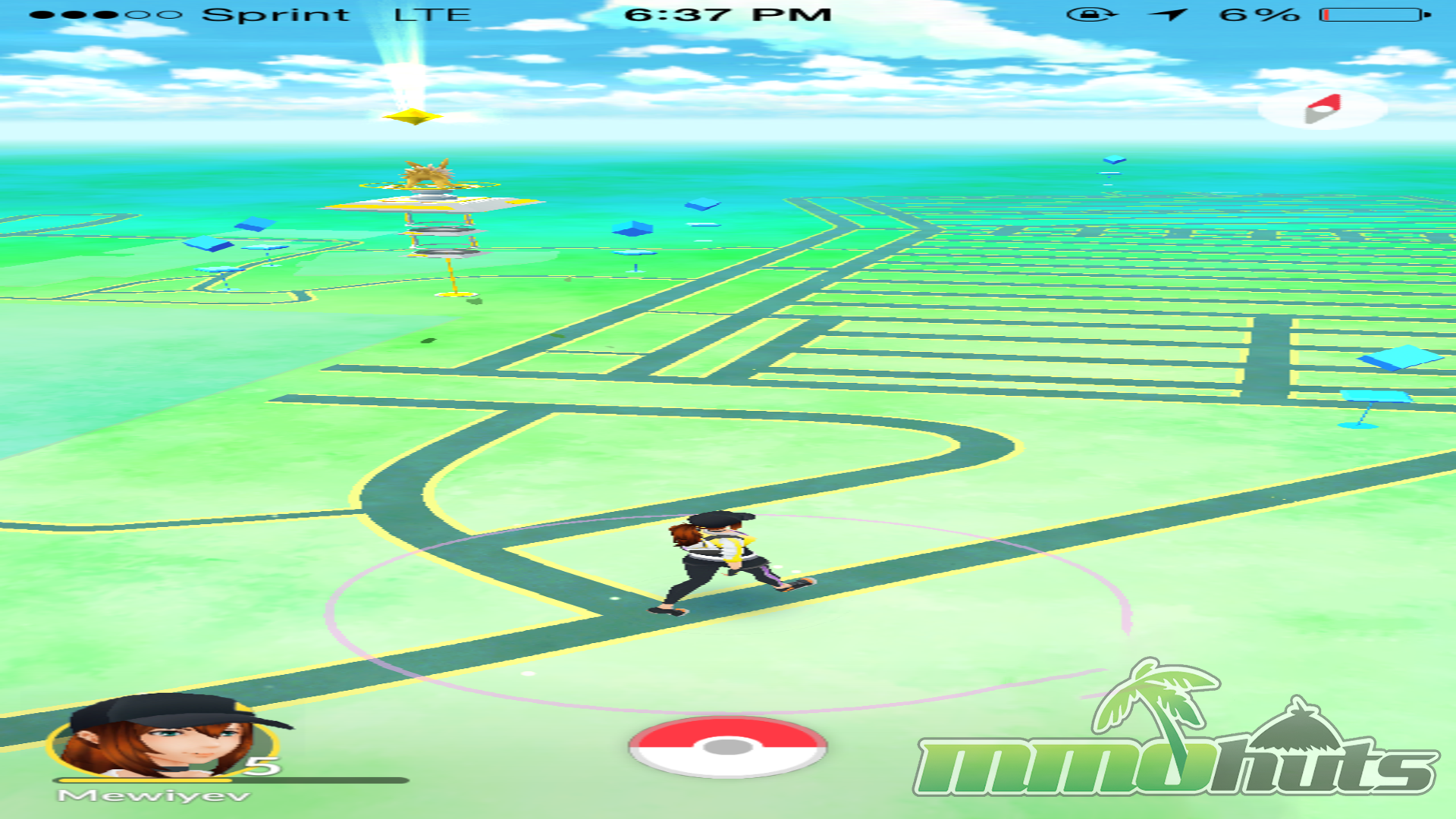
Pokémon GO is a mobile, free-to-play augmented-reality MMO that turns everyday places into hunting grounds for Pokémon. Your trainer icon mirrors your movement on a GPS-driven map, and nearby spawns appear as you walk, encouraging short sessions throughout the day or longer “routes” built around local hotspots. The nearby tracker helps point you toward what is closest, while PokéStops (real-world points of interest) serve as your main supply line for Poké Balls, healing items, and eggs.
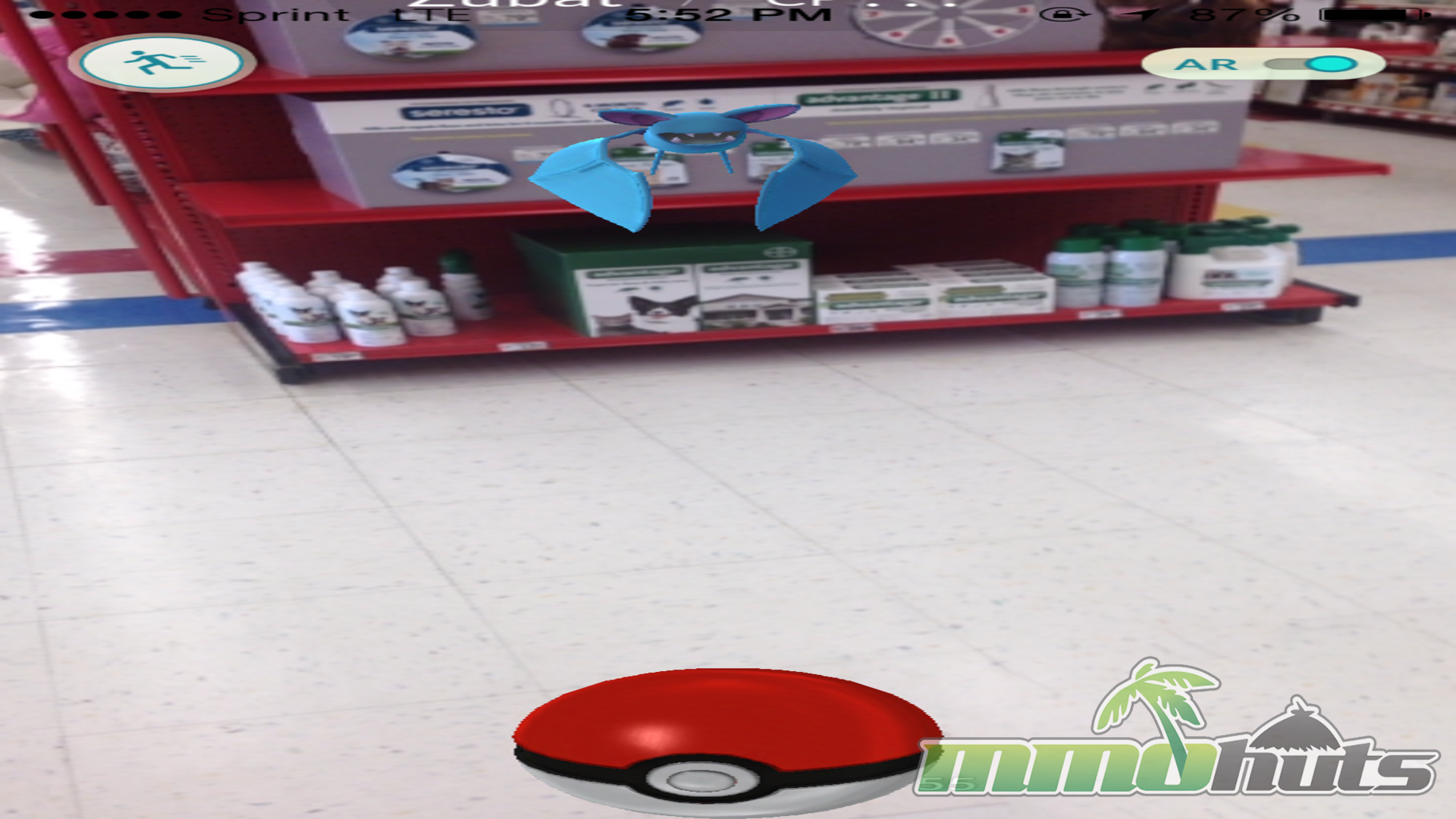
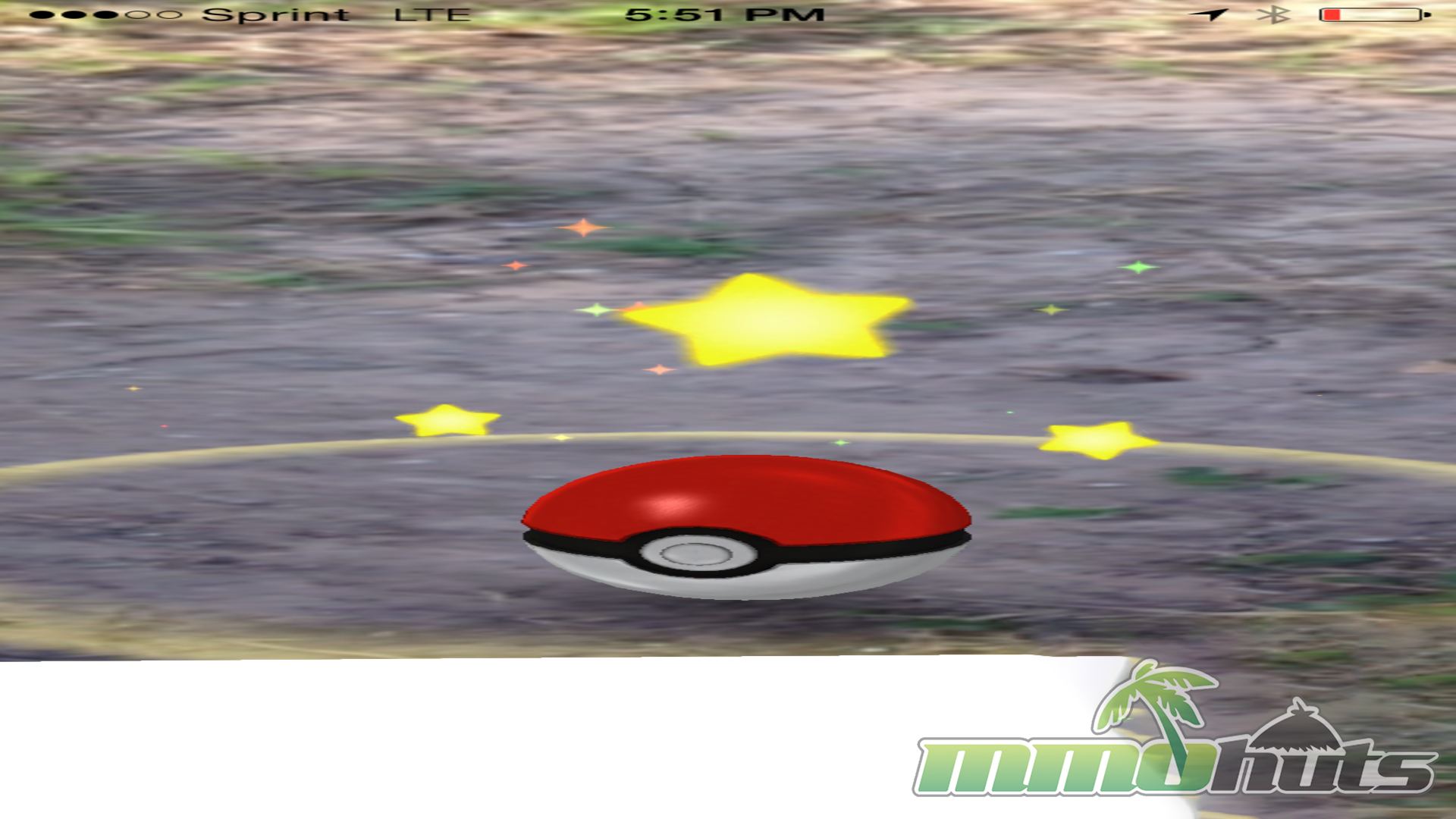
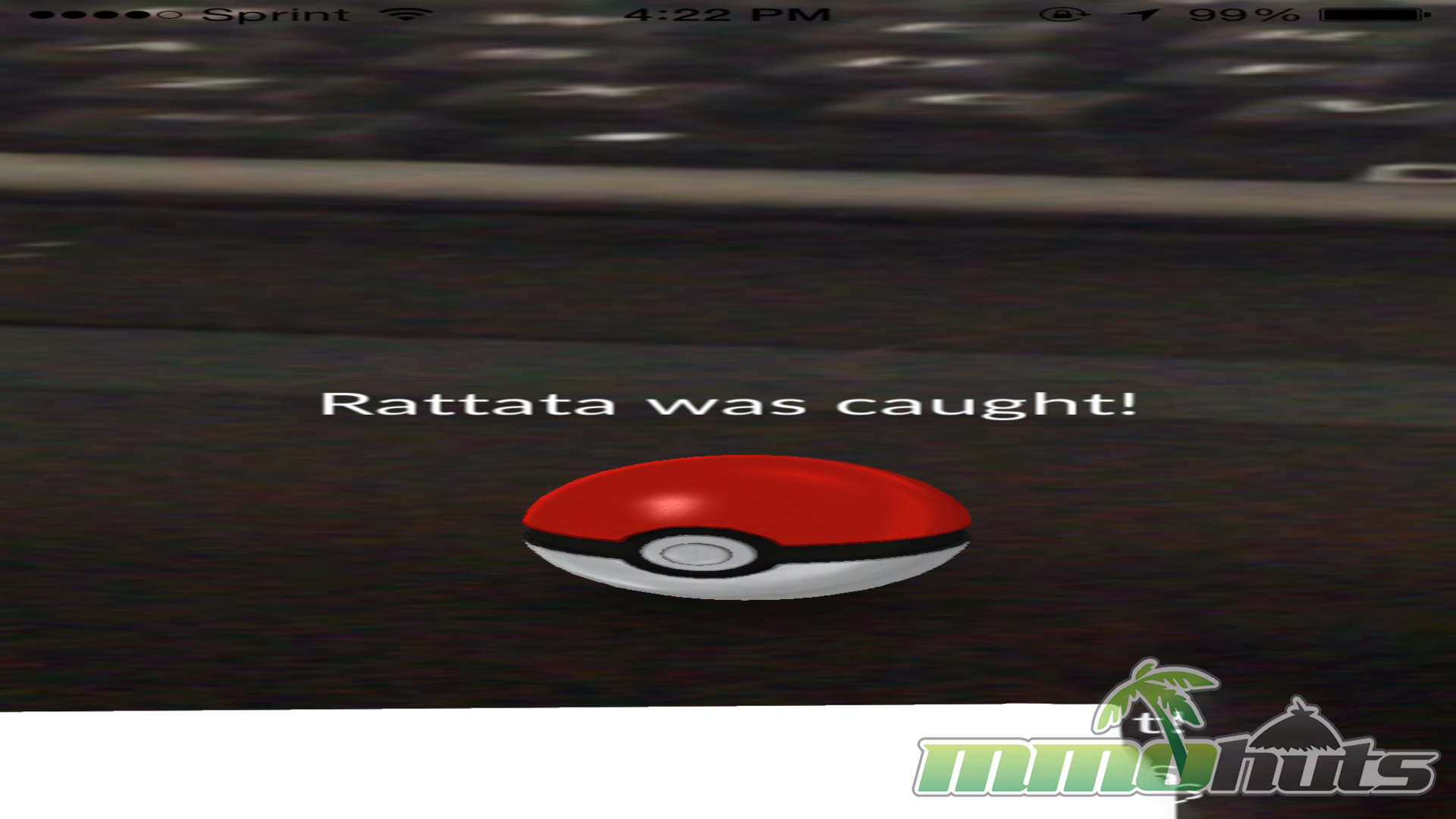
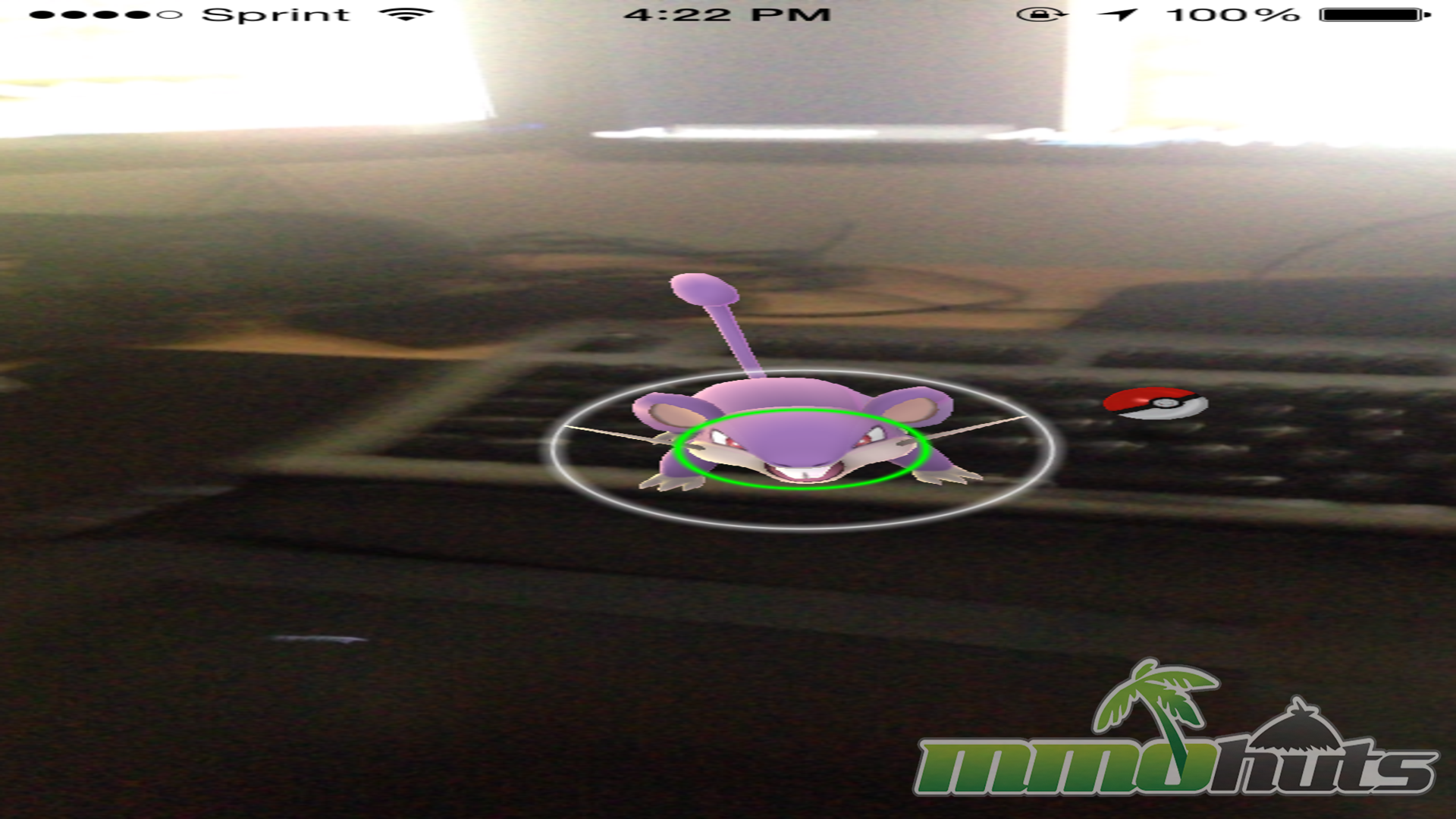
Catching is handled through a quick, skill-based throw mechanic. Tapping a Pokémon brings up the encounter screen, and you toss Poké Balls with timing and accuracy while the Pokémon moves and interrupts you. The shrinking catch ring rewards careful throws, and the ring color signals difficulty, making even common catches a small risk-reward loop when you are low on supplies.
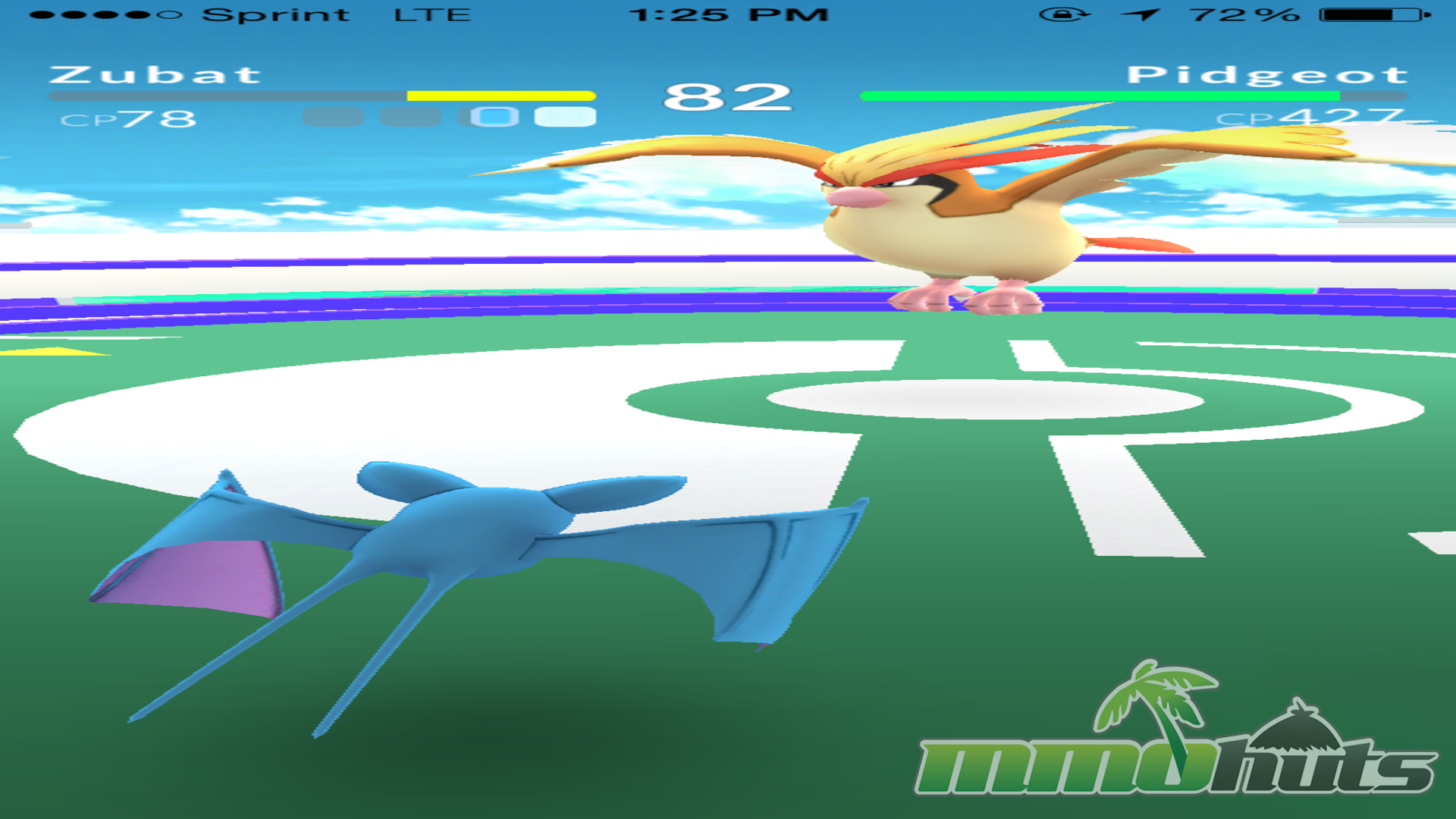
Progression revolves around building a stronger collection. Captured and hatched Pokémon can be powered up and evolved, creating higher-stat options for Gym battles. After reaching level 5, you pick one of three teams, Team Instinct, Mystic, or Valor. From that point on, Gyms become the main competitive layer, letting you attack opposing teams’ defenses or add your own Pokémon to help hold a location. Combat is not the classic turn-based RPG format from the mainline series, instead it uses taps for basic attacks and swipes for dodges, keeping battles fast and phone-friendly.
Pokémon GO Key Features:
- Pokémon in the Real World – use your phone as a tracker to locate and catch Pokémon as you move through actual neighborhoods and landmarks.
- Three Player Factions – join Team Instinct, Mystic, or Valor and represent your side when competing over Gyms.
- Challenge and Defend Gyms – attack rival Gyms, then contribute a defender to help your team maintain control.
- Hatch, Catch, and Evolve Pokémon – collect Pokémon in the wild or from eggs, then evolve them using candies to reach stronger forms.
- Visit Pokéstop Landmarks – spin PokéStops at nearby points of interest to restock items and keep your hunt going.
Pokémon GO Screenshots


Pokémon GO Featured Video

Pokémon GO Review
Pokémon GO’s launch made it feel like the hobby briefly moved outdoors. Parks, walking trails, and downtown blocks filled with people staring at their screens, then immediately comparing notes with strangers because they were clearly chasing the same thing. It is rare for a game to create that kind of instant, low-effort social connection, and Pokémon GO’s best moments still come from the fact that it is played in public spaces, around other people who are doing exactly what you are doing.
At its peak, the most memorable part of Pokémon GO is the shared routine around it, the walks, the meetups, and the quick conversations that happen because the map is pointing everyone to the same places.
That said, if you separate the experience from the setting, the underlying game is intentionally light. The loop is highly repeatable and easy to jump into, but it can also feel thin once the novelty of discovery fades. Pokémon GO works best as a daily activity you layer onto real life, rather than a deep mobile RPG you sit down and play for hours at a time.
Why the basic loop works
At its core, Pokémon GO is about moving and checking the map. The game uses GPS to translate your location into a stylized world, and Pokémon appear as you travel. Encounters are quick and designed for short bursts, making it easy to pull out your phone, attempt a catch, then continue walking.
Catching replaces turn-based combat with a simple but satisfying skill test. A target ring pulses over the Pokémon, and you throw into it for better results. Smaller rings reward precision with extra experience, while ring color communicates difficulty, so you learn quickly when a Pokémon is likely to break free and drain your supplies. The whole thing is built for repeated micro-sessions, which is exactly why it fits into commutes, lunch breaks, and short walks.
More than anything, GO feels like a modern take on roaming for encounters, less “trainer battles” and more “spot it and catch it” wherever you happen to be.
The repetition is the point. You will catch a lot of the same species, and that is not a flaw so much as the engine that feeds candies, experience, and steady progress. When the spawns, your area, and your item economy line up, it is easy to get pulled into “just one more catch.”
How “AR” actually lands in practice
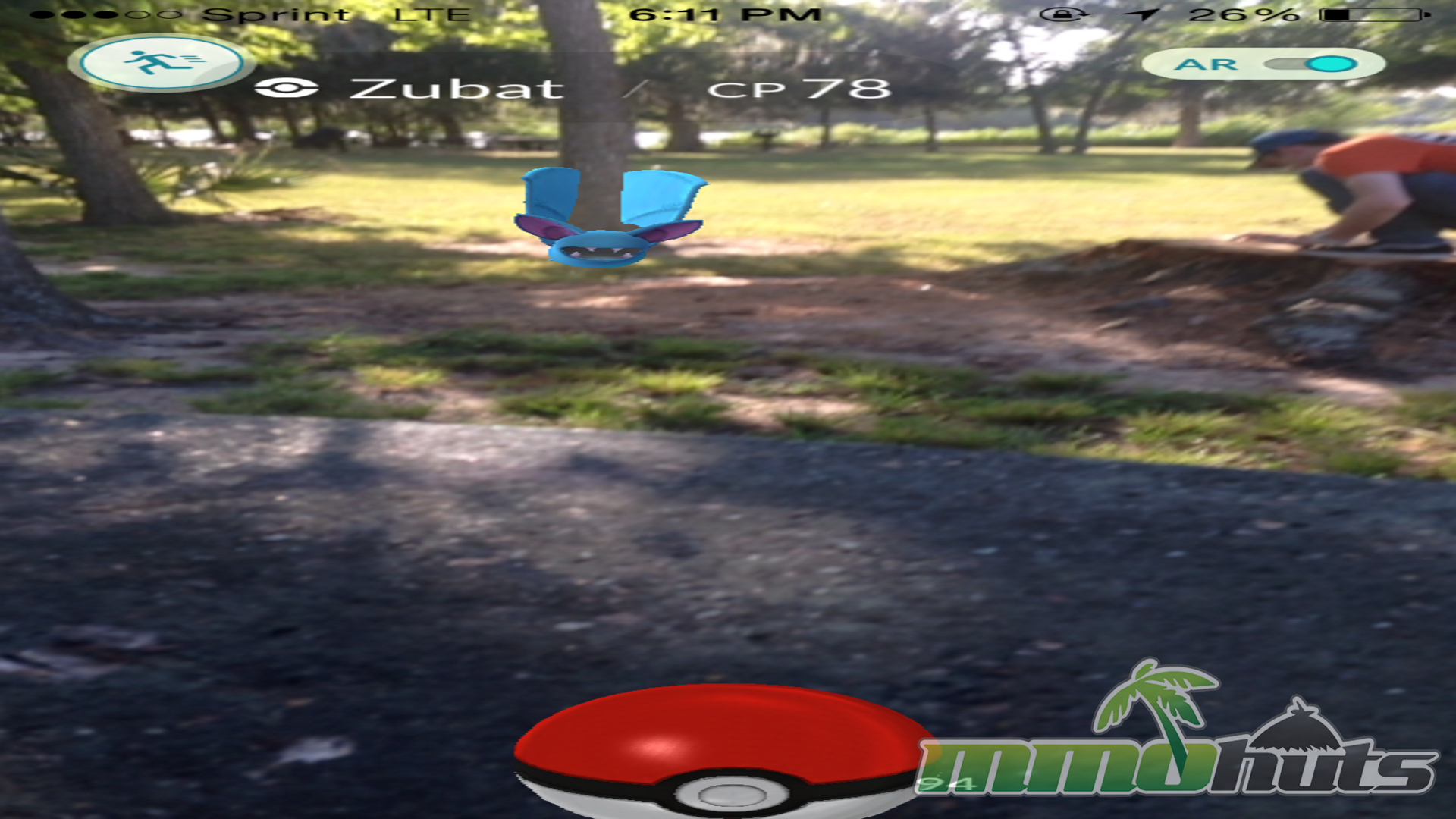
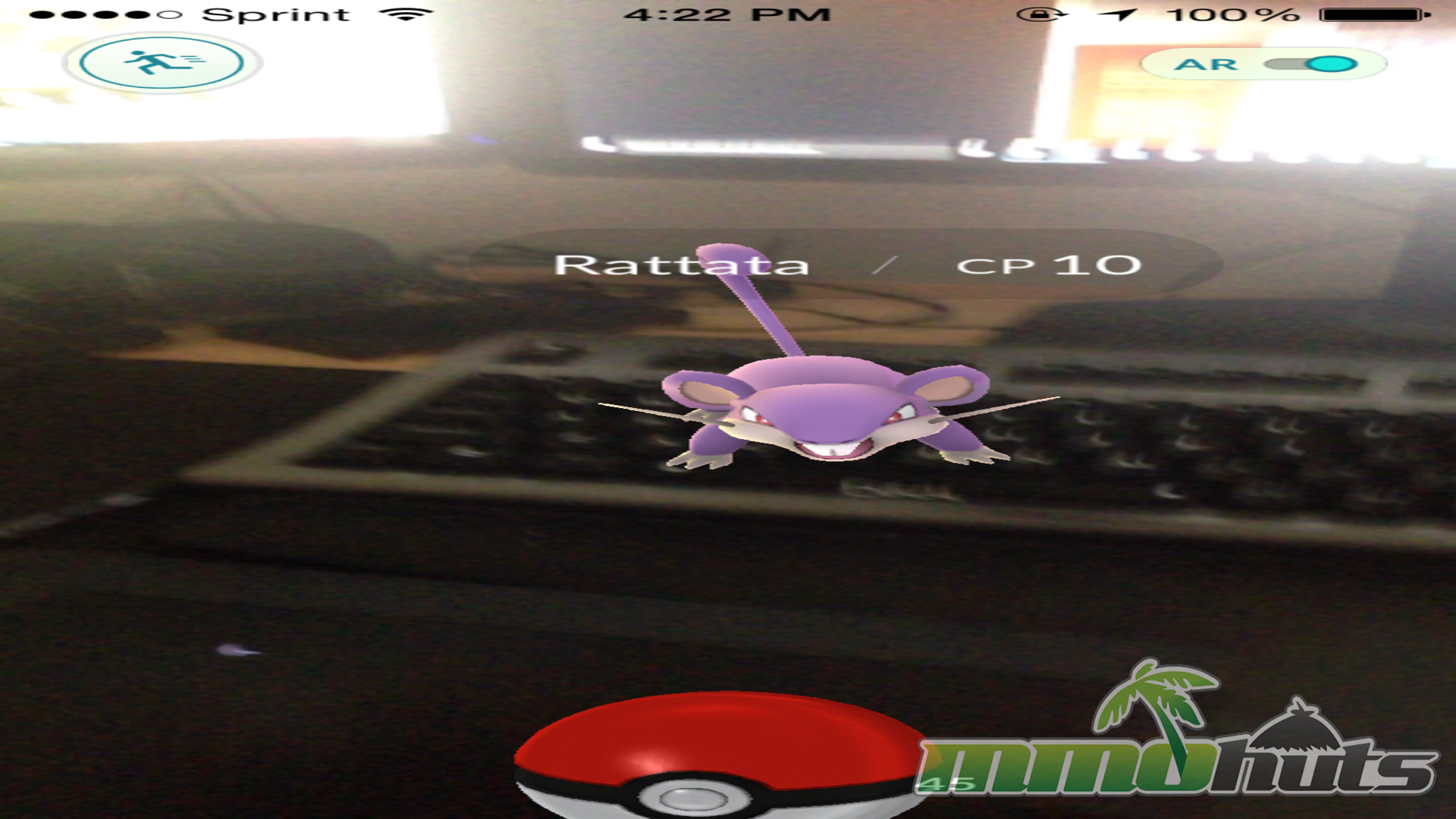
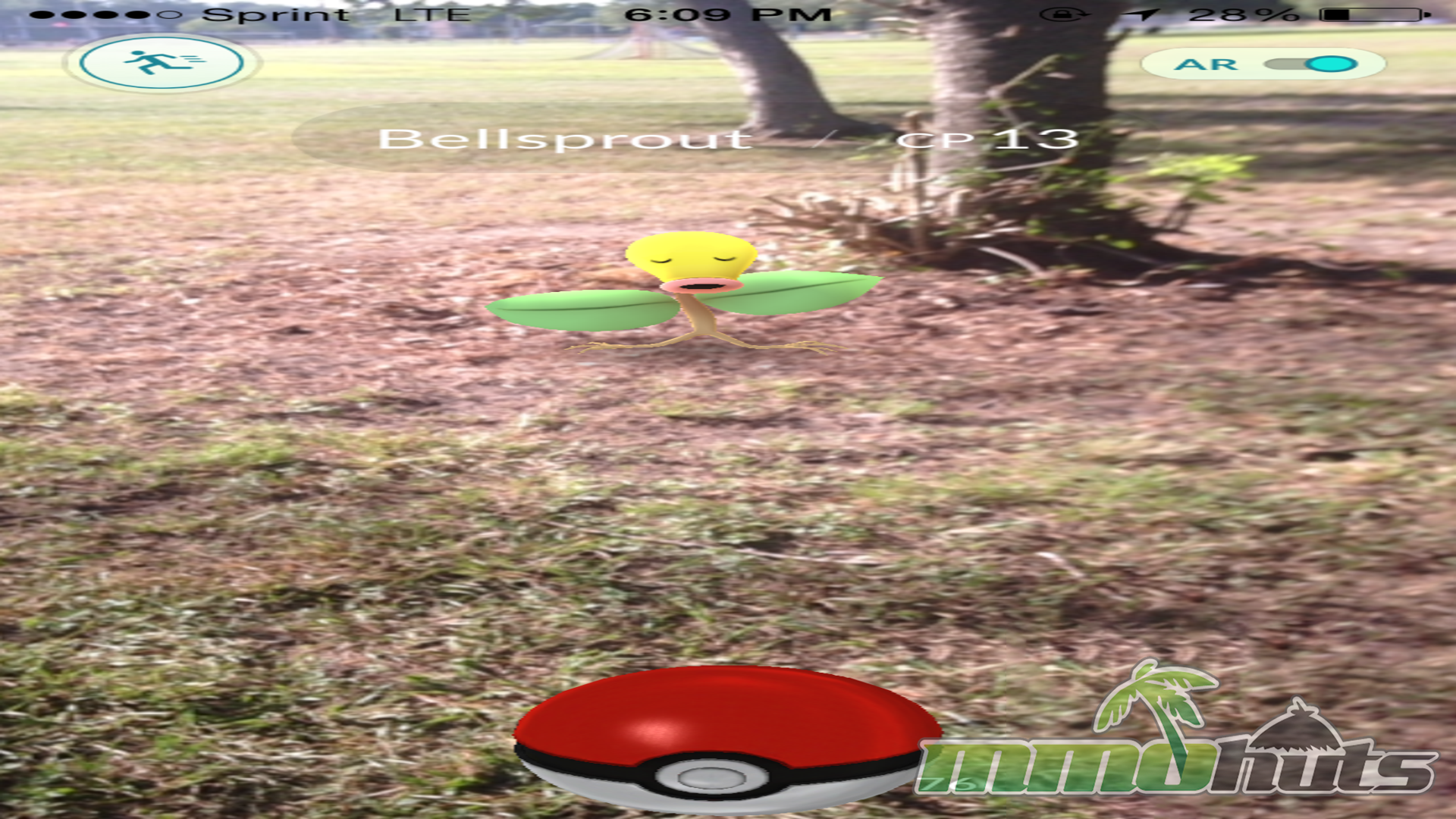
The camera mode places Pokémon over your live view, which is a clever trick and an important part of the game’s identity. You can get fun photos, and the novelty is real the first time a Pokémon appears to be standing on a sidewalk or perched on a table.
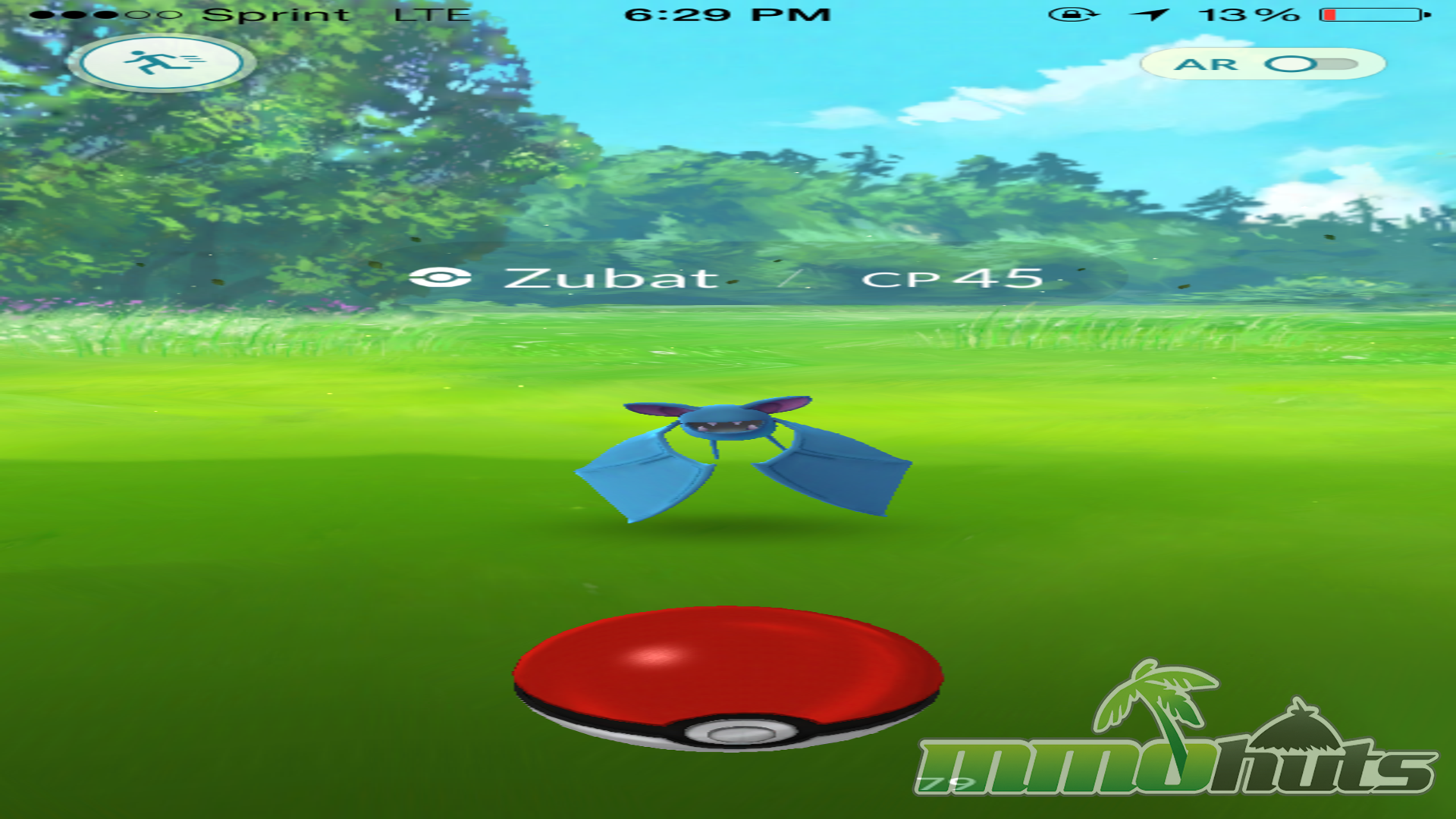
Functionally, however, AR is optional for a reason. The encounter background without the camera is clearer and generally makes aiming easier, especially in bright daylight. The AR layer is more about flavor and shareable moments than it is about changing the mechanics of a catch.

Learning by community, not by tutorial
Pokémon GO provides only the essentials up front, then expects players to figure out the rest through experimentation. That design choice has a side effect, it pushes people to ask questions, compare findings, and trade tips. In the early days especially, that uncertainty fueled message boards and local conversations, with players testing what mattered, what did not, and how to make the most of limited resources.
The result is a game that often feels “community documented.” For some players this is part of the charm, for others it can be frustrating when systems are not clearly explained in-game.
PokéStops as your real-world supply route
PokéStops are the most important map objects outside of Pokémon themselves. These points of interest are typically tied to public art, signs, buildings, and other landmarks. Walk within range, spin the disc, and you receive items that keep your sessions going, Poké Balls, potions, berries, and eggs.
They also create natural gathering points. Even if most players are not stopping to read the descriptions, PokéStops still guide movement and concentrate players into shared routes. The downside is uneven distribution. Dense urban areas can feel overflowing with Stops, while rural locations may leave players with long gaps between refills, which can slow progression and make the game feel stingier than it is intended to be.
Lures and the “everyone is here” effect
Lures transform a PokéStop into a temporary hotspot, marked by the swirling visual effect around the Stop and a steady stream of spawns for about half an hour. Because the effect is visible to everyone nearby, Lures naturally pull groups together. They are one of the clearest examples of Pokémon GO’s design goal, encouraging public play without forcing direct communication.
When multiple Lures are active in a cluster, the game can feel like a small event. People pace in circles, compare what spawned, and share the excitement of something rare appearing. Even without formal group systems, the game frequently generates these informal gatherings.
Where the game wants you to play
Despite the fantasy of “exploration,” Pokémon GO’s best play spaces are often practical, not scenic. You are rewarded most consistently in areas with lots of mapped points of interest and reliable data coverage, which usually means town centers, parks with established landmarks, and pedestrian-heavy locations. More remote areas can feel under-supported, even though they are thematically perfect for a Pokémon hunt.
This mismatch is not unique to Pokémon GO, it is a common issue in location-based games, where the map data and player density strongly shape the experience. If your area is sparse, the game can feel far less lively than what you see in stories from major cities.
Evolution and the candy economy
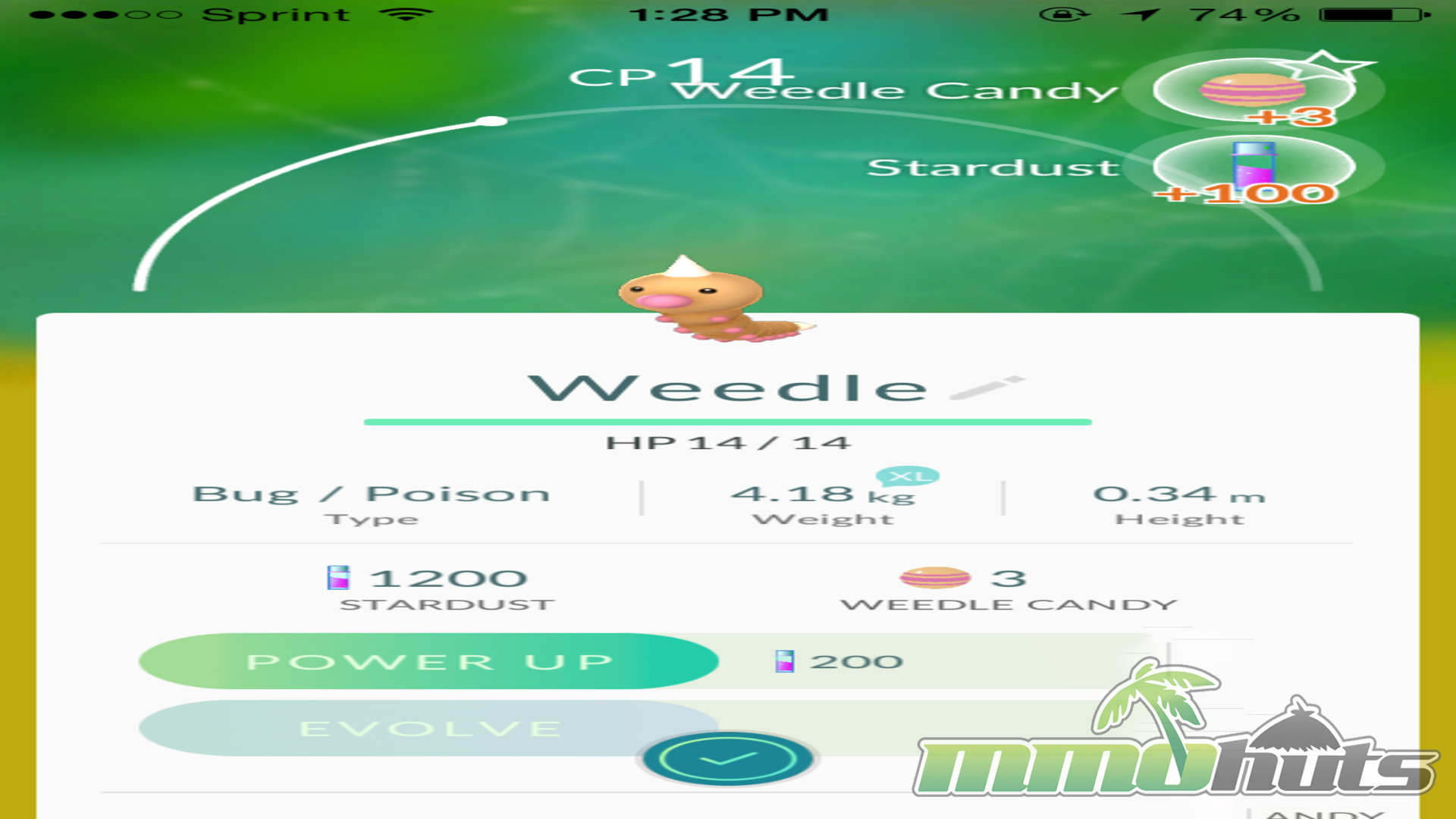
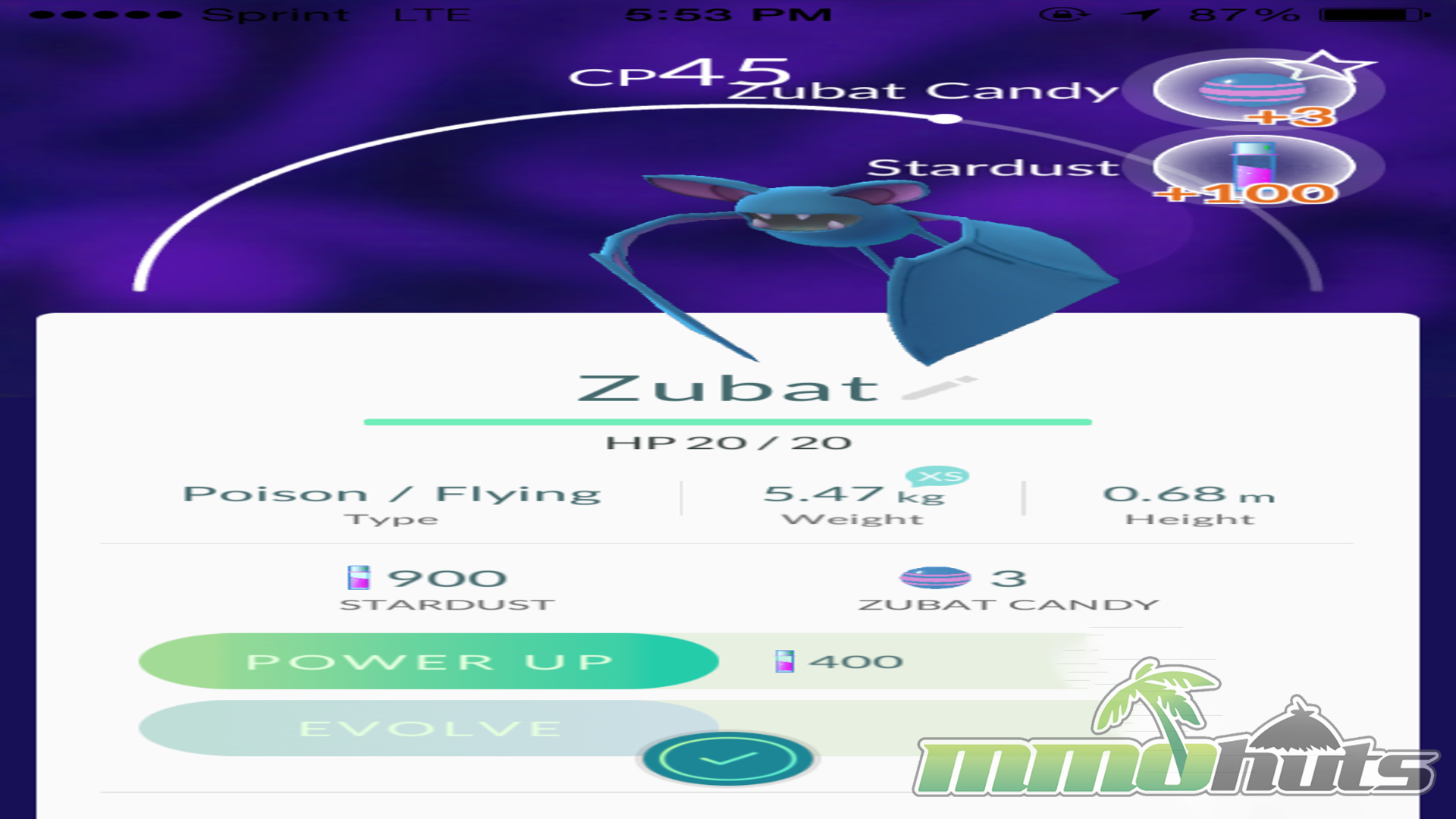
Evolution is a central motivation, and Pokémon GO ties it to candies rather than traditional leveling through battles. Each evolutionary family uses its own candy type, earned primarily by catching that Pokémon and by transferring extras. This creates a clear incentive to catch duplicates, because duplicates translate directly into progress.
Some evolutions are straightforward, others are deliberately long-term goals, and the system generally succeeds at making even common spawns feel useful. The tradeoff is that powering up and evolving can become a management-heavy routine, especially as storage fills and you spend time transferring and sorting to optimize your collection.

The default storage limit also nudges players toward constant cleanup. You rarely keep everything, you curate. In practice, that means regular bursts of menu work, transferring weaker catches for candy and keeping only the best versions for battles or future evolution.
Experience and progression pacing
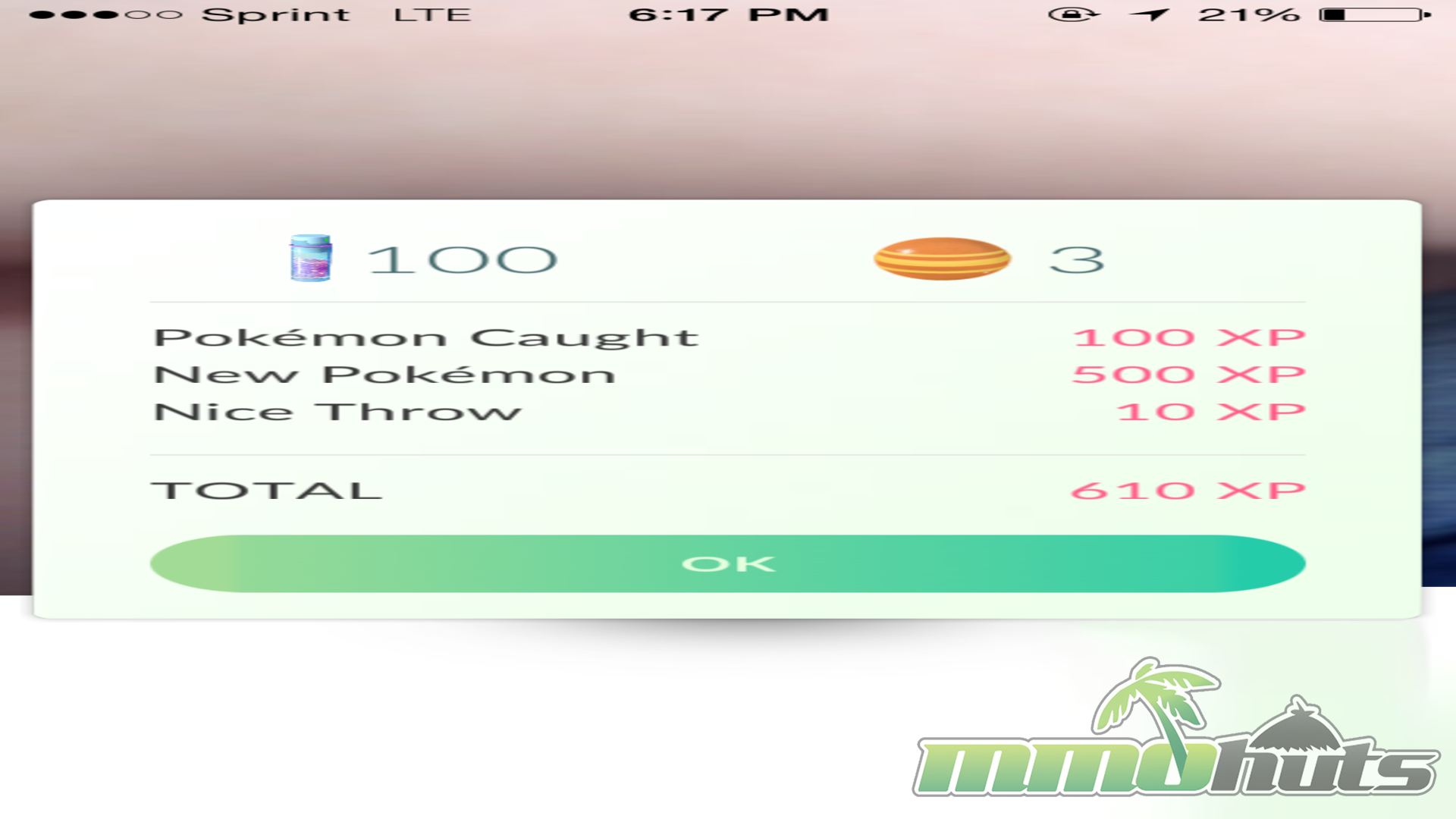
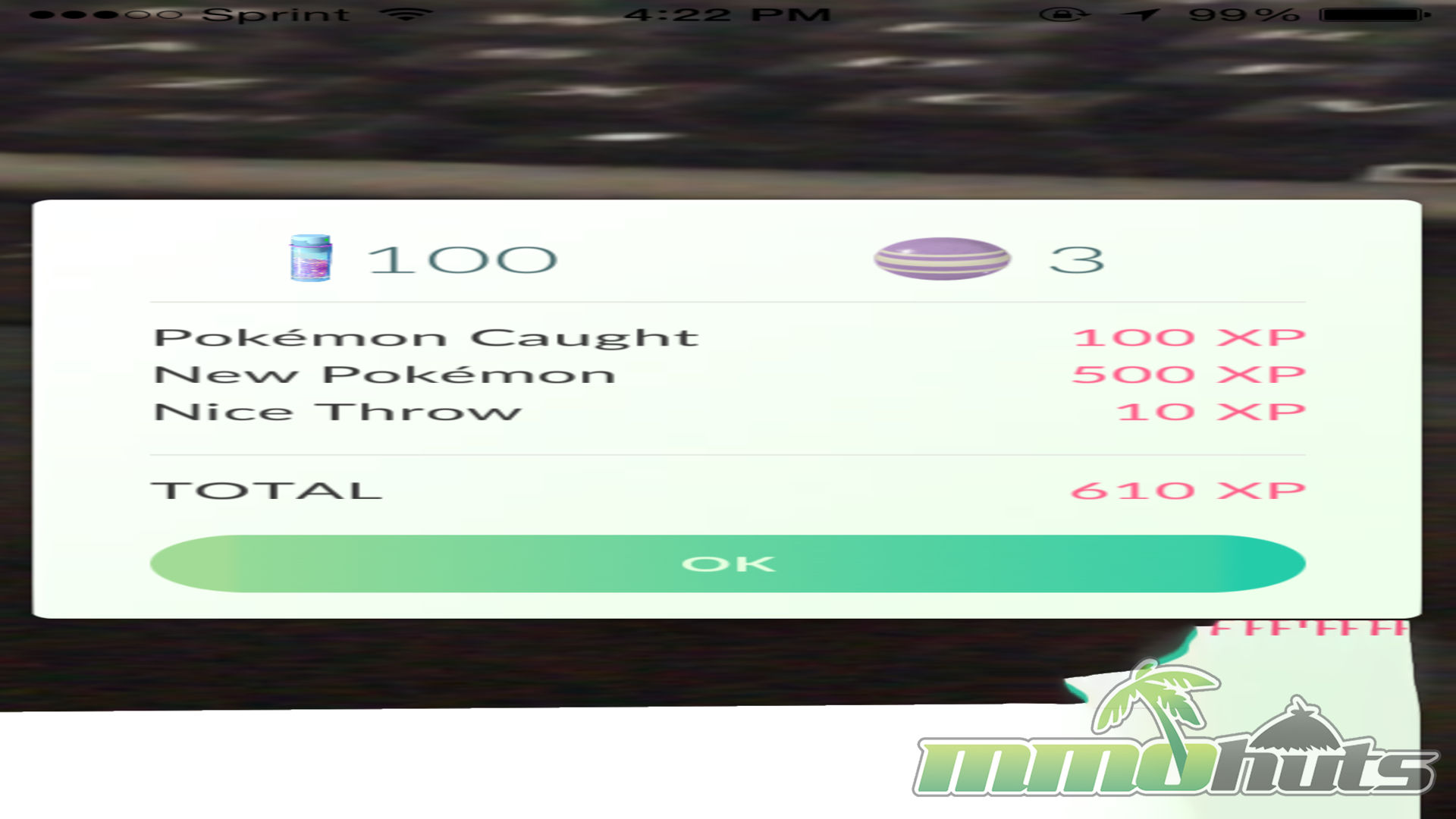
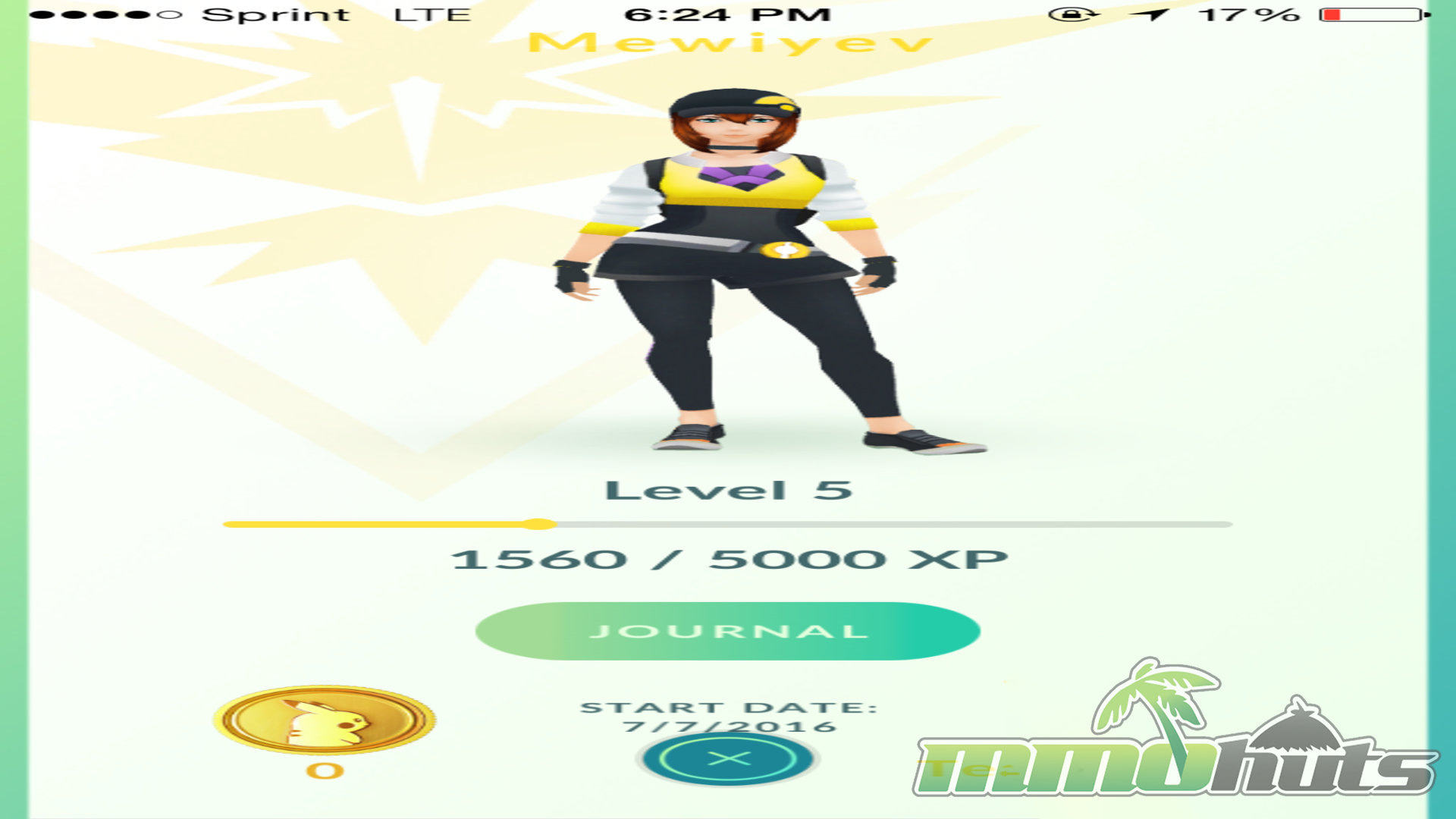
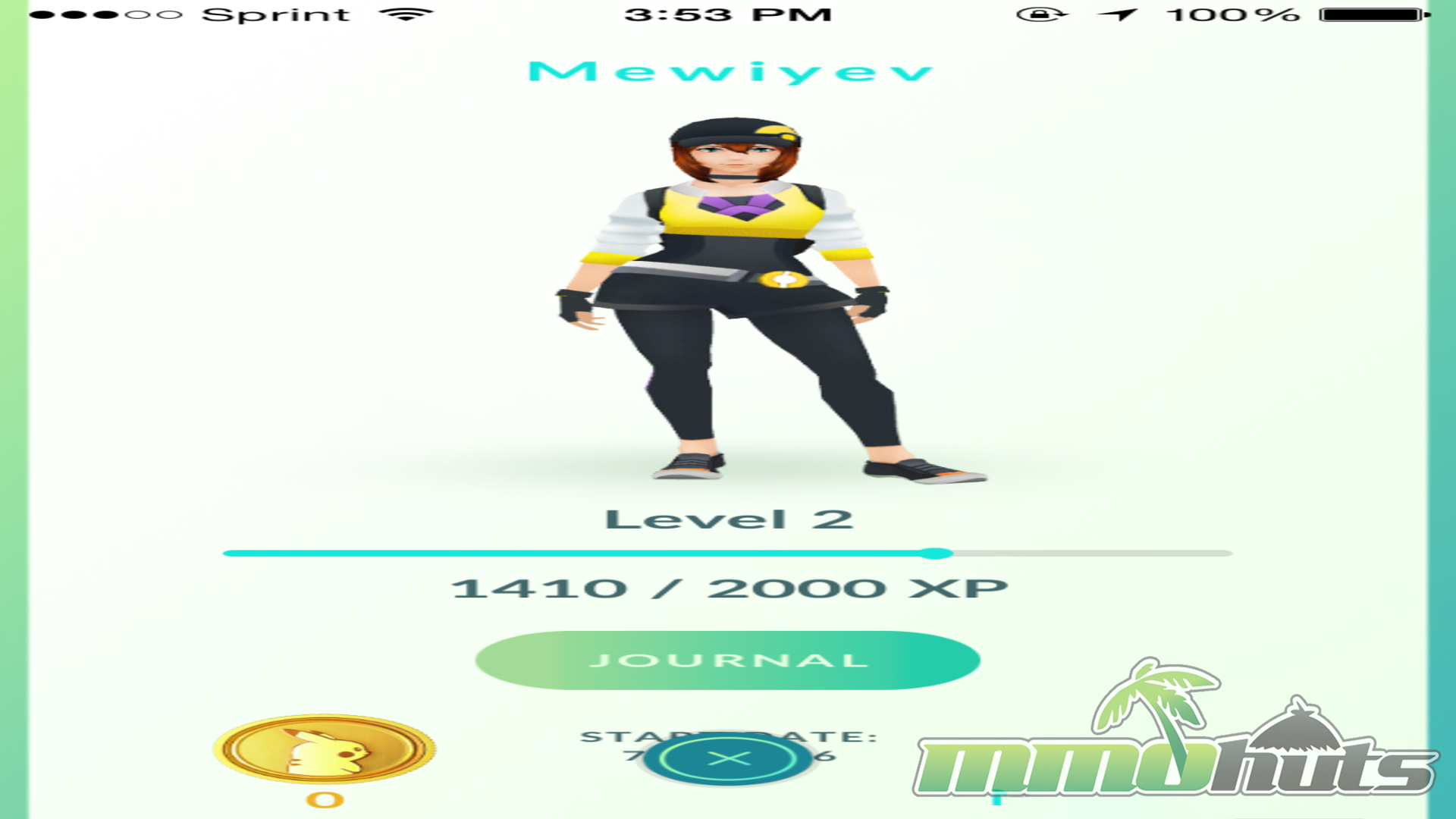
Pokémon GO hands out experience for nearly every meaningful action, catching, spinning Stops, and evolving. Early leveling is fast and satisfying, and it does a good job of making new players feel like they are always moving forward as long as they stay active.
As levels climb, the pace becomes more deliberate, and the difference between casual play and optimization becomes more obvious. Players who want to reach higher levels quickly often end up focusing on the most efficient routines rather than simply exploring and catching whatever they like.
Optimization can turn into busywork
The most efficient leveling strategies tend to revolve around stockpiling easy-to-evolve Pokémon and then chaining evolutions during a Lucky Egg window. It is effective, but it also highlights a weakness in the progression design, a lot of “best practice” play happens in menus, not on the map.
This does not affect everyone, and you can ignore it if you prefer a more relaxed pace. Still, for competitive-minded players, the game’s incentives can push you toward repetitive transferring and planning, which is not particularly exciting gameplay even if the results are rewarding.
Pokémon GO’s strongest hooks are outside the menus, but some of its most efficient progression paths are built around routine management rather than adventure.

Gyms as the main form of competition
Gyms are where teams matter. After level 5, you align with Mystic, Valor, or Instinct, and that choice determines who is an ally and who is an opponent when you approach a Gym. The team system is simple but effective socially, it gives local groups an identity and creates friendly rivalry that can make even mundane walks feel like you are contributing to something.
In practice, Gym activity depends heavily on your area. In busy locations, Gyms can change hands frequently, while in quieter regions they may sit untouched for long stretches.
Combat, fast but not very deep
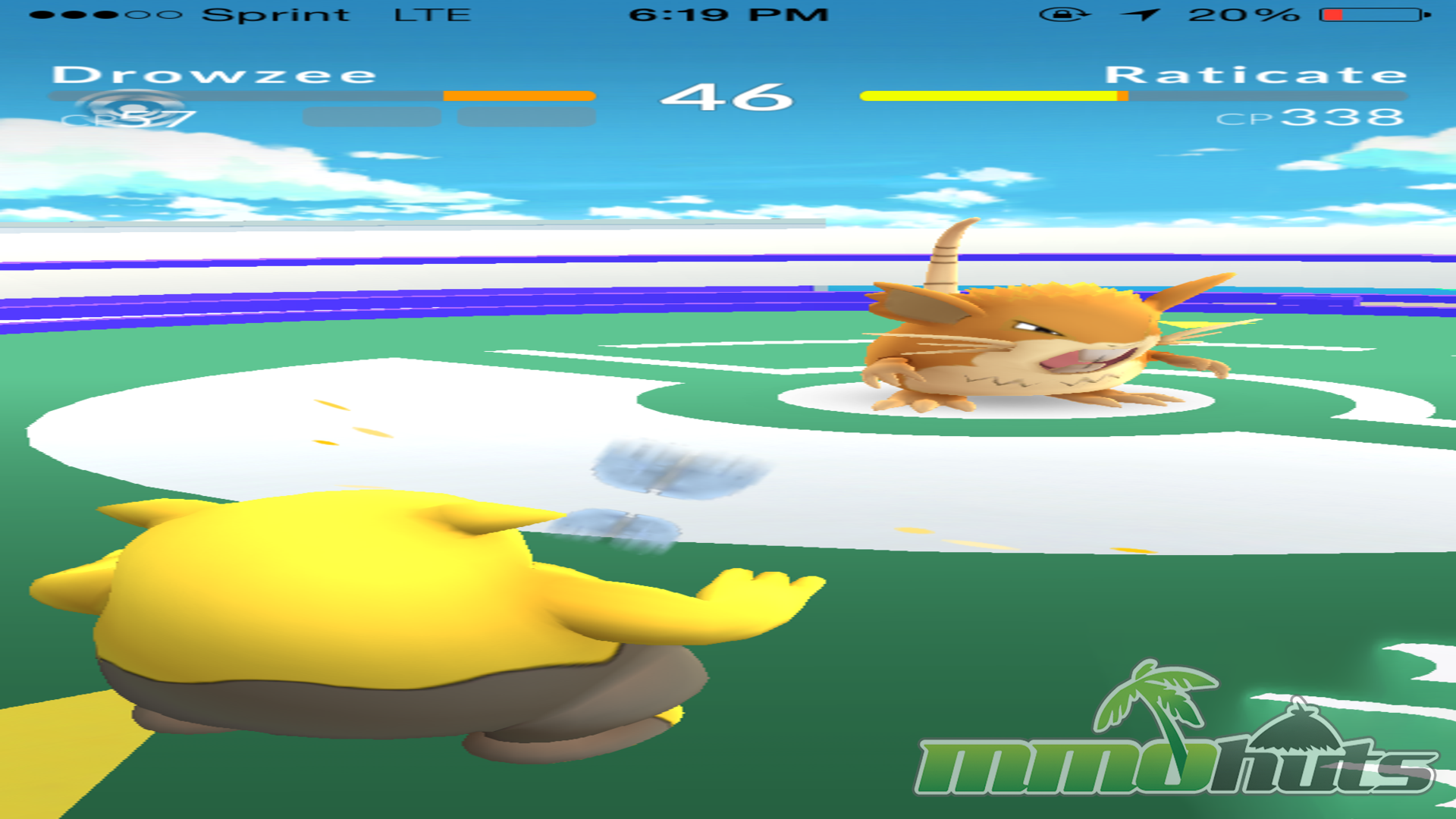
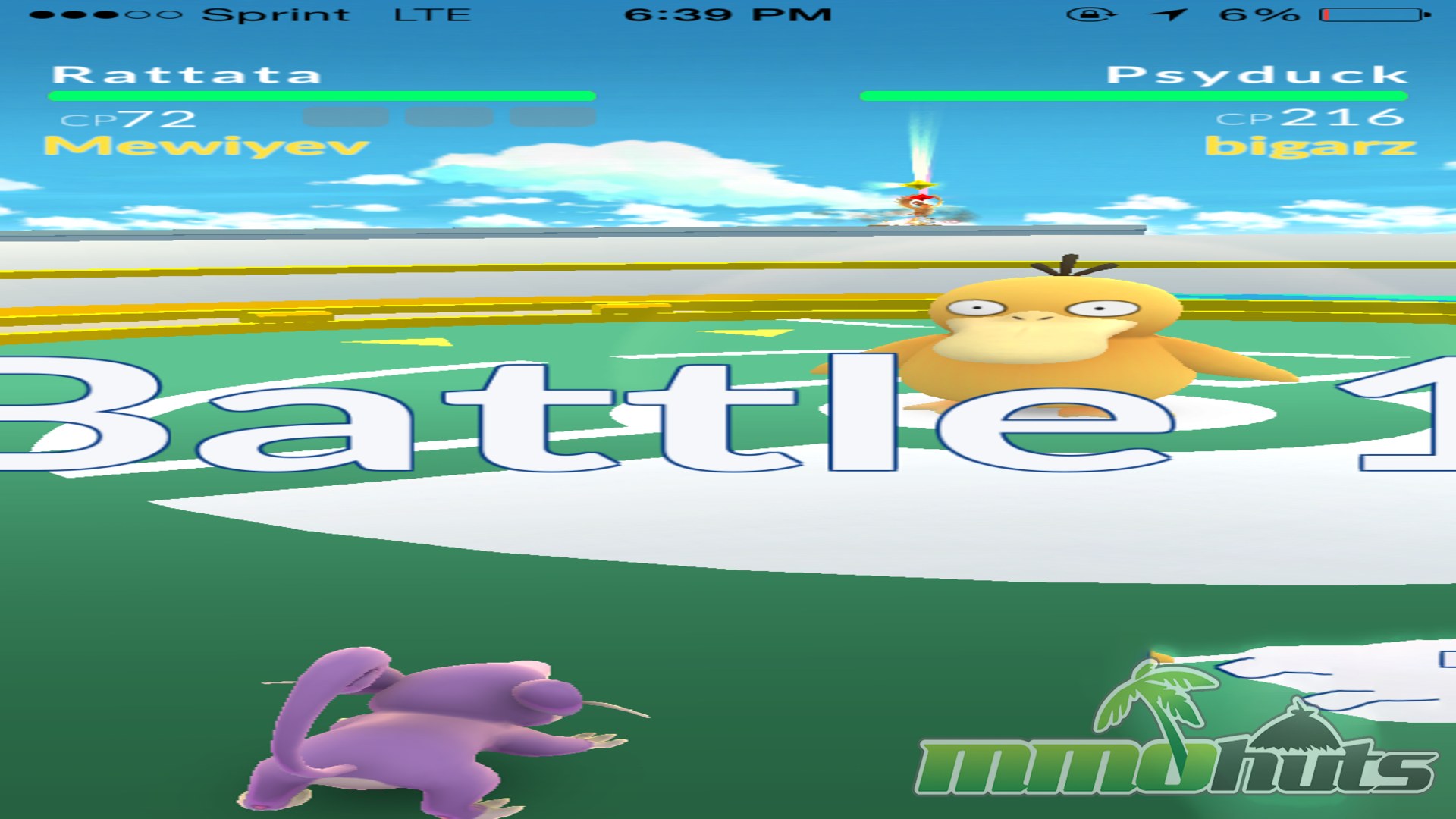
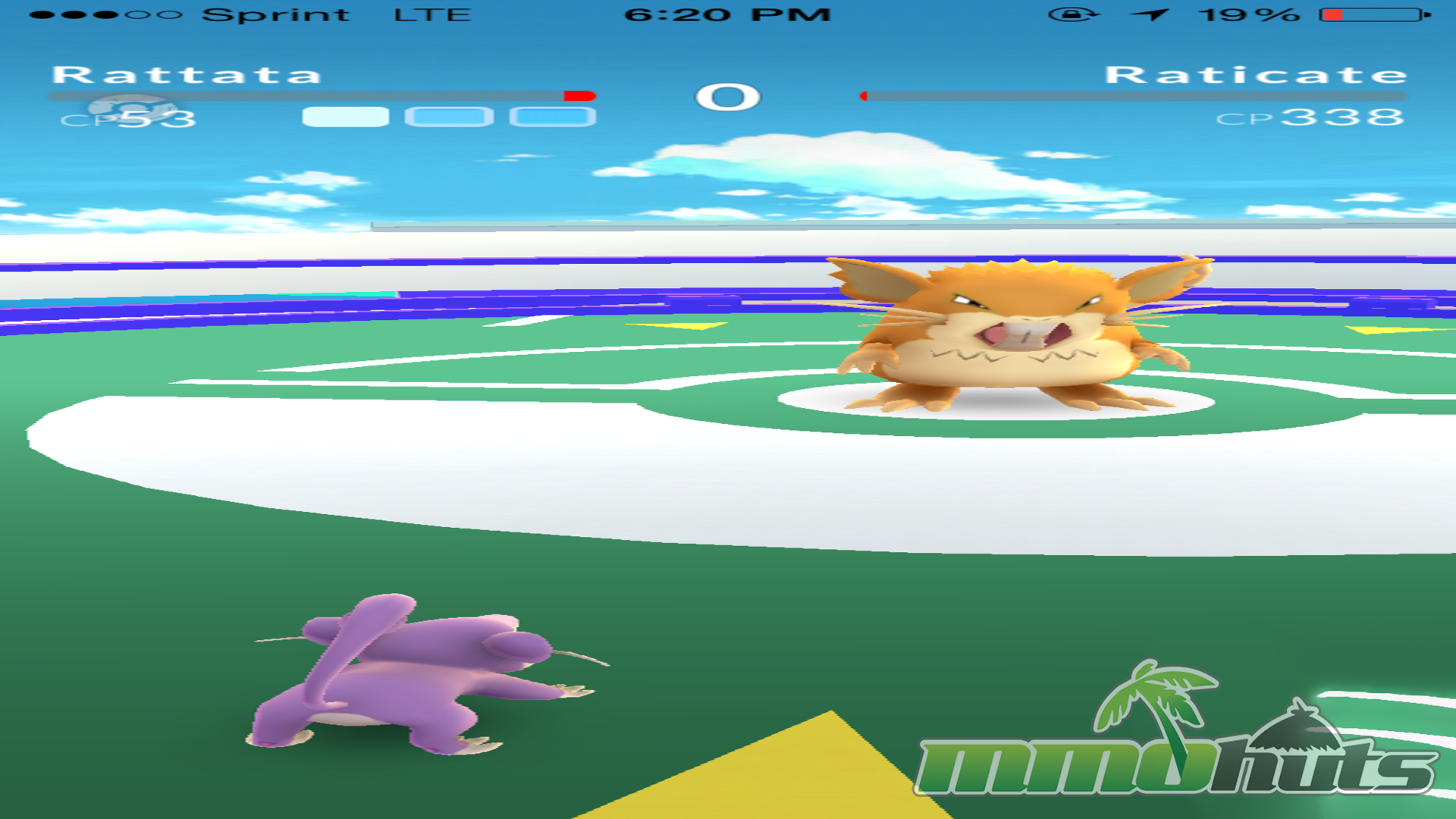
Gym battles use a real-time tap-and-swipe format. You tap to deal basic attacks, build a charge, and then use a stronger move. You can dodge by swiping, though responsiveness can vary depending on device performance and connection conditions. The system is easy to understand and works for quick sessions, but it does not provide the tactical variety many players associate with Pokémon’s classic turn-based battles.
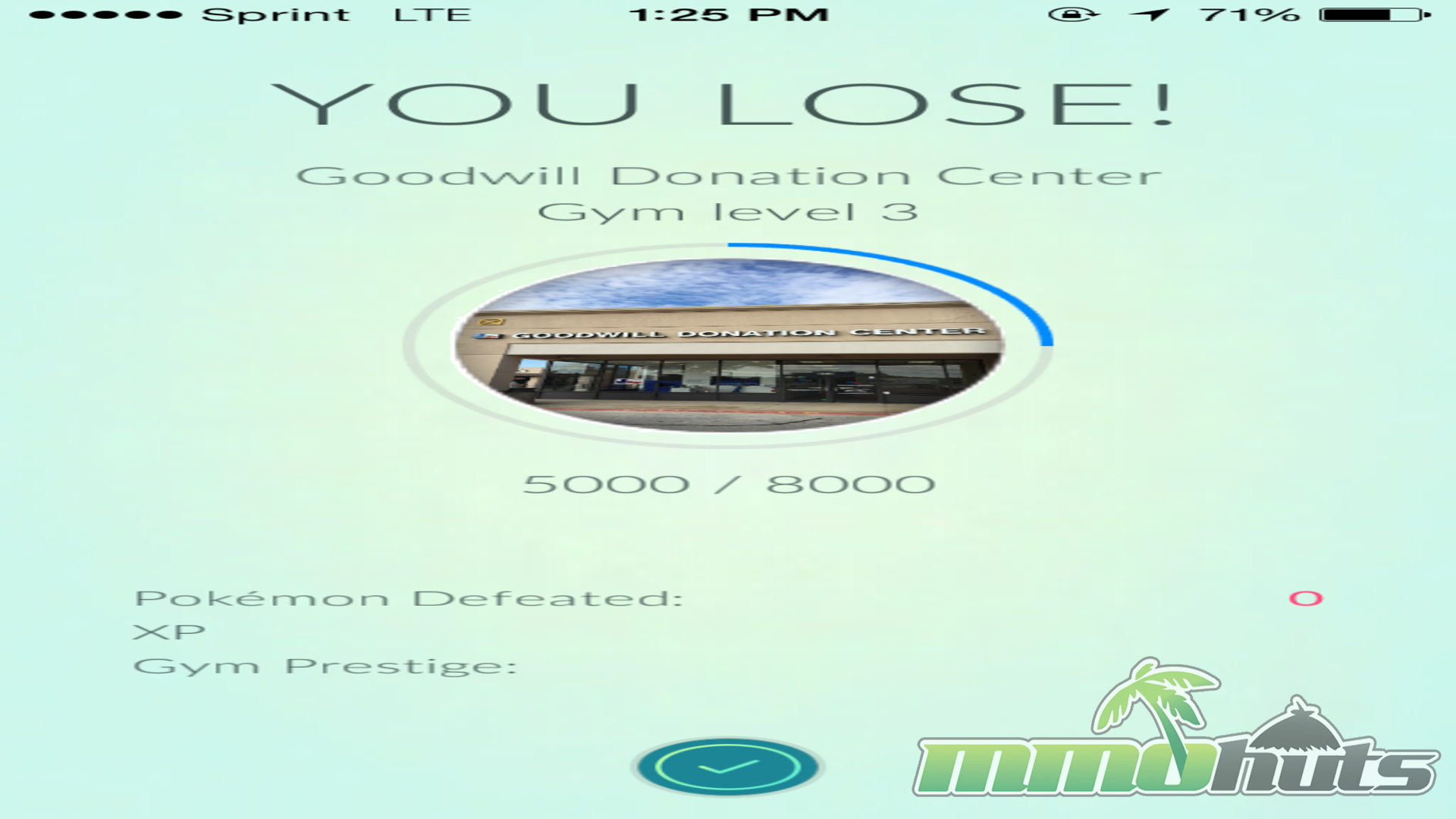
A bigger limitation is that Gym battles are not true player-versus-player encounters. You fight against another trainer’s placed Pokémon, but the opponent is controlled by AI. For players who want direct PvP matchups, this absence leaves the competitive side feeling more like an asynchronous tug-of-war than a head-to-head contest.
Even so, Gyms succeed at encouraging cooperation. Because defending and maintaining a Gym benefits from multiple teammates contributing defenders, the game naturally nudges players to coordinate in small groups, whether that is friends meeting up or informal alliances that form around local hotspots.
Spending money, mostly about convenience
The in-game shop is largely framed around time-savers and boosters such as Incense, Lures, and Lucky Eggs, and many of these items are also earned through normal leveling. That keeps the experience from feeling aggressively pay-to-win for most of the audience.
The pressure point is supply burn at higher levels, when catches can demand more throws and you can run out of Poké Balls faster than you restock, depending on how Stop-dense your route is. In those cases, spending tends to feel less like buying power and more like buying smoother pacing, reducing the friction of running dry mid-session.
Final Verdict – Good
Pokémon GO is at its best when your environment supports it, plenty of PokéStops, active players, and consistent spawns. In the right place, it becomes a reliable reason to take a walk and a surprisingly effective way to create spontaneous community moments. In the wrong place, it can feel empty, with long stretches of little to do and too few resources to sustain play.
Its success is tied to timing and cultural reach as much as mechanics, it arrived when Pokémon nostalgia and smartphone habits perfectly overlapped.
As a “Pokémon MMO,” it does not deliver everything fans might hope for, especially if you want deep battling systems or direct PvP. Still, as a location-based collecting game, it remains a standout, a simple loop elevated by the fact that it happens in the real world, alongside other players. If you enjoy light progression, collecting, and turning everyday routes into mini-adventures, Pokémon GO earns its place.
Pokémon GO System Requirements
Minimum Requirements:
Operating System: Android 4.4 or later / iOS 8.0 or later
Pokémon GO Music & Soundtrack
Coming Soon…
Pokémon GO Additional Information
Developer: Niantic
Publisher: Niantic, The Pokémon Company, Nintendo
Platforms: iOS, Android
Beta Date (Japan): March 2016
Beta Date (AUS, NZ): April 7, 2016
Beta Date (US): June 16, 2016
Release Date (US, AUS, NZ): July 6, 2016
Go Plus Release Date: July 31, 2016
Development History / Background:
Pokémon GO is developed by Niantic, a US-based software development company known for its augmented reality game Ingress, formed from Google as an independent entity in October 2015. The title is co-published by Niantic, The Pokémon Company, and Nintendo, a partnership that was publicly announced in September 2015. The original concept traces back to 2013, created for an April Fools’ Day Google collaboration known as the Pokémon Challenge. A beta test began in Japan in March 2016, later expanding to additional regions leading up to a wider rollout by July 2016. The game launched on July 6, 2016 in the United States, Australia, and New Zealand, with other territories delayed due to heavy server load at release. Planned updates include additions such as Pokémon trading and revisions to the Gym and PokéStop systems.
Development also included a companion accessory called the Go Plus, a small device that notifies players of nearby Pokémon through vibration so they do not need to keep their phone in hand. This approach was chosen instead of relying solely on constant on-screen play, which was believed to be too expensive or inconvenient for many users. The Go Plus is scheduled to release on July 31, 2016.