Evolve Stage 2 is a free-to-play, sci-fi themed 3D asymmetric PvP shooter built around 4v1 matches. One player controls a powerful monster trying to evolve and overpower the team, while four players take on specialized hunter roles and coordinate to bring the creature down before it snowballs out of control.
 | Publisher: 2K Games Playerbase: Shut Down Type: Sci-Fi Shooter Release Date: July 7, 2016 Pros: +A standout 4v1 concept done well. +Strong visuals and effects. +Quick, coordination-heavy matches. +Memorable character banter and voice work. Cons: -Key progression can feel grindy for unlocks. -Limited to a single core mode. -Weak make-good for players who bought the original release. |
Evolve Stage 2 Overview
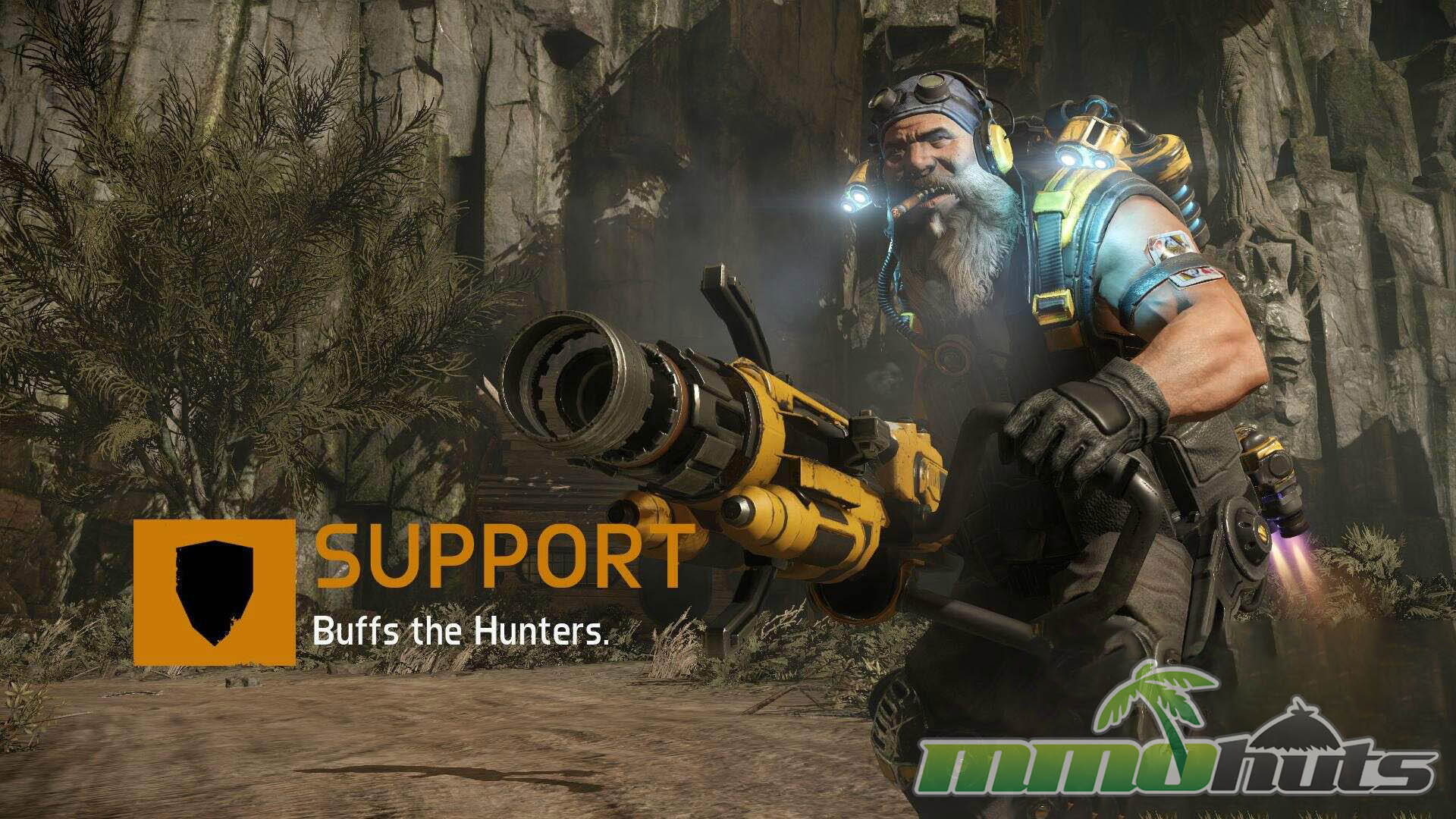
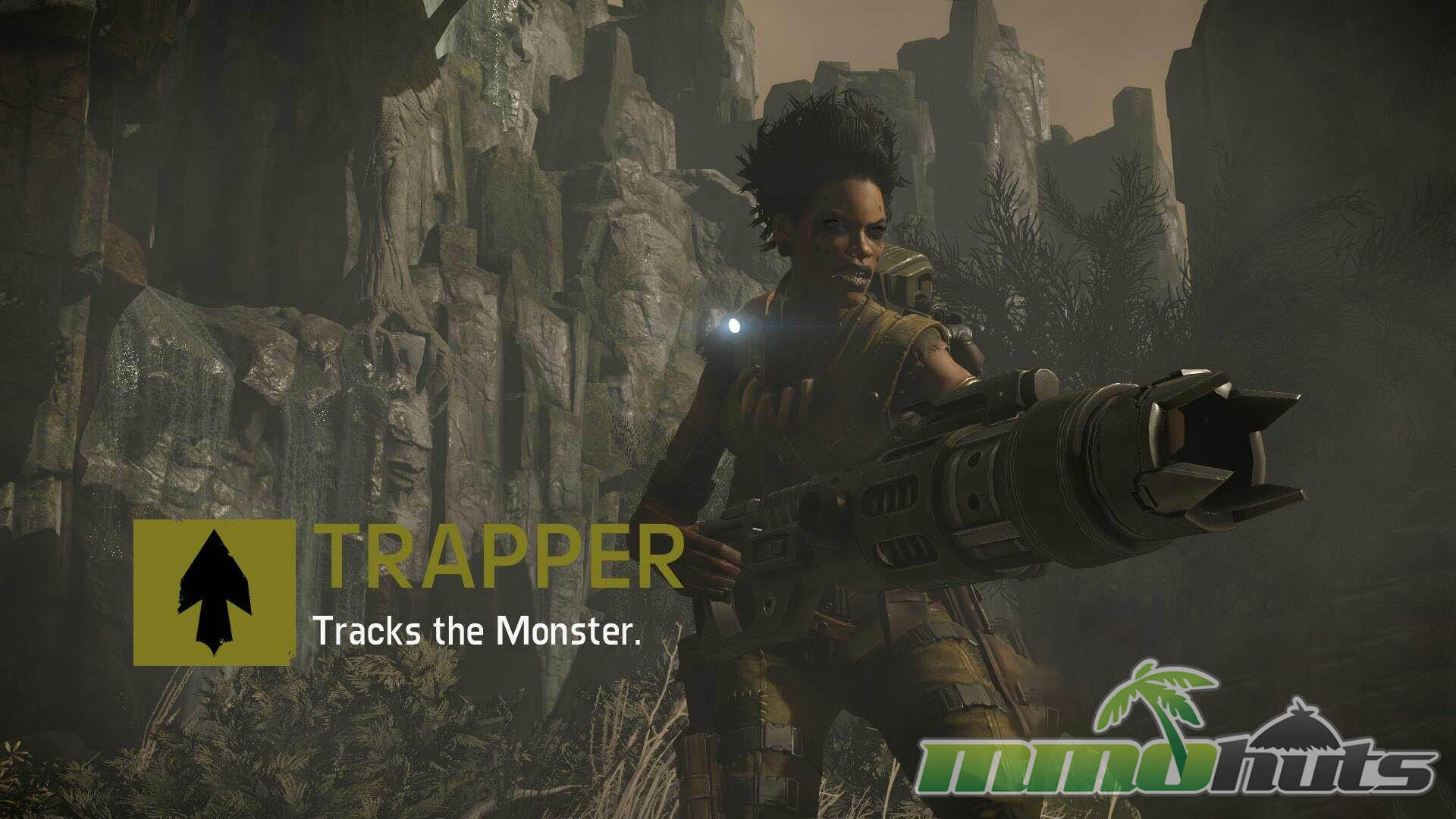
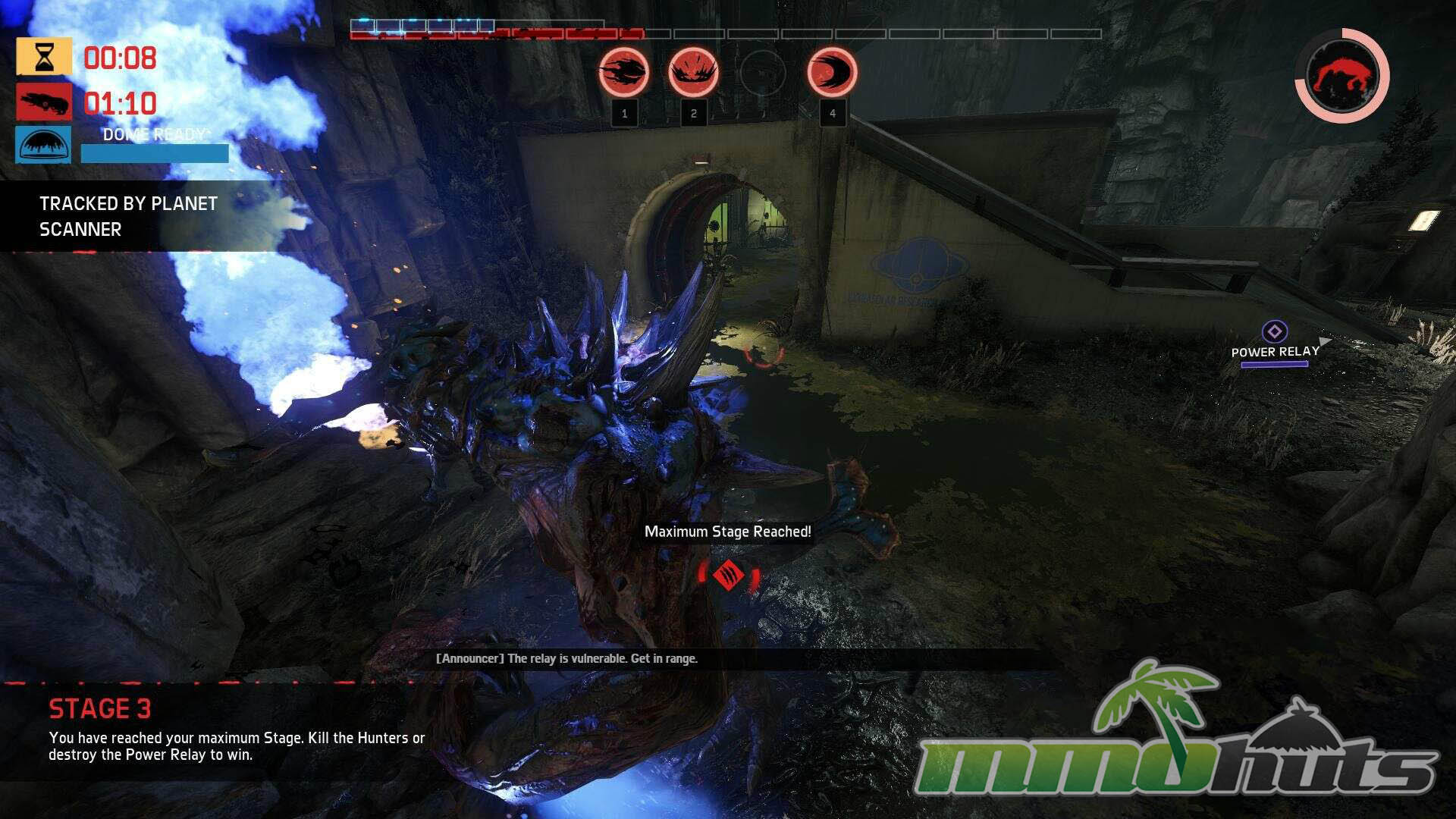
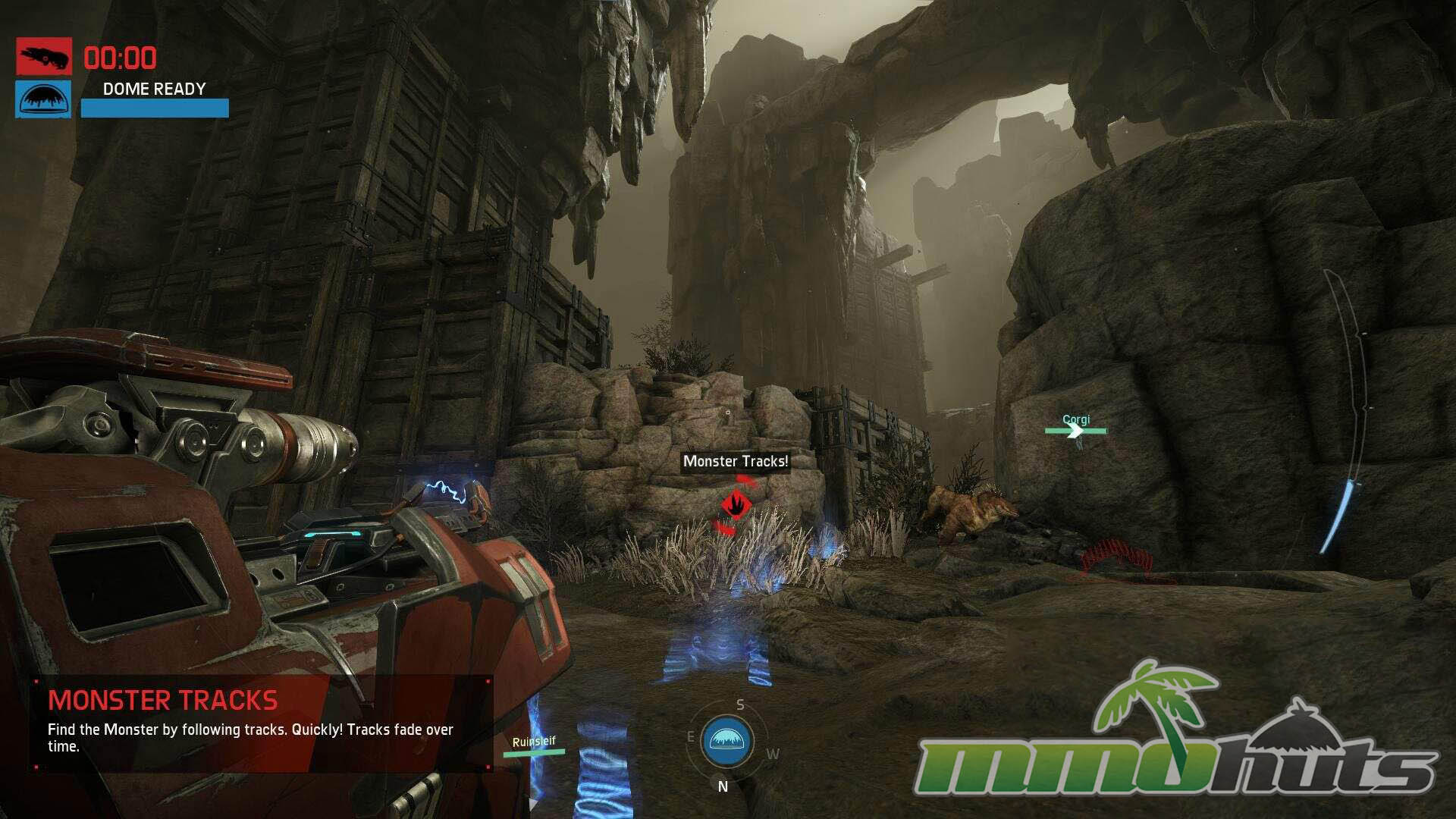
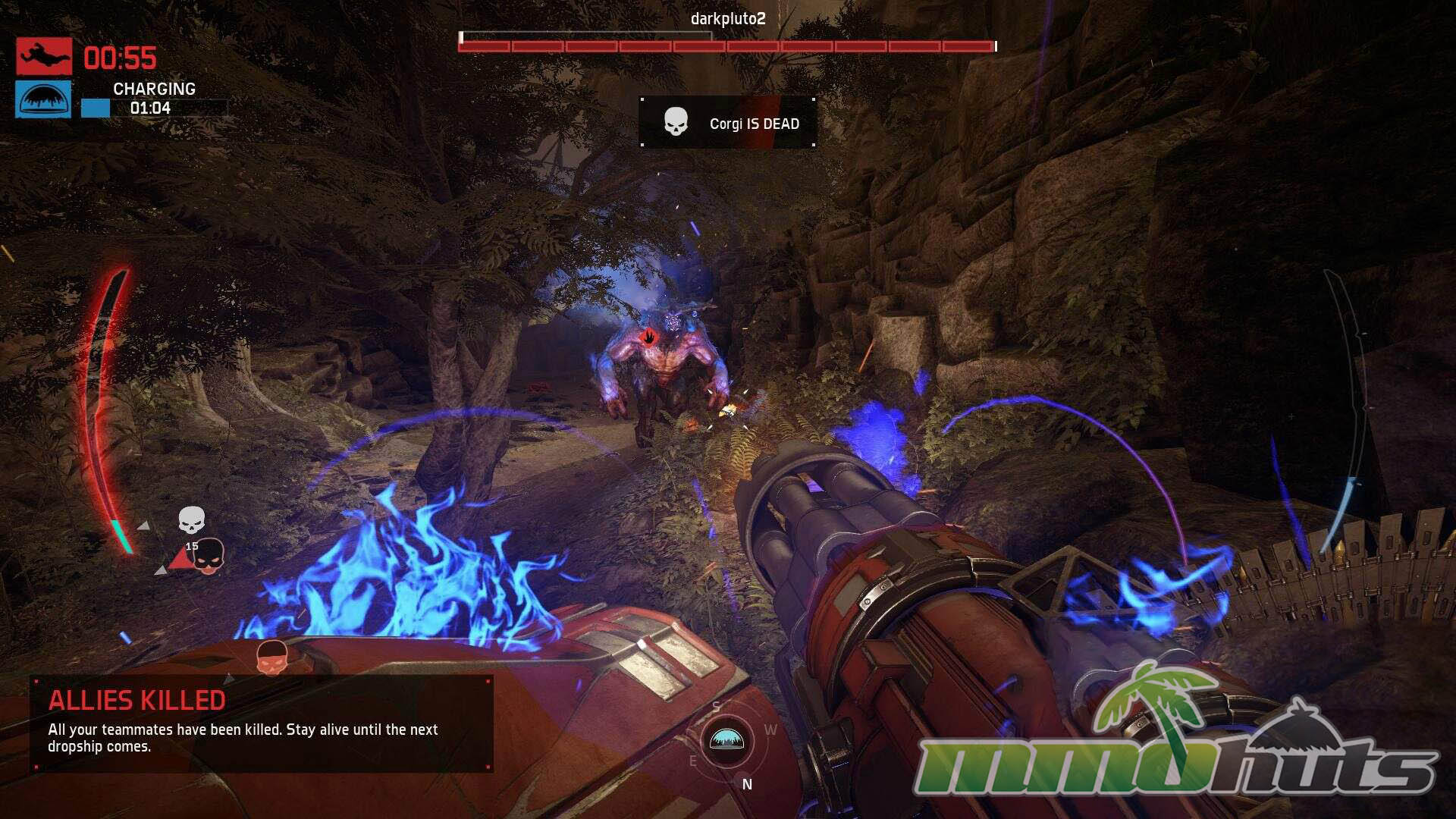
Evolve Stage 2 drops players onto the hostile planet Shear for asymmetrical matches that feel like a blend of arena shooting and a high-speed hunt. Every round is a 4v1 contest, four Hunters with distinct jobs track and corner a single Monster controlled by another player. As a Hunter you pick one of the four combat roles, Assault, Trapper, Medic, or Support, then rely on coordinated tools (damage, tracking, healing, and utility) to keep pressure on the target. As the Monster, the early minutes are about survival and smart routing, feeding on wildlife to evolve into a far more dangerous form that can eventually wipe the squad or smash the Power Relay to end the match.
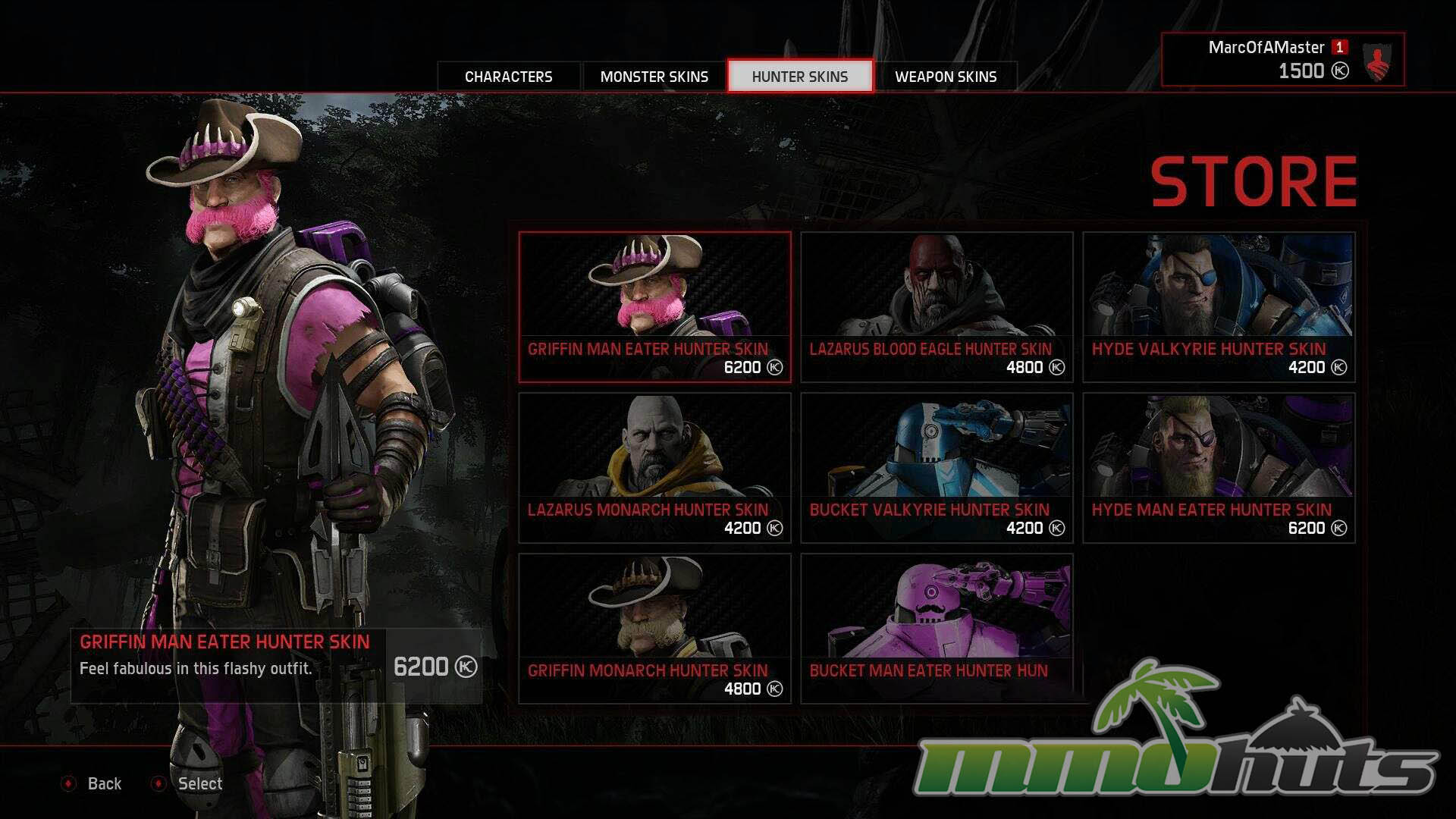
Maps are more than scenery, they are packed with aggressive creatures and environmental threats that can punish sloppy positioning on either side. Progression revolves around earning keys through play, which are then spent on perks, upgrades, and cosmetic customization for both Hunters and Monsters, letting you tune loadouts toward your preferred style without changing the core 4v1 identity.
Evolve Stage 2 Key Features:
- 4vs1 Asymmetric PvP – queue as a coordinated Hunter squad, or step into the Monster role and try to outplay four opponents at once.
- Team-focused Gameplay – Hunters are built around complementary kits, success depends on communication and timing rather than individual duels.
- Play As A Monster – stalk, feed, evolve, then unleash devastating abilities once you have the power to stand your ground.
- Treacherous Environments – wildlife and terrain hazards add pressure and unpredictability to chases and fights.
- Perks and Customization – earn keys to unlock perks, upgrades, and skins for your roster of Hunters and Monsters.
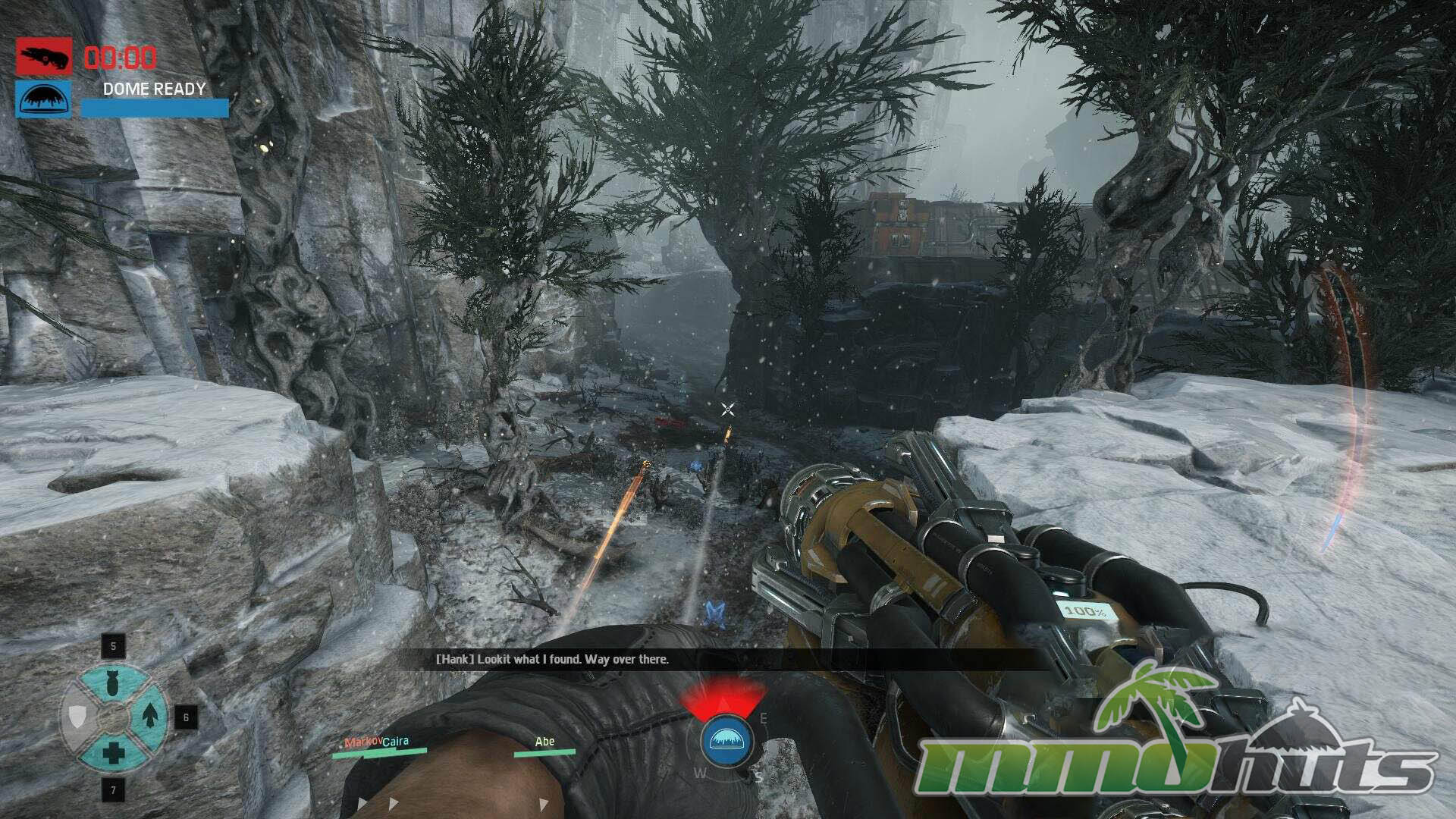
Evolve Stage 2 Screenshots




Evolve Stage 2 Featured Video

Evolve Stage 2 Review
Evolve Stage 2 is the free-to-play version of Turtle Rock Studios’ asymmetric shooter, built around the simple idea that “one boss monster” can be as engaging as an entire opposing team when the kits are designed correctly. The premise is easy to grasp, but the moment-to-moment play has a lot of nuance: Hunters need to keep constant pressure without overextending, while the Monster has to manage time, health, armor, and positioning until it is ready to force a decisive fight.
It is also worth acknowledging the elephant in the room for long-time fans. The move from the original buy-to-play release to this free-to-play iteration left some players feeling shortchanged, especially those who had invested significant time into unlocking content previously. Even with compensation in the form of unlocks and keys, it is understandable why that transition created lasting frustration in the community.
A Strong Visual Identity
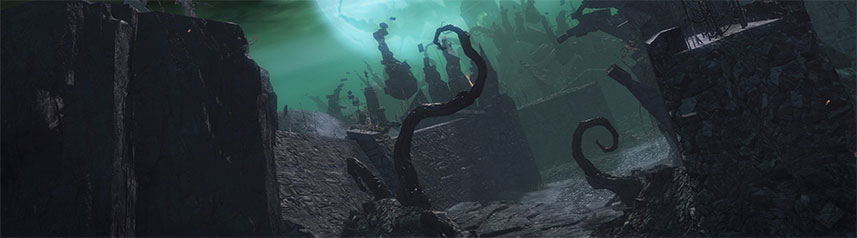
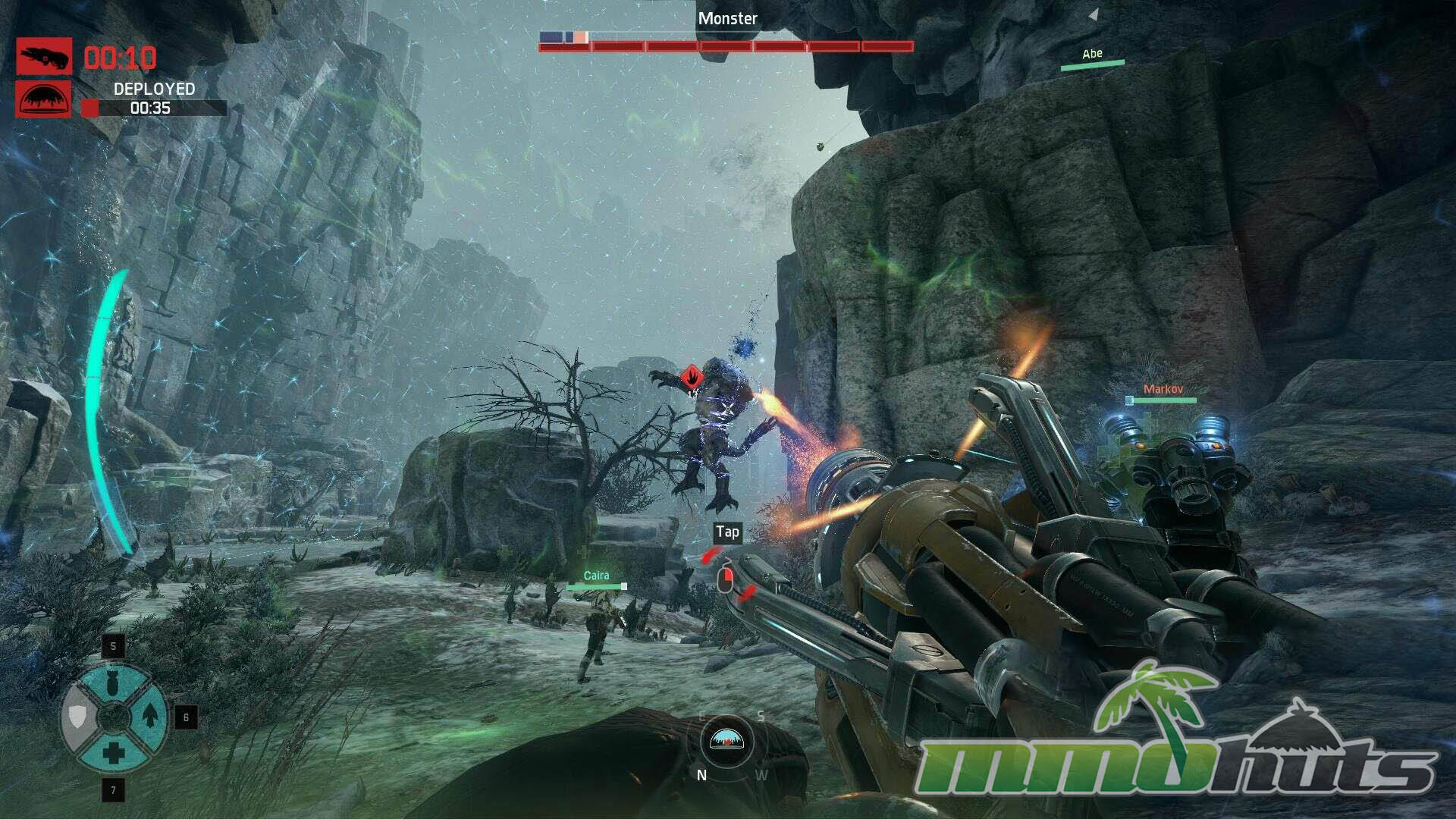
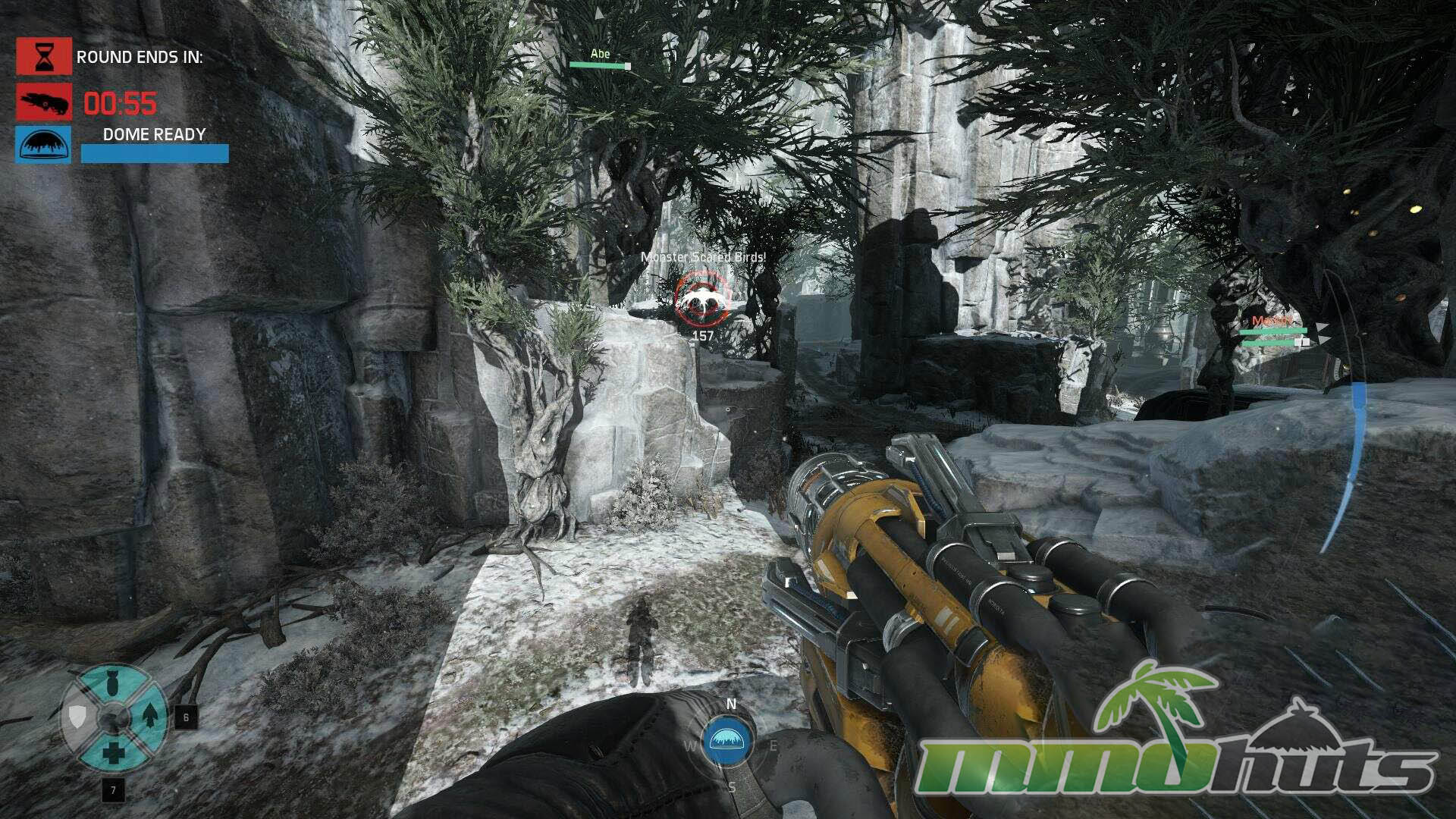
From a presentation standpoint, Evolve Stage 2 holds up well. The alien biomes have crisp texture work, readable silhouettes, and lighting that helps sell the scale of the Monster without drowning the screen in clutter. Weapon effects are punchy, abilities are easy to track in combat, and the overall sci-fi tone fits the setting of Shear. Sound design also does heavy lifting, audio cues for movement and abilities matter, and the Hunters’ voice lines add personality during downtime and tension during fights. The banter does not just entertain, it also helps the cast feel like specialists who have done this job before.
Learn the Basics Before You Queue
Even experienced shooter players should consider running the training content at least once, since Evolve’s flow is different from standard PvP. The tutorials cover both perspectives, Hunters and Monster, and do a good job explaining the chase loop, ability usage, and what “winning” looks like beyond simply landing shots. They are short and straightforward, and they also provide some easy Silver Keys along the way. There is also the option to run practice matches versus AI for additional familiarity, though rewards are lower than playing live.
One Mode, Two Very Different Experiences
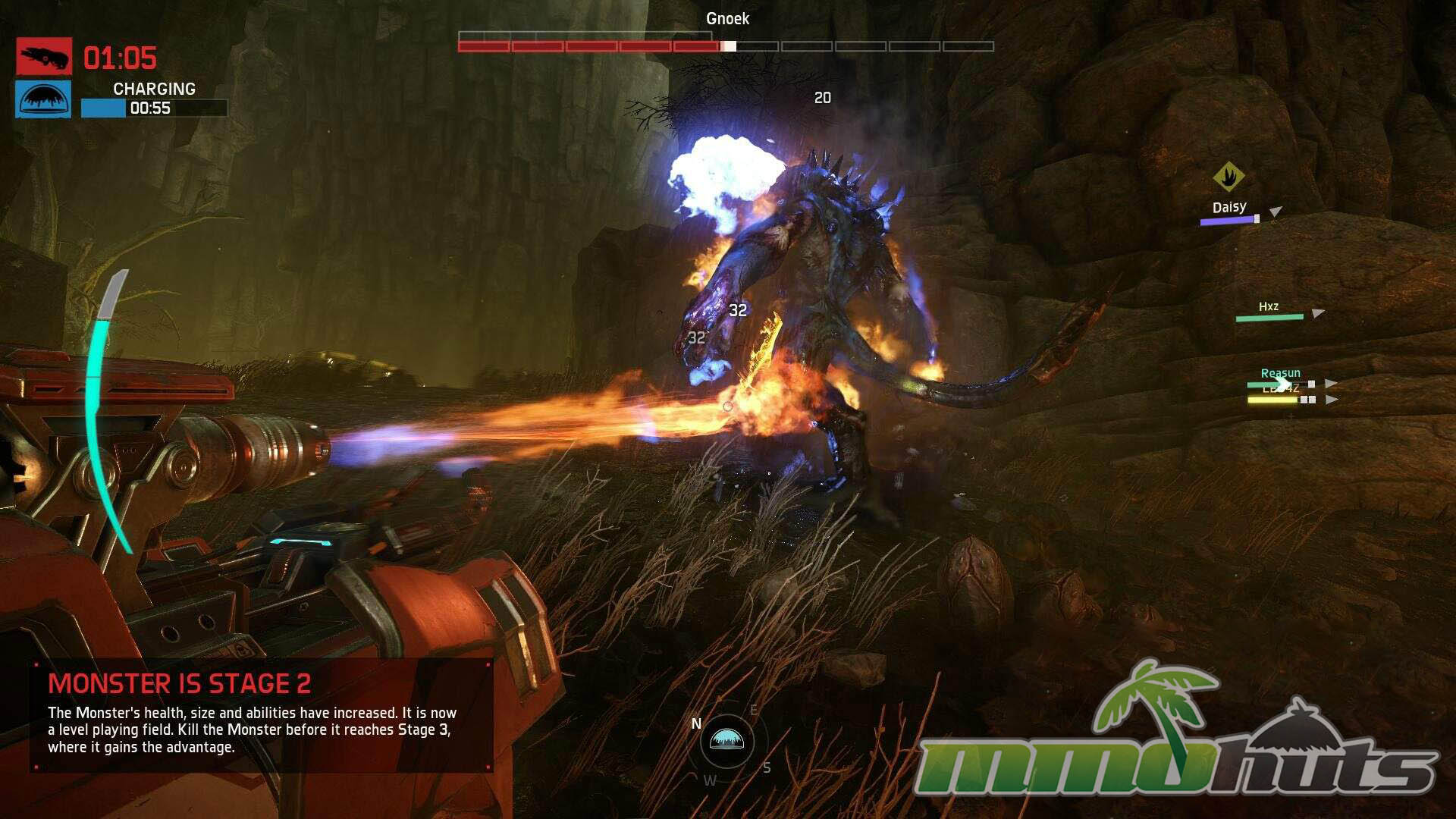
At its core, Evolve Stage 2 revolves around Hunt. That focus has advantages, balance can be tuned around a single rule set, and matchmaking stays straightforward, but it also means variety largely comes from map selection, team compositions, and player decisions rather than rotating objectives. In Hunt, the Hunters must locate and contain the Monster before it evolves into a late-game threat, either by killing it outright or by preventing it from reaching Stage 3 and destroying the Power Relay. The Monster, meanwhile, wins by eliminating the Hunters or by evolving far enough to end the match at the relay.
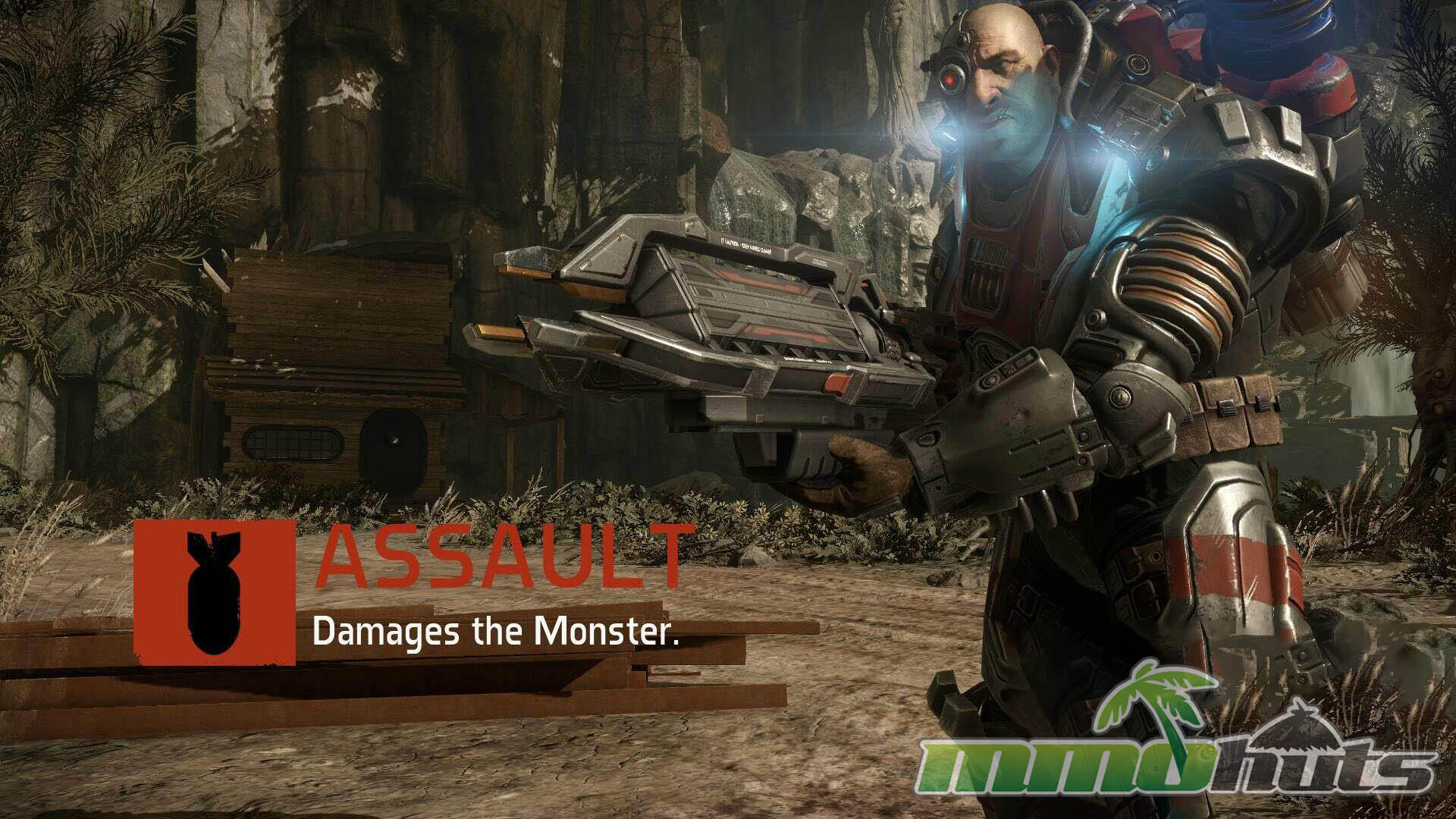
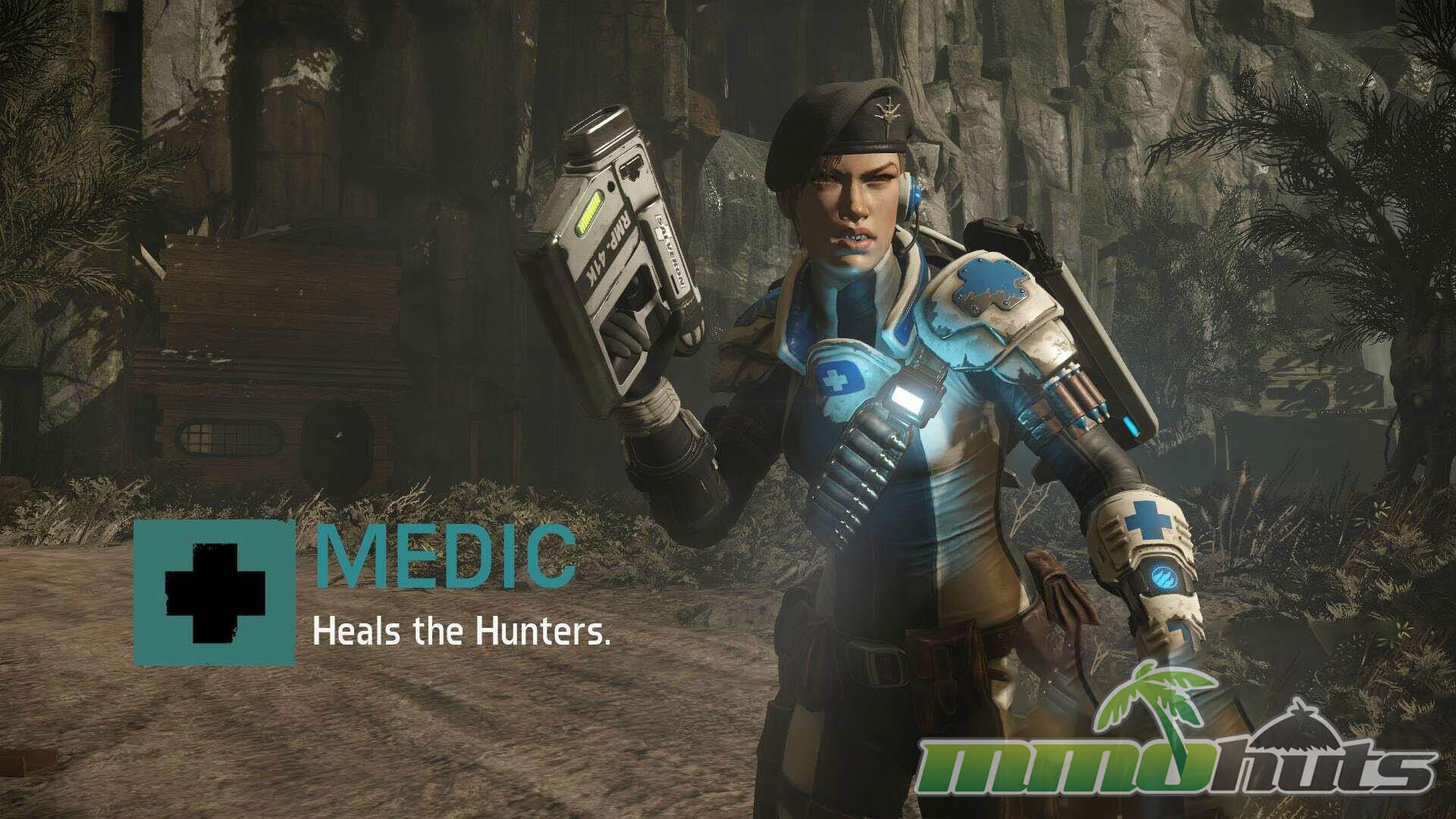
Hunters are played in first-person and are split into four roles with clear responsibilities. Assault is the damage backbone, Trapper is responsible for locating and controlling the Monster, Medic keeps the team functioning under pressure, and Support brings utility that can swing fights through shielding, disruption, or additional firepower. Within each role, different characters offer variations on the same job, which changes pacing and team synergy without making the fundamentals unrecognizable. Because the Monster is faster and stronger in a straight fight, Hunters that split up or ignore their role tend to get punished quickly.
Feeding, Evolving, and Turning the Tables
The Monster side is played in third-person, which fits the role by improving spatial awareness during chases and brawls. Monster choices range from heavy bruisers like Goliath to more elusive picks like Wraith, and each one encourages a different approach to movement and engagements. The key early-game concept is restraint: the Monster begins relatively vulnerable and needs to feed on wildlife to evolve, gain power, and recover resources. Eating is not just for growth, it also helps sustain you through chip damage and failed escapes.
Most Monster wins come from managing the tempo of the match. If you can avoid extended early fights, evolve efficiently, and pick smart engagements, you can reach Stage 3 with enough resources to either wipe the team or push the objective. When the Hunters trap you in the mobile arena (the “dome”), the decision-making changes, sometimes committing to a down is the best way to shorten the dome’s duration, even if it means taking damage, because removing a Hunter from the field can create the breathing room needed to escape and continue evolving.
Progression, Keys, and Loadout Tuning
Progression is driven by Silver Keys earned through matches, with additional keys coming from daily and hidden challenges. Keys are used to unlock characters permanently, upgrade perks, and pick up cosmetics. The system does a decent job of giving players steady goals, but it can also feel like a grind when you are trying to expand your roster quickly.
One positive is that matchmaking accounts for player progression and perks, which helps keep newer players from being constantly thrown into lopsided matches against fully built loadouts. Skill will always matter in an asymmetric game, a strong Monster player can still dominate, but the perk-aware matching at least reduces the “unfair by default” feeling that some similar titles struggle with.
Perks themselves are a mixed bag. They add build variety and let you emphasize strengths (mobility, survivability, damage, utility), but any perk system in competitive PvP risks muddying balance if it is not carefully handled. In Evolve Stage 2, perks are meaningful without completely overriding fundamentals, positioning, tracking, and coordinated bursts still decide most fights.
Final Verdict – Great
Evolve Stage 2 delivers one of the more distinct takes on PvP shooters, especially for players who enjoy teamwork and high-pressure decision-making. The Hunter roles feel purposeful, the Monster power curve creates natural tension, and the audiovisual presentation is strong enough to keep matches exciting even when you are learning. Its biggest drawbacks are tied to limited mode variety and the baggage of its transition from the original release, but as an asymmetric 4v1 experience, the core design remains compelling and easy to recommend for anyone who likes tactical chases that can explode into chaotic fights.
Evolve Stage 2 Links
Evolve Stage 2 Official Site
Evolve Stage 2 Steam
Evolve Stage 2 Developer Site
Evolve Wikia
Evolve Stage 2 System Requirements
Minimum Requirements:
OS: Windows 7 64-bit
Processor: Core 2 Duo E6600 / Athlon 64 X2 6400
Memory: 4 GB RAM
Graphics: NVIDIA GeForce GTX 560 / ATI Radeon HD 5770
DirectX: Version 11
Hard Drive: 50 GB of free space
Sound Card: DirectX Compliant Sound card
Recommended Requirements:
OS: Windows 7 64-bit
Processor: Core i7-920 / A8-3870K
Memory: 6 GB RAM
Graphics: NVIDIA GeForce GTX 670 / ATI Radeon R9 280
DirectX: Version 11
Hard Drive: 50 GB of free space
Sound Card: DirectX Compliant Sound card
Evolve Stage 2 Music & Soundtrack
Coming soon…
Evolve Stage 2 Additional Information
Developer: Turtle Rock Studios
Publisher: 2K Games
Distributor: Take-Two Interactive
Game Engine: CryEngine
B2P Release: February 11, 2015
F2P Open Beta Release: July 7, 2016
Shut Down: September 2018
Development History / Background:
Evolve Stage 2 is a free-to-play 3D asymmetric shooter developed by Turtle Rock Studios and published by 2K games. Turtle Rock Studios, recognized for the Left 4 Dead series, originally launched the title as a buy-to-play release called Evolve on February 11, 2015. As the player population declined, the game was shifted to a free-to-play model and reintroduced on July 7, 2016 as Evolve Stage 2, a change that contributed to mixed Steam reception. On October 26, 2016, publisher 2K stated that Turtle Rock Studios had concluded active development on Evolve Stage 2, with no further updates planned while servers remained available. The game was ultimately shut down in September 2018.