
OGame is a long-running, browser-based space strategy MMO that leans heavily on planning and patience rather than flashy visuals. You begin with a single planet and slowly turn it into the foundation of a larger interstellar empire by optimizing production, investing in research, and choosing when to fight or cooperate with other players.
 | Publisher: Gameforge AG Playerbase: Medium Type: Strategy Release Date: October 3, 2002 Pros: +Simple to learn and start building quickly. +Works for both relaxed planners and competitive optimizers. +PvP and player conflict are central to the experience. Cons: -Shows its age in presentation and interface. -Progress can feel very slow without long-term commitment. -Monetization can create pay-to-win pressure. |

OGame Overview
OGame is a text-driven space simulation and strategy MMO that runs entirely in a web browser. It is often compared to the empire-building side of games like EVE Online, but instead of piloting ships in 3D, nearly everything here is handled through menus, timers, and careful decision-making. The core loop revolves around expanding from a lone starter world into a network of colonies, all while staying safe from raids and looking for opportunities to profit from other players.
At the start, you manage a barren planet with basic infrastructure. From there you scale up by increasing resource production, unlocking new technology, and building the facilities required to construct ships and defensive structures. The economy is built around three essential materials, Metal, Crystal, and Deuterium, and most meaningful upgrades require you to balance these incomes over time. Because fleets take time to build and even more time to travel, good play often means planning ahead, keeping your resources protected, and learning when to invest versus when to strike.
The social layer matters as well. Alliances provide coordination, shared knowledge, and protection, and they are also a way to organize joint operations against rivals. Whether you prefer raiding for profit, playing the market through trade, or focusing on steady growth, OGame rewards players who treat it like a long-term strategy project rather than a short session-based game.
OGame Key Features:
- Text-Based Gameplay – playable from most devices anywhere you have an internet connection.
- Highly Strategic Resource Management – a classic example of early browser strategy design built around optimization and timing.
- Buildings and Research – a broad tech and construction system that steadily opens new options for expansion and warfare.
- Alliances – team up with other players for defense, coordination, and organized offensives.
- Resources – collect Metal, Crystal, and Deuterium to fund your infrastructure and fleet.
OGame Screenshots
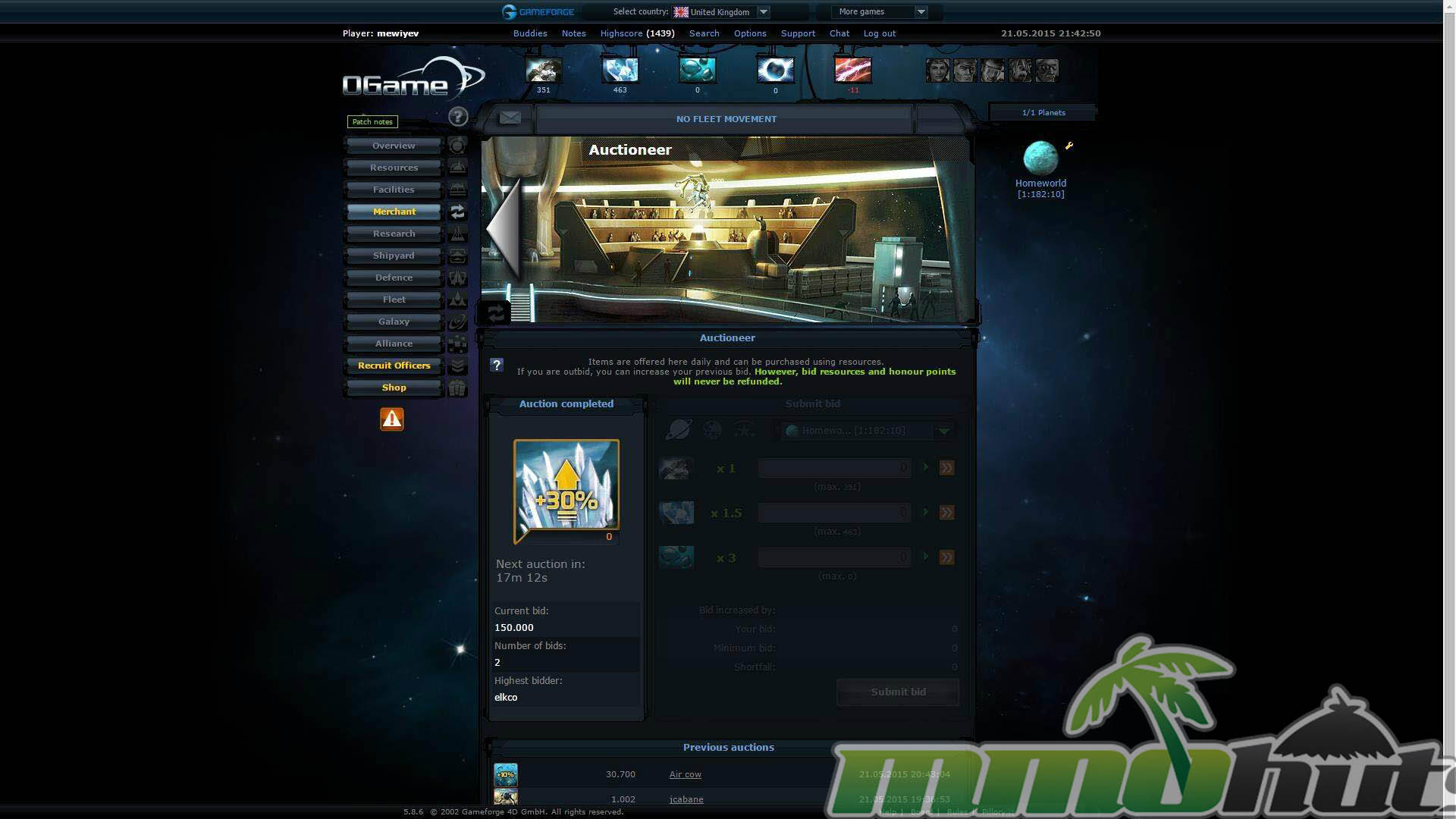
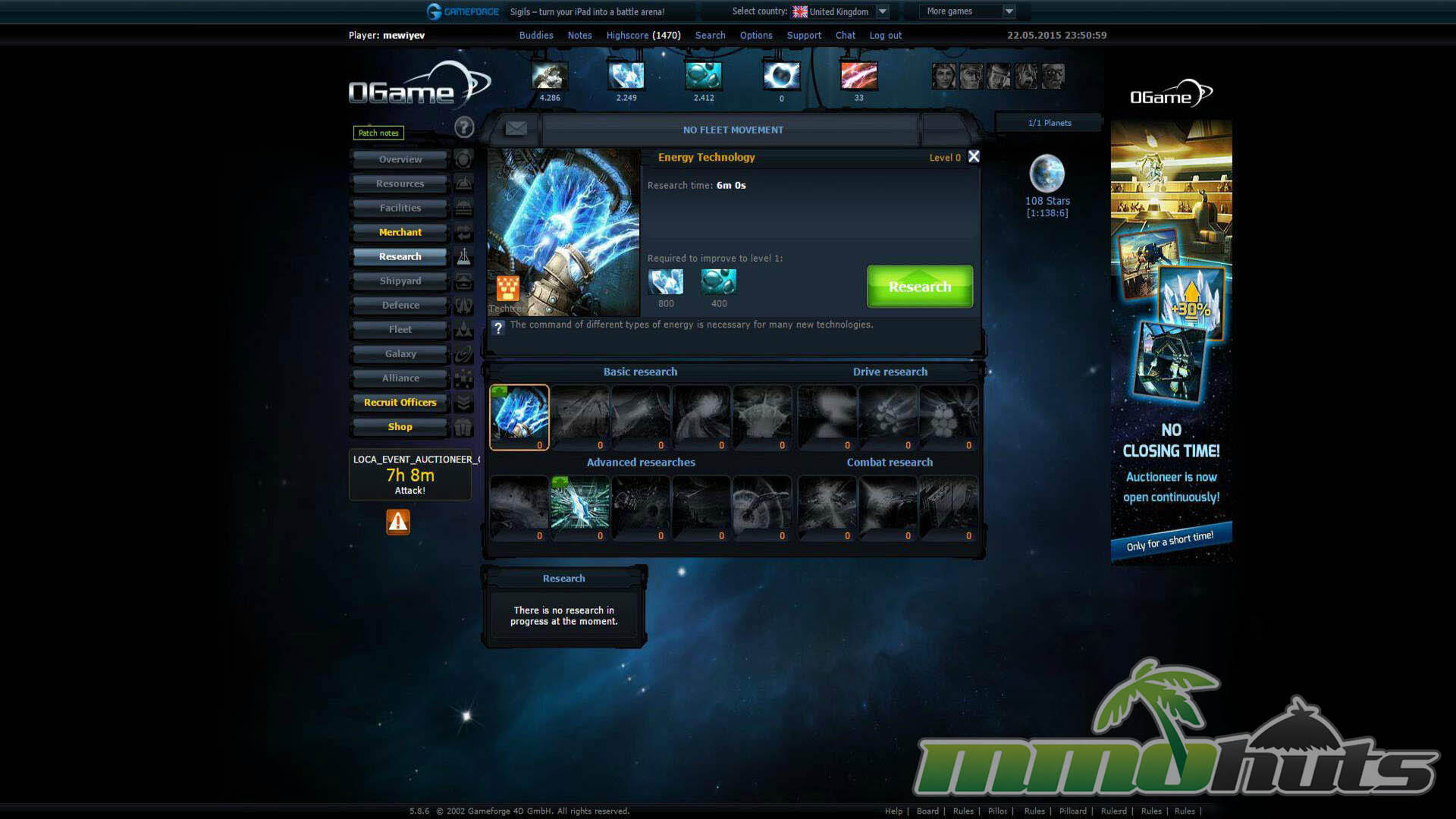
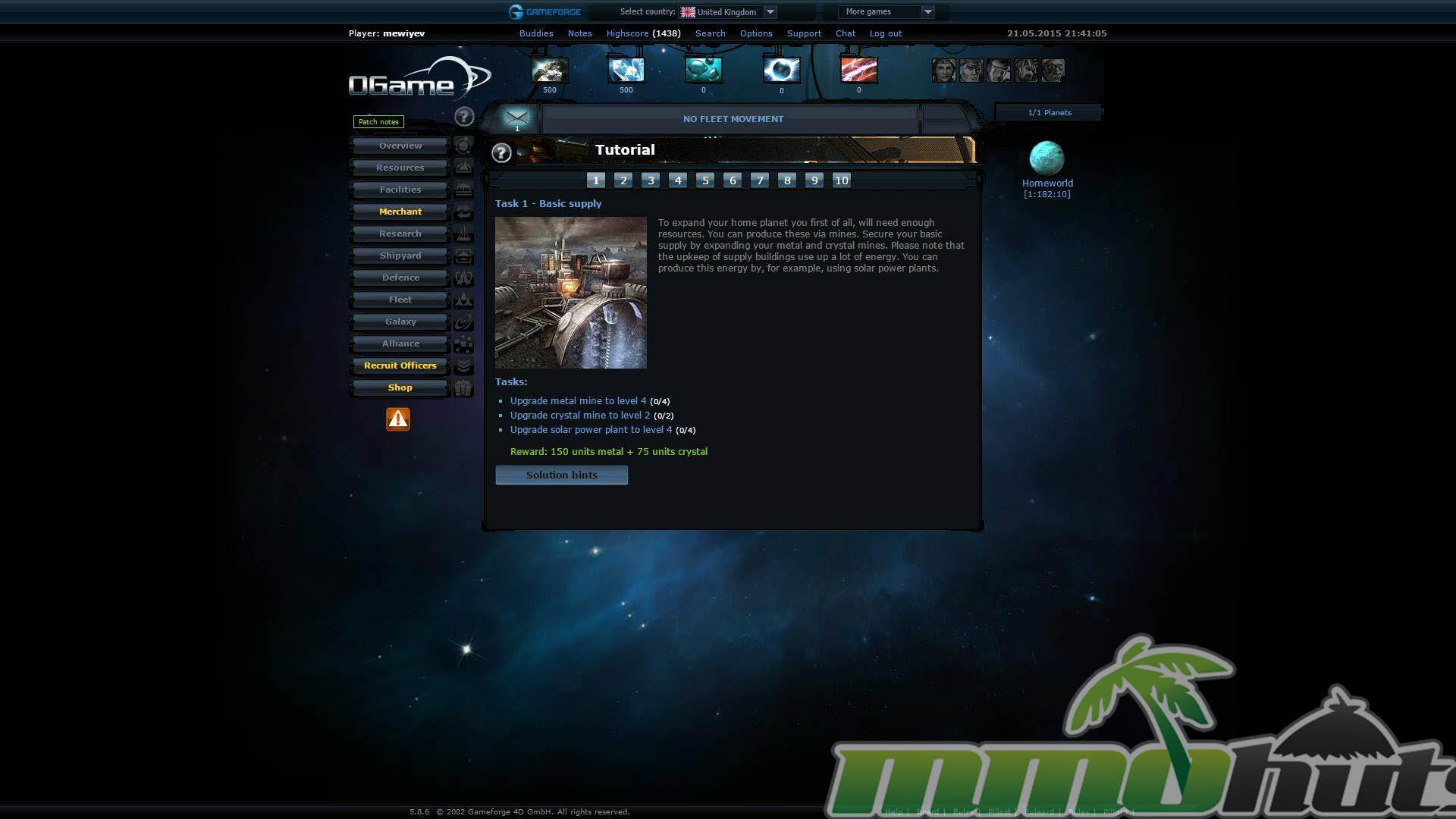

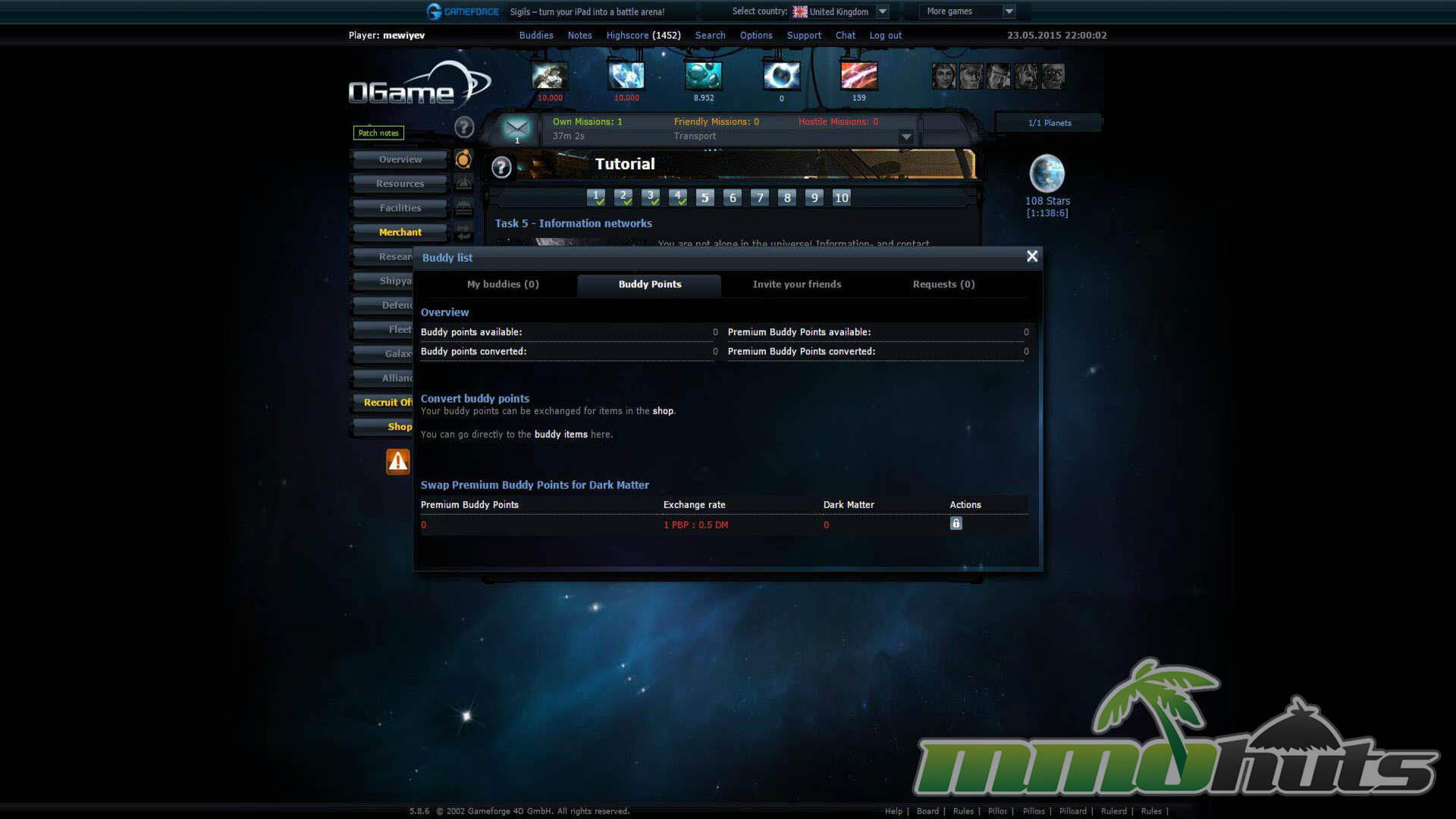
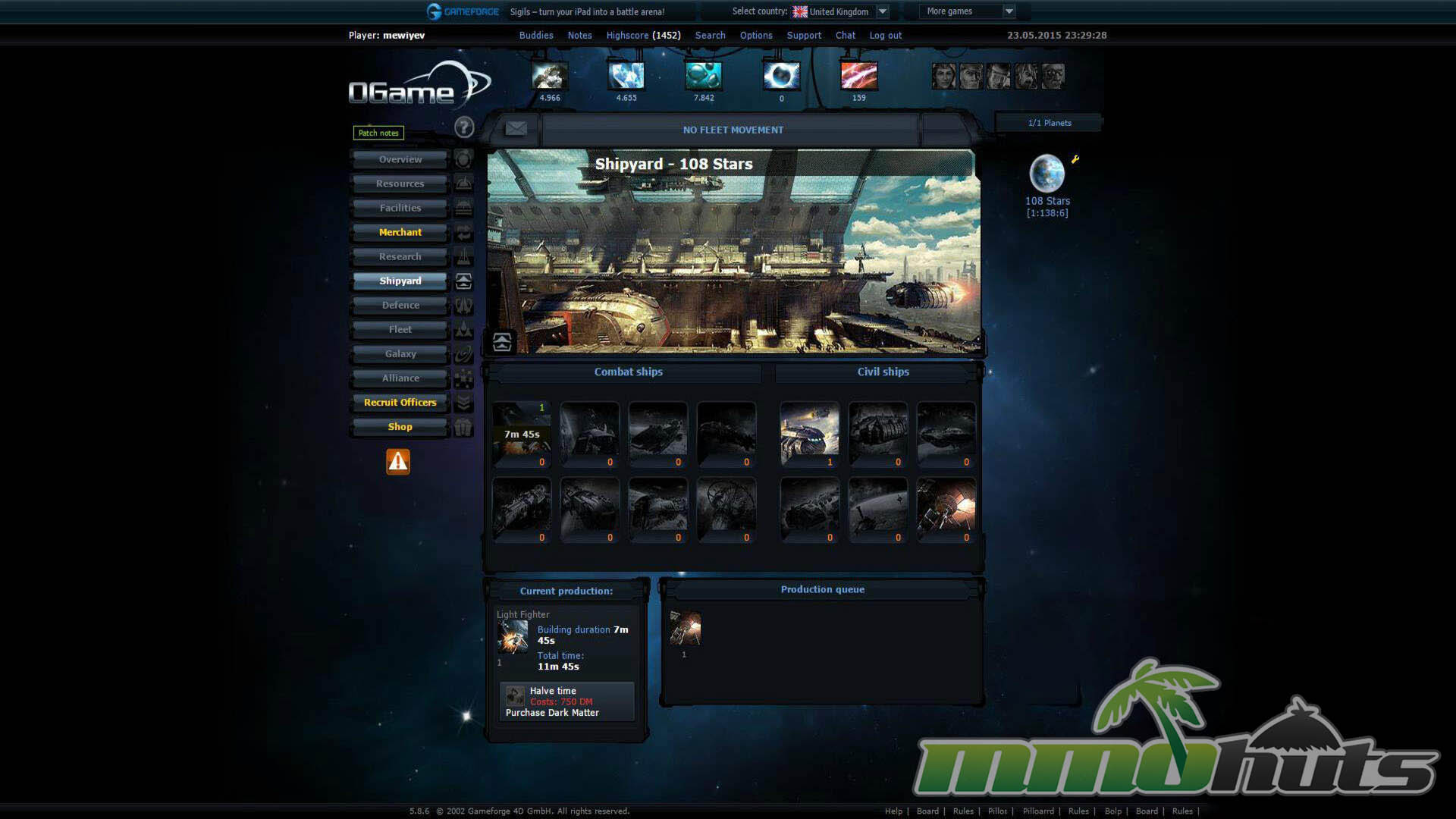
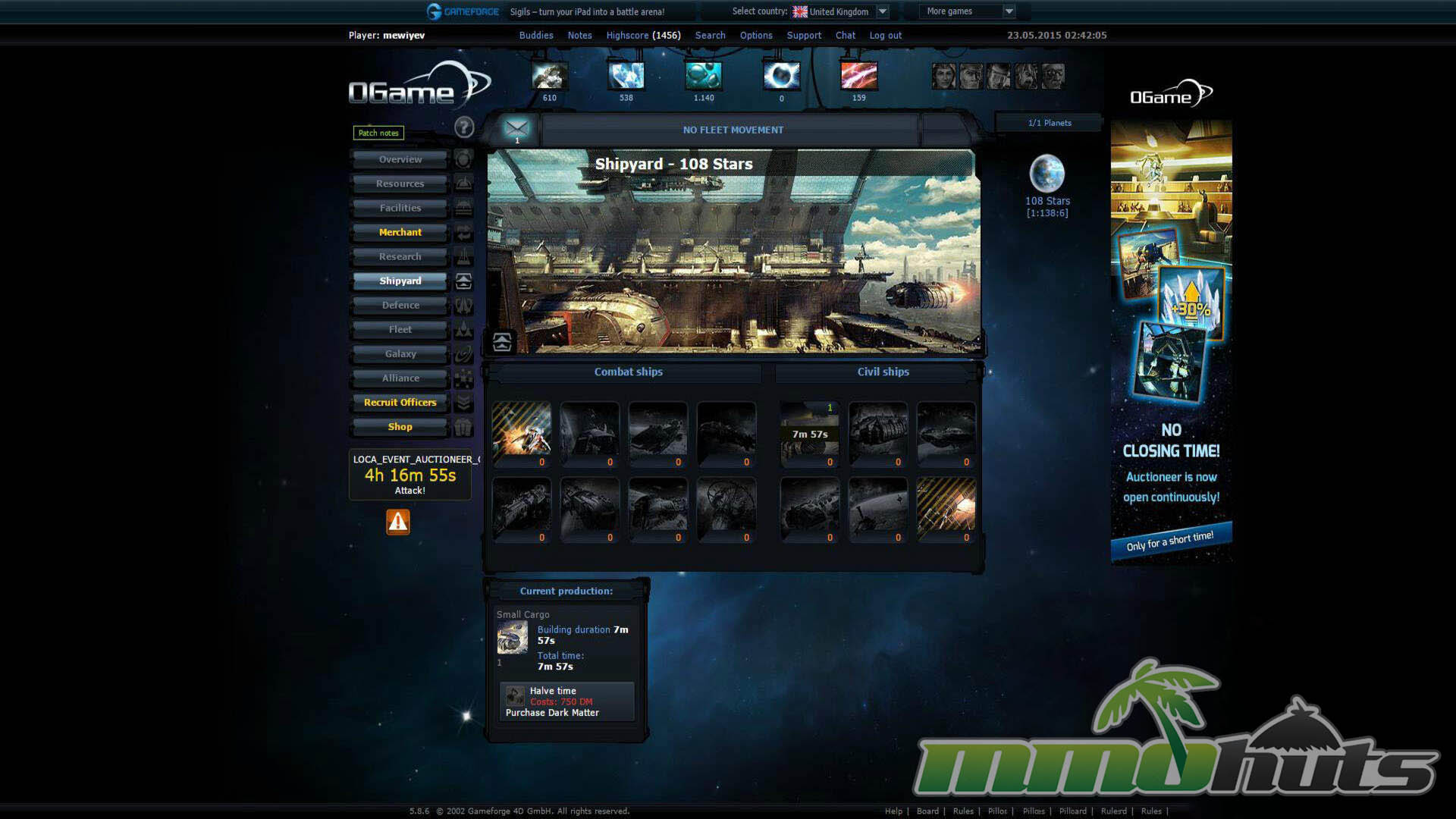
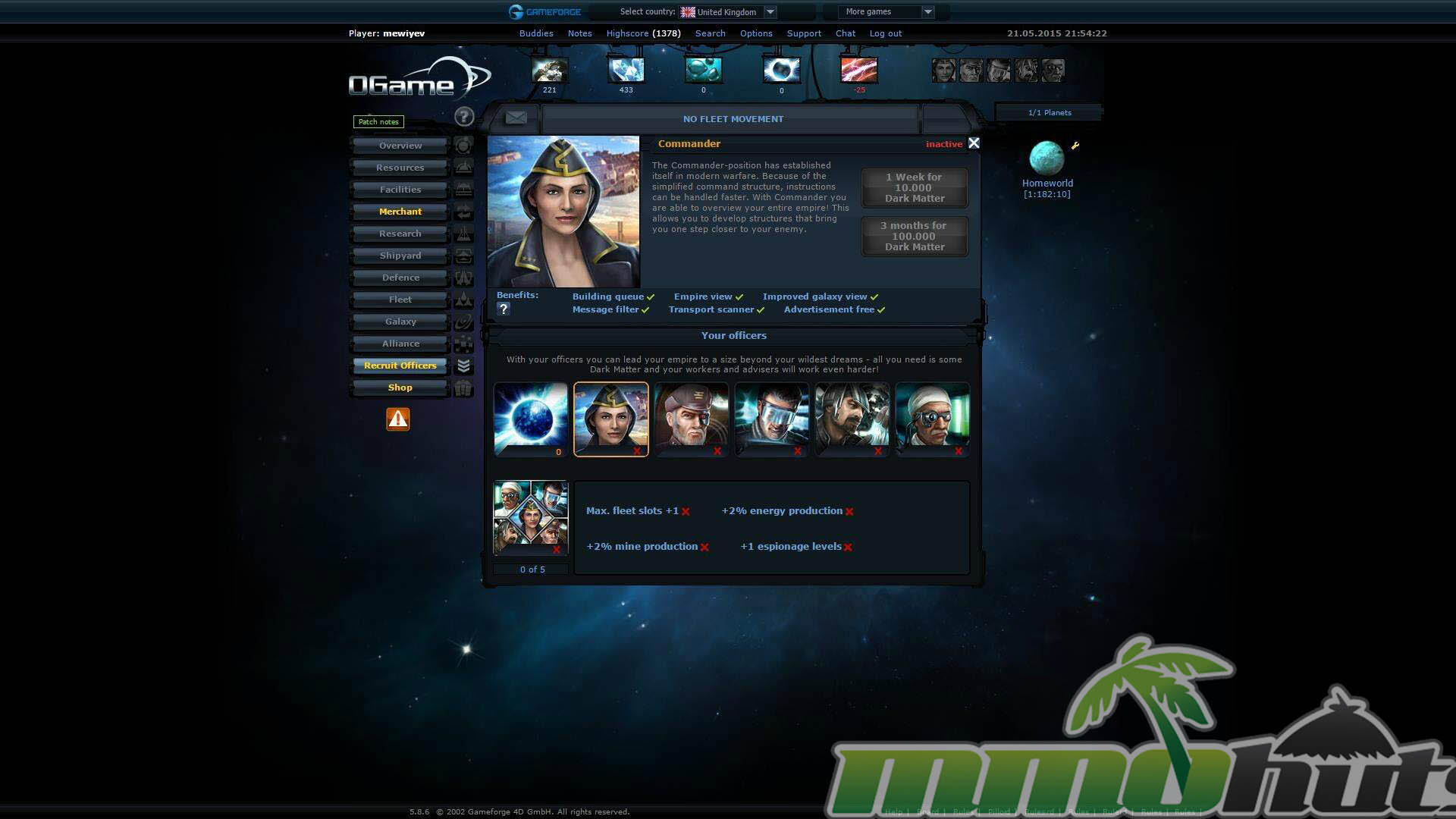
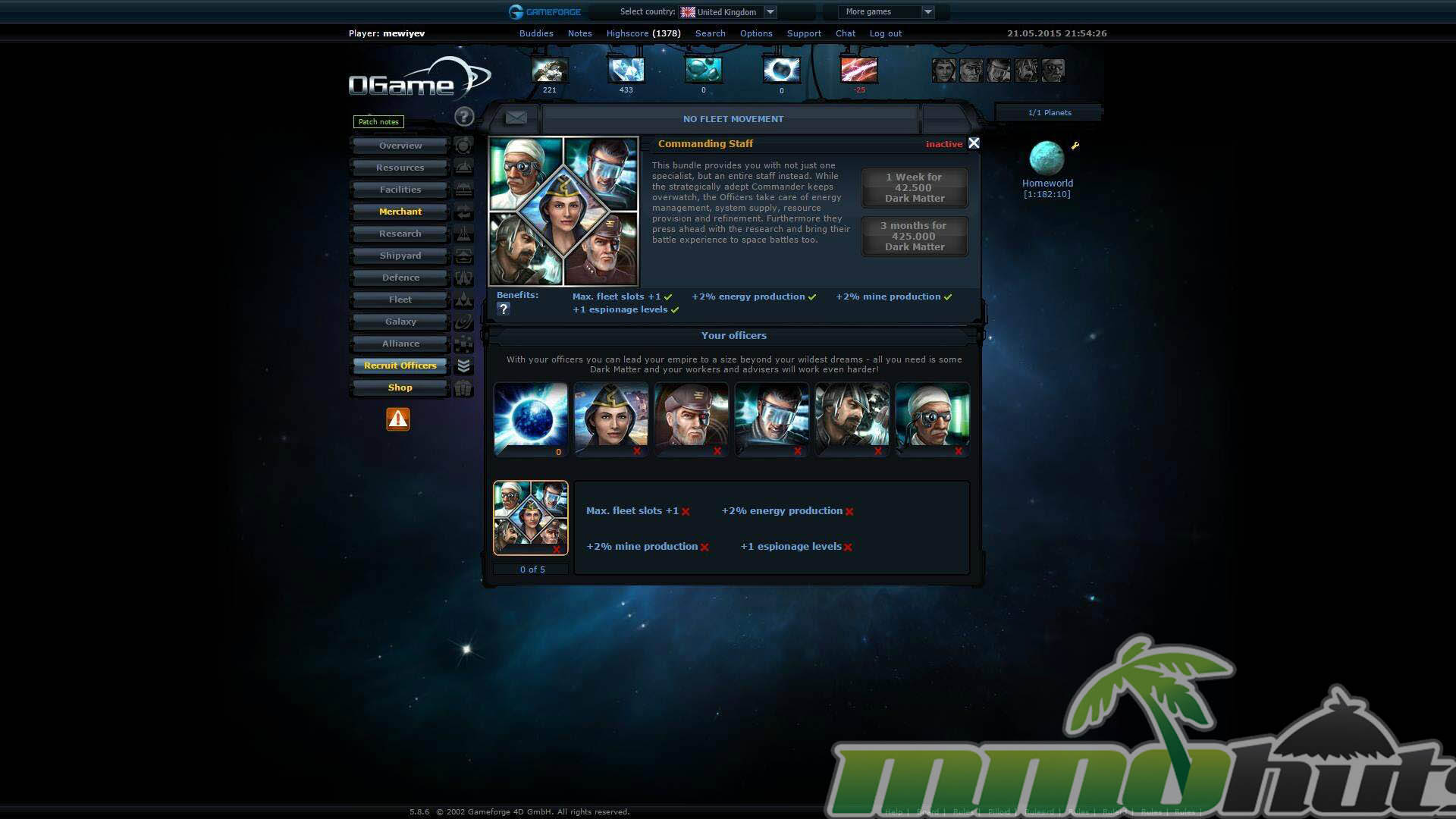
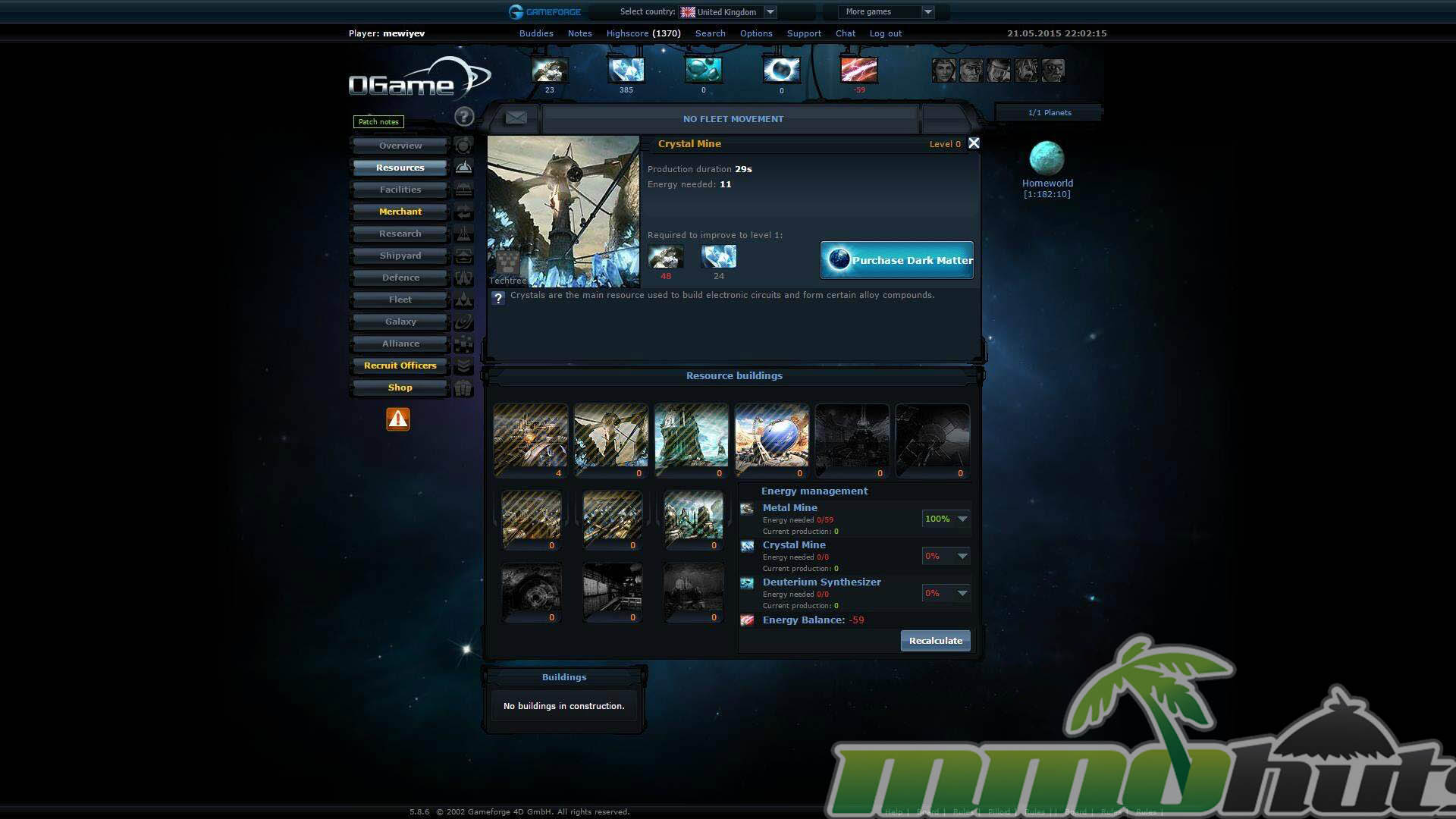
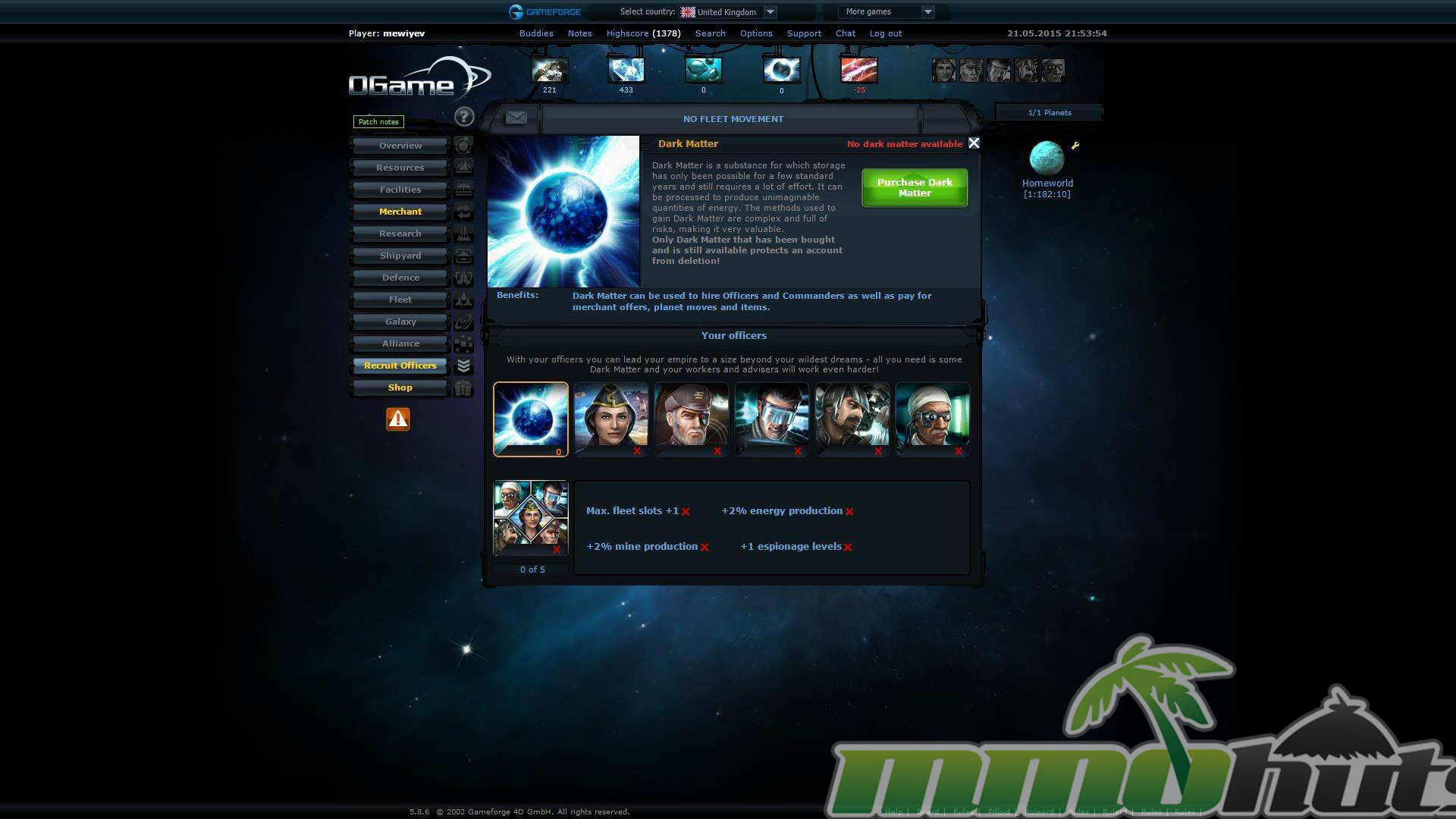
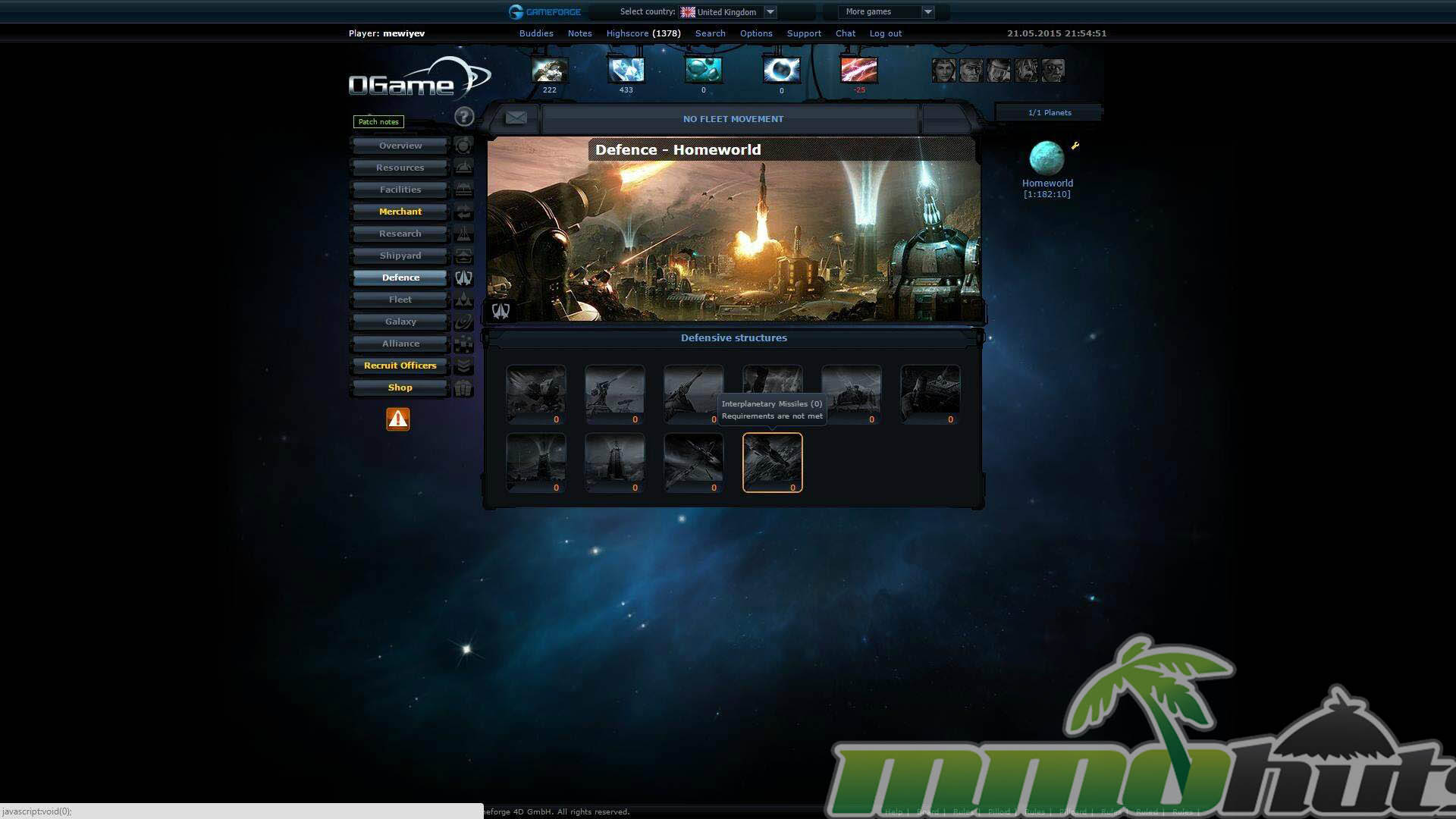
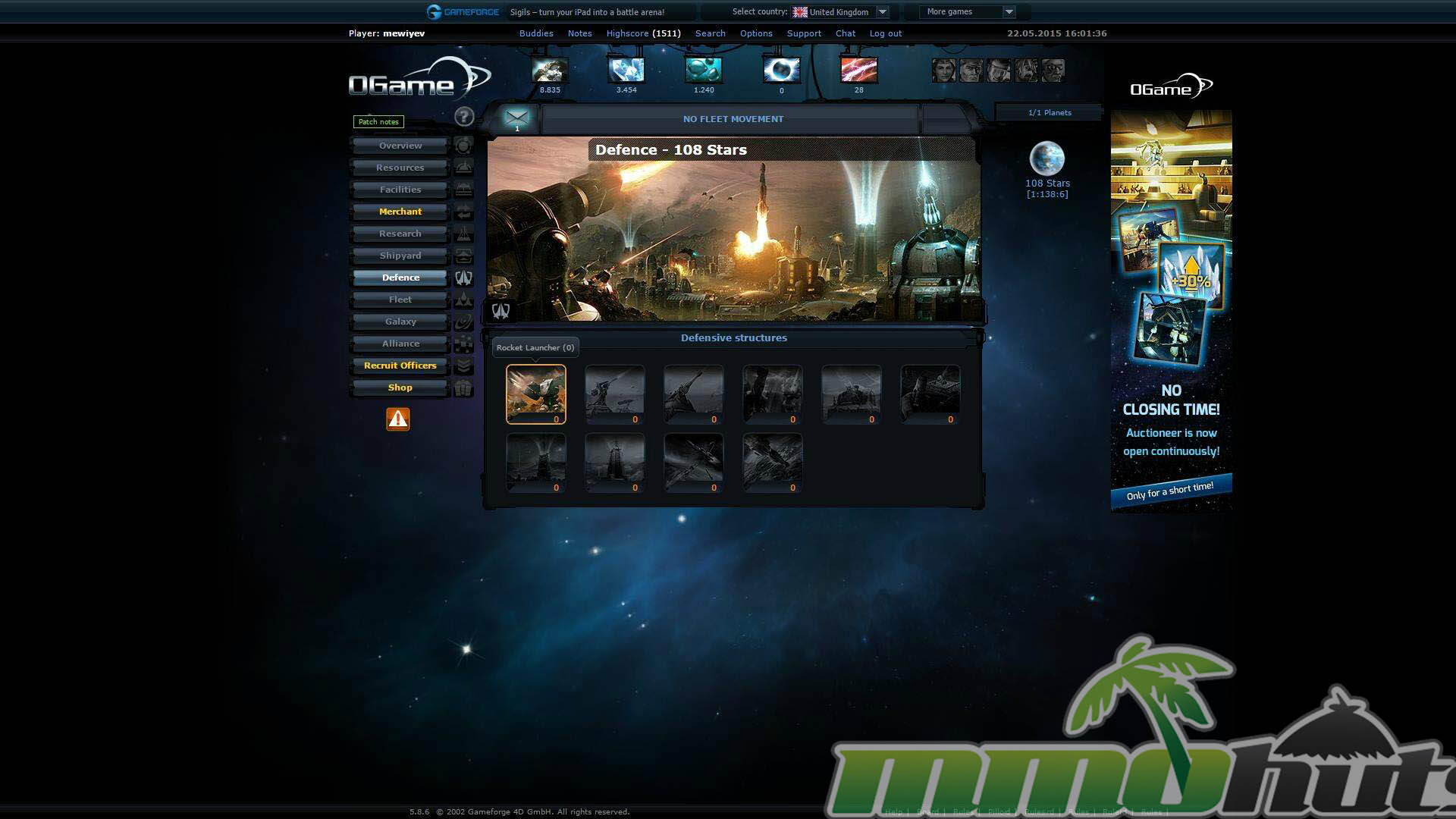
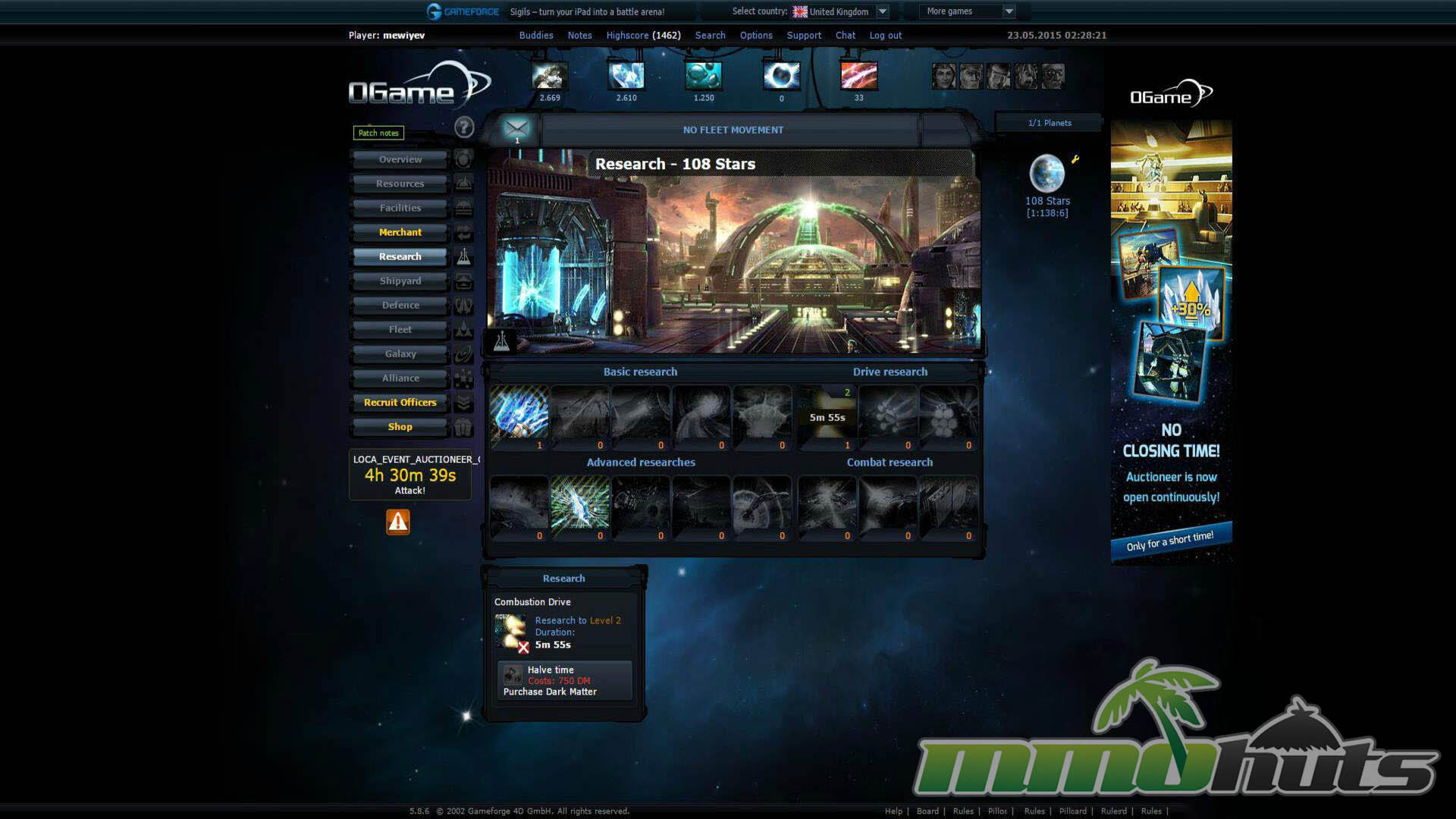
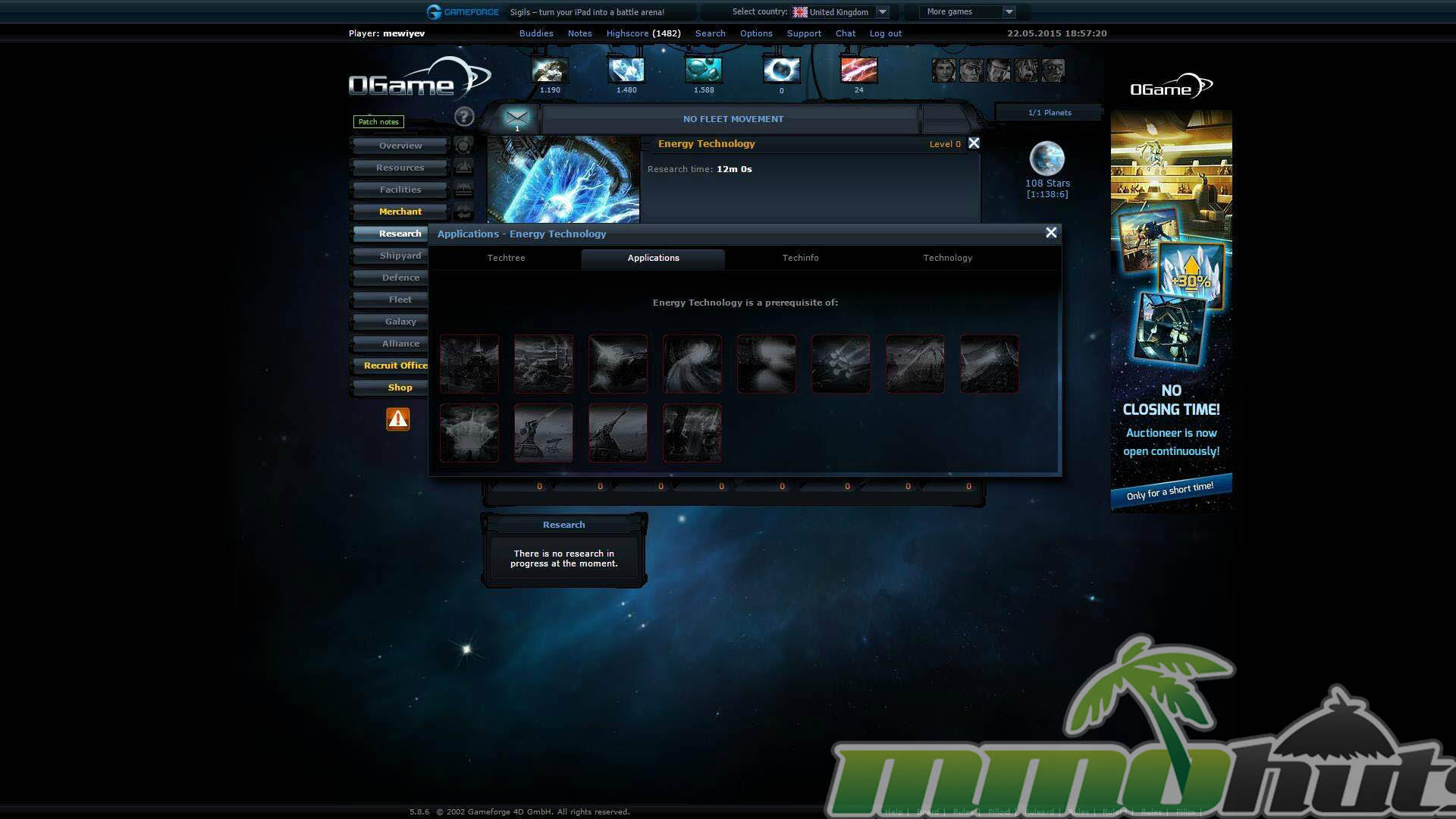
OGame Featured Video

OGame Review
OGame’s biggest appeal is how much strategy it delivers with very little friction. Because it is browser-based and largely menu-driven, it is easy to check in throughout the day, queue a few upgrades, and make meaningful progress without needing a long uninterrupted play session. That approachability is also why it has remained relevant for so long, it fits neatly into a routine.
The early game is about stabilizing your economy. Upgrades tend to be straightforward, increase production, expand storage, unlock research, and build toward the prerequisites for better ships and defenses. The deeper you go, the more the game becomes about efficiency and risk management. Holding large stockpiles is dangerous because other players can raid you, so learning when to spend, when to hide resources, and when to log off with a plan becomes part of the metagame.
PvP is where OGame becomes most memorable, and also where it can feel unforgiving. Fleet movements are time-based, attacks can be planned around predictable windows, and mistakes can be costly. The experience rewards players who pay attention to timing, scouting, and alliance diplomacy. Even if you are not constantly fighting, the threat of conflict shapes how you build and how you schedule your actions.
That said, the game’s age shows. The interface and presentation are functional but not modern, and the pacing can feel glacial if you are looking for frequent moment-to-moment action. It is a game built around waiting, planning, and returning later, which is perfect for some players and a deal-breaker for others. There is also monetization that can tilt the playing field, particularly for competitive players who want to keep up at the top end.
Overall, OGame is best suited to strategy fans who enjoy long-term optimization, political play through alliances, and a persistent universe where decisions matter over weeks and months. If you want instant feedback and constant action, it will feel slow. If you want a classic browser MMO that still delivers tense PvP and empire-building, it remains an easy recommendation to at least try.
OGame Links
OGame Official Site
OGame Wikipedia
OGame Wikia [Database/Guides]
OGame Wiki [Database/Guides]
OGame Requirements
Operating System: XP / Vista / 7 / 8
CPU: Intel Pentium 4 or AMD Equivalent
Video Card: Any Graphics Card (Integrated works well too)
RAM: 512 MB
Hard Disk Space: 100 MB (Cache)
Because OGame runs in a web browser, it is very lightweight and should perform well on almost any computer. It was tested on Internet Explorer, Opera, Firefox, and Chrome, and in practice most modern browsers should handle it without issues.
OGame Additional Information
Developer: Gameforge AG
Publisher: Gameforge AG
Game Engine: PHP, AJAX
Platform: Web Browser
Release Date: October 3, 2002
Development History / Background:
OGame is a text-based space simulation strategy MMO that has been running for more than fifteen years. It launched on October 3, 2002, and places each new player at a random location in a galaxy where growth is driven by economic planning and technology research. As of January 19, 2011, OGame has a total of 52 universes, with additional universes introduced over time. The game is produced and maintained by Gameforge, an early European adopter of the free-to-play approach.