Next Island is a 3D open-world sci-fi MMORPG planet within the wider Entropia Universe, built around a real-cash economy rather than a purely fictional gold system. Instead of treating currency as a typical MMO reward loop, the game ties its Project Entropia Dollars (PED) to real value, letting players trade, buy, sell, and potentially cash out, which changes how progression, risk, and even basic hunting feel compared to standard theme park MMOs.
 | Publisher: Next Island LLC, MindArk Playerbase: Medium Type: 3D Sci-Fi MMORPG Release Date: December 10, 2010 Pros: +Strong visuals for its age. +Real economy makes trading and crafting meaningful. +In-game currency can be converted to real-world cash. +Open-ended sandbox structure with lots of freedom. +Multiple viable playstyles. Cons: -Pay-to-win pressure through deposits. -Slow early progression if you do not add funds. -Grinding can dominate the experience. |

Next Island Overview
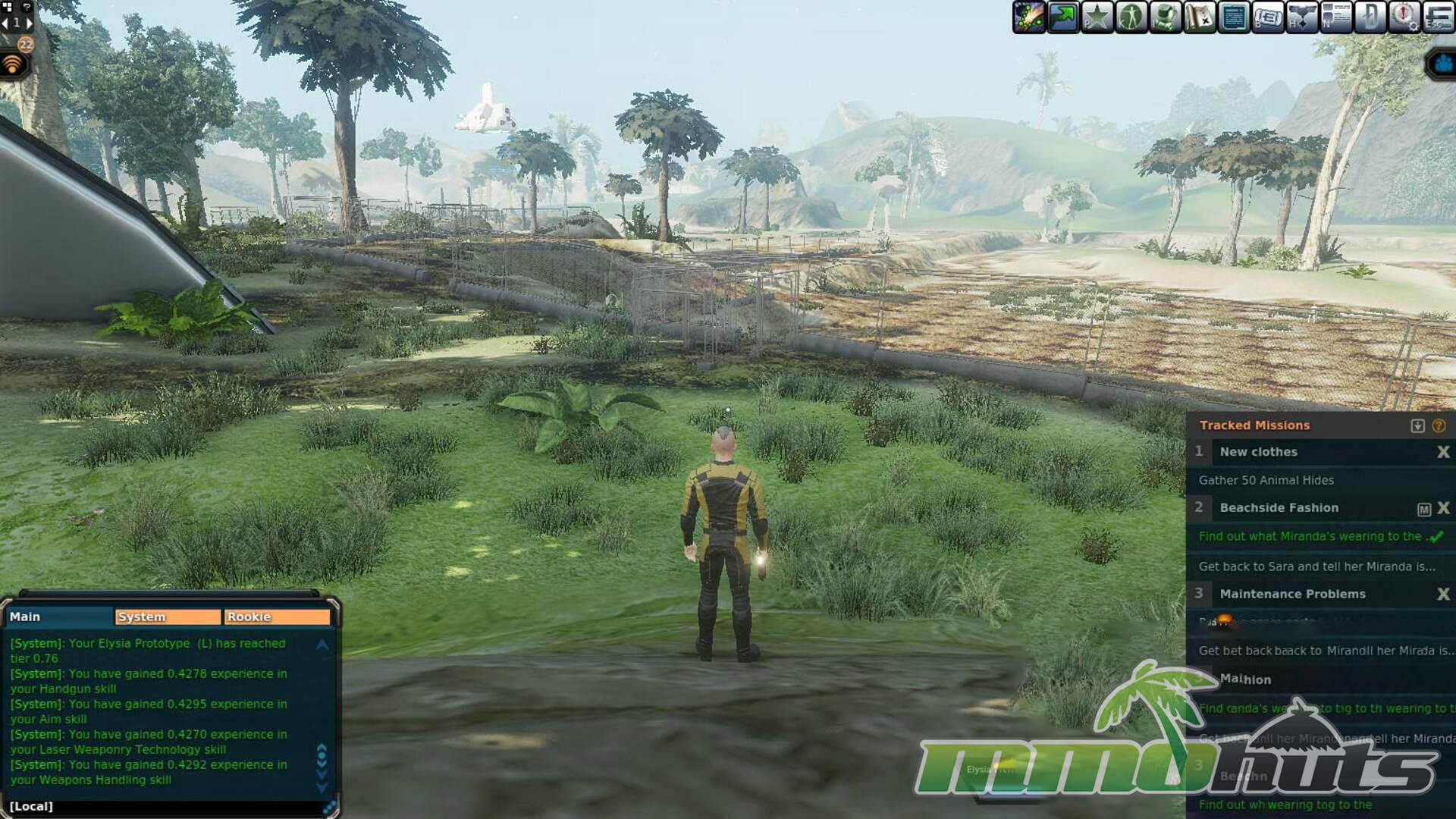
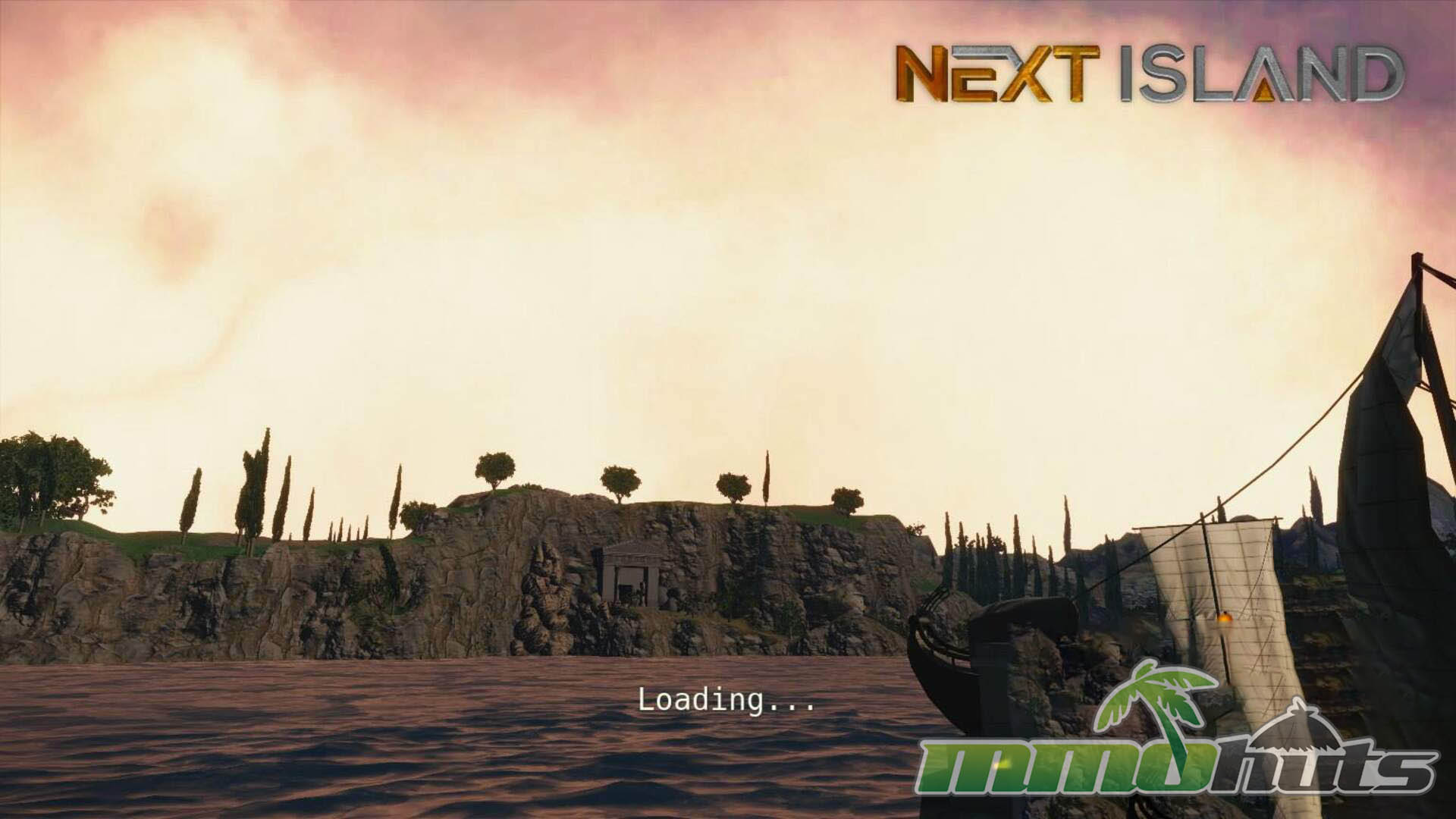
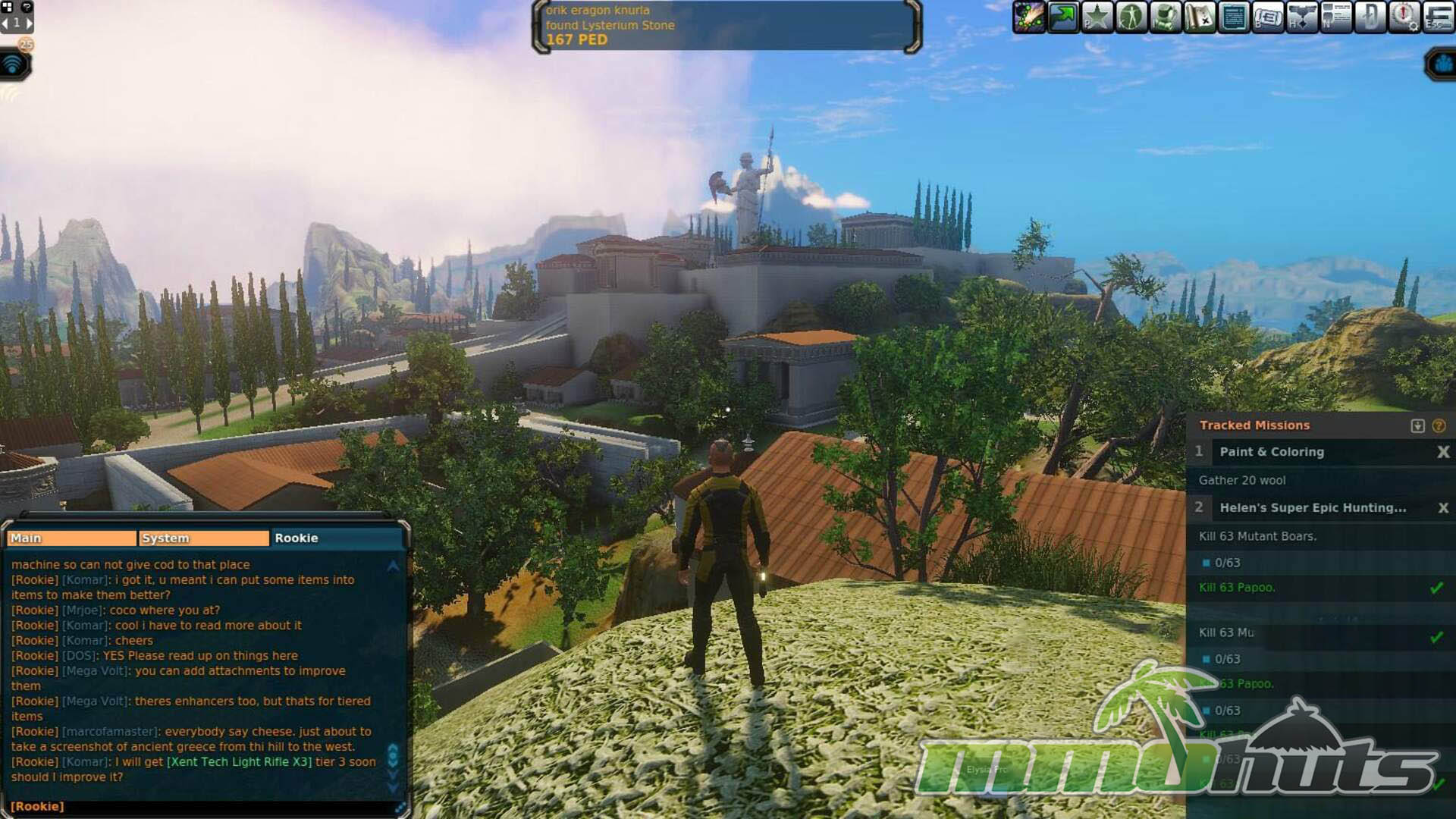
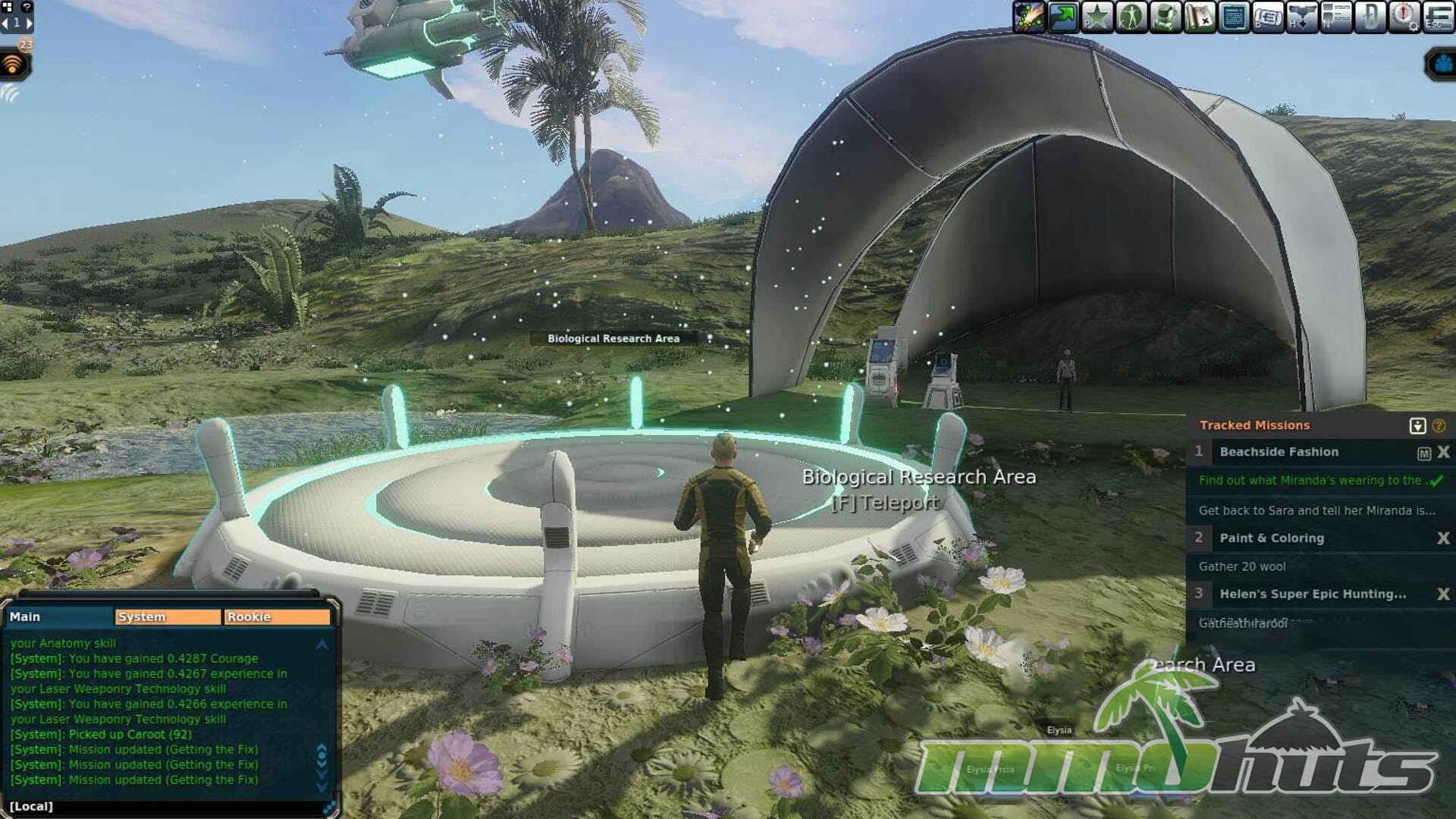
Step into the boots of a fresh colonist headed for Next Island, a tropical world that serves as one of the destinations inside Entropia Universe. The setting leans into postcard scenery, including resort-like hubs, beaches and lagoons, huge waterfalls, dense jungle stretches, mountains, and desert pockets. It also has a standout oddity, a cave that can shift you into an Ancient Greece themed area, which gives exploration a fun, slightly surreal twist.
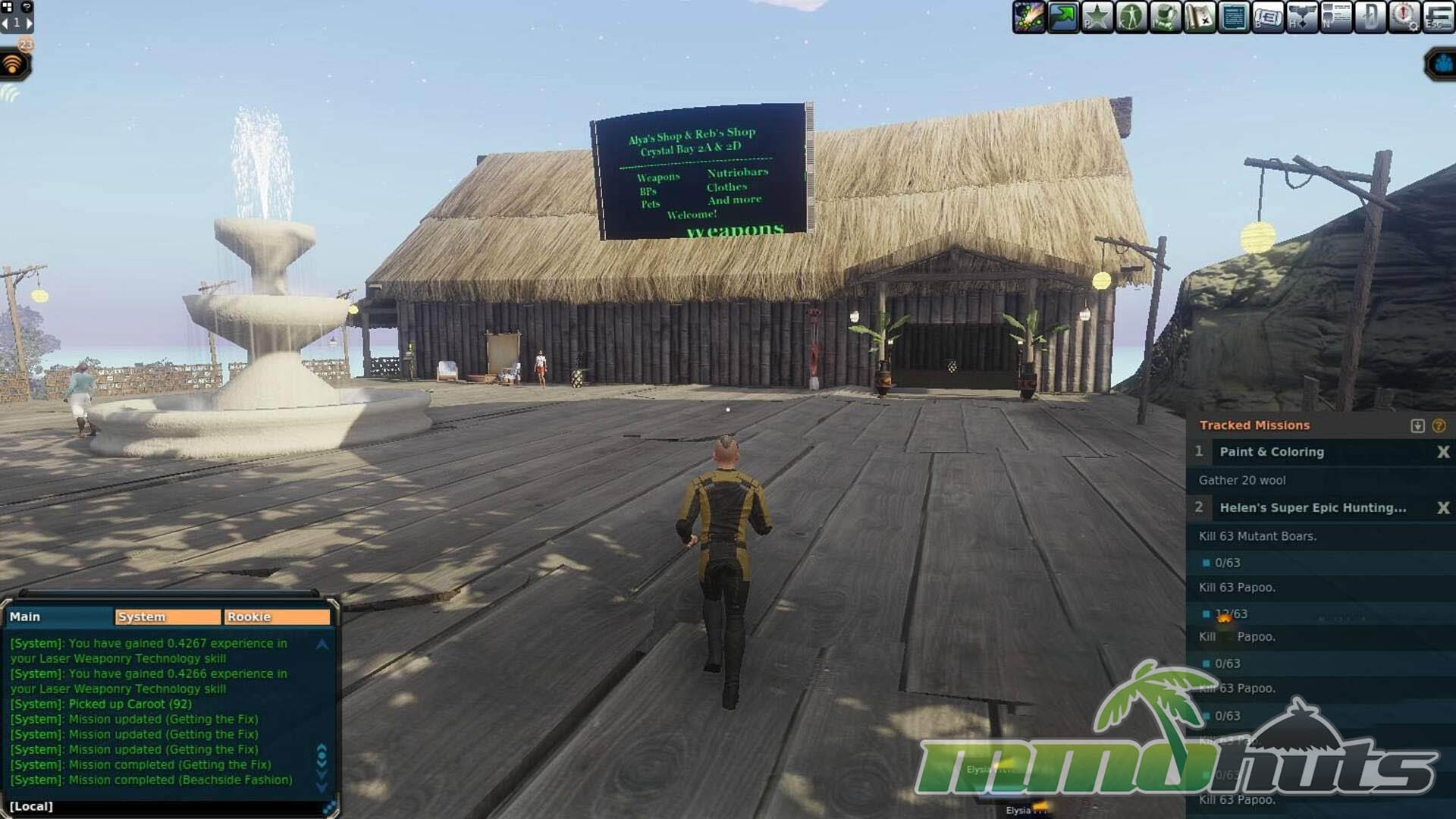
What separates Next Island from typical MMORPG zones is how closely its activities are tied to the real-cash economy. You can pursue missions and jobs that look familiar on paper, hunting hostile wildlife, running deliveries, and taking on odd tasks, but the rewards and expenses are designed to behave more like a circulating economy than an endlessly spawning loot faucet. You can earn PED through hunting, mining, trading, and services, then reinvest that currency into gear, tools, and skill growth. With enough capital and the right skill set, the game also supports more entrepreneurial play, renting a shop, selling services, or investing in property and shares that can pay dividends.
If you prefer conflict, there is also room for PvP-oriented play via space travel and ship ownership, letting you chase a pirate fantasy that is uncommon in many mainstream MMOs. Getting around is not limited to running from marker to marker either, vehicles can be used for travel, and offering rides for a fee can even become part of your income plan. In practice, Next Island is less about following a tightly scripted path and more about choosing a routine you can sustain within the economy.
Next Island Key Features:
- Real Economy System – PED is treated as a currency with real value, moving through player trades, auctions, fees, and services, and it can be converted to real-world cash rather than being a purely fictional gold sink.
- Vast Open-World – a broad tropical planet with varied biomes and the ability to travel beyond it to other Entropia Universe worlds.
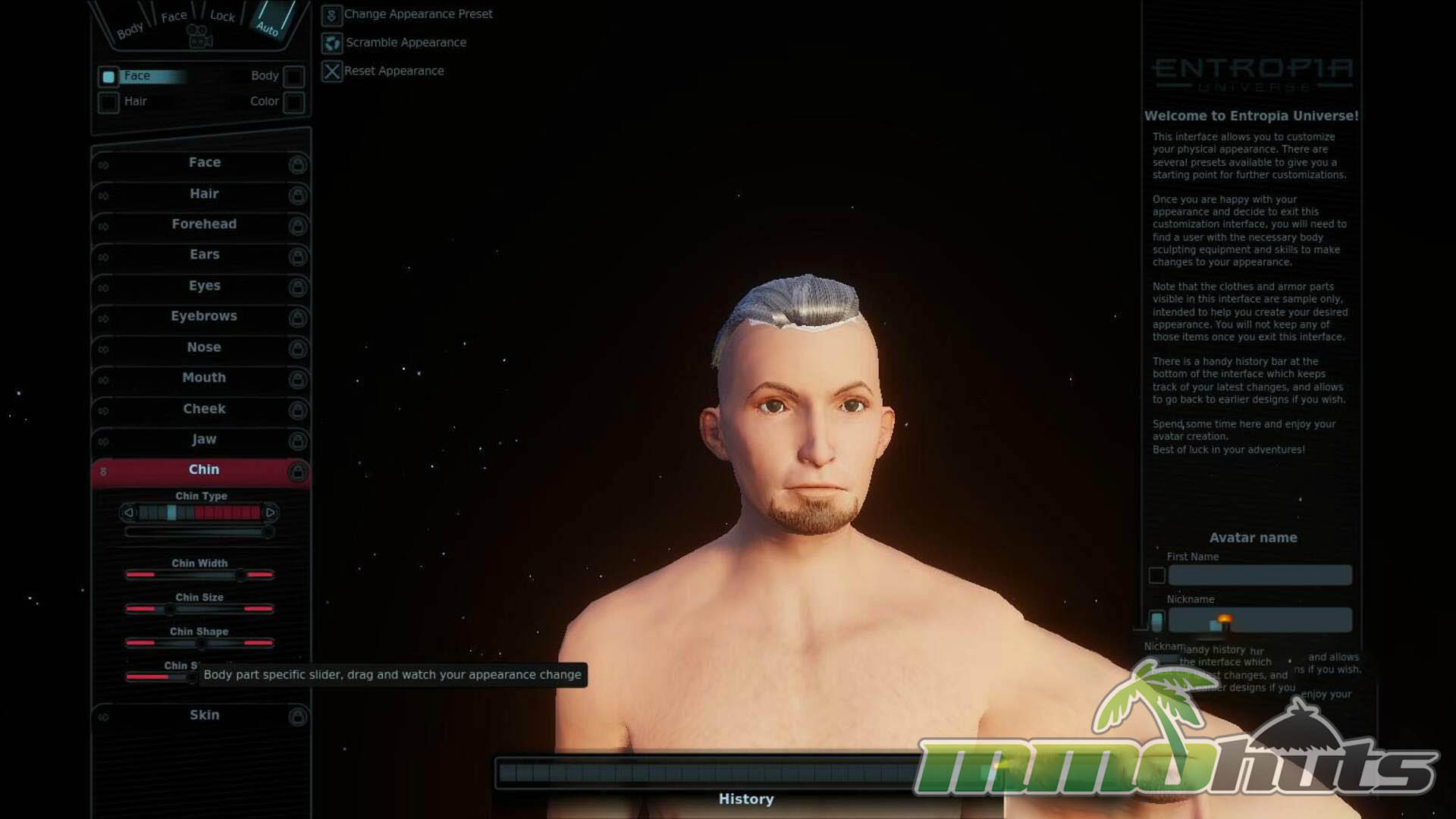
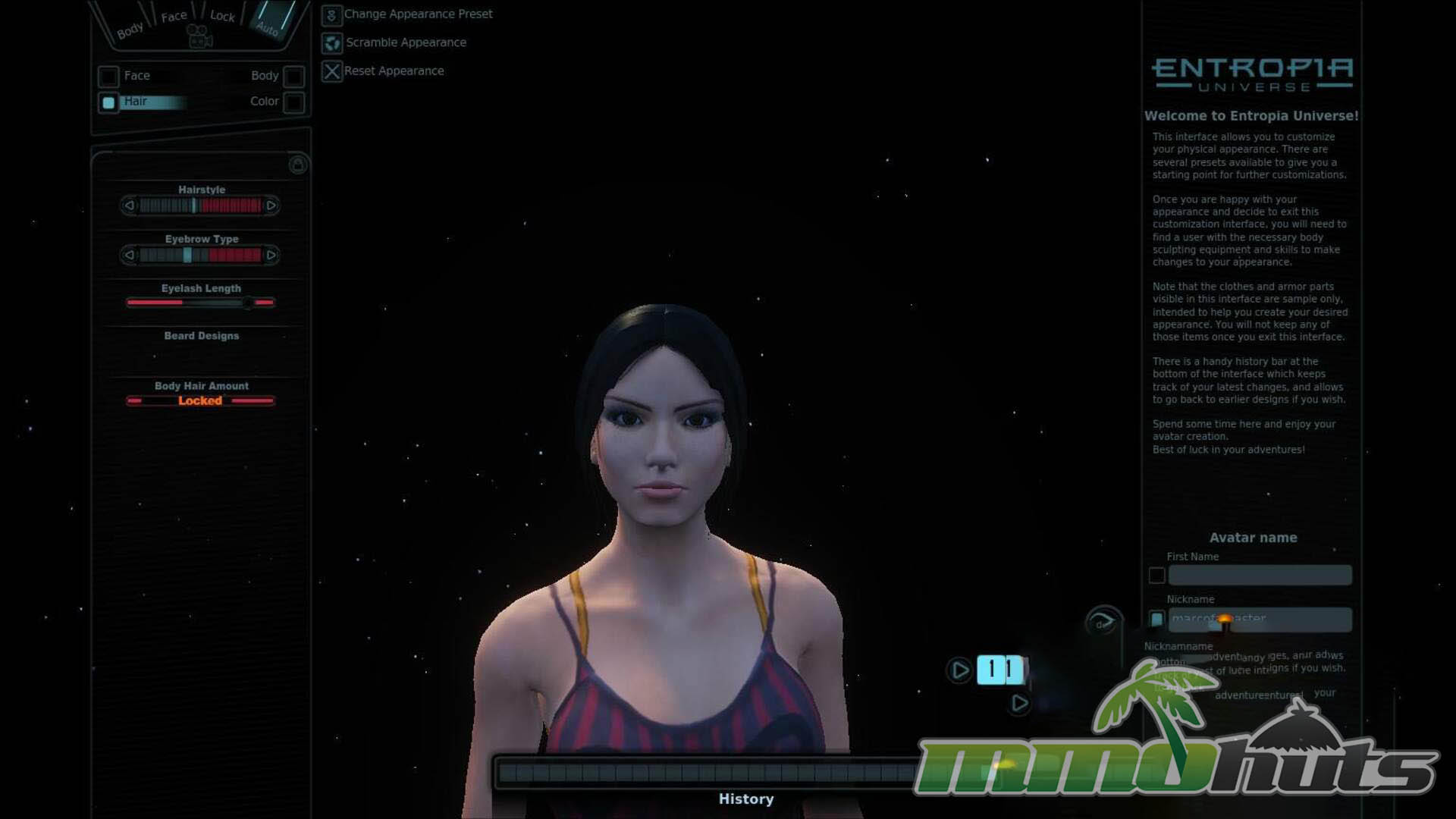
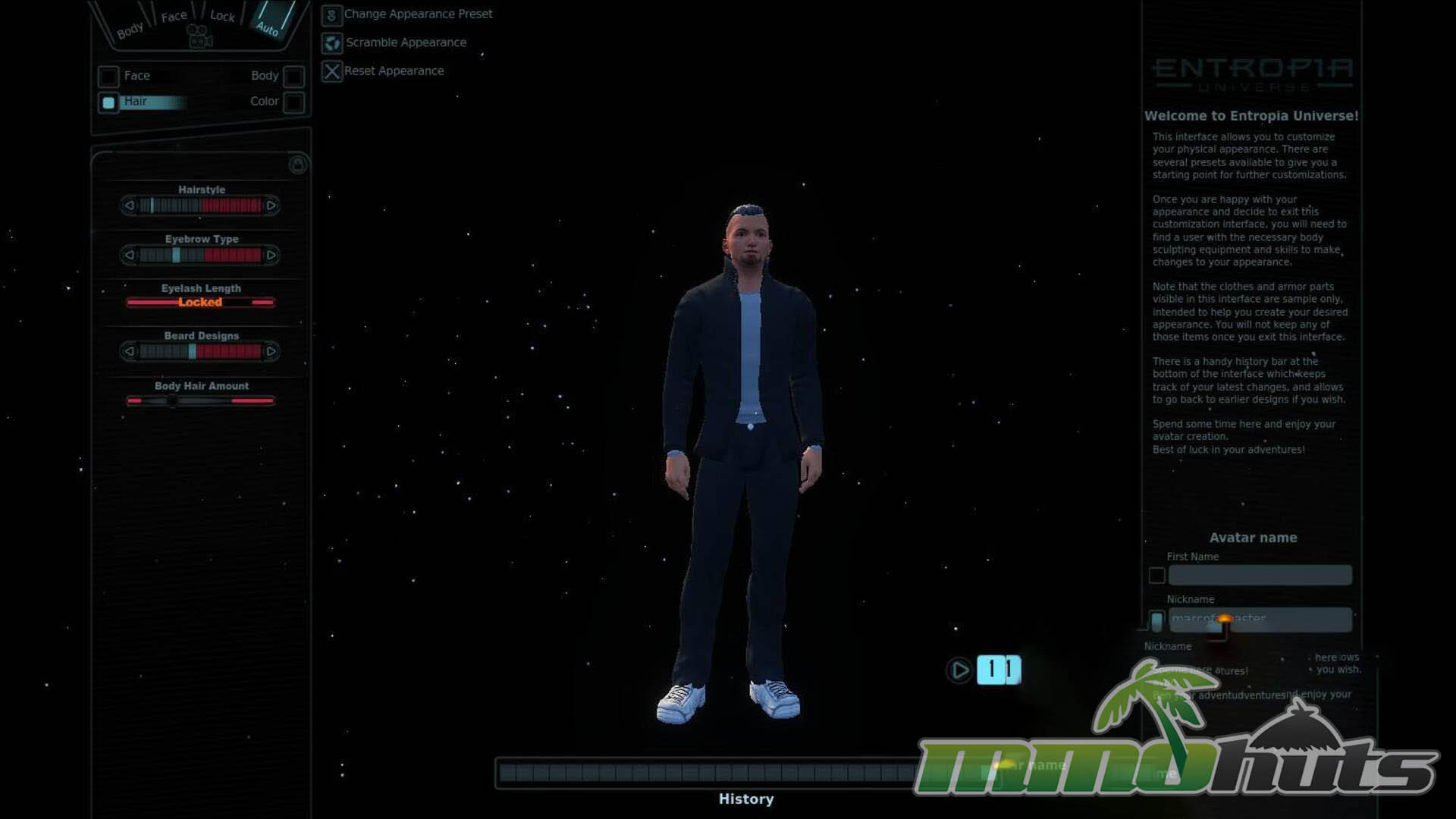
- In-Depth Character Creation – detailed avatar customization that goes beyond basic presets, letting you adjust facial structure and smaller physical traits.
- Flexible Sandbox Gameplay – playstyles range from questing and hunting to trading, running services, social play, or pursuing PvP and piracy in space.
- Buy and Own Property – property ownership is a real goal, from personal spaces to land investments, with the option to earn income via taxes on activity within your area.
Next Island Screenshots



Next Island Featured Video

Next Island Review
Most MMORPGs treat their economies as a treadmill, you earn gold, you spend gold, and the world quietly prints more in the background. Next Island (and Entropia Universe as a whole) works from a different premise, the money loop is the game. Project Entropia Dollars (PED) circulate between players and systems through trading, auctions, taxes, and service payments, and the key hook is that PED can be exchanged at a fixed rate of 10 PED to 1 US dollar. You can also deposit real money to acquire PED, which means the line between “progression” and “spending” is far thinner than in traditional MMOs.
A tropical planet with a strange edge
As a destination, Next Island sells itself on scenery. It is a bright, vacation-like world with beaches, waterfalls, and jungle trails, plus a time-travel flavored detour to Ancient Greece via a cave. The environment variety helps the planet feel like more than a single biome stretched thin, and the overall vibe is closer to an open-world sandbox than a corridor of quest hubs. The game also runs on a day and night cycle (four hours of day followed by one hour of night), which gives long sessions a sense of passing time, even if it is clearly compressed for gameplay.
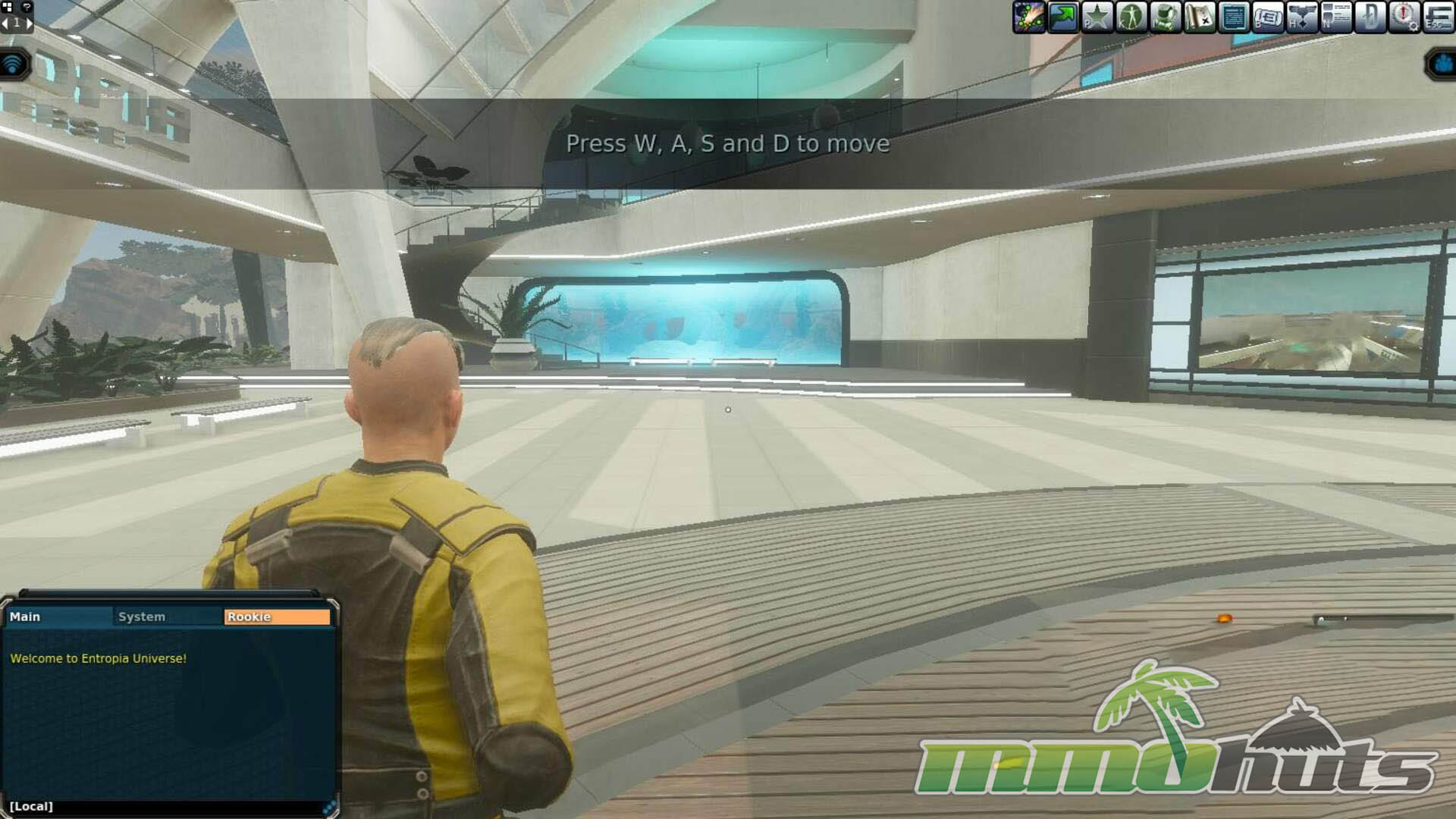
For a 2010 release, the presentation holds up better than many MMO-adjacent worlds from that era, and that is not surprising given it uses CryEngine 2. With settings pushed up, vistas from high ground can still look impressive, especially when the lighting hits the shoreline and water. Sound design is generally clean, but the moment-to-moment repetition can wear on you, since you will often hear the same weapon effects and creature noises during long grinds.
Starting out feels like living on a tight budget
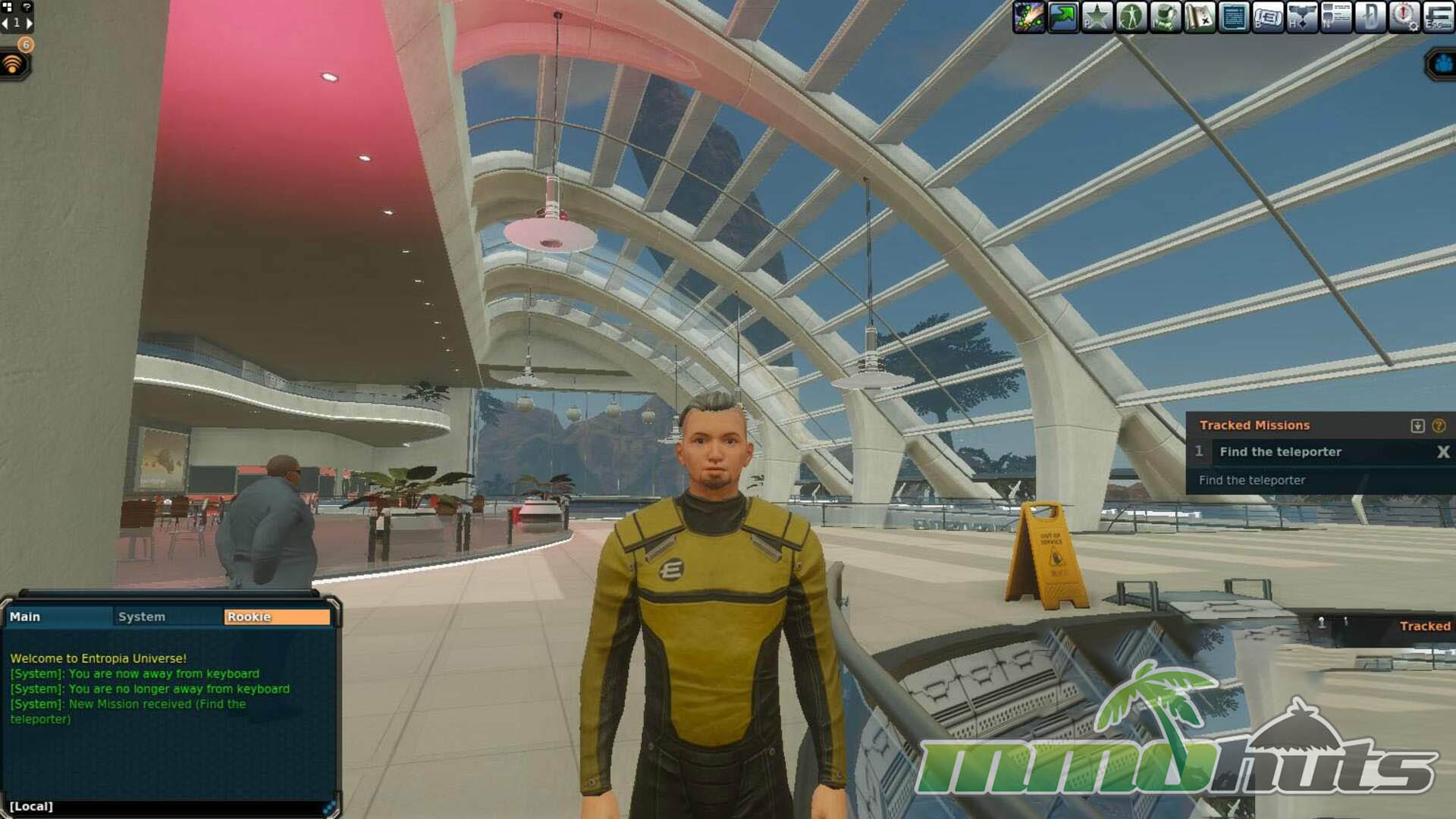
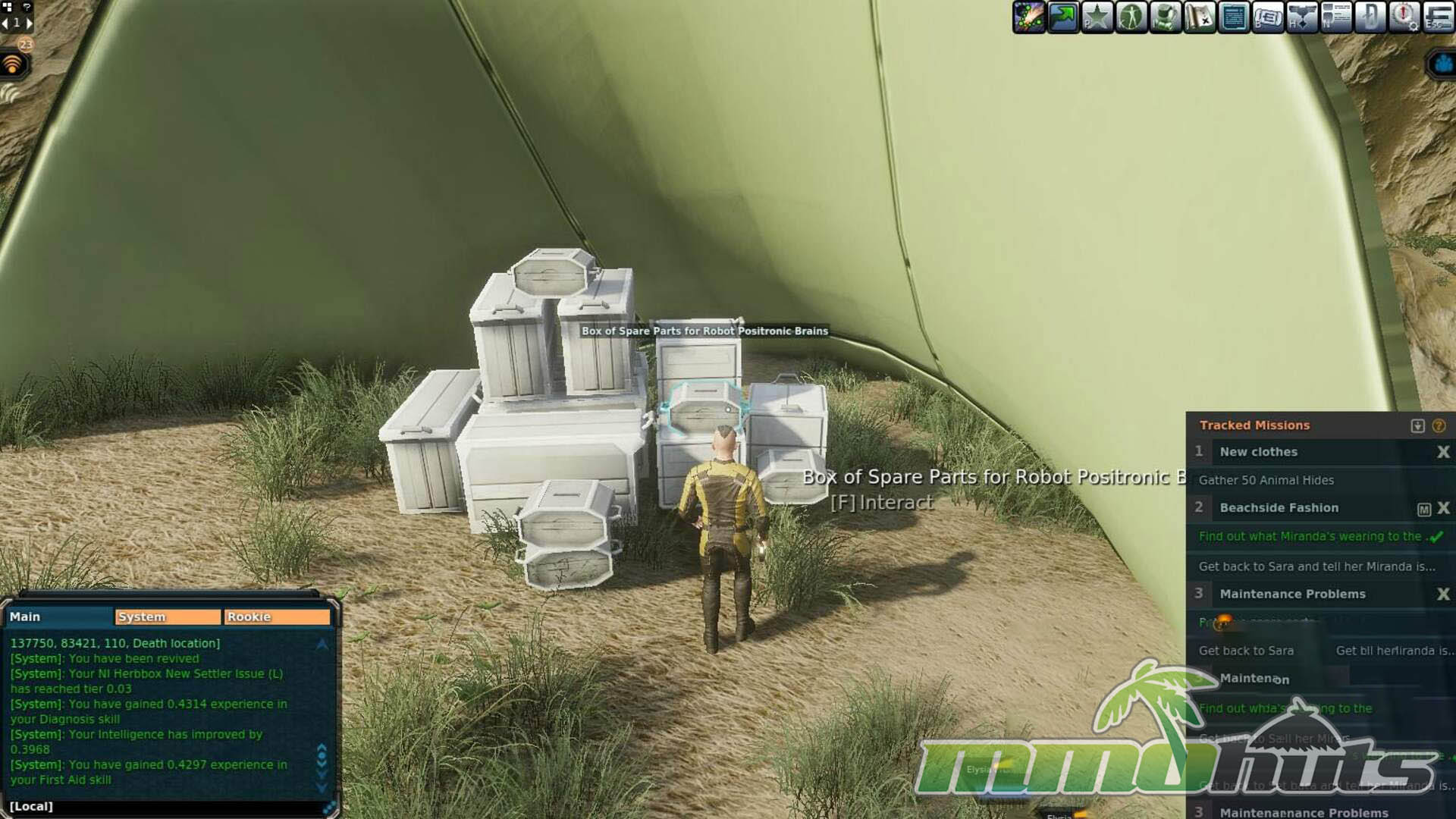
The early framing places you among the second wave of Elysian colonists, tasked with investigating what happened to earlier arrivals. In practical terms, that means you are introduced to the planet through errands, basic hunting jobs, and repair or delivery style tasks. It gives you a reason to move between locations, but like many sandbox MMOs, the narrative is more of a scaffold than the true driver. The real motivation quickly becomes simple, build PED, improve your tools, and carve out a role in the economy.
That economic focus is also where the game can feel harsh. Compared to conventional MMORPGs where early quests shower you with starter gear and currency, Next Island is deliberately stingy. One of the first “honest work” activities is collecting sweat from wildlife, because sweat functions as a valuable commodity in Entropia. In the opening hours, sweating can easily become your main source of income, and it is slow, repetitive, and not especially exciting. Quest rewards can also feel underwhelming relative to the time and resources spent, which makes the first stretch of play a test of patience.
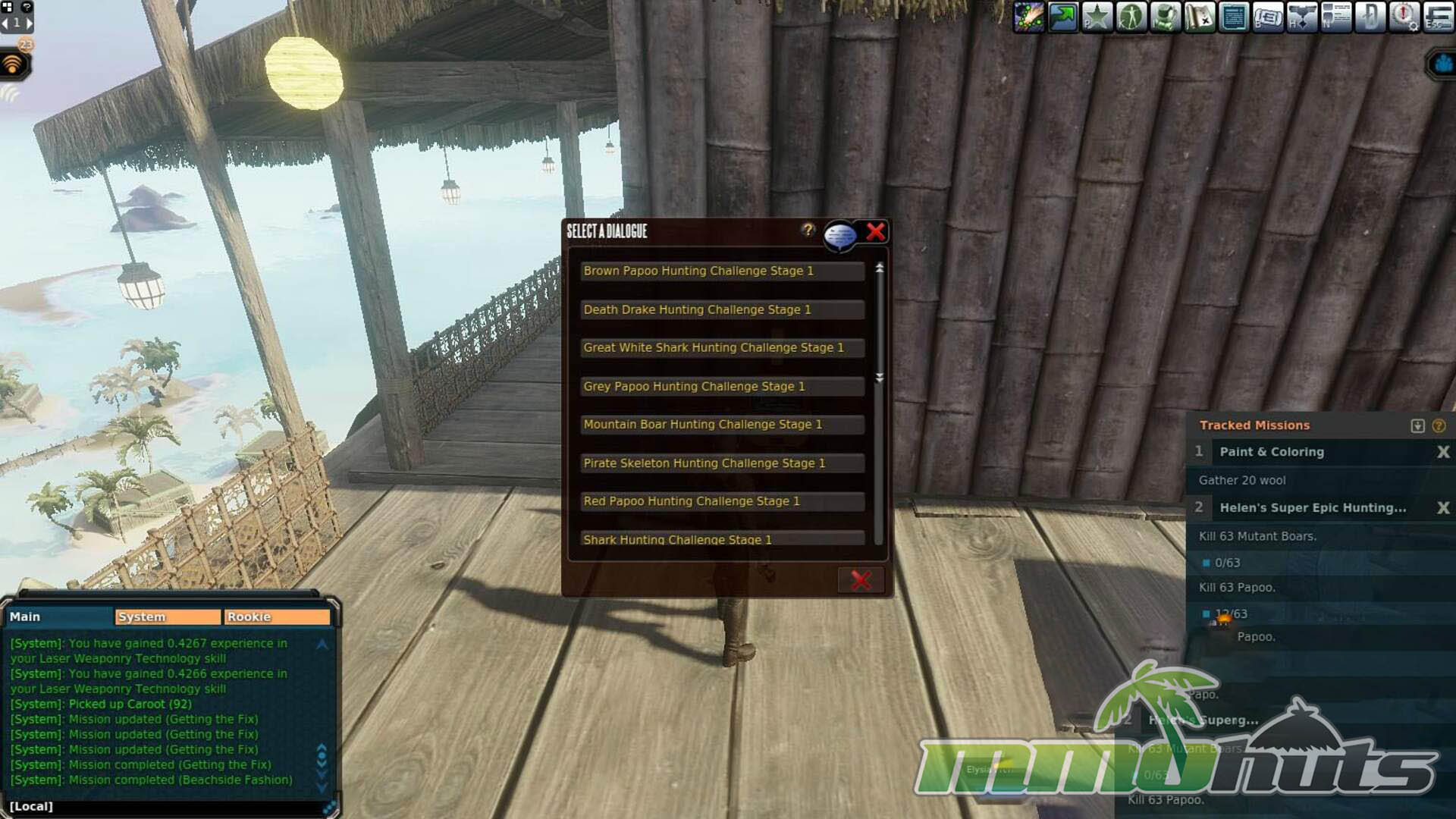
Quest requirements sometimes underline that grind. Early objectives can ask for large quantities of monster drops that are not guaranteed, or for hunting counts that are costly when every shot has a price tag. When your equipment is weak and your bankroll is tiny, the math of “ammo spent versus loot earned” matters more than your personal skill. Mining exists as an alternate path to earning, but it also requires specialized ammunition, so it is not a free escape from the resource squeeze.
Combat is simple, but the economy makes it tense
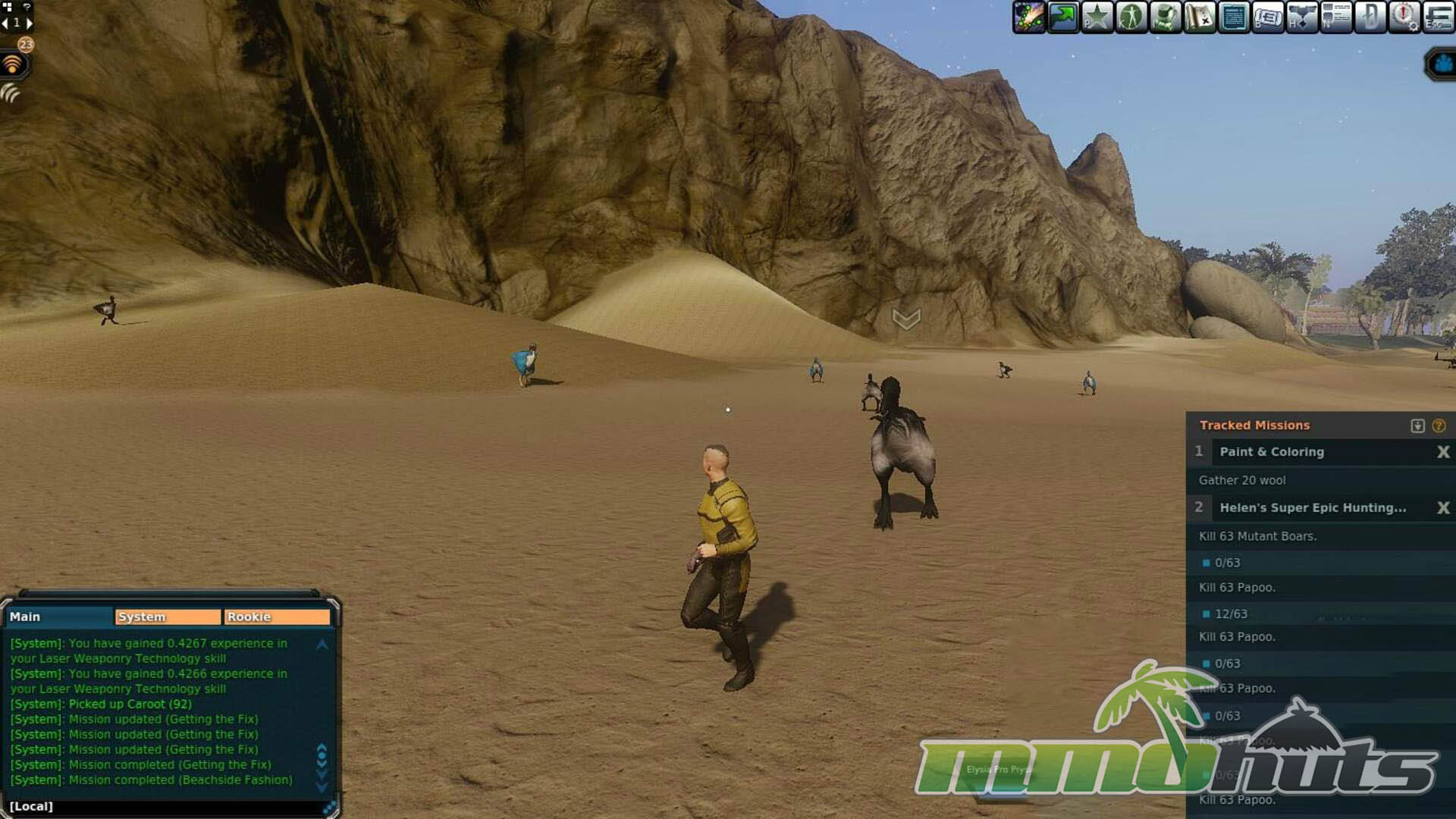
Moment to moment, fighting is straightforward tab targeting. You lock onto a creature, use your weapon or tools, cycle targets, and repeat. The interesting part is not the mechanics, it is the cost structure. In many MMORPGs, the only penalty for killing a low-level enemy is time. Here, ammunition and decay are expenses, so even basic hunting can feel like you are budgeting rather than adventuring.
In the early game, it is easy to end up in a loop where you spend more on ammo than you earn back in loot. You can recover some ammunition value through shrapnel conversion, but it varies and does not always solve the problem. If you run dry during a hunt and cannot afford to restock, you are pushed back toward sweating or other low-yield activities until you can stabilize your funds.
The world is also not particularly forgiving in terms of creature behavior. Many enemies are aggressive, and they will chase persistently if they lock on, which can turn travel into a series of messy retreats when you are undergeared. Escaping into water can help, but that introduces its own threats. Over time, your skills, tools, and survivability improve, but the early impression is clear, this is an MMO where the economy sets the difficulty curve as much as the monsters do.
Depositing real money can smooth that curve significantly by giving you seed capital for better gear and more consistent hunting. That is where the pay-to-win concern comes in, players who inject cash can bypass a lot of early friction, while non-depositors may spend long stretches building up a small bankroll through slow methods.
Where the game opens up
Once you reach a point where your income is steadier, Next Island starts to make more sense as a sandbox. Better tools let you pursue more profitable hunting, more reliable mining, and crafting or service roles that can earn PED through other players rather than only through NPC loops. The classless skill system supports that flexibility well, you improve by doing, and you can focus on whatever niche you want to occupy, as long as the market actually values it.
Long-term goals are also more tangible than in many MMORPGs because property and investment systems are real pillars of the experience. Buying an apartment (often discussed around the 1000 PED range) is not just cosmetic, it is a social and economic status marker, and a place to store and display what you have earned. Land ownership goes even further by allowing taxation on activity within your boundaries, which can create passive income if you can afford the upfront cost. Shares and other investments add another layer for players who prefer planning and market watching over constant hunting.
Entropia Universe has also produced some famous real-money headlines, including the well-known story of Jon “Neverdie” Jacobs purchasing a virtual space asteroid for $100,000, developing it into a club called Neverdie, and later selling it for over $600,000, a deal that was recorded by Guinness as the “Most Expensive Virtual Object Sold”. Jacobs later became the founder and CEO of NEVERDIE Studios, the studio associated with developing Next Island.
Final Verdict – Good
Next Island is a niche MMORPG experience built around a concept few games attempt, a persistent virtual world where the economy is designed to reflect real value, with a fixed conversion of 10 PED to $1. It offers a more MMO-like structure than virtual worlds such as Second Life, while still giving players broad freedom to hunt, mine, trade, socialize, and build businesses.
The trade-off is that the early game can be punishingly slow if you do not deposit money, and the grind is not optional, it is foundational to how the economy stays “honest.” Players willing to treat it like a long-term sandbox, especially those interested in market play and services, will find a unique ecosystem worth exploring. Players looking for fast power progression or generous quest rewards are likely to bounce off. For the right audience, it is compelling, but most players should go in expecting entertainment first and meaningful profit only as a distant possibility.
Next Island Links
Next Island Official Site
Entropia Universe Official Site
Entropia Universe Wikipedia Page
Next Island Facebook Page
Next Island Wiki
Next Island Subreddit
Next Island System Requirements
Minimum Requirements:
Operating System: Windows Vista, Windows 7, Windows 8.x. or Windows 10
CPU: Intel i3 or equivalent
Video Card: NVIDIA GeForce 7800 Series or better / ATI Radeon 1900 series or better
RAM: 4 GB RAM
Hard Disk Space: 20 GB available space
Direct X: Version 9.0c
Recommended Requirements:
Operating System: Windows 10 64 Bit (latest Service Pack)
CPU: Intel i5 or equivalent
Video Card: NVIDIA GeForce 8800 Series or better / ATI Radeon 2900 series or better
RAM: 8 GB RAM
Hard Disk Space: 20 GB available space
Direct X: Version 9.0c
*Requirements are similar to Entropia Universe.
Next Island Music & Soundtrack
Coming soon!
Next Island Additional Information
Developer: Next Island LLC
Publisher: Next Island LLC, MindArk
Platforms: PC
Engine: CryEngine 2
Open Beta: December 7-8, 2010
Official Release: December 10, 2010
Development History / Background:
Next Island is a 3D open-world sci-fi MMORPG and one of the planets within Swedish developer MindArk’s online virtual world, Entropia Universe. It is developed and published by Next Island LLC, and it is closely associated with NEVERDIE Studios, the team founded by Entropia Universe figure Jon “Neverdie” Jacobs.
Jacobs became widely known for purchasing a virtual space asteroid for $100,000 and transforming it into a major in-game destination, a nightclub resort called Neverdie. He later sold the property for more than half a million dollars, a headline-making deal that helped demonstrate how far Entropia’s real-cash economy could go, and that success was used as part of the foundation for funding projects like Next Island.
The planet was announced in November 2009, followed by a closed beta in December of the same year. Next Island then ran a brief open beta on December 7-8, 2010, shortly before its official launch on December 10, 2010.