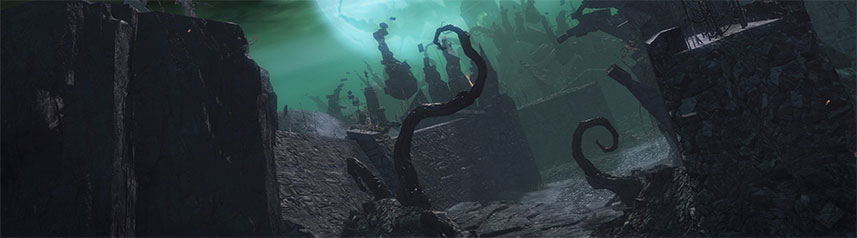
MU Legend is an isometric, dungeon-driven MMORPG built around fast hack-and-slash combat and constant loot upgrades, positioned as a follow-up to the long-running MU Online. It leans heavily into clearing dense packs of enemies, tuning a compact skill loadout, and chasing better gear through repeatable instanced content.
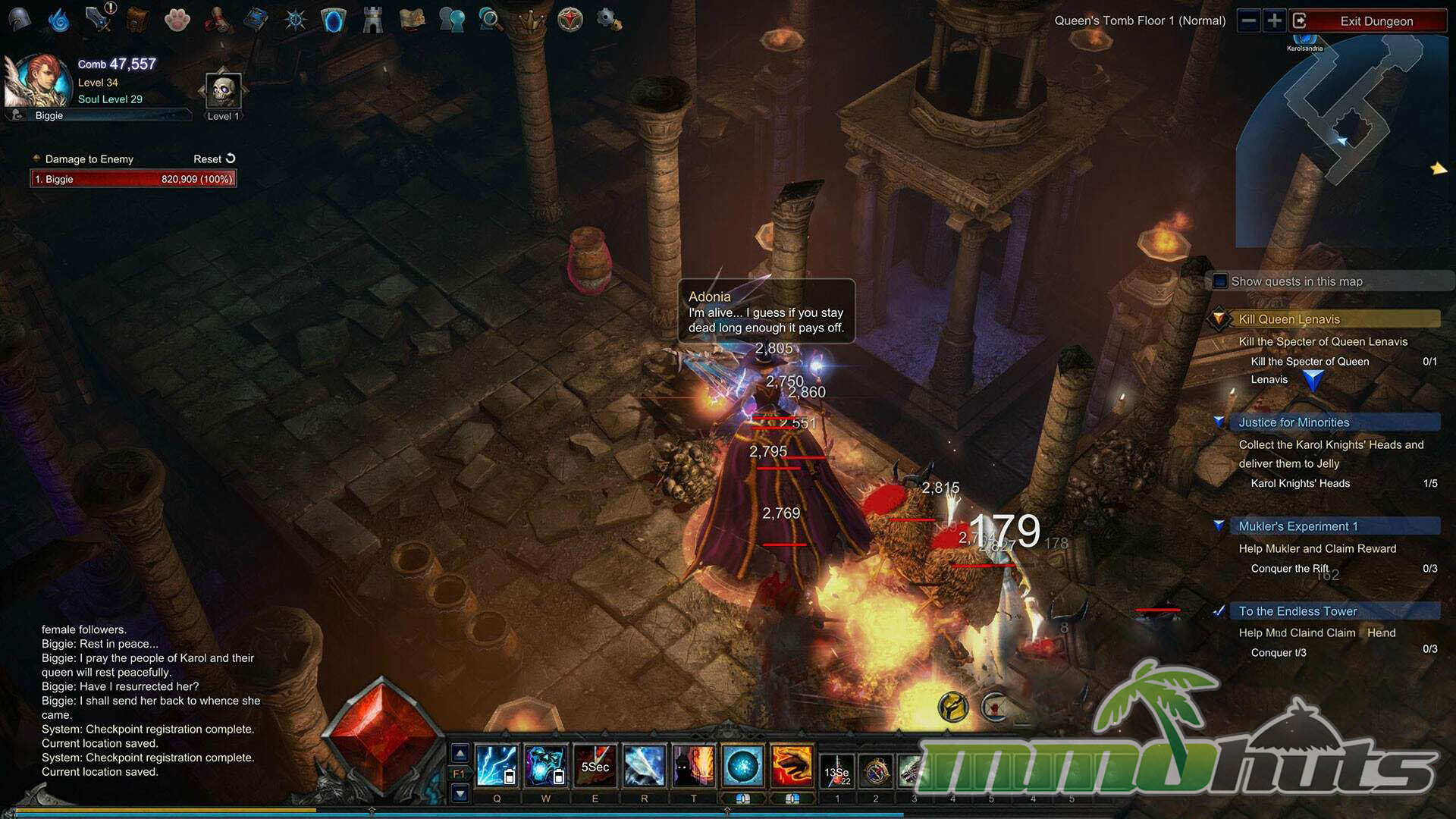 | Developer: Webzen Publisher: Valofe Type: Isometric MMORPG Release Date: November 7th, 2017 Shut Down: May 31, 2023 Pros: +Flexible skill tuning through crests. +Strong-looking 3D visuals for its era. +Dungeons can be genuinely punishing. Cons: -Crowded, clunky interface layout. -Linear, corridor-like zones. |

MU Legend Overview
MU Legend is a hack-and-slash focused MMORPG from Webzen, created as the next major entry after MU Online. The project spent years in the public eye, first teased under the name MU2 in 2004, with actual production beginning later in 2009. At its core, the game is built around rapid mob clearing, frequent gear swaps, and instanced challenges that are designed to be replayed for progression.
At launch, MU Legend offers four distinct classes, each aimed at a different combat identity: Blader, Dark Lord, War Mage, and Whisperer. You advance by fighting large groups of monsters, completing quests, and unlocking stronger skills as your level climbs. Loot drops and crafting feed into the familiar ARPG loop of upgrading equipment, then pushing into harder content with better rewards. Alongside the action, you also get MMO staples such as guilds, structured quest chains, skill trees, and multiple dungeon modes with varying objectives.
MU Legend Key Features:
- Unique Character Classes – pick from four class archetypes with distinct strengths, signature abilities, and combat pacing.
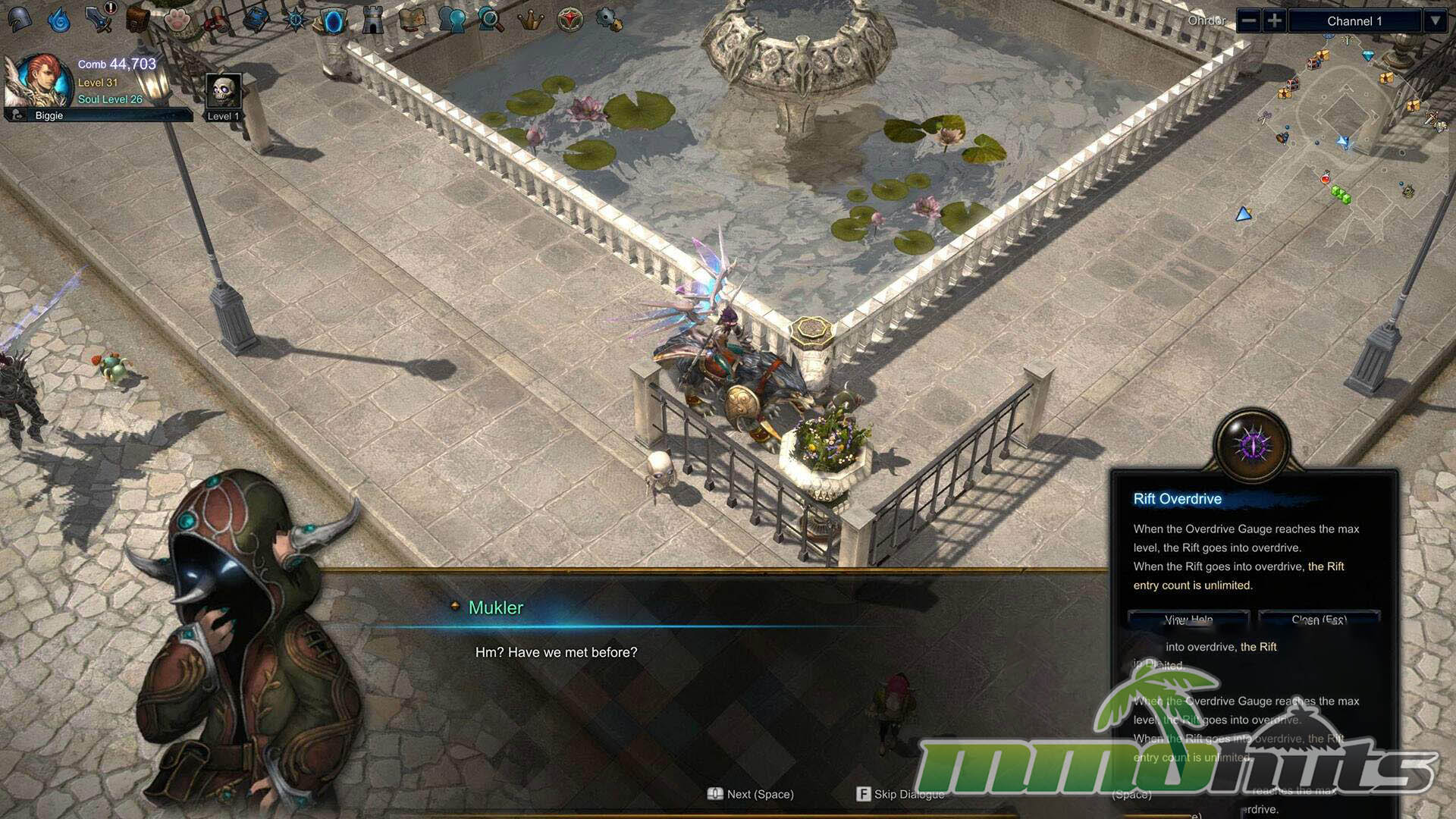
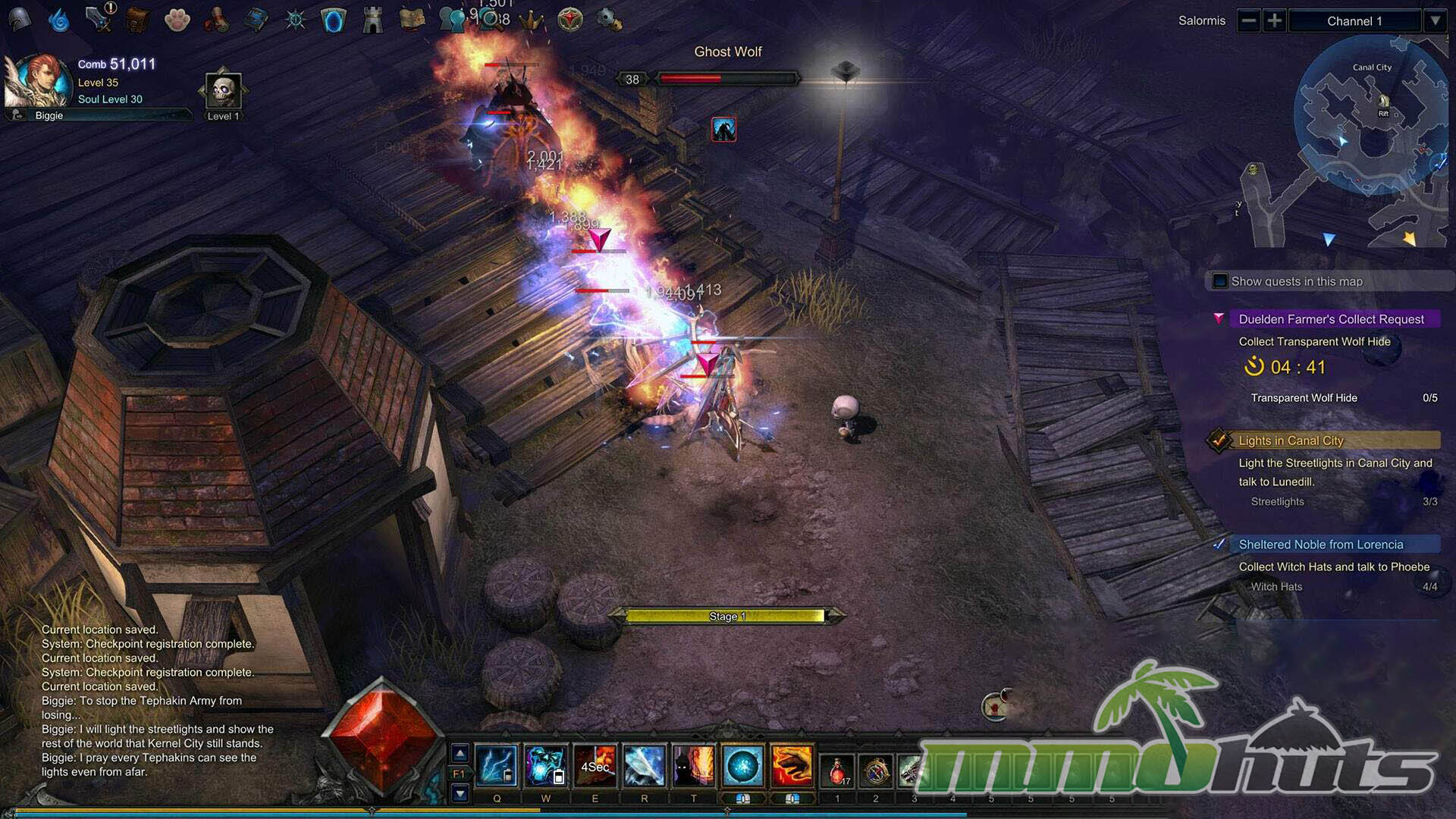
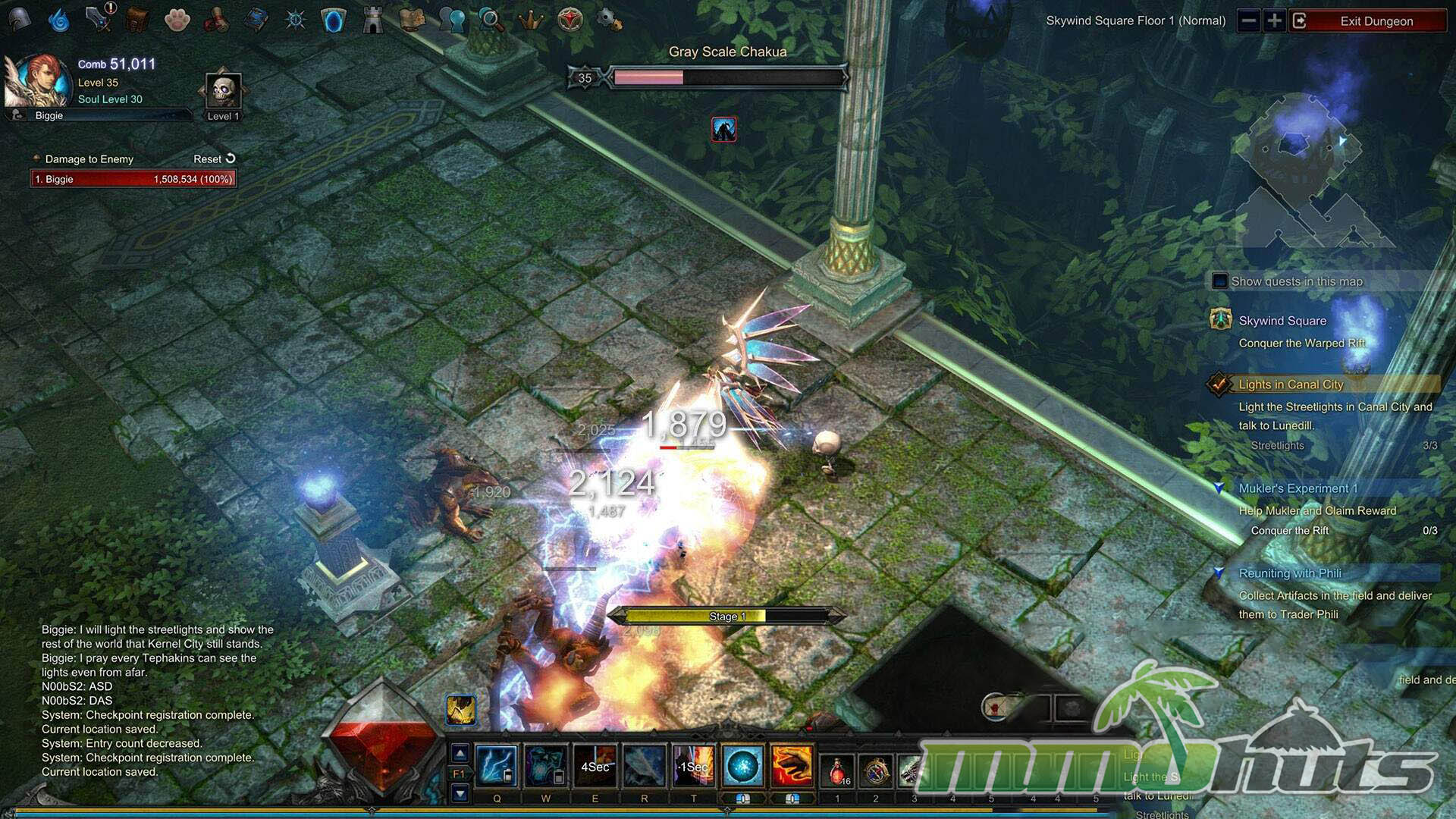
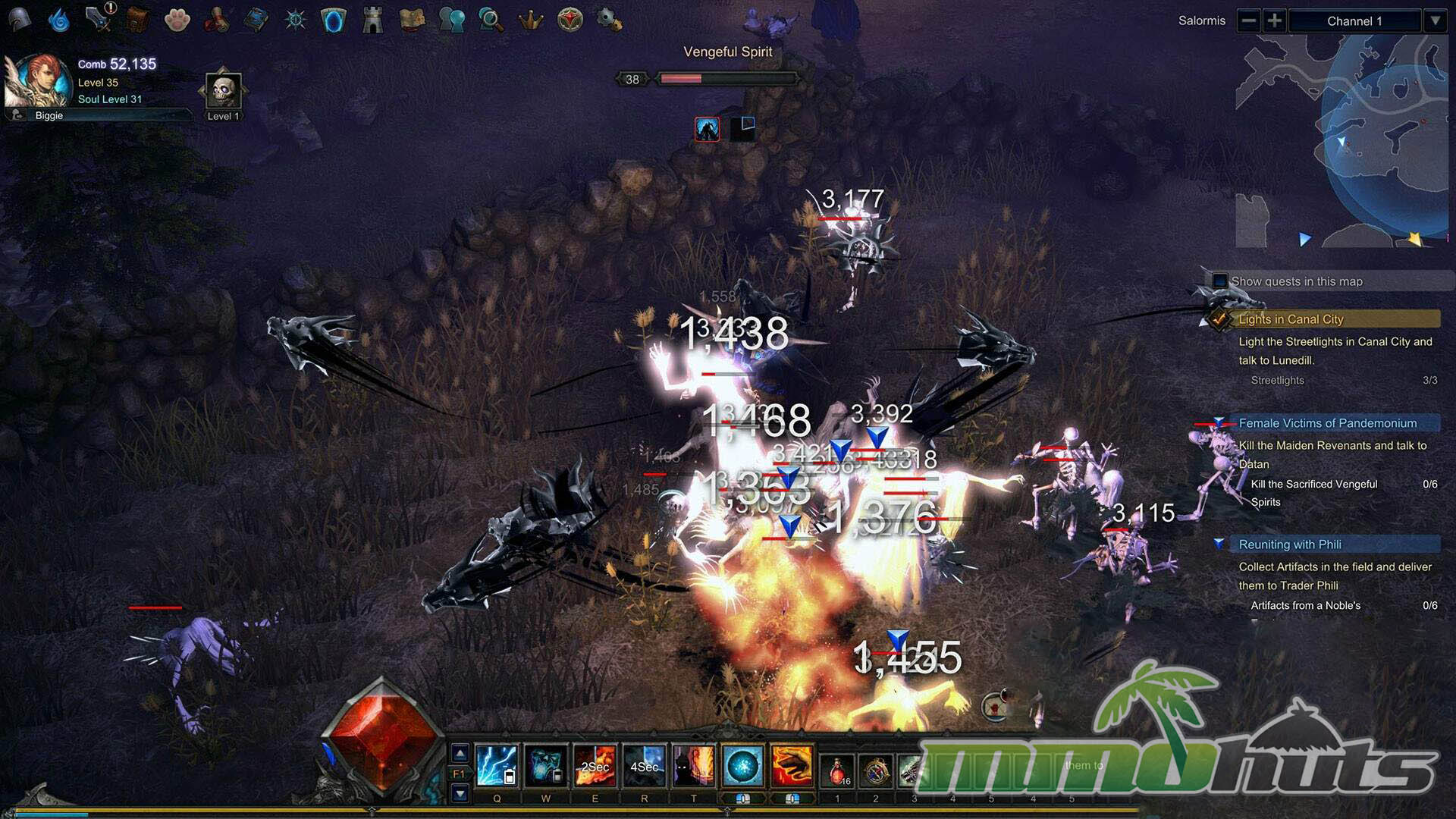
- Great Graphics – Unreal Engine 3 delivers clean 3D visuals and flashy skill effects during large pulls.
- RPG Elements – questing, progression systems, and skill development sit on top of a pure hack-and-slash foundation.
- Randomized Dungeons – dungeon runs scale in difficulty around character level, helping the content stay relevant longer.
MU Legend Screenshots







MU Legend Featured Video

MU Legend Review
MU Legend clearly aims to capture the ARPG satisfaction of carving through crowds, then funnel that momentum into an MMO-style treadmill of dungeons, drops, and incremental build upgrades. It succeeds most when it is letting you chain fights together and when it is asking you to survive hectic encounters in instanced content. Where it struggles is in how often its overworld structure and presentation get in the way of that otherwise straightforward fun.
Getting Started and Character Identity
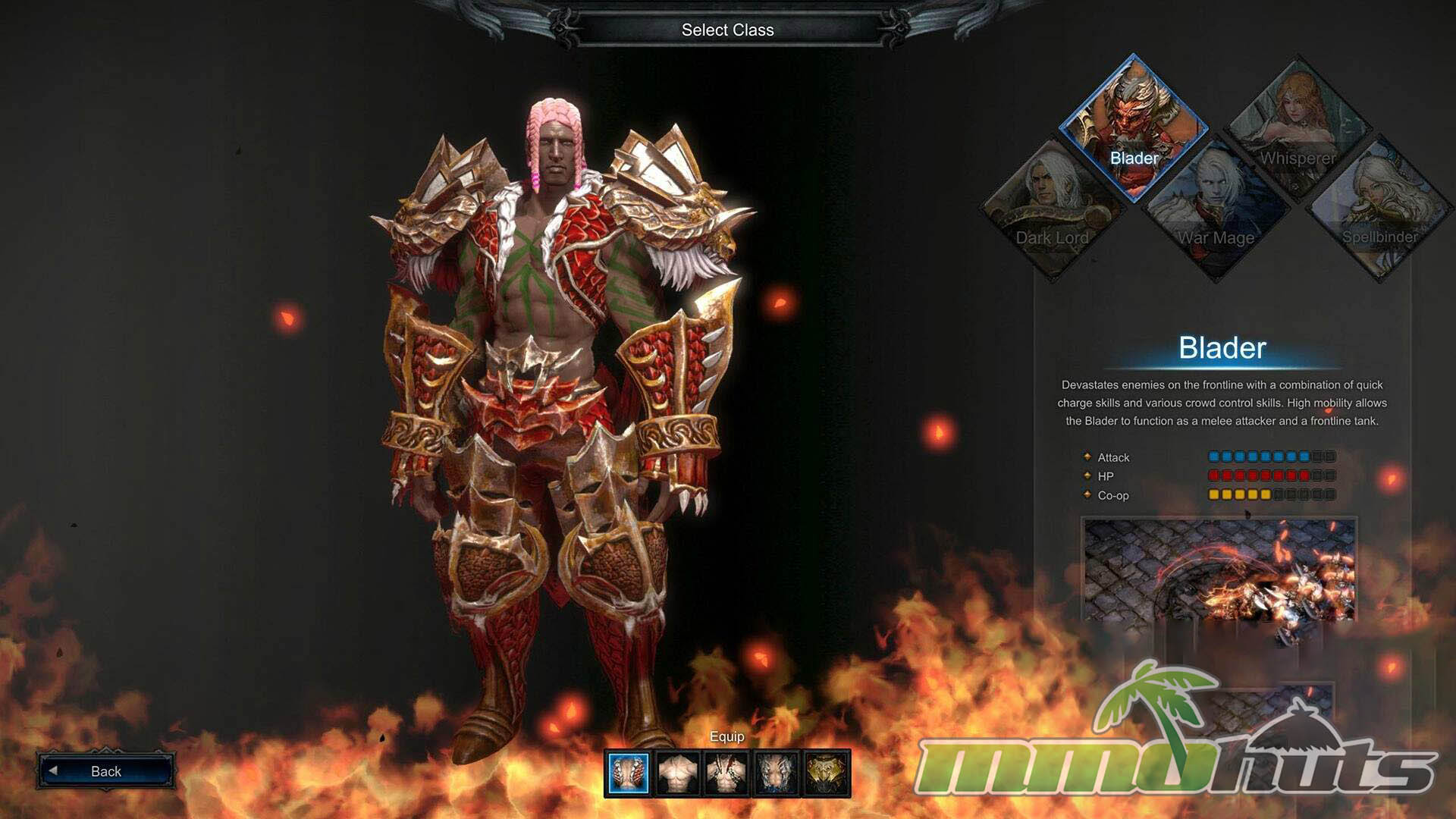
Character creation is relatively light on fine-grained options, which is typical for this subgenre. You can adjust a handful of cosmetic presets and colors, but you are not sculpting a unique face. The stronger sense of identity comes later through equipment sets, since armor silhouettes and visual effects do much of the heavy lifting in how your character looks.
One smart touch is being able to preview high-end gear early, which sets a clear visual goal. The catch, of course, is that those impressive sets are far down the progression path. Early levels tend to look simpler, and the real “power fantasy” presentation arrives once you have invested the time to reach more advanced item tiers.
Combat Flow: Built for Big Pulls
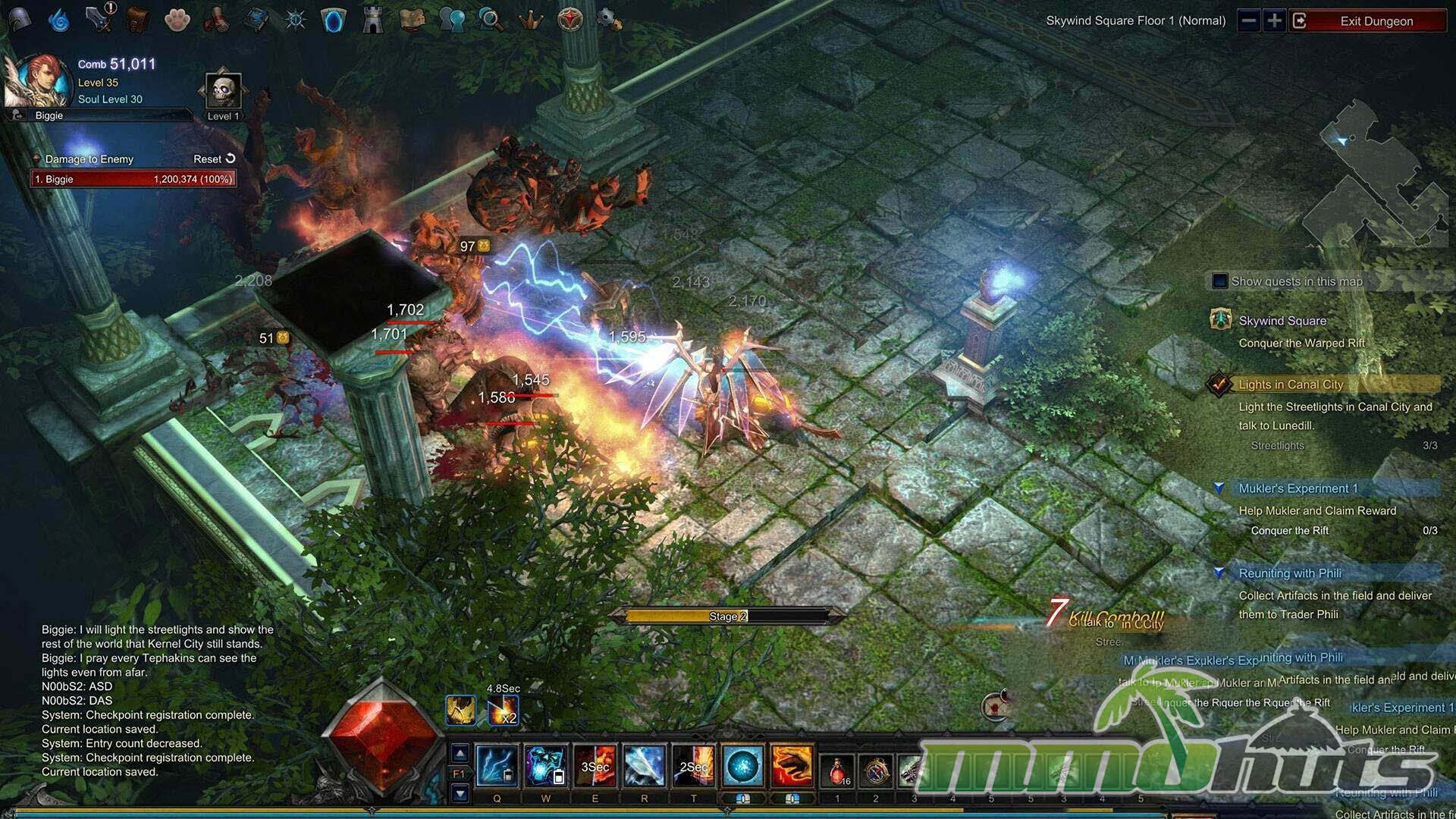
Moment-to-moment combat is about momentum. You gather groups, unload area damage, and keep moving. The screen fills quickly with effects, hit flashes, and enemy knockbacks, which sells the intended spectacle. The controls also support the pace well, with skills mapped to convenient keys and a hotbar setup that encourages constant ability use rather than slow, deliberate exchanges.
The downside is that the gameplay loop can become pattern-based. Once you settle on a reliable set of abilities, many encounters blur together, especially in easier content where enemies exist mainly to be harvested for experience and loot. The game is at its best when you are pushed into making decisions, such as when to spend resources, when to reposition, and when to commit to a longer cast or channel.

Skills, Loadouts, and Crest Customization
MU Legend keeps build-making approachable by having you focus on a limited number of active skills at a time. You are encouraged to choose a small toolkit that fits your preferred rhythm, then refine it rather than constantly swapping everything. This works well for an MMOARPG hybrid, since it provides direction without locking you into a single “right” answer during leveling.
Crests add another layer by letting you modify individual skills. As you use abilities, you open crest slots that can boost specific properties (for example, increasing damage-related stats tied to that skill). The individual bonuses can feel modest in isolation, but the cumulative effect is noticeable over time. More importantly, crests give players a reason to specialize, which helps the combat feel less like pure button mashing and more like a build you have intentionally assembled.

World Structure: Efficient, but Narrow
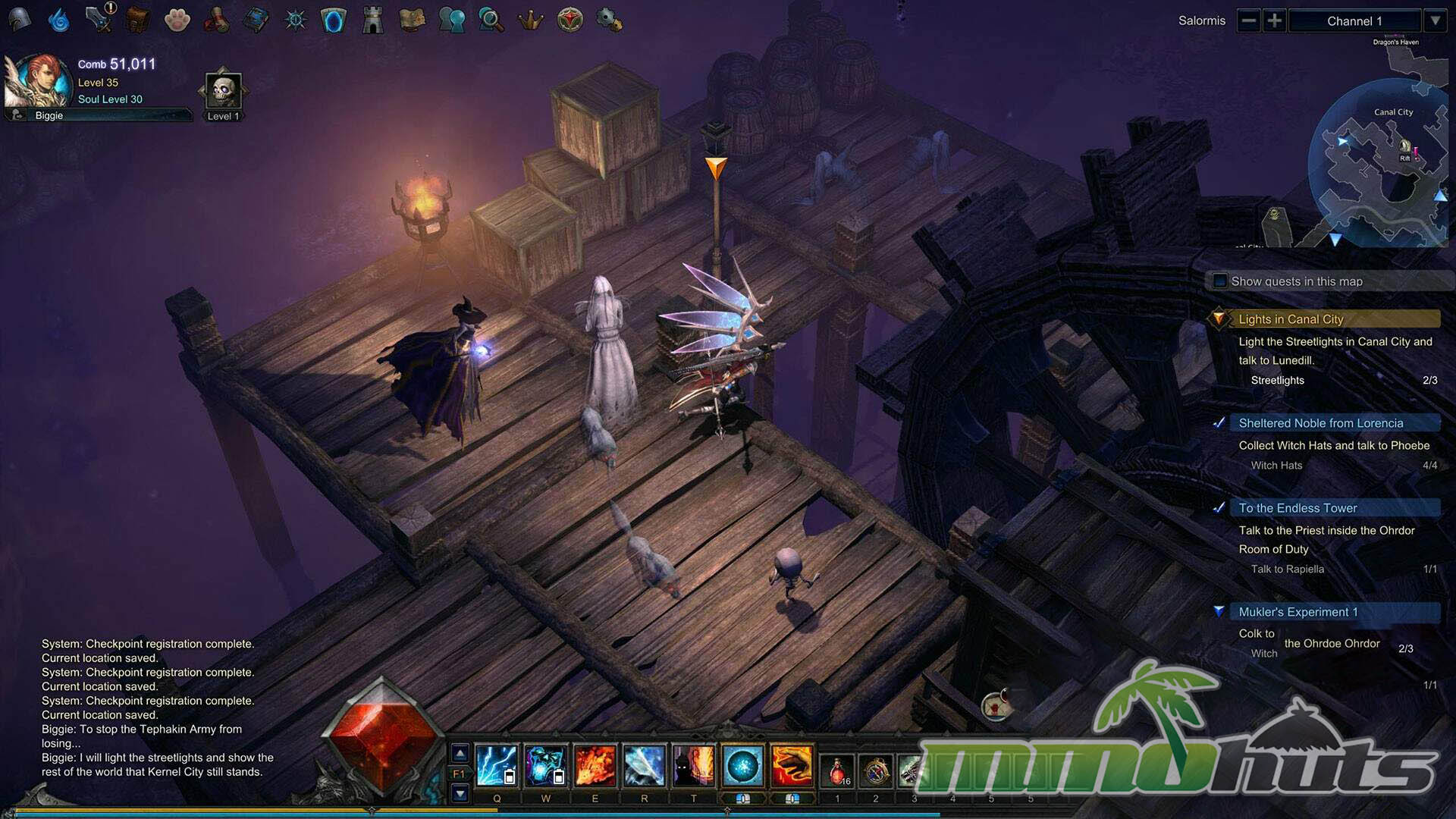
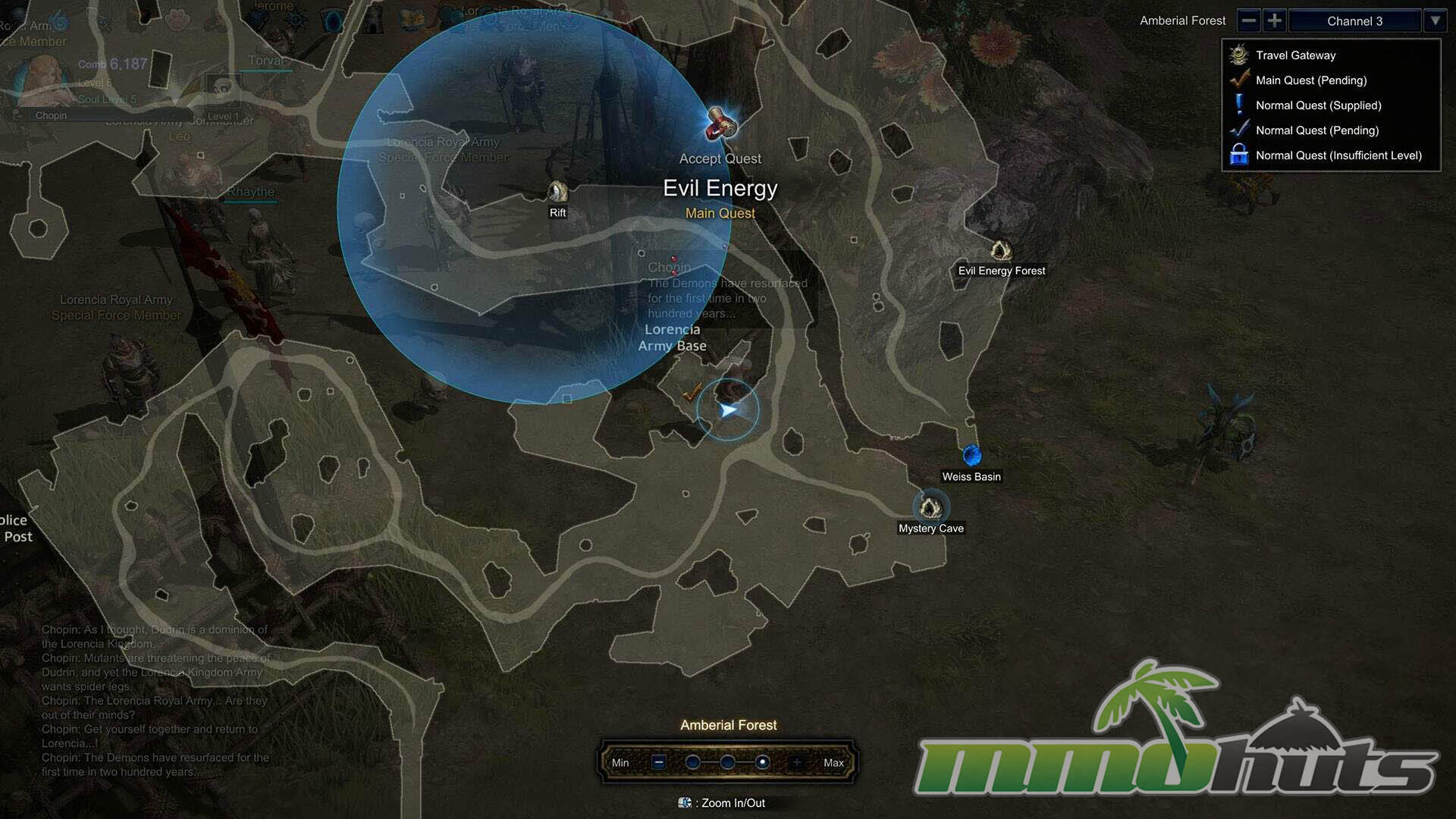
Outside of instances, the world design tends to favor narrow routes and segmented areas connected by portals. Functionally, it keeps you moving and keeps pacing tight, but it also limits exploration. Many zones read like guided lanes with occasional side pockets rather than places you can genuinely roam.
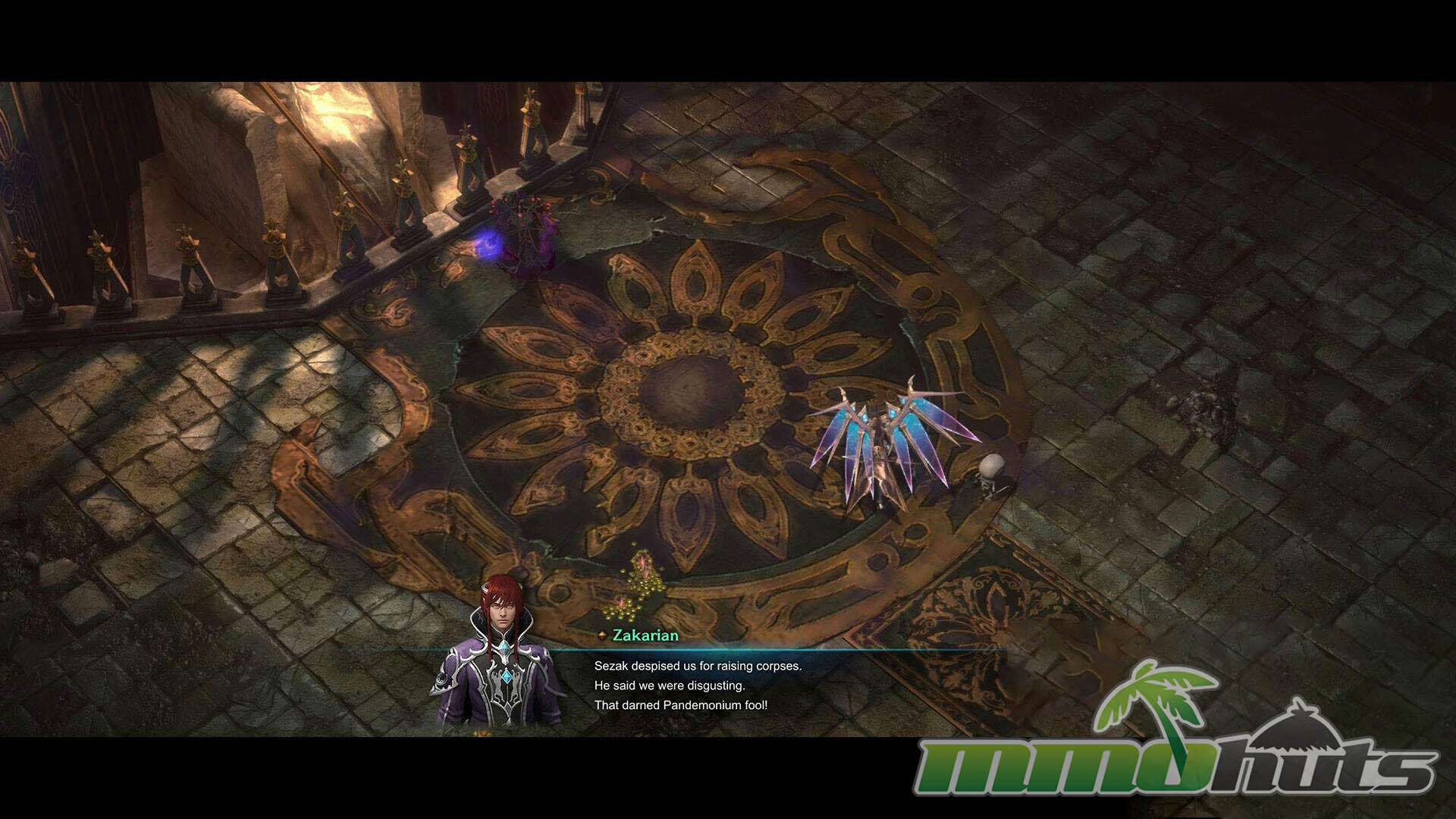
That structure pairs with a quest flow that often feels like it is there to escort you to the next combat space. You clear a section, turn in objectives, and get nudged into the next enclosed region. While the art direction has moments of strong color and dramatic fantasy styling, the overall layout can still feel repetitive because the navigation rarely surprises you.
Rifts and Dungeons: Where the Game Clicks
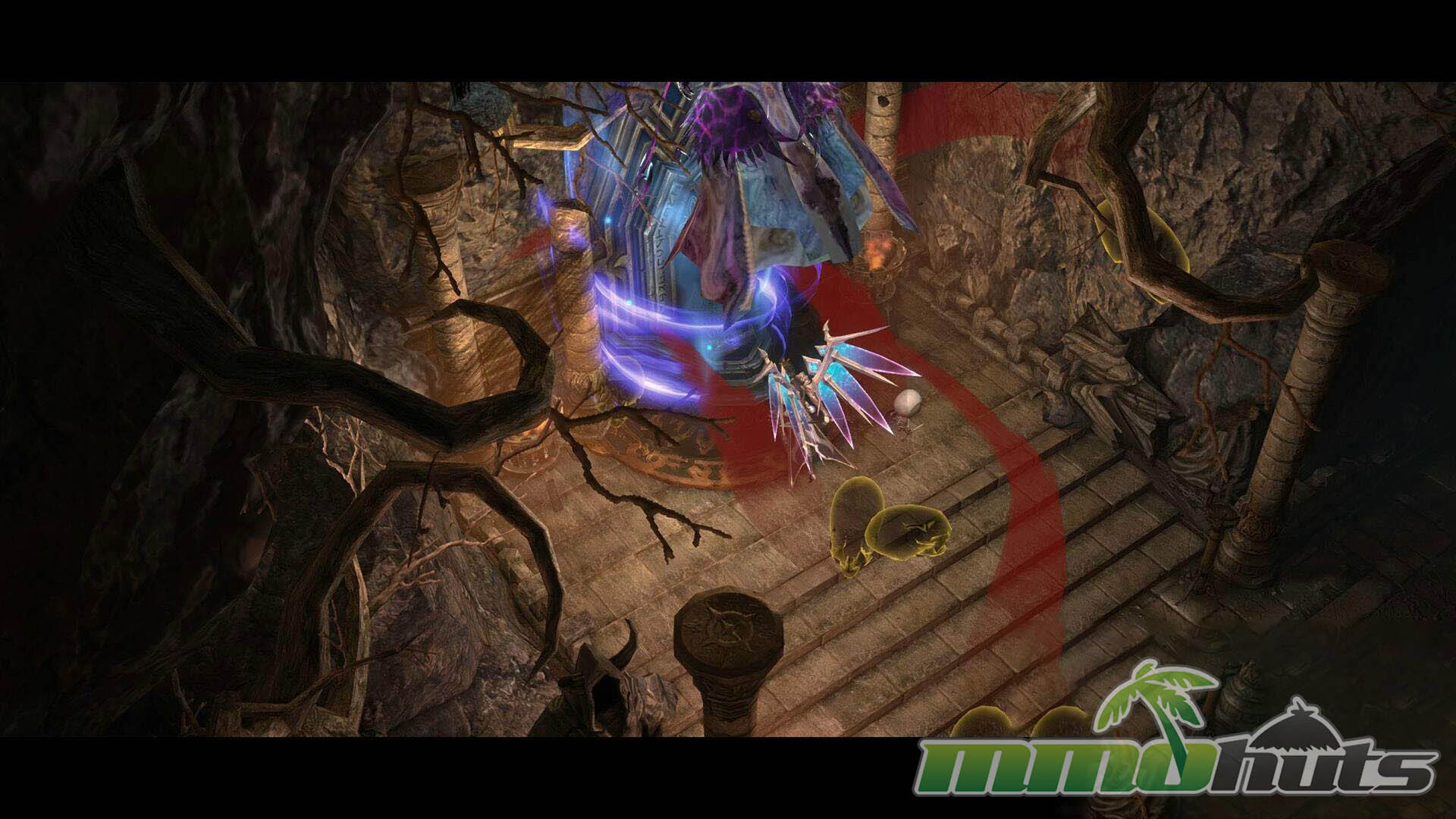
Instanced content is where MU Legend consistently delivers. Rifts, in particular, provide the kind of concentrated action the combat system is built for. Enemy density ramps up, elites become meaningful threats, and healing items and positioning start to matter. When the game throws multiple bosses or layered encounters at you, it finally asks for awareness instead of autopilot.
Dungeon themes can sometimes feel disconnected from the surrounding area, but the spaces themselves are often more visually memorable than the overworld routes. Multiple difficulty options also give the PvE loop a solid backbone. If you enjoy repeating content for better rewards and you like the idea of gradually pushing higher difficulties with a group, this is the part of MU Legend that best supports that playstyle.

Final Verdict – Good
MU Legend lands as a competent, grind-friendly MMOARPG that is most enjoyable when you treat it as a dungeon-first experience. The combat is responsive and visually loud, the skill system gives enough room to personalize a build, and the harder rifts can provide real challenge, especially alongside friends. At the same time, the heavy UI and corridor-oriented world design make the journey between dungeons feel more mechanical than adventurous. If you want an isometric MMO centered on repeated instanced runs and gear progression, MU Legend delivers that loop well, but it is not built to be a richly explorable online world.
MU Legend Links
MU Legend Official Site
MU Legend Wikipedia
MU Legend Community Forums
MU Legend Facebook Page
MU Legend Requirements
Minimum Requirements:
Operating System: Windows XP SP3
CPU: Intel Quad Core / AMD Phenom II x4+
Video Card: GeForge 8800 GT / Radeon HD4850 and above
RAM: 3GB RAM
Hard Disk Space: 25 GB
Recommended Requirements:
Operating System: Windows 7 (64 bit), Win 8.1 (64 bit), Windows 10 (64 bit)
CPU: Intel i5 760 / AMD Athlon X4 740+
Video Card: GeForge GTS 450 / Radeon HD4890+
RAM: 4 GB RAM
Hard Disk Space: 25 GB
MU Legend Music & Soundtrack
Coming Soon!
MU Legend Additional Information
Developer: Webzen
Publisher: Valofe
Game Engine: Unreal Engine 3
Closed Beta Release Date (Korea): April 21, 2016
Closed Beta 1: October 25, 2016
Closed Beta 2: February 21, 2017
Release Date (Western): November 7th, 2017
Shut Down: May 31, 2023
Development History / Background:
MU Legend is developed and published by Webzen, a South Korean gaming company. It is a hack-and-slash MMORPG created as a successor to MU Online. The project was announced in 2004, while development began later in 2009. The game was shown at the G-Star Expo in 2011 in Busan, South Korea under the name MU2, and was later rebranded as MU Legend. On April 06, 2016, WEBZEN Head of Global Business Richard Moon announced that MU Legend would be published in the West. MU Legend entered closed beta in Korea on April 21, 2016. The first NA closed beta started on October 25, 2016, followed by a second round on February 21, 2017. MU Legend entered open beta on November 7th, 2017. Publishing rights were transferred from Webzen to Valofe on November 26, 2019, with players given up to 6 months to move characters to the new service. The Valofe service closed on May 31, 2023.