Mirage: Arcane Warfare is a fantasy-flavored first-person arena fighter that blends melee weapons with spellcasting in objective-driven matches. Instead of leaning fully into traditional FPS gunplay, it focuses on close-quarters duels, class abilities, and team pushes where timing, positioning, and cooldown usage decide most fights.
 | Developer: Torn Banner Inc. Playerbase: TBA Type: Arena Combat FPS Release Date: May 23, 2017 Shut Down Date: May 31, 2018 Pros: +Middle Eastern inspired art direction. +Strong emphasis on objectives. +Messy, limb-flying combat. Cons: -No planned Mac/Linux support. -Not much publicly documented depth. -Skills often matter more than weapon fundamentals. |
Mirage: Arcane Warfare Overview
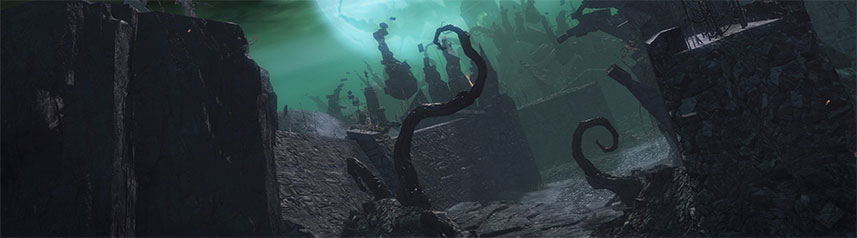
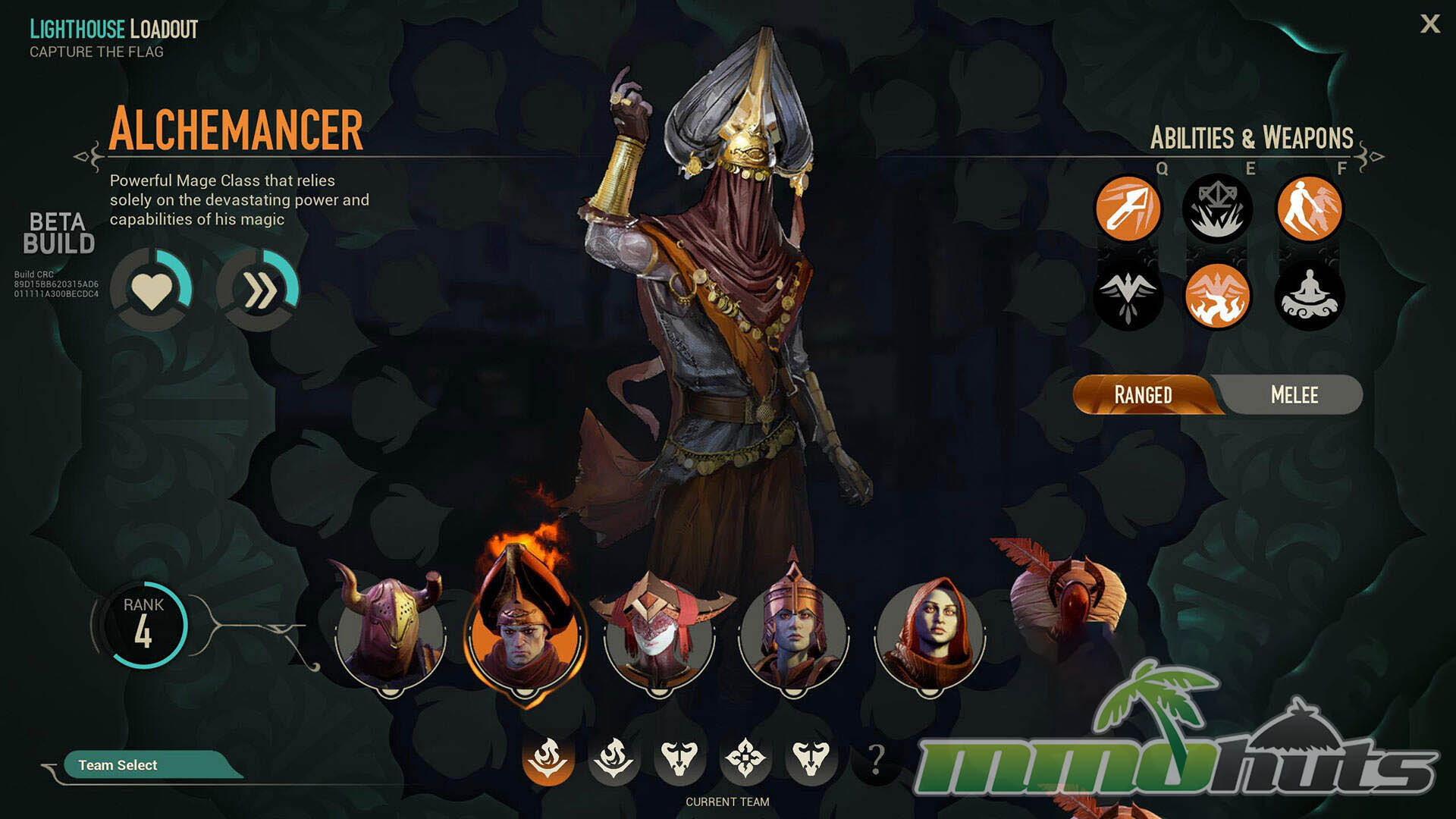
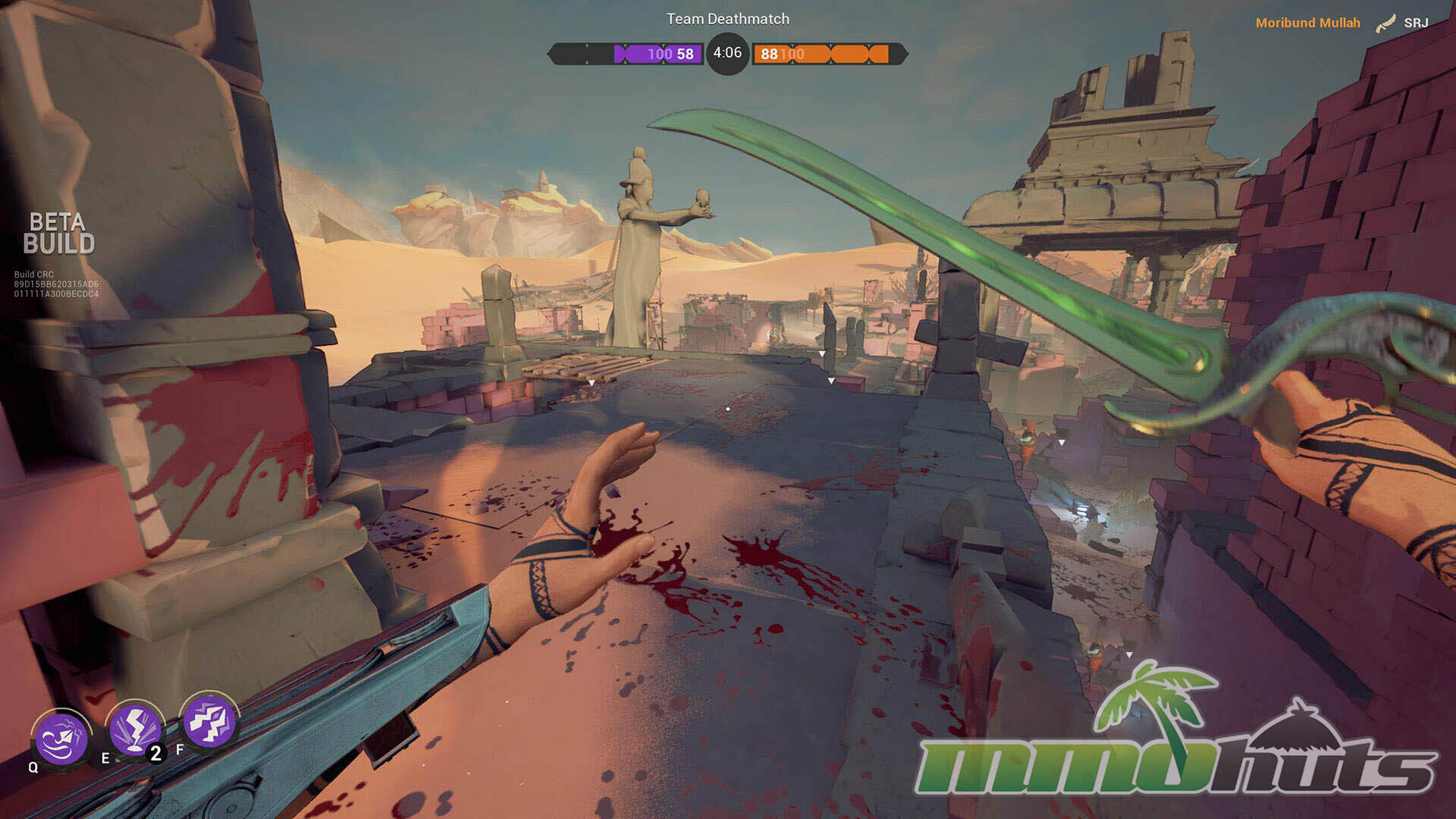
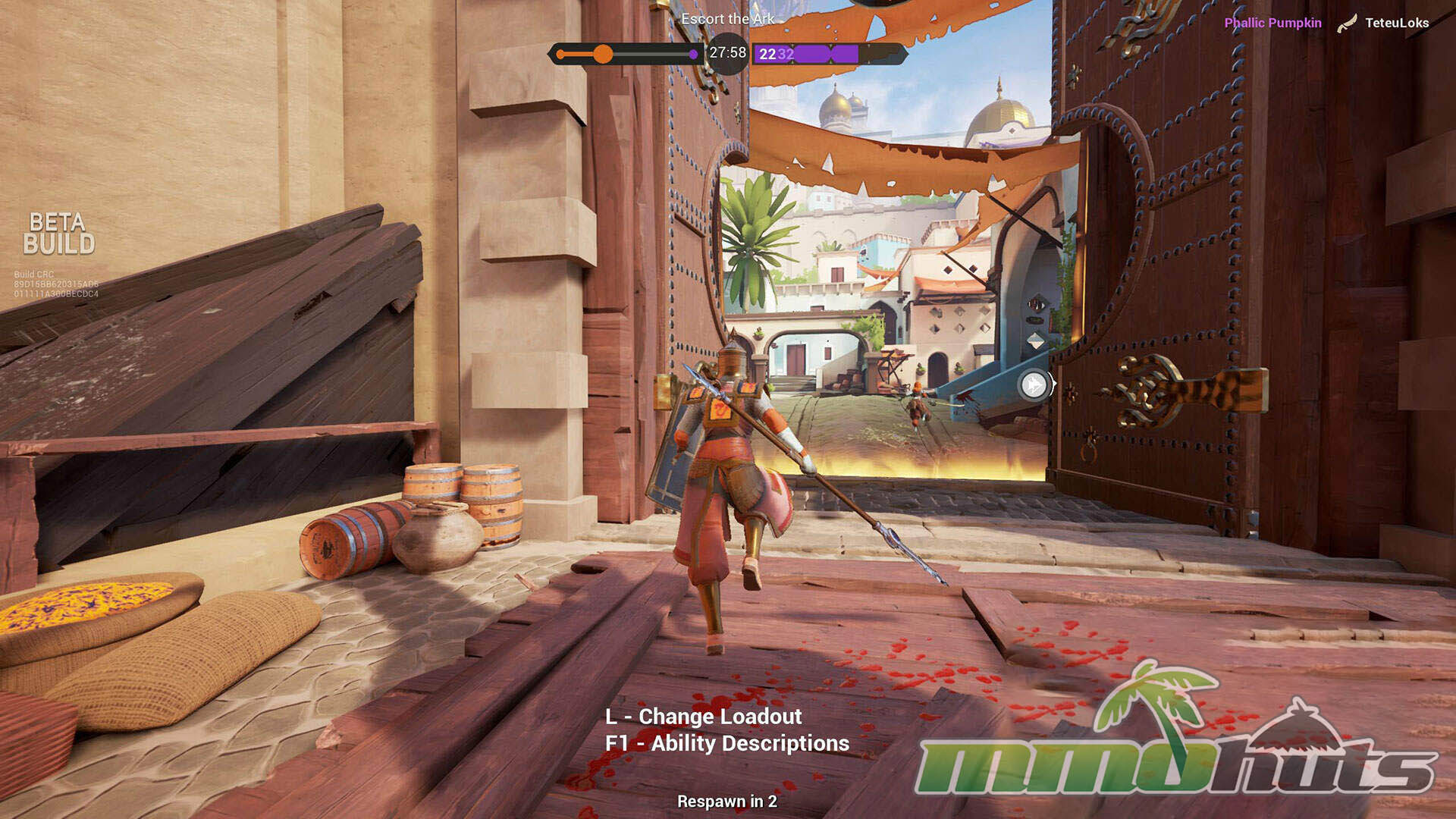
Mirage: Arcane Warfare is a competitive, skill-forward fantasy FPS built around melee duels and magical tools that can swing a skirmish in seconds. Its setting draws heavily from Persian and Arabic influences, which shows up in the architecture, costumes, and the bright, storybook-like color palette across its arenas. You pick from six classes that cover familiar archetypes, including stealthy killers, ranged casters, and heavier front-liners, then fine-tune your kit by selecting abilities to suit how you want to engage.
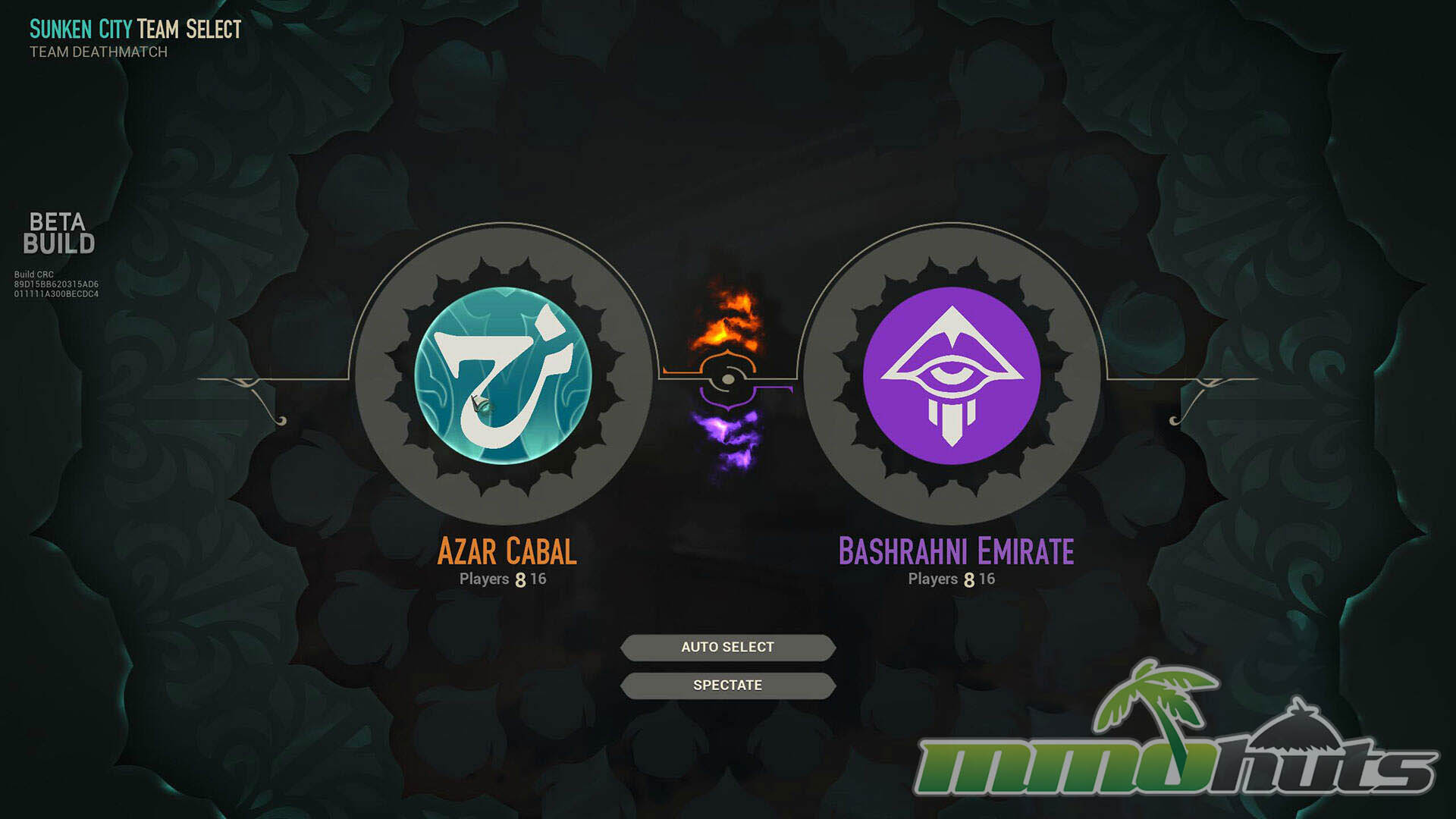
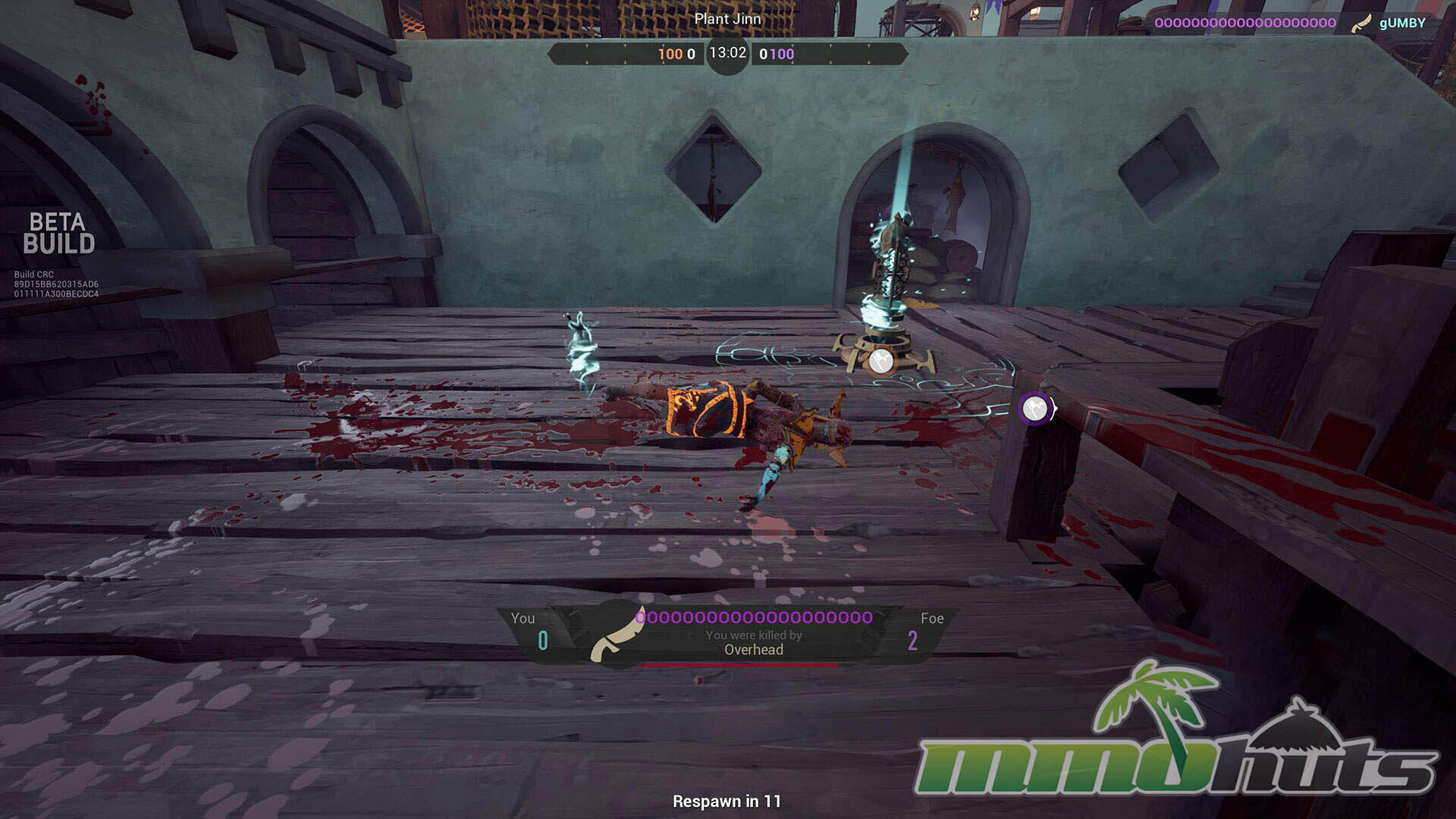
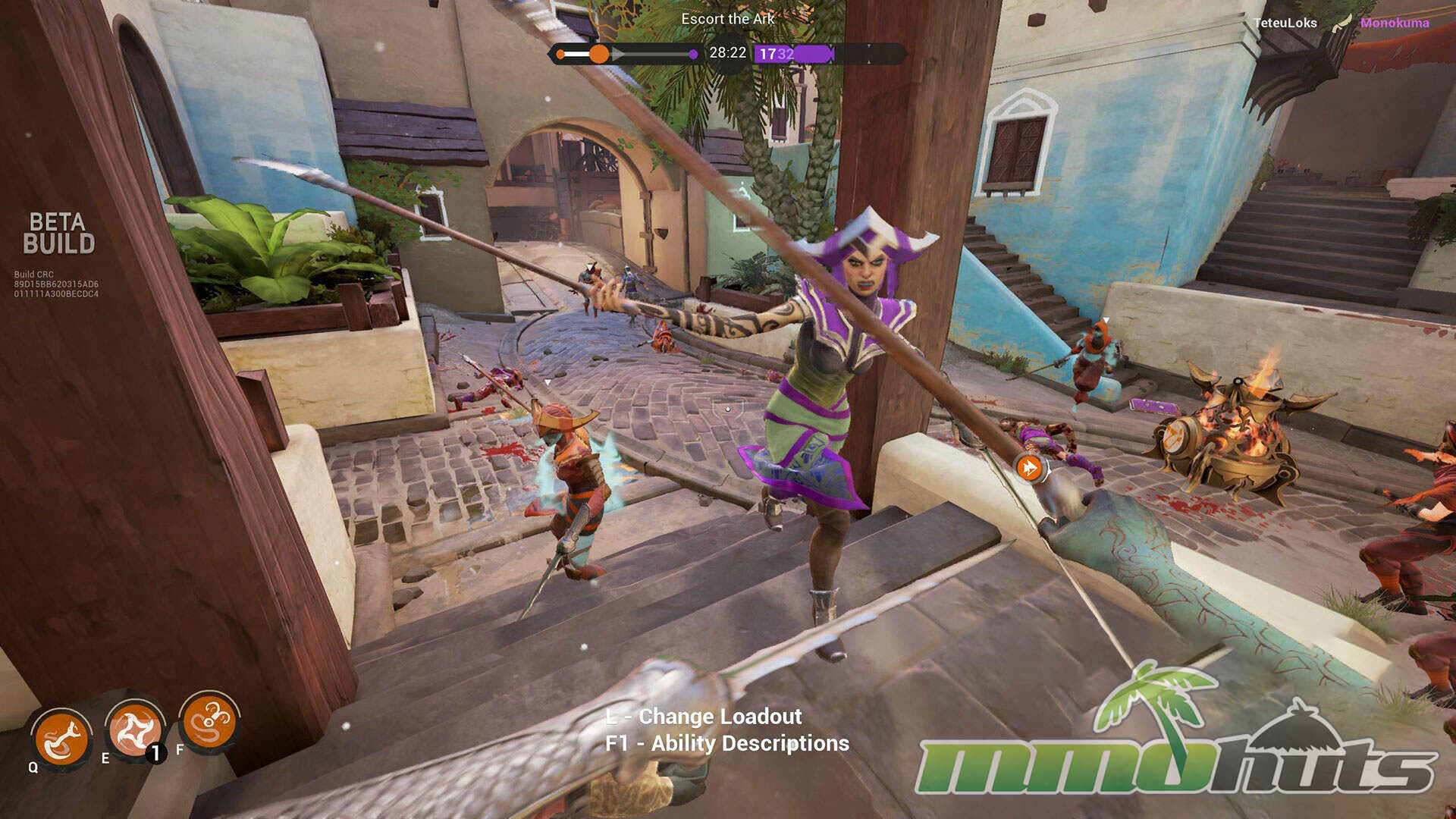
Two sides battle over access to powerful arcane resources, and matches revolve around objectives rather than pure brawling. Depending on the mode, teams might be stealing magical items, escorting a payload, or simply trying to outscore the other side in team deathmatch, all while representing either the Bashrahni Emirate or The Azar Cabal. Combat supports targeted hits and dismemberment, so a clean strike can remove a limb and turn a fight into a quick finish, with dynamic gore selling the impact. Mirage comes from Torn Banner Studios, the team known for Chivalry: Medieval Warfare, and it shares that studio’s love of chaotic, up-close combat.
Mirage: Arcane Warfare Key Features:
- Six Classes – pick from six distinct roles, each built around different weapons and signature skills.
- Two Factions – join one of two rival groups fighting over magic and its resources.
- Objective Gameplay – play maps centered on goals like escorts and theft-focused objectives, alongside team deathmatch.
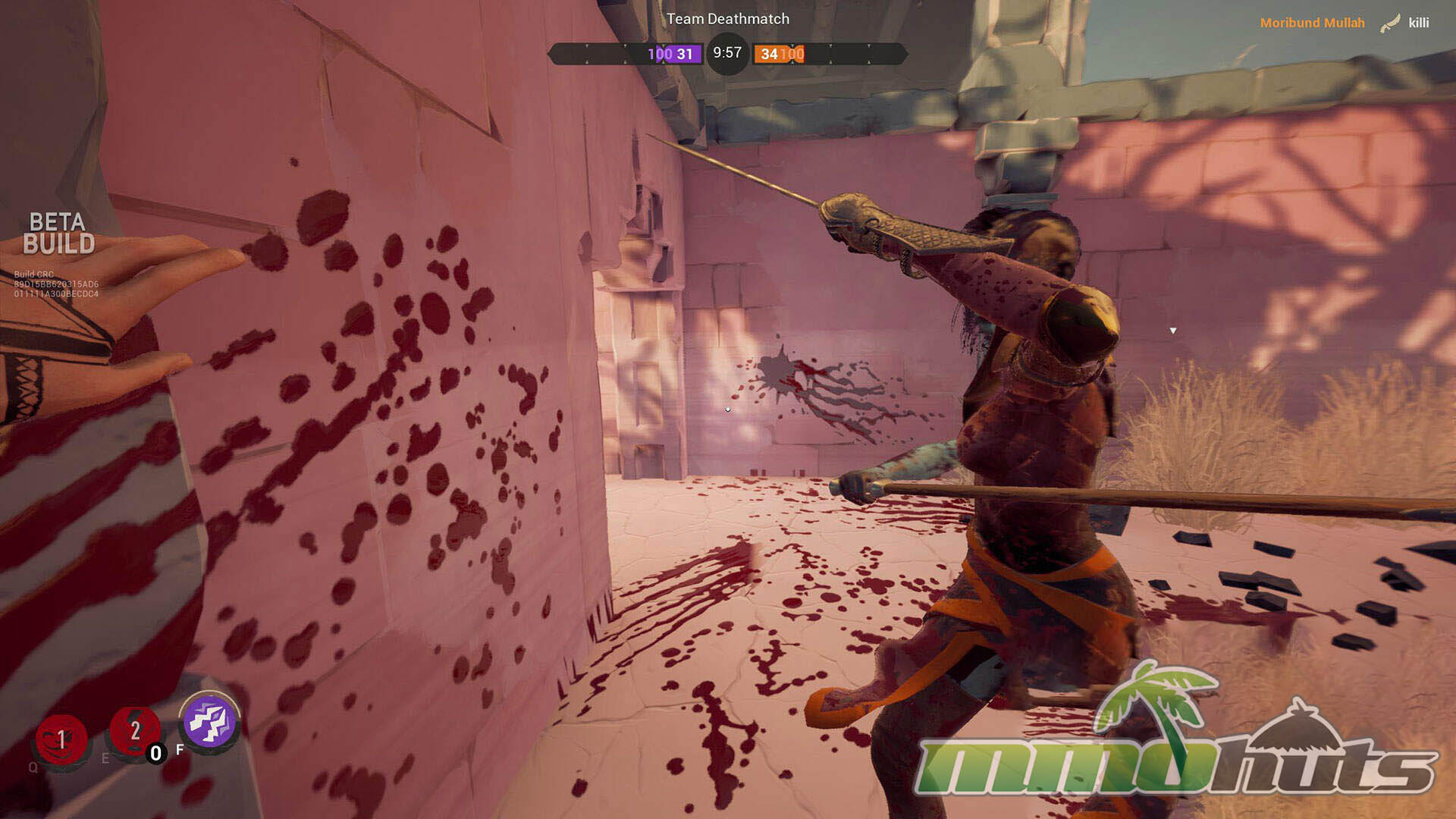
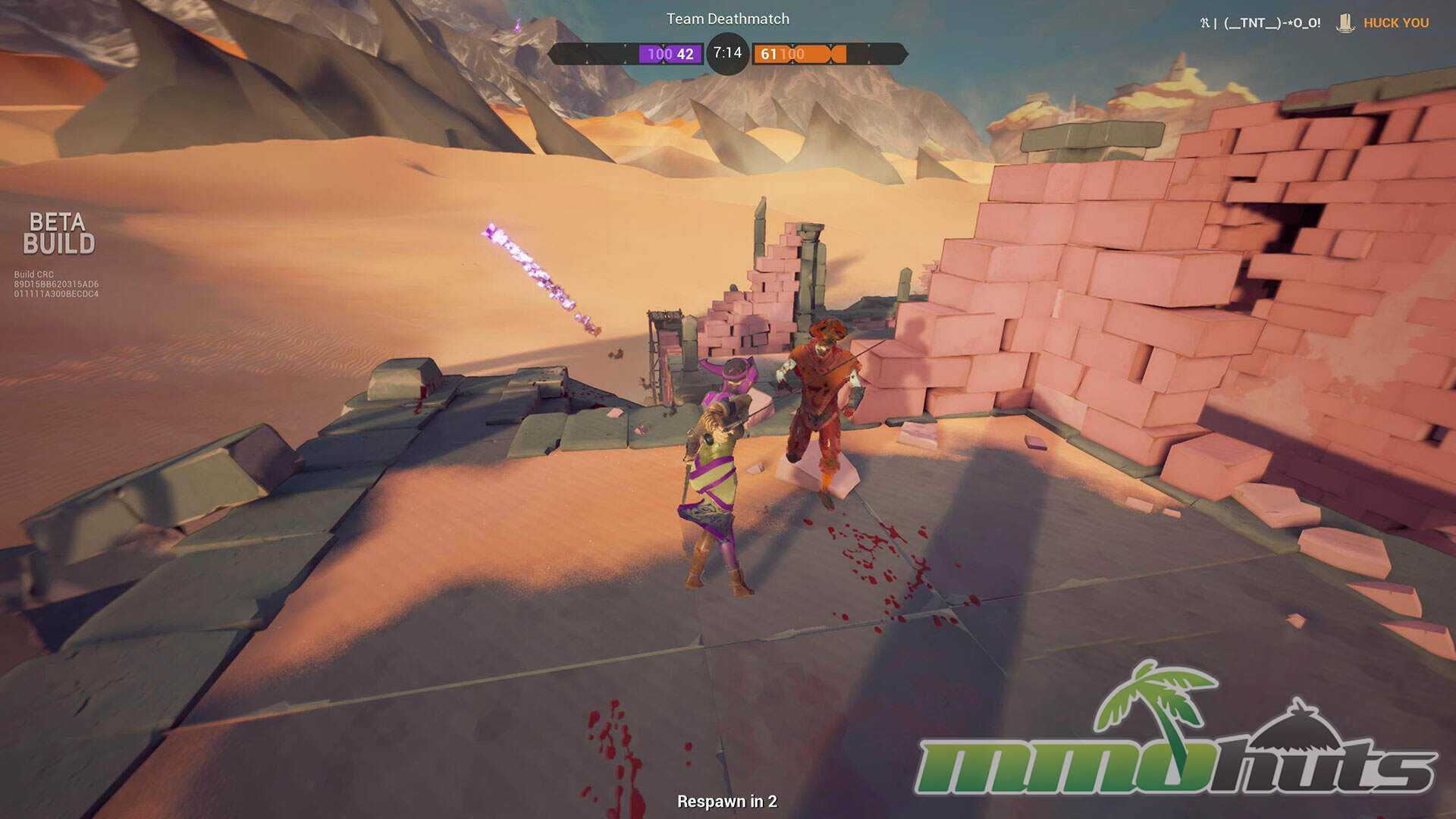
- Dynamic Gore – battles can get grisly, with severed limbs and splashes of blood during close-quarters clashes.
- Deep Combat – aim attacks, manage spacing, and use defensive options like parries, dodges, and rolls to survive.
Mirage: Arcane Warfare Screenshots
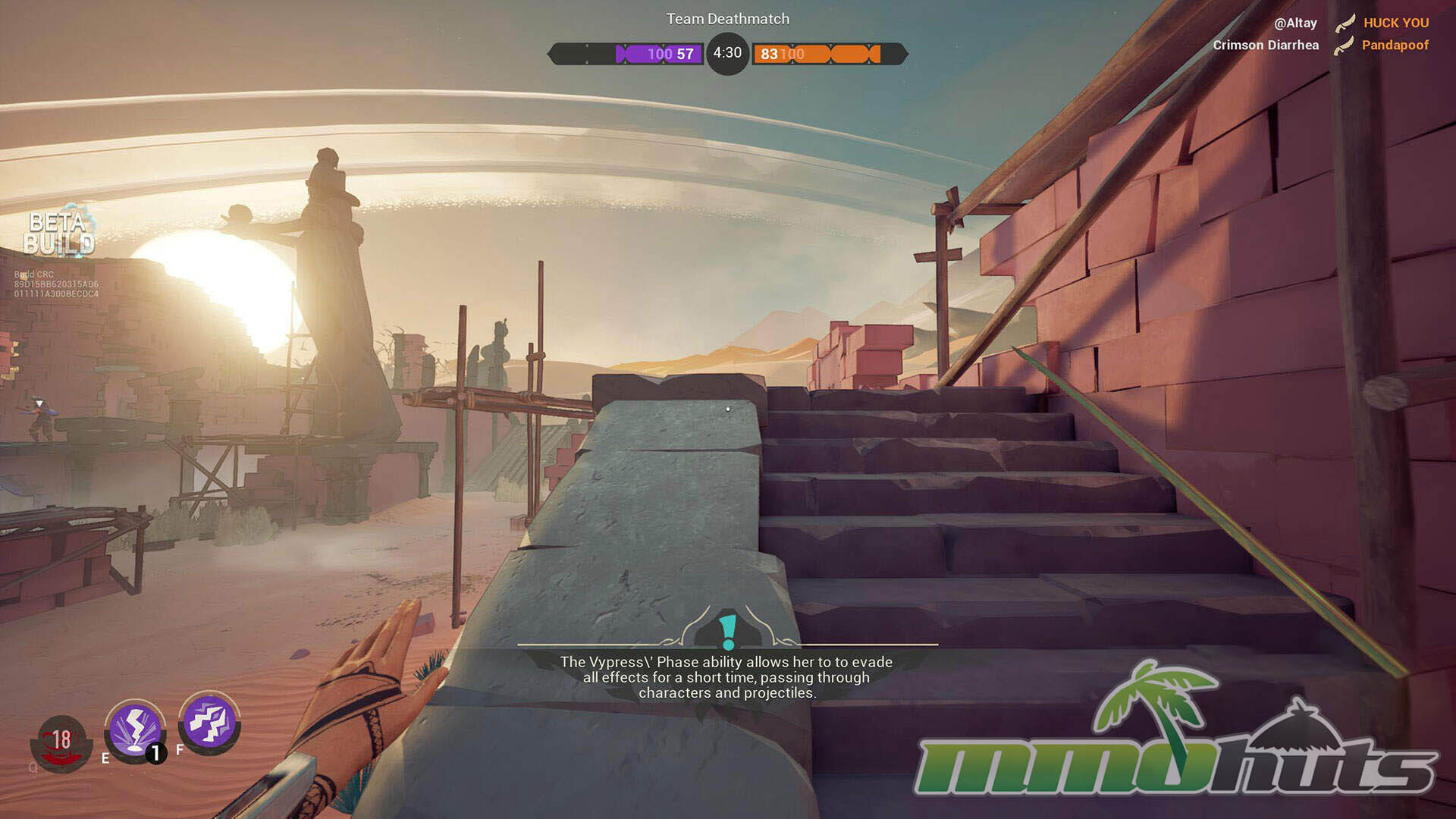
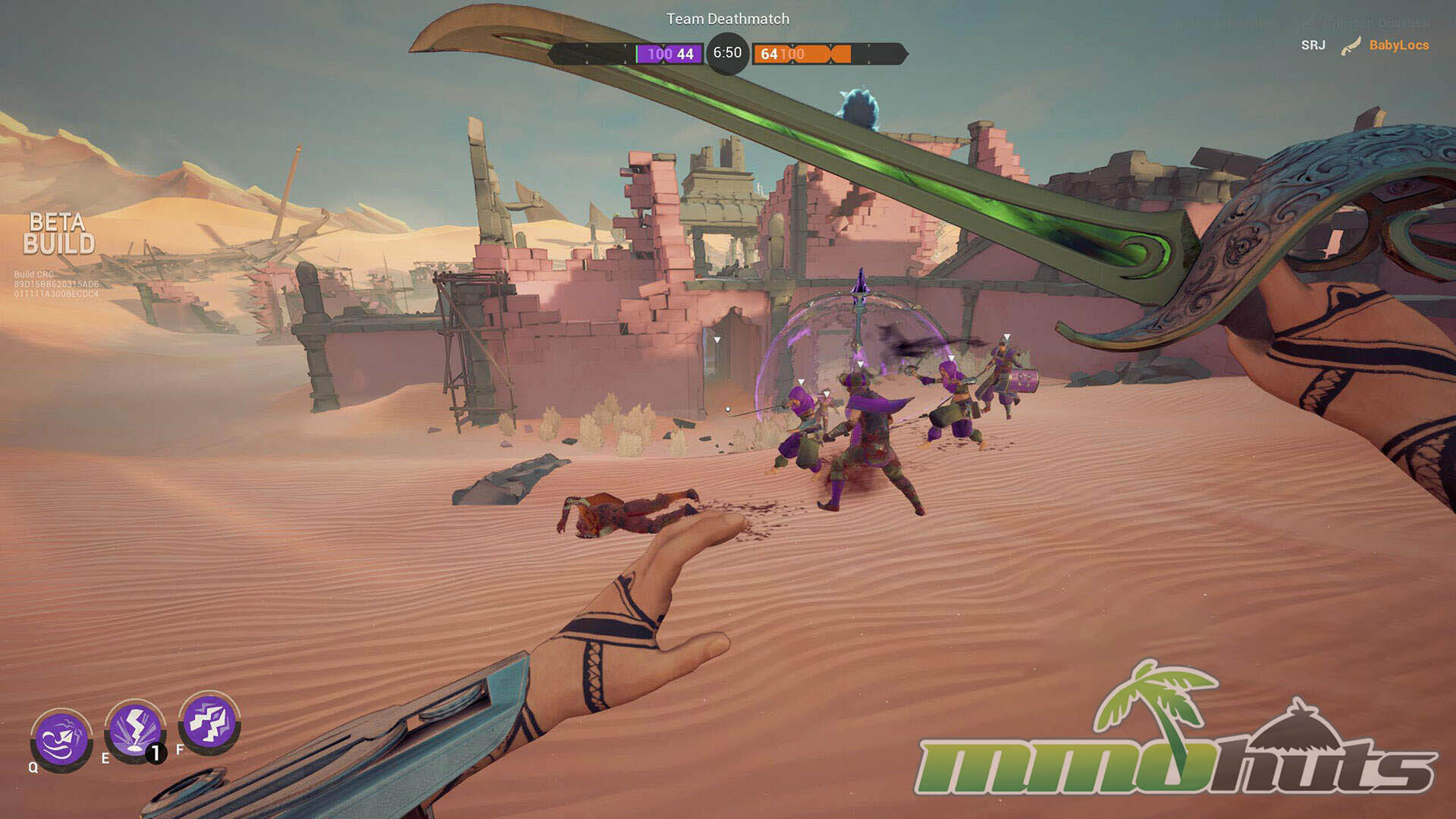

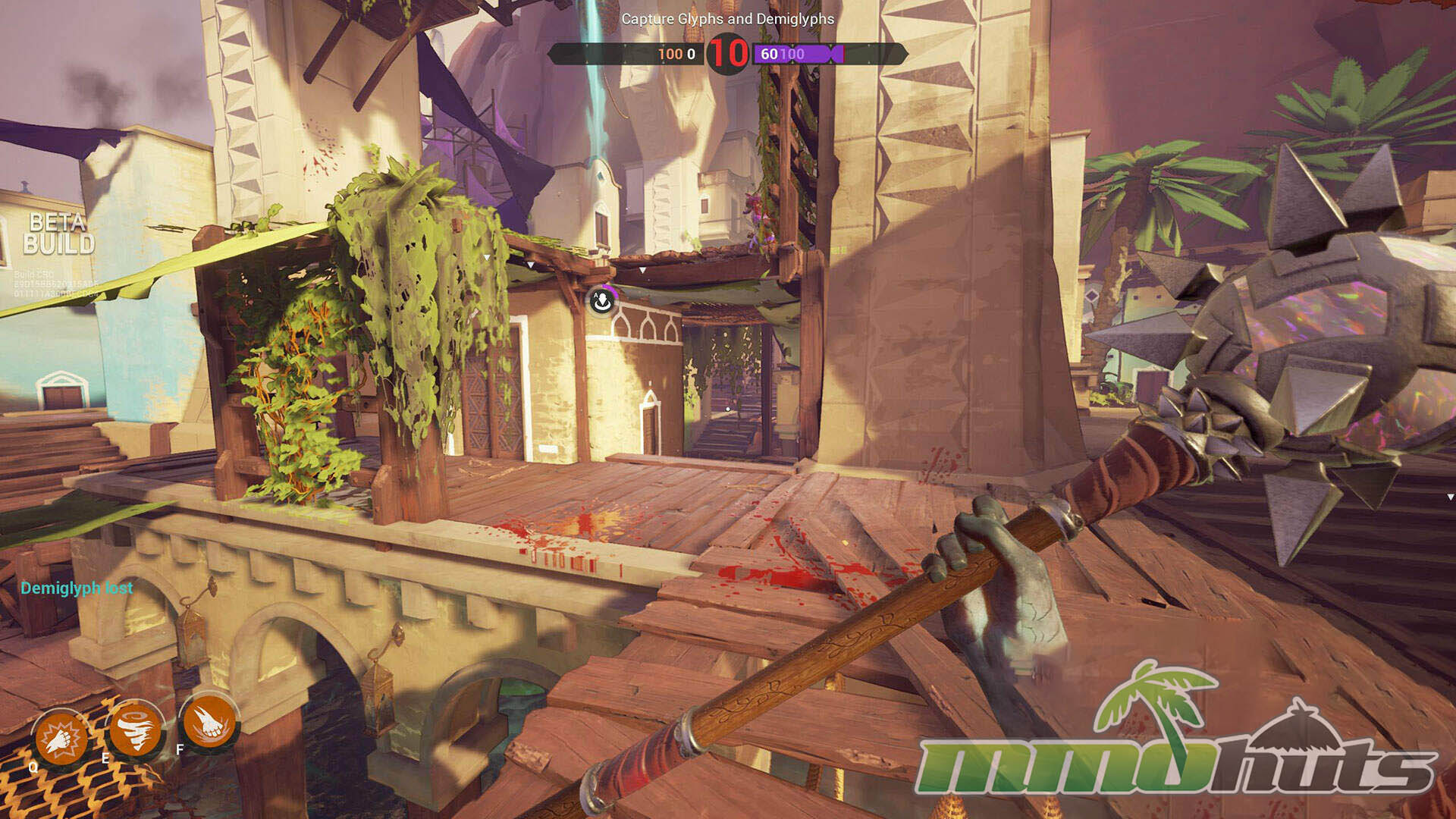
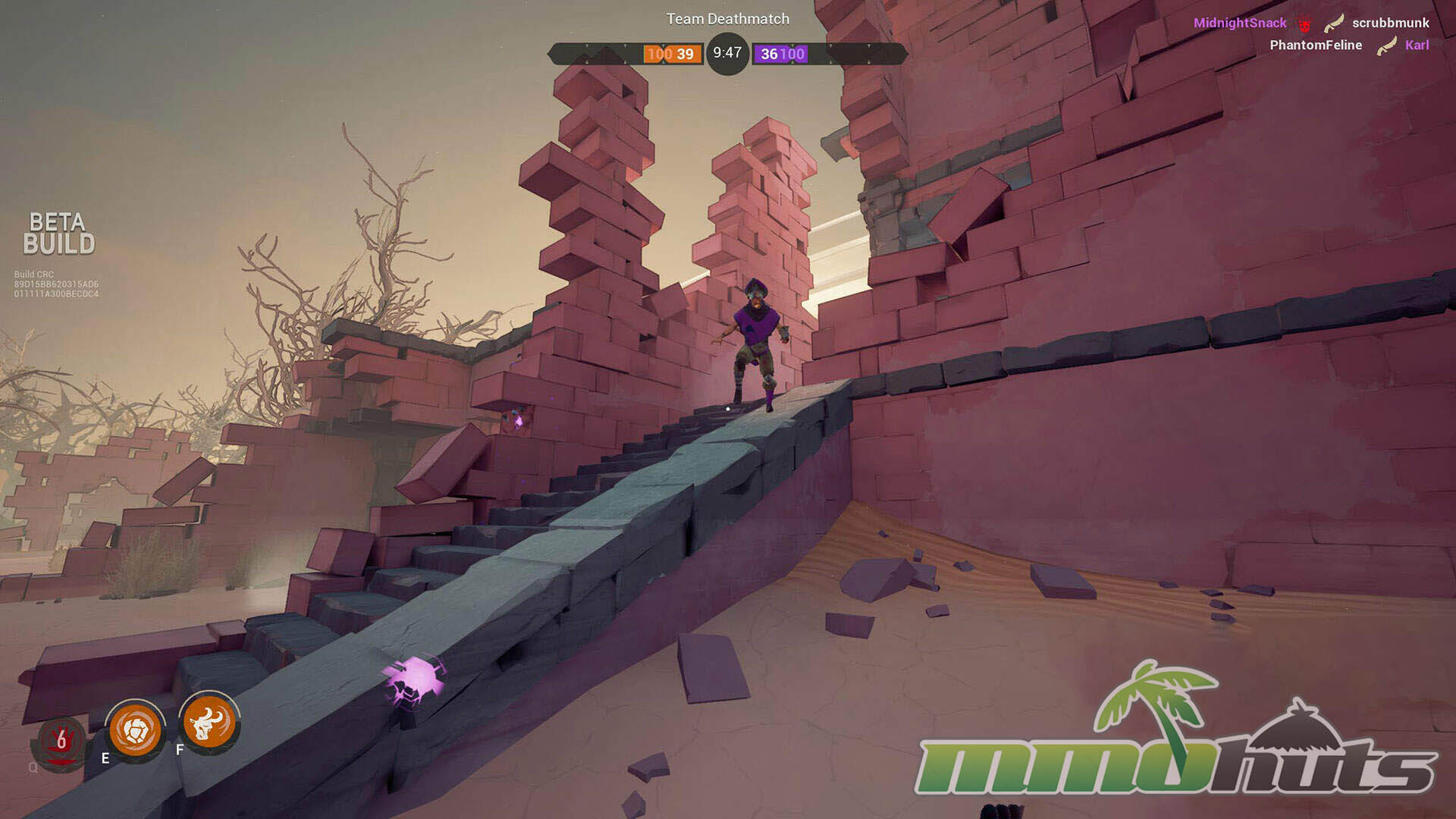
Mirage: Arcane Warfare Featured Video

Mirage: Arcane Warfare Review
The following is a Closed Beta impression and will be updated when the game releases.
Mirage: Arcane Warfare is often summarized as “Chivalry, but with spells,” and that shorthand is useful, but incomplete. It does share DNA with Torn Banner’s earlier melee brawler, especially in how it frames fights as frantic, first-person clashes decided by timing and reads. Where Mirage differs is in how strongly it shifts the spotlight toward class kits and cooldown-driven plays. That change gives it a distinct identity, but it also changes what “skill” feels like from moment to moment.
Moment-to-Moment Combat
At a basic level, Mirage feels immediately recognizable to anyone who has played a first-person slasher. You close distance, watch for openings, and commit to swings that can be punished if you overextend. Your inputs map cleanly to attack directions and defensive responses, and duels can become tense exchanges where spacing and patience matter as much as aggression. When everything lines up, the game delivers those satisfying “got you” moments, a clean hit slipping past a guard, a stagger at the right time, and a ragdoll collapse that sells the blow.
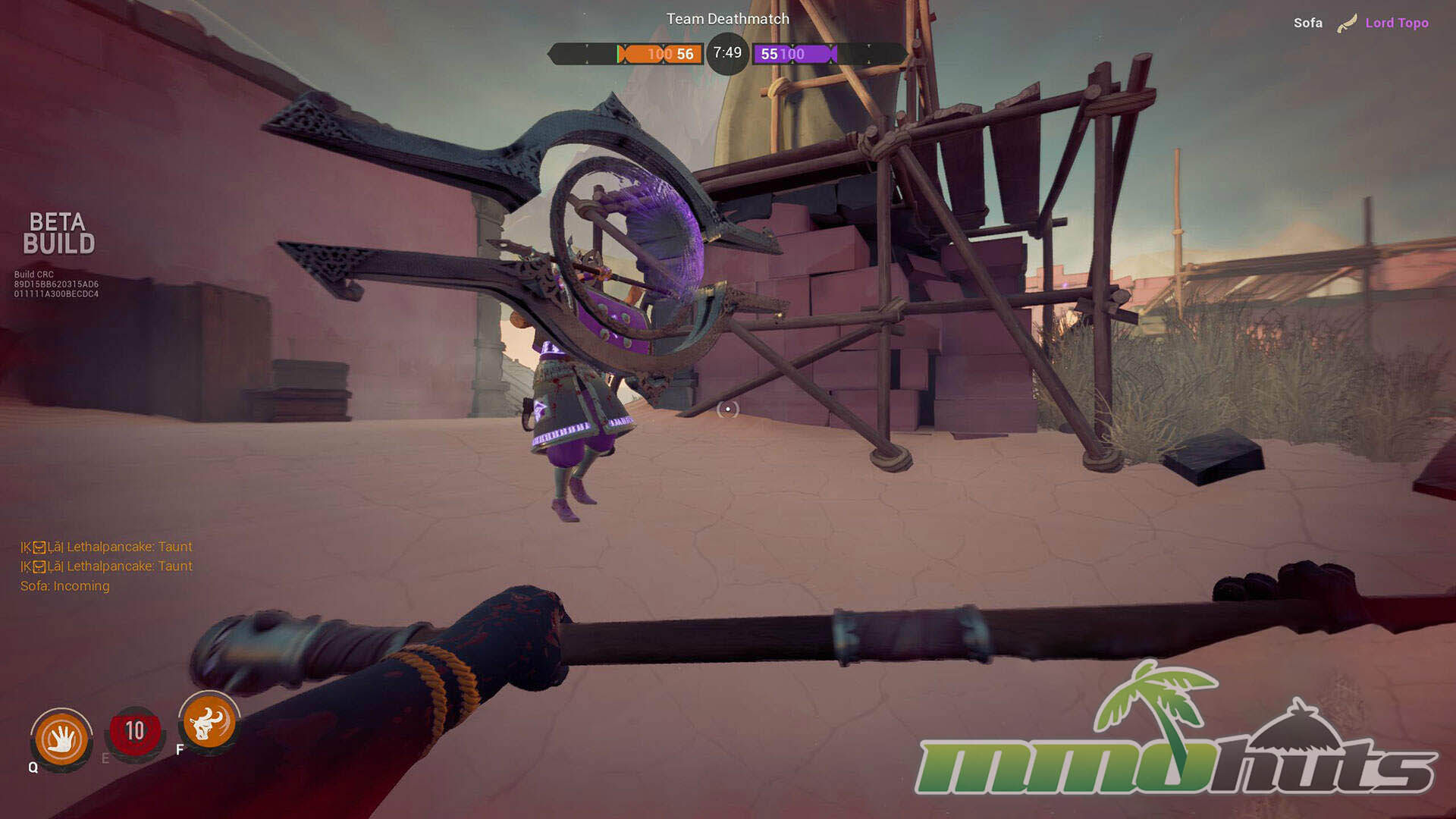
The key difference is that you are not simply “a fighter with a sword.” Each class is a character with a distinct silhouette, a primary weapon style, and a set of magical options. Loadouts revolve around choosing three abilities from a small set of options, with each choice shaping your match plan. Some kits emphasize mobility and picks, others lean into disruption or burst damage. The result is a system where knowing what a class can do is as important as reading the swing in front of you.
That emphasis on abilities is Mirage’s biggest pivot. In practice, smart cooldown usage can outweigh clean melee fundamentals, especially when a well-timed skill creates an unavoidable advantage, forces a disengage, or deletes a target who otherwise had the upper hand. The abilities are visually striking and can be genuinely fun to use, but they also push the game closer to a hero-shooter rhythm than a pure melee duelist. When a fight is decided by a button-driven swing in momentum rather than a sequence of parries and counterattacks, the loss can feel less earned, even if it was technically the correct play by the opponent.
Arena Layout and Match Scale
Across modes, the arenas tend to funnel players into close engagement ranges. Many spaces are built from corridors, chokepoints, and contained rooms rather than wide-open fields. This design keeps action frequent and reduces downtime, but it can also make fights blur together, particularly when multiple abilities overlap in tight quarters. The pacing becomes a series of collisions rather than a gradual build into larger battlefield moments.
Match size also reinforces that arena feel. With a maximum of 10v10, Mirage rarely reaches the “battle” scale some players might expect from Torn Banner’s reputation. The upside is that individual decisions matter more, and coordinated pushes can swing objectives quickly. The downside is that it can feel like two squads skirmishing repeatedly in the same lanes, especially on maps where flanks are limited and most rotations are predictable.
Art Style Versus Violence
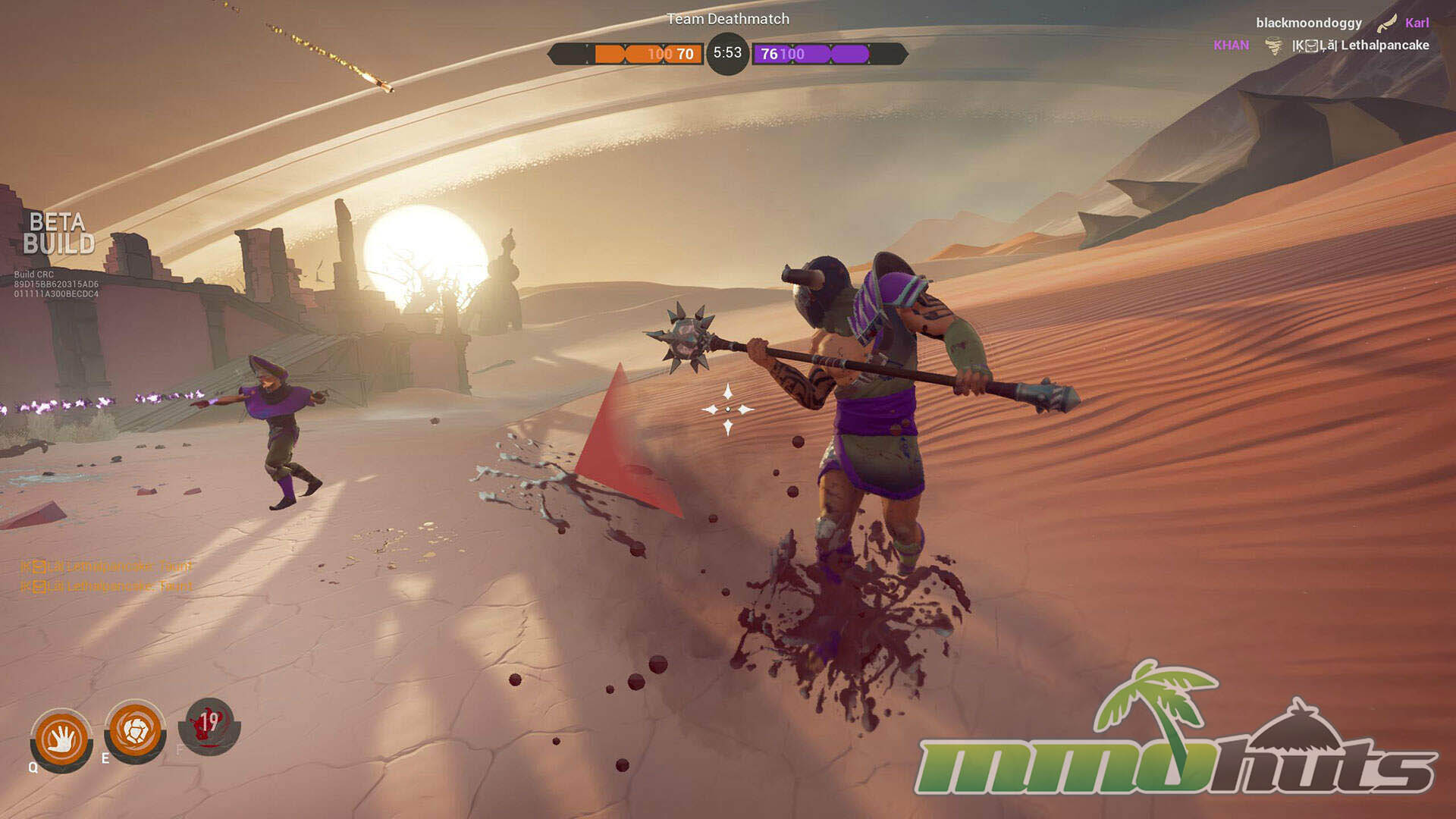
One of Mirage’s most noticeable traits is the contrast between its bright, almost playful presentation and the brutality of its combat. The environments are colorful and saturated, and the character designs lean more stylized than gritty. That makes the game readable in motion and gives it a distinct tone, but it also creates a strange clash when dismemberment and blood effects kick in during a brawl.
Compared to Chivalry, the gore can feel less pronounced, and the visual impact of kills sometimes lands softer than the mechanics suggest. Another readability issue is that team colors and costumes can blend into similarly hued environments, which can make quick target identification harder during chaotic pushes. When everyone is moving fast and abilities are firing, visual clarity becomes a bigger deal than it first appears.
Final Verdict – Good
Mirage: Arcane Warfare delivers an entertaining mix of first-person melee and spell-driven class play, and it can be genuinely hilarious and intense when teams collide around an objective. Its biggest strength is also its most divisive feature: abilities frequently take center stage, which changes the feel of combat away from pure weapon mastery. Combined with compact arenas and smaller match sizes, the game plays more like a tight arena brawler than a sprawling battlefield experience.
For players who want Torn Banner-style first-person slashing with a stronger emphasis on class kits and flashy tools, Mirage has a clear appeal. For those chasing the heavier, more grounded melee focus and large-scale chaos associated with Chivalry, it may not provide the same kind of long-term pull.
Mirage: Arcane Warfare Links
Mirage: Arcane Warfare Official Site
Mirage: Arcane Warfare Steam Page
Mirage: Arcane Warfare Requirements
Minimum Requirements:
Operating System: Windows XP 32 bit
CPU: Core 2 Duo E4600 2.4GHz or Athlon 64 X2 Dual Core 5200+
RAM: 2 GB RAM
Video Card: GeForce 8600 GS or Radeon HD 3400 Series
Hard Disk Space: 7 GB Free Space
Recommended Requirements:
Operating System: Windows 7 64 bit
CPU:Core 2 Quad Q6600 2.4GHz or Athlon II X4 615e
RAM: 4 GB RAM
Video Card: GeForce GTX 460 768MB or Radeon HD 5850 1024MB
Hard Disk Space: 9 GB Free Space
Mirage: Arcane Warfare Music & Soundtrack
Coming Soon!
Mirage: Arcane Warfare Additional Information
Developer: Torn Banner Inc.
Publisher: Torn Banner Inc.
Game Engine: Unreal Engine 4
Closed Beta: March 27, 2017
Release Date: May 23, 2017
Shut Down Date: May 31, 2018
Development History / Background:
Mirage: Arcane Warfare is developed by Torn Banner Inc., the same studio that developed Chivalry: Medieval Warfare. Work on the project started in Spring, 2014, with the team aiming for a buy-to-play release priced at $29.99. Built in Unreal Engine 4, Mirage: Arcane Warfare moved into a Steam-based Closed Beta on March 27, 2017, and players who pre-purchased were granted immediate access to that testing period. The full release followed on May 23, 2017.
Mirage: Arcane Warfare shut down on May 31, 2018, with Torn Banner Inc. citing “GDPR” as the reason.