Chivalry: Medieval Warfare is a multiplayer action title built around close-quarters brutality rather than ranged gunplay. You pick from four core classes, choose from a large armory of medieval weapons, and jump into chaotic matches where up to thirty-two players clash in objective sieges, arena brawls, and village raids. It is equal parts skill-based dueling and messy frontline mayhem, with plenty of blood to match its darkly comedic tone.
 | Publisher: Torn Banner Studios Playerbase: Low Type: Melee PvP Release Date: April 4, 2014 Pros: +Over-the-top dismemberment and gore that sells the chaos. +Combat has real depth once you learn timing and spacing. +Objective modes create memorable, cinematic pushes. Cons: -Community can be hostile at times. -Occasional stability issues and crashes. -Inconsistent hit detection can be frustrating. |

Chivalry Overview
Chivalry delivers fast, first-person medieval combat with a focus on melee timing, mind games, and positioning. Set in a grimy, war-ravaged Middle Ages, the game throws you into faction battles where you can play as one of four classes and wield a wide selection of weapons, from hefty two-handers like the Zweihänder to ranged options like the Warbow. The result is a mix of readable basics and surprising complexity, easy to start swinging, harder to consistently win duels against experienced players.
Modes cover both classic skirmishes and larger, more structured battles. You can jump into Free For All for pure chaos, test fundamentals in duels, or head into objective-driven maps where teams assault and defend castles, gates, and key targets. Those objective matches are where Chivalry tends to shine, because they create natural frontlines and big momentum swings rather than devolving into endless mid-map brawls.
Combat supports parries, feints, and directional attacks, letting you manipulate swing angles and tempo to break defenses. When it clicks, the game has a distinct rhythm, trading blocks and counters until someone misreads a feint or mistimes a parry. The gore is unapologetically excessive, with limbs flying and heads rolling, and it often lands with a slapstick edge rather than pure grimdark intensity. On top of that, the game’s voice lines and class-specific battle cries add personality, whether you are rallying teammates or taunting the enemy mid-charge. A separate DLC, Chivalry: Deadliest Warrior, shifts the theme by pitting famous fighter archetypes from different eras against each other across various inspired maps.
Chivalry Key Features
- Great Voiceovers – a large set of memorable taunts and warcries tied to both faction and class.
- Class Variety – four roles with different survivability and weapon access, plus unlockable loadout progression through kills.
- Game Mode Variety – Free-For-All, Team Objective, Team Deathmatch, Duels, Last Team Standing, Capture the Flag, and custom games.
- Deep Combat System – layered melee mechanics featuring feints, parries, and controlled swing direction.
- Choose a Weapon – a large armory of medieval-inspired tools of war, with distinct handling and tradeoffs.
Chivalry Screenshots



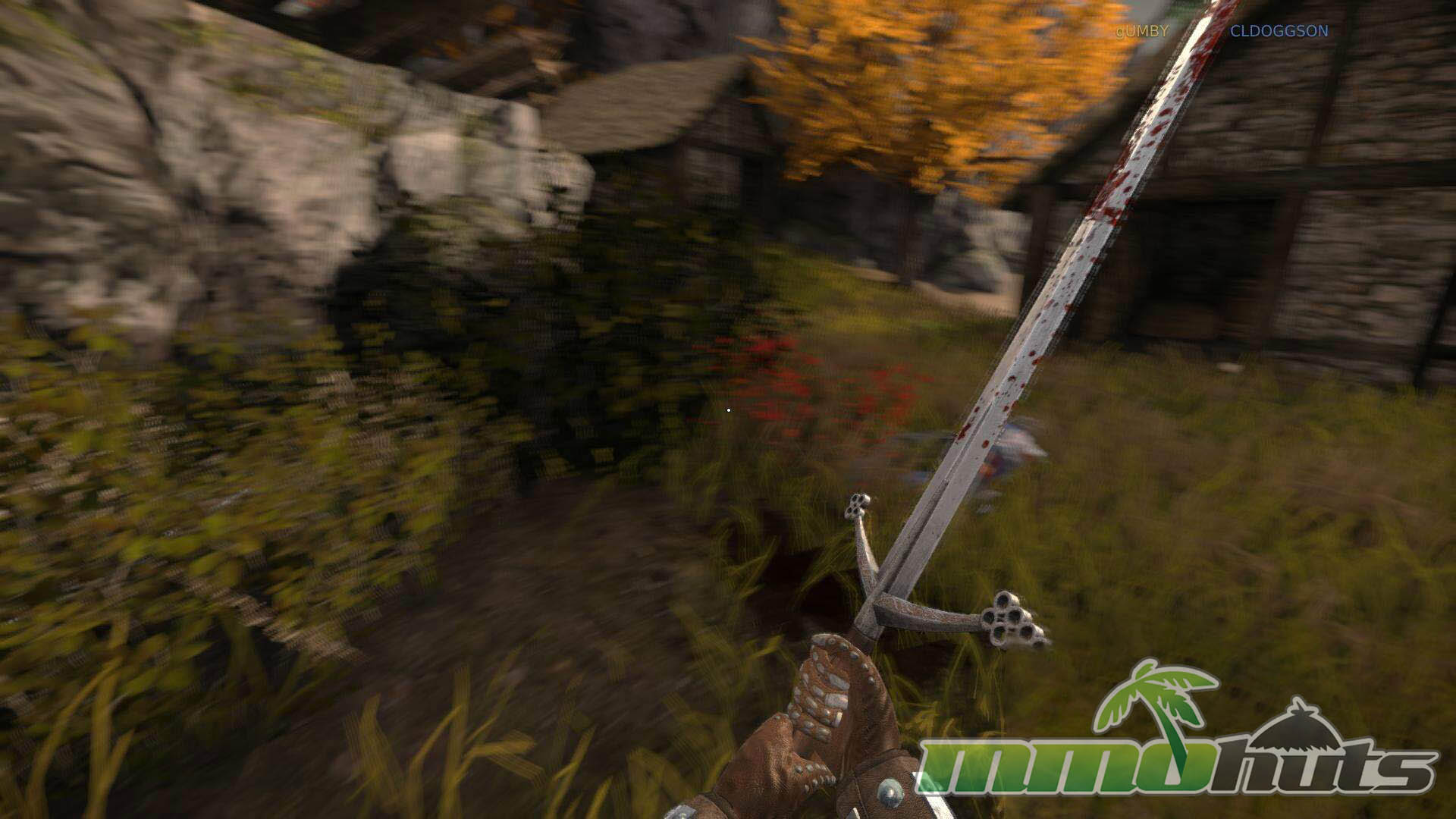

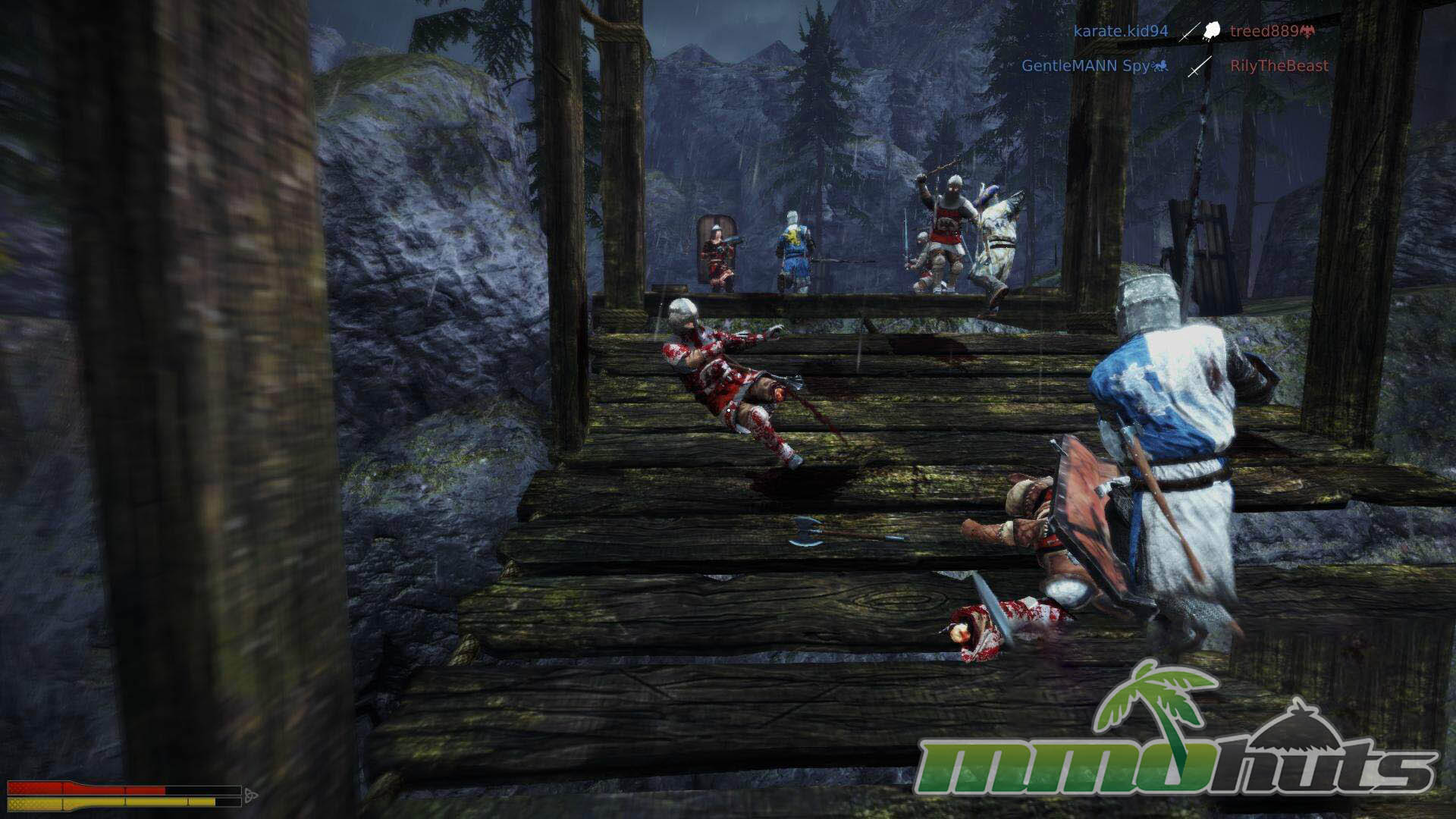


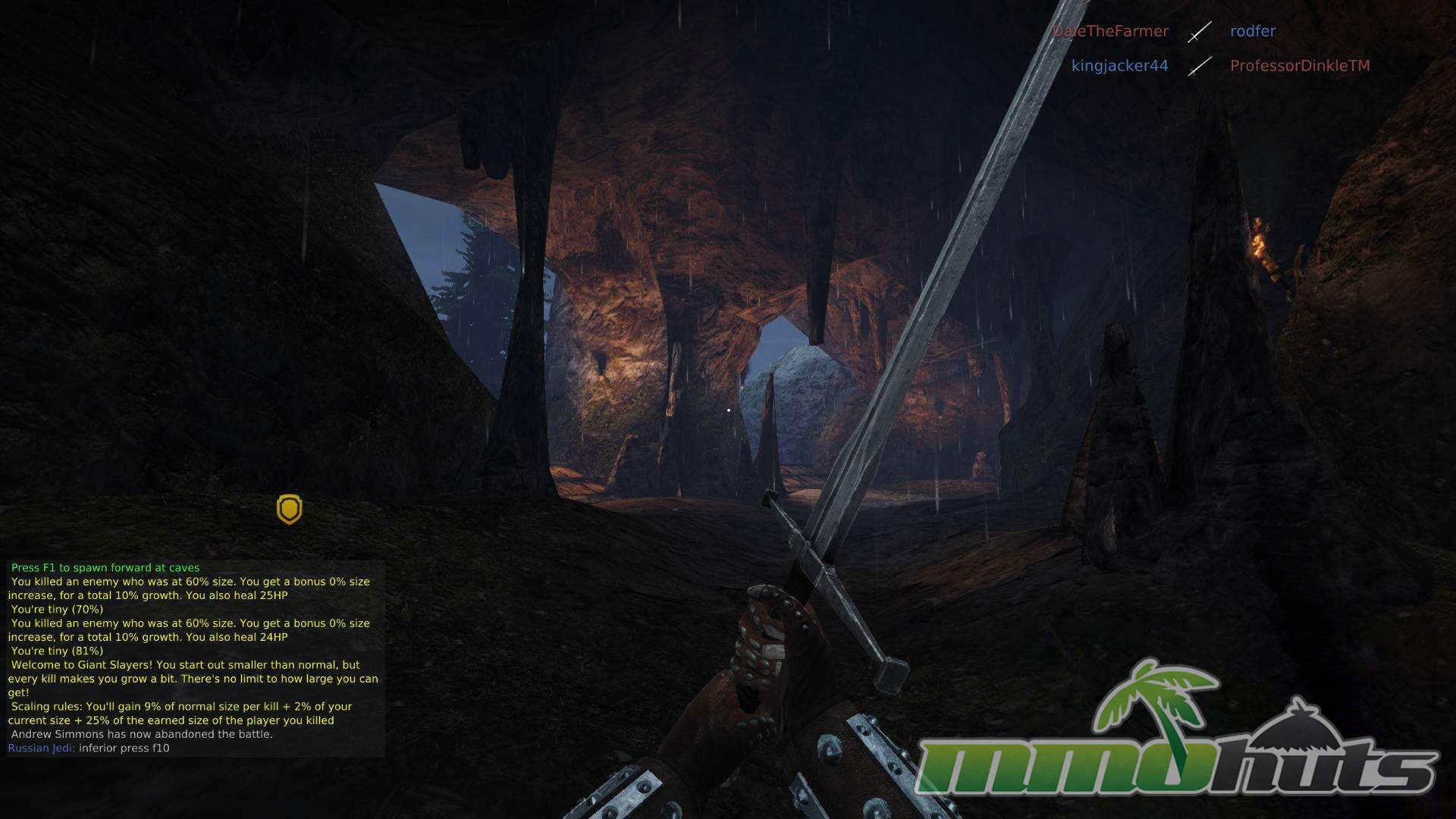
Chivalry Featured Video

Chivalry Review
Few multiplayer games capture the ridiculous drama of medieval combat quite like Chivalry: Medieval Warfare. One moment you are sprinting behind a wall of shields while teammates spam warcries, the next you are locked in a tense duel where a single mistimed block means losing your head. It is visceral, loud, and frequently funny, even when it is being unforgiving.
A grimy battlefield that still has personality
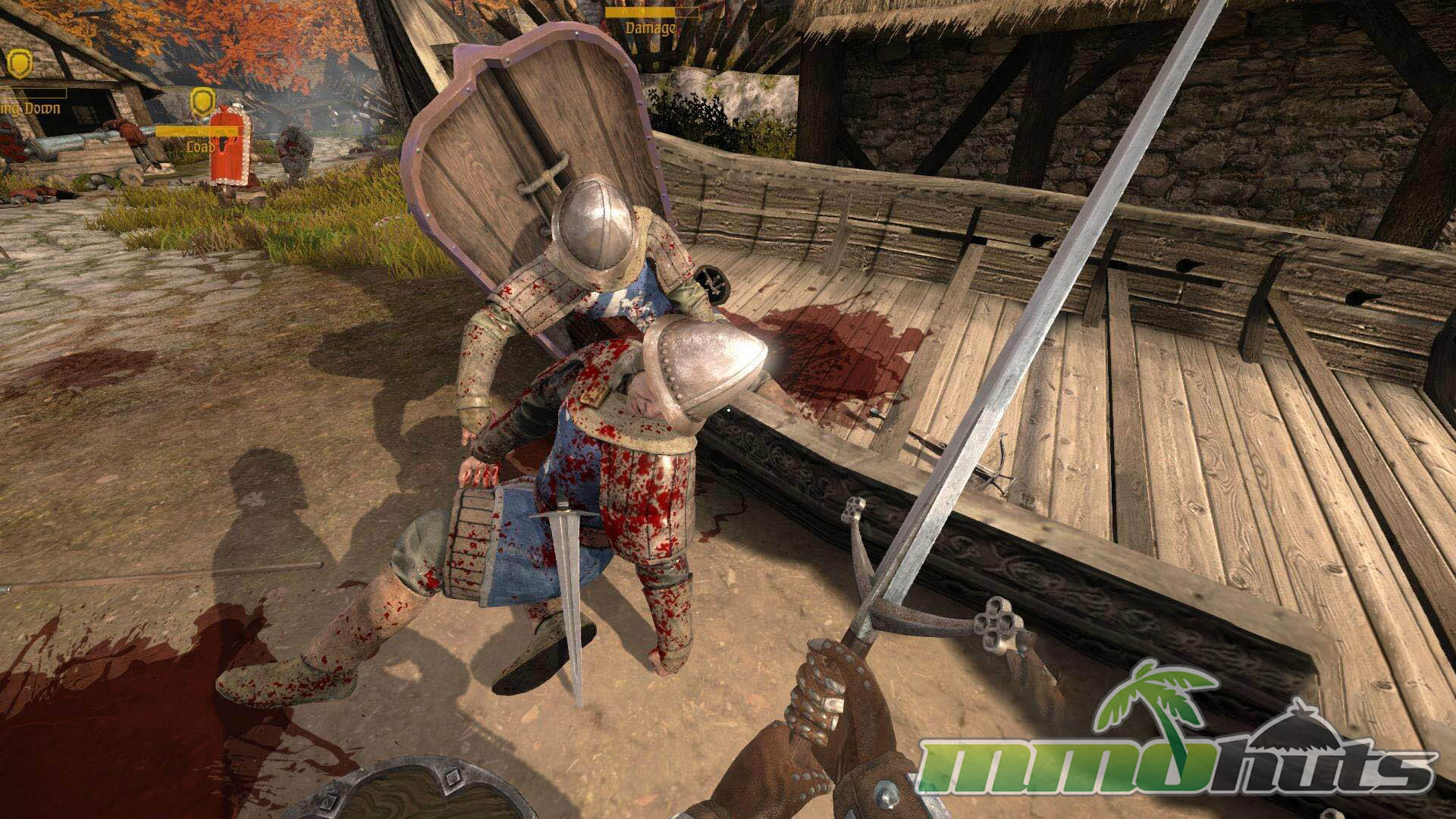
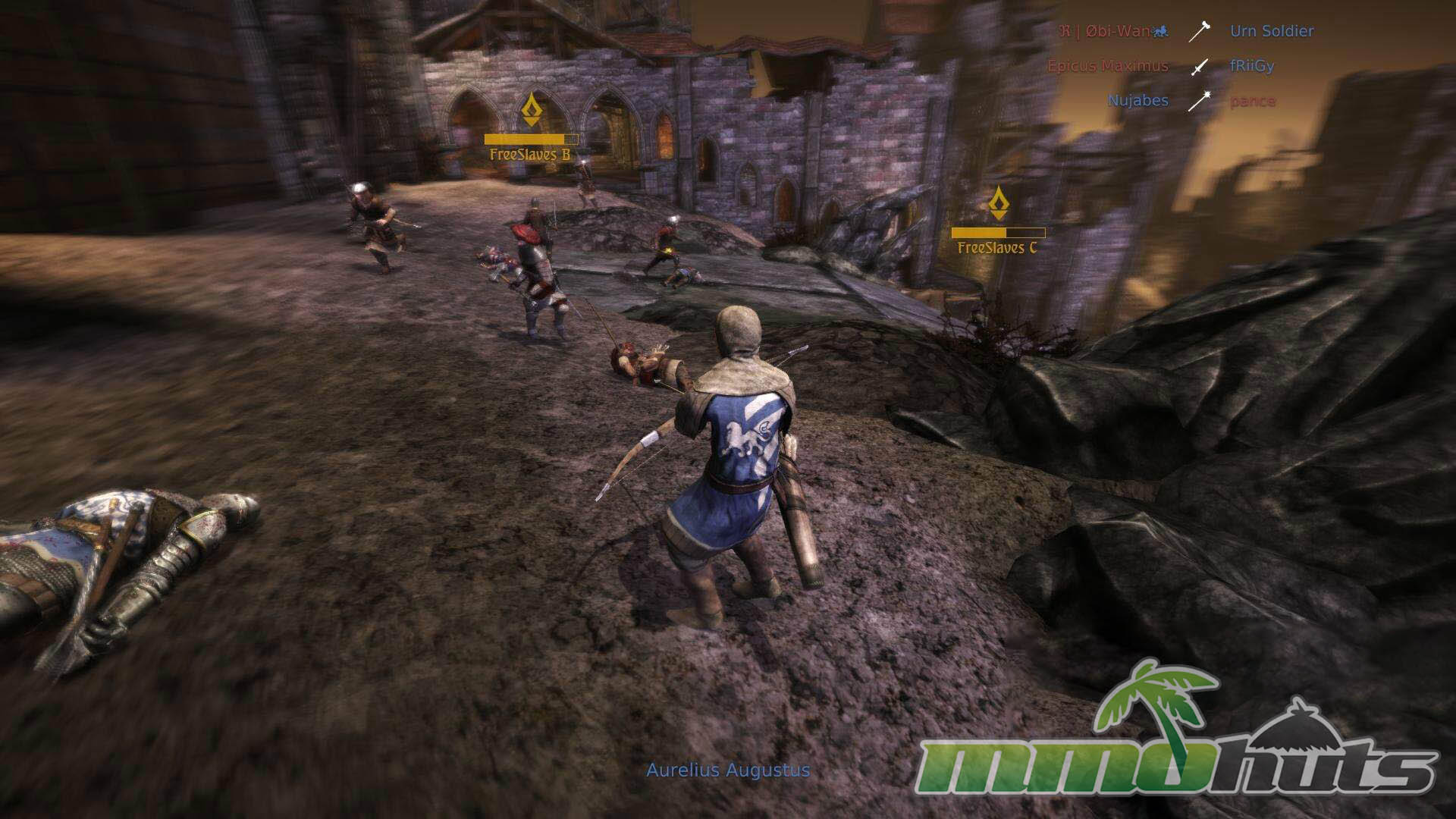
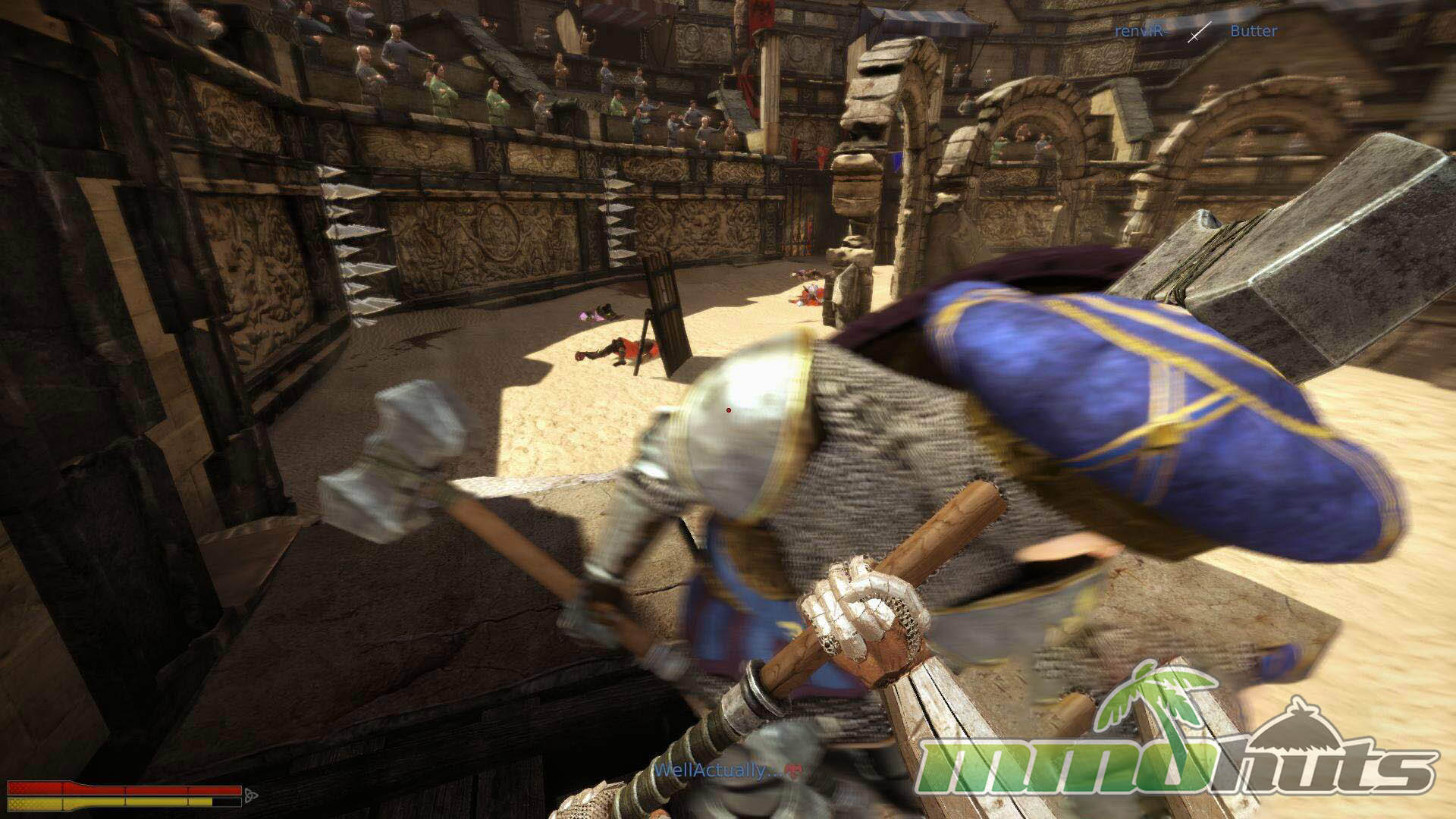
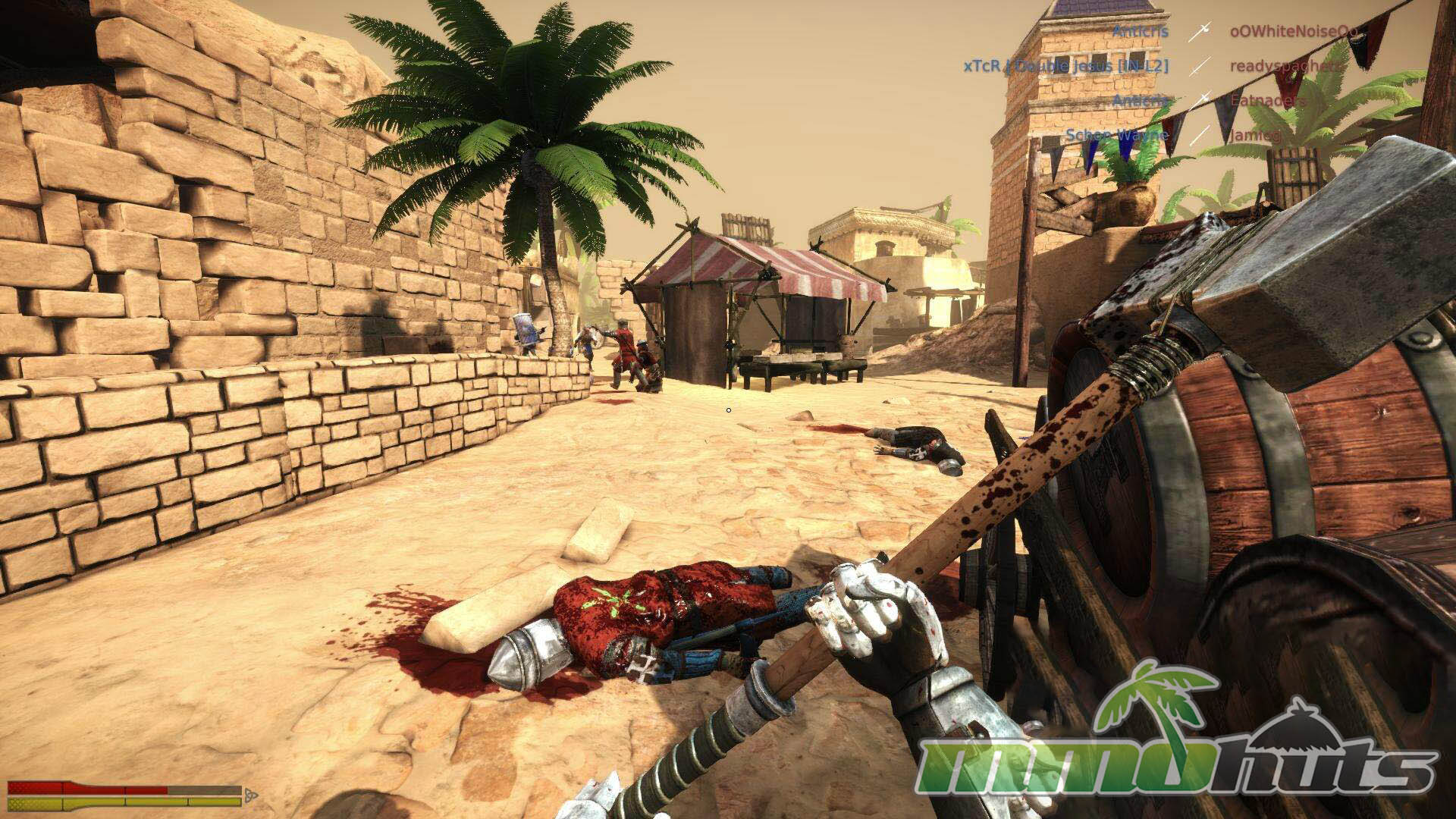
Built on Unreal Engine 3, Chivalry is not a modern visual showpiece, but its maps do a good job selling a harsh, battered world. Locations range from brighter outdoor spaces to darker woodland and fortress environments, and they generally read well in motion, which matters when you are trying to track blades, bodies, and projectiles in a crowd. The game’s signature is the sheer amount of gore, and it is presented in a way that often feels intentionally exaggerated. Dismemberment and decapitations are frequent, and the absurdity helps keep the tone from becoming oppressive, even as the fights remain brutal.
Four classes, clear roles, plenty of loadout choices
Chivalry’s class lineup is straightforward but effective. Knights are built to soak hits and punish mistakes with heavy weapons. The Man-At-Arms leans into mobility and tricky close-range pressure. Archers trade durability for the ability to pick targets and disrupt pushes from range, assuming you can land shots. The Vanguard sits in a flexible middle ground, often using longer two-handed options to control space and win exchanges through reach.
Loadouts add a lot of replay value because weapons feel meaningfully different. There are fast tools meant for quick pokes and duels, slower options that hit like a truck, and various polearms and blades that reward spacing. Progression also nudges experimentation, since weapon options expand as you rack up kills in a match. The best part is that there is rarely a single “correct” choice, you are balancing speed, range, stamina pressure, and risk depending on the mode and your comfort level.
Archers deserve a special mention because they are a frequent source of complaints in any melee-focused PvP game, and Chivalry is no exception. Still, the class takes real practice, especially at longer ranges where leading targets and accounting for arc matter. In most matches, archery tends to complement the melee scrum rather than replace it, which helps keep the core identity intact.
Melee that is easy to start, hard to outplay with
At a basic level, the controls are approachable. You swing, thrust, and overhead with simple inputs, and blocking is intuitive. That accessibility is important because the game throws you into large fights where you need to react quickly. However, the skill expression comes from reading opponents, controlling distance, and using the deeper toolkit correctly.
Feints are central to that mind game, letting you bait a premature block and punish the opening. Movement and crouching can also change outcomes in ways that feel surprisingly technical, especially in duels. Once you start fighting players who understand timing and spacing, Chivalry becomes less about random swings and more about manipulating expectations.
The Real-Time-Strikes system adds another layer. By moving the mouse with or against a swing, you can alter the speed and angle enough to catch someone off-guard. Combined with the way different weapons affect turn speed and recovery, the combat can feel almost like a fighting game at high levels, where knowledge and execution matter as much as raw reactions.
The skill gap is real, and the game does not hide it
Chivalry can be rough on new players, particularly once matchmaking places you alongside veterans with hundreds of hours. The difference in tempo is immediate, experienced players chain attacks cleanly, manage spacing, and use feints as second nature. Early on, it is easy to feel like you are being toyed with.
That said, the path to improvement is clear. Spending time in duels and smaller modes helps you learn the timing windows and common tricks, and those lessons transfer directly to the larger objective matches. When you finally start winning exchanges against strong opponents, the satisfaction is substantial, because it is earned rather than handed out by stats or gear.
Modes that range from chaotic to genuinely tactical
Variety is one of Chivalry’s strengths. Free-For-All is pure disorder, and it often turns into opportunistic backstabs and sudden pile-ups, which is part of the appeal. Team Deathmatch is more readable, but friendly fire means careless swings can punish your own side as much as the enemy.
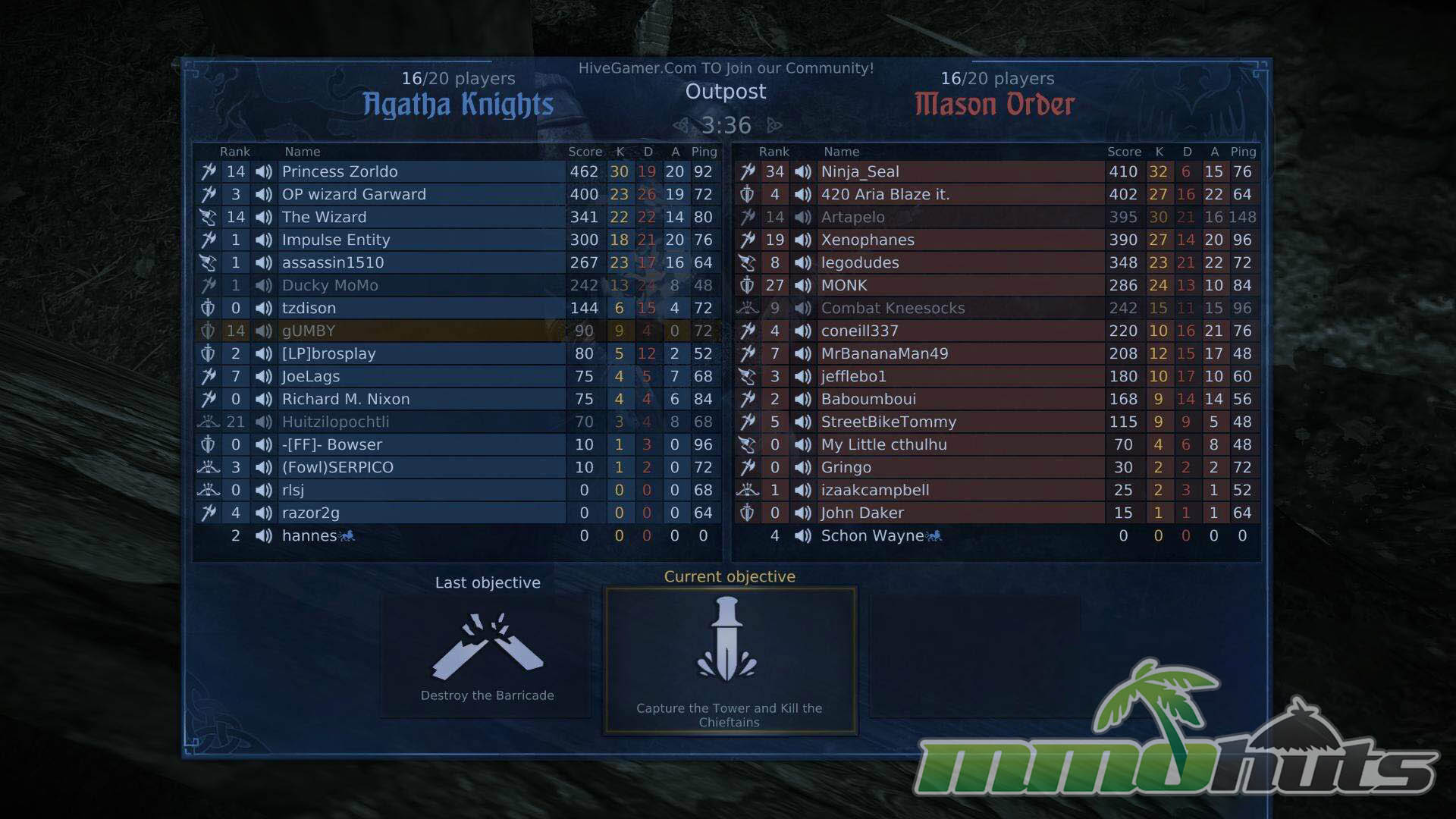
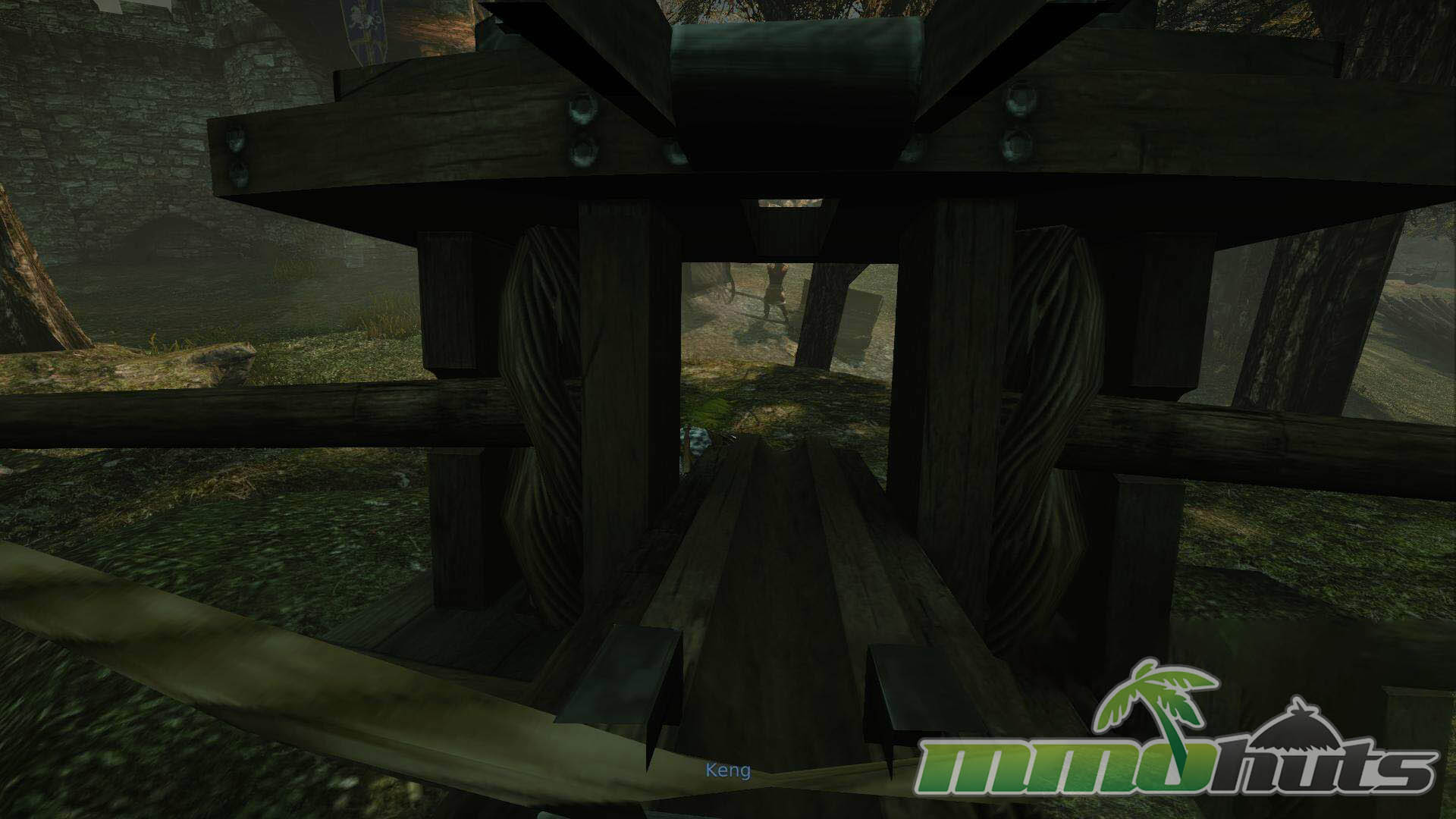
Team Objective is the standout. The push-and-pull of offense and defense gives fights context, and objectives create natural moments of tension, whether you are trying to break a hold at a choke point or scrambling to finish a final task before time runs out. The objectives themselves lean into dark humor and brutality, and they help matches feel like miniature stories rather than disconnected skirmishes. Siege tools and environmental elements add extra texture, making it more than a simple kill race.
Deadliest Warrior DLC: fun concept, weaker follow-through
Chivalry: Deadliest Warrior is an interesting side dish rather than the main meal. The premise is strong, with recognizable warrior archetypes facing off, and it does change the flavor of fights by offering different equipment and silhouettes. In practice, though, it lacks what makes the base game most compelling. Without strong objective-focused play, matches often blur together, and the DLC feels more like a themed variation than a true expansion of the core experience. If you primarily want straightforward deathmatch and like the TV tie-in, it can be entertaining, but it is not essential to appreciate what Chivalry does best.
Cosmetics and customization, mostly harmless
Customization exists largely to let players stand out. You can buy cosmetic packs, hats, and weapon skins, and much of it is community-driven through Steam Workshop distribution. Importantly, these items are not meant to provide direct gameplay advantages.
One practical issue is readability. Certain cosmetic choices can make it harder to quickly identify friend versus foe, especially in the middle of a crowded melee. In a game where split-second decisions matter, anything that reduces clarity can lead to accidental team hits and general confusion.
Final Verdict – Excellent
Chivalry: Medieval Warfare succeeds by combining accessible first-person melee with a surprisingly deep set of mechanics that reward practice. Its best moments come in Team Objective, where coordinated pushes, desperate defenses, and last-second finishes create memorable matches. It is not without problems, including occasional technical issues and a community that can be abrasive, but the core combat remains uniquely satisfying. If you want a skill-driven melee PvP game and do not mind a learning curve, Chivalry is still an easy recommendation, especially at a discount.
Chivalry Links
Chivalry Official Site
Chivalry Steam Store
Chivalry Wikipedia
Chivalry Wikia [Database/Guides]
Chivalry Reddit
Chivalry Requirements
Minimum Requirements:
Operating System: Windows XP 32 bit
CPU: Core 2 Duo E4600 2.4GHz or Athlon 64 X2 Dual Core 5200+
RAM: 2 GB GB RAM
Video Card: GeForce 8600 GS or Radeon HD 3400 Series
Hard Disk Space: 7 GB Free Space
Recommended Requirements:
Operating System: Windows 7 64 bit
CPU: Core 2 Quad Q6600 2.4GHz or Athlon II X4 615e
RAM: 4 GB RAM
Video Card: GeForce GTX 460 768MB or Radeon HD 5850 1024MB
Hard Disk Space: 9 GB Free Space
Chivalry: Medieval Warfare is Mac OS X and Linux compatible.
Chivalry Music
Chivalry Additional Information
Developer(s): Torn Banner Studios
Publisher(s): Tom Banner Studios (PC), Activision (Consoles)
Lead Game Designer: Steve Piggott
Composer: Ryan Patrick Buckley
Engine: Unreal Engine 3 with PhysX
Release Date: October 16, 2012
Release Date (Mac and Linux): February 25, 2015
Deadliest Warrior Release Date: November 14, 2013
Announcement Date: May 20, 2010
Kickstarter Funded Date: September 15, 2012
Other Platforms: Linux, OS X, PS3, Xbox 360
Torn Banner Studios built Chivalry as a full commercial game after first experimenting with the concept as a Half Life 2 mod called Age of Chivalry. For Medieval Warfare, the team reworked the fighting to be more elaborate and added interactive elements that better supported large, objective-driven battles. The project also shifted engines over time, moving away from its original Source roots and ultimately running on Unreal Engine for the shipped release.
The game was initially revealed as Chivalry: Battle For Agatha on May 20, 2010, before the title was changed. It later hit its Kickstarter goal on September 15, 2012 and launched on October 16, 2012. Medieval Warfare marked Torn Banner Studios’ first commercial release. An expansion pack, Chivalry: Deadliest Warrior, arrived on November 14, 2013, developed alongside 345 Games and tied to the Deadliest Warrior TV series that previously aired on Spike TV.