KWAAN is a cooperative sandbox experiment built around the idea that a server thrives only when its players coordinate. Instead of rivalry, the game pushes shared goals, communal resources, and creative rituals that ask everyone to contribute to the same living world.
 | Publisher: Ankama Games Type: Collaborative Sandbox Release Date: January 21, 2016 Shut Down Date: November 30, 2017 Pros: +Distinctly cooperative sandbox structure. +Pixel art creation as gameplay. +Friendly, supportive community tone. +Developers were engaged with players. Cons: -Steep learning curve early on. -No PvP for competitive-minded players. -Limited population. |
KWAAN Overview
In KWAAN, the looming disaster is not an invading army or a raid boss, it is the sorrow of a tree god whose tears will eventually flood the world. The twist is that no single player can “solve” that problem alone. Each server functions like a shared ecosystem, and progress depends on the community consistently keeping KWAAN content through daily rituals and coordinated effort.
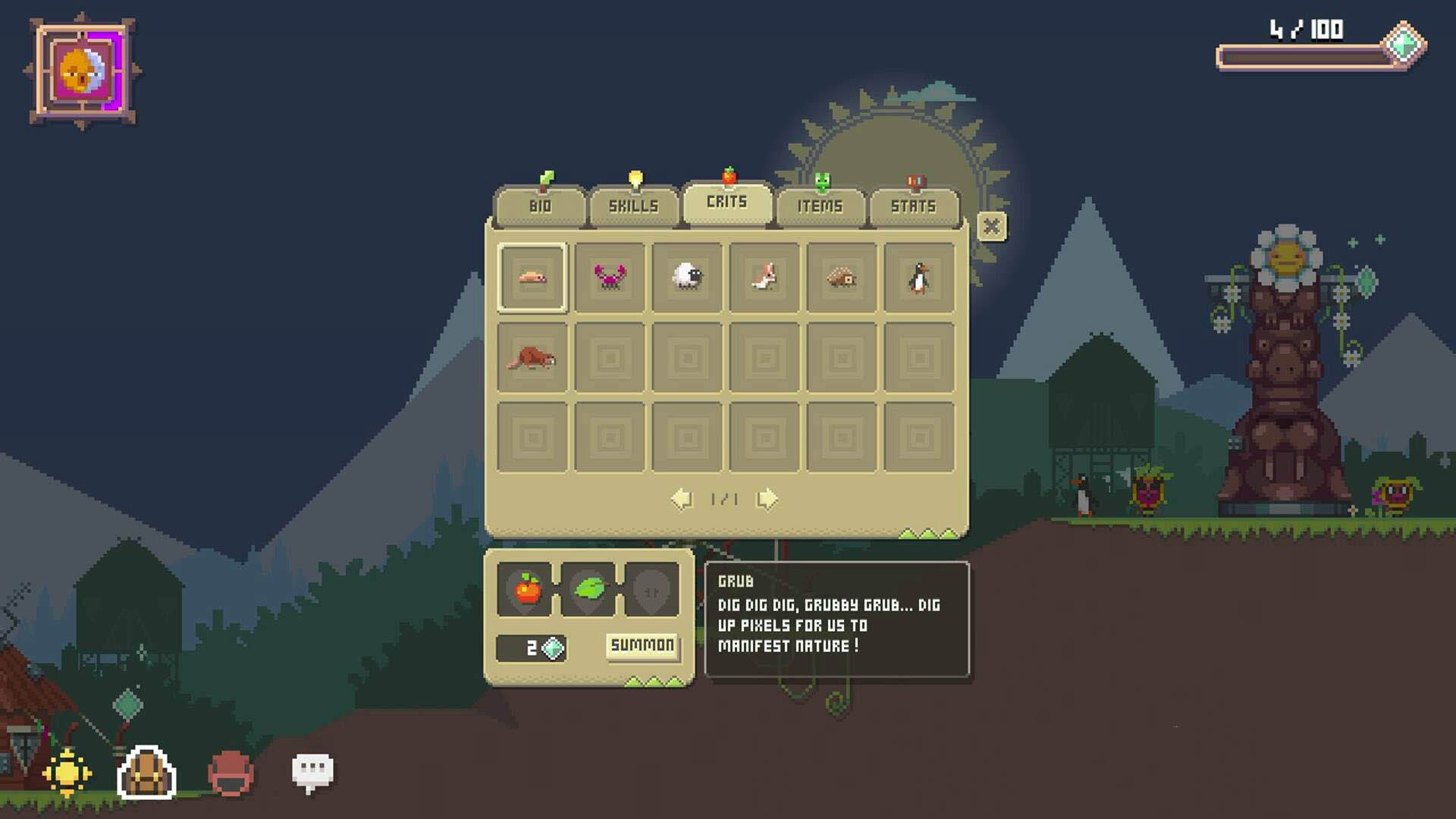
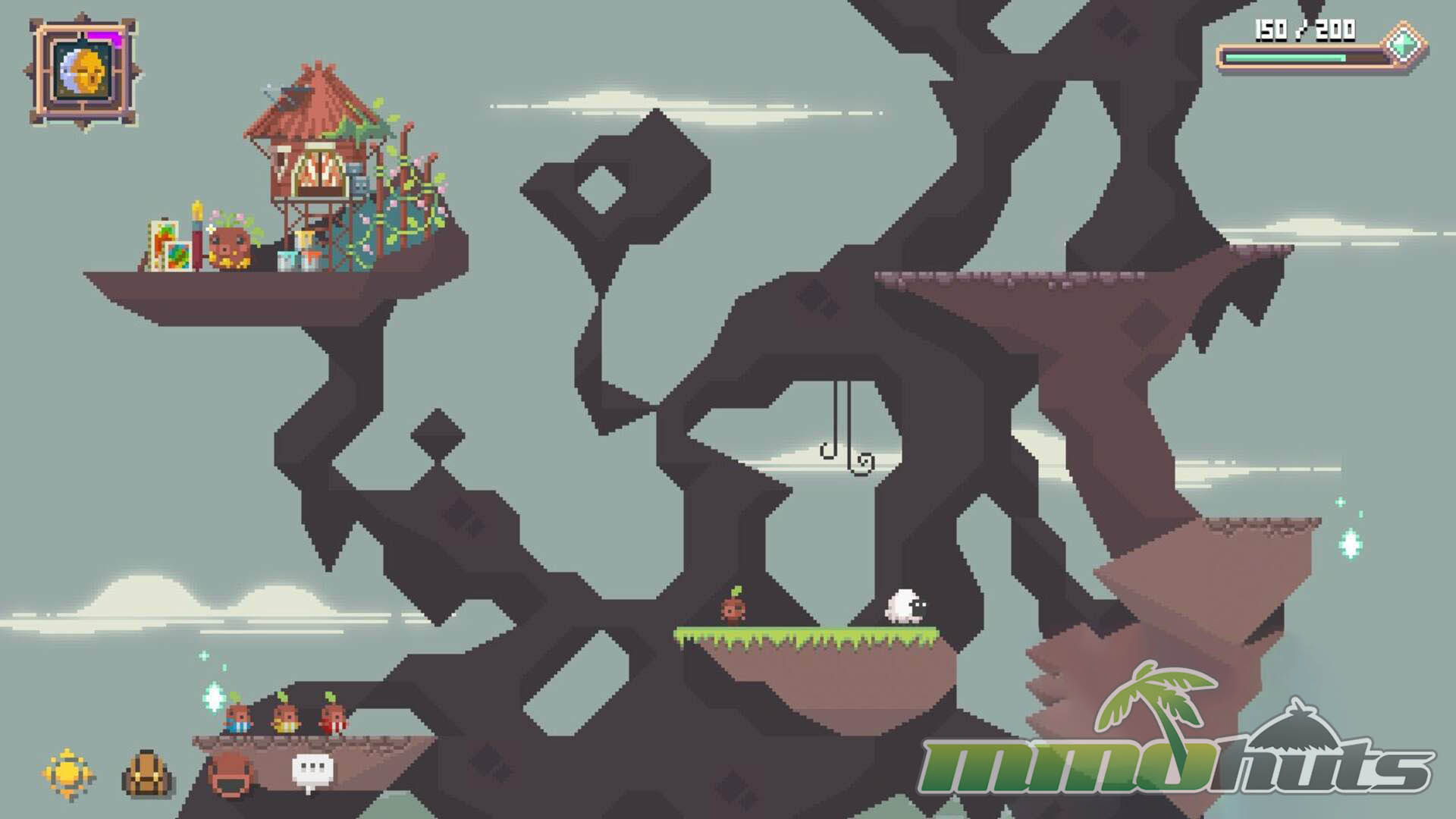
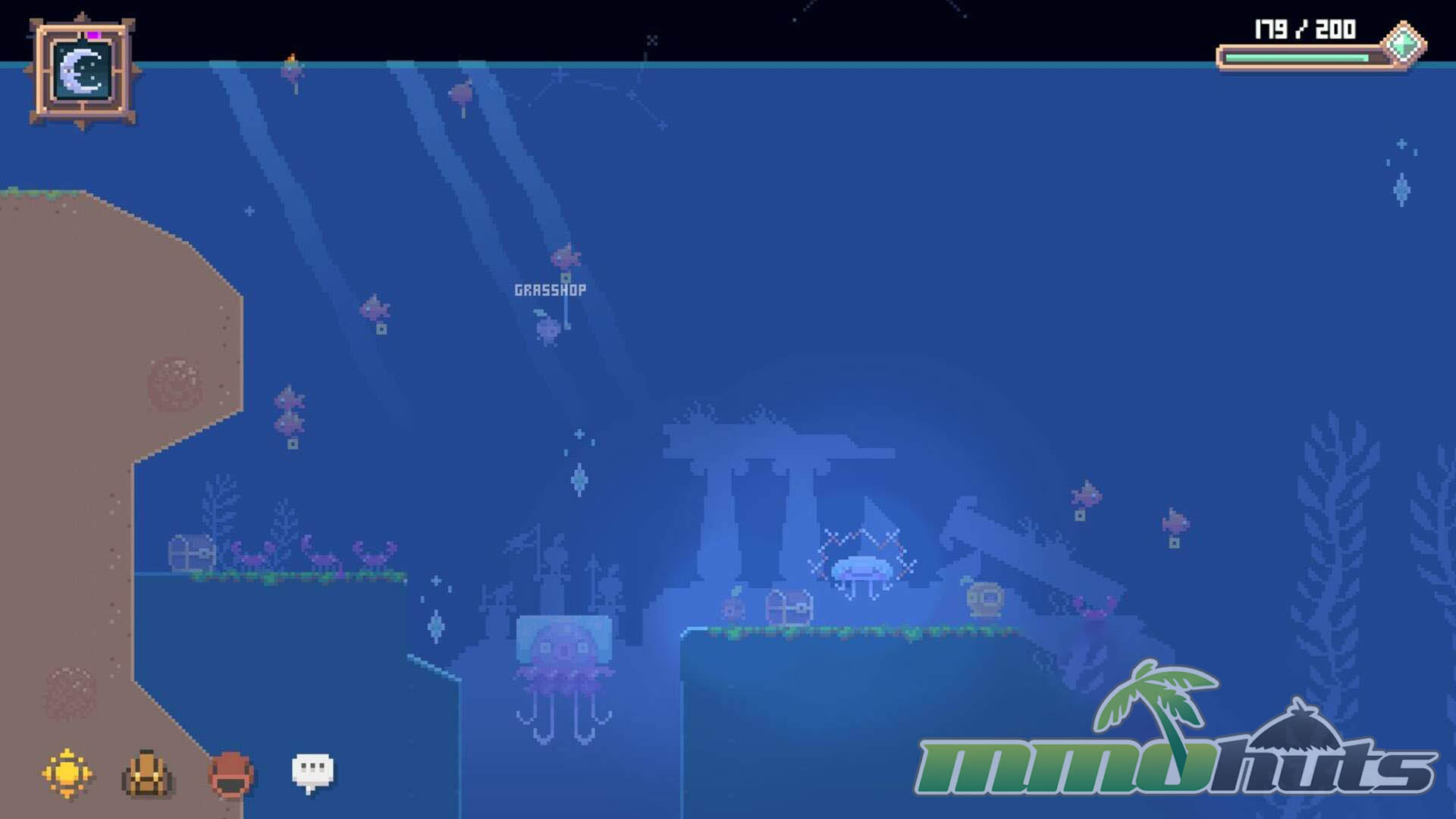
Moment to moment, the game plays like a light platforming and exploration sandbox with an unusual movement constraint. You control a small sapling character that cannot jump, so traversal revolves around careful positioning and using a rope to climb and reach ledges. That limitation sounds simple, but it shapes the pace of exploration and makes the world feel like it was designed around deliberate movement rather than fast action.
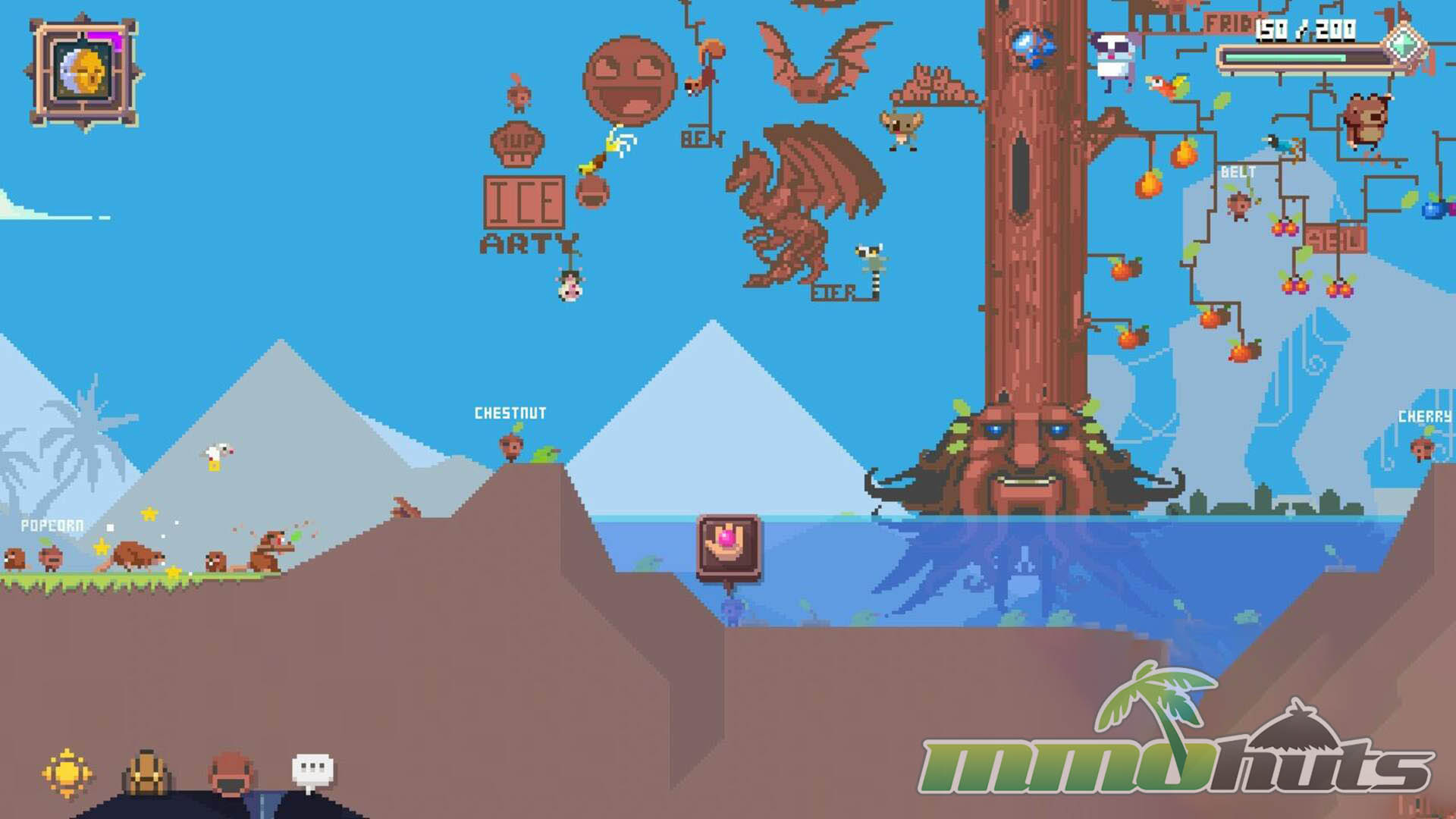
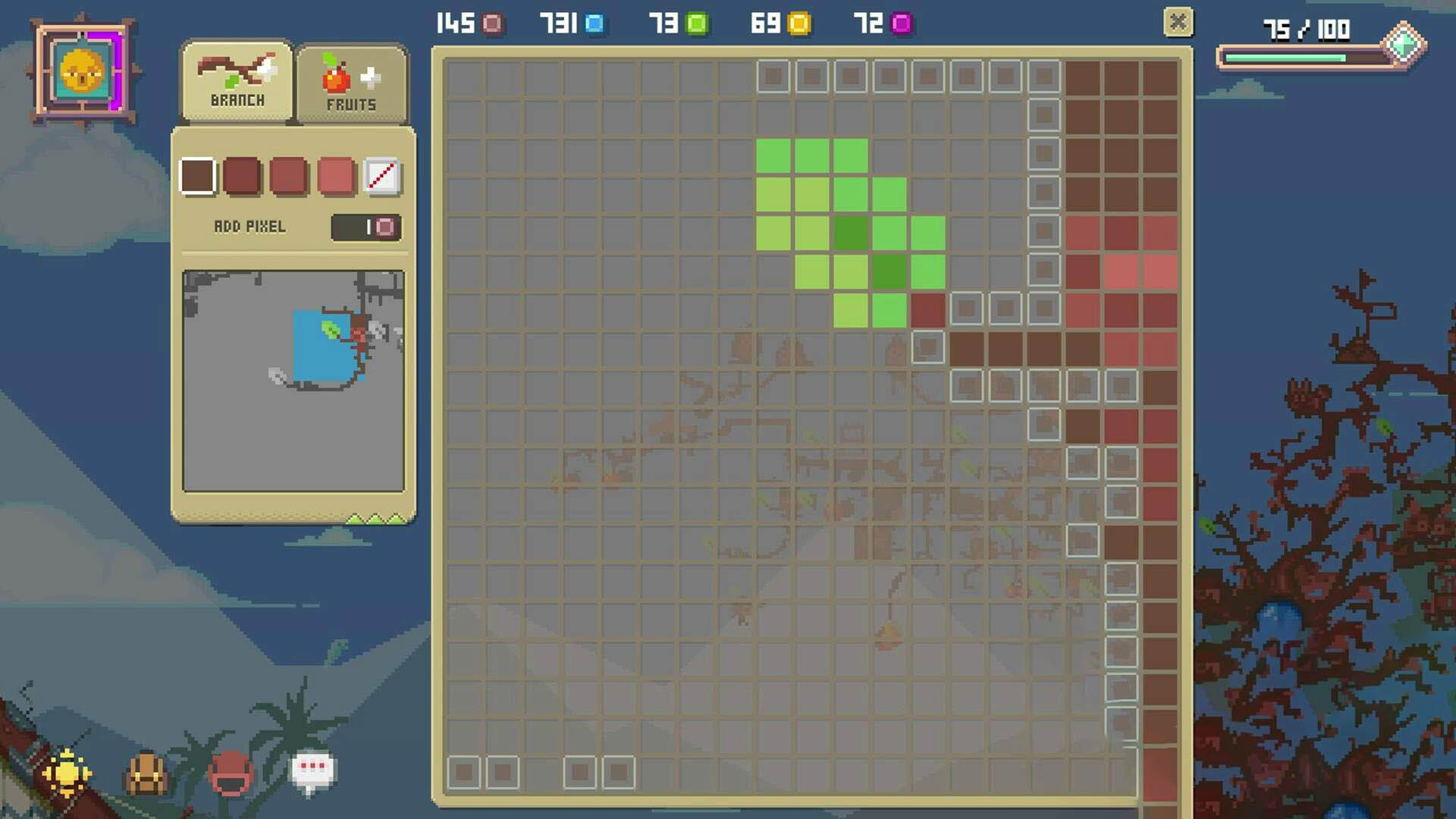
The core loop centers on rituals and requests from KWAAN. These tasks range from summoning creatures and crafting items to discovering new areas. One of the most memorable mechanics is how creativity is integrated directly into progression, players can draw pixel art that ties into certain rituals (such as growing fruit). Rather than being a side activity, the art tool becomes part of the server’s daily responsibilities.
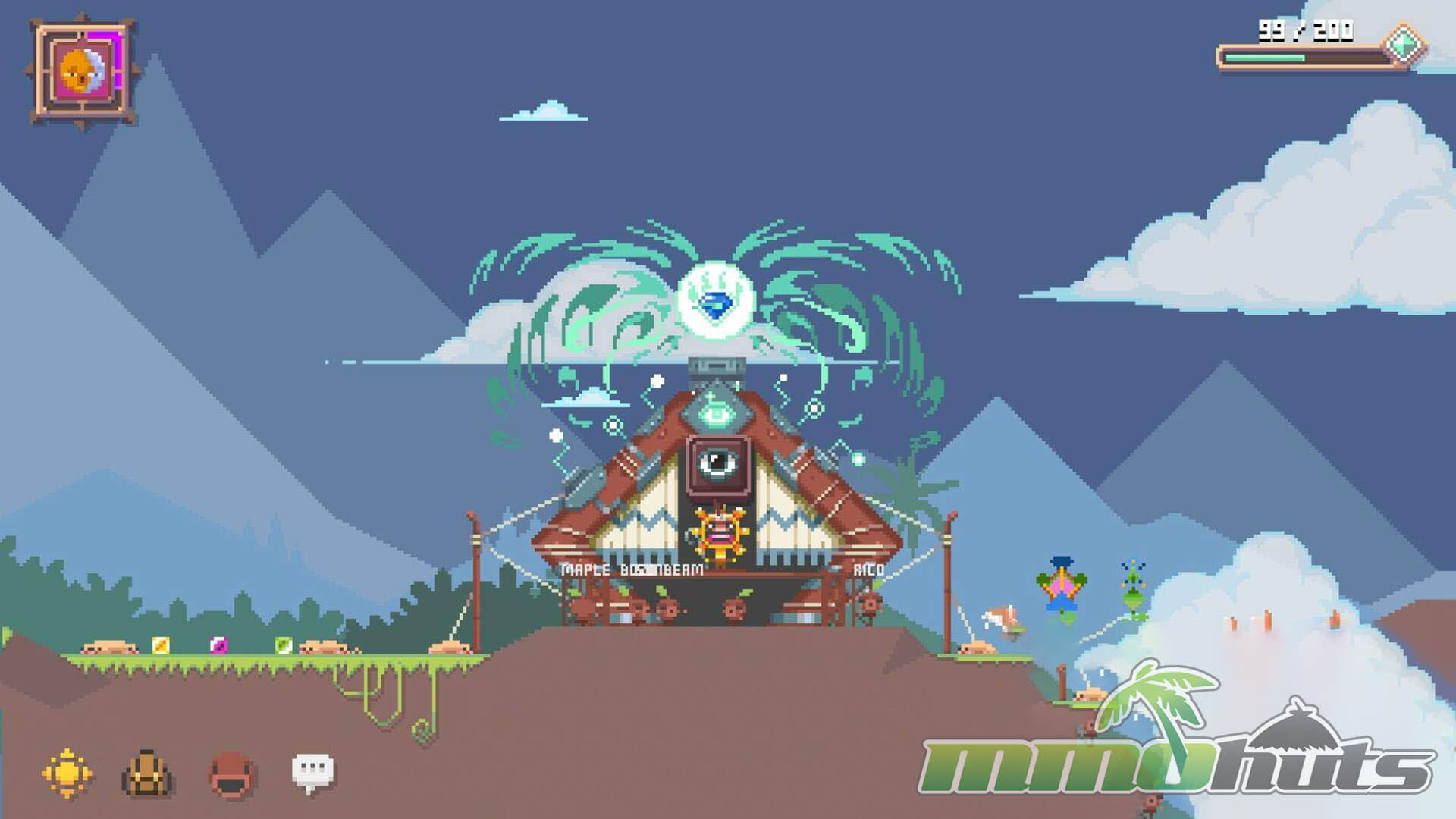
Another key layer is the shared mana pool. Mana is required for specific ritual actions, and it is not an individual currency. Everyone on the server draws from the same reserve, which naturally encourages communication and restraint. When a community is organized, the system feels like a social contract. When it is not, it becomes a lesson in how fragile shared resources can be.
As groups complete KWAAN’s communal objectives, the tree god grows and the next chapter of the game’s story becomes available. The “story” here is less about personal narrative choices and more about a server-wide sense of advancement, the world changes because the community did the work.
KWAAN Key Features:
- Co-op First Design – a rare MMO-style sandbox where the default assumption is collaboration, not conflict.
- Pixel Art as a Mechanic – create pixel drawings that feed into rituals and world interaction, not just decoration.
- Supportive Social Atmosphere – with teamwork baked in and no PvP pressure, players tend to be welcoming and instructive.
- Platforming Built Around a Rope – no jumping means navigation is slower and more thoughtful, relying on climbing and planning routes.
- Server-Wide Ritual Objectives – complete KWAAN’s daily challenges together to unlock new chapters and world progression.
KWAAN Screenshots


KWAAN Featured Video

KWAAN Review
KWAAN set out to answer a question many online games avoid: what happens when a multiplayer world is designed around cooperation as the primary form of “challenge”? The result is a small, distinctive sandbox where the most important skills are communication, patience, and a willingness to contribute to shared goals.
The strongest part of KWAAN is how it turns community behavior into a gameplay system. The shared mana pool is a simple idea, but it has real consequences. In practice, it makes the server feel like a group project, players learn quickly that impulsive use of resources can slow everyone down. When a server has even a few helpful regulars coordinating rituals and explaining priorities, the experience becomes genuinely pleasant and surprisingly social.
KWAAN’s rituals also do a good job of varying the type of participation required. Some players can focus on exploration and discovery, others can craft, and the creatively inclined can spend time producing pixel art that supports progression. That variety helps the game feel more like a living workshop than a traditional grind, and it gives different personality types a reason to stick around.
The unusual movement model is another defining feature. Not being able to jump sounds like a gimmick, but it creates a specific tone: exploration is careful, routes matter, and the rope becomes your main tool for interacting with terrain. This can be satisfying once you adjust, but it also contributes to the game’s biggest hurdle, onboarding. New players have to learn movement, rituals, and social expectations all at once, and the early hours can feel opaque without guidance from other players.
The absence of PvP is consistent with the game’s mission, but it also narrows the audience. If your enjoyment of online worlds comes from competition, duels, or testing builds against other players, KWAAN simply is not built for that. Its tension comes from collective responsibility and the pressure of keeping the world stable, not from fighting each other.
Population size matters a great deal in a design like this. Because so much progress depends on multiple people contributing, a small playerbase can make the world feel quiet and slow, even if the systems are interesting. At its best, KWAAN feels like a cooperative ritual space where everyone has a role. At its worst, it can feel like an unfinished to-do list waiting for enough hands to show up.
Overall, KWAAN is easiest to recommend to players who like experimental online games, collaborative creativity tools, and community-driven progression. It is less suited to those who want fast action, clear solo direction, or competitive endgame loops.
KWAAN System Requirements
Minimum Requirements:
Operating System: Windows XP
CPU: Core 2 Duo
RAM: 2 GB RAM
Video Card: Graphic card with shader model 2.0 capabilities
Hard Disk Space: 250 MB
Recommended Requirements:
Operating System: Windows XP or better
CPU: Core 2 Duo
RAM: 2 GB RAM
Video Card: Graphic card with shader model 2.0 capabilities or better
Hard Disk Space: 250 MB
KWAAN Music & Soundtrack
Coming Soon!
KWAAN Additional Information
Developer(s): Ankama Canada
Publisher(s): Ankama Games
Language(s): English, French
Platform(s): PC, Mac
Early Access Release Date: March 11, 2015
Release Date: January 21, 2016
Shut Down Date: November 30, 2017
Development History / Background:
KWAAN was developed by Ankama Canada and published by Ankama Games as a collaborative sandbox title with a deliberately non-competitive focus. Its design goal was to encourage a healthier MMO-style environment by removing player-versus-player conflict and replacing it with shared rituals and community objectives. The game entered Early Access on Steam in March 2011 and later reached its official release in January 2016. Online services for KWAAN ended on November 30, 2017.