Karos Returns is a 3D fantasy MMORPG set in the world of Asmara, and it serves as a modern relaunch of the game many players remember as Rosh Online.
 | Publisher: RedFox Games Playerbase: Medium Type: MMORPG Release Date: April 3, 2015 (NA/EU) PvP: Open World, Duels, and Siege Pros: +Seven distinct class archetypes with clear roles. +Fletta system adds progression options beyond basic skill points. +Plenty of PvP formats for competitive players Cons: -Each class is limited to a single skill tree. -UI and controls can feel dated and awkward. -Cash shop can create balance concerns. -Very limited character customization. |

Karos Returns Overview
Karos Returns is positioned as a second chance for the original Rosh Online, a version that previously struggled to hold onto a large audience. At its core, this is a straightforward, classic-style fantasy MMORPG with familiar questing, tab-target combat, and a heavy emphasis on leveling through PvE content before taking your build into PvP. One of its most notable quirks is an integrated automation tool, comparable in spirit to the auto-combat features seen in games like Conquer Online and Monkey King Online, which can handle routine fighting and potion use.
You start by picking from seven classes, and later advance into one of two transcended paths, letting you narrow your character into a more specialized role. Progress is largely driven by quest chains and steady skill unlocks, and the game keeps its systems approachable for players who prefer older MMO conventions over modern action combat. If you enjoy open PK zones, duels, and siege-style conflict, Karos Returns leans into those options as part of its long-term appeal.
Karos Returns Key Features:
- Seven Classes – pick from seven starting classes, each of which can later transcend into one of two advanced specializations.
- Karos Guide – an in-game bot system named “Karos Guide” that can fight enemies and manage potion use automatically.
- Fletta Points – in addition to normal skill points, you earn Fletta points that feed into stats, item enhancement, crafting, and other upgrades.
- Extensive PvP – multiple PvP styles including open world PK, duels, and siege battles aimed at guild-scale fighting.
- Simple Mechanics – traditional MMO structure with an in-game guide designed to walk players through the basics and core systems.
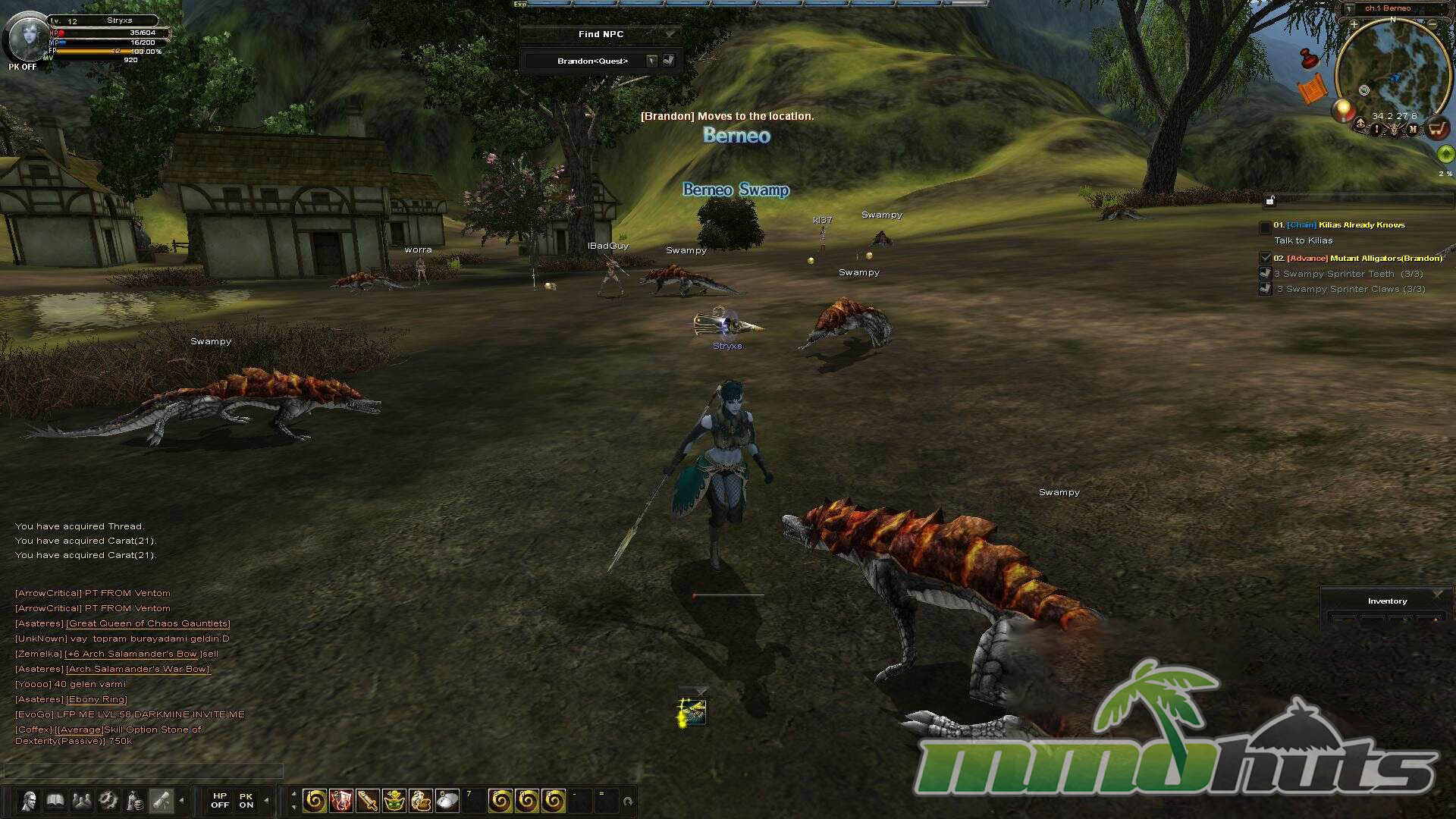
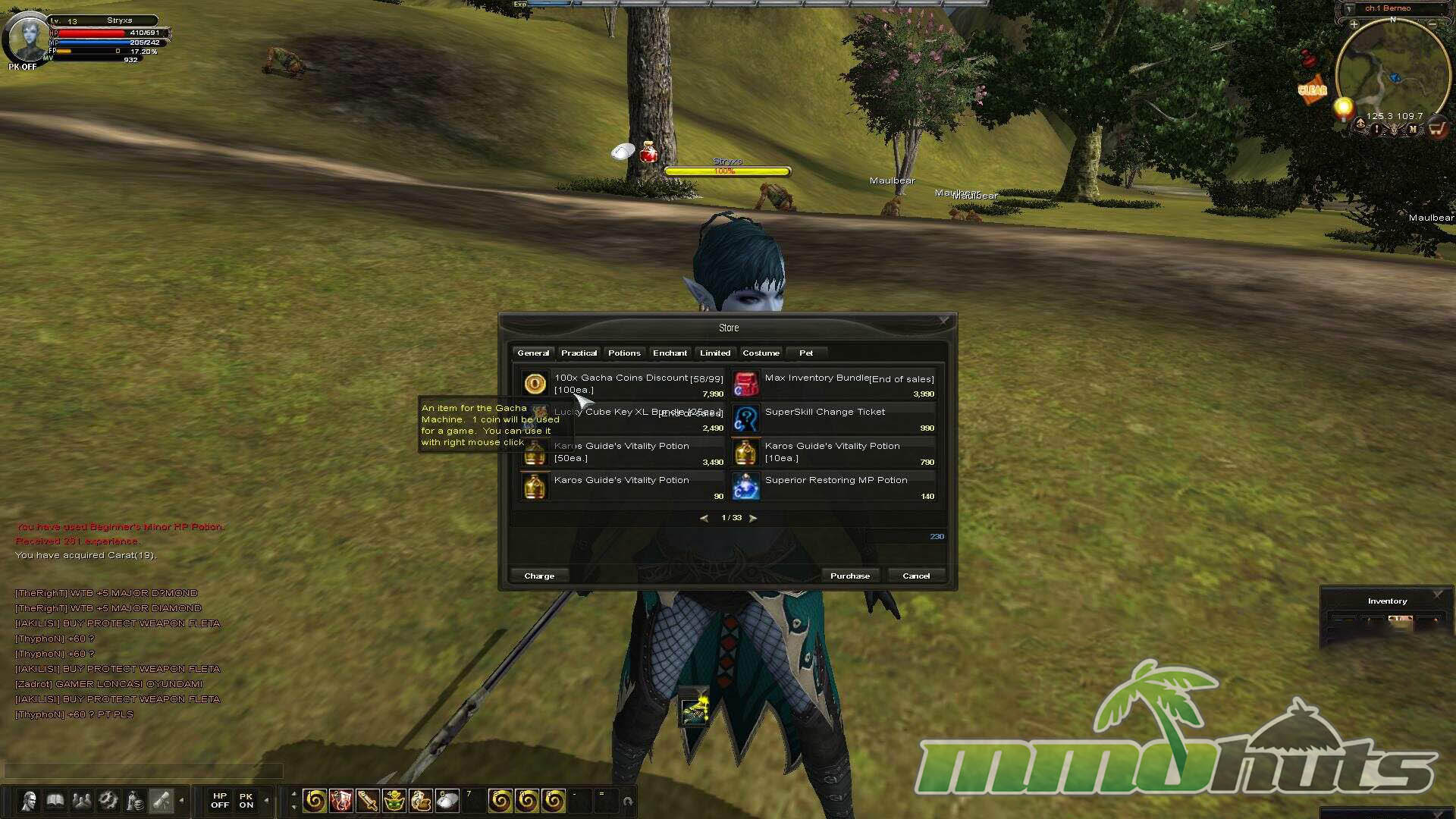
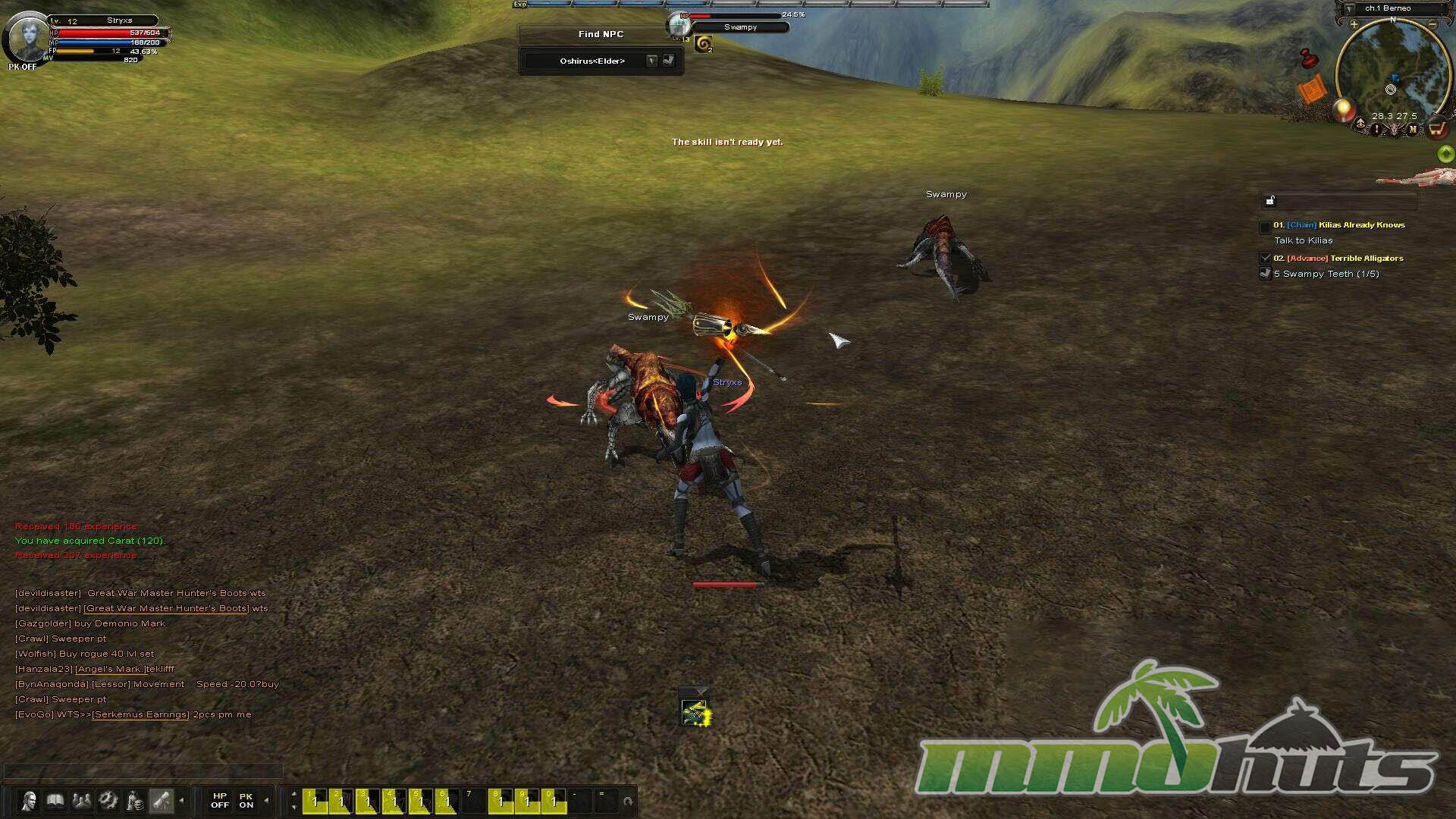
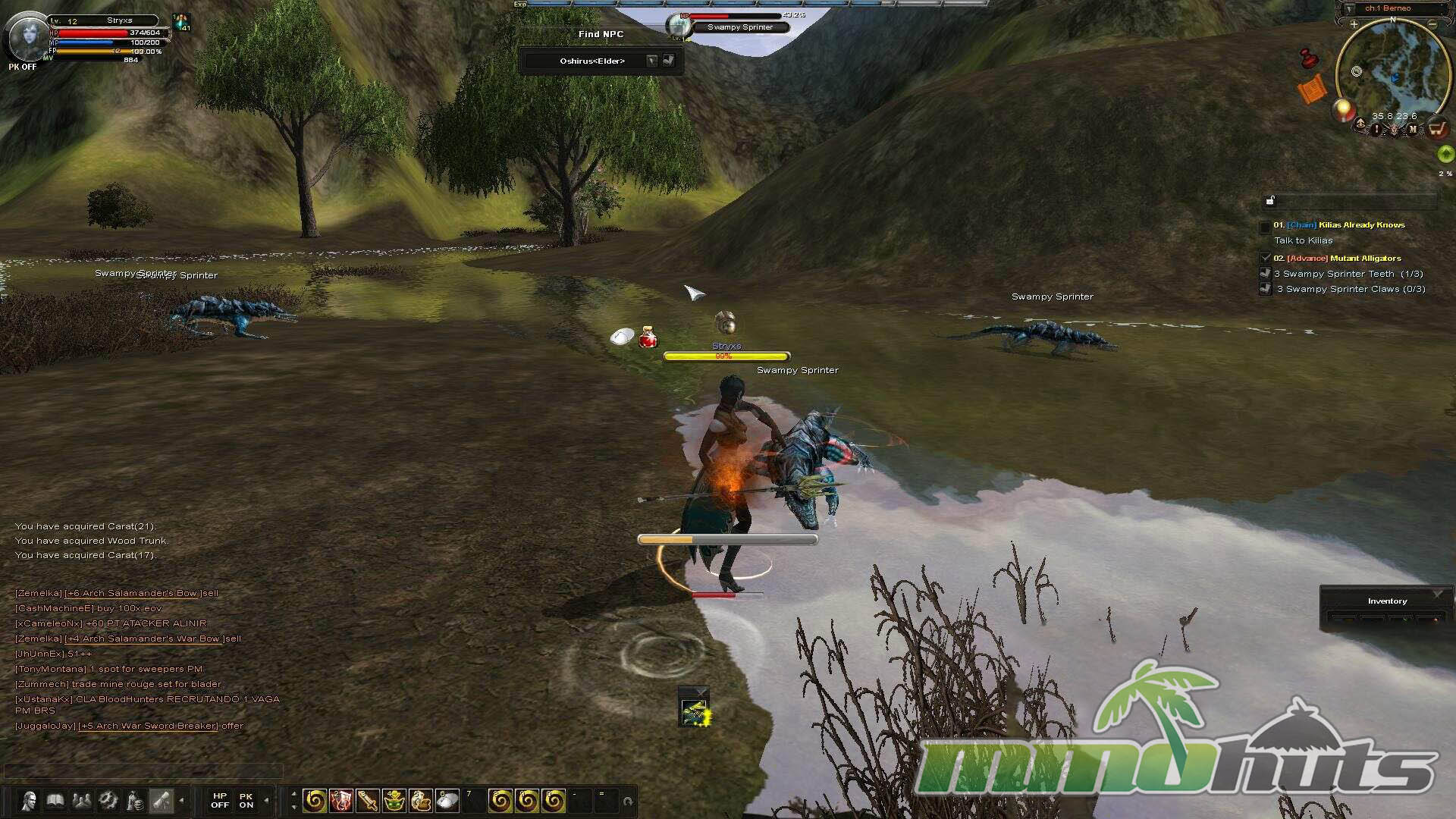
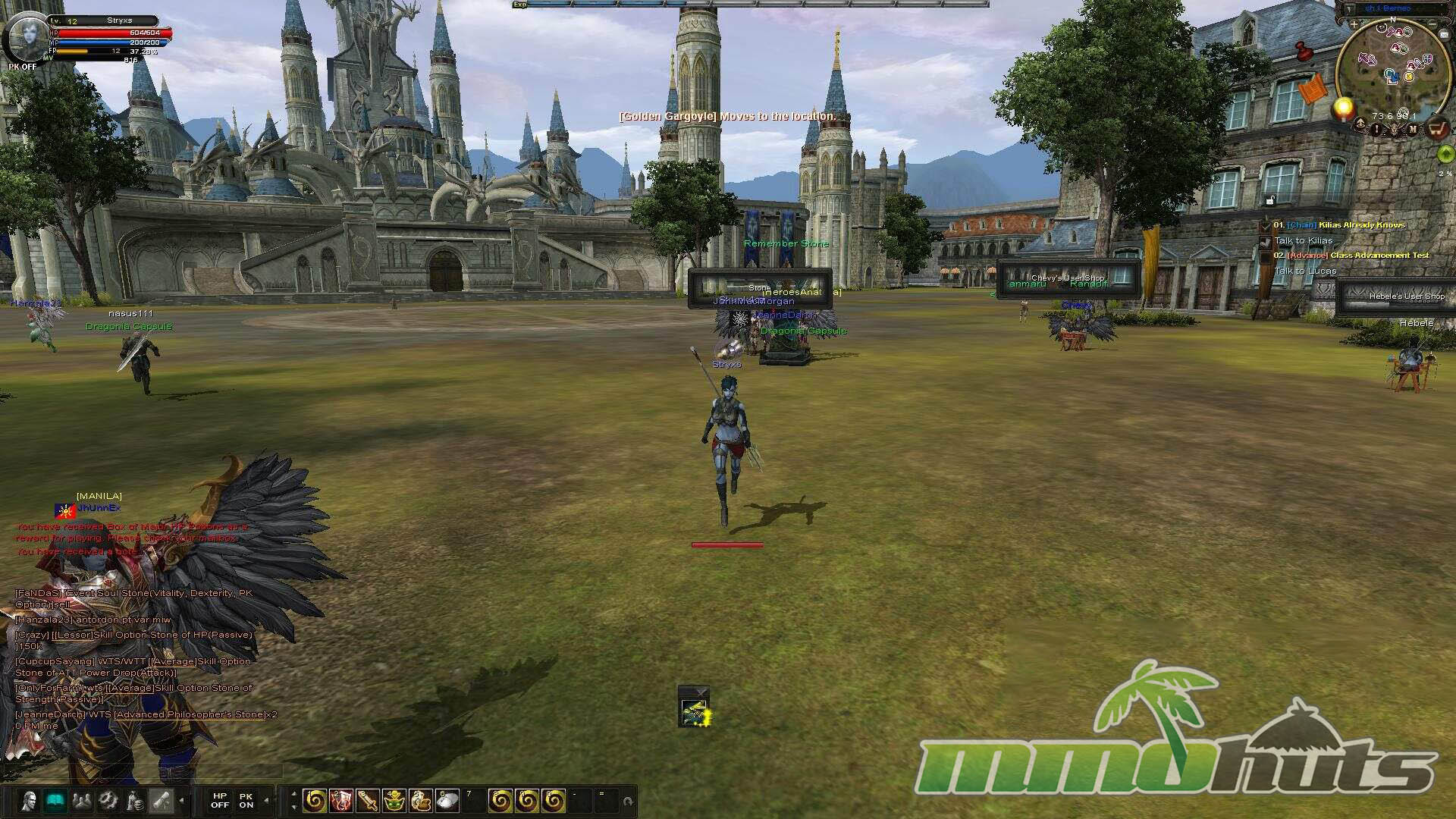
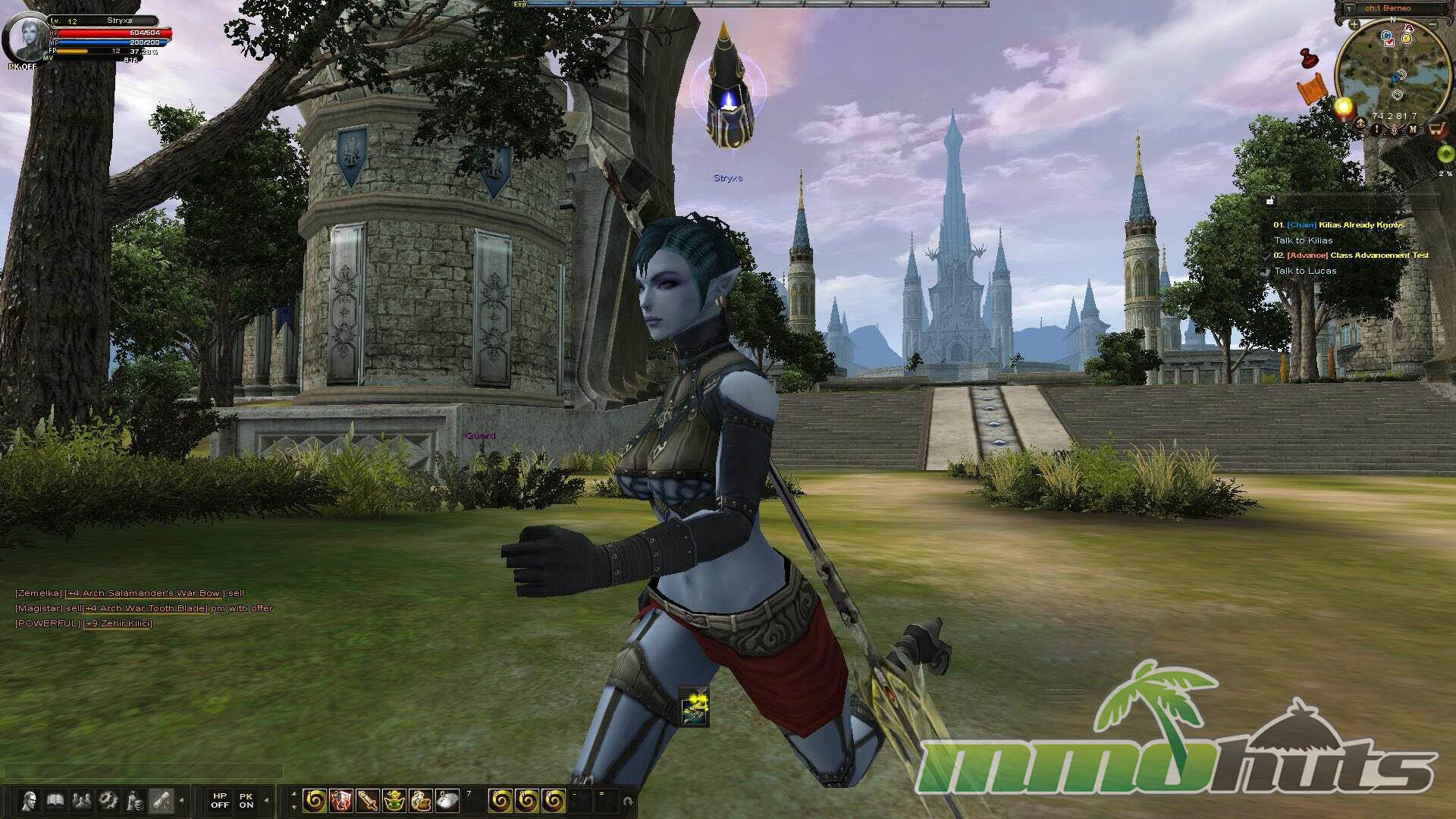
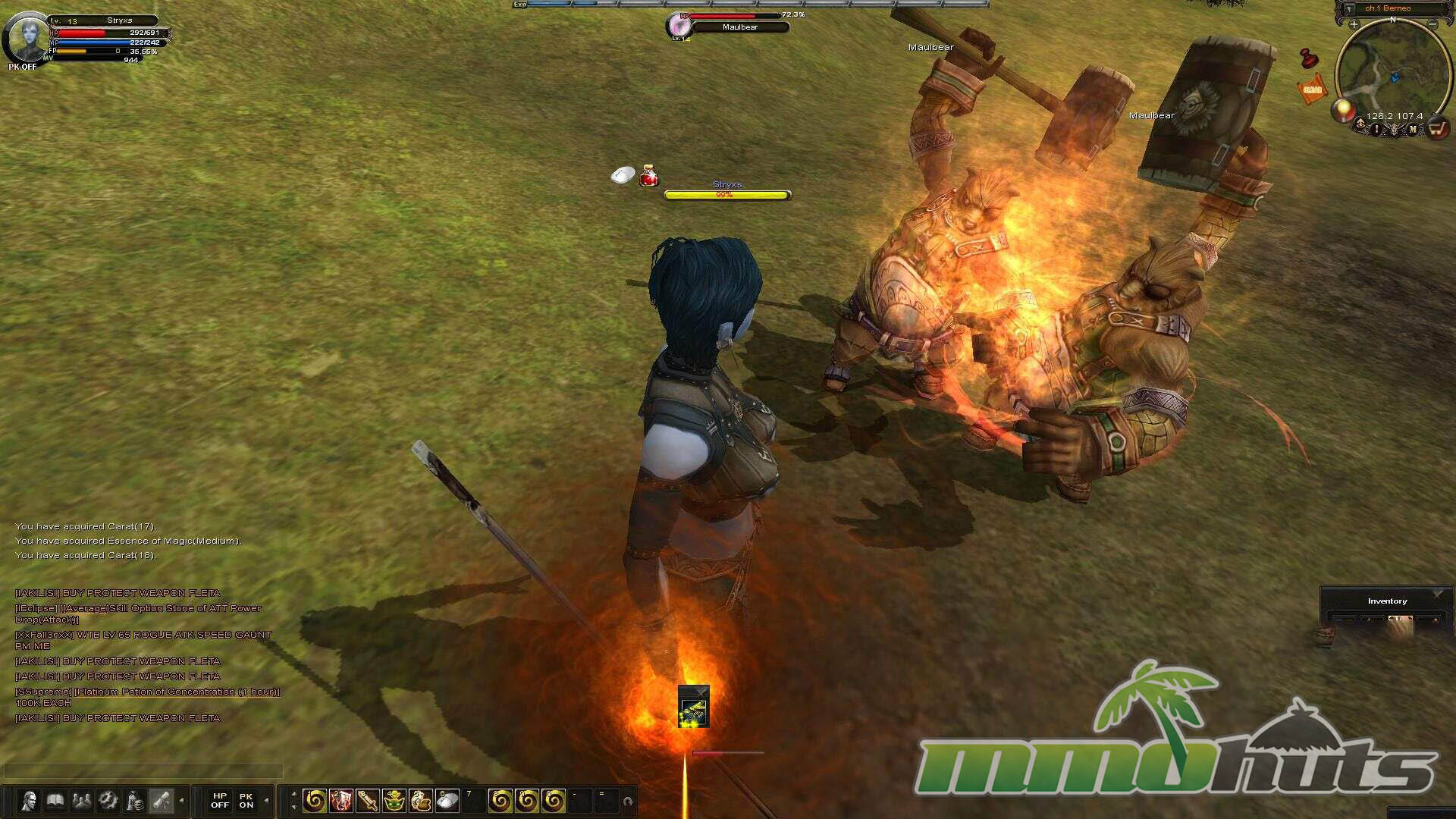
Karos Returns Screenshots




Karos Returns Featured Video

Karos Returns Classes
- Gunner – a ranged damage class built around firearms, with additional utility through deployable devices and crafted equipment. Advanced options include Sharpshooters (rifle-focused ranged specialists) or Creators (device and crafting oriented combat support).
- Mystic – a classic caster archetype that can branch into Mages (elemental offense and burst damage) or Clerics (healing and support magic).
- Bowmistress – bow users who fight at range and can lean into utility or raw damage. They can become Archers (control, distractions, and toolkit play) or Rangers (higher sustained ranged DPS).
- Rogue – melee DPS with a focus on output rather than toughness. The class can transcend into Assassins (damage-centric builds) or Duelists (evasion and charm-based tricks).
- Sorceress – a dark-magic specialist that relies on weakening enemies through debuffs. They can become Banshees (curse and weakening emphasis) or Spellbinders (damage-over-time oriented casters).
- Paladin – a holy warrior with a mix of survivability and party value. Advanced paths include Defenders (tankier, defense-first builds) or Holy Knights (tank play with supportive aura effects).
- Blader – a front-line fighter that can shift into Swordsman (two-handed sword control with AoE tools) or Spearman (two-handed spear attacks with knockbacks and area pressure).
Karos Returns Review
Karos Returns is the kind of MMORPG that wears its era openly. From the moment you log in, it feels like a time capsule from the late 2000s, complete with familiar fantasy framing, traditional quest hubs, and systems that prioritize steady grinding and PvP readiness over cinematic storytelling. If you grew up on older tab-target games, there is a certain comfort in how quickly everything becomes readable. If you are expecting modern polish, the game asks for patience.
Class Identity Comes First, Personalization Comes Last
The class lineup is easy to understand at a glance: archetypes are named exactly as you would expect, and their roles are clearly signposted. The downside is that the game takes a very old-school approach to how those classes are presented. Each of the seven options is gender-locked, and the Gunner also appears tied to a specific race. Later on, each base class can transcend into one of two advanced paths, which is where your role becomes more sharply defined.
Character creation itself is extremely limited. You can make small adjustments to face, hair, and color choices, but there is not much room to create a distinct look. This is especially noticeable because the game’s visual style is dated enough that even those small changes do not dramatically alter your silhouette. If deep cosmetic expression is a priority, Karos Returns will likely disappoint before you even reach the first quest giver.
A Dated Look With Uneven Performance
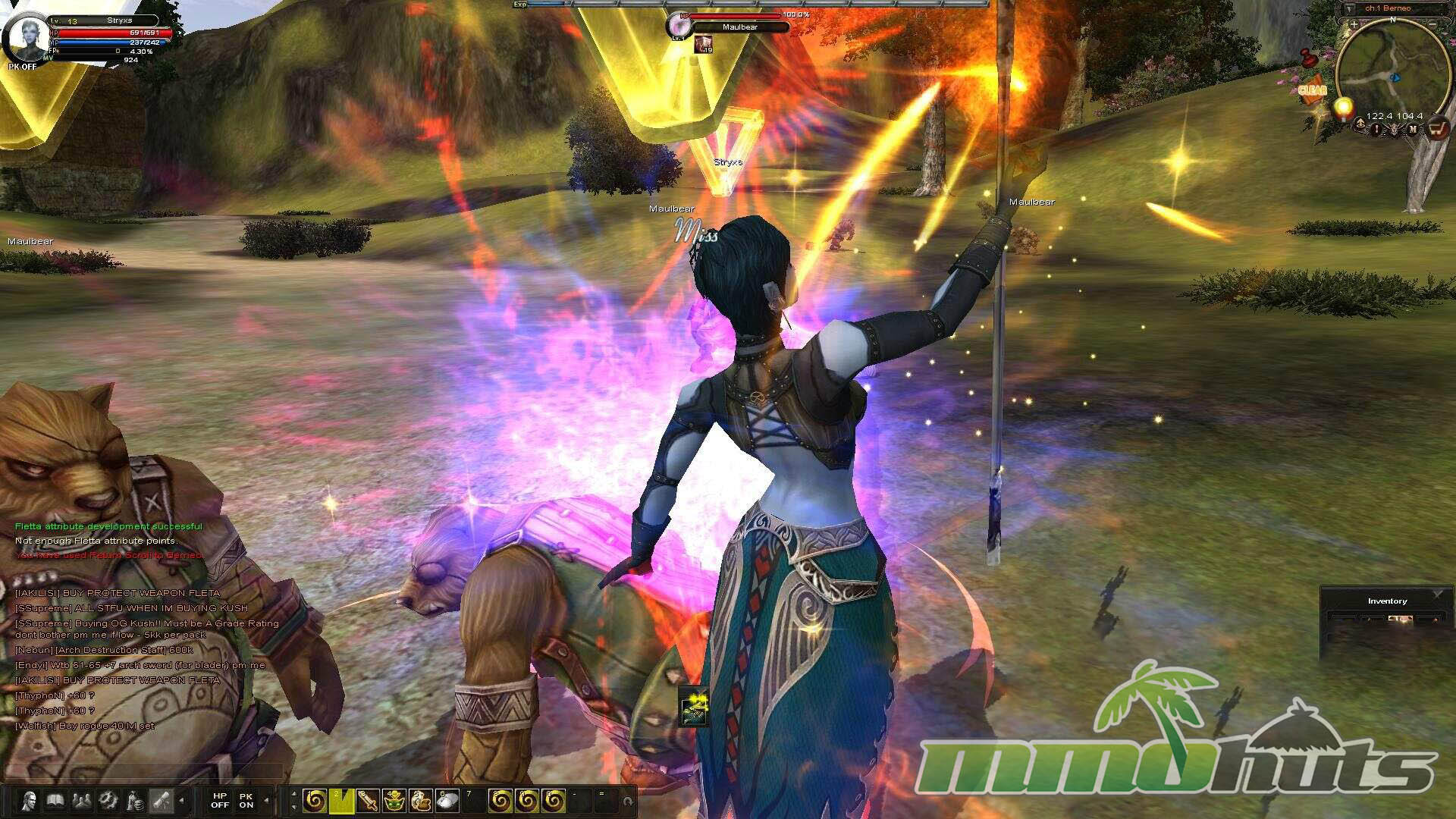
Despite its Steam availability, Karos Returns looks like a product of an earlier MMO generation. Environments and character models show their age, and the overall presentation leans toward functional rather than striking. Some areas manage a pleasant sense of scale, and foliage can be surprisingly detailed up close, but character models in particular feel stiff, and the art direction frequently falls back on exaggerated, old-fashioned MMO design choices.
The bigger issue is that the performance does not always match the visuals. In practice, the game can feel less smooth than you would expect from its level of graphical complexity, and tinkering with settings does not necessarily deliver the improvements you would hope for. When movement and combat are built around constant targeting and repositioning, inconsistent responsiveness becomes harder to ignore.
Controls That Fight You
Moment-to-moment control is where Karos Returns shows the most friction. Keyboard movement works, but camera adjustments and jumping can introduce awkward delays, making the character feel less responsive than they should. There is also an odd overlap between click-to-move and WASD control, and because both styles can be active, it is easy to trigger movement you did not intend. Targeting mistakes can pull your character into strange paths, and even simple actions like looting can sometimes lead to unnecessary repositioning.
None of this makes the game unplayable, but it does make it feel less precise. In a PvP-leaning MMORPG, clarity and control matter a lot, and this is an area where the game’s age shows more than it needs to.
Familiar Tab-Target Combat, Light Early-Game Challenge
Combat uses a standard tab-target formula: select an enemy, then rotate through hotbar skills as cooldowns allow. It is immediately understandable, which is a plus for accessibility, but the early leveling experience can feel overly easy. Many fights end before they develop any real rhythm, and the opening quest flow often asks for small kill counts, meaning you spend as much time running between NPCs as you do actually fighting.
Consumables also feel less meaningful at low levels because health and mana recover quickly between fights, so stockpiled potions rarely matter. That lack of resource pressure reduces tension, and without danger or meaningful decision-making, combat can start to feel like a routine. Sound effects and animations do little to add impact, which further contributes to a lightweight feel during the introductory zones.
Community Reality and PvP Focus
Karos Returns is not empty, but the social environment can be uneven depending on what you are looking for. With limited channels and a single server, chat can be dominated by non-English conversation, particularly Russian, which can make spontaneous grouping less straightforward for English-speaking players. At the same time, the early PvE content is easy enough that you rarely need help, so the game does not naturally push you into cooperative play right away.
The game is marketed around PvP, offering an Arena System and Guild Warfare alongside open world conflict. Those systems are likely where long-term players find their reason to stay, since the PvE loop is fairly traditional. The main caution is that, given the game’s mechanical roughness and gear progression, PvP outcomes can feel heavily influenced by class matchup, progression, and system mastery rather than purely by moment-to-moment execution.
A Complicated Name, A Familiar Game
Searching for “Karos” on Steam reveals more than one version of the game, and the naming history is part of why the relaunch can be confusing. Both Karos Returns and Karos Online are tied to the same developer, Galaxy Gate, but they have been distributed by different publishers in different regions. Karos Online is associated with the Russian edition (published by Nikita Online), while Karos Returns is published separately for other audiences.
The “Returns” label reflects the fact that the game has been licensed and reintroduced multiple times. In practice, players may encounter different storefronts and branding for what is fundamentally the same core experience, repackaged under different management over the years.
Cash Shop
Karos Returns follows the usual free-to-play formula with a cash shop offering cosmetics, convenience items, and experience-related boosts. The store does not immediately advertise a single must-buy item that screams pay-to-win, but the presence of progression advantages can still create imbalance concerns, especially in a game that puts meaningful emphasis on PvP. Most practical items can be obtained through play, but paying can reduce the time spent on repetitive tasks, which is often where these games draw the line.
Cosmetics are a mixed bag, and many outfits lean toward revealing designs rather than impressive armor styling. If you primarily care about visual customization, the combination of limited character creation and uneven costume appeal may not provide the strongest incentive to spend.
Final Verdict – Fair
Karos Returns feels less like a modern MMO release and more like an older title reintroduced for a niche audience. Its strengths are its recognizable class roles, straightforward systems, and a PvP menu that offers multiple ways to fight other players. Its weaknesses are harder to overlook: dated presentation, clunky control and UI behavior, and a leveling experience that can feel too effortless to stay engaging.
Players who miss the structure of older tab-target MMORPGs, or who specifically want another PvP-capable free-to-play fantasy MMO to sample, may find something to enjoy here. For everyone else, especially those seeking smooth movement, deep customization, or modern production values, Karos Returns is a tougher recommendation in today’s crowded MMO landscape.
Karos Returns Links
Karos Returns Official Site
Karos Returns Steam
Karos Returns Steam Community
Karos Returns System Requirements
Minimum Requirements:
Operating System: XP / Vista / 7 / 8 / 10
CPU: Intel Dual Core 2.6 GHz or AMD Athlon II X2 240
Video Card: GeForce 210 or Radeon X600
RAM: 1 GB
Hard Disk Space: 5 GB
Recommended Requirements:
Operating System: XP / Vista / 7 / 8 / 10
CPU: Intel Dual Core 2.9 GHz or AMD Athlon II X2 260
Video Card: GeForce 230 or Radeon HD 6550D
RAM: 2 GB
Hard Disk Space: 5 GB
Karos Returns Music & Soundtrack
Coming soon…
Karos Returns Additional Information
Developer: GalaxyGate
Publisher: RedFox Games
Closed Beta Date: March 24, 2015
Foreign Release:
South Korea: 2009 (NHN)
Russia: Ovtober 6, 2010 (Nikita Online)
Steam Release Date: July 30, 2015
Development History / Background:
Karos Returns (also recognized under names such as Karos Online and Rosh Online) was created by South Korean developer GalaxyGate and originally arrived in the U.S. in 2010. After failing to maintain a strong audience, service was discontinued. The title was later licensed again for North America and Europe by GamesCampus and brought back online on April 3, 2015. A Steam version followed on July 30, 2015. GamesCampus ended service in April 2016, after which RedFox Games acquired the rights and launched its own version later that month on April 26, 2016.