Infinity Wars: Animated Trading Card Game is a digital collectible card game with MMO-style progression, built around deckbuilding, faction identity, and competitive play. You assemble customized decks from a large card pool, learn the fundamentals through a lengthy campaign, then take your creations into PvP where prediction and sequencing matter as much as raw card power.
 | Publisher: Lightmare Studios Type: CCG Release Date: September 05, 2014 Shut Down: March 29, 2020 Pros: +Generous daily freebies and progression. +Cards feature lively animations. +Rules are approachable while still tactical. Cons: -Matchmaking can feel lopsided. -Building a collection takes time without spending. -Trading tools are limited and awkward. |

Infinity Wars Overview
Infinity Wars: Animated Trading Card Game revolves around constructing decks from a deep catalog of animated cards and leaning into one of five factions, each with its own strengths and win conditions. The campaign does more than deliver flavor, it functions as a structured onboarding path that teaches the game’s rules, introduces mechanics in manageable steps, and pays out cards and starter decks along the way.
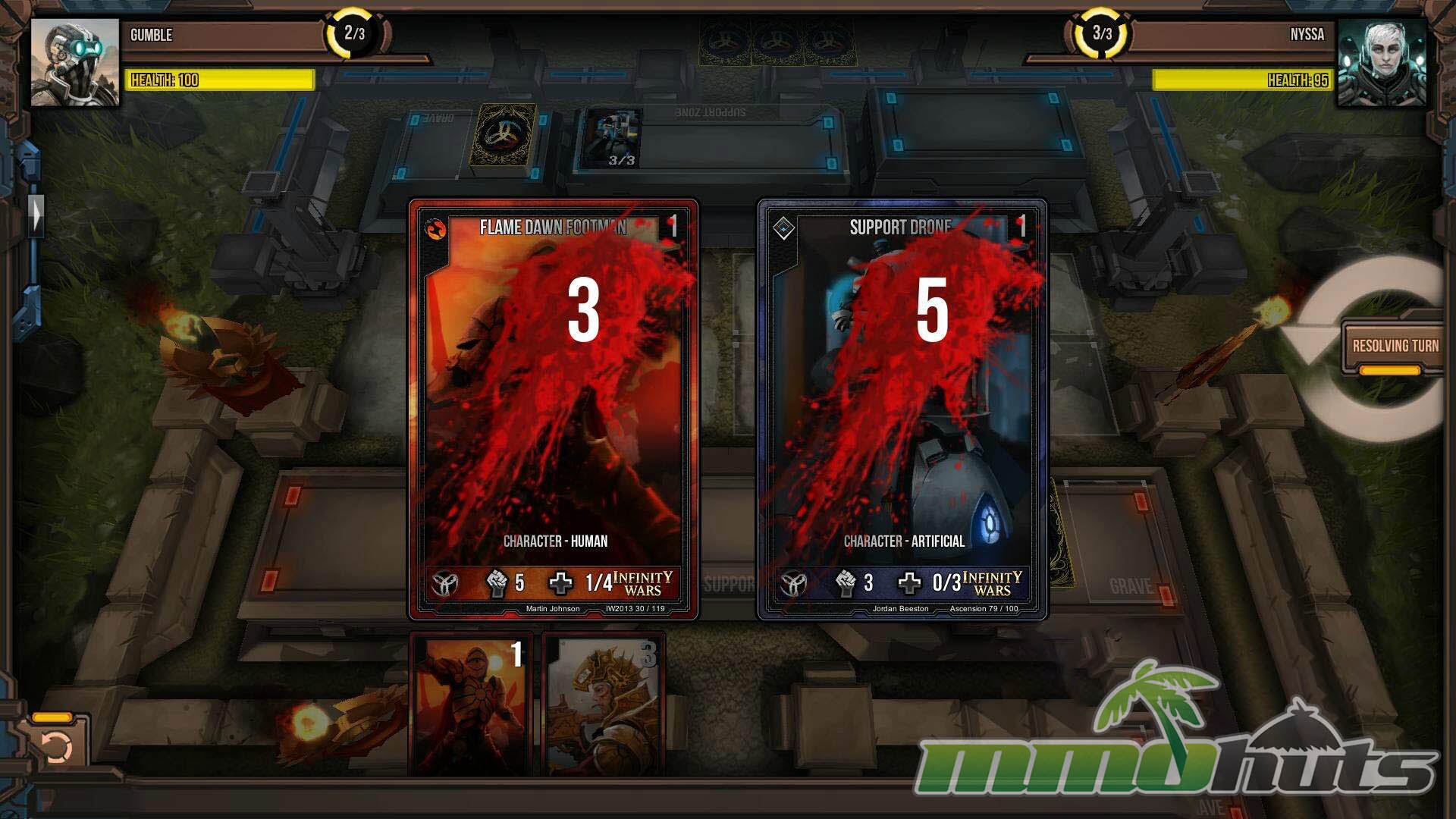
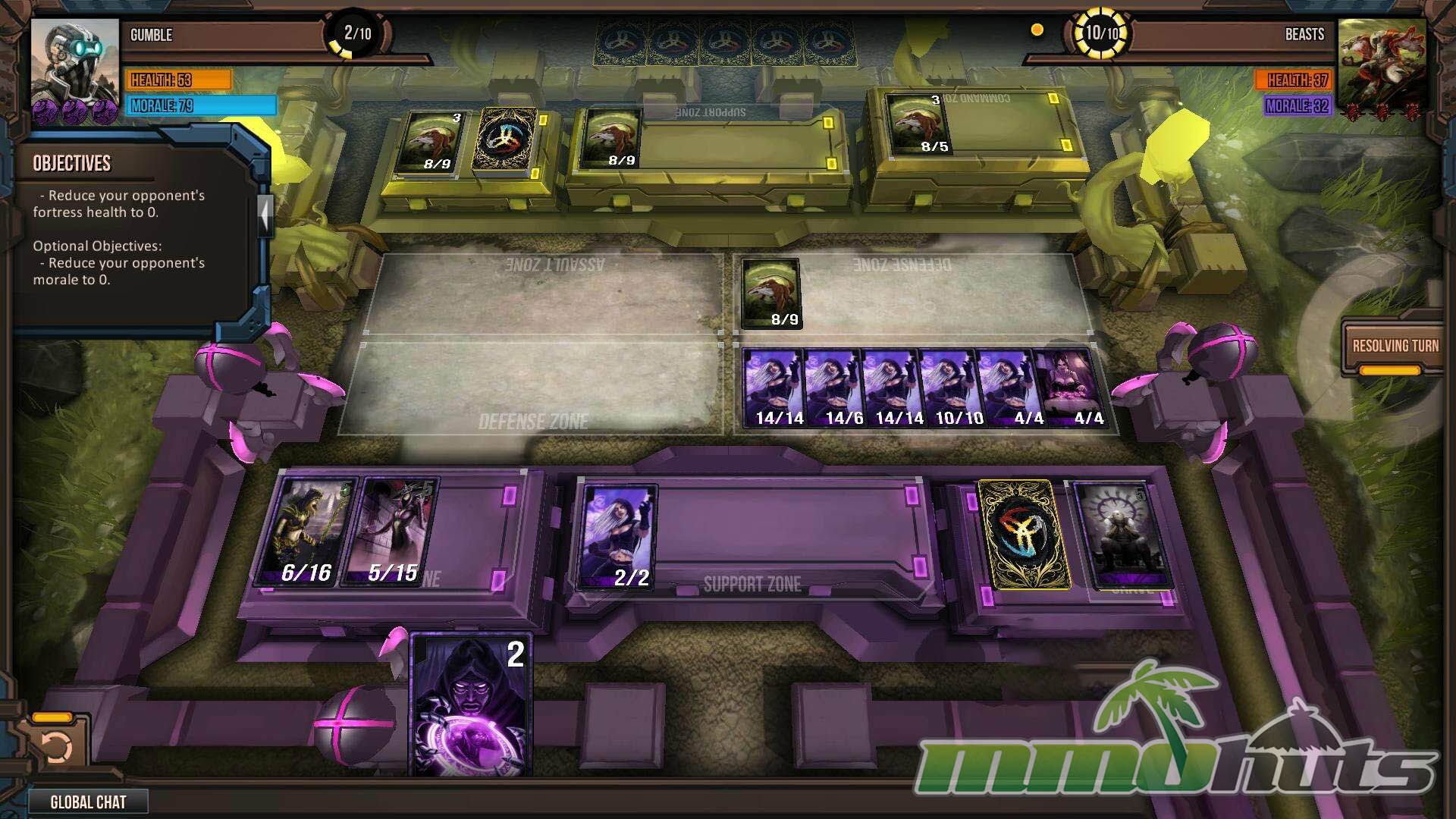
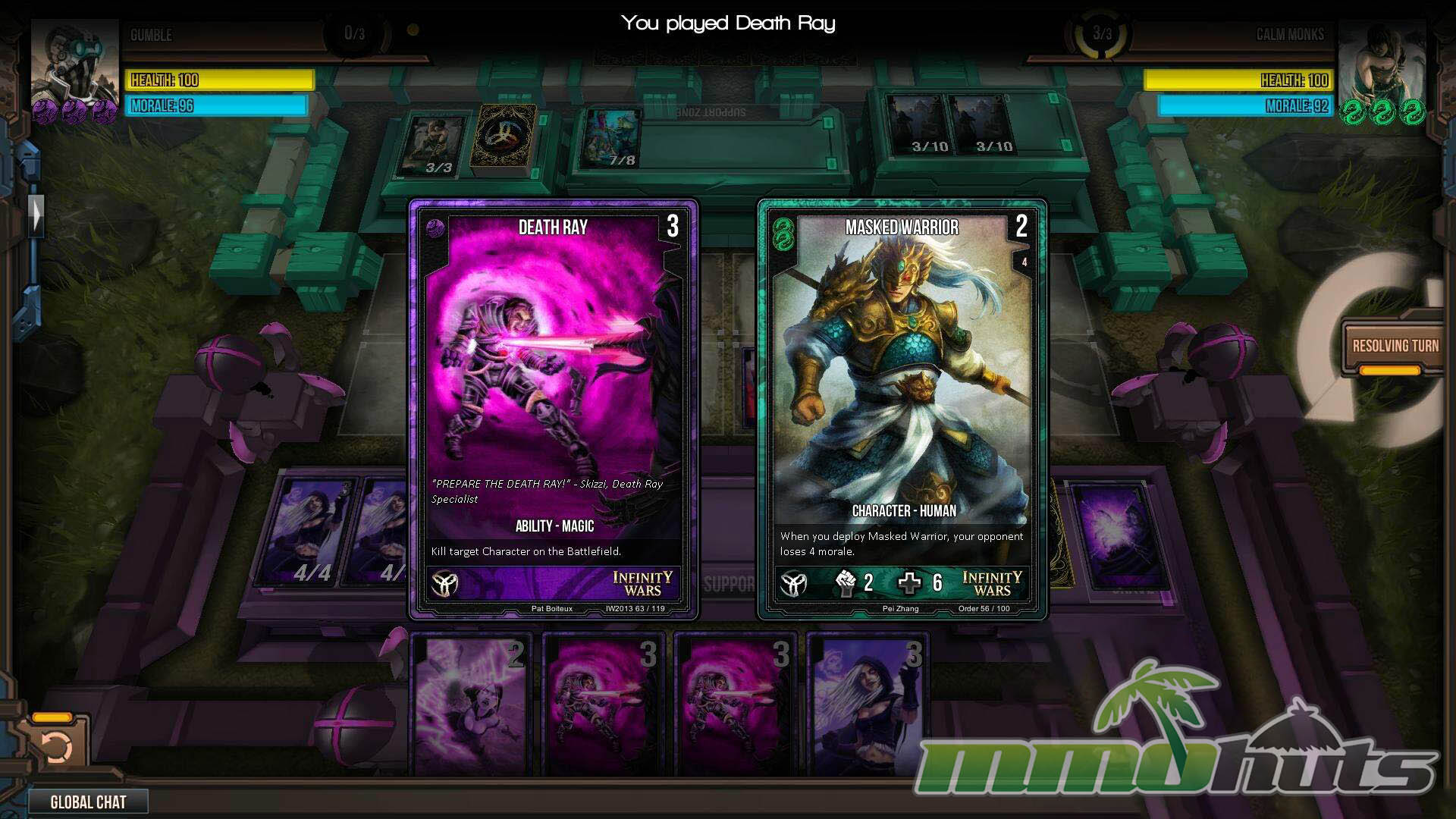
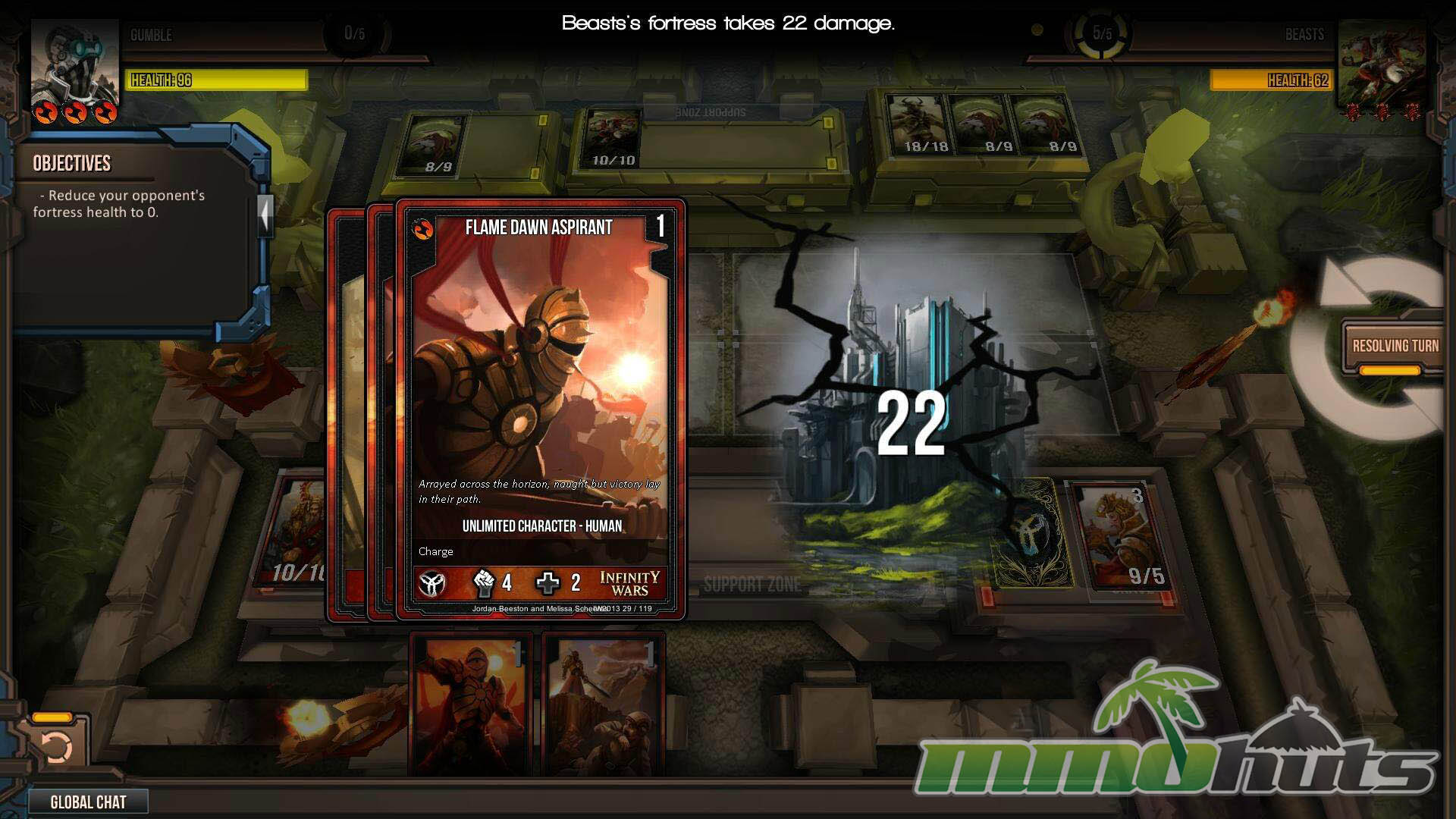
Where Infinity Wars separates itself from many digital CCGs is its simultaneous turn system. Instead of taking turns one after another, both players commit actions at the same time, then the results resolve, which puts a premium on reading patterns, predicting likely plays, and setting up answers before threats fully materialize. The board is also split into four distinct zones, and managing those lanes effectively becomes a major part of moment-to-moment decision making. Once the basics click, PvP becomes the main attraction, offering a competitive space to test refined lists and earn additional rewards.
Infinity Wars Key Features:
- Simultaneous Turns – both sides act at once, so planning ahead and anticipating responses matters constantly.
- Animated Trading Cards – cards use animated art to make units and effects feel more alive than static illustrations.
- Five Factions – multiple faction identities with distinct visuals, mechanics, and overall game plans.
- Daily Rewards – regular log-in and play incentives, plus campaign completion rewards that help grow collections.
- Huge Catalog of Cards – a large pool to earn from and experiment with while tuning decks.
Infinity Wars Screenshots
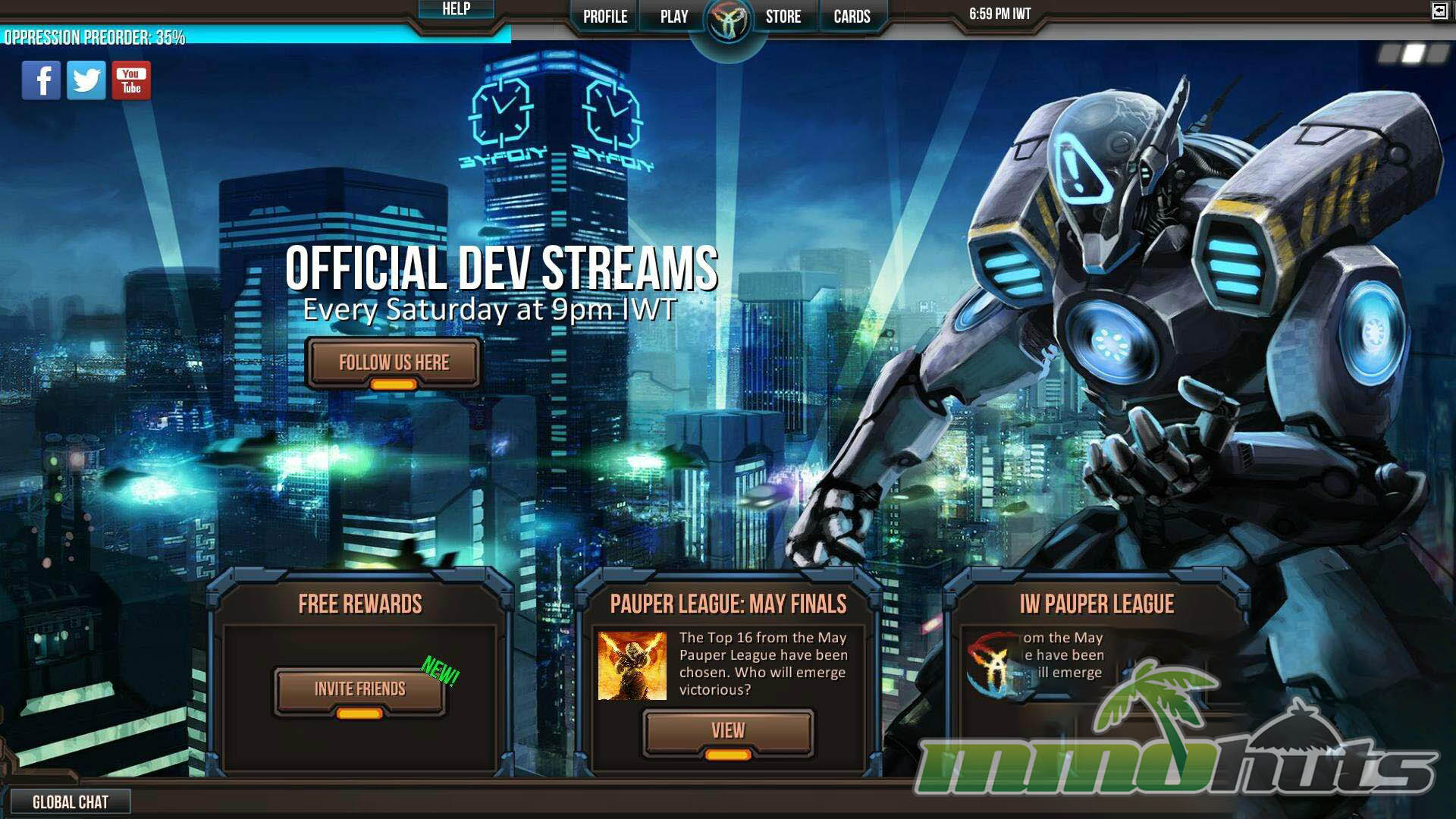


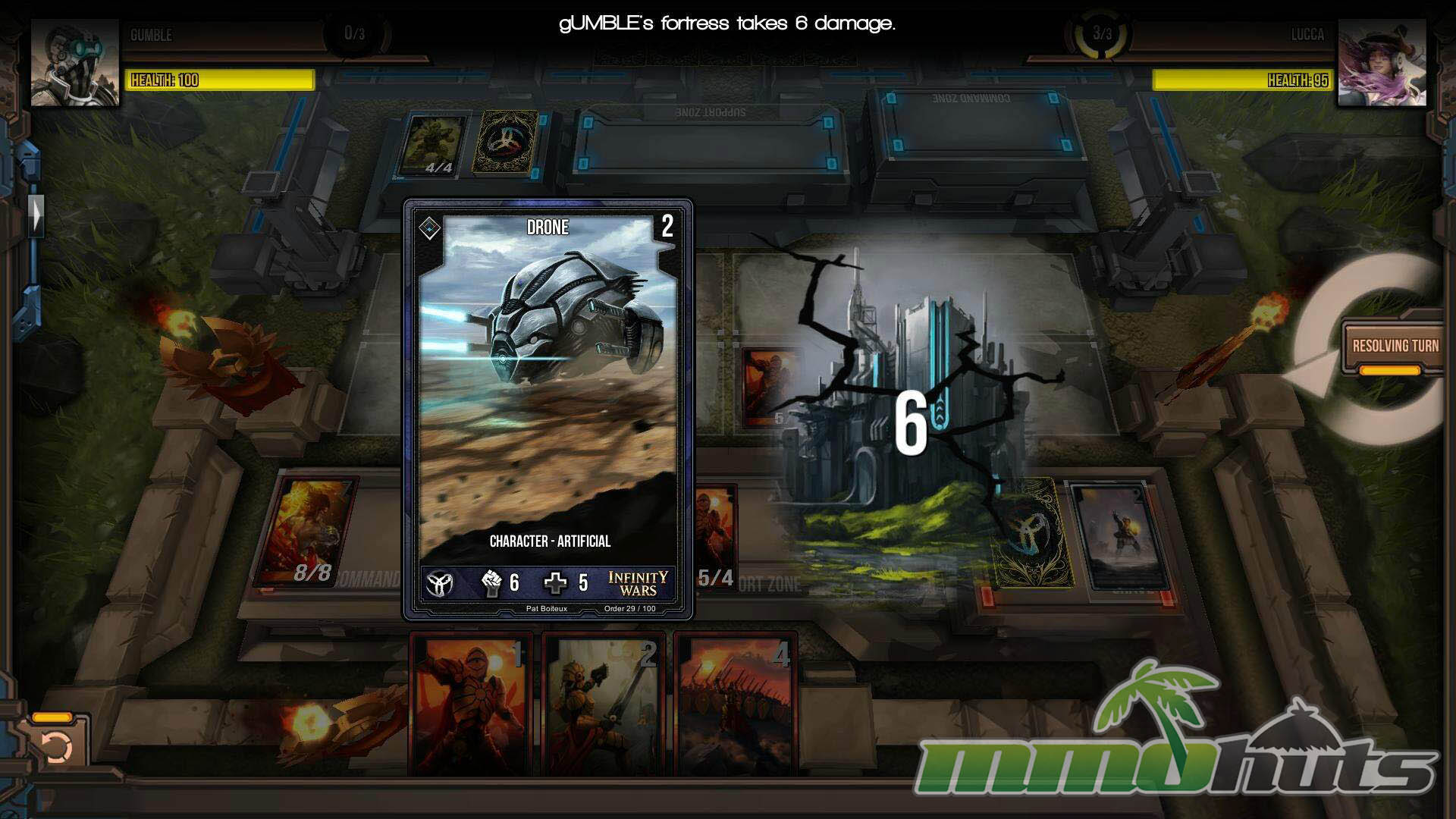
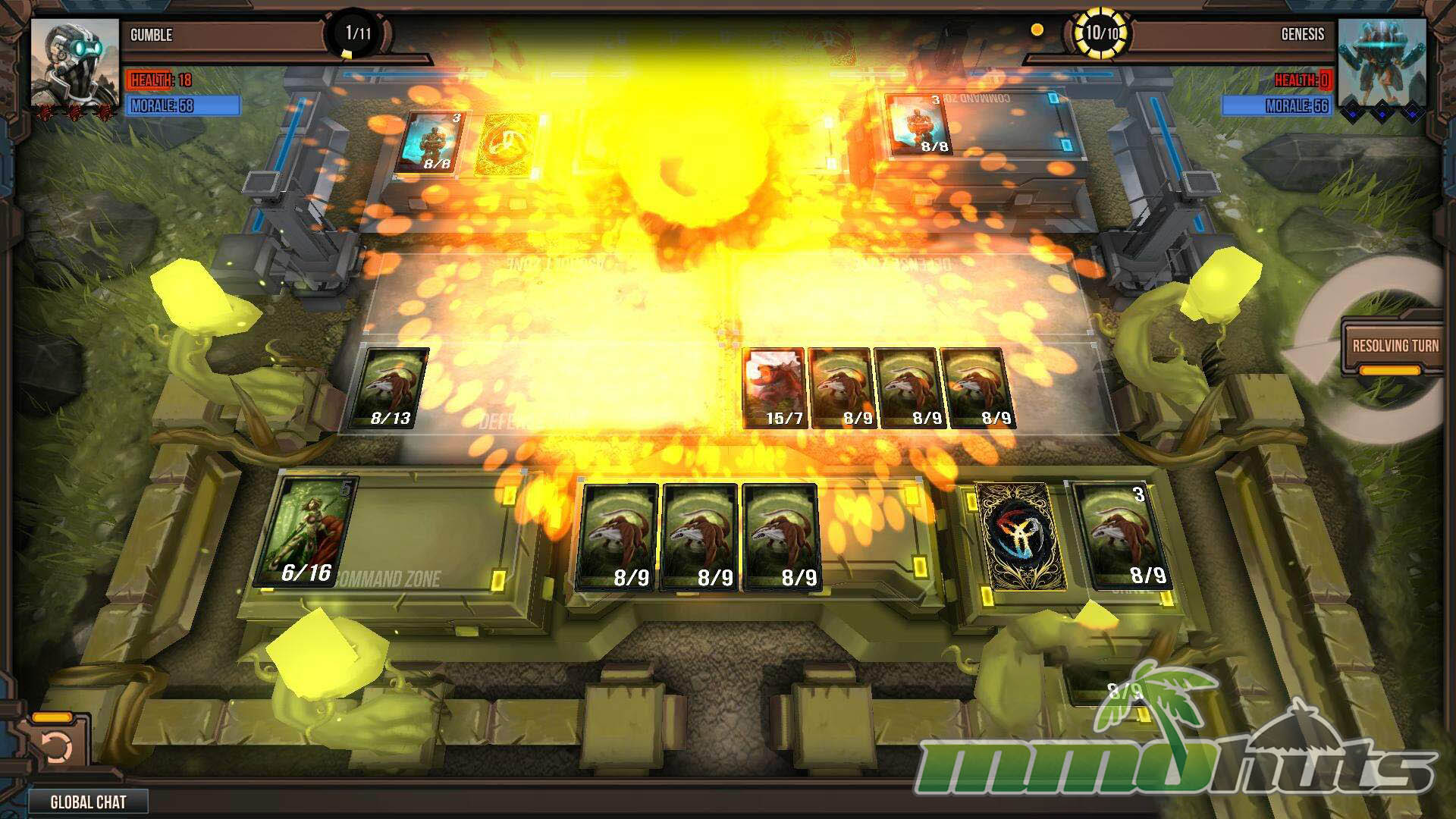

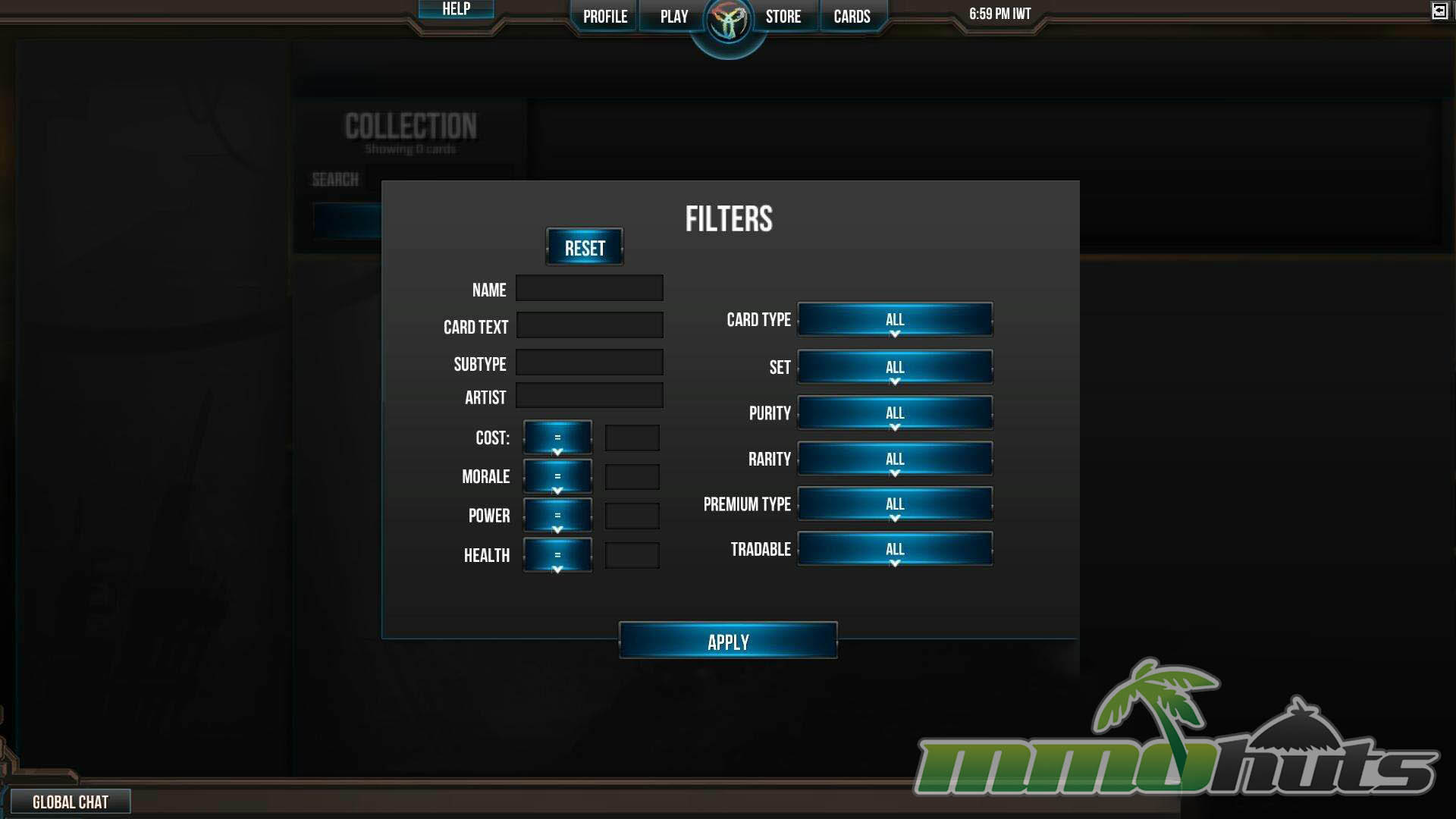

Infinity Wars Featured Video

Infinity Wars Review
Infinity Wars caught my attention as a CCG that clearly wanted to be more than a simple digital conversion of tabletop card battles. After a short time with it, the appeal becomes obvious: the presentation is unusually lively for the genre, the campaign provides a surprisingly robust ramp into the rules, and the simultaneous-turn structure creates a different kind of tension than most card games. It feels less like trading blows in alternating order and more like trying to out-think someone who is making decisions in the same moment you are.
Learning the board, not just the cards
At a glance, Infinity Wars will feel familiar to anyone with TCG experience: you pick a faction, draw a hand, and spend a growing pool of resources to deploy units and effects. Resources ramp steadily, which means matches often start cautious and accelerate into bigger, swingier turns as both players gain the ability to play multiple impactful cards.
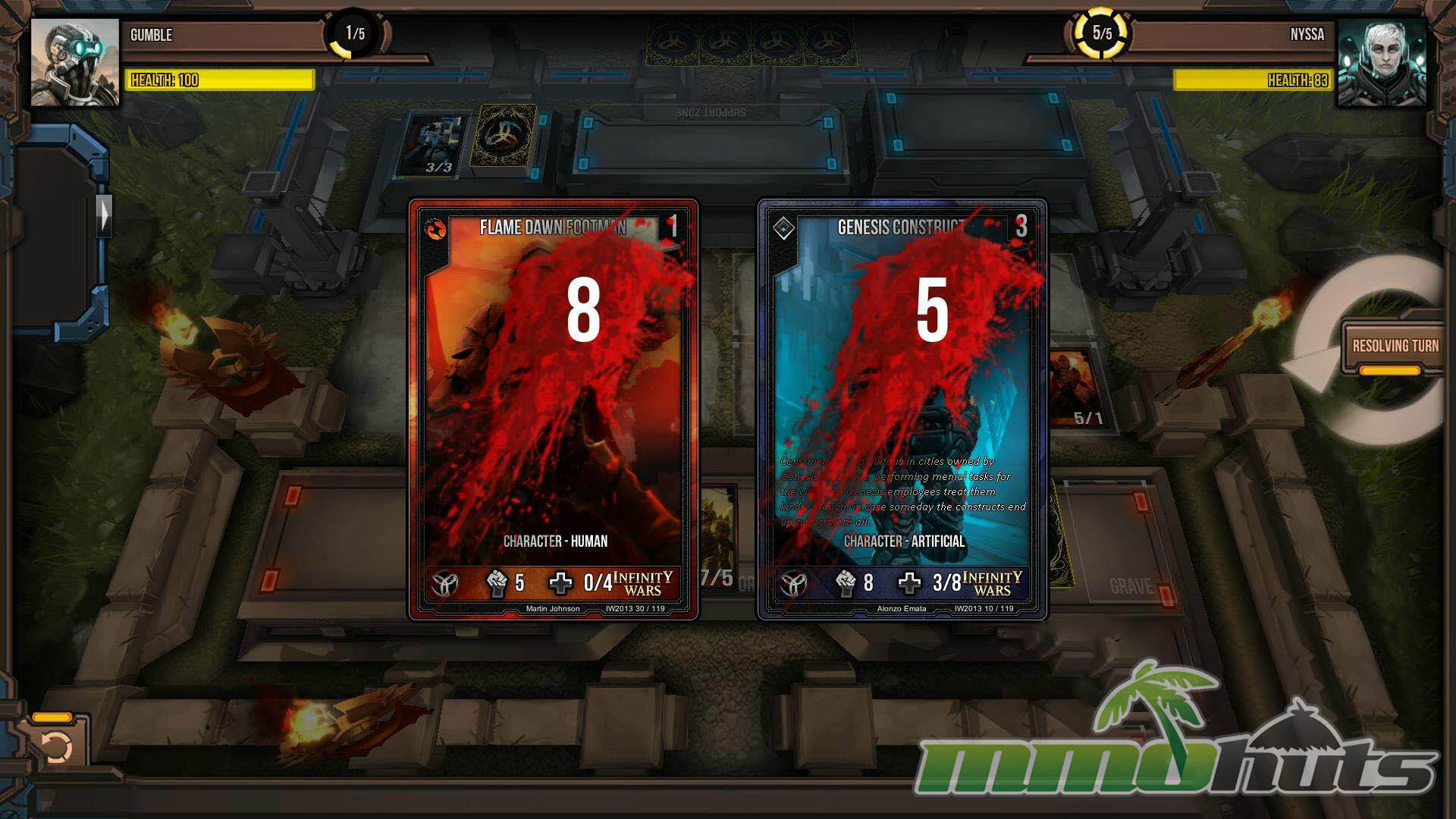
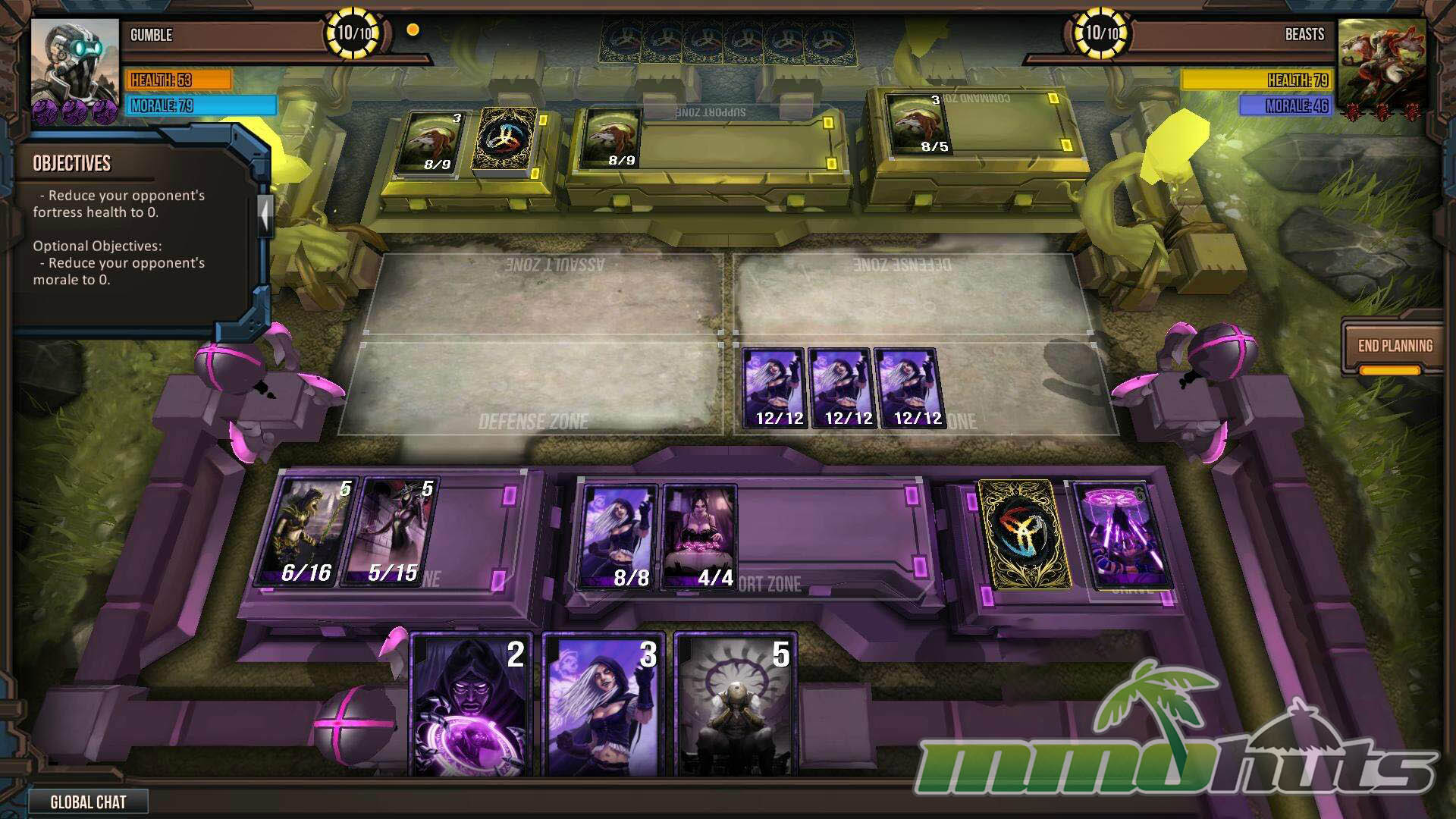
The game’s battlefield layout is the first major twist. Cards do not simply enter one shared lane. Instead, play is organized into four zones: Support, Offense, Defense, and Command. Early turns often involve establishing pieces in Support, then committing them forward into Offense or Defense as you decide whether you are racing to pressure morale, building a wall, or setting up a timed push. The Command Zone adds another layer, letting certain abilities be used without the same on-board commitment, which can shape how you bluff and how you hold up answers.

The multi-zone board can look intimidating initially, but the tutorial and campaign structure do a good job of teaching the concepts in context. There are several systems to track, and they influence each other: survivability, morale pressure, initiative timing, and the various shop and progression hooks outside of matches. Even within a single game, the state of the board can swing quickly when one player successfully predicts a commit and the other player’s plan resolves into the wrong zone at the wrong time.
Because turns are simultaneous, you are rarely just reacting. You are committing to a line and hoping it intersects with your opponent’s intention in a favorable way. That constant forecasting gives the matches a deliberate, almost puzzle-like feel, especially once you start recognizing common faction patterns.

Animation does a lot of heavy lifting
The game’s signature visual feature is straightforward: every card is animated. It is not flashy in a distracting way, but it is consistent, and it helps the collection feel like a set of characters and tools rather than a spreadsheet of effects. Units have small loops and expressive motion, and many cards communicate their personality immediately through movement alone.
The board itself, by comparison, is fairly plain, with faction-themed colors and simple surfaces. In practice that is not a deal-breaker, because your attention is on zones, icons, and card text most of the time. Sound design leans dramatic when cards collide or effects resolve, sometimes more intense than you would expect from a CCG, but it fits the game’s attempt to frame battles as part of a larger conflict rather than casual duels.
A campaign that actually tries to explain the world
Infinity Wars makes a genuine effort to wrap its matches in a narrative framework, which is not always a priority in this genre. The premise centers on a fractured reality and a conflict spanning multiple dimensions, which gives the developers room to introduce varied factions and, potentially, unexpected crossovers without needing everything to feel like it belongs to a single traditional fantasy setting.
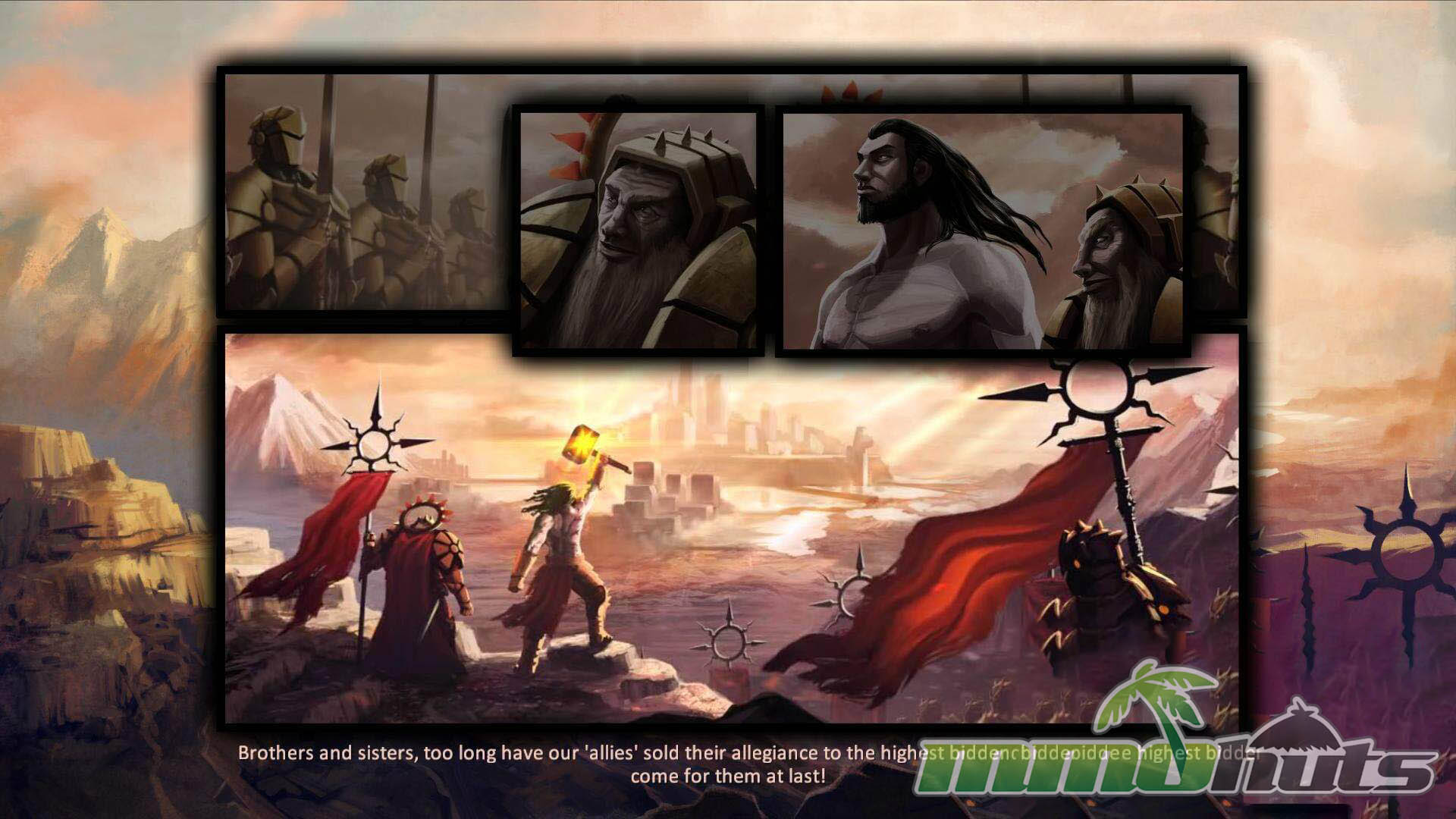
Story delivery uses comic-style panels paired with animated elements, which is an appropriate match for a card game built around visual flair. Voice work is serviceable rather than standout, and some performances land with a bit of camp, but the campaign’s real value is how it doubles as a long-form tutorial. Even if the plot is not your main reason for playing, the structure is useful for learning faction identity and understanding how different archetypes aim to win.

PvP is exciting, but new players can hit a wall
Infinity Wars clearly has competitive ambitions, and the simultaneous-turn system is well suited for high-level play where small reads and timing choices matter. The problem is that the on-ramp into PvP can be harsh. Matchmaking can pair newer players with experienced opponents, and in a game that rewards knowing faction tendencies and common lines, that gap is felt immediately.
If you are brand new, spending time in the campaign before jumping into more serious modes is the safest route. The extra cards and the familiarity you build with the zones and timing rules will pay off quickly. Draft-style runs (Rift Runs) can be fun, but they are also where inexperience gets punished hardest, since you are forced to make deckbuilding decisions on the fly and then pilot the result against players who already understand the meta fundamentals.
Economy, currencies, and the long road to a full collection
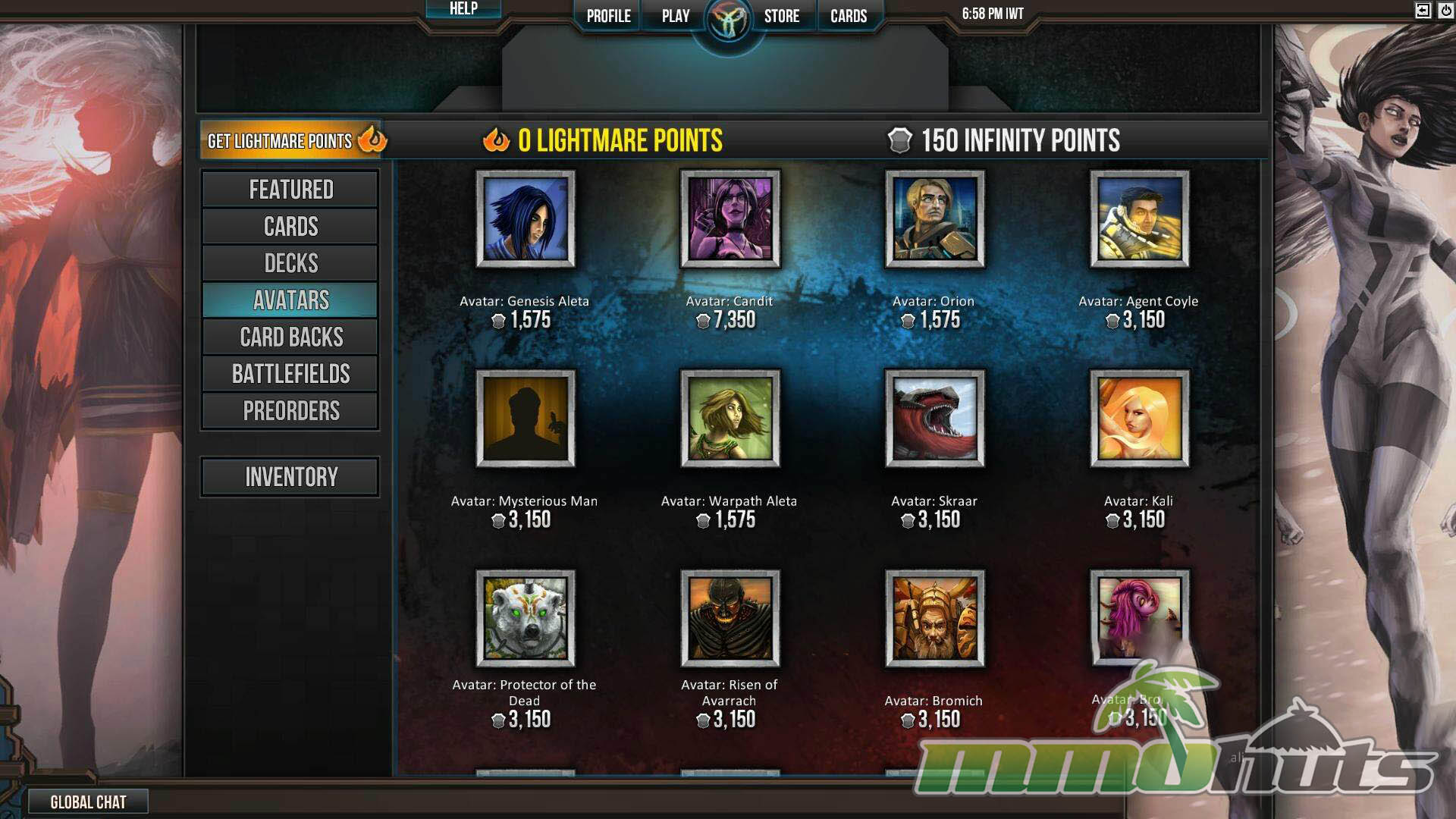
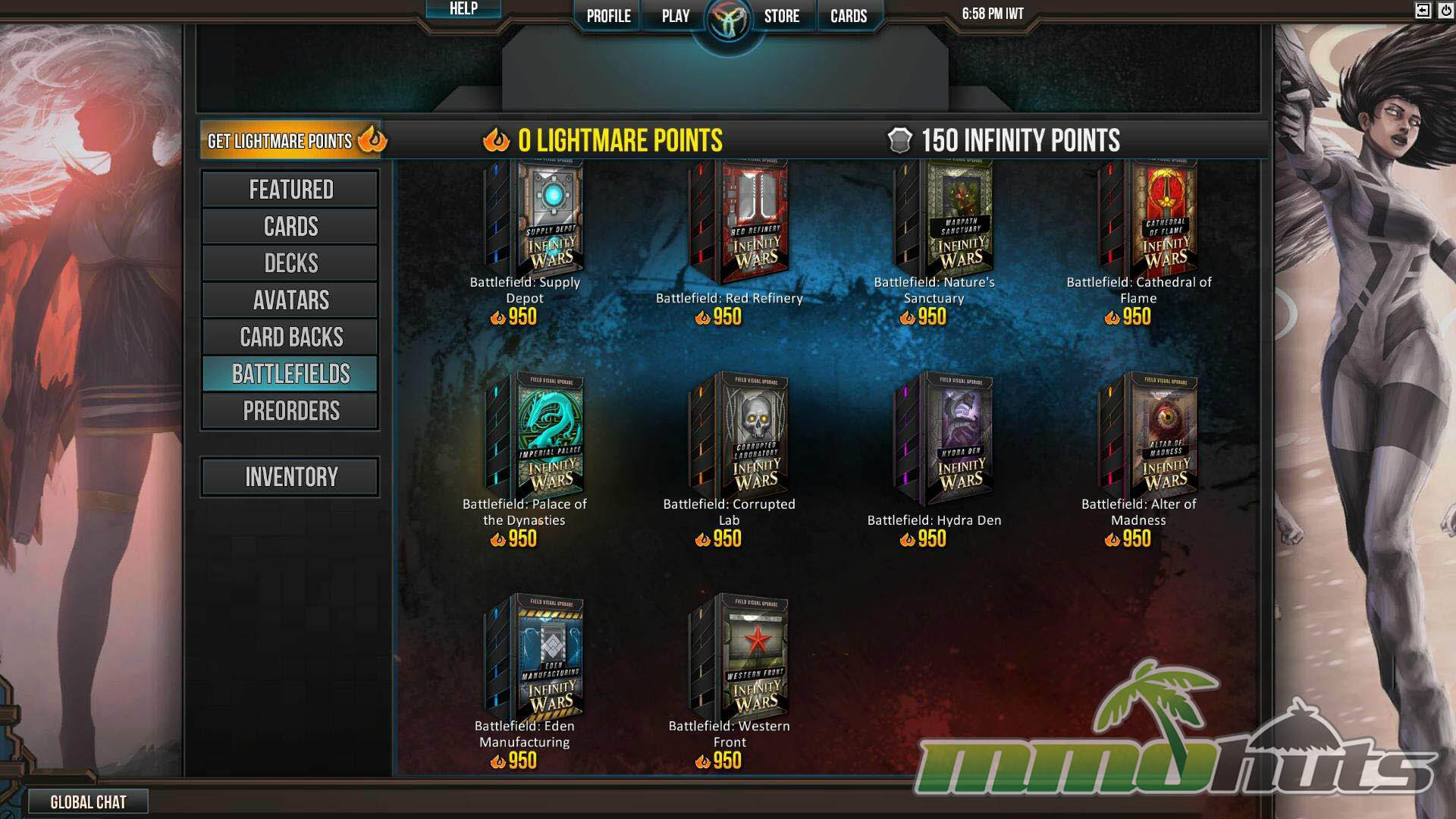
Infinity Wars offers plenty to purchase, including card packs, decks, cosmetic battlefields, and other customization items, using two currencies (lightmare points and infinity points). Importantly, the game is built so that cards can be earned through play, and the campaign plus regular rewards provide a steady drip of additions to your collection.
That said, completing a broad collection can feel slow at first, particularly if you are chasing specific archetypes or trying to keep up with experienced players who already own more options. The upside is that the game tends to reward activity frequently, so simply playing matches and progressing through content keeps your card pool expanding. If you do spend money, the best value is generally cosmetic flair such as battlefields, since they change the look and feel of matches without affecting competitive balance.
Final Verdict – Excellent
Infinity Wars is a strong digital trading card game with a distinct identity. The animated card presentation is memorable, the campaign is unusually helpful for learning the systems, and the simultaneous-turn format creates a satisfying layer of prediction and counterplay that separates it from more conventional CCGs. Competitive PvP is where the design shines most, although uneven matchmaking and the time needed to build a collection can make the early experience rough. For players who enjoy tactical deckbuilding and mind games, Infinity Wars delivers a compelling twist on the genre.
Infinity Wars Links
Infinity Wars Official Site
Infinity Wars Steam Page
Infinity Wars Kickstarter Page
Infinity Wars Wikia
Infinity Wars Gamepedia [Database/Guides]
Infinity Wars Reddit
Infinity Wars Requirements
Minimum Requirements:
Operating System: Windows XP, Vista, 7, or 8
RAM: 512 MB RAM
Video Card: Graphics card with DirectX 9 capabilities.
Hard Disk Space: 2 GB Free Space
Infinity Wars is Mac OS X compatible.
Infinity Wars Music
Coming Soon…
Infinity Wars Additional Information
Developer: Lightmare Studios
Publisher: Lightmare Studios
Community Creator: James Jones
Game Artist(s): Martin Johnson
Release Date: September 05, 2014
Kickstarter Launch Date: November 01, 2012
Kickstarter Funding Date: November 18, 2012
Closed Alpha: December 07, 2012
Closed Beta: January 14, 2013
Steam Greenlight Posting: November 01, 2012
Open Beta (Steam Early Access): February 13, 2014
Launch Date: September 05, 2014
Shut Down: March 29, 2020
Other Platforms: OS X
Infinity Wars: Animated Trading Card Game is developed by Australian indie game development studio Lightmare Studios. Funding came through Kickstarter, with the campaign launching on November 01, 2012 and reaching its goal on November 18, 2012. It arrived during the rise of modern digital TCGs, sitting in the same broader space as games like Hearthstone and Hex, while trying to differentiate itself through simultaneous turns and animated presentation. Infinity Wars was also planned to ultimately reach Android and Apple devices. On February 06, 2015, Lightmare Studios partnered with Russian publisher Fabrika Online to provide Russian servers. The studio has also worked on a PC 3D MOBA titled Omni and has been developing the mobile project Robot Zombie Defense. Infinity Wars was shut down on March 29, 2020.