Honkai: Star Rail is a turn-based, multi-platform sci-fi gacha RPG that pairs sleek anime presentation with the kind of polish you normally expect from premium JRPGs. You join the Astral Express and hop between worlds, tackling local crises while investigating the dangerous Stellarons that keep turning up at the center of major disasters. It is developed and published by HoYoVerse, the studio behind Genshin Impact, and it shows in everything from the cinematics to the UI to the overall pacing of the early game.
 | Publisher: HoYoVerse Playerbase: High Type: Sci-fi Gacha RPG Release Date: April 26, 2023 Pros: +Premium-grade presentation across visuals and audio. +Strong, fully voiced main story. +Memorable character art and animations. +Cross-platform play with cross-save. +Easy to learn combat with real tactical depth. Cons: -Designed as a solo-focused experience. -No meaningful character appearance customization. -Exploration and world interaction are lighter than Genshin. |



Honkai: Star Rail Overview
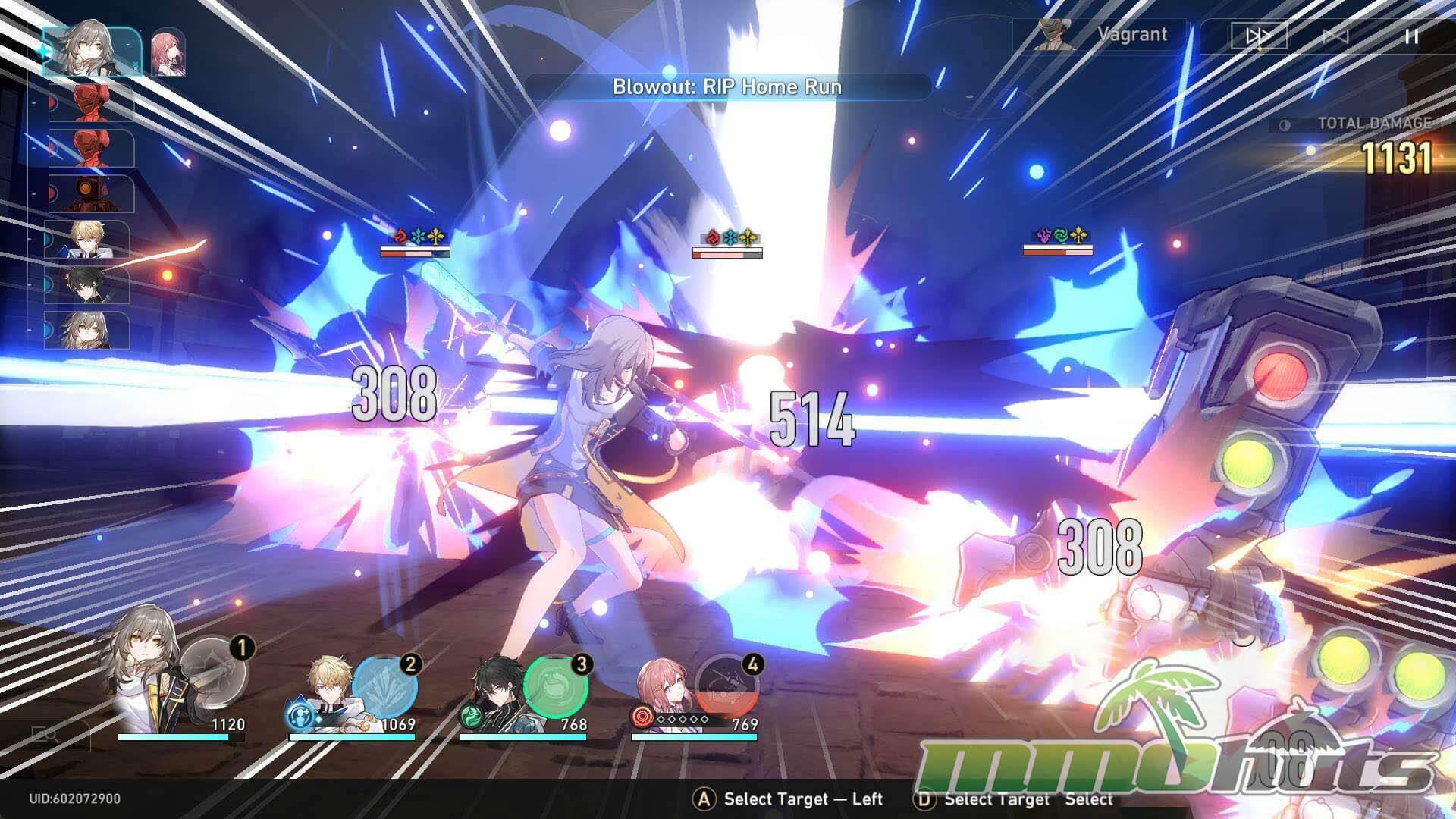
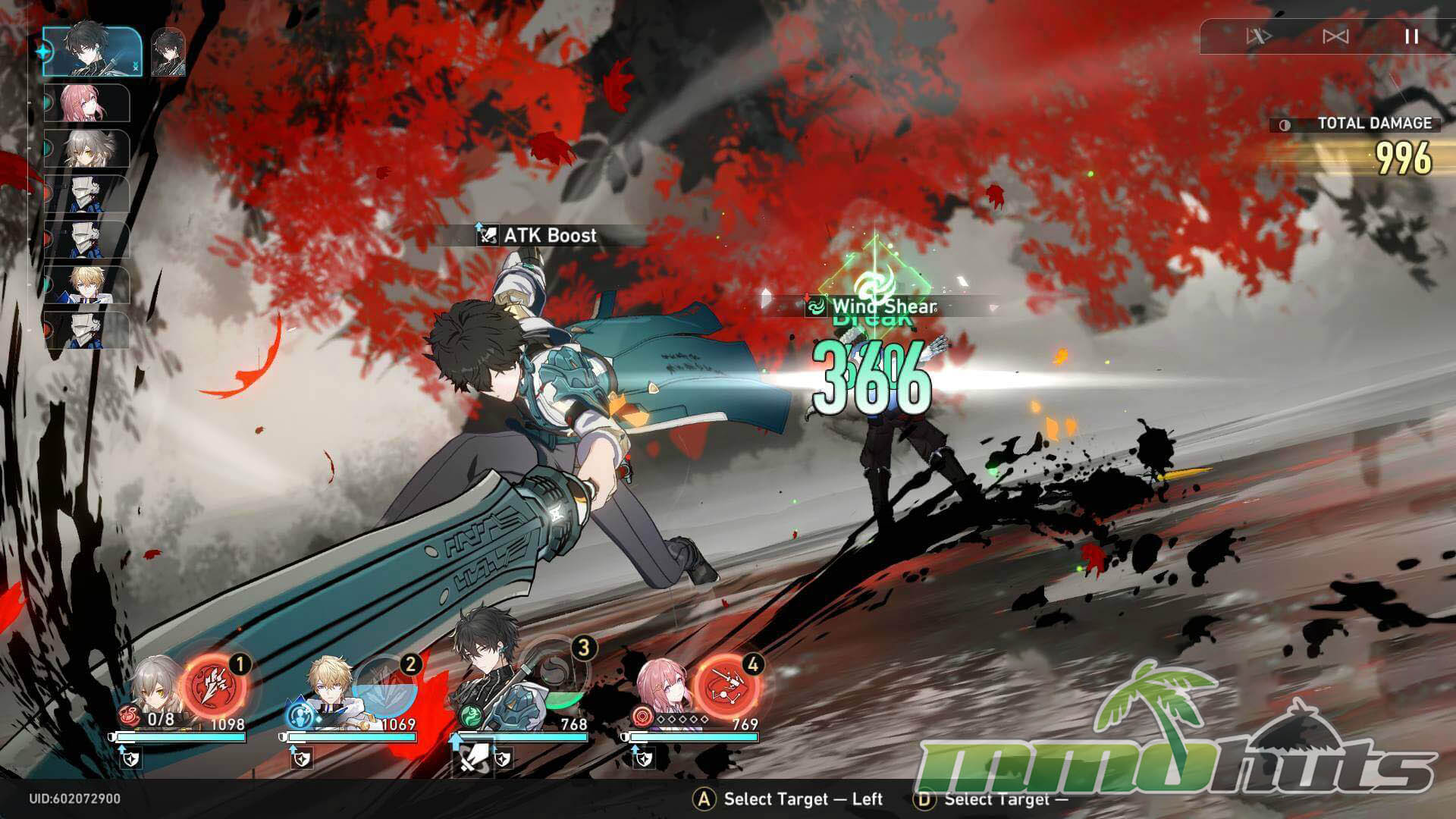
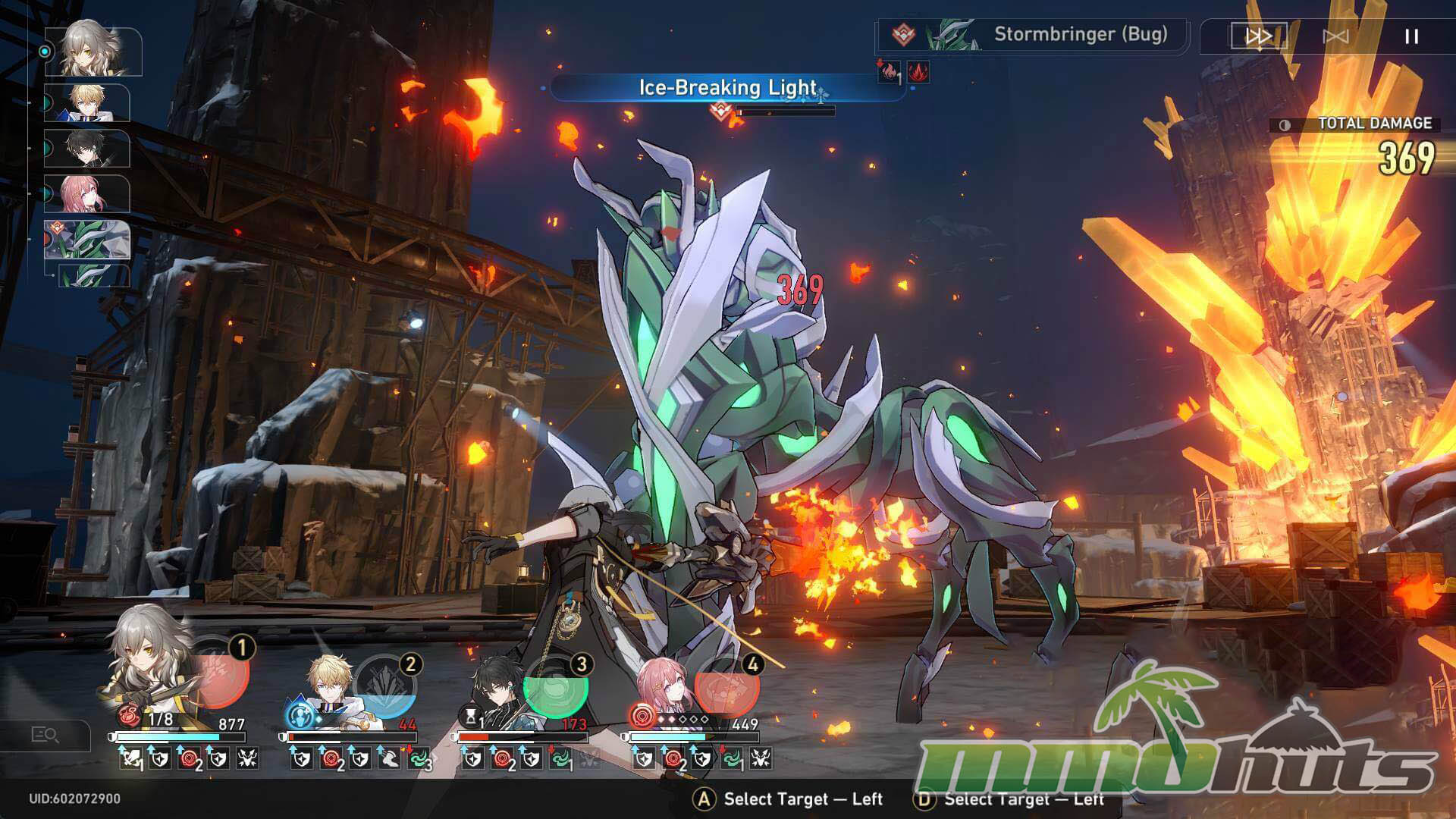
Honkai: Star Rail is a turn-based sci-fi RPG where battles are presented with a flashy, kinetic style that makes even routine encounters feel animated and character-forward. Although the underlying rules are classic (take turns, manage resources, plan around enemy behavior), the game sells every action with snappy camera work, crisp effects, and expressive character animations. If you are coming from Genshin Impact, the overall production approach will feel familiar, but Star Rail leans more into party composition and turn-to-turn planning rather than real-time execution.
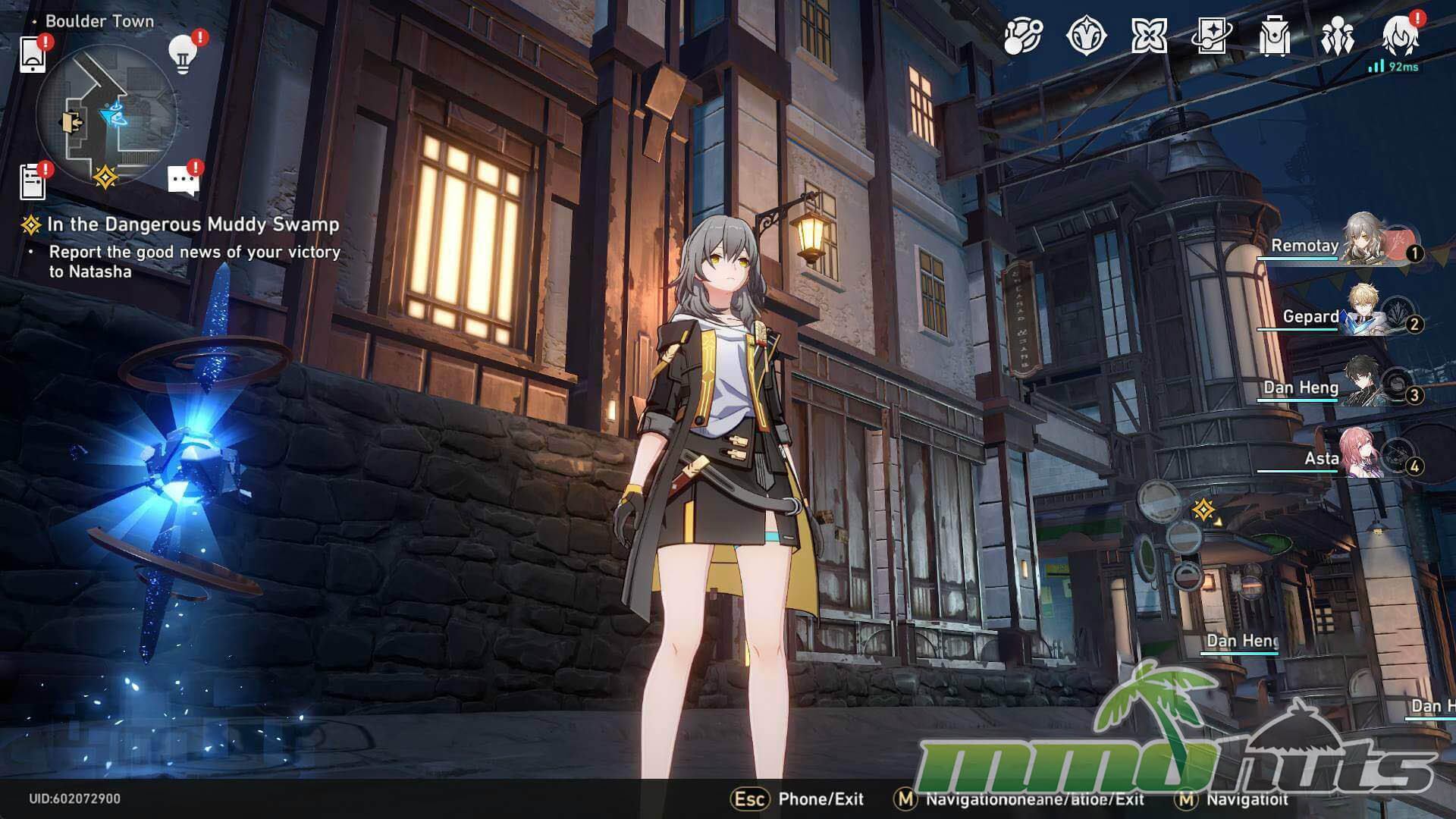
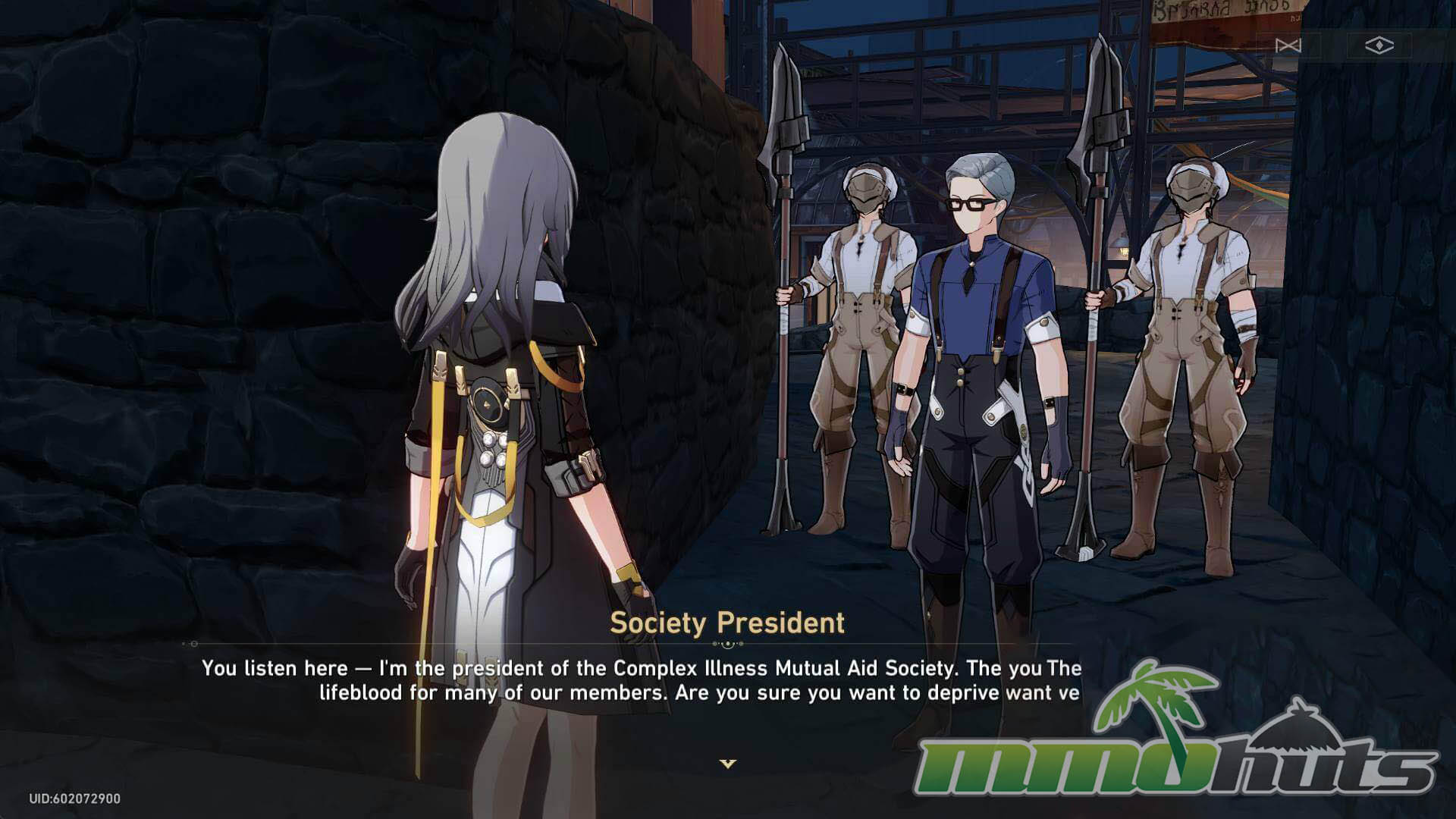
You play as the Trailblazer, a protagonist pulled into the orbit of the Astral Express and its crew. The structure is episodic in a good way, each destination has its own conflicts, factions, and tone, while the broader throughline revolves around the appearance of Stellarons and the chaos they bring. The main plot is fully voice acted and generally well paced, and the game does a lot of its world building through optional quests, readable notes, and small character moments that often land better than you would expect from a mobile-first title.
Combat is built around four-person teams and a toolkit that is intentionally readable: a basic attack, a skill, passive effects, and an ultimate for each character. The interesting decisions come from how those kits intersect, especially when you are trying to break enemies through elemental weaknesses, manage skill point economy, and line up ultimates for momentum swings. It is approachable early on, but it rewards players who like tuning squads and adapting to different enemy lineups.
Honkai: Star Rail Key Features:
- Turn Based RPG – Clear, JRPG-inspired turn-based combat that is easy to grasp but still asks you to plan around enemy weaknesses. Building multiple teams matters, and swapping characters to answer specific fights becomes part of the routine.
- Narrative Driven Adventure – A cinematic, fully voice-acted main story that jumps between distinct planets and conflicts. Optional quests are plentiful and often surprisingly sharp, adding texture to the setting and its cast.
- AAA Production Value – High-end visuals, polished menus, strong cutscene direction, and a soundtrack that elevates key moments. It aims for the feel of a big-budget JRPG, and usually hits that mark.
- Rogue Like Simulated Universe – A dedicated mode built around roguelike-style runs and escalating challenges. With 100+ blessings available, runs can play out very differently depending on what you draft and how your team is built.
- Build Your Team – Collect, develop, and gear 20+ characters, each designed for different roles and elemental coverage. With 7 weakness types to account for, relying on one squad is rarely enough, and the gacha system (similar to Genshin Impact) is how you expand your roster.
- Play on Any Device – Jump between PC, mobile, or consoles with cross-save support. It is easy to start a session on one platform and continue later on another.
Honkai: Star Rail Screenshots





Honkai: Star Rail Featured Video
Honkai: Star Rail Review
Honkai: Star Rail takes a genre that can sometimes feel formulaic and dresses it up with confident direction and a surprisingly steady sense of pacing. It is undeniably a gacha RPG, but the presentation and overall feel lean closer to a modern single-player JRPG than a typical mobile collector. The result is an RPG that is comfortable to play in short sessions, yet substantial enough to hold attention for long stretches, especially if you enjoy party building and story-heavy adventures.
Like Genshin Impact, Honkai: Star Rail is largely a solo experience. There is a support feature that lets you borrow a character from friends, which is useful for grinding or difficult encounters, but there is no traditional co-op campaign flow. If you are hoping for an MMO-like social structure, this is not that kind of game.
How It Plays Moment to Moment
At its core, Star Rail is about managing a four-character squad in turn-based battles, then steadily improving that squad through progression systems. Each character has a basic attack, a skill that consumes shared resources, and an ultimate that can often be used at key timings to swing a fight. The game keeps the interface clean, but there is still plenty of depth once you start thinking about speed order, skill point management, and how to maintain buffs and debuffs across longer encounters.
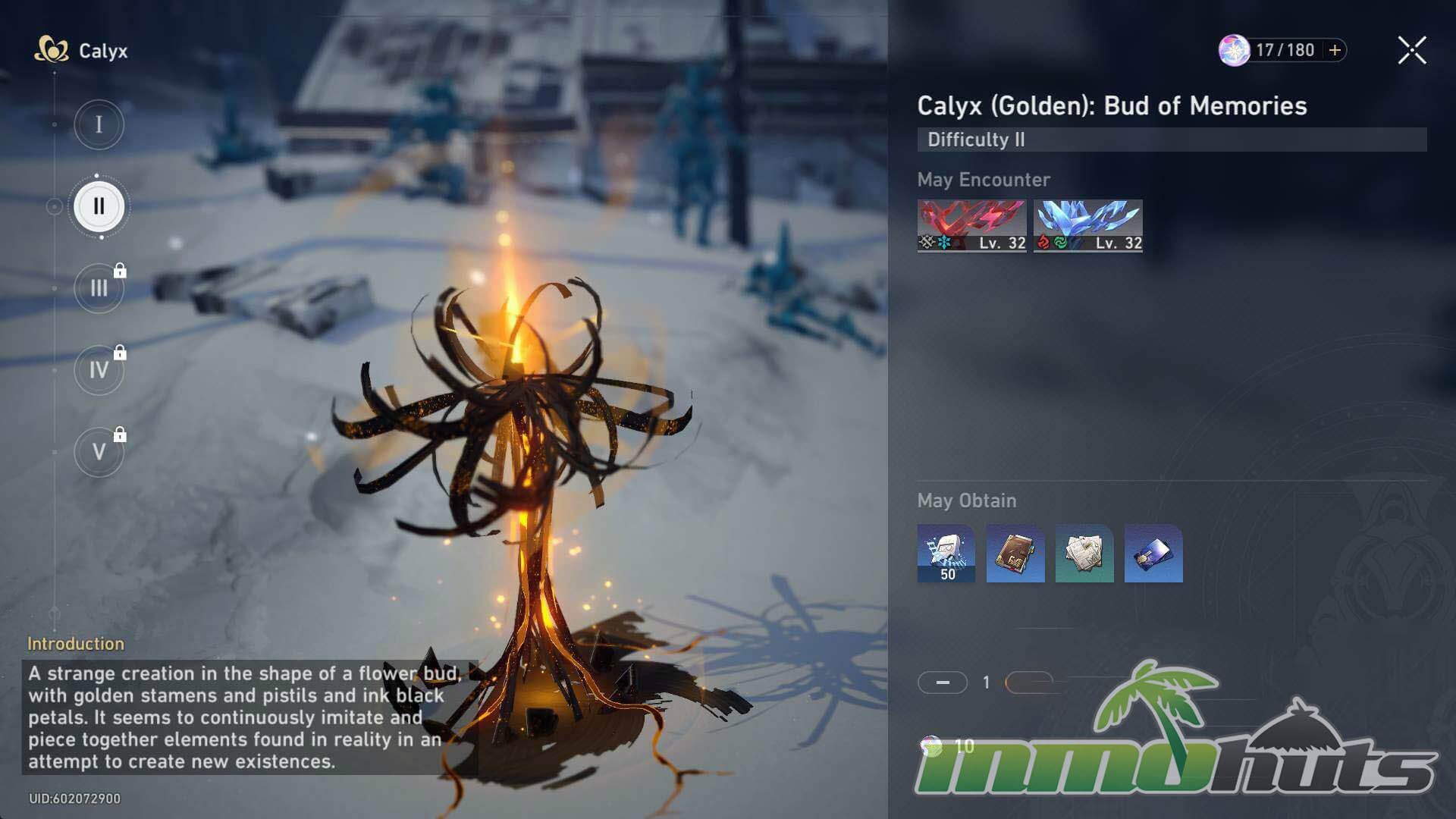
Customization is handled through Traces (skill tree progression), relics (gear sets and stat rolls), and Lightcones (weapon-like equipment). None of these systems are hard to understand individually, but together they create a familiar RPG loop of incremental upgrades, optimization, and chasing better rolls. If you enjoy tuning builds, Star Rail gives you a lot to engage with without requiring complex inputs.
Team variety matters more than many players expect early on. Enemies come with 7 different weakness types, and breaking those weaknesses is a major part of the game’s tactical layer. Because of that, over-investing in one “main team” can feel limiting later, and the game nudges you toward developing a broader roster so you can pivot depending on the content.
Story and Structure
The narrative begins with the Trailblazer awakening in unusual circumstances, tied to a Stellaron and the threat that comes with it. From there, the Astral Express becomes the central hub, carrying you from world to world as you deal with local politics, crises, and the fallout of Stellaron-related disasters. The writing hits a nice balance, it can be earnest and dramatic, but it is also willing to be playful or weird when side content calls for it.
The “Cancer of All Worlds” framing for Stellarons gives the plot a consistent pressure point, and the game does a good job making each stop on the journey feel like its own story arc rather than filler. The main quest is fully voice acted, and the delivery helps the pacing feel closer to a console RPG than a typical free-to-play narrative.
Characters and World Building
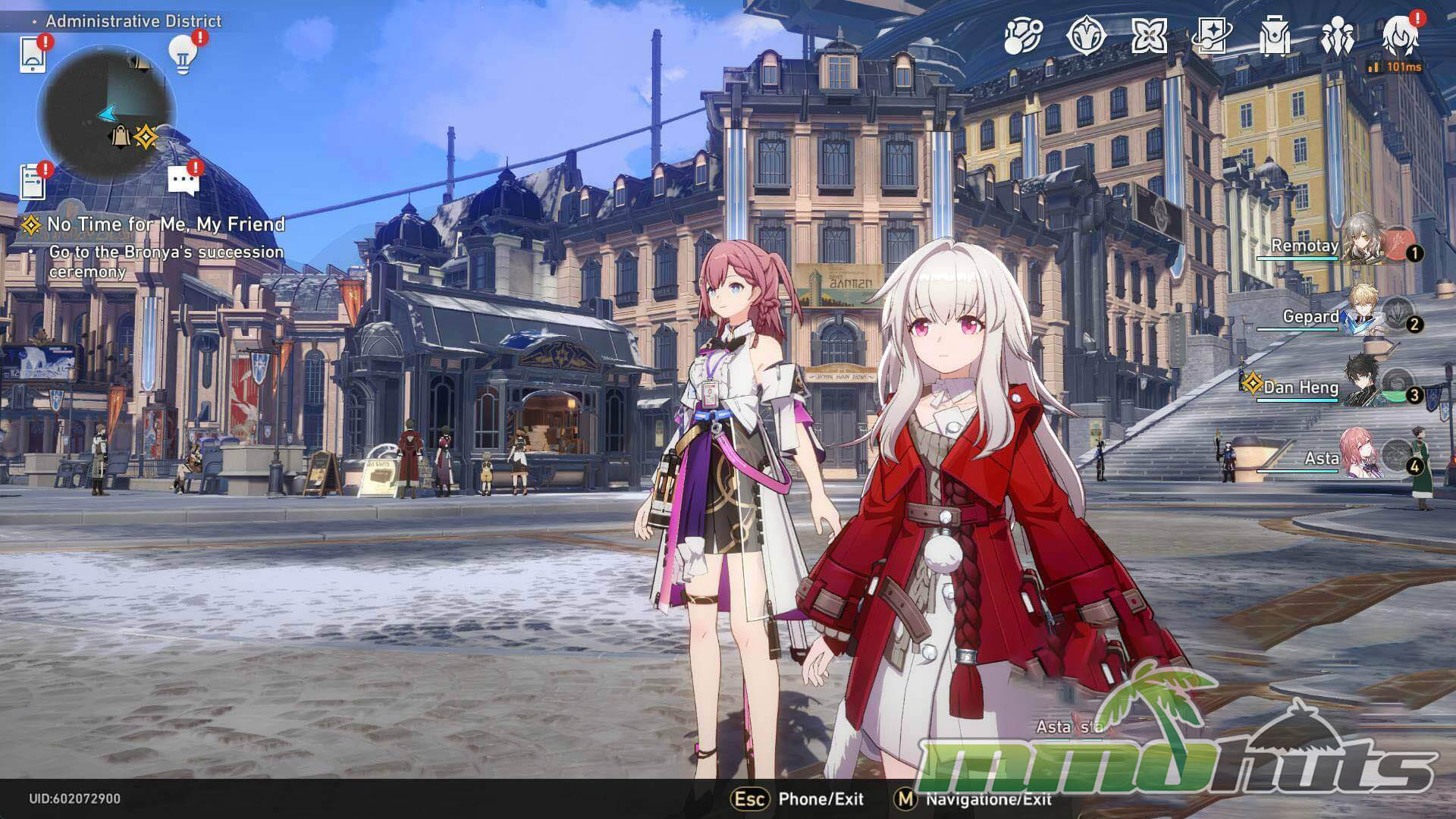
Star Rail’s cast is a major strength. The crew dynamics are easy to latch onto, and the game uses small conversations, questlines, and optional interactions to sell personality without over-explaining everything. Characters like March 7th and Dan Heng quickly establish distinct tones, and the supporting cast on each planet usually has enough flavor to make the setting memorable.
Sidequests deserve special mention. Beyond the usual rewards, many of them are written with care and often serve as world building rather than simple errands. They help the universe feel lived-in, and they also add tonal variety, moving between serious stakes and lighter, sometimes genuinely funny detours.
Monetization and the Gacha
As a free-to-play release, Star Rail’s monetization is built around pulling characters and items, and the rarest 5-star units have low drop rates. That reality will not work for everyone, especially players who dislike randomized acquisition. The good news is that the main story is not gated behind needing a roster full of top rarity characters. With smart team building and steady progression, free-to-play players can comfortably clear core content, while spending mainly accelerates the process and broadens options.
Longevity and Updates
Even at launch, Star Rail offers a substantial amount of content, with 30+ hours available for players to work through depending on how much side content they tackle. The Simulated Universe also provides a repeatable mode that stays relevant as you refine builds. Availability across PC, mobile, and consoles, plus cross-save, makes it easy to keep up with the game over time in a way many RPGs cannot match.
Final Verdict – Excellent
Honkai: Star Rail stands out as one of the most polished story-focused RPGs in the free-to-play space. The combat is straightforward but satisfying, the cast is consistently engaging, and the overall production value is far above what most gacha RPGs deliver. If you enjoy turn-based JRPGs and do not mind gacha mechanics, it is an easy recommendation, even for players who normally avoid the genre.
Honkai: Star Rail System Requirements
PC Recommended Requirements:
Operating System: Windows 10 with 64 bit processor or newer
CPU: Intel i7 Processor
Video Card: Nvidia GeForce GTX 1060 or higher
RAM: 8 GB
Hard Disk: 20GB GB
Android System Requirements:
Operating System: Android 9 and up
CPU: Snapdragon 855, Dimensity 1000, Kirin 990, or better
RAM: 6 GB or more
Storage Space: 8.5GB
iOS System Requirements:
Operating System: Requires iOS 11.0 or later.
Device Specifications: iPhone XS, iPhone XR, or later models. iPad with Apple A12 processor higher
Storage Space: 9 GB
Honkai: Star Rail Music & Soundtrack
Coming soon!
Honkai: Star Rail Additional Information
Developer: HoYoVerse
Publisher: HoYoVerse
Engine: Unity
Global Release Date: April 26, 2023
Platforms: Microsoft Windows, Android, iOS, PS4, and PS5 (console versions released after PC/Mobile)
Development History / Background:
Honkai: Star Rail was publicly unveiled in October 2021, shortly after the Honkai Impact online concert (Starfire Sonorant). Its first closed beta arrived later that same month, followed by a second testing phase that wrapped up in June 2022. A final closed beta ran in February 2023, leading into the worldwide launch on April 26.
It is the 4th entry in the long-running Honkai series, and you can feel it drawing ideas from earlier HoYoVerse projects, including Honkai Impact 3rd, Tears of Themis, and Genshin Impact, while still carving out its own identity through turn-based combat and a spacefaring structure.
Since release, the game has performed extremely well globally and has been particularly dominant across East Asian markets, reaching top-grossing positions in mobile stores in China, Japan, and South Korea. It also charted strongly in Western storefronts, and it reportedly earned $41.85m in its first 8 days.