Hex: Shards of Fate was a digital trading card game focused on building custom decks and testing them against both AI opponents and real players. It mixed traditional head-to-head duels with MMO-style progression hooks, including a PvE arena where you could run tournament-like gauntlets for gold, cards, and other rewards, then reinvest those winnings into expanding your collection through the shop.
 | Publisher: Hex Entertainment Type: CCG Release Date: April 11, 2014 Shut Down: December 31, 2020 Pros: +Excellent onboarding and beginner guidance. +PvE arena runs with tournament-style rewards. +Massive variety of collectible cards. Cons: -Presentation leans light on flashy combat. -Earning cards without paying can feel grindy. -Occasional animation and UI hiccups. |
Hex Shut Down on December 31, 2020
Hex Overview
Hex: Shards of Fate was an MMO-flavored trading card game developed by Cryptozoic Entertainment. At its core, it asked you to collect cards and assemble a deck tailored to how you like to play, whether that meant aggressive pressure, defensive control, or something more combo-oriented. Matches opened with a seven-card hand, and you used Resource cards to build up the ability to play troops and other cards onto the board. Instead of playing as an anonymous duelist, you selected a Champion, which came with a signature power that influenced deck construction and gave you an additional tactical lever during games. Victory generally came from reducing the opposing Champion’s health to 0, or by exhausting their deck so they could no longer draw, sending their options into the graveyard as the match progressed.
One of the game’s strongest early features was its in-depth tutorial, which introduced the interface and rules in a structured way while also granting cards so you could start tweaking a deck immediately. Once you had the basics down, the Frost Ring Arena served as the main PvE proving ground, letting you fight NPC opponents in a tournament format for gold and card rewards based on performance. That gold could then be spent in the Shop on cards and booster products, while Platinum (purchased with real money) offered a faster route to growing a collection. Like most CCGs, the real long-term difference between winning and losing often came down to how well your deck’s resources, threats, and answers fit together.
Hex Key Features:
- Champion-Based Play – choose a champion hero with an activatable power that shapes strategy and deck direction.
- Beginner-Friendly Tutorial – a thorough learning path that teaches fundamentals and awards cards along the way.
- Frost Ring Arena – a PvE tournament mode that pays out cards and gold depending on how far you advance.
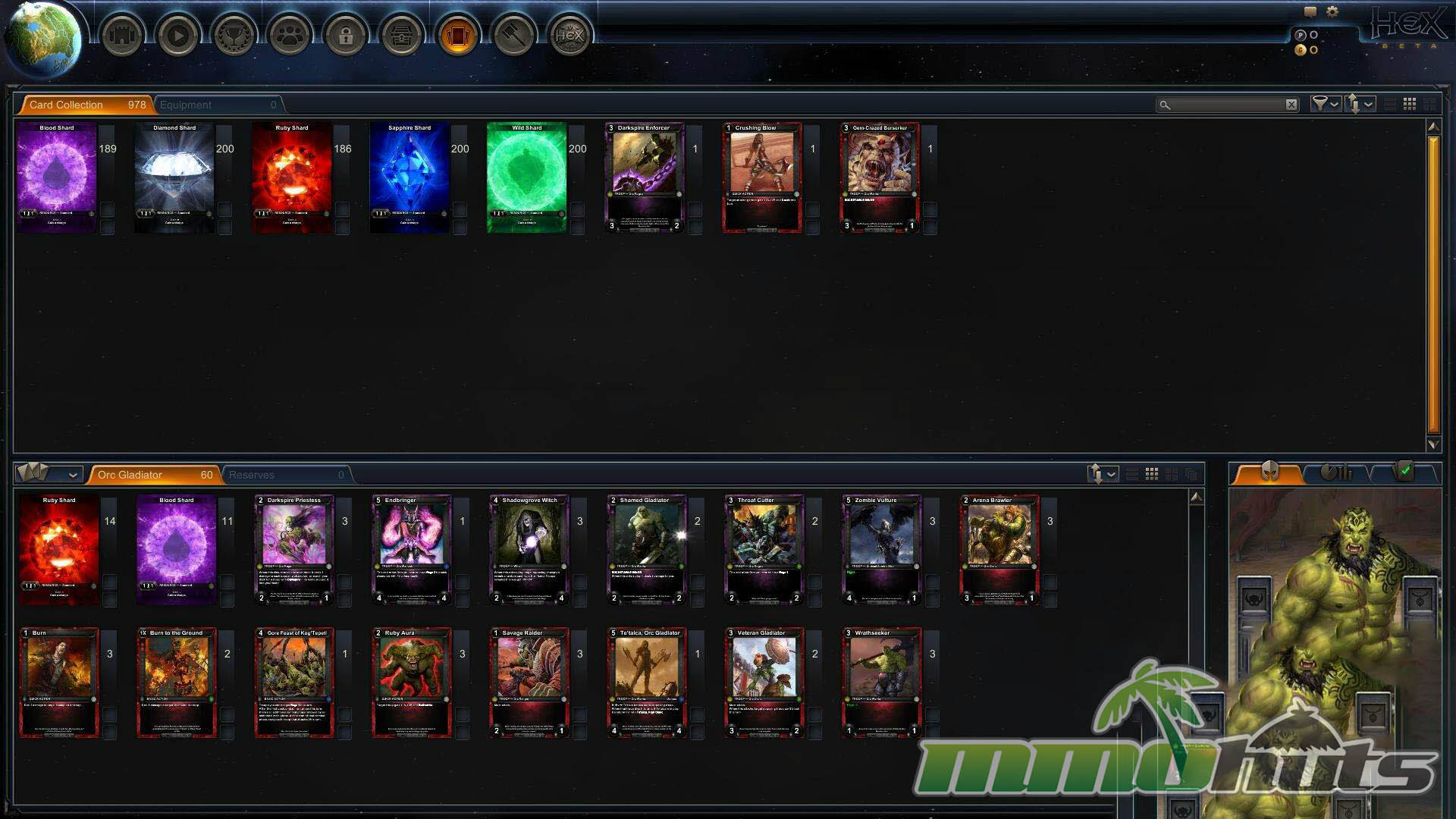
- Deep Deckbuilding – build toward the style you enjoy by collecting and refining card choices over time.
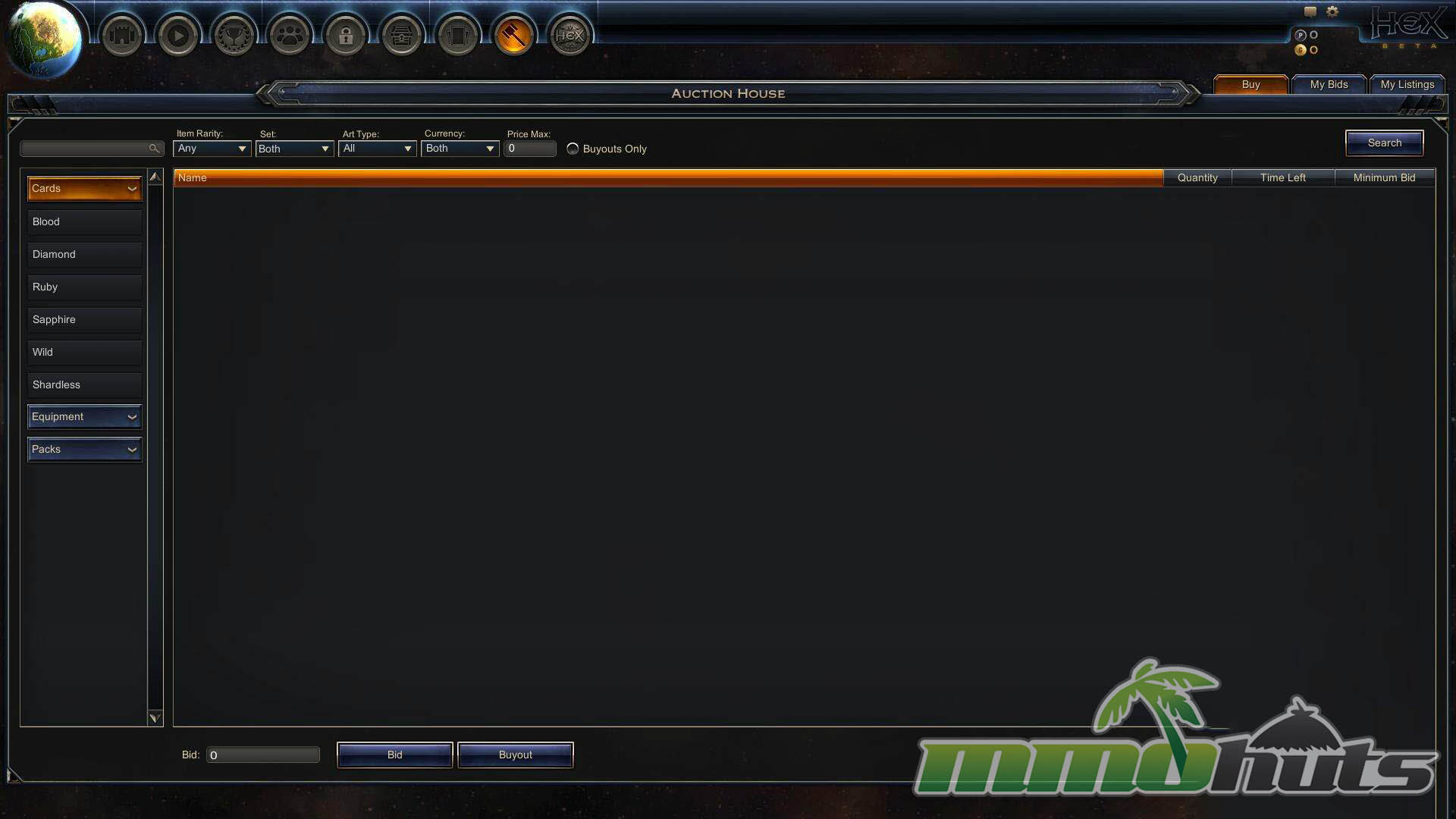
- Large Card Library – a broad set of cards to collect, trade, and acquire through the Auction House.
Hex Screenshots


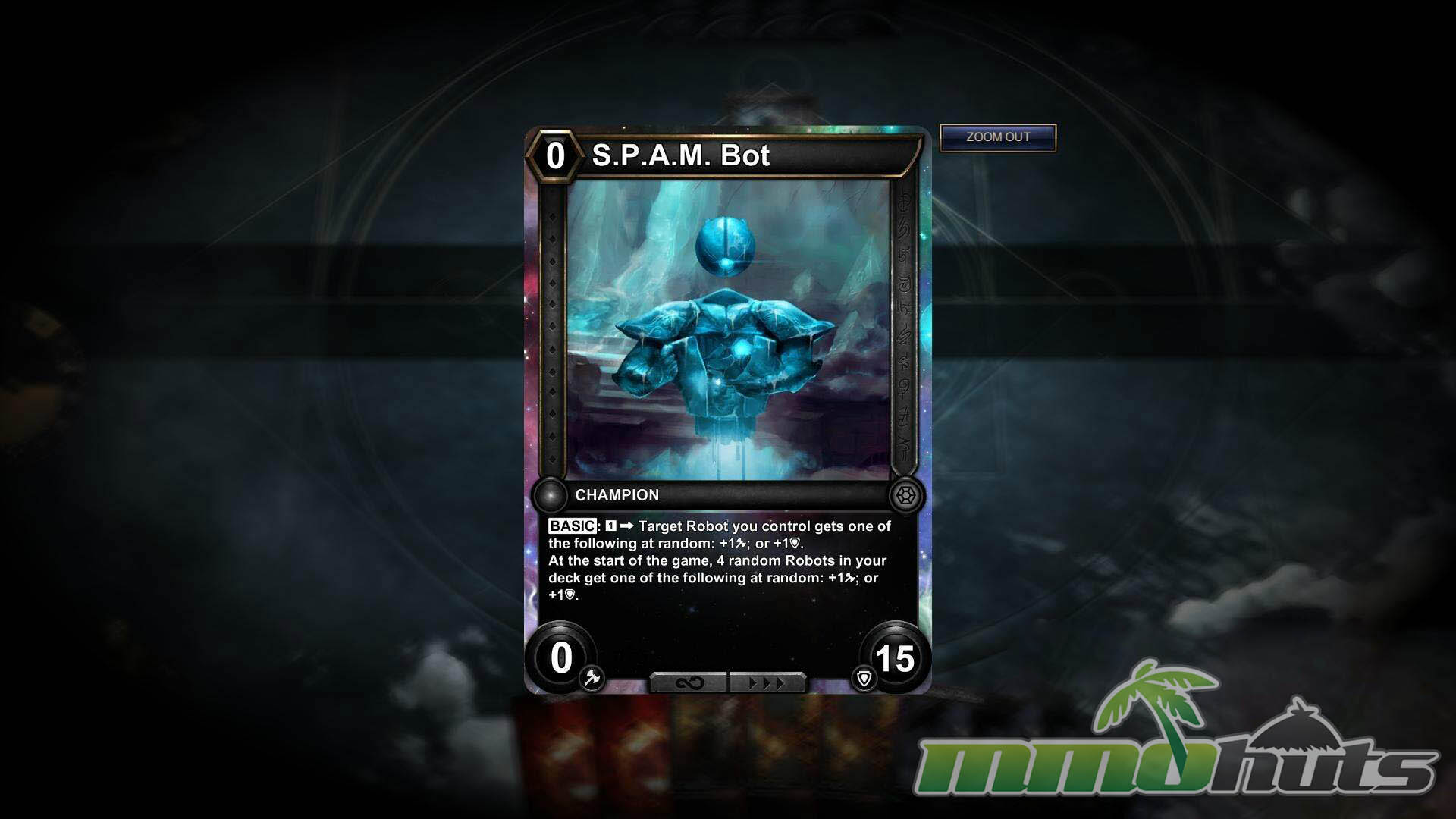
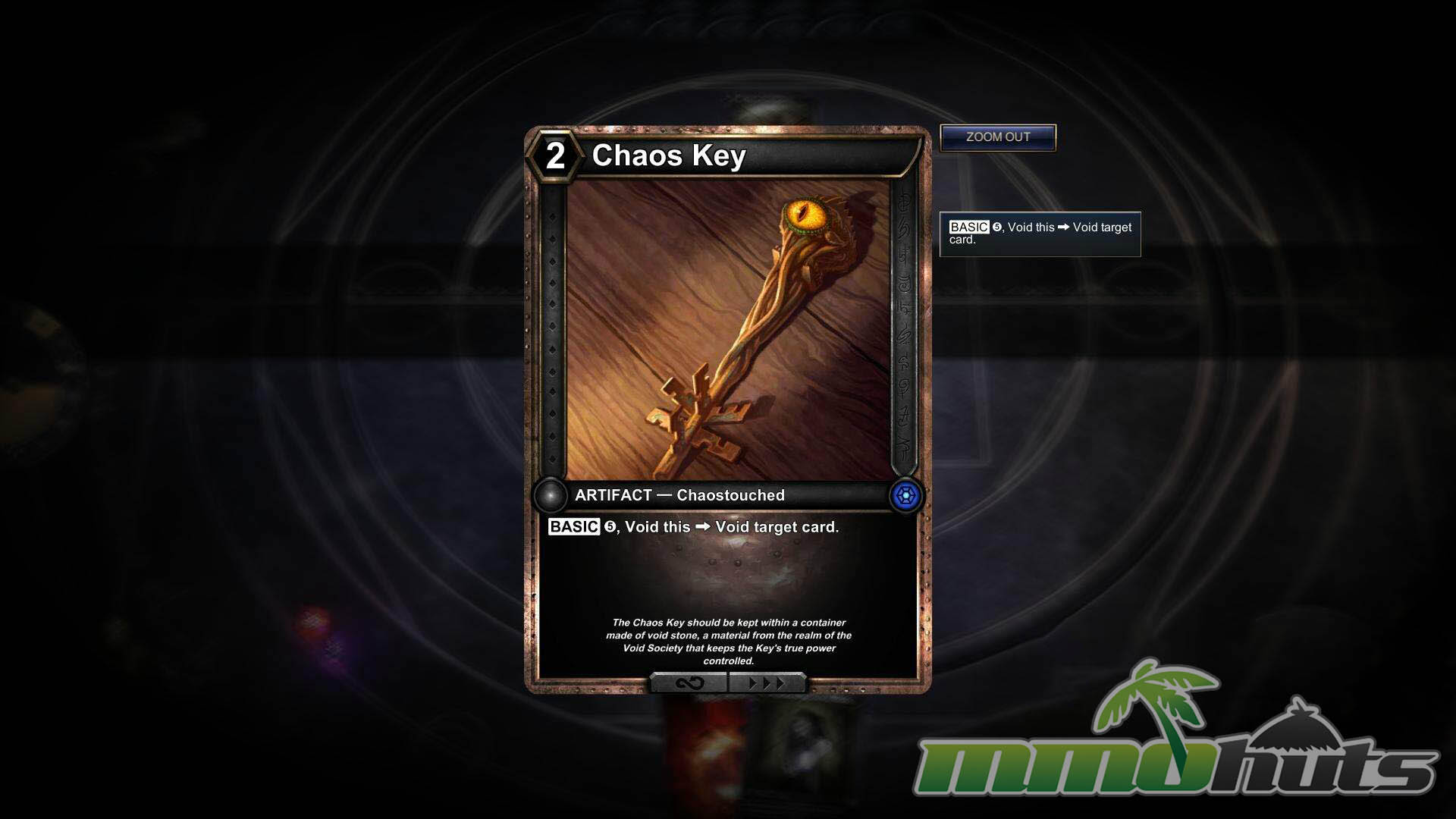

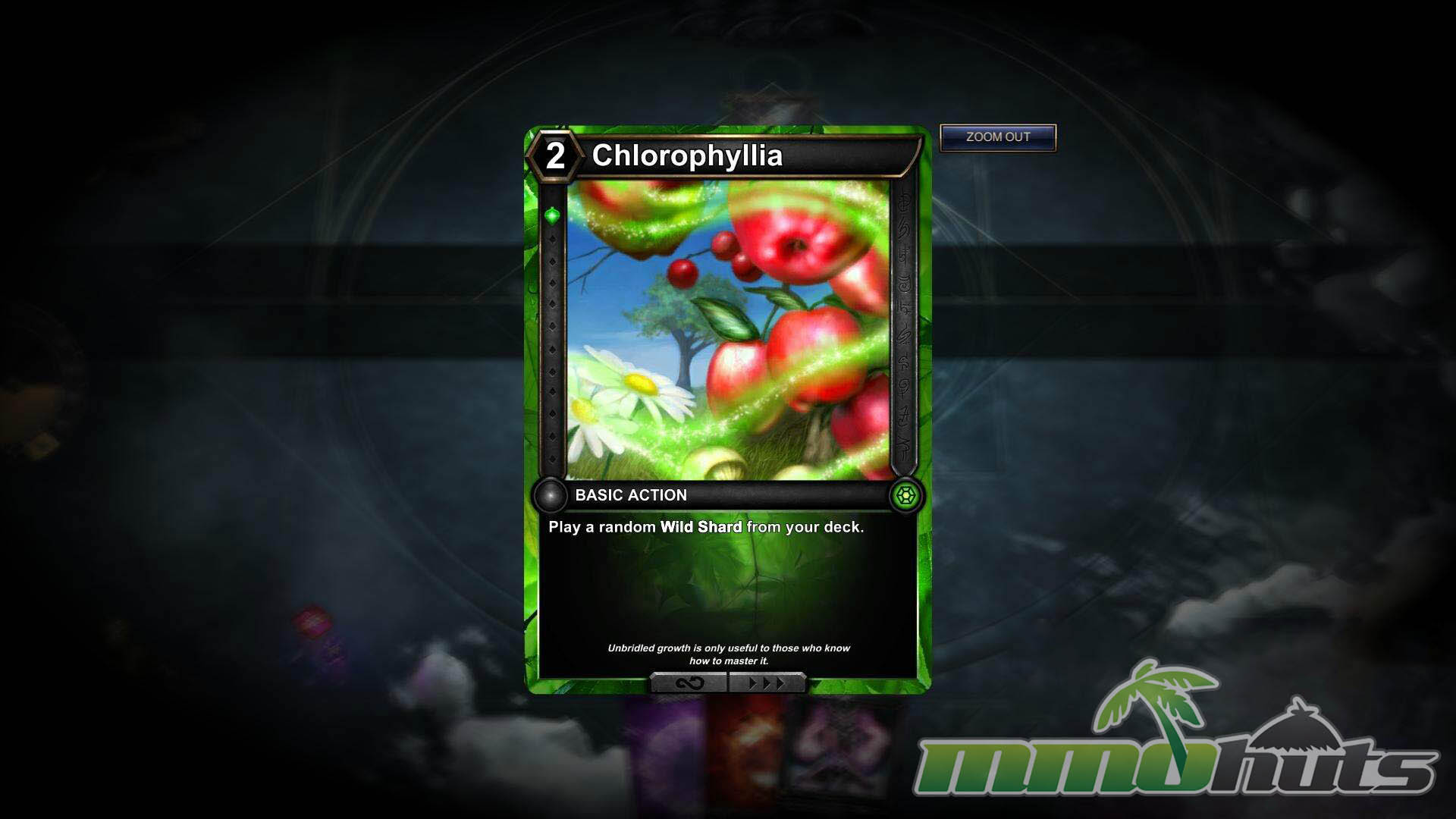
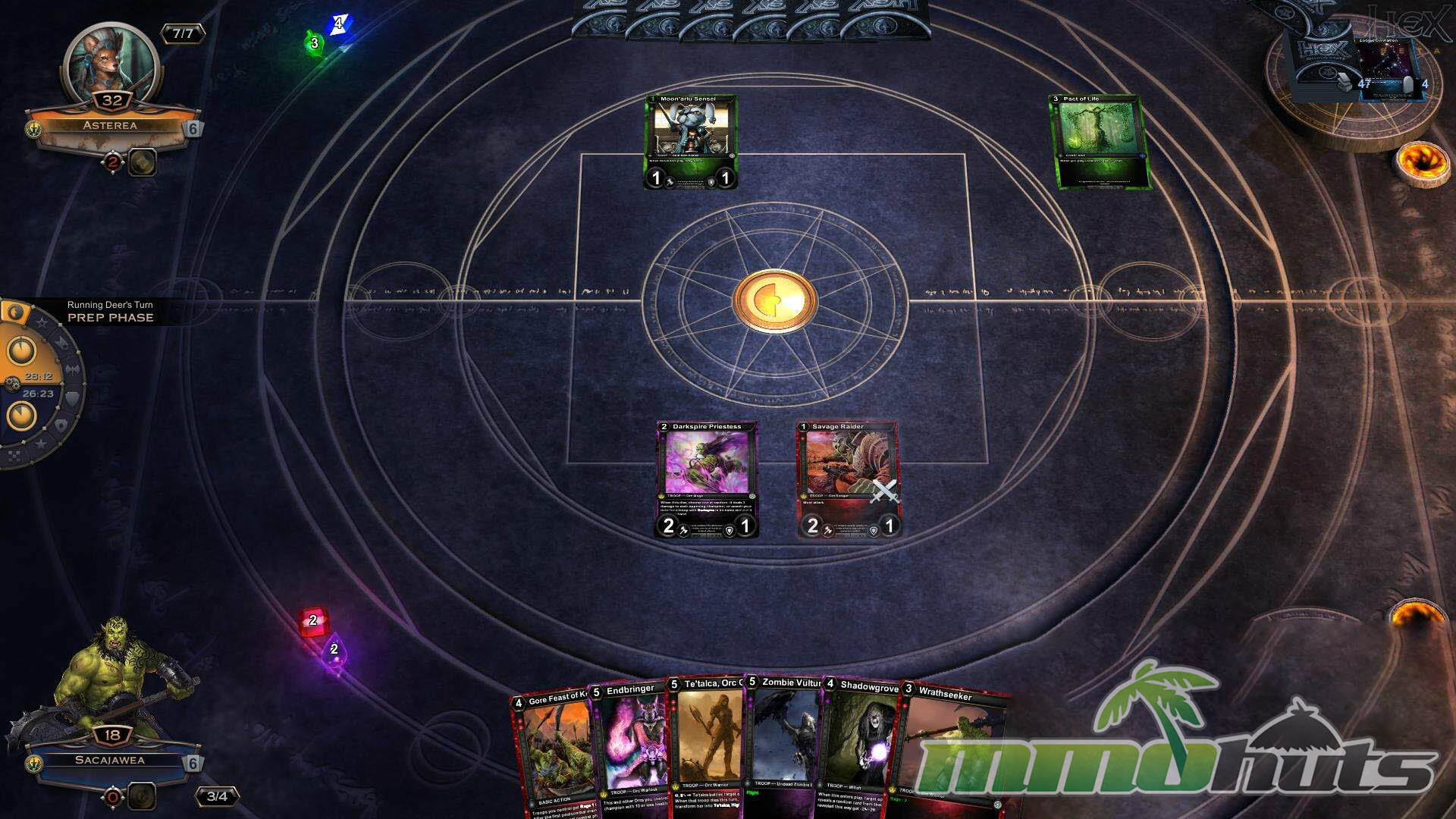
Hex Featured Video

Hex Review
Hex: Shards of Fate always felt like it wanted to be more than a simple digital card table. While the moment-to-moment is rooted in familiar CCG fundamentals, the surrounding structure (PvE runs, rewards, currencies, and collection growth) pushed it into a longer-term, MMO-like loop. For players who enjoy learning a card game by playing a lot of matches and gradually upgrading a deck, Hex had a satisfying cadence, even if some parts of its presentation and economy could be rough around the edges.
Learning the basics without friction
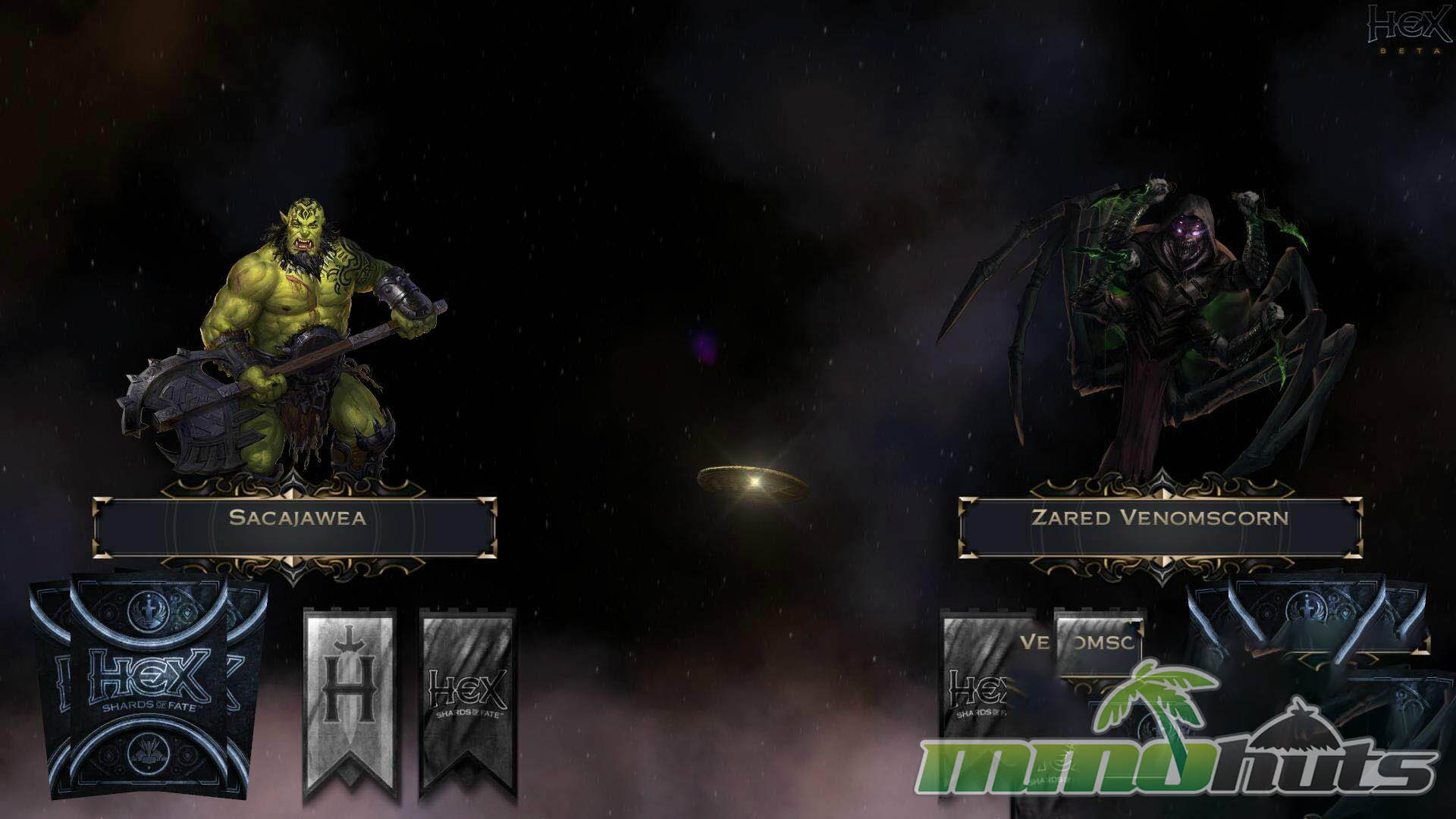
For newcomers to competitive card games, Hex did a lot of work up front to make the first hours manageable. The tutorial was unusually comprehensive, taking time to explain phases, targeting, and the layout of the board rather than assuming you already spoke the genre’s language. Early on you also chose between four races (Human, Orc, Dwarf, and Shin’Hare), a decision that effectively pointed you toward a starter deck identity and a general feel for how your early games would play.
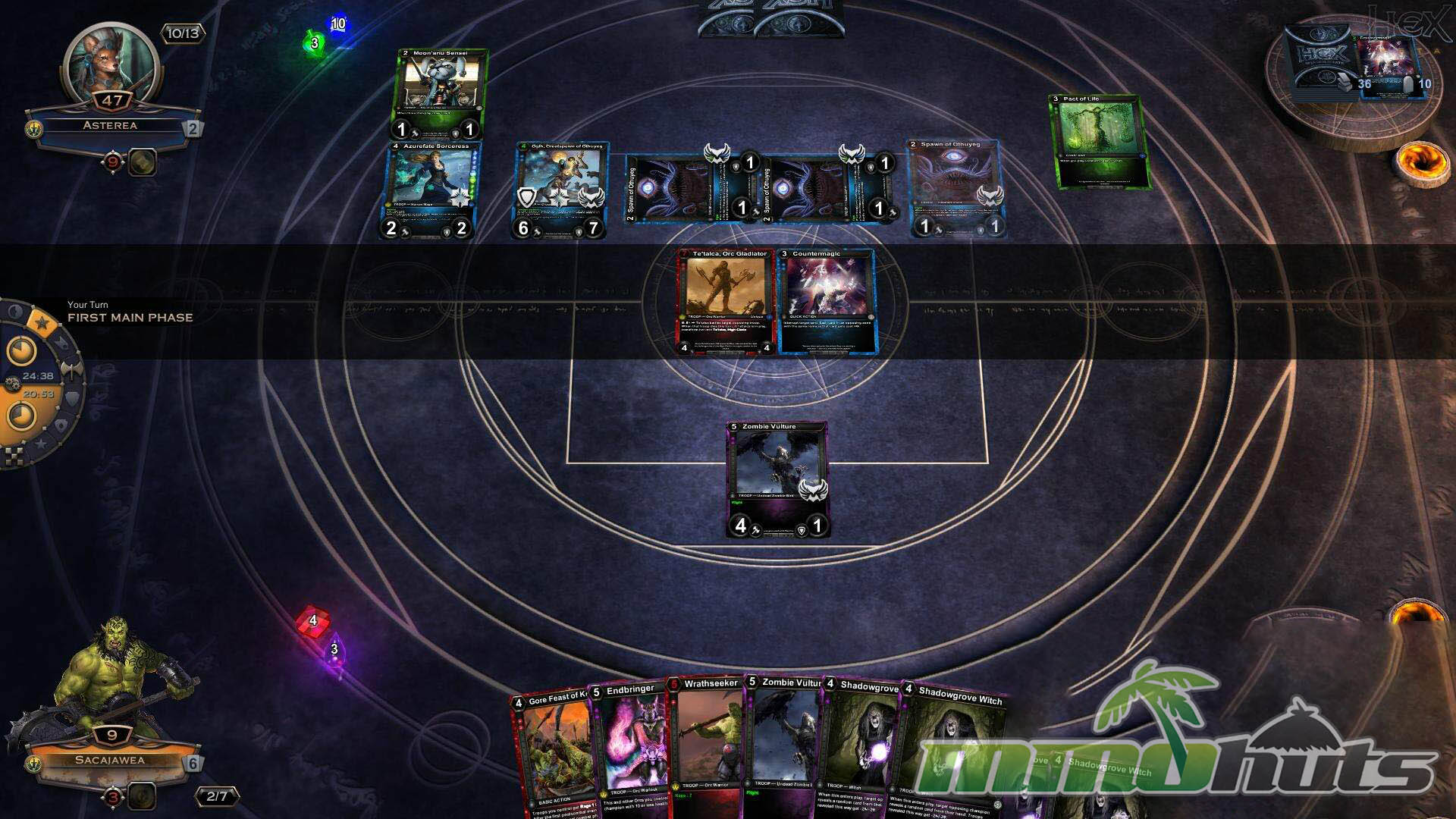
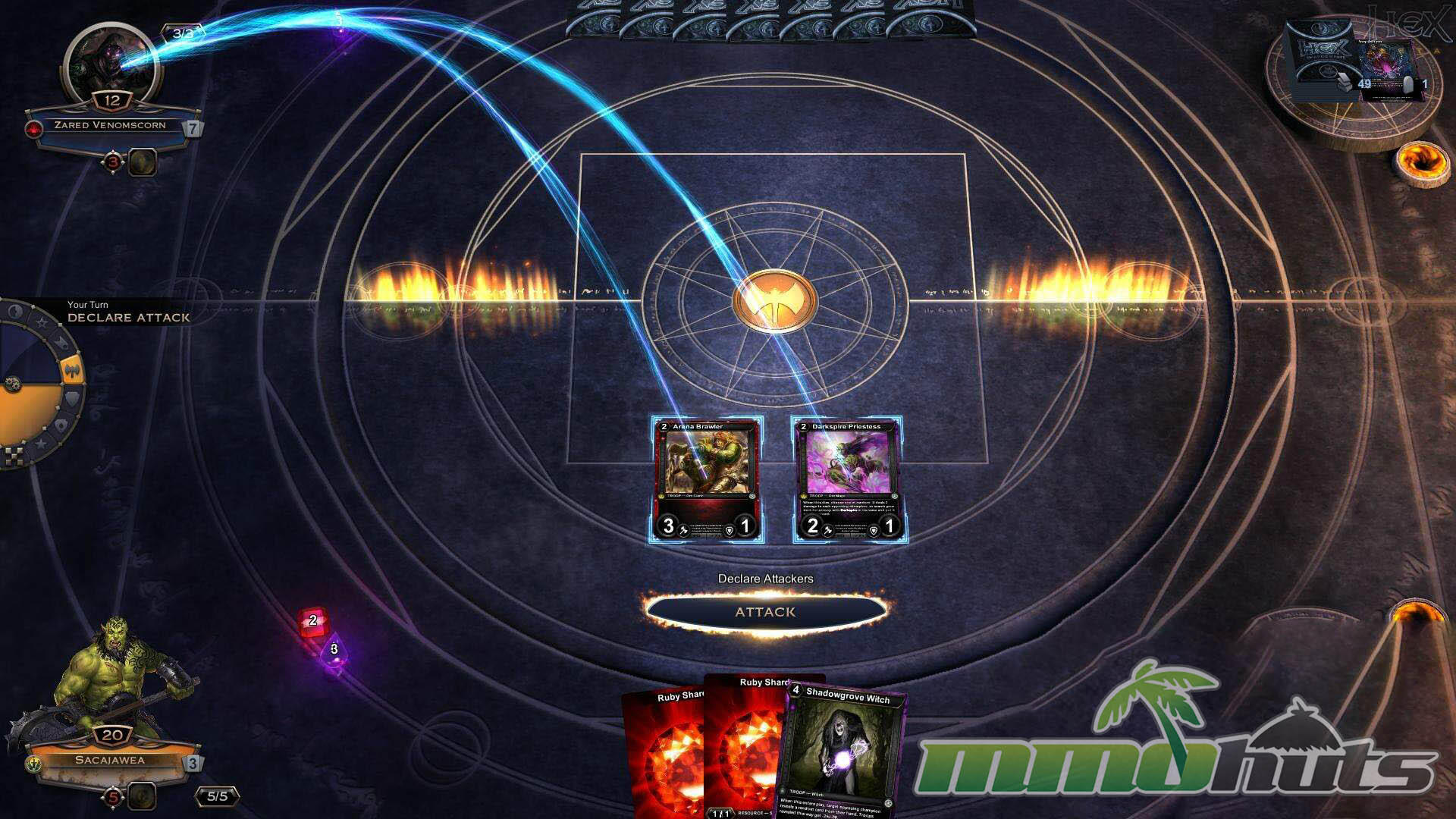
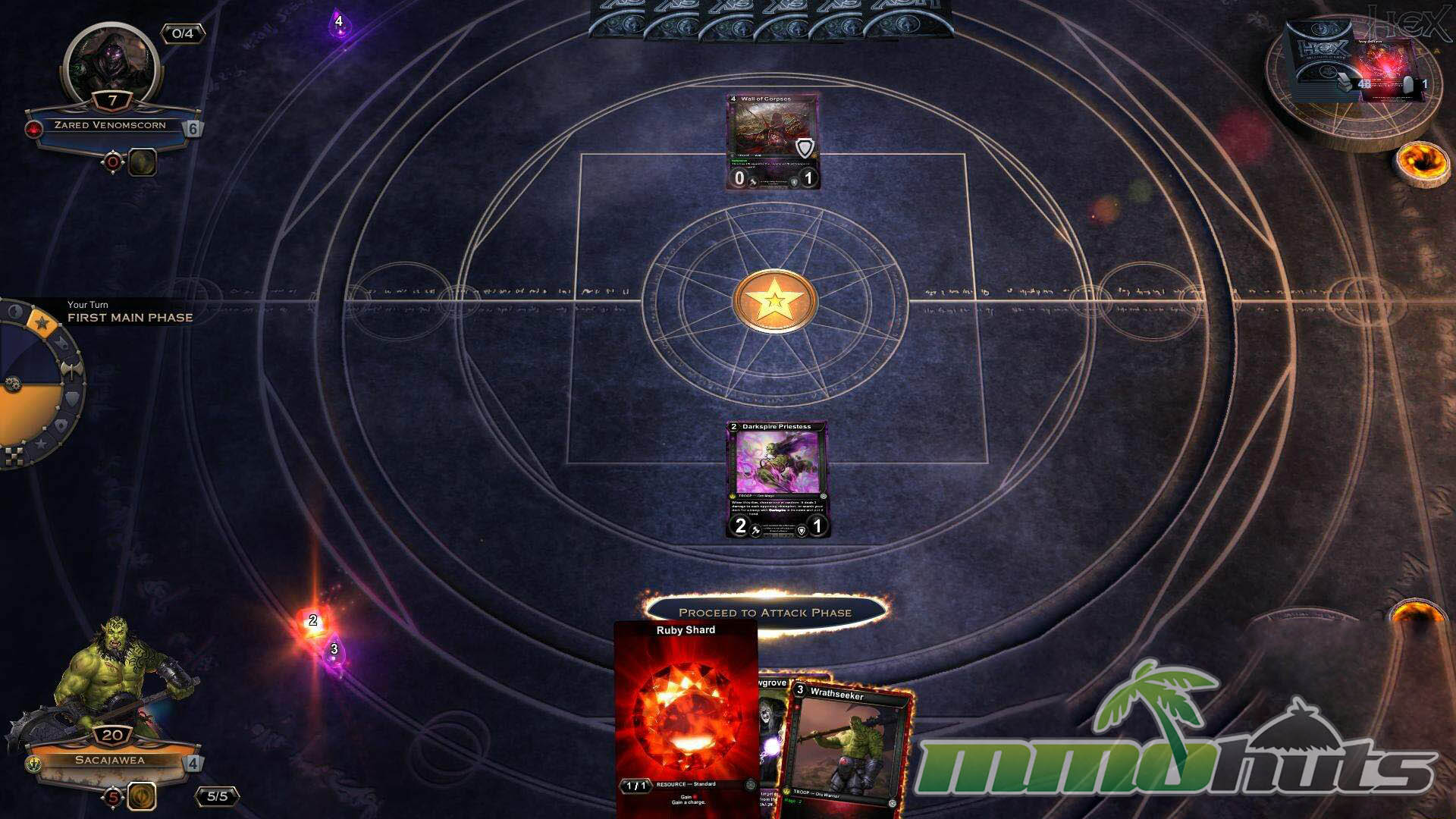
The visual staging helped sell the idea of a structured duel, with cards laid out on a stylized, ritual-like board. Mechanically, experienced players could immediately recognize the influence of classic resource-based CCGs. Still, Hex was not trying to reinvent the wheel, it was trying to polish a proven ruleset and attach a more persistent progression layer to it.
Matches began with seven cards in hand, and the key pacing mechanism was your Resource development. You typically played one Resource per turn, and deck plans often revolved around two resource types, which naturally encouraged building around a coherent theme rather than stuffing in every powerful card you owned. Champions started at 20 health, and the win conditions rewarded both direct pressure and alternative lines, since decking out (running out of cards) could also end a game. Because the deck did not simply reset itself, the graveyard mattered, and cards that interacted with it could swing longer matches.
Combat was also straightforward in a way that kept turns moving. Attacks targeted the opposing Champion, and the defending player decided how (or whether) to block. That structure made it easy to understand what mattered each turn, even when the board got busy.
Champions were the biggest twist on the familiar formula. Each one came with a charge power that built up as you played resources, then could be spent for an effect. Those powers were not just flashy buttons, they meaningfully impacted deckbuilding. Some champions supported steady incremental advantages, while others offered riskier effects that demanded a deck built to exploit them.
Presentation: strong art, restrained effects
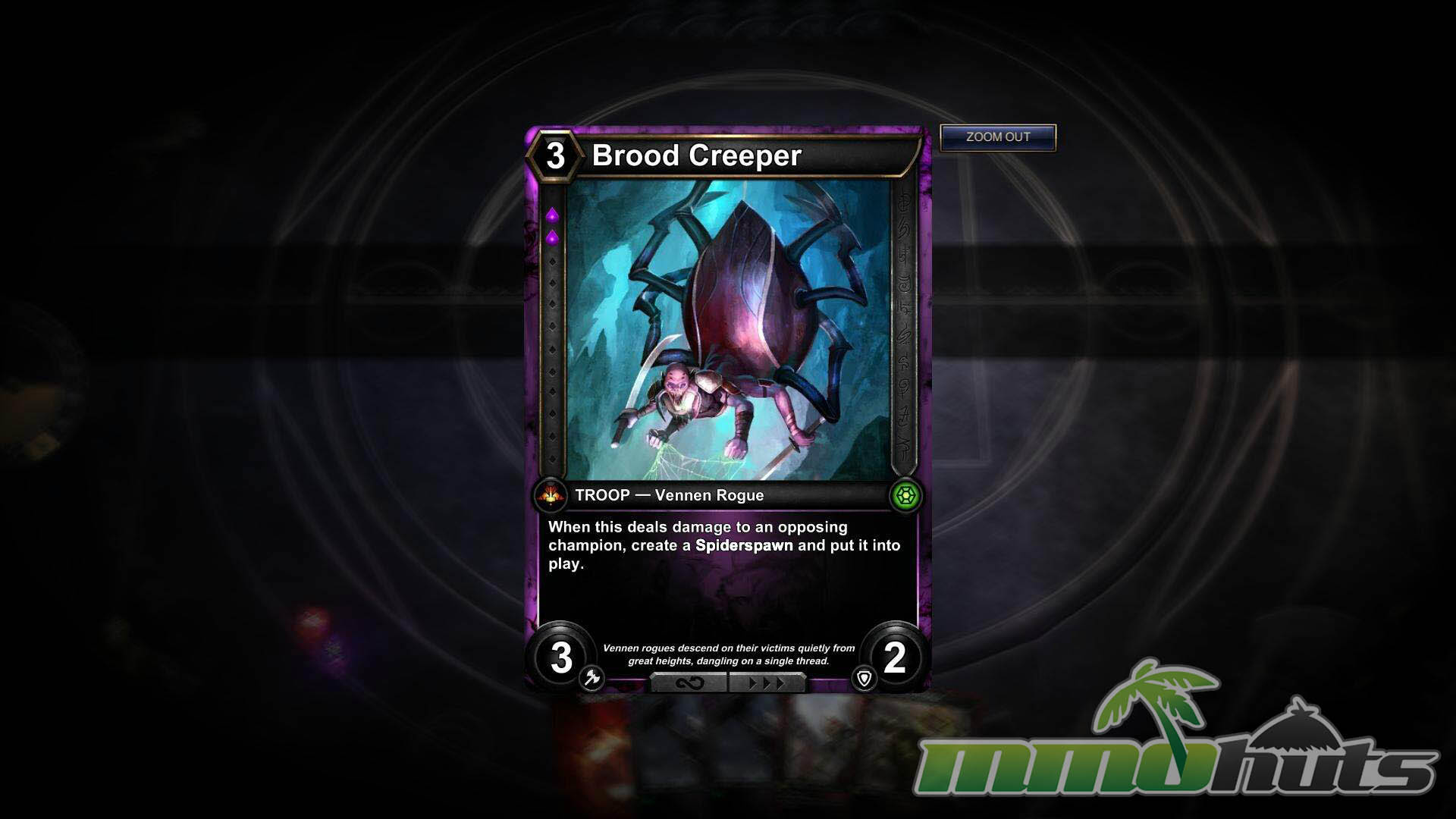
Hex generally looked sharp for a card game of its era. The card illustrations carried most of the personality, and the overall aesthetic fit well with classic fantasy themes. Moment-to-moment feedback was subtle but satisfying, with clean highlights for targeting and clear indicators for phase changes. Sound design did a surprising amount of lifting, with certain cards triggering distinctive audio cues that helped them feel memorable without requiring elaborate visuals.
That said, players looking for big, cinematic combat sequences could find Hex underwhelming. The game leaned toward clarity and speed over spectacle. In practice, that approach worked well for tactical play, but it also contributed to the sense that some duels lacked dramatic punch compared to more animation-heavy digital CCGs.
Keywords and card text depth
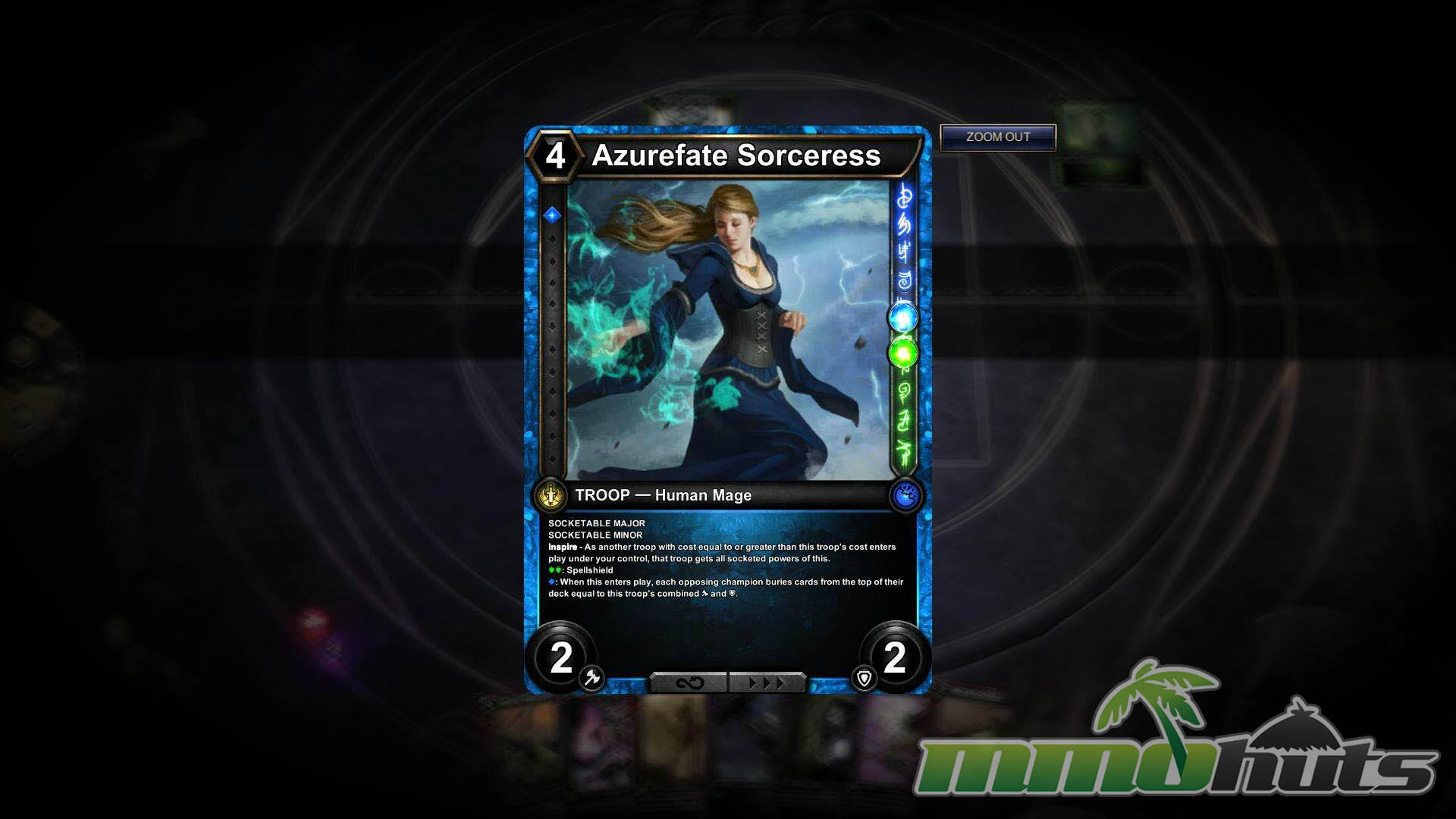
Once you moved beyond the basics, Hex’s complexity showed up through keywords and specialized card text. Many cards carried bolded terms that represented mechanics you needed to understand to play effectively. The game did provide tooltip support for some of these terms, but not consistently enough. When a keyword was not explained in-client, it created an unnecessary learning speed bump, especially for players trying to improve without relying on external guides.
Because the game supported a wide range of deck styles, from straightforward troop curves to more disruptive plans that attacked resources or the deck itself, understanding these mechanics mattered. Better in-game explanations would have made the deeper strategy more accessible.
Frost Ring Arena: the PvE hook that kept things moving
For many players, the Frost Ring Arena was the standout mode. It framed PvE as a tournament run, pitting you against a sequence of NPC decks with rewards tied to how well you performed. Importantly, once you entered you were locked into your deck, so preparation mattered. That made the arena feel like a real test of consistency rather than a series of isolated matches you could constantly tailor for.
The mode also had a forgiving structure, you were not eliminated on a single loss, but repeated defeats eventually ended the run. The ability to step away and return helped it function as a longer-form activity rather than a one-and-done queue.
A nice touch was the way the arena master occasionally introduced special twists, adding constraints or extra elements to matches and then paying out better rewards if you succeeded. Those interruptions broke up the routine and made PvE feel less like pure grinding, even though grinding was ultimately part of the collection loop.
PvP: where deckbuilding skill becomes obvious
Player versus player matches were the real benchmark. The queue structure made it easy enough to find duels, though it could also lead to occasional waits if someone queued and then failed to respond. When matches did fire, the skill gap could be stark. Hex supported strategies that went well beyond trading creatures and racing life totals. Some decks pressured your resources, others attacked the library, and some focused on stabilizing while building inevitability.
For new players, that could be intimidating, but it also highlighted why the game’s deckbuilding mattered. Losses in PvP often felt less like random outcomes and more like lessons about what your deck could not handle yet.
Economy and shop
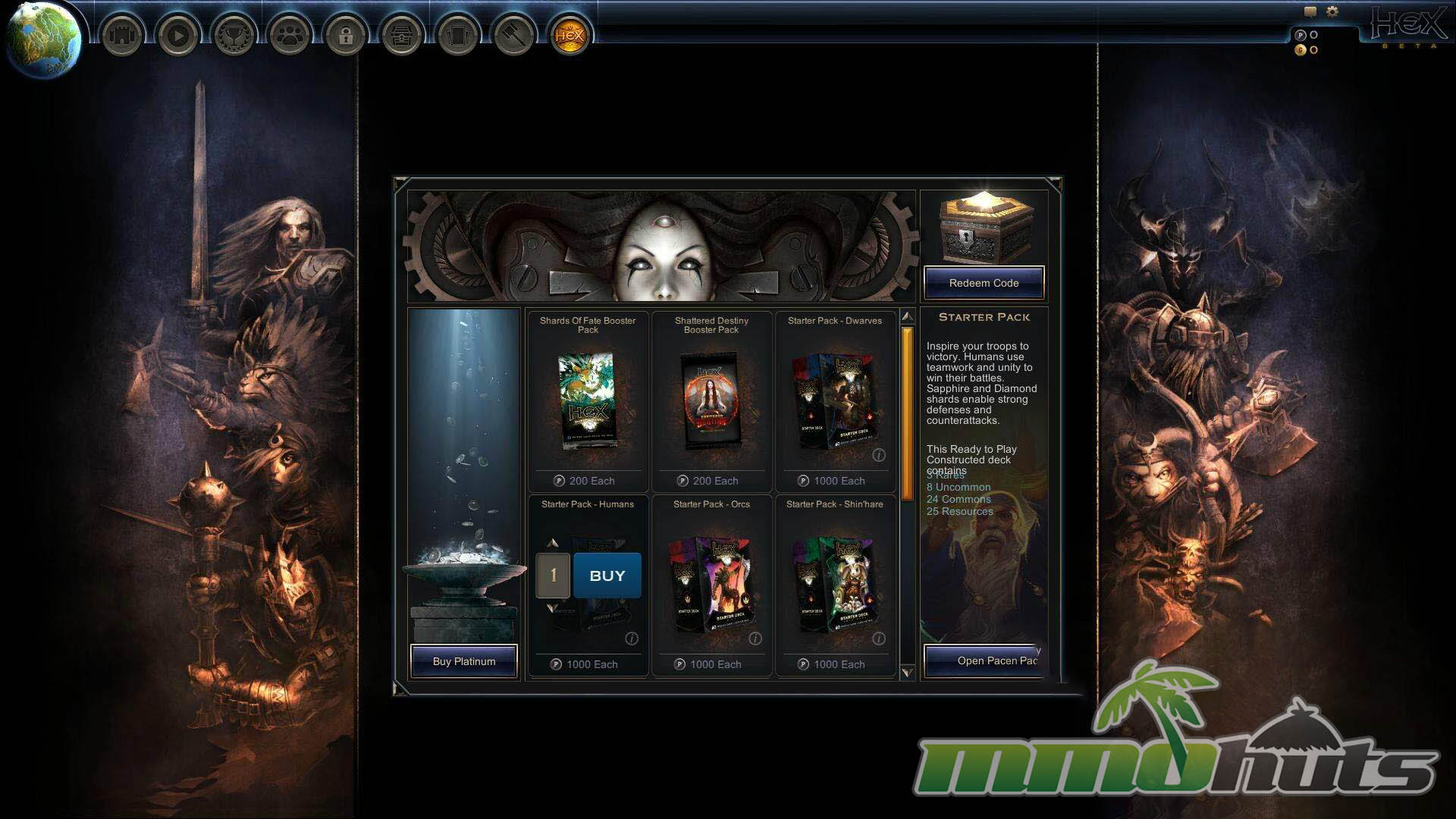
Hex used two main currencies: gold and platinum. Gold came from play and fed into systems like the shop, the Auction House, and other collection-building avenues. Platinum was the premium currency and could be purchased directly, giving faster access to booster packs and starter products. Each booster also included a chest element that could be opened or upgraded for additional items, which added another layer to the reward structure.
The main tradeoff was familiar for the genre. You could build a complete collection without spending money, but the time investment was significant. The Frost Ring Arena was the intended path for steady progression, and repeating it for gold was part of the long-term loop. Players who wanted to jump into competitive deckbuilding sooner were clearly incentivized to spend, while patient players could get there through consistent play.
Final Verdict – Great
Hex: Shards of Fate delivered a strong digital CCG experience built on readable rules, solid card art, and a genuinely useful tutorial. Its PvE arena mode provided an enjoyable way to practice and earn rewards, and the champion system added meaningful identity to decks without overcomplicating the basics. The downsides were mostly in presentation and pacing, with limited flash in combat and a collection curve that could feel slow without premium purchases. For players who valued strategy, deck tuning, and a long-term card collection chase, Hex was easy to recommend during its active years.
Hex Links
Hex Official Site
Hex Kickstarter Page
Hex Wikipedia
Hex Browser & Deckbuilder [Database]
Hex Gamepedia [Database/Guides]
Hex Reddit
Hex Requirements
Minimum Requirements:
Operating System: Windows XP 32 bit
CPU: Pentium D 805 2.67GHz or Athlon 64 X2 Dual Core 3600+
RAM: 2 GB GB RAM
Video Card: GeForce 6800 GT or Radeon X1600 Pro 512MB
Hard Disk Space: 3 GB Free Space
Recommended Requirements:
Operating System: Windows 7 64 bit
CPU: Core 2 Duo E6600 2.4GHz or Athlon 64 X2 Dual Core 5000+
RAM: 4 GB RAM
Video Card: GeForce 8800 GT or Radeon HD 4850
Hard Disk Space: 3 GB Free Space
Hex is Mac OS X compatible.
Hex Music
Coming Soon…
Hex Additional Information
Developer(s): Cryptozoic Entertainment
Publisher(s): Hex Entertainment, Gameforge
Language(s): English, German, French
Announcement Date: May 09, 2013
Closed Alpha: October 8, 2013
Closed Beta: April 01, 2014
Open Beta: April 11, 2014
Other Platforms: OS X
Shut Down: December 31, 2020
Hex: Shards of Fate was developed by American video-game company Cryptozoic Entertainment, the same studio known for the World of Warcraft Trading Card Game. Publishing was handled by Hex Entertainment and Gameforge. The project was notably backed through Kickstarter, where it reached the position of the 11th most-funded video game on the platform at the time, with nearly 18,000 backers contributing over $2 million. On May 14, 2014, Wizards of the Coast filed a lawsuit against Cryptozoic alleging intellectual property infringement, and Cryptozoic replied that they “do not find any merit to the allegations in the complaint.” The dispute was later settled under undisclosed terms. The game ultimately shut down on December 31, 2020.