Heavenstrike Rivals is a free-to-play, 2D fantasy turn-based tactical MMORPG published by Square Enix, with character art and battlefield presentation that will feel familiar to fans of classic handheld tactics RPGs. Its hook is collection and squad building, with a huge pool of units to recruit and raise, a story-driven campaign, and real-time PvP modes built around quick, grid-based matches.
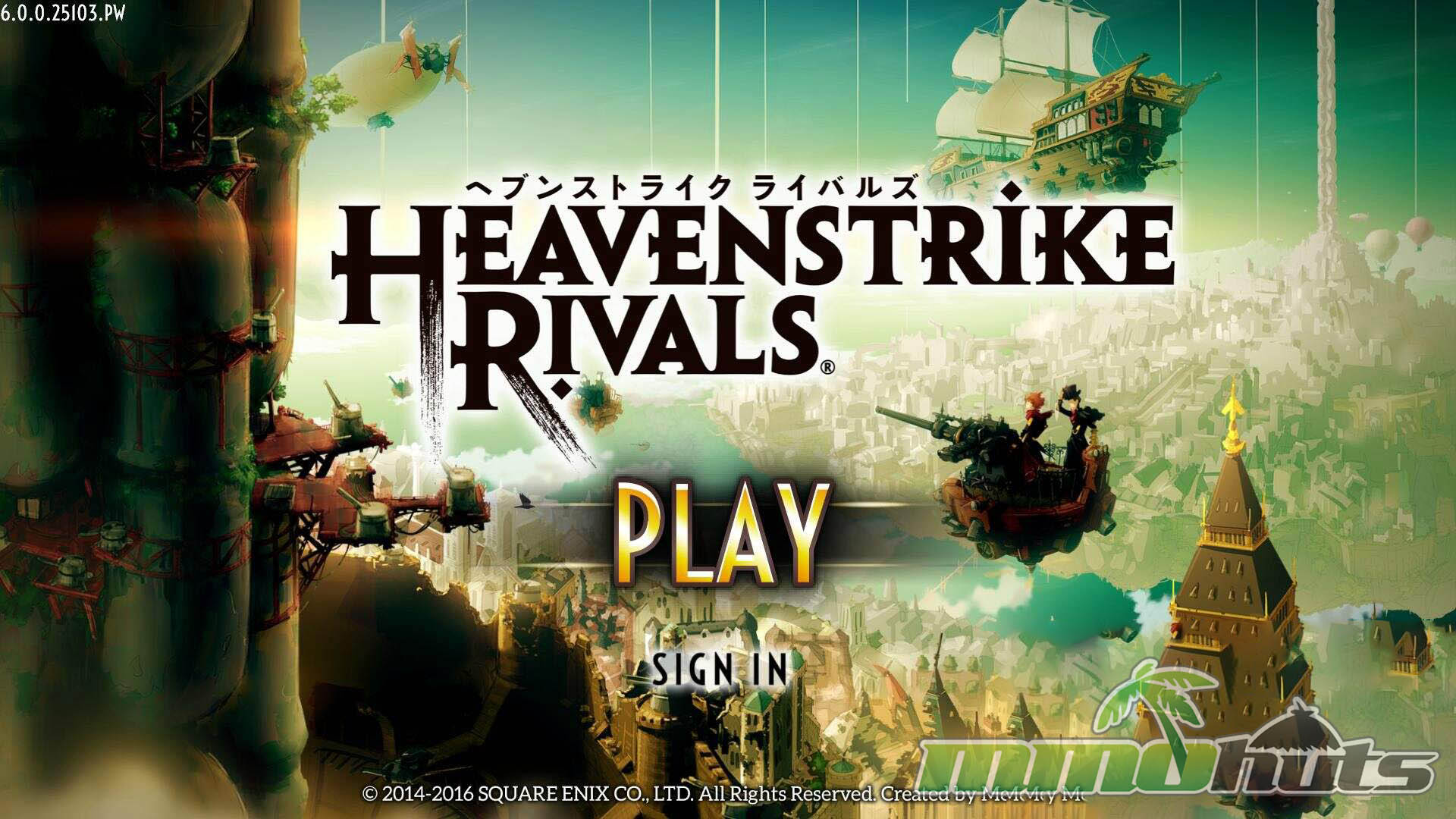 | Publisher: Square Enix Type: Mobile Turn-Based Strategy Release Date: August 29, 2013 Shut Down: May 01, 2018 PvP: Real-time League & Arena Battles Pros: +Huge selection of distinctive units to collect. +Frequent additions to the roster over time. +Campaign has an enjoyable narrative throughline. +Approachable ruleset with tactical depth. +Playable across multiple platforms. Cons: -Progression can feel repetitive. -Monetization can create power gaps. |
Heavenstrike Rival Shut Down on May 01, 2018
Heavenstrike Rivals Overview
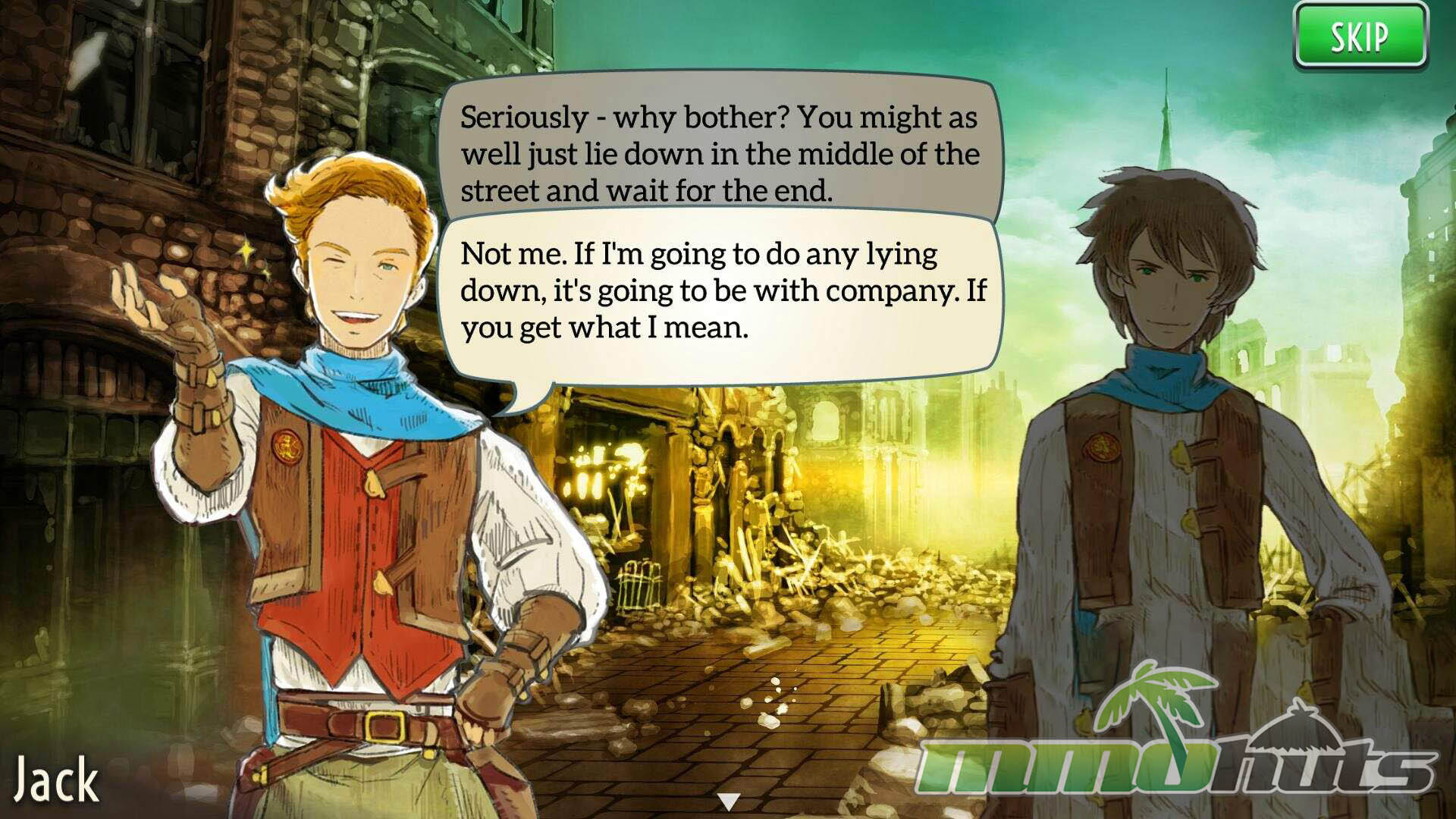
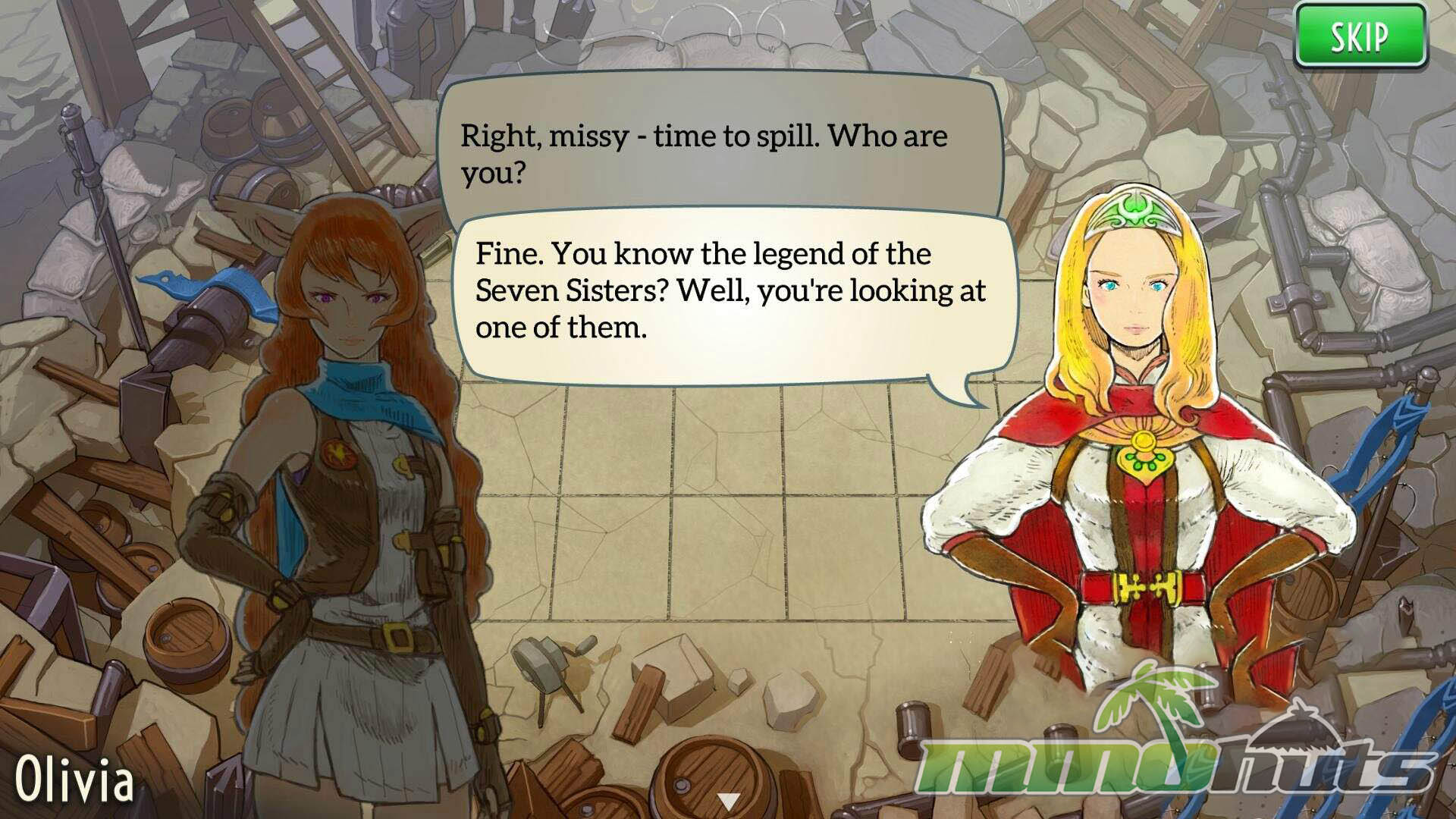
In Heavenstrike Rivals, you step into the boots of a freshly appointed captain of the Trinity Lions and get thrown into a conflict threatening the floating world of Lunnain. Square Enix frames the adventure around the Trinity Lions 39th squad, a colorful group tasked with pushing back the Fallen and rescuing the legendary Seven Sisters. The main loop blends a mission-based single player campaign with unit collecting and training, letting you gradually refine a squad pulled from an enormous pool of characters, from everyday fighters to celebrated heroes.
Combat is designed for short sessions but still rewards smart positioning. Battles play out on a compact 7×3 grid where lane control, timing your deployments, and predicting your opponent’s responses matter as much as raw stats. When you want a competitive challenge, the game supports real-time PvP, including League matchups and recurring Arena-style events where rule sets and restrictions encourage you to rebuild and rethink your squad rather than leaning on a single solution.
Heavenstrike Rivals Key Features:
- Easy to Pick Up, Hard to Master – tactical, turn-based encounters on a tight 7×3 battlefield where positioning and tempo win games.
- Enormous Unit Collection – recruit, upgrade, and battle with over 700 animated units spanning many roles and playstyles.
- Story Campaign Content – progress through missions in Lunnain while earning gold, items, and new units.
- Real-time Online Duels – face other players in live 1v1 matches that emphasize quick decision-making.
- Rotating Competitive Activities – climb rankings through League play and regularly scheduled Arena competitions.
Heavenstrike Rivals Screenshots
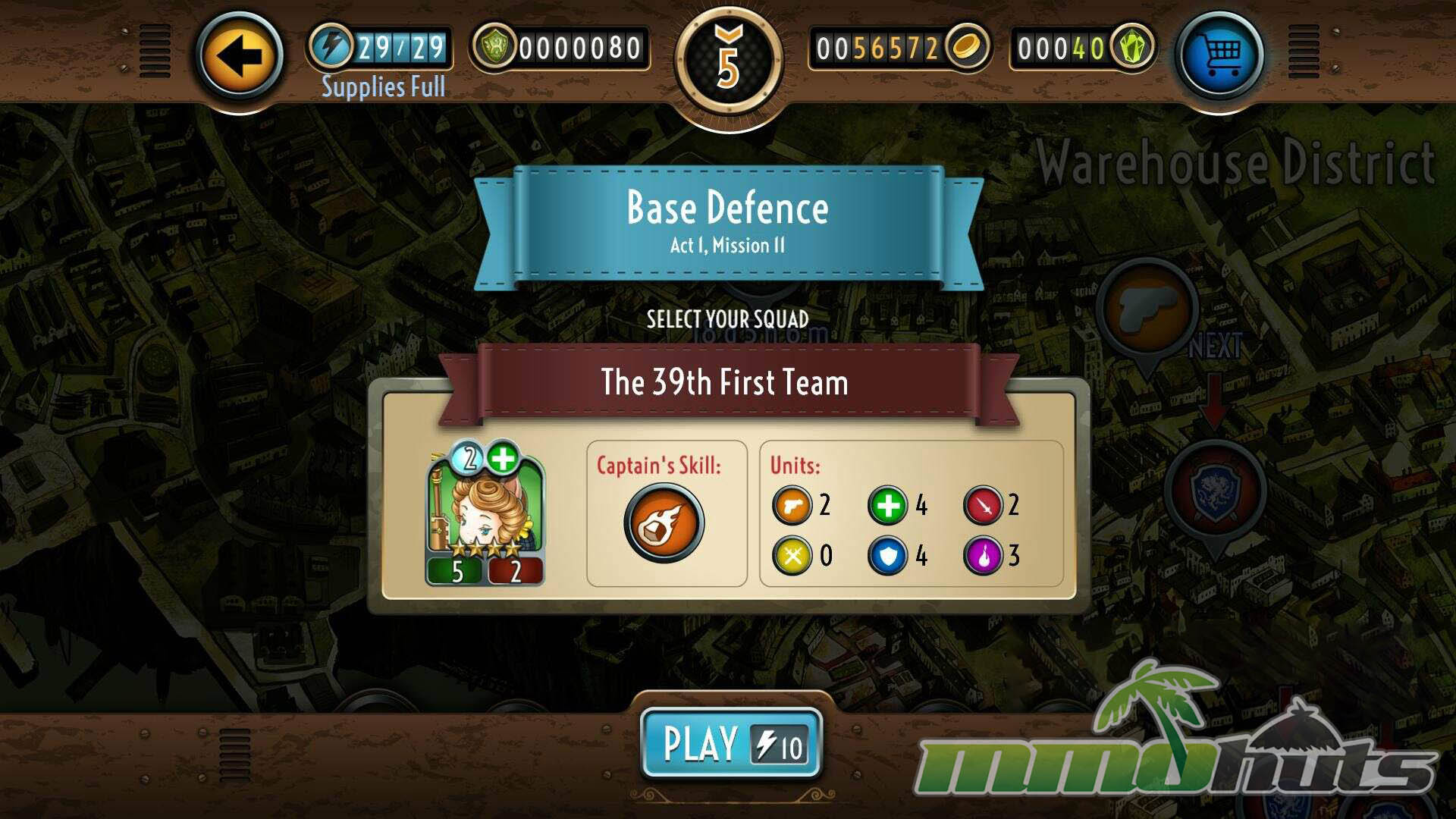
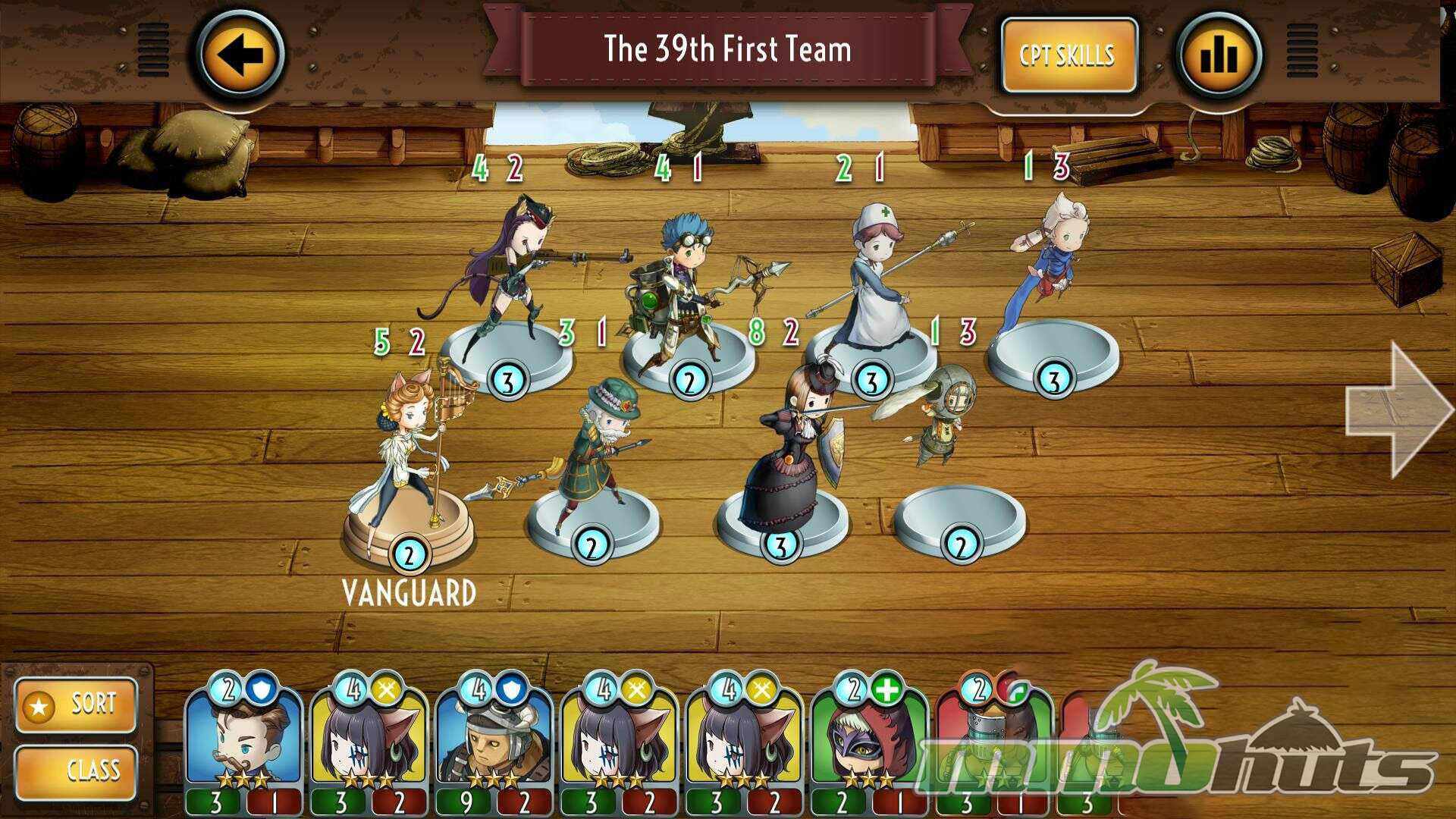
Heavenstrike Rivals Featured Video

Heavenstrike Rivals Unit Types:
Melee Units (1 Square Attack Range):
Scouts – fast movers that travel 3 squares and can strike twice in a turn, making them ideal for pressuring lanes, picking off fragile targets, and threatening captains when a path opens.
Fighters –advance 2 squares and grow stronger as they fight, gaining 1 attack each time they hit an enemy unit or captain. For their mana cost, they often become some of the most dangerous damage dealers if they stay alive.
Defenders –move 2 squares and apply Taunt when they attack, limiting an enemy unit’s ability to swap lanes. They generally bring high HP and defensive tools (protection and recovery) but lower damage output than other frontliners.
Ranged Units:
Gunners –slow to reposition (1 square of movement) but threaten from 3 squares away and can deal full damage to multiple units in their lane. They typically hold position and only advance when the lane is uncontested.
Mages –also move 1 square with a 3-square attack range, but their Blast damage spreads to units adjacent to the target, allowing strong punishments against clustered formations. Like Gunners, they usually push forward only after a lane clears.
Priests –support-focused units with 1-square movement and 2-square range. They are the primary healing option, trading survivability and raw damage for utility that can swing longer fights.
Heavenstrike Rivals Review
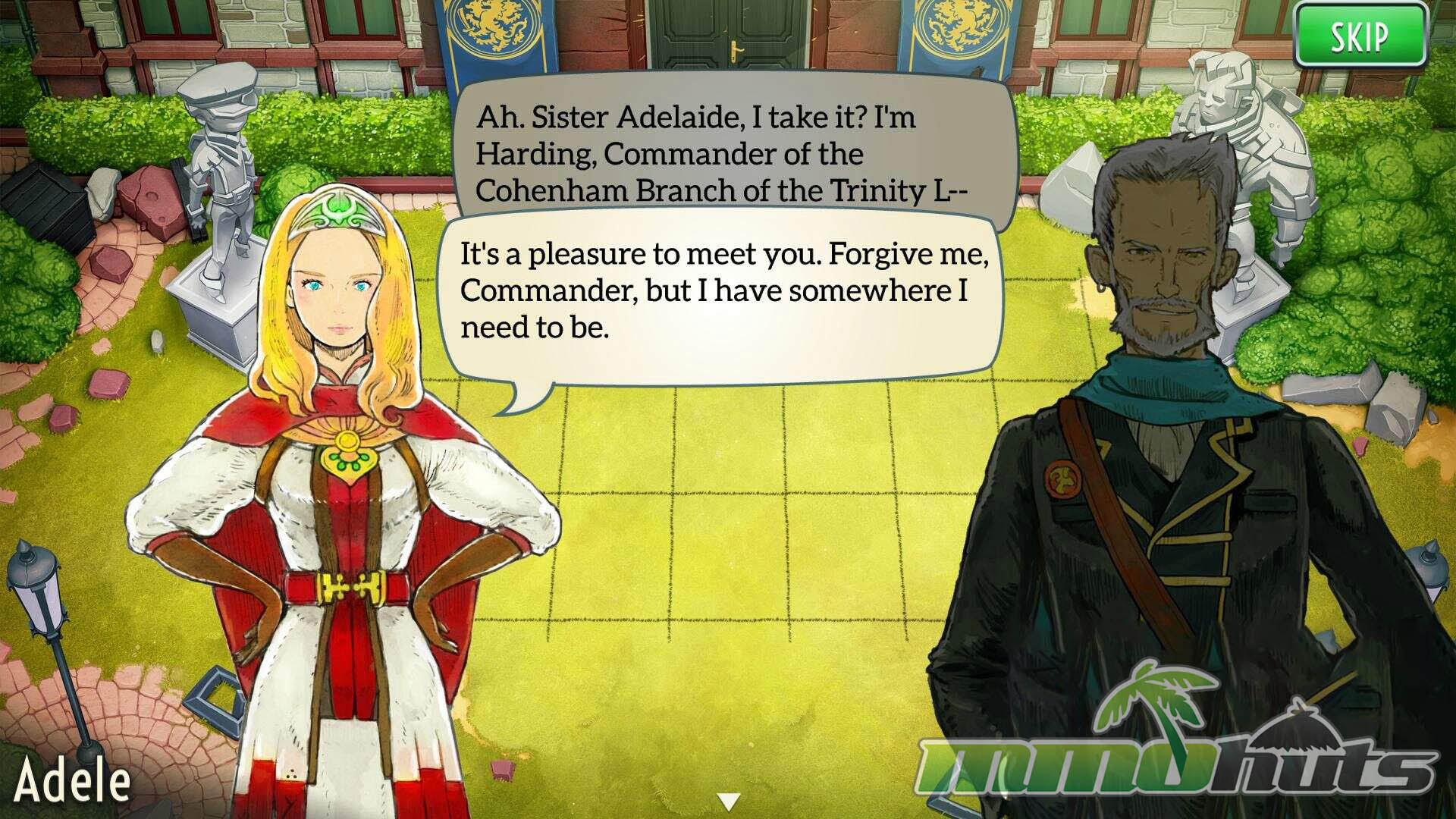
Heavenstrike Rivals is Square Enix’s take on a mobile-friendly tactics RPG, built around quick matches, unit collection, and live PvP. The setting is Lunnain, a city suspended by colossal chains and overseen by a Guardian chosen by the divine Seven Sisters once every century. After centuries of stability, the Fallen arrive via the chains and begin tearing into that peace. Your role as a Trinity Lions captain places you in the middle of that crisis, moving from mission to mission with the 39th squad as the story gradually opens up new enemies and challenges.
Visually, the game leans into crisp 2D art, expressive effects, and character designs that fit well within the tactics RPG tradition. The chibi-style battlefield pieces and anime-inspired portraits are not trying to be cutting-edge, but they are readable on small screens and hold up nicely over time. Sound is similarly in-theme, with energetic, fantasy-leaning music that keeps matches feeling light even when the competition gets tense. Availability across Android and iOS also suits the game’s “play a few battles anywhere” structure, assuming you have a stable connection.
Joining the 39th
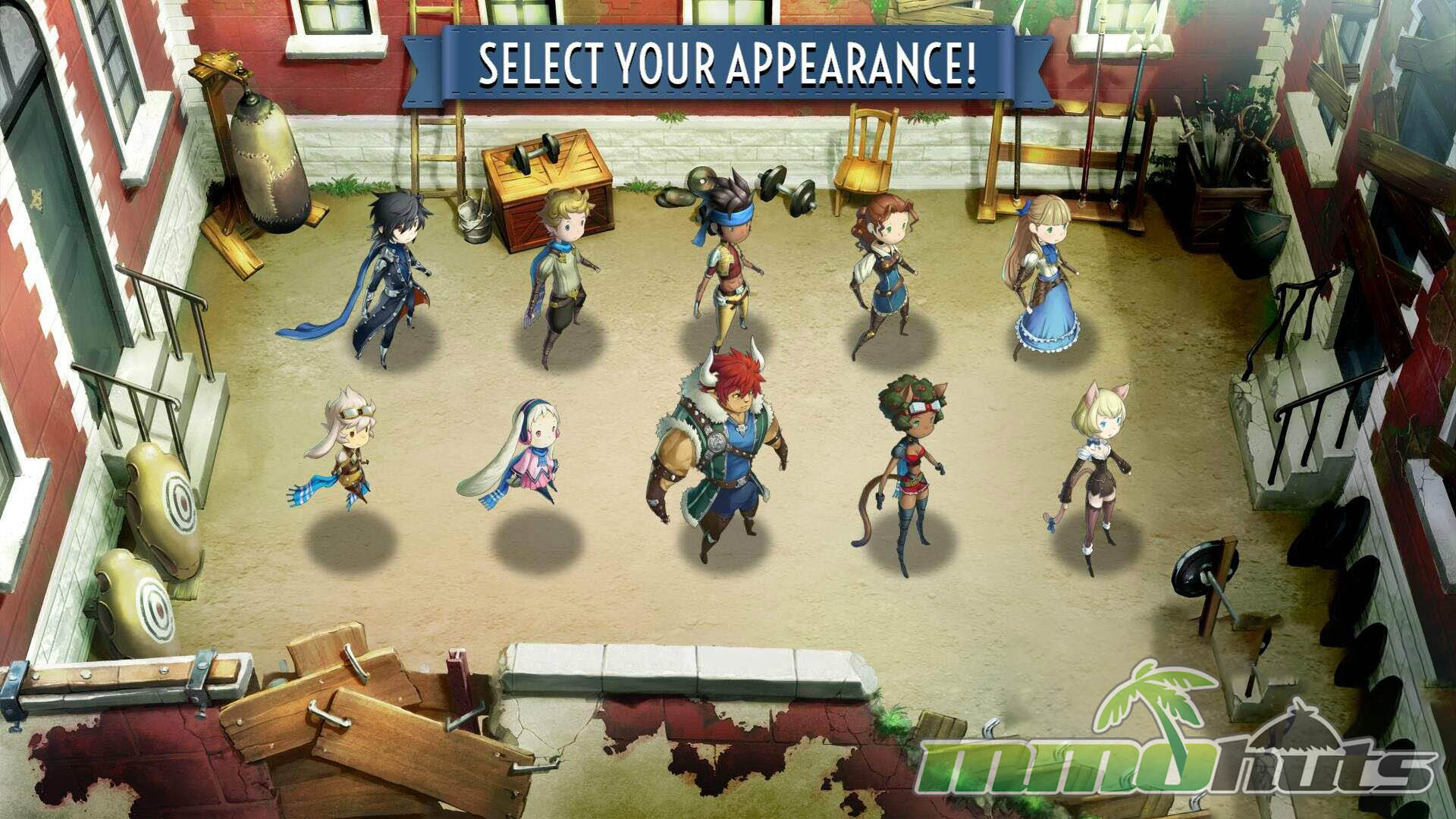
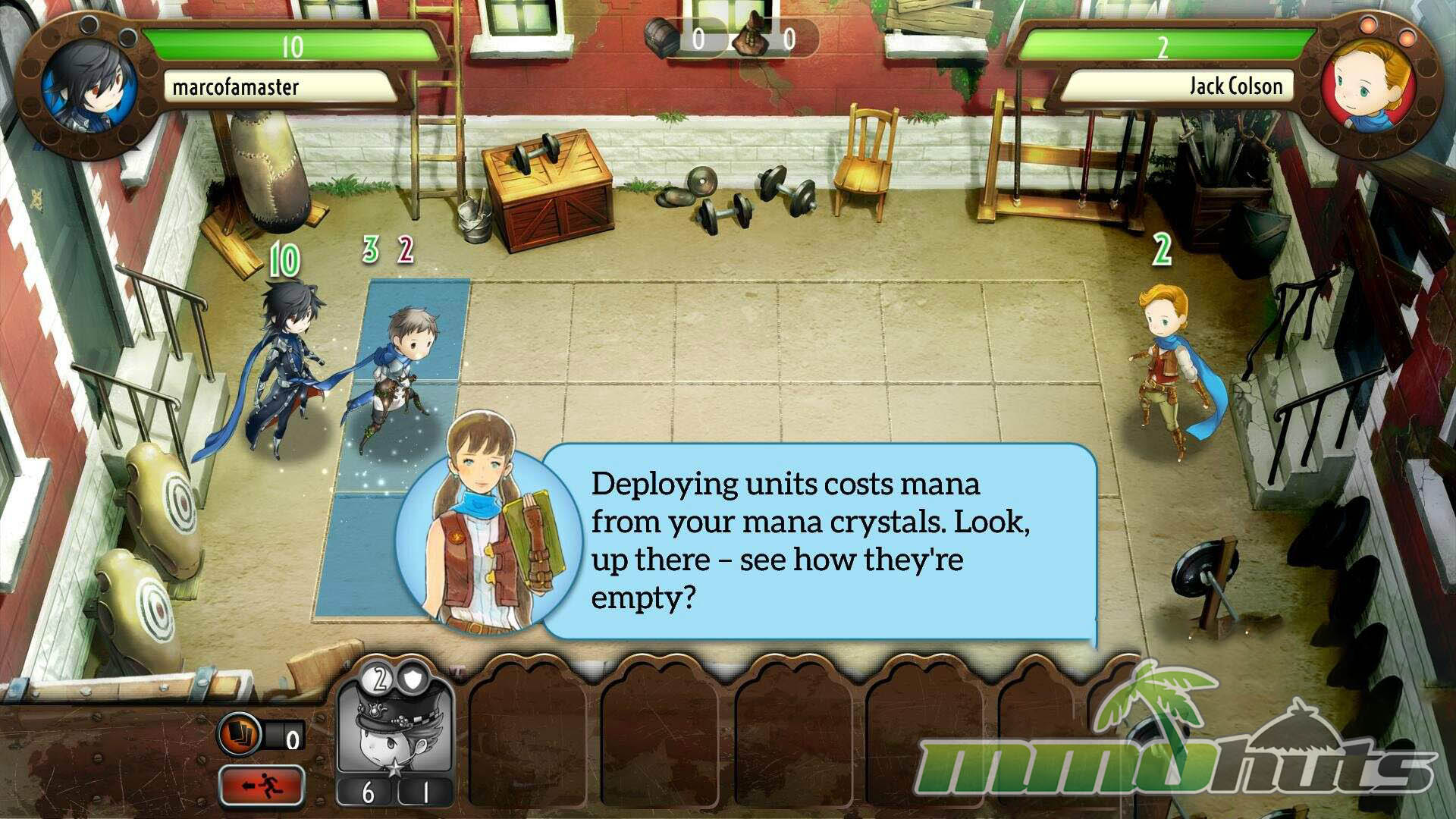
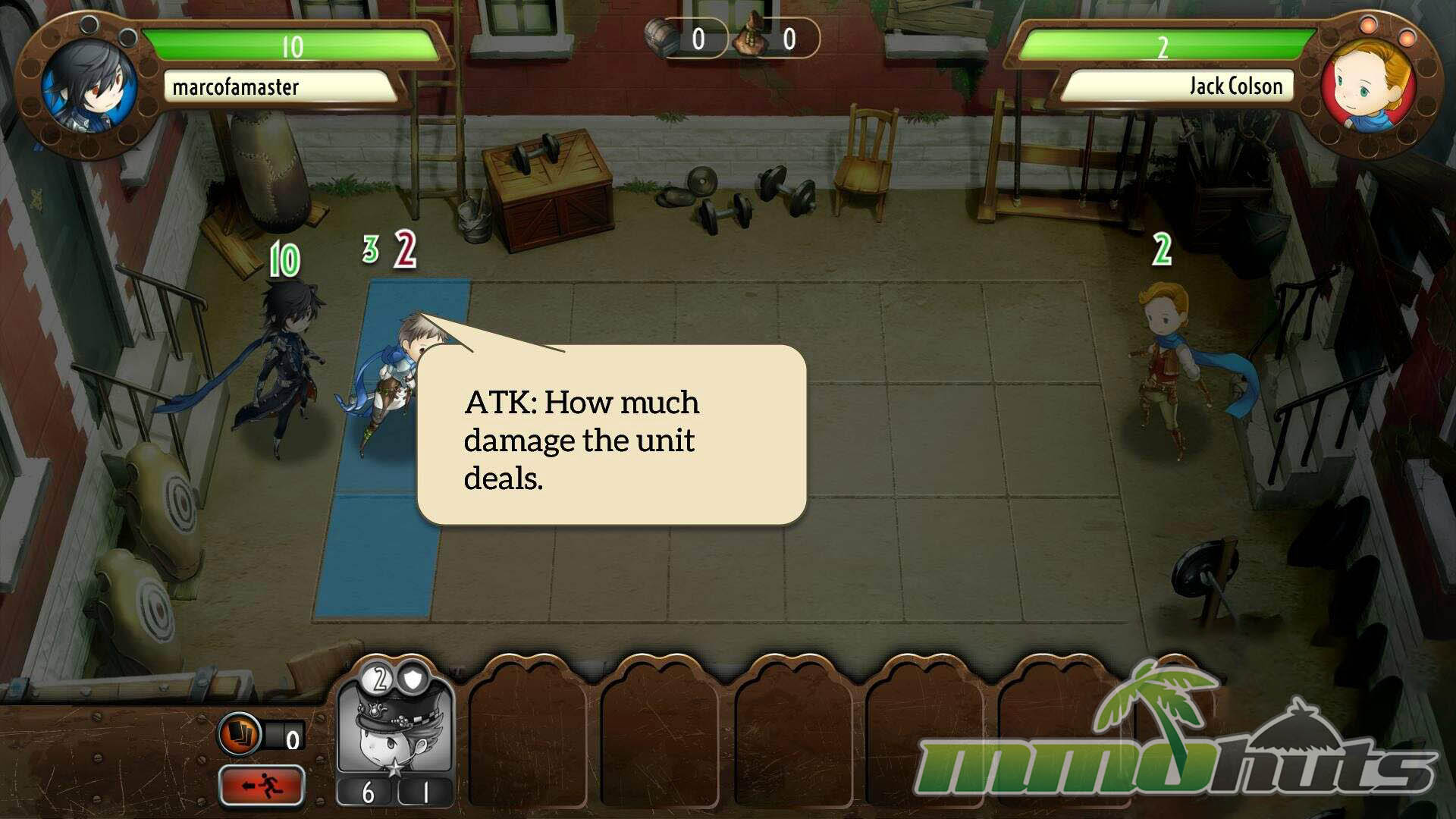
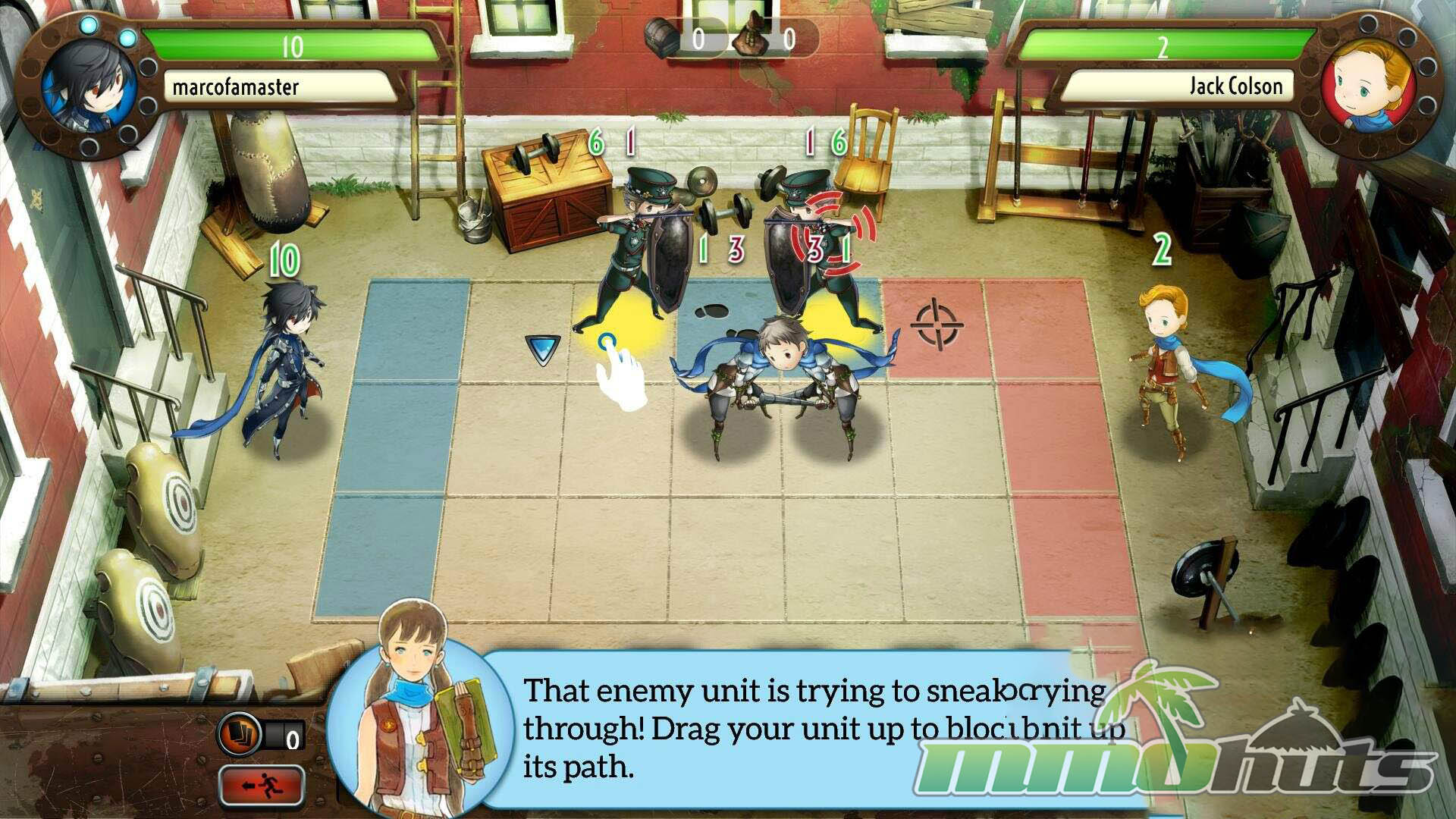
Early on, the game eases you in through guided battles that function as both tutorial and narrative introduction. You learn how turns flow, where units can be placed, and how abilities change the board state. It also introduces the basics of recruiting and managing a squad, which is important because progression is as much about roster management as it is about moment-to-moment tactics. One limitation is presentation on the player identity side, you select from preset avatars and a name, but there is no deeper character customization.
Building a Squad Like a Card Deck
Squad construction is where Heavenstrike Rivals starts to separate itself from traditional tactics RPGs. Instead of moving a fixed party around a map, you bring a 15-unit lineup into battle and draw from it as the match progresses, similar to a deck system in card games. One slot is dedicated to your Vanguard unit, which reliably appears in your hand, while the remaining units cycle in randomly, pushing you to build with consistency and contingency in mind.
Recruitment and rewards feed that system. You begin with a basic roster and expand it through earned drops and through recruiting with Cores (the premium currency). Unit roles fall into clear archetypes (Scouts, Fighters, Defenders, Gunners, Mages, and Priests), and while rarity runs from 1-star up to 5-star Legendary, higher rarity does not automatically mean “best in slot.” Team synergy, mana curve, and how you prefer to control lanes often matter more than chasing a single flashy unit.
Upgrading units is straightforward but time-consuming. You raise levels by spending Gold and either consumable items or other units as training materials. Items grant fixed experience, while sacrificing units grants varying experience based on their level, which creates the familiar mobile RPG tension of deciding what to keep and what to feed. At level 15, promotion becomes available, boosting core stats if you have the required materials, which you can obtain from missions or daily rewards. It is a clean system, but it can encourage hoarding and repetitive farming.
Winning Means Breaking the Enemy Captain
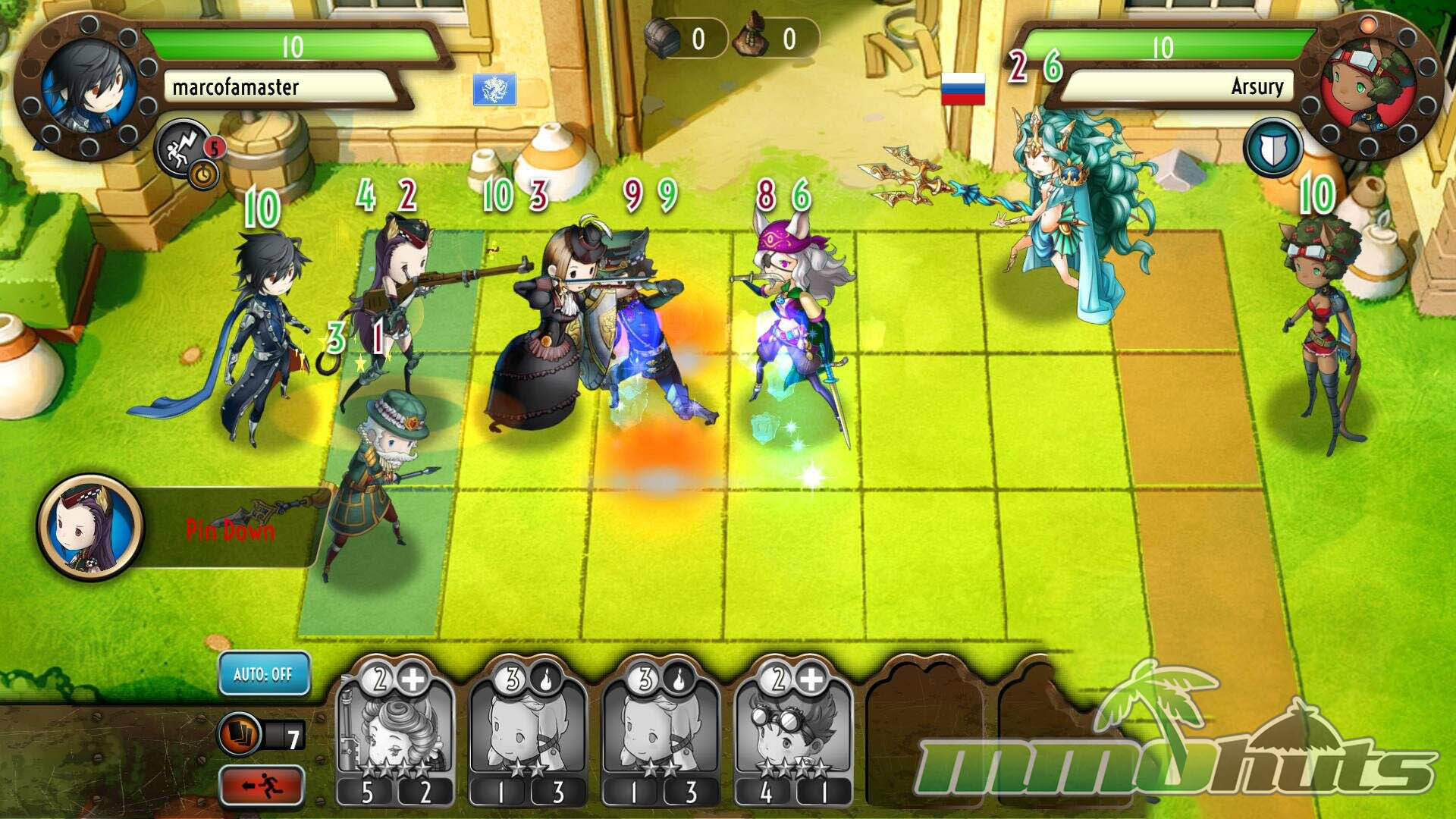
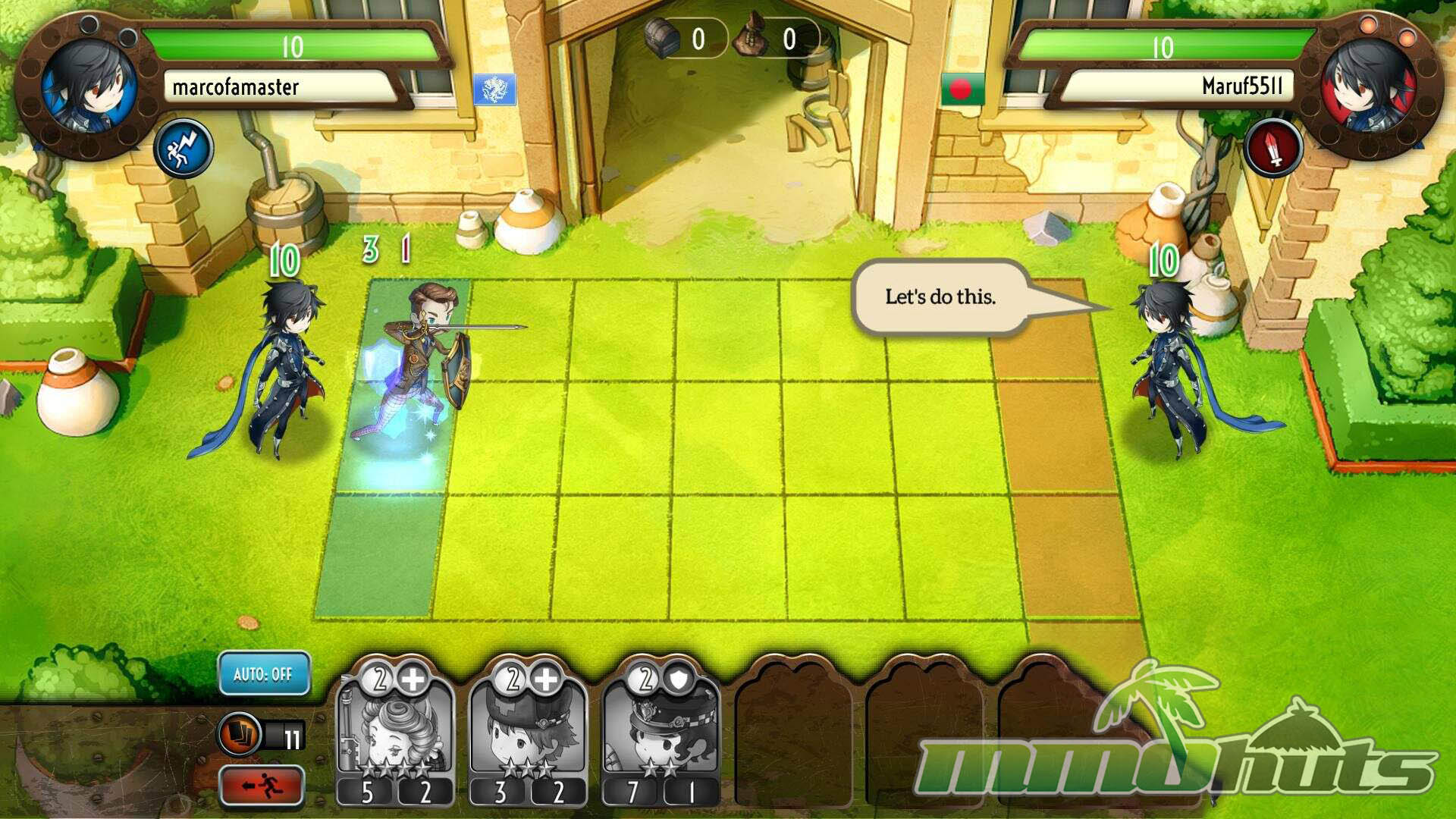
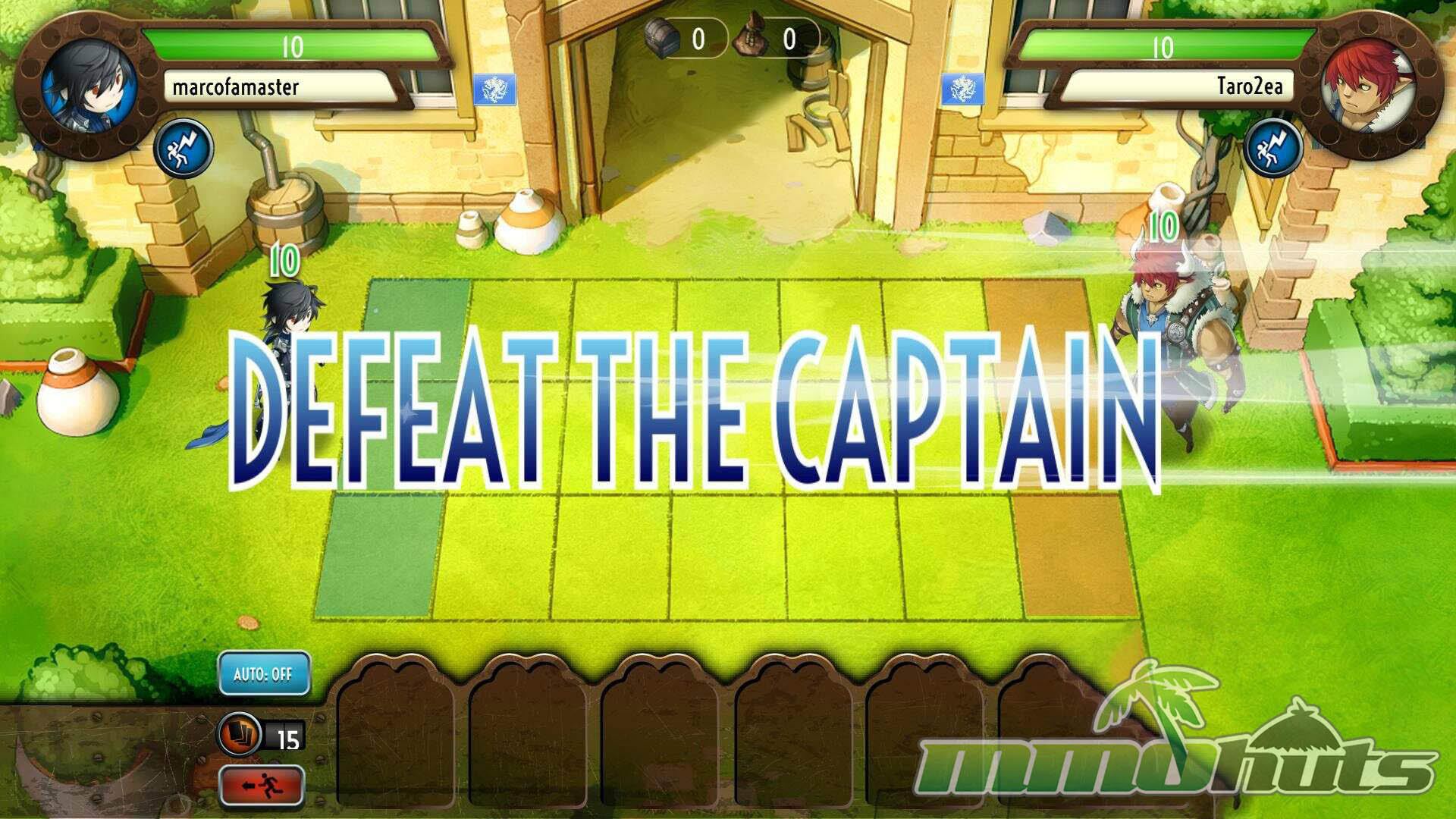
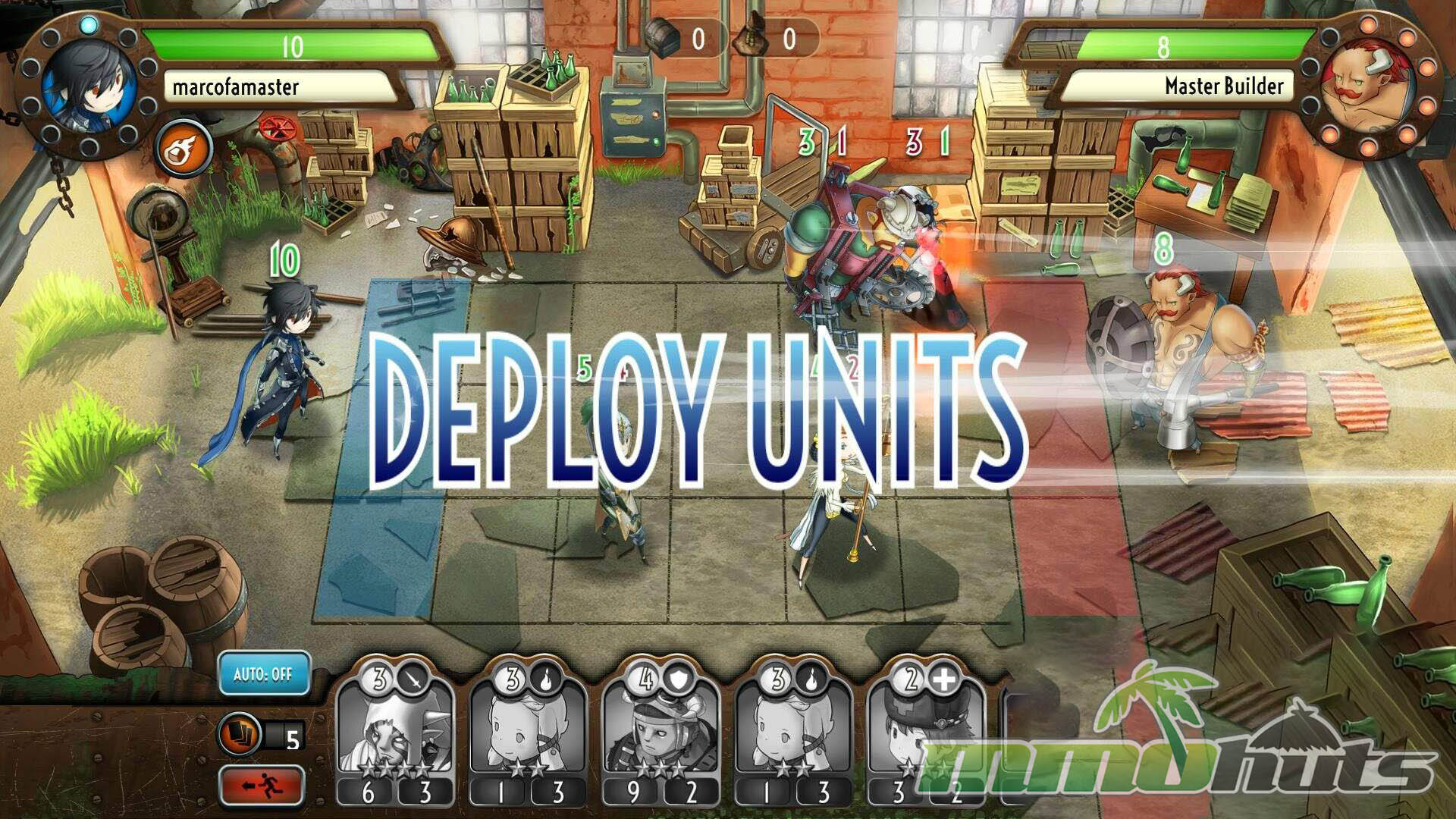
Matches play out on a 7×3 grid, small compared to many tactics games, but deliberately so. You occupy the left side while the opponent starts on the right, and the primary win condition is simple, reduce the opposing captain’s HP to zero by getting your units into unopposed attack positions. The compact field makes every placement meaningful, and lane control becomes the real “terrain” you are fighting over.
There are a few important rule distinctions between PvE and PvP. AI battles can run without a turn limit, while PvP matches cap out at 30 turns with 60 seconds per turn. Player captains have 10 HP, while AI captains vary. In practice, most PvP games end before the limit, because a single misread on a lane can snowball quickly.
Mana management is the other major strategic layer. You begin with 2 MP and gain 2 MP per turn up to a maximum of 10. Units cost between 2 and 6 MP and can be deployed onto the three blue tiles closest to your side. The battlefield itself cannot exceed 10 MP worth of units at a time, and when a unit is defeated, its MP cost returns to your pool. This creates a constant rhythm of deploying, trading, and redeploying, and it rewards players who can plan two turns ahead without overcommitting.
PvP Modes and Event Structure
Competitive play is a major pillar, with League battles, Arena competitions, and periodic PvP events. League is generally the “no strings attached” ladder format, where you fight with your full collection and earn Sacred Shields used for buying units and training resources. Arena competitions run on a timed schedule (two weeks at a time) and introduce restrictions that limit which units are allowed. Those constraints do a lot of good for the meta, because they push experimentation and prevent every match from feeling like the same handful of lineups.
Arena rewards are tied to trophies earned through wins, and the prize structure encourages sustained participation. The featured unit rewards at milestone trophy counts also provide a clear goal to chase. If you enjoy adapting to shifting rules and building squads for a specific environment, Arena tends to be the more interesting mode.
Premium Currency Pressure
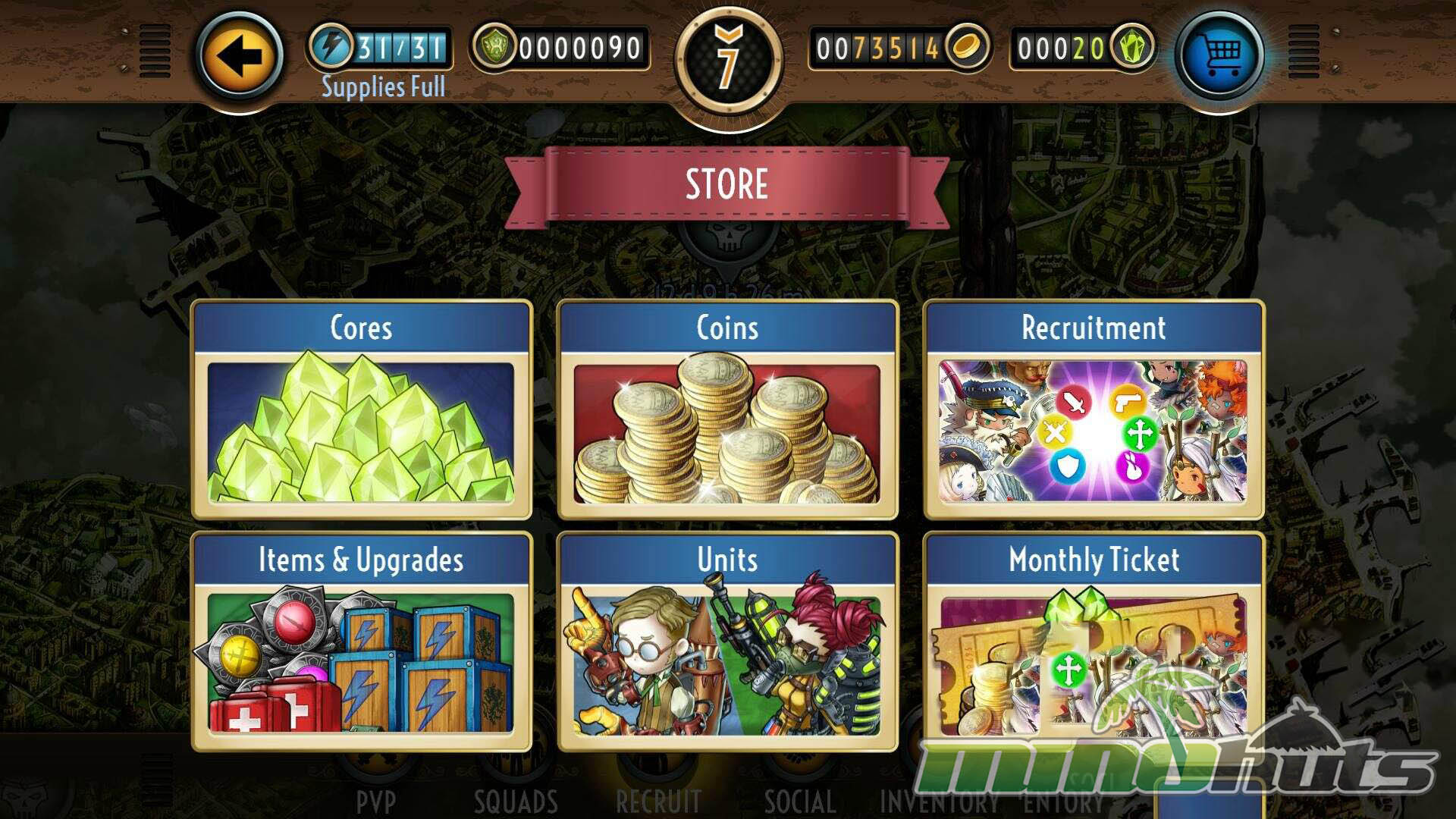
The game’s biggest friction point is how strongly progression can lean on recruitment luck and premium currency. You can obtain units through campaign play, but the realistic path to consistently landing rare and legendary units is recruiting through the menu with Cores. The pricing is simple: 5 Cores for one random unit, or 45 Cores for a set of 10. Cores can be purchased or earned through missions, but earning them through play is slower and tends to push players toward repeated grinding.
Energy limitations reinforce that loop on mobile. Players have 30 Energy, and single player battles consume a set amount per run. Energy refills over time (one point every 5 minutes) and can be restored instantly with Cores or by leveling up. This is standard for the genre, but combined with the importance of recruitment, it can create a noticeable gap between patient free players and spenders with more rolls and faster farming.
Final Verdict – Good
Heavenstrike Rivals delivers a polished, fast-paced tactics experience with an appealing art style, a surprisingly tactical grid system, and a huge roster that supports many different squad concepts. The downside is that long-term strength can hinge on grinding and premium recruitment, which can undercut the tactical purity when matchmaking puts you against better-statted, more efficient squads. Still, for players who enjoy collecting units, tweaking lineups, and squeezing value out of a compact battlefield, it is an easy recommendation, especially as a “play in short bursts” alternative to other mobile mainstays.
Heavenstrike Rivals Online Links
Heavenstrike Rivals Official Site
Heavenstrike Rivals Steam Page
Heavenstrike Rivals Google Play
Heavenstrike Rivals iTunes
Heavenstrike Rivals Wiki [Guides / Info]
Heavenstrike Shut Down Notice
Heavenstrike Rivals System Requirements
Minimum Requirements:
Operating System: Windows 7
CPU: Intel 2GHz Core2 Duo / AMD Athlon 64 x2 2.4GHz
Video Card: Intel HD 4000
RAM: 3 GB
Hard Disk Space: 2 GB
Recommended Requirements:
Operating System: Windows 7, 8, 10
CPU: 2.7GHz Intel Core i5
Video Card: Intel HD 4000
RAM: 4 GB
Hard Disk Space: 2 GB
The game is also available for both Android and iOS mobile devices.
Heavenstrike Rivals Music & Soundtrack
Coming Soon…
Heavenstrike Rivals Additional Information
Developer: Mediatonic
Publisher: Square Enix
Distributor: Steam
Mobile Release Date: December 16, 2014
Steam Release Date: May 24, 2016
Shut Down: May 01, 2018
Development History / Background:
Heavenstrike Rivals is a free-to-play, turn-based strategy title developed by Mediatonic and published by Square Enix. It first launched on iOS and Android devices on December 16, 2014, then later arrived on PC via Steam on May 24, 2016. Service for the game ended across all platforms on May 01, 2018, bringing both its PvE and PvP components to a close.