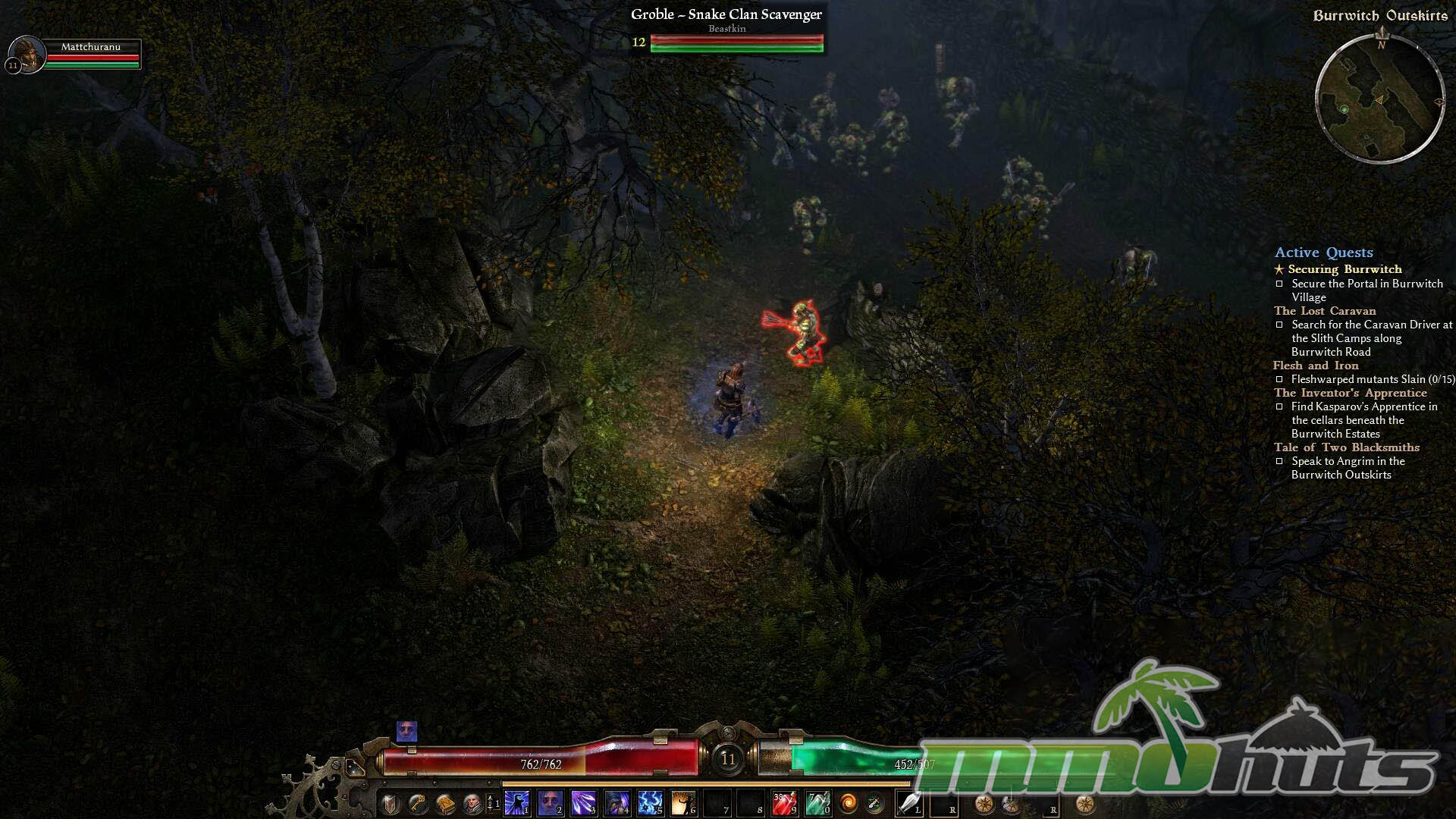
Grim Dawn is a dark fantasy action RPG where humanity is on the brink of collapse. Fight through a ruined world solo or with up to four players, complete a huge range of quests, and hunt for piles of randomized loot while shaping your character with an extensive skill system.
 | Publisher: Crate Entertainment Playerbase: Medium Type: Action RPG Release Date: February 25, 2016 Pros: +A faithful, old-school ARPG loop. +Co-op for up to four players. +Flexible dual-class build crafting. +Tons of randomized loot to chase. +Factions add meaningful choices and rewards. Cons: -Story beats rarely grab you. -Areas often funnel you down straightforward routes. -Performance can be uneven on some setups. |

Grim Dawn Overview
Grim Dawn is an action RPG from Crate Entertainment, a studio formed by veterans tied to Titan Quest. It drops you into a bleak setting where civilization has been shattered and the remaining people are trying to survive against supernatural forces and hostile factions. Your character is one of the few capable fighters left standing, and much of the adventure revolves around pushing back the darkness, helping settlements endure, and deciding who deserves your trust when resources are scarce and motives are questionable.
Mechanically, the game is built around the familiar ARPG rhythm of clearing zones, turning in quests, and constantly upgrading gear. You begin by selecting one of six masteries, then later pair it with a second mastery to create a hybrid class identity that supports very different playstyles. Loot is plentiful and heavily randomized, with affixes and item-granted effects that can meaningfully alter your build, and crafting is available through a recipe-driven system for players who prefer planning over pure drops. Factions also play a major role, rewarding cooperation with access to exclusive quests and bonuses while turning hostility into an ongoing threat, so your decisions have lasting gameplay consequences.
Grim Dawn Key Features:
- Classic action RPG gameplay – designed in the spirit of the genre’s older greats, with a strong focus on combat pacing, loot upgrades, and character builds.
- Dual-classing – pick two of the six classes to form a combined mastery setup, opening up a wide range of synergies and playstyles.
- Hundreds of items – a deep loot pool with randomized affixes and item-based bonuses that keep gear hunting engaging over long sessions.
- Encounter various factions – ally with groups for special quests and rewards, or make enemies that will actively work against you.
- Your choices matter – quests frequently present decisions that can change outcomes, relationships, and what you face later.
Grim Dawn Screenshots
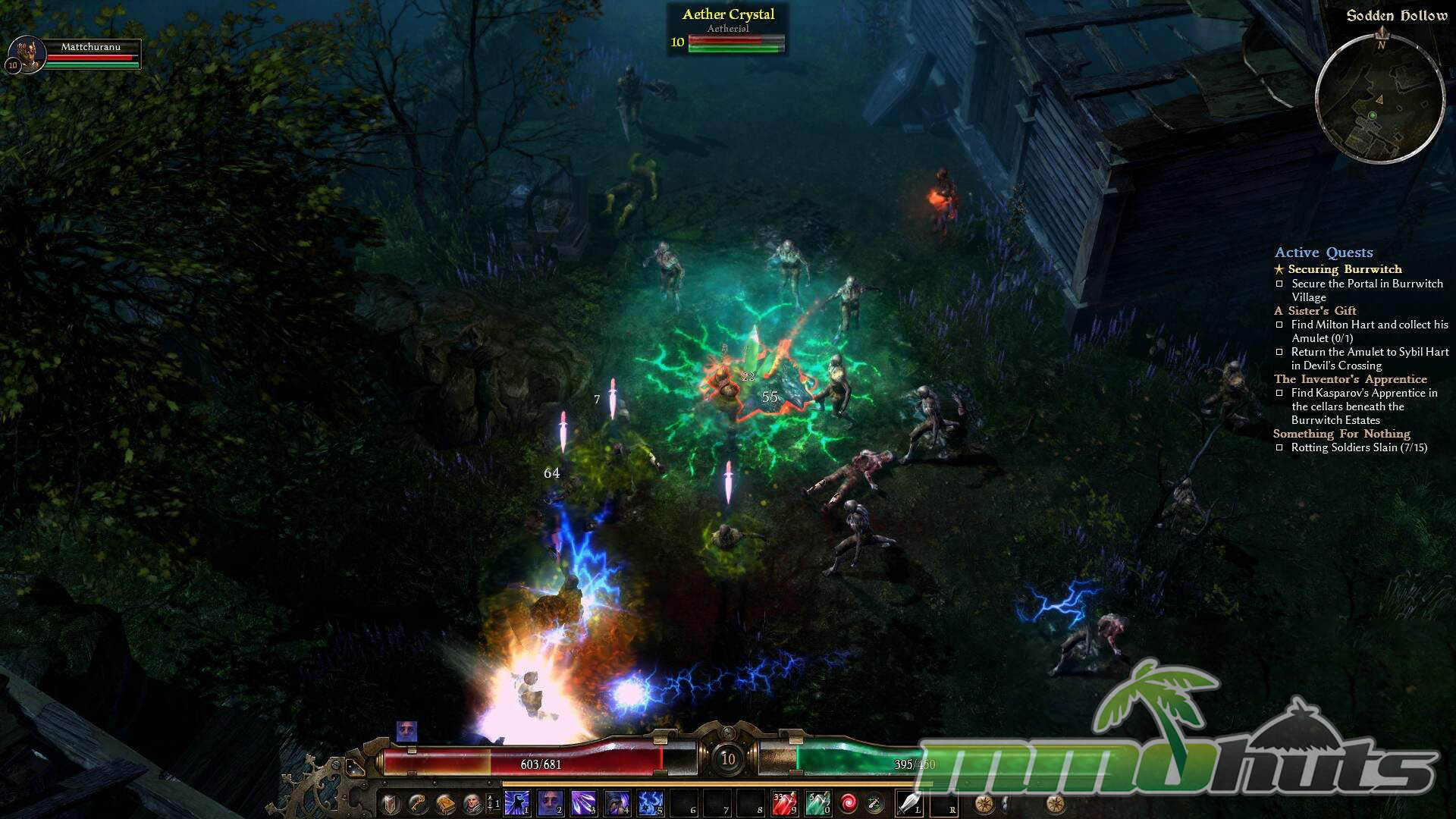
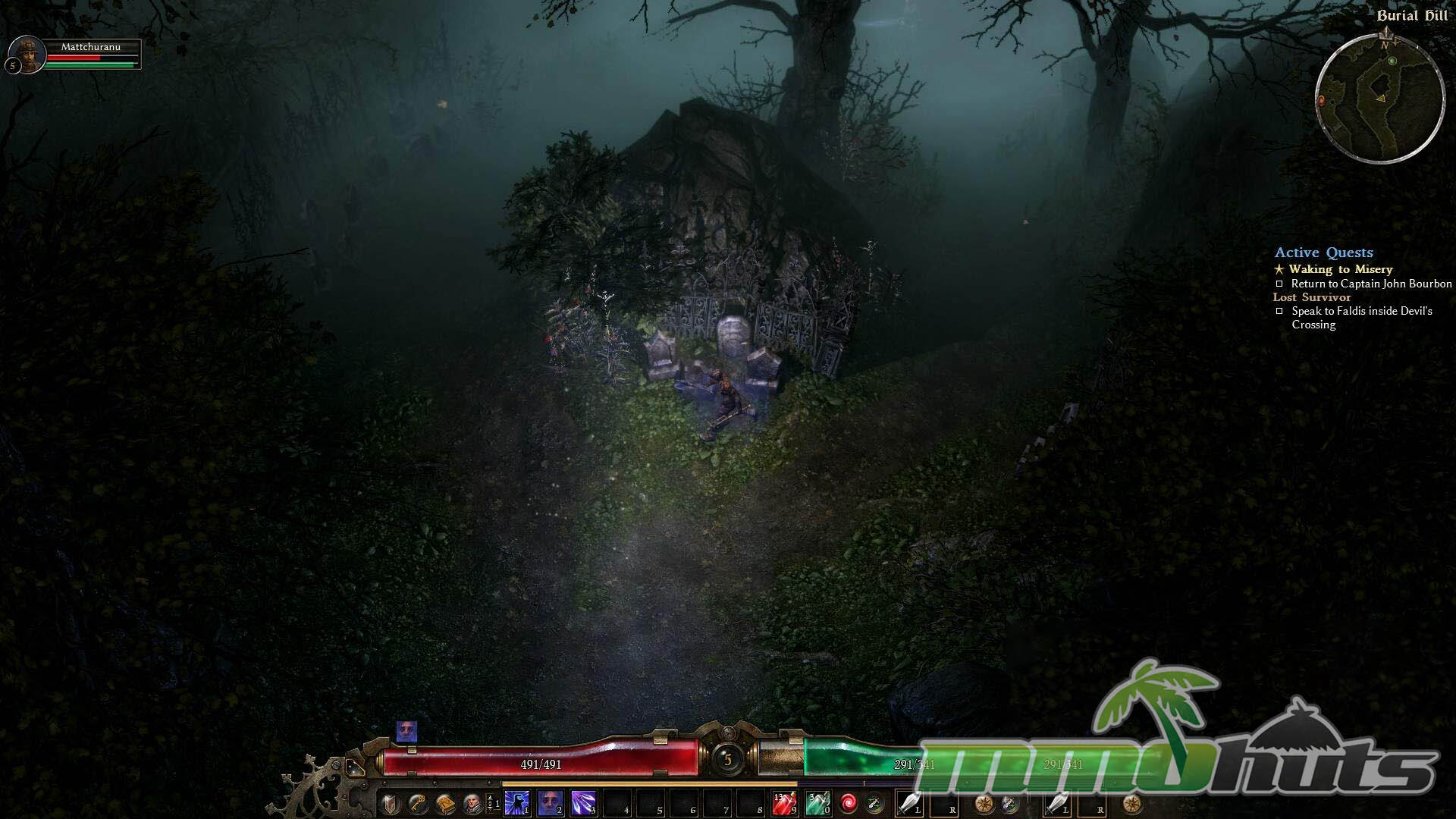

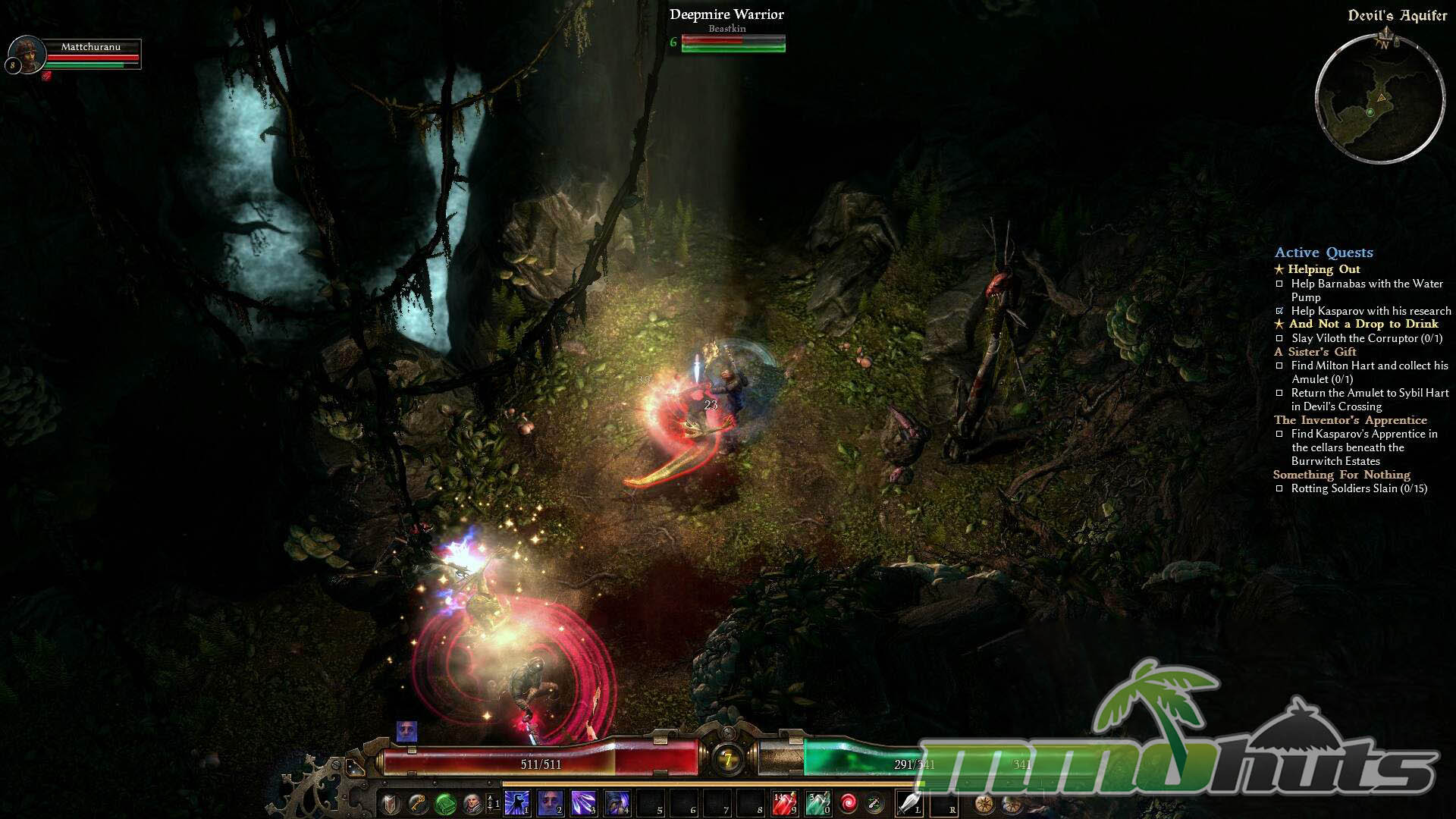
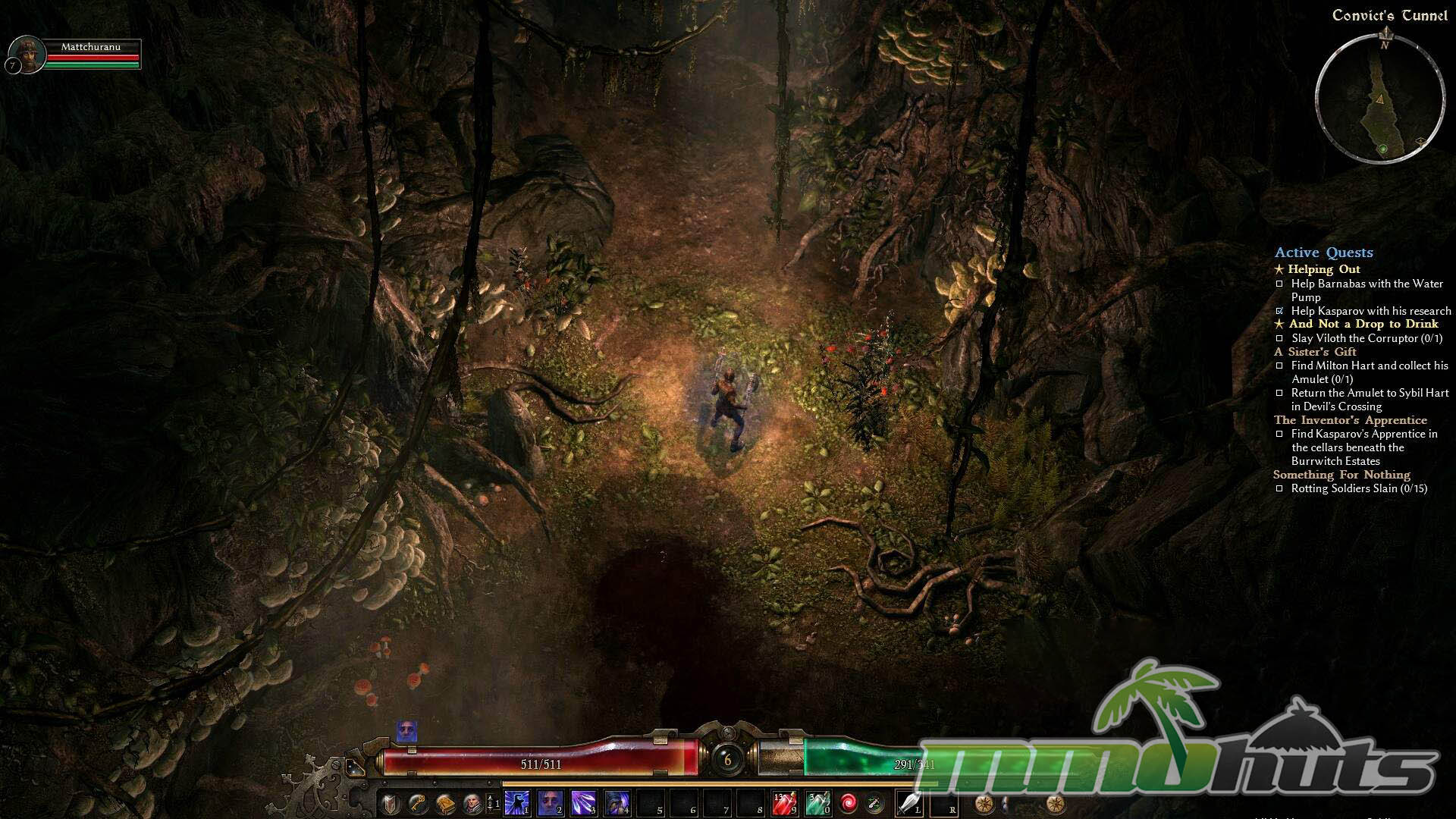

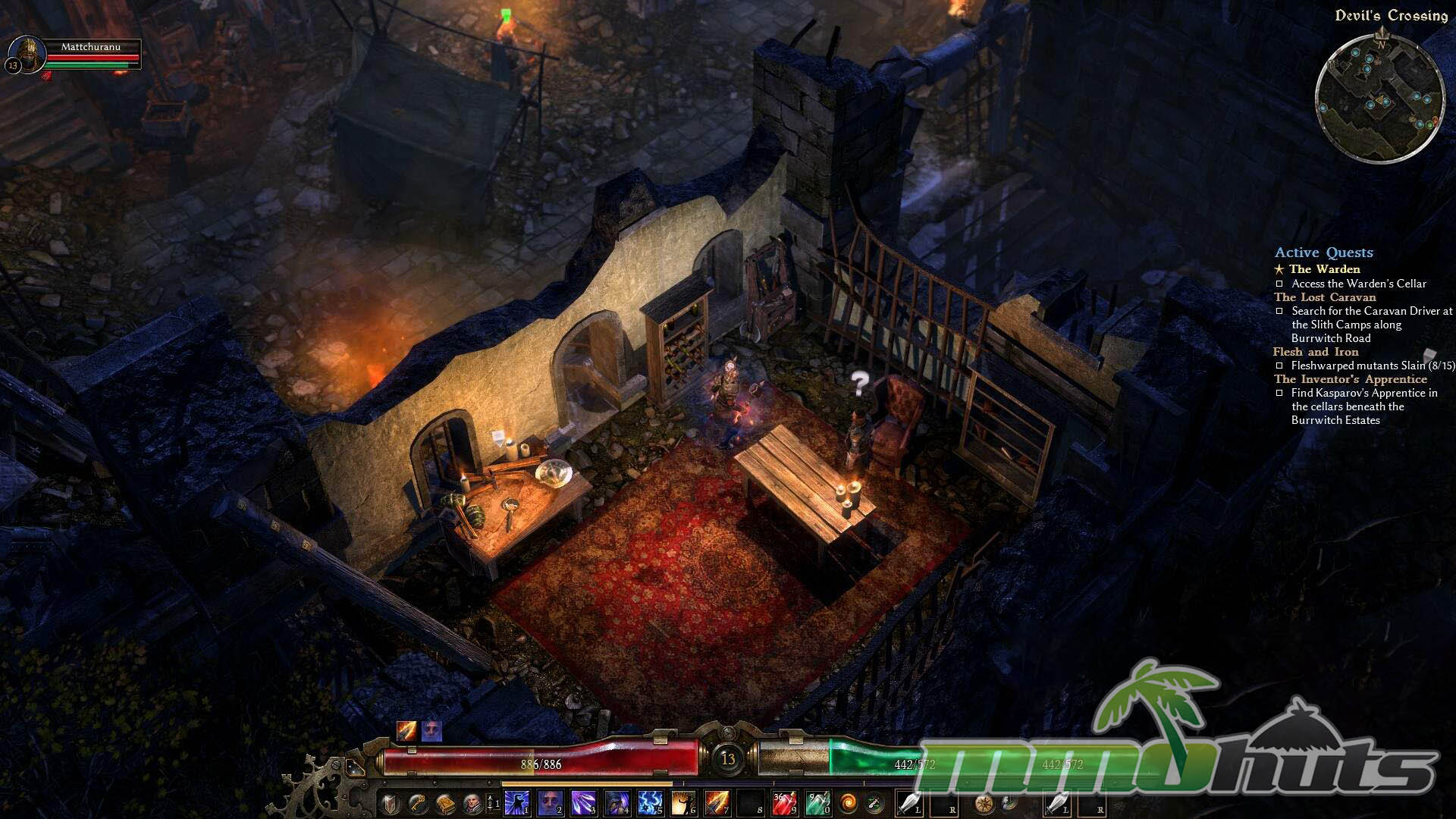
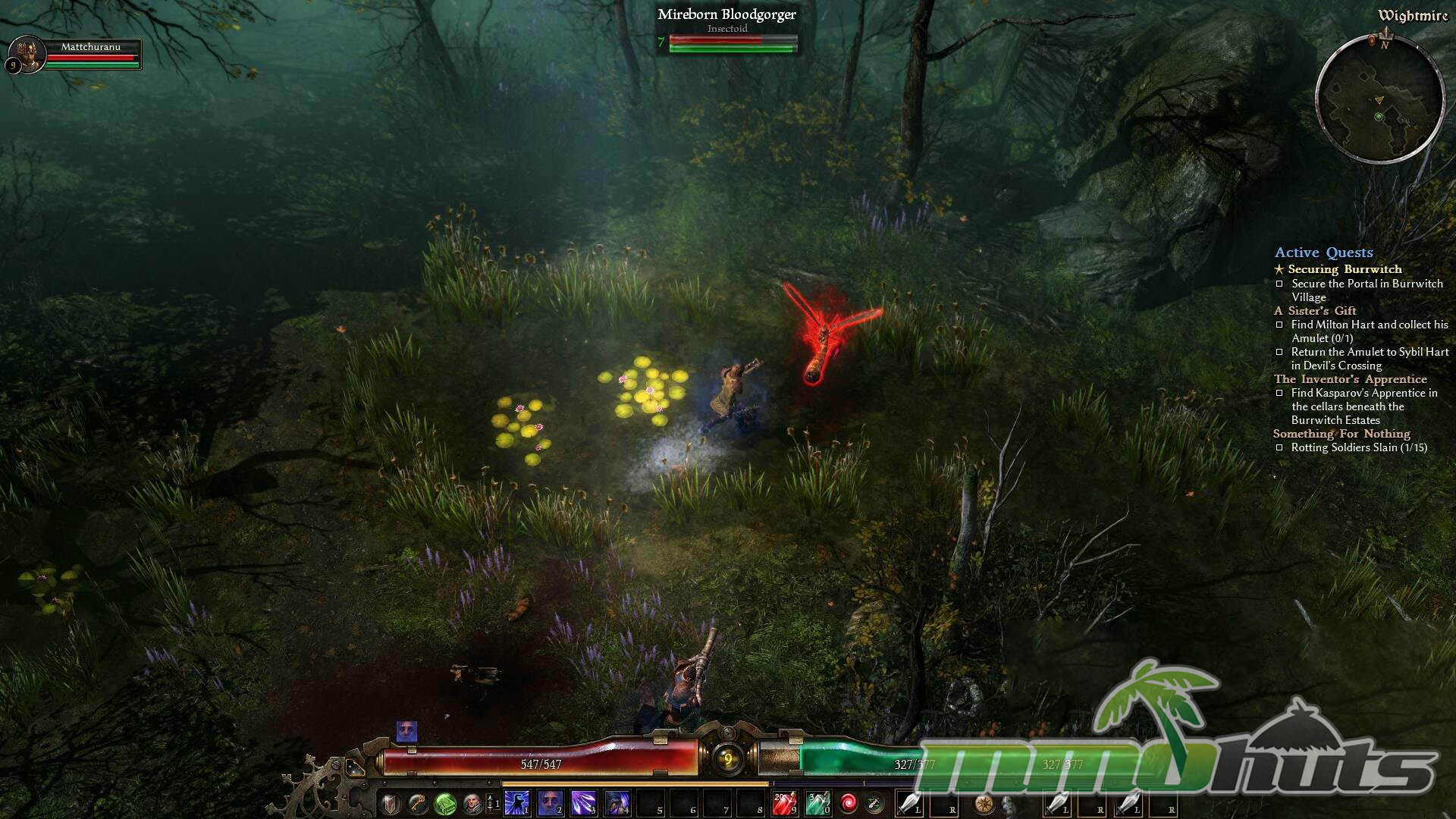

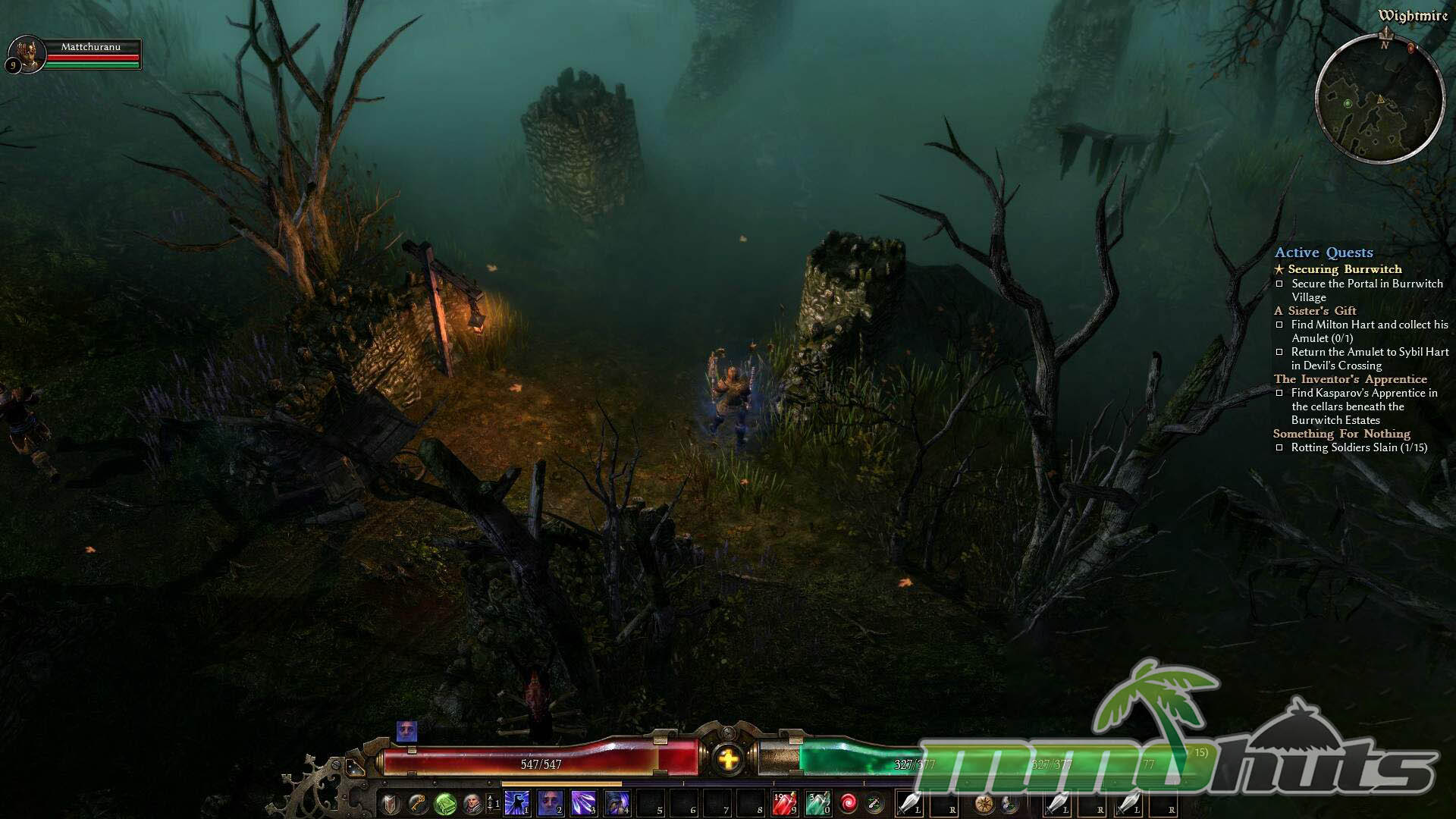
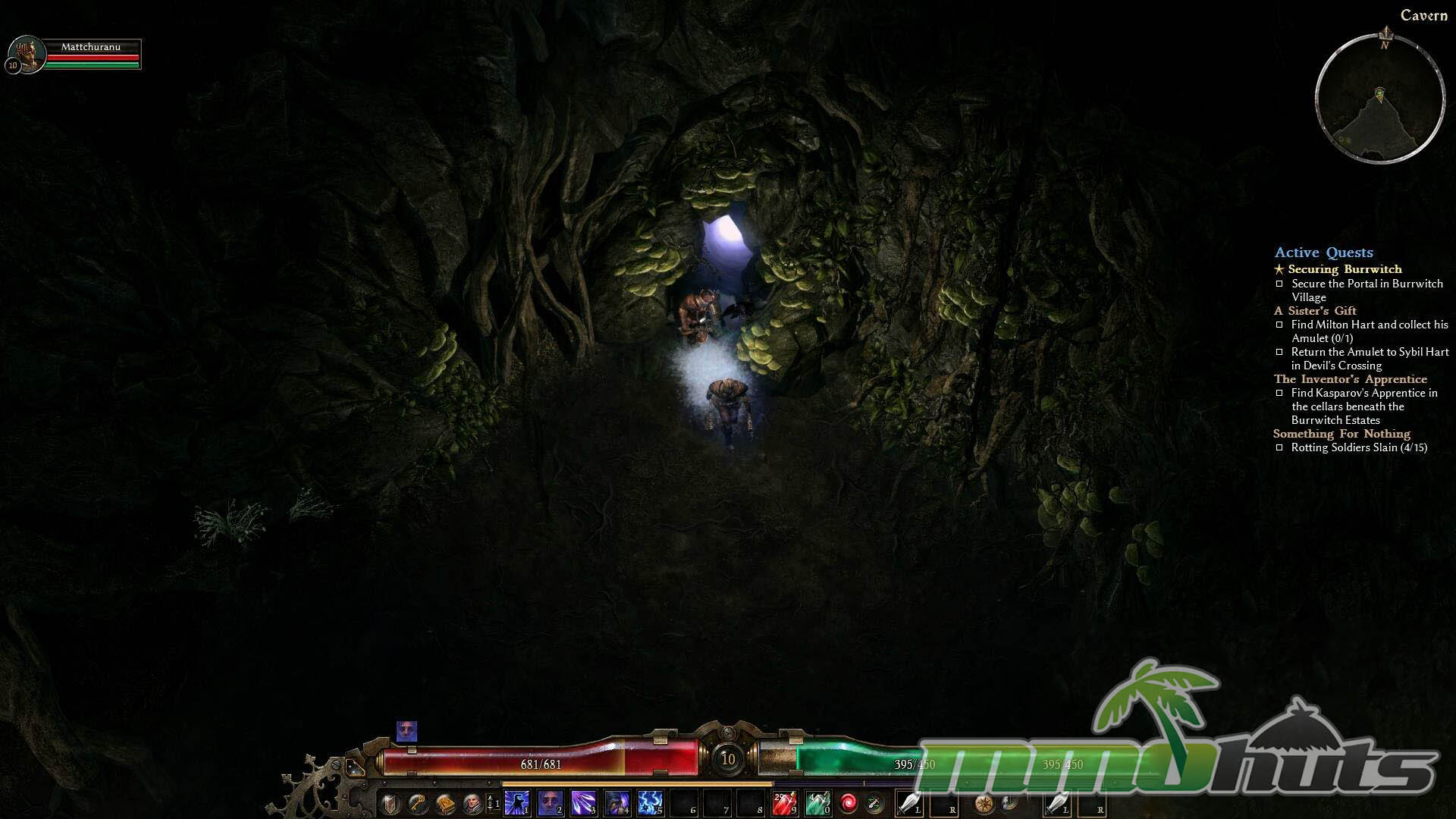
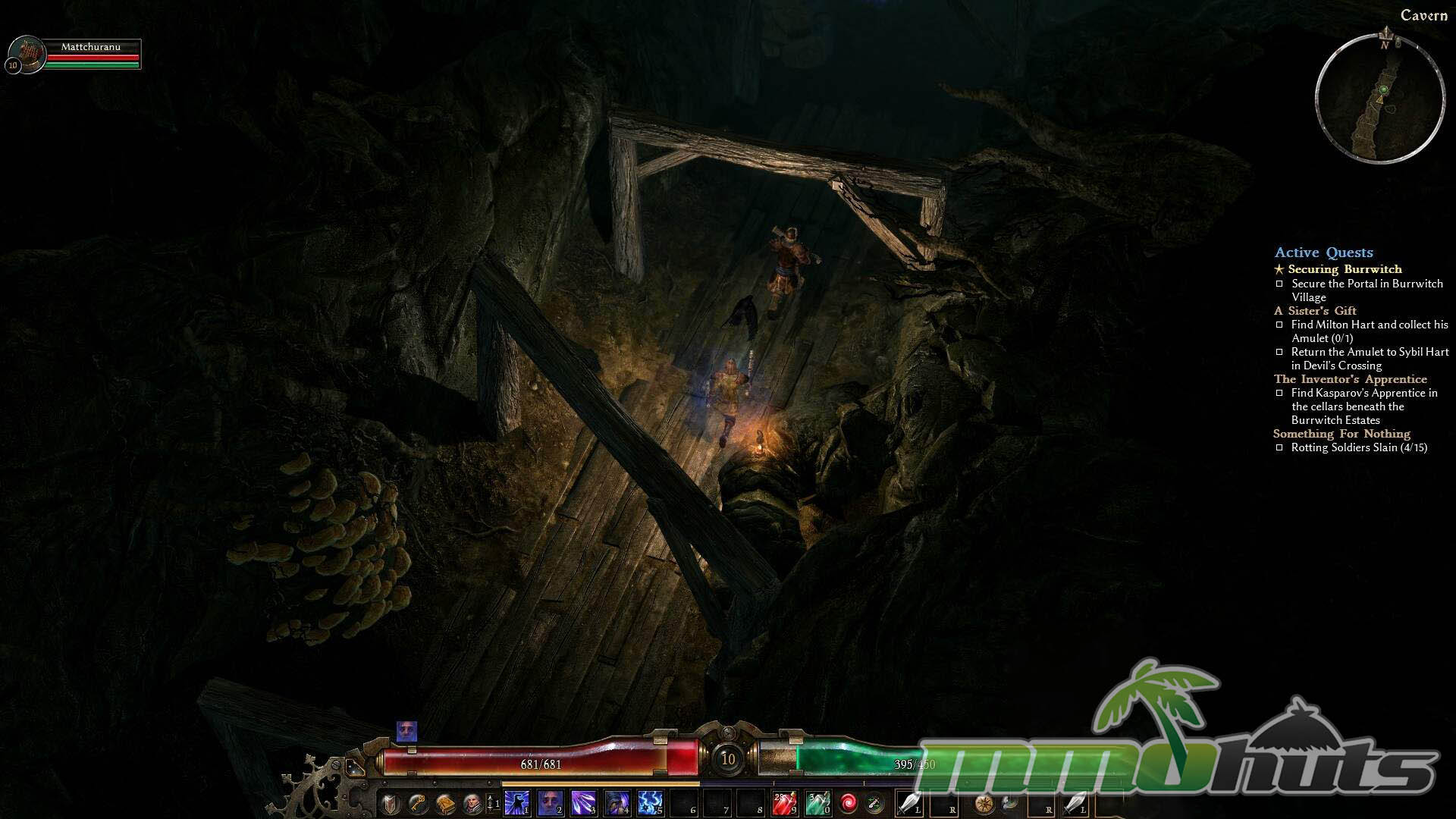
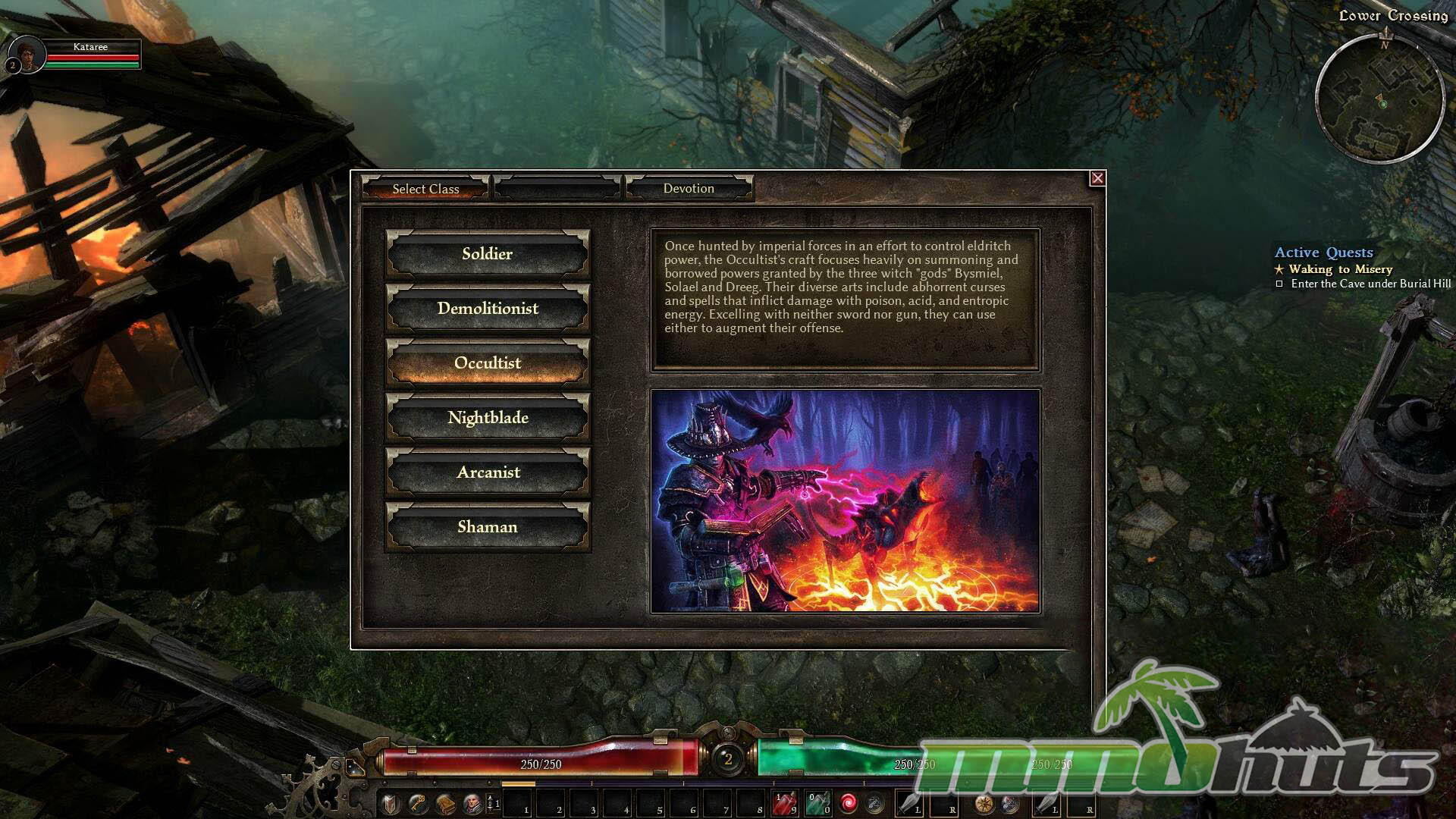

Grim Dawn Featured Video

Grim Dawn Classes
Grim Dawn offers six base classes, and any one of them can be combined with another through the dual-class system to create a hybrid build.
The Arcanist focuses on raw spellpower and magical utility, putting out heavy damage but generally relying on smart positioning and tools rather than toughness. It is not built around weapon use.
The Demolitionist blends destructive gadgetry with elemental magic, specializing in fire, lightning, and explosive effects. It is comfortable at range, but can still function up close when geared for melee.
The Nightblade plays like a swift assassin, using deceptive tricks and illusion-like techniques to pressure enemies. It commonly fights with dual-wielded melee weapons.
The Occultist brings summoning and curse-style spellwork, with a strong theme around acid and poison. It is not locked into a single weapon style and can adapt to different loadouts.
The Shaman is a hard-hitting brawler that channels primal forces, including storm-based abilities. It is particularly effective with two-handed melee weapons.
The Soldier is the most straightforward frontline option, built around durability, health, and physical presence. It shines with a one-handed weapon and shield, though firearms are also viable.
Grim Dawn Review
Grim Dawn succeeds by committing to the fundamentals that made classic ARPGs so replayable: satisfying combat, meaningful character growth, and an endless stream of gear that nudges you toward experimenting. From the early hours, the game encourages you to think in terms of damage types, resistances, and skill interactions rather than simply equipping the next item with a bigger number. That focus on build planning is where it stands out, especially once dual-classing enters the picture and you start shaping a character around specific synergies.
Combat feels weighty and deliberate for the genre. Basic encounters are quick to read, but tougher enemies and larger packs reward careful positioning and smart use of cooldowns. Many builds thrive on layering effects, such as debuffs, damage-over-time, or crowd control, and the game generally does a good job of making those choices feel impactful. Co-op for up to four players fits naturally with the design, turning difficult fights into coordinated chaos and making loot runs and questing feel less solitary without demanding MMO-style commitment.
Progression is the main hook. Picking a first mastery gives you a clear identity, but the second mastery is where Grim Dawn becomes a tinkerer’s playground. The freedom to mix any two classes makes experimentation a major part of the experience, and it helps the game avoid the “one obvious path” problem common in some ARPGs. Gear supports that flexibility too, thanks to randomized affixes and item-granted skills that can push you toward new ideas, even late in a playthrough. Crafting complements the loot chase by letting you target certain upgrades when randomness is not cooperating, although it still keeps the emphasis on finding recipes and materials through play.
The faction system adds a practical layer of choice to the campaign. Aligning with groups can unlock questlines and benefits, while antagonizing them changes the kinds of threats you face. It is not just narrative dressing, it feeds back into how you progress, where you can safely travel, and what rewards become available. That said, while the setting is strong and the world has a grim tone that suits the title, the main story is rarely the driving force. The plot generally does its job of connecting locations and conflicts, but it is the mechanics, builds, and loot that carry the experience.
Level and map structure can also feel more guided than some players expect. Areas often push you along a fairly direct route, with optional corners and side paths rather than truly open exploration. For many ARPG fans this is perfectly acceptable, but players who prefer wide, labyrinthine zones may find the world design a little restrictive. Finally, performance can be inconsistent depending on hardware, and while it is playable, it is not always as smooth as you would hope during busier fights.
Overall, Grim Dawn is a strong recommendation for players who want a traditional ARPG with modern build depth, satisfying loot, and co-op support. If you are looking for a story-first experience or highly open-ended map design, it may not fully deliver, but for build-crafters and loot hunters it remains an easy game to sink into for the long term.
Grim Dawn Links
Grim Dawn Official Site
Grim Dawn Facebook
Grim Dawn Twitter
Grim Dawn Developer’s Blog
Grim Dawn Developer’s Website
Grim Dawn Steam Store Page
Grim Dawn Kickstarter
Grim Dawn Wiki
Grim Dawn Wikipedia Entry
Grim Dawn System Requirements
Minimum Requirements:
Operating System: Windows XP, Vista, 7, 8, or 10
CPU: Second generation Intel i-series x86 processor @ 2.3 GHz
Video Card: NVIDIA GeForce 6800 series / ATI Radeon X800 series, 512 MB VRAM
RAM: 2 GB
Hard Disk Space: 5 GB
Recommended Requirements:
Operating System: Windows 7, or 10
CPU: Fourth generation Intel i-series x86 processor @ 3.2 GHz
Video Card: NVIDIA GeForce 500 series / AMD Radeon 6000 series, 1.5 GB VRAM
RAM: 6 GB
Hard Disk Space: 5 GB
Grim Dawn Music & Soundtrack
Grim Dawn’s audio presentation is built to reinforce its oppressive atmosphere, using moody ambient tracks and combat cues that stay out of the way while still giving areas a distinct tone. Sound effects are clear and functional in the middle of crowded fights, helping abilities feel punchy and readable, especially for builds that rely on timed skills and status effects. It is not a soundtrack that constantly demands attention, but it supports long sessions well, which matters in a loot-driven game designed around extended play.
Grim Dawn Additional Information
Developer(s): Crate Entertainment
Publisher(s): Crate Entertainment
Kickstarter (launched): April 17, 2012
Kickstarter (ended): May 18, 2012
Steam Early Access: May 15, 2013
Release Date: February 25, 2016
Development History / Background:
Grim Dawn is developed by Crate Entertainment, a studio made up of former Iron Lore Entertainment developers. On July 27, 2009, Crate Entertainment revealed that it had licensed the Titan Quest engine from Iron Lore, with the intention of building a new game that would later be announced as Grim Dawn on January 21, 2010. The project then went to Kickstarter on April 17, 2012 with a funding target of $280,000, and the campaign ended successfully on May 18, 2012 after raising $537,515. Grim Dawn later arrived on Steam Early Access on May 15, 2013, receiving steady development updates until its full launch on February 25, 2016. Post-release, modding tools became available on April 28, 2016.