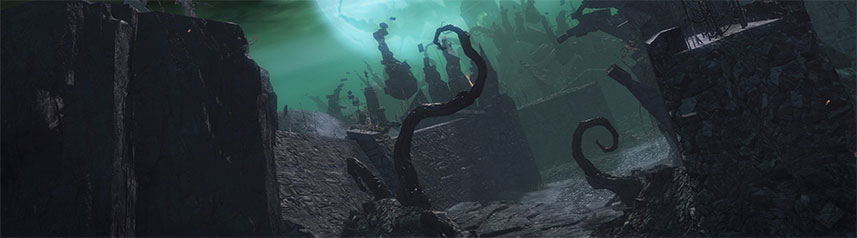
Granblue Fantasy is a free-to-play 2D turn-based MMORPG that runs in a browser and on mobile devices, mixing classic JRPG party combat with a long-running character collection loop. You travel across the skies with a growing crew of allies, chasing the legendary island of “Estalucia” while tackling story quests, events, and raid battles built around elemental matchups and big, flashy abilities.
 | Publisher: Cygames Playerbase: High Type: Mobile/Browser MMORPG Release Date: March 10, 2014 Pros: +Very active community. +Excellent soundtrack and standout 2D art. +Large class selection (40+). +Campaign is fully voiced. +Gacha feels relatively generous. Cons: -Core loop can feel grindy and repetitive. |

Granblue Fantasy Overview
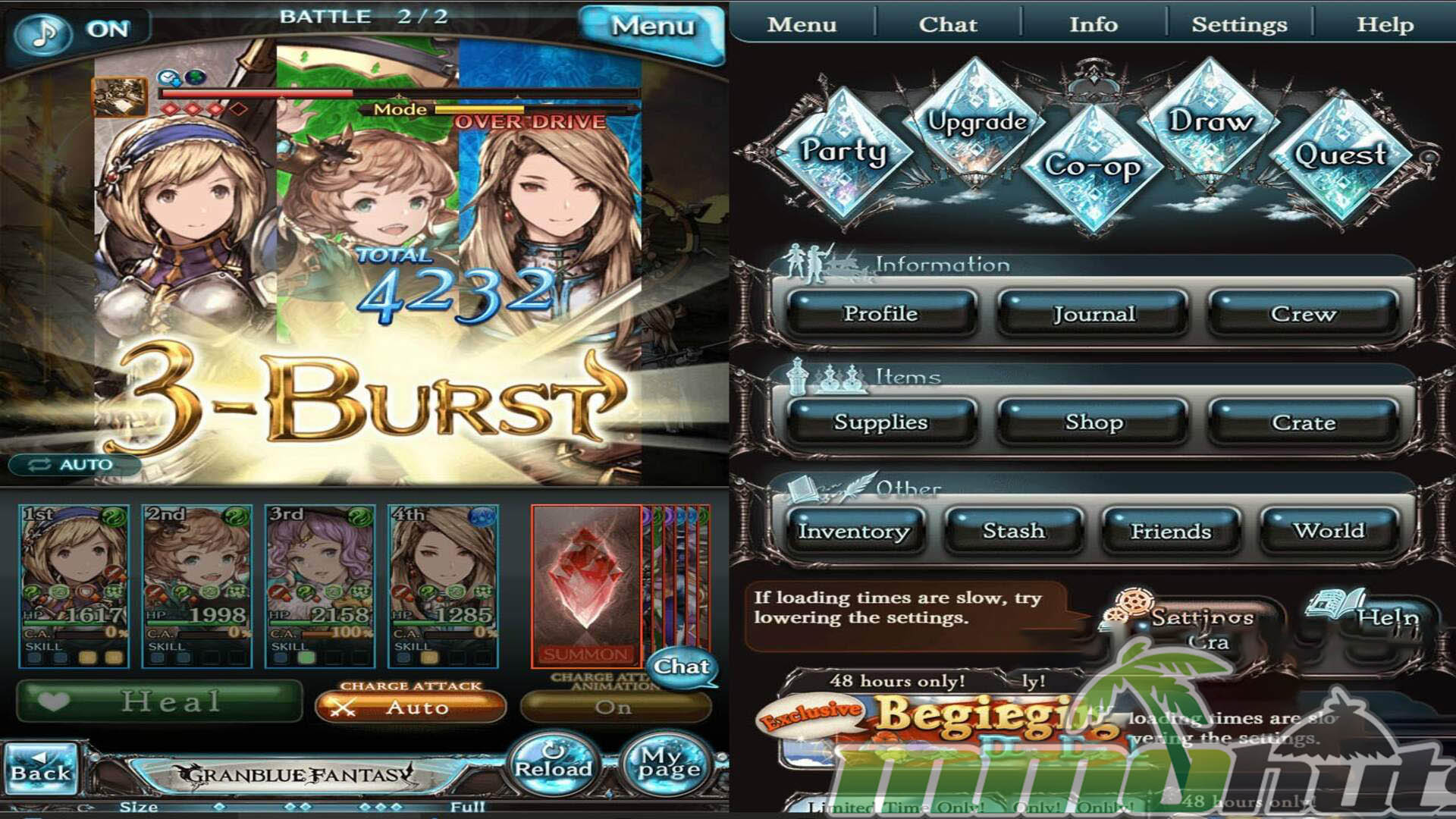
Granblue Fantasy is a free-to-play 2D browser and mobile MMORPG with hero-collector structure, developed by Cygames. At its heart, it plays like a traditional JRPG, you assemble a party, manage cooldown-based skills, and lean on elemental strengths and weaknesses to squeeze out damage and survivability. Battles are turn-based, but the presentation is anything but quiet, with dramatic spell animations, stylish character art, and signature finishers in the form of Charge Attacks.
A major part of the appeal is the roster. The game is packed with recruitable characters, and the Japanese voice work is consistently high quality, giving even event side stories a polished feel. Progression is closely tied to equipment and summons, and multiplayer is built around raid content where multiple players pile into the same boss encounter in real time. Raid success often comes down to planning, bringing the right elements, timing debuffs, and building teams that complement each other rather than just stacking raw power.
Granblue Fantasy Key Features:
- Create a Personalized Party – earn and roll for weapons and gear that unlock new allies, each with their own kits and elemental roles.
- Fully Voiced Adventure – follow the main quest, recruit companions, and piece together the journey toward Estalucia through an extensive story campaign.
- Borrowed Summons – use a support summon from other players to push through tougher missions and speed up farming.
- Crew System – join a guild-like crew, contribute to shared progression, and gain useful bonuses for combat and raids.
- Casino – play casino games to earn tokens that can be exchanged for valuable items, weapons, and summons.
- Co-op Raid Battles – team up with other players in raid encounters that reward coordination and efficient builds.
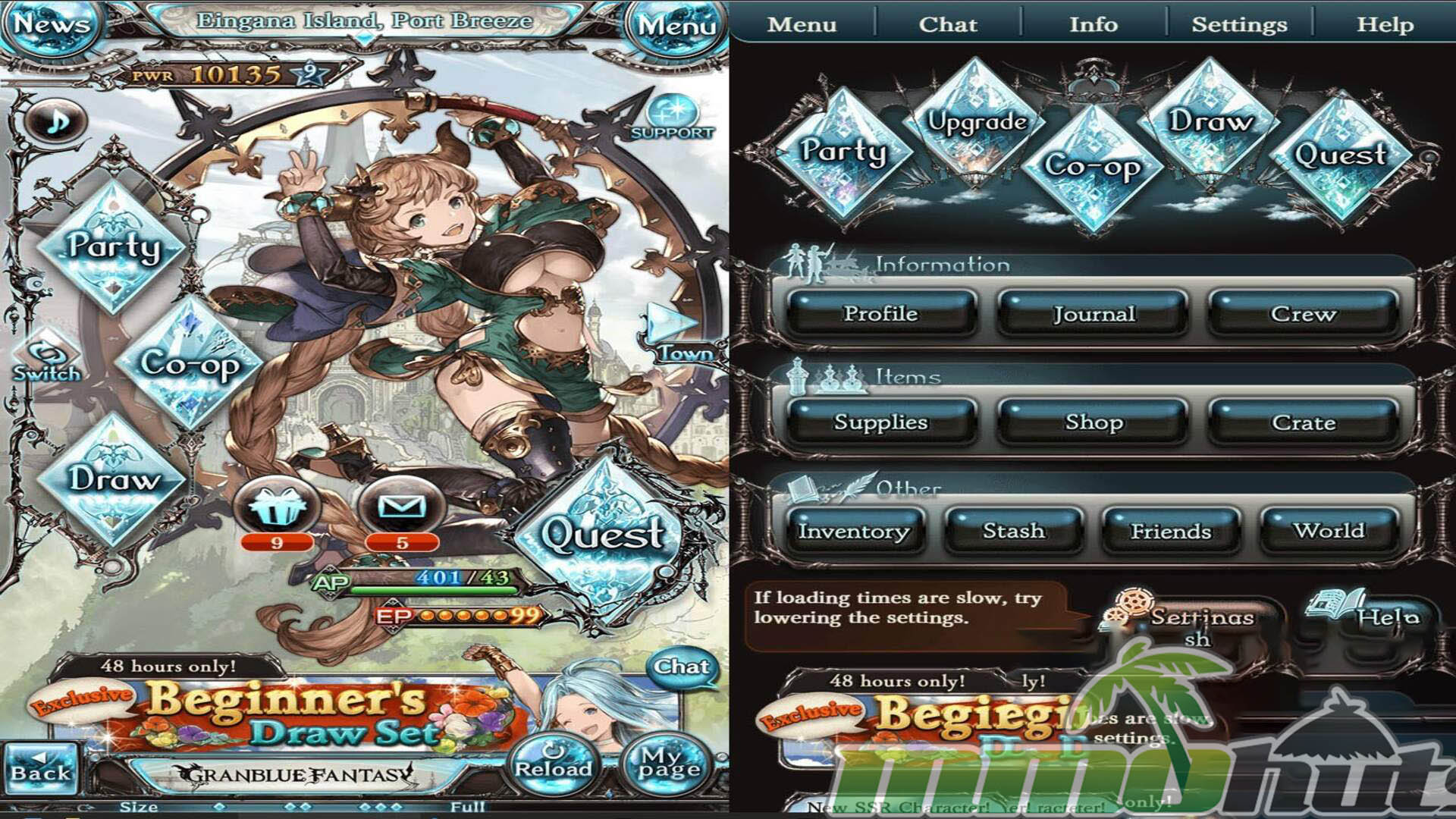
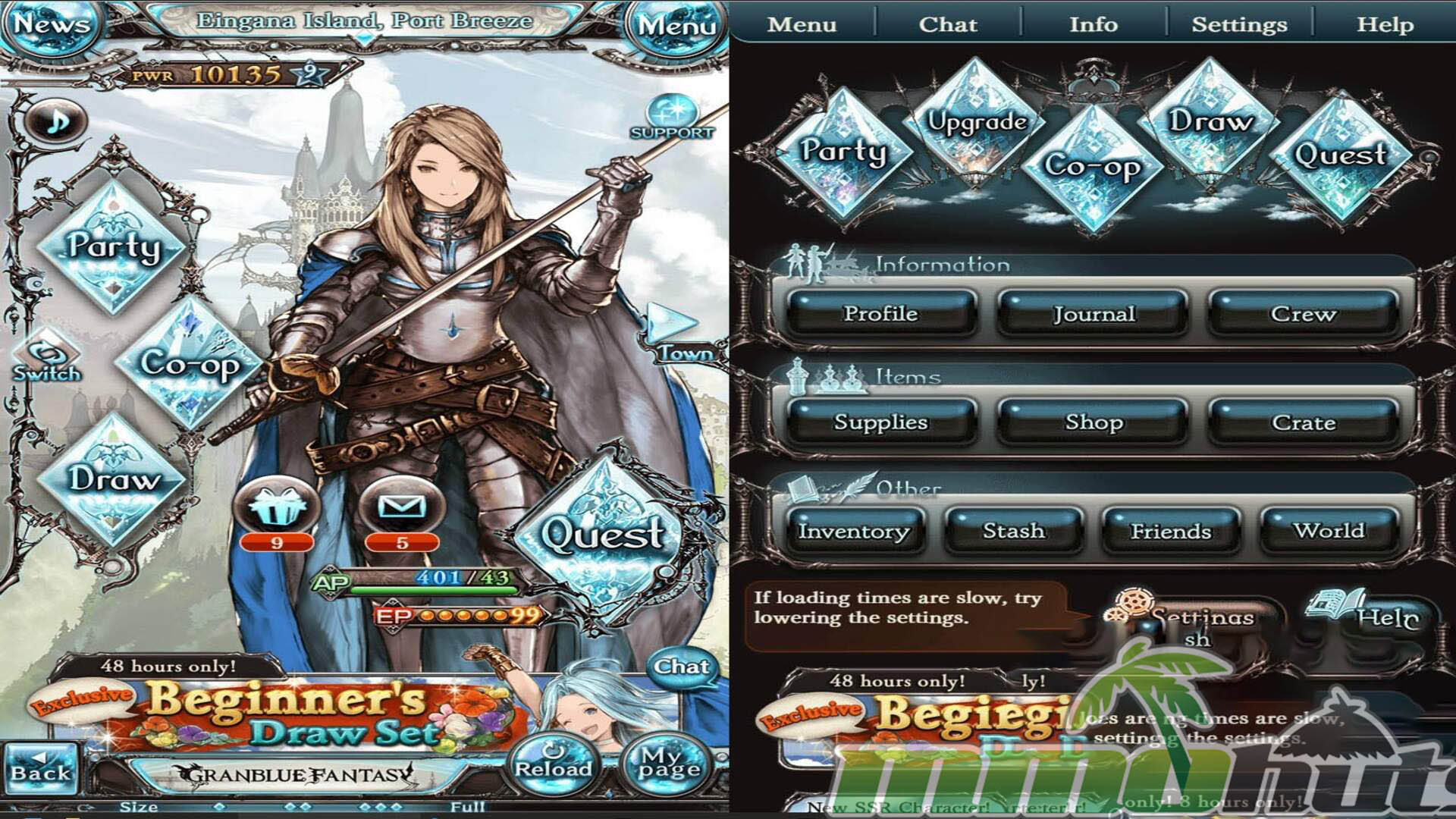
Granblue Fantasy Screenshots
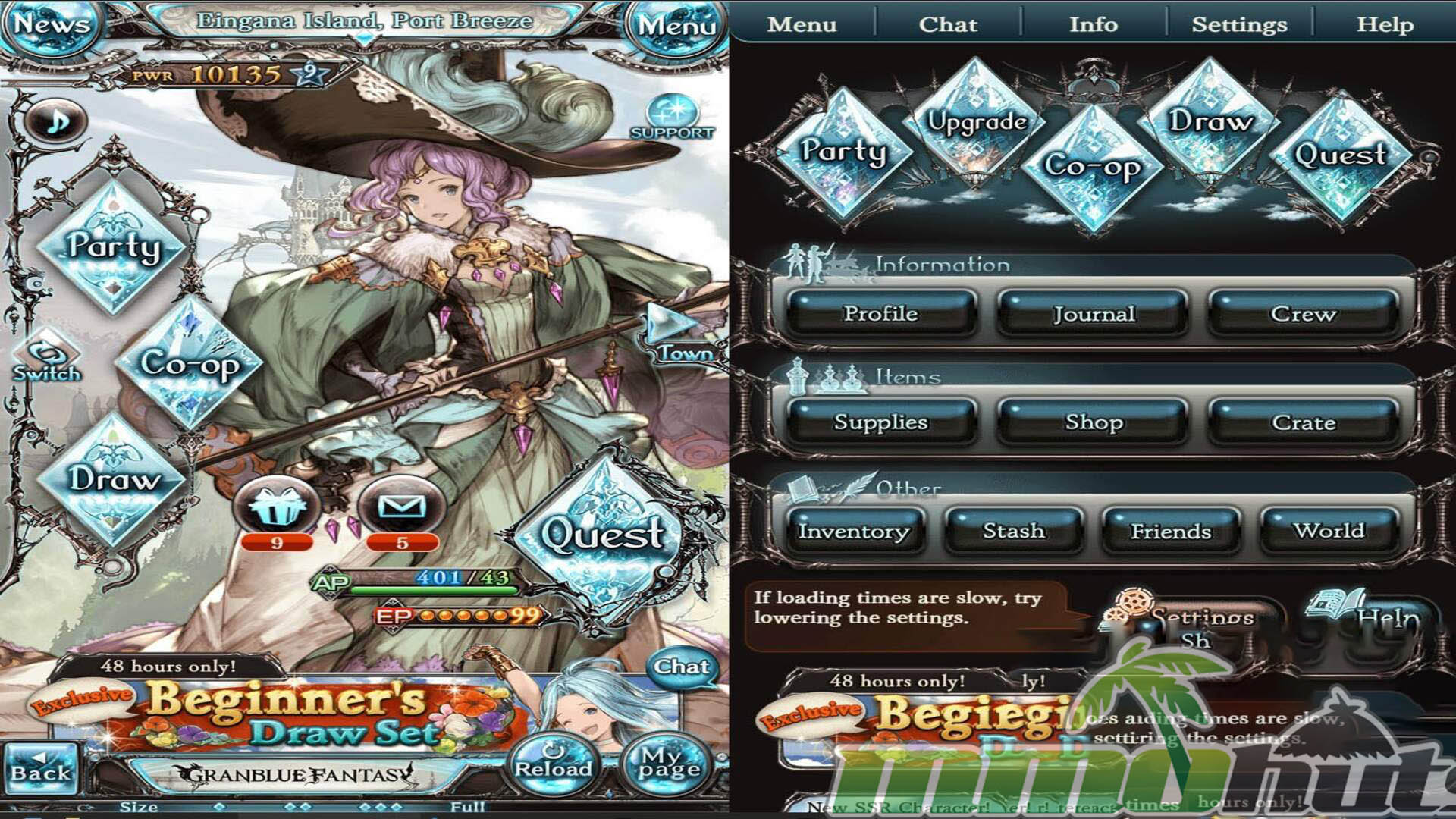
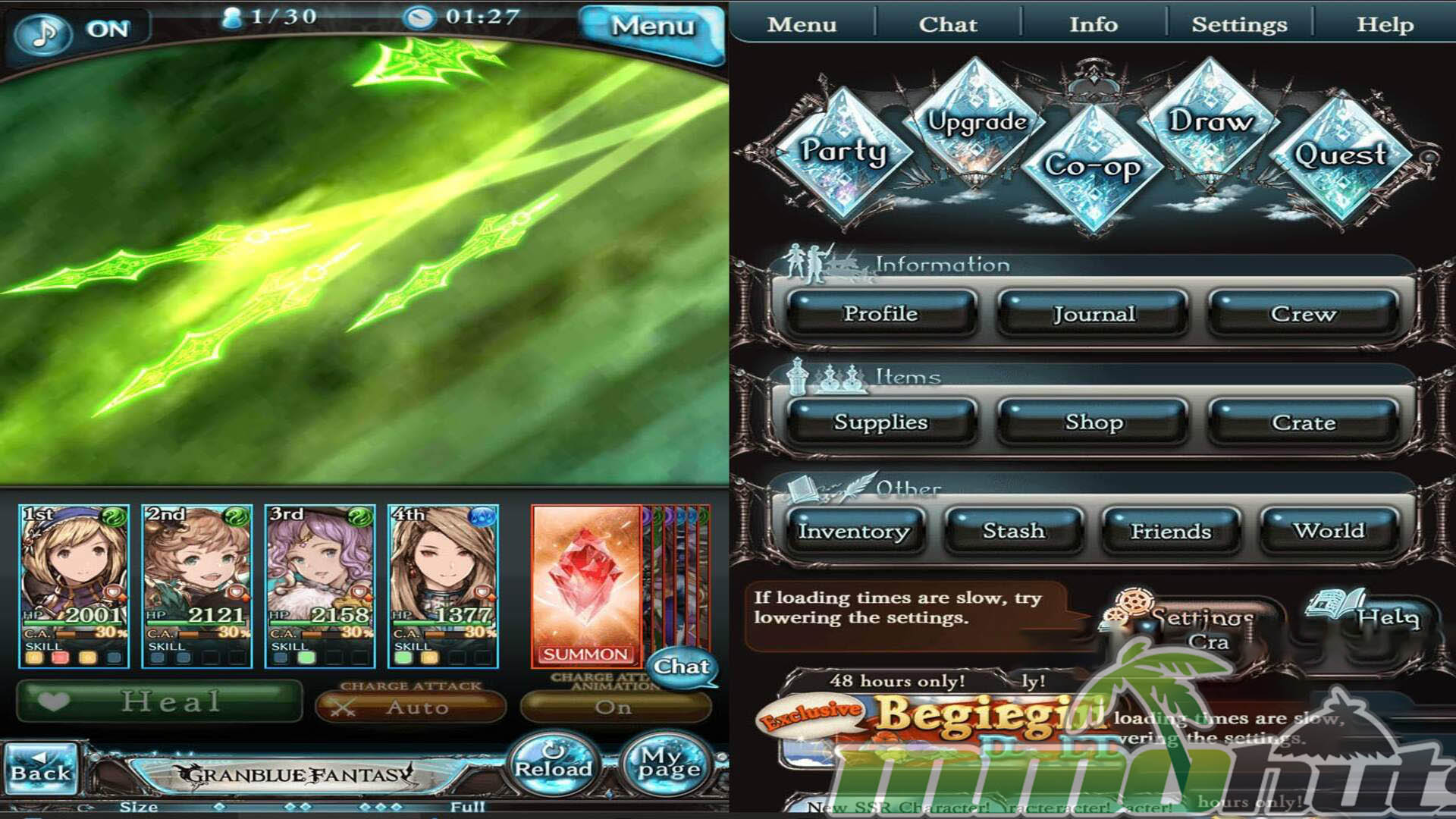
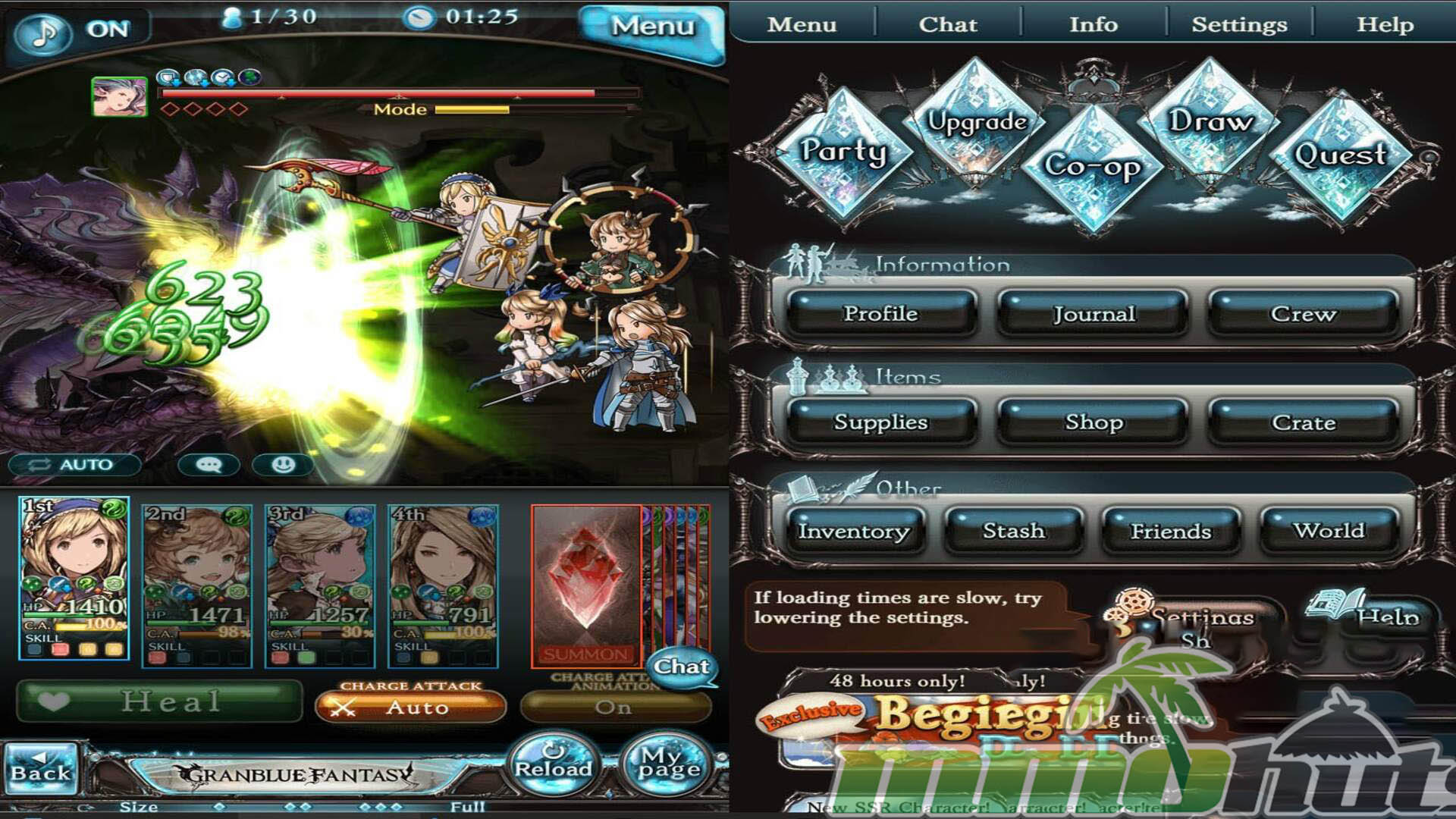
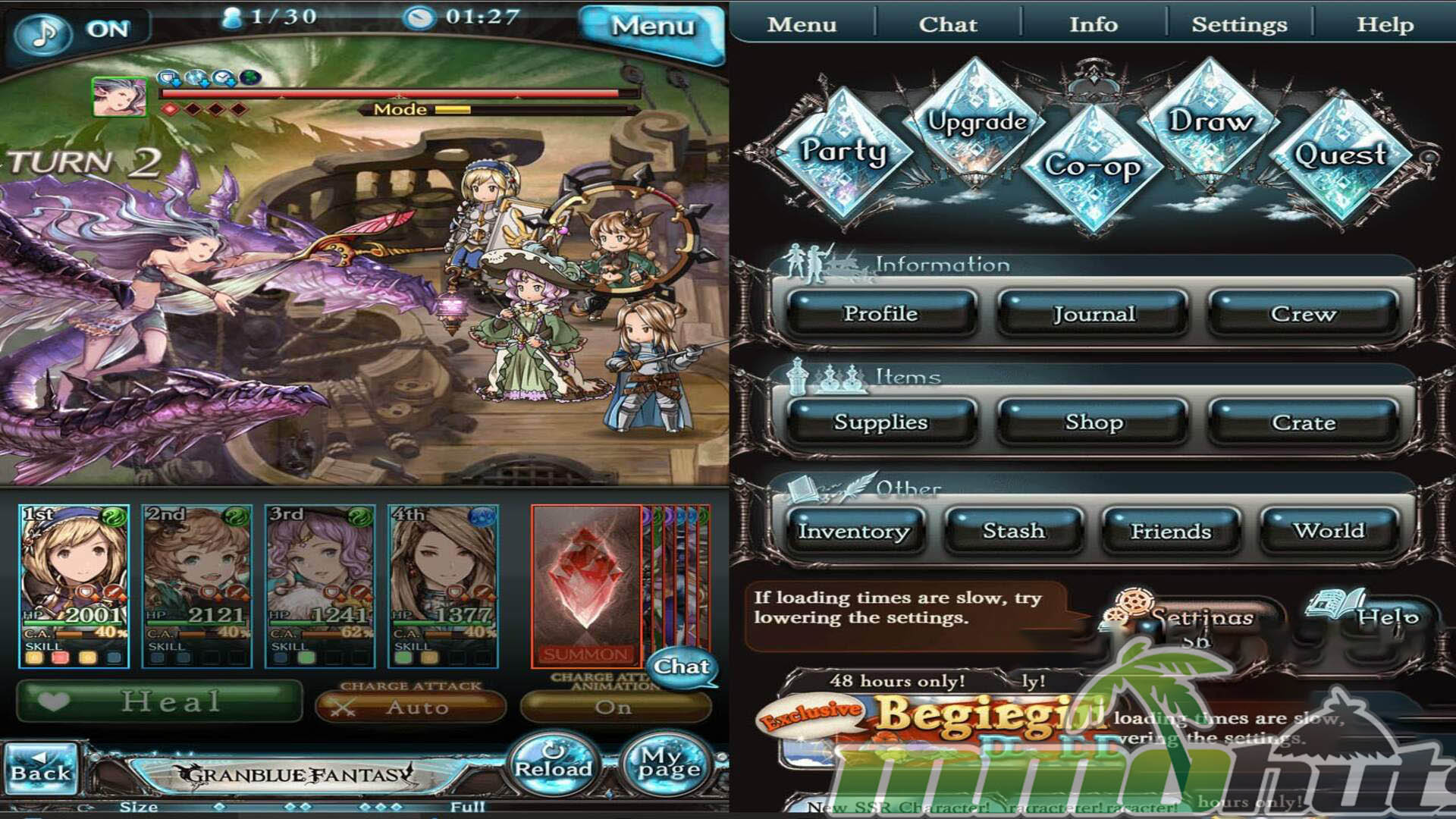
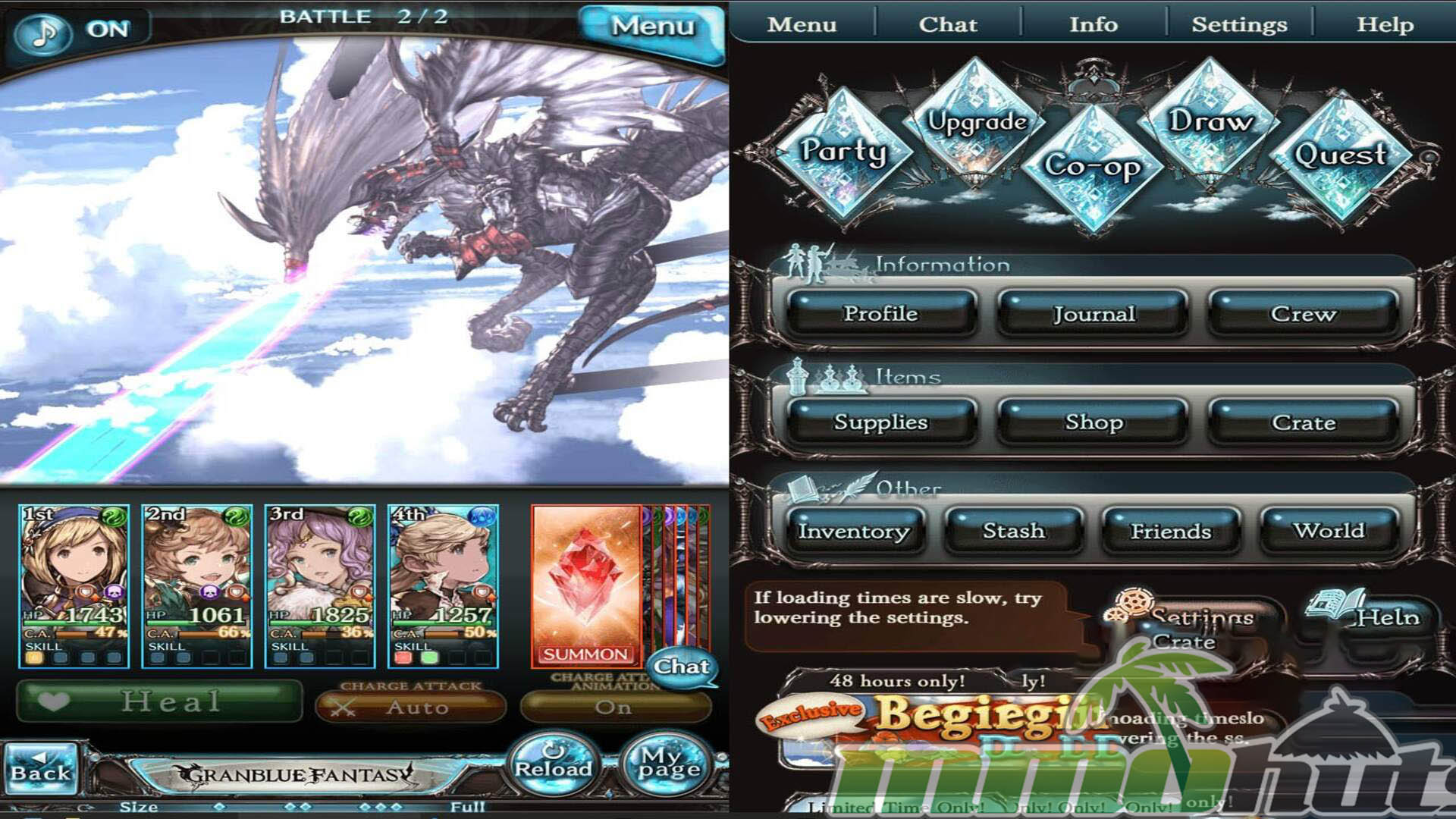
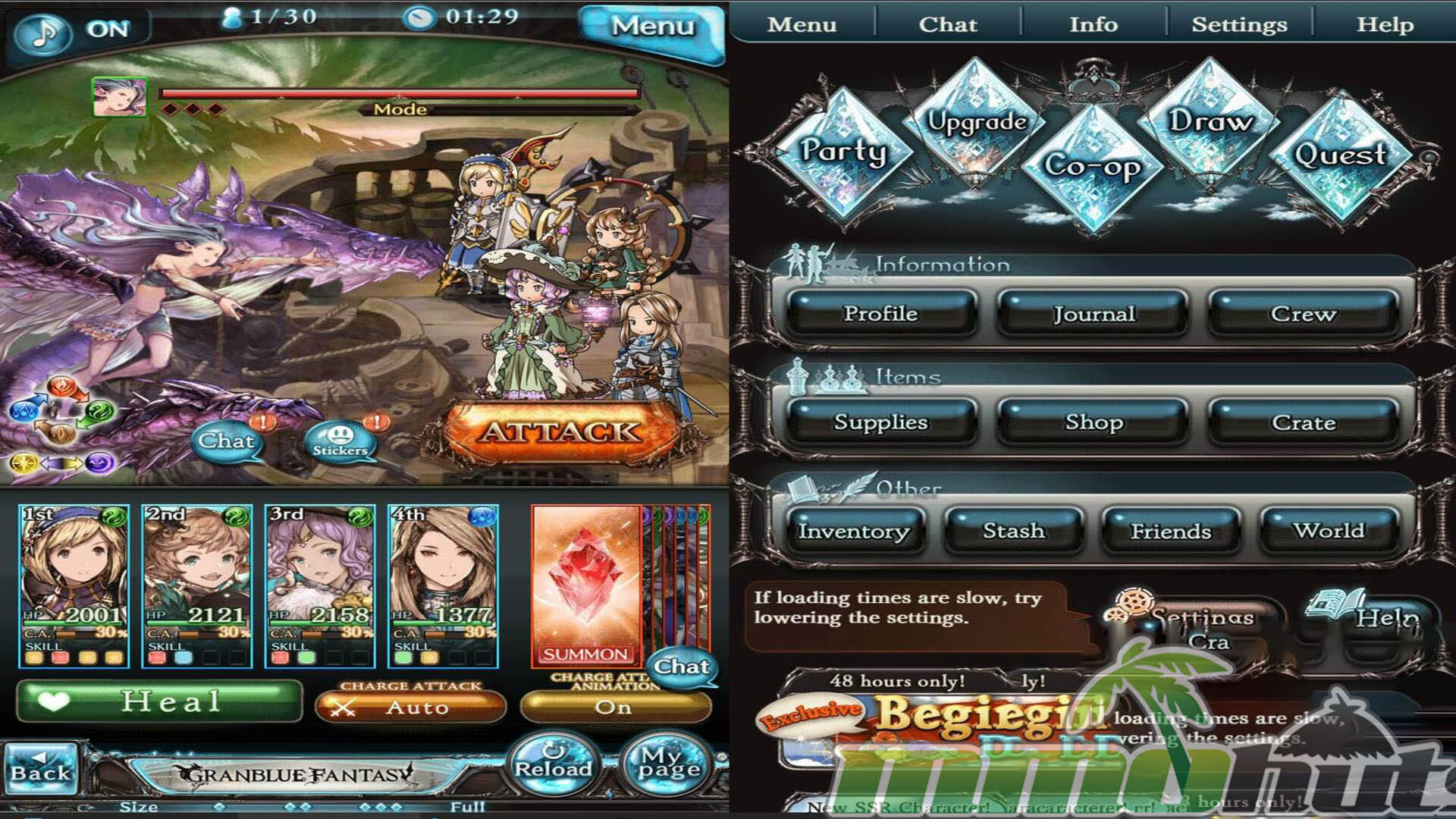
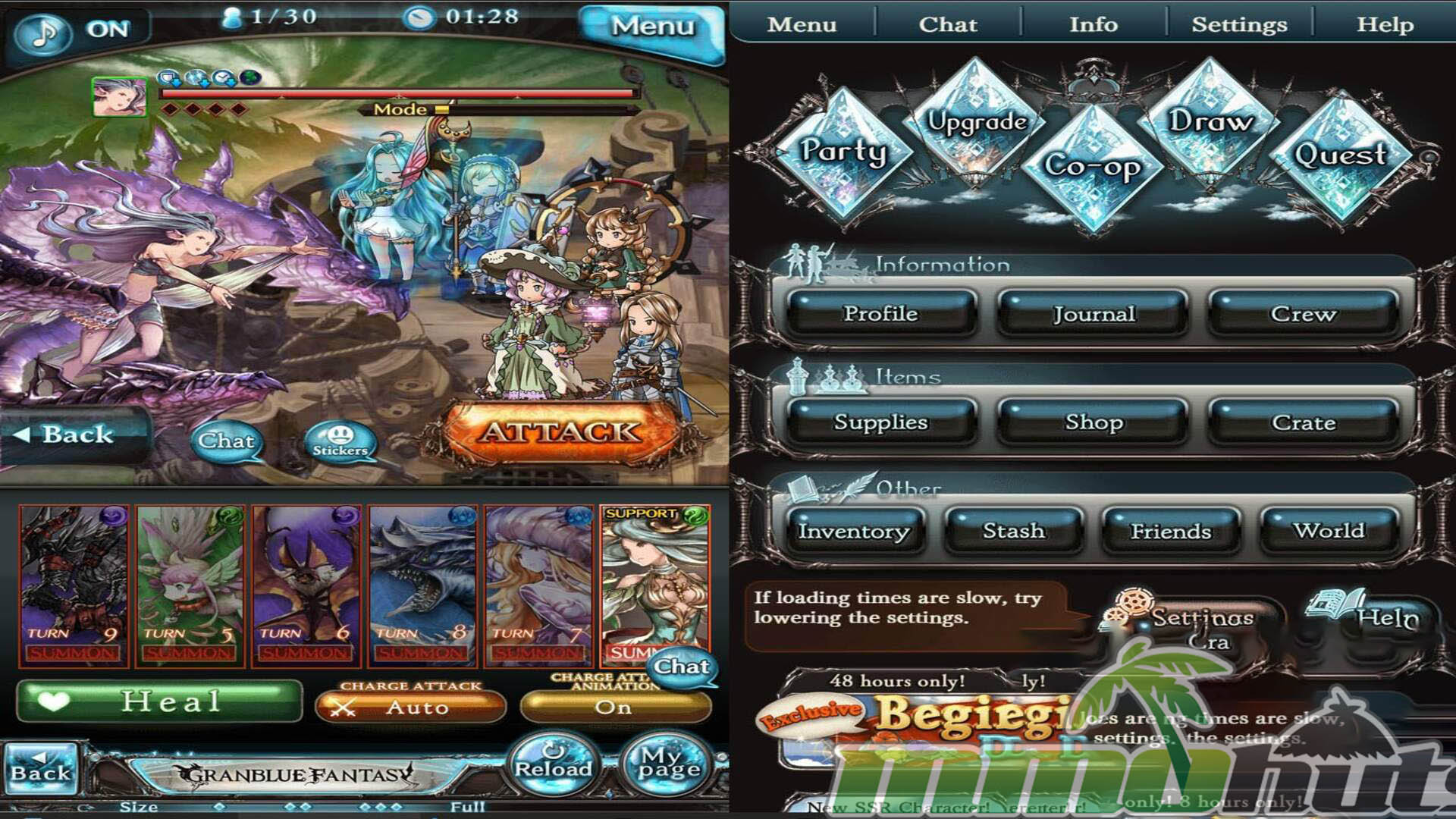
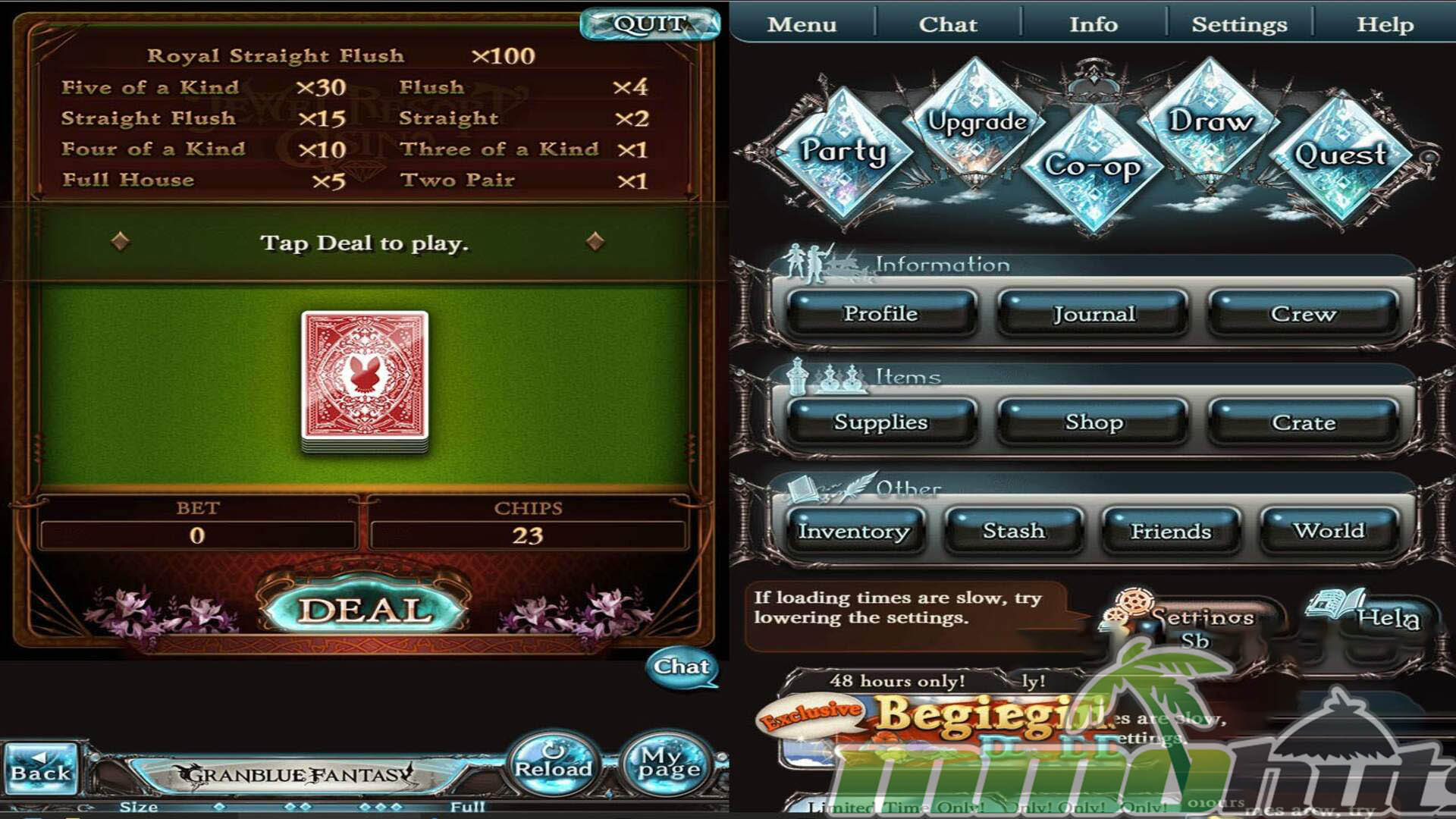
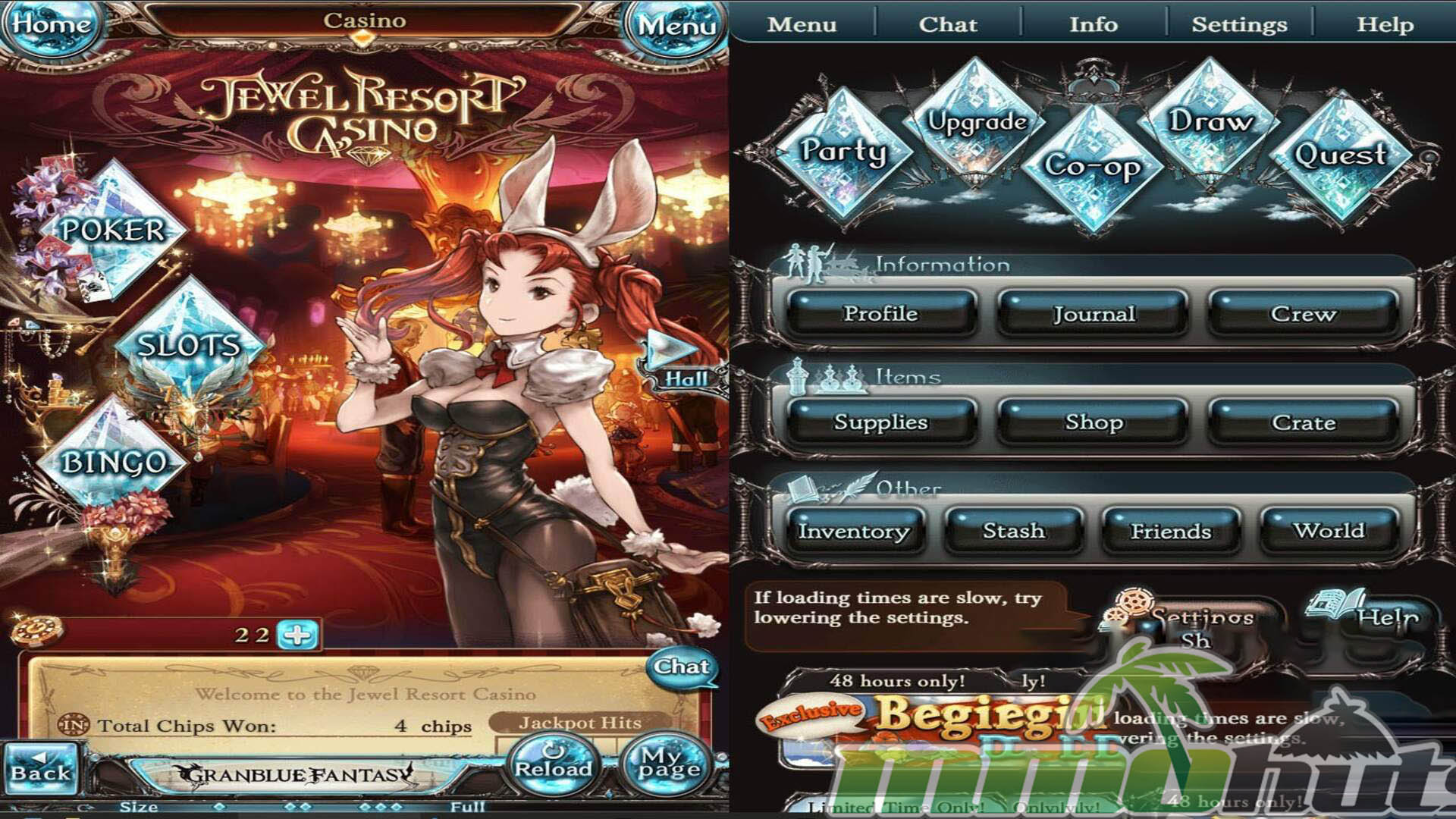
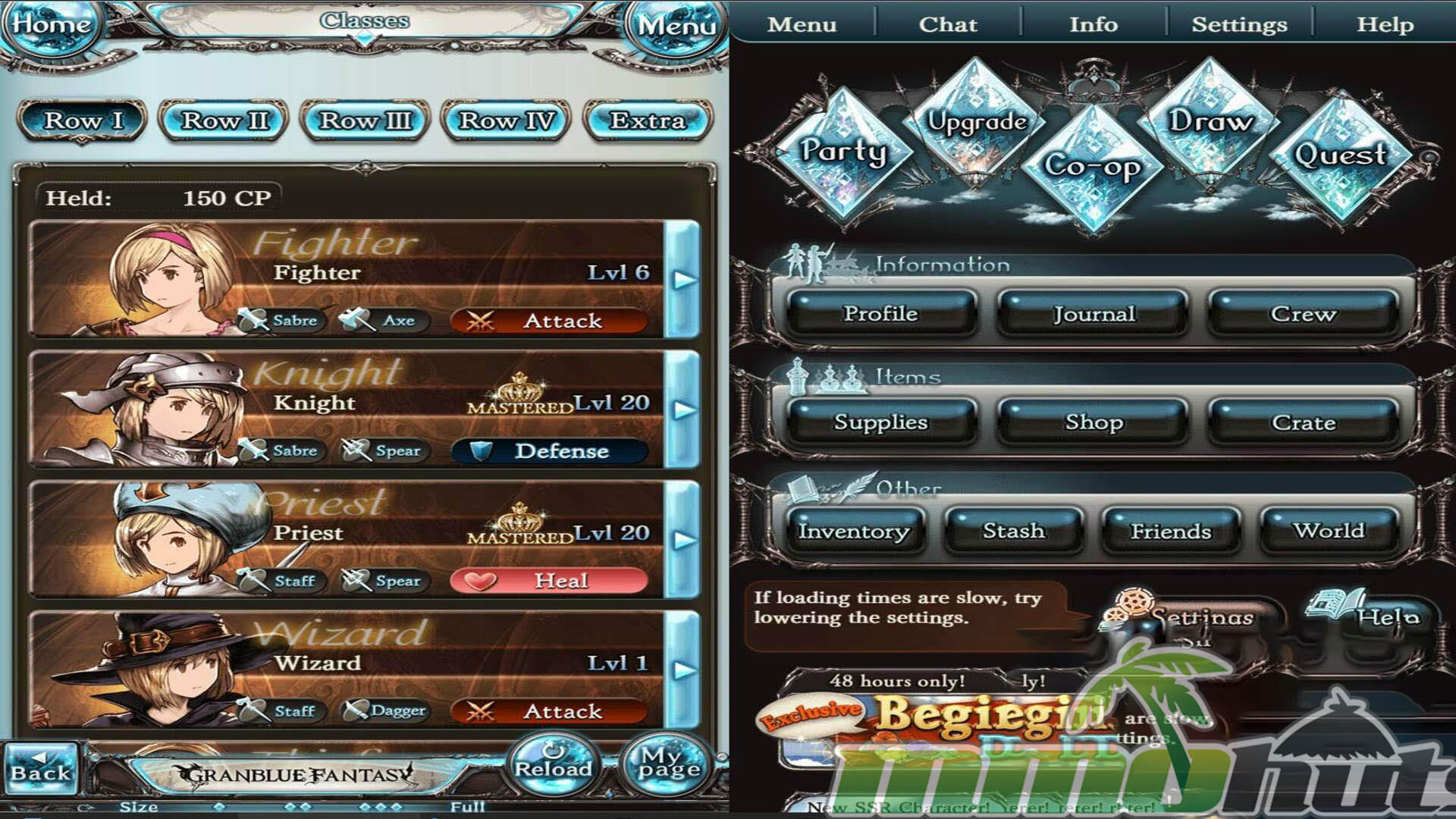
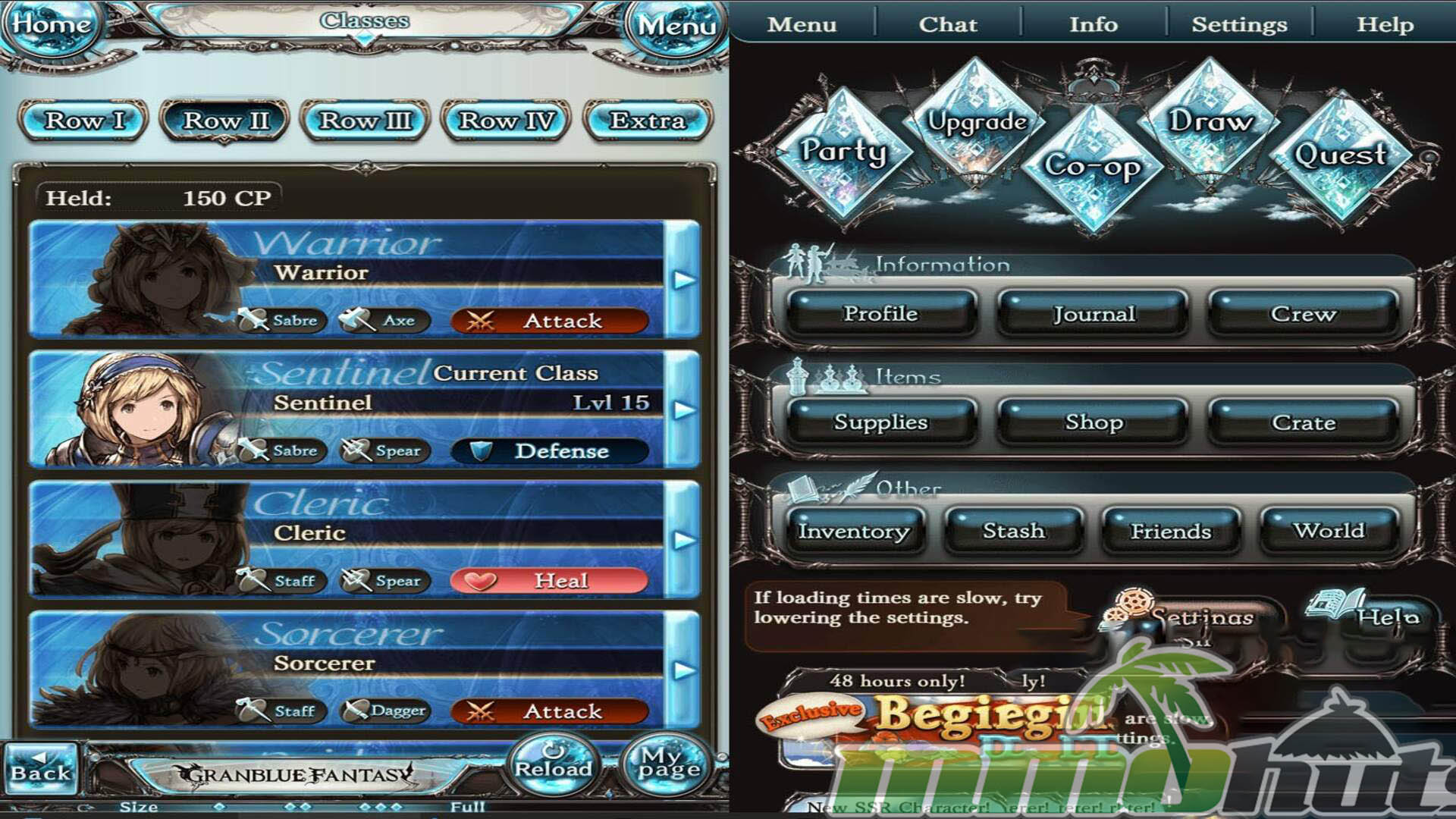

Granblue Fantasy Featured Video
Granblue Fantasy Review
Coming Soon!
Granblue Fantasy System Requirements
Minimum Requirements:
Operating System: iOS 6.0 or later, Android 2.3 or later
Granblue Fantasy Music & Soundtrack
Coming Soon!
Granblue Fantasy Additional Information
Developer: Cygames
Platforms: iOS, Android, Browser
Release Date (Japan): March 10, 2014
Release Date (Worldwide): March, 2016
Granblue Fantasy is developed by Cygames, a studio many western players also recognize for Shadowverse, their competitive digital card game often compared to Hearthstone. Granblue’s presentation is frequently cited as a major strength, with memorable music contributions from Final Fantasy composer Nobuo Uematsu and character and art design work associated with Final Fantasy artist Hideo Minaba.
While an international launch was planned for March 2016, Cygames ultimately focused on providing an official English language option, allowing overseas players to jump in without needing a separate release that might disrupt existing accounts. Like many mobile RPGs, a large portion of the game’s acquisition and progression revolves around a gacha system where players spend in-game resources (or real money) for randomized rewards. The model has also been at the center of industry scrutiny, including a high-profile case where a player reportedly spent close to $6,000 chasing a rare, limited character that was marketed with an increased drop rate, contributing to increased government attention and tighter rules around these monetization practices in Japan.