Graal Online Classic
 (No Ratings Yet)
Graal Online Classic is a 2D MMORPG you can play in a browser or on mobile, built around a familiar top-down adventure style that will immediately remind many players of classic SNES-era action RPGs. Instead of leaning hard on story cinematics or complicated build crafting, it focuses on quick combat, a shared open world, and a surprisingly strong social layer, including chat, cosmetics, and player-run houses that function as personal hangouts or community-made mini activities.
 | Publisher: Eurocenter Games Playerbase: High Type: Mobile/Browser MMORPG Release Date: July, 2008 Pros: +Fast, retro action combat with clear Zelda influences. +Strong social features and active community. +Player housing with creative uses. Cons: -Art direction feels derivative rather than distinctive. -New player onboarding is thin. -Monetization can impact fairness. |



Graal Online Classic Overview
Graal Online Classic is a 2D MMORPG with a long-running community, available on iOS, Android, and in a web browser. Its presentation and moment-to-moment play take heavy cues from The Legend of Zelda: A Link to the Past, with compact pixel environments, simple reads in combat, and an emphasis on moving through the world rather than sitting in menus.
At its core, Classic is about roaming, chatting, and picking your own pace. If you want action, you can gear up with familiar tools like swords, bows, and bombs, then head into more dangerous areas where enemies (and sometimes other players) can turn exploration into a risk-reward loop for earning currency. If you are more interested in community, the towns are often busy with conversation, trading tips, and showing off cosmetics.
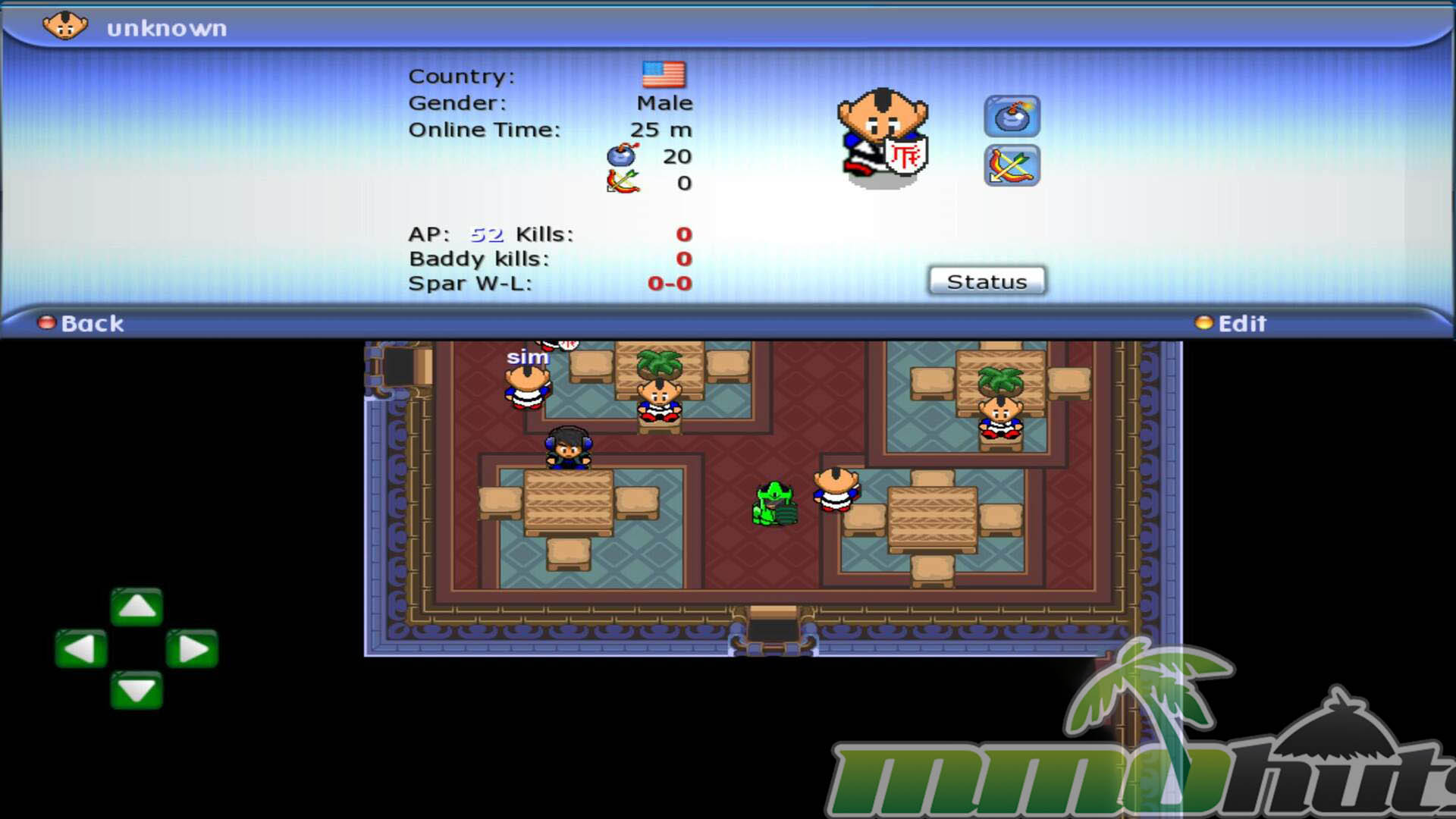
Progress is not presented as a single guided campaign. Instead, the game encourages light questing and collection, catching bugs, completing tasks, and gathering tools while you learn the map. Personal expression is also a major hook, your avatar can be changed at any time using a large selection of user-created heads, bodies, hats, shields, and weapon looks, with no fee to swap styles whenever you want.
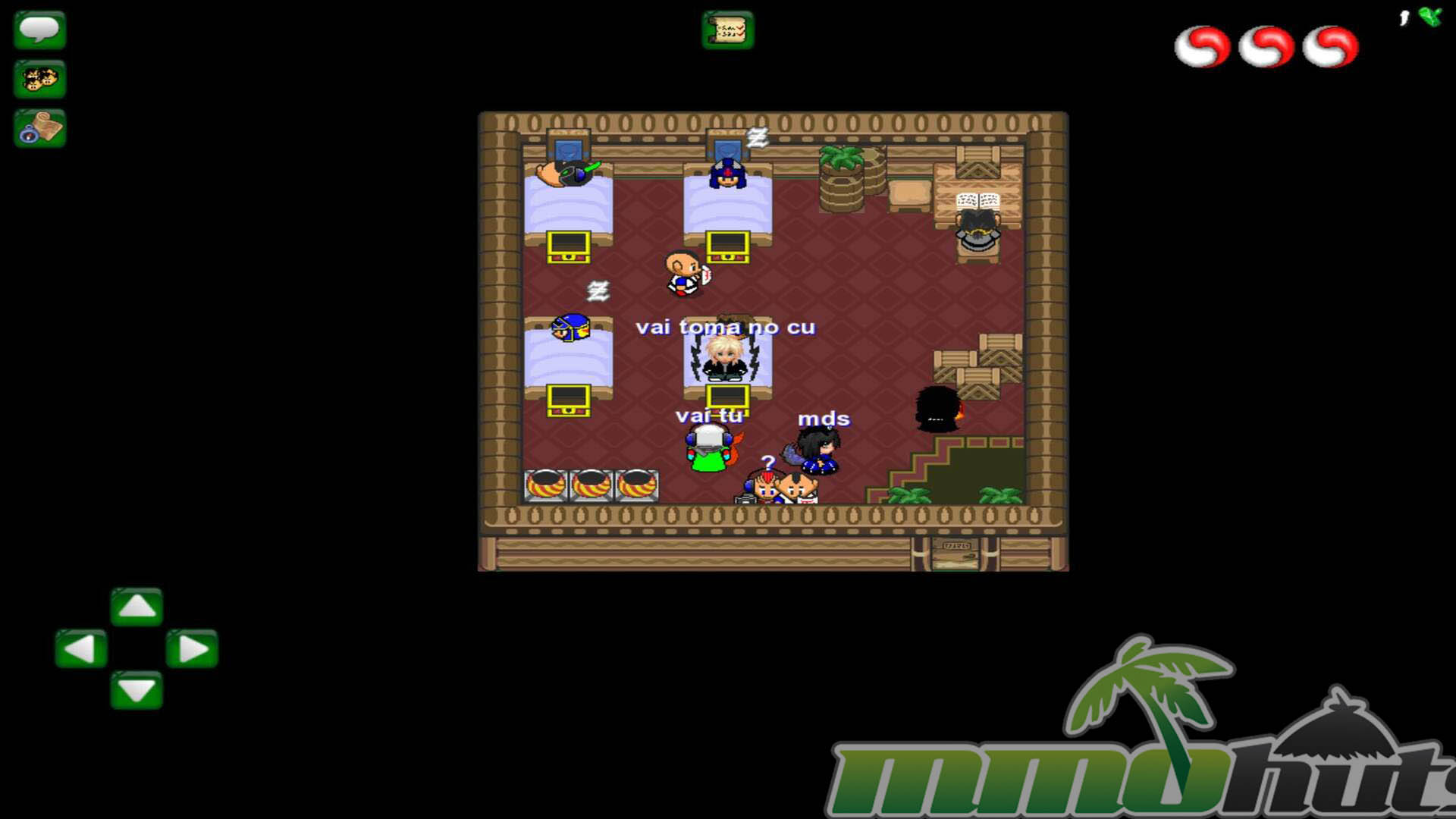
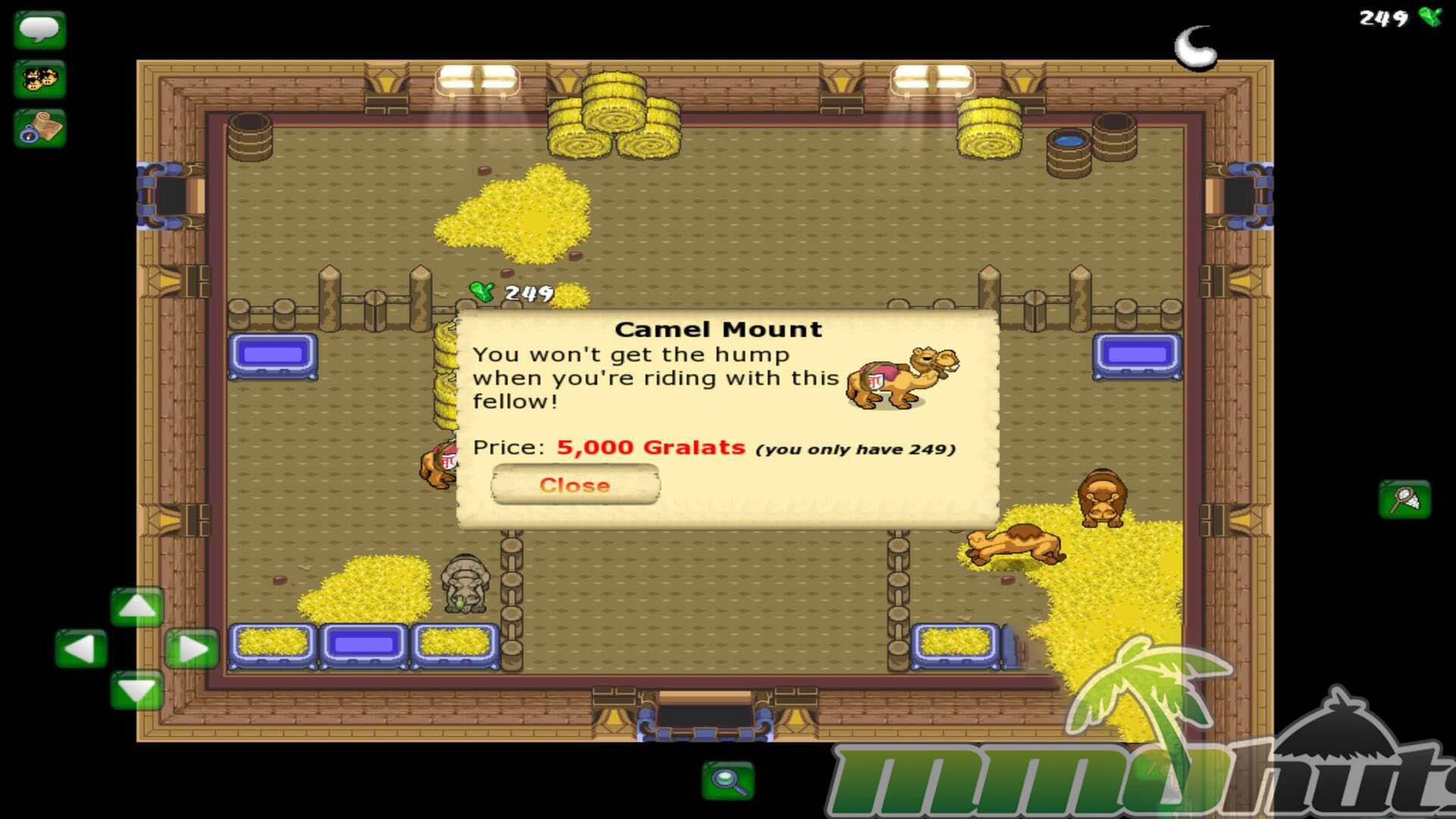
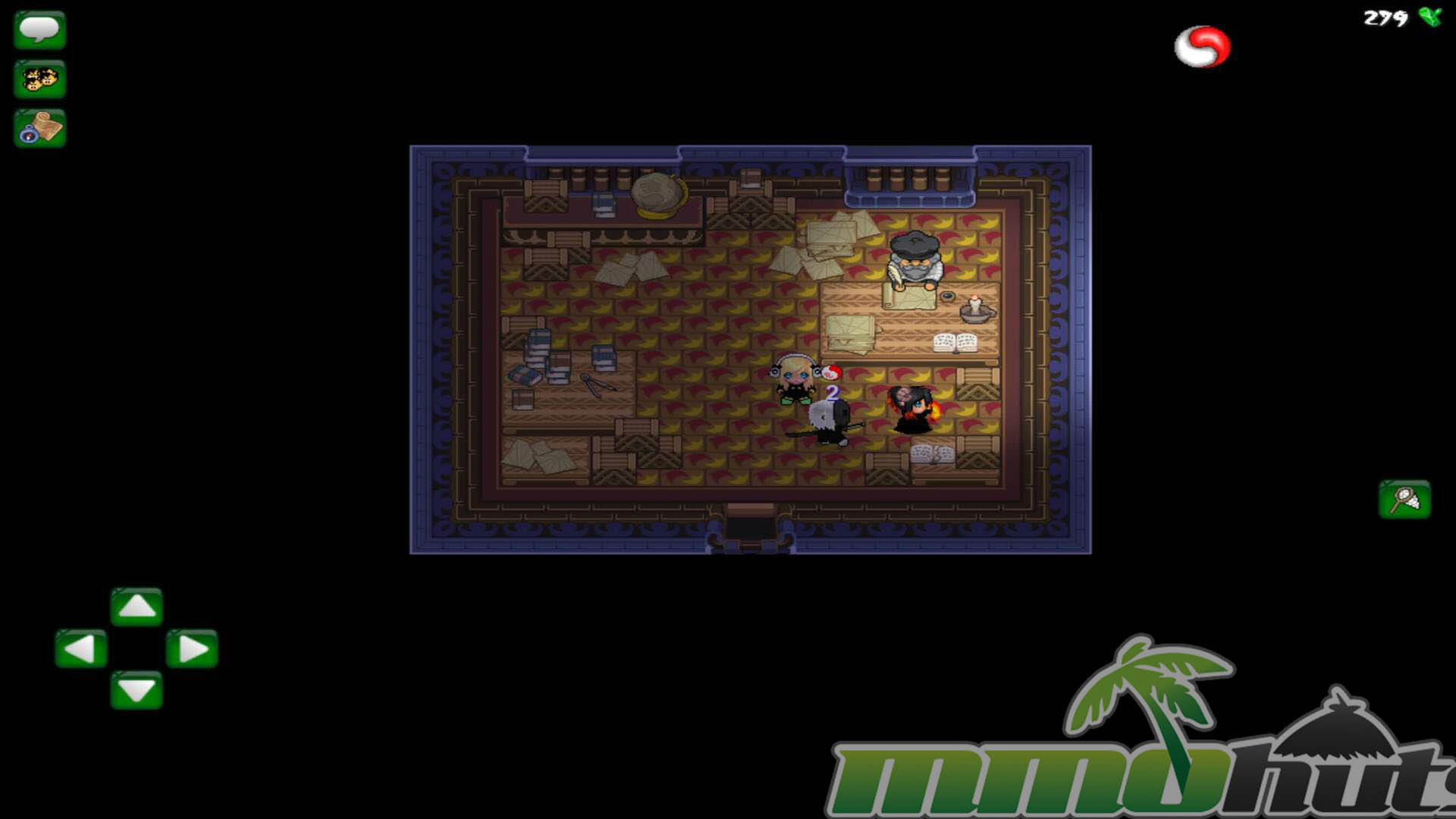
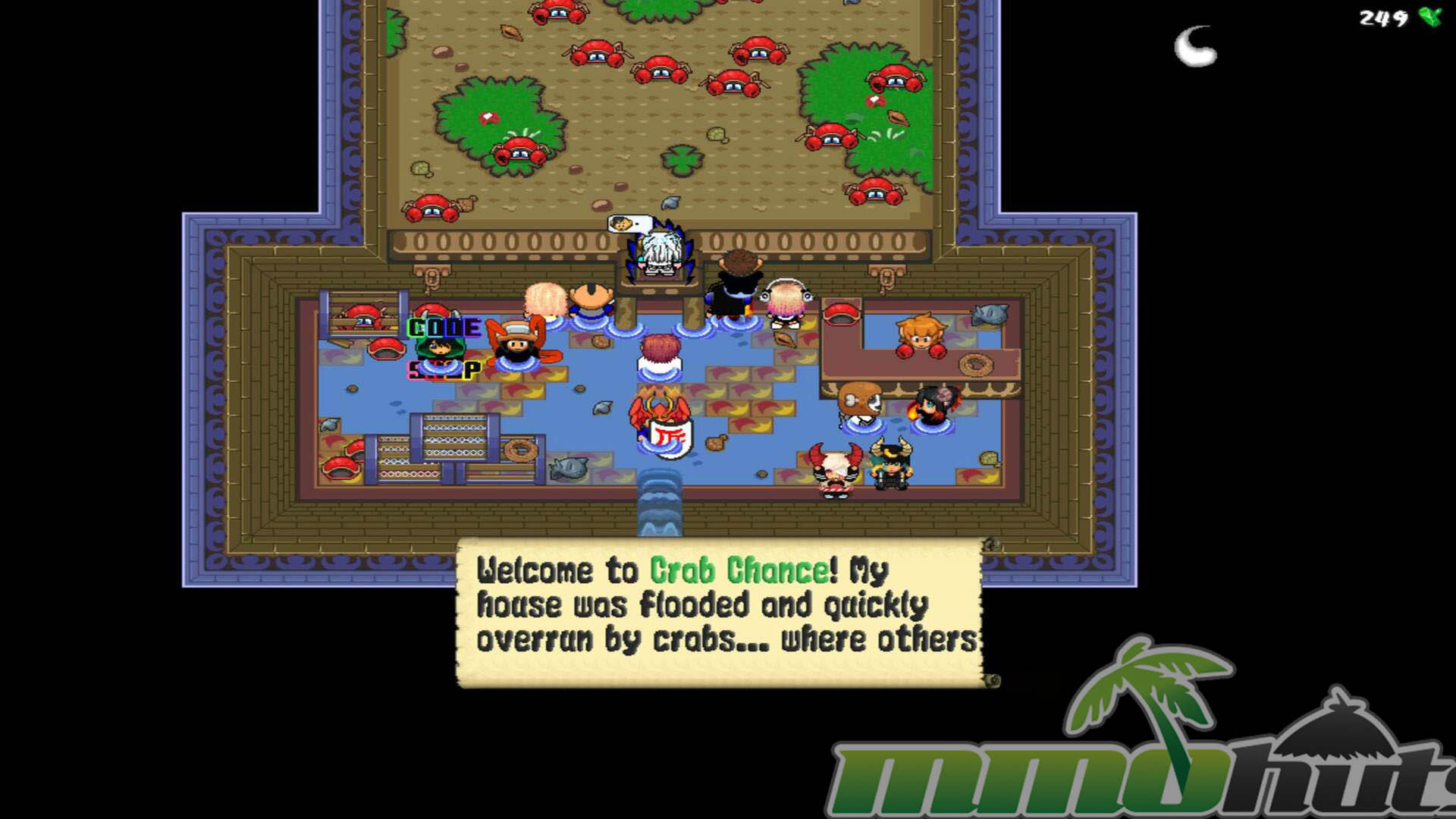
Housing rounds out the social side. Buying a house gives you a private space you can decorate with furniture and other items, and many players use those spaces as informal event rooms, mini games, or small treasure hunt style experiences for visitors.
Graal Online Classic Key Features:
- Retro Feel – step into a top-down world that mirrors classic SNES design sensibilities, keeping visuals readable and systems straightforward for multiplayer play.
- Large Playerbase – find active towns and consistent chatter, making it easy to meet people, roleplay, or simply hang out.
- Customizable Character – swap your look whenever you like using a large library of community-created cosmetics.
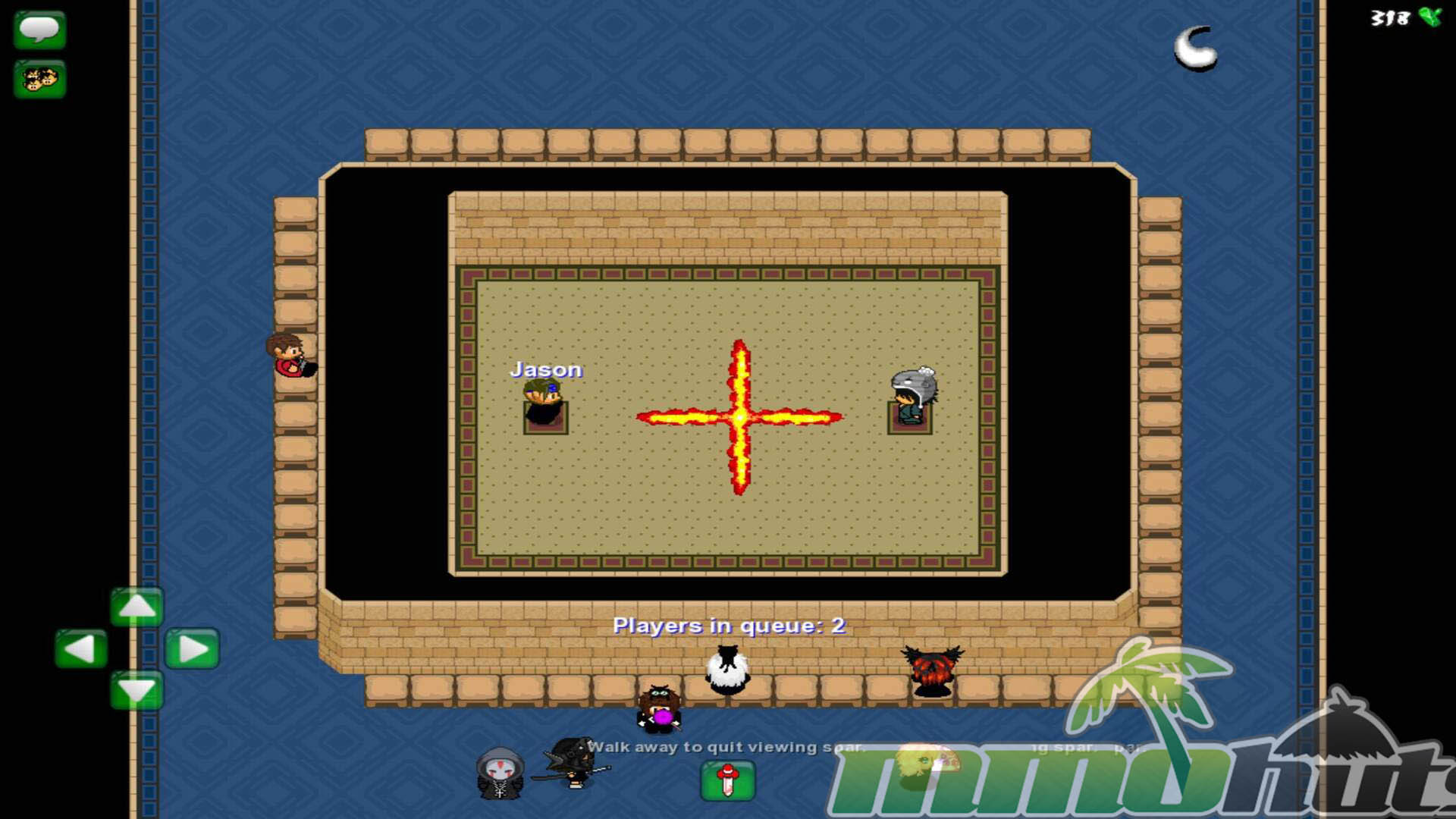
- Open World PK and Arena – test your skills against other players in open areas, or focus on structured duels in the arena.
- Player Housing – own a personal space you can decorate and use as a social hub, event room, or creative playground.
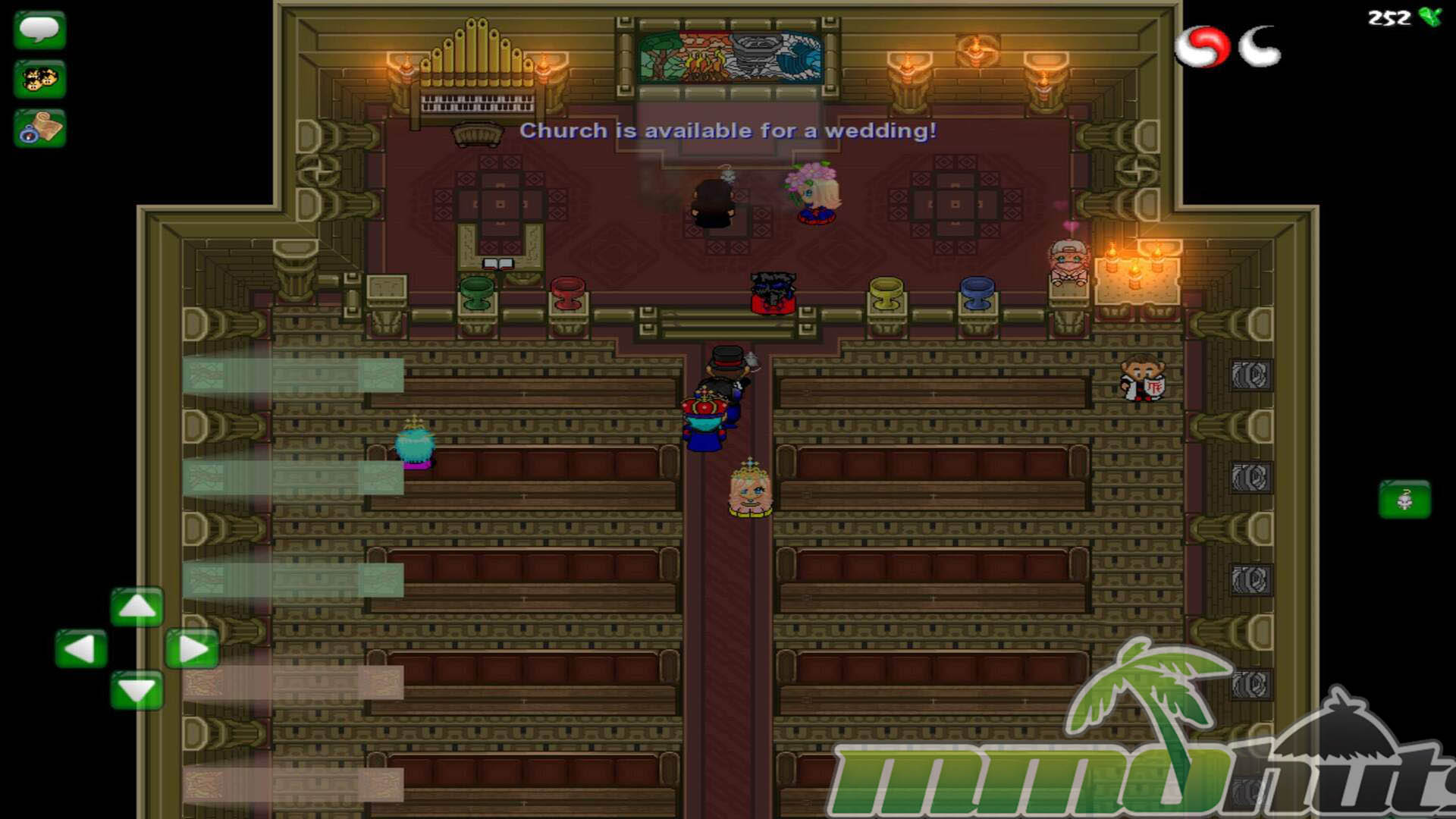
Graal Online Classic Screenshots

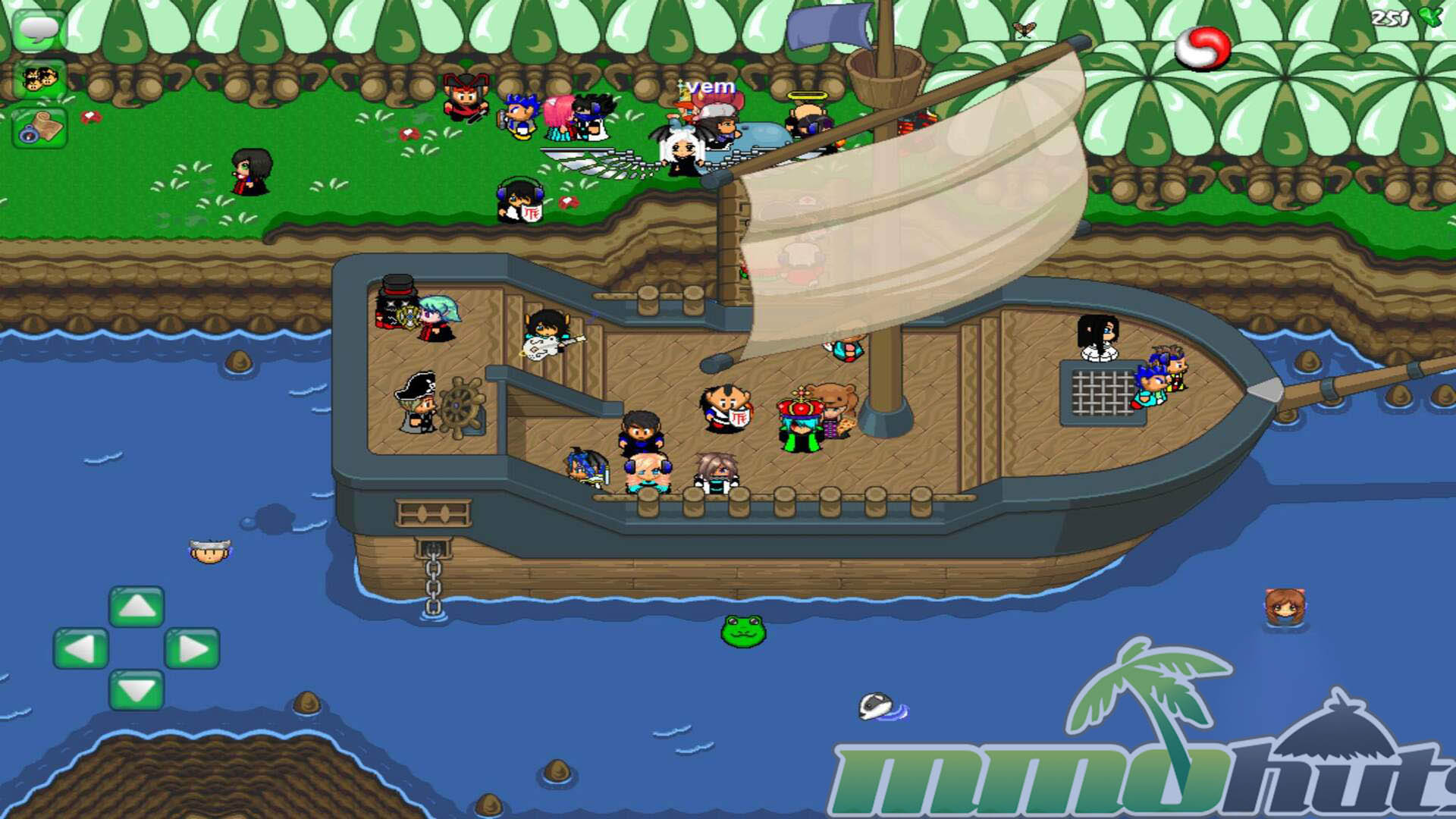
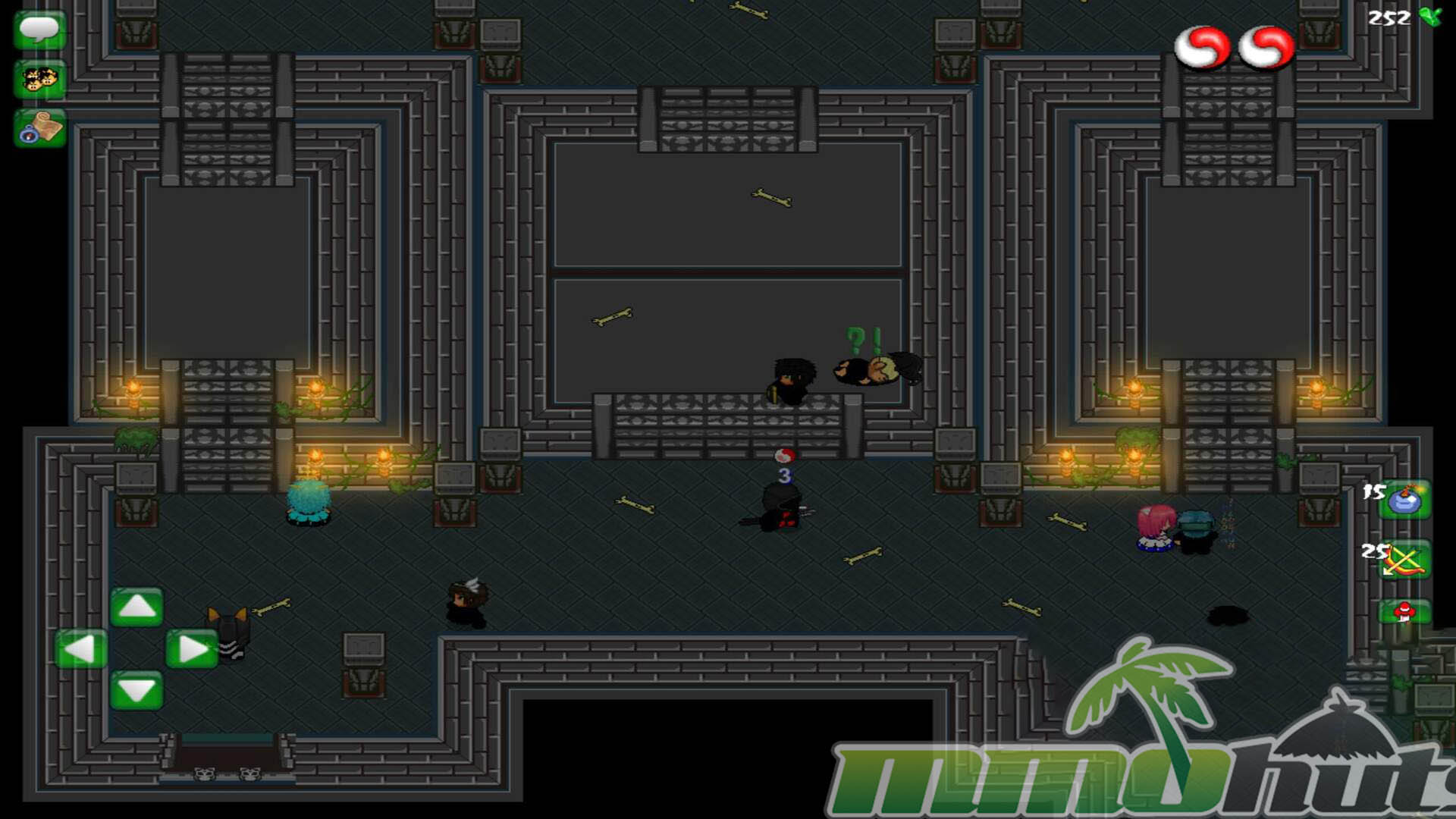
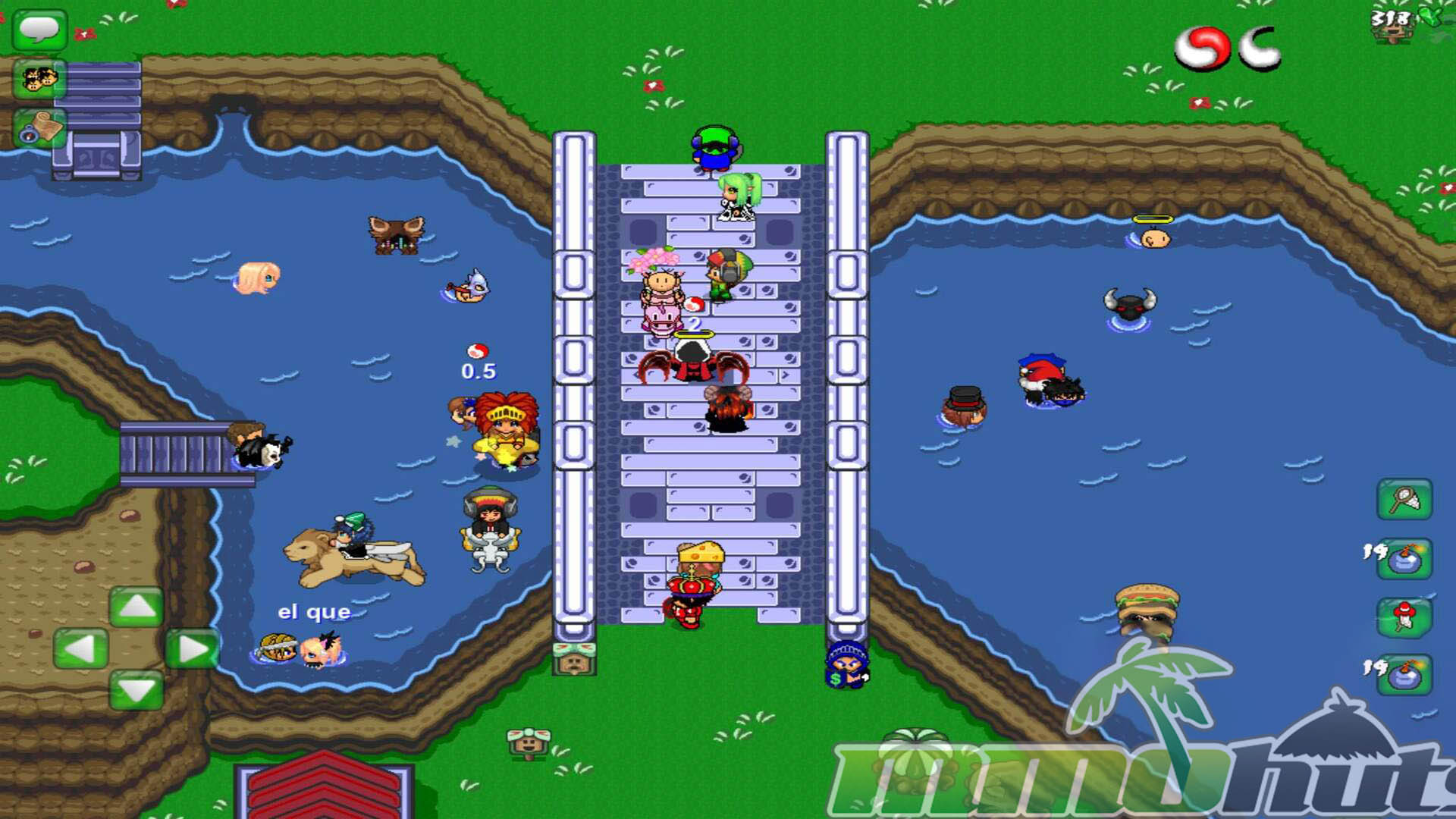
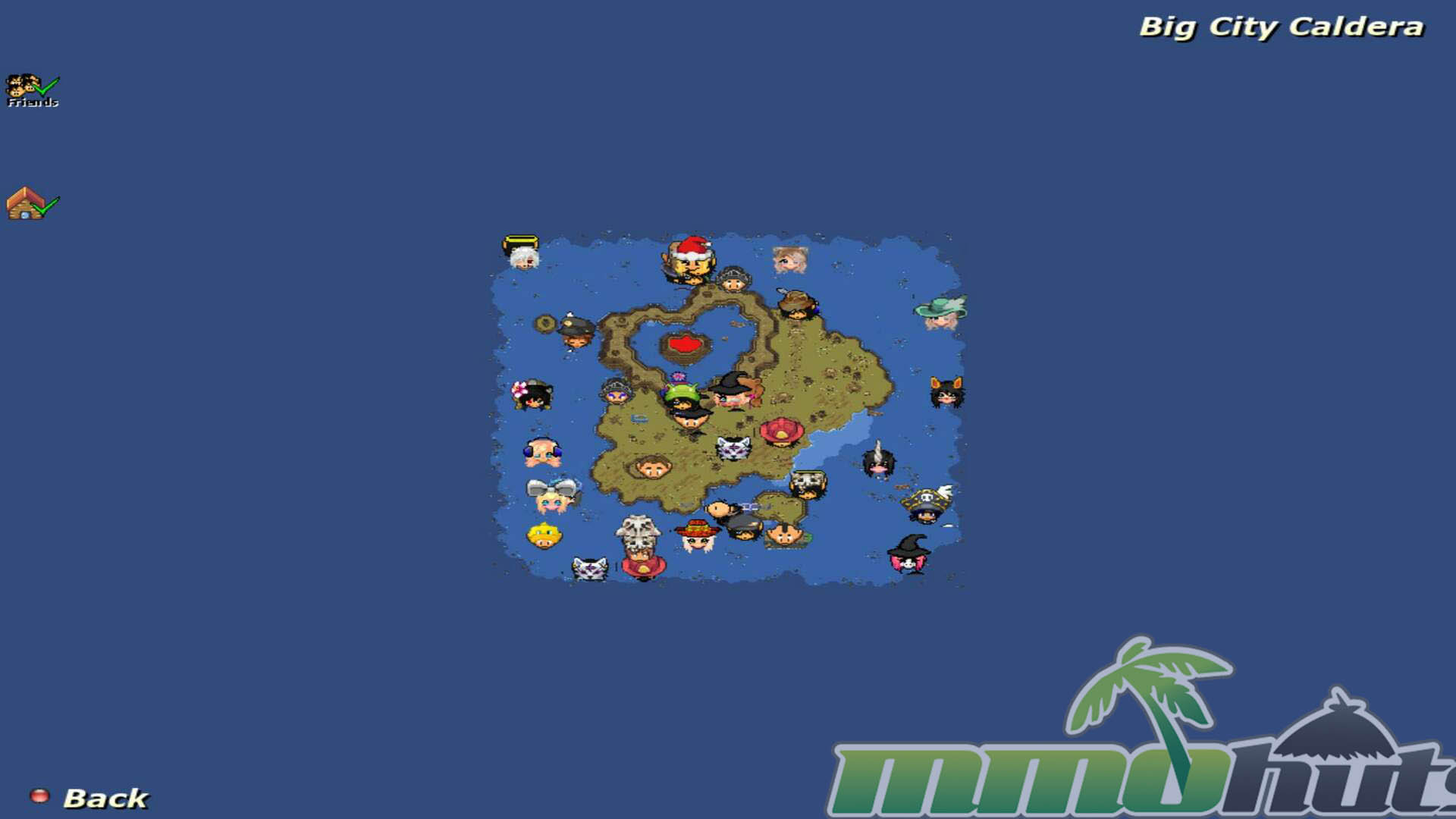


Graal Online Classic Featured Video

Graal Online Classic Review
Graal Online Classic succeeds primarily as a social MMORPG built on an easy-to-understand action framework. The controls and combat language are immediately familiar, you move, swing, and use tools with very little friction. That accessibility is one of the game’s biggest advantages on mobile and browser, because it lets new players join friends quickly without needing a long tutorial or a deep understanding of builds.
Exploration is simple but effective. The world is laid out to encourage wandering, with enemies, small activities, and occasional quest hooks that give you reasons to revisit locations. It is not a theme park MMO with tightly staged zones and scripted dungeons, but it does offer a steady stream of low-commitment goals, especially for players who enjoy collecting cosmetics, learning efficient farming routes, or just discovering what other players are doing.
PvP is present in a way that fits the game’s lightweight structure. Open world player killing can add tension when you step outside safer areas, while arenas provide a more focused place to duel. Combat itself is readable and responsive, though it is not especially complex, the skill expression tends to come from movement, spacing, and knowing when to commit rather than from long ability rotations.
The standout, and the reason Classic has stayed relevant for many years, is the community layer. Chat is always close at hand, avatar customization is constant, and houses give players a reason to invite others into their own curated spaces. In practice, many sessions feel like a blend of light adventuring and social hub time, similar to how some players treat sandbox chat worlds, but with a game loop attached.
That said, the game’s age shows in a few ways. The onboarding is minimal, so players expecting a modern tutorial path may feel lost until they ask questions or explore on their own. The art style is intentionally reminiscent of older classics, but it can come across as more imitative than distinctive. Finally, the presence of pay-to-win elements can create frustration, particularly for competitive-minded players who care about fairness in PvP or efficiency in progression.
Overall, Graal Online Classic is best recommended to players who value community and customization as much as combat. If you want a lightweight MMO you can drop into for short sessions, chat with a busy playerbase, and slowly build your own identity (and home) inside a persistent world, it remains an easy game to understand and a hard one to fully replace.
Graal Online Classic Online Links
Graal Online Classic Official Website
Graal Online Classic Official Forums
Graal Online Classic Facebook
Graal Online Classic Android
Graal Online Classic iOS
Graal Online Classic System Requirements
Minimum Mobile Requirements:
Operating System: Android 2.1 or later / iOS 4.3 or later
Minimum Browser Requirements:
Operating System: Windows XP SP3
CPU: Dual Core 2.0 GHz
RAM: 1 GB RAM
Browser: Any browser with Flash Player installed
Recommended Browser Requirements:
Operating System: Windows XP SP3 / 7 / 8 / 8.1 / 10 (64 bit)
CPU: Quad Core 2.5 GHz
RAM: 2 GB RAM or more
Browser: Any browser with Flash Player installed
Graal Online Classic is a browser based MMORPG and should perform well on most PCs that meet the basic requirements. It was commonly played across major browsers such as Internet Explorer, Opera, Firefox, and Chrome, and in general any up-to-date browser environment should handle it without trouble.
Graal Online Classic Music & Soundtrack
The soundtrack and sound design in Graal Online Classic are functional rather than showy. Effects communicate hits and tool usage clearly, and the overall audio presentation supports casual play sessions where many players spend as much time socializing as they do fighting. While it is not a game typically remembered for a standout score, the audio fits the retro presentation and does its job without becoming distracting.
Graal Online Classic Additional Information
Developer: Eurocenter Games
Publisher: Eurocenter Games
Platforms: Android, iOS, Browser, Facebook
Release Date (iOS): July 2008
Release Date (Facebook): 2011
Release Date (Android): 2013
Development History / Background:
Graal Online Classic is developed and published by Eurocenter Games, and its roots go back well before the mobile era, with development history reaching to 1997. Classic is one of three official worlds supported by the developer, and it exists alongside other large, long-running servers built on the same underlying framework.
The project began as a small Java title that originally went by Zelda Online, then grew into a broader engine known as Graal. A key part of that evolution was the inclusion of accessible creation tools, which allowed players without deep technical skills to make their own levels and content. That user-generated side of the platform helped produce a wide variety of community creations, including the Playerworlds hosted through the broader Graal ecosystem.
Within the official lineup, Classic, Zone, and Kingdoms represent the core worlds with significant communities and distinct styles of content. The official releases arrived first on iOS in July 2008, later expanded to browser/Facebook in 2011, and then launched on Android in 2013.