Global Agenda: Free Agent blends MMO progression with third-person shooter combat in a sci-fi setting. You pick one of four distinct classes, gear up with futuristic weapons, and bounce between instanced PvP arenas and co-op PvE missions from a central hub, all while the game frames you as an operative resisting a harsh world government.
 | Publisher: Hi-Rez Studios Playerbase: Shut Down Type: MMO Shooter Release Date: February 1, 2010 Pros: +Snappy, action-first combat loop. +A good spread of PvP modes. +Several skill paths with meaningful build choices. Cons: -No longer actively supported. -Population is very low. -Can suffer from lag and networking hiccups. |
Global Agenda: Free Agent Overview
Global Agenda: Free Agent takes place in the 22nd century after the Third Great War leaves Earth broken and desperate. Order is maintained by the Commonwealth, a dystopian world authority that leans on AI-controlled drones to keep the remaining population in line. In that bleak future, you play as an elite agent who pushes back with advanced gear, mobility tools, and class-based abilities.
Structurally, this is a hub-driven MMO shooter with a third-person camera. You spend much of your time selecting activities from terminals and queues, then jumping into instanced PvP or PvE missions. For players who enjoy organized competition, joining an agency (guild) matters, especially for the 10v10 ladder-focused play where seasons reward the strongest teams with materials. Outside of that, there is also a larger persistent-world component that supports PvE encounters and mission-based progression.
Global Agenda: Free Agent Key Features:
- Free-to-play – the full set of currently available items can be earned through play without spending money.
- Competitive Guild-centric Ladder Mode – 10v10 arena battles where agencies fight for resources.
- Unique Genre – MMO structure paired with shooter-style combat.
- Original Blend of PvP and PvE Elements – third-person shooter action split between a social hub and a persistent world.
- Class Variety – four roles to choose from, assault, medic, recon, and robotics.
Global Agenda: Free Agent Screenshots

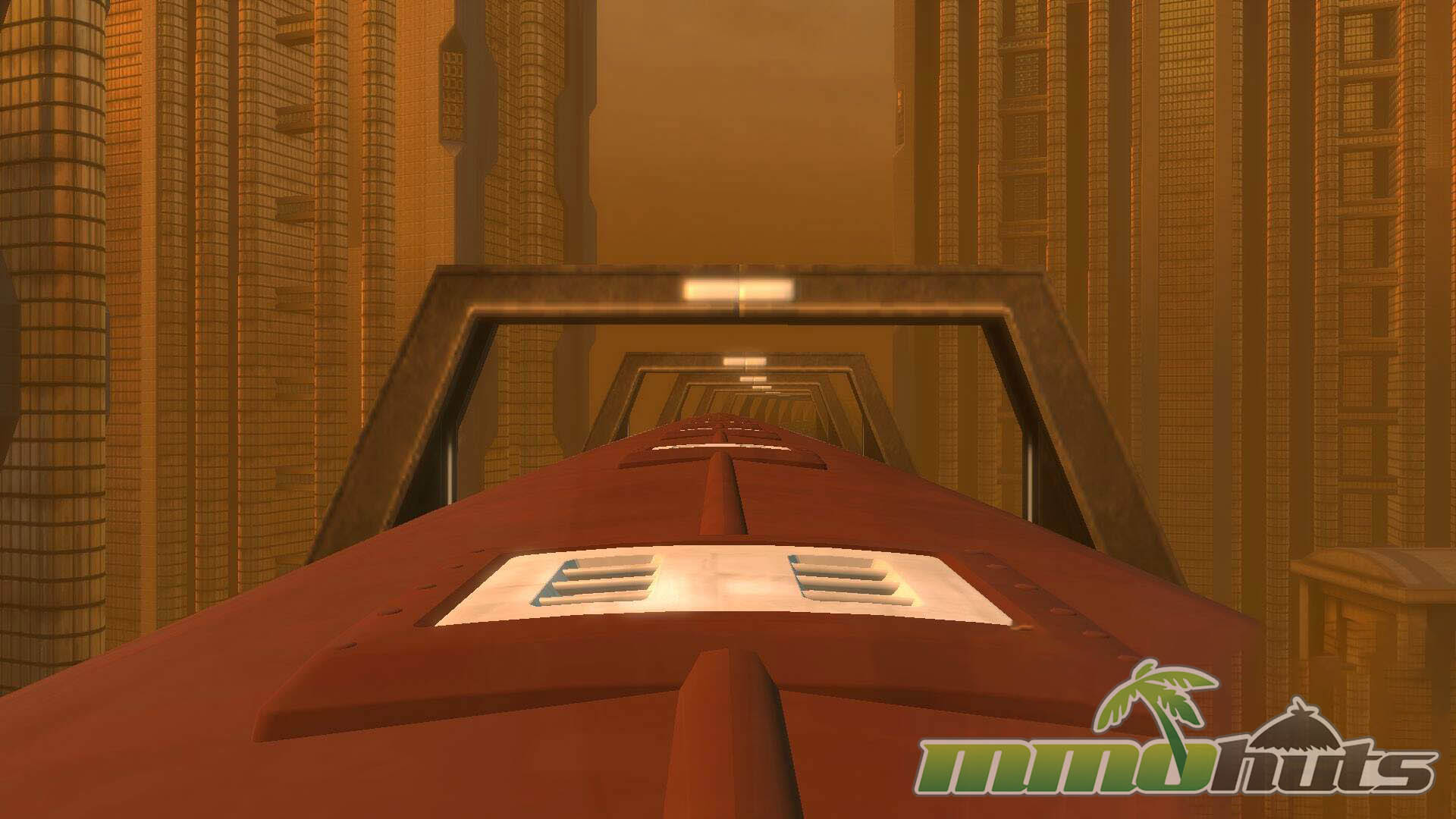
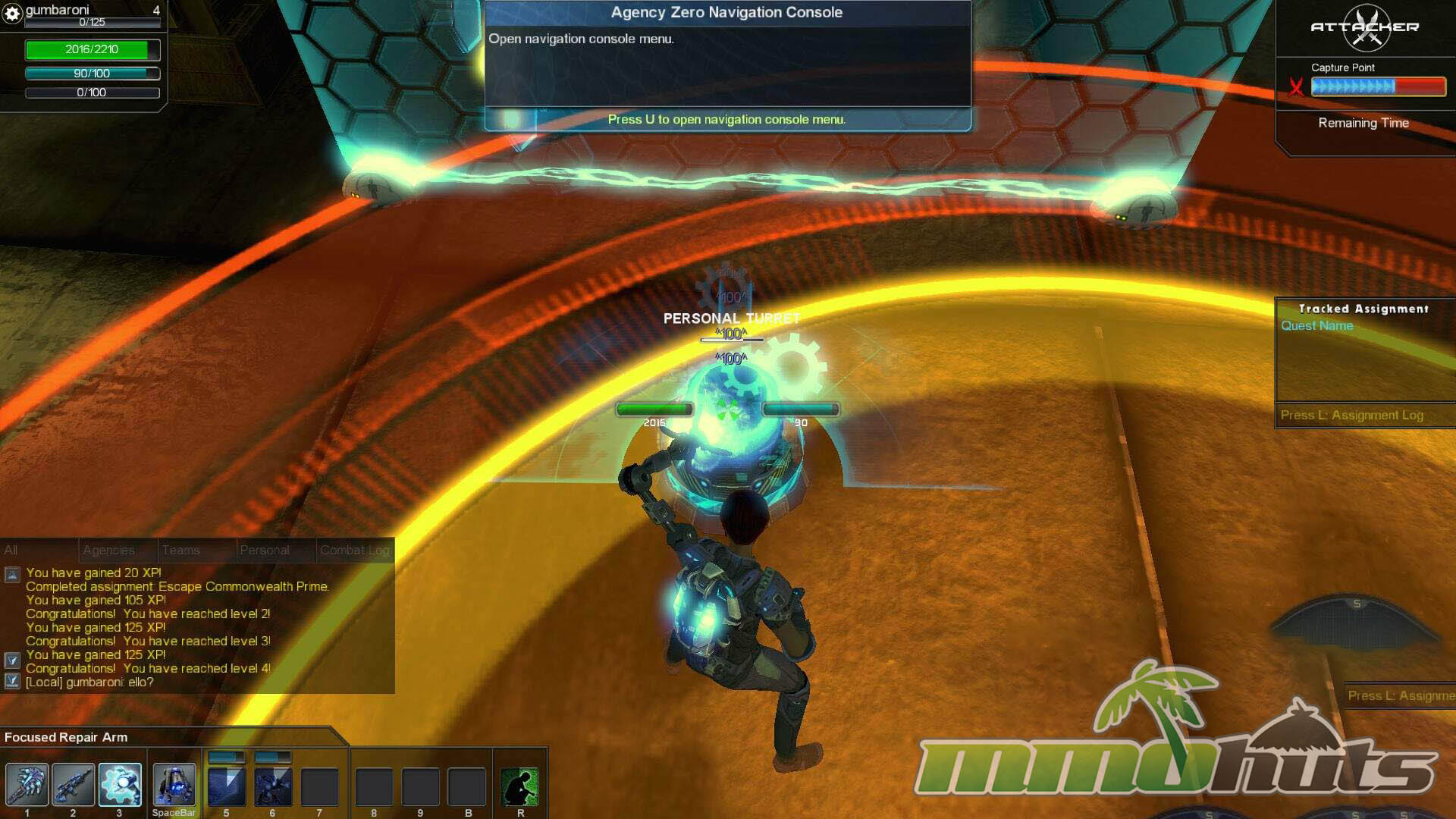
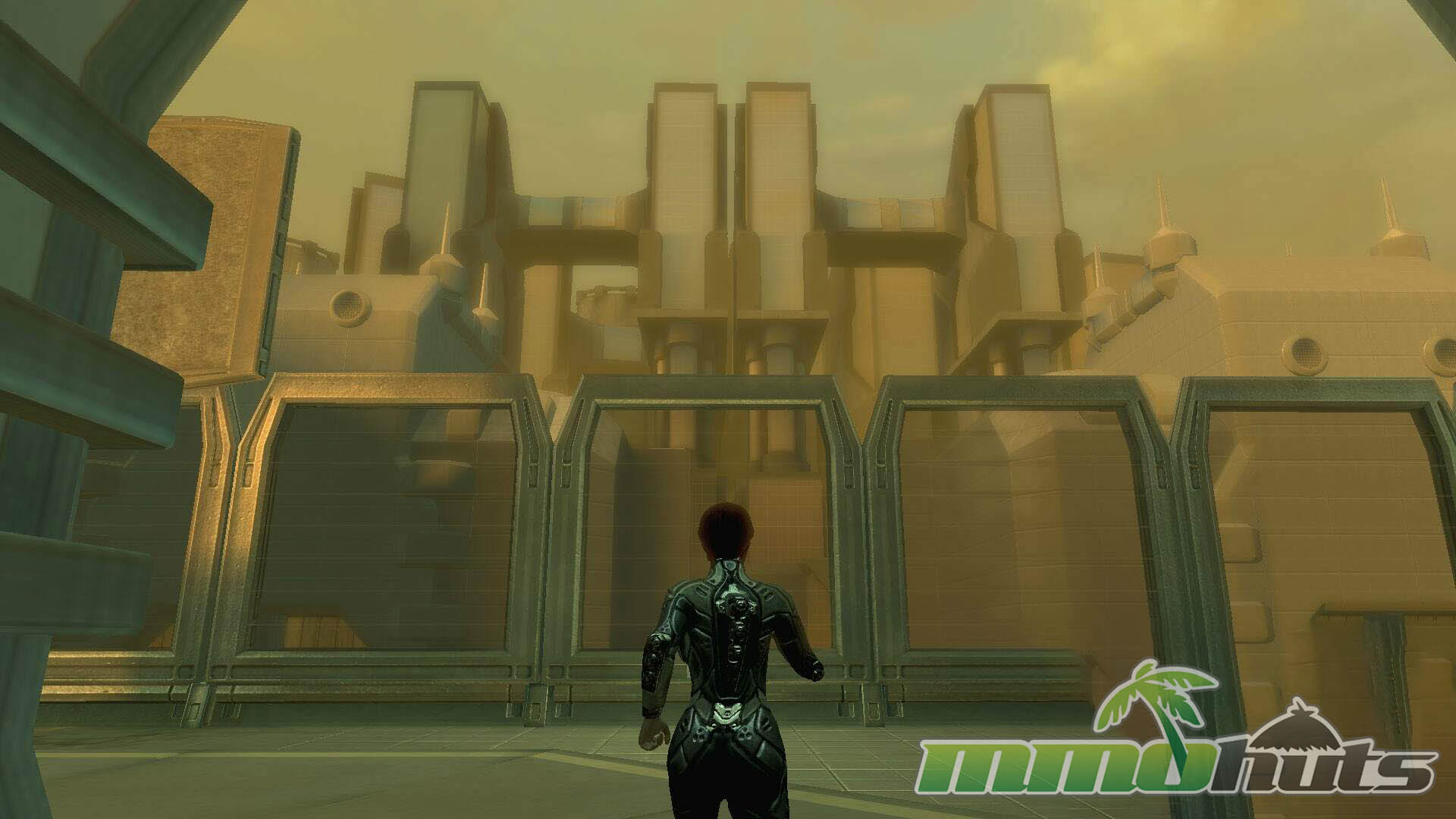
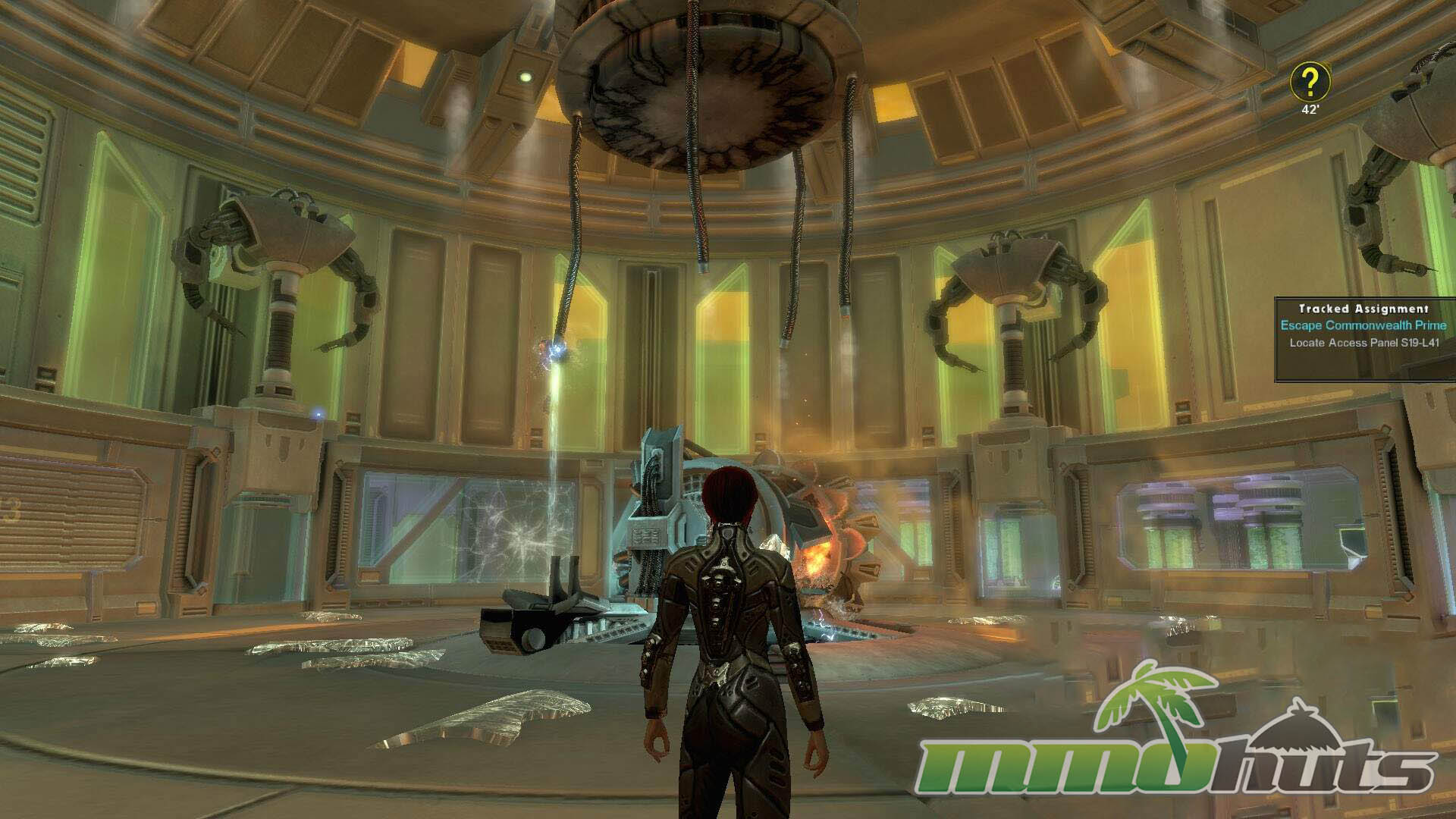
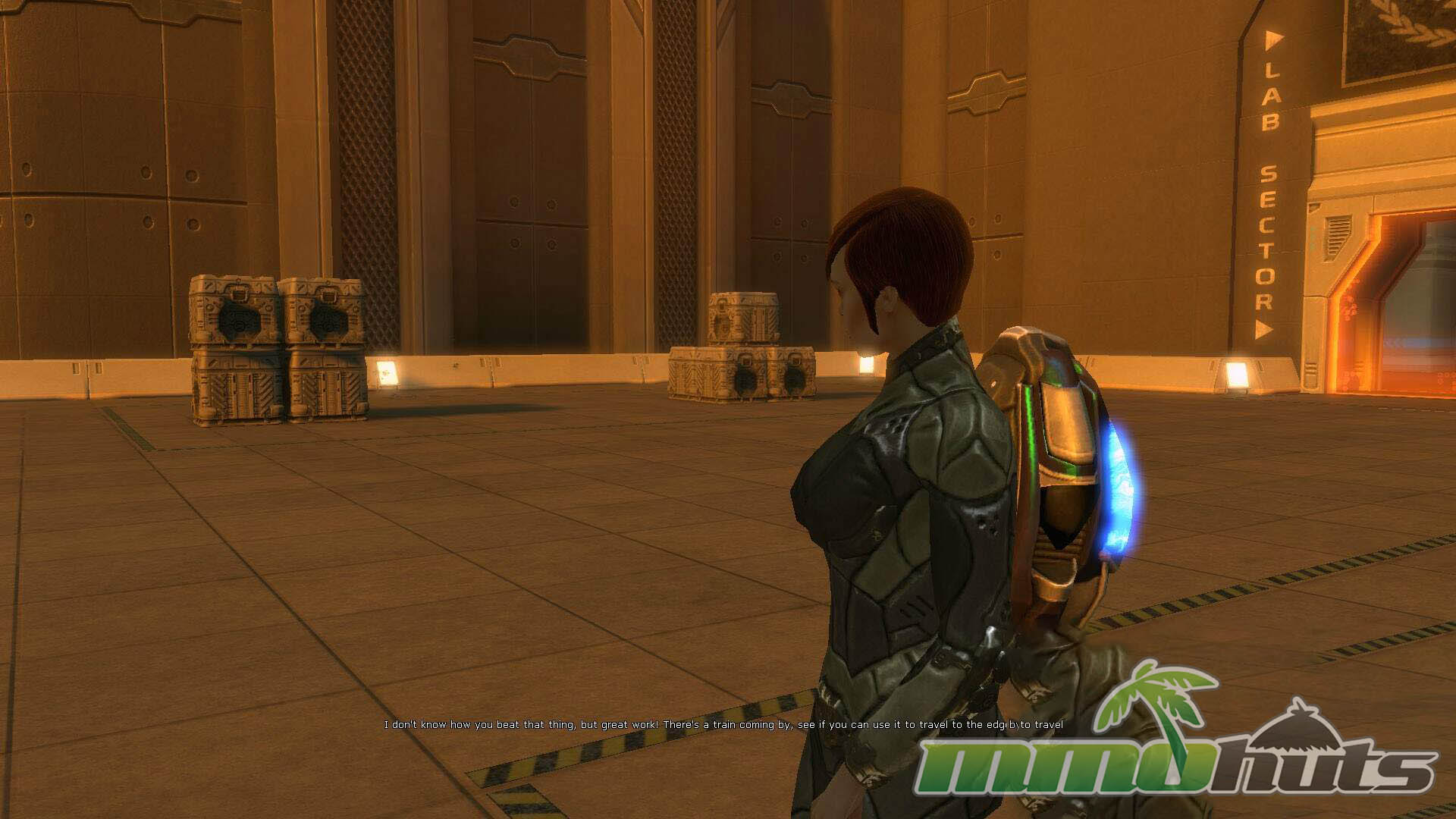
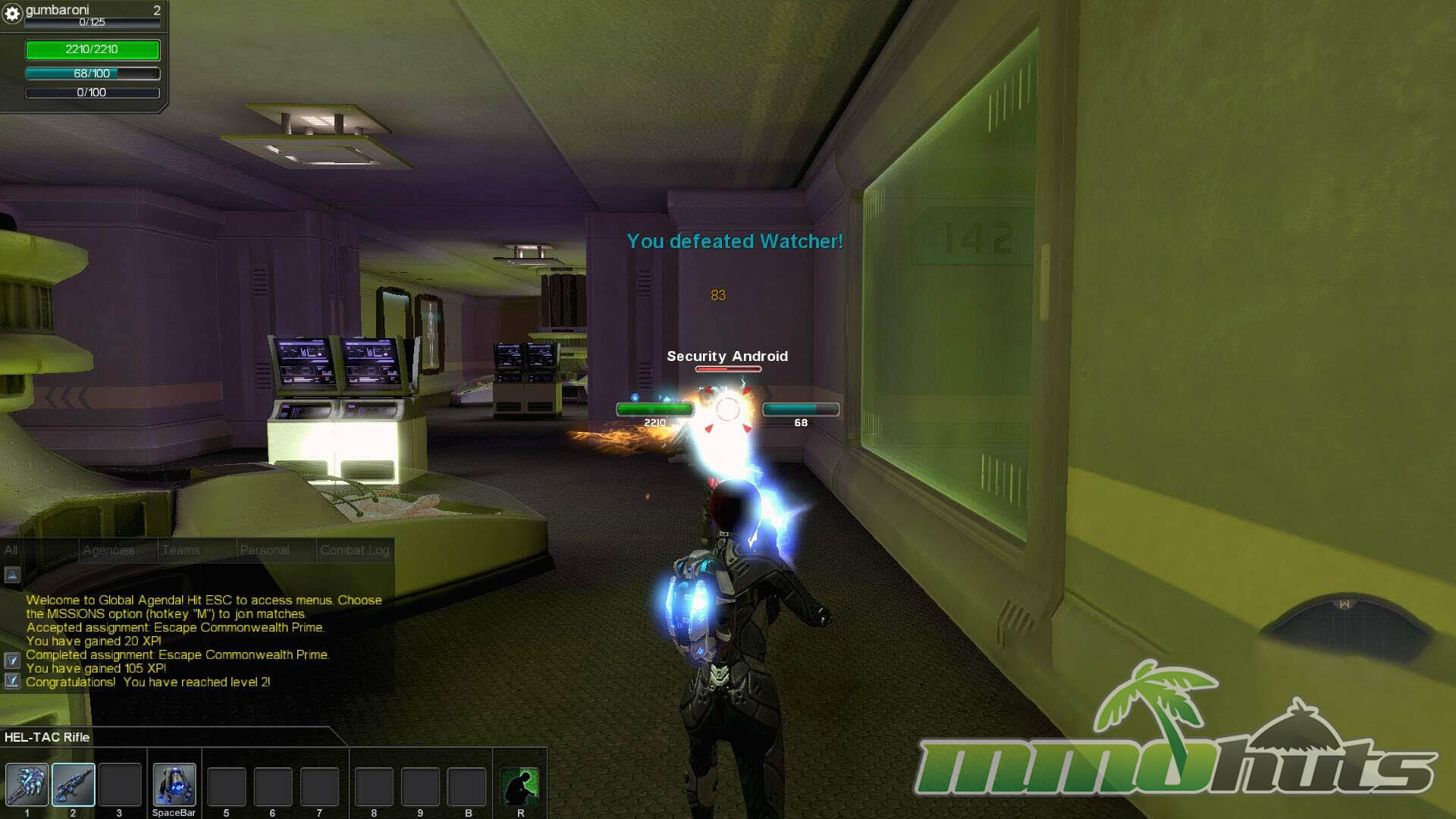
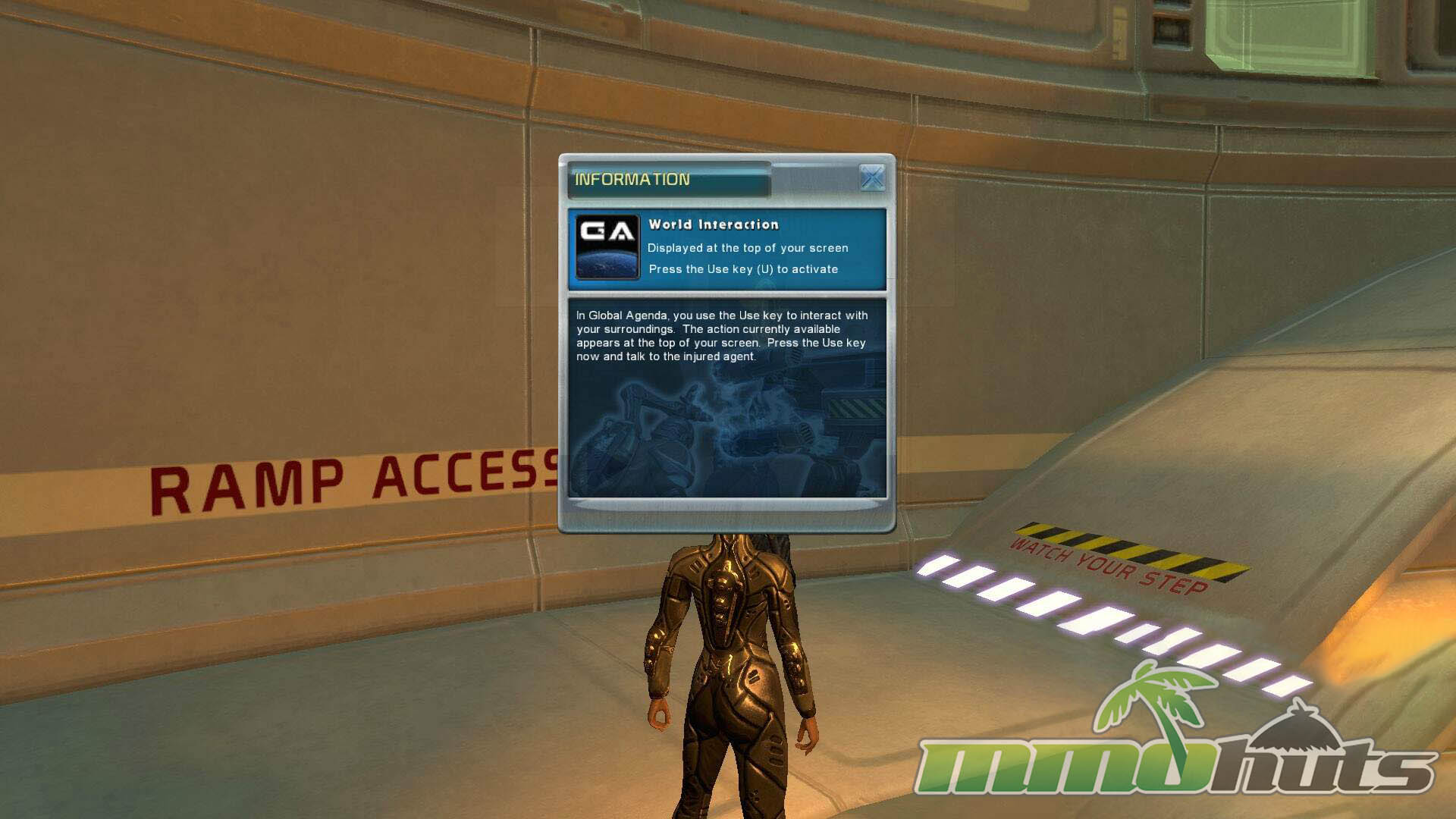
Global Agenda: Free Agent Featured Video

Global Agenda: Free Agent Classes
Assault – Built to lead pushes and soak pressure, Assault is the heavy hitter of the roster. Thick armor and big weapons let it pressure objectives and punish clustered enemies with strong area damage. The tradeoff is flexibility; Assault tends to excel when it commits to a fight rather than constantly repositioning. In group play, it often functions as the frontline anchor.
Medics – Medics are the dedicated healers, the only class that can directly restore allies in the traditional MMO sense. They are not passive support though; their offensive toolkit leans into toxins and damage-over-time effects that can melt targets while they keep teammates standing. In coordinated squads, Medic plus a durable partner can be extremely hard to dislodge.
Recon – Recon fills the agile assassin and marksman niche. It can approach fights through stealth and surprise, then switch to ranged pressure by taking elevated angles with mobility tools like bionics and jetpacks. Recons are popular because they can adapt, picking off targets with a sniper rifle or getting close for quick eliminations before enemies can react.
Robotics – Robotics is the battlefield engineer, turning the Commonwealth’s reliance on machines against itself. With deployables such as turrets, force fields, and controllable robotic helpers, the class is excellent at locking down space and creating safe zones for the team. It leans defensive by nature and tends to feel especially effective in PvE where controlling waves and chokepoints matters.
Global Agenda: Free Agent Review
Global Agenda: Free Agent is a free-to-play, hub-based MMO shooter from Hi-Rez Studios built on Unreal Engine 3. It originally launched on February 1, 2010, and later shifted away from subscription billing into a free-to-play approach. Even now, it is best understood as a multiplayer-first game that mixes MMO-style progression with match-based missions. It has been available through Steam and through Hi-Rez’s own account system.
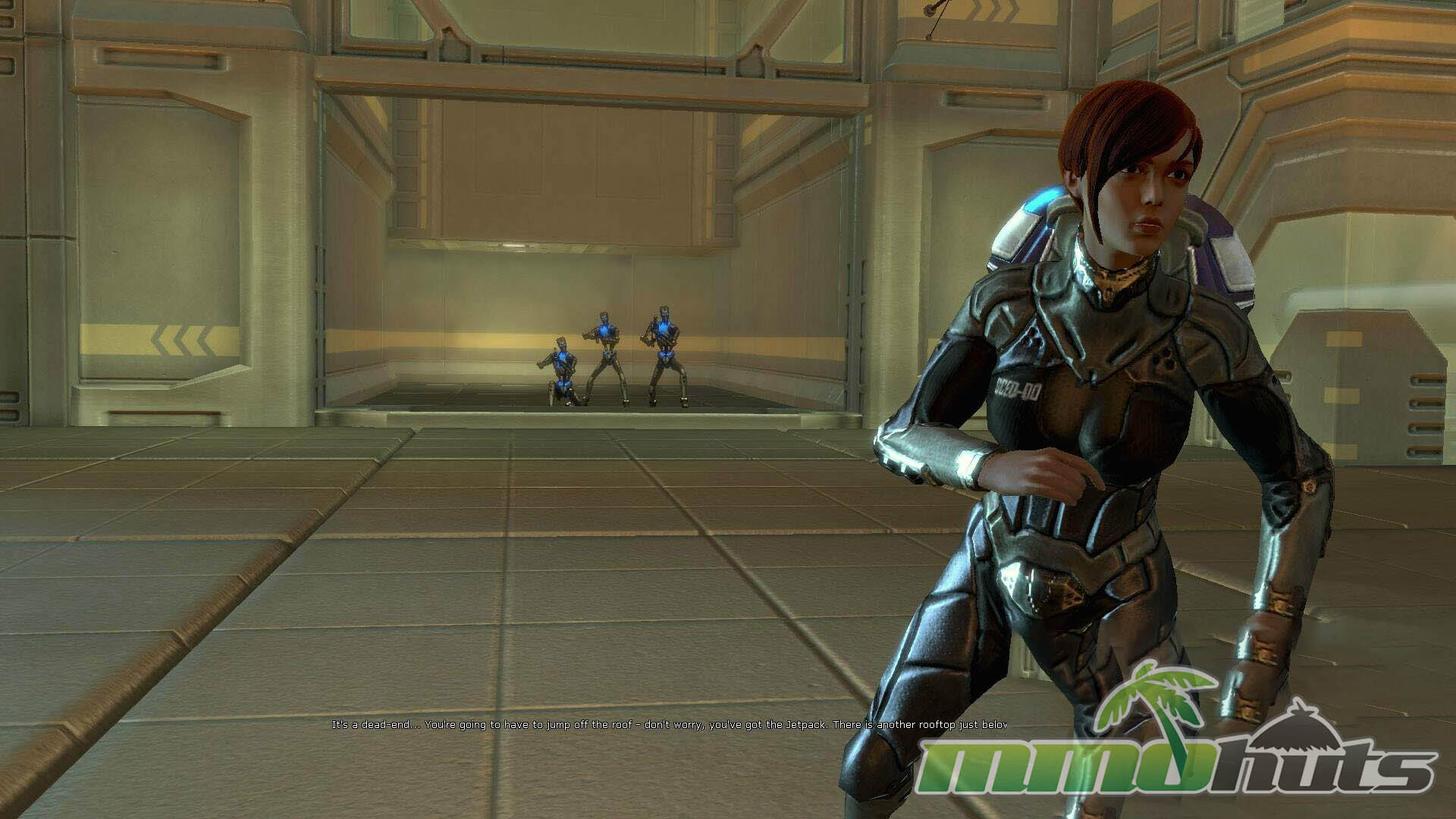
The setting, year 2155, is pure dystopian science fiction. After global war renders much of Earth hostile, the Commonwealth enforces its authority with an army of AI drones. You are positioned as an elite operative working against that control structure, selecting one of four classes (Robotics, Medic, Recon, or Assault) and building your loadout around energy weapons, gadgets, and movement tools.
A quick start that teaches the basics
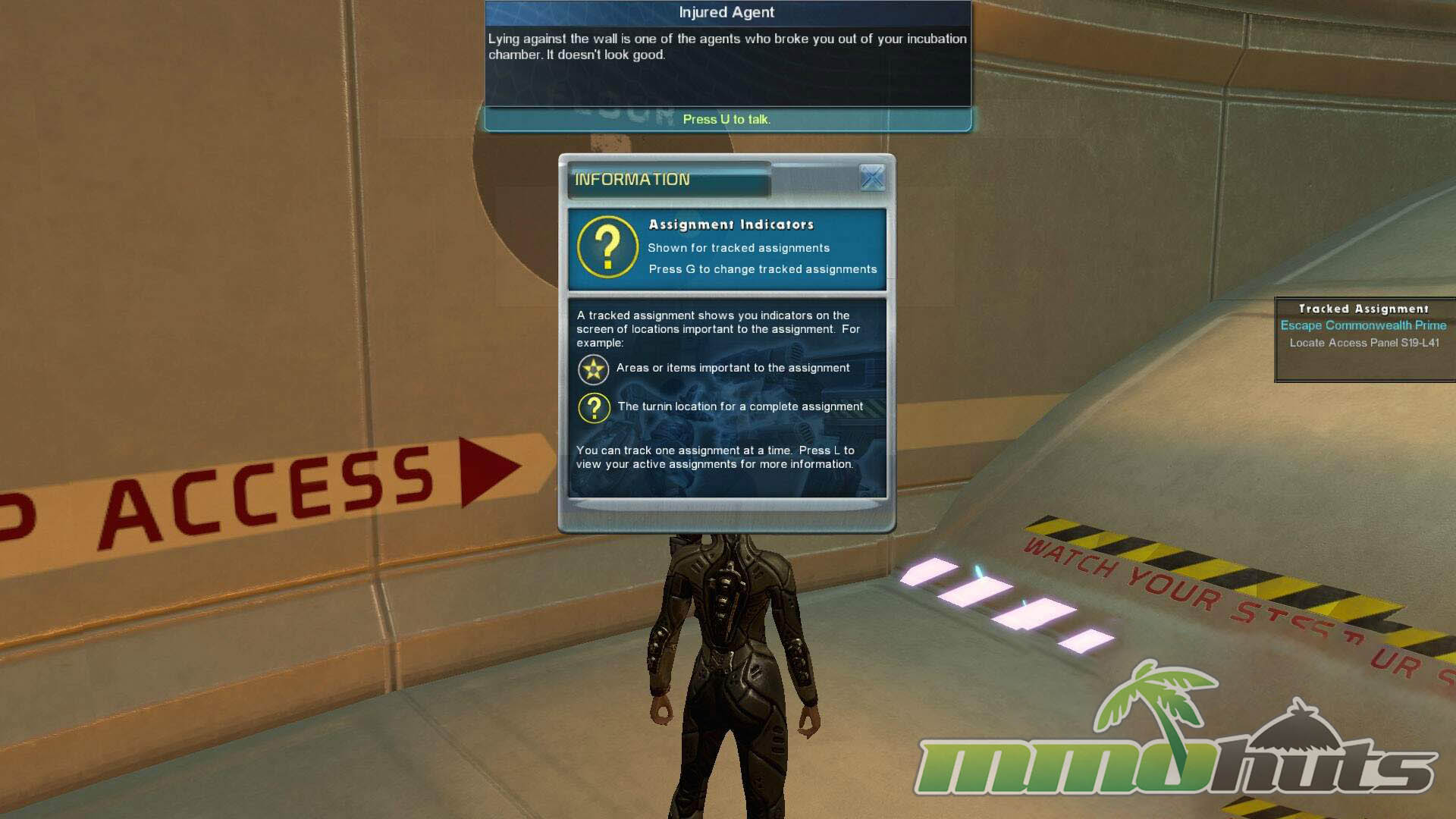
The opening sequence is cinematic enough to establish tone, then quickly pivots into tutorial missions that introduce movement and combat. Your character begins in containment, framed as part of a government program, and the first objective is essentially a breakout and escape from Commonwealth forces. It is a straightforward setup, but it does its job, it gets you moving, shooting, and learning your kit without a long detour.
If you have any MMO background, navigation and interaction will feel familiar: WASD movement, jumping, and quest-giver NPCs with clear indicators. One oddity is the default interaction key, which uses “U” for many actions, a choice that can feel unintuitive if you are used to more common bindings. Quest guidance is also very direct, with an on-screen pathing indicator that leads you toward objectives, which keeps early missions brisk even if you ignore the quest text.
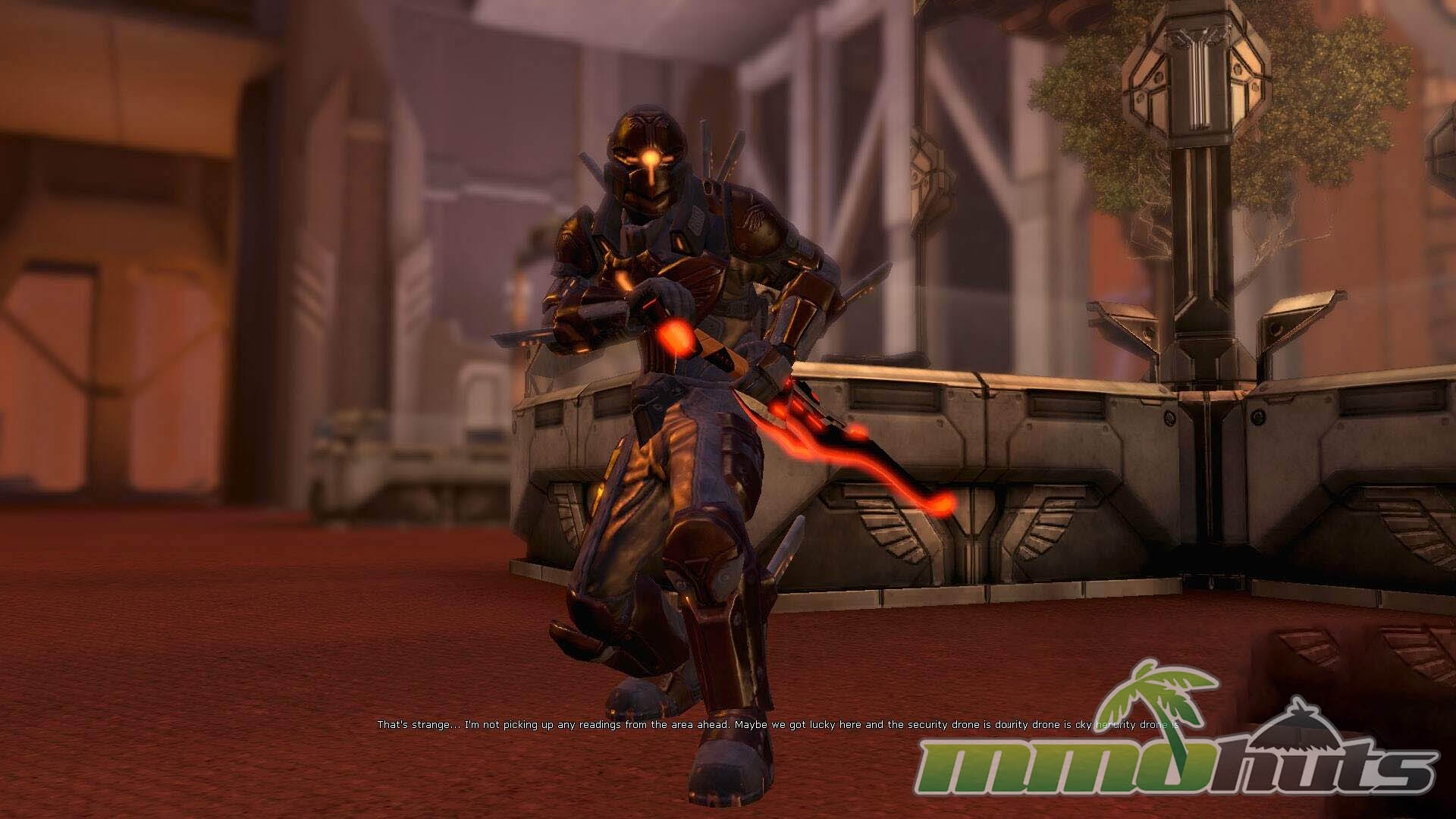
Combat fundamentals and the energy economy
Once you follow the objective trail, the game pushes you into fights quickly. Melee weapons support both attacking and blocking, and there is a simple risk-reward loop: swinging is easy, but defense matters because blocked melee strikes can reflect damage back onto the attacker. It gives close-range encounters a slightly different rhythm than typical shooters, especially against enemies that mindlessly commit to melee pressure.
The defining resource system is power, effectively the game’s mana bar. Abilities, shields, jetpack use, and even ranged attacks draw from the same pool. When you stop using power-heavy actions, it refills. That single decision ties movement, defense, and offense together, and it forces you to pace yourself instead of firing endlessly or hovering over every fight with the jetpack.
Ranged combat leans into sci-fi energy weaponry, firing bolts rather than physical bullets. Weapons generally have a standard firing mode and a scoped view for longer engagements, but they are not true hitscan rifles with infinite reach; at long distances, shots lose effectiveness as the energy dissipates. The result is that positioning still matters, but you are encouraged to fight within the intended engagement ranges rather than sniping across entire maps.
Fighting the drones, satisfying feel, limited nuance
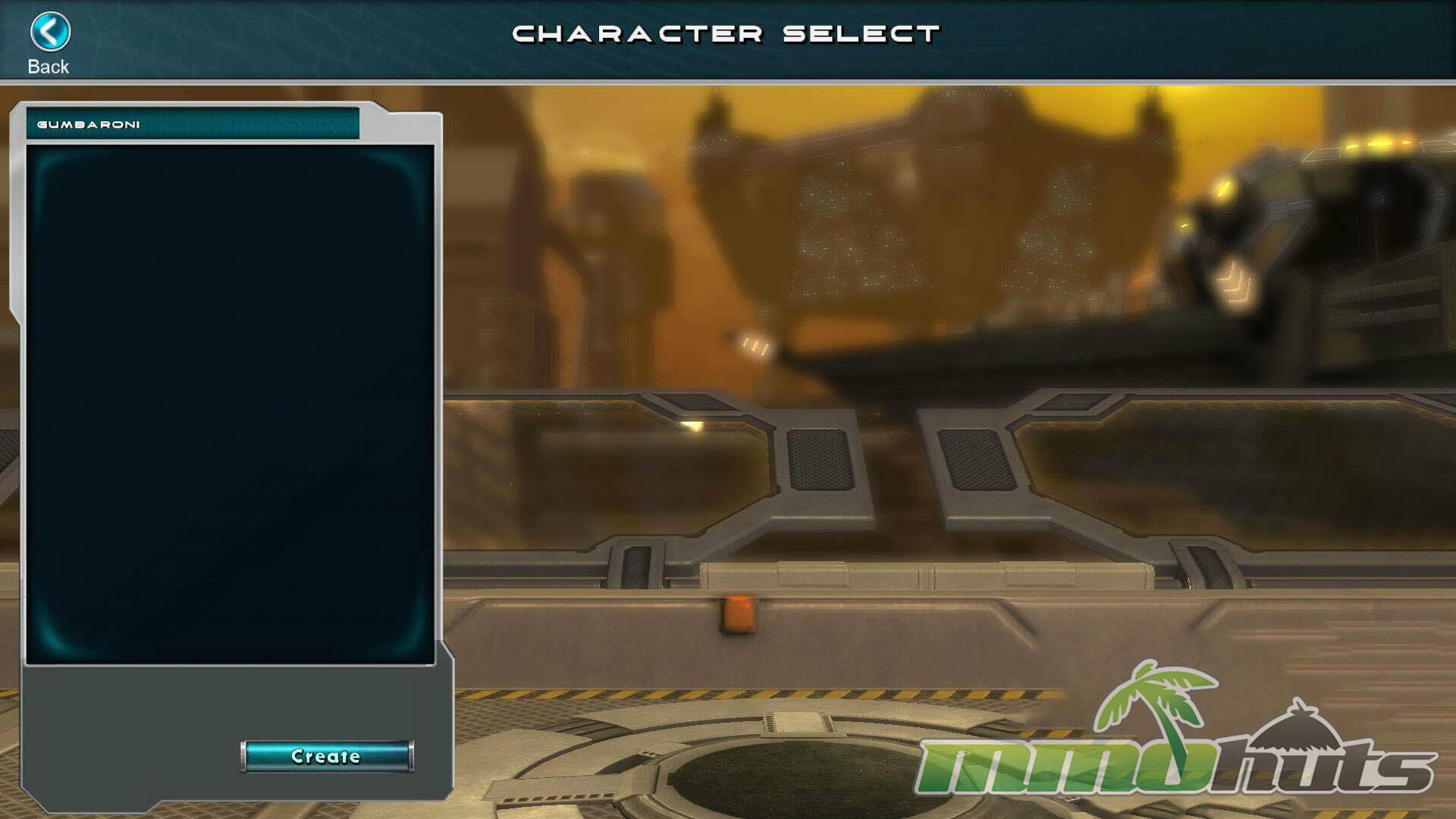
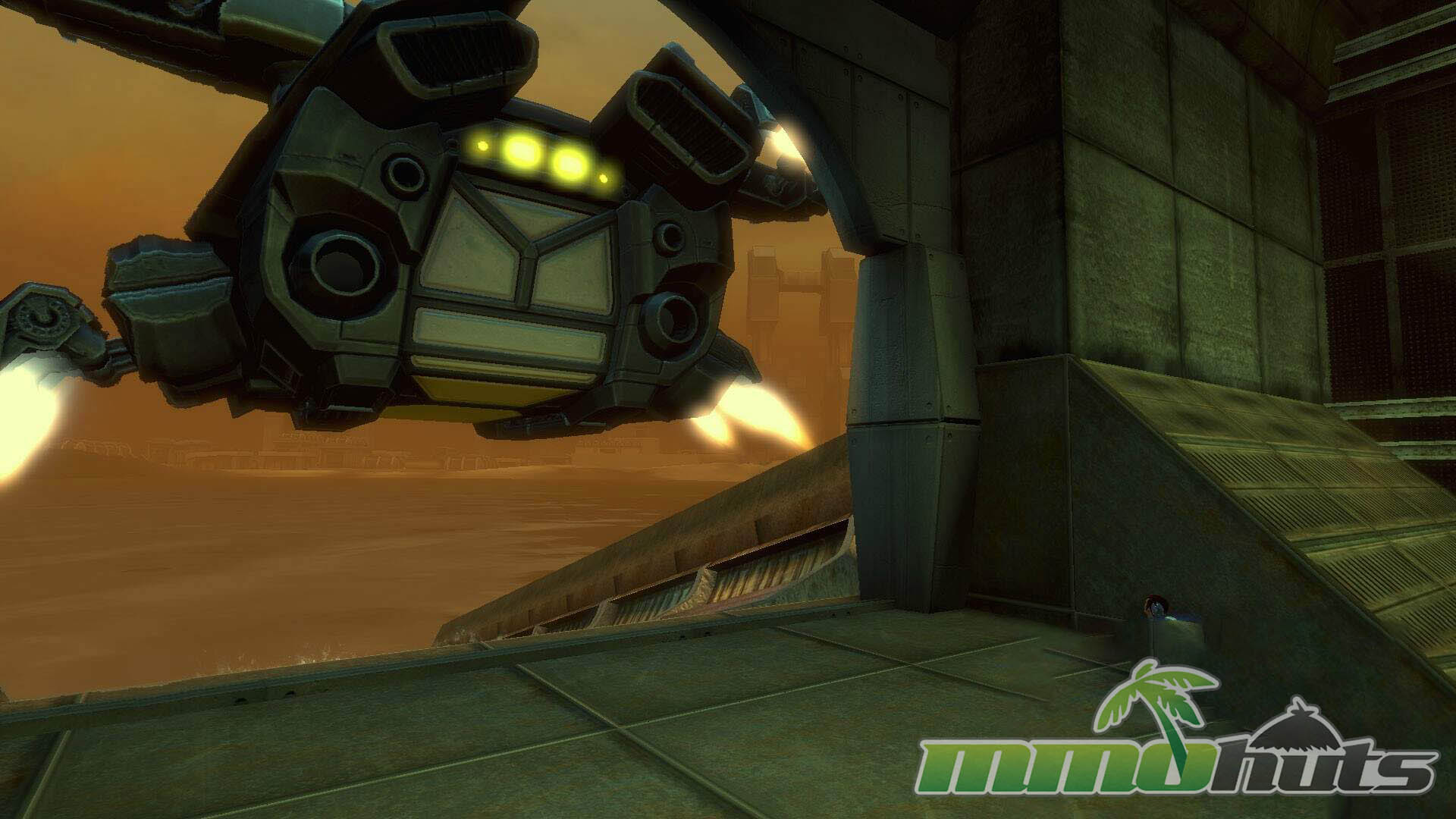
There is an immediate pleasure in how enemies react to damage, with exaggerated physics that make drones tumble and break apart. Over time, the bigger tactical hook becomes managing your power bar: deciding whether to spend energy on mobility to close distance, commit to defensive tools, or stay conservative so you can keep pressure with ranged fire. Each class emphasizes that decision in a different way, but the shared resource makes the moment-to-moment choices feel consistent across the roster.
Early PvE encounters are not particularly punishing. The game often throws waves of robots that rush you in predictable patterns, and many projectiles are easy to avoid with basic movement. Maps typically include enough cover to reset a fight, and self-sustain tools are straightforward. Healing, for example, is often handled with a quick deployable field (mapped to “R” by default) that restores health while slowing you down, which encourages you to duck out of danger, heal, then re-engage rather than trying to tank everything in the open.
One notable design decision is how deterministic the combat math feels. Damage is highly consistent, with little randomness, which can be appealing for players who prefer clarity. The downside is that the combat lacks some of the highs that other shooters lean on. There are no critical hits, and headshots do not provide the kind of rewarding spike many players expect, even when using precision-focused weapons.
Atmosphere and world design feel thin
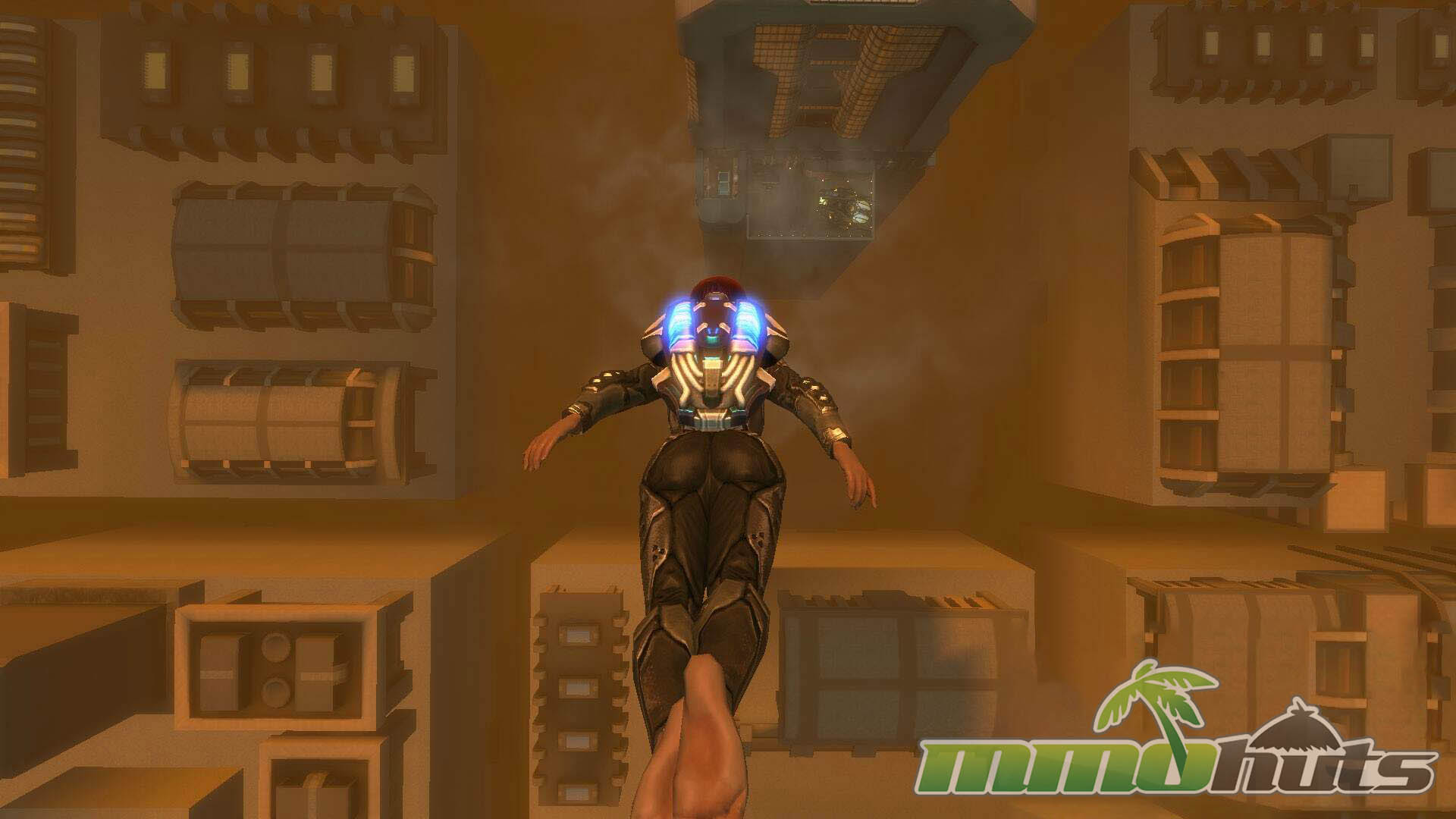
For a 2010 release, the game holds up technically better than you might expect. Performance is generally smooth, and the Unreal Engine 3 foundation helps combat readability. Where it struggles more is in the persistent-world presentation. The post-war deserts and ruined landscapes fit the premise, but the spaces can feel sparse and quiet, and the overall ambience does not always sell the idea of a living MMO world. It often comes across as functional terrain between activities rather than a setting that invites exploration.
That matters because Global Agenda is at its best when it leans into what it was built for: queueable missions and objective-based matches. The larger-world zones exist, but they rarely feel like the core attraction compared to the instanced content.
The game’s real identity: a mission hub shooter
Dome City acts as the main hub where players pick PvE and PvP activities. This is the loop the game was designed around: enter a queue, load into an objective-driven map, complete the mission, then return to the hub to adjust loadouts and do it again. When matchmaking is active and teams are full, the pacing can be genuinely enjoyable, with clear roles and enough mobility to keep fights dynamic.
Mercenary Mode
Mercenary Mode is the straightforward competitive package: two teams of ten across multiple rule sets, all with a focus on objectives and pressure. Control revolves around holding points to reach 800 score. Payload flips the dynamic into escort versus disruption. Demolition adds mechs that players can pilot, with each side trying to destroy the opposing mech. Breach asks one team to capture three objectives against the clock. Scramble rotates active capture points, and the first team to secure the active objective three times takes the match. The variety is solid, and it helps keep the PvP rotation from feeling one-note.
Special Ops
For co-op players, Special Ops provides PvE instances that can be run solo or with up to three friends. Difficulty tiers scale enemy threat, and the time pressure is a key part of the format: you have 20 minutes to reach the boss, then only four minutes to finish the fight once you arrive. It is a simple structure, but it creates urgency and makes efficient play matter.
Agency vs. Agency competition
Agency vs. Agency (Conquest Mode) is the more organized, ladder-oriented side of the game. Two 10-player teams representing player agencies compete to control territory that generates wealth. Performance is measured over a season rather than match-to-match, and rewards are distributed to the top agencies at the end. It is a compelling concept for competitive guilds, but it relies heavily on an active population and consistent participation.
Population realities
This is the hard part to evaluate today: Global Agenda: Free Agent was built around group play, and it is not designed to feel complete as a mostly solo experience. In its prime, the mix of PvP queues, co-op runs, and agency competition could provide a strong routine. With a dwindling community, the game’s best modes are harder to access consistently, and the remaining experience can feel like a shell of what the design intended.
Agenda Points and Tokens
The cash shop is present, but it is not the defining feature of the game unless you are chasing speed and convenience. Agenda Points can be purchased and traded for gear, cosmetics, pets, consumables, and other items, and boosters can accelerate progress by increasing token gains and daily XP. In an active ecosystem, that kind of acceleration would matter more; in a low-population environment, it is largely about skipping grind rather than gaining an edge in a thriving competitive scene.
Final Verdict – Fair
Global Agenda: Free Agent has a strong core idea and a combat model that can still be enjoyable in short bursts. The movement and energy management create a distinctive cadence, and the mission-based PvP modes offer a nice spread of objective play. At the same time, the combat lacks some of the satisfying peaks many shooter players look for, particularly with the absence of headshots and critical-hit excitement, and PvE can feel too straightforward.
From a technical standpoint, it remains easy to run on modern PCs, and the hub-based structure is clear and approachable. The larger issues are content feel and community: the world and story are not compelling enough to carry the experience alone, and a small playerbase undermines the multiplayer strengths. It is best approached as a nostalgia download or something to revisit with a coordinated group of friends who can fill parties and make the modes shine.
Global Agenda: Free Agent Links
Global Agenda: Free Agent Official Site
Global Agenda: Free Agent Steam Page
Global Agenda: Free Agent Wikipedia
Global Agenda: Free Agent Wikia [Database / Guides]
Global Agenda: Free Agent System Requirements
Minimum Requirements:
Operating System: Windows XP SP2+, Windows Vista SP1+
CPU: 2.4+ Ghz Single-Core Processor
Video Card: 256mb video ram or better with Shader Model 3.0+ (GeForce 8 series or higher/Radeon HD3000 series or higher)
RAM: 2GB RAM (3GB RAM required for Vista/Windows 7)
Hard Disk Space: 15 GB Free Space
Recommended Requirements:
Operating System: Windows 7 64-bit
CPU: Quad-core Intel or AMD CPU
Video Card: ATI or Nvidia graphics card with 1GB video ram or better and Shader Model 3.0+ support (Nvidia GeForce GTX 560+ or ATI Radeon 6950+).
RAM: 4GB
Hard Disk Space: 15 GB free
Global Agenda: Free Agent Music & Soundtrack
Global Agenda: Free Agent Additional Information
Developer: Hi-Rez Studios
Publisher: Hi-Rez Studios
Game Engine: Unreal Engine 3
Launch Date: February 1, 2010
Free-To-Play Date: April 14, 2014
Closed Beta Date: July 24, 2009
Open Beta Date: January 7, 2010
Shut Down: 2018
Development History / Background:
Global Agenda was created by U.S. developer Hi-Rez Studios as a hybrid, part MMO progression game and part objective-driven shooter. It launched on February 1, 2010 with a business model that matched that mixed identity. Starting June 25, 2010, Hi-Rez removed the subscription requirement shortly before the Sandstorm expansion, and later positioned the Free Agent expansion around a free-to-play direction. A sequel was announced in October 2012, but it has remained on hold as the studio shifted focus to Smite. Global Agenda ultimately shut down in 2018.