Galaxy Control is a top-down, sci-fi base-building strategy MMO built around the familiar loop of harvesting resources, upgrading a home base, and raiding other players for loot. If you have spent time with Clash of Clans or DomiNations, the broad idea will feel instantly recognizable, but Galaxy Control leans into a space theme and a more hands-on unit drop system during attacks.
 | Publisher: FX Games Media Playerbase: Medium Type: Mobile/PC Strategy Release Date: August 10, 2016 Pros: +Polished, StarCraft-like visual style for a base raider. +Manual troop placement adds tactical choices. +Strong emphasis on PvP and squads. Cons: -Interface feels primarily built for touchscreens. -Monetization can tilt outcomes. -Build and upgrade timers can be slow. |



Galaxy Control Overview
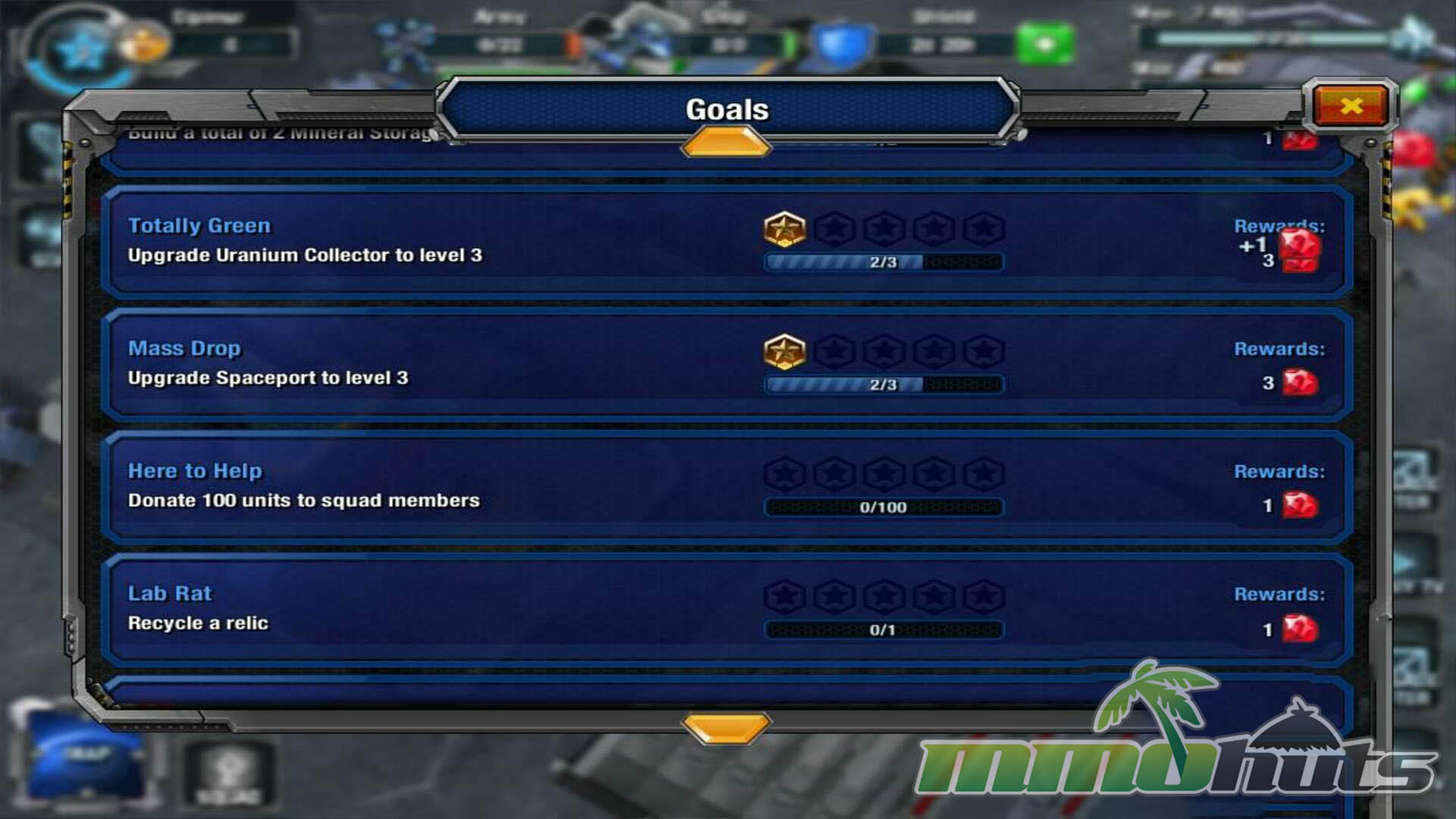
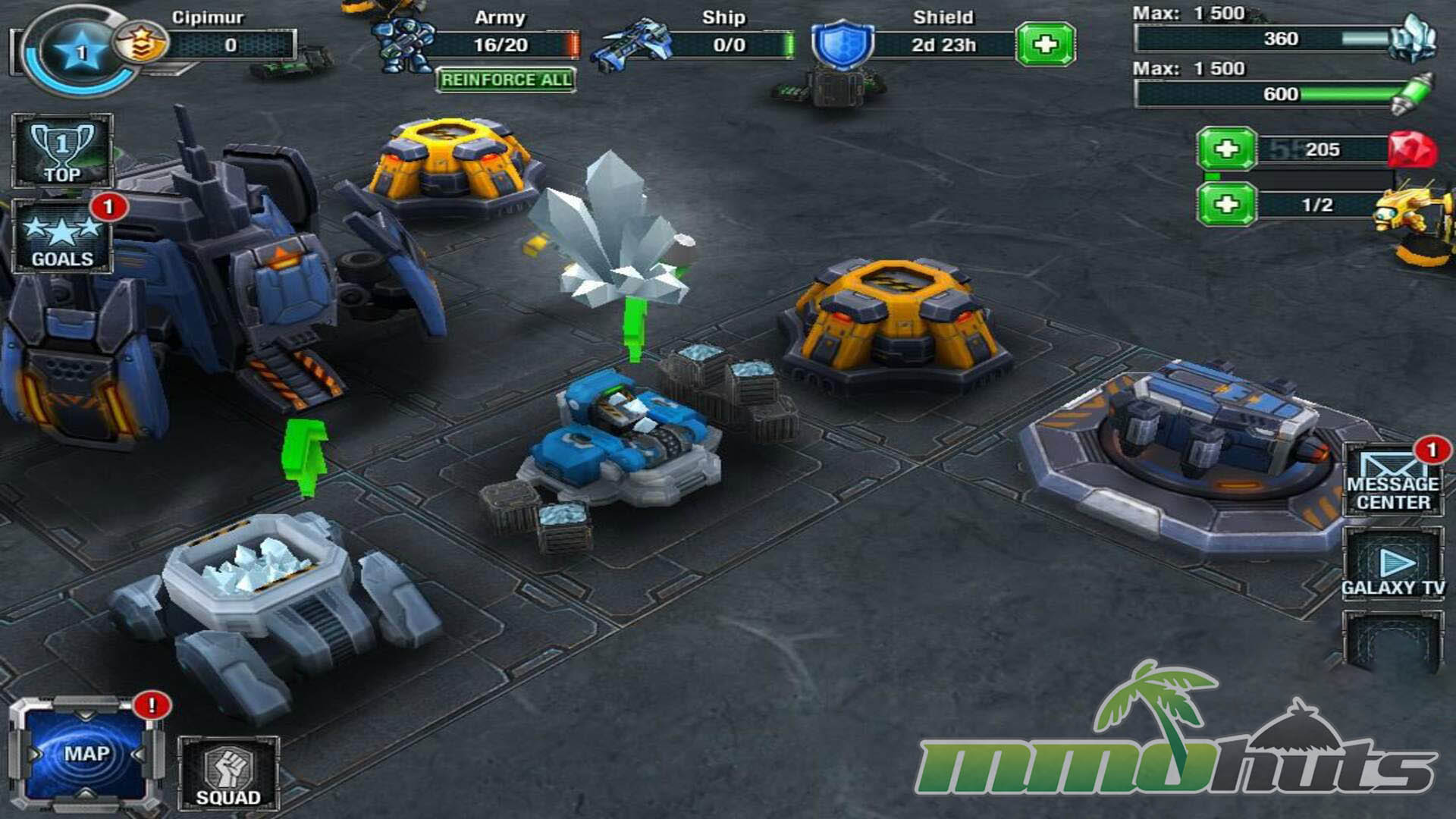
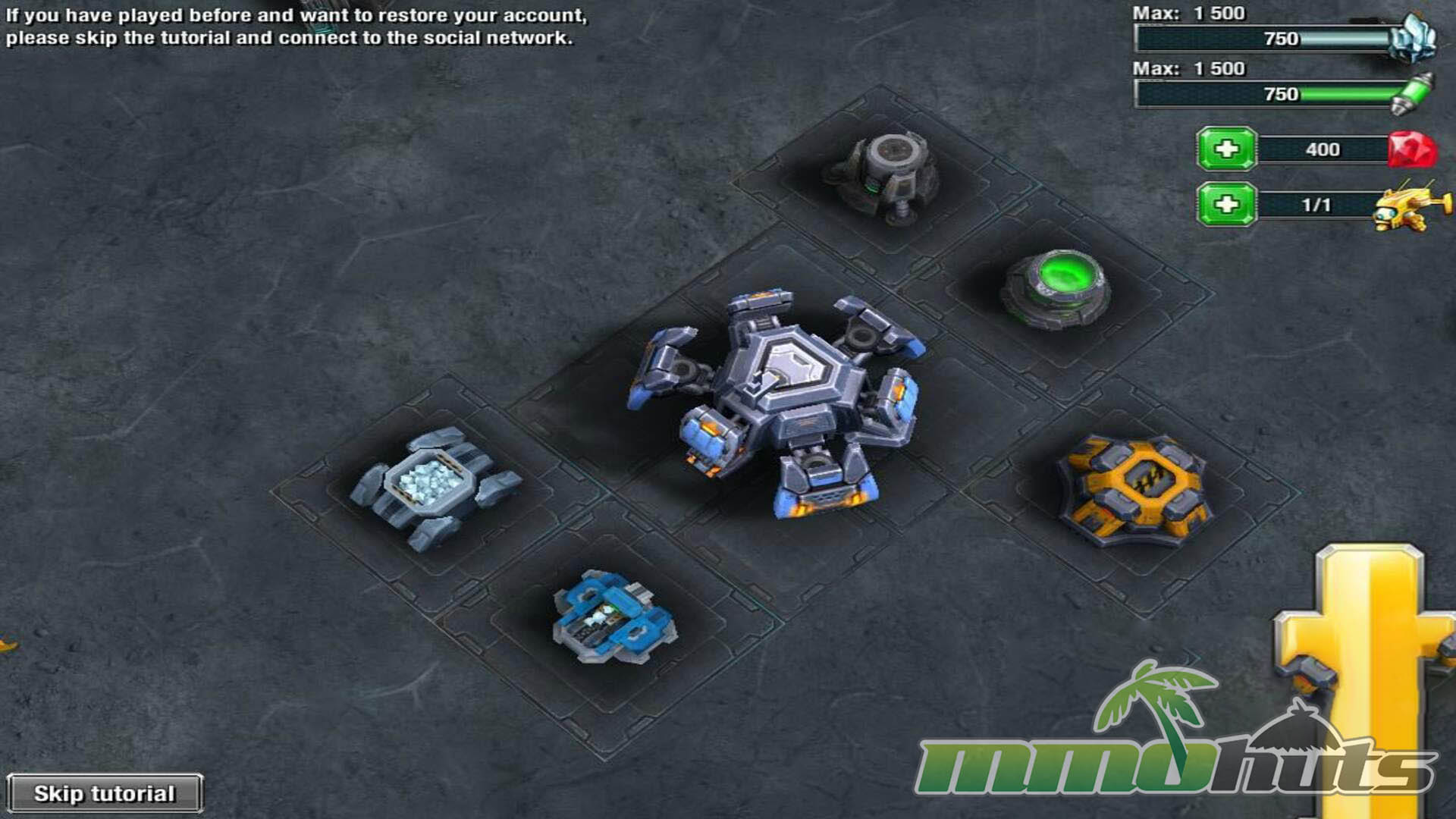
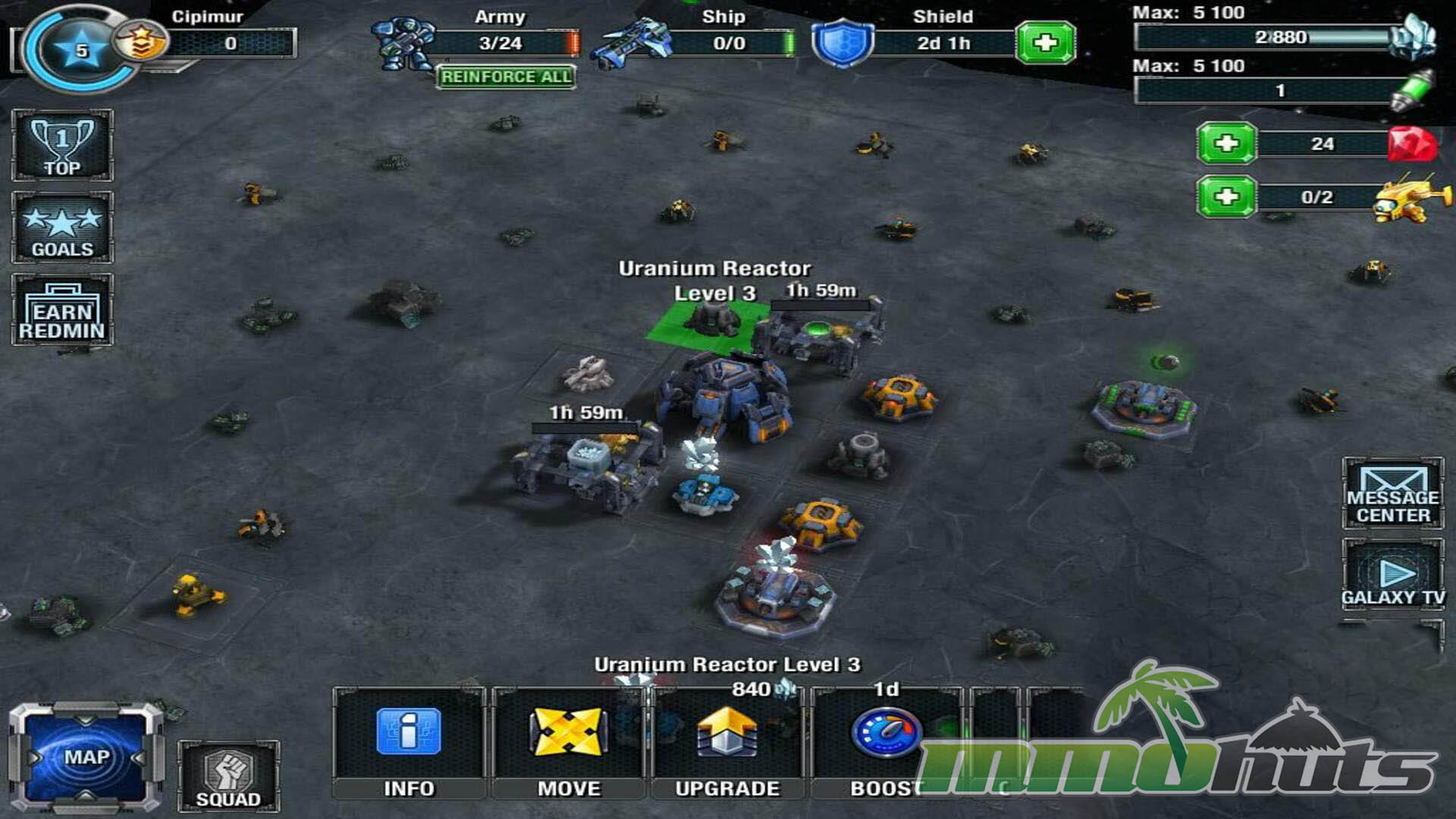
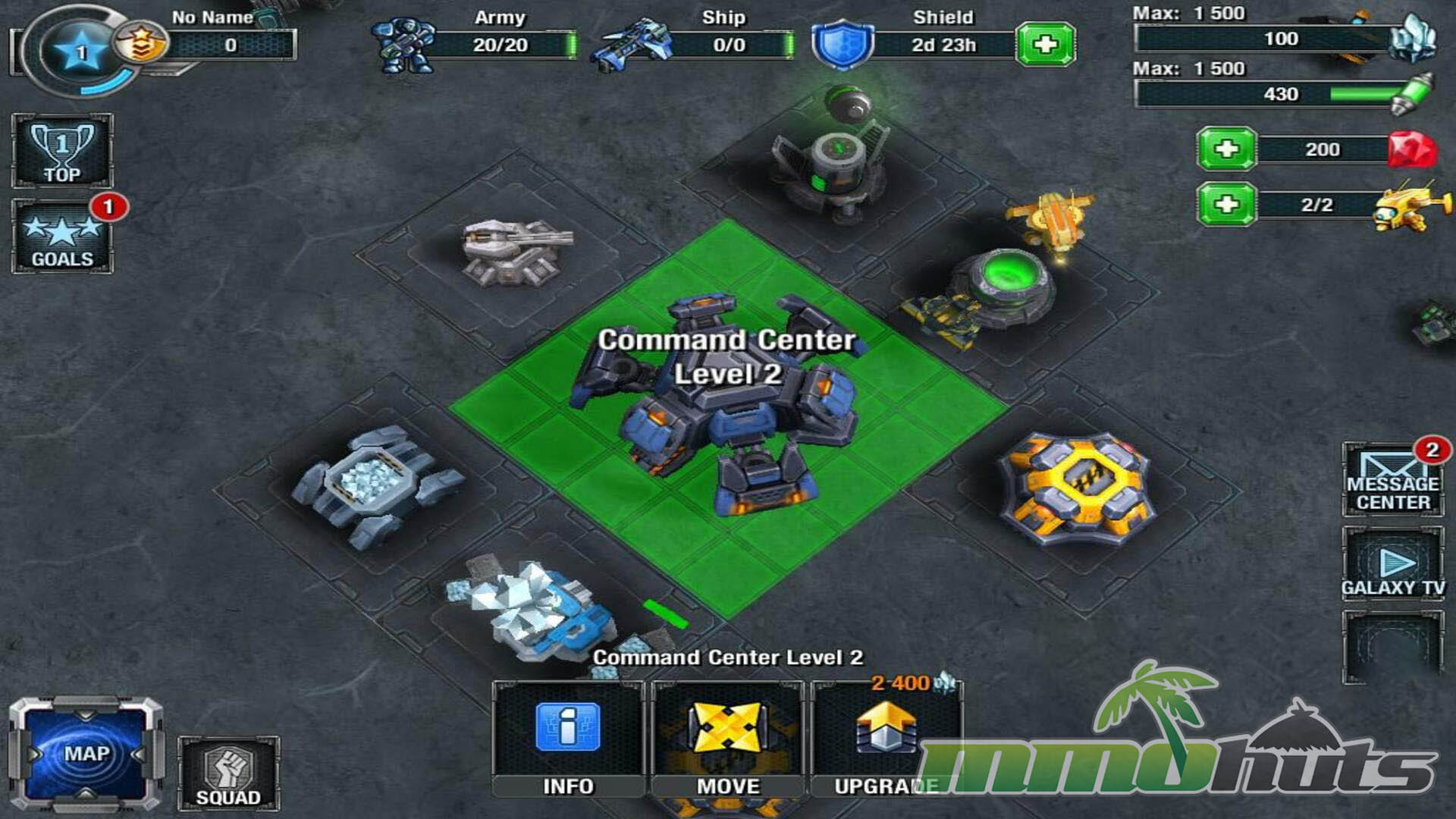
Galaxy Control is a free-to-play 3D strategy title for PC and mobile that puts you in charge of a space outpost viewed from above. The camera can be adjusted for comfort, but the overall feel is clearly designed around quick taps and drags, which carries over to the PC version as well. Your day-to-day play revolves around expanding a headquarters, gathering key materials like uranium and crystal, and turning those resources into both defenses and production buildings.
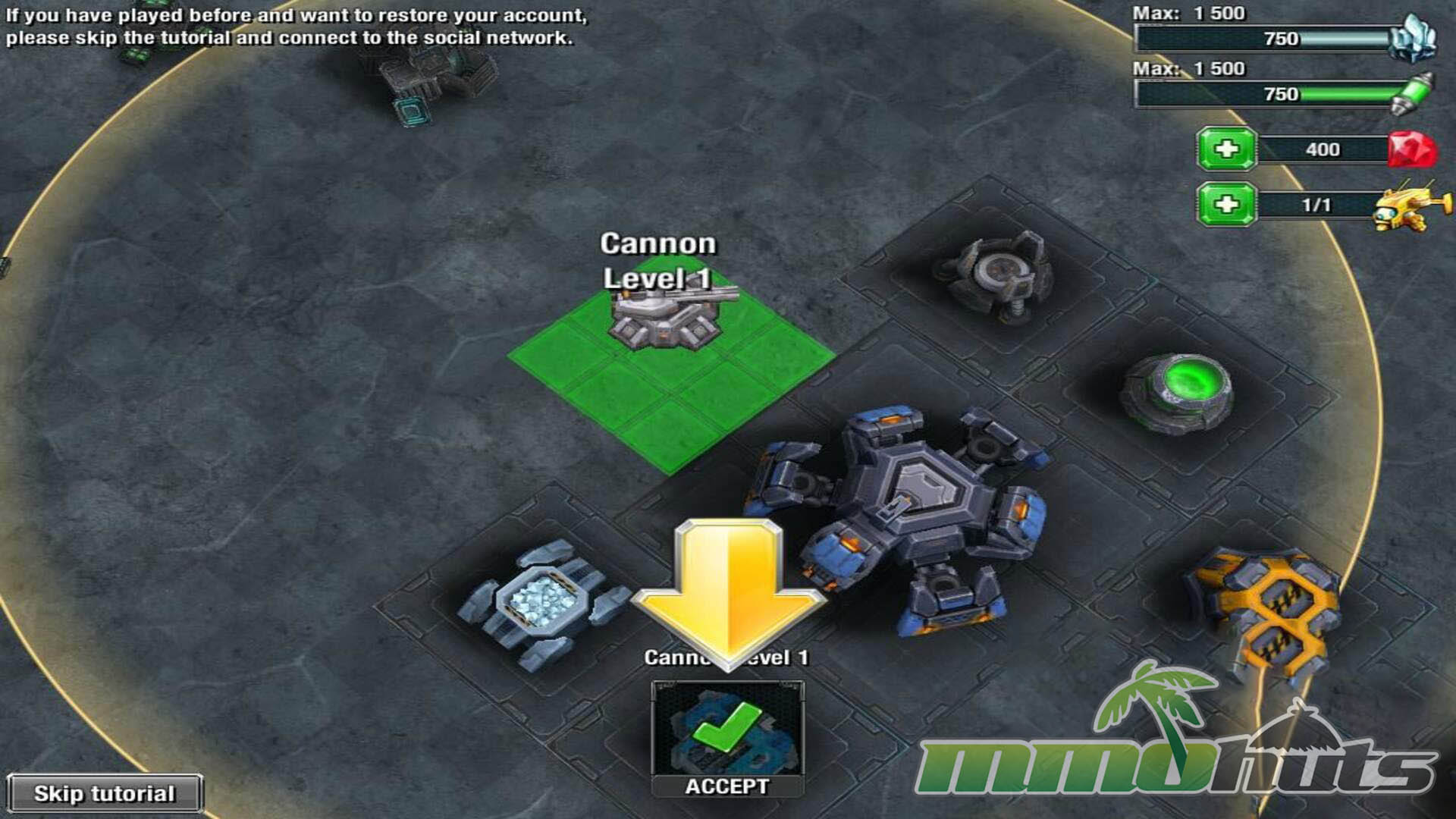
Base development is the core of the experience. You place and upgrade structures such as factories and labs to improve troop options, then ring your base with defensive tools like laser towers and missile turrets to discourage raiders. Successful defenses award fame, giving you a sense of progression even when you are not actively attacking. When you go on the offensive, the goal is straightforward, break into another player’s layout, grab as much as you can, and use the spoils to accelerate your own growth.
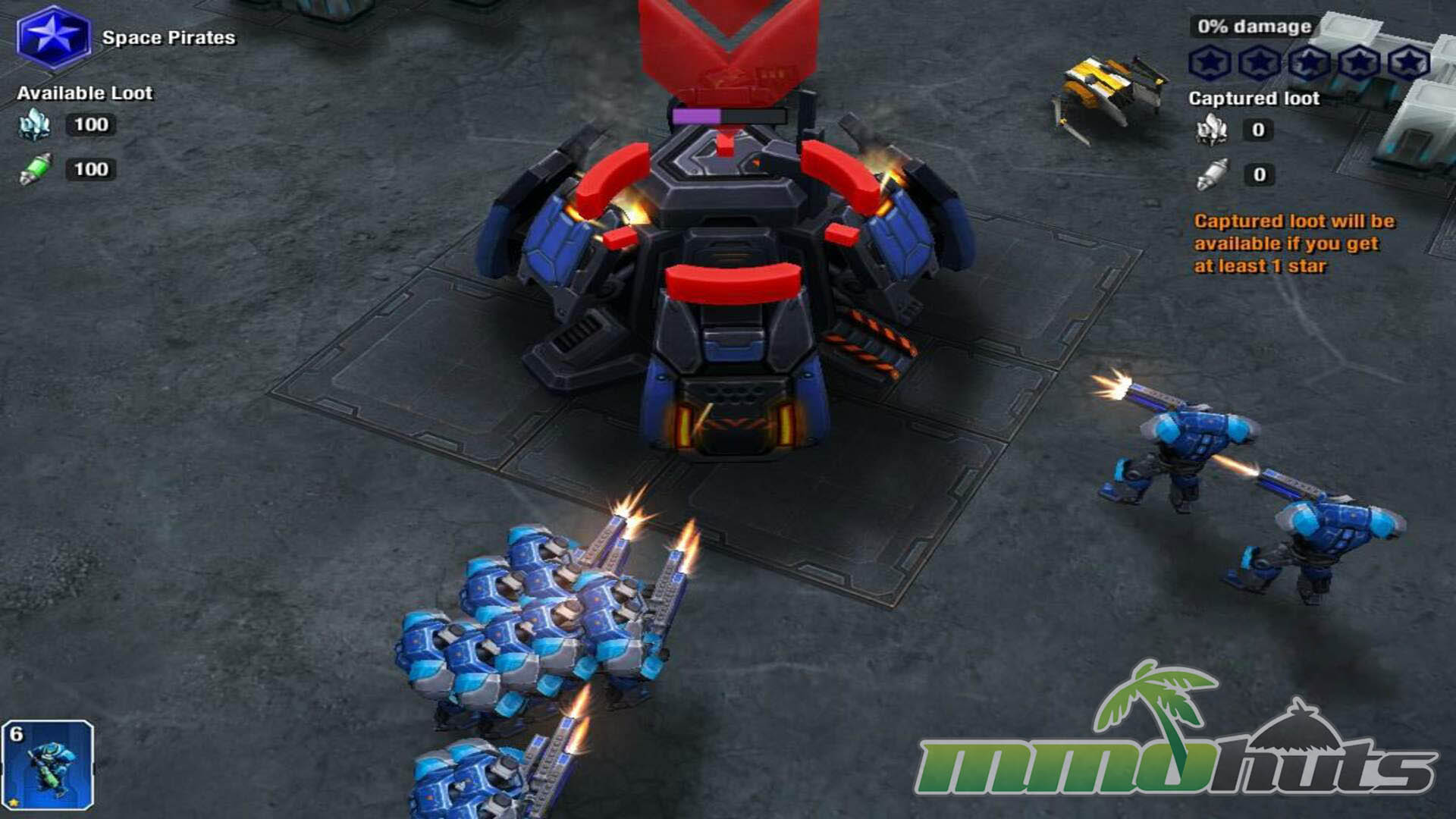
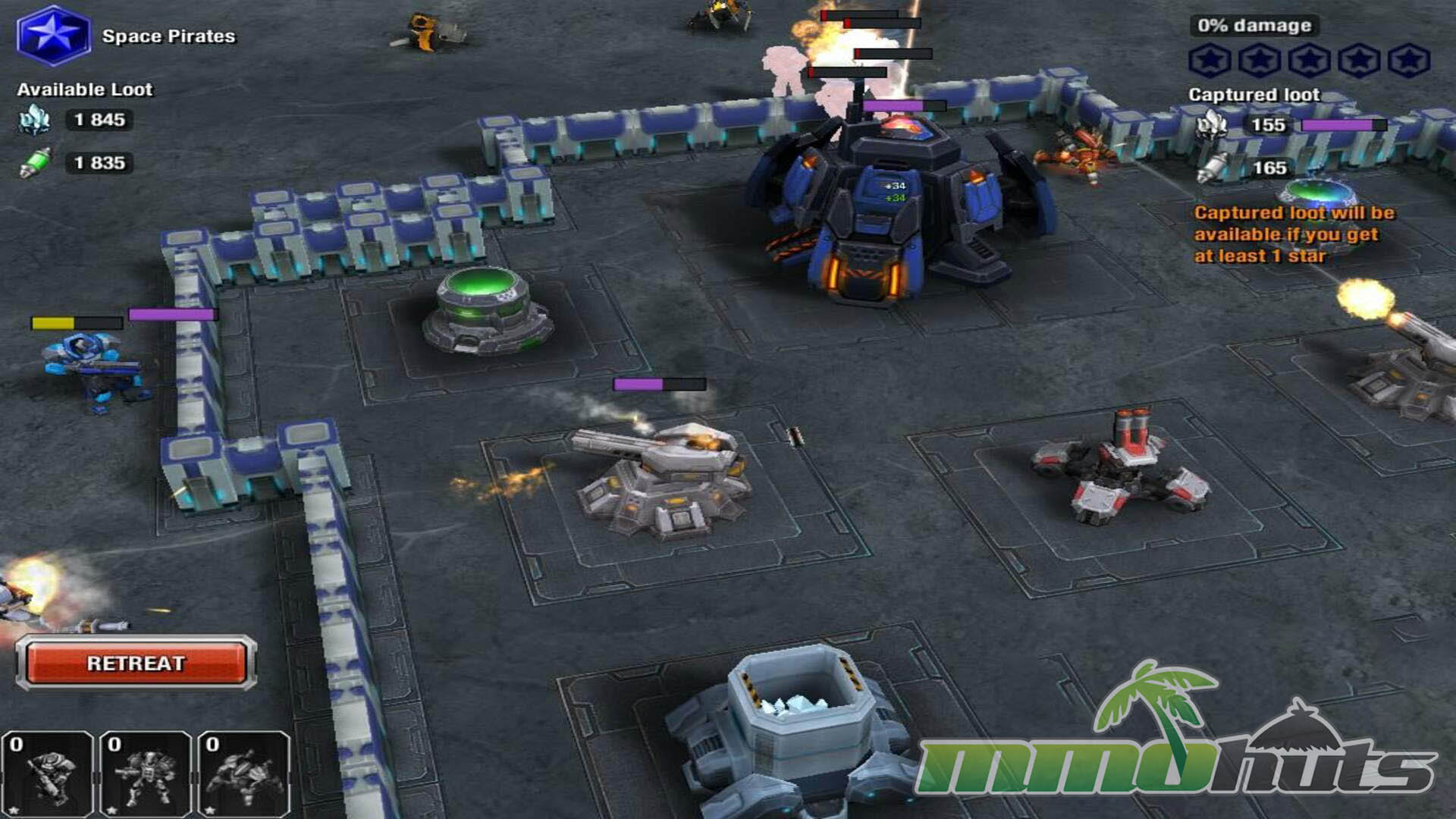
Combat is built around deliberate deployment rather than direct unit micromanagement. Similar to other base-raiding games, you choose where to drop each unit around an enemy base, aiming to create favorable pathing and overwhelm key defenses. With a mix of ground and air forces, the interesting decisions come from timing and placement, deciding where to commit your tougher units, where to distract turret coverage, and how to reach storages efficiently. For players who want structured challenges, the game also includes a campaign mode with more than 100 missions, which is useful for experimenting with compositions and learning how different defenses punish sloppy approaches.
Galaxy Control Key Features:
- PvP at the Center of Progression – attack rival bases for resources, defend your own layout, and team up with a squad as you push for higher ranks.
- Build and Fortify Your Headquarters – gather uranium and crystal, then spend them on economic structures, tech upgrades, and layered defenses.
- Large Mission-Based Campaign– take on space pirates and other threats across 100+ missions that test positioning and army selection.
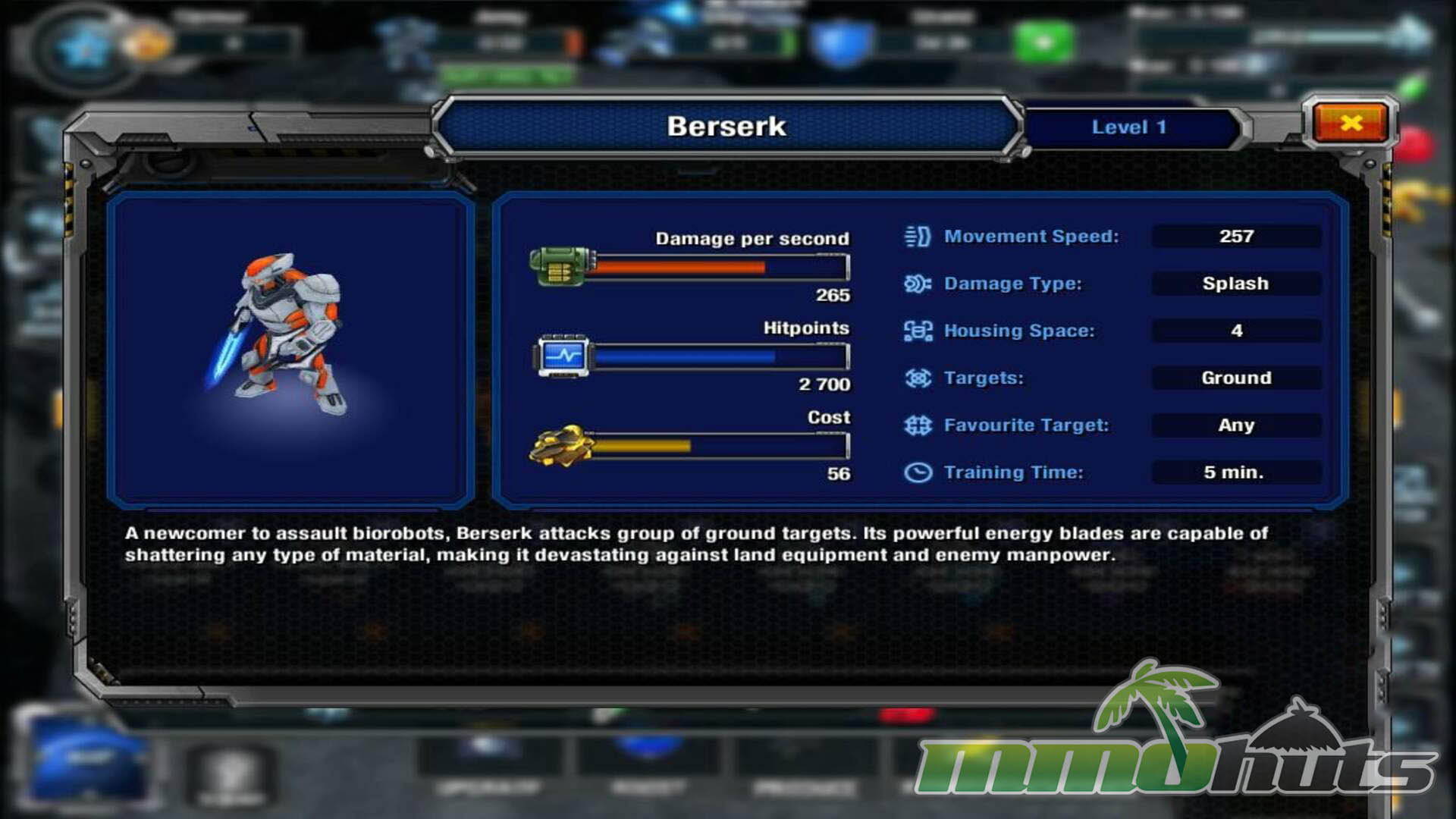
- Multiple Unit Types – field a range of land and air troops, each suited to different targets and defensive setups.
- Choose Your Drop Points – place units where they can do the most work, adapting to walls, turret coverage, and base geometry.
Galaxy Control Screenshots




Galaxy Control Featured Video

Galaxy Control Review
Galaxy Control fits squarely into the base-builder raiding subgenre, but it presents the formula with a slick sci-fi coat and a surprisingly readable battlefield. Moment to moment, you are either improving your economy and defenses at home or searching for a target to raid, and the game does a good job of making both sides of that loop feel connected. When your upgrades finish, you have more to risk and more to gain, and when you fail an attack, the lesson is usually tied to a placement mistake rather than random chaos.
Visually, the game is one of the stronger entries in its category. The units and buildings have a clean, high-contrast look that makes it easy to parse what is happening, even when multiple defenses are firing at once. It is not a cinematic strategy game, but for a free-to-play title that runs on both phones and PCs, the presentation is consistently solid, and the interface communicates key information without burying you in menus.
The most important gameplay hook is deployment. Because you are placing units manually around the perimeter of an enemy base, small decisions matter, dropping a tanky unit a few tiles earlier can soak a turret longer, and committing your air units to the wrong side can lose the raid quickly. That said, once troops are down, you are largely watching them execute their behavior, so the tactical depth comes from planning rather than reactive control. Players who enjoy “set the plan, then watch it unfold” strategy will appreciate this, while players looking for constant micro may find it limited.
Progression follows the familiar pattern of upgrades, unlocks, and timers. Expanding production and tech options feels rewarding, especially as you gain access to more unit choices that change how you approach layouts. The downside is pacing, upgrades and build queues can stretch out, and the game nudges you toward speeding things up. On top of that, competitive balance can be affected by pay-to-win pressures, particularly when facing opponents whose base strength or troop upgrades clearly outpace what a typical free player can reach in the same timeframe.
On PC, the biggest friction point is control feel. Even though it is playable, the UI behavior and input expectations still resemble a touch-first design, which can make the interface feel slightly clunky compared to strategy games built specifically for mouse and keyboard. It is not a dealbreaker, but it is noticeable, especially when you are trying to place units precisely or manage building placement efficiently.
The campaign is a worthwhile secondary mode. With over 100 missions, it gives you a space to practice without the constant resource pressure of PvP, and it can serve as a change of pace when matchmaking serves up bases that are either too easy or clearly out of reach. It also helps new players understand how different defenses punish certain unit choices.
Overall, Galaxy Control is best for players who enjoy steady base growth, asynchronous PvP raiding, and tinkering with layouts. It delivers a competent, good-looking take on the formula, but it also inherits the genre’s common weaknesses, mobile-first usability, long timers, and monetization that can undermine fair competition at higher levels.
Galaxy Control Online Links
Galaxy Control Steam
Galaxy Control iOS
Galaxy Control Android
Galaxy Control Kindle
Galaxy Control Windows Phone
Galaxy Control Facebook
Galaxy Control System Requirements
Minimum PC/Mac Requirements:
Operating System: Windows Vista SP2 / Mac OSX 10.10
CPU: 2.2 GHz Dual Core CPU
Video Card: ATI Radeon HD 3400 / GeForce 8600 GS
RAM: 2 GB
Hard Disk Space: 400 MB
Recommended PC/Mac Requirements:
Operating System: Windows 7 / 8 / 10 / Mac OSX 10.11
CPU: 2.7 GHz Dual Core CPU
Video Card: AMD Radeon HD 6670 / GeForce GT 445M or better
RAM: 4 GB
Hard Disk Space: 400 MB
Minimum Mobile Requirements:
Operating System: Android 4.0.3 or later / iOS 7.0or later
Galaxy Control Music & Soundtrack
The audio side of Galaxy Control is functional and fits the setting, focusing on futuristic effects for weapons fire, building interactions, and UI feedback. Music generally sits in the background to support long play sessions, rather than demanding attention, which suits a game built around frequent check-ins and repeated raids. If you play with sound on, the effects help telegraph when defenses are locking on or when a push is collapsing, but it is also easy to treat the soundtrack as ambient space flavor.
Galaxy Control Additional Information
Developer: FX Games Media
Publisher: FX Games Media
Game Engine: Unity
Release Date (Facebook): December 1, 2013
Release Date (iOS): July 11, 2014
Release Date (Android): July 14, 2014
Release Date (Steam): August 10, 2016
Development History / Background:
Galaxy Control was both created and released by FX Games Media, a studio based in Ivanovo, Russia. Built using the Unity engine, the project first appeared as a Facebook game on December 1, 2013, then expanded to iOS and Android in July 2014. It later reached additional platforms, including Windows Phone and Kindle. Following community interest in a PC-friendly release, the developers brought the game to Steam via Greenlight, with the goal of supporting SteamOS integration. The Steam version launched on August 10, 2016.