Fractured Space is a sci-fi MOBA built around piloting enormous capital ships in team-based battles. Instead of controlling a single hero on foot, you captain a warship in fully 3D space, coordinating with four allies to seize resource points, take forward bases, and open a path to the enemy stronghold for the final kill.
 | Publisher: Edge Case Games, Ltd. Playerbase: Medium Type: MOBA Action/Strategy Release Date: September 22, 2016 Pros: +Excellent ship visuals and effects. +Punchy, readable sound design. +Fair, mostly even match flow. +User-friendly interface. Cons: -Performance can dip on lower-end systems. -Not many maps or ways to play. |

Fractured Space Overview
Fractured Space drops you into the role of a fleet commander on the front lines, steering hulking capital ships through objective-driven firefights. It follows the familiar MOBA rhythm of pushing lanes and fighting over map control, but translates it into a space combat format where positioning, timing, and team rotations matter as much as raw aim. You pick from a roster of distinct ships that fill different jobs, some built to brawl, some to protect allies, and others to provide utility and control. Success comes from working as a unit to secure mining facilities, claim forward bases, and earn the right to strike at the enemy’s home base.
Maps are split into sectors connected by warp points, letting teams reposition across the battlefield and respond to pressure without turning the match into nonstop ambushes. Between matches you can expand your hangar and fine-tune performance using crew members, shaping a ship toward mobility, durability, damage output, or supportive play depending on what your team needs.
Fractured Space Key Features:
- Impressive Capital Ship Design – high-detail ships with strong silhouettes that hold up well at any camera angle.
- Ship Customization – unlock ships with in-game currency, then tailor loadouts and crew choices to match your preferred role.
- Sector-Based Maps – warp between distinct zones, each with its own hazards and sightlines, from icy asteroid belts to sunlit debris fields.
- Beginner-Friendly Onboarding – a thorough tutorial that explains movement, objectives, and the flow of a match clearly.
- Match Balancing Mechanics – built-in systems that provide boosts to help keep games competitive as the battle develops.
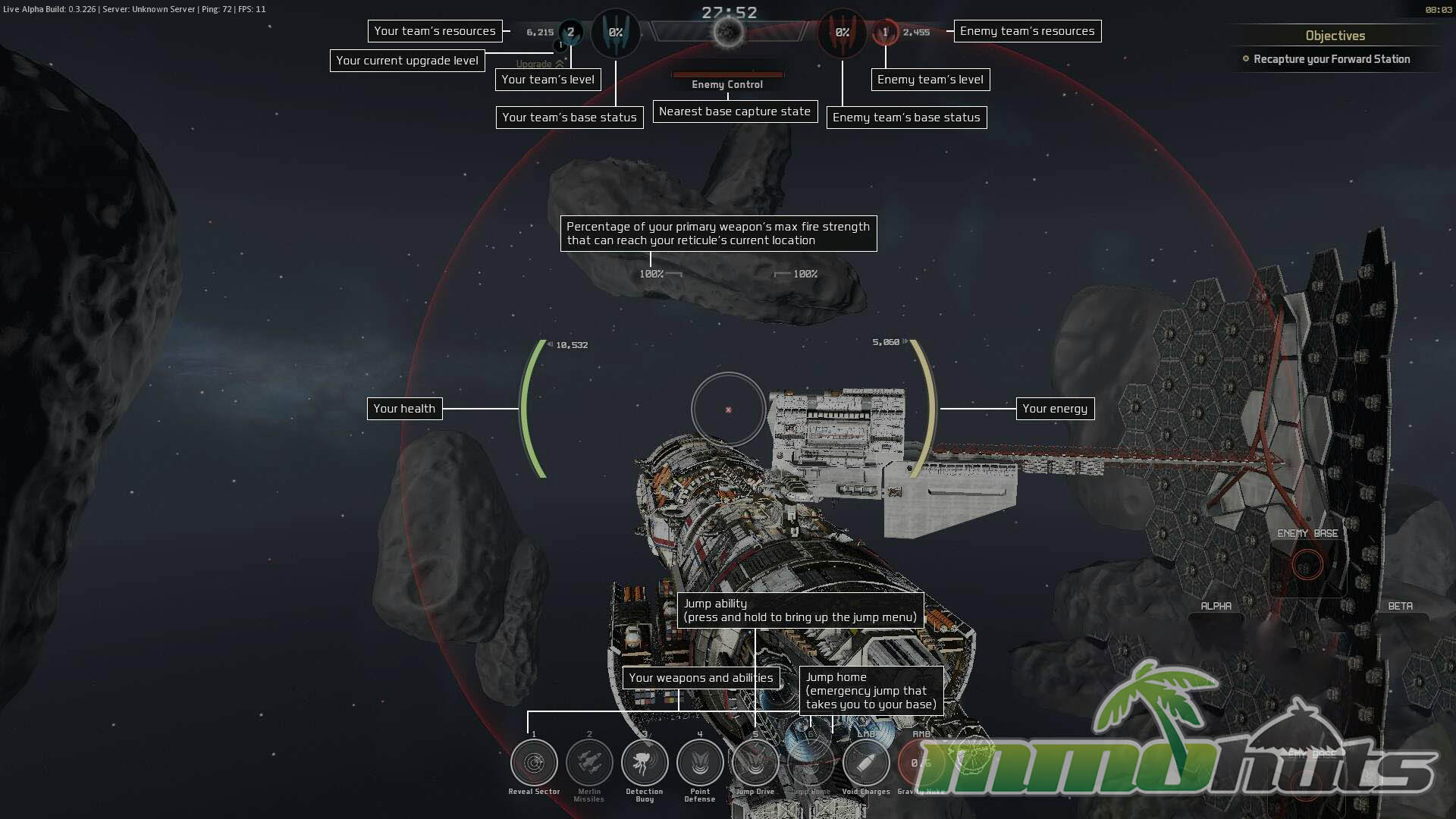
Fractured Space Screenshots

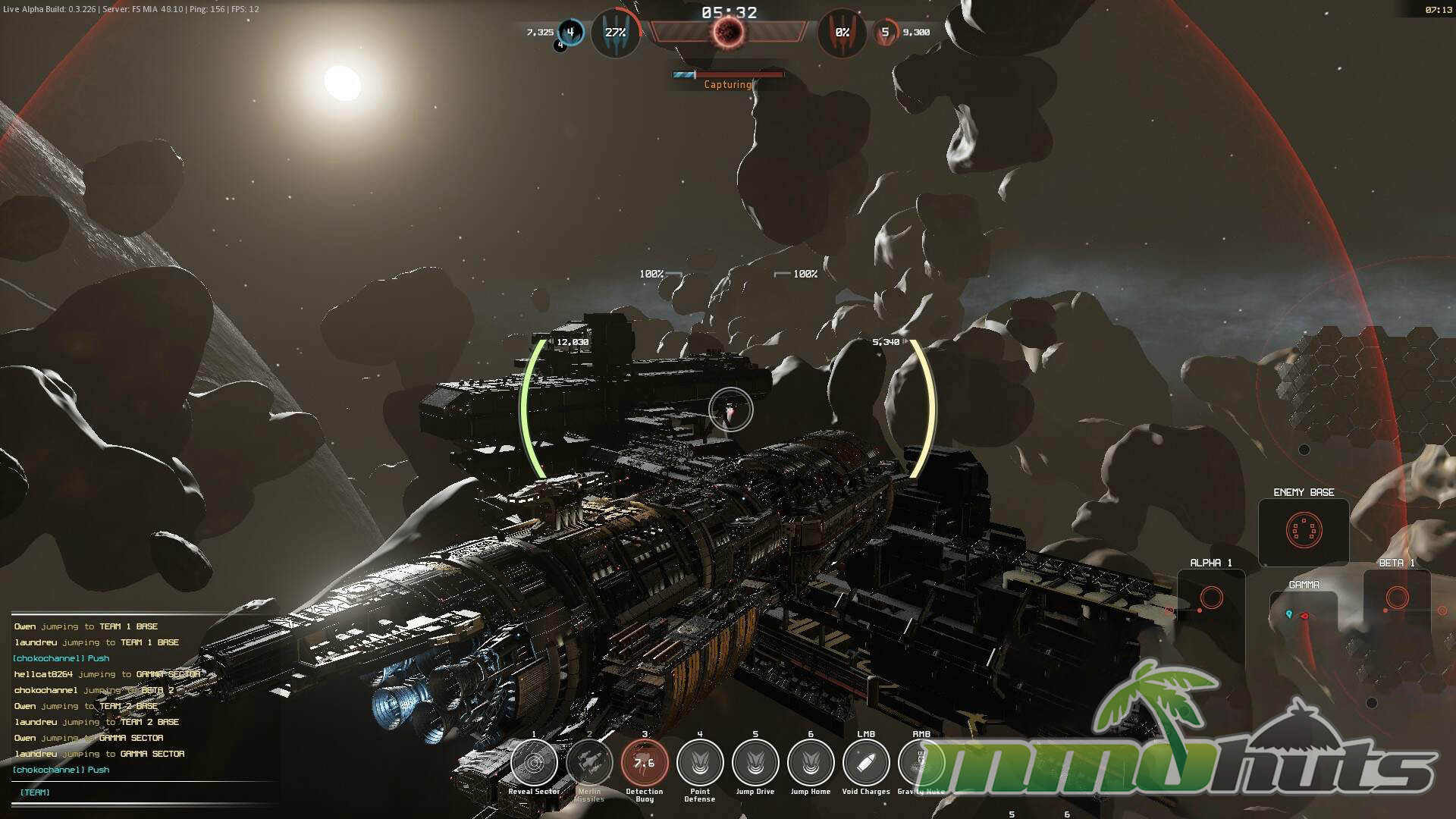

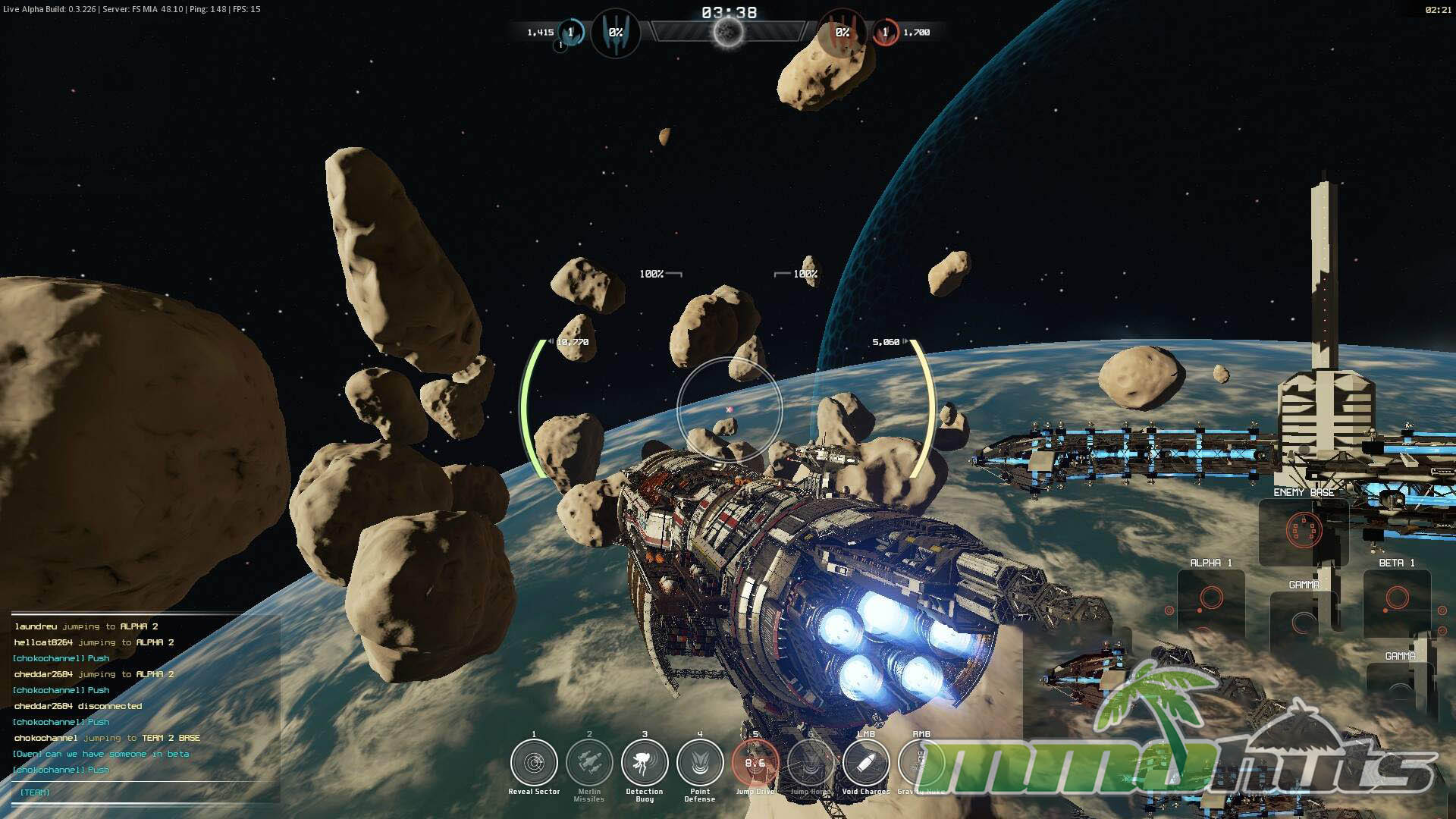
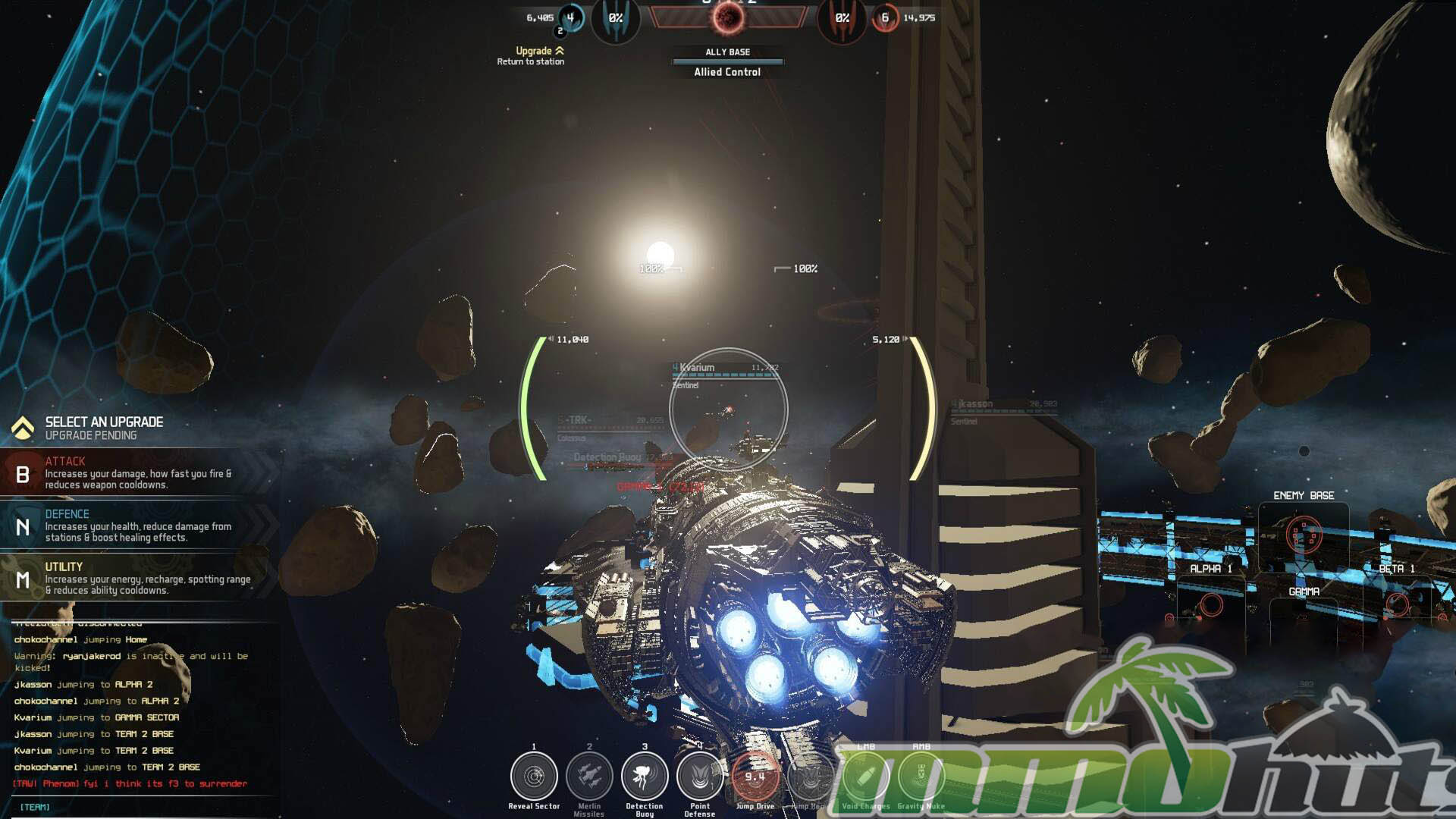

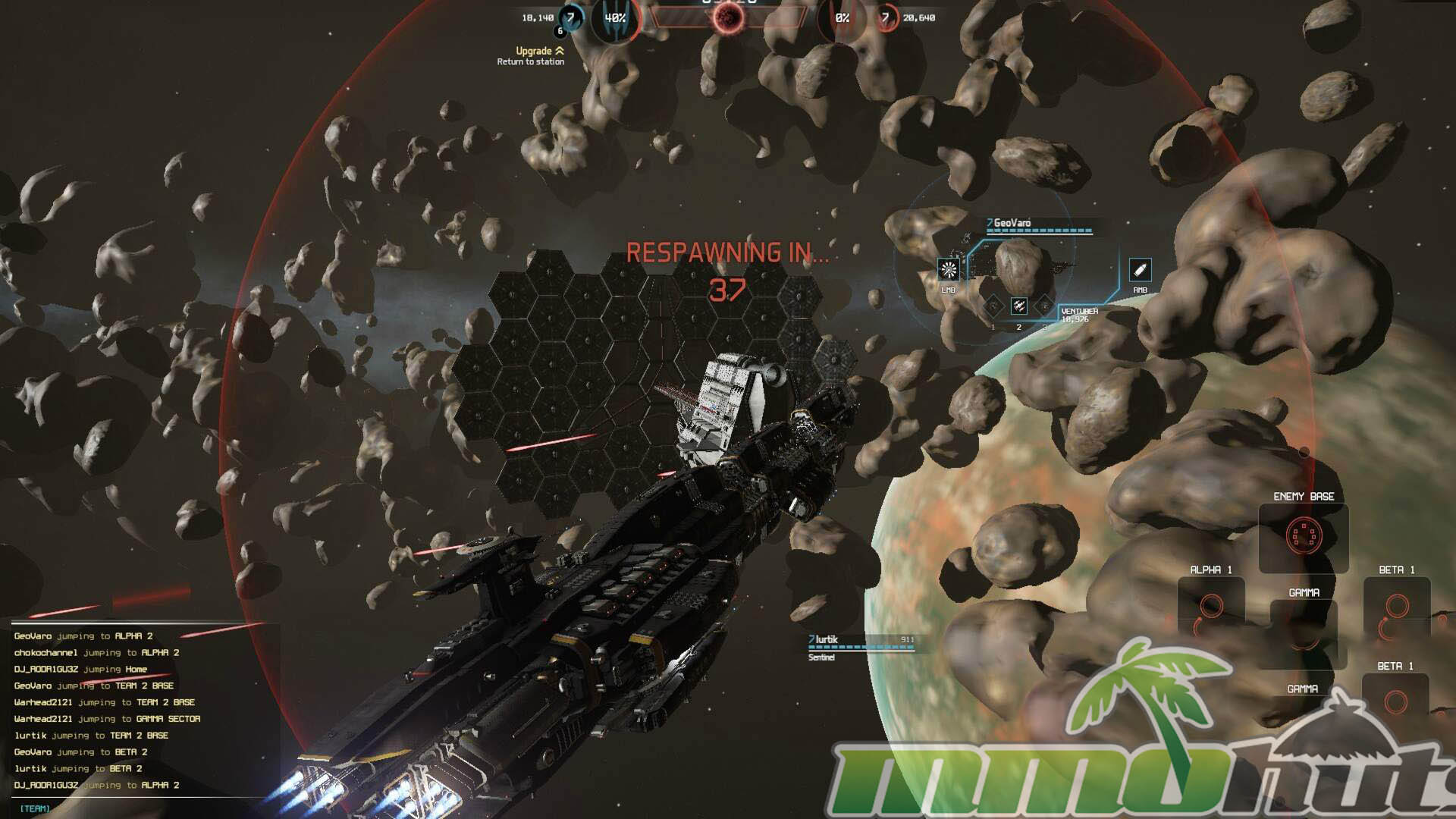
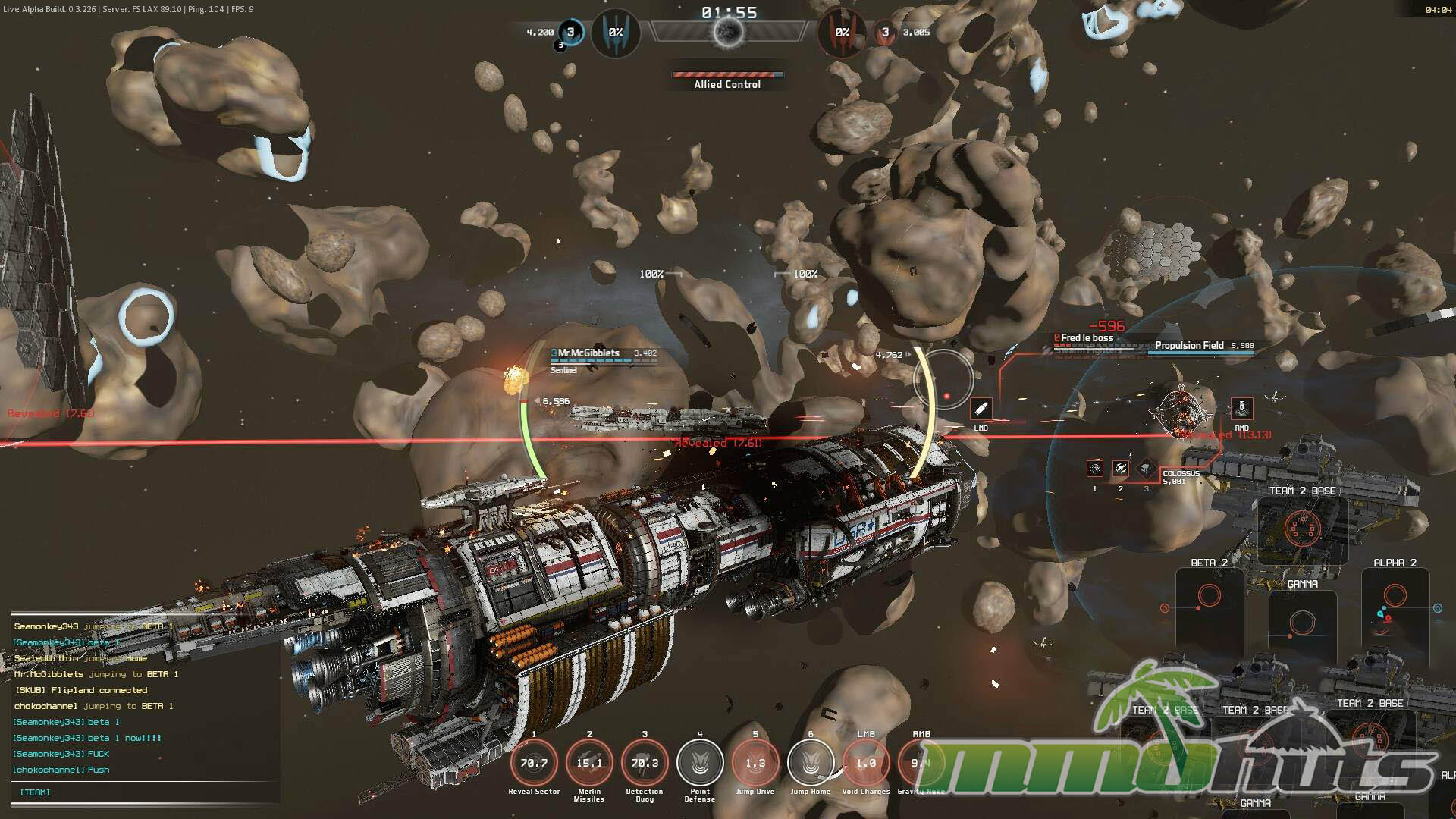
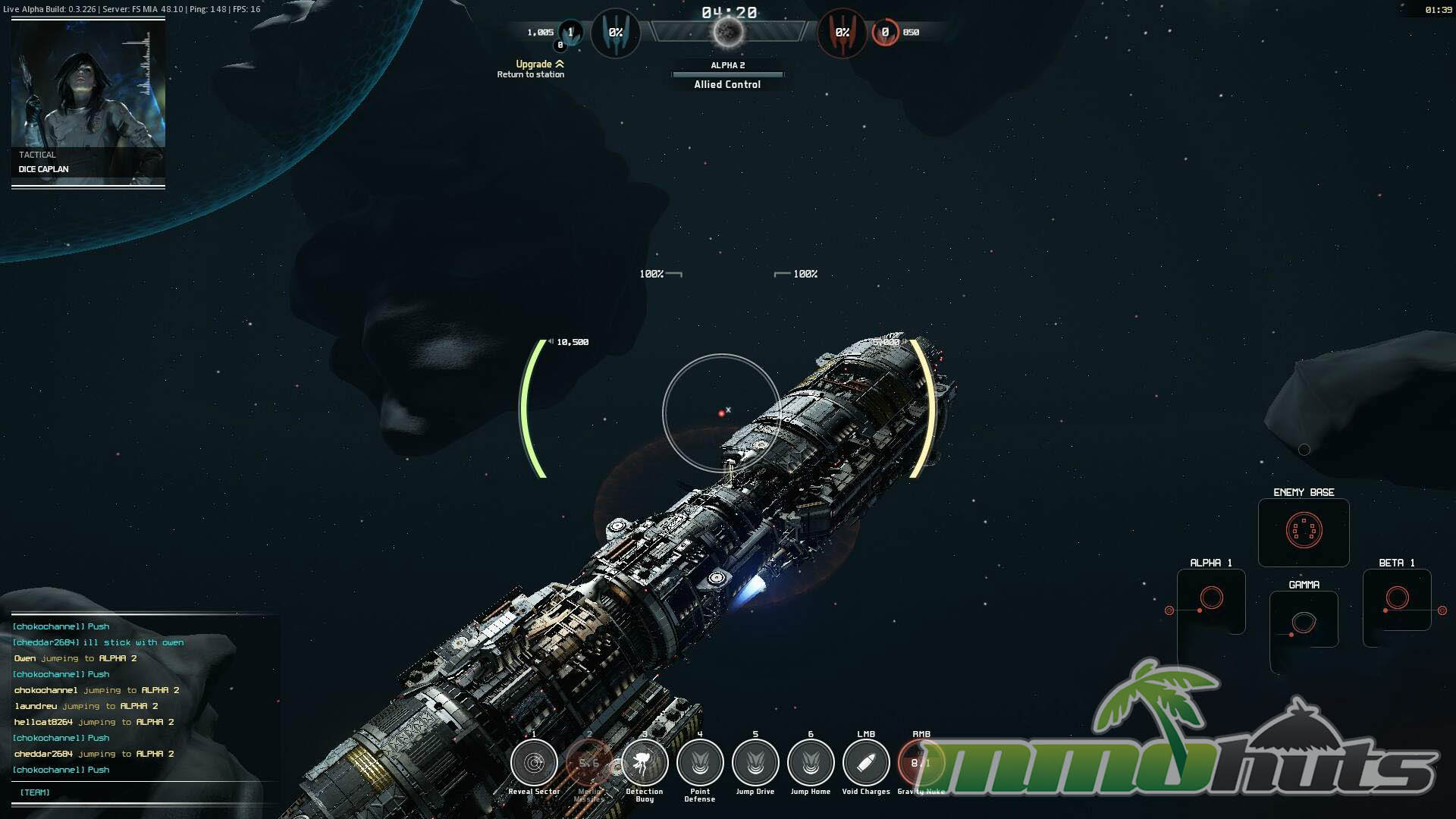

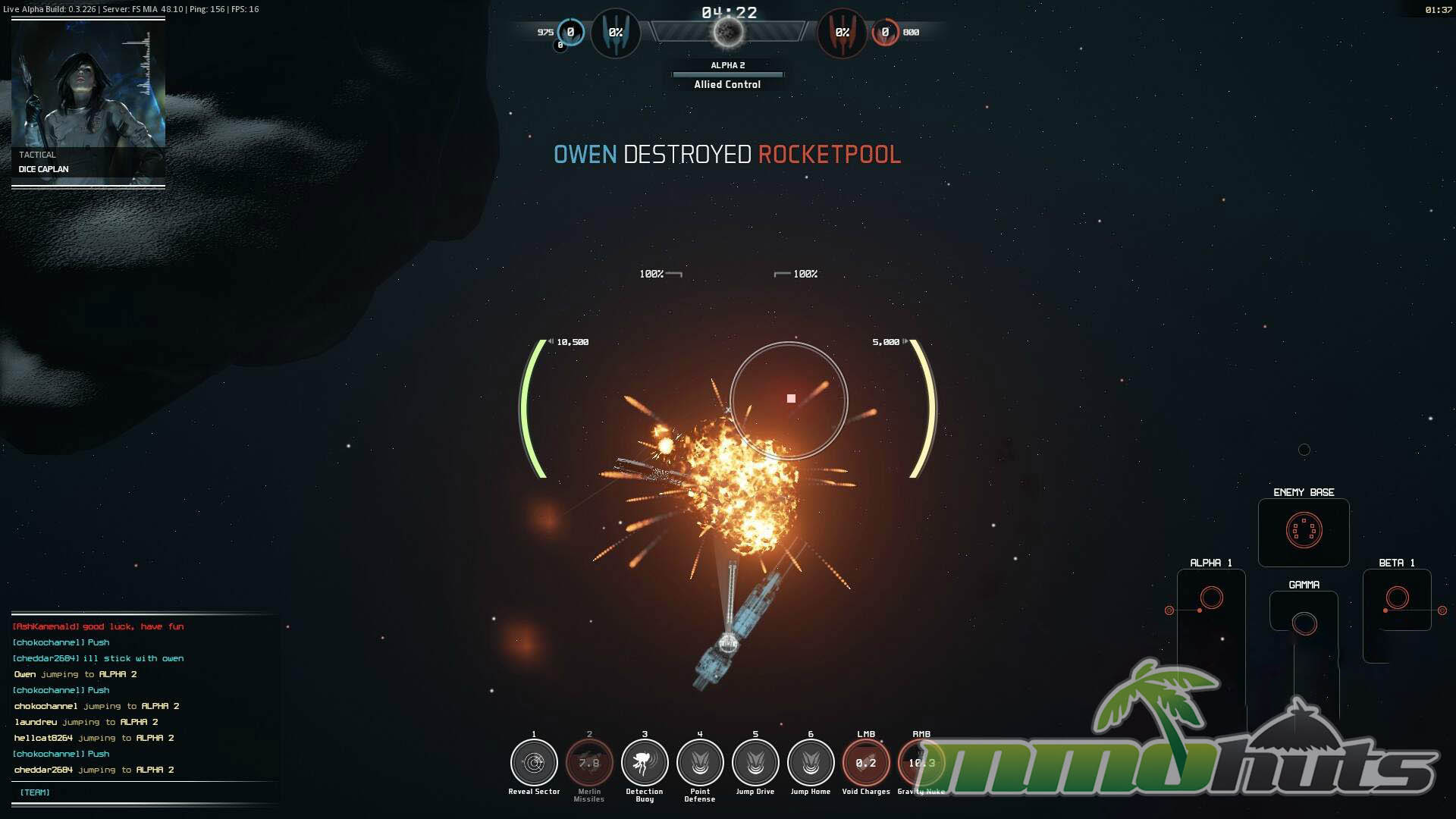

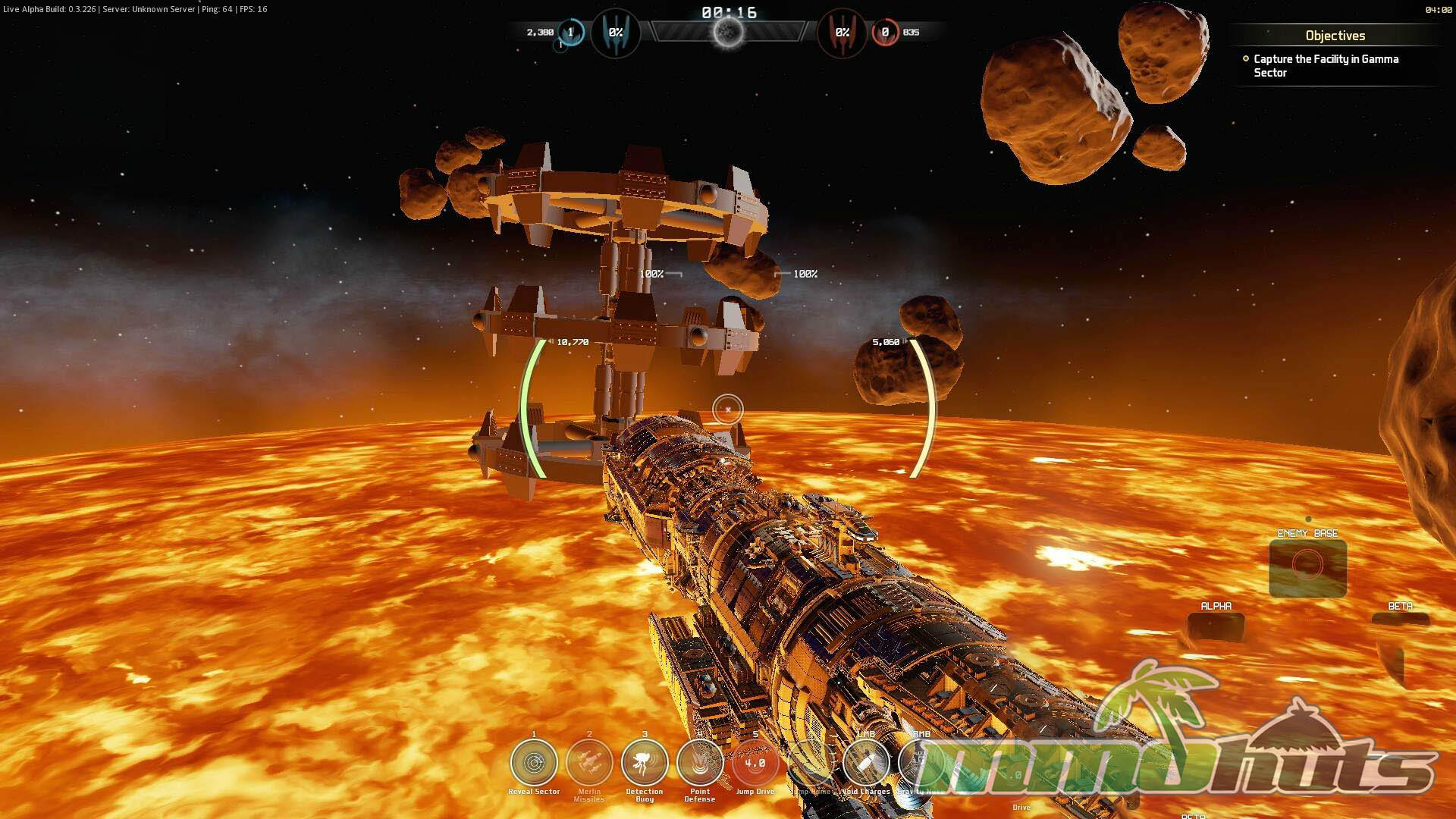
Fractured Space Featured Video

Fractured Space Review
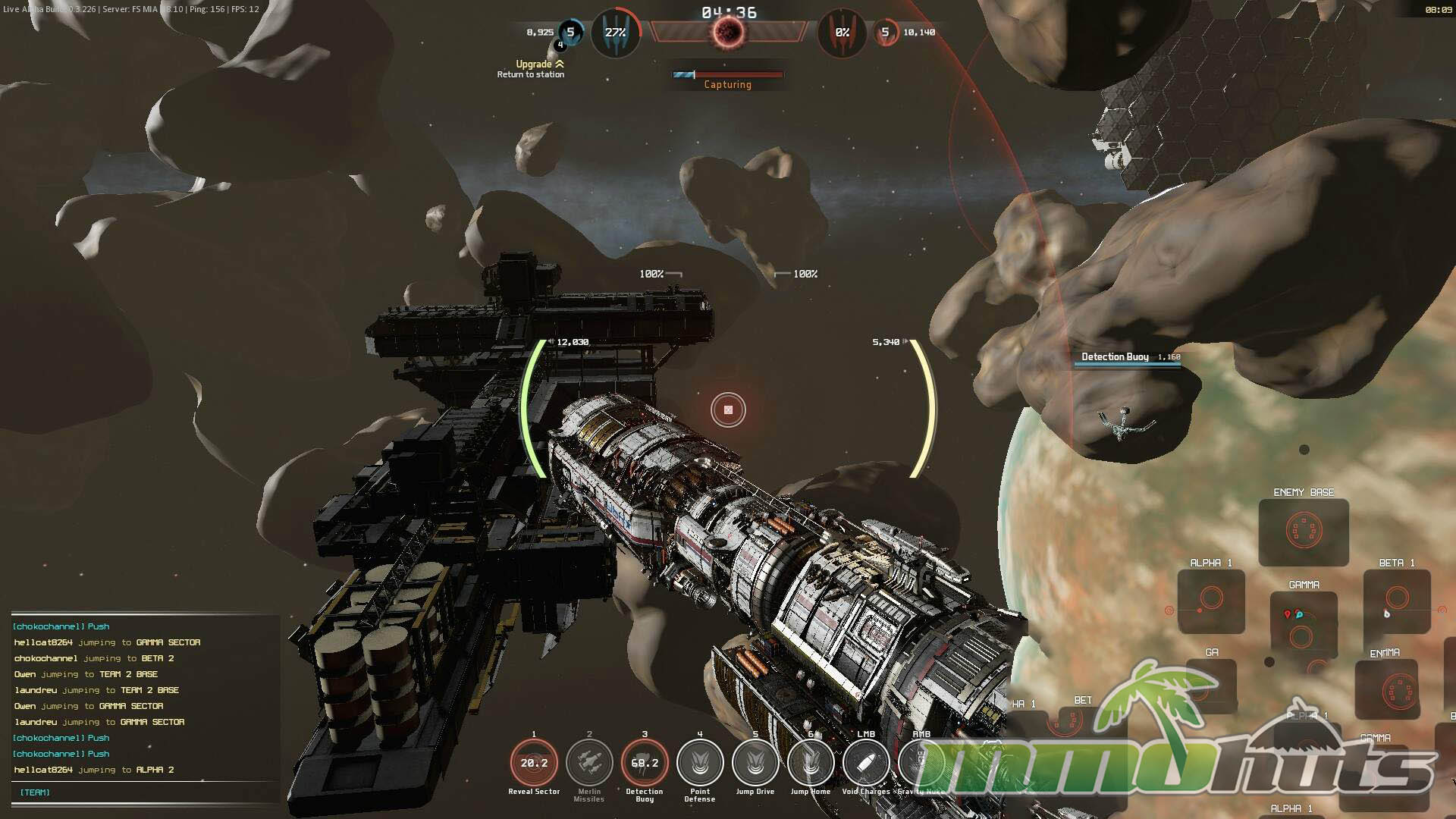
Fractured Space is a 5v5, objective-focused MOBA presented as third-person capital ship combat. Where many games in the genre lean on fantasy heroes and ability spam, Fractured Space aims for a heavier, more deliberate feel, ships have momentum, turning circles matter, and your positioning relative to objectives can decide fights. Visually, it is one of the game’s strongest points, with crisp ship models, strong lighting, satisfying warp effects, and explosions that sell the scale of the combat. The soundscape does a lot of work too, and even with minimal music, weapon impacts and engine noise help the battles feel intense without becoming messy.
Taking the Helm
New players are guided through a required tutorial match that introduces core movement, basic combat, capturing objectives, and the overall win condition of destroying the enemy base. It is longer than a quick “press these buttons” lesson, but it does a solid job of explaining what matters in a match and why. After that, the game asks you to complete a solo AI match and a cooperative match to build enough experience to step into full 5v5 play, which helps reduce the early chaos that can happen when players jump in cold.
Once you hit Captain rank at level 3, PvP modes become available. At first you are limited to casual play, with ranked and competitive options locked behind additional levels. The controls are approachable and should feel familiar if you have played naval shooters, it is easy to move, aim, and fire, but winning consistently requires learning map flow, warp routes, and how different ship roles combine in fights.
Conquest and the MOBA Framework
Conquest is the primary mode, and it is where Fractured Space most clearly shows its MOBA roots. Before the match begins, you select a ship from your hangar in a draft-like lobby, similar to choosing a champion or hero. New accounts begin with three straightforward options that cover the basic roles (attacker, defender, support), and you can earn credits through play to buy additional ships with their own ability kits and slightly different handling.
The battlefield is divided into three lanes (called sectors): Alpha on the left, Beta on the right, and Gamma in the center. Teams spawn on opposite ends and generally try to gain control in Alpha or Beta, secure forward bases, and eventually unlock the ability to assault the enemy’s home base. The structure is familiar, but the pace is faster and more rotation-heavy because warp travel makes responding to pressure a constant consideration.
Objectives that Actually Move the Match
In Alpha and Beta, each side has a forward base and the lane is dotted with three resource mines between them. Forward bases function like the “major gate” to the next stage of the match, they are not just background towers, they are critical to unlocking warp access deeper into enemy territory. Resource mines replace the typical creep economy, and capturing them fuels in-match upgrades that keep your ship relevant as the game progresses.
Because both mines and bases can be taken back, the match tends to swing around control points rather than slow, linear pushing. This creates a more dynamic loop than many lane-based games, especially when teams coordinate rotations and defend what they have earned. The downside is that the overall win condition can arrive quickly, matches often end sooner than traditional MOBAs, averaging around 15 minutes. When teams are unevenly matched, the “one base captured equals access” rule can make comebacks difficult, and losses can feel abrupt.
Gamma sector breaks the pattern in a way that adds some welcome tension. Instead of bases and mines, it contains a resource hub that becomes active at scheduled intervals. Securing it grants temporary offensive and resource advantages, and those rewards escalate as the match goes on. Early captures matter, but later hub fights can become the pivot point that decides the outcome, especially when teams are close in strength.
Frontline for Faster Brawls
For players level 8 and above, Frontline offers a more immediate, combat-heavy alternative. The mode uses a single-lane asteroid field map and assigns ships randomly, which changes the feel from planned composition to adapting on the fly. Jump points are positioned to encourage flanks and quick re-engagements, leading to more frequent ship-to-ship clashes.
When the random ship assignments line up evenly, Frontline is a great way to enjoy the game’s combat without the full Conquest structure. However, because of the RNG element, there will be games where the matchup feels awkward, and balance can hinge on whether a team rolled a more synergistic set of ships.
3D Movement and Warp Play
Combat takes place in full 3D space, so movement includes vertical control as well as standard directional input. You steer with WASD, and use Ctrl and Space to drop or rise. The warp system is the key tactical layer: you can initiate warp from anywhere in a sector, but you can only arrive at designated warp points in adjacent sectors. Moving from Alpha to Beta typically requires routing through Gamma, your base, or the enemy base (if you have captured an enemy forward base), then waiting out a short cooldown before warping again.
That structure keeps rotations meaningful without allowing instant cross-map ganks. Warp is also a viable escape tool, but it comes with risk. The charge-up window makes you vulnerable and your ship takes much more damage while warping, so timing and cover matter when you try to disengage.
Crew Loadouts
Crew members provide a customization layer that acts similarly to rune or perk systems in other MOBAs. You equip five crew slots to either amplify what a ship already does well or patch up weaknesses that are holding it back. A hard-hitting ship with poor mobility, for instance, can lean further into damage for a “glass cannon” approach, or shift crew choices toward survivability and movement to stay relevant in longer fights.
Crew can be swapped freely outside of matches, which encourages experimentation. You begin with a basic set, then expand your options via supply ships purchased through the shop using Credits (earned currency) or Platinum (premium currency).
Cash Shop and Fairness
The store is stocked with the usual mix of cosmetics and convenience, including ship skins, boosters, and crew supply ships. Paying players can speed up access to options and add style to their hangar, but the practical advantage tends to be modest. It generally feels like a game where spending can smooth progression, rather than one where purchases dictate match outcomes.
Final Verdict – Good
Fractured Space succeeds at delivering a clean, visually striking take on the MOBA formula, with satisfying ship handling, strong effects work, and a readable UI that keeps the focus on objectives. It also benefits from not overcomplicating the fantasy, you get the thrill of commanding a capital ship without the heavy micromanagement seen in many other space titles. At the same time, the streamlined match structure can work against it, especially when one-sided games end quickly and the losing team has limited tools to stabilize and mount a comeback.
Even with those issues, Fractured Space is easy to recommend to players who want MOBA-style teamwork in a space combat wrapper, or anyone looking for shorter, punchier matches that still reward coordination and smart rotations.
Fractured Space Links
Fractured Space Official Site
Fractured Space Steam Page
Fractured Space Facebook Page
Fractured Space Reddit
Fractured Space Wikia
Fractured Space Requirements
Minimum Requirements for PC:
Operating System: Windows 7 64-bit
CPU: 2.3 GHz
RAM: 4 GB RAM
Graphics: NVIDIA 470 GTX, AMD HD6850 or greater
Hard Disk Space: 2 GB
Recommended Requirements for PC:
Operating System: Windows 7 64-bit
CPU: 3.4 GHz
RAM: 8 GB RAM
Graphics: NVIDIA 470 GTX, AMD HD6850, or greater
Hard Disk Space: 2 GB
Fractured Space Music & Soundtrack
Coming Soon…
Fractured Space Additional Information
Developer(s): Edge Case Games, Ltd.
Publisher(s): Edge Case Games, Ltd.
Game Engine: Unreal Engine 4
Early Access: November 20, 2014
Release Date: September 22, 2016
Development History / Background:
Fractured Space is developed and published by Edge Case Games, Ltd., a British studio focused on science fiction projects. The team includes developers who previously worked on Strike Suit Zero under Born Ready Games, before forming a new company to build Fractured Space as a dedicated space MOBA. It first launched on Steam in Early Access on November 20, 2014, then reached full release on September 22, 2016.