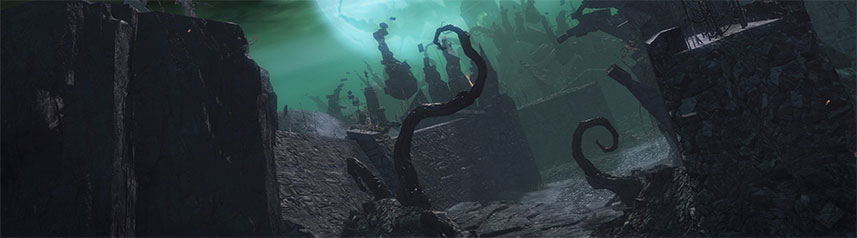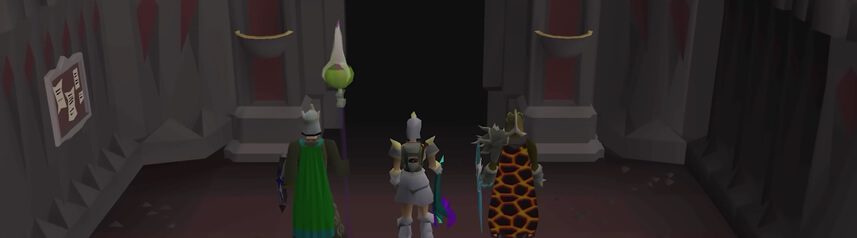
Forsaken World is a 3D fantasy MMORPG set in the world of Eyrda, built around traditional questing, instanced dungeons, and a healthy dose of PvP. With 6 races and 9 classes available, it leans into variety, and it remains notable for offering Vampires as a playable class, which is still uncommon in the genre.
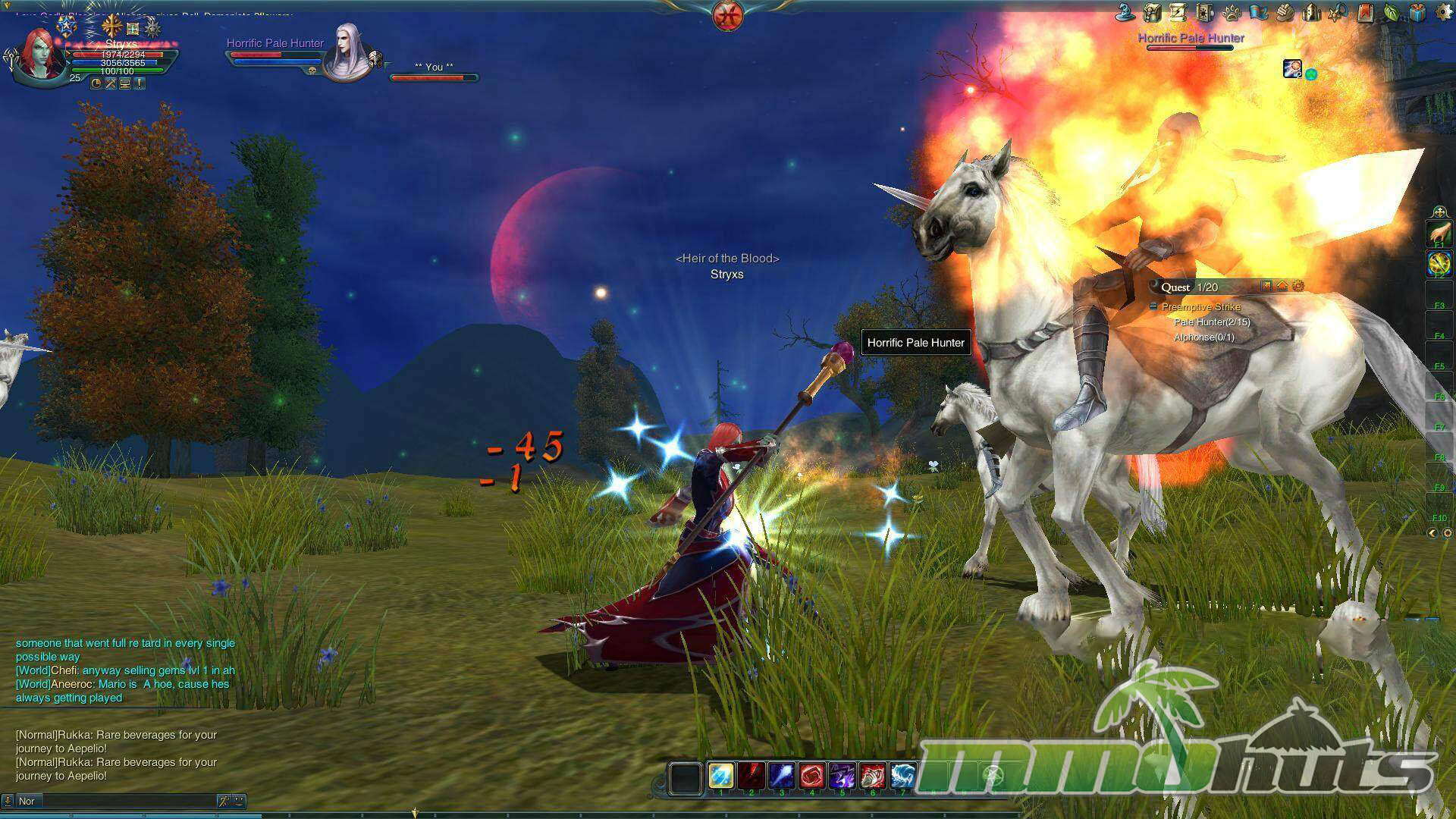 | Publisher: Gearbox Publishing Type: MMORPG Release Date: June 14, 2011 (NA/EU) Shut Down: November 30, 2022 PvP: Duels / Arenas / Guild Battles Pros: +Wide selection of races and classes. +Clean, feature-rich UI. +Strong character creator options. +Lots of occupations and side systems. Cons: -Cash shop advantages can affect competitive play. -PvE leveling is generally very forgiving and rarely demanding. |
Forsaken World Shut Down on November 30, 2022
Forsaken World Overview
Forsaken World is Perfect World’s take on a Western-leaning fantasy MMO for the North American market, blending familiar theme park progression with a long list of supporting systems. It entered open beta on March 9, 2011, and the overall feel lands somewhere between the structured questing of games like Allods Online and the stylized presentation often associated with titles like Aion.
Eyrda is built to keep players busy beyond basic leveling, with crafting, competitive modes, guild-focused features, mounts (including flight), pets, housing-style guild spaces, and plenty of optional progression hooks that encourage daily play.
Forsaken World Key Features:
- Vampires – one of the few MMORPGs that lets you pick a Vampire as a full class, not just a cosmetic theme.
- Extensive Character Creation – a robust creator with options spanning hairstyles, colors, facial details, and decorative accessories like tattoos and similar flair.
- When is Your Birthday? – your chosen birth date ties into the zodiac system, and praying to your constellation can influence server-wide eras while granting personal bonuses.
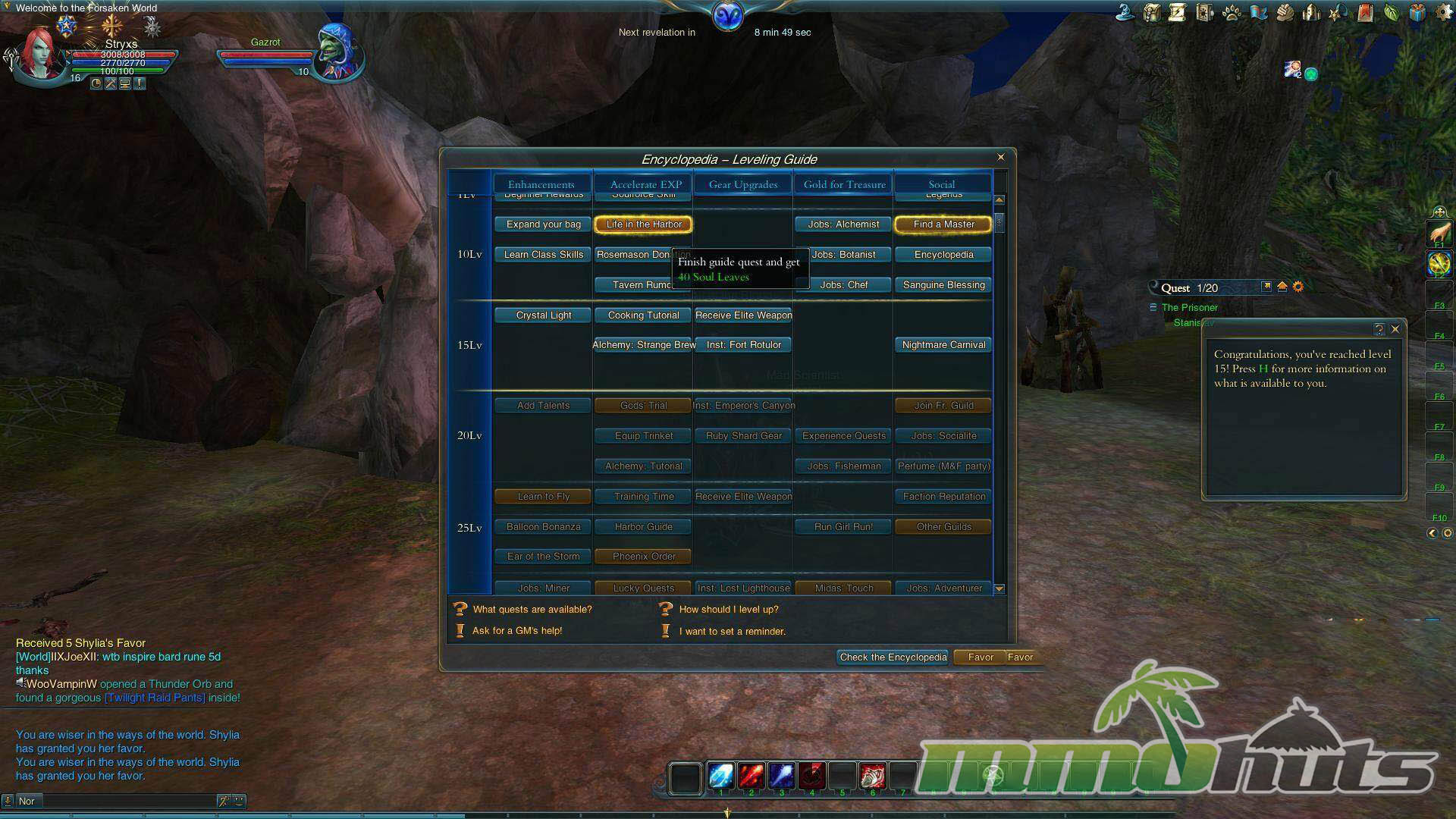
- Built-In Encyclopedia – an in-game reference that explains systems and points you toward useful activities, reducing the need for external guides.
- Dynamic Dungeons – instanced content that adjusts difficulty to better match player capability, at least in concept.
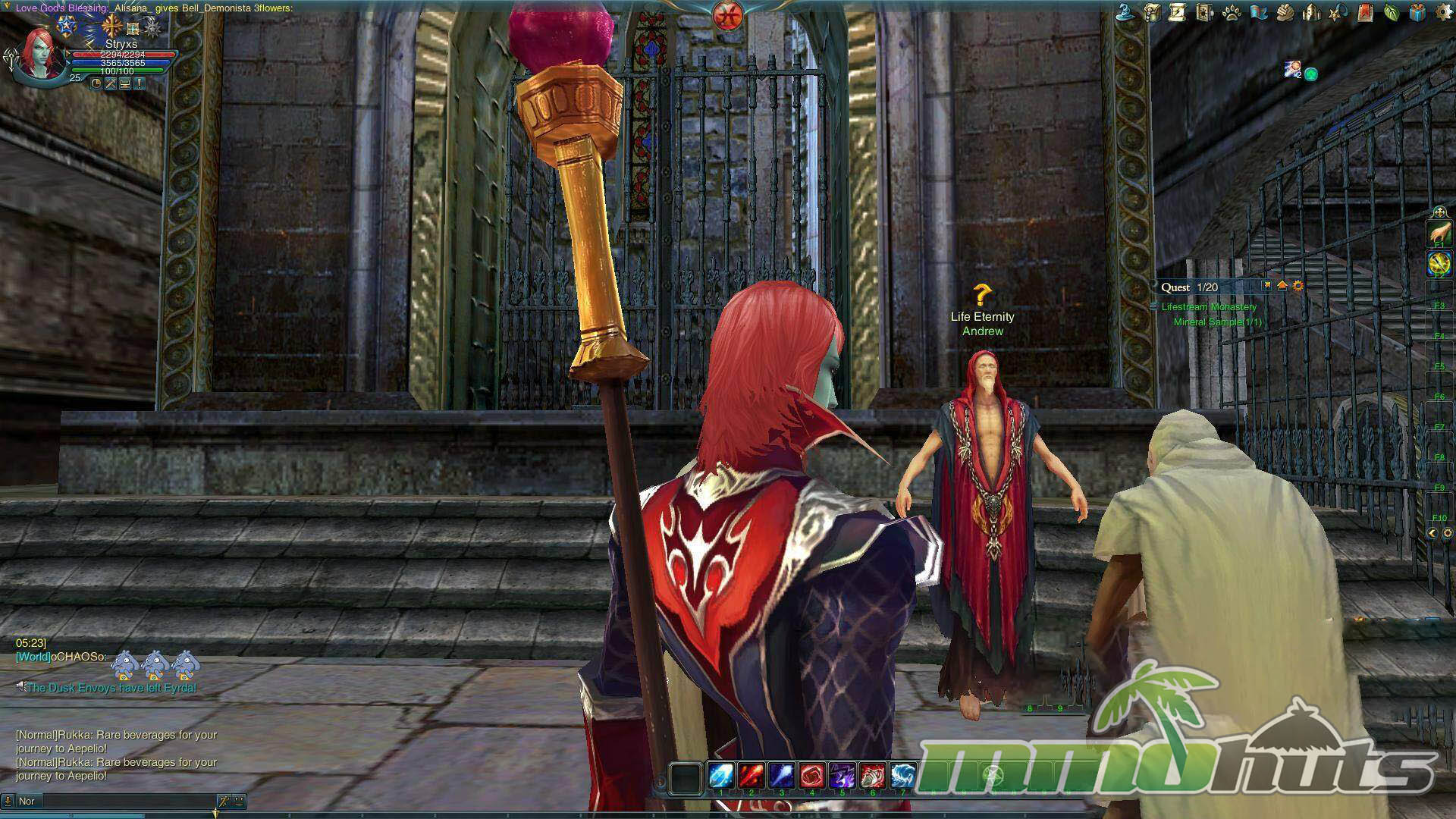
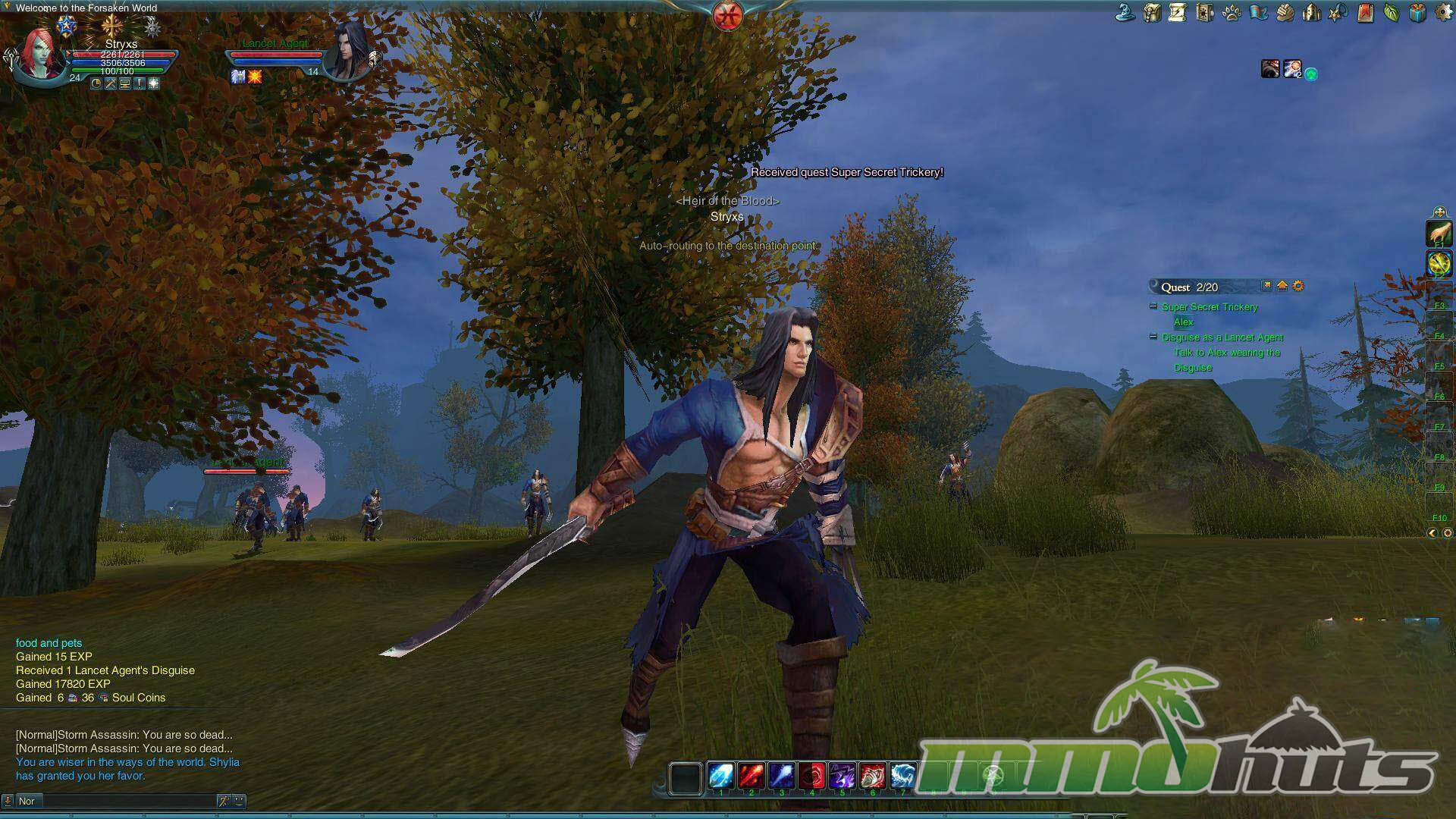
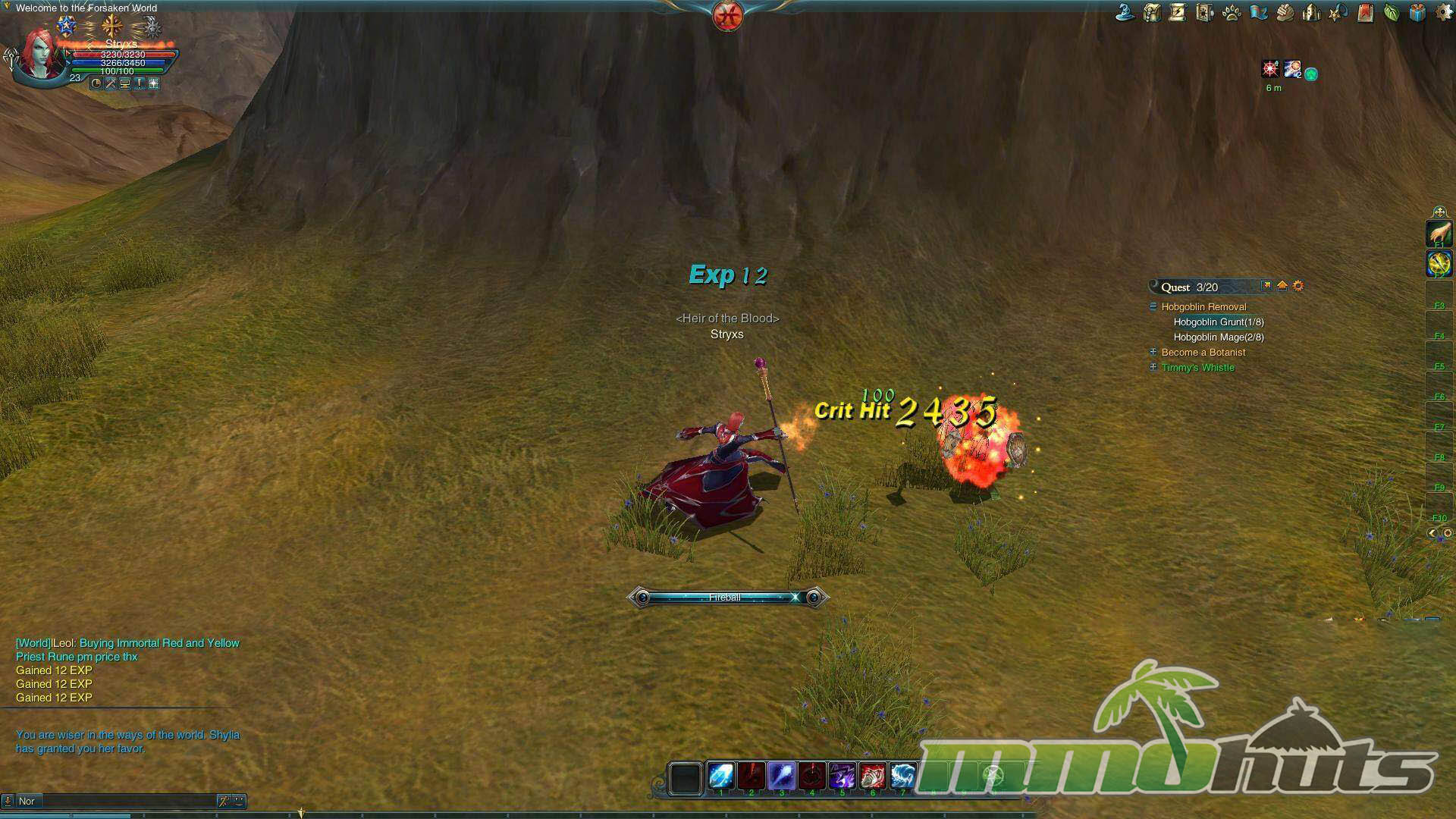
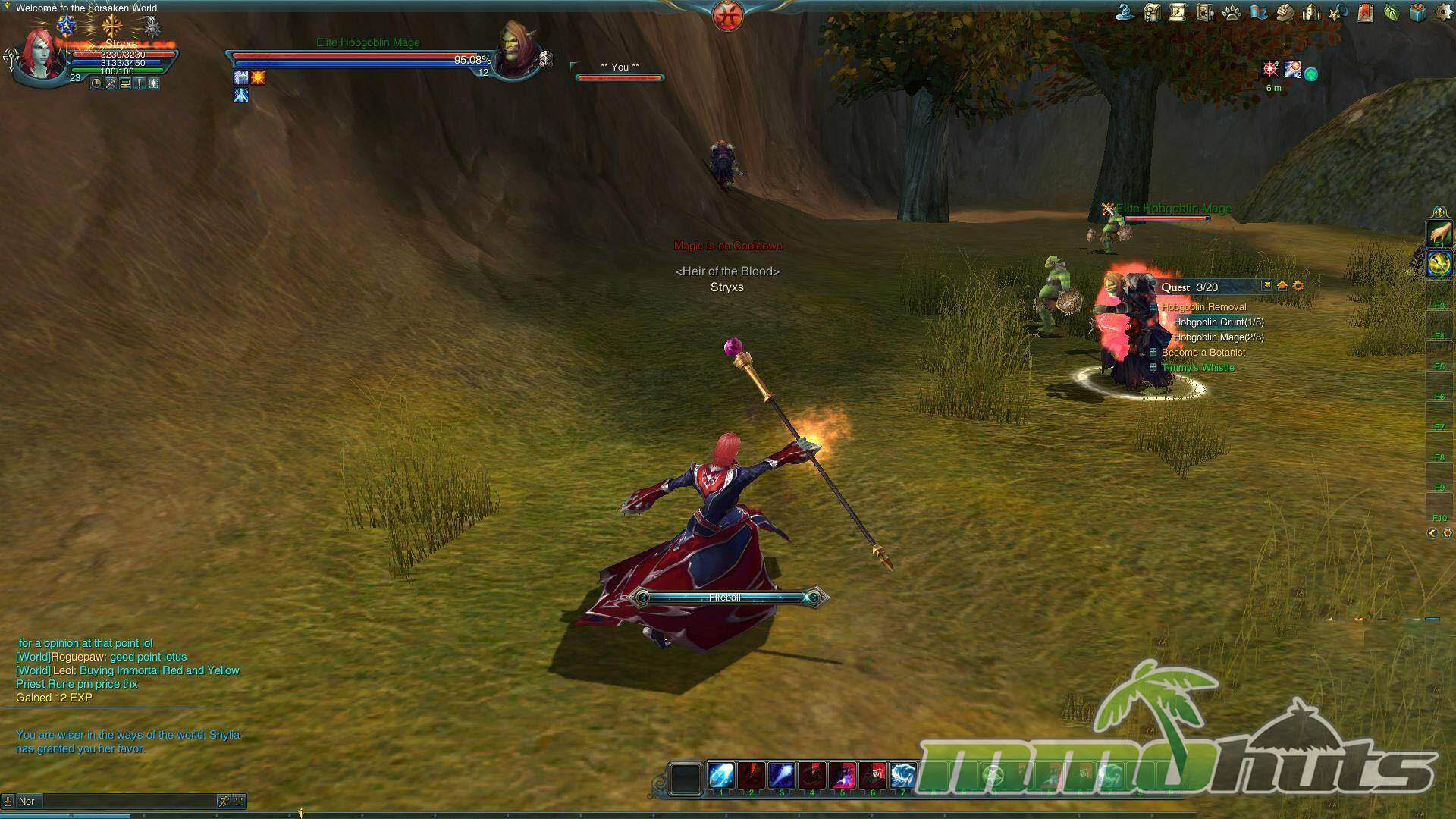
Forsaken World Screenshots
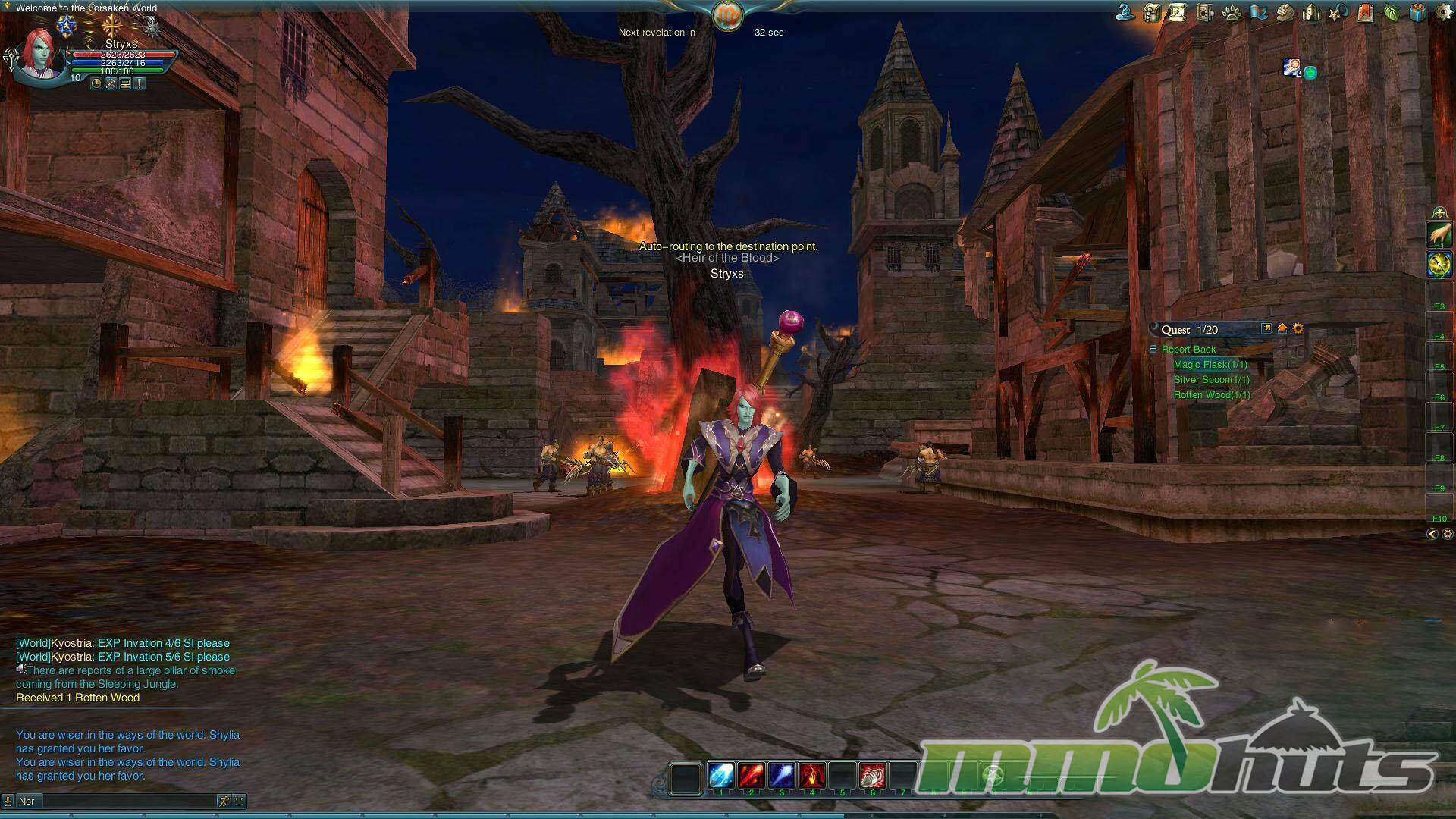
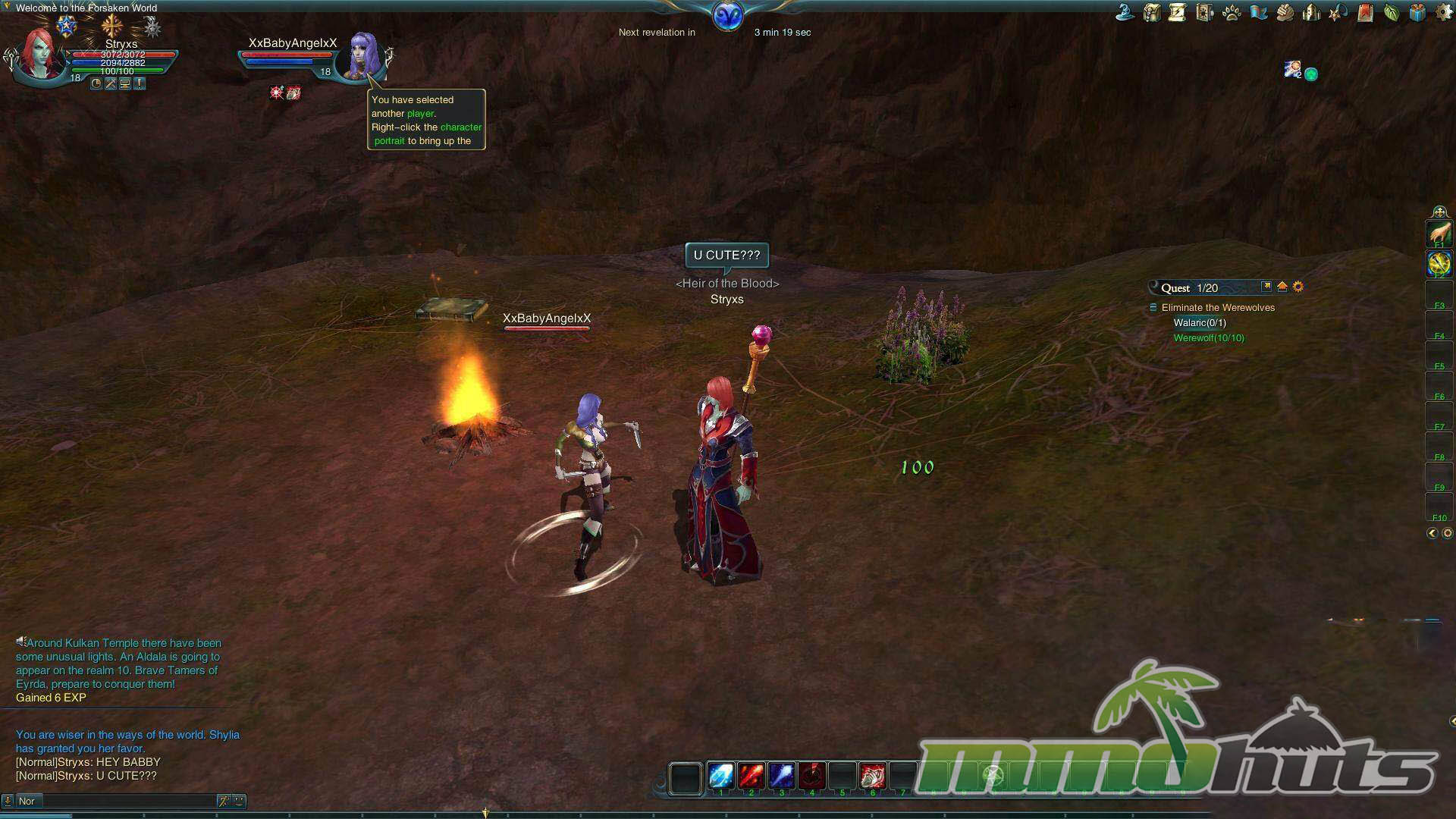
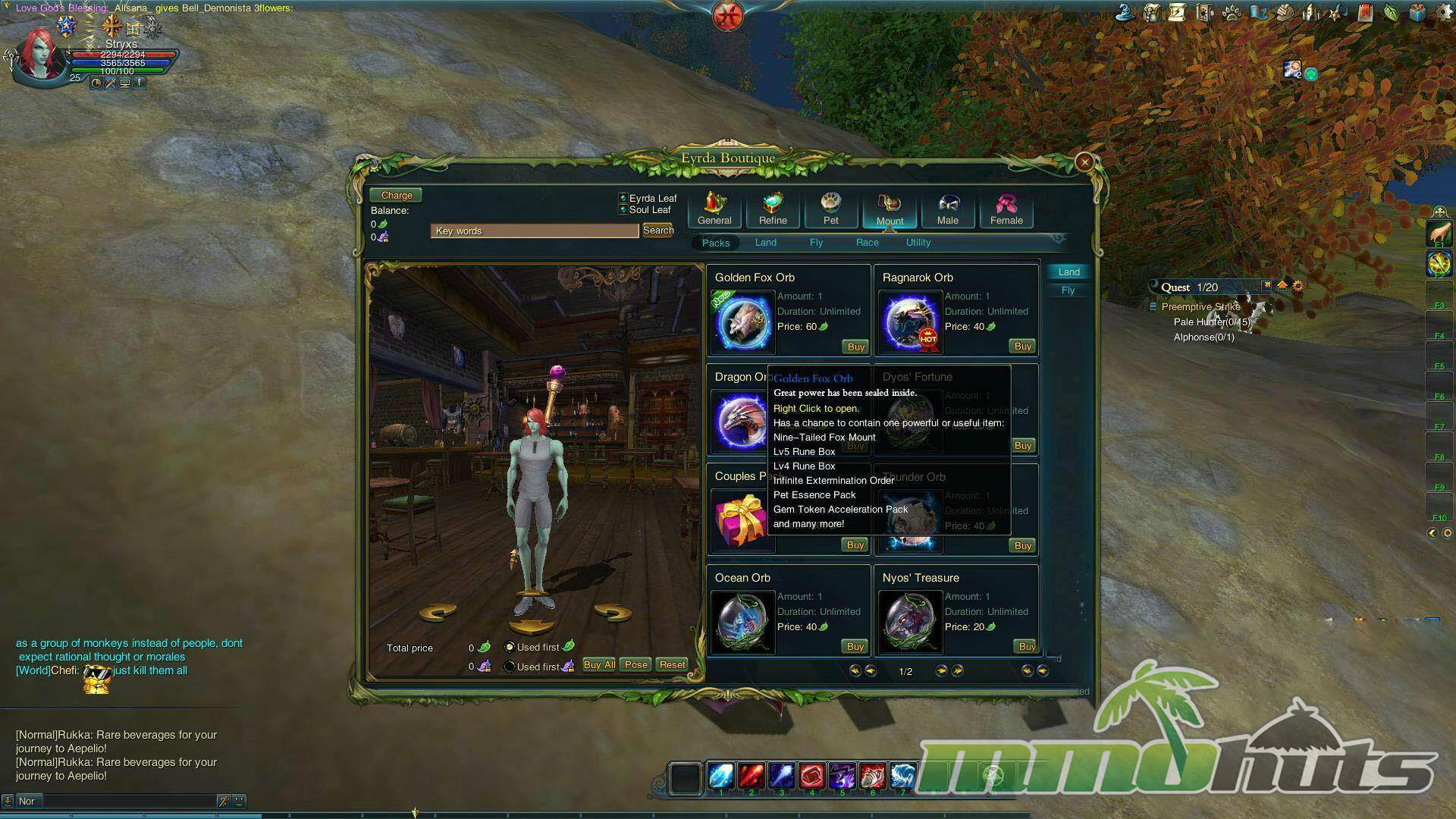
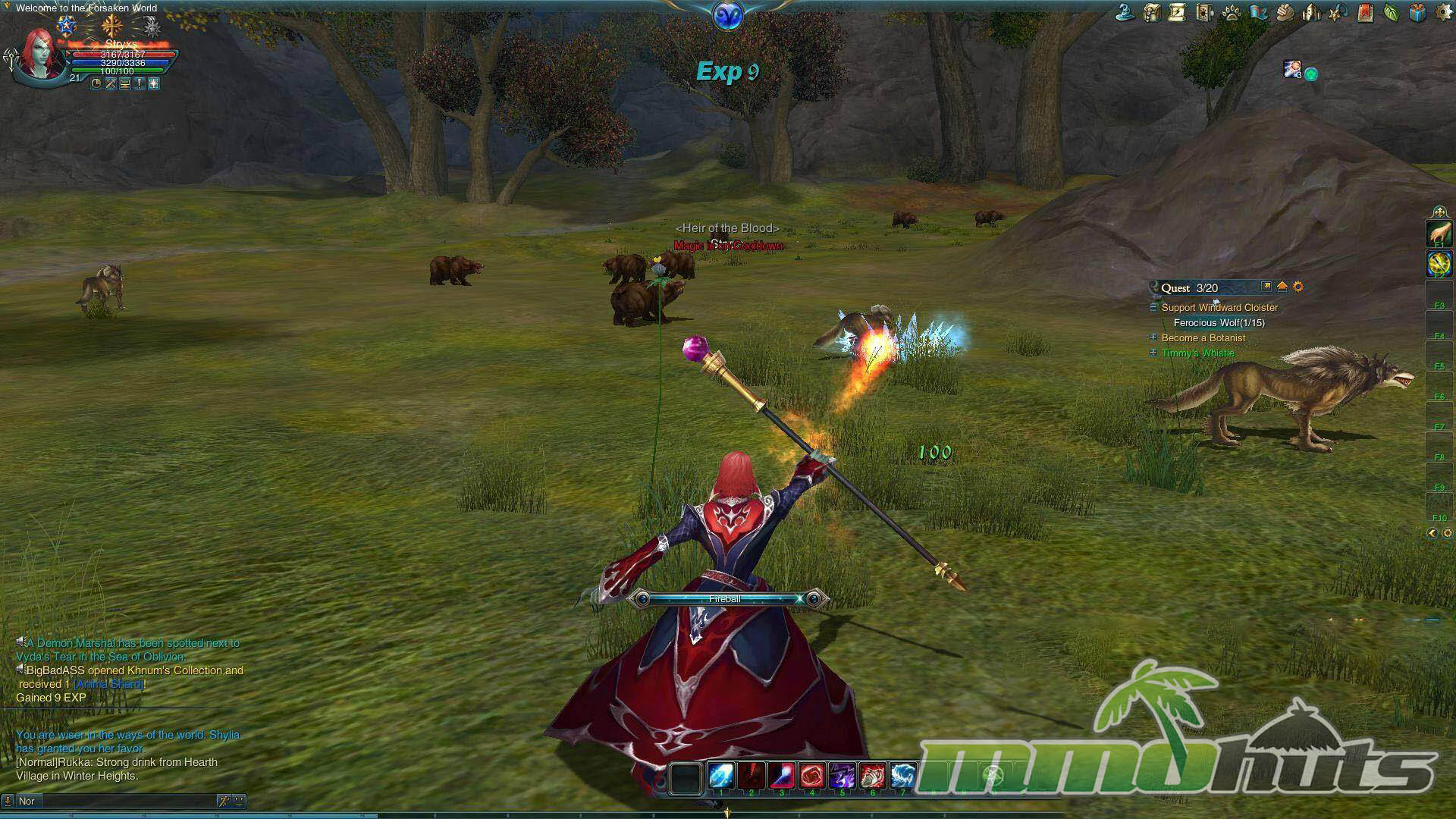


Forsaken World Featured Video

Forsaken World offers six races and nine classes. The playable races are Human, Elf, Dwarf, Stoneman, Kindred, and Lycan.
The nine classes are:
- Warrior – a durable front-liner built around steady melee pressure and crowd control, with the tools to stay standing in messy fights.
- Protector – the dedicated tank archetype, focused on soaking damage and holding threat, trading personal DPS for sturdiness.
- Assassin – a stealth-based melee damage dealer that thrives on burst windows and positioning, but tends to be fragile when exposed.
- Marksman – a ranged attacker that relies on firearms and distance management to pick targets apart before they can close in.
- Mage – a high-damage caster with classic glass-cannon traits, capable of big numbers while being less forgiving defensively.
- Priest – a core support role with strong healing and utility, and a common staple for group content.
- Bard – a buff and debuff specialist that can swing group performance heavily, effective in both party play and PvP scenarios.
- Vampire – a hybrid-style combatant mixing magic and physical attacks, with self-sustain through draining enemy HP.
- Blood Reaper – a melee bruiser that converts its own health into power, rewarding aggressive play and risk management.
Forsaken World Review
Forsaken World (known as Mythical Continent in China) is a 3D fantasy MMORPG developed and published by Perfect World Entertainment. Its open beta began on March 9, 2011, and its design goal was to better align with Western MMO expectations while still carrying recognizable traits from Asian free-to-play MMORPGs. The result is a game that is easy to read and easy to navigate, sometimes to a fault, but packed with features for players who like having multiple progression lanes.
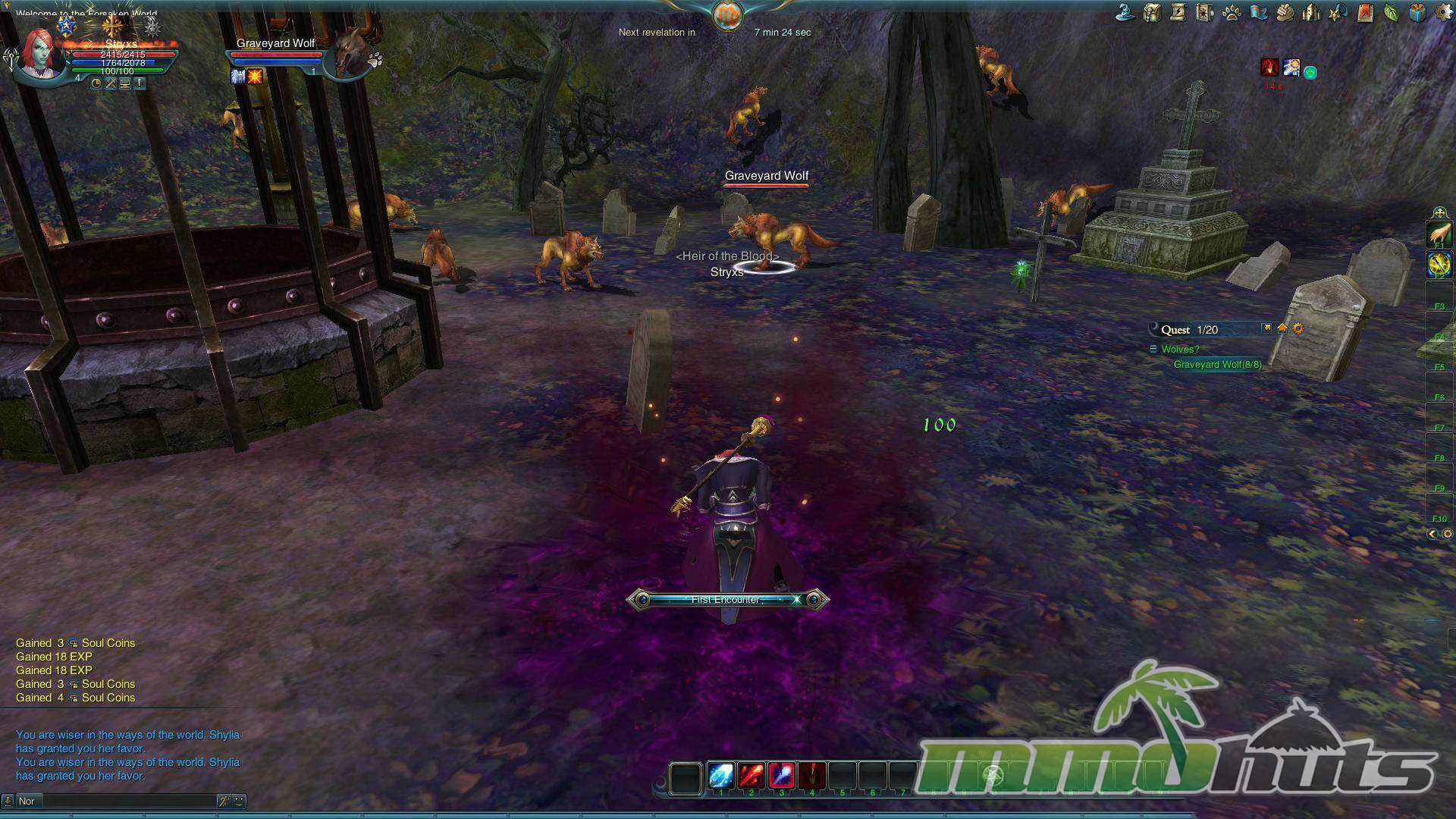
Getting Started and First Impressions
Like other titles in Perfect World’s catalog, the game is delivered through Arc, the company’s own launcher and platform. It functions similarly to a storefront client, but it is primarily centered on Perfect World releases (plus a limited set of partnered games), so it is more of a dedicated hub than a broad marketplace.
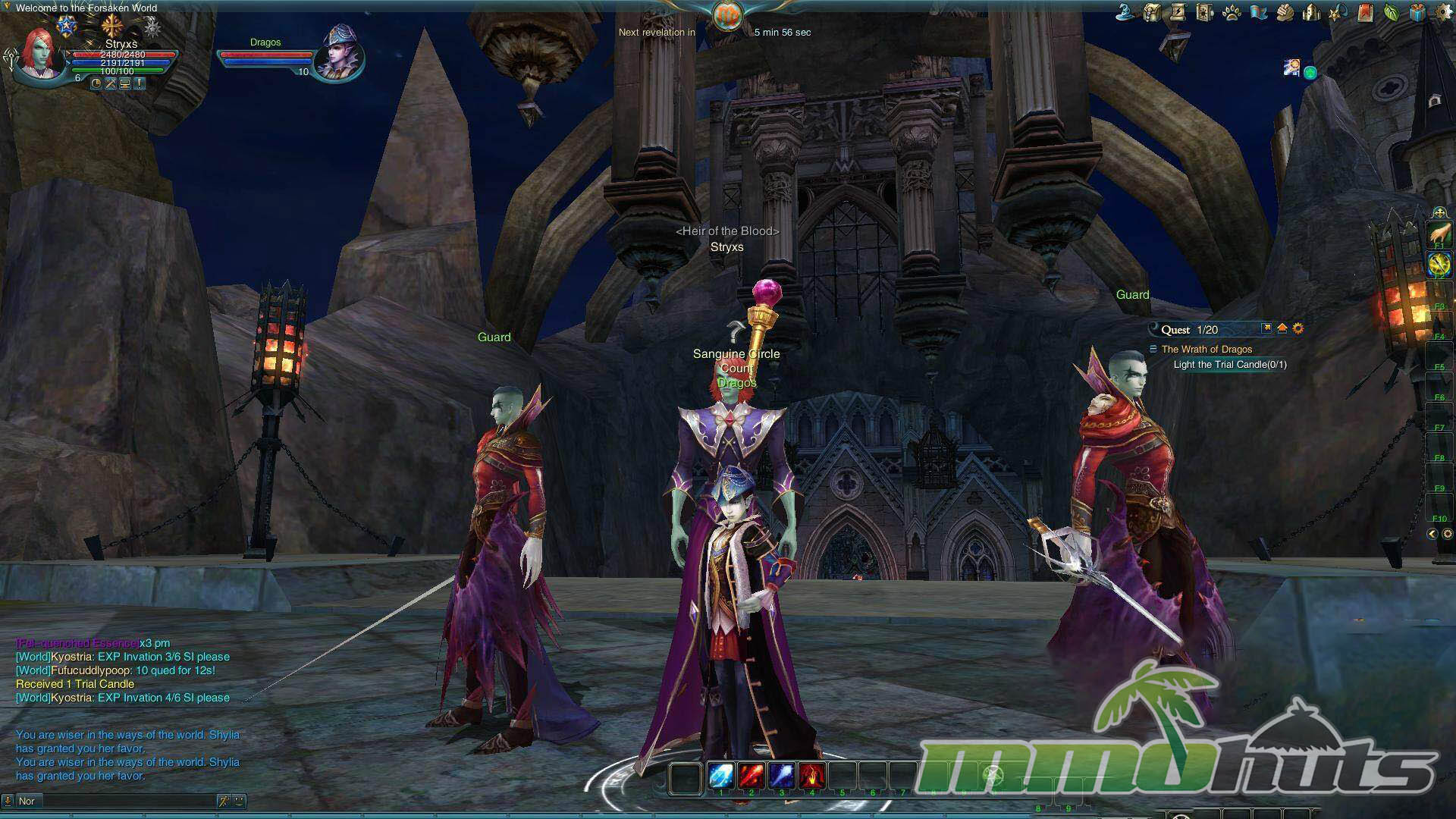
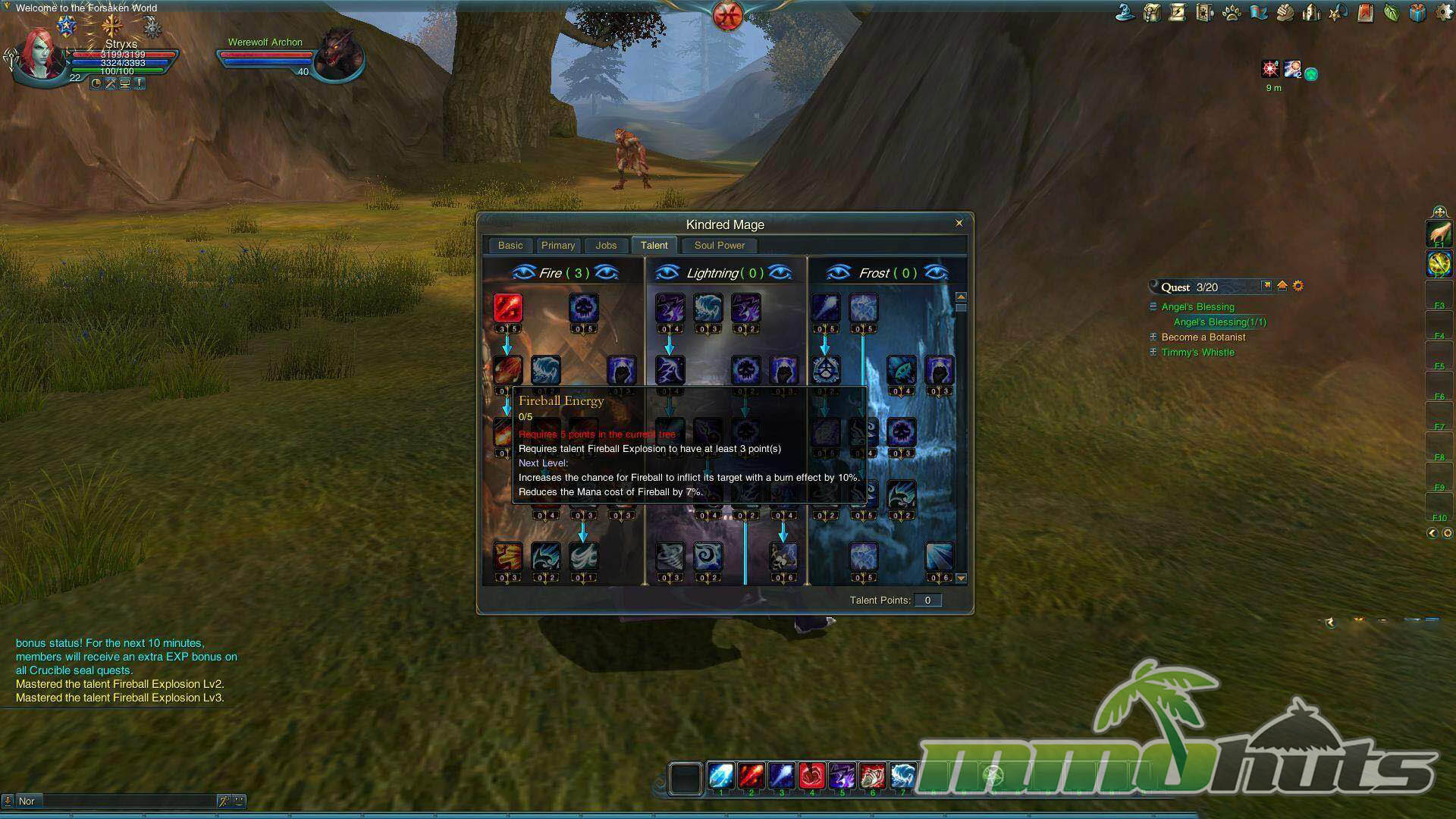
Once you log in, the character creation suite is the first major draw. You select from six races and nine classes, then move into a surprisingly detailed set of appearance options. Beyond the usual face and hair adjustments, Forsaken World also pushes “flair” accessories, such as makeup-style markings and other facial add-ons. Because flair options vary across face templates, it encourages experimentation rather than settling on the first preset. Class variety is also reinforced later by talent trees, since each class has three paths to develop, letting two players of the same class feel meaningfully different.
A Western MMO Backbone with F2P DNA
Moment to moment, Forsaken World plays closer to a traditional theme park MMO than many of its contemporaries. Movement and camera controls are familiar (WASD plus mouse controls), and the early game flows from hub to hub with a strong emphasis on story-driven quest chains. Visually and structurally, it often recalls Western MMO pacing, even if the presentation and some systems still echo the free-to-play Asian MMO era it came from.
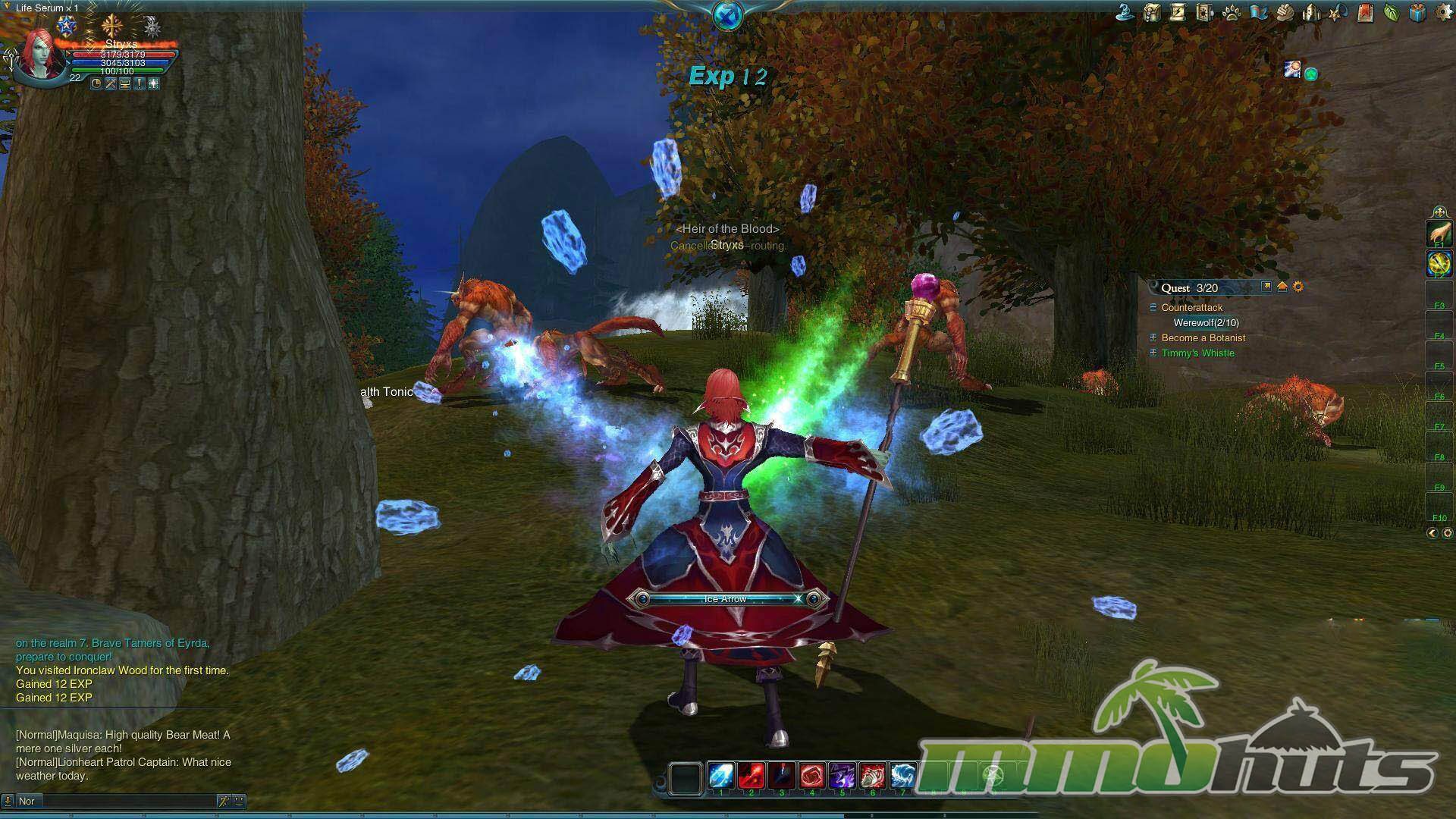
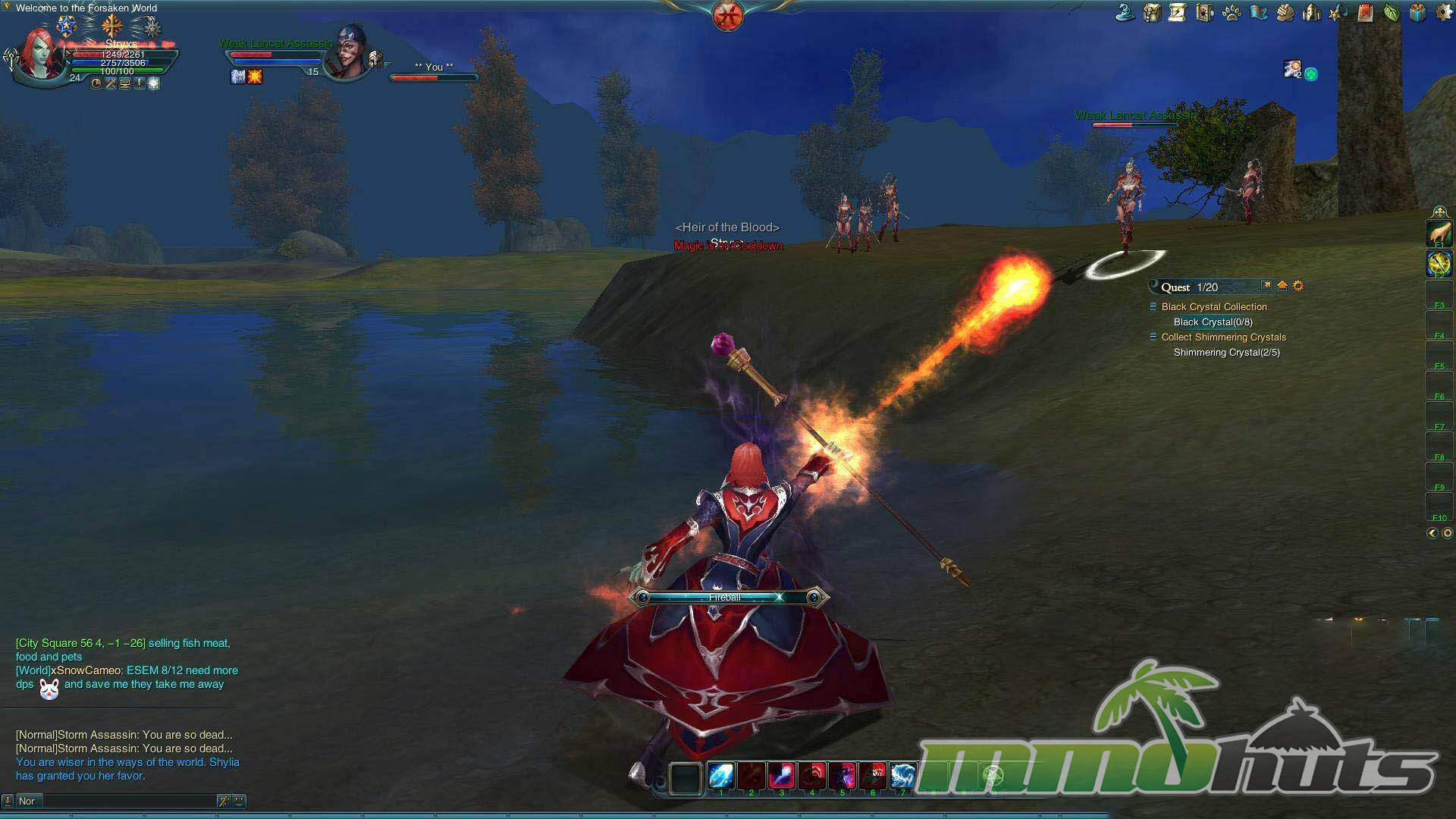
Questing is streamlined by a heavy convenience layer. Auto-travel, triggered by clicking quest text or NPC names, keeps you moving with minimal friction. That smoothness is helpful for players who want efficient leveling, but it also reduces discovery. When the game can route you to enemies, route you back to turn-ins, and keep you on rails, the world can feel more like a guided tour than a place you are truly exploring.
Progression uses a Western-style approach: levels grant automatic stat increases, and later you begin investing points into talent trees (unlocked at Level 20). You can spread points around, but specializing tends to be more effective in practice. Skills and upgrades are purchased from class trainers once you meet the level requirement, which keeps ability growth predictable and easy to plan around.
Zodiac, Prayer, and the Server Era Loop
Your chosen birthday at character creation determines your zodiac sign, and the zodiac system is more than a flavor detail. Servers cycle through eras, beginning with an “era of chaos” when a server is fresh. Players can contribute prayers on a timed cadence, and collective participation pushes the server toward new eras. On a personal level, prayer also functions as a steady drip of rewards, including experience, buffs, and occasional items.
There are limits to prevent it from being endlessly farmable. The first four prayers each day are the ones that grant experience and item chances, and your sign matters because praying under your own constellation yields better bonuses and stronger buffs. Early on, the system is clearly tuned to help new characters get established, offering meaningful starter rewards like gear, consumables, and a mount, with shorter intervals between the initial prayer steps (5, 10, 15, and 20 minutes). As a daily habit, it is efficient, but it also reinforces the game’s tendency toward scheduled, automated routines.
An In-Game Reference That Actually Helps
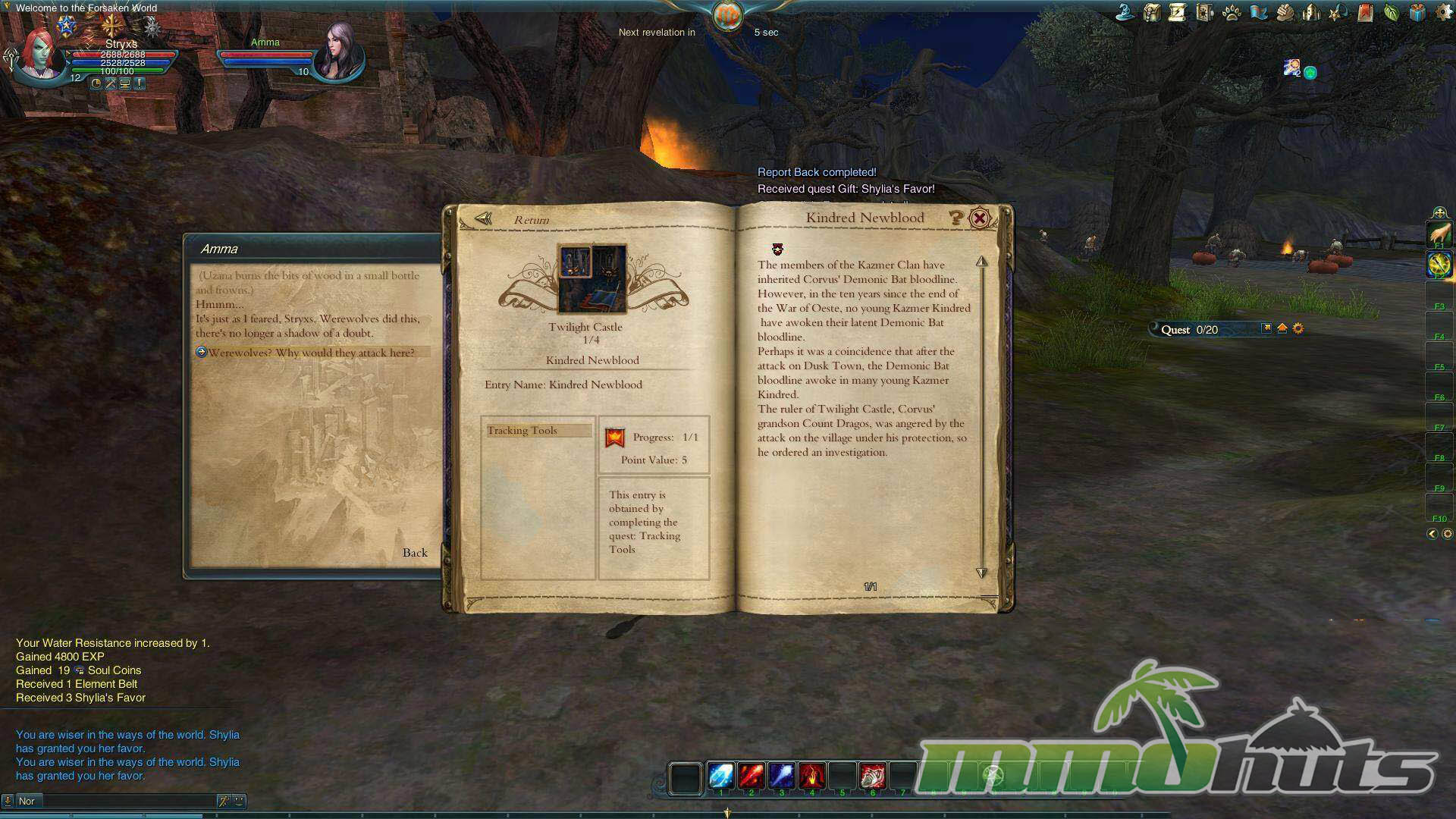
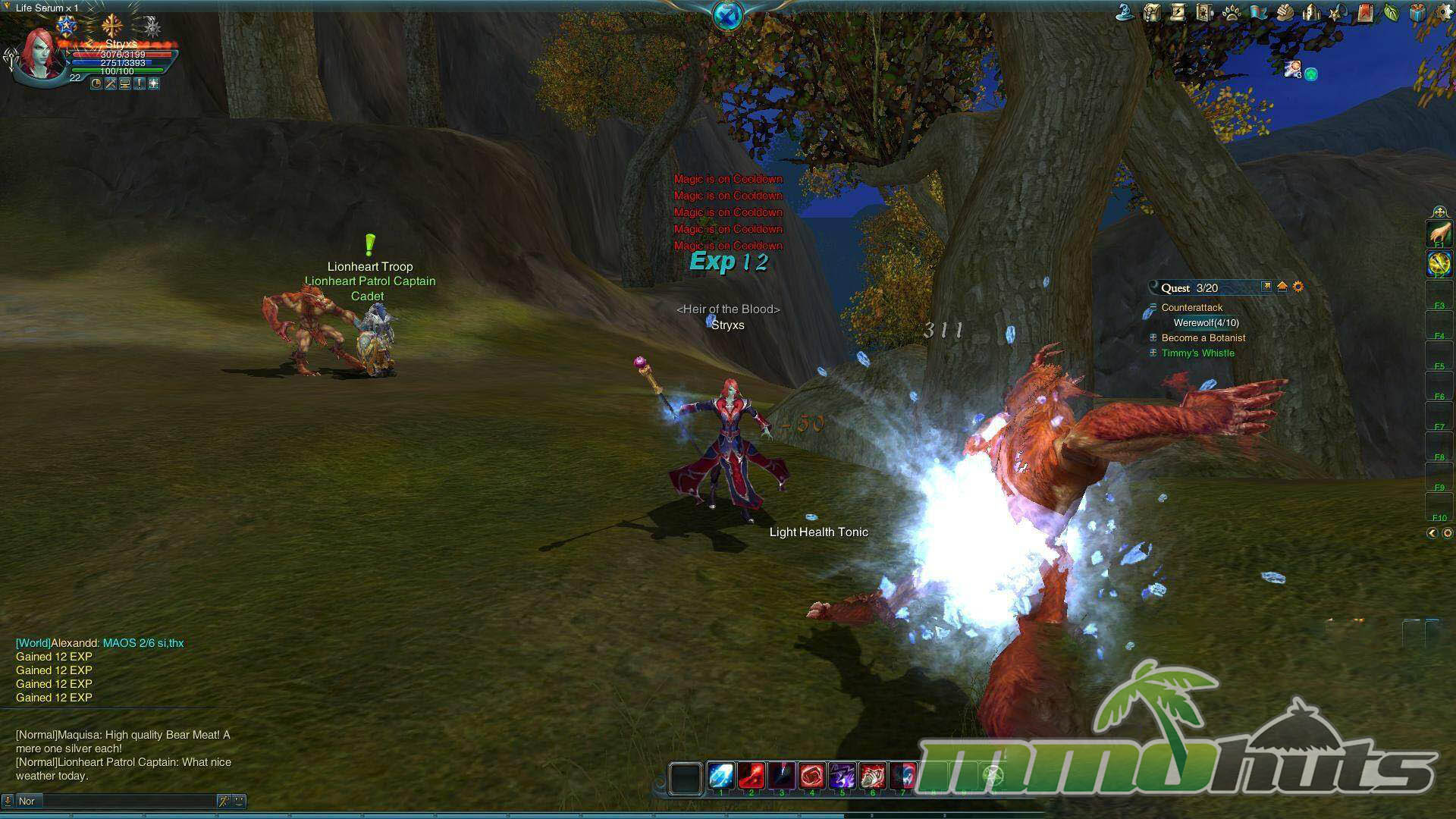
Forsaken World includes a built-in encyclopedia that serves as both a knowledge base and a soft “what should I do next?” guide. Starting after Level 10, it regularly highlights newly available systems and activities every five levels, including upgrades, jobs, social events, and other power growth opportunities. For a game with many overlapping features, having that information inside the client is a genuine quality-of-life win. It reduces the need to alt-tab for basic explanations, and it helps players avoid missing key unlocks while leveling.
Legends and Long-Term Checklists
Achievements are presented through the Legends system, and it is clearly designed to keep completion-minded players engaged. The reward structure spans trophies, medals, titles, and other incentives tied to milestones and collectible-style objectives. Because the list is extensive, it gives players constant short-term goals, which pairs well with the game’s many side systems. If you enjoy watching progress bars fill and collections grow, Legends adds a lot of extra “just one more thing” motivation.
PvP: Open World Rules and Power Spikes
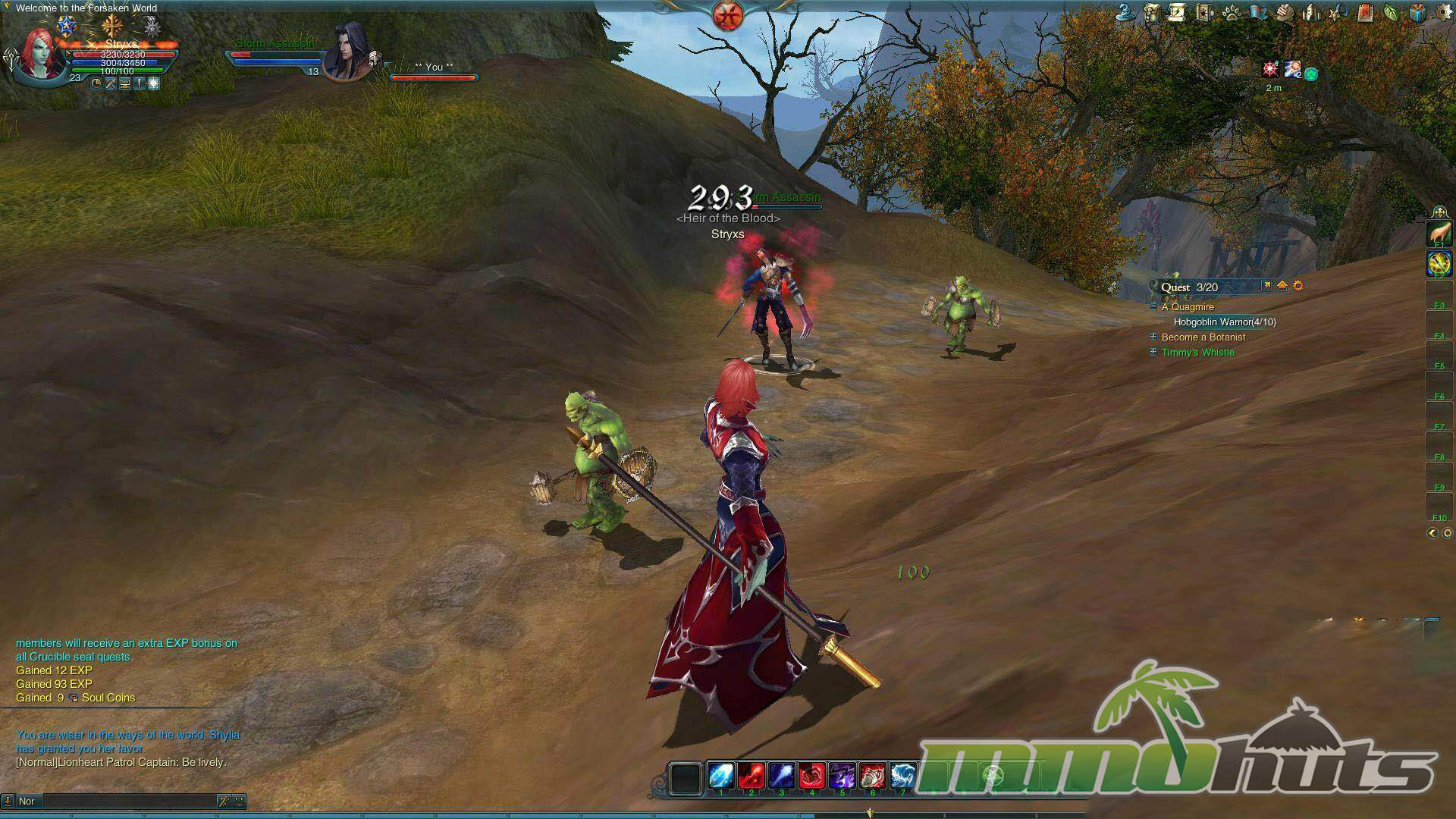
Open world PvP begins at Level 30 and uses a familiar penalty and notoriety model. Aggressors shift to an orange name, while killing a non-retaliating target pushes a player into red-name status. If two orange players fight, the winner stays orange rather than escalating to red. Death carries a chance to drop equipment for both white and orange names (2%), but orange targets can be killed without the same penalties, creating an incentive to hunt flagged players. As PK points build, names deepen in red shading, and heavily flagged PKers become far more likely to drop gear and inventory items when defeated. Those points also decay slowly, only 1 point per hour, which makes persistent PK behavior a meaningful commitment.
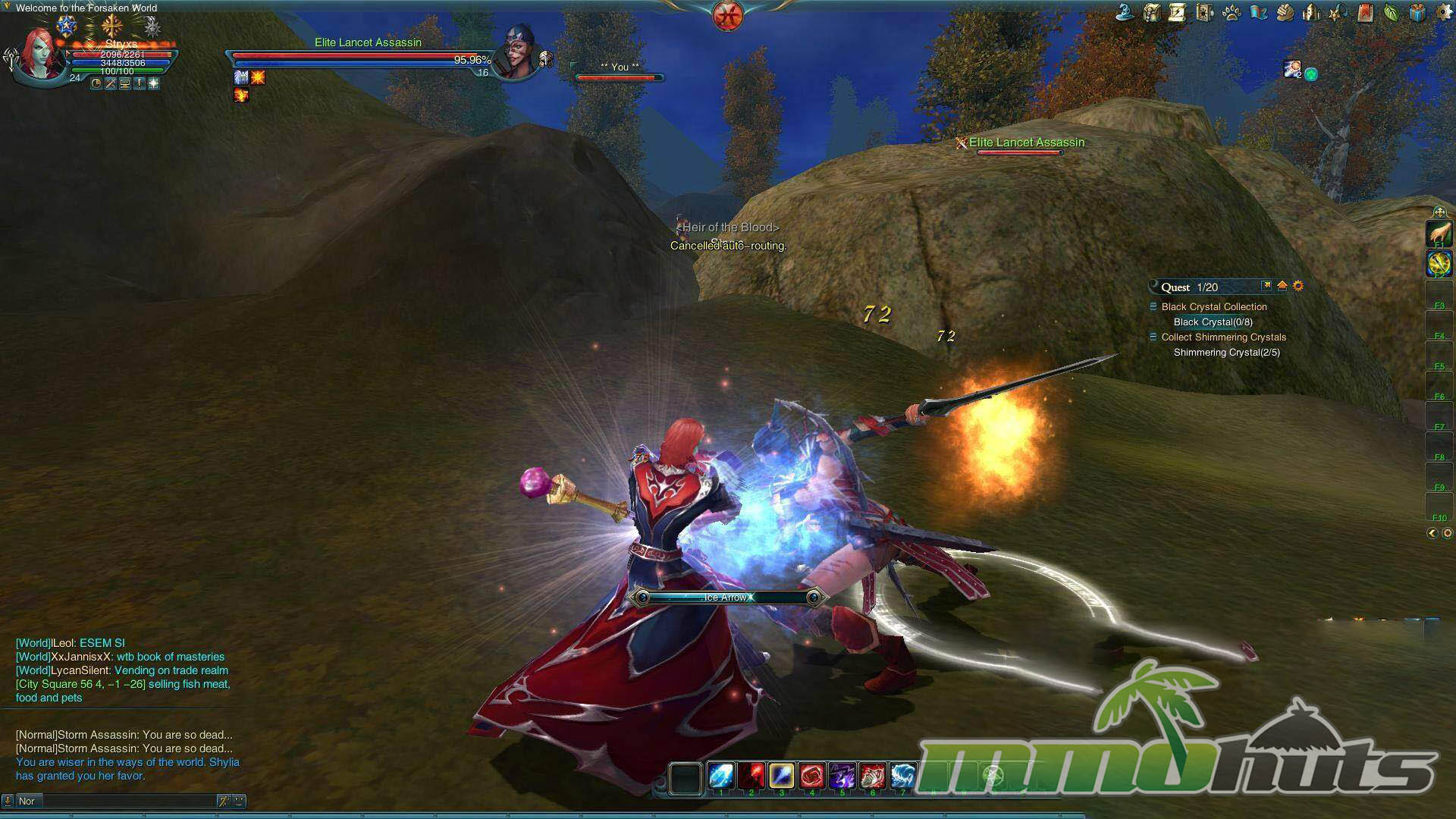
At the same level, players gain Wrath Awaken, a PvP-centric mechanic that ramps up power during combat. Wrath drains while active and is refilled through Wrath orbs generated by skill usage in PvP. Orbs start purple and later become yellow, at which point they can be collected to restore Wrath. When the meter fills, the power spike is dramatic, turning the player into a short-lived powerhouse. It is a flashy system that can make fights swing quickly, for better or worse.
Outside of open world conflict, the game also supports duels and guild wars. Duels serve as controlled practice, while guild wars are larger-scale events that require one guild to declare and the other to accept. One side attacks while the other defends, and the outcome is determined by total kills across a 30-minute match window.
Systems on Systems: What Fills the Endgame
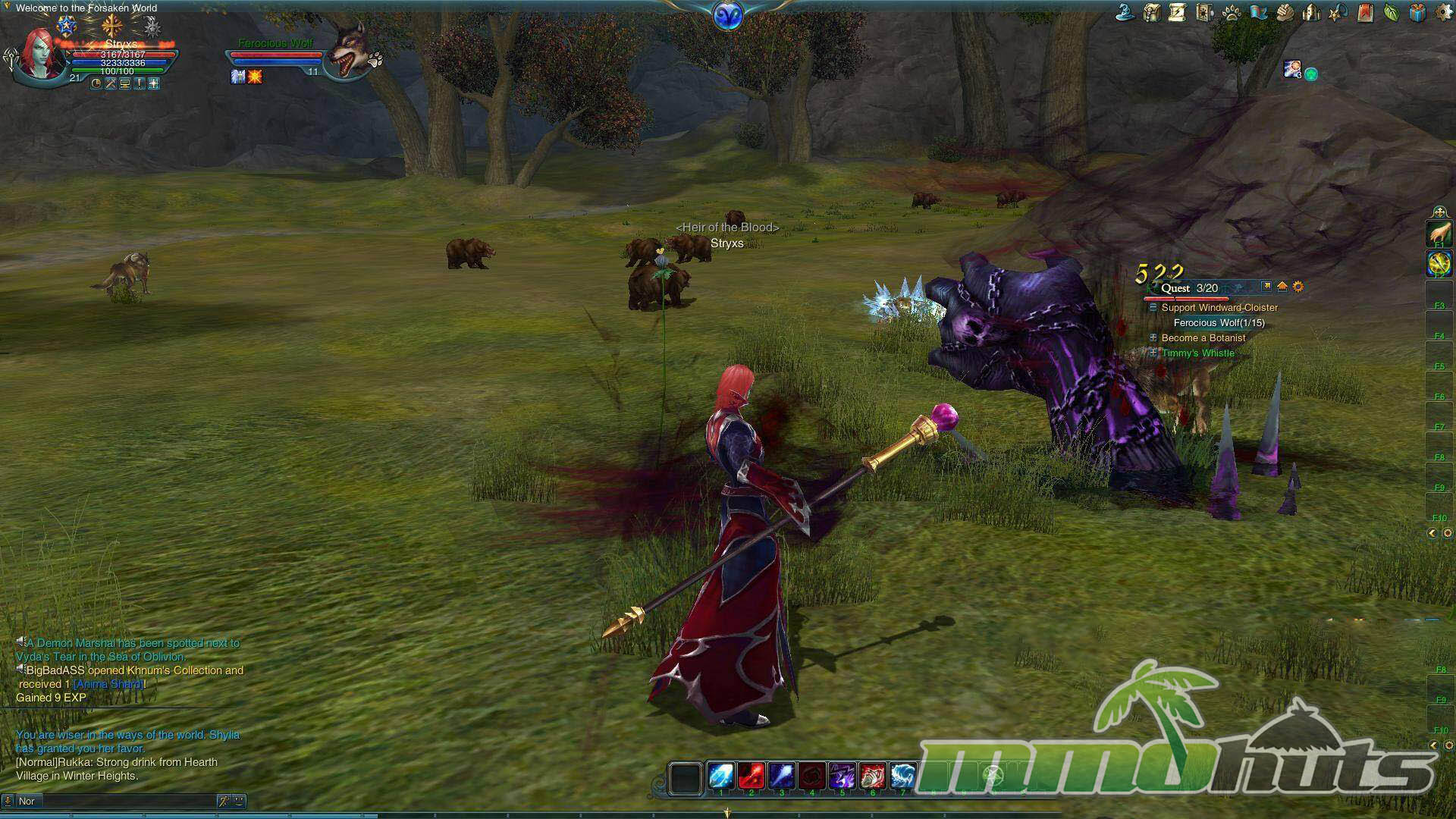
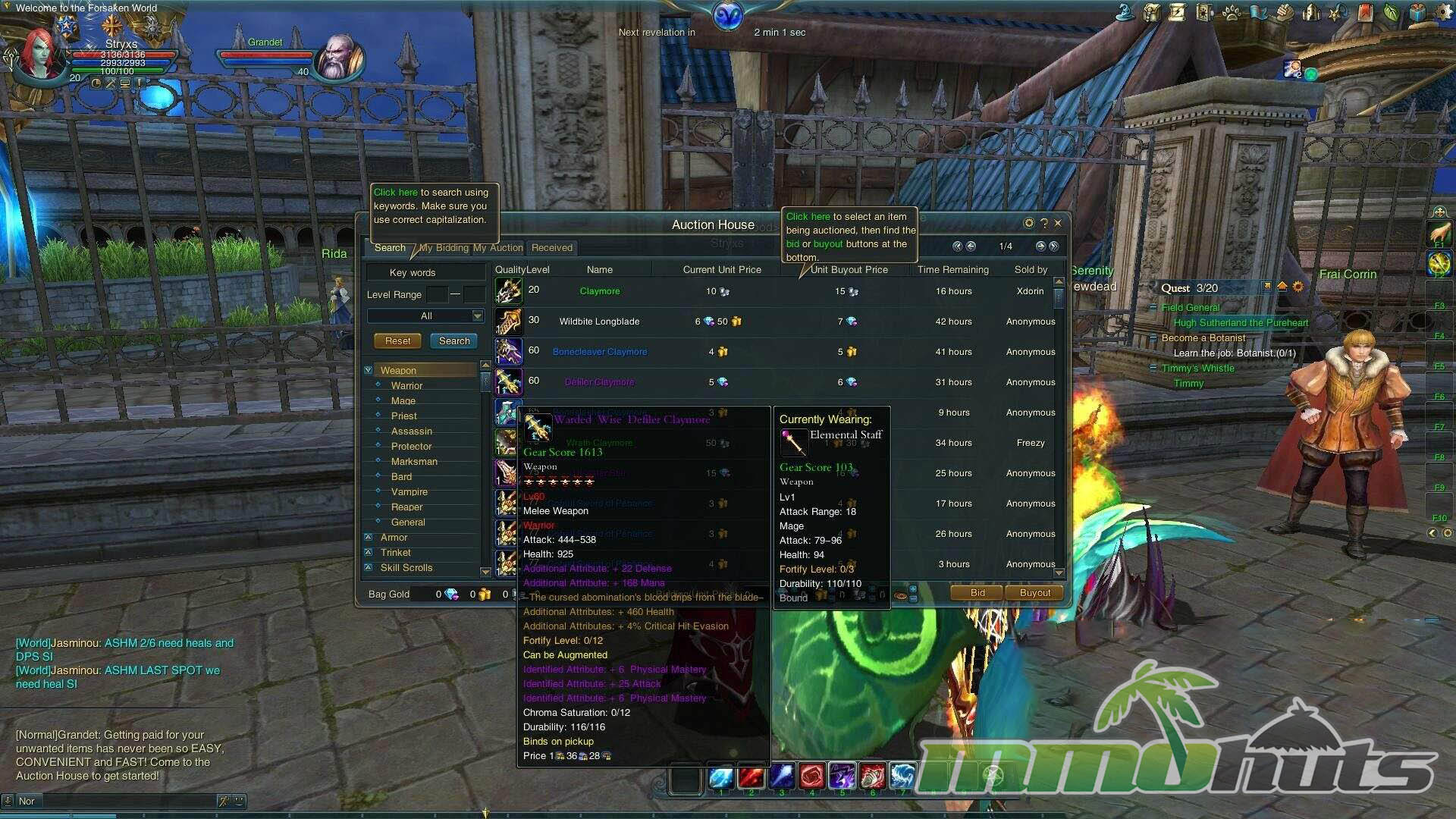
Forsaken World’s feature list is one of its main selling points. Mounts and flying mounts change traversal, pets add collection and combat support, and crafting and gathering occupations provide a parallel progression track. There is also a faction reputation layer, guild structure with guild bases, an auction house economy, and the expected endgame PvE loop of dungeons, raids, and world bosses.
This breadth is both a strength and a reason the game can feel busy. Players who enjoy juggling multiple daily and weekly activities will find plenty to do, while players who prefer a leaner, more focused MMO may feel pulled in too many directions. Even so, the overall package does a good job of providing “next steps” at most stages of progression, especially when paired with the encyclopedia guidance.

Cash Shop and the Competitive Gap
The cash shop includes a wide spread of items, ranging from cosmetics and outfits to mounts, pets, enhancement materials, and upgrade-related consumables. On the surface, a lot of it reads like standard free-to-play convenience and cosmetic offerings. The concern is that certain purchases can translate into meaningful power, especially in competitive contexts.
Once characters reach Level 40+, they can train resistances and mastery stats using in-game gold, but the cost rises steeply as you push further. Players can grind gold and gems to keep up, but spending players can shortcut the process by accessing upgrades more quickly through shop-supported resources. In PvP, that acceleration can create a noticeable imbalance between equally leveled characters. It is not entirely impossible for free-to-play players to compete, but the path is longer and requires much more sustained farming.
Final Verdict – Great
Forsaken World stands out as one of the stronger free-to-play MMORPGs of its era, largely because it offers a polished interface, lots of class variety, and an impressive stack of side systems that give players multiple ways to progress. The main friction points are the heavy convenience features that reduce organic exploration, and the cash shop advantages that can undermine fairness in PvP. For players who enjoy structured questing and feature-rich MMO checklists, it remains an easy recommendation, especially if competitive PvP is not your primary focus.
Forsaken World Links
Forsaken World Official Website
Forsaken World Wikia (Database / Guides)
Forsaken World Official Wiki (Datebase / Guides)
Forsaken World System Requirements
Minimum Requirements:
Operating System: Windows XP / 2000 / Vista / 7 / 8
CPU: Intel Pentium 4 1 GHz / AMD Equivalent
Video Card: GeForce 4 Ti4200/ Radeon 8500 64 MB
RAM: 1 GB For Windows XP
Hard Disk Space: 8 GB
Recommended Requirements:
Operating System: Windows 2000 / XP / Vista / 7 / 8
CPU: Dual-Core 2.5 GHz CPU / AMD Equivalent or better
Video Card: GeForce FX 5200 128MB / ATI Radeon 9500 128MB or better
RAM: 2 GB for Windows Vista / 3 GB for Windows 7 and 8
Hard Disk Space: 8 GB
Oddly, Forsaken World has the exact same system requirements as Neverwinter.
Forsaken World Music & Soundtrack
Forsaken World Additional Information
Developer: Perfect World Entertainment
Closed Beta Date: October 27, 2010 – February 23, 2011
Open Beta Date: March 9, 2011
Shut Down Announced: April 28, 2022
Shut Down Date: November 30, 2022
Foreign Releases
China: September, 16 2010 (Published by Perfect World as “Mythical Continent” or “Ghost Mainland”) The latest client is actually called Mythical Continent 2.
Perfect World also develops and publishes a mobile game with the same title for both iOS and Android in China.
Development Background
Forsaken World was developed by a globally distributed team, with contributors across five continents, aiming to produce a fantasy MMO that could appeal broadly rather than feeling region-specific. Its setting intentionally blends Western myth staples, such as Vampires, with elements drawn from Chinese cultural influences, which helps it stand apart from more strictly traditional medieval fantasy worlds. Development began in early 2009 under the working title “Project EM” (also shortened to “PEM”), with an explicit goal of feeling more Western than many other Chinese MMORPGs of the time.