Forsaken Legends pitched itself as a single-world sandbox MMORPG, placing every character into the same persistent landmass instead of splitting the community across separate servers. The focus was on long-form exploration, survival-style crafting, and player-driven conflict, with room for both PvE adventuring and PvP territory drama. At its best, the concept leaned into the appeal of building a home, gearing up through crafting, and carving out a spot in a living economy until the project ultimately went offline in 2017.
 | Publisher: Holy Fire Games Type: Sandbox MMORPG Release Date: May 20, 2016 Shut Down Date: April 27, 2017 Pros: +Procedural sandbox world that encourages exploration. +Built-in guild tools and shared land features. +Player-influenced economy with shifting prices. Cons: -Very little documentation and remaining official information. |
Forsaken Legends Overview
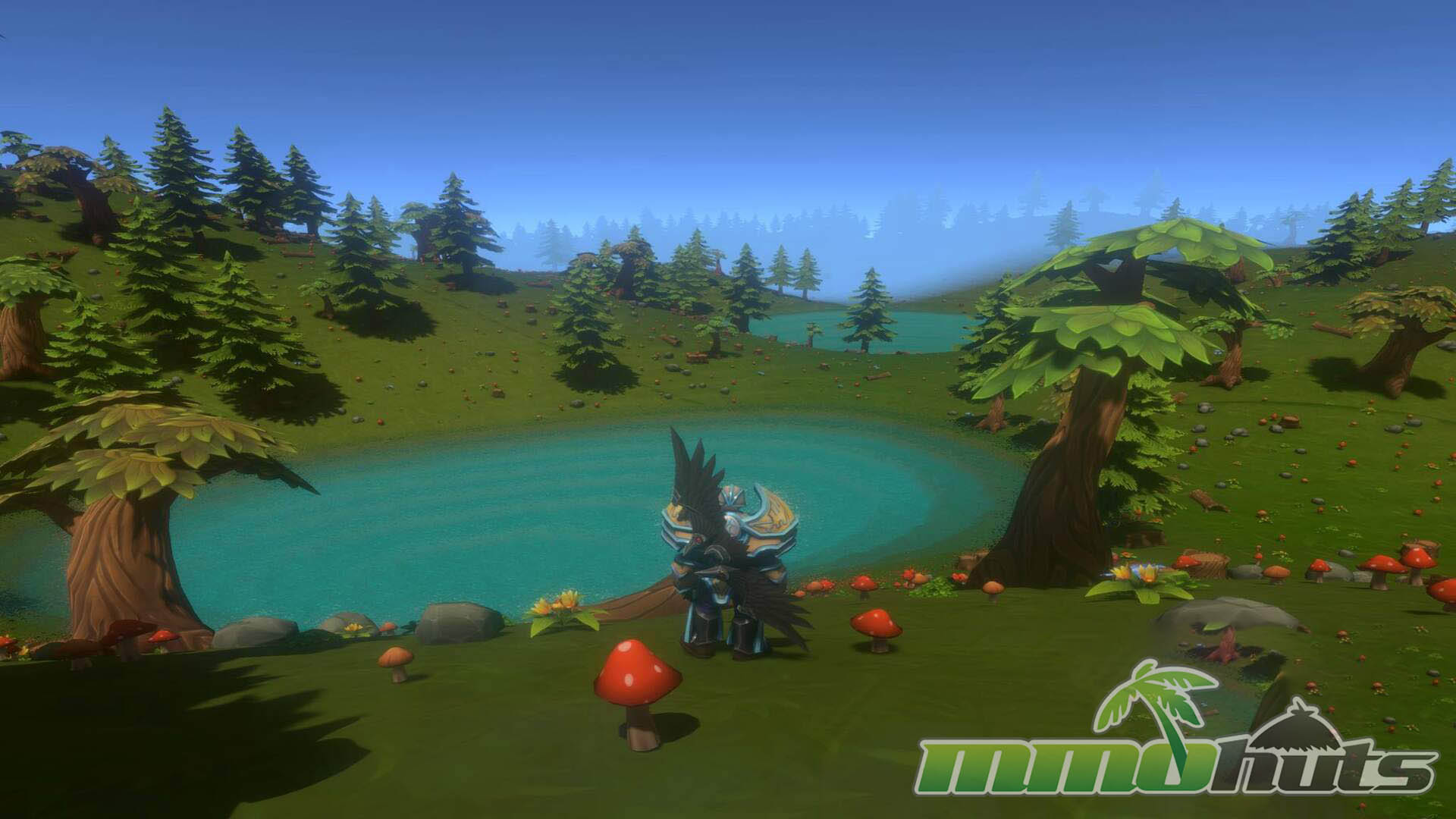
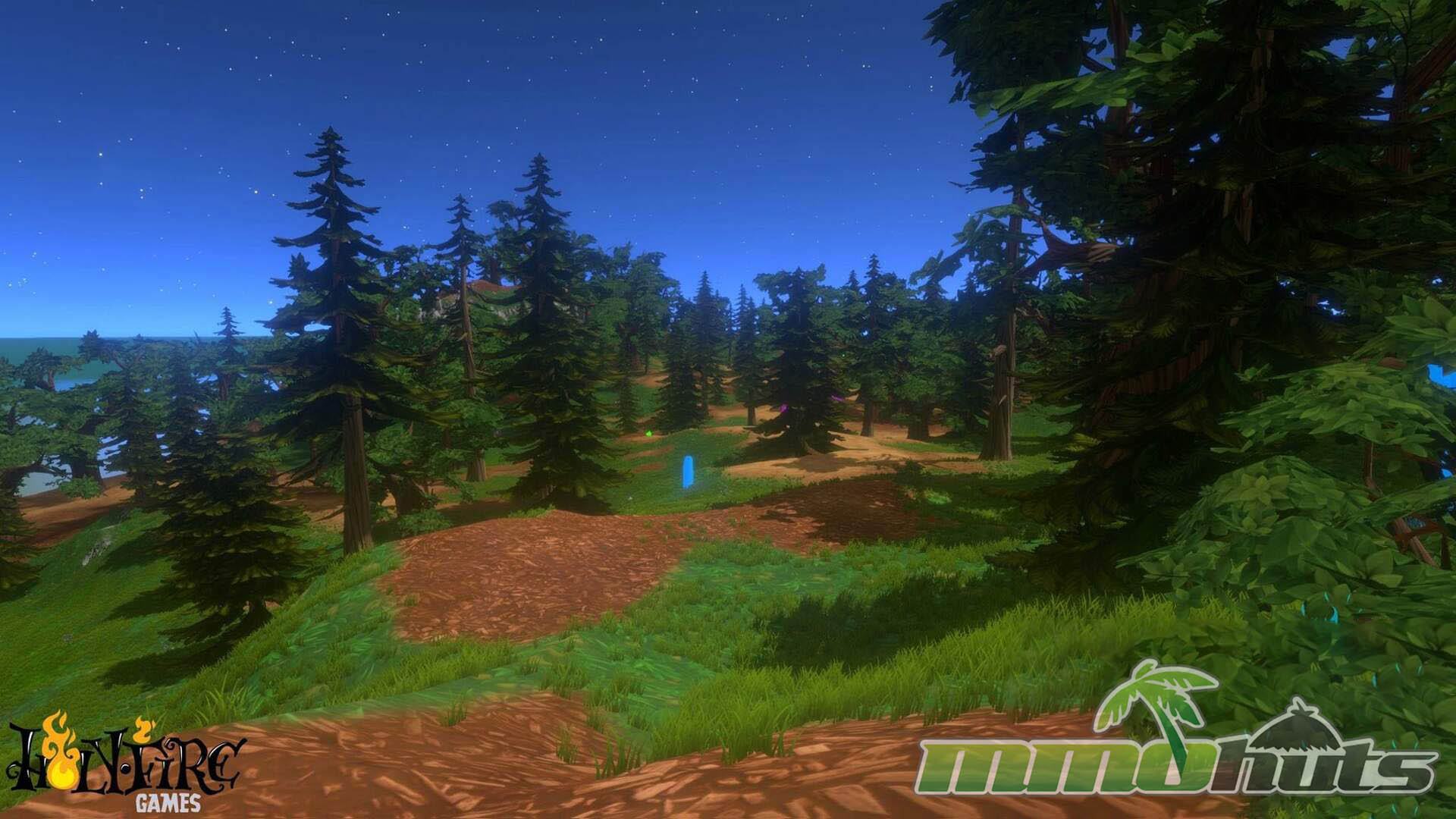
Forsaken Legends is a sandbox-style MMORPG with an open-world structure, created and self-published by Holy Fire Games. Instead of dividing players into multiple shards, it set out to keep the full community inside one large, uninterrupted world spanning several biomes. Different regions used different rulesets, giving players the choice between PvE-leaning zones and PvP-enabled areas where conflict and rivalries were part of the risk. The environment also incorporated procedural generation, influencing elements such as towns and NPC placement to help the world feel less fixed over time.
Progression revolved around acquiring land and transforming it into a personal foothold. Players could claim a plot within their chosen region and build a home either manually, piece-by-piece, or by starting from a blueprint template. From there, the loop expanded into crafting necessities—armor, weapons, and utility items—followed by excursions for materials, trading, and participation in activity across the map.
Character development supported seven classes, with a notable emphasis on choice rather than permanent commitment. Combined with multiple skill trees and point allocation, the system aimed to let players tune builds toward what they valued most—PvP skirmishing, PvE adventuring, or contributing to a guild’s production and trade. Supporting features included an auction house, a player-driven economy shaped by supply and demand, guild management tools, and world events designed to steer groups toward shared goals.
Forsaken Legends Key Features:
- Flexible Class Selection – choose from seven classes while retaining the freedom to avoid being permanently tied to a single role, then refine your playstyle through skill-tree decisions.
- Dynamic Economy – prices were intended to fluctuate based on what the community gathered, crafted, and sold, encouraging a player-led marketplace.
- One Giant Persistent World – the headline idea was a single shared world where everyone played together, rather than being separated into different realms.
- Skill-Based Combat – combat focused on active engagement, with PvE and PvP opportunities varying by region rules.
- Join a Guild – guilds came with organized tools such as ranks, forums, a guild bank, and a dedicated plot designed to serve as a communal base.
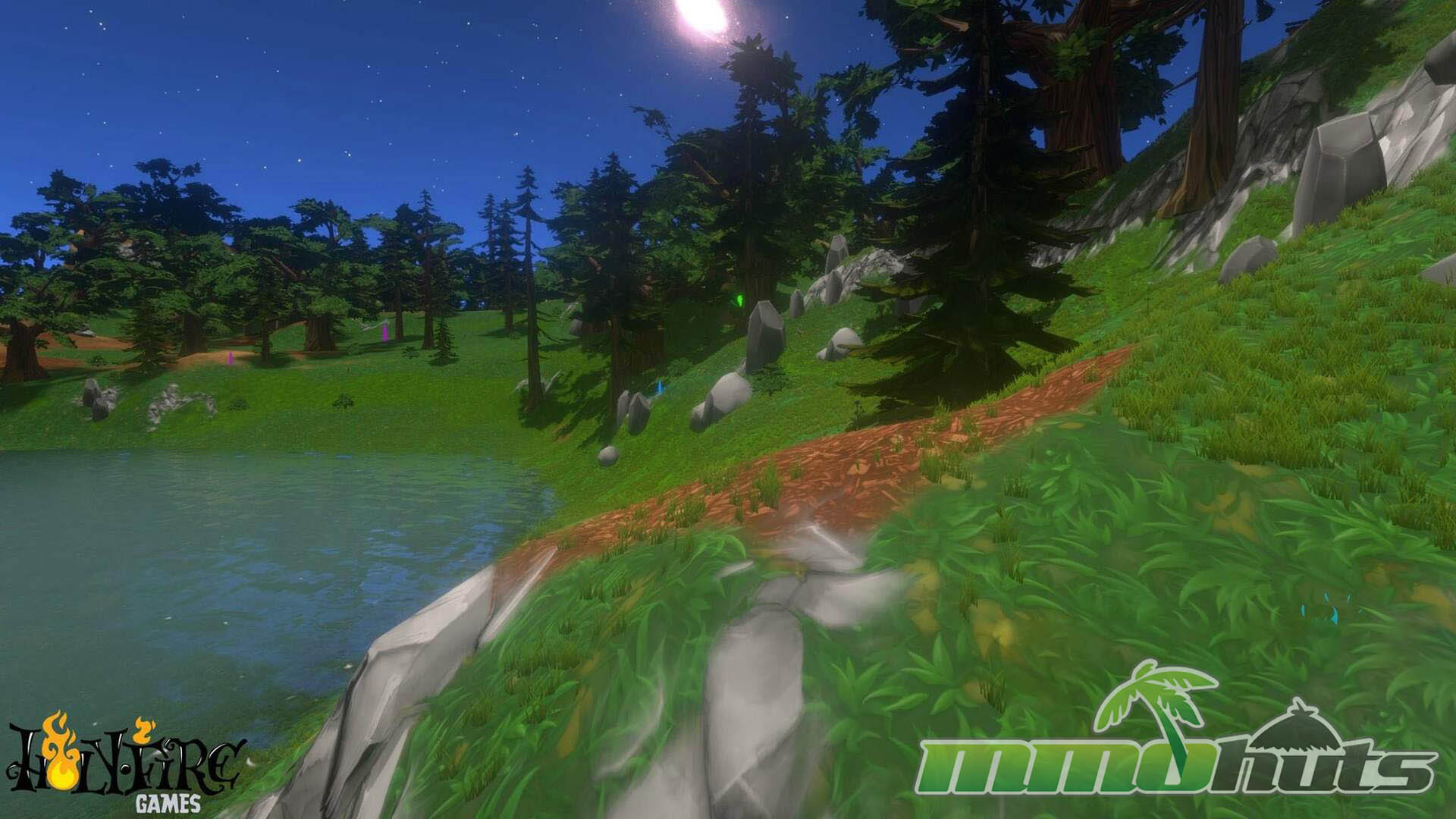
Forsaken Legends Screenshots


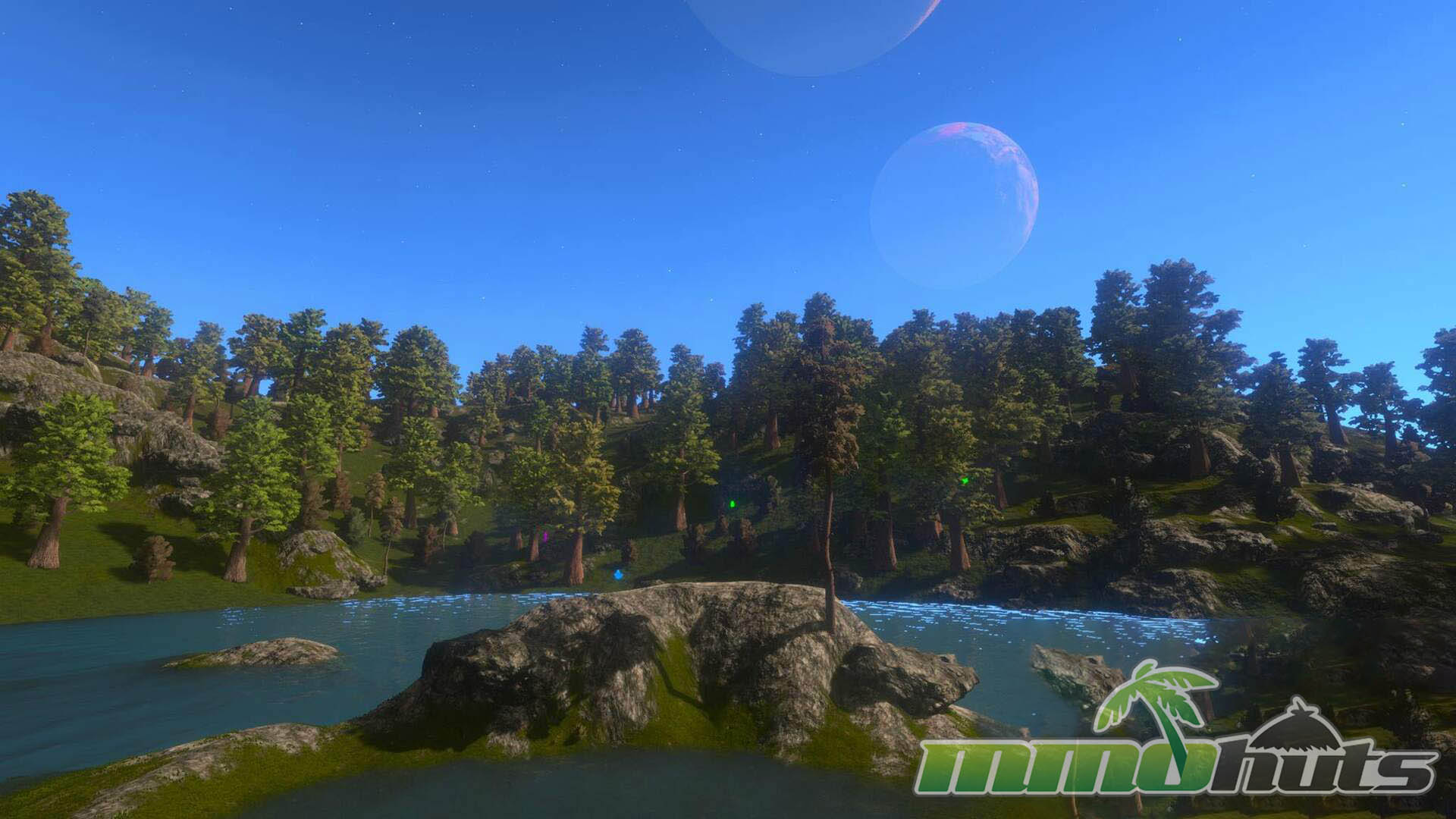
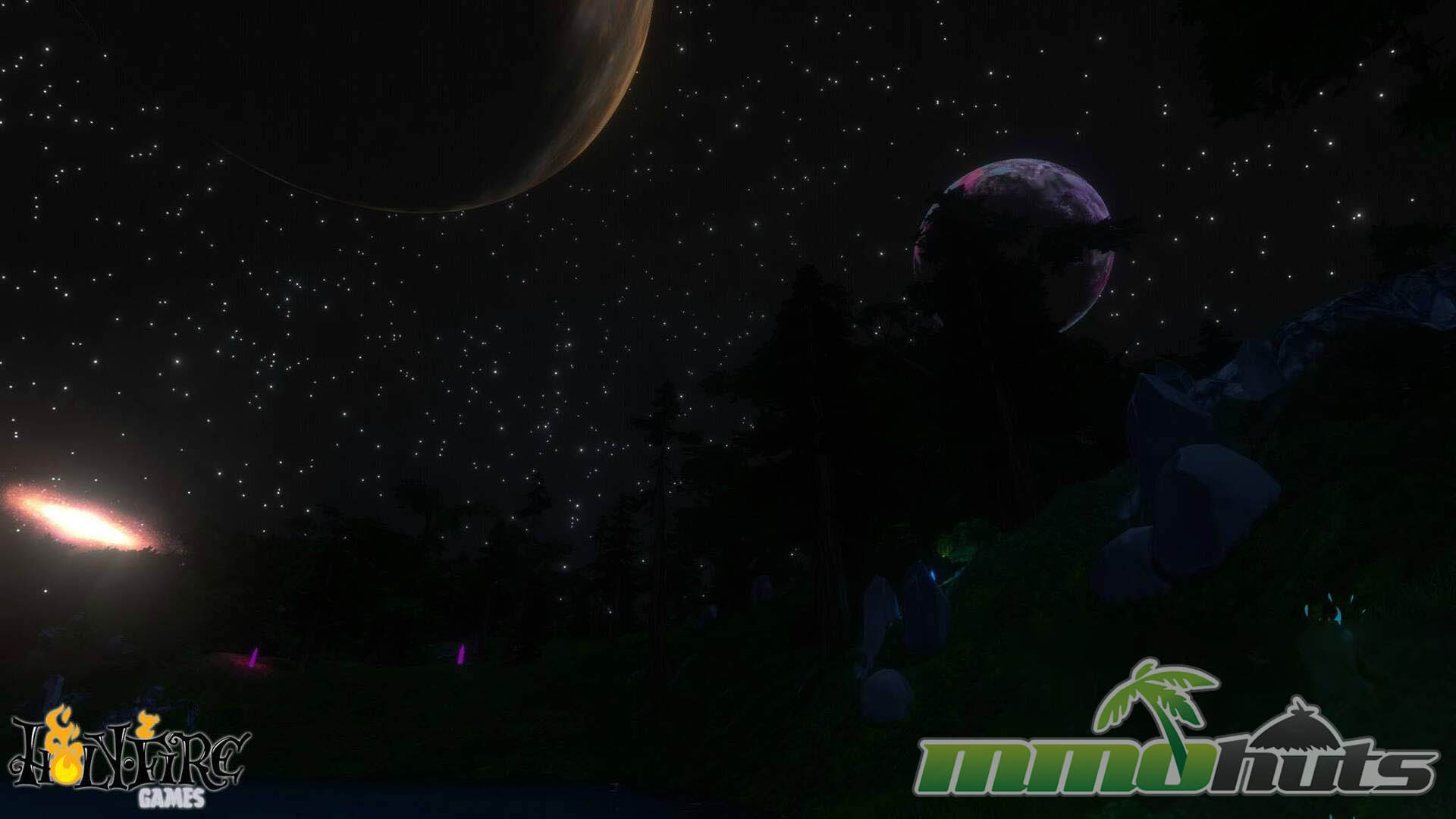

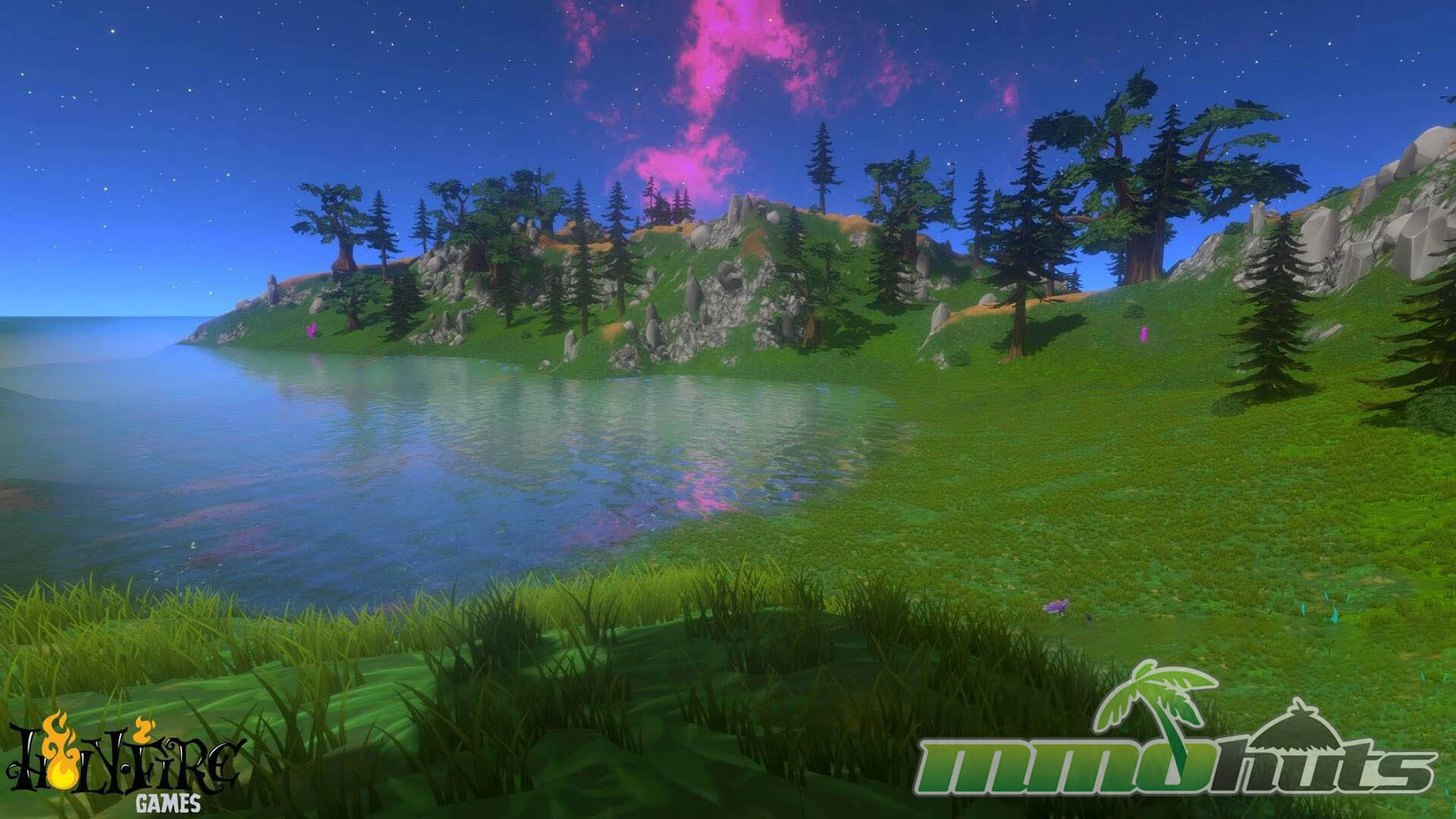
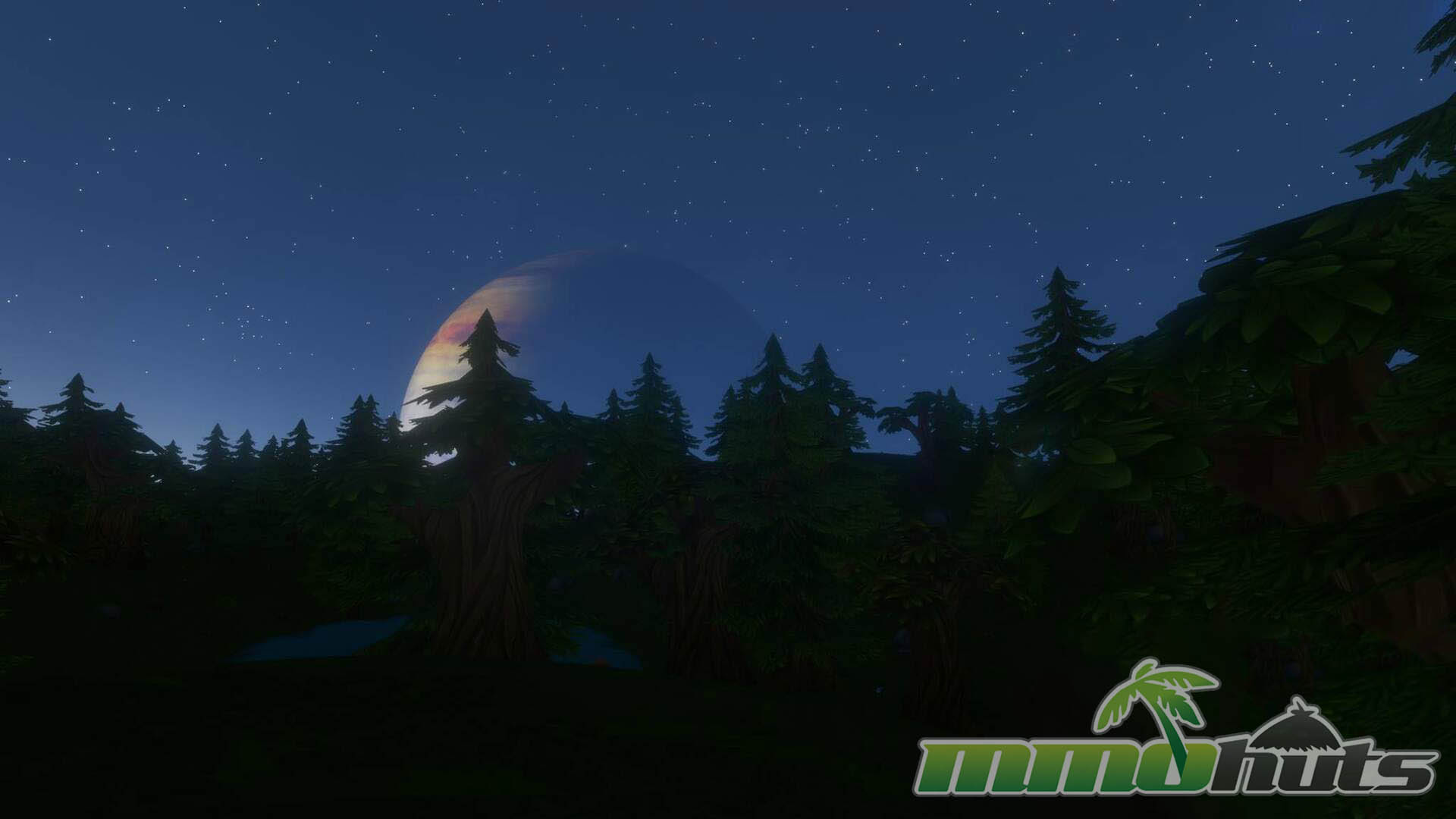
Forsaken Legends Featured Video

Forsaken Legends Review
Forsaken Legends followed a formula that typically resonates with sandbox MMO fans: a large shared world, meaningful crafting, and space for both cooperative and competitive play. The commitment to a single persistent world was particularly bold, since it depends on players to define the setting through settlement, trade, alliances, and conflict. When paired with land claiming and base construction, the overall structure leaned closer to survival-sandbox pacing, while still framing progression around MMO staples like classes, guilds, and world-scale systems.
Exploration was presented as a core pillar. By mixing multiple biomes with procedurally generated components—such as towns and NPC placement—the game aimed to keep travel and resource runs from feeling too routine. That approach can add variety to routes and gathering loops, even if it sometimes comes at the cost of locations feeling less intentionally handcrafted. On paper, Forsaken Legends encouraged players to roam, collect, and ultimately decide where to put down roots, a strong loop for anyone who likes self-directed open-world progression.
Crafting and building functioned as the practical backbone, with the expectation that players would produce much of their own equipment and create a base to operate from. Having both freeform construction and blueprint-based setup suggested an effort to support different priorities—careful builders who enjoy detail work, and players who prefer a quicker path to a usable home. That emphasis on persistent structures also naturally fed into PvP and guild dynamics, because owned territory and built spaces tend to spark rivalries, cooperation, and trade networks.
Class progression leaned toward adaptability. With seven classes and systems intended to reduce permanent lock-in, the design could help limit reroll fatigue—especially in a sandbox where optimal roles shift depending on whether you are exploring, fighting, or crafting for others. Skill trees and point spending provided the main lever for specialization, allowing two players to begin with the same class and still end up in different functional builds.
From a current-day perspective, the biggest limitation is less about the ideas and more about how little lasting support and documentation remain after closure. Sandbox MMOs tend to thrive on steady updates, balance tuning, and a stable community to keep economies and territorial systems healthy. Since Forsaken Legends went offline in 2017 and left behind limited accessible official material, it’s hard to judge long-term balance, content cadence, or how well the procedural world and event systems evolved over time.
Overall, Forsaken Legends comes across as an ambitious, feature-heavy sandbox MMO concept that didn’t receive the extended runway needed to become a lasting home for its audience. For players interested in MMO history and the “what might have been” side of indie projects, its design goals remain noteworthy even though the game is no longer playable.
Forsaken Legends Links
Forsaken Legends Official Site
Forsaken Legends Facebook Page
Forsaken Legends Forum [Official]
Forsaken Legends System Requirements
Minimum Requirements (Windows):
Operating System: Windows XP
CPU: Dual Core 2.9 GHz
RAM: 4 GB RAM
Video Card: 2GB vram graphics card, GTX 500 series or newer / Radeon 6000 series or newer
Recommended Requirements (Windows):
Operating System: Windows XP or better
CPU: Dual Core 2.9 GHz
RAM: 4 GB RAM
Video Card: 2GB vram graphics card, GTX 500 series or newer / Radeon 6000 series or newer
Forsaken Legends Music & Soundtrack
Coming Soon!
Forsaken Legends Additional Information
Developer(s): Holy Fire Games
Publisher(s): Holy Fire Games
Game Engine: Unity
Prelaunch Release Date: April 19, 2016
Shut Down Date: April 27, 2017
Development History / Background:
Forsaken Legends was an open-world sandbox MMORPG produced by Holy Fire Games, which also handled publishing duties. Development began in October 2015, followed by an early preview released in February of the next year. A prelaunch build went live on April 19, 2016, leading into the official launch soon after. The project later stopped receiving development and was effectively abandoned on April 27, 2017, with no additional updates beyond that point. The official site has since been taken down, which has left much of the surviving information fragmented and harder to confirm through primary sources.