Fly For Fun, usually shortened to Flyff, is a colorful 3D fantasy MMORPG set in Madrigal. You begin as a Vagrant on Flaris Island, learn the basics, complete your first job change, and before long you are riding a broom or board and navigating the world from the air, which remains the game’s signature hook.
 | Publisher: Gala Labs Playerbase: Low Type: MMORPG PvP: Duels / Guild Siege / Arena / PvP Server Release Date: December 25, 2005 Pros: +Playable across PC and mobile. +Runs extremely well on modest hardware. +Easy to learn and jump into. +Solid range of class paths. +Flying travel opens up early. Cons: -Core loop becomes grind-heavy. -Questing is sparse, leveling leans on repetition. -Visuals, UI, and some systems feel dated. |

Flyff Fly For Fun Overview
Flyff is a breezy, cartoon-styled MMORPG built around straightforward combat, simple progression, and the novelty of taking to the skies. The title is derived from its most recognizable feature, flight, which becomes available starting at Level 20 via a broomstick or hoverboard. In practice, flying is primarily a fast way to move between zones, but it also adds a sense of vertical exploration with floating landmasses and the occasional airborne fight.
Character progression follows a job advancement structure. Everyone begins as a Vagrant, then commits to a first job at Level 15, with further specializations arriving later at key milestones. That class ladder is one of Flyff’s biggest long-term hooks, because your early decision determines your eventual endgame role. The downside is that Flyff’s age shows in how it delivers content. Questing exists, but it is not the main driver, most of your levels come from repeated monster hunting, and the overall pacing is clearly rooted in the older Korean MMO era. Over the years, the game has received many major “version” updates that revised the interface and introduced additional systems, but the foundation remains distinctly old-school.
Flyff Fly For Fun Key Features:
- Take to the Air – an early MMO that made controlled flight a core feature, letting you travel quickly and occasionally battle above the ground.
- Cross Platform Play – playable on PC and Mobile through an optimized web client, so you can get in-game without a traditional download.
- Multiple Class Paths – a meaningful job system with several playstyles, ranging from support to ranged damage to front-line fighters.
- Guild Tools That Matter – guild features like shared funds and salaries give groups reasons to coordinate beyond chat and tags.
- Charming Visual Style – cute character and monster designs that fit the game’s light tone, even if the tech is dated.
Flyff Fly For Fun Screenshots
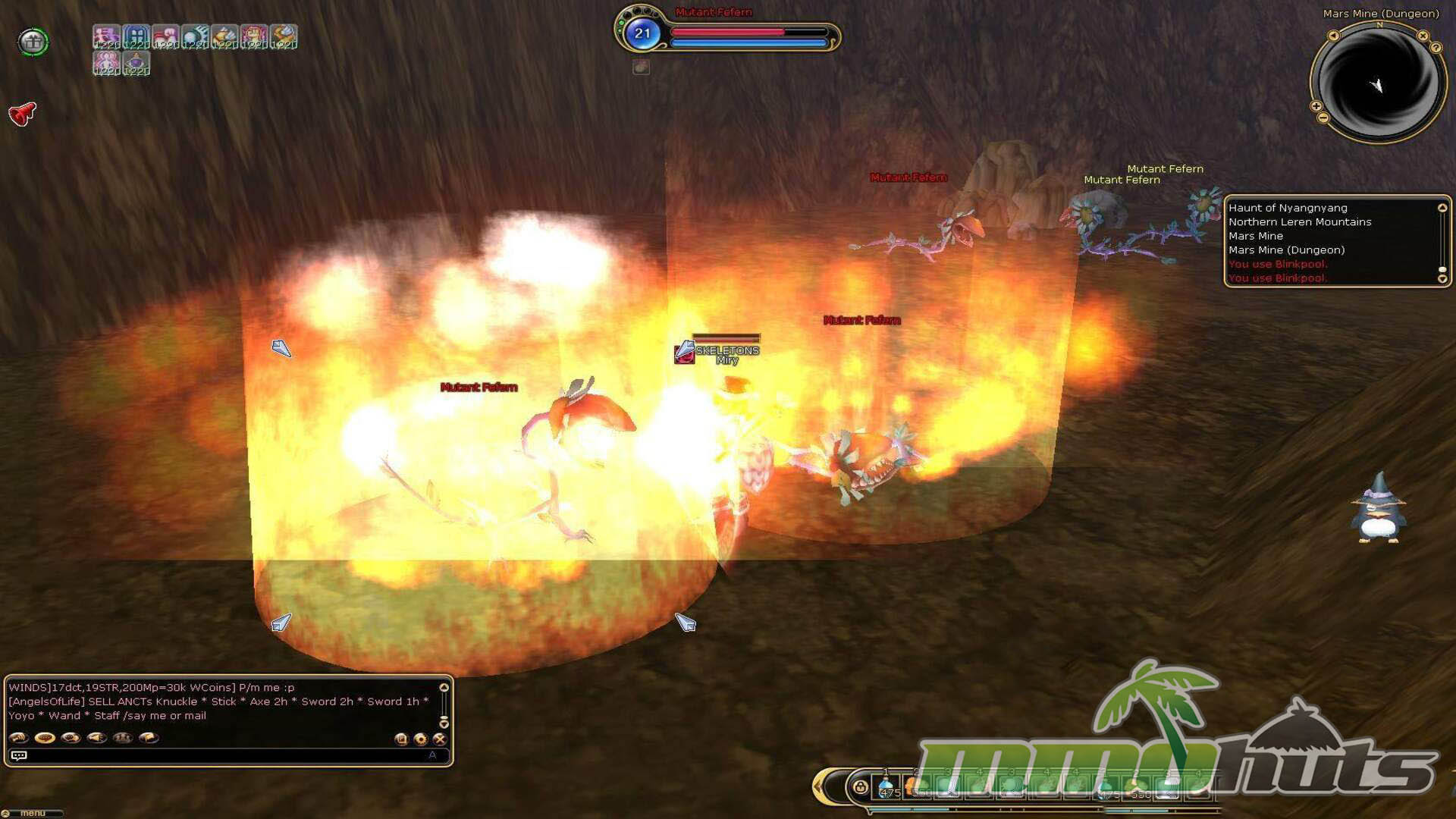
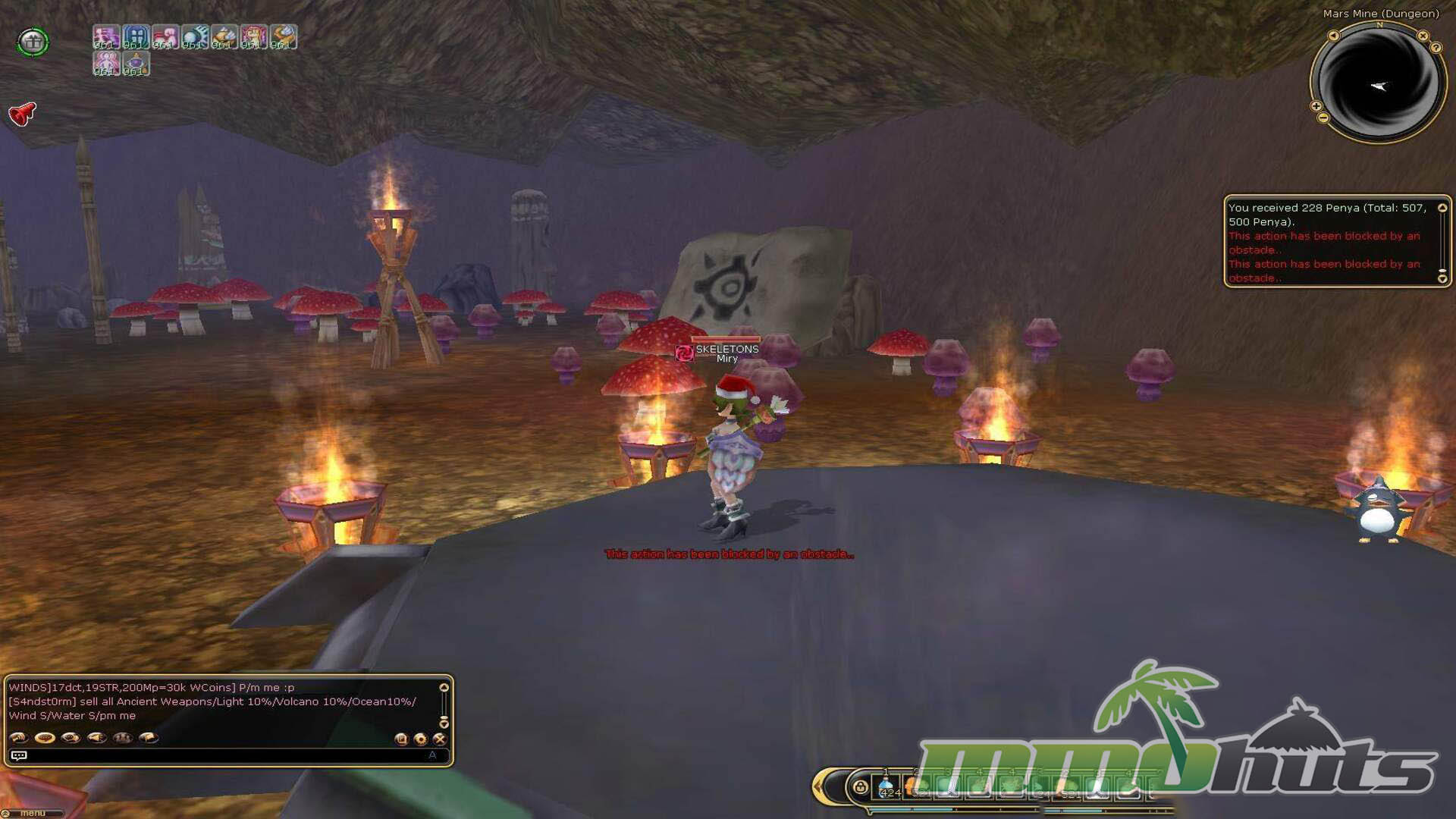

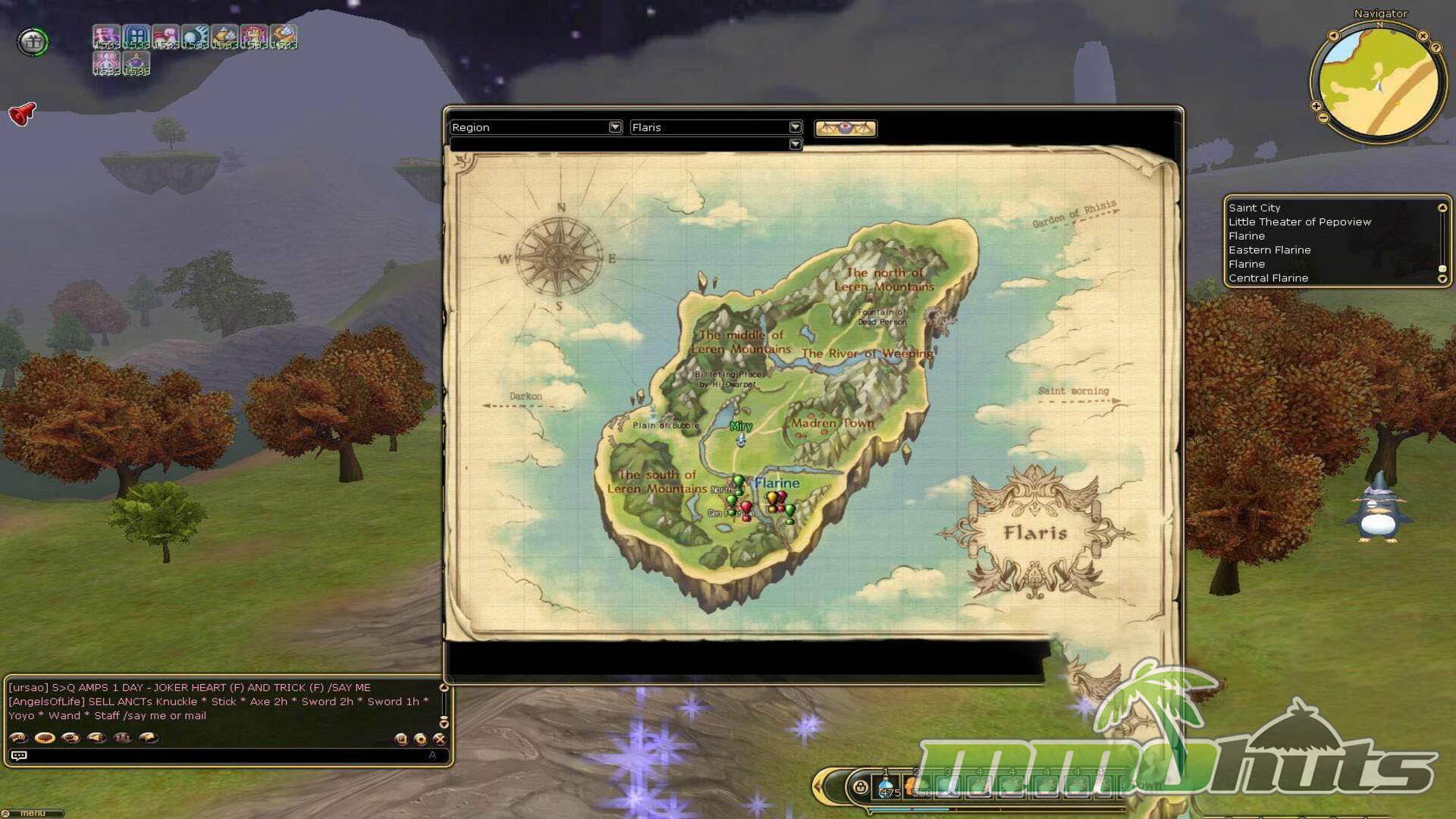
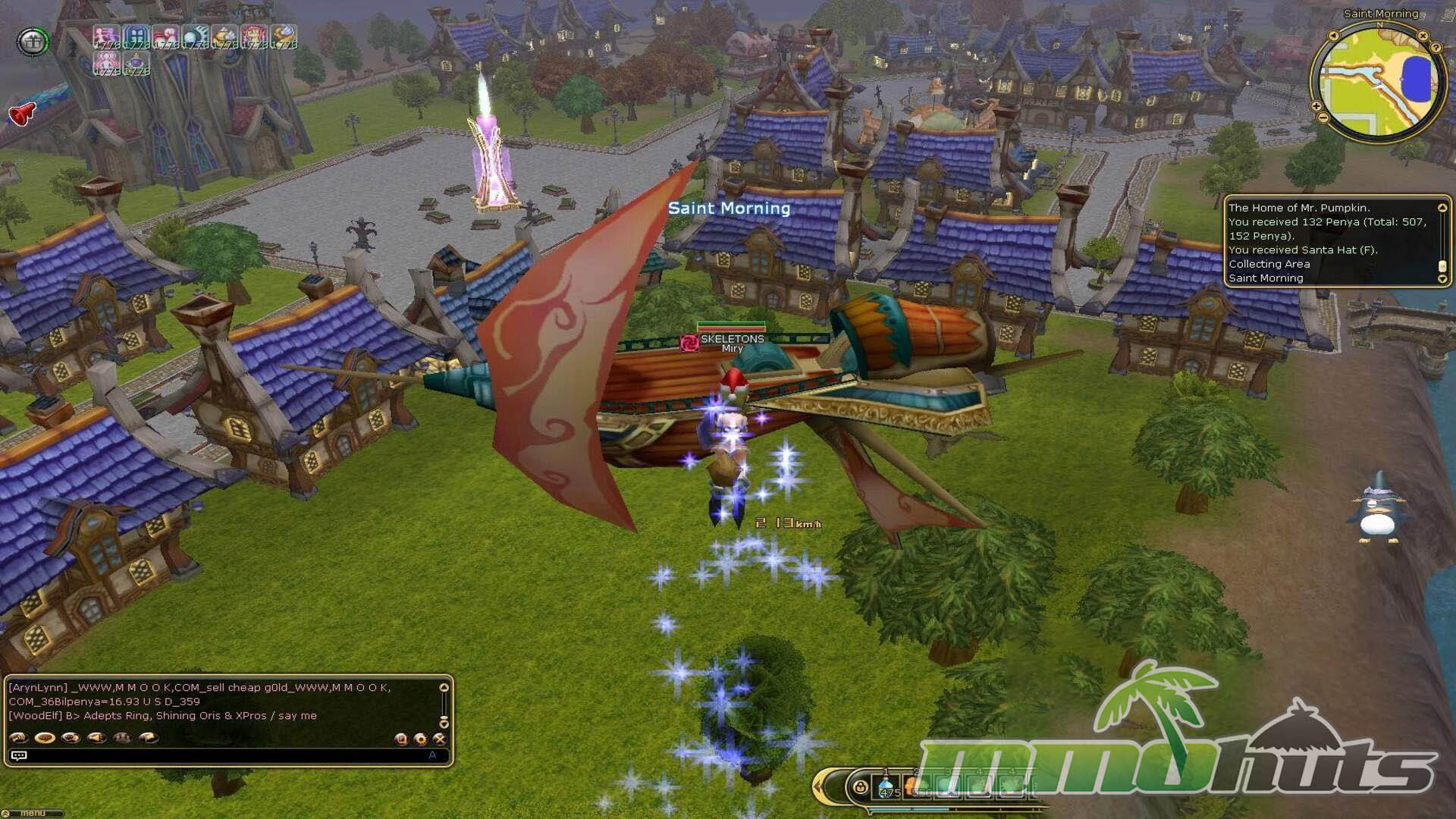

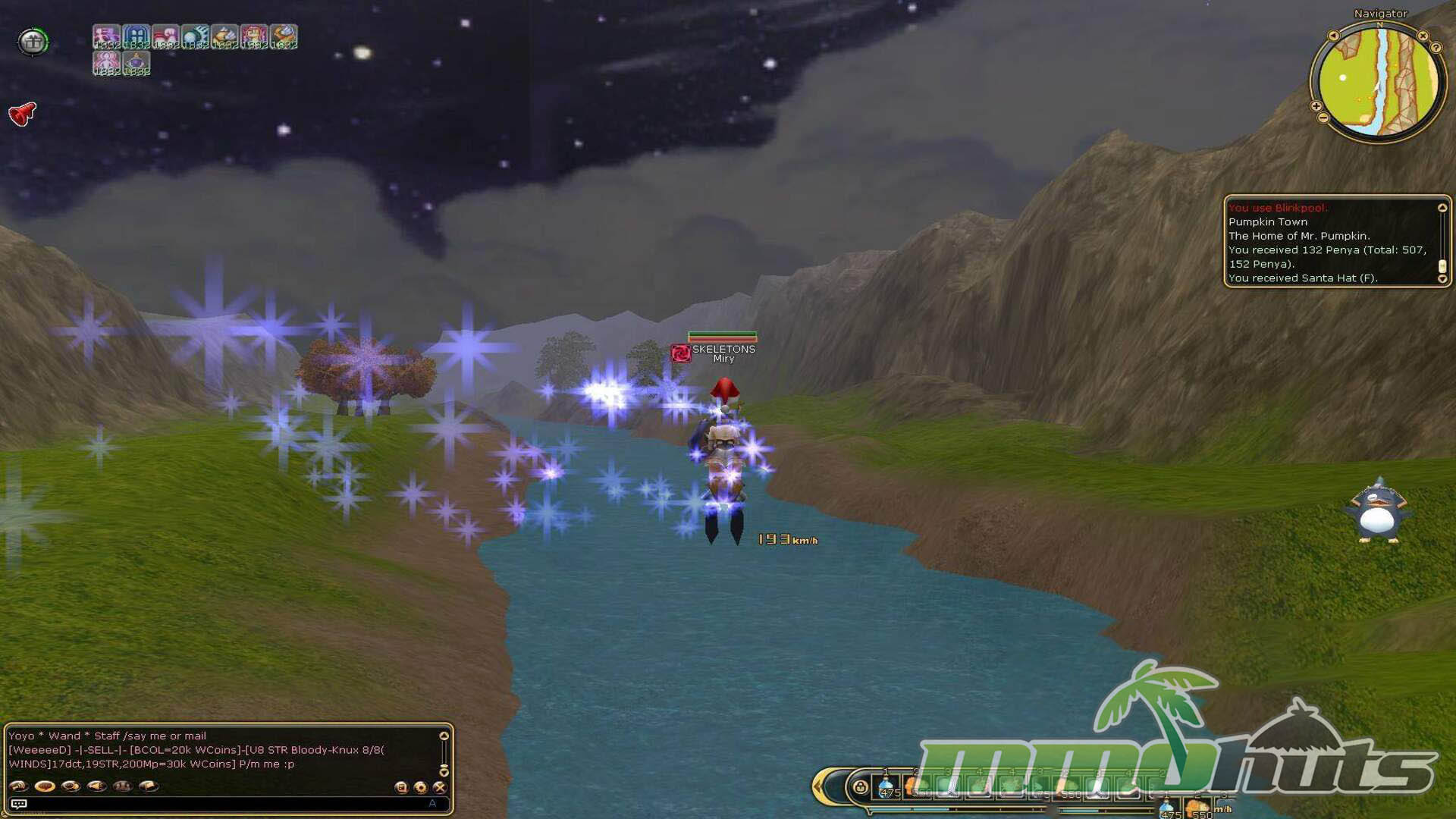
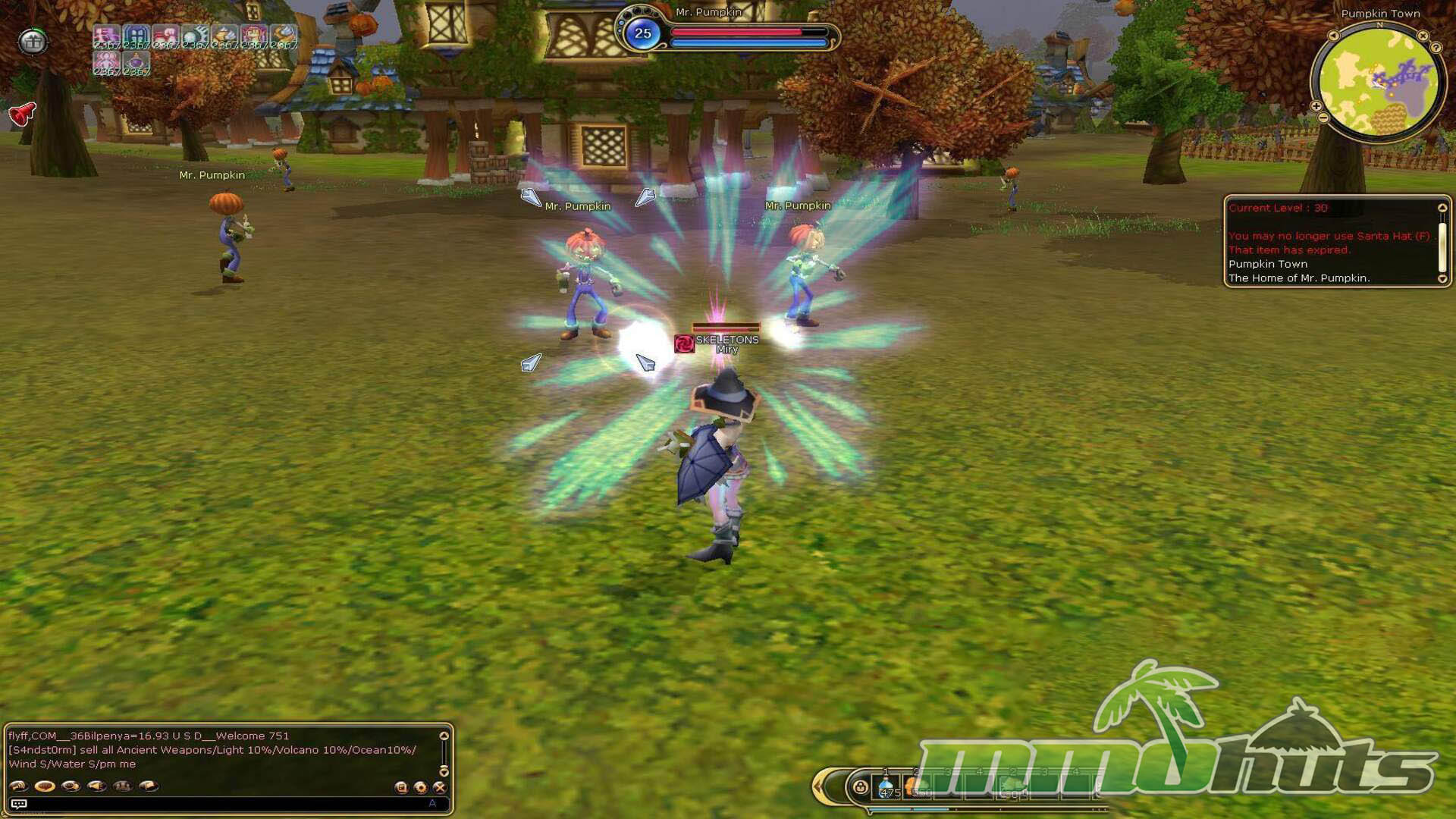
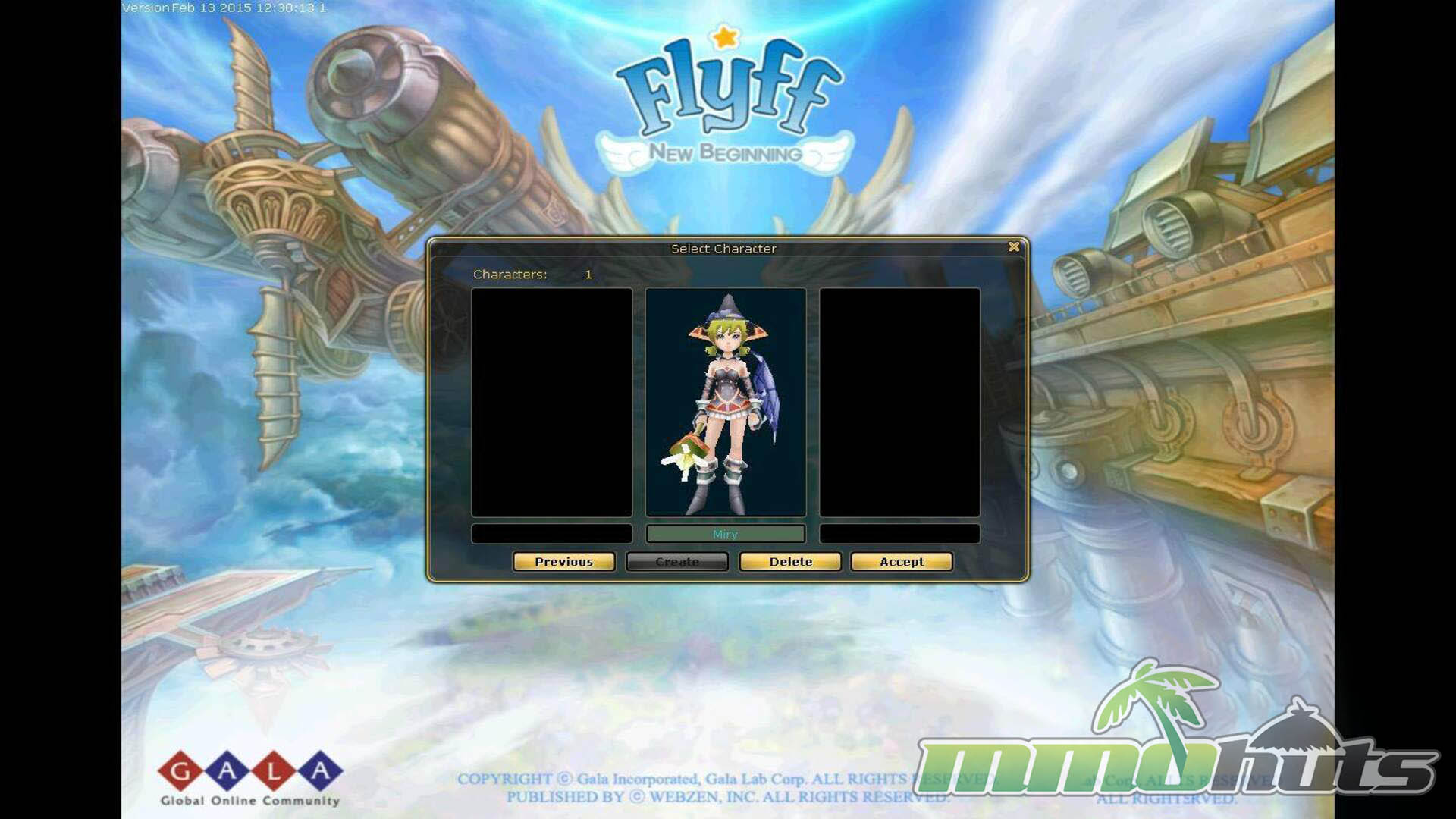
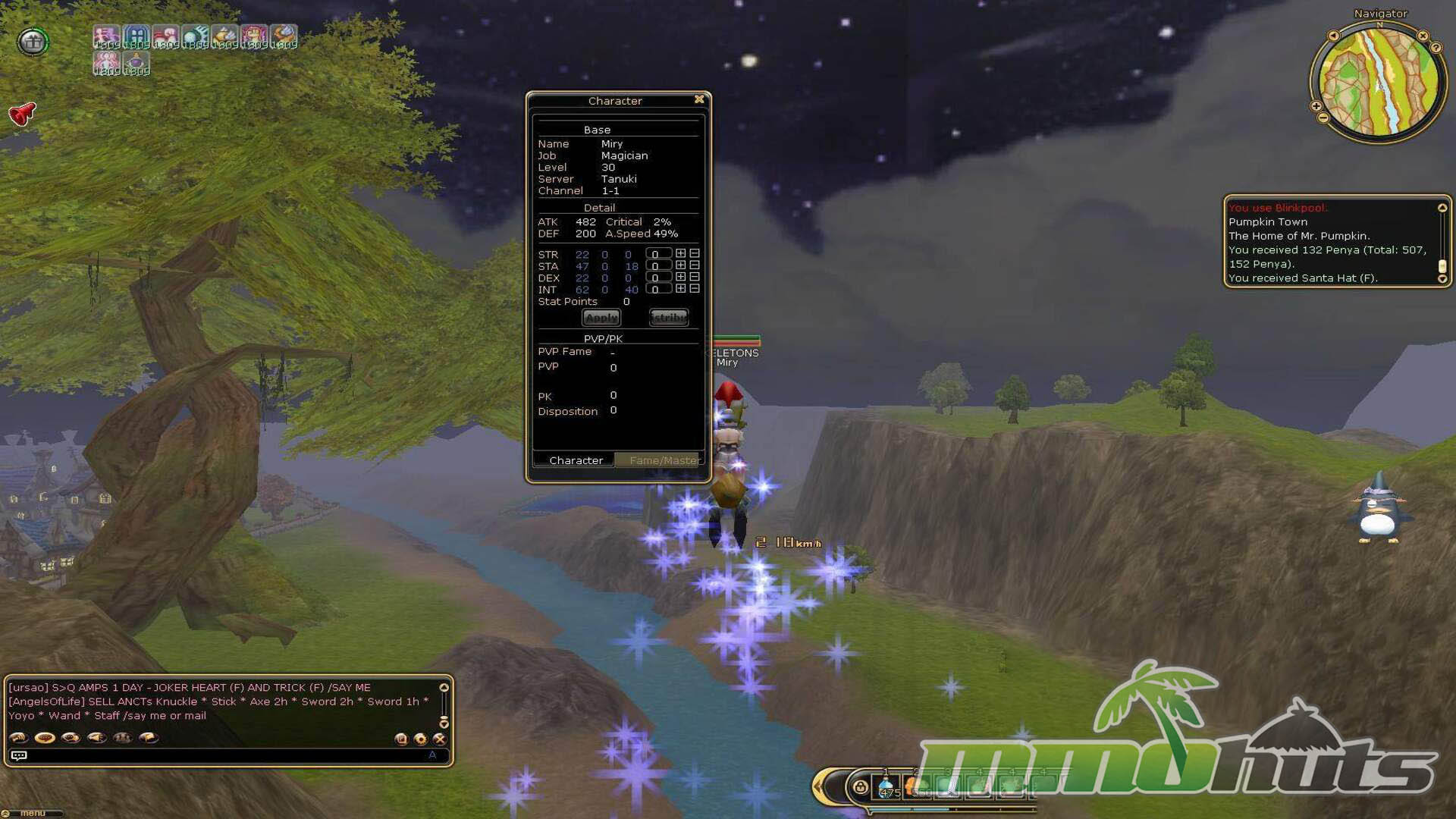

Flyff Fly For Fun Featured Video

Flyff Fly For Fun Classes
In Flyff, every character begins as a Vagrant, then advances to a first job at Level 15, a second at Level 60, and a third at Level 130. Your early choice is important because there is no easy class switching later, so it is worth thinking ahead about whether you prefer damage, support, or tankier roles.
- Assist – a support-leaning class that can either fight up close with knuckles (often in AoE-oriented builds) or use sticks for buffs and spells.
- Billposter – a knuckle-and-shield brawler that is known for being highly independent, with a toolkit that supports solo play well.
- Force Master – the Billposter’s third job, offering stronger damage and broader party utility.
- Ringmaster – the dedicated buffer and healer archetype, focused on enhancing party performance and keeping allies alive.
- Seraph – the Ringmaster’s third job, improving healing and support options, including powerful protective effects such as temporary immortality.
- Billposter – a knuckle-and-shield brawler that is known for being highly independent, with a toolkit that supports solo play well.
- Acrobat – a fast, accuracy-based ranged attacker using bows or yoyos, aiming to control fights before enemies close the distance.
- Jester – the yoyo-focused branch, featuring a flexible skill set and mechanics that can even spend penya (money) to boost damage or improve evasion.
- Harlequin – the Jester’s third job, emphasizing stealth and rapid back attacks to burst targets down.
- Ranger – the bow specialist, built to deal heavy damage from range and disrupt enemies with effects like silences.
- Crackshooter – the Ranger’s third job, extending effective range further and enabling crossbow use.
- Jester – the yoyo-focused branch, featuring a flexible skill set and mechanics that can even spend penya (money) to boost damage or improve evasion.
- Magician – the core offensive caster, capable of high damage output but balanced by fragile defenses and noticeable cast times.
- Psykeeper – a magic path that leans into mental and demonic forces rather than classic elemental spellcasting.
- Mentalist – the Psykeeper’s third job, specializing in control and pressure tools such as DoTs, slows, and other debuffs.
- Elementor – a spellcaster focused on elemental power, wielding Fire, Water, Wind, and Earth for large damage bursts.
- Arcanist – the Elementor’s third job, representing mastery of the elements with strong multi-target destruction.
- Psykeeper – a magic path that leans into mental and demonic forces rather than classic elemental spellcasting.
- Mercenary – the melee fighter base class, built around physical power and sturdier defenses than most other options.
- Blade – a top-tier damage path thanks to dual wielding, designed to shred targets quickly in close quarters.
- Slayer – the Blade’s third job, pushing damage higher while adding impactful AoE and disabling skills.
- Knight – Flyff’s main tank archetype, featuring the highest HP pool and strong defensive tools for soaking hits.
- Templar – the Knight’s third job, an advanced front-line role meant to stand firm against the hardest enemies.
- Blade – a top-tier damage path thanks to dual wielding, designed to shred targets quickly in close quarters.
Flyff Fly For Fun Review
Fly For Fun is one of those earlier-generation MMORPGs that helped define what free-to-play Korean online games looked like for many players. Developed by Gala Lab Corp, it originated in South Korea in 2004 and later arrived in the US on December 25, 2005. Since then, Flyff has gone through numerous large “version” updates, and its longevity is notable in a genre where many titles disappear quickly. Even with a smaller community today, it still offers a very recognizable loop: pick a job path, grind efficiently, and gradually unlock mobility and social systems that make the world feel more alive.

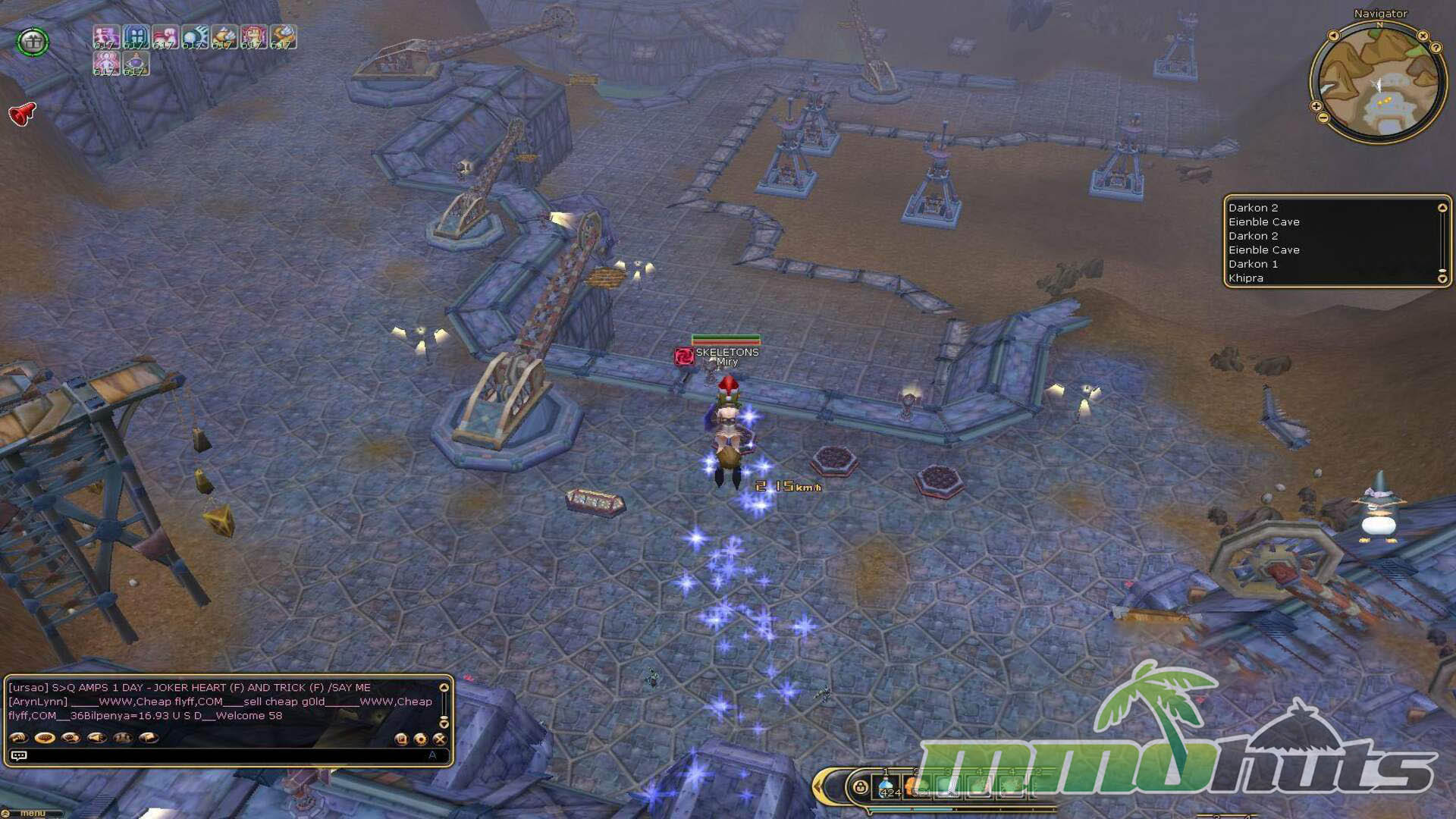
Visually, Flyff is clearly from an older era, but it commits to a cheerful, toy-like art direction that ages better than many attempts at realism from the same time. Early enemies often look intentionally silly or harmless, while later zones lean into larger and more intimidating designs. If you have experience with other cute, classic Korean MMORPGs, the overall look and animation style will feel familiar.
Getting Into the Game
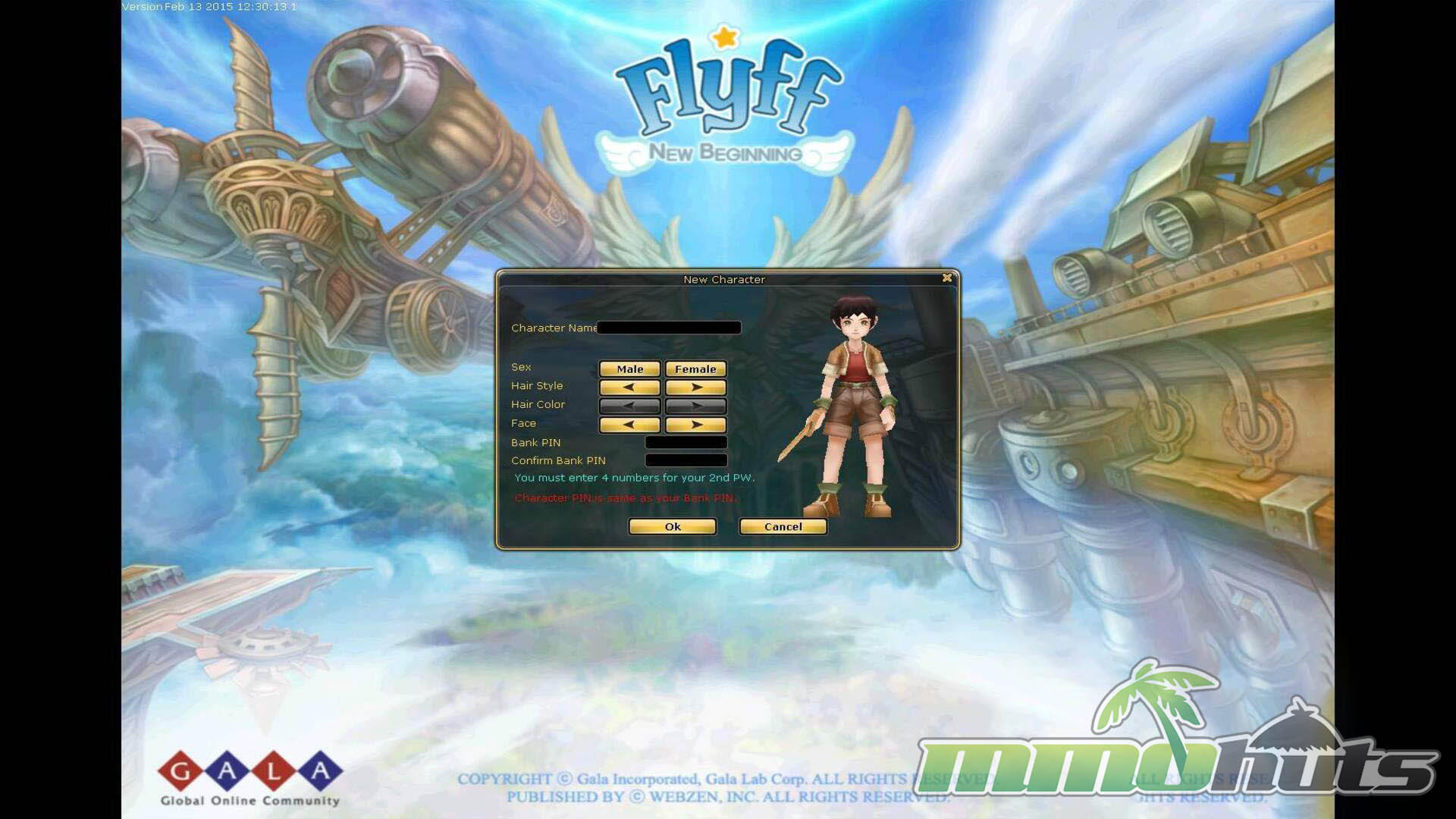
Character creation is functional rather than expansive. You are not going to spend a long time sculpting facial features or fine-tuning sliders, because the options are limited. That simplicity is part of the game’s “pick up and play” identity, but it also highlights how much modern MMO standards have moved on. One nice touch is the use of a four-digit bank code for storage security, which adds a practical layer of protection beyond a standard login.
When you enter Madrigal, the tutorial guidance appears quickly and points you toward the earliest tasks. Controls support both keyboard movement and click-to-move. In practice, the keyboard method tends to feel more consistent for navigating crowded areas and avoiding awkward pathing issues around objects.

The Early Levels
Flyff’s opening stretch is direct and very traditional: defeat a number of monsters, collect drops, return for rewards, repeat. It does its job as onboarding, but it is not especially varied. Combat also starts to slow down once you reach enemies a few levels higher, and time-to-kill becomes more noticeable, which can sap momentum for players who are not already in the mood for grinding. The first major payoff is reaching Level 15, where you finally commit to a real job class and gain access to a more defined playstyle.

Choosing a Class
Your first job advancement is tied to completing a simple trainer quest, and from there your path is largely locked in unless you reroll. That makes the Level 15 decision meaningful. Whether you want to brawl as a Mercenary, support groups as an Assist, or play at range as an Acrobat, the choice determines your later specializations at Level 60 and your third job at Level 130.
At Level 60, each first job splits into two distinct routes: Acrobats become Jesters or Rangers, Magicians become Psykeepers or Elementors, Assists become Billposters or Ringmasters, and Mercenaries become Blades or Knights. At Level 130, those second jobs advance again into Harlequin, Crackshooter, Mentalist, Arcanist, Force Master, Seraph, Slayer, and Templar. For a 2005-era MMORPG, that is a respectable range of endgame identities, and it gives players a reason to experiment with alts.
Core Gameplay Loop
Once you have a job, Flyff feels more open. Madrigal is large and segmented into multiple landmasses, and flight later helps connect the world in a way that ground travel cannot. The catch is that the main progression engine does not change much. Grinding stays central from early game through endgame, and quests frequently serve as gentle direction rather than story-driven content.
Flyff does include long-term progression systems meant to keep dedicated players busy. Similar to other classic MMORPGs, characters can rebirth after reaching Level 120 to become a master, returning to Level 60 with extra stats, then leveling again toward the Level 150 cap. Experience gain feels brisk at the start, but slows substantially in the mid-to-late game, which is where the game’s old-school pacing is most apparent.
Flight, the Defining Feature
Flight unlocks at Level 20, and it is still the feature most people associate with Flyff. As a travel tool it is genuinely useful, making long runs between towns and hunting spots much faster and helping you bypass ground enemies that would otherwise interrupt you. There are airborne enemies as well, but combat while flying is limited, since you cannot use abilities in the air, which makes encounters more about positioning and choosing battles carefully.
It is worth remembering how unusual this was at launch. Many MMORPGs were only beginning to experiment with basic mounts, and fully controlled flight was rare. Today, flying mounts are common, but Flyff earned its identity by putting that freedom front and center early on.

Social and Guild Systems
Flyff’s social layer includes a few systems that still stand out. The guild salary feature lets leaders set up daily payouts for members, typically scaled by rank, which gives guild participation a tangible reward and encourages players to contribute. There is also a guild warehouse for shared storage of items and penya, and the communal funds can be used to support the salary system. It is a simple idea, but it creates a stronger sense of shared goals than many modern “guild perks” menus.
PvP is also woven into guild play. Guilds can declare war, enabling open PvP between members throughout the world until peace is declared or one side concedes. Weekly Guild Sieges expand that into larger, scheduled fights between multiple guilds, with the top three receiving Red Chips used to purchase powerful Level 120 items. On the lighter side, Flyff also offers a Couple system where players can “marry” in-game to unlock three couple abilities at different couple levels, boosting combat stats, experience gain, and drop rates.
Final Verdict – Good
Flyff has several appealing ideas, especially its early access to flight, its clear class advancement ladder, and its guild features that encourage real cooperation. However, it also carries the friction of its era. The presentation and interface feel dated, polish issues still appear (from minor bugs to typos), and some modern expectations, like flexible resolution support, are not fully met (the game tops out at 1680×1050, which can leave black bars on 1080p displays). For players who enjoy classic grind-focused MMORPGs or who want a lightweight, low-requirements MMO to revisit, Flyff still has value. Compared to newer titles, it is harder to recommend as a primary MMO today, but it remains a historically important, playable example of the genre’s mid-2000s design. I would place it at 3 stars: flawed and dated, but still with enough personality and systems to be worthwhile for the right audience.
Flyff: Fly For Fun Links
Flyff Fly For Fun Official Site
Flyff Fly For Fun Wiki [Database/Guides]
Flyff Fly For Fun Wikipedia
Flyff Fly For Fun System Requirements
Minimum Requirements:
Operating System: Windows XP / Vista / 7 / 8
CPU: Pentium 3 800 MHz
Video Card: GeForce FX5600
RAM: 512 MB
Hard Disk Space: 3.5 GB
Recommended Requirements:
Operating System: Windows XP / Vista / 7 / 8
CPU: Intel Pentium 4 1.4 GHz / AMD Athlon XP 1700+ or better
Video Card: GeForce 6200 / ATI Radeon Xpress 1200 or better
RAM: 1 GB
Hard Disk Space: 5 GB
Flyff Fly For Fun Music & Soundtrack
Flyff Fly For Fun Additional Information
Developer: Gala Lab Corp (formerly Aeonsoft)
Closed Beta Date: September 2003 (Korea), October 2005 (US)
Foreign Publishers:
South Korea: Gala Lab Corp
Japan: Gala Japan Inc
Taiwan: Macrowell Technologies
Russia: Mail.ru Games
Europe: Webzen
Thailand: Ini3 Digital
Vietnam: VDC-Net2E
Philippines: Level-up! Games
Indonesia: PlayMojo
Flyff Relaunch as a Browser MMORPG: April, 2022 (Flyff Universe)
Development History / Background:
Work on Flyff began in December 2002 under the early name Clockworks. By September 2003, the Flyff name had been selected and closed beta testing began in South Korea soon after. Following its July 2004 release, the game received a Game of the Month award from the Korean Ministry of Culture. Flyff then expanded into additional regions and found a particularly strong audience across Asia. It is published in 13 countries, translated into 13 languages, and was reported to have surpassed 30 million players at its peak.
Gala Lab later revealed concept art for a sequel project titled F2: Floating Fortress on February 13, 2012. As of July 25, 2012, development on F2: Floating Fortress was suspended due to financial issues at the company. Since then, several mobile titles using the Flyff brand have been released, including Flyff PuzMon, Flyff All Stars, and Flyff Runners.
Flyff relaunched as Flyff Universe in April, 2022 as a cross-platform web MMORPG.