First Earth aimed to be a sandbox MMO built around player choice, where the community would shape an untouched version of Earth from the ground up. Instead of dropping you into a pre-written kingdom or a theme park of quests, the concept focused on survival, cooperation, and conflict as players formed the first societies and decided what values would guide them.
 | Publisher: Adam Thompson Type: MMO PvP: Open World Release Date: TBA Abandoned: 2017 Pros: +A world shaped primarily by players. +Wide latitude to play and govern how you want. +The promise of a changing, developing simulation. Cons: -No confirmed launch window. -Scope is extremely ambitious for the size of the team. |
First Earth Overview
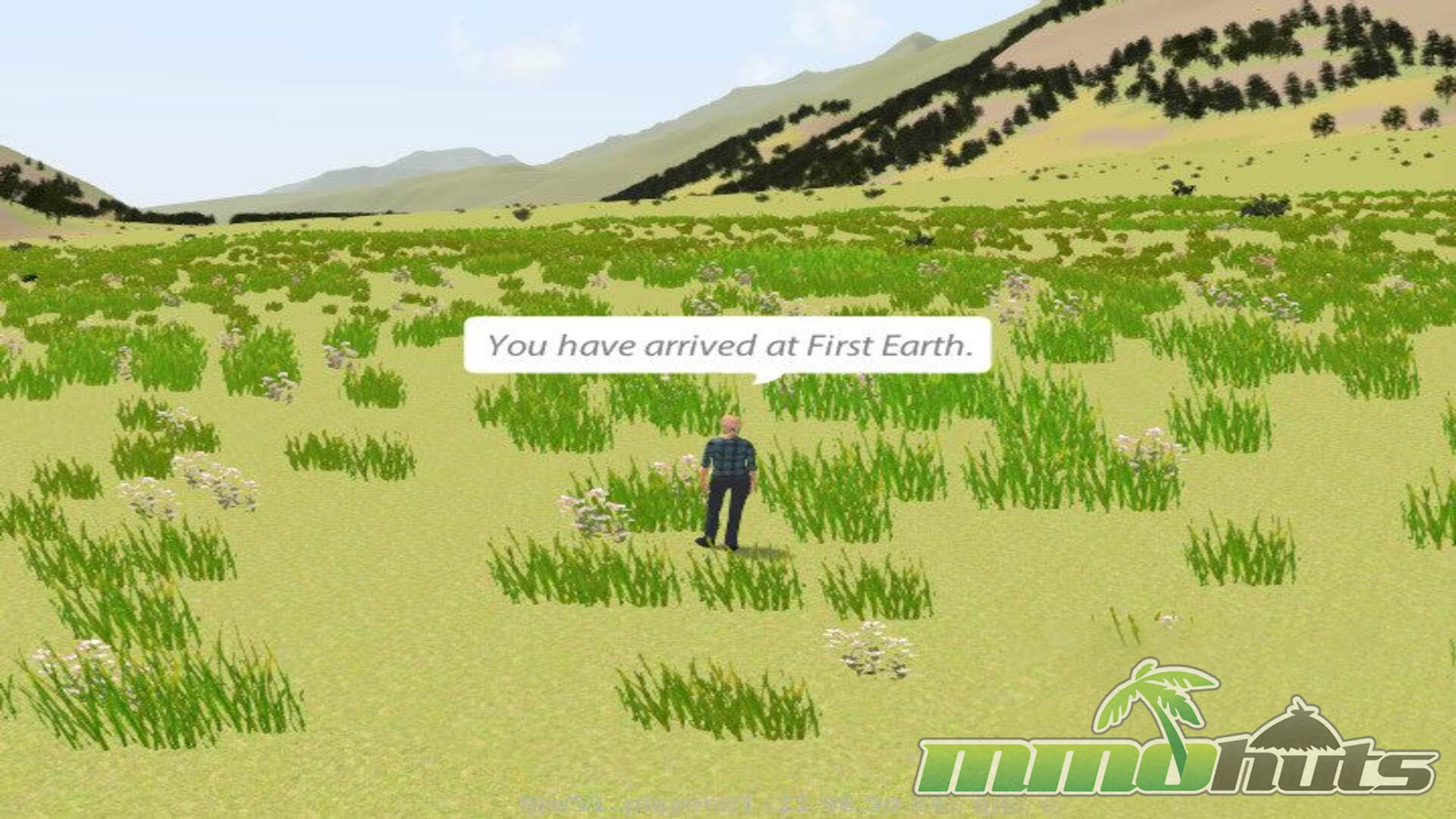
First Earth was planned as a subscription MMO centered on a simulation of early Earth before human civilization, where the “content” would largely come from what players chose to build and enforce. The idea was that you would start with very little, essentially surviving off raw nature, and then gradually push into organized settlement, industry, and technological progress through collective effort and long-term planning.
At the beginning, the world was meant to feel empty and harsh, with survival pressures forcing meaningful trade-offs. Do you stay isolated and try to carve out a self-sufficient homestead, or seek out other players to form a community with shared goals and shared risks? The premise leaned heavily into emergent gameplay: alliances, rivalries, and even the rules of ownership were intended to come from player interaction, supported by game systems rather than scripted storylines.
Progression was framed as a climb through eras, starting with primitive tools and basic shelter, then moving toward larger-scale construction, specialization, and invention. Systems like skills, crafting and gathering, trade, and technology were designed to interlock so that societies could develop distinct identities depending on what players valued and prioritized.
First Earth Key Features:
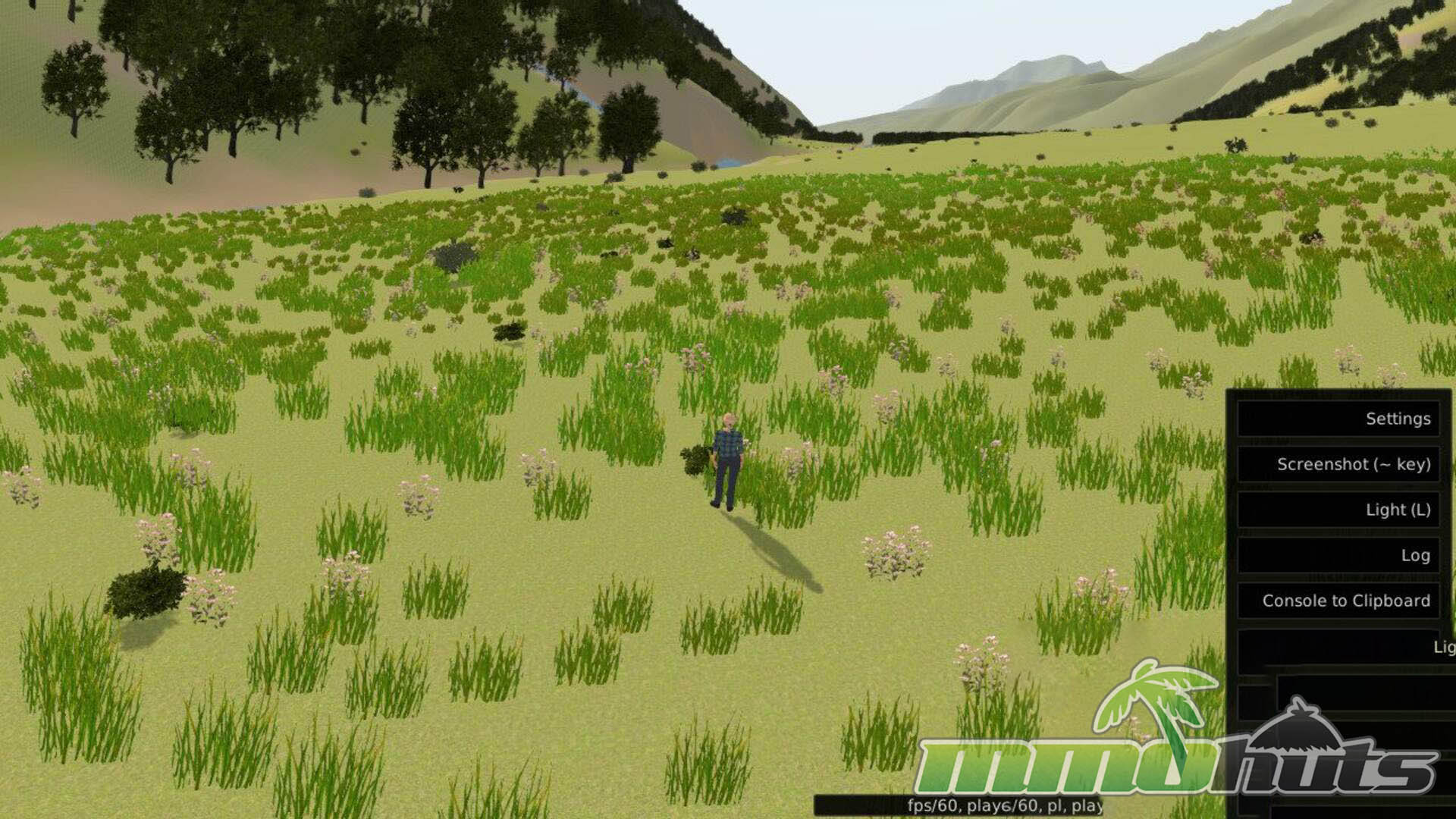
- Realistic Earth Simulation – begin on an unoccupied Earth and rely on natural resources to stay alive and expand.
- Character Skills – develop hard skills and stat-based skills that improve efficiency for collecting materials and constructing projects.
- Player-Driven Society – settle anywhere solo or with others, with social rules like property rights supported and enforced by the engine.
- Free Economy – trade items individually or in bulk with no bound gear, letting players set prices, negotiate value, and even define currencies.
- Technology Advancement – start without established tech and work upward by inventing tools and processes, then share or sell inventions through contracts.
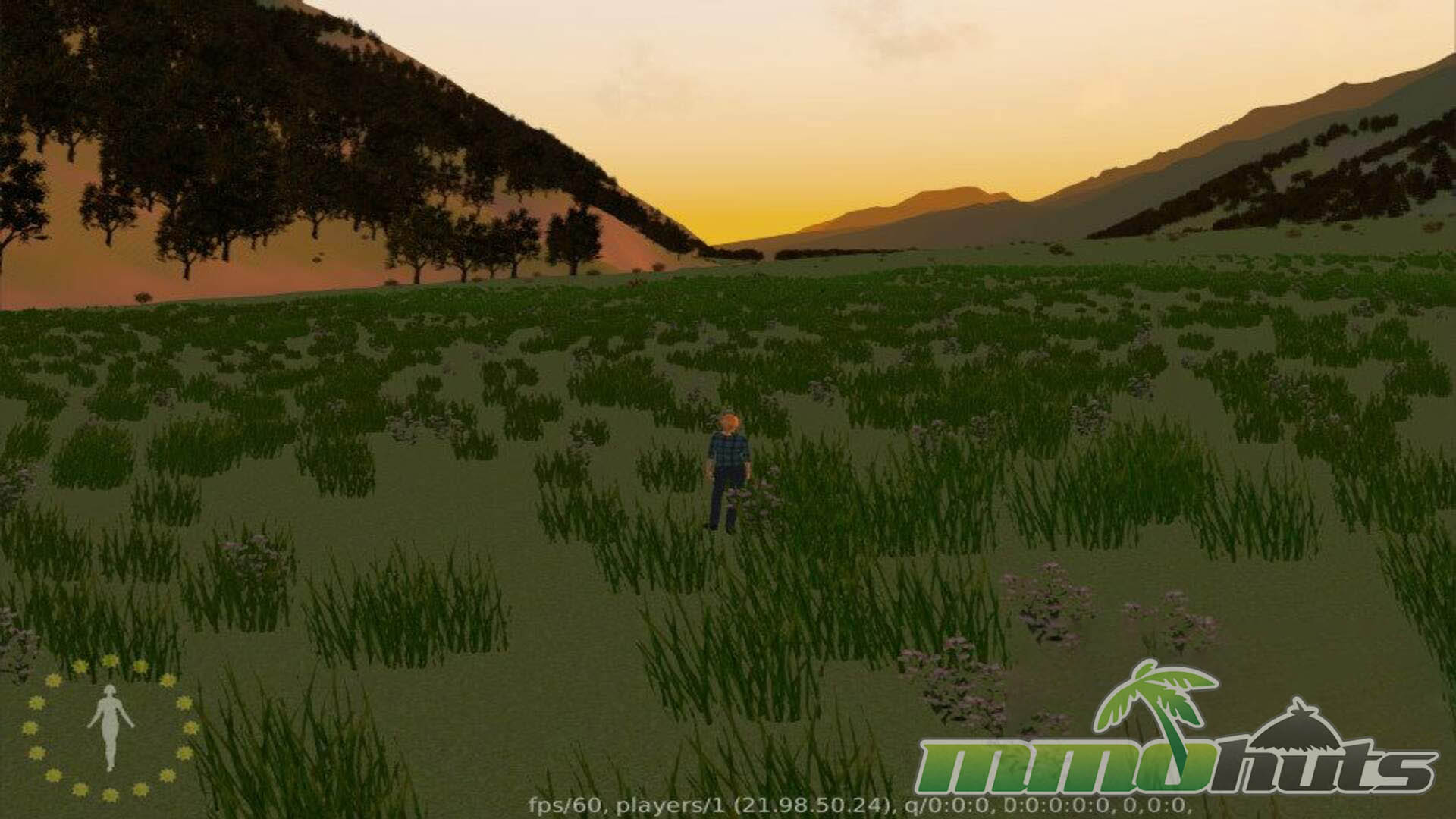
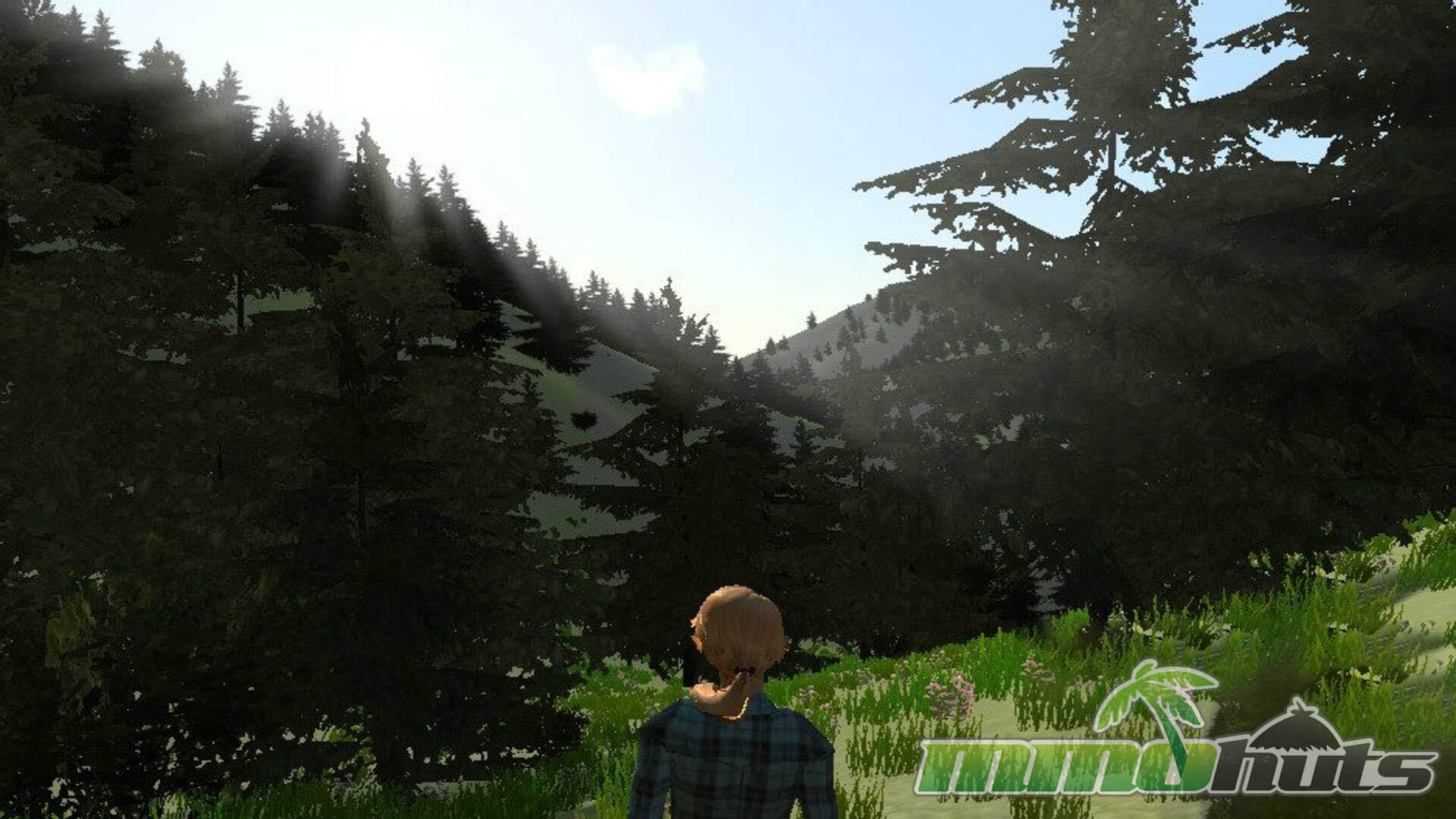
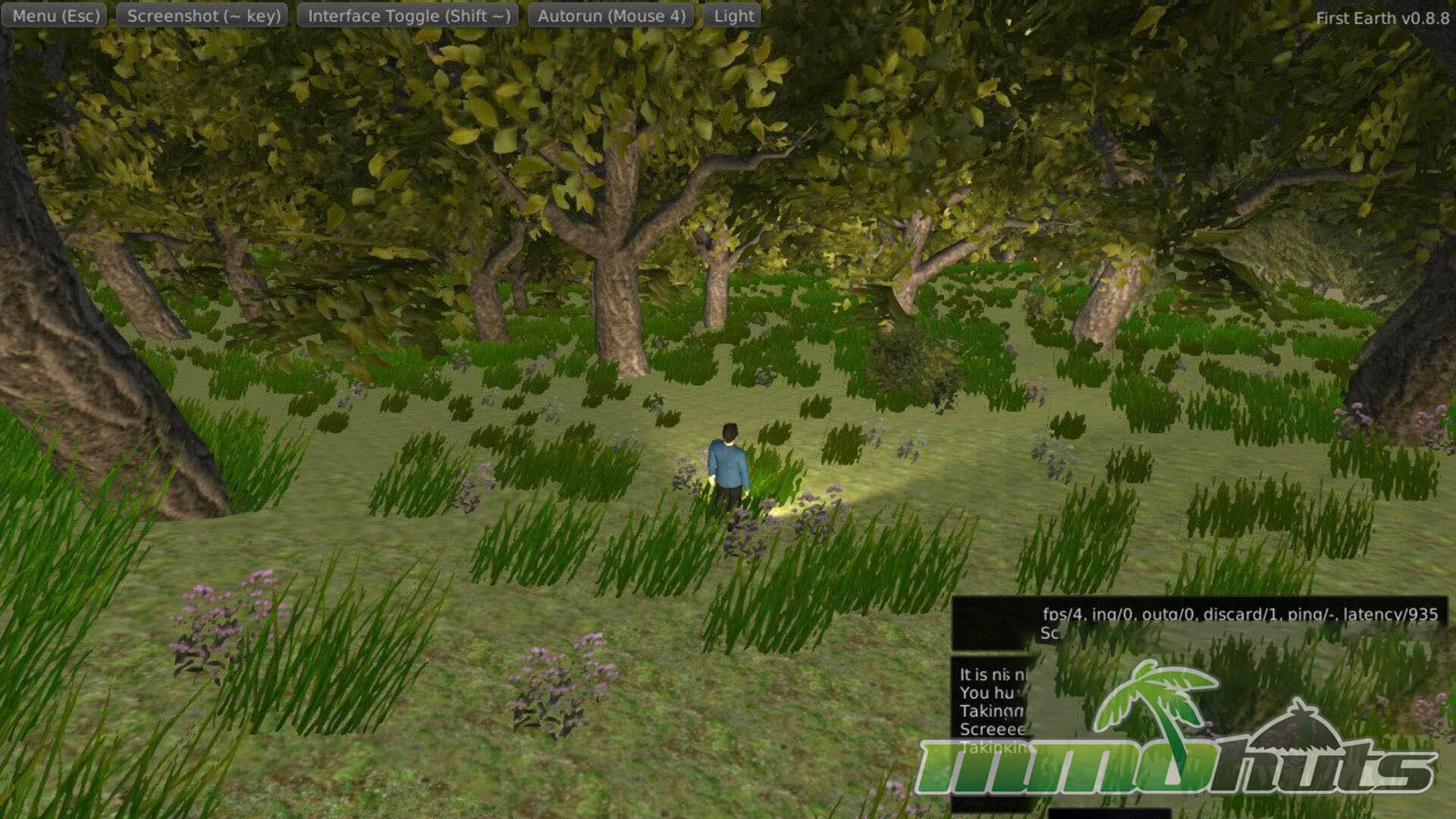
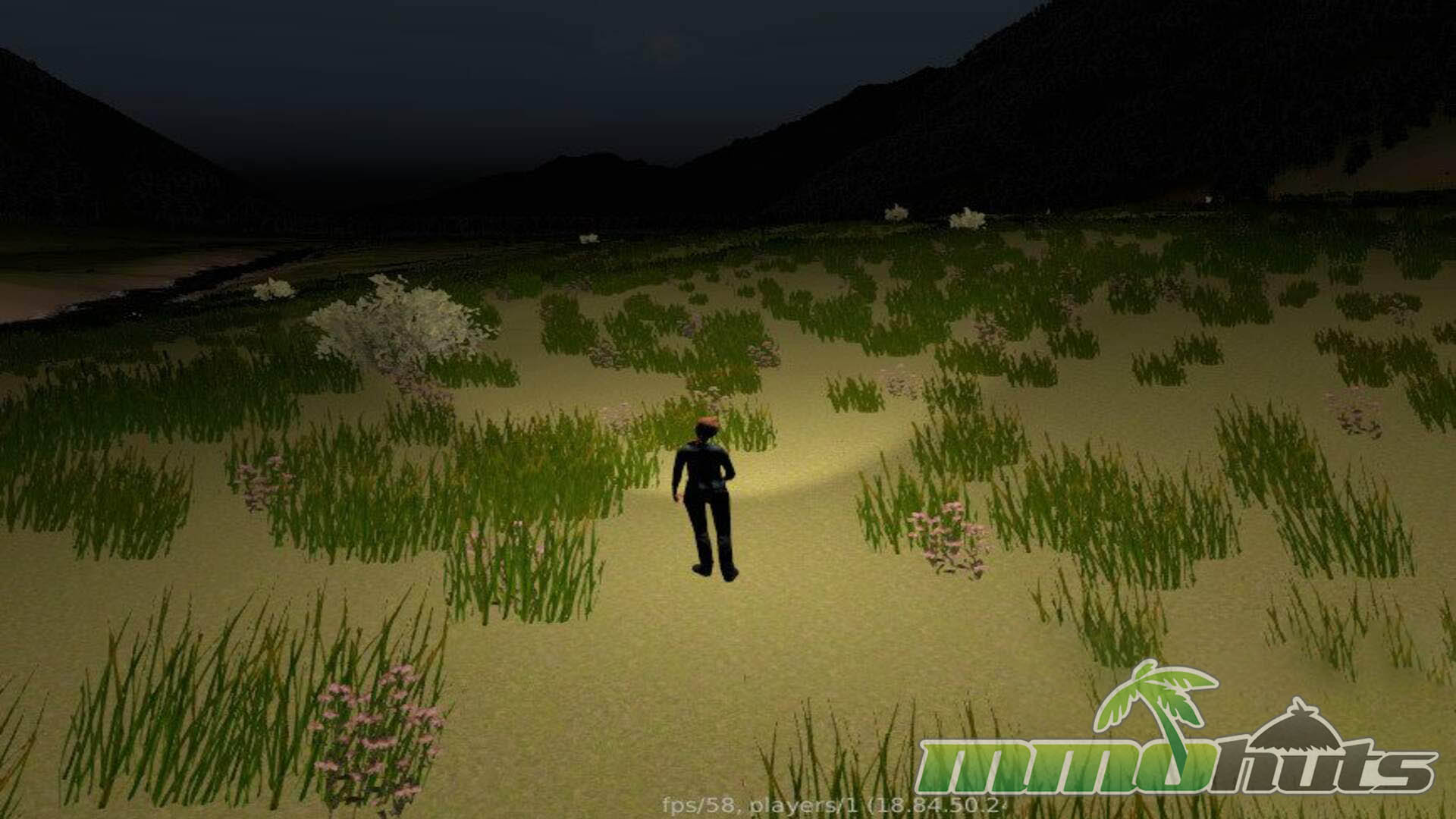
First Earth Screenshots







First Earth Featured Video

First Earth Review
Coming Soon!
First Earth Online Links
First Earth Official Site
First Earth Official Forums
First Earth Facebook
First Earth Reddit
First Earth System Requirements
Minimum Requirements:
Operating System: Windows 7 or later
CPU: Core 2 Duo or better
Video Card: GeForce GTX 680 or better
RAM: 8 GB
Hard Disk Space: 10 GB
First Earth Music & Soundtrack
Coming Soon!
First Earth Additional Information
Developer: Adam Thompson
Game Engine: Unity
Release Date: TBA
Development History / Background:
First Earth was created by Adam Thompson, a professional programmer who treated the project as a long-term passion goal. Work started in 2010, with Thompson building the game largely on his own outside of regular job commitments and sharing occasional progress updates over the years. The project used the Unity3D engine, and its custom server technology was written in Erlang, chosen for its ability to support many players interacting within a single shared world.
In 2015, development received funding through a grant from an unnamed philosophical advocacy group that reportedly aligned with the game’s themes. That support allowed Thompson to step away from other career obligations and move to full-time development on July 15, 2016. Despite the shift, the game did not appear to reach sustained momentum afterward, and it is generally considered abandoned as of 2017.