Firefall is a science fiction themed MMO Shooter developed by Red 5 Studios. Blending mechanics from both FPS titles and RPGs, Firefall offers a hybrid experience where you are constantly shooting, using abilities, and managing your battleframe to overcome hostile enemies in a persistent online world.
 | Publisher: Red 5 Studios Playerbase: Medium Type: MMO Shooter Release Date: July 29, 2014 Closure Date: July 7, 2017 Pros: +Persistent shared world. +Swap between classes from town on a single character. +Extensive voice-acted dialogue. +Solid mix of RPG progression and FPS gunplay. Cons: -Questing becomes repetitive. -Very little meaningful end-game content. -Enemy AI can feel clumsy and unresponsive. |
Firefall Overview
Firefall is a futuristic MMO FPS with strong RPG elements, set on a devastated Earth in the aftermath of a catastrophic event. Developed by Red 5 Studios and released on July 29, 2014, the game takes place after a faster-than-light experiment tears open a rift in space, unleashing a phenomenon known as the Melding. This extra-dimensional storm engulfs most of the planet, leaving only scattered pockets of survivable land.
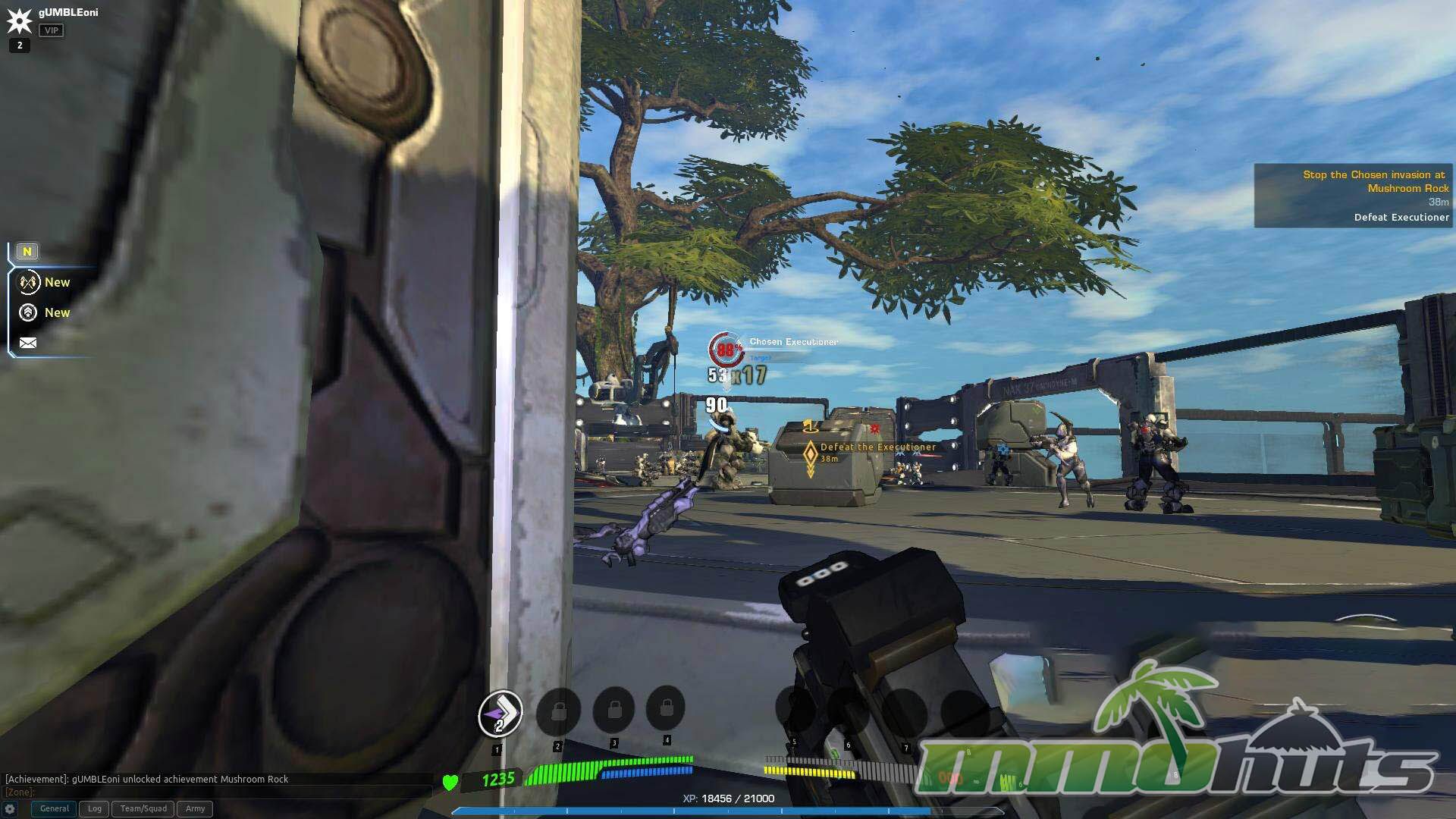
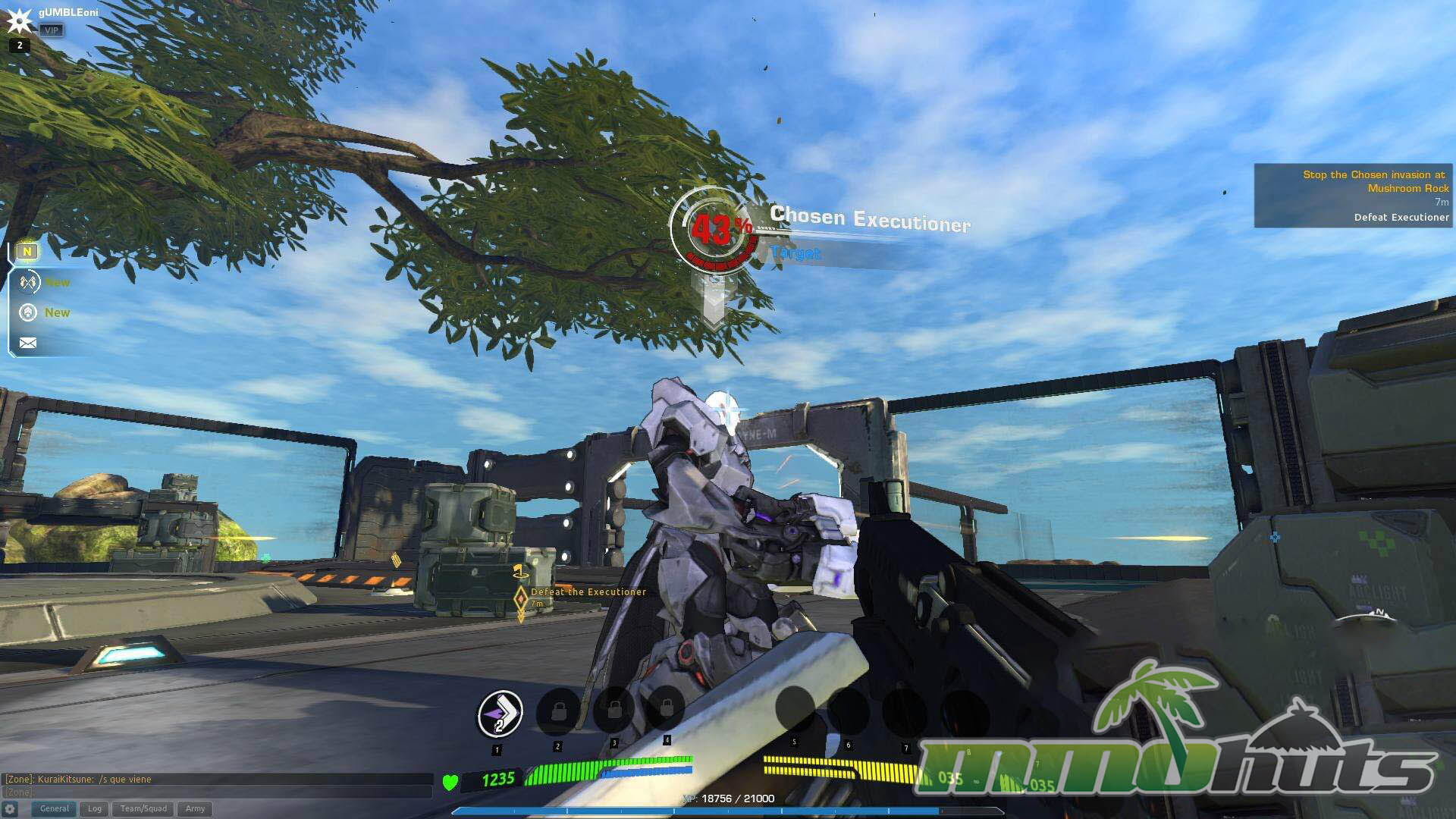
You play as a mercenary equipped with advanced power armor known as battleframes, choosing from five archetypes: assault, biotech, dreadnaught, engineer, or recon. These frames define your role and abilities, whether you are raining plasma on enemies, healing allies, or setting up defensive structures. The shooting is fast and arcade-like, throwing groups of enemies at you while you jump, glide, and jetpack around the battlefield. As you gain levels, you unlock new RPG-style skills, such as stealth abilities and powerful area attacks, which add tactical variety to otherwise straightforward firefights.
The world itself reacts to your presence. Towns can come under attack, NPCs reference your accomplishments, and dynamic events pop up as you push the story forward. If you find that a particular battleframe does not fit the way you like to play, you can switch to a different one in town and continue progressing that frame, letting you explore multiple combat styles without rerolling your character.
Key Features
- Fast-Paced Gameplay – fight through waves of enemies in energetic, movement-heavy firefights.
- Combines FPS and RPG Elements – rely on guns, explosives, and character abilities to survive encounters.
- Play Any Class Anytime – swap between battleframes in town so you can experience every class on a single character.
- Dynamically Generated Missions – zone events and missions shift based on your quest progression and activity.
- Skill Drops – new abilities can drop from enemies, letting you equip and experiment with them right away.
- Health Regeneration – health gradually regenerates during combat as long as you avoid taking damage for a short time.
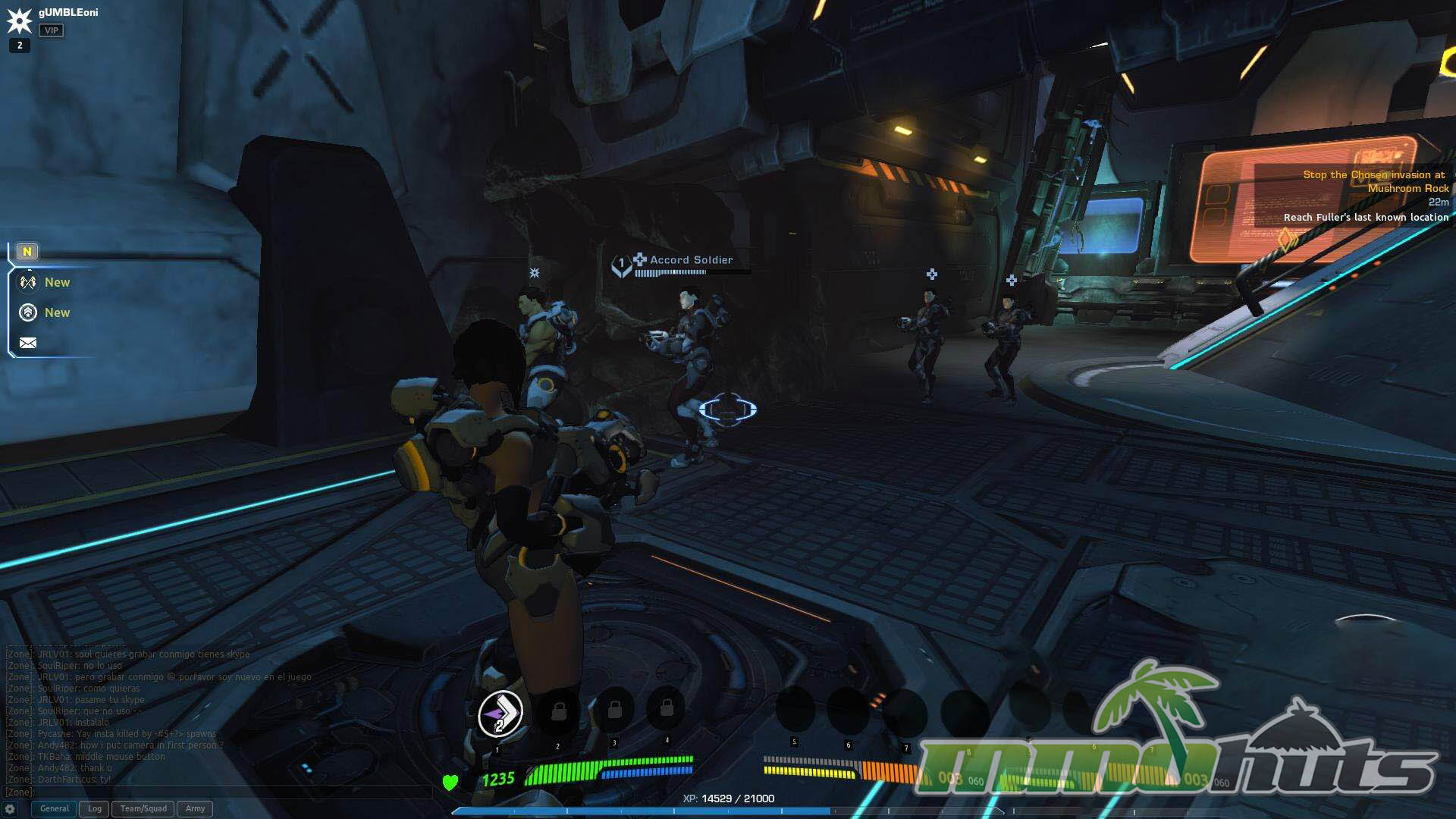
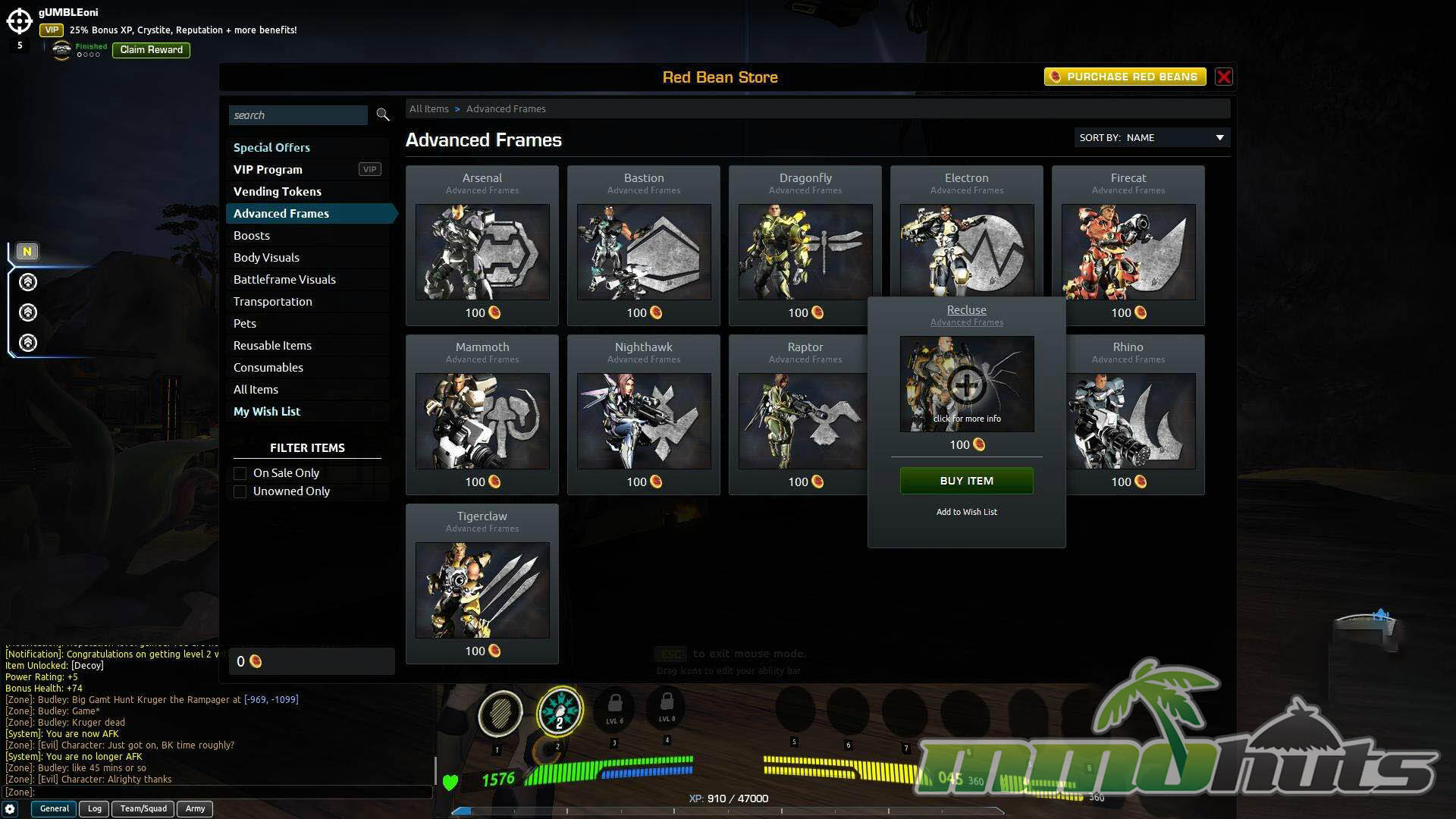
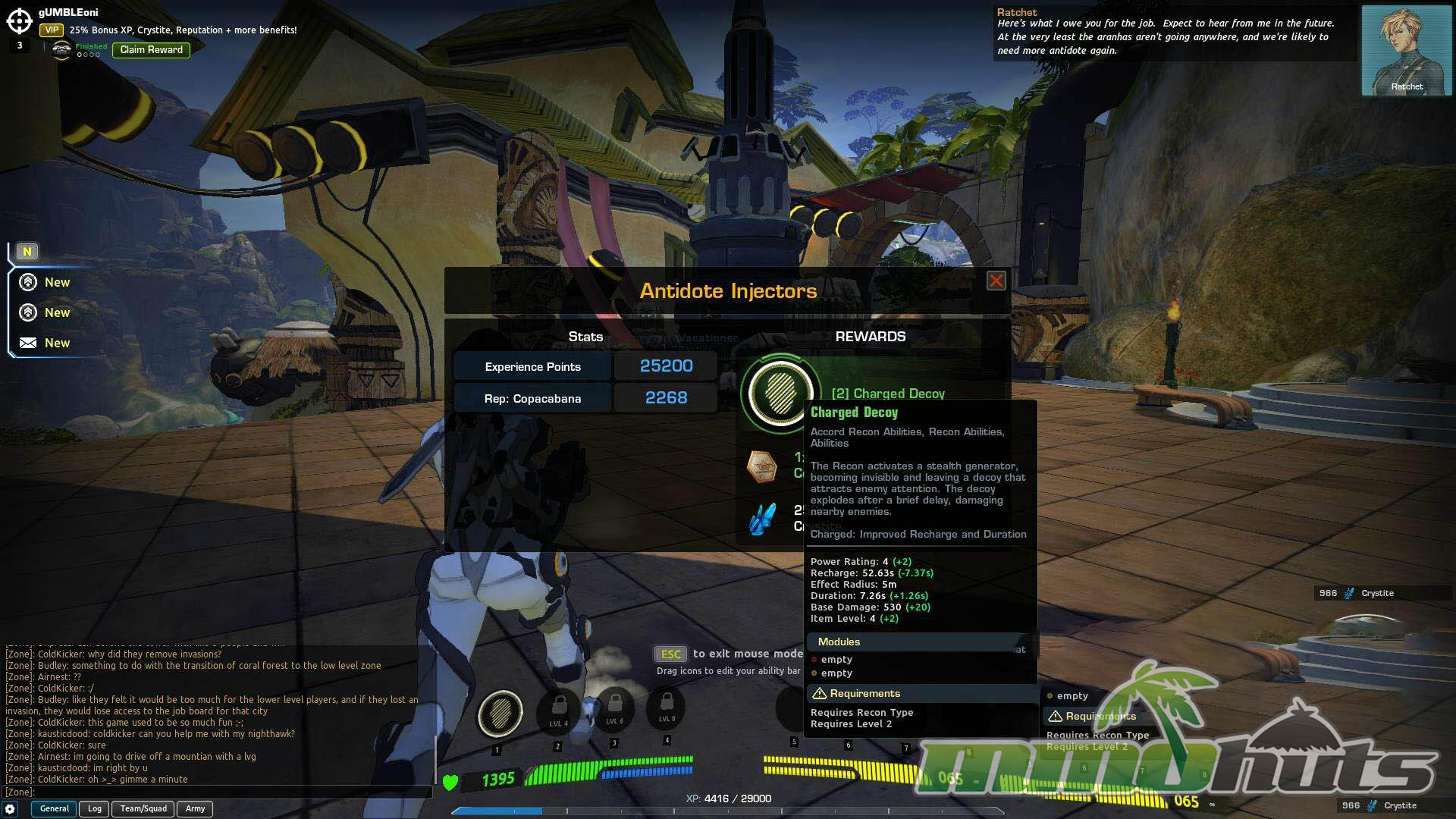
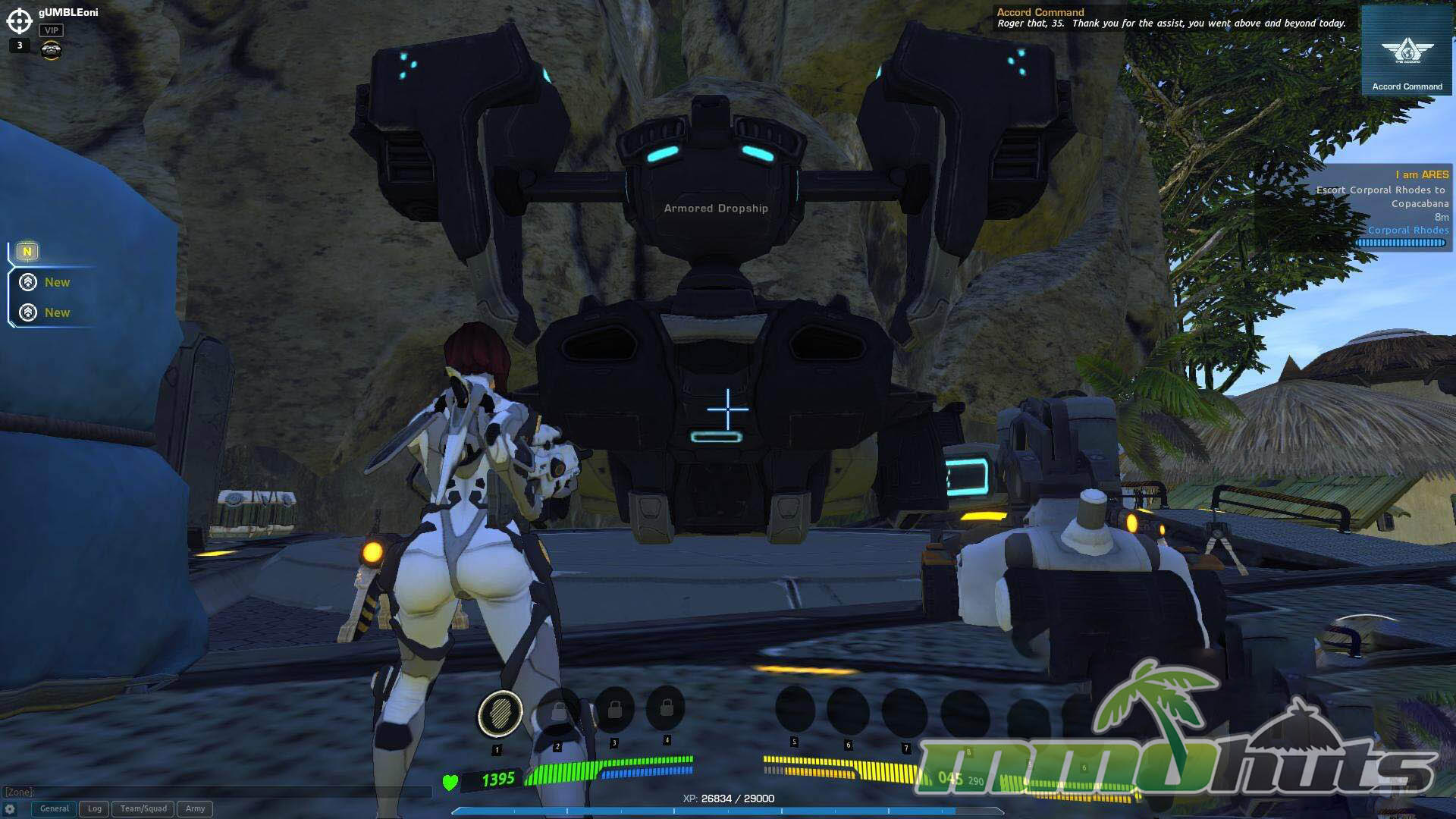
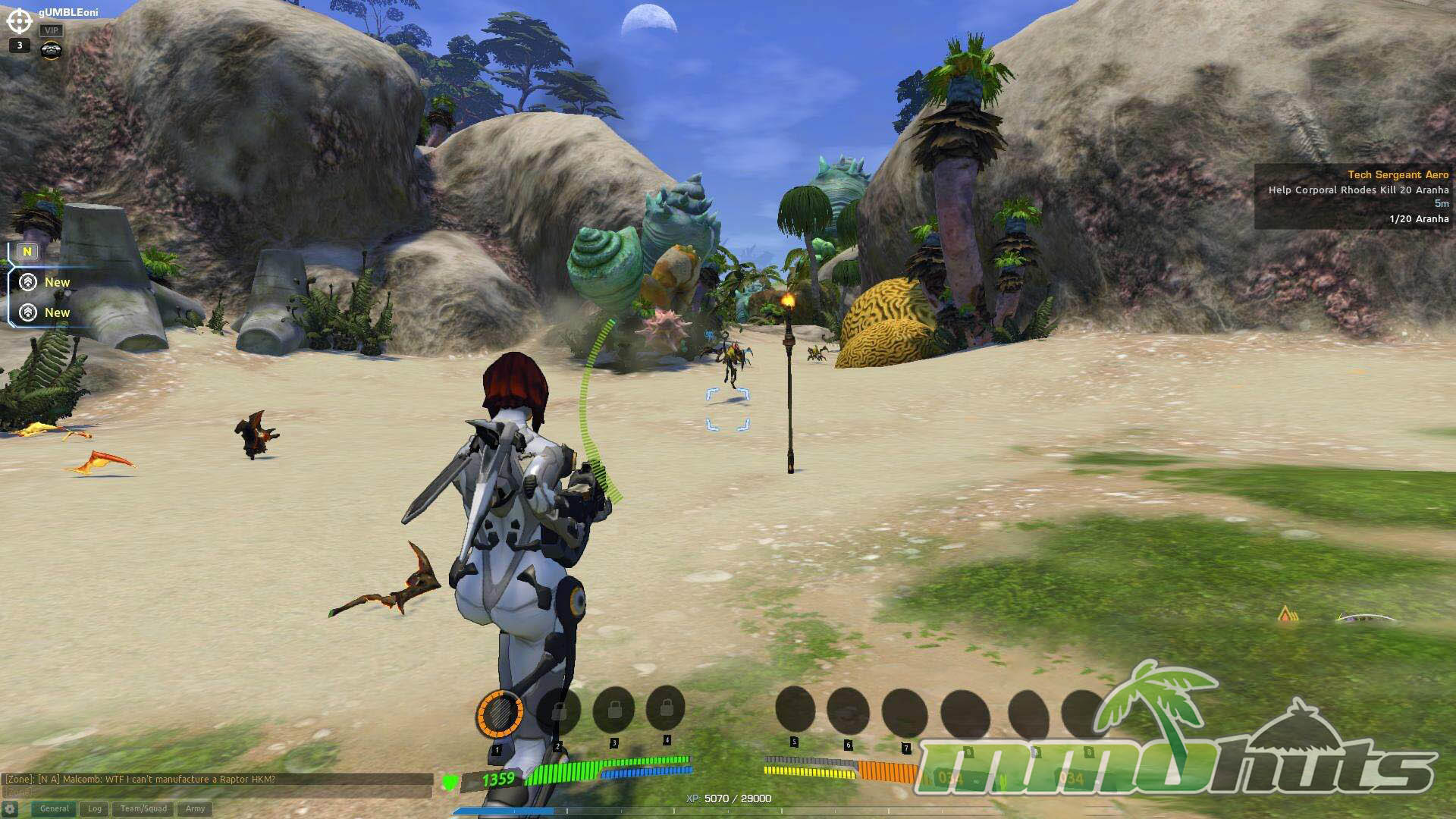
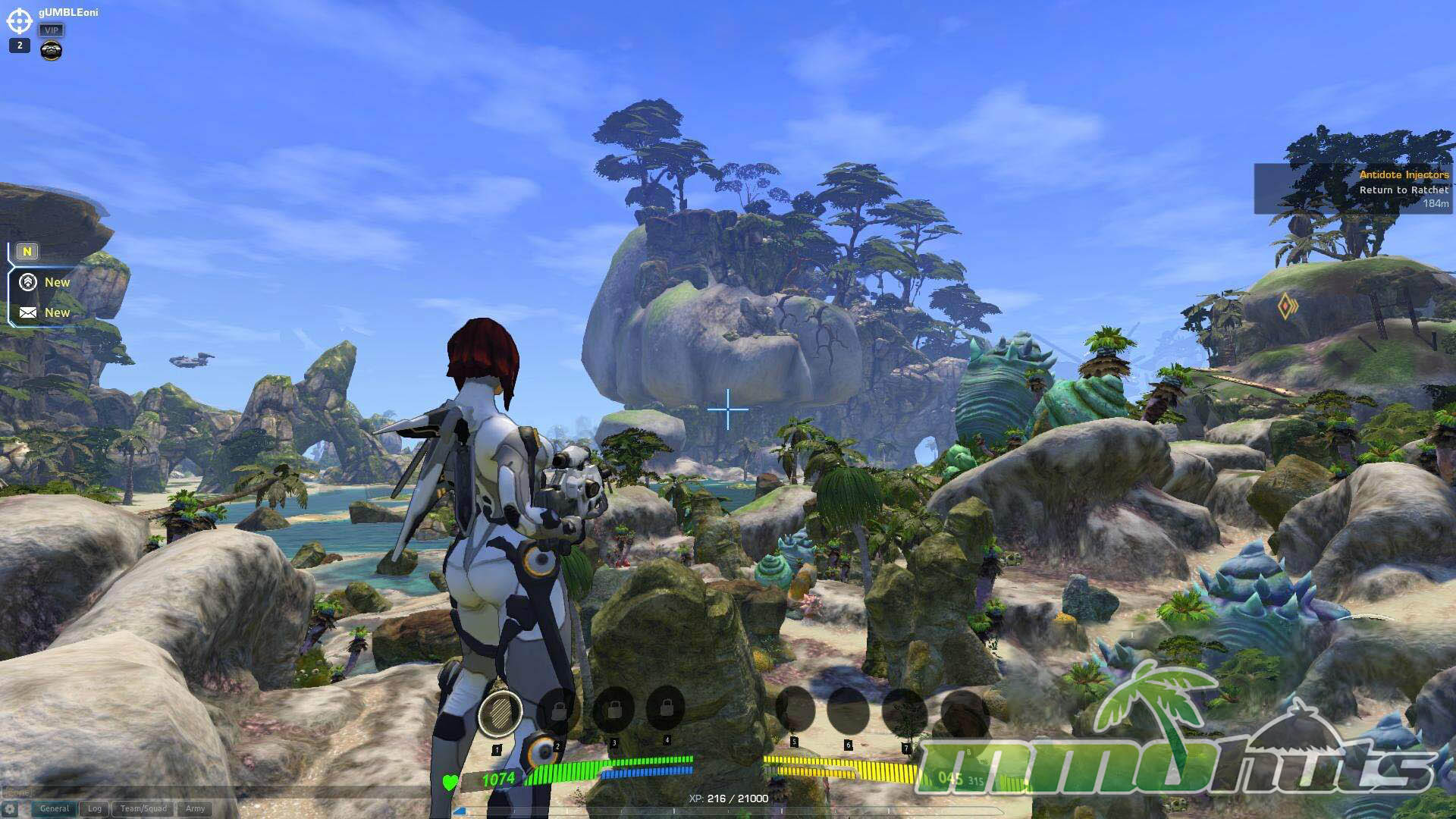
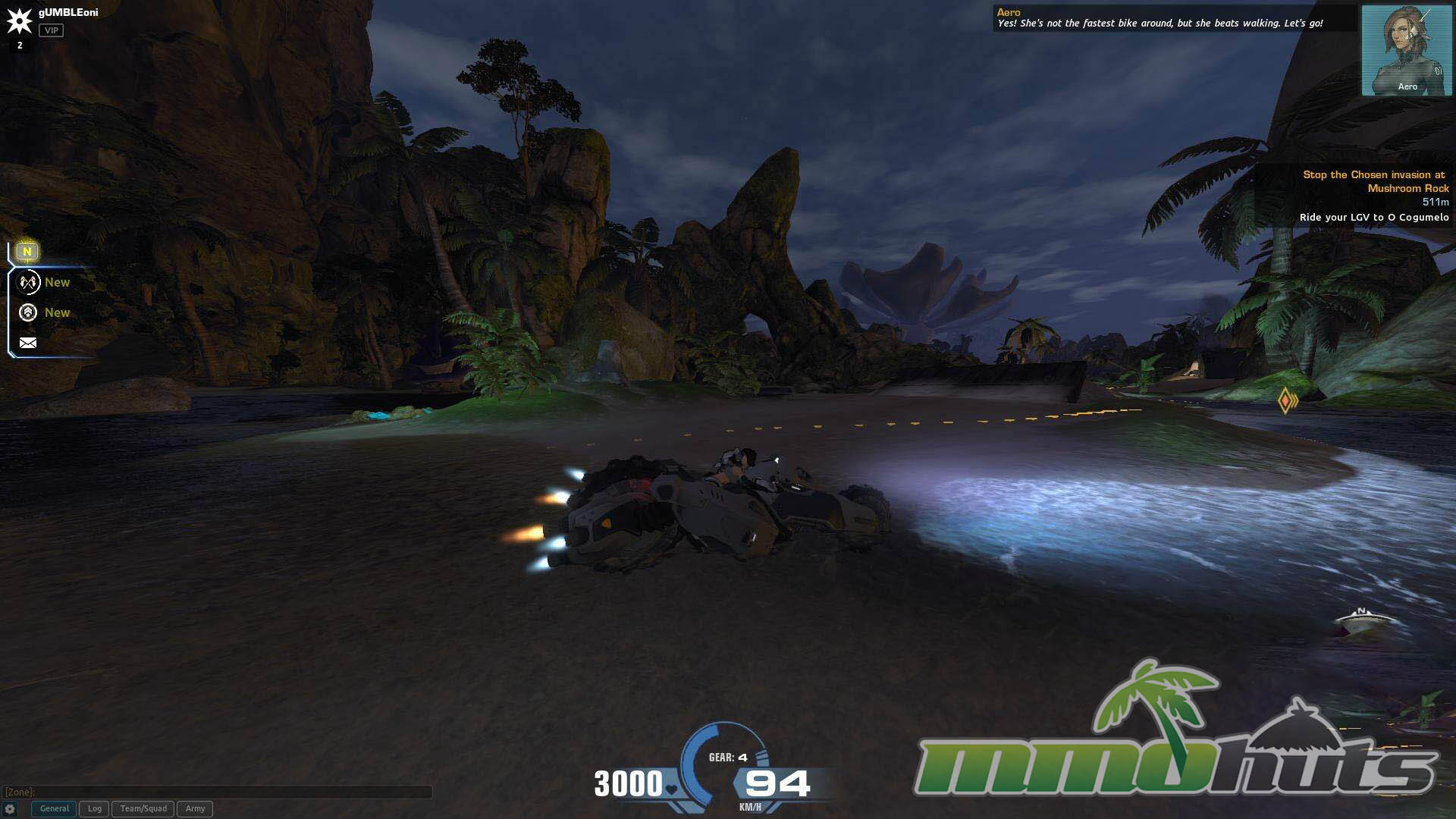
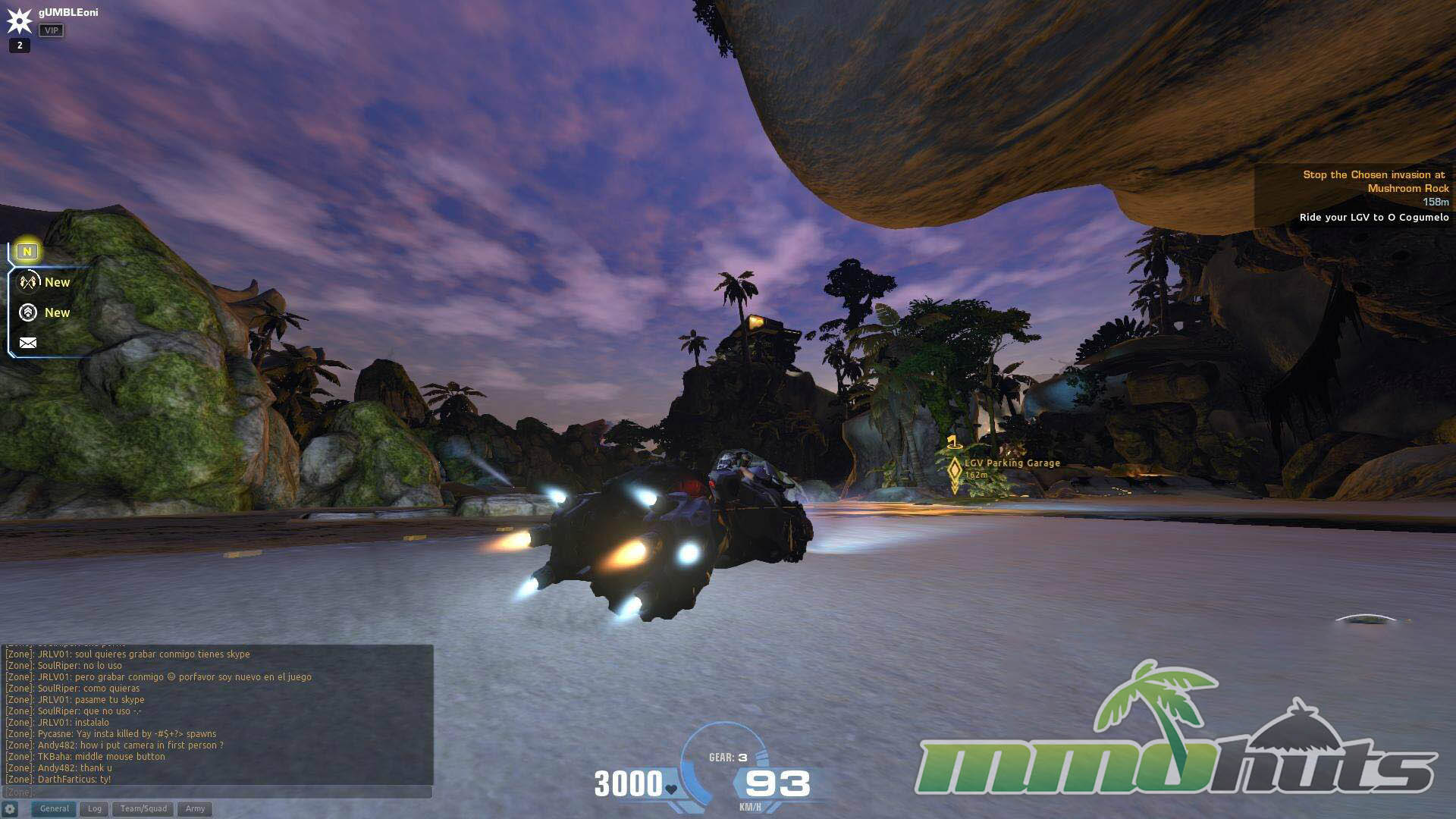
Firefall Screenshots



Firefall Featured Video

Firefall Classes
- Assault – a flexible, front-line battleframe that uses plasma cannons and explosive firepower. Assault frames balance survivability with damage, darting around the battlefield to deliver direct hits. Their primary weapon launches plasma shots that erupt in powerful blasts, shredding clustered enemies.
- Biotech – the field medic of Firefall, specializing in hit-and-run tactics. Biotech frames are tougher than Recon but still agile, able to both heal teammates and inflict damage using the same skill set. Their poison-based abilities can slow, weaken, and steadily damage groups of enemies while supporting allies.
- Dreadnaught – the heavy tank battleframe, built to soak up punishment. Dreadnaughts are slow and heavily armored, capable of standing their ground and dishing out serious firepower. They excel at holding choke points and drawing enemy aggression rather than relying on mobility.
- Engineer – a support-oriented frame that relies on deployable gadgets. Engineers place turrets, shields, and other devices to control space, block enemy lines of fire, and assist their team. With smart positioning, they can lock down areas and make it easier for allies to finish off opponents.
- Recon – the scout and long-range specialist, built around speed and precision. Recon frames are the fastest but also the frailest battleframes, excelling at picking off targets from a distance with scoped weapons. Their mobility lets them reposition constantly, though their low health punishes mistakes.
Firefall Review
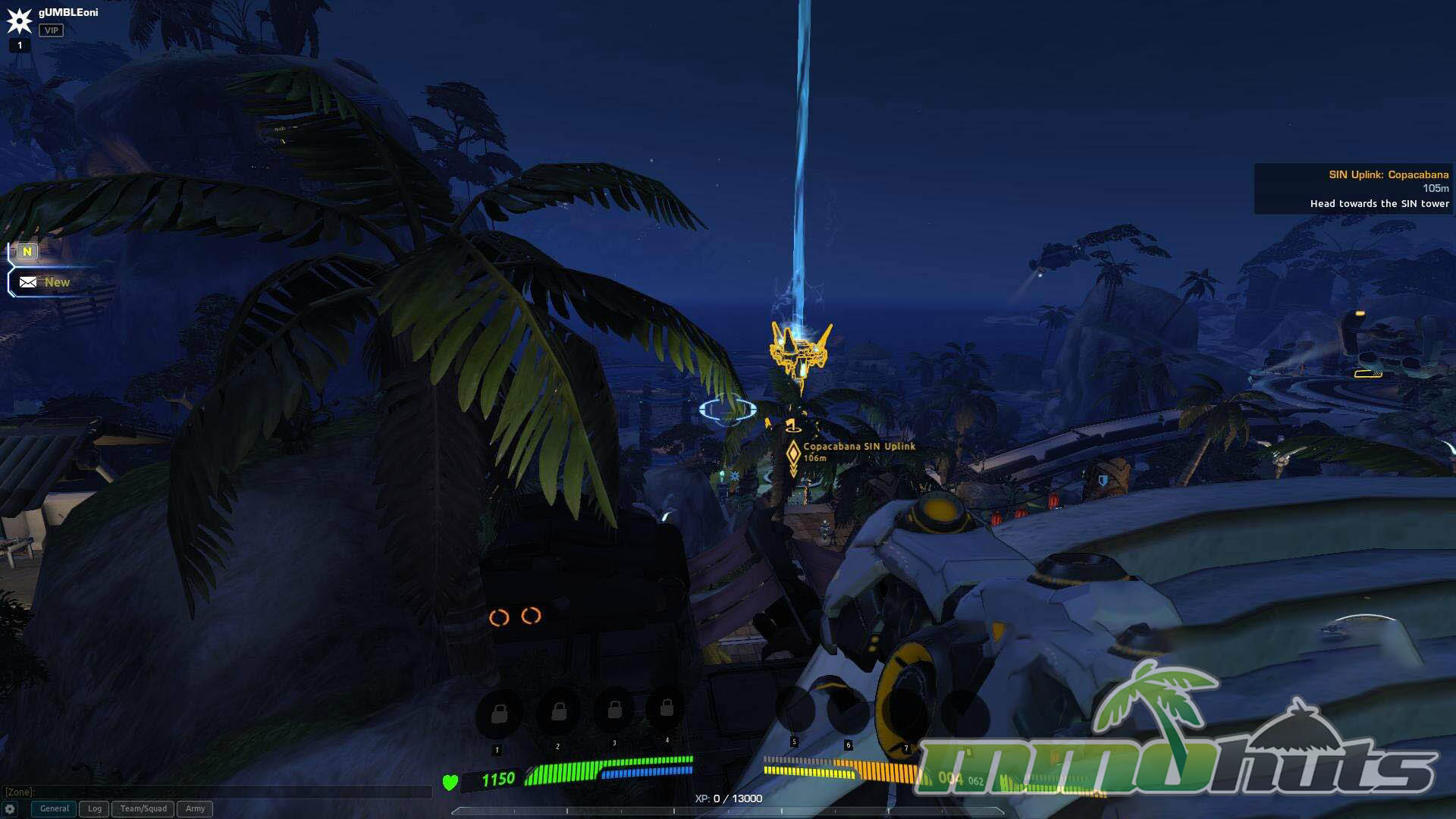
In Firefall you begin in the coastal ruins of Copacabana, Brazil, stepping into the role of a new recruit in an elite outfit tasked with pushing back the Melding and defending what is left of humanity. Before you head out, you pick one of five battleframes, each essentially a different class with its own weapon loadout and abilities. Dreadnaught, biotech, engineer, and recon all have their appeal, but in this playthrough assault became my starting choice.
Battleframes are not permanent decisions. In town, the “Battleframe Garage” lets you swap between frames as often as you like, though each one levels separately. Progress made on recon, for example, does not carry over to dreadnaught. I opted for assault because I wanted a straightforward, run-and-gun experience, something that would let me enjoy the shooting without worrying too much about positioning or support responsibilities. After tweaking the look of my character and frame, I headed into Firefall’s vision of the 22nd century.
“At the Copa (Copa!), Copacaban (Copabana)”
Firefall’s take on Copacabana is surprisingly vibrant. I have never set foot in Brazil, but the in-game version makes a strong case for it. For a free-to-play title, the visuals are impressive, with a level of polish and style that feels close to big-budget releases. You will want decent hardware to see it at its best, since the world is full of saturated colors and striking vistas that can push older machines.
The art direction favors a stylized, slightly cartoonish look similar to what you might see in games like Borderlands, which helps the environments and characters stand out. Watching the sun dip into the ocean while the sky turns rich shades of orange and purple is a highlight on its own, even if your GPU starts to complain in the background. That sense of style makes the first steps through Copacabana memorable, but eventually the sightseeing gives way to the real reason you are there: picking up jobs and shooting things.
Cleaning Up The Wasteland
Questing in Firefall revolves around job boards scattered around hubs. You run up, grab a mission, and head out. The specific text of the assignment matters less than you might hope, because most of them boil down to familiar MMO templates. You will kill a certain number of enemies, collect items, or escort NPCs, sometimes with small twists like repairing objects or scanning locations. Regardless of the wrapping, you end up running to a marker and shooting whatever gets in your way.
Instead of walls of quest text, Firefall leans heavily on voice-over. Once you accept a mission and start moving toward your objective, NPCs talk in your ear, explaining what you are about to do and why. You can keep sprinting and jetpacking while the dialogue plays, which makes it easier to ignore the story if you are just there for the action. With the assault frame’s jetpack, it becomes second nature to tap space, burn fuel, glide, land, and repeat until you reach your next combat zone. When the last enemy drops and the voice-over confirms the objective is complete, you move on.
There is a notable limitation: you cannot stack several quests at once. You accept one mission, complete it, then come back for another. The game uses this constraint to adjust the world around the specific task you are doing, and it avoids overlapping voice-overs, but it also means a lot of unnecessary backtracking. Objectives often pull you deep into the wilderness, only for you to run or drive all the way back to a job board afterward. Renting a vehicle becomes almost mandatory if you want to keep your patience intact during longer sessions, since the on-foot travel can become tedious very quickly.
Run, Shoot, Dodge!
Once the shooting starts, Firefall is much more enjoyable. The core gunplay is quick, responsive, and focused on mobility. Combat feels a bit like starring in a sci-fi action movie, with swarms of enemies rushing you as you strafe, jump, and jetpack around, spraying fire and dropping abilities. As you level up and unlock more skills, you gain access to flashy attacks and utility powers that let you control crowds or wipe out packs of enemies in seconds, adding some tactical depth to otherwise simple encounters.
Resource management is very forgiving. Enemies frequently drop health and ammo, and facilities are dotted with terminals that refill both, so you rarely feel starved for supplies. On top of that, your health regenerates if you can avoid taking damage for a short while, which encourages darting in and out of cover or using your mobility to break line of sight. Despite this, the game can still overwhelm you when large groups of enemies or tougher bosses appear, especially if you are careless or not playing to your battleframe’s strengths.
Each battleframe is designed around a particular style of play. Dreadnaught frames excel at soaking up damage and laying down suppressive fire, while Engineers lock down areas with turrets and protective barriers. In practice, however, the distinctions blur somewhat as you spend more time with the game. Every frame carries a gun and a small selection of cooldown-based abilities, and most of your time is still spent moving and shooting. Even Recon, nominally a sniper-style class, often ends up firing its rifle more like an automatic weapon when groups of enemies close the distance.
Despite these overlaps, firefights remain entertaining. You can freely switch between first-person and third-person views, which is a nice touch. First-person works well for aiming and immersion, while third-person helps in tight spaces or when you want a better sense of your surroundings. Neither perspective feels strictly better, so it becomes a matter of personal preference and situational awareness.
Unfortunately, the enemy AI shows its weaknesses during larger battles. Enemies sometimes behave strangely, charging straight past you while firing or continuing to run off into the distance instead of seeking cover. Melee opponents might swing at empty air as they run down ramps or away from your position, breaking immersion. Others shuffle side to side in awkward patterns that look more like a mis-timed dance routine than a tactical maneuver. Moments like these highlight the rougher edges of Firefall’s combat, even while the underlying gunplay is fun.
Are we there yet?
As enjoyable as the shooting is, it also exposes the game’s broader problem: everything surrounding combat feels like filler. Travel between objectives is long and uneventful, and the world, while visually appealing, can feel sparse and lifeless once the novelty wears off. The setting and NPCs struggle to hold your attention, so it becomes hard to care about their personal issues or the details of the world. Instead, you find yourself simply waiting for the next chance to blast more enemies and unlock another ability.
Without vehicles or faster-travel tools, the constant back-and-forth runs would be difficult to tolerate for long. The disconnect between how exciting battles can be and how dull the downtime is creates a jarring rhythm. It quickly becomes clear that the game is at its best when you are actively fighting and at its weakest when it asks you to care about everything else.
“There’s a story?”
Firefall does have a narrative framework, but it rarely takes center stage. The story is delivered mostly through lengthy dialogue segments and exposition that struggle to create a strong sense of direction or urgency. Early on, the main takeaway is simply that Earth is in crisis and you belong to a special military group that might be able to save it. Beyond that, the details do not stand out.
The introductory trailer does little to clarify the bigger picture or establish a compelling hook. It gives the impression of a large-scale sci-fi war, but in practice you spend much of your time fighting on beaches and in the surrounding countryside rather than embarking on a grand, planet-hopping campaign. For many players, the motivation to keep playing comes more from the desire to shoot things and level up frames than from any attachment to the plot.
Replayability
Once you reach the level cap on a battleframe, the available activities thin out quickly. The most obvious form of replayability is to start leveling a different frame and experience its abilities and playstyle. If you truly enjoy Firefall’s combat, this can be entertaining for a while, since you revisit familiar areas with a different toolkit.
Quests can be repeated as many times as you like, which makes it easier to level alternate frames without hunting for new content, but it also means you are running the same missions again and again. Over time, that repetition becomes hard to ignore. Visually, the frames also do not differ much. The main variation is in how heavily armored they look, with Recon on the lighter end and Dreadnaught at the bulky extreme, so there is not a strong sense of reinventing your character each time you change roles.
After investing a significant amount of time, you eventually reach a point where there is little left to do. The journey offers some enjoyable firefights and striking environments, but when you hit the end of the progression, Firefall lacks a robust end-game to keep you invested.
Final Verdict: Good
Firefall is an interesting attempt at an MMO Shooter that successfully merges responsive FPS combat with RPG-style progression, but it is held back by structural issues. On the positive side, battles feel fluid and satisfying, with plenty of movement, explosions, and visually impressive abilities that let you tear through groups of enemies. The game looks and sounds like a polished release, and as a free-to-play title it offers a lot of production value.
However, once the shooting stops, the pacing falters. Long travel times, repetitive mission design, and a thin end-game make it difficult for Firefall to sustain its momentum. The beautiful environments eventually start to feel like empty backdrops rather than places you want to explore. Over time, the game’s shortcomings overshadow its strengths.
Even so, Firefall remains a noteworthy entry in the MMO Shooter space. It is a free-to-play game that often feels like a premium product in terms of combat and presentation, and it clearly reflects a significant amount of effort from its developers. For players who enjoy action-heavy shooters with RPG elements and are willing to overlook repetition and a shallow late game, it is worth experiencing.
Firefall Links
Firefall Official Site
Firefall Steam Page
Firefall Wikipedia
Firefall Wikia [Database / Guides]
Firefall Subreddit
Firefall Requirements
Minimum Requirements:
Operating System: Windows XP SP3
CPU: AMD Dual Core @ 2.6GHz; Intel Dual Core @ 2.2GHz
RAM: 4 GB RAM
Video Card: Nvidia 8600 or ATI 4xxx with 1GB of VRAM
Hard Disk Space: 20 GB available space
Firefall Music & Soundtrack
Firefall Additional Information
Developer: Red 5 Studios
Publisher(s): Red 5 Studios, Garena
Game Engine: Offset
Game Deisgner(s): Scott Youngblood, Scott Rudi
Game Writer(s): Mark Kern, Orson Scott Card
Composer(s): Michael Bross, Boon Sim
Closed Beta Date: September 2, 2011
Open Beta Date: July 9, 2013
Launch Date: July 29, 2014
Steam Release Date: July 29, 2014
Closure Date: July 7, 2017
Development History / Background:
Firefall was developed by Red 5 Studios, a company known for employing a large number of former Blizzard staff during its early years. The MMO FPS runs on the Offset Engine, which was originally created for Offset Software’s cancelled shooter Project Offset. Development on Firefall spanned several years before the game was officially unveiled at the Penny Arcade Expo in 2010. The first public hands-on demo took place at PAX East in 2011, where its colorful art style drew attention. Developers cited inspirations such as Masamune Shirow’s Appleseed, the works of Hayao Miyazaki, and Street Fighter when discussing the game’s visual direction.
On September 2, 2011, Firefall entered closed beta testing, followed by an open beta phase beginning on July 9, 2013. The game officially launched and became available on Steam on July 29, 2014. After several years of operation, Firefall was shut down on July 7, 2017.