
Faxion Online was a free-to-play 3D MMORPG that mixed traditional fantasy MMO structure with themes drawn from Christianity and the Seven Deadly Sins. It opened in Limbo, a battleground caught between Heaven and Hell, and asked players to pledge allegiance early, since faction choice determined which trio of classes you could start with and build into through multi-classing. Despite its ambitious setup and PvP-heavy territory struggle, the game had a very brief run and is mostly remembered today as an interesting concept that never had time to fully mature.
 | Publisher: UTV True Games Type: MMORPG Release Date: May 26, 2011 Closure Date: August 24, 2011 Pros: +Flexible multi-class builds. +Strong emphasis on faction PvP. +Snappy, action-leaning pace. Cons: -Gameplay loops can feel samey over time. -Visuals show their age. |
Faxion Online Overview
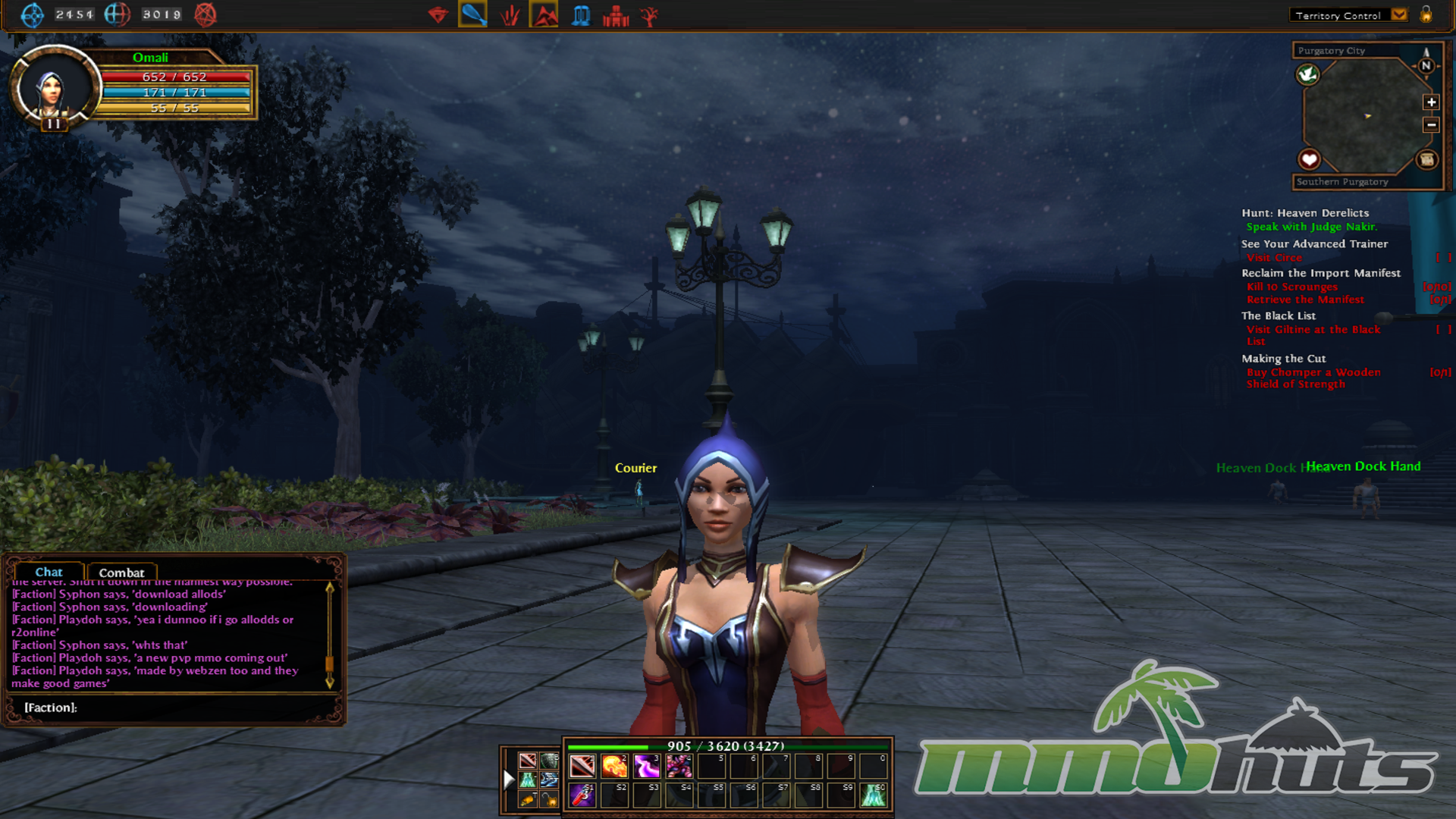
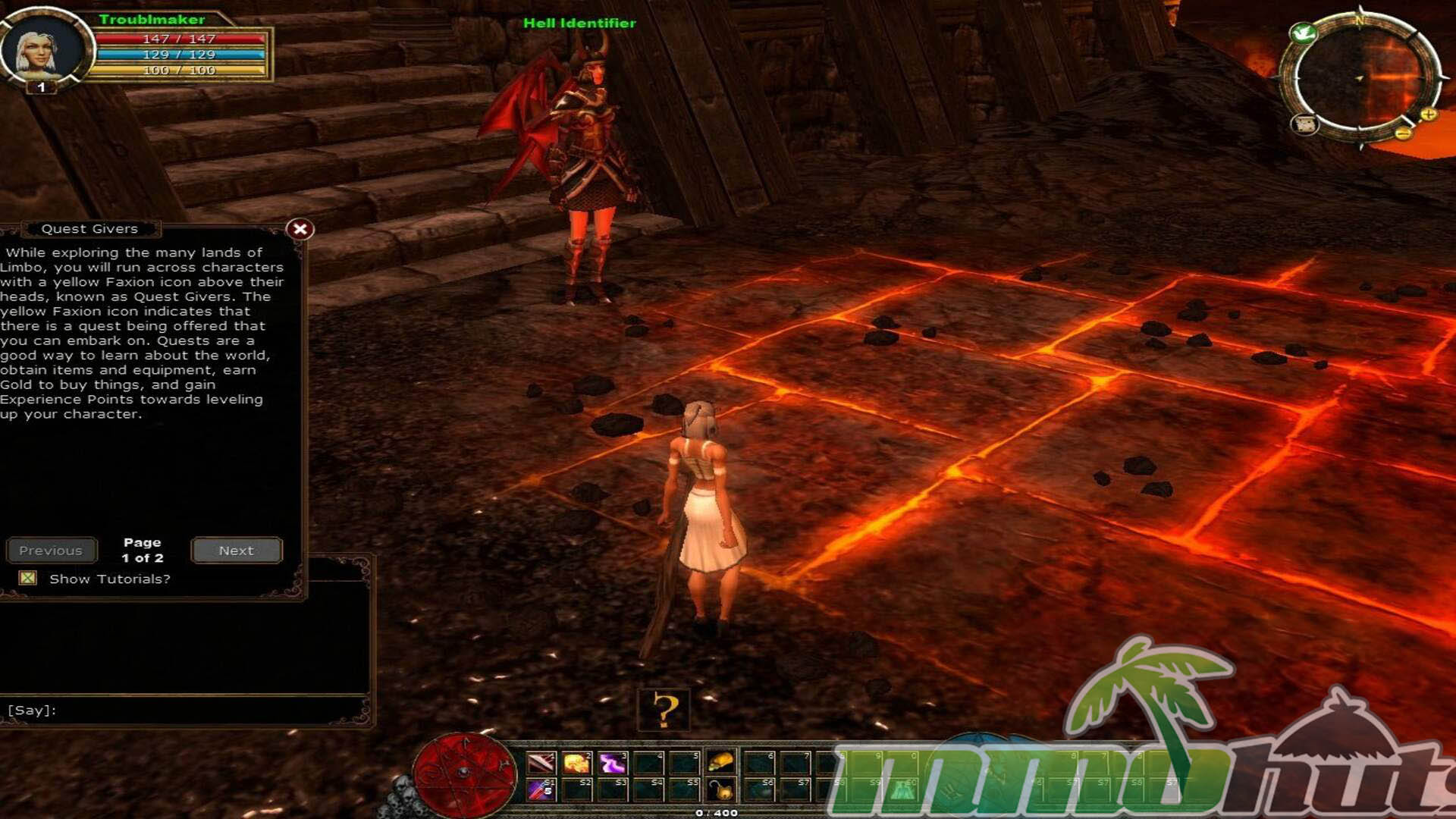
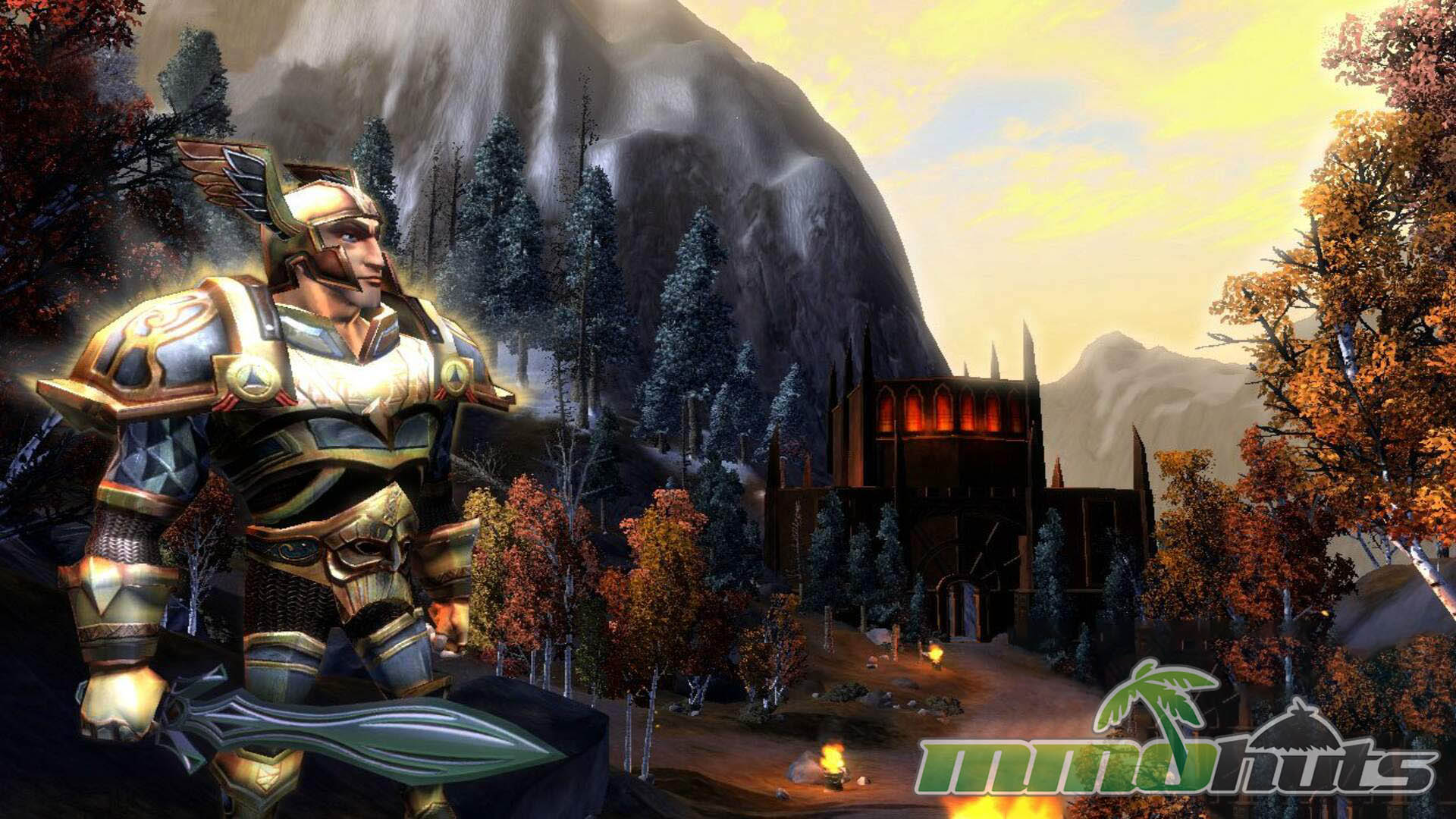
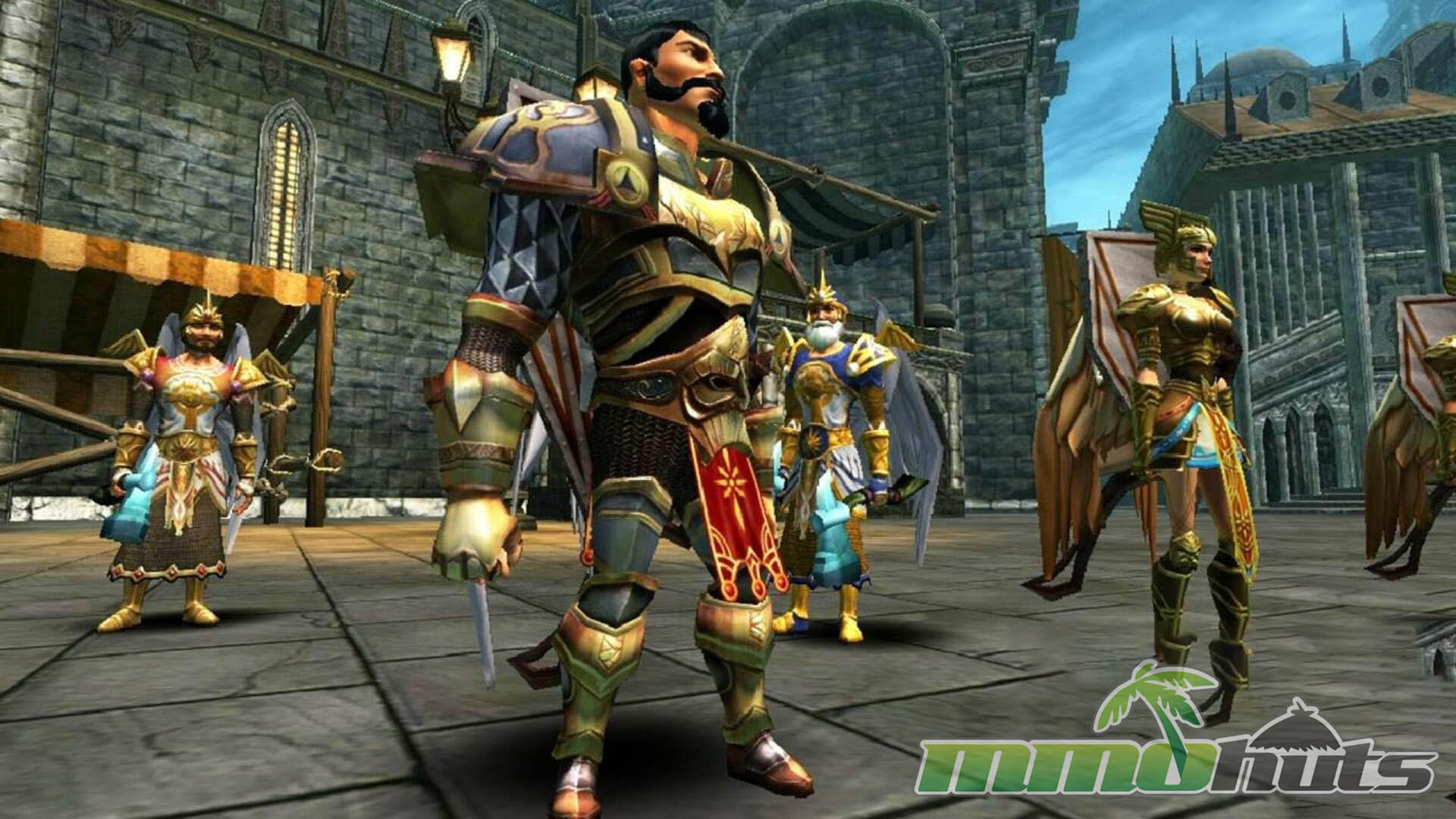
Faxion Online was a 3D free-to-play MMORPG set in Limbo, portrayed as a war zone where the armies of Heaven and Hell fight for dominance. Character creation was built around that conflict, you joined one side and then selected from that faction’s three class archetypes (their takes on melee, caster, and support). While the class names differed between Heaven and Hell, the broader roles were familiar, and the game encouraged players to specialize for PvP as much as for questing.
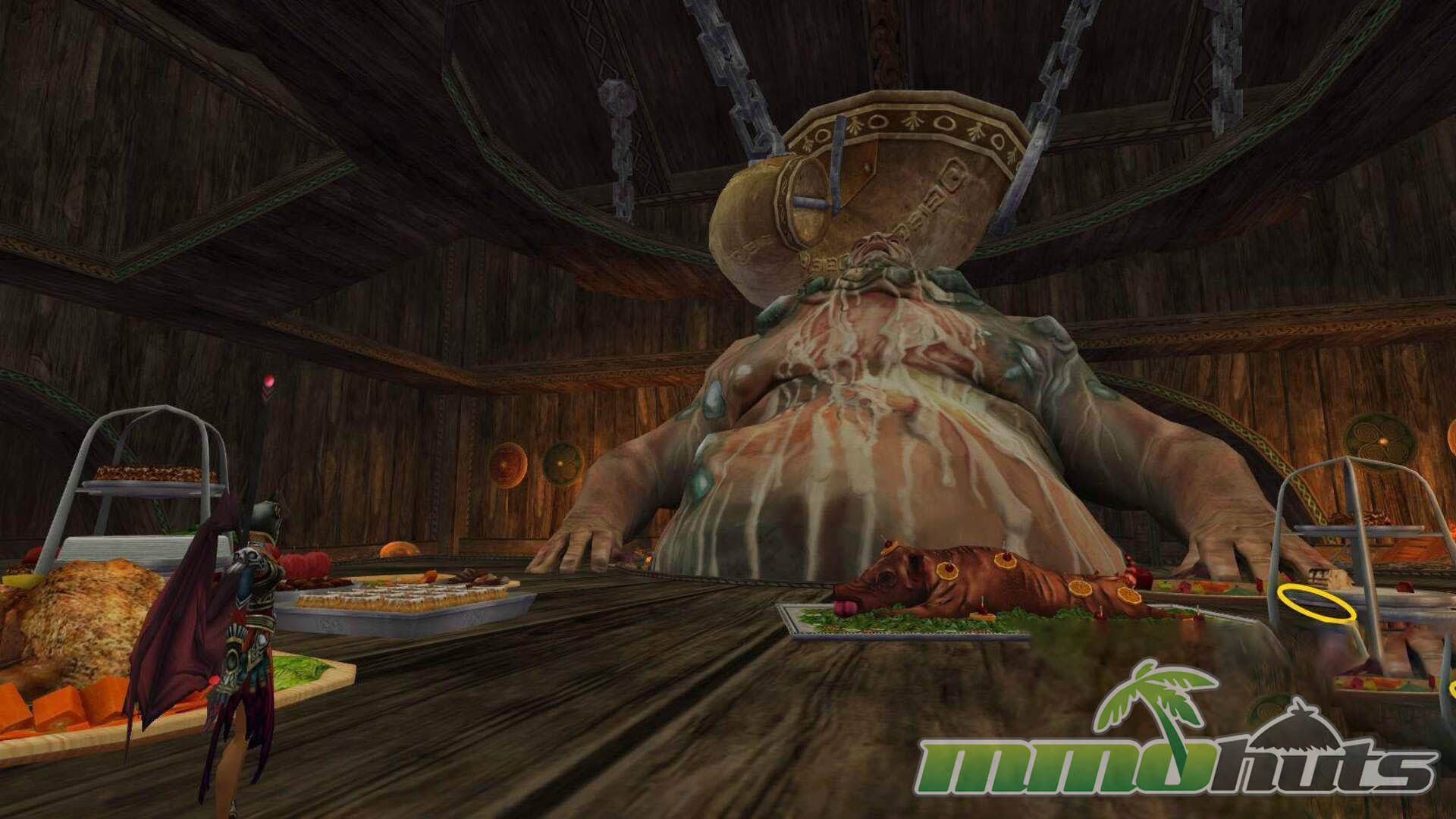
Progression moved players through zones inspired by the Seven Deadly Sins, with environments and objectives themed around those ideas, for example areas like the Fields of Hunger tied to Gluttony and the Garden of Ardor tied to Lust. The game leaned into open faction competition by making territory control matter, the faction holding a region gained access to exclusive vendors that offered special items to the winning side. That structure kept the world feeling contested, even when you were doing standard MMO tasks.
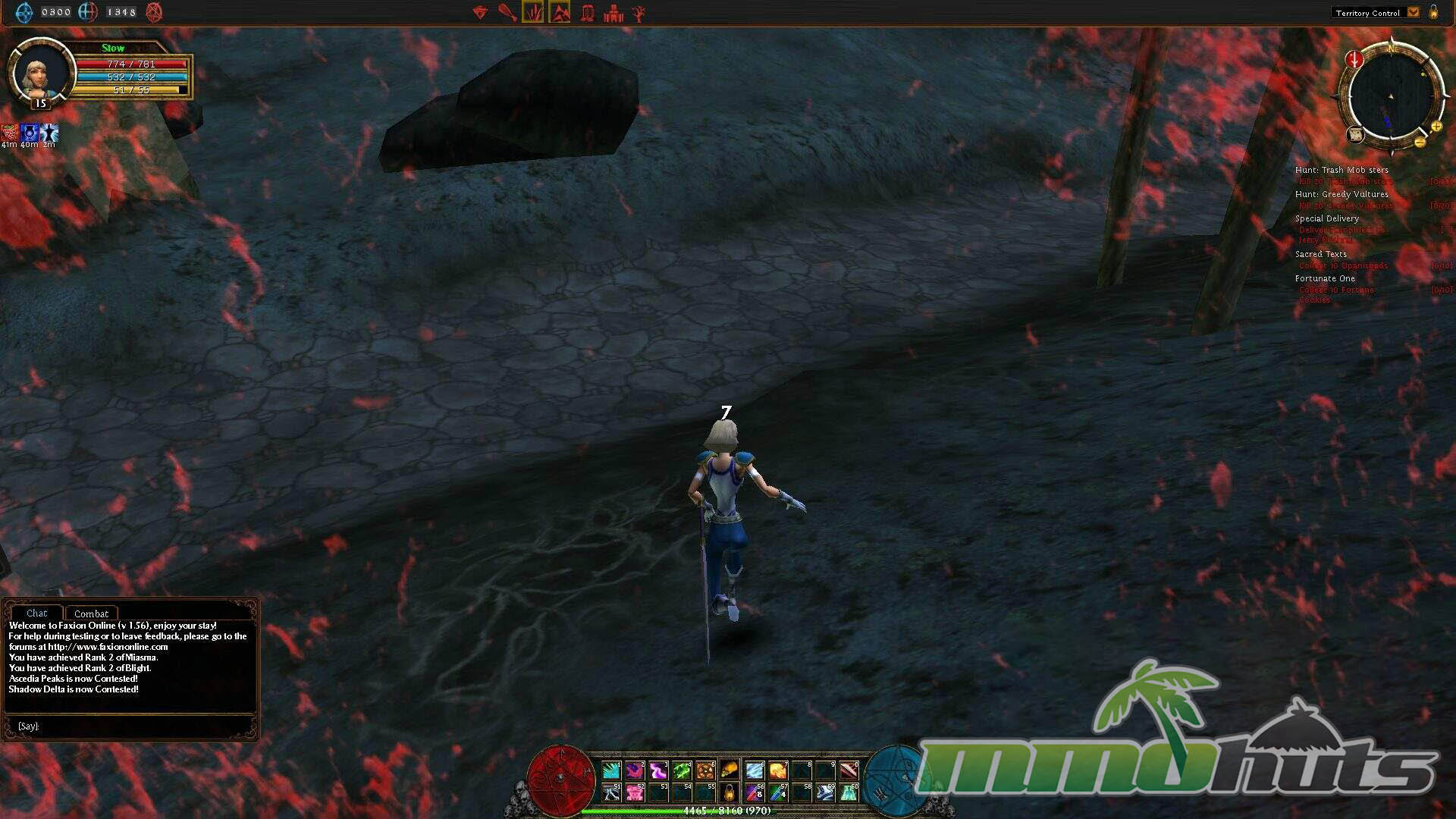
Two systems stood out compared to many MMOs of its era. The first was multi-classing, a feature seen in relatively few online RPGs (often mentioned alongside games like Rift and Final Fantasy XIV). In Faxion Online, you started with a base class, then used limited skill points to pick up abilities from your faction’s other two classes, letting you create hybrid builds rather than being locked into a single template. The second was an offline queue mechanic intended to reduce the need for repetitive grinding, allowing characters to continue developing while you were away, so your active playtime could focus more on combat and PvP objectives.
Faxion Online Key Features:
- Choose a Side in the War – Join Heaven or Hell and commit to a faction with its own class lineup and identity.
- Six Playable Classes – Pick from Crusaders, Diviners, Guardians, Reavers, Occultists and Zealots, depending on your faction.
- Multi-Classing – Start with one class, then customize your build by investing skill points into your faction’s other classes to create hybrids.
- Territory-Based Conflict – Travel through sin-themed regions of Limbo and fight to hold them, unlocking faction-only vendors for the side in control.
Faxion Online Screenshots




Faxion Online Featured Video

Faxion Online Music & Soundtrack
Coming soon!
Faxion Online Additional Information
Developer(s): UTV True Games
Game Engine: HeroEngine
Release Date: May 26, 2011
Closure Date: August 24, 2011
Development History / Background:
Faxion Online was developed and published by UTV Ignition Entertainment, the studio also known for the console title El Shaddai: Ascension of the Metatron. Built using HeroEngine (a middleware solution also associated with Star Wars: The Old Republic), the project aimed to deliver a faction-driven MMO with a distinctive religious framing and a heavier push toward PvP territory rivalry than many free-to-play competitors at the time.
The game is also notable for how short its lifespan was, remaining available only for a few months after launch. Reports around its shutdown pointed to budget and scheduling limitations, with the closure announcement arriving amid talk that parts of the team had been laid off.