EverQuest 2 (usually shortened to EQ2) is a 3D fantasy MMORPG that returns players to Norrath, set 500 years after the original EverQuest. Between its 20 playable races and 26 classes, the game leans hard into choice and long-term character building, offering a breadth of playstyles that few MMOs can match.
 | Publisher: Daybreak Game Company Playerbase: High Type: MMORPG PvP: Duels / Arenas / World Release Date: Nov 9, 2004 (NA/EU) Pros: +Exceptional range of races and classes (20 races / 26 classes). +Large, explorable world with many zones. +Deep advancement via Alternative Advancements. +Questing content for almost any level range. Cons: -UI and controls can feel awkward by modern standards. -The underlying visuals show their age due to an older engine. |

EverQuest 2 Overview
EverQuest 2 is a fantasy MMORPG from Daybreak Game Company, built as a follow-up to the original EverQuest, one of the genre’s foundational titles. EQ2’s main draw is scale, not just in world size, but in how many ways you can build a character through classes, races, traits, and long-running progression systems. It also caters to different pacing preferences, you can quest from the ground up, or jump ahead by creating a high-level character to sample later-game combat and tools.
EverQuest 2 Key Features:
- Broad Class Options – choose from 20 playable races (split across three alignments) and 26 classes, with distinct roles and flavors.
- Layered Progression Paths –character growth goes beyond basic leveling, including extensive skill advancement, traits, racial perks, and more.
- Try a High-Level Build –players can experiment with Level 90 characters, which is useful for testing class feel before committing.
- A Deep Content Catalog –there is a large amount of questing, dungeons, and endgame activities to work through over time.
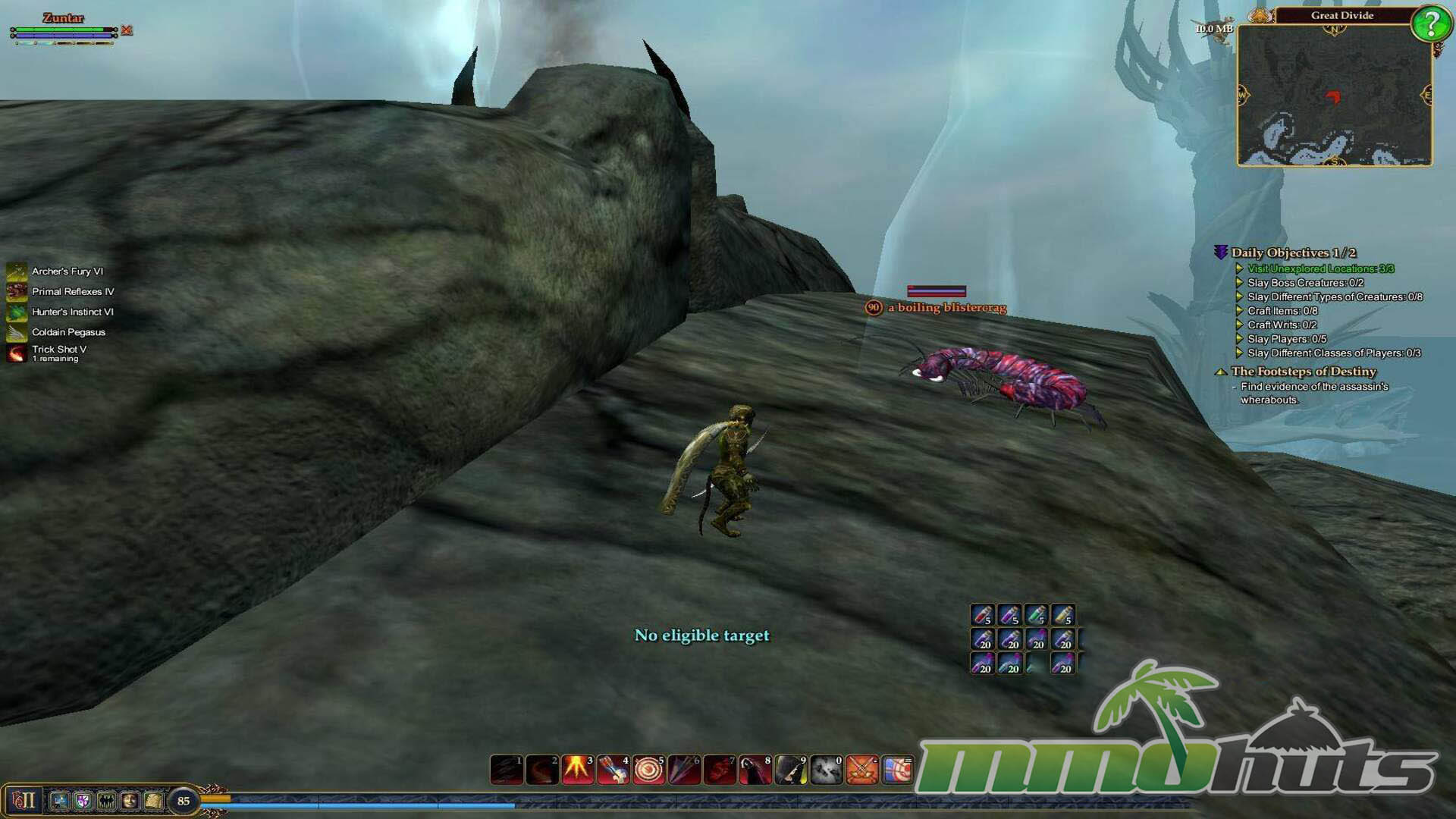
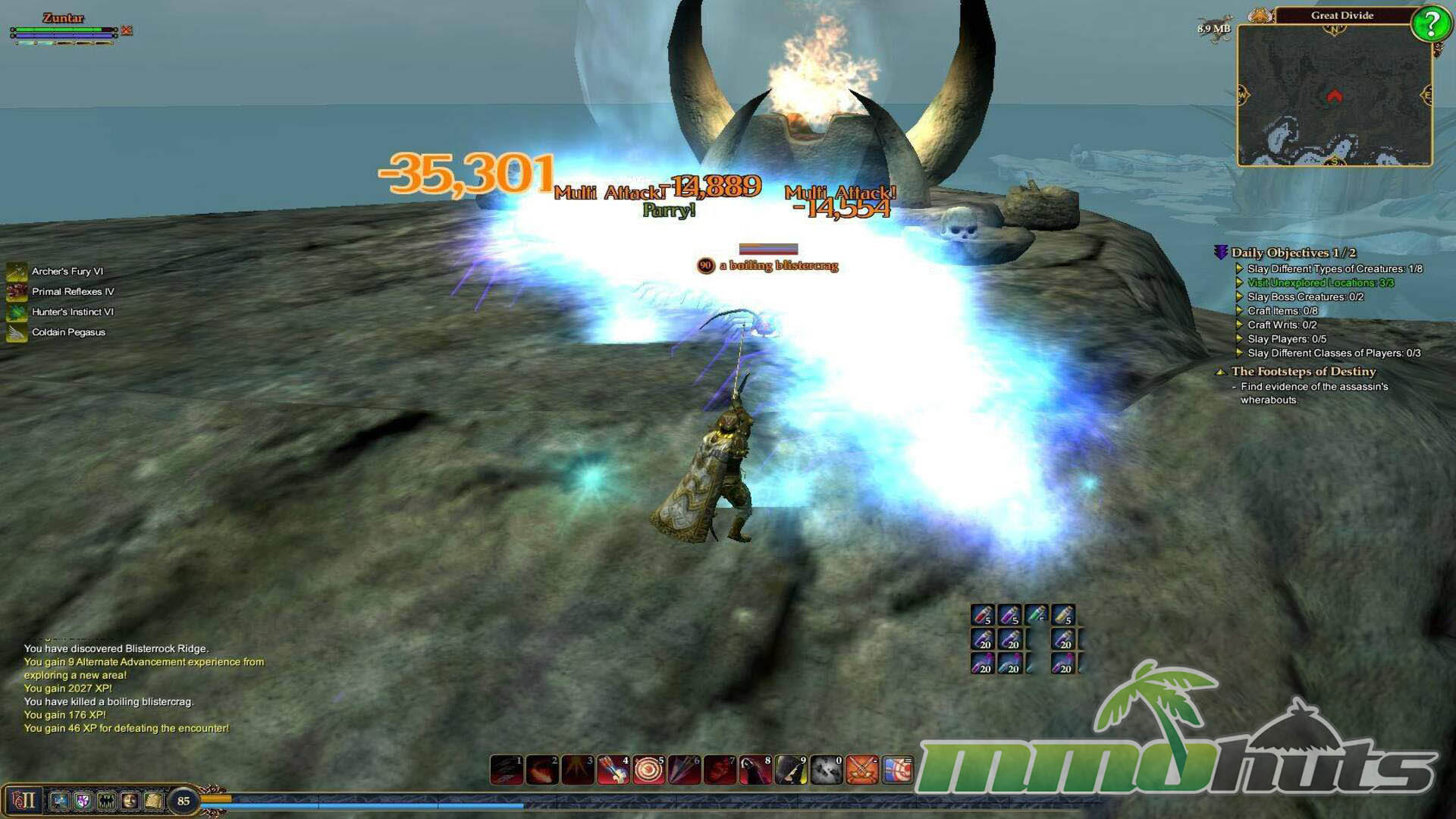
EverQuest 2 Screenshots
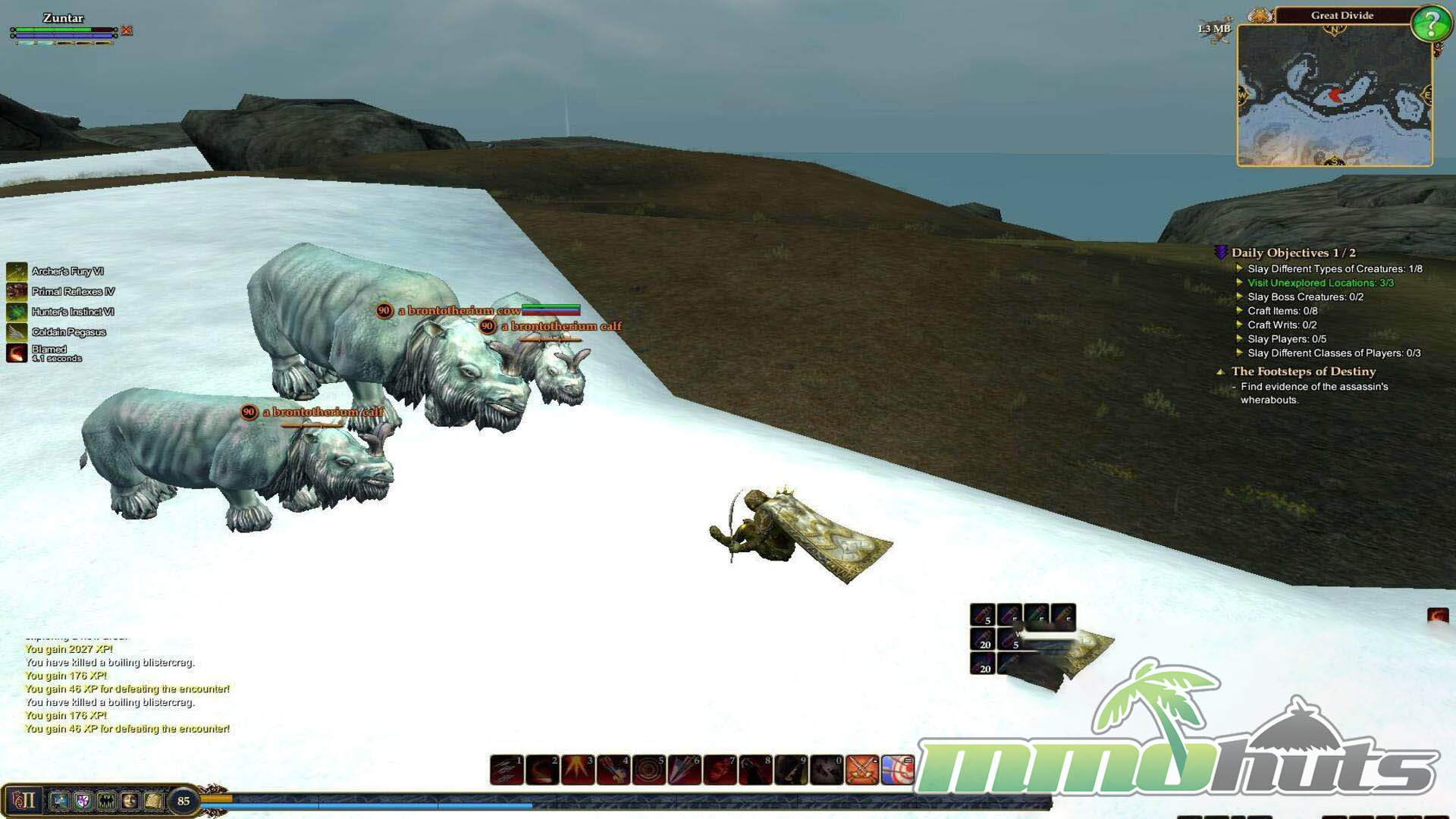
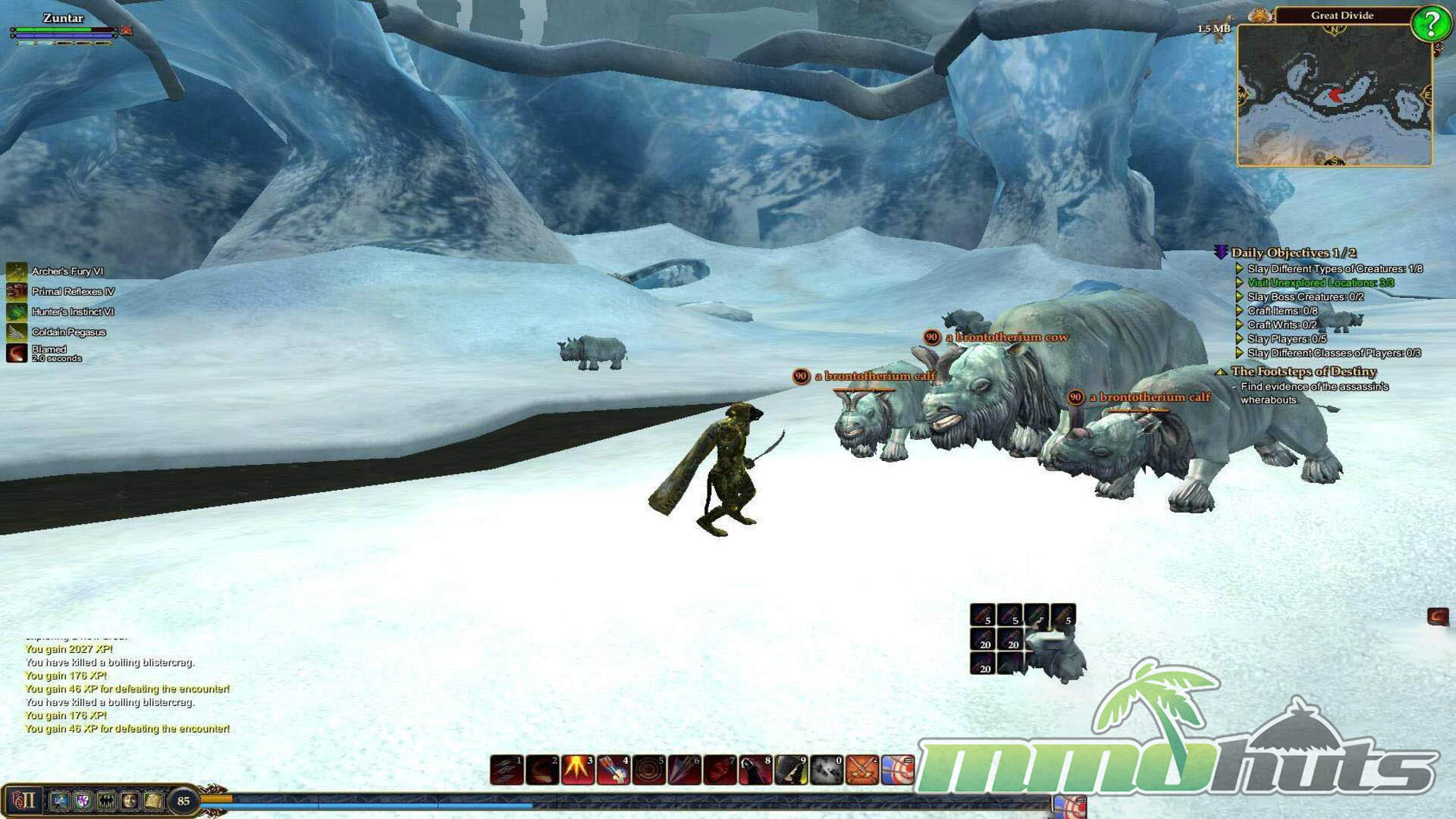
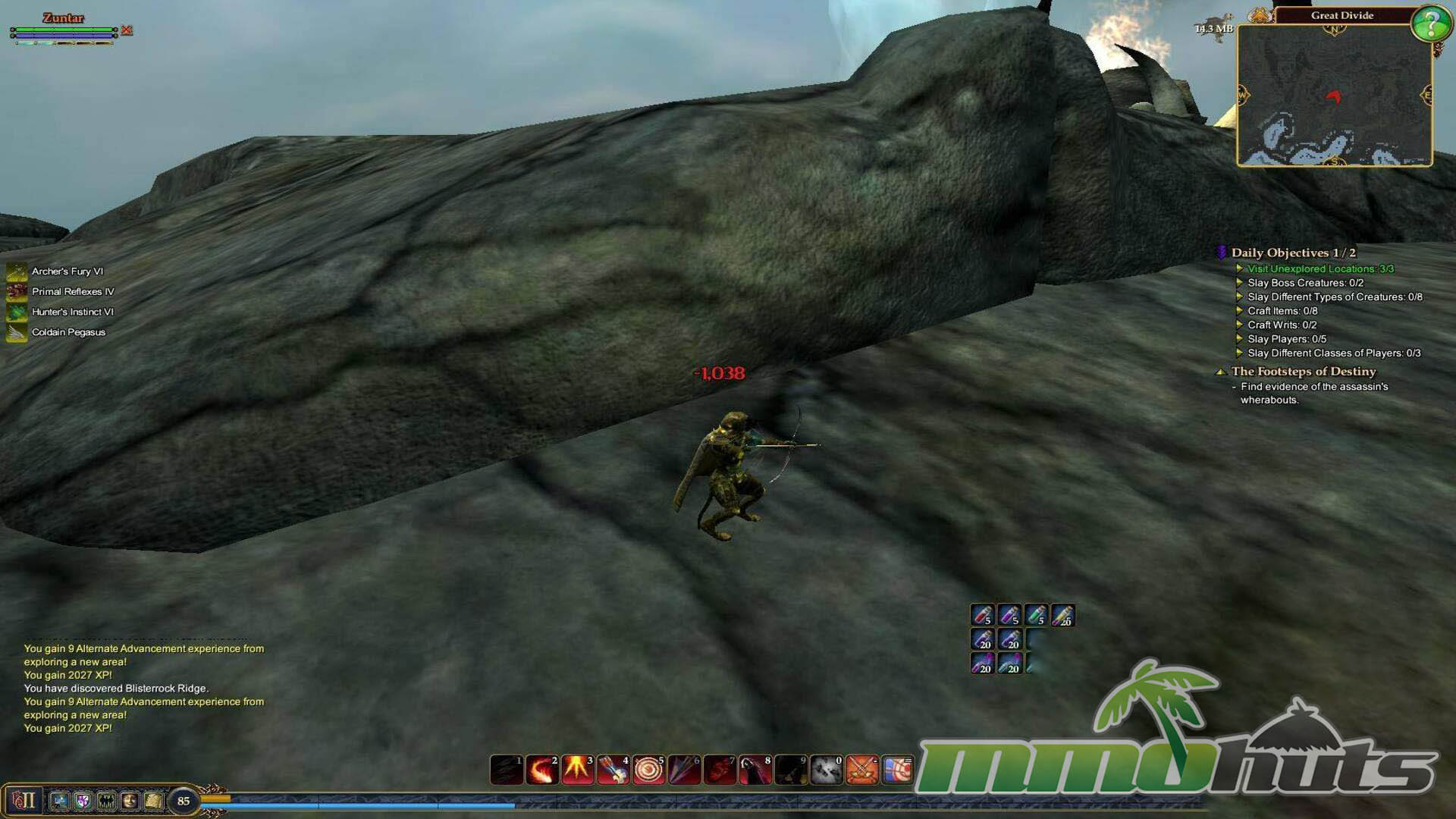


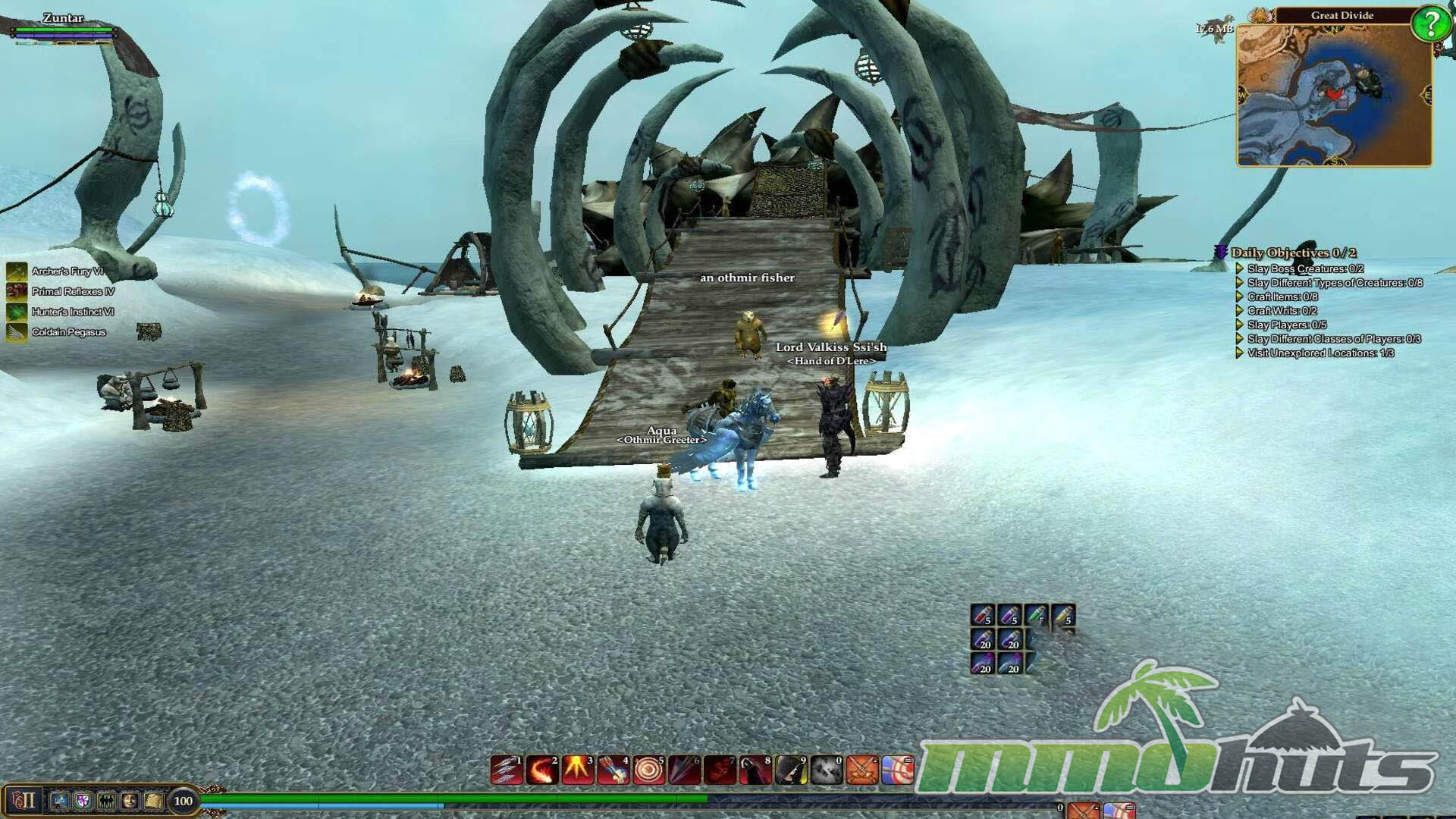


EverQuest 2 Featured Video

EverQuest 2 Classes
Races:
- Good Alignment Races: Dwarf, Fae, Froglok, Halfling, High Elf, and Wood Elf
- Evil Alignment Races: Arasai, Dark Elf, Iksar, Ogre, Troll, and Sarnak
- Neutral Alignment Races: Barbarian, Erudite, Freeblood, Gnome, Half Elf, Human, Kerra, and Ratonga
Classes:
- Fighter Archetype: Guardian, Berserker, Paladin, Shadow Knight, Monk, and Bruiser
- Priest Archetype: Fury, Warden, Templar, Inquisitor, Mystic, Defiler, and Channeler
- Scout Archetype: Beastlord, Dirge, Troubador, Ranger, Assassin, Swashbuckler, and Brigand
- Mage Archetype: Wizard, Warlock, Conjurer, Necromancer, Illusionist, and Coercer
Fighter Archetype (Primary Stat – Strength):
- Warrior:
- Guardian – Guardians are built for standing their ground. They specialize in mitigation and survivability, making them classic defensive tanks. They wear plate armor and can still contribute solid damage when needed.
- Berserker – Berserkers trade some of that pure defense for aggression, leaning into strong AoE pressure and a more offensive tempo. They can still fulfill tank duties, but their identity is clearly “damage-forward.”
- Crusader:
- Paladin – Paladins blend toughness with supportive magic, including self-sustain through healing. They tend to be less bursty than other melee classes, but they excel at staying upright when things get messy. They wear plate armor.
- Shadow Knight – Shadow Knights mirror the paladin concept with a darker theme, mixing melee combat with offensive spellcasting. They also wear plate armor and generally feel more focused on pressure than pure support.
- Brawler:
- Monk – Monks are fast, flexible melee fighters who rely on speed and a lighter kit rather than heavy plating. They use leather armor and typically feel quick and technical in combat.
- Bruiser – Bruisers are the more hard-edged brawler option, emphasizing direct, close-range punishment. Their armor is limited to leather, but their damage output helps them keep pace with heavier archetypes.
Priest Archetype (Primary Stat – Wisdom):
- Druid:
- Fury – Furies use nature magic to heal and to punish enemies, giving them a more offensive-leaning healer style. They also bring helpful buffs that support party damage. They wear leather armor.
- Warden – Wardens focus on steady support, including healing and curative tools for common ailments like poisons and diseases. Their buffs skew defensive, helping groups endure tough encounters. They wear leather armor.
- Cleric:
- Templar – Templars are sturdy, defense-minded healers who can wear plate armor, giving them a naturally durable profile compared to many other priest options.
- Inquisitor – Inquisitors also wear plate and operate in a similar support space, offering healing and protection-oriented magic suited to keeping groups stable under pressure.
- Shaman:
- Mystic – Mystics combine restorative magic with offensive capability, offering a balanced approach that can adapt to different party needs. They wear chain armor.
- Defiler – Defilers lean into darker rituals to debilitate foes while maintaining strong support. They offer a blend of survivability tools and harm-focused magic, and wear chain armor.
- Shaper:
- Channeler – Channelers stand out by mixing priest-style healing with bows and pet command. They wear leather armor and bring a distinctive “support with a companion” identity.
Scout Archetype (Primary Stat – Agility):
- Bards:
- Dirge – Dirges are support-focused bards with a grim tone, using songs and debuffs to weaken enemies while improving allies through useful buffs. They typically operate behind the front line and wear chain armor.
- Troubador – Troubadors provide a brighter, inspiration-driven style of bard support. Like dirges, they usually play from relative safety while empowering their group. They wear chain armor.
- Predator:
- Ranger – Rangers specialize in ranged damage through bow play, with additional tools for close-range fighting and poison use. They wear chain armor and generally favor fighting from the back line.
- Assassin – Assassins emphasize stealth and heavy single-target damage, often pairing poisons with ambush-style attacks. They wear chain armor.
- Rogue:
- Swashbuckler – Swashbucklers fill the agile rogue fantasy, relying on quick strikes and positional play to pressure targets. They wear chain armor and thrive on opportunistic openings.
- Brigand – Brigands are a rougher, more intimidating rogue flavor, focused on forcing advantages through brute tactics and debuffs. They also wear chain armor.
- Animalist:
- Beastlord – Beastlords fight alongside animal companions, adding a pet-driven layer to the scout experience. They wear chain armor.
Mage Archetype (Primary Stat – Intelligence):
- Sorcerer:
- Wizard – Wizards are classic high-output casters, known for exceptional single-target magical damage. They wear cloth armor.
- Warlock – Warlocks focus on disease and poison-themed magic with strong area damage tools. They wear cloth armor.
- Summoner:
- Conjuror – Conjurors command elemental pets and weave spells tied to fire, water, earth, and air. They wear cloth armor.
- Necromancer – Necromancers employ dark magic and undead control, using minions to pressure enemies while casting from range. They wear cloth armor.
- Enchanter:
- Illusionist – Illusionists manipulate fights through misdirection and control, disrupting opponents with confusion-themed magic. They wear cloth armor.
- Coercer – Coercers specialize in locking enemies down with mesmerize effects and even mind control tools, making them strong control-oriented casters. They wear cloth armor.
EverQuest 2 Review
EverQuest 2 is a 3D fantasy MMORPG originally developed and published by Sony Online Entertainment. It launched on November 9, 2004 as a subscription MMO, and later shifted to a free-to-play model in July, 2010. As a sequel to one of the most influential early MMOs, EQ2 carries a lot of legacy, but it also has its own identity, particularly in how much it emphasizes character development depth and sheer content volume.
First Steps in Norrath
EQ2 is set in Norrath, roughly 500 years after the first EverQuest, and it presents its setting as a parallel take on that world. You do not need deep knowledge of the original game to get started, but returning players will likely appreciate the “history echo” aspect of revisiting familiar places through a different lens. The setting frames a world pulled between competing forces, and your choices (including alignment) shape where you begin and how you fit into the broader conflict.
Character creation quickly highlights EQ2’s big selling point: options. You begin by choosing a class within one of four archetypes (Fighter, Healer, Scout, Mage), then narrow into a specific role like Guardian, Berserker, Dirge, or Warlock. Race comes next, with 20 choices split across Good, Neutral, and Evil alignments. Alignment affects starting cities (neutral characters have the most flexibility), so it is not just cosmetic. Visual customization uses a slider-based approach, and while it does not feel as modern or as expressive as newer character creators, the overall selection of races and classes still makes the process feel substantial.
Where the Years Show
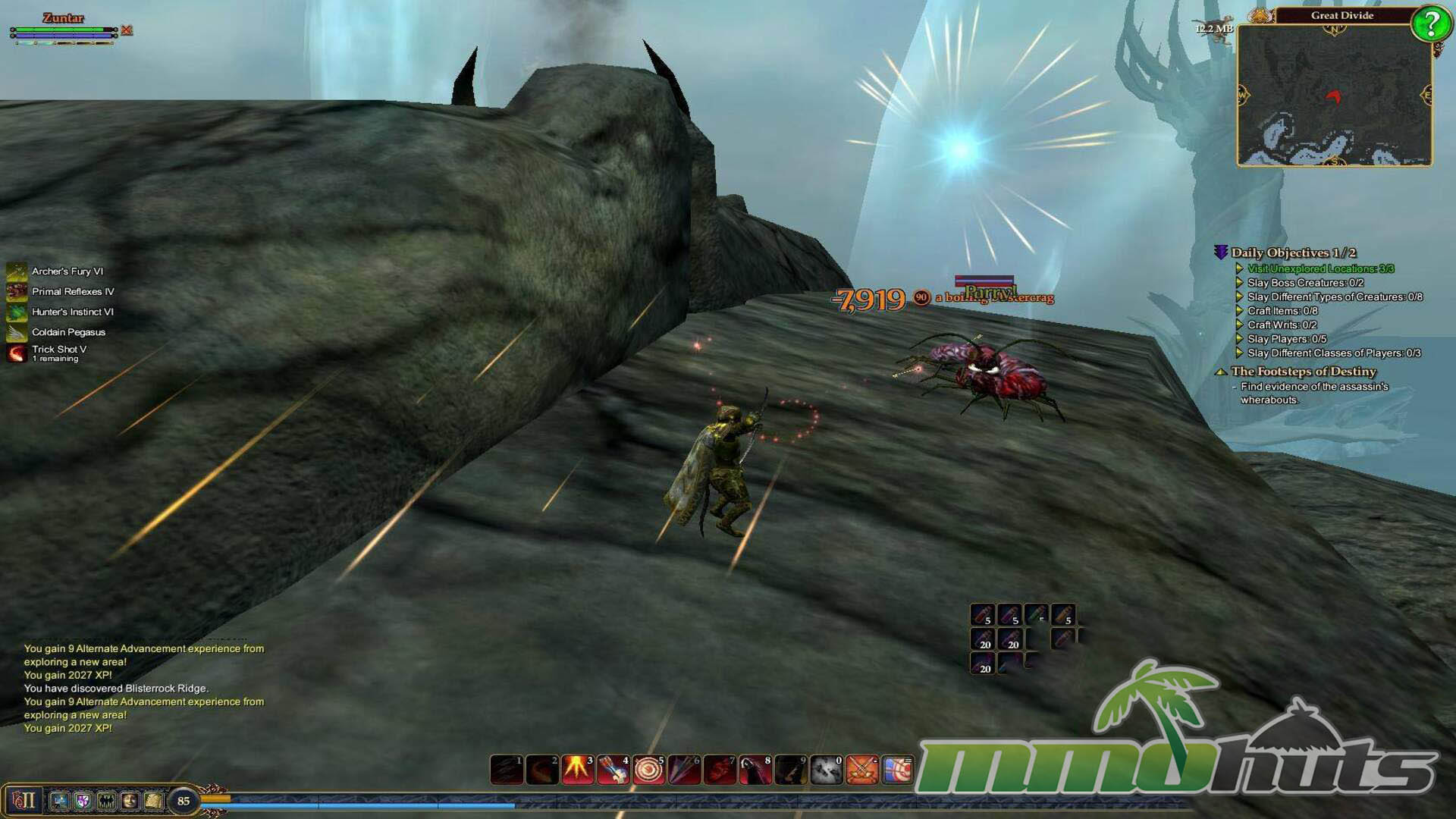
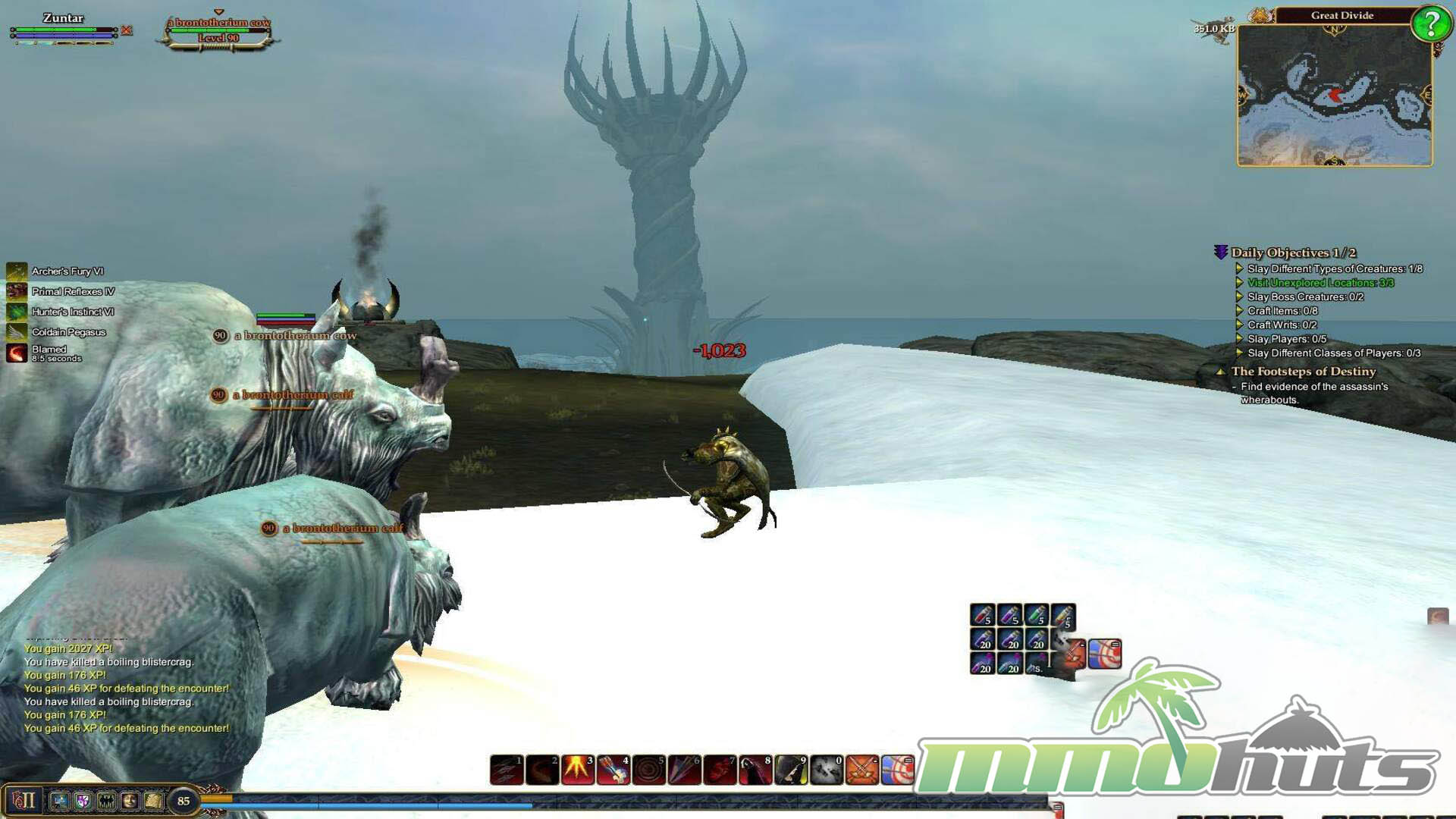
In motion, EverQuest 2 follows conventions that will be familiar to anyone who has spent time in theme-park MMOs: movement on WASD, camera control through mouse input, and a quest-driven leveling path that alternates between accepting tasks, completing objectives, and turning them in. The biggest adjustment is feel. Compared to newer games, the interface and character movement can come across as less fluid, and combat animations do not always communicate responsiveness as clearly as modern action-forward designs.
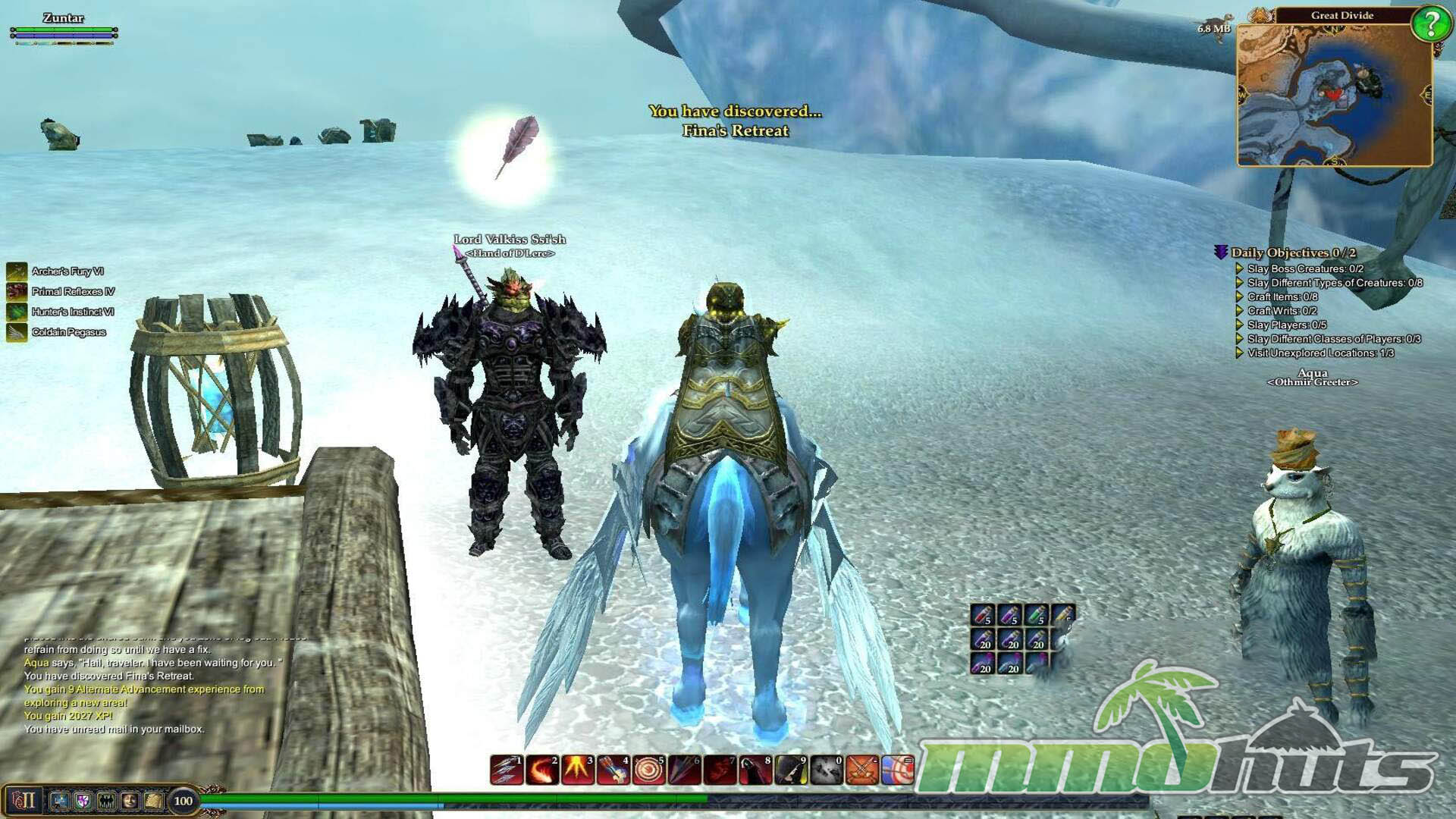
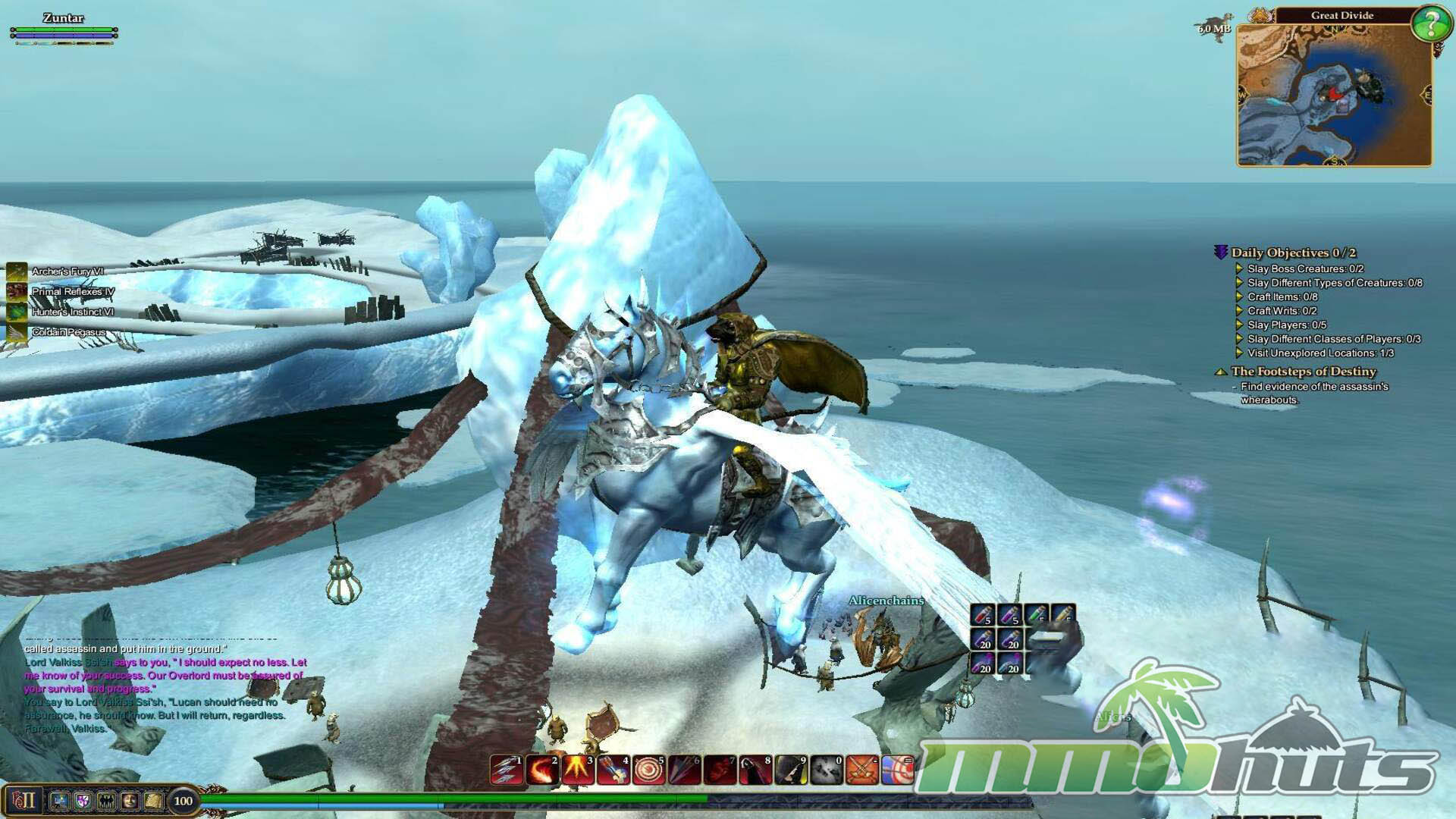
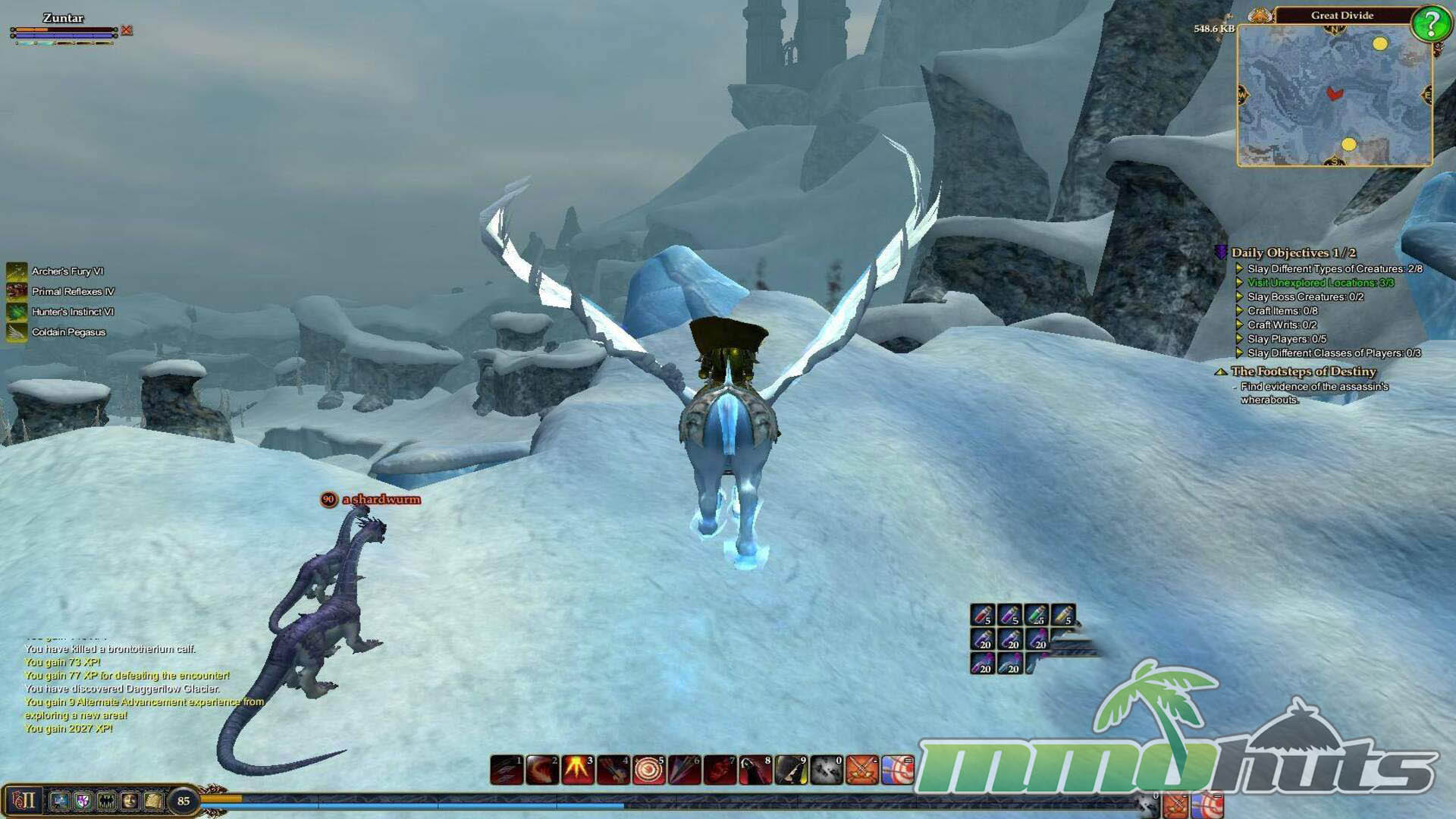
Graphically, even at higher settings the engine can appear grainy or dated, but zone composition and world layout often make up for it. Landscapes are large and deliberately “grand,” and the sense of scale is one of EQ2’s strengths, especially when traveling across wide areas, including with flying mounts. It is an older presentation, but not necessarily an unappealing one, particularly if you value world design and variety in environments.
Death penalties are also closer to contemporary MMO norms than the harsh reputation of early EverQuest. You do not lose levels on death, and while equipment durability and a small experience debt exist, they function more as light friction than a major setback.
Progression, Layered and Long-Term
If there is one area where EQ2 still feels unusually ambitious, it is character progression. Basic leveling grants abilities automatically, but improving those abilities is its own system through Skill Scrolls, moving from Apprentice upward through multiple ranks (Journeyman, Adept, Expert, Master, and Grandmaster). In parallel, certain skills are tied to repeated weapon use, encouraging continued engagement with your chosen playstyle.
Beyond that, races include their own racial ability set and a dedicated Traditions tree. Every 10 levels you earn a Tradition point to invest, and because you cannot buy everything, the system forces meaningful trade-offs. Traits add another layer, improving attributes at regular intervals, and additional ability choices open up after Level 14 in periodic sets. The result is a constant drip of decisions instead of a simple “new skill every few levels” pattern.
Alternative Advancement (AA) then acts as the long-term backbone. AA points can be earned through multiple activities such as converting experience, quest completion, boss kills, looting certain treasures, and exploration. These points unlock special skills and enhancements that remain relevant beyond the core leveling track, giving players a reason to keep building even after hitting the level cap. Taken together, these systems can be overwhelming at first, but they also make EQ2 appealing for players who enjoy planning builds and refining a character over months rather than days.
Questing, PvP Options, and Tradeskills
Content density is one of EQ2’s defining traits. Leveling involves a steady stream of quests, and endgame expands into instanced content and raids. The game supports several PvP formats, including duels, arenas, battleground-style fights, and open-world PvP. Open-world PvP includes level-based restrictions designed to reduce extreme mismatches, which helps keep the environment from turning into constant low-level griefing. PvP rewards include items, titles, coins, reputation or faction gains, and experience, giving it more structure than “fight for the sake of fighting.”
Crafting is also a significant pillar. There are 12 tradeskills available through Crafting Trainers at Levels 9 and 19: carpenter, provisioner (food and drink), woodworker, weaponsmith, armorer, tailor, alchemist, jeweler, sage, tinkerer, adorner, and transmuter. As you craft, skills improve through use, and dedicated crafters can support themselves through the in-game economy by selling products via the broker.
Revenue Model
EverQuest 2’s free-to-play structure is more segmented than many modern F2P MMOs. Accounts generally fall into free or gold membership. Gold membership adds notable convenience and access, including extra character slots, early access to new content, increased alternative currency gains, increased coin, a mount speed bonus, members-only items, access to all spell tiers, full broker functionality, unlimited chat, full in-game mail access, expanded guild features, and improved customer service priority. Gold membership costs $14.99/month, with discounts for longer purchases.
Free accounts face restrictions that can affect the overall experience, including limitations on certain races and classes (unlockable via Station Cash), and skill rank caps that stop at Adept. This structure makes EQ2 feel closer to a traditional subscription MMO with a generous trial than a “fully free” game with optional cosmetics.
The Marketplace also offers typical MMO services and extras, including cosmetic items, furniture, prestige homes, mounts, name changes, and server transfers. Expansion packs are purchased separately, and when offered in multiple editions, the collector’s versions usually include additional in-game items like mounts and armor.
A Note on the Level 90 Heroic Option
EQ2 includes a notable shortcut for players who want to evaluate classes at a meaningful point in the game. By creating a Heroic Character, you can start at Level 90 with strong gear, a large amount of alternative advancement points, and a flying mount. It is a practical feature in a long-running MMO, letting new or returning players see how a class plays with a fuller toolkit, rather than making a decision based only on early levels.
This option also helps players access later content in a game with many years of expansions and updates behind it. Free-to-play users can create these characters to test classes, but cannot progress them beyond 90 without purchasing the appropriate access. With Altar of Malice raising the cap to 100, even boosted characters still have room to grow, which keeps the system from feeling like an instant “skip everything” button.
Final Verdict – Great
EverQuest 2 is undeniably a product of its era, and its interface, movement feel, and engine limitations can be a hurdle for players accustomed to newer MMOs. Still, the game remains impressive in the areas that matter to long-term MMO fans: the world is large, class and race selection is enormous, and progression systems provide a level of build control that many modern titles simplify away. If you can tolerate some dated presentation and a more restrictive free-to-play structure, EQ2 remains a strong option for players who want a content-rich MMO with deep character growth and plenty to do.
EverQuest 2 Links
EverQuest 2 Official Site
EverQuest 2 Steam Page
EverQuest 2 Wikipedia
EverQuest 2 ZAM [Database / Guides]
EverQuest 2 Wikia [Database / Guides]
EverQuest 2 Subreddit
EverQuest 2 System Requirements
Minimum Requirements:
Operating System: Windows 98 /2000 / ME / XP /Vista / 7 / 8
CPU: 2 GHz Dual Core CPU or AMD Equivalent
Video Card: Nvidia GT 8800 series or better
RAM: 2 GB
Hard Disk Space: 20 GB
Recommended Requirements:
Operating System: Windows 98 /2000 / ME / XP /Vista / 7 / 8
CPU: 2.5 GHz Dual Core CPU or AMD Equivalent
Video Card: Nvidia GTX 300 series or better
RAM: 4 GB
Hard Disk Space: 20 GB
EverQuest 2’s listed requirements are famously misleading, and the game can be surprisingly demanding depending on resolution and settings. Consider the specs above a basic reference point rather than a guarantee. If you aim to play at high resolutions with “extreme” options enabled, expect to need stronger hardware than the minimum or even the recommended list implies.
EverQuest 2 Music & Soundtrack
EverQuest 2 Additional Information
Developer: Daybreak Game Company (Previously known as Sony Online Entertainment)
Game Engine: EverQuest 2 Internal Engine (Proprietary game engine)
Closed Beta Date: July, 2004
Foreign Release(s):
China / Taiwan / Korea: April, 2005 ( Launched as EverQuest 2: East through Gamania)
Russia: September, 2006 (Akella)
Japan: 2005 (Square Enix)
Multiple localized editions of EverQuest 2 have been discontinued over time. The client distributed via Daybreak Game Company’s official site is the global version, and it is not locked behind IP restrictions.
Expansion Pack(s):
Desert of Flames: September 13, 2005
Kingdom of Sky: February 21, 2006
Echos of Faydwer: November 14, 2006
Rise of Kunark: November 13, 2007
The Shadow Odyssey: November 18, 2008
Sentinel’s Fate: February 16, 2010
Destiny of Velious: February 22, 2011
Chains of Eternity: November 13, 2012
Tears of Veeshan: November 12, 2013
Altar of Malice: November 11, 2014
Terrors of Thalumbra: November 17, 2015
Kunark Ascending: November 15, 2016
Planes of Prophecy: November 28, 2017
Development History / Background:
EverQuest 2 was created by U.S.-based developer and publisher Sony Online Entertainment, now known as Daybreak Game Company. It serves as a direct sequel to EverQuest, a landmark MMO that helped define many expectations for the genre. After EverQuest reached 400,000 subscribers within two years, Sony Online Entertainment had strong incentive to expand the franchise.
Work on EverQuest 2 began in 2000, soon after the first game’s release, and it was publicly revealed by Verant Interactive (a Sony-owned studio) in May of 2002. The project was initially projected for a winter 2003 launch, but the timeline changed, and the game ultimately shipped on November 4, 2004. EQ2 earned numerous awards and is recognized as the first MMO to include voiceovers for NPCs, featuring more than 130 hours of dialogue. The game started as a traditional subscription MMORPG, then transitioned into free-to-play via the EverQuest 2: Extended Edition in July 2010. About a year later, the “Extended” label was removed and the title became broadly free-to-play. Since its 2004 debut, EverQuest 2 has received over 11 expansions along with many patches and additional content packs.