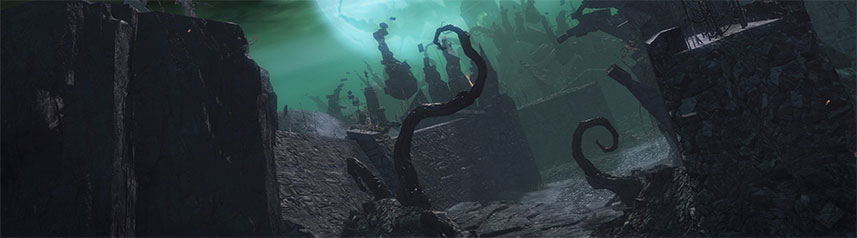
Eternal Magic was a free-to-play 3D fantasy MMORPG that mixed traditional MMO structure with a surprisingly customizable class setup. Players could swap between tab-targeting and a more action-oriented combat style, then spend their time running dungeons, raising pets, collecting mounts, decorating housing, and jumping into PvP that ranged from small objective modes to large-scale battles, plus an unusual MOBA-style mode built into the client.
 | Publisher: 101XP Type: 3D Fantasy MMORPG Release Date: April 17, 2010 Shut Down Date: January 10, 2022 Pros: +Robust pet companion progression. +Build variety through skills and runes. +Awakening adds late-game depth. +Includes a dedicated MOBA mode. Cons: -Visuals show their age. -Questing is fairly on-rails and formulaic. –Leans heavily on familiar WoW-era MMO design. |
Eternal Magic Shut Down on January 10, 2022
Eternal Magic Overview
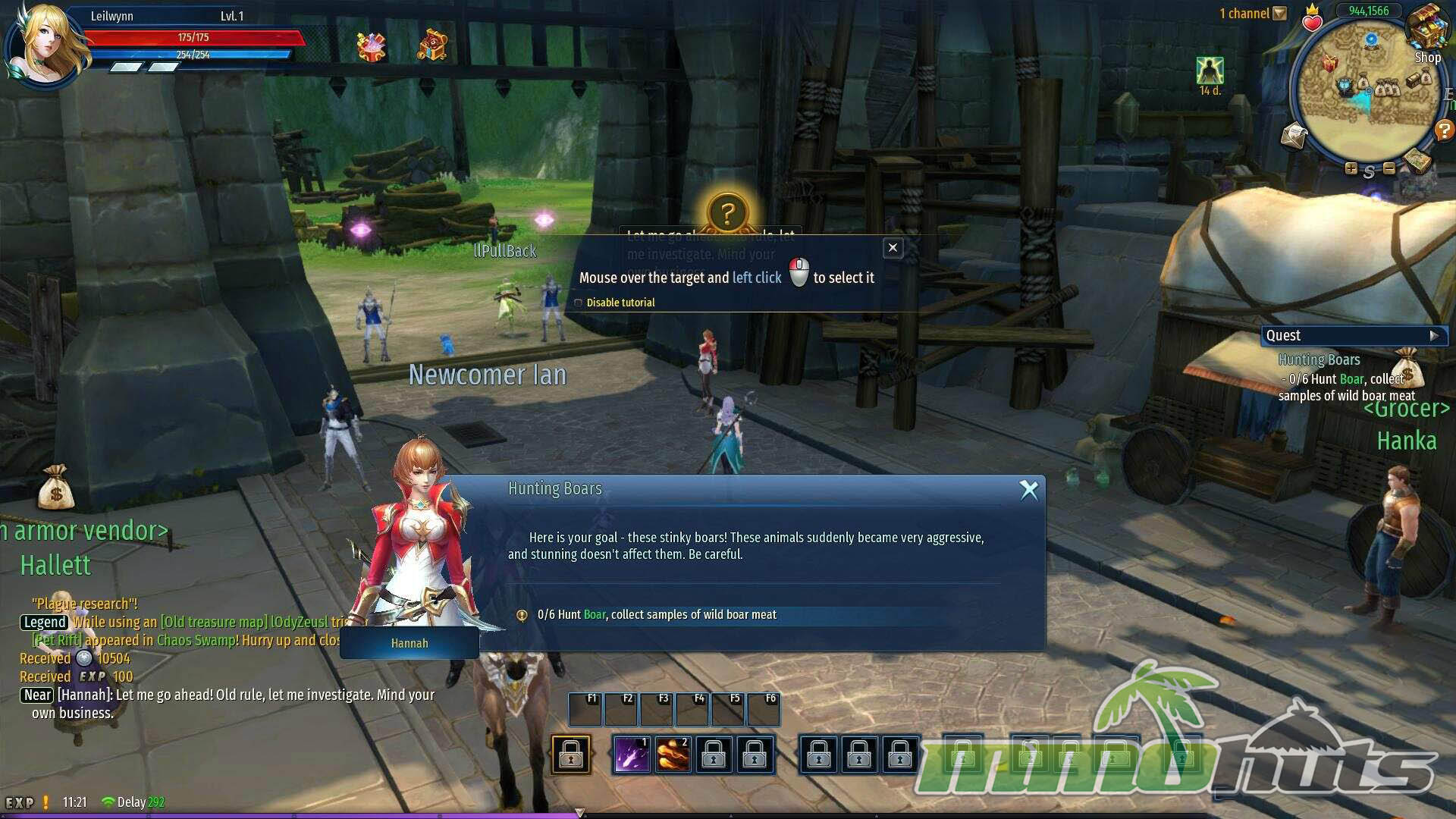
Set in the high-fantasy world of Terraria, Eternal Magic framed its adventure around strange barriers that cut through the land and an antagonistic sorceress pulling strings behind the scenes. The moment-to-moment gameplay followed a familiar MMORPG loop, quest through themed regions, unlock features steadily, and pivot into instanced content as your character develops.
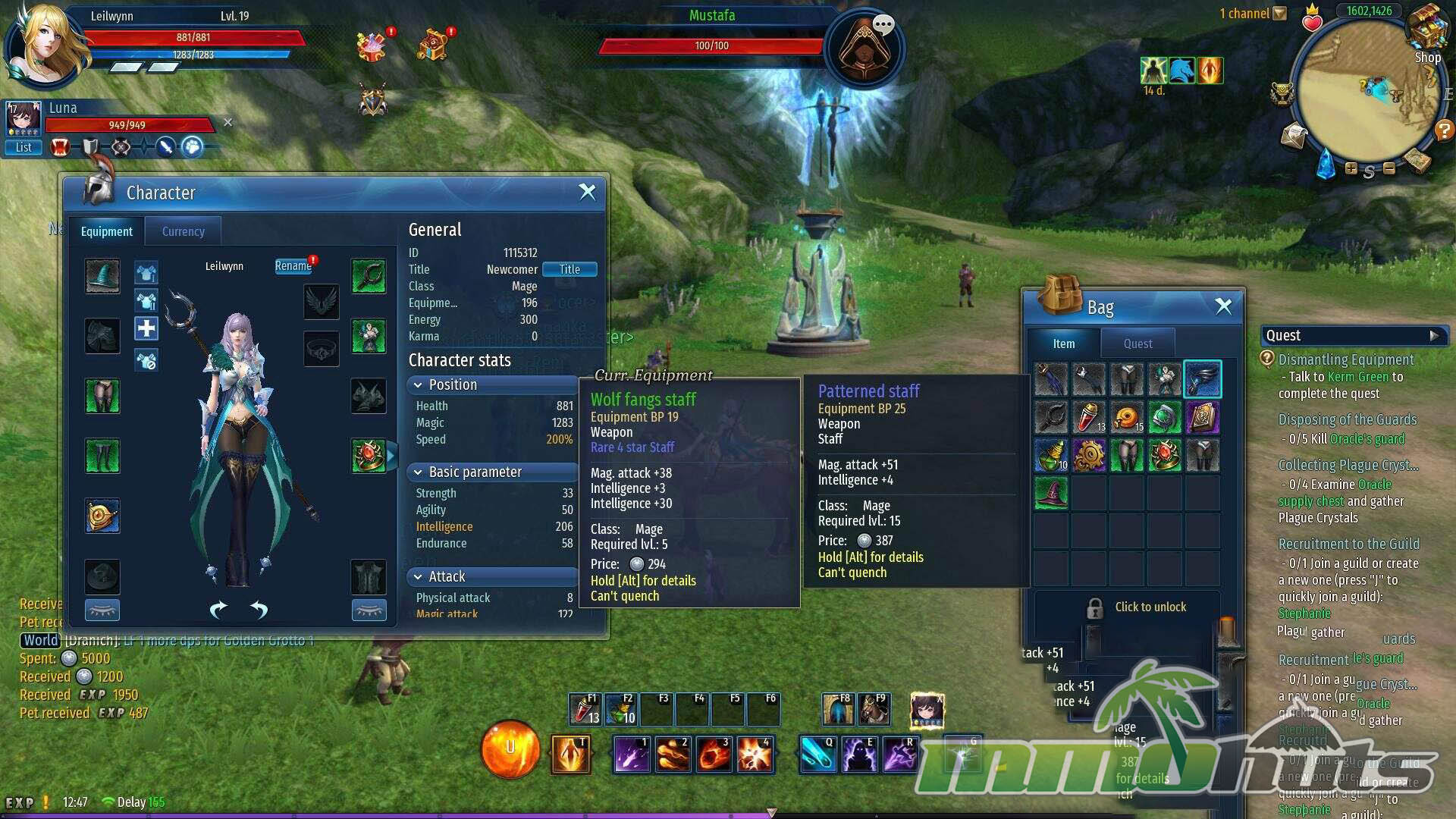
At character creation you chose from six classes, Knight, Gunslinger, Spellblade, Priest, Mage, and Assassin. Each came with a clear combat identity, but the game’s strength was in how much you could reshape your kit. Skills were not just a fixed rotation, you could pick from a broader arsenal and then use runes to modify how abilities behaved, letting the same class lean into different roles or pacing depending on preference. Later progression included an Awakening system that opened up stronger options and added a clear “next step” for long-term builds.
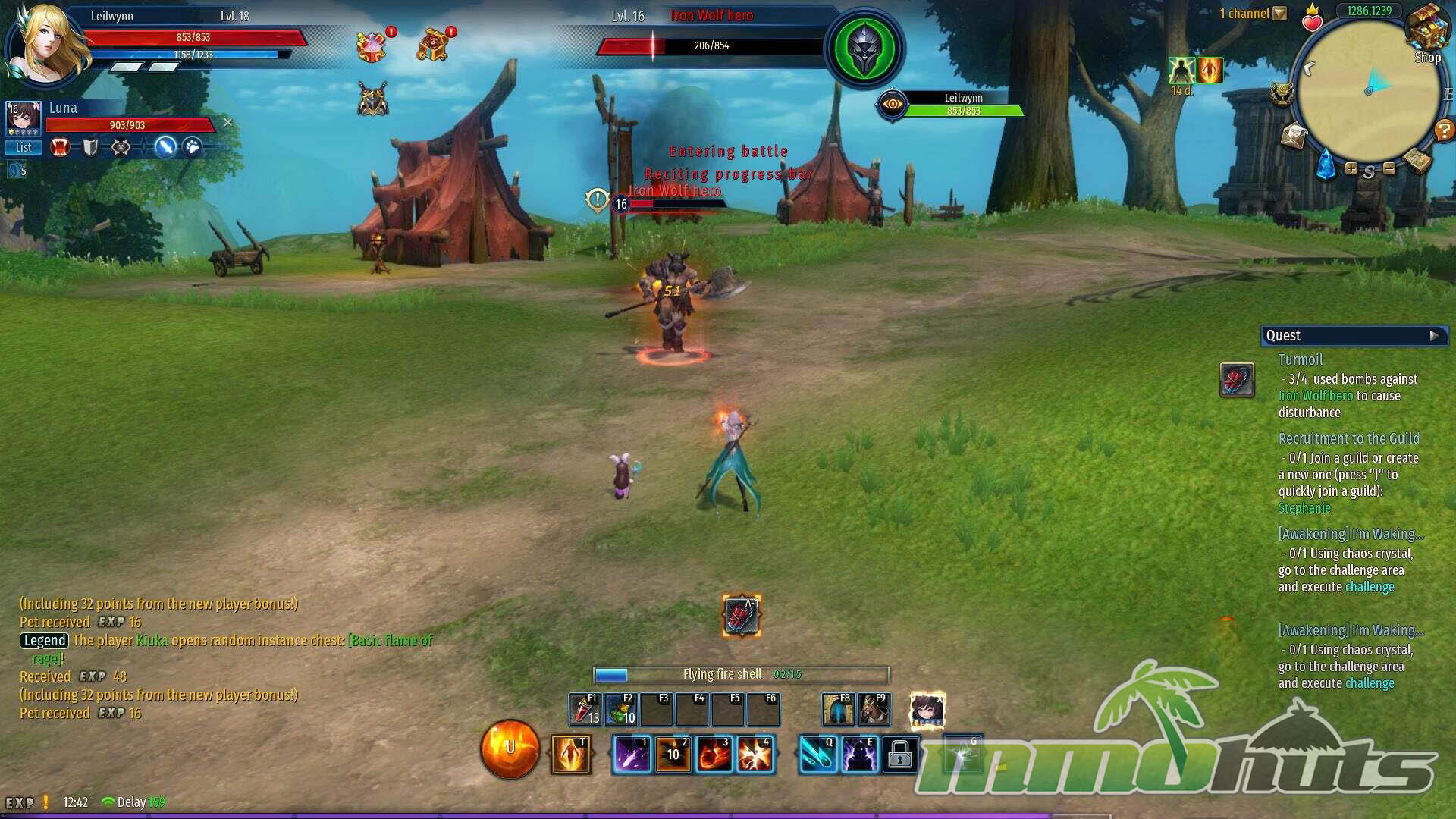
PvE content leaned heavily on group play. Dungeons offered multiple difficulty tiers for parties, while instanced Challenges aimed to test awareness and compliance with mechanics rather than simply rewarding raw damage output. Outside of PvE, Eternal Magic offered a wide menu of PvP activities, including classic objective formats such as Capture the Flag and Domination, larger battleground-style matches, and guild-focused warfare. For players who wanted something closer to a separate competitive ruleset, a 3D MOBA mode was also available.
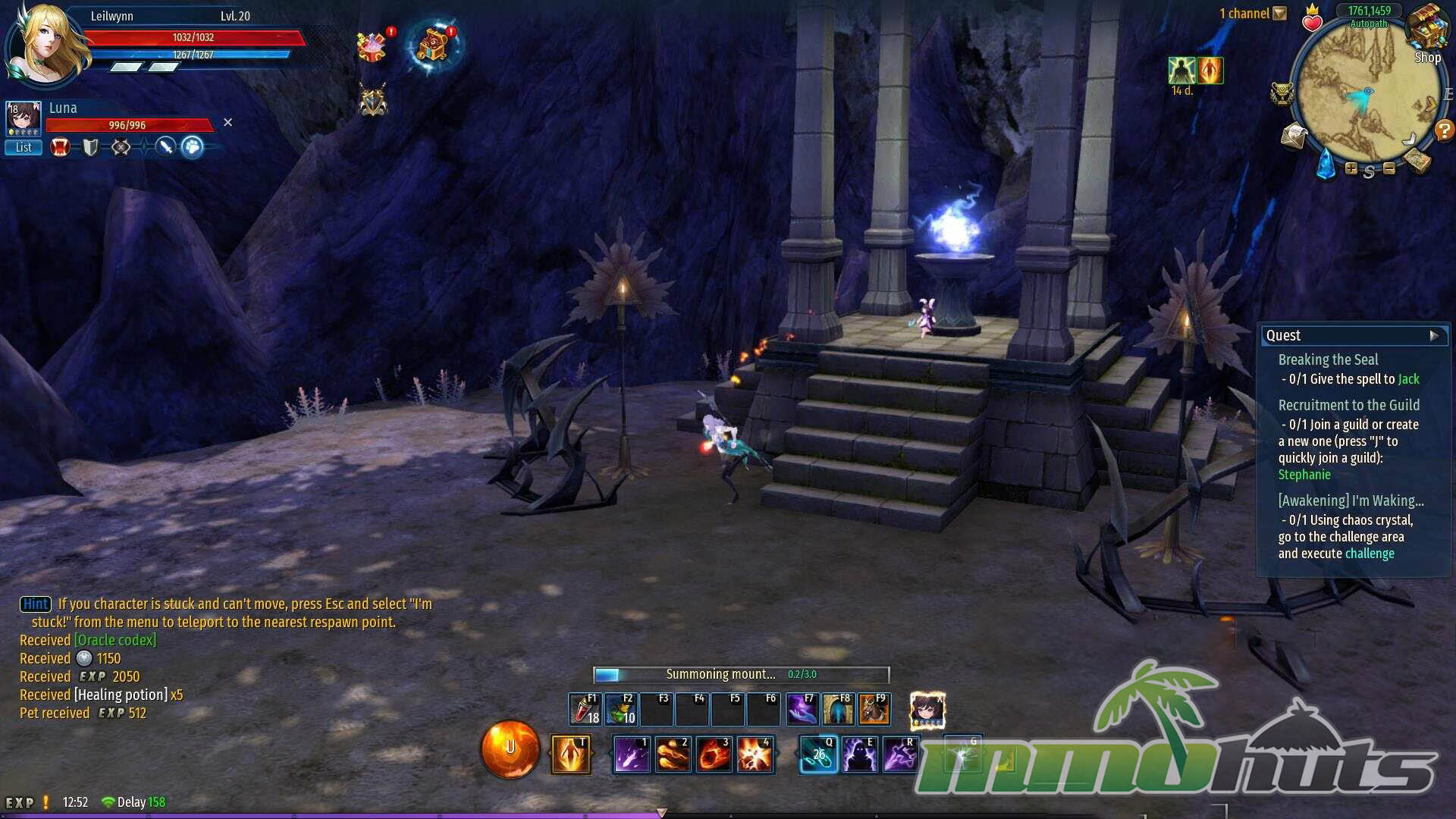
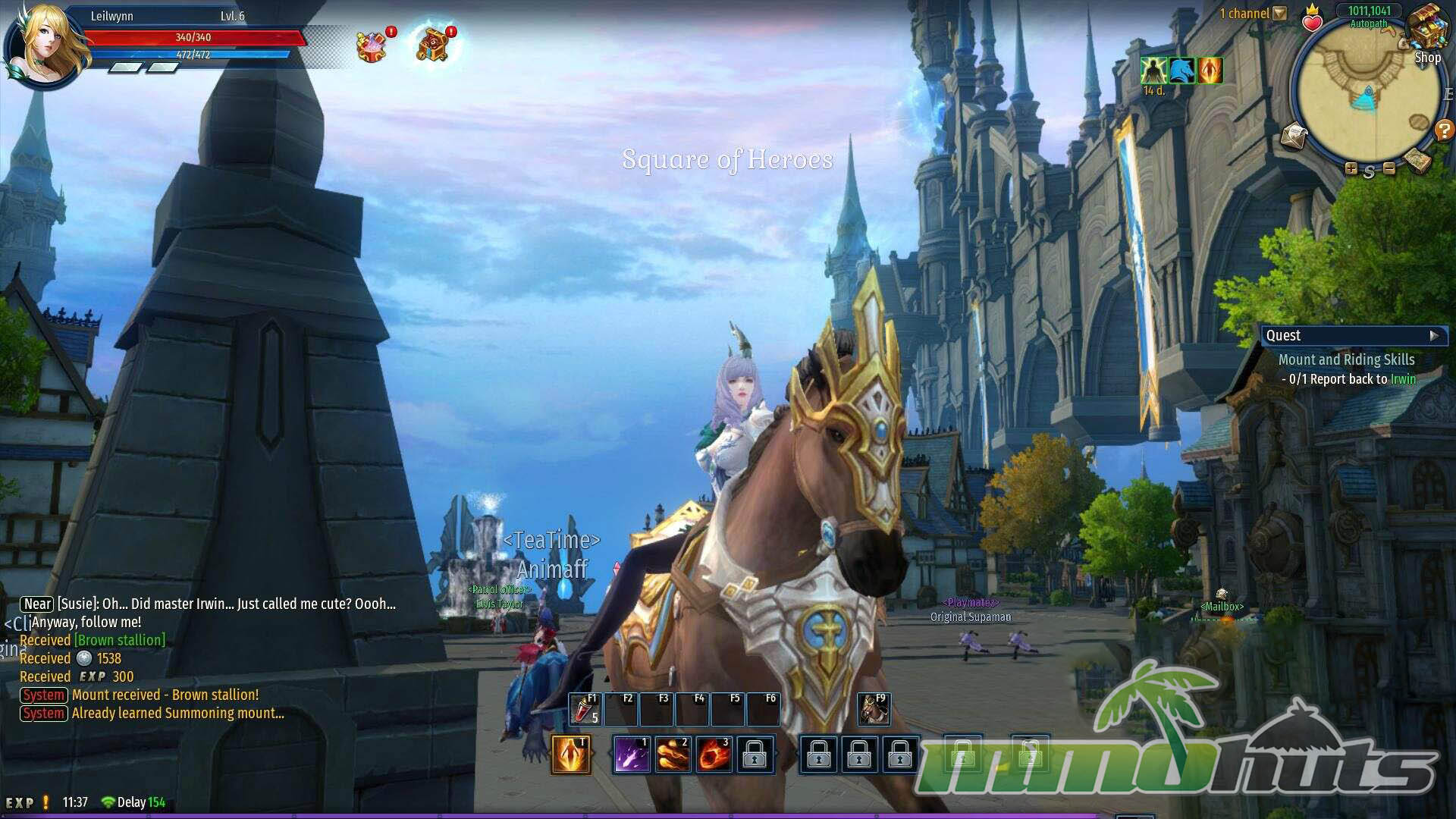
One of the game’s most distinctive systems was its companion gameplay. Pets were more than cosmetic followers, they came with their own abilities and an ultimate skill you could trigger for a timely advantage, which made them feel like an extra layer of planning rather than a passive bonus. Combined with mounts and housing, the game tried to cover both the progression-focused MMO audience and players who enjoy collection and customization.
Eternal Magic Key Features:
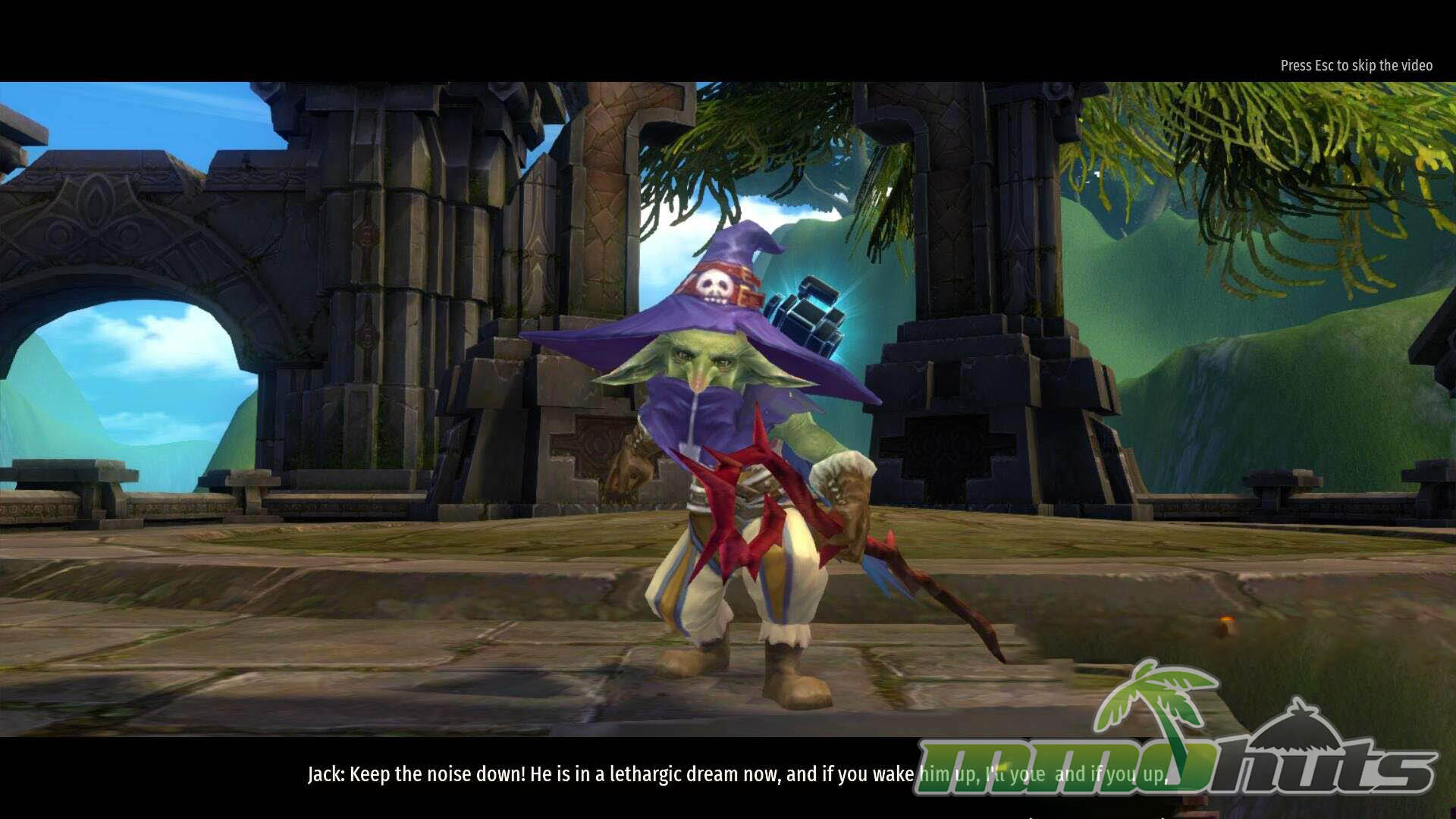
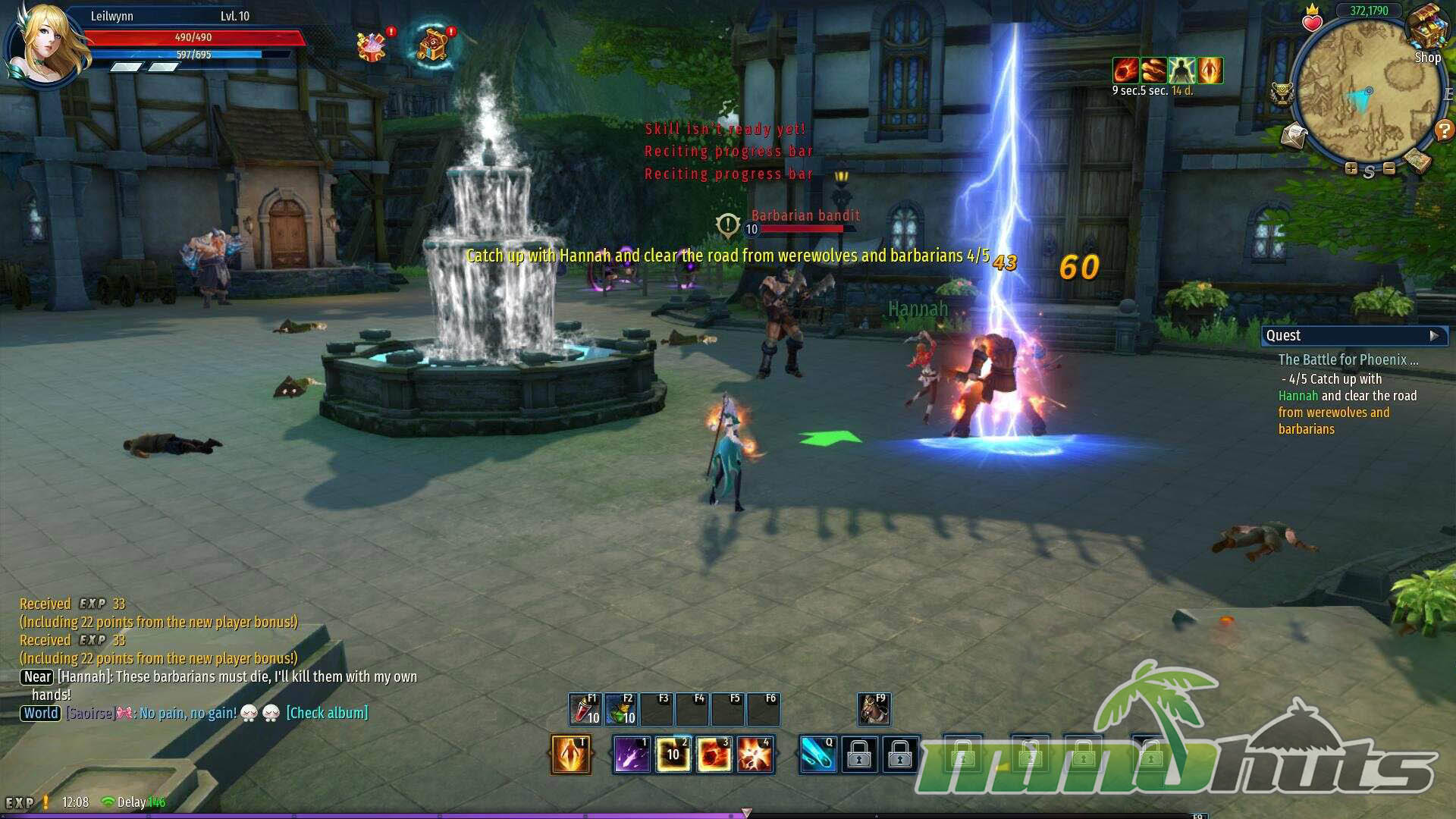
- Rich Fantasy World – travel across Terraria’s medieval zones, from towns and forts to countryside and ruins, while facing varied enemies such as rogues, barbarians, werewolves, and hostile mages.
- Flexible Class Roles – shape each class through a wide skill selection, rune-based adjustments, and Awakening progression that expands your combat toolkit.
- Adorable Pets – recruit pets that actively contribute in fights with unique skills and an ultimate ability you can deploy at key moments.
- Dungeons & Challenges – tackle instanced dungeons with scalable difficulty, plus challenges that reward execution and instruction-following over brute force.
- PvP & MOBA Mode – queue for familiar PvP objectives, guild conflict, and larger battles, with an additional MOBA mode for more structured team competition.
Eternal Magic Screenshots

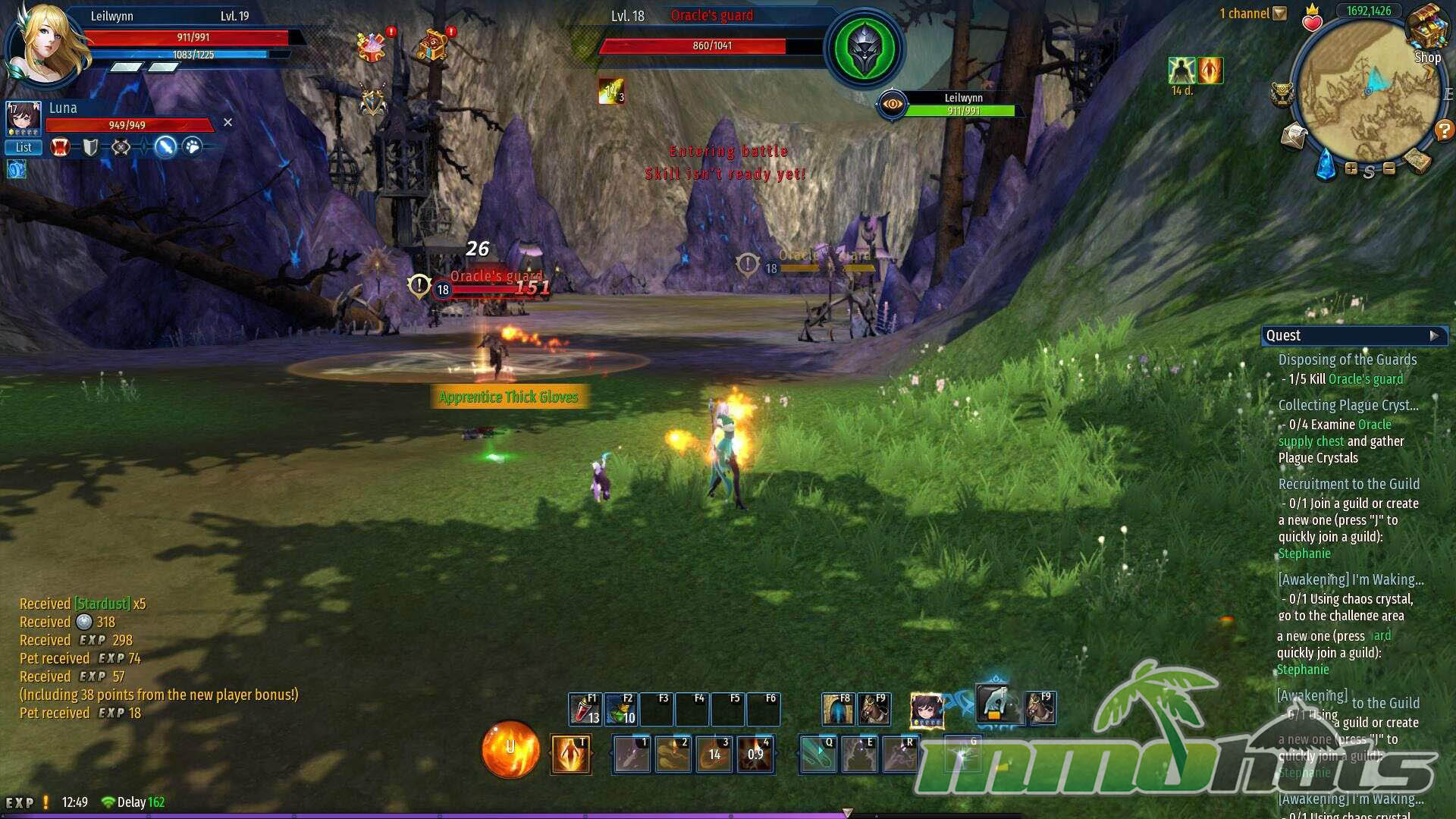
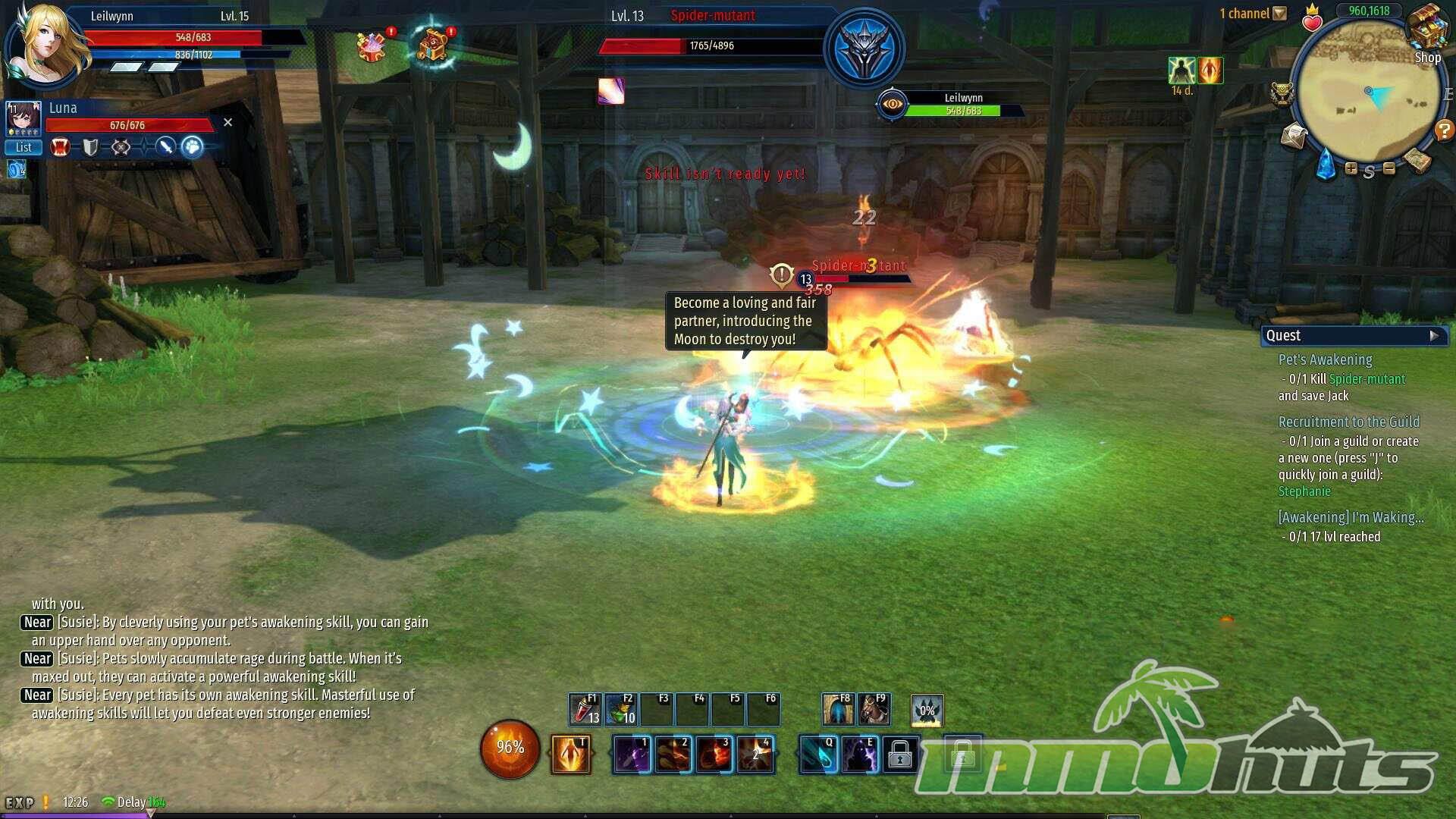
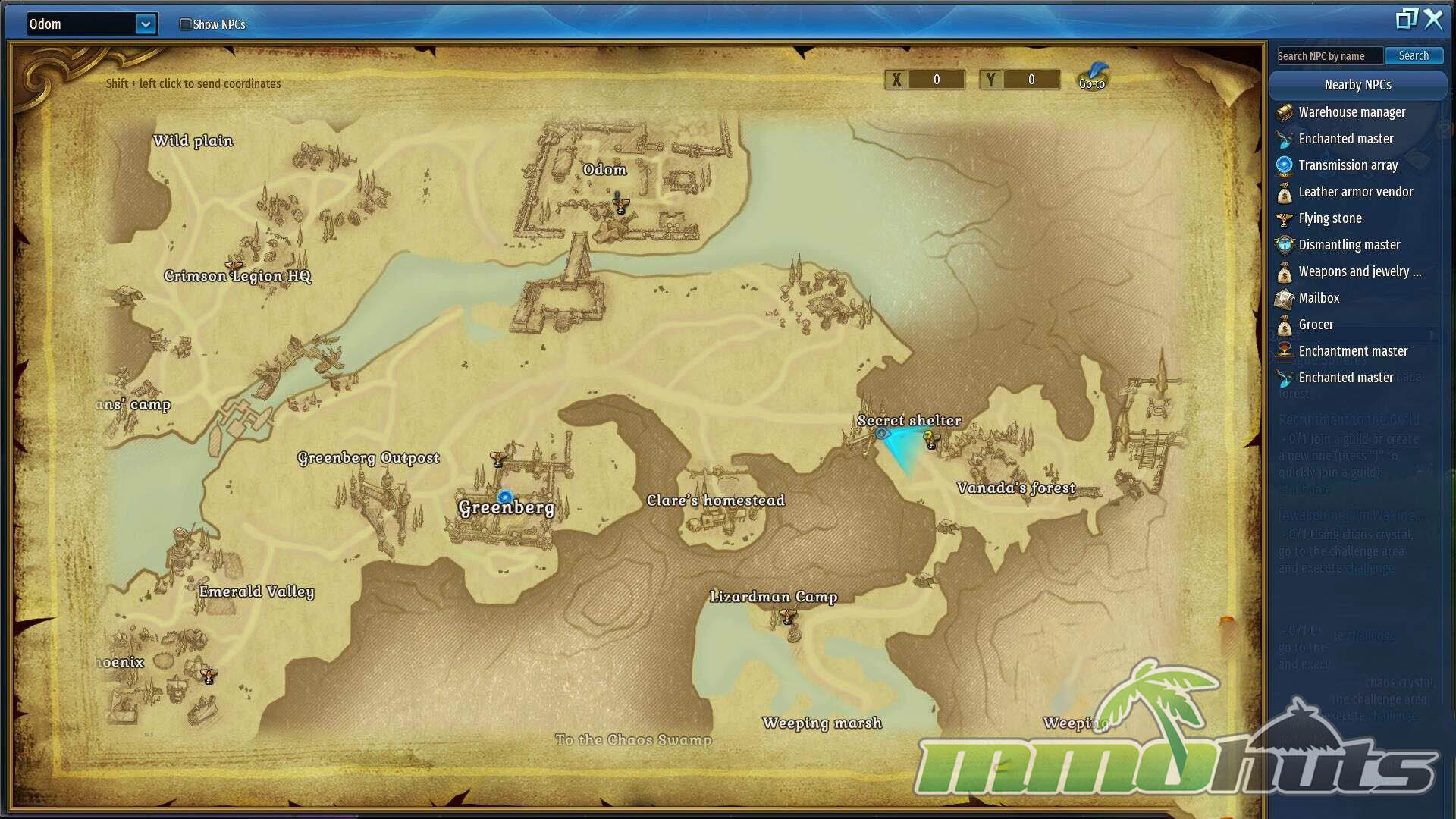
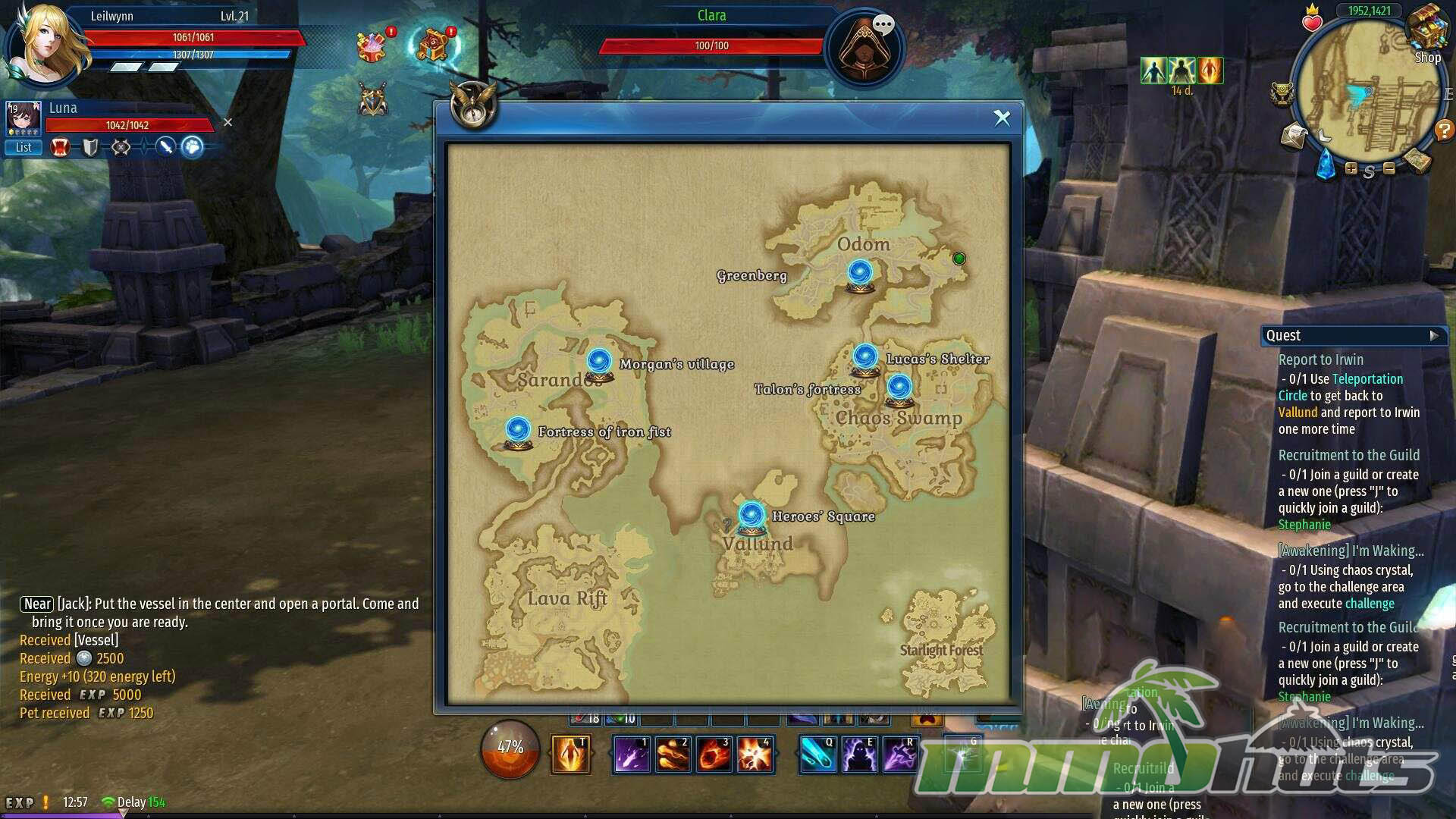
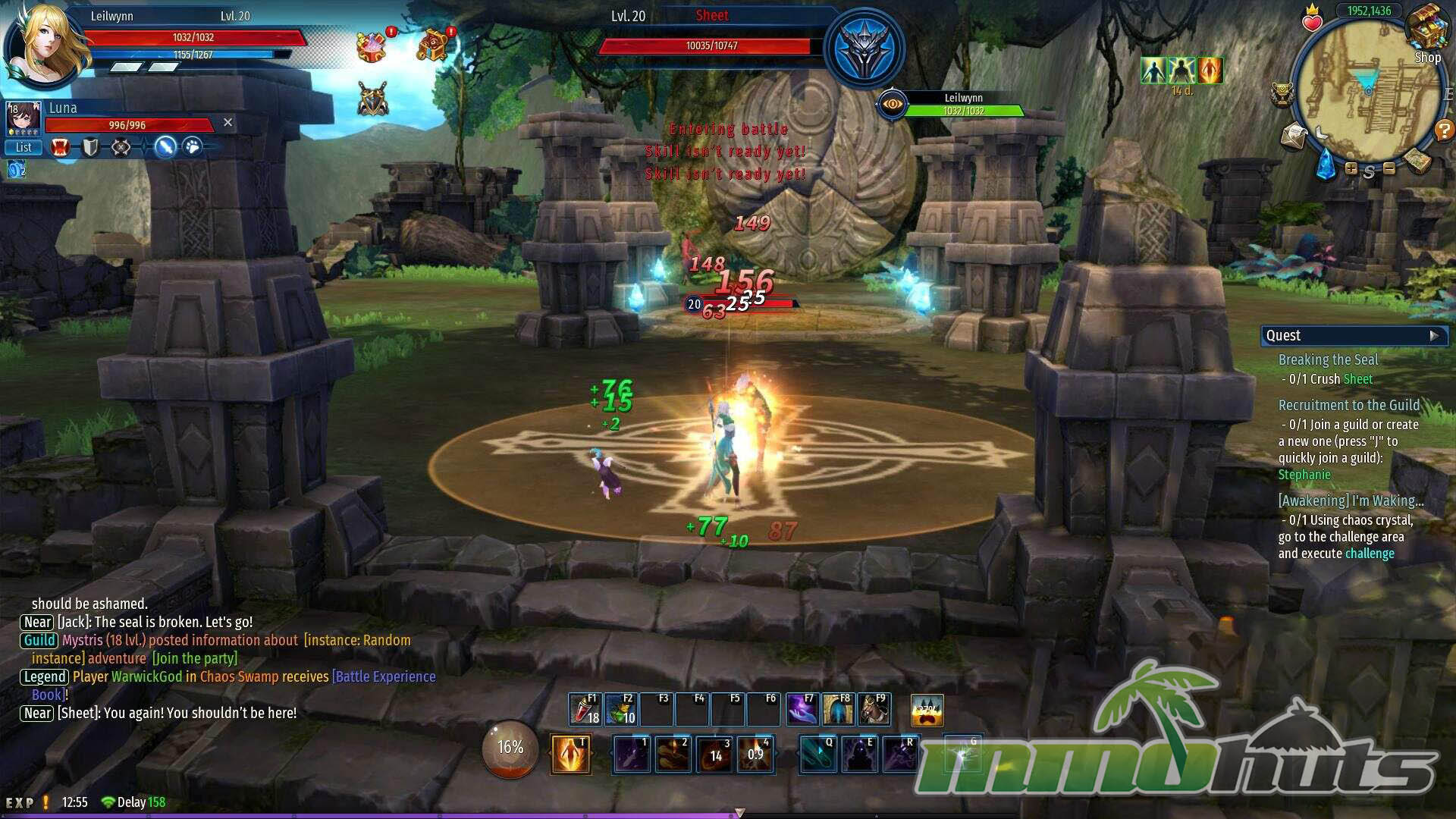
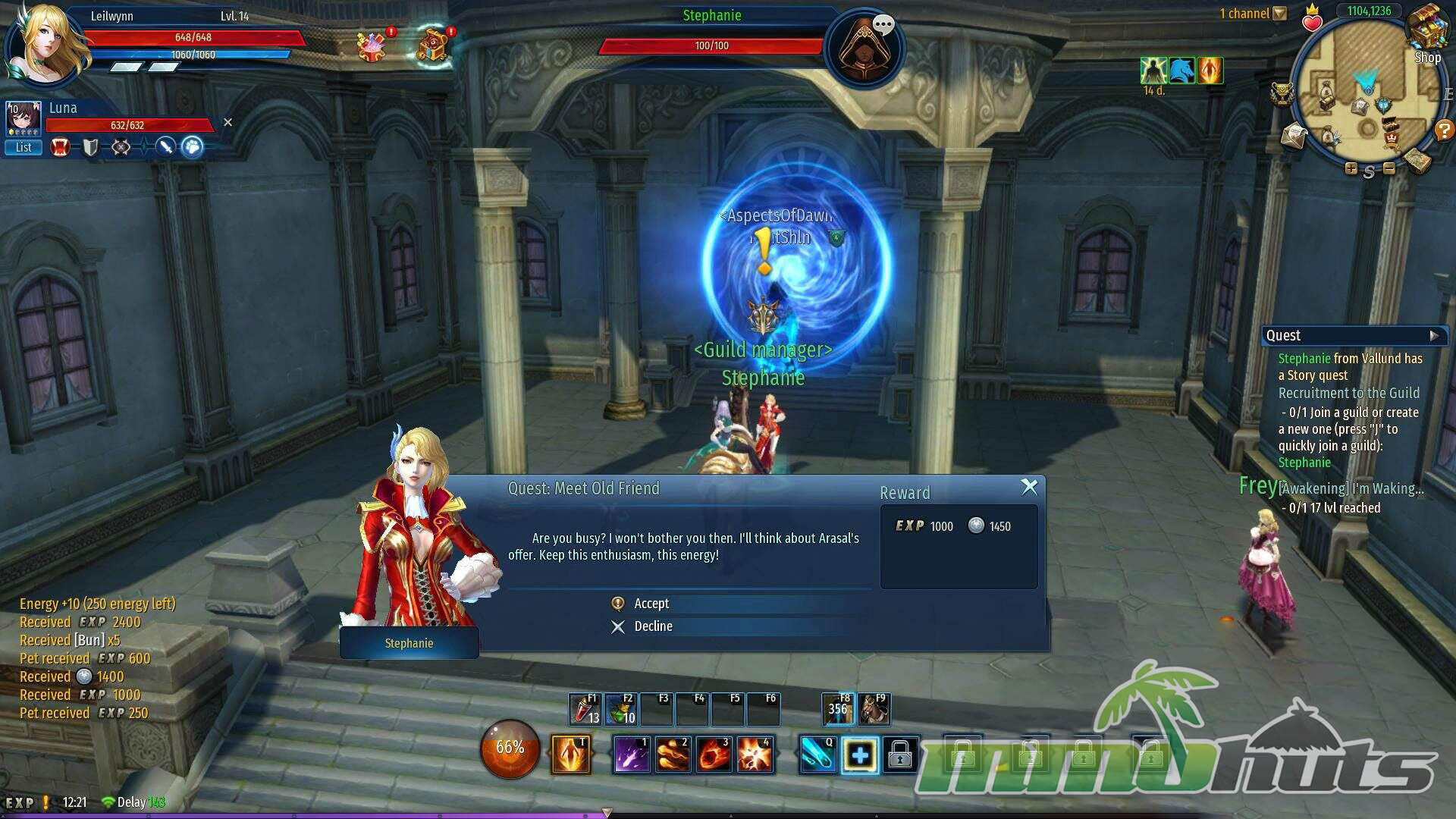
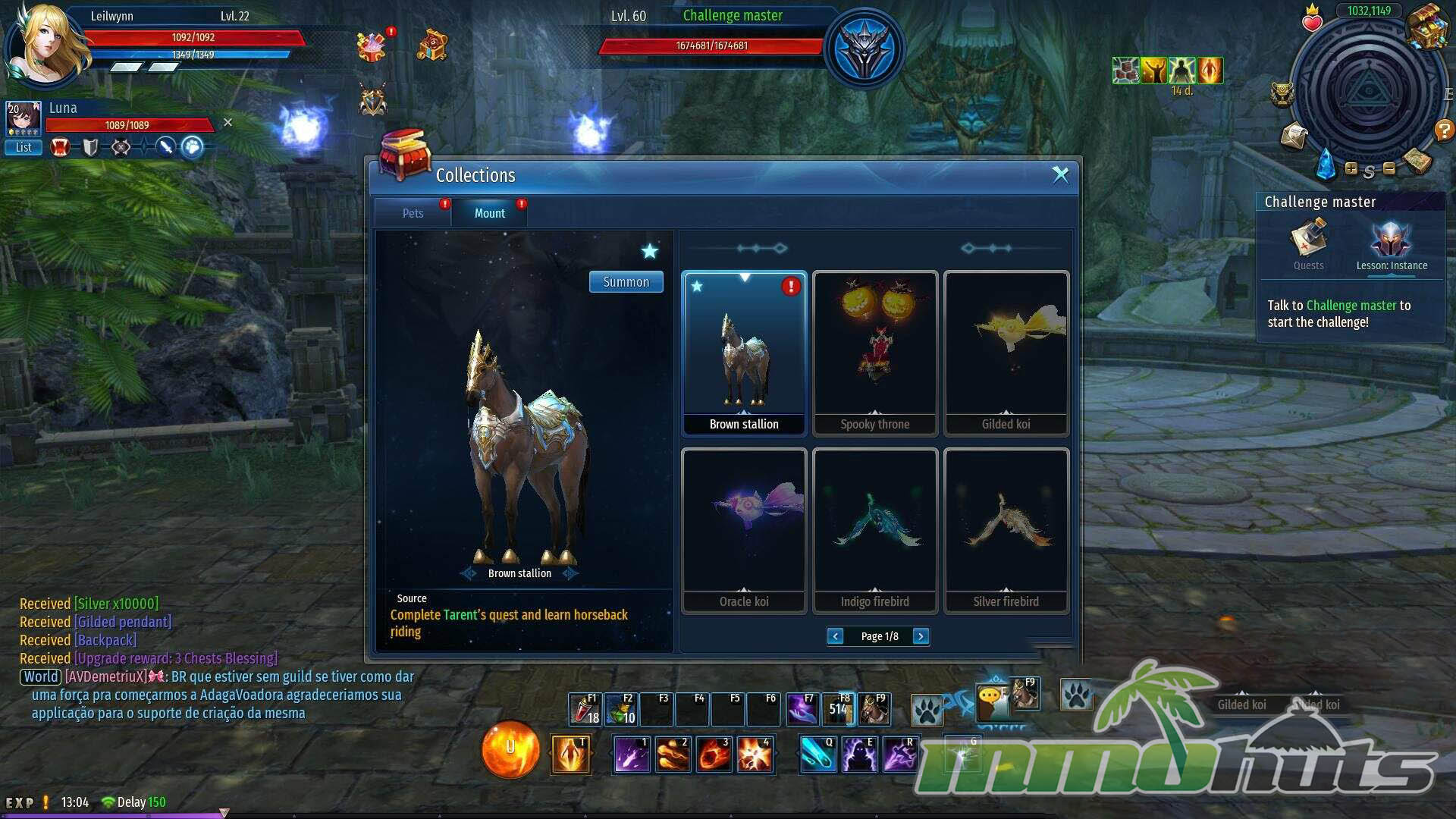
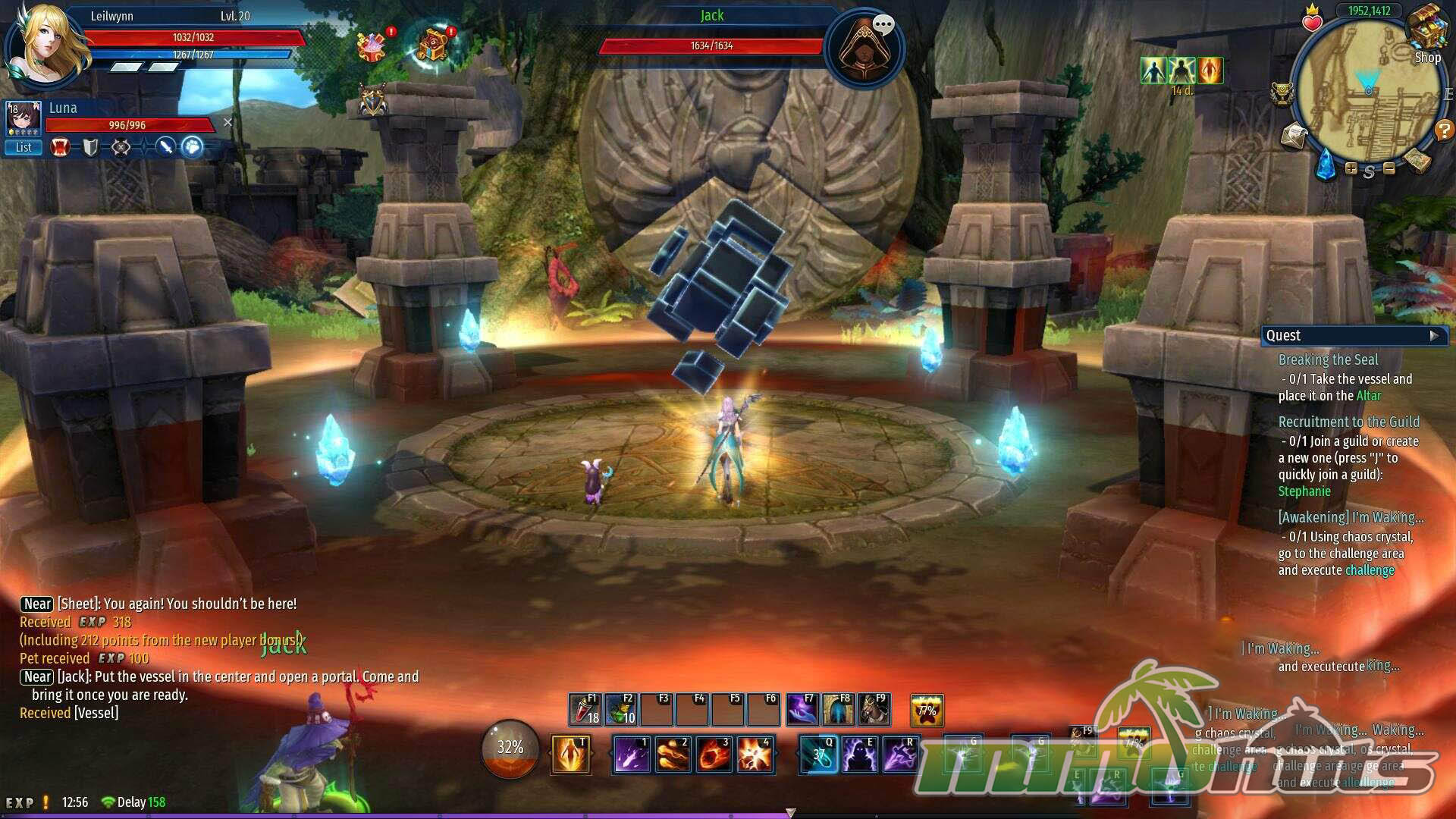
Eternal Magic Featured Video

Eternal Magic Review
Eternal Magic aimed for a broad MMO feature set, and at its best it delivered a comfortable, content-driven experience that prioritized character tinkering and instanced activities. It did not try to reinvent the genre, instead it leaned into established MMORPG rhythms, questing through themed zones, collecting power through gear and systems, and then spending most of your time in group content or competitive queues once the early progression smoothed out.
Combat was built around choice. The ability to play with tab-targeting or a more action-leaning approach helped it appeal to different audiences, even if the overall feel stayed closer to a traditional MMO than a pure action game. The bigger draw was how builds could be tuned. Having access to many class skills, plus rune modifications, made it easy to tailor your loadout to solo play, group utility, or PvP preferences. The Awakening system helped keep that customization relevant later on, giving players a clear reason to revisit their setup and refine it rather than simply replacing abilities with a strictly better set.
The class lineup covered the expected archetypes without being confusing. Knight and Priest anchored the more supportive roles, Mage and Gunslinger handled ranged pressure in different flavors, and Assassin and Spellblade catered to players who prefer mobility and timing-based play. While the core roles were recognizable, the room to adjust skills meant two players on the same class could still feel meaningfully different in practice.
PvE was strongest when it pushed players into coordinated encounters. Dungeons provided the straightforward party content most MMO players look for, while the Challenges stood out as a change of pace. Instead of only asking for damage and healing throughput, they emphasized doing mechanics correctly, which gave groups a reason to communicate and pay attention. That said, the general leveling and zone progression could feel fairly linear, with a structure that will be instantly familiar to anyone who has played older theme park MMORPGs.
PvP offered plenty of modes, and the inclusion of large-scale battles and guild wars gave competitive players multiple goals beyond duels or small skirmishes. The MOBA mode was a notable bonus, more of a parallel activity than a replacement for the MMO’s main PvP, but it provided a different ruleset and a cleaner competitive loop for players who prefer match-based structure.
The pet system was another highlight. Pets had real utility and identity through their abilities and ultimates, which added an extra decision layer in both PvE and PvP. For collectors and progression fans, this helped the game maintain engagement even when the questing side felt routine.
Where Eternal Magic struggled was presentation and originality. Visuals were serviceable but dated, and much of the content flow echoed well-worn genre patterns. Players looking for a modern-looking MMO with highly reactive combat or a novel open-world structure might have bounced off it. Players who enjoy older-school MMO design, build experimentation, and a dense menu of activities likely found more to appreciate.
Eternal Magic Links
Eternal Magic Official Site
Eternal Magic Steam Page
Eternal Magic Facebook Page
Eternal Magic Wiki
Eternal Magic System Requirements
Minimum Requirements:
Operating System: Windows 7 (х64)
CPU: Intel Pentium Dual-core 2.4 GHz
Video Card: Intel HD4000
RAM: 4 GB RAM
Hard Disk Space: 18 GB available space
Direct X: Version 9.0c
Recommended Requirements:
Operating System: Windows 10 (х64)
CPU: Intel i5 Quad-core 3.0 GHz
Video Card: GeForce GTX750
RAM: 8 GB RAM
Hard Disk Space: 18 GB available space
Direct X: Version 9.0c
*64-bit processor and operating system required.
Eternal Magic Music & Soundtrack
Music and audio details will be added here in a future update.
Eternal Magic Additional Information
Developer: Duoyi Network
Publisher: 101XP
Platforms: PC
Closed Beta: September 4-15, 2019
Open Beta: September 26, 2019
Official Release (Selected Regions): April 17, 2020
Shut Down Date: January 10, 2022
Development History / Background:
Eternal Magic was a free-to-play 3D fantasy MMORPG created by Duoyi Network and published by 101XP. The project was publicly revealed on May 21, 2019, then moved into its first playable phase with a closed beta that ran from September 4 to September 15, 2019. Not long after, the game transitioned into open beta on September 26, 2019. It later reached official release in selected regions on April 17, 2020.
Eternal Magic shut down on January 10, 2022.