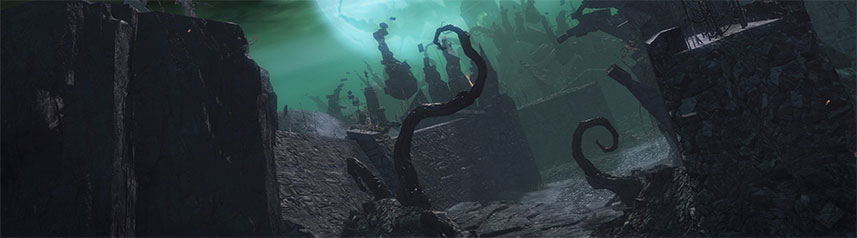
Eternal Lands is a medieval fantasy MMORPG built around a flexible, skill-driven progression system rather than fixed classes. Instead of picking a rigid archetype at character creation, you shape your identity over time by training the skills you care about, whether that means combat, crafting, magic, or a hybrid approach. It is an older-school online world with a small but loyal community, dungeon crawling, gathering and production, and optional PvP through a dedicated PK server.
 | Publisher: Radu Privantu Playerbase: Low Type: MMORPG PvP: PK Server Release Date: August 2004 Pros: +Flexible, classless progression. +Friendly, role-play leaning community. +Open-source engine with mod-friendly roots. Cons: -Visually dated presentation. -Some features and options are premium. -Interface can feel clunky. |

Eternal Lands Overview
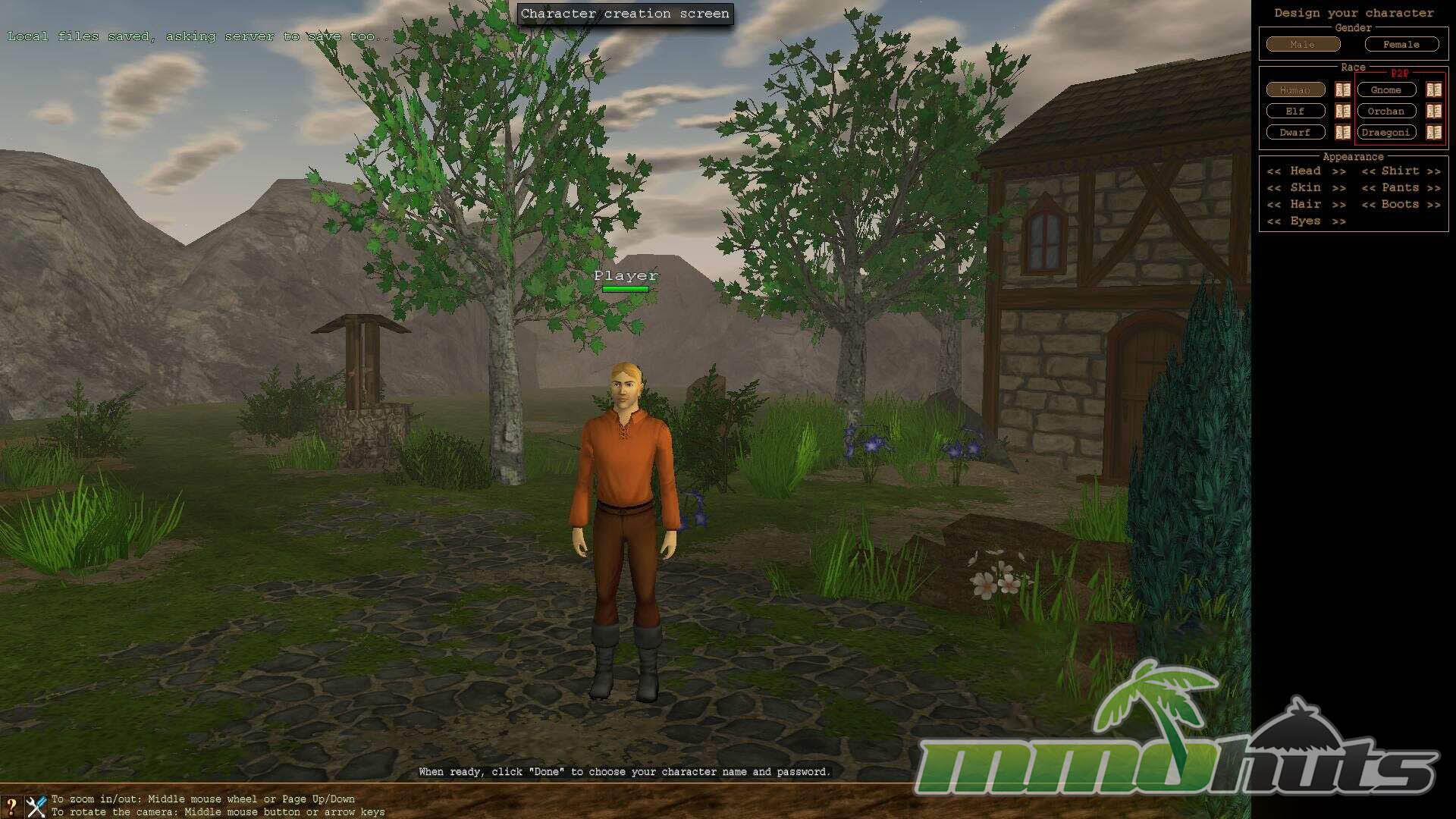
Eternal Lands is a free-to-play fantasy MMORPG that leans into player choice through a classless, skill-based character system. Rather than locking you into a role, the game lets you develop your character by training abilities from a broad selection of skill schools, then mixing them into a build that fits how you like to play. At launch you can choose from three playable races for free, with three more races, automated bots, and access to a player-kill server offered through the premium shop.
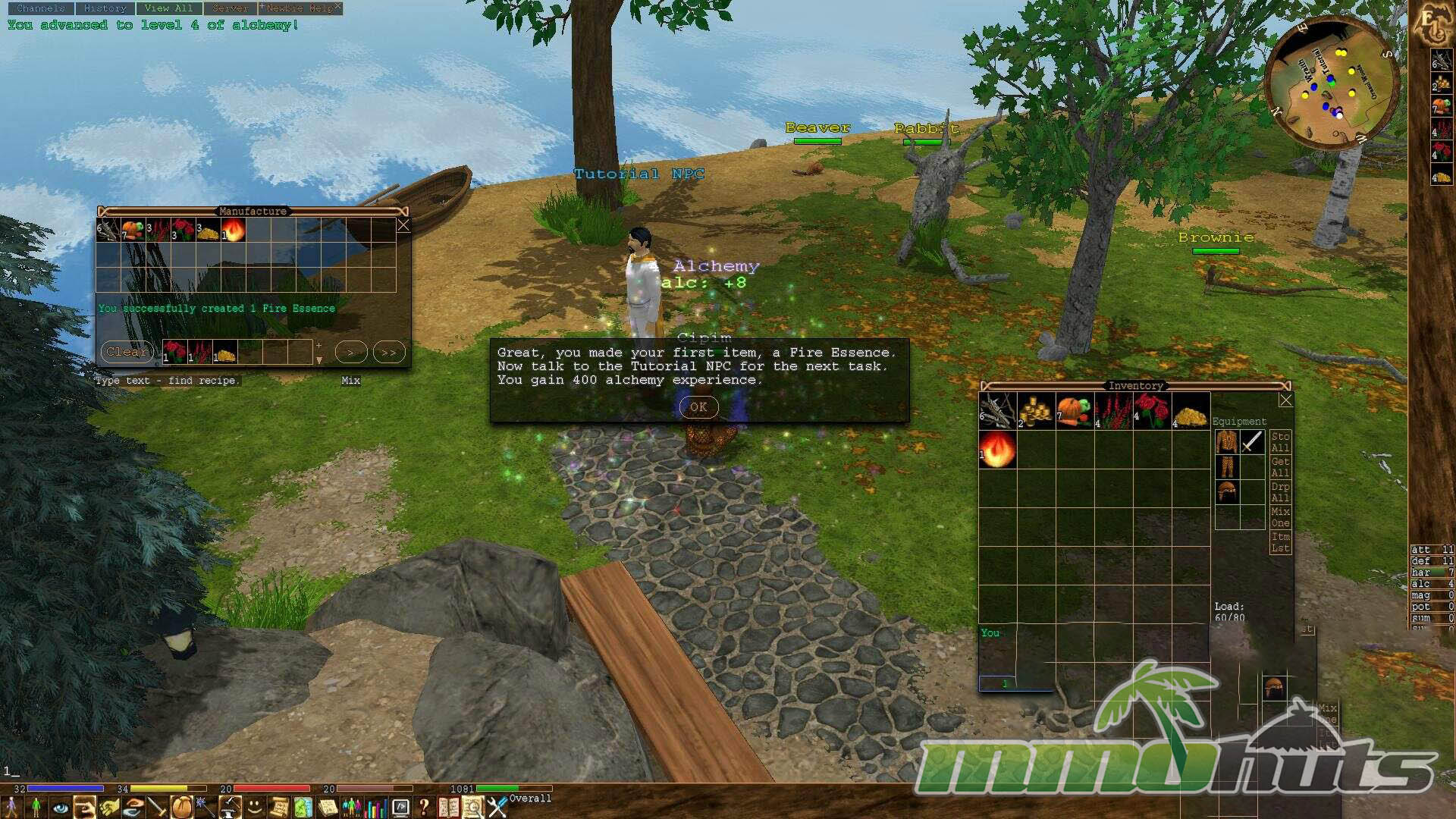
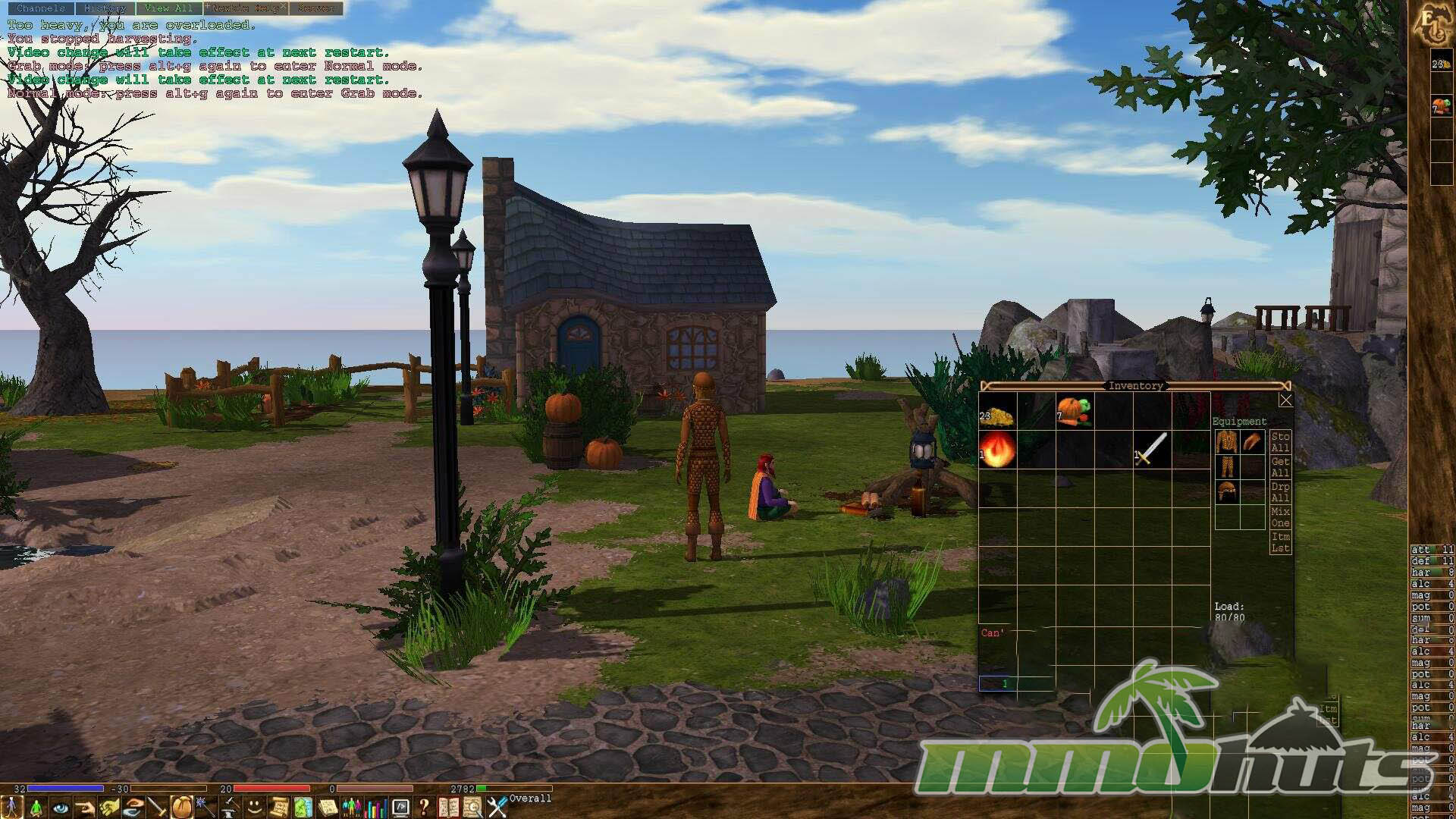
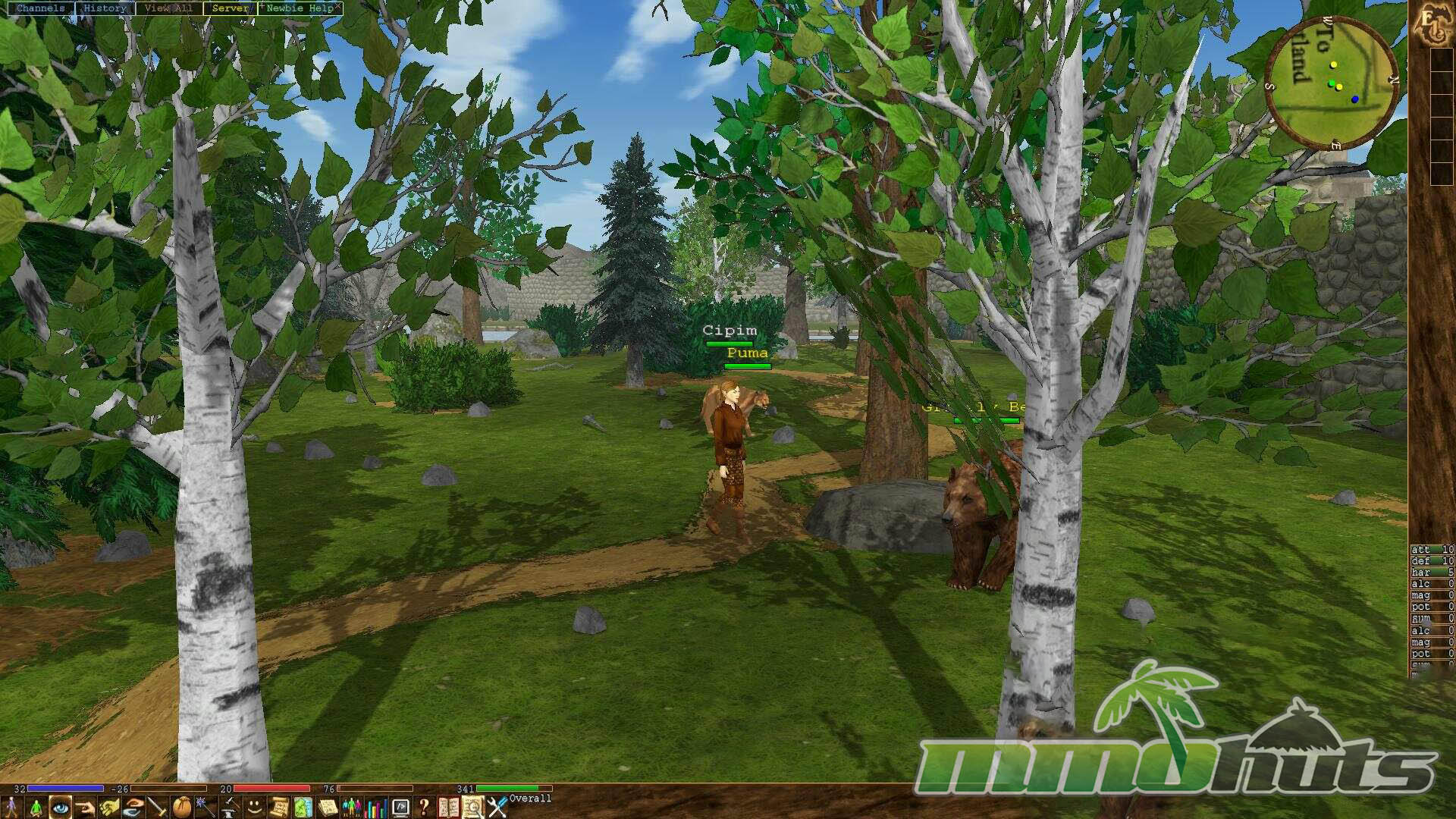
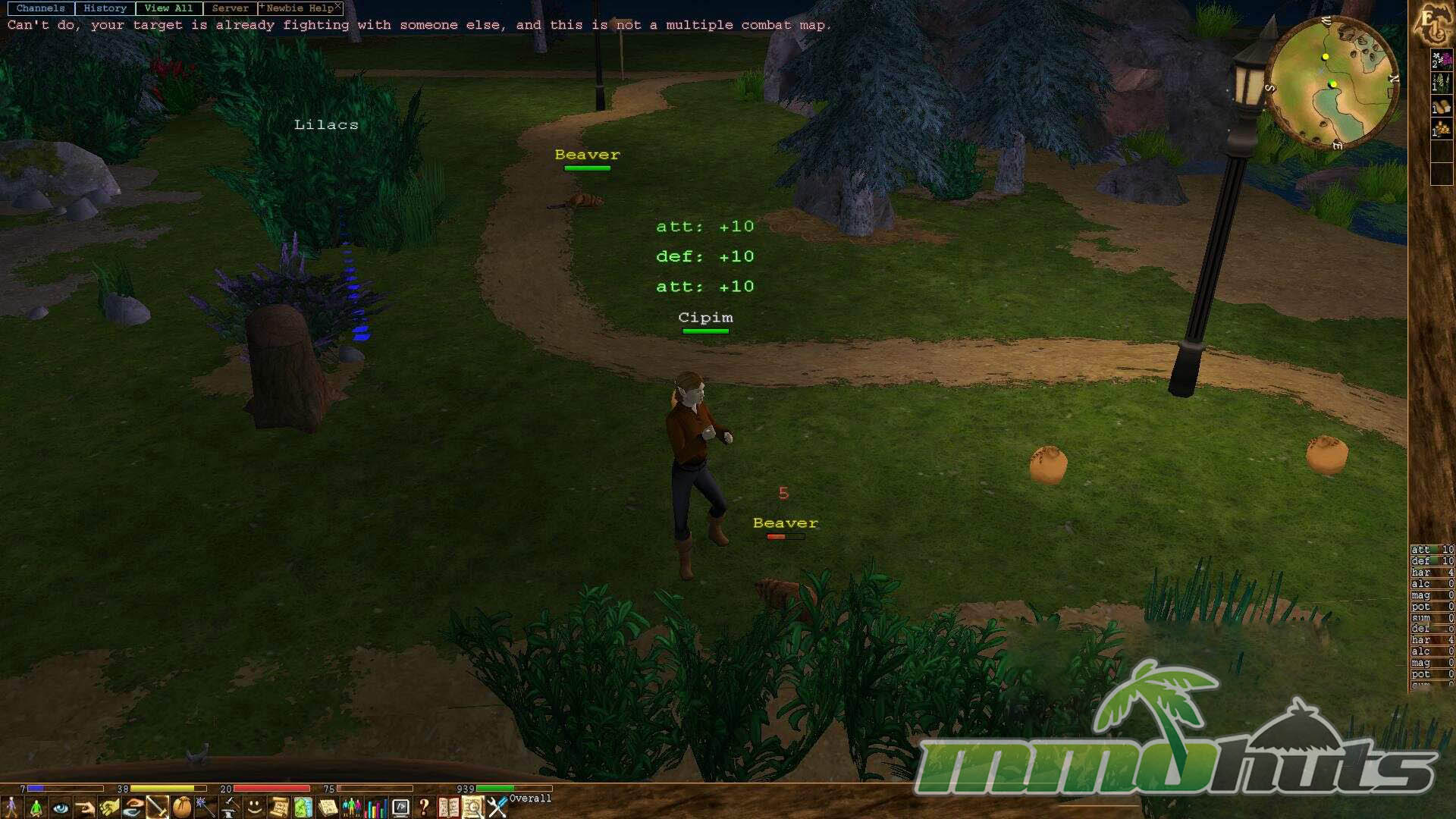
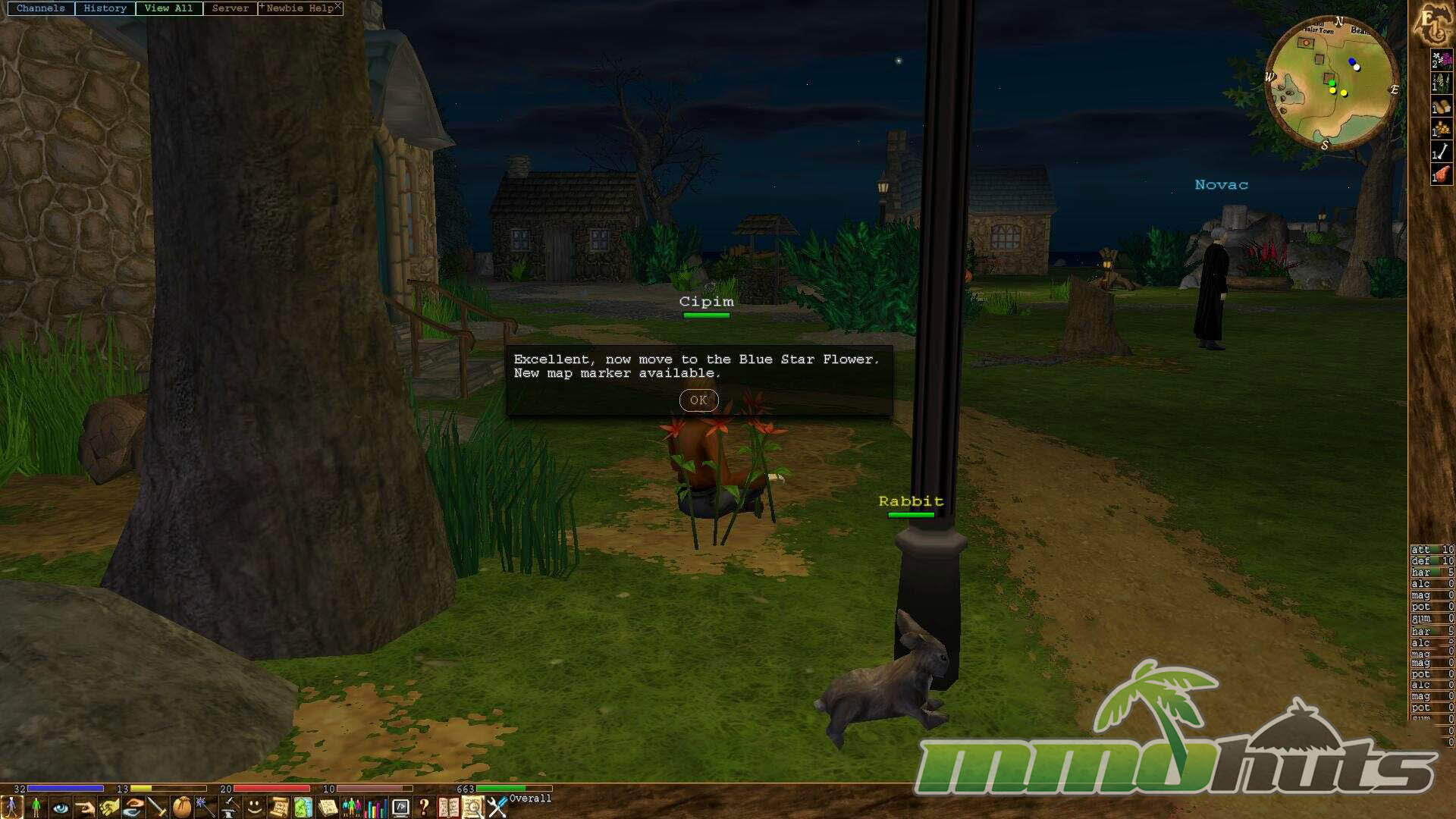
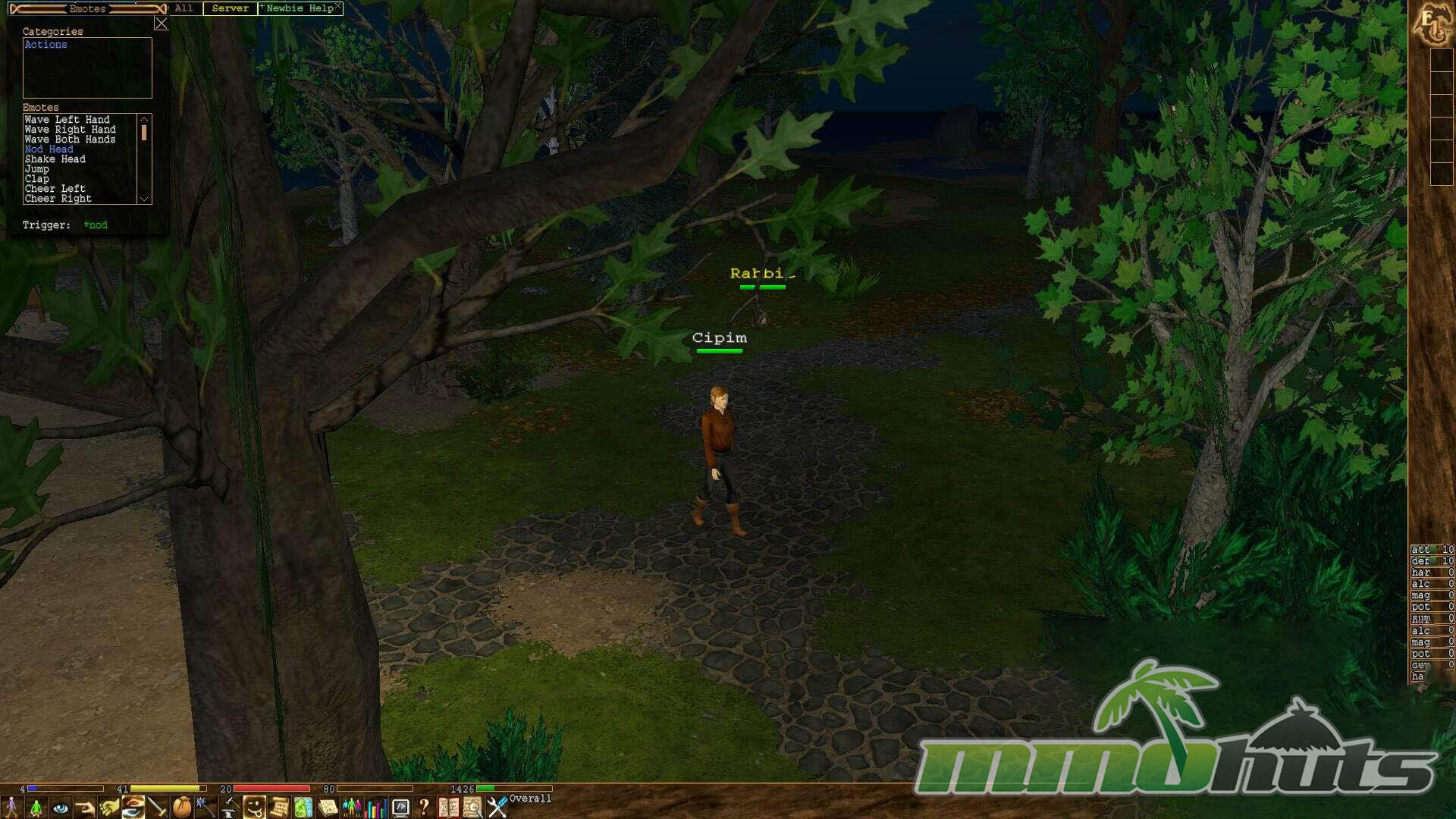
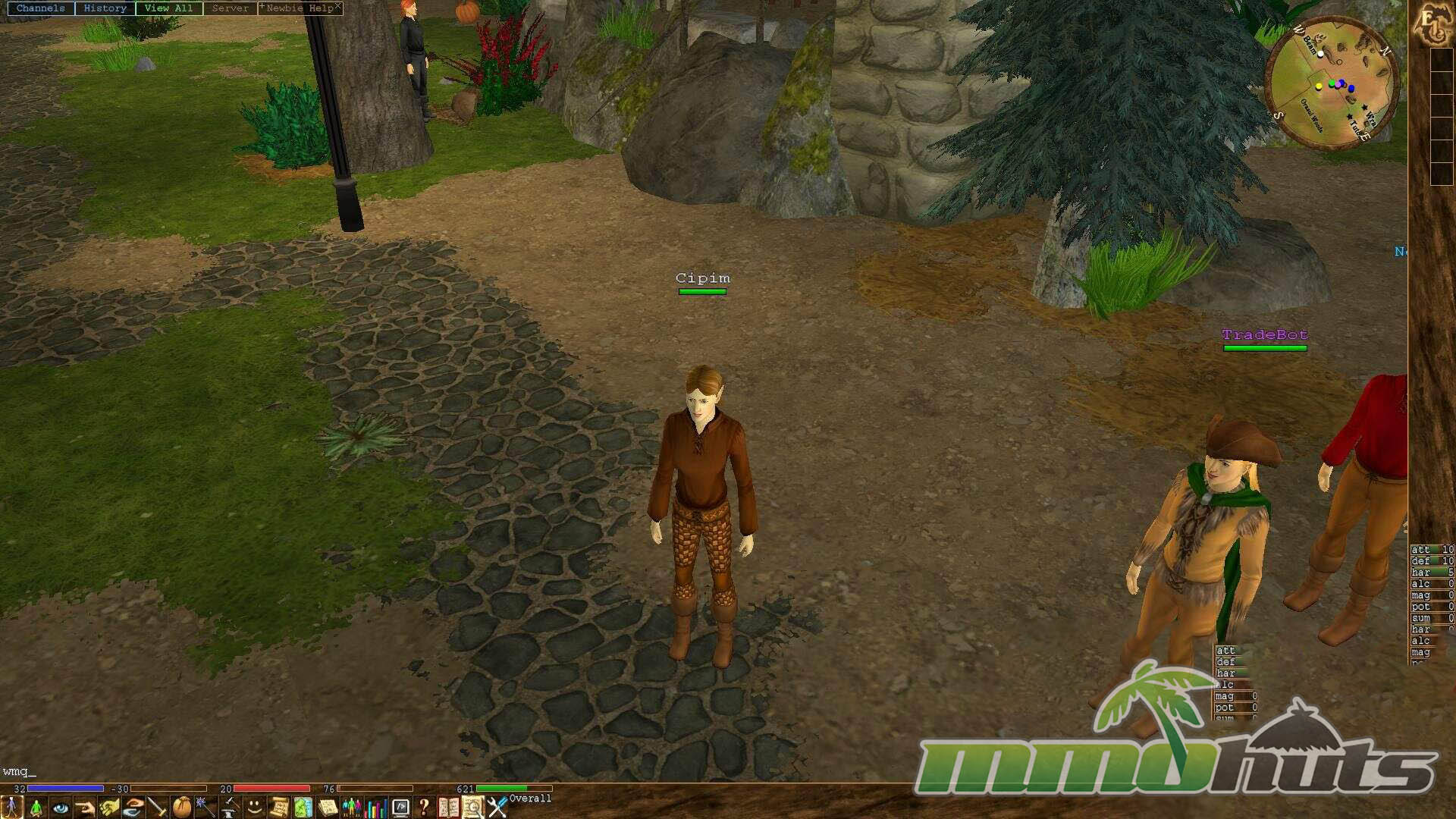
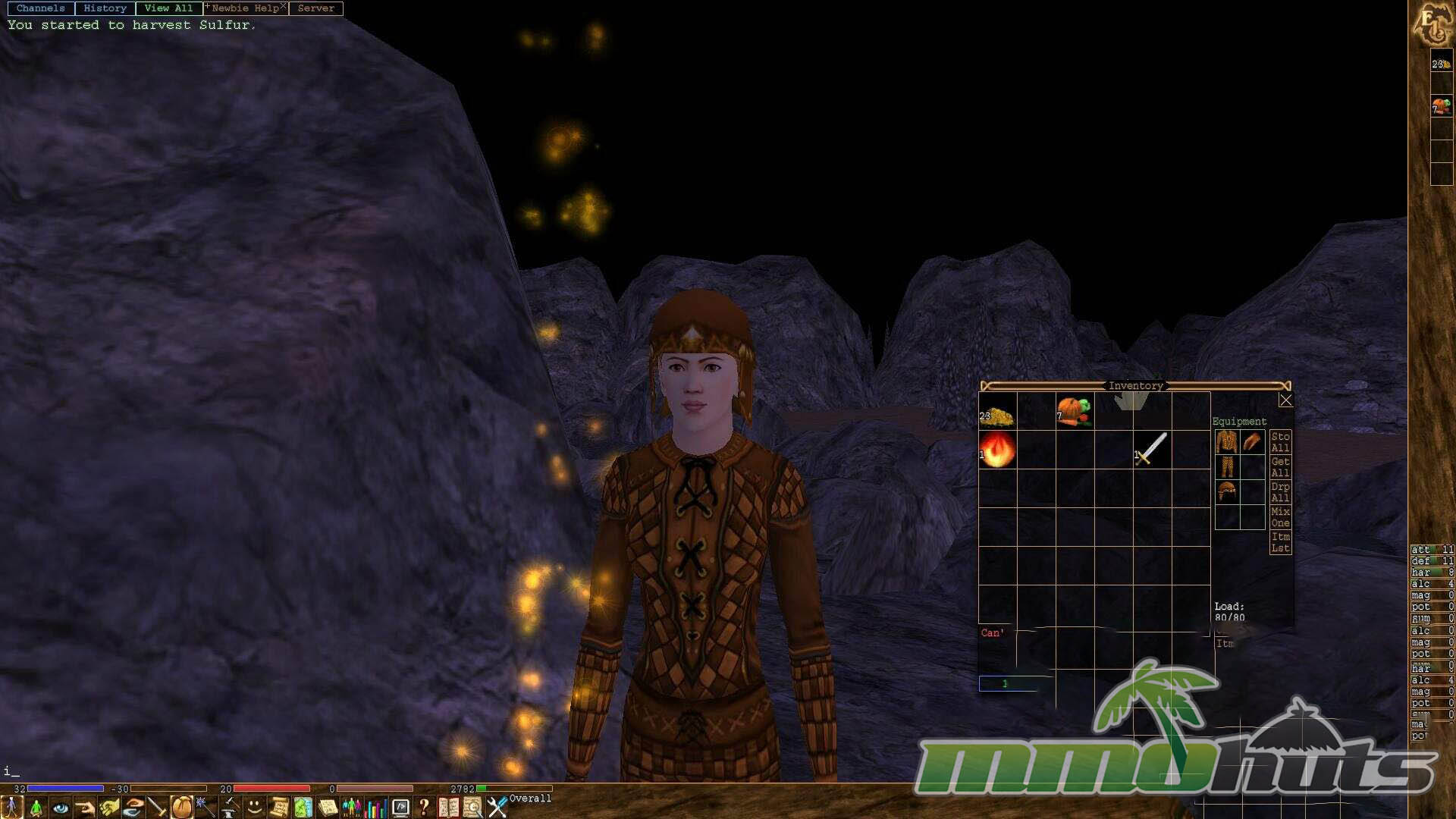
In terms of look and feel, Eternal Lands often reminds players of older sandbox MMORPGs (Runescape is a common comparison), with a straightforward presentation and an emphasis on grinding skills, exploring, and social interaction. Where it stands out is how open-ended the progression is and how much the community has historically shaped the game. Skills span combat and survivability, gathering and production, and more specialized paths such as Alchemy, Magic, and Engineering. Because you are not bound to a class, you can pivot over time, doubling down on a specialty or spreading your training across multiple disciplines.
Another defining trait is its open-source development approach. The engine is custom and open-source, which has encouraged community involvement in creating, modifying, and improving the game. That also helps explain its long-running development timeline and its availability on multiple operating systems including Windows, Mac, Linux, and FreeBSD. Updates have continued over the years as long as there is an active audience supporting and contributing to the project.
Eternal Lands Key Features:
- Skill-Driven, No-Class Progression – build your character by training from twelve skill categories, letting you create a playstyle without being forced into a predefined class.
- Six Playable Races – choose Humans, Elves, Dwarves, Gnomes, Draegoni, or Orchans, with three available for free character creation.
- A Large World to Roam – travel across two continents and thirty-eight maps, including towns, interiors, caves, dungeons, and quest areas.
- Social, Community-Led Atmosphere – meet players from around the world, group up for activities, and find role-playing communities.
- Events and Invasions – join moderator-run events, take part in special-day activities, or fight back during computer-controlled monster invasions.
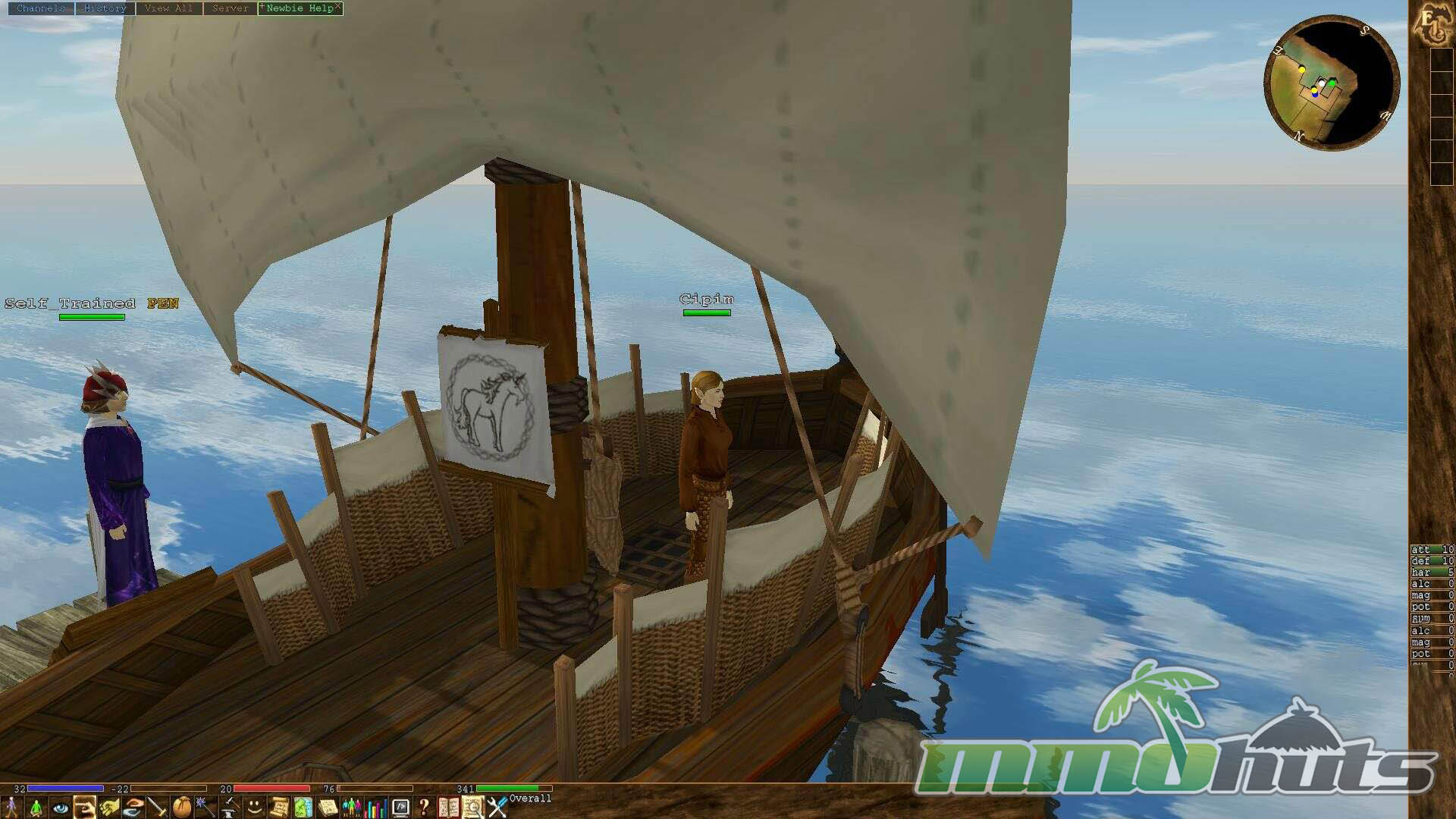
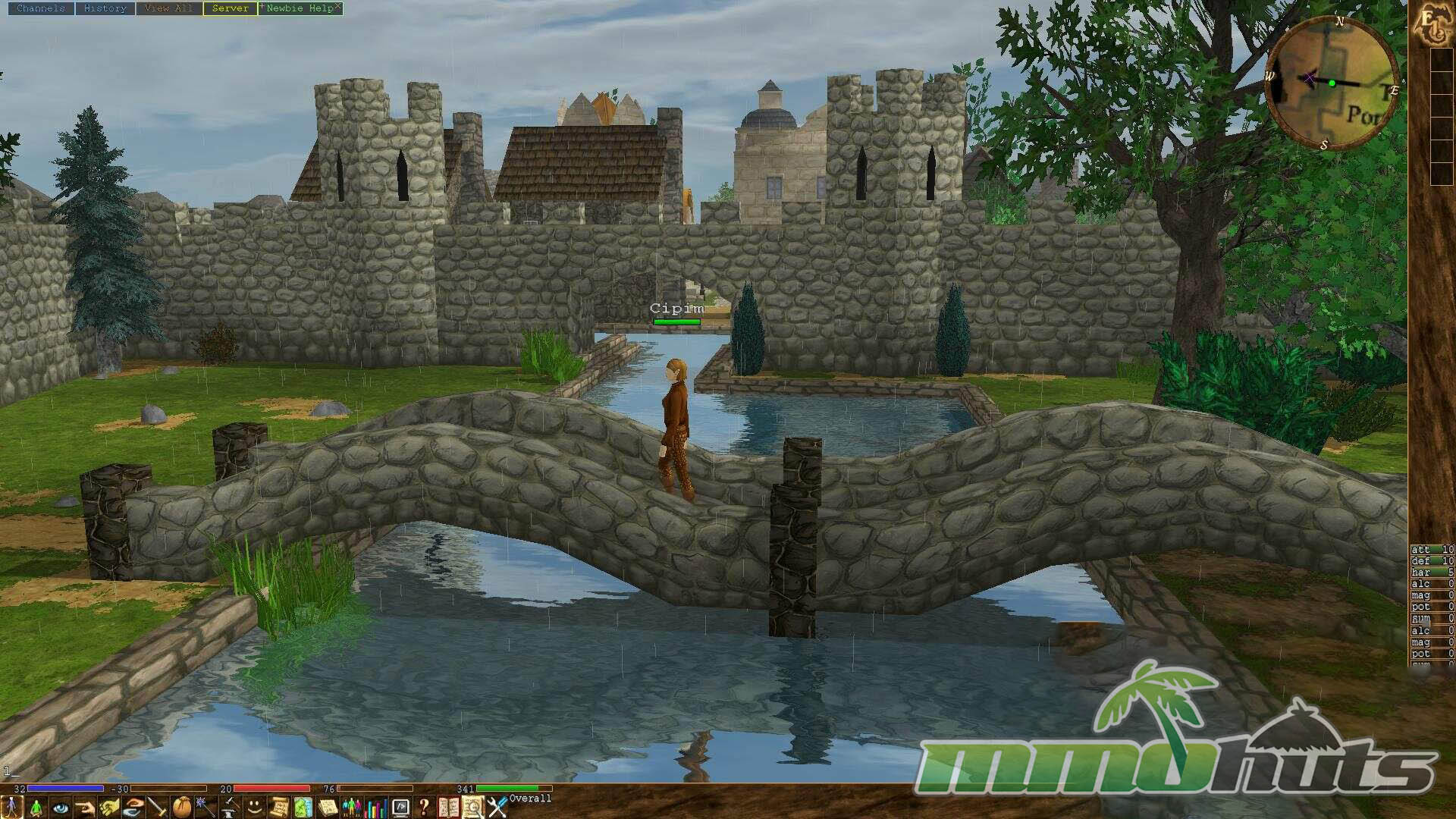
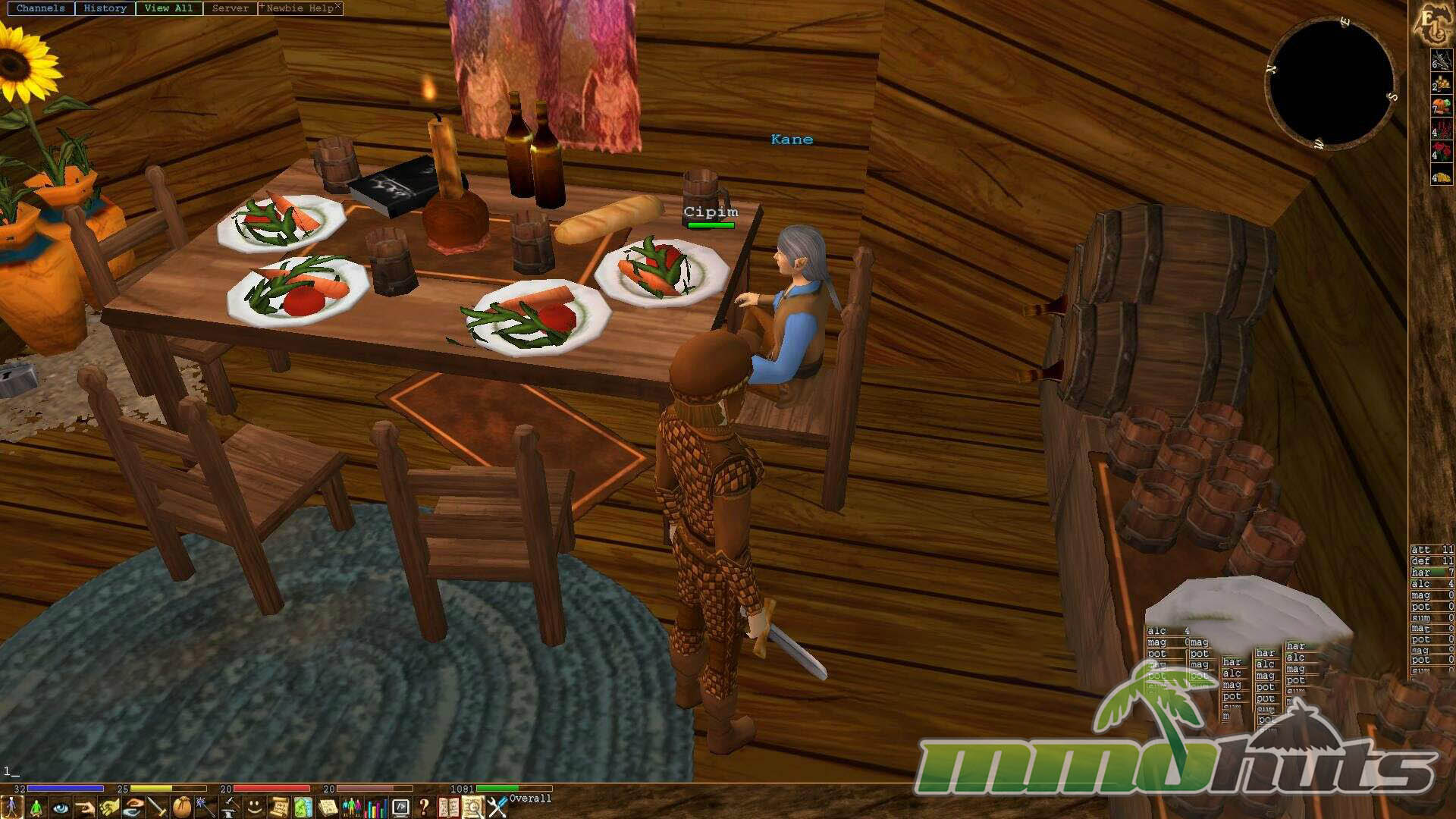
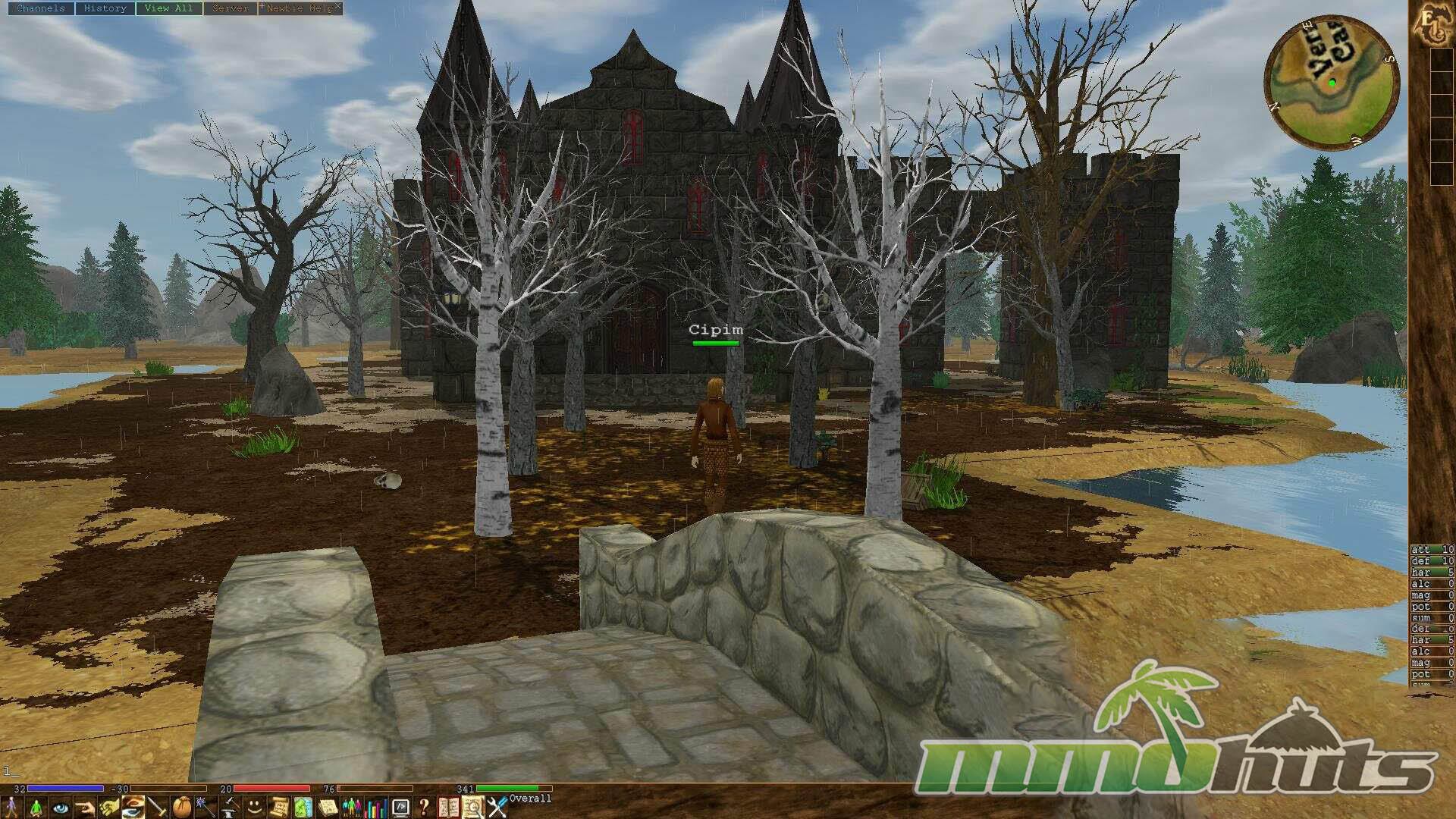
Eternal Lands Screenshots
Eternal Lands Featured Video

Eternal Lands Review
Eternal Lands is the kind of MMORPG that appeals most to players who miss the slower, more self-directed pace of early online worlds. The game is not trying to compete with modern theme-park MMOs in terms of cinematic questing or flashy combat. Instead, it focuses on steady character growth through training, a functional sandbox loop of combat and crafting, and a community that still treats the world like a shared space rather than a matchmaking lobby.
The classless system is the best reason to try it. You are free to pursue combat and defense, focus on harvesting and production, or combine multiple disciplines into something personal. That freedom also gives the game longevity, since experimenting with different skill priorities can meaningfully change how you approach content. The downside is that the lack of strict classes can feel directionless if you prefer guided builds and clear roles, so players who like to min-max or plan ahead will get the most out of it.
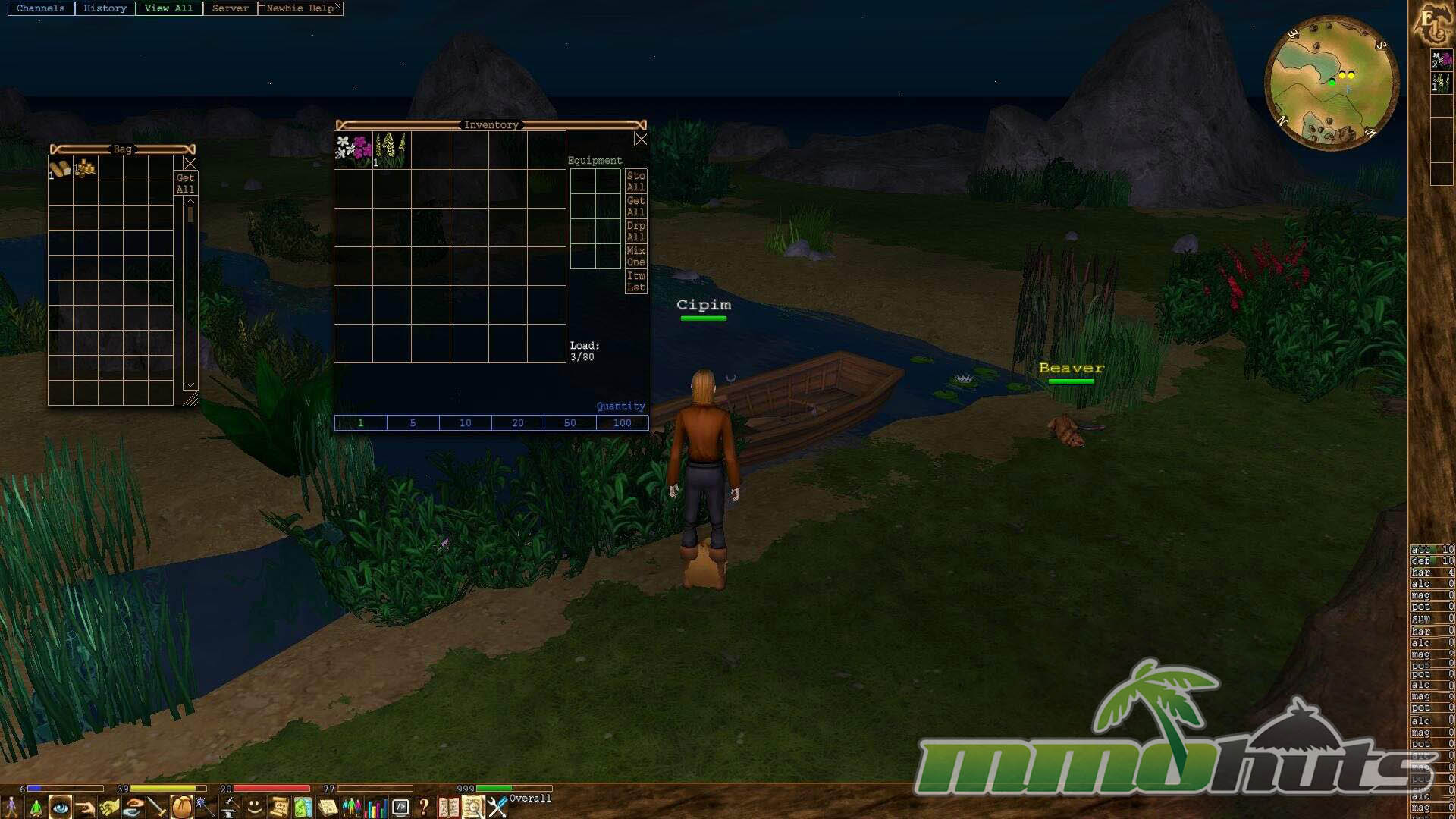
Moment to moment, Eternal Lands plays like a traditional grind-and-improve MMORPG. You spend time exploring maps, fighting monsters, collecting resources, and using those materials to craft or trade. Dungeons and caves provide a change of scenery and a reason to build toward stronger equipment and better survivability. It is not a game that constantly showers you with scripted objectives, but it does reward persistence and familiarity with the world.
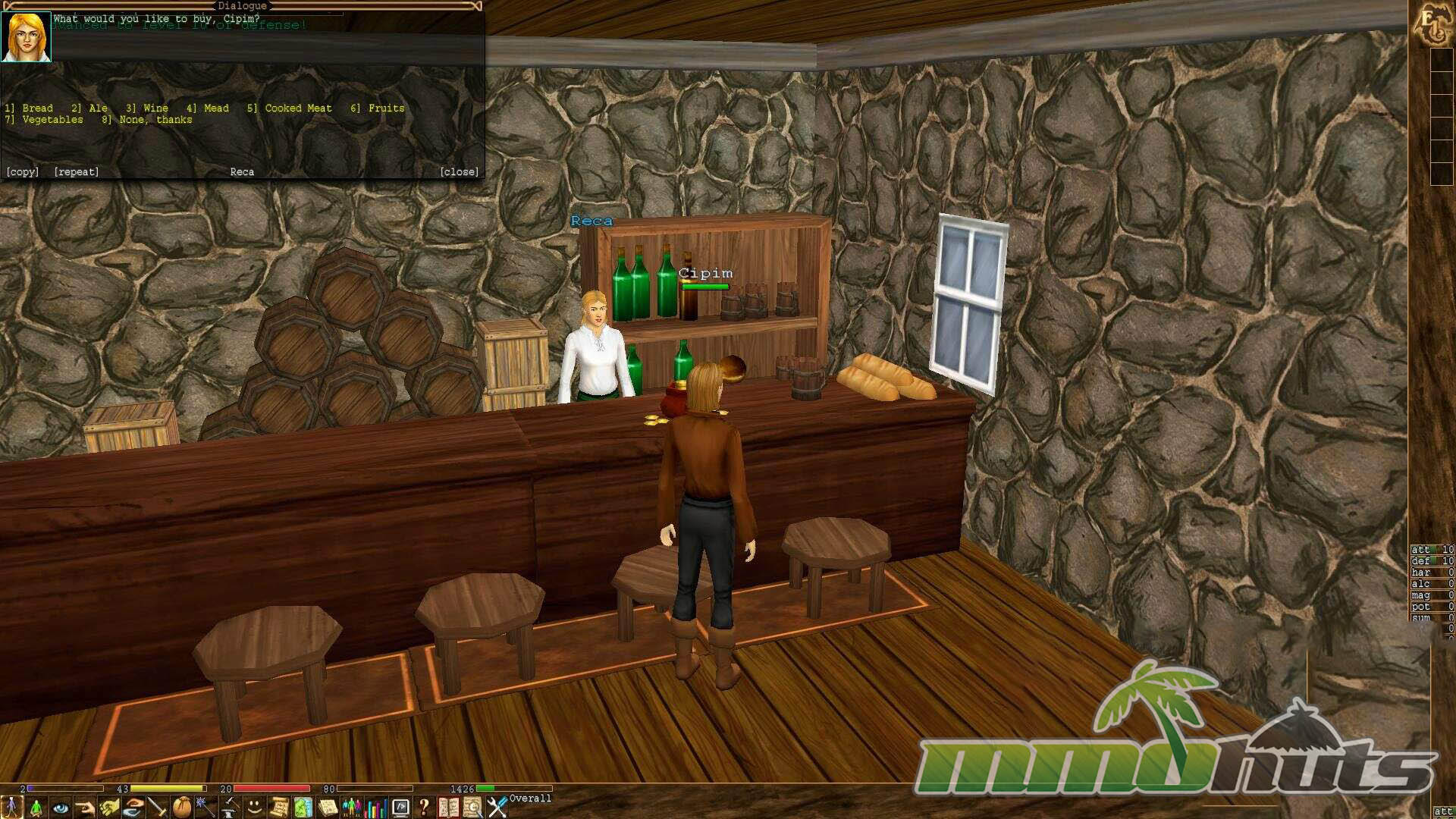
The community is another major draw. With a low playerbase, the world can feel quiet at times, but it also means names become familiar and social reputation matters. If you enjoy role-playing, community events, and cooperative problem solving, Eternal Lands tends to support that kind of play well, especially through moderator-run activities and the recurring invasion-style events. The open-source roots also give the game a distinctive culture, it feels like a long-running hobby project kept alive by people who genuinely care about it.
On the other hand, it is difficult to ignore the age of the presentation. Graphics are dated and the interface can feel awkward compared to modern standards. Some content and conveniences are also tied to the premium shop, which can be disappointing in a game that otherwise sells itself on openness and flexibility. None of these issues make the game unplayable, but they do set expectations: Eternal Lands is best approached as a classic, community-driven MMORPG rather than a polished mainstream release.
If you want a lightweight fantasy MMO with cross-platform support, a skill-based system that lets you build your own role, and a small community that still engages with live events and role-play, Eternal Lands remains a worthwhile curiosity and, for the right audience, a comfortable long-term home.
Eternal Lands Online Links
Eternal Lands Official Site
Eternal Lands Official Forums
Eternal Lands Wiki (Info / Guides)
Eternal Lands System Requirements
Minimum Requirements:
Operating System: Windows / Linux / FreeBSD / Mac OSX
CPU: Pentium II
Video Card: OpenGL 1.2 compliant
RAM: 128 MB
Hard Disk Space: 150 MB
Recommended Requirements:
Operating System: Windows / Linux / FreeBSD / Mac OSX
CPU: Pentium III
Video Card: OpenGL 1.2 compliant
RAM: 256 MB
Hard Disk Space: 150 MB
Eternal Lands Music & Soundtrack
Coming Soon…
Eternal Lands Additional Information
Developer: Radu Privantu
Platforms: Windows, Mac, Linux, FreeBSD
Game Engine: Custom open-source engine
Pre-Alpha Release Date: February 13, 2003
Alpha Release Date: September 2, 2003
Beta Release Date: November 30, 2003
1.0.0 Release Date: August 2004
1.9.4 Release Date: May 2015
Development History / Background:
Eternal Lands is both developed and published by Radu Privantu. The project originated in Romania, where Radu worked alongside his wife Maura, known online as Entropy and Roja, to build the game from the ground up over roughly six months of full-time effort. In February 2003, Eternal Lands went online as an open-source project, inviting volunteers from around the world to contribute code, content, and improvements.
That volunteer-driven approach helped the game keep evolving over a long period of time, with updates arriving as the community remained invested. The game entered Alpha on September 2, 2003, moved into Beta on November 30, 2003, and reached its 1.0 release in August 2004. It has continued to receive updates over the years, sustaining a small but active community that supports the game’s ongoing development.