
Dungeon Defenders II
Dungeon Defenders II is a 3D fantasy tower defense RPG that mixes hands-on hero combat with classic lane defense planning, acting as a follow-up to the original Dungeon Defenders. Whether you queue up alone or bring a group, each map asks you to juggle building smart defenses, maintaining them under pressure, and jumping into the fight as one of four recognizable heroes.
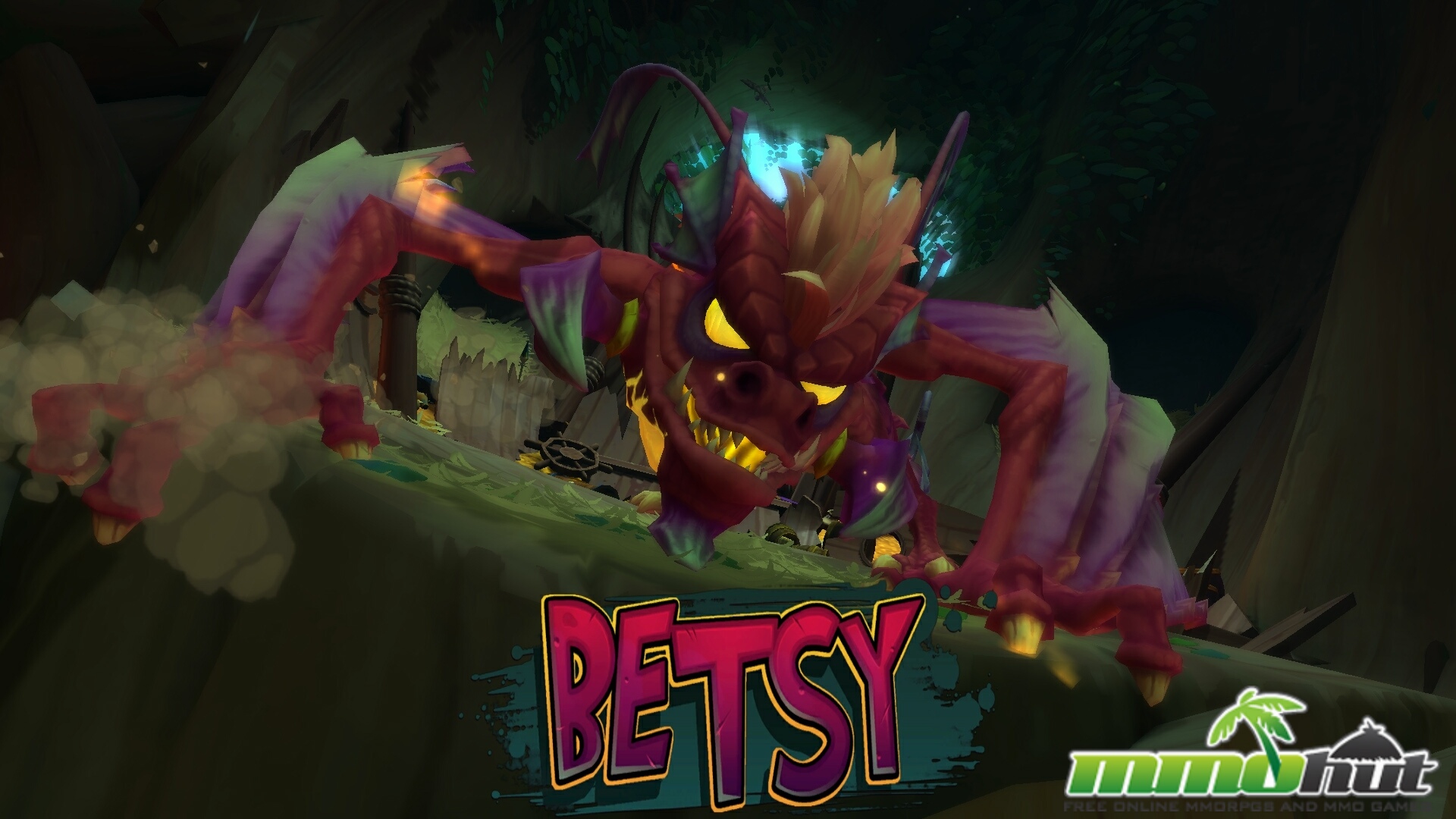
|
Publisher: Trendy Entertainment Playerbase: Medium Type: Tower Defense RPG Release Date: December 5, 2014 (Open Alpha) Pros: +A satisfying mix of tower placement and active combat. +Light, goofy tone that fits the setting. +Plays well solo or with friends. +Social hub tavern to regroup and manage gear. Cons: -Convenience purchases and extra storage cost real money. -Progression balance issues with stats and skills |

Dungeon Defenders II Overview
Set years after the heroes previously pushed back the Old Ones, Dungeon Defenders II returns to Etheria with updated visuals and a more modern take on the series formula. You step into missions as one of four core story heroes (Apprentice, Squire, Huntress, and Monk), each bringing a different defensive toolkit. Towers, traps, and auras can slow lanes, lock down chokepoints, amplify damage, or simply shred waves before they reach your objective, and every map supports solo play or up to four players cooperating.
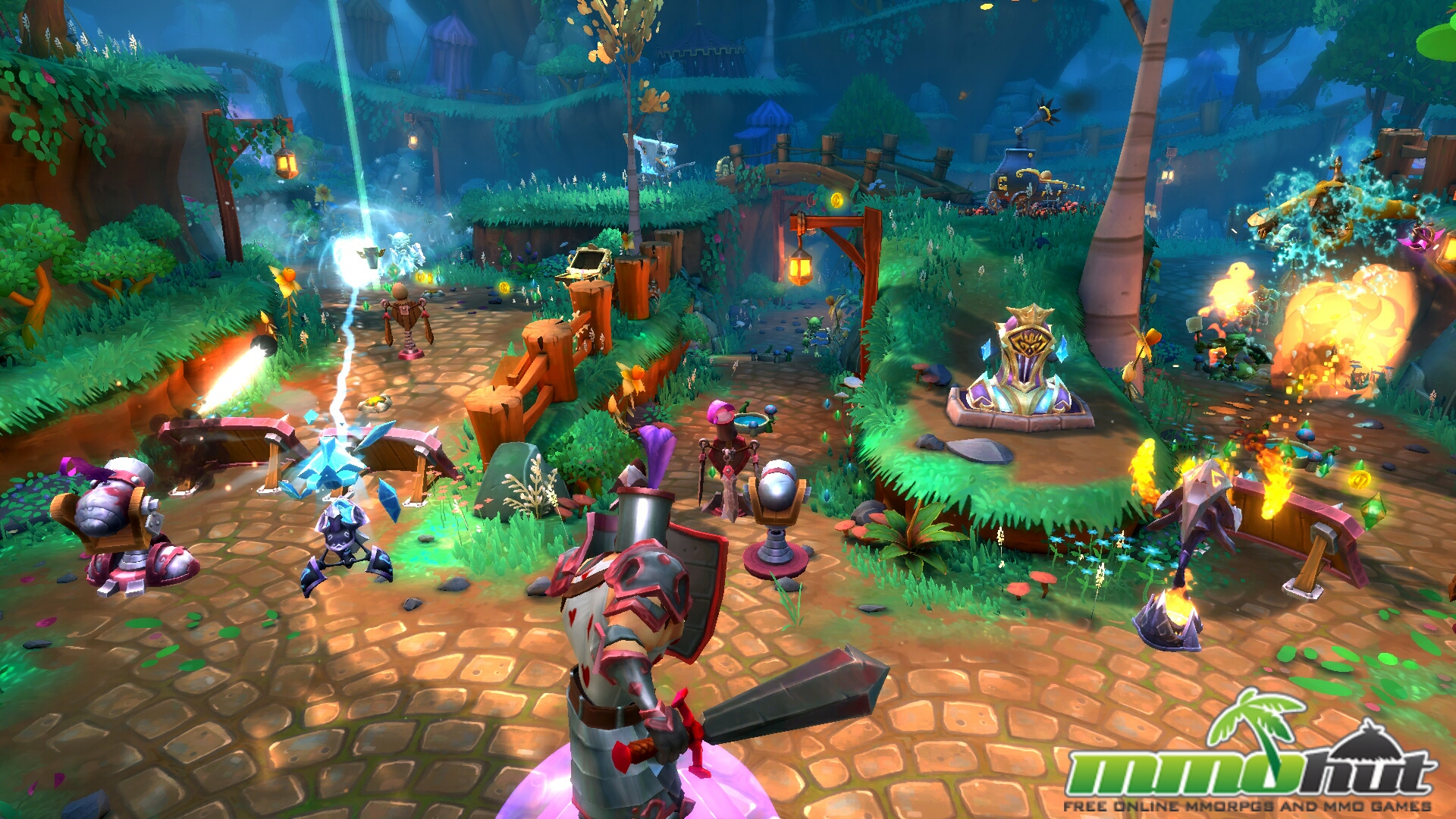
Matches revolve around a familiar two-part loop. In the build phase, enemies pause while you spend currency to place and reinforce defenses. When the combat phase begins, waves pour in and you switch to active fighting, using hero abilities to clean up threats, protect weakened structures, and adapt when a lane starts to slip. This constant back-and-forth is the heart of the game, it rewards good planning, but also expects you to react quickly when things go wrong.
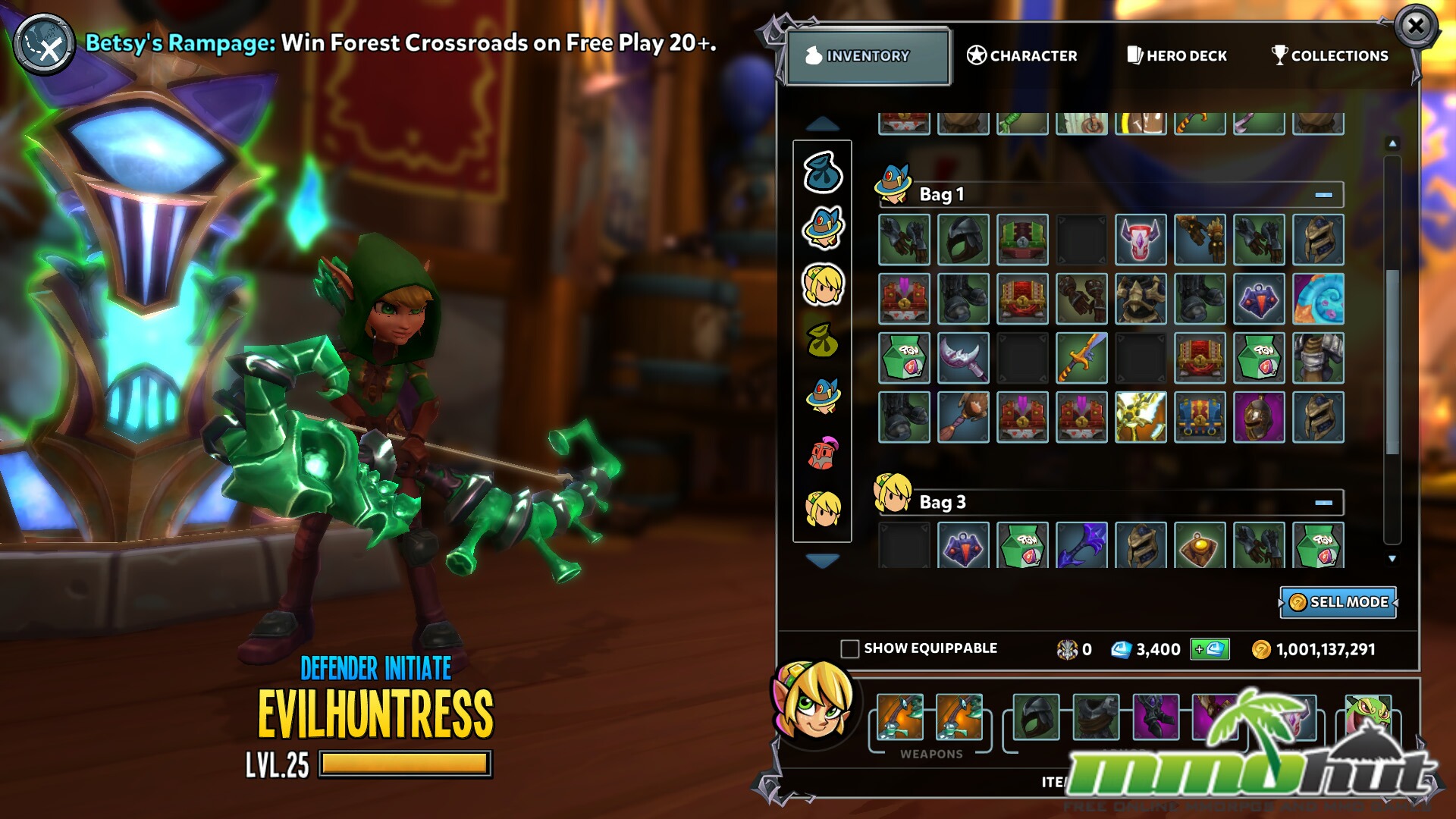
Outside of missions, Dungeon Defenders II leans into loot-driven progression and collection systems. A central tavern hub helps players group up, manage equipment, and interact with vendors. On top of that, you will run into random gear drops, customization options, cosmetic outfits, missions and challenges, pets, and other supporting systems that feed back into the core defense loop.
Dungeon Defenders II Key Features:
- Four Main Character Classes – start with Apprentice, Squire, Huntress, or Monk; each plays differently thanks to distinct attacks, abilities, and defensive options.
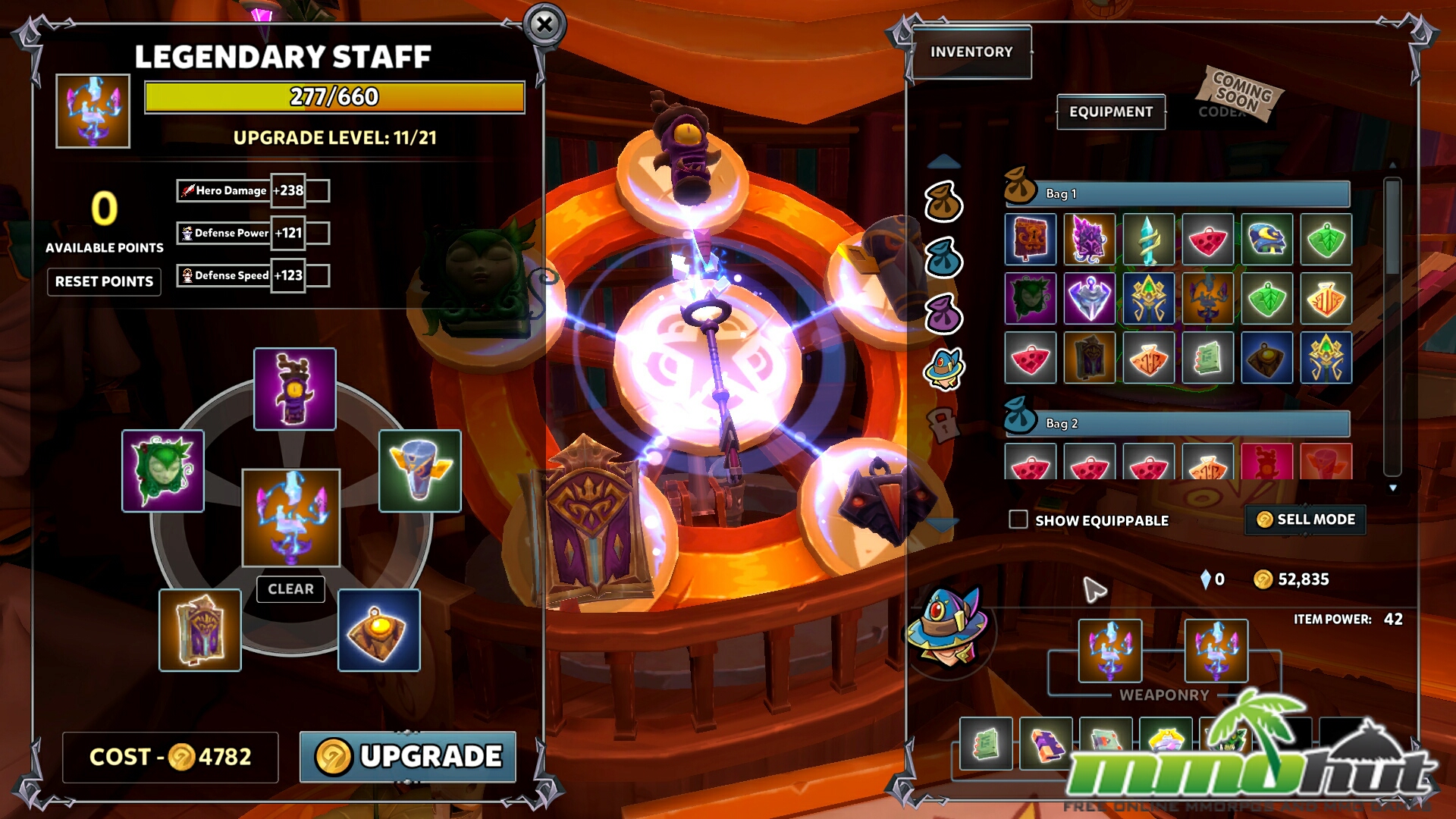
- RPG-Inspired Customization – shape your build through equipment, stats, and skills, leaning toward stronger hero damage and abilities or more powerful defenses.
- Fusion of Strategy and Action – plan lanes with smart placements, then jump into real-time battles to control crowds, pick off priority targets, and keep defenses standing.
- Single-Player and Co-operative Modes – play on your own, party online, or team up locally with splitscreen for a more couch co-op style experience.
- Challenging Maps – advance through the campaign to unlock tougher versions of maps, plus optional challenges and achievements for players who want extra pressure.
Dungeon Defenders II Screenshots
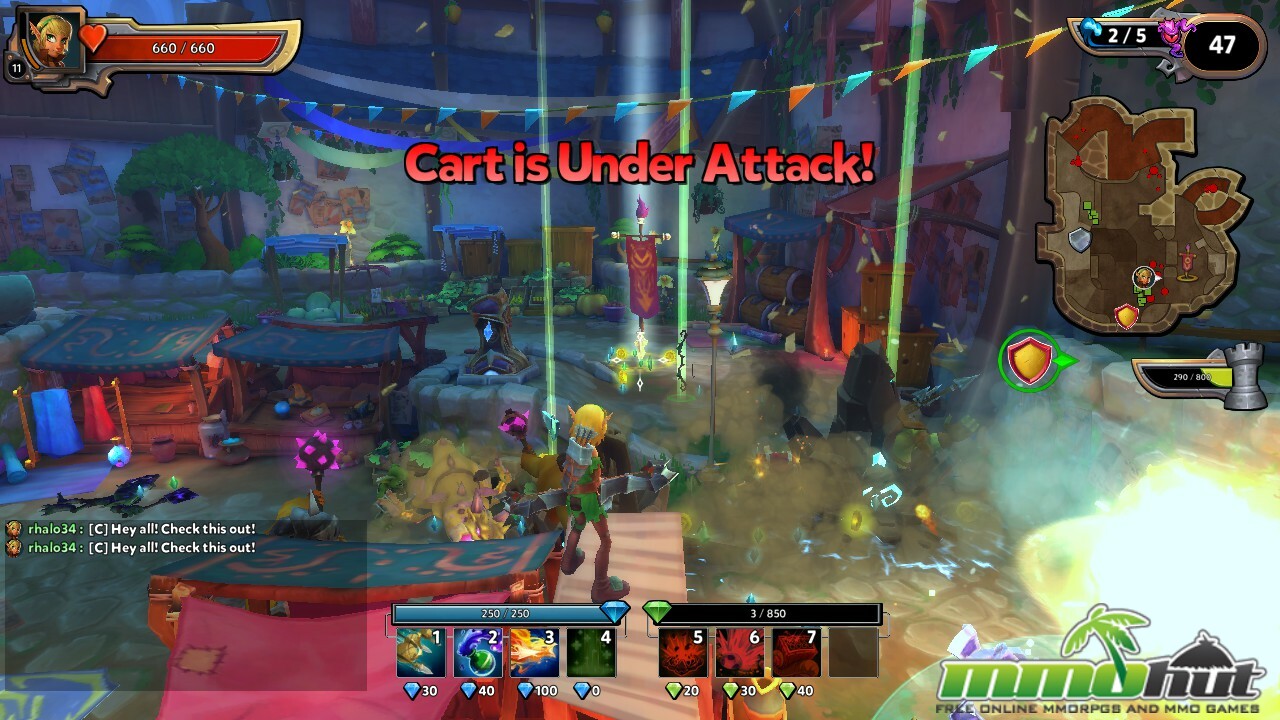
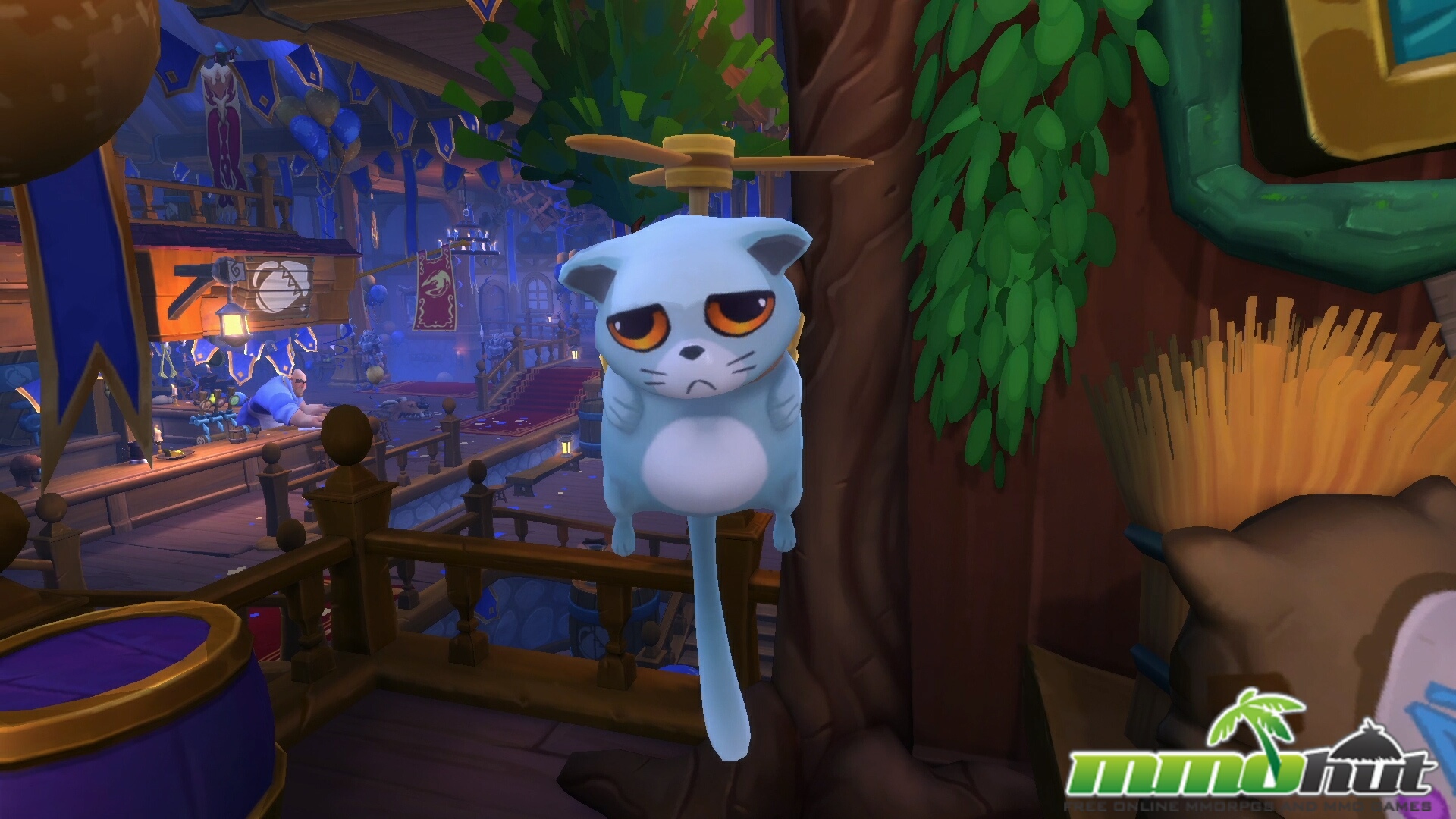

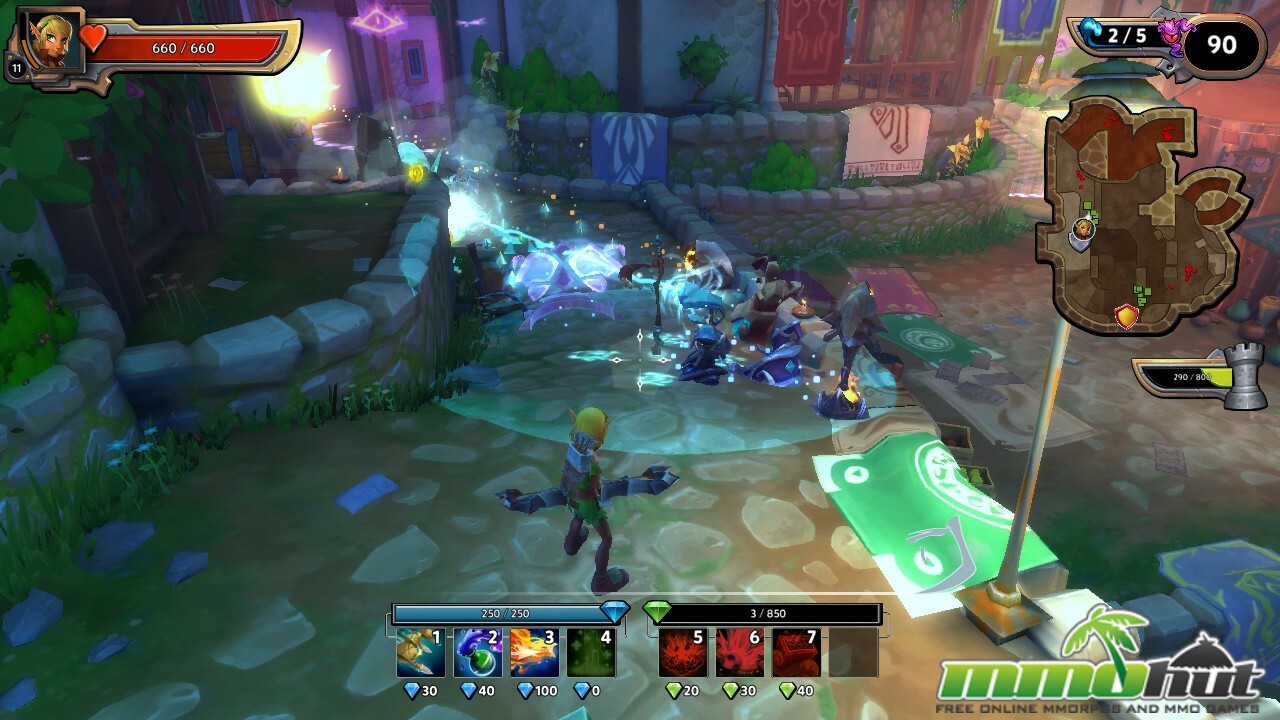

Dungeon Defenders II Featured Video

Dungeon Defenders II Classes
Apprentice – a ranged caster built for controlling groups, with a flexible set of towers that make him a comfortable pick in solo runs and coordinated teams.
Squire – a durable melee frontline hero, focused on physical defenses and straightforward lane control, reliable whether you are playing alone or supporting a party.
Huntress – a ranged damage dealer that shines when focusing down key enemies; she relies on traps rather than traditional towers, setting up burst damage and crowd control for teammates to capitalize on.
Monk – a hybrid fighter with melee and ranged tools, especially effective in group play thanks to aura-based defenses that blanket areas with buffs and debuffs.
Dungeon Defenders II Review
Trendy Entertainment’s sequel revisits the familiar premise of defending Etheria, but wraps it in a cleaner presentation and a handful of new systems aimed at making matches smoother and more tactical. At its best, Dungeon Defenders II captures that satisfying rhythm of building a plan, watching it hold for a few waves, then scrambling to adjust when a new enemy type starts breaking your setup.
Getting into the game
The install footprint sits around 10GB, and the first impression is a noticeably more polished look than the original. The art style still leans colorful and cartoony, but the palette feels more controlled, and the UI is sharper overall, even if early builds can still show occasional hiccups. It is a game that clearly wants readability during combat, with effects that pop without completely drowning the screen.
Character selection is intentionally narrow. You choose from the same four signature heroes, and the game does not try to be a deep character creator. Instead, progression comes from unlocking abilities over levels and then tuning your performance through stats and gear. In practice, the stat allocation does not always feel as meaningful as it should, because equipment tends to swing your effectiveness more dramatically than point investment, which can make leveling choices feel secondary.
Two notable systems define the sequel’s approach to loadouts. The Hero Deck lets you bring up to four heroes into a map and swap between them to cover different lane needs, but you must lock that deck before the match begins, which makes pre-planning important. Skill Spheres, intended as an end-game style customization layer, are more complicated. They replace some of the impact you would normally expect from traditional stat growth, which can make early leveling feel less impactful. On top of that, spheres depend on purchasable slots, and balance problems can lead to builds that spike damage far beyond what the map difficulty seems to expect. The developers have been active and responsive about system issues, but as implemented here, the sphere layer can undermine the feeling of steady, earned power.
no images were found
New players are guided through a tutorial that does a good job explaining the core loop without dragging. The story framing stays in familiar fantasy territory, and while the game is not a persistent open world with explorable zones, it still builds a sense of place through NPCs, enemy variety, and mission presentation. You spend most of your time in curated maps and the hub, rather than roaming between locations, which keeps the focus on match-based defense.
Holding the line in Etheria
Moment to moment, Dungeon Defenders II plays like you would expect from the series: part tower defense, part action brawler. Each map alternates between build and combat phases. In build, you place defenses using your available resources and can upgrade or reposition with no pressure from active waves. Once combat begins, enemies push lanes continuously, and you fight as your hero while monitoring defenses that can be damaged and destroyed.
Repairing and upgrading mid-wave is possible, but it costs time and attention, which creates the game’s best tension. You are not only reacting with your hero kit, you are also triaging lanes and deciding whether to spend precious seconds fixing a blockade or deleting and rebuilding a better setup.
The game includes a solid selection of maps and multiple modes with different win conditions. Survival, for example, is about enduring long sequences of waves, testing whether your build can scale and whether your team can keep up with maintenance and threat prioritization.
Tower building itself is improved in a few practical ways. A particularly smart change is that resource management for defenses is separated from the mana used for hero abilities, which helps the game avoid a common frustration where playing actively can interfere with building effectively. Placement tools are clearer, coverage is easier to read, and maps offer more interesting geometry, including elevated placements and unusual angles that reward experimentation.
no images were found
Maps also add interactive environmental hazards that can be triggered during combat, giving players another tool to swing a lane when things get messy. Enemy variety does more than reskin basic fodder, as certain foes pressure different parts of your setup, including ranged attackers and sturdier threats that punish poorly supported defenses. The result is a game where your build matters, but so does your ability to respond to what the wave composition is actually doing.
The Tavern as your command center
Instead of relying on menus alone, Dungeon Defenders II keeps the tavern as the connective tissue between everything you do. Compared to the original, the hub is larger and more functional, giving you room to test damage on training dummies, manage gear, and interact with vendors without feeling cramped.
This hub-first structure helps the game’s pacing. You finish a match, return to a physical space, sort loot, tweak your deck, and then head back out. It is a small design choice that makes the loop feel more like an adventure and less like a checklist.
no images were found
Systems layered on top of the core loop
Alongside the main defense gameplay, Dungeon Defenders II includes familiar supporting features such as pets, achievements, missions, and daily tasks. These systems provide extra goals and steady rewards, and they help keep short sessions feeling productive.
Monetization is not presented as direct pay-to-win here, but it does lean on pay-for-convenience elements. Extra storage and certain convenience upgrades can be purchased with real money, and that can be felt most strongly once you are swimming in drops and inventory management becomes part of the routine.
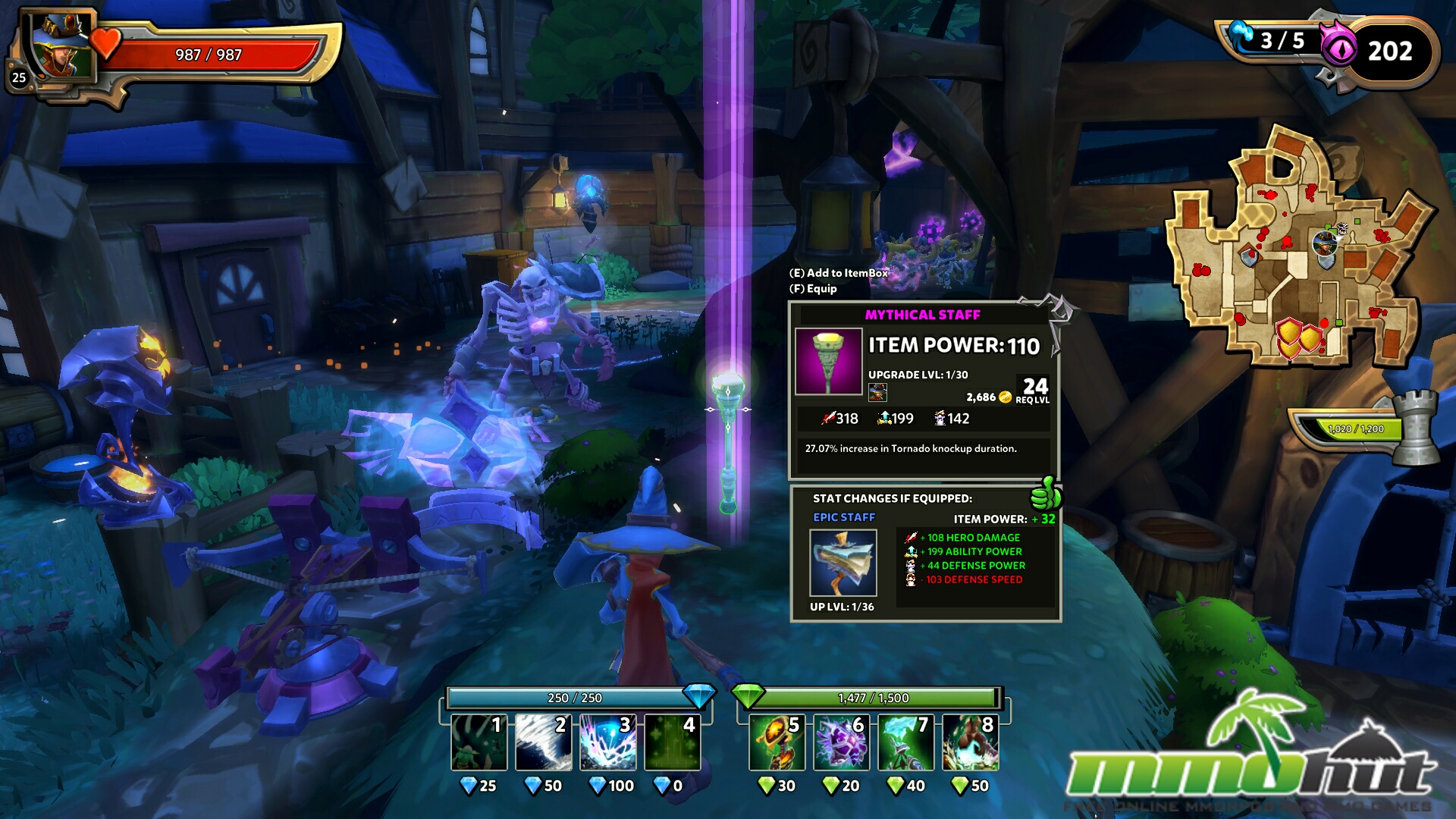
Loot is central to progression. Gear has a major influence on both hero power and tower performance, and each wave can shower you with items, particularly on tougher maps. The downside is volume. It is easy to end a run with an overwhelming pile of low-value drops, turning post-match cleanup into a frequent chore. A tighter drop rate would improve pacing without necessarily needing to increase rare drop odds.
How much does it really evolve?
After a few hours, the biggest takeaway is that the sequel’s strengths are mostly about refinement. The combat-defense blend remains largely intact, and the four-hero foundation feels intentionally familiar. Visual upgrades, quality-of-life changes, and new systems like the Hero Deck push things forward, but the overall experience can still feel like an iteration rather than a reinvention.
It is also hard not to notice that earlier experimentation with a different direction (a MOBA-style approach that was ultimately dropped) could have led to a more distinct identity. As it stands in this version, Dungeon Defenders II often plays like a cleaner, more streamlined Dungeon Defenders, which will be a positive for fans, but may leave others wanting a bigger leap.
Final Verdict – Good
Dungeon Defenders II delivers a polished take on the series’ signature formula, with better readability, smoother tower building, and a hub that adds personality between matches. The main drawbacks come from the limited sense of character molding and the uneven feel of progression systems, especially where Skill Spheres and item power can distort difficulty and build choice.
If the balance of its stat and skill layers improves over time, the foundation here is strong enough to support a long-running co-op defense game. As it is, Dungeon Defenders II is easy to recommend to fans of the first game and to players who enjoy action-driven tower defense, but it does not yet separate itself as sharply from its predecessor as a sequel ideally would.
Dungeon Defenders II Online Links
Dungeon Defenders II Official Site
Dungeon Defenders II Official Forums
Dungeon Defenders II Steam
Dungeon Defenders II Facebook
Dungeon Defenders II System Requirements
Minimum Requirements:
Operating System: Windows 7 (SP1)
CPU: Dual-Core 2.0 GHz
Video Card: ATI Radeon HD 2600 / NVIDIA GeForce 8600
RAM: 2 GB
Hard Disk Space: 10 GB
Recommended Requirements:
Operating System: Windows 7 (SP1) / Windows 8.1 / Windows 10
CPU: Intel Core i5 / AMD Quad-Core
Video Card: NVIDIA GeForce GTX 260 / AMD Radeon HD 4770
RAM: 4 GB
Hard Disk Space: 10 GB
Dungeon Defenders II Music & Soundtrack
Coming Soon…
Dungeon Defenders II Additional Information
Developer: Trendy Entertainment
Platforms: PC, PS4, Linux
Game Engine: Unreal III Engine
Announcement Date: March 17, 2013
Open Alpha Release Date: December 4, 2014
Dungeon Defenders II is being developed and published by Trendy Entertainment, an independent studio based in Gainesville, FL. The project was revealed on March 17, 2013 with an initial concept that included two parts: a modernized continuation of the original game’s co-op defense gameplay, plus a separate competitive MOBA-style mode built around similar mechanics. That MOBA component entered closed beta on its own, but was later cancelled after the studio leadership chose to keep the sequel aligned with what made Dungeon Defenders popular in the first place.
Following closed alpha testing and community playtests, the team brought the game to Steam as an Early Access open alpha to collect broader feedback and iterate on systems. The plan at the time was to remain in Early Access for at least a year after the initial Steam launch on December 4, 2014. The game is intended to stay free-to-play after full release, with ongoing support funded primarily through cosmetic purchases, reflecting the developers’ stated preference to avoid a pay-to-win model.