Dream of Mirror Online
 (No Ratings Yet)
Dream of Mirror Online (often shortened to DOMO) is a 3D anime-styled MMORPG rooted in Chinese mythology, with a big emphasis on community features and a flexible job system. Its standout hook is that one character can learn and progress through fifteen different classes, letting you swap roles without rolling alts, as long as you are willing to level each job separately.
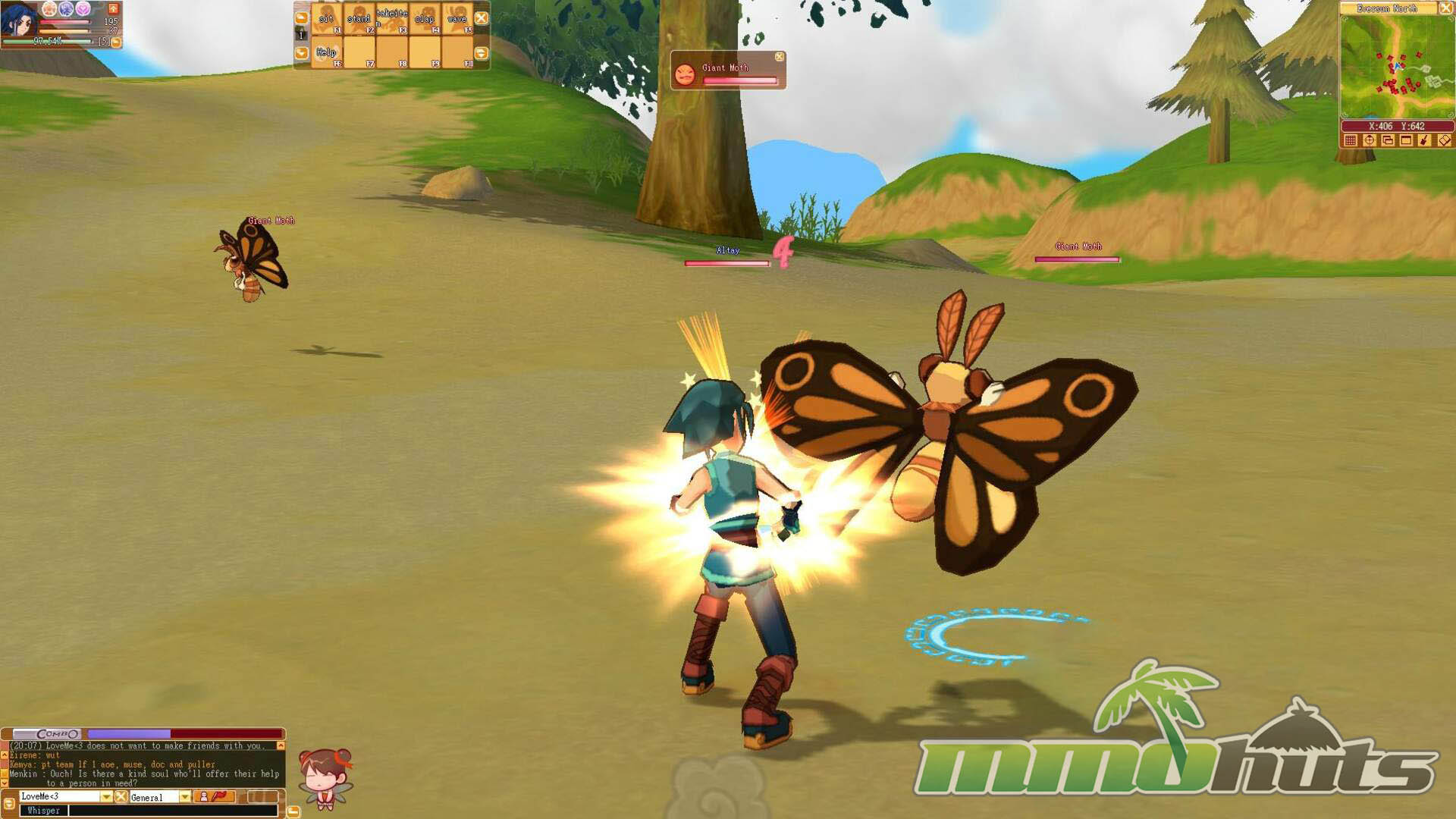 | Publisher: Suba Games Playerbase: Low Type: Anime MMORPG Release Date: April 20, 2015 PvP: Duels Pros: +One character can freely train all fifteen classes. +Runs well on modest PCs. +Plenty of social and relationship systems. +Flying mounts help cut down travel time. Cons: -Older interface and some dated design choices. -Not many graphics settings to tweak. -Environments can look flat due to simple textures. |

Dream of Mirror Online Overview
Dream of Mirror Online is a social-focused MMORPG that mixes bright, anime-inspired character designs with themes pulled from Chinese mythology. It is easy to run and quick to get into, but it is not shallow, its class swapping system gives it long-term goals and encourages experimentation. Once you reach level 10, you can unlock jobs and change between them, with each class maintaining its own level progression.
Dream of Mirror Online Key Features:
- Switch Between Classes – develop all fifteen classes on a single character, each with two active trees and one passive tree to shape your playstyle.
- Build Lasting Relationships – relationship systems are a major pillar, including partnerships that can progress into in-game marriage.
- Take Flight – mounts, including airborne options like flying swords, make moving around the world much more convenient.
- Devil Seal Cards – weaken enemies, capture them as cards, then summon them later to assist you in combat.
- Collection Skills – spend time on non-combat progression through gathering and crafting activities such as farming, fishing, forestry, herding, meditation, and mining.
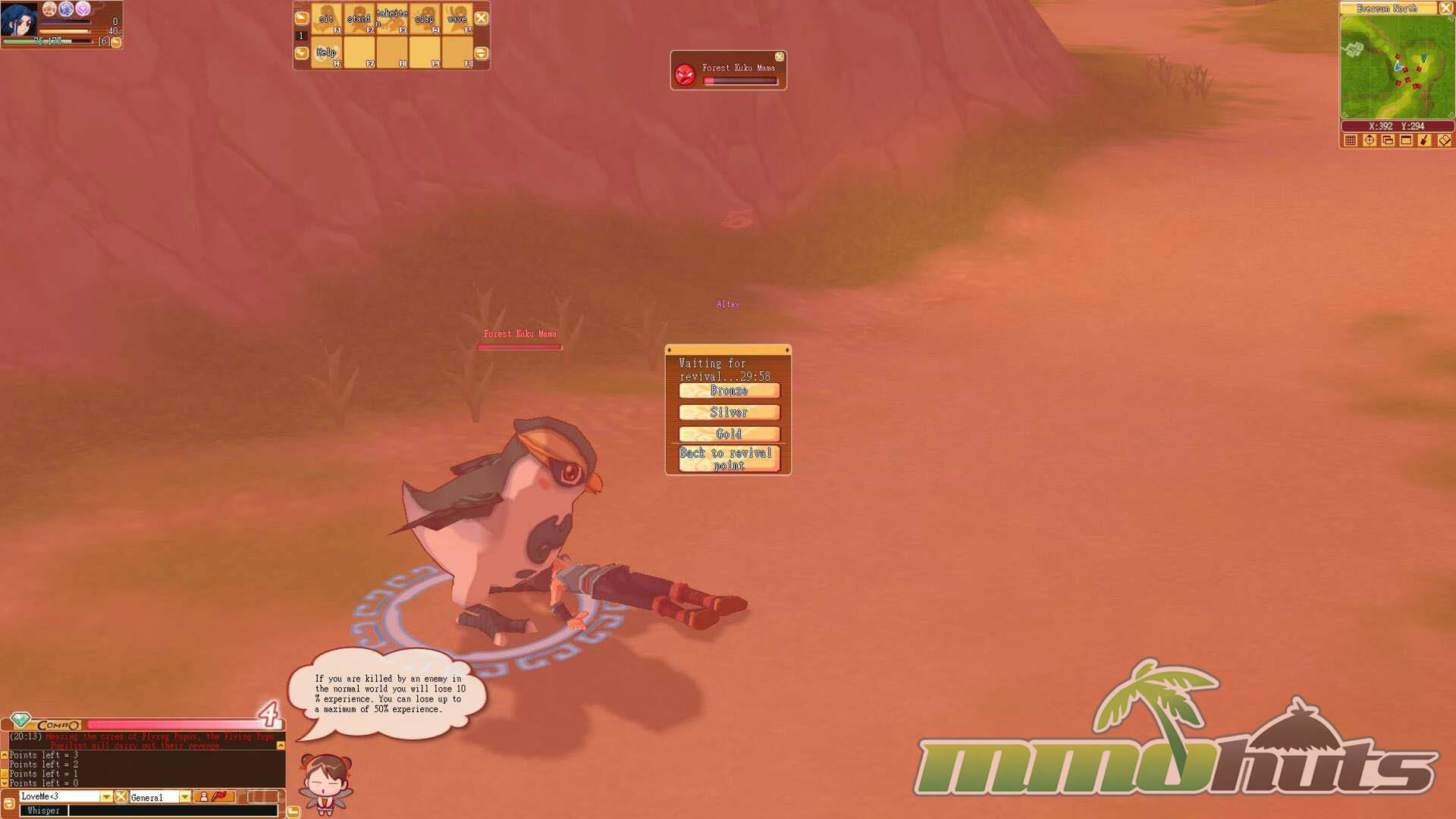
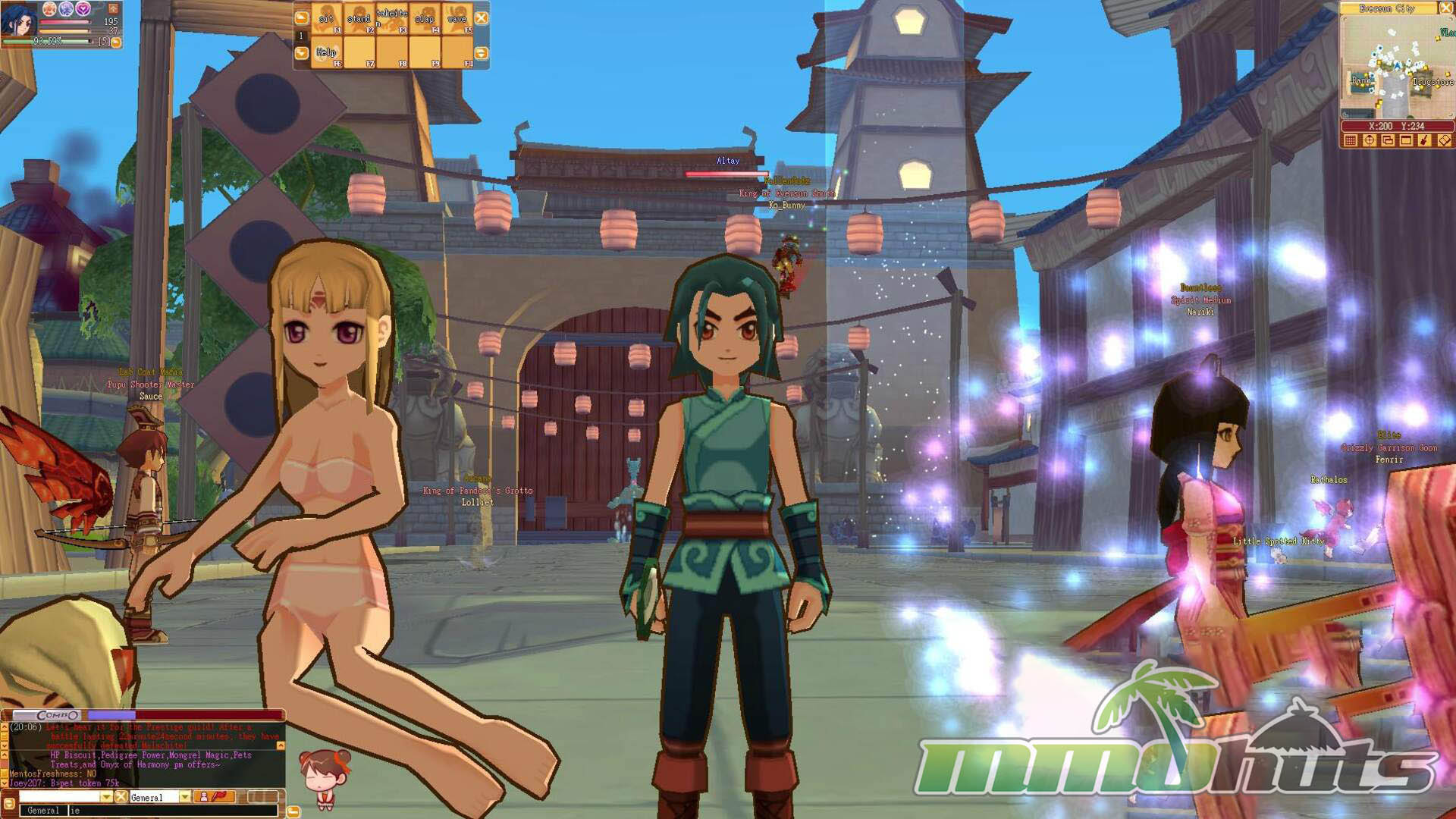
Dream of Mirror Online Screenshots
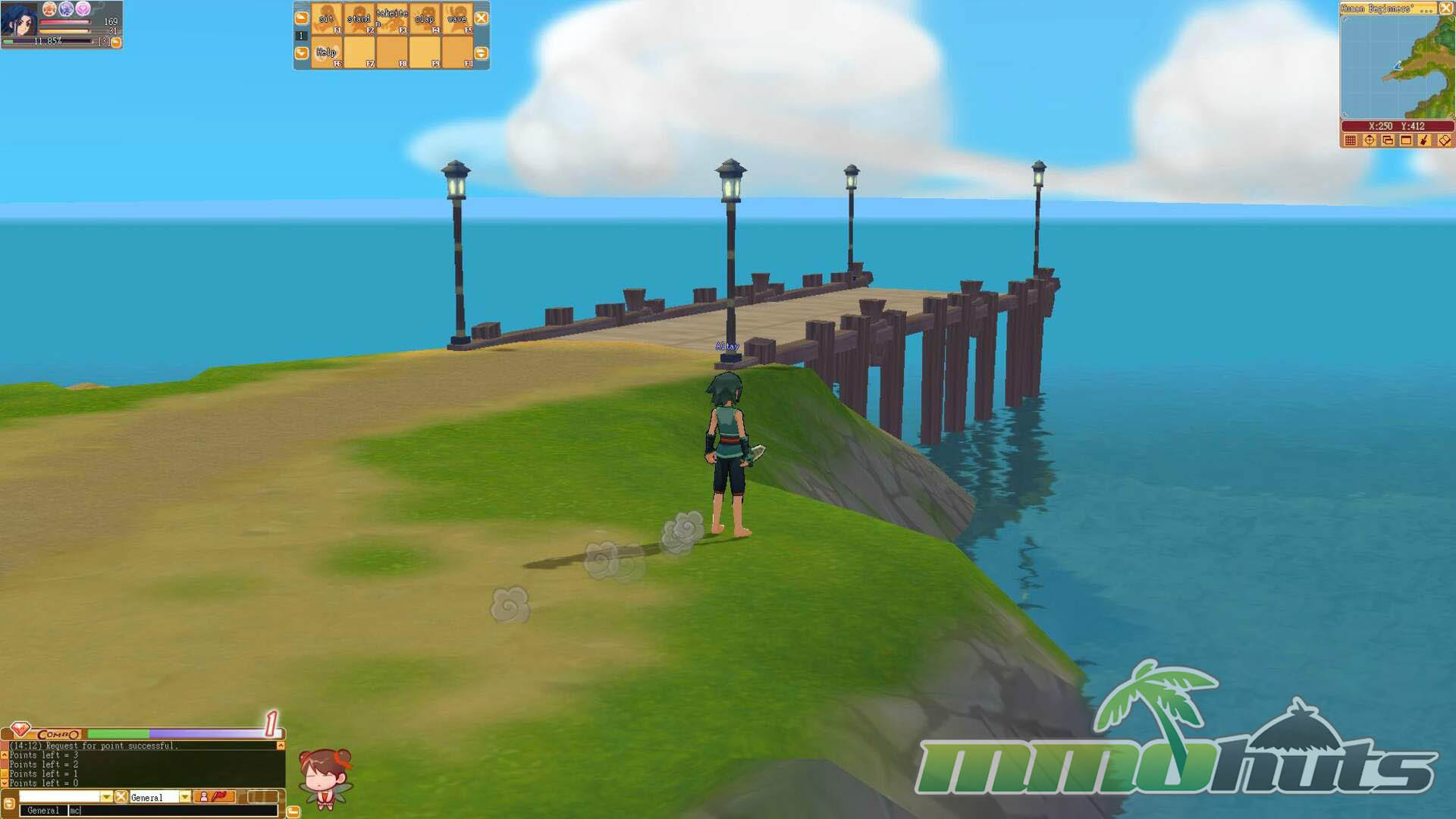
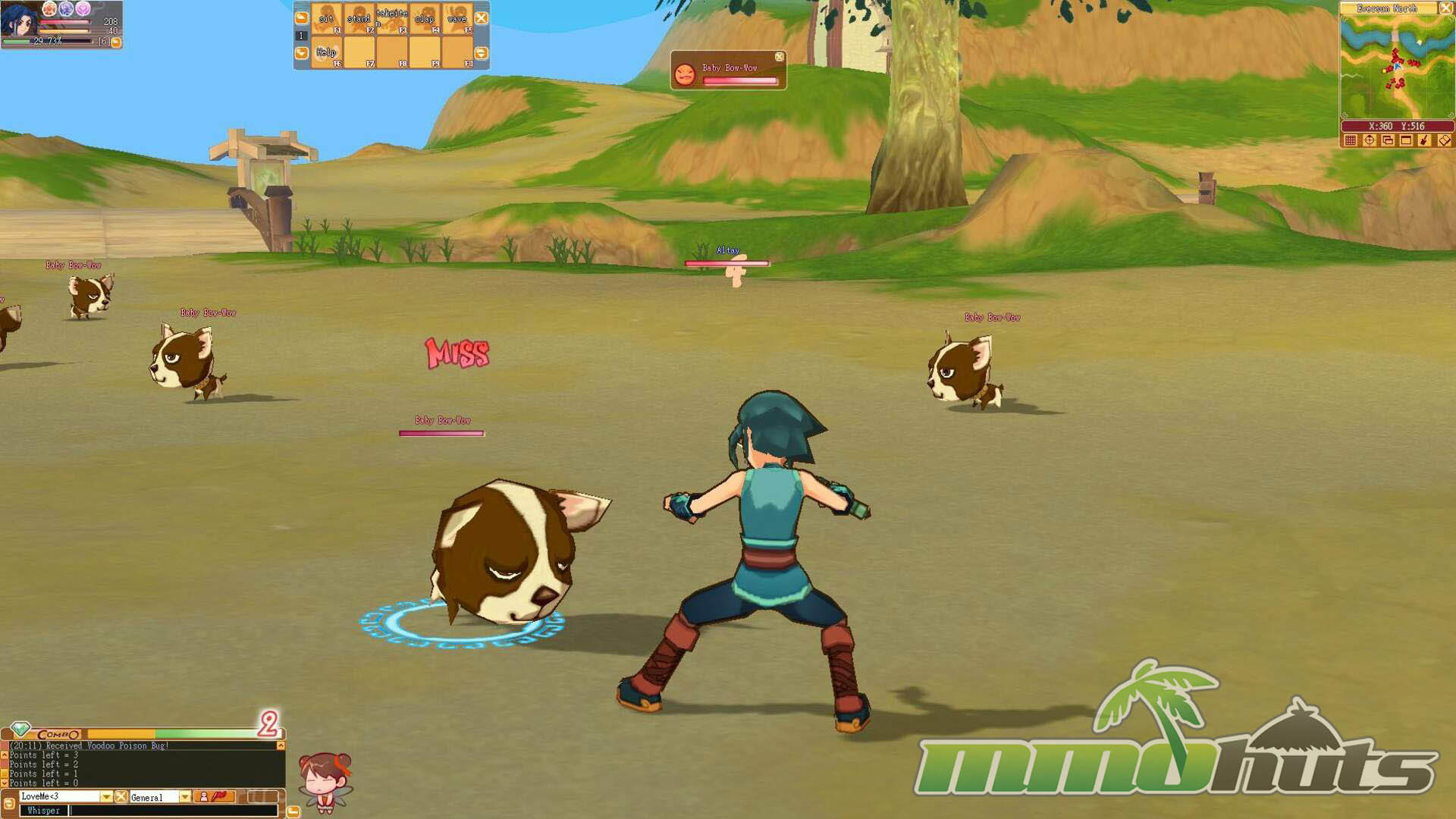
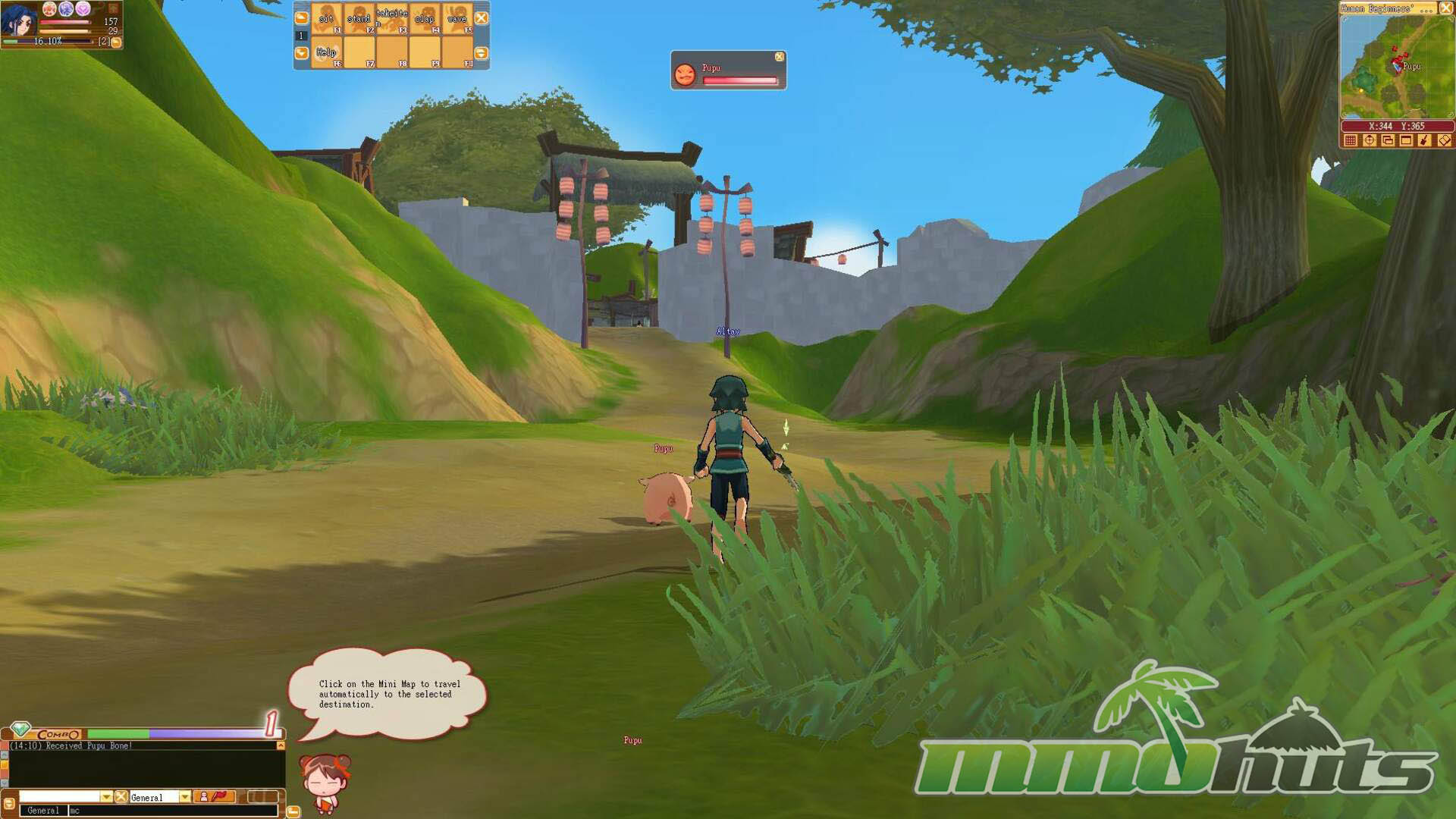
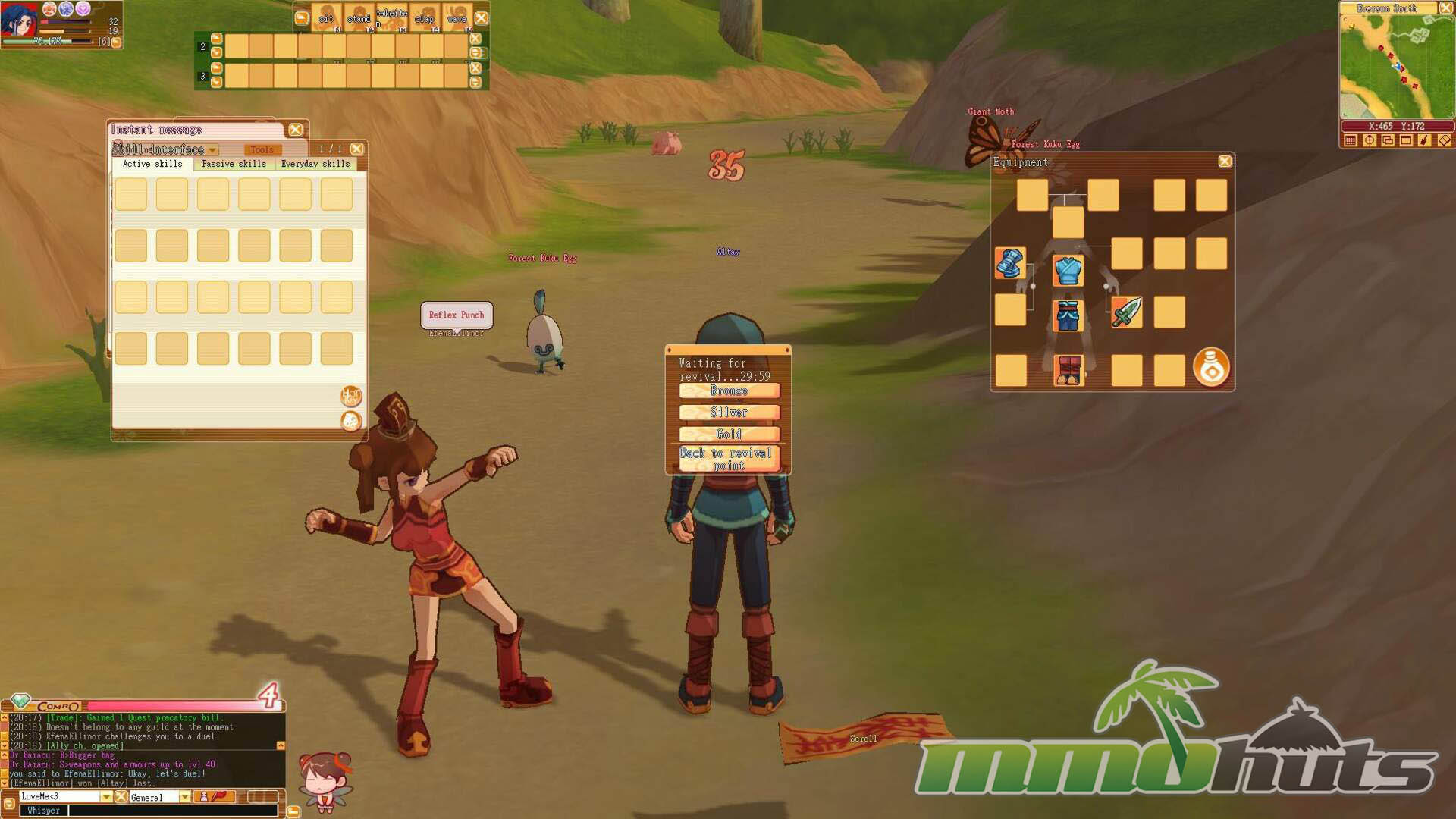
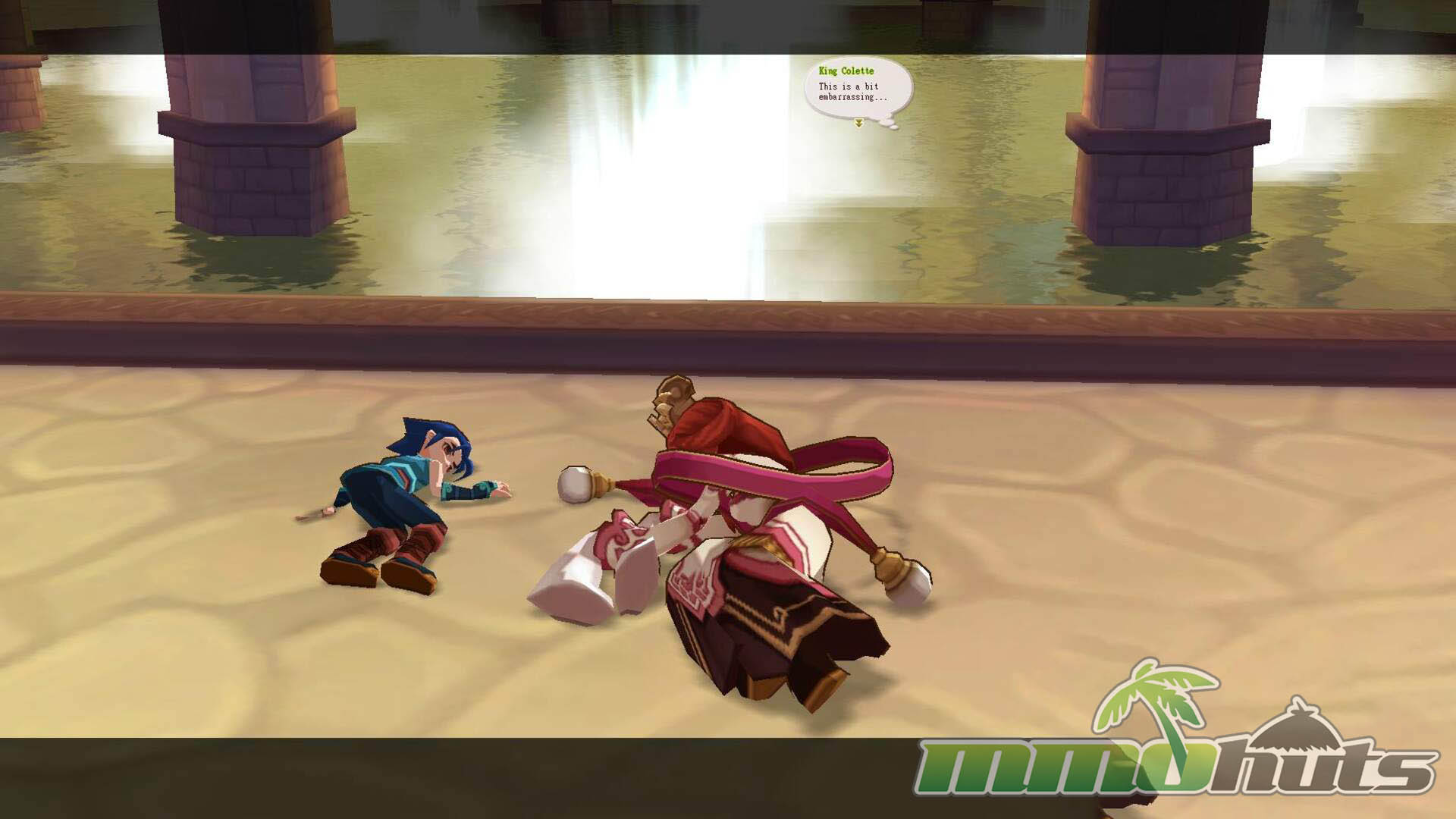
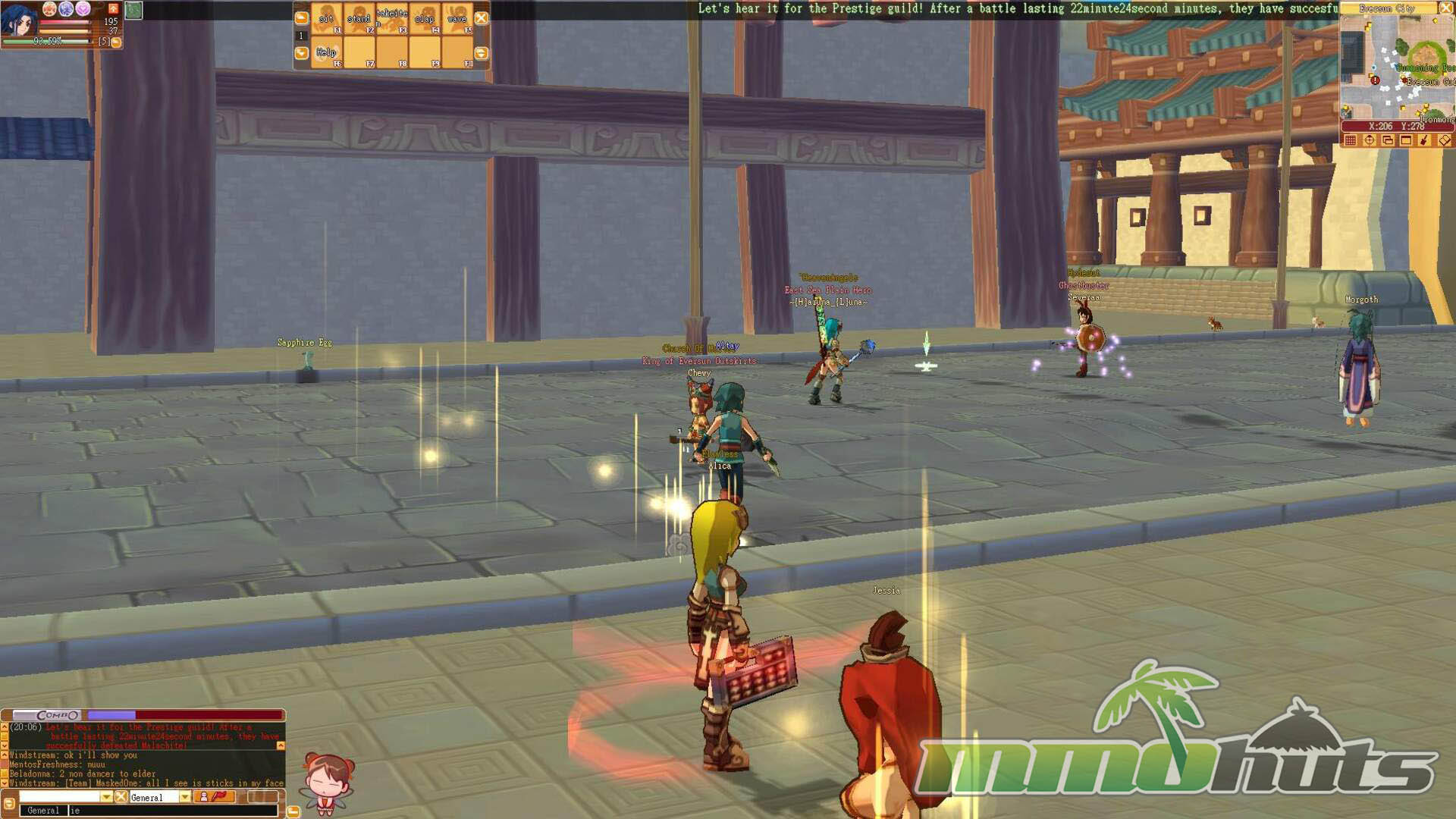
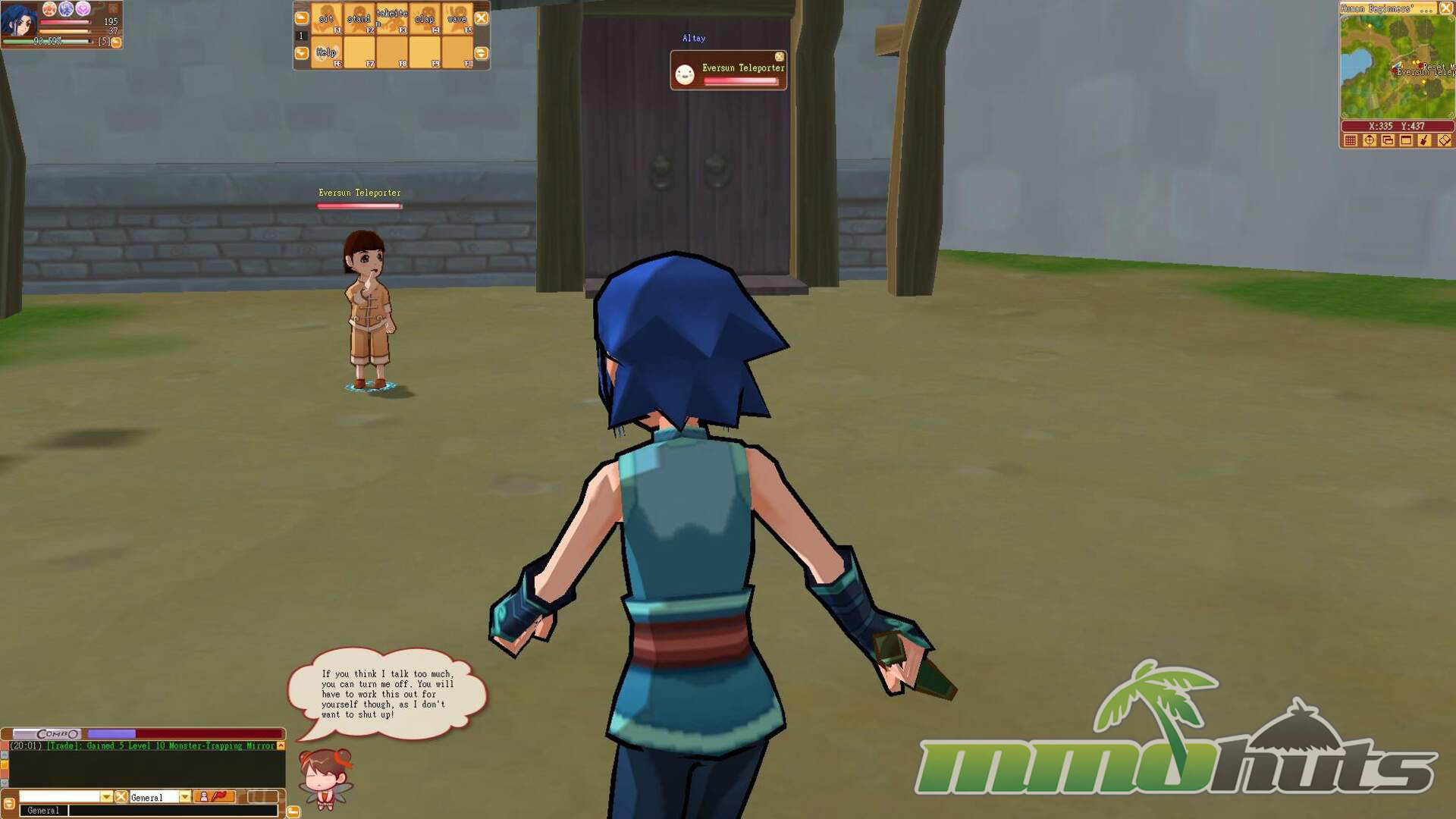
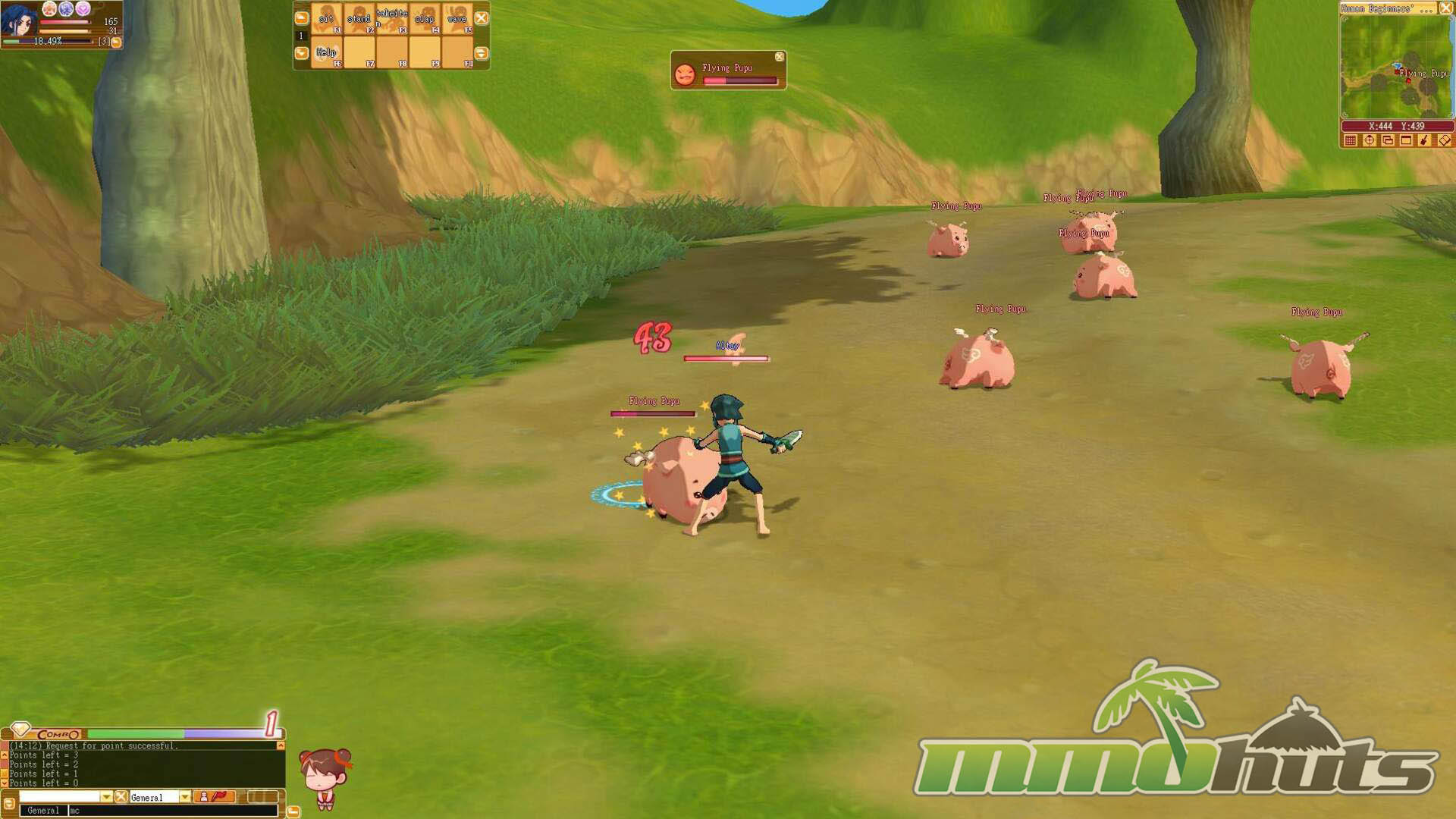
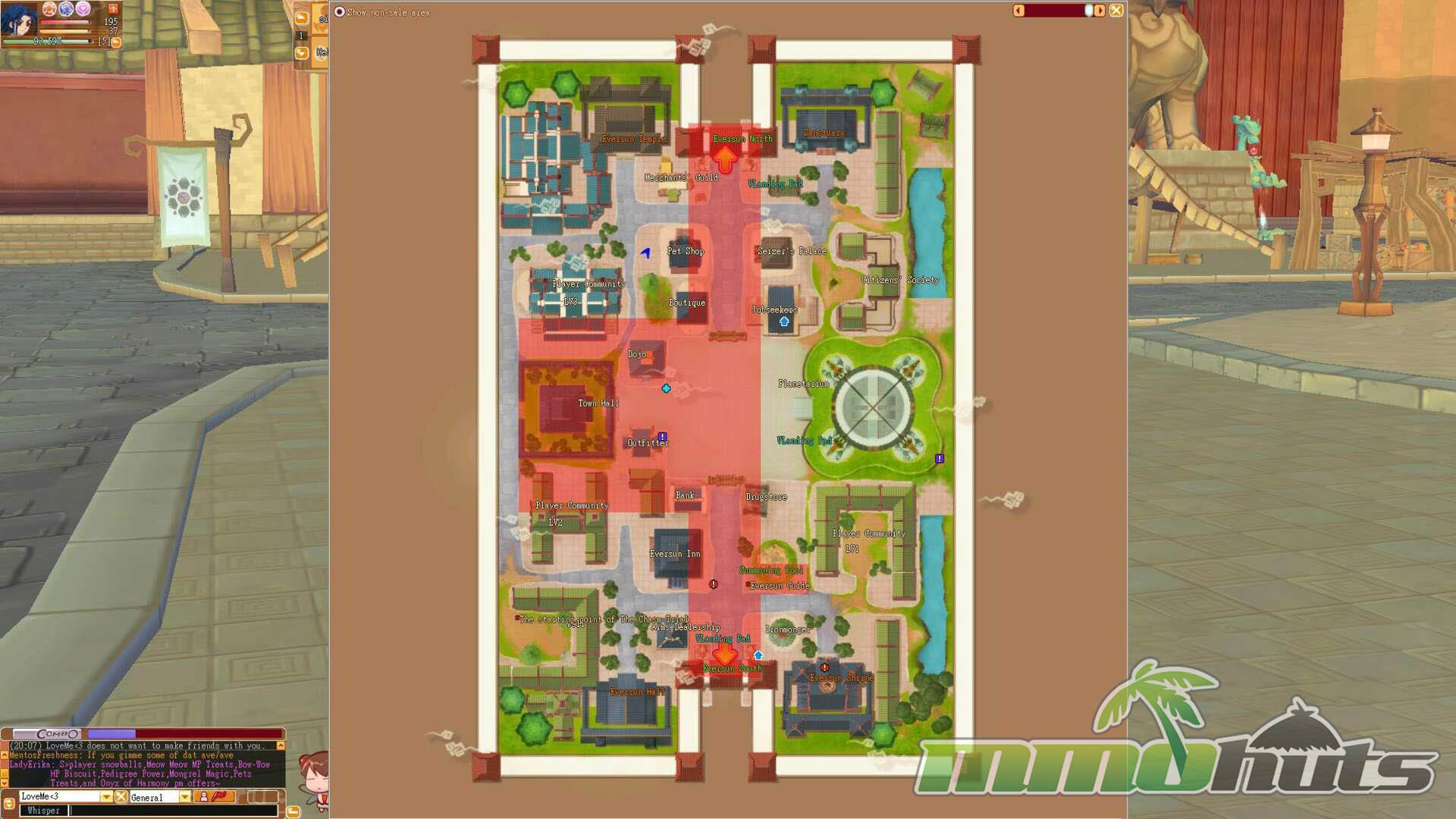
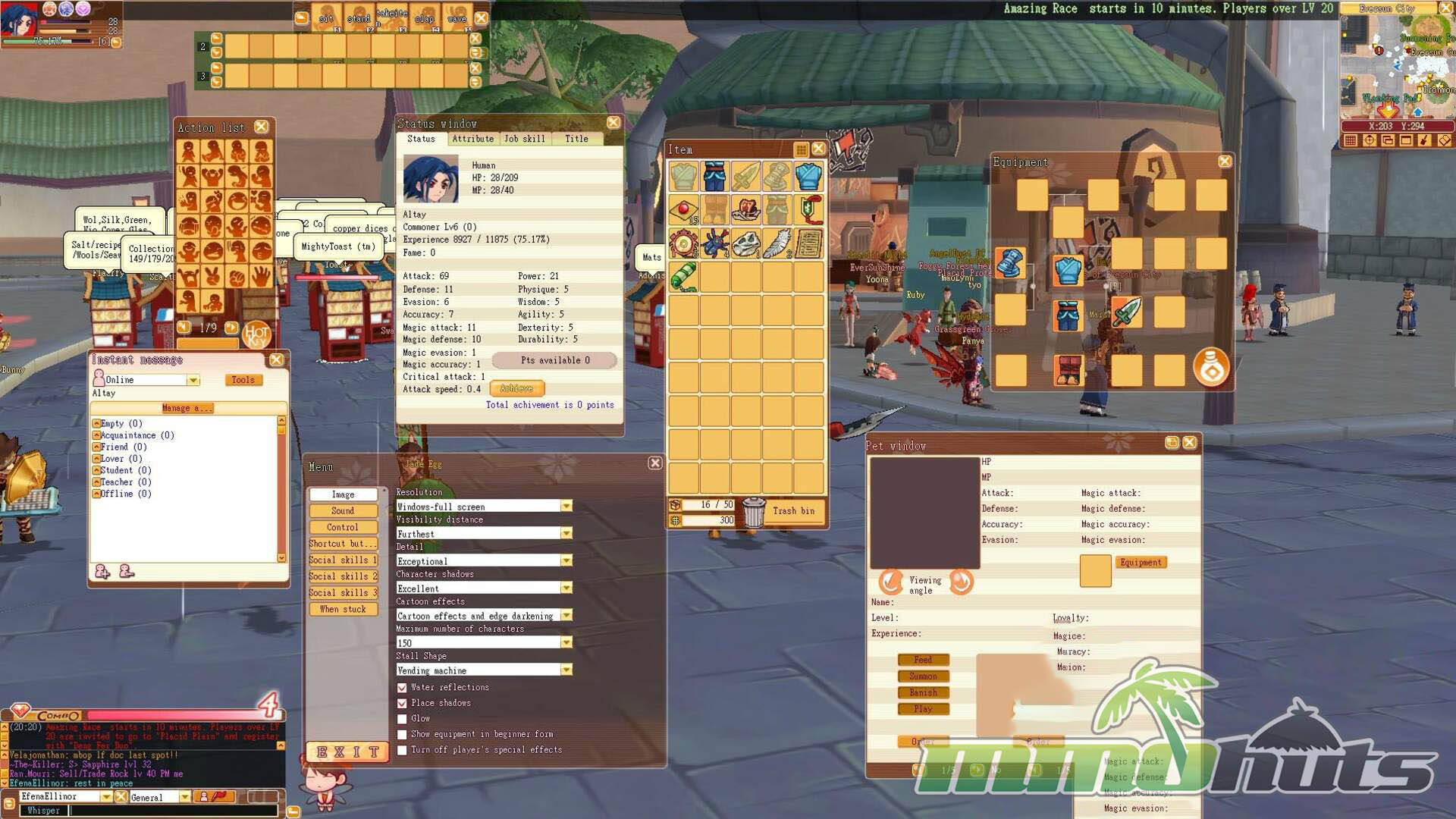
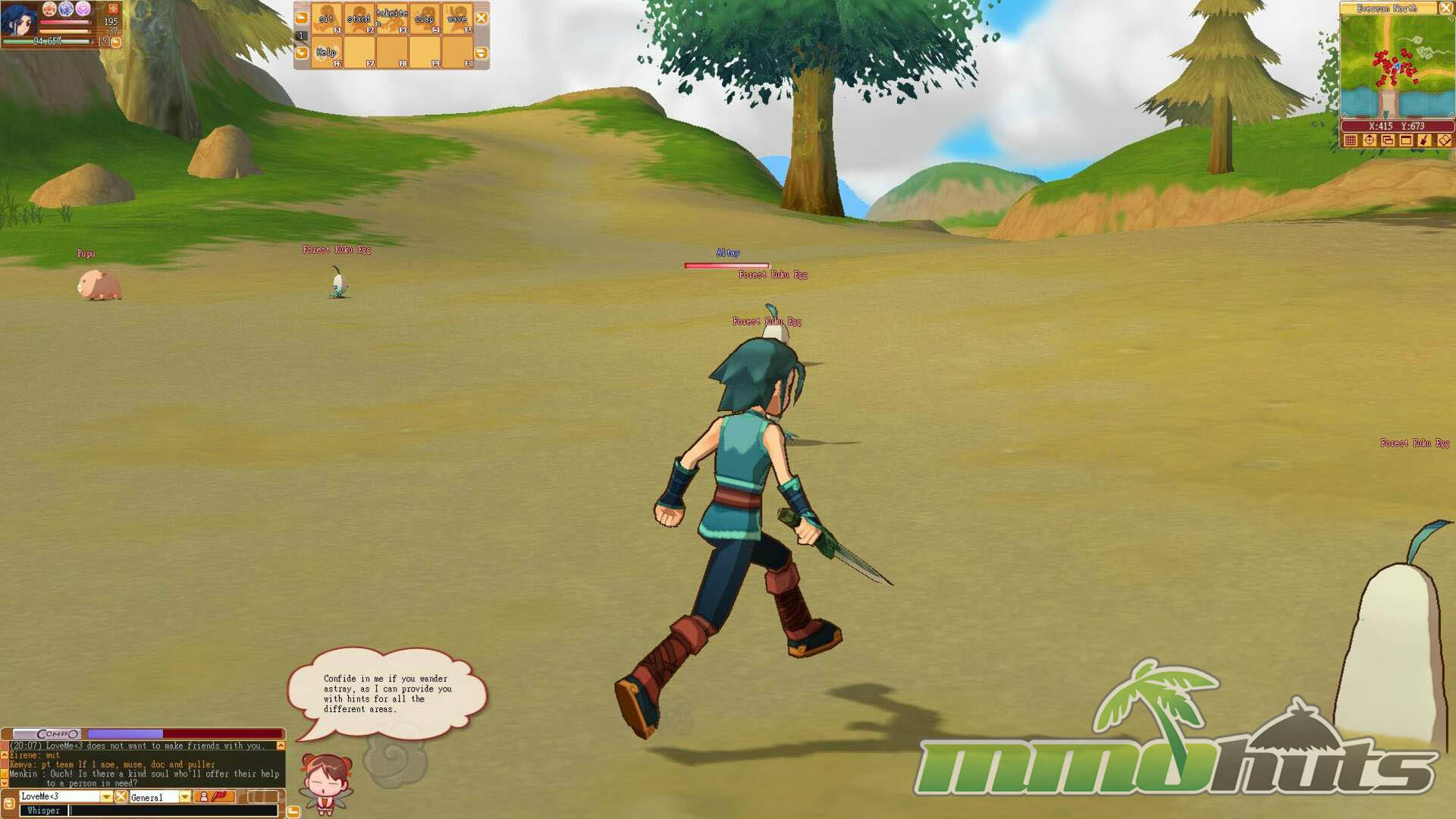
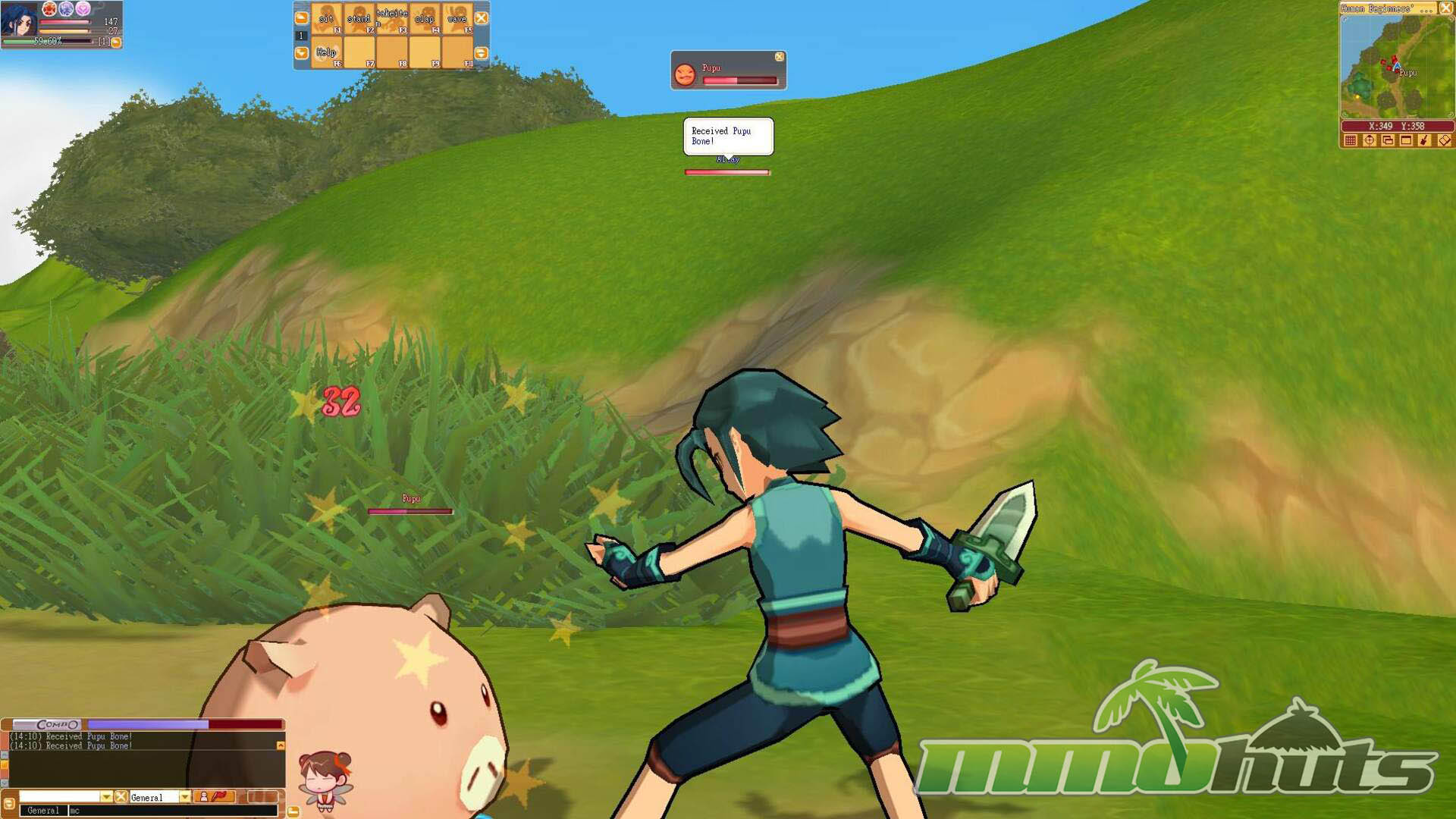
Dream of Mirror Online Featured Video

Dream of Mirror Online Classes
You begin your journey as a Commoner and only select a Job after hitting level 10. Changing Jobs is done by visiting the Careers Adviser NPC. Every Job includes two active skill trees plus one passive tree.
- Commoner – DOMO’s default starting job. Commoners have limited combat identity early on, but they shine for crafting and gathering thanks to having more secondary skill slots than other classes.
- Blademaster – a close-range damage dealer built around straightforward aggression. Blademasters wear light armor and use sabers, and they can trade survivability for higher damage output.
Skill Trees: Bestial Attacks, Martyr Arts. - Dancer – a fragile AoE-oriented class that leans on debuffs and wide attacks. Dancers fight with fans and wear costumes rather than sturdy armor, so positioning matters.
Skill Trees: Fan Dancing, Different Dances. - Doctor – a core support pick for groups, offering healing, buffs, and revives. Doctors wield syringes and wear robes, which usually means they depend on teammates to keep enemies off them.
Skill Trees: Medical Treatment, Croakus Pocus. - Fencer – a hybrid-style fighter that blends physical strikes with elemental enhancements. Fencers use swords and light armor, making them adaptable without being true tanks.
Skill Trees: Elemental Attacks, Targeted Attacks. - Hunter – long-range archers using bows and cloth armor. Hunters can attack from farther away than most classes, but they must keep an eye on arrow supplies.
Skill Trees: Archery, Hunter’s Instincts. - Martial Artist – a durable brawler with the highest HP and strong recovery. Despite minimal armor, Martial Artists bring solid physical and magical defenses, using gloves or a staff in a monk-like role.
Skill Trees: Power Attacks, Staff Attacks. - Mercenary – the primary tank archetype, built to hold threat and protect allies. Mercenaries wear heavy armor, can use shields, and have access to multiple weapon types, alongside taunts to control enemies.
Skill Trees: Ax Attacks, Spear Attacks. - Merchant – a crafting-leaning job with utility rather than frontline combat power. Merchants can support allies with medicine and create pet snacks to improve pet performance, and they carry an abacus as a shield.
Skill Trees: Trade Secrets, Money Talks. - Musician – a support class that uses instruments to play songs that bolster nearby allies. Their buffs can improve things like HP/MP recovery, damage, accuracy, and evasion depending on the song.
Skill Trees: Musical Magic, Pet Sounds. - Shaman – an elemental caster focused on damage and debuffs, with several options to improve recovery rates as well. Shamans use wands and robes, so they are not built to take sustained hits.
Skill Trees: Seasonal Magic, Nature Magic. - Thief – a fast, evasive damage dealer with the ability to steal items from enemies. Thieves wear cloth armor but compensate with high evasion and quick dagger attacks.
Skill Trees: Close Combat, Sneak Combat. - Witch Doctor – a debuff-heavy caster specializing in poisons and damage-over-time effects. Witch Doctors can raise and manage bugs that hinder enemies or enhance their owner, and they fight with robes and daggers.
Skill Trees: Poisoning, Blood Curse Poison. - Wizard – a ranged spellcaster that relies on scrolls, with strong area damage and various speed-related buffs and debuffs. Wizards can be costly to maintain due to scroll purchases, and their casting tends to be slower.
Skill Trees: Scrollcasting, Spellcasting. - Sorcerer – an advanced magic job intended for players who have already leveled both Shaman and Wizard to high levels. This class is not available on the English language server yet.
Skill Trees: Sorcerer Spell of Five Elements, Puppet Control.
Dream of Mirror Online Review
Dream of Mirror Online is best approached as a classic, older-school MMO where charm and systems carry more weight than cutting-edge presentation. The art direction leans into bright, anime character designs and a lighthearted tone, while the setting pulls from Chinese mythology for its monsters, regions, and overall theme. It is the kind of game where you log in for a mix of questing, party play, and social activity, rather than a relentless endgame treadmill.
The job system is easily DOMO’s biggest strength. Being able to swap between fifteen classes on one character changes the usual MMO routine, because you can keep your social ties, gear progression habits, and familiarity with the world while still trying a completely different combat role. The tradeoff is time: each job levels on its own, so versatility is earned through repetition and commitment. For players who enjoy mastering multiple roles (healer, tank, ranged DPS, support), DOMO offers a rare sense of freedom.
Combat and moment-to-moment gameplay feel like a product of its era. Encounters are readable and generally straightforward, and the interface shows its age in both layout and responsiveness. That said, the class variety helps keep combat from going stale, especially if you rotate jobs to fit your mood or the needs of a party. Support-oriented classes like Doctor and Musician also give group content a more traditional MMO flavor, where buffs and team coordination matter.
Where DOMO differentiates itself from many modern free-to-play MMORPGs is in its social toolset. The relationship systems, including student-teacher dynamics and romantic pairings that can lead to marriage, push players toward community interaction instead of pure efficiency. If you like the idea of an MMO as a virtual hangout space, not just a progression checklist, DOMO is designed with that mindset.
Outside of combat, the collection skills and life activities add a second track of progression. Farming, fishing, mining, and other gathering paths give you something productive to do between quests or while chatting with friends. The Devil Seal Card system also adds a fun layer of utility, capturing weakened monsters and turning them into summonable helpers, which can make solo play feel more flexible.
The biggest obstacles are presentation and polish. Graphics options are limited, and environments can look plain, particularly in terrain and background textures. Players used to modern UI standards may also find the menus and general flow clunky at first. Still, DOMO’s low system requirements are a genuine advantage, it is accessible on older PCs and laptops that struggle with newer MMORPGs.
Overall, Dream of Mirror Online is a niche-friendly MMO: a class-hopping, community-leaning game that rewards players who enjoy older design sensibilities, slower progression across multiple jobs, and social systems that go beyond simple guild chat. If you need modern visuals and streamlined quality-of-life features, it may feel dated, but if you want a flexible job system and a more relationship-driven MMO structure, it remains worth a look.
Dream of Mirror Online Links
Dream of Mirror Online Official Site
Dream of Mirror Online Steam
Dream of Mirror Online Wikia [Database / Guides]
Dream of Mirror Online Wikipedia
Dream of Mirror Online Requirements
Minimum Requirements:
Operating System: Windows XP SP 3 or newer
CPU: Intel Pentium 4 1.3 GHz
RAM: 512 MB
Video Card: Nvidia GeForce 3 / ATI Radeon 8500
Hard Disk Space: 2 GB available space
Recommended Requirements:
Operating System: Windows 7 / 8 / 8.1
CPU: Intel Pentium 4 2.40 GHz or better
RAM: 1 GB RAM or more
Video Card: Nvidia GeForce FX 5900 / ATI 9200 or better
Hard Disk Space: 4 GB available space
Dream of Mirror Online Music & Soundtrack
Dream of Mirror Online Additional Information
Developer: Softstar
Publisher: Suba Games
Release Dates:
Taiwan: September 9, 2005 (Joypark)
Thailand: October 7, 2007 (Goldensoft)
Europe: September 12, 2007
Japan: 2007 (Gamania)
North America: November 12, 2007 (Aeria Games) Shut Down: June 2012
North America Relaunch: April 20, 2015 (Suba Games)
Development History / Background:
Dream of Mirror Online is part of the Xuan-Yuan Sword series, serving as its second game, and it originally launched as a subscription-based MMORPG. Drawing heavily from Chinese mythology, it takes place in the Mirror World and frames much of its appeal around community play. Social mechanics are a defining element, encouraging everything from mentorship-style bonds to romantic partnerships and marriages.
The first Western service operated for several years before closing, and the game later returned under Suba Games in 2015. That relaunch was supported by fans through a Kickstarter campaign that raised over $10,000, and community interest also helped it earn Steam Greenlight approval, paving the way for its presence on the platform through player demand.