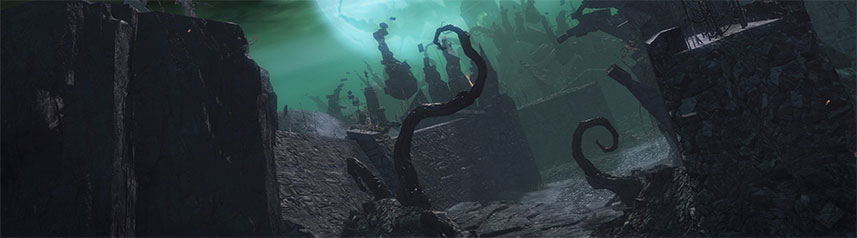
Dragon of Legends was a 2D fantasy MMORPG that aimed for a classic 1990s RPG vibe, paired with broad platform ambitions. Players were meant to pledge themselves to either the Norse or the Celt faction and carve out a personal legend across the myth-inspired realm of Havamal.
 | Publisher: Thrive Games Type: MMORPG Release Date: December 15, 2017 Abandoned: December 22, 2017 Pros: +Distinctive visual direction. +Community-made content tools. +Memorable original music. +Planned multi-platform availability. Cons: -Old-school presentation will not work for everyone. -No active community. -Fundraising controversy (Kickstarter scam). |
Dragon of Legends Overview
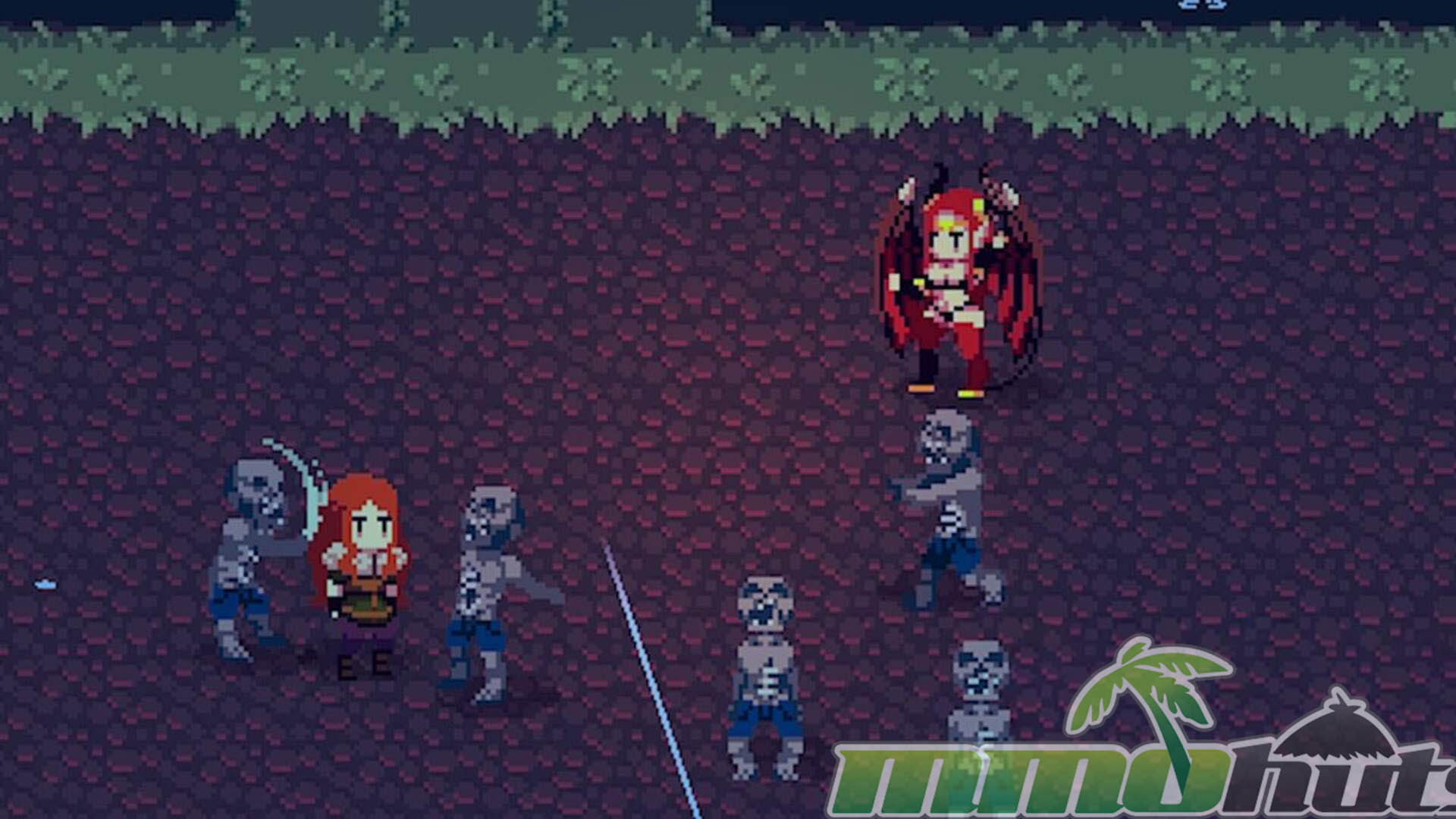
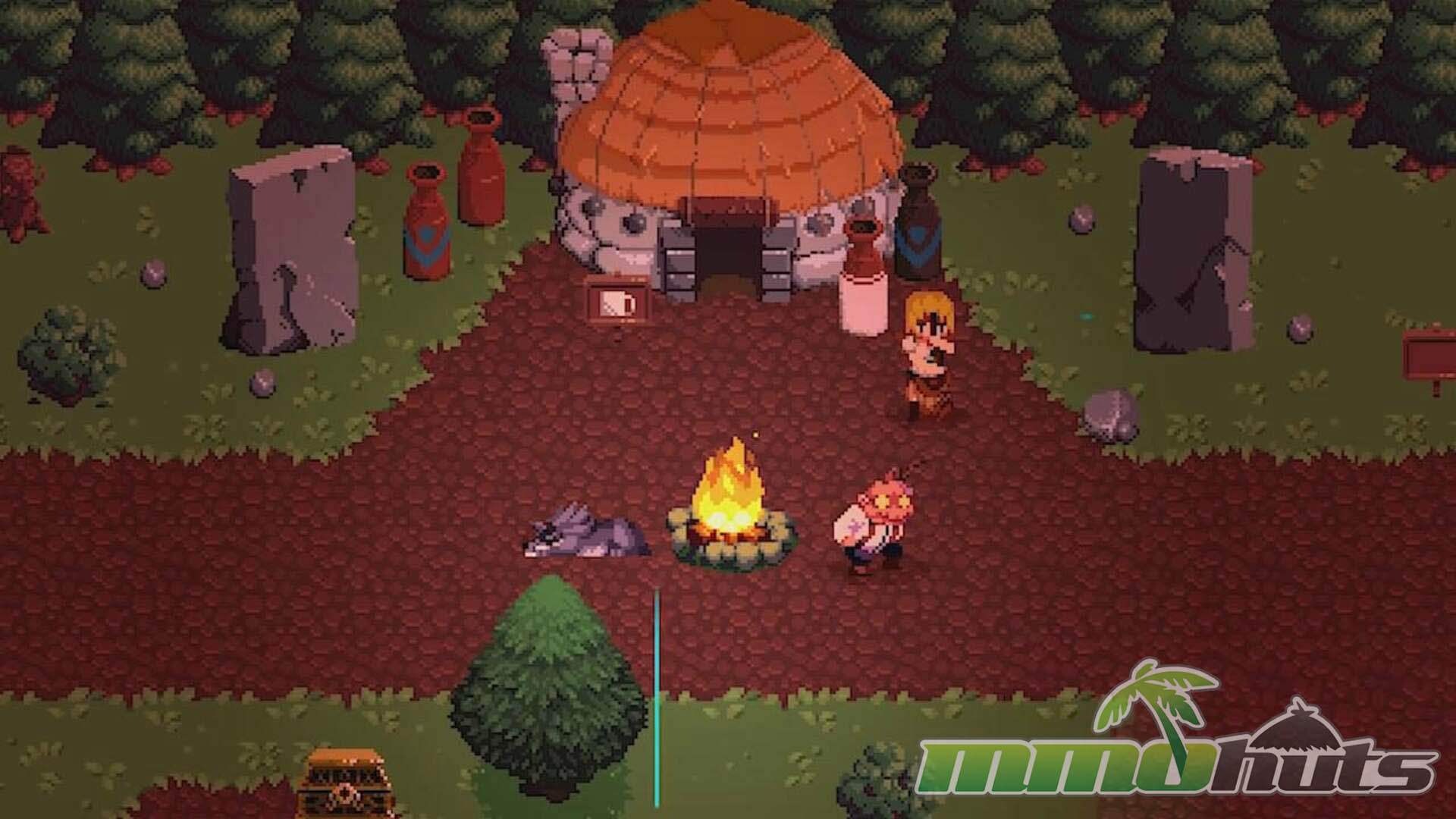
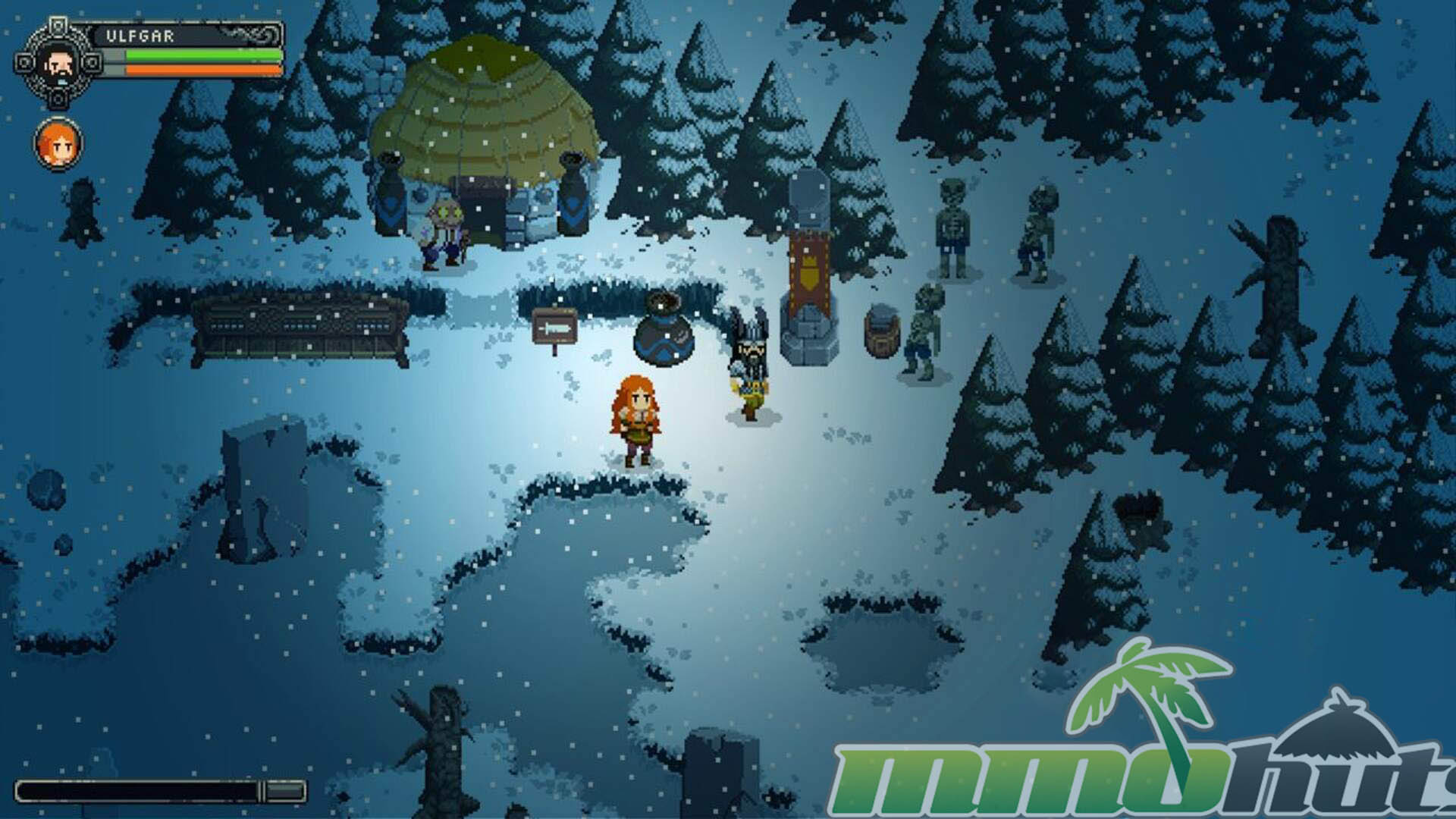
Dragon of Legends is a 2D fantasy MMORPG built around retro-styled visuals and a design that draws from classic RPG sensibilities. At the start, players align with one of two opposing groups, the Norse or the Celts, then head into Havamal with the promise of a world-saving adventure and a strong narrative focus. Each faction offers seven classes, giving players different approaches to progression and party roles without drifting too far from familiar MMO archetypes.
Instead of relying on traditional tab targeting, Dragon of Legends leans toward action-oriented encounters where landing hits requires manual aiming and timing. In theory, that choice pushes moment-to-moment gameplay closer to an arcade-like rhythm, rewarding positioning and precision rather than pure rotation execution. The game also places emphasis on story and personal milestones, using a quest log intended to reflect what your character has accomplished as you advance.
One of the more ambitious goals was allowing players to contribute to the world itself. The user-generated content angle suggests a community-driven pipeline of custom areas and narrative additions, which, when supported well, can add variety beyond developer-authored zones and quests.
Dragon of Legends Key Features:
- Multiplatform Support – Dragon of Legends will be accessible from every major platform including PC, Mac, iOS, Android, PlayStation 4, and Xbox One.
- 2 Factions, 7 Classes – choose allegiance between the Celts and the Norse, then pick from seven class options on each side.
- Action-Based Combat – combat is built around aiming and connecting attacks directly, rather than leaning on the tab-target model common to many MMORPGs.
- Rich Lore and Backstory – the setting draws inspiration from Gaelic and Nordic mythology, framing your travels through Havamal with a lore-forward tone.
- User-Generated Content – players can create custom content and share it for others to experience.
Dragon of Legends Screenshots
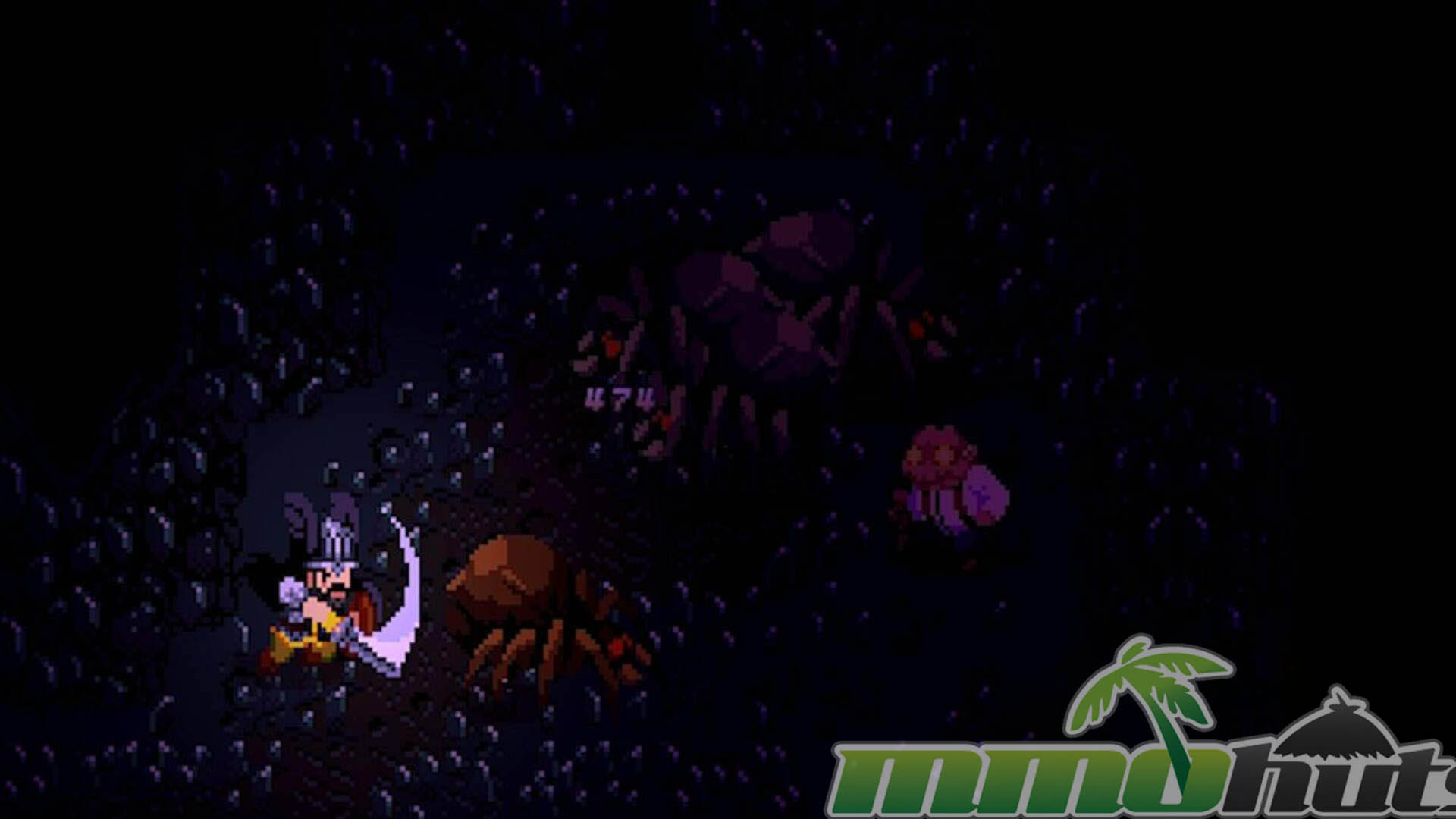
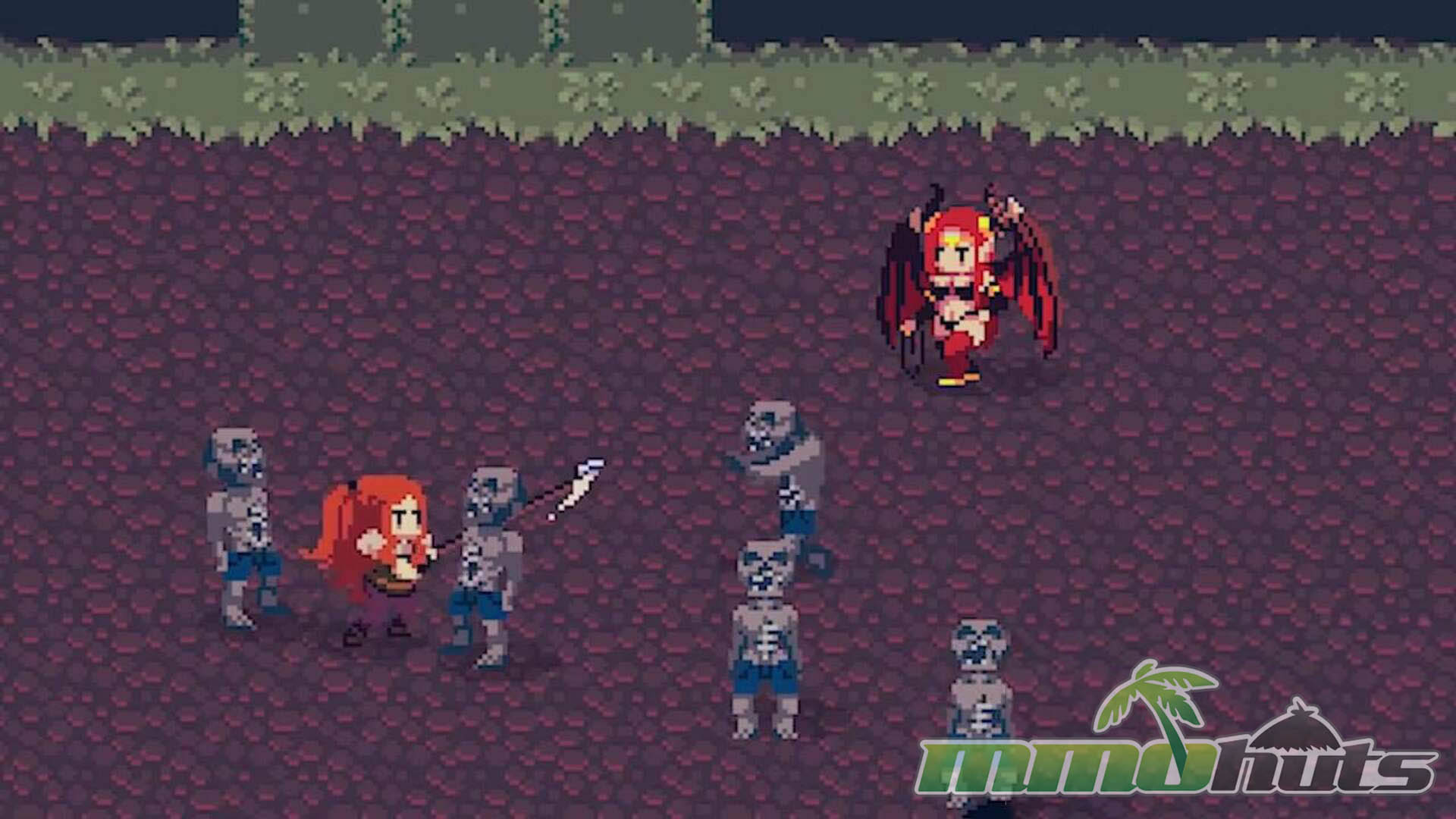
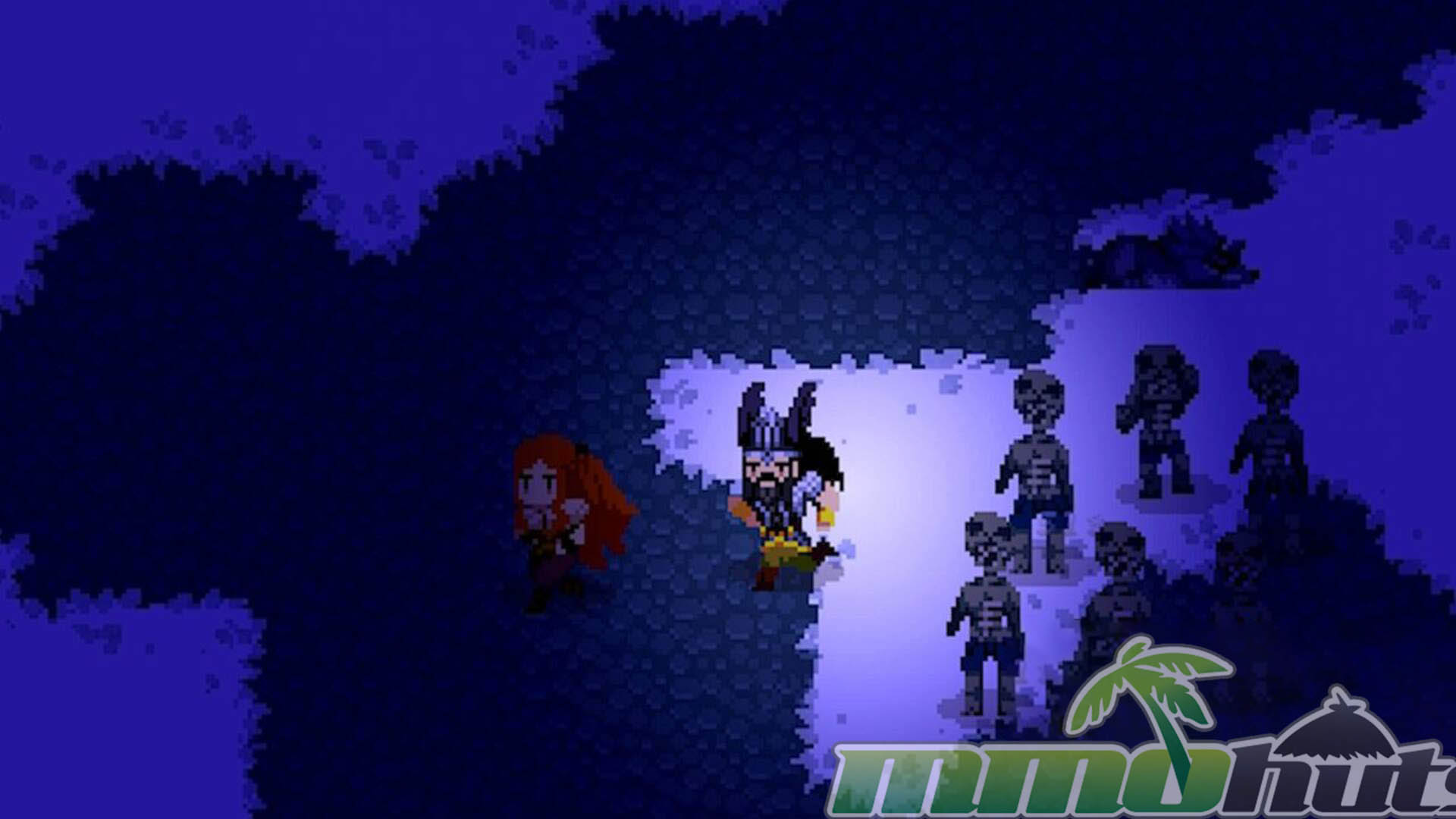

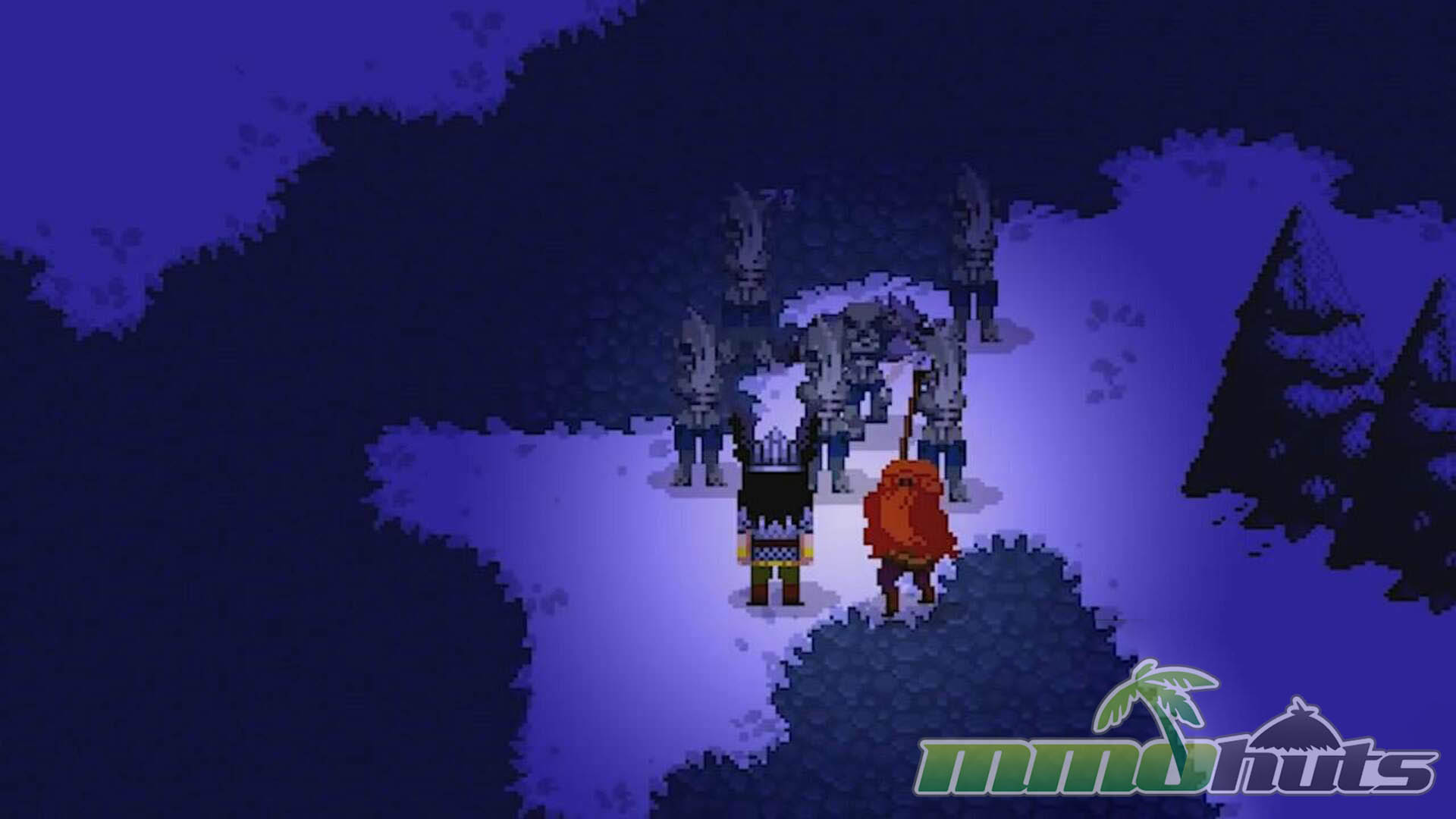
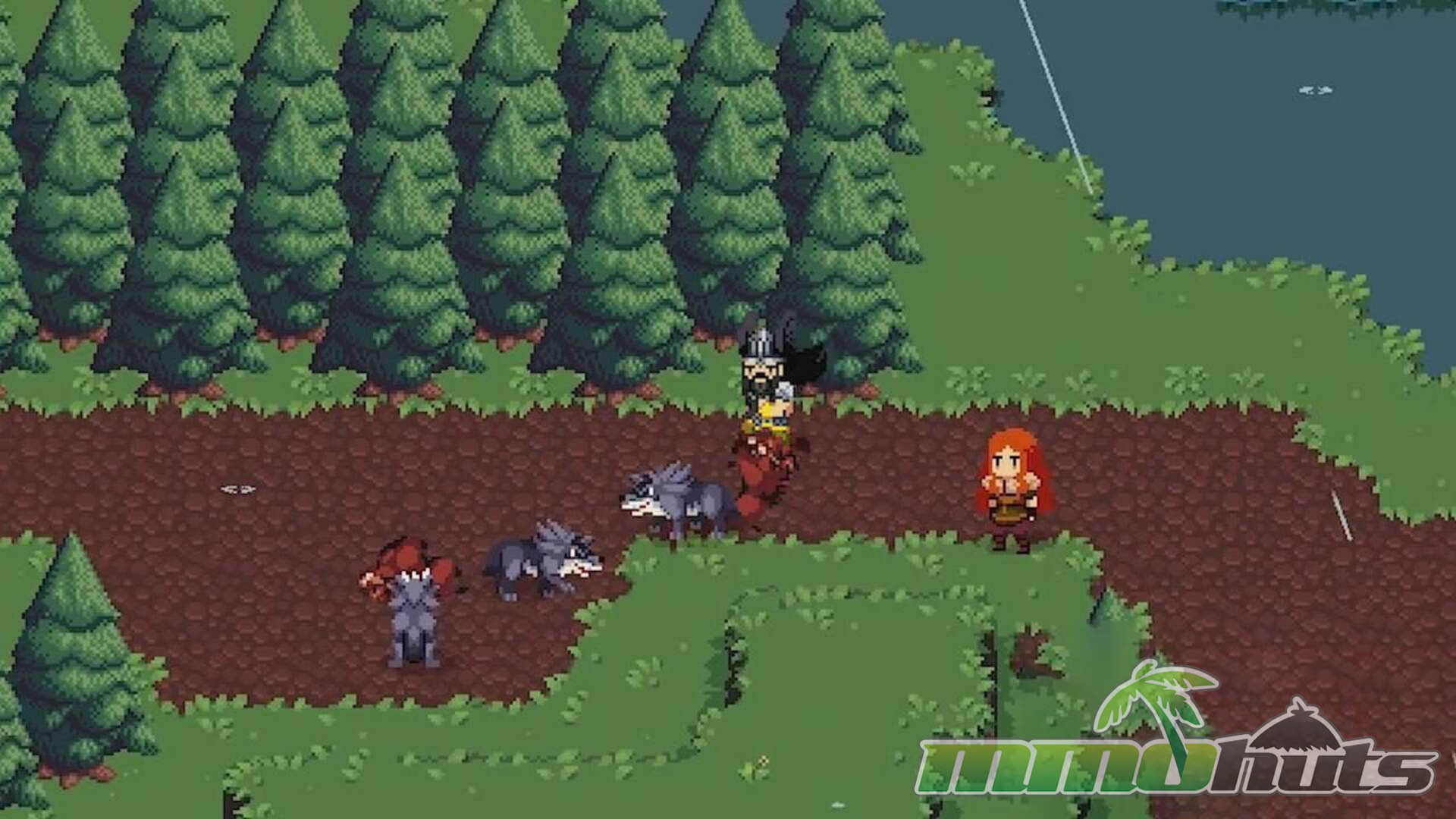
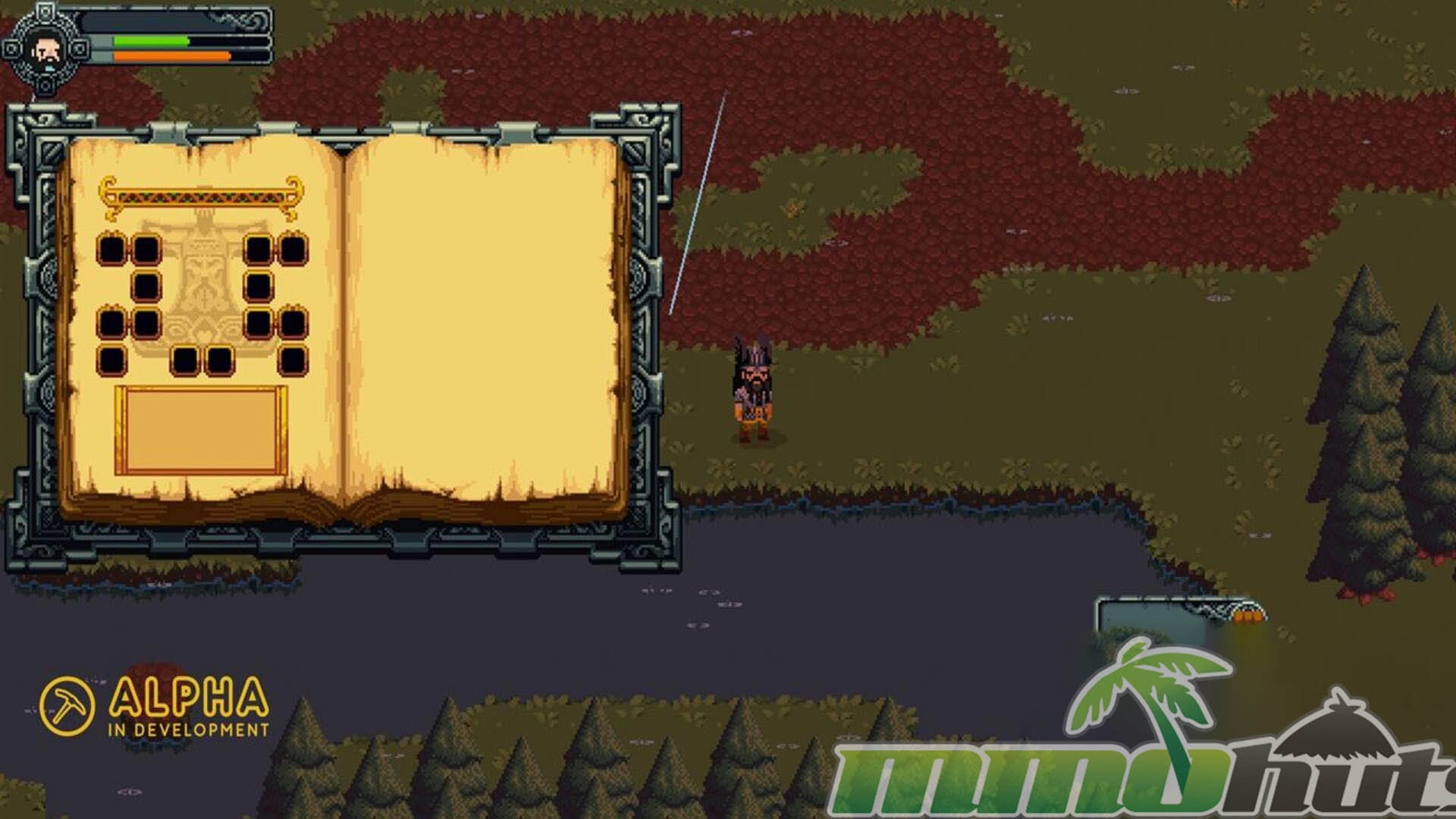
Dragon of Legends Featured Video

Dragon of Legends Review
Dragon of Legends is best understood as a small-scope MMO concept with big aspirations. On paper it combines a nostalgic 2D presentation, faction identity (Norse versus Celt), and a more hands-on combat style than many traditional MMORPGs. It also aims to elevate narrative and lore, which is a sensible way to stand out in a genre that often treats story as secondary to grinding and endgame loops.
The most interesting design choice is the action-based combat pitch. Manual aiming can make even simple fights feel more engaging, especially in a 2D perspective where enemy patterns and spacing are easy to read. When this approach works, it tends to create a higher skill ceiling than tab targeting, because player execution matters more than stat checks. The tradeoff is that balance and responsiveness become critical. If hit detection, animation timing, or latency are off, the entire combat loop can feel inconsistent, particularly in multiplayer scenarios.
Class and faction structure appears intended to provide replay value and community identity. Two factions can encourage rivalry and cooperation within groups, and seven classes per side is enough variety to support experimentation. Still, for a game like this, the long-term appeal would depend heavily on how distinct those classes feel in practice, and whether progression provides meaningful decisions rather than incremental stat bumps.
The other headline feature is user-generated content. In MMO terms, that is both exciting and risky. Good tools and moderation can lead to an endless stream of creative scenarios, social hubs, and side stories, while weak curation can result in uneven quality and fragmented player experiences. For a smaller project, the success of this feature would likely hinge on community size and how easy it is to discover the best creations.
Ultimately, Dragon of Legends is difficult to recommend as an active MMORPG today due to its abandoned status and lack of playerbase. As a concept, it highlights a set of ideas that many players enjoy, retro-styled fantasy, mythological flavor, and combat that asks more of the player. As a live service, however, the short lifespan and the surrounding fundraising controversy are hard to ignore, and they define the game’s legacy as much as its design goals.
Dragon of Legends Links
Dragon of Legend Steam Page
Dragon of Legends Facebook Page
Dragon of Legends Kickstarter Campaign
Dragon of Legends System Requirements
Minimum Requirements:
Operating System: Windows XP / Vista / 7 / 8 / 10
CPU: Intel Pentium 4 1.3 GHz / AMD Athlon XP 1600+
Video Card: Nvidia GeForce 8300 GS / ATI Radeon HD 3200
RAM: 4 GB
Hard Disk Space: 2 GB
Recommended Requirements:
Operating System: Windows 10
CPU: Intel Pentium 4 3.2 GHz or better / AMD Athlon 64 3500+
Video Card: Nvidia GeForce 7600 GT 256 MB / ATI Radeon X1800 Series 256 MB or better
RAM: 4 GB or more
Hard Disk Space: 2 GB
Dragon of Legends Music & Soundtrack
Dragon of Legends Additional Information
Developer: Thrive Games (based in Hamilton, Ontario, Canada)
Lead Developer: Michael Huynh
Lead Designer: Nathan Dworzak
Creative Director: Parker Martin
Sound Designer: Lewis Lepton
Programmers: Pawel Konobitsov, Jacob Downing
Artists: Anna Klimkovic (Lead), Roger Roopnaraine (Environment), Peter Keenan (Character)
Platforms: PC, Mac, Linux, Android, iOS
Game Engine: In-House Proprietary Game Engine
Release Date: December 15, 2017
Development History / Background:
Dragon of Legends is both developed and published by Thrive Games, a studio located in Hamilton, Ontario, Canada. The company began as Thrive! Entertainment on July 27, 2013, initially taking on porting work and development support for other teams. Around mid-2014, the studio rebranded to Thrive Games and shifted toward building original projects.
Dragon of Legends was positioned as the team’s first major release, with a setting influenced by Gaelic Ireland and Norse mythology. It arrived on Steam on December 15, 2017 and, based on its update history, saw its final update seven days later. The project also raised $20,000 Canadian dollars on Kickstarter, and has been widely labeled a kickstarter scam project, which remains a significant part of the conversation around the game.