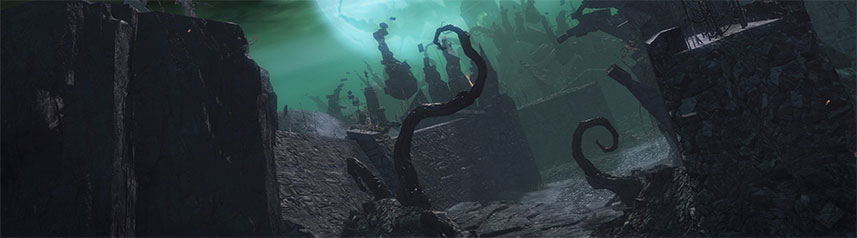
Diablo 3 is a fast-paced action RPG built around constant combat, character builds, and the thrill of randomized loot. You pick one of six classes and carve through dungeons packed with demons, steadily unlocking skills and swapping loadouts to match your preferred style, whether that means close-range brawling or screen-filling spell damage.
 | Publisher: Blizzard Entertainment Playerbase: High Type: Action RPG Release Date: May 15, 2012 Pros: +Seasonal competition and leaderboard chasing. +Deep skill options per class with flexible loadouts. +Excellent co-op for up to 4 players. Cons: -Repetition is central to the endgame loop. -PvP is minimal and not a major focus. -No built-in tool for finding groups on demand. |

Diablo 3 Overview
Diablo 3 drops you into Sanctuary for a tour through ruined villages, corrupted cathedrals, scorching deserts, and otherworldly realms, all in pursuit of Diablo and the forces that serve him. It is an isometric dungeon crawler at heart, focused on momentum, quick decision-making, and the steady upgrade of your character through new skills and better gear. With six available classes, each with its own identity and toolkit, the game supports very different approaches to clearing content, and those approaches tend to become even more distinct when you play in a full group.
Build crafting in Diablo 3 revolves around a generous skill system and the constant churn of equipment. Abilities are organized into categories with limited action-bar slots, so the core challenge is not unlocking everything, it is choosing a set of tools that work together. Gear is heavily randomized, with stat rolls that can push a build toward critical hits, elemental damage, survivability, or utility. Encounters are also spiced up by elite enemies that spawn with dangerous modifiers, forcing you to reposition, manage cooldowns, and occasionally rethink how aggressive you can be.
Replay value comes from the game’s procedural elements. Dungeons and events are randomized enough to keep repeated runs from feeling identical, even when you are farming the same areas. For players who want to step outside the campaign, Diablo 3 also includes Brawling, a lightweight PvP option that lets you test your build against other players without turning the game into a full competitive arena title.
Diablo 3 Key Features:
- Numerous Builds and Playstyles – skills can be swapped freely outside combat, enabling countless viable setups per class.
- Competitive Ladder System – measure progress against others through Brawling and the broader ladder mindset.
- Level Generator – shifting maps and varied monster spawns help keep runs from becoming identical.
- Random Equipment Drops – loot rolls with variable stats so upgrades are always part of the hunt.
- Special Elite Mobs – elite packs roll multiple special abilities, turning routine pulls into tactical fights.
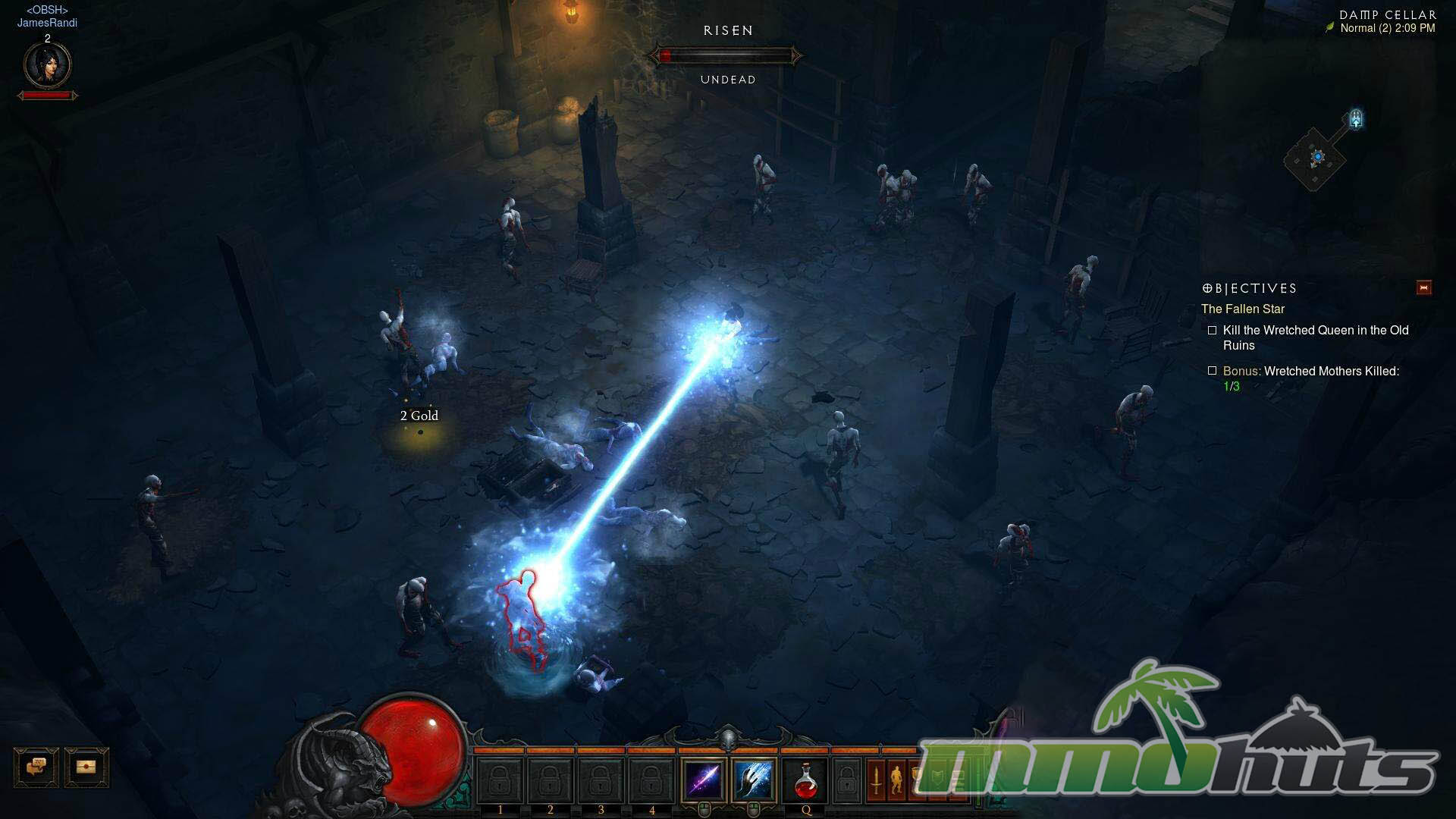
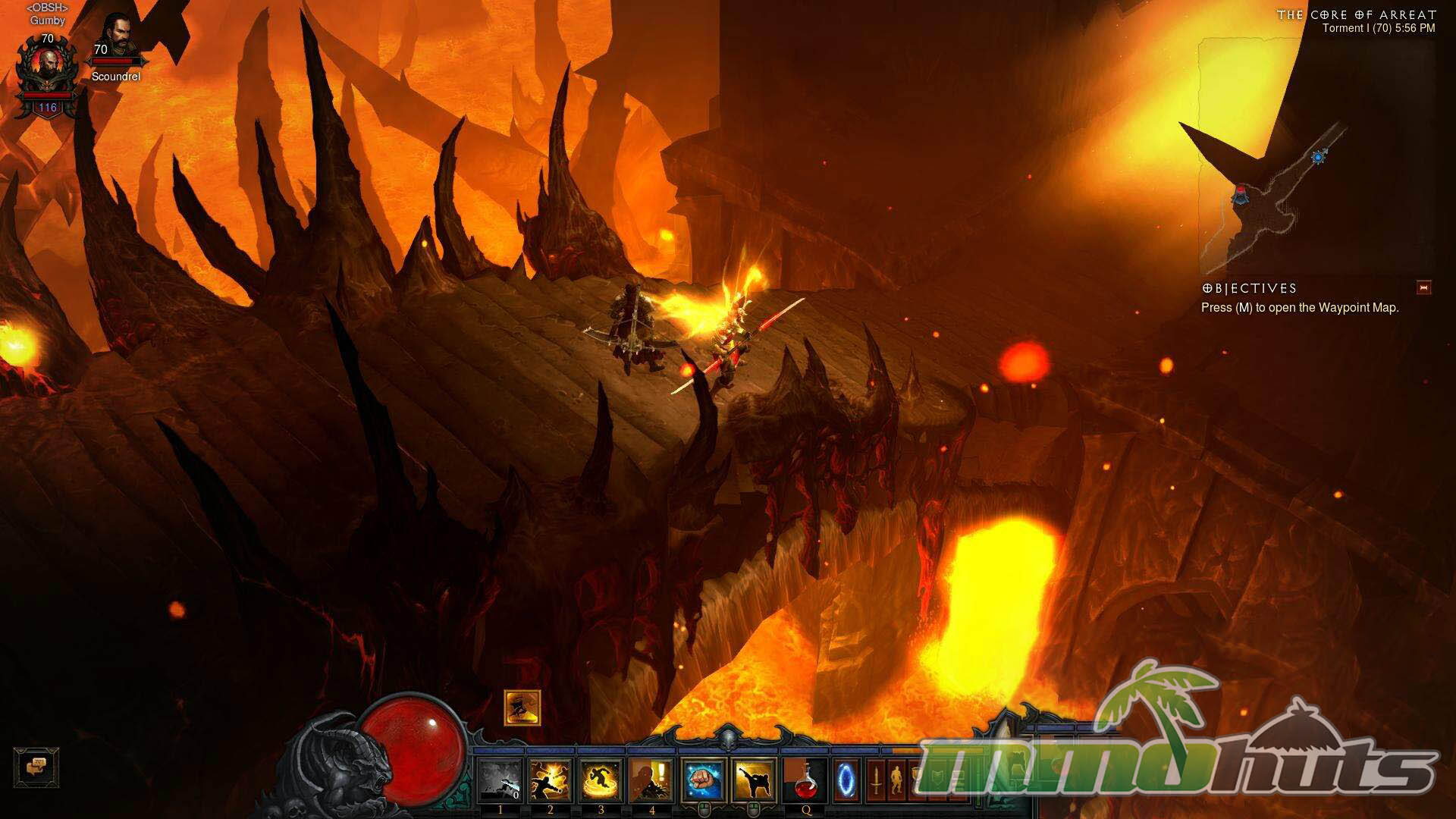
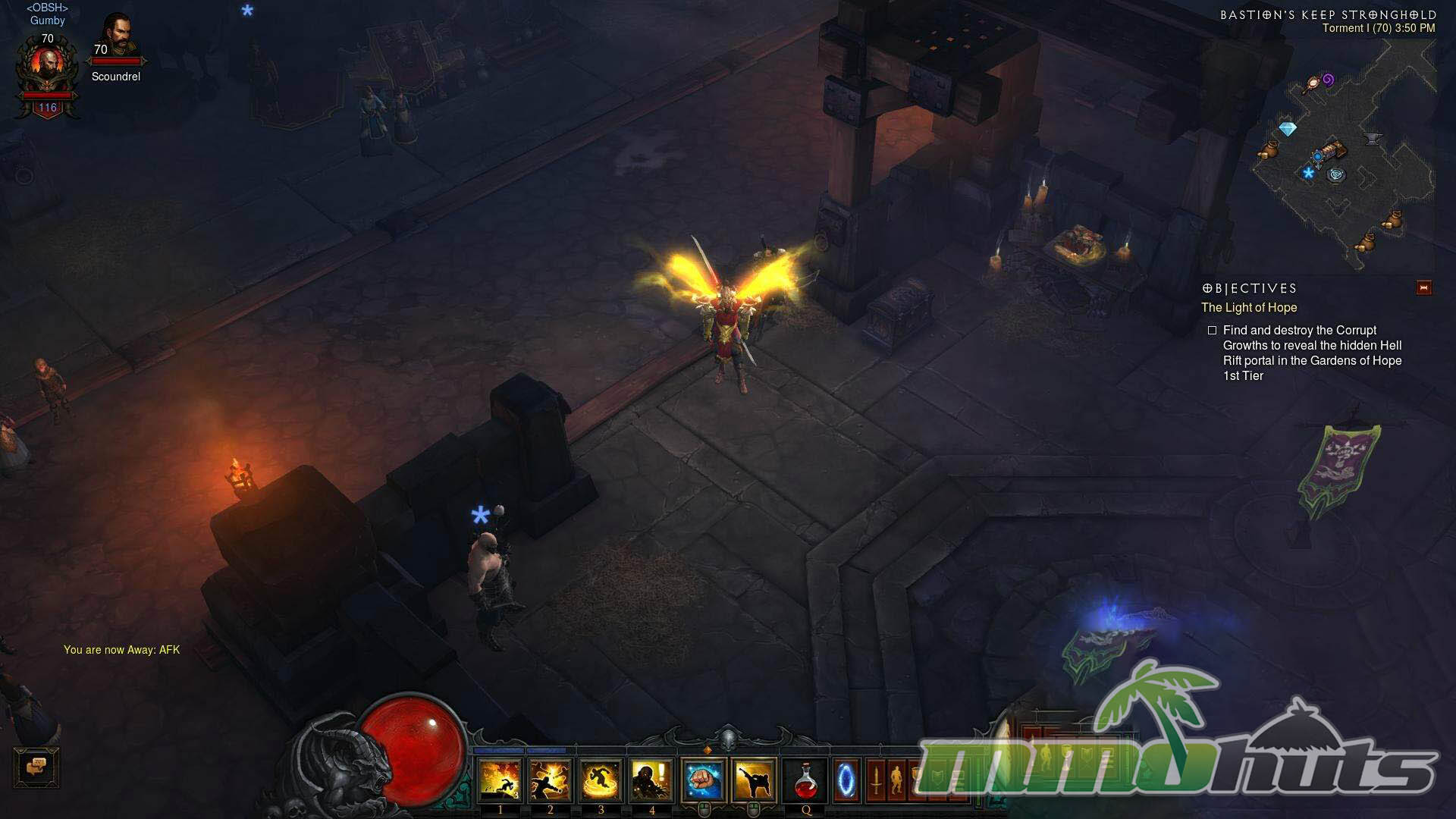
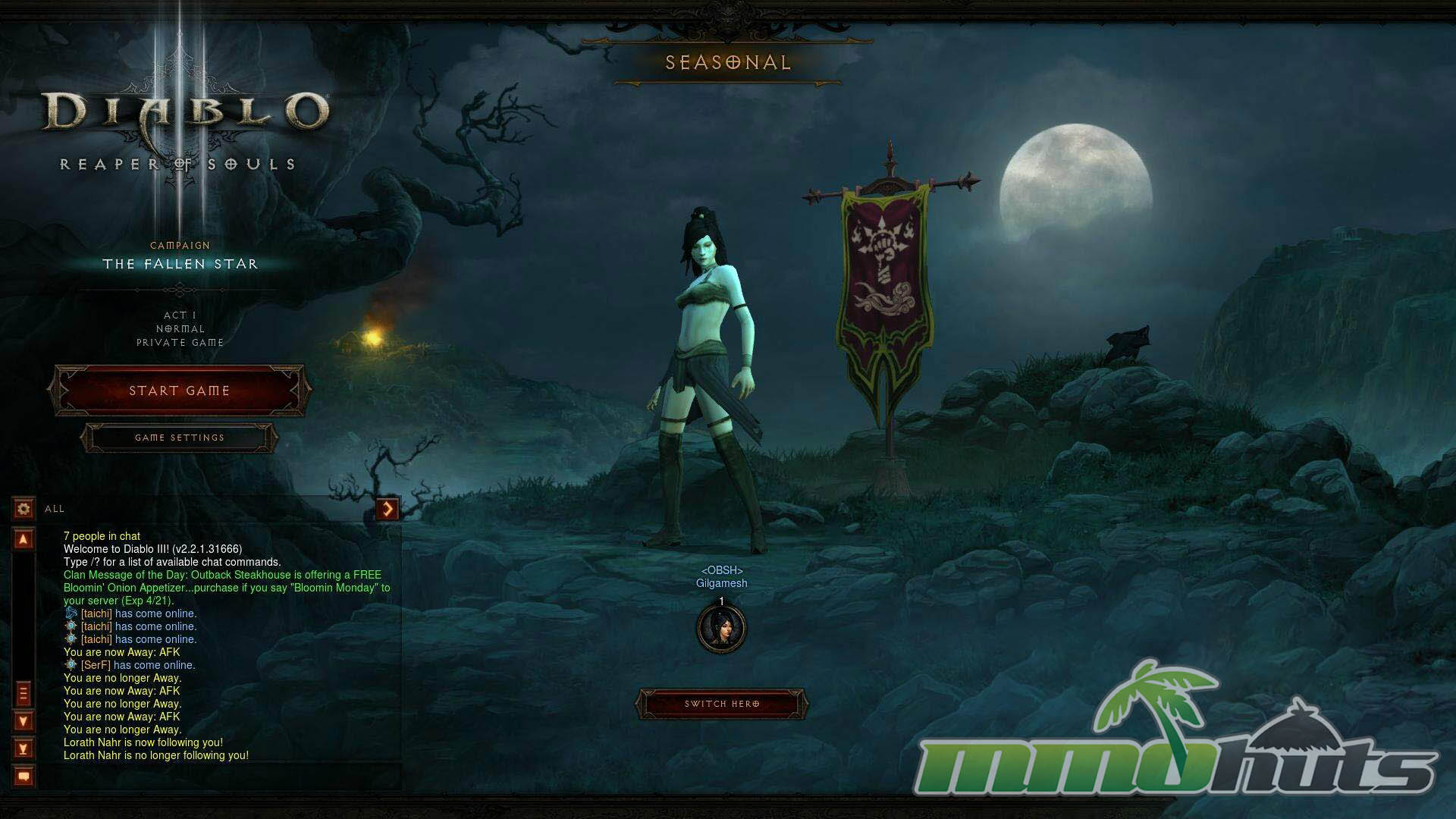
Diablo 3 Screenshots


Diablo 3 Featured Video

Diablo 3 Classes
- Witch Doctor – a spiritualist who commands the dead and the uncanny, fighting with curses, toxins, and summoned allies to overwhelm demons from range.
- Barbarian – a relentless frontliner built for melee brutality, thriving in the middle of mobs with heavy weapons and momentum-driven aggression.
- Demon Hunter – a ranged specialist fueled by vengeance, using rapid-fire crossbows, traps, grenades, and mobility tools to control space and erase packs.
- Monk – a disciplined fighter who blends martial arts with holy power, chaining fast strikes, dashes, and elemental techniques to stay lethal up close.
- Wizard – a fragile but devastating caster who bends arcane forces to freeze, burn, and disintegrate enemies, relying on control and burst damage to survive.
- Crusader – a shield-bearing zealot wielding sacred magic and heavy weapons, able to punish crowds, pull enemies in, and support allies through defensive tools.
Diablo 3 Review
Diablo 3 is the kind of game that can quietly take over an evening. One run turns into three, a “quick” bounty becomes a full session, and before long you are chasing one more upgrade because the build is almost there. It launched in 2012 and has been iterated on for years, but the core appeal remains the same: crisp, readable combat paired with a loot treadmill that is hard to step off once it hooks you.
Choosing a Hero and Finding Your Rhythm
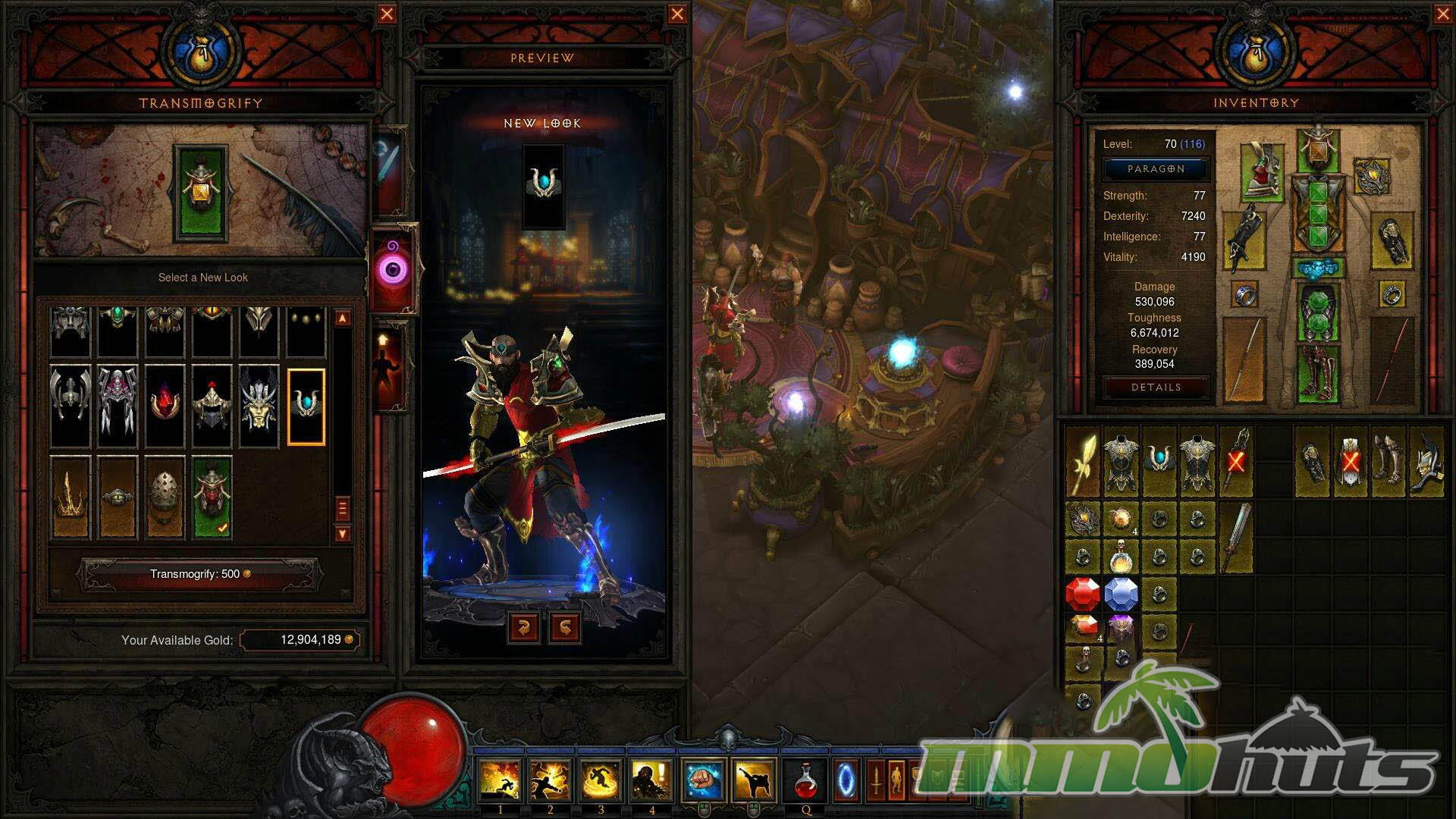
At the start you select one of six classes, including the Crusader (introduced via the Reaper of Souls expansion). Each class has a clear fantasy, but they also fill different practical roles in a party, from durable brawlers to high-output damage dealers. Character creation is intentionally lightweight, with the real customization happening through skills and items rather than sliders and stat points. A welcome modern touch compared to older genre staples is that your class choice does not lock you to a single gender option.
The early game is designed to get you moving quickly. You are introduced to the basic loop, kill enemies, collect loot, unlock new abilities, and keep pushing forward. It is approachable at the start, then gradually opens into a much more flexible build system as your toolkit expands.
Art Direction That Balances Color and Grimness
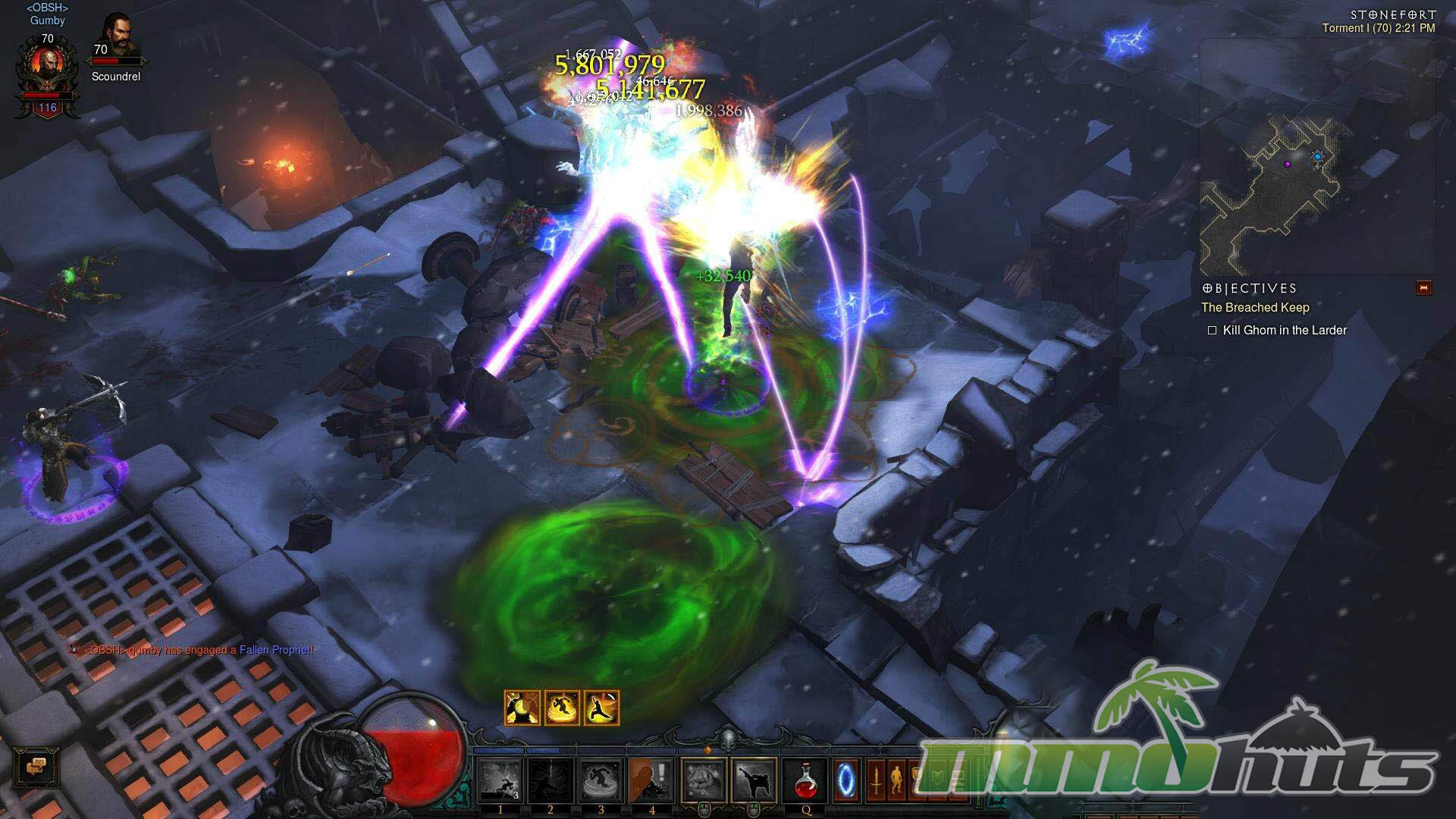
Diablo 3’s presentation is immediately recognizable. The isometric viewpoint and slightly stylized character models keep the screen readable even when the action gets chaotic, but the world itself still leans dark in tone and theme. You will see ruined towns, unsettling set dressing, and environments that sell the idea of a world under siege, even if the color palette is often brighter than what long-time fans might expect.
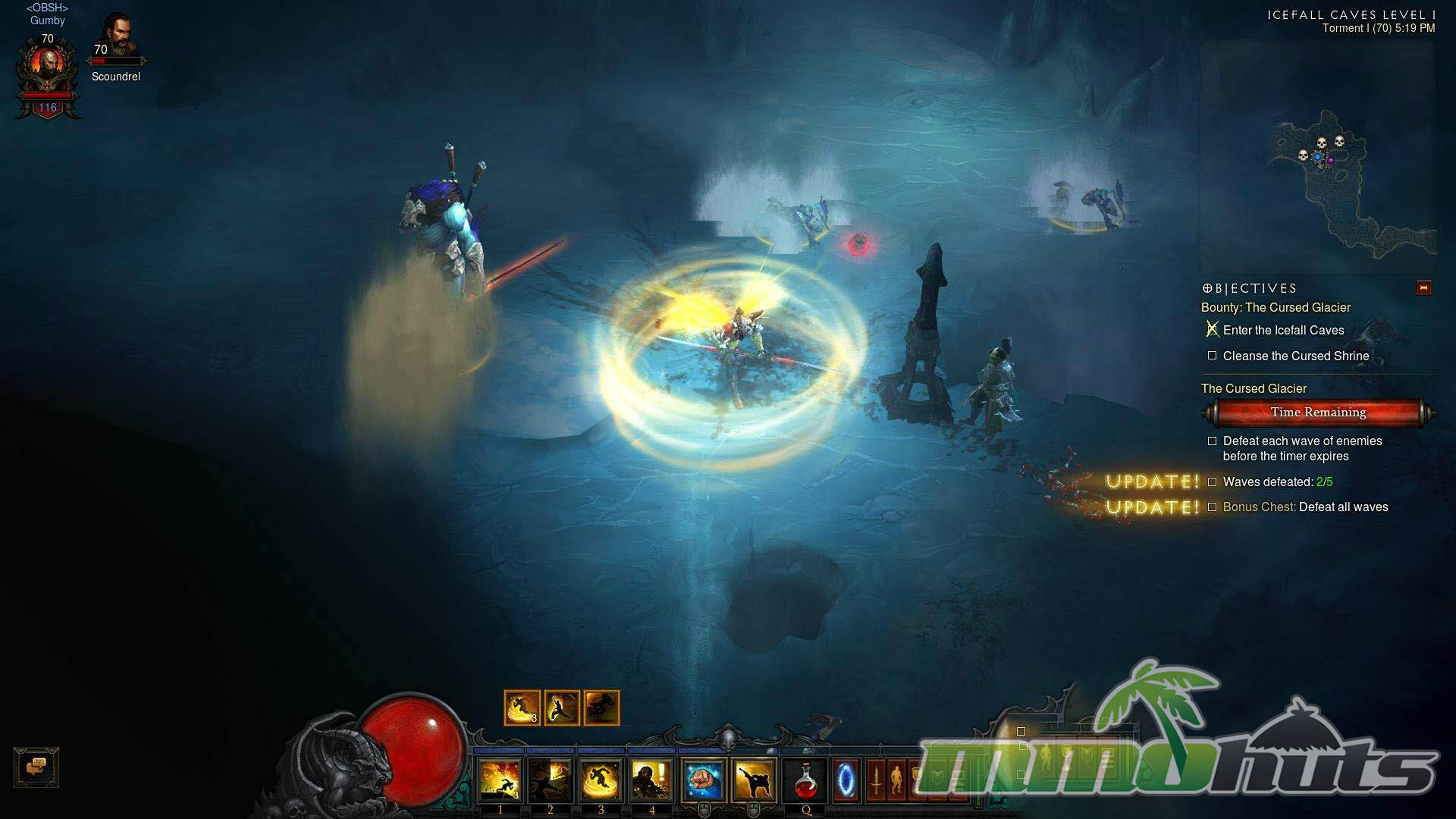
Combat effects are one of the game’s biggest strengths visually. Abilities have distinct silhouettes and animations, so you quickly learn what is happening on screen, and your skills feel impactful. Enemies tumble, collapse, and scatter in ways that make crowd clearing satisfying, especially once your build starts creating chain reactions across a pack.
Combat and Skills: Simple Inputs, Deep Combinations
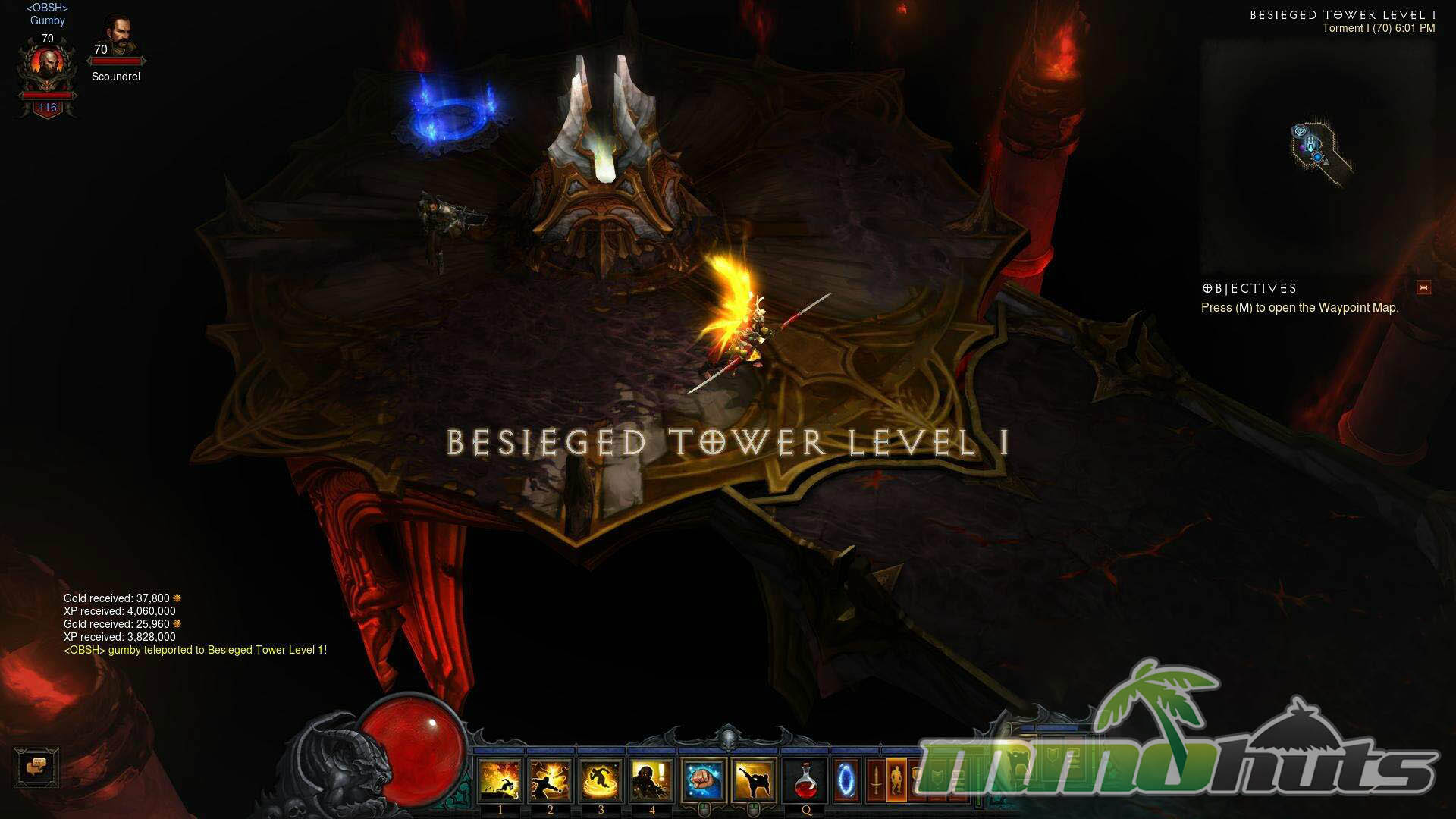
Diablo 3 keeps moment-to-moment controls straightforward. You fight with a small set of active skills mapped to mouse buttons and number keys, forming a six-skill loadout. The interesting part is how much variety exists inside that limitation. Skills are grouped by slot type, and within each category you choose one ability to equip. Then, runes modify those abilities, often changing behavior in meaningful ways, not just adding a small numerical tweak. In practice, it means the same skill can support multiple playstyles depending on how you rune it.
Passive skills add another layer. You eventually unlock four passive slots, and the pool of options is large enough that you can tune a character toward mobility, toughness, resource management, or pure damage. Because you can adjust skills outside combat, experimentation is encouraged. That flexibility is also why the community has remained so engaged with optimizing builds over time, the system invites tinkering.
The Campaign Loop and Why Replays Matter
The narrative is split into five acts (with the fifth tied to the expansion), but Diablo 3 is not a “finish it once and move on” RPG. The campaign is a gateway to a longer cycle of repeating content at higher difficulties, refining your build, and chasing better loot. On Normal difficulty, the main story can be completed quickly, and that pacing feels intentional. The game wants you to reach the point where experimentation and farming become the focus.
Loot is the engine that drives the endgame. Stronger enemies and tougher settings improve your odds of finding powerful items, which in turn enable you to push further. Trading is intentionally limited, with item sharing restricted to players present when the loot drops. It can feel restrictive if you prefer a trading economy, but it also reduces the incentive for account theft and other forms of abuse.
Elite Packs and the Real Test of a Build
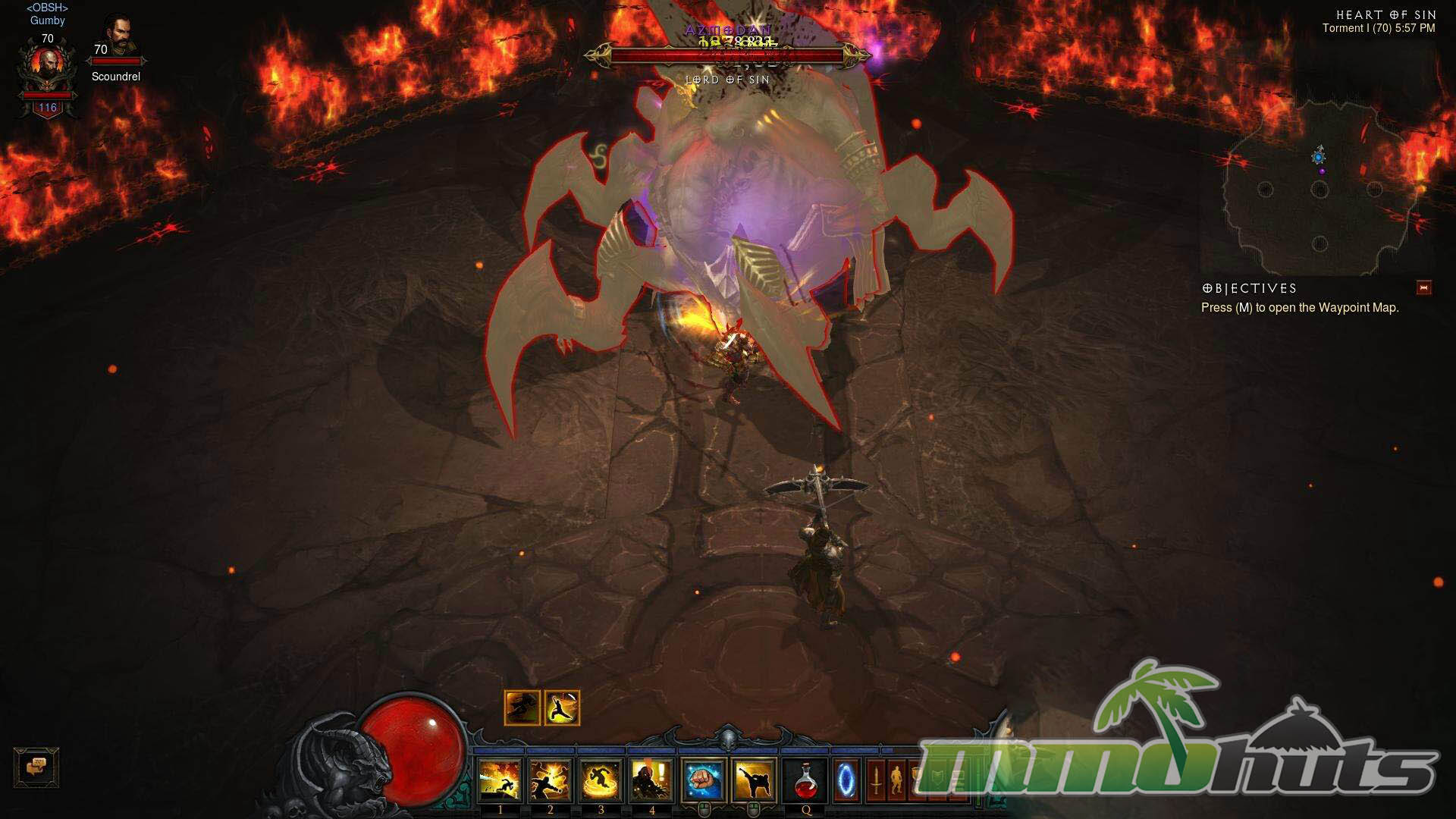
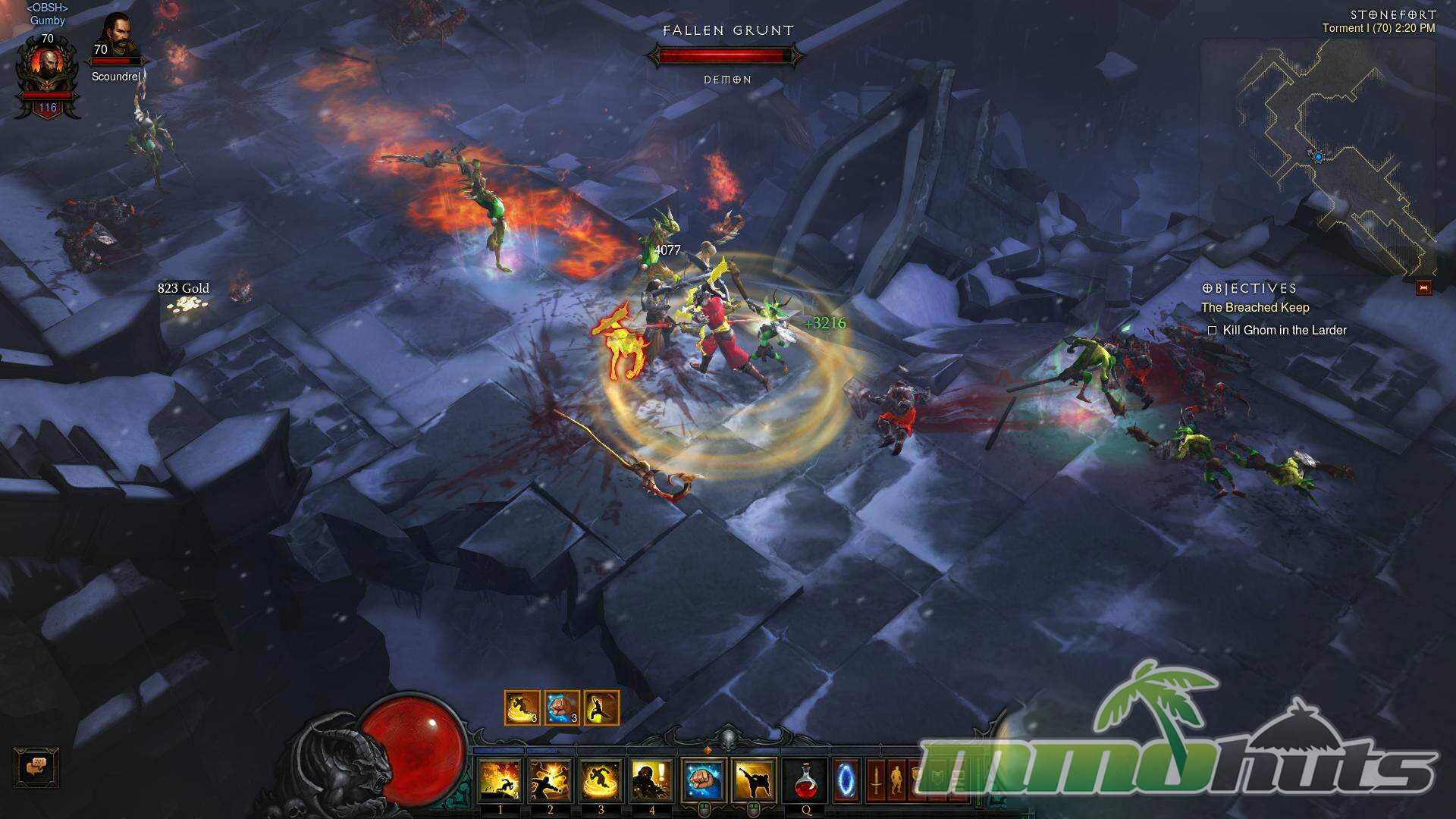
If regular monsters are the canvas, elite packs are where Diablo 3 paints its most memorable fights. Elites roll combinations of affixes that can completely change how you approach a room. At higher difficulties they become the primary threat, more so than many story bosses, because their modifiers stack in unpredictable ways. Some combinations are brutal, especially in narrow corridors where movement options are limited.
What makes elite encounters work is the push-and-pull they create. You are constantly evaluating the battlefield, looking for safe angles, timing defensive tools, and deciding when to commit damage versus when to reposition. When you finally bring down an elite pack that has been bullying your party, the loot drop is not just a reward, it is a release of tension, and that feeling is a big part of why the grind stays compelling.
Paragon and Adventure Mode: The Long Game
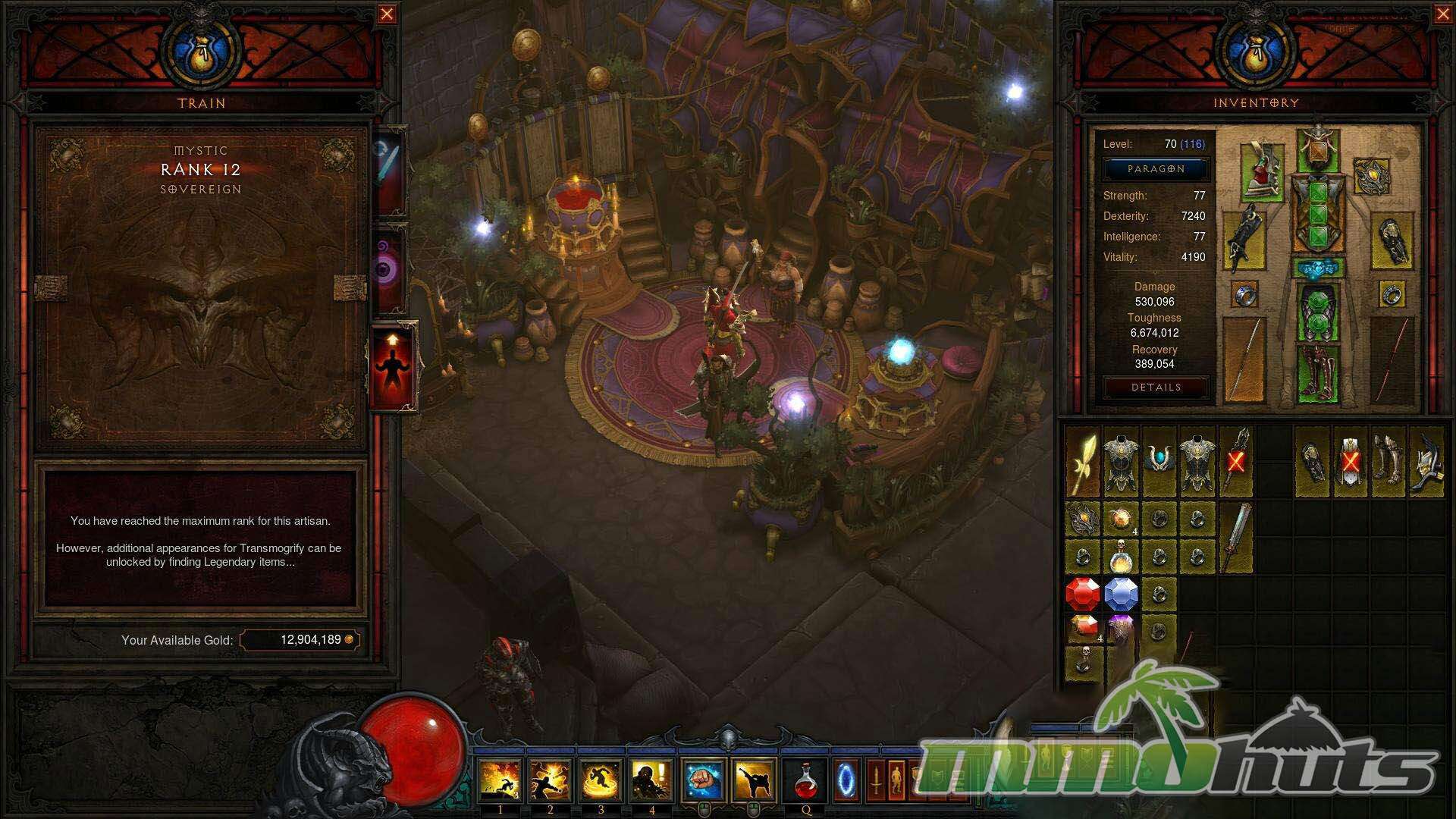
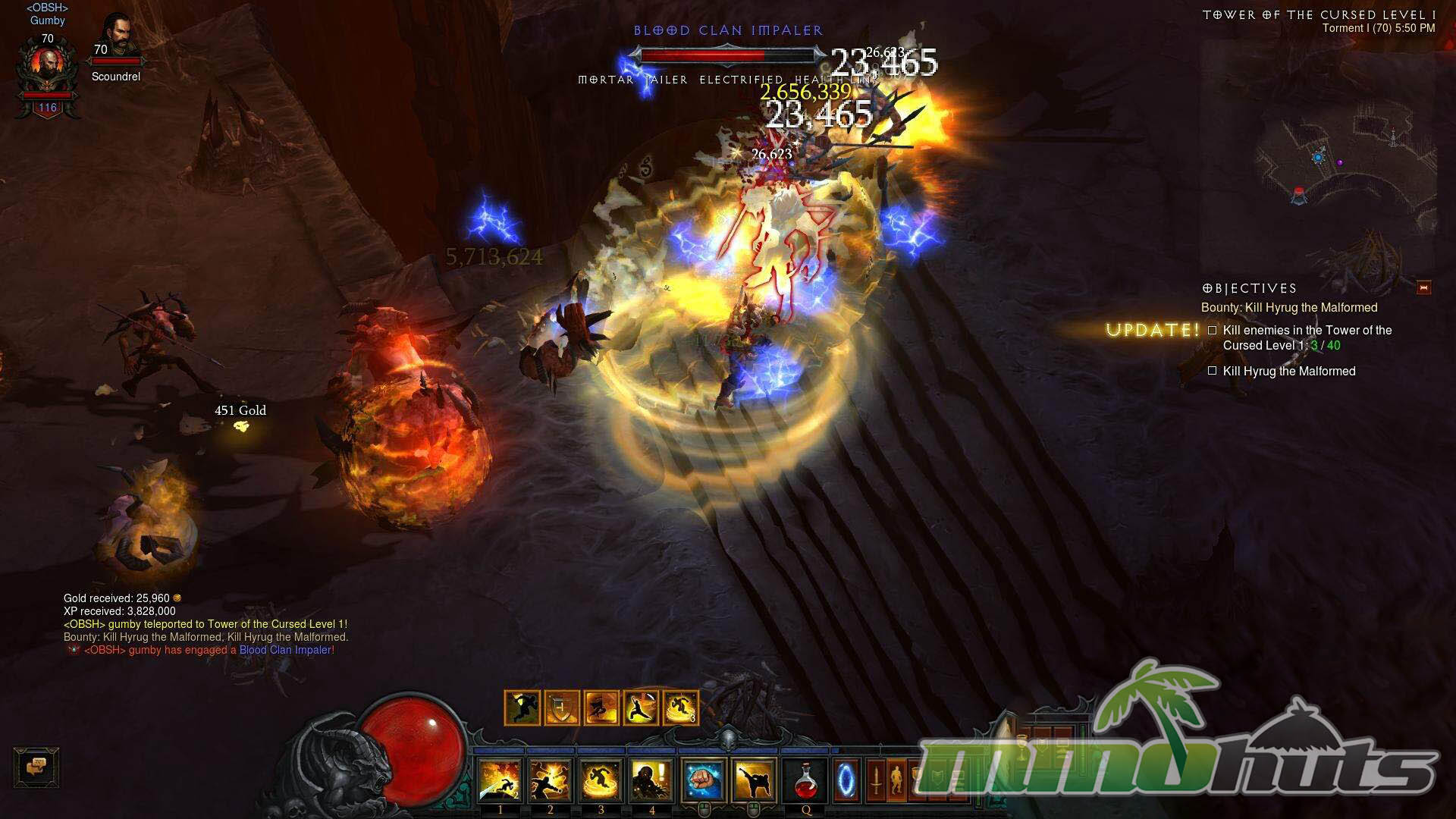
Reaching level 70 is a milestone, not an endpoint. After the cap, Paragon levels provide ongoing progression through four categories: Core, Offense, Defense, and Utility. These points can be redistributed outside combat, which keeps the system flexible and lets you tailor your character to a particular activity or group composition. Paragon progression is shared across your account unless a character is part of a ladder season, which helps alternate characters feel viable without starting from nothing.
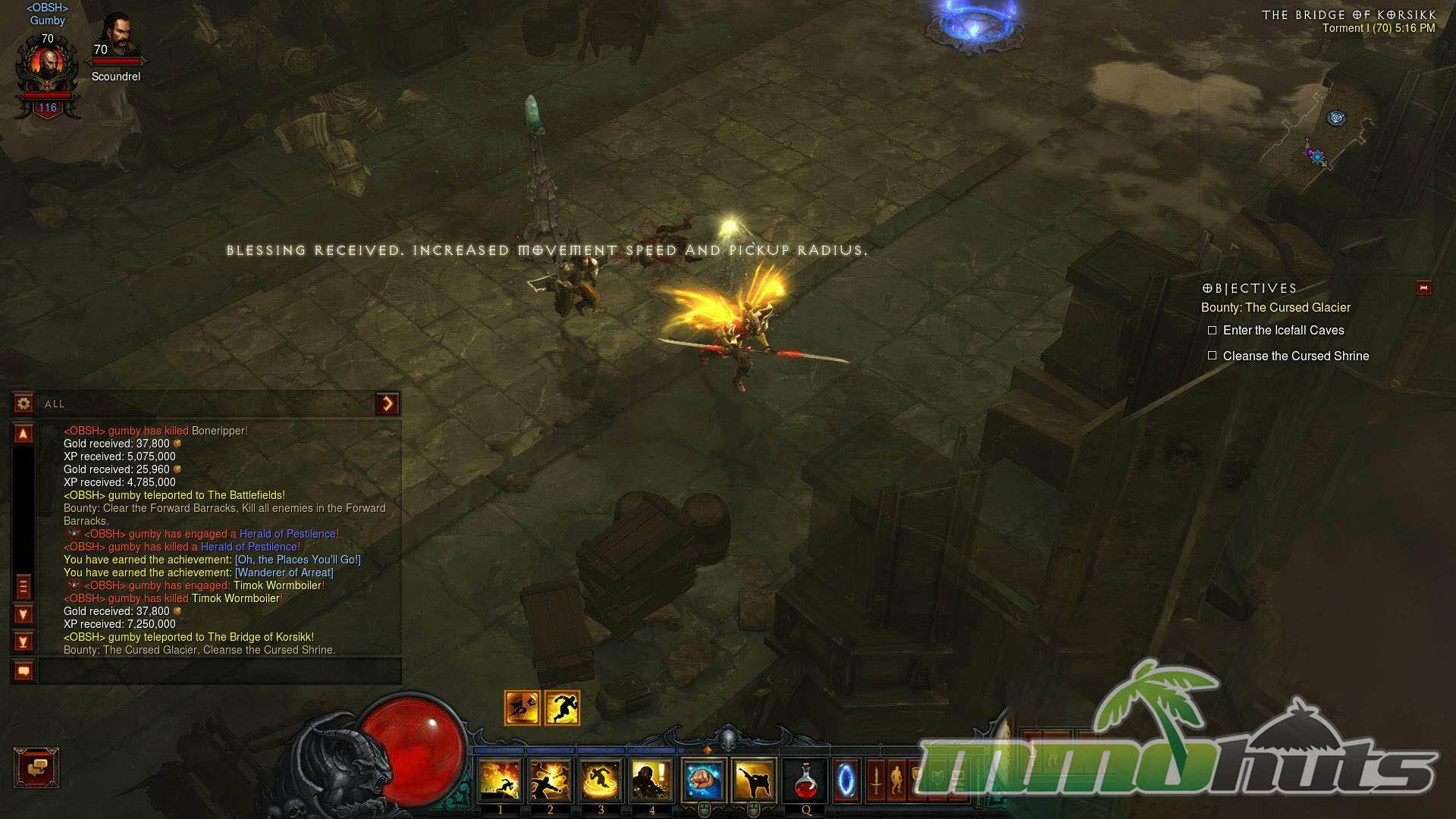
Adventure Mode complements this progression by separating the game from the campaign’s linear flow. You can travel freely across acts and complete bounties for rewards, including Horadric Caches with chances at valuable items. It is a straightforward structure, but it supports exactly what Diablo 3 does best, bite-sized objectives, constant combat, and frequent loot checks.

PvP: Present, but Not the Point
Diablo 3 includes PvP in the form of Brawling, accessible through an NPC named Nek the Brawler in town hubs. It transports your party to a closed arena where the 2 to 4 players in the game can fight in a free-for-all. As a novelty it can be fun, especially for quick build tests, but it is not a robust competitive system.
The larger issue is that Diablo 3’s PvE-first design makes balanced PvP extremely difficult. Skills, runes, and gear synergies are built for mowing down monsters, not for fair duels. As a result, PvP feels like an extra feature rather than a pillar of the experience, and players looking for a deep arena scene will likely find it limited.
Reaper of Souls and What It Adds
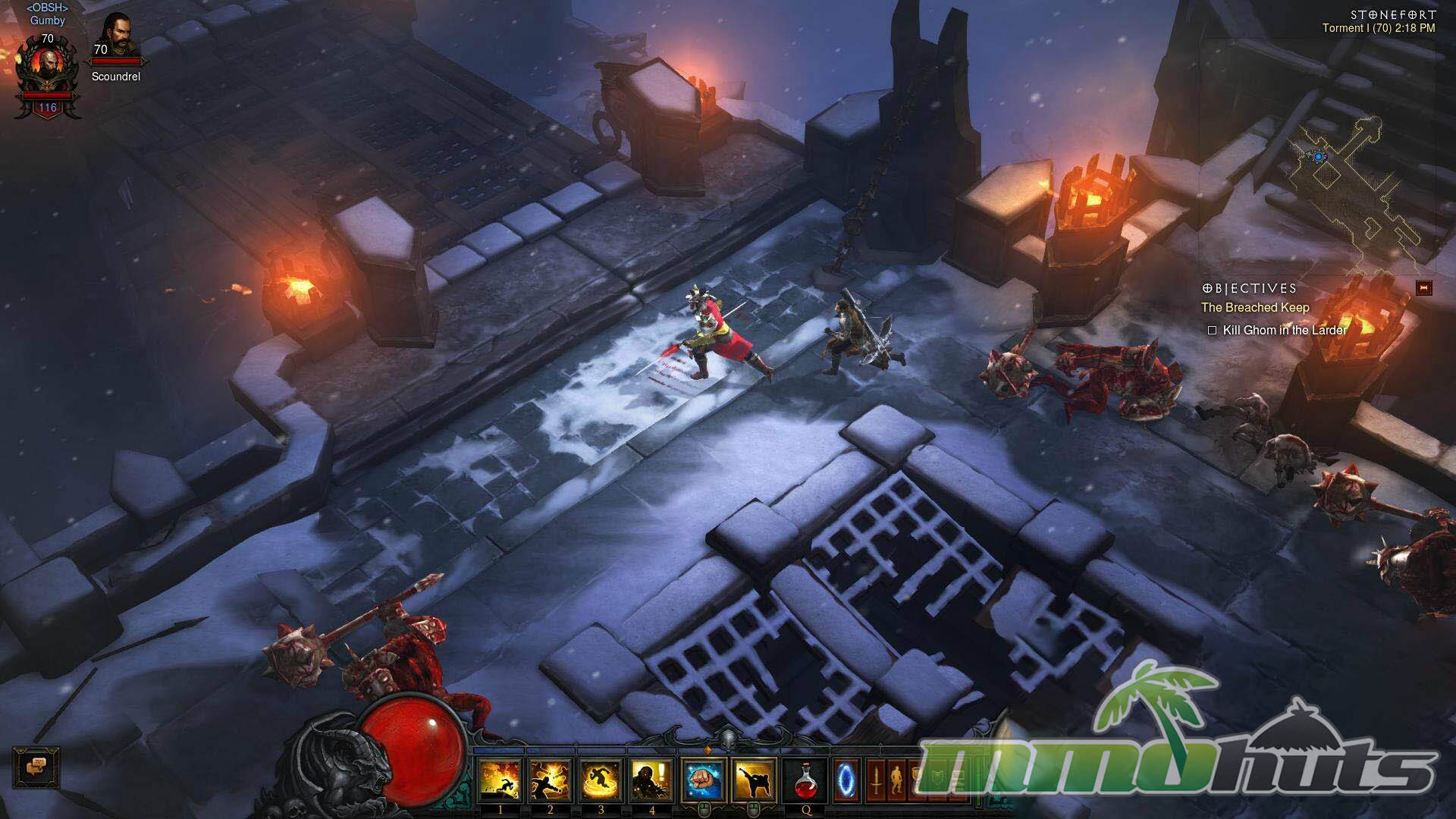
Diablo 3: Reaper of Souls expands the game with a new act, a new class, the Paragon system, and raises the level cap to 70. The story centers on the fallen archangel Malthael and his threat to Sanctuary, keeping the narrative direct and focused. Mechanically, the Crusader is the standout addition, especially for players who enjoy a heavier, shield-forward style reminiscent of classic holy warriors.
The base game still delivers a complete dungeon-crawling experience on its own, but the expansion significantly improves the long-term progression loop. If you find yourself enjoying the farming cycle and want more reasons to keep playing, Reaper of Souls is the most meaningful step up from the vanilla package.
Final Verdict – Excellent
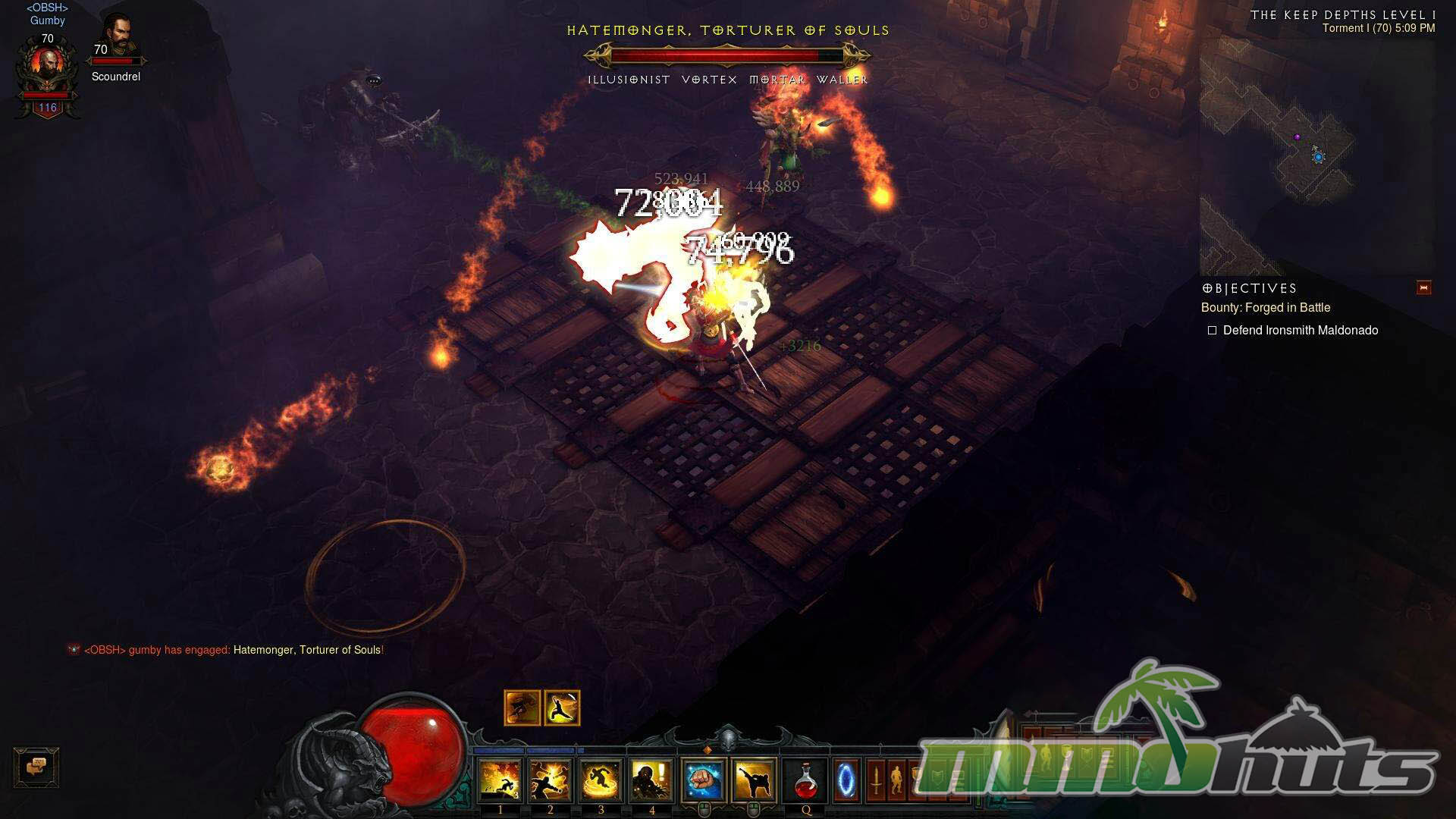
Diablo 3 succeeds because it understands its core fantasy, become powerful, kill monsters efficiently, and keep refining your build through better loot. Combat is fluid and readable, class kits are flexible, and the game is at its best when you are pushing content with friends and adapting to tough elite packs. The downside is that repetition is the point, and players who do not enjoy grinding will bounce off the endgame quickly. For everyone else, Diablo 3 remains one of the strongest top-down action RPGs for cooperative demon-slaying and long-term build chasing.
Diablo 3 Links
Diablo 3 Official Site
Diablo 3 Wikipedia
Diablo 3 Wikia [Database/Guides]
Diablo 3 Gamepedia [Database/Guides]
Diablo 3 Reddit
Diablo 3 Requirements
Minimum Requirements:
Operating System: Windows XP 32 bit
CPU: Pentium D 820 2.8GHz or Athlon 64 X2 Dual Core 4400+
RAM: 1 GB GB RAM
Video Card: GeForce 315 512MB or Radeon HD 4550
Hard Disk Space: 12 GB Free Space
Recommended Requirements:
Operating System: Windows Vista 32 bit
CPU: Core 2 Duo E6600 2.4GHz or Athlon 64 X2 Dual Core 5600+
RAM: 2 GB RAM
Video Card: GeForce GTX 260 or Radeon HD 4870
Hard Disk Space: 12 GB Free Space
Diablo 3 is Mac OS X compatible.
Diablo 3 Music
Diablo 3 Additional Information
Developer(s): Blizzard Entertainment
Publisher(s): Blizzard Entertainment, Square Enix (JP)
Designer(s): Russell Brower, Derek Duke, Glenn Stafford
Composer(s): Russell Brower, Derek Duke, Glenn Stafford, Joseph Lawerence, Neal Acree
Release Date: May 15, 2012
Reaper of Souls Release Date: March 25, 2014
PS3/Xbox 360 Release Date: September 3, 2013
PS4/Xbox One Release Date: August 19, 2014
Closed Beta Date: September 20, 2011
Closed Beta End Date: May 01, 2012
Open Beta: April 19, 2012
Open Beta End Date: April 23, 2012
Other Platforms: Mac OS X, PS3, Xbox 360, PS4, Xbox One
Update History: Diablo 3 continues to receive updates from Blizzard Entertainment, focusing on fixes and content adjustments. Below are several patches that notably changed how the game plays.
Patch 1.0.4: Introduction of the paragon leveling system that allowed players to continue leveling after max level was reached, but capping at paragon level 100.
Patch 1.0.5: Difficulty settings expanded, allowing players to increase Monster Power level from 0 to 10, increasing monster stats and increasing rewards with each subsequent Monster Power level.
Patch 1.0.7: First introduction of PvP system, “Brawling,” and introduction of several new crafting items.
Patch 2.0.1: Introduction of multiple changes to prepare the game for the release of the Reaper of Souls expansion.
Development History/Background:
Diablo 3, developed and published by Blizzard Entertainment, was released on May 15, 2012. At the time of release, it sold over 3.5 million copies in the first 24 hours, setting a new record for fastest selling PC game of 2012. Development began in 2001 while Blizzard North was still operating. Diablo 3 was not announced until June 28, 2008 at the Blizzard Worldwide Invitational in Paris, France. Diablo 3 runs on Blizzard’s proprietary game engine that incorporates a custom in-house physics engine and features destructible environments. A limited form of PvP combat was added to the game in February 2013. Beyond being a local free-for-all, Blizzard has not announced any plans for expanding Diablo 3’s PvP system. The game originally featured a real-money auction house, where players could buy and sell virtual items with real money. Due to several issues the feature was removed on March 18, 2014. Several Diablo 3 characters are available for play in Heroes of the Storm, including Diablo, Azmodan, and Johanna the Crusader.