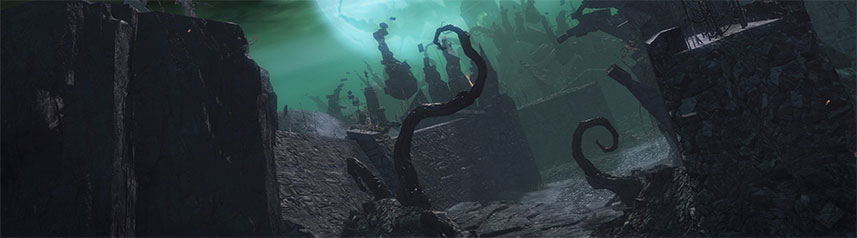
Deceit blends social deduction with first person shooting, pitting a small group of strangers against one another as a hidden infected minority tries to sabotage the escape.
 | Publisher: Automaton Playerbase: Low Type: Horror FPS Release Date: October 07, 2016 Pros: +Strong social deception and mind game moments. +Round-to-round spending decisions add strategy. +Darkness phases and vision mechanics complement the gunplay. Cons: -Smaller playerbase can make matches harder to find. -Takes time to learn tells, items, and pacing. |

Deceit Overview
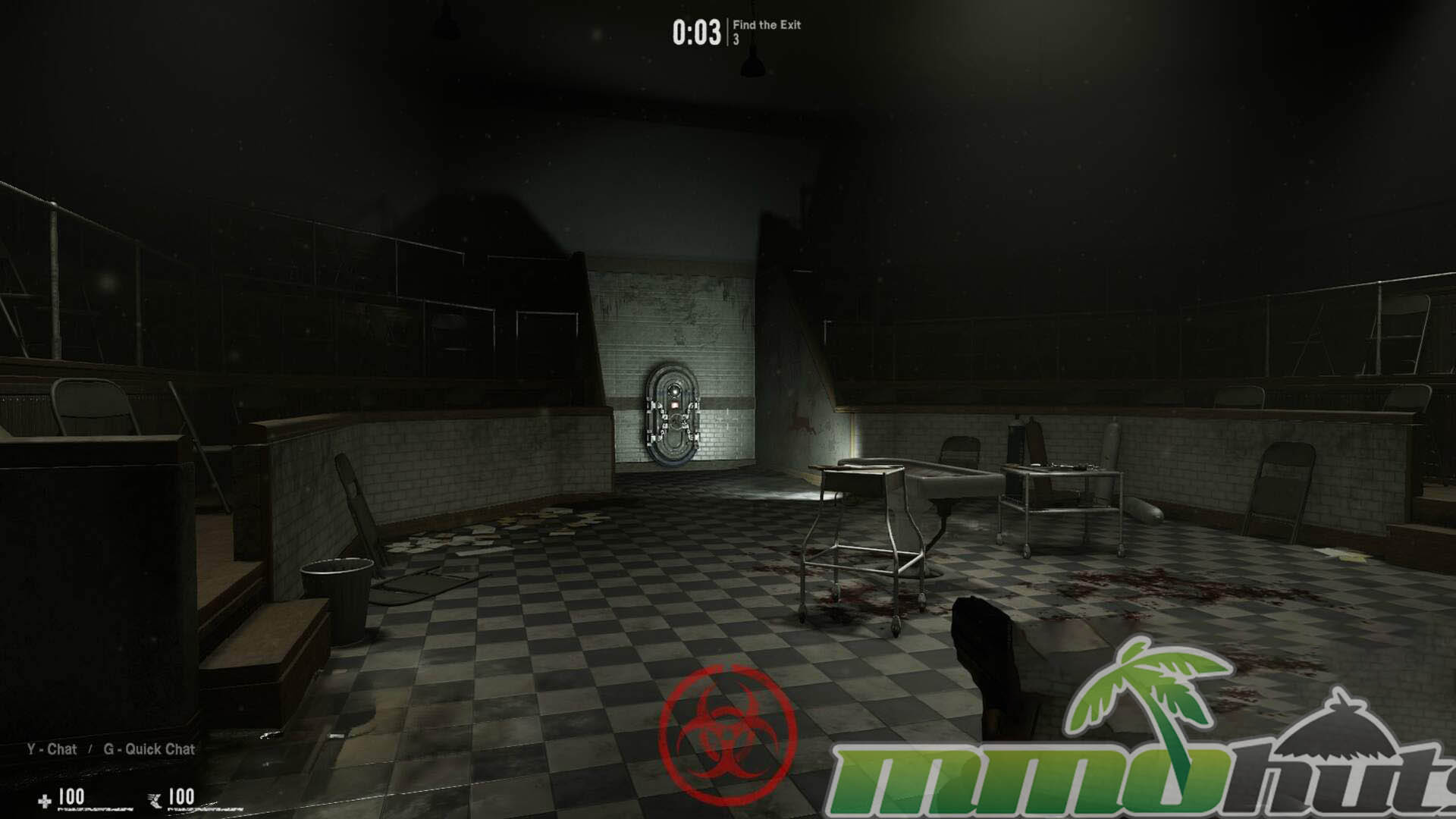
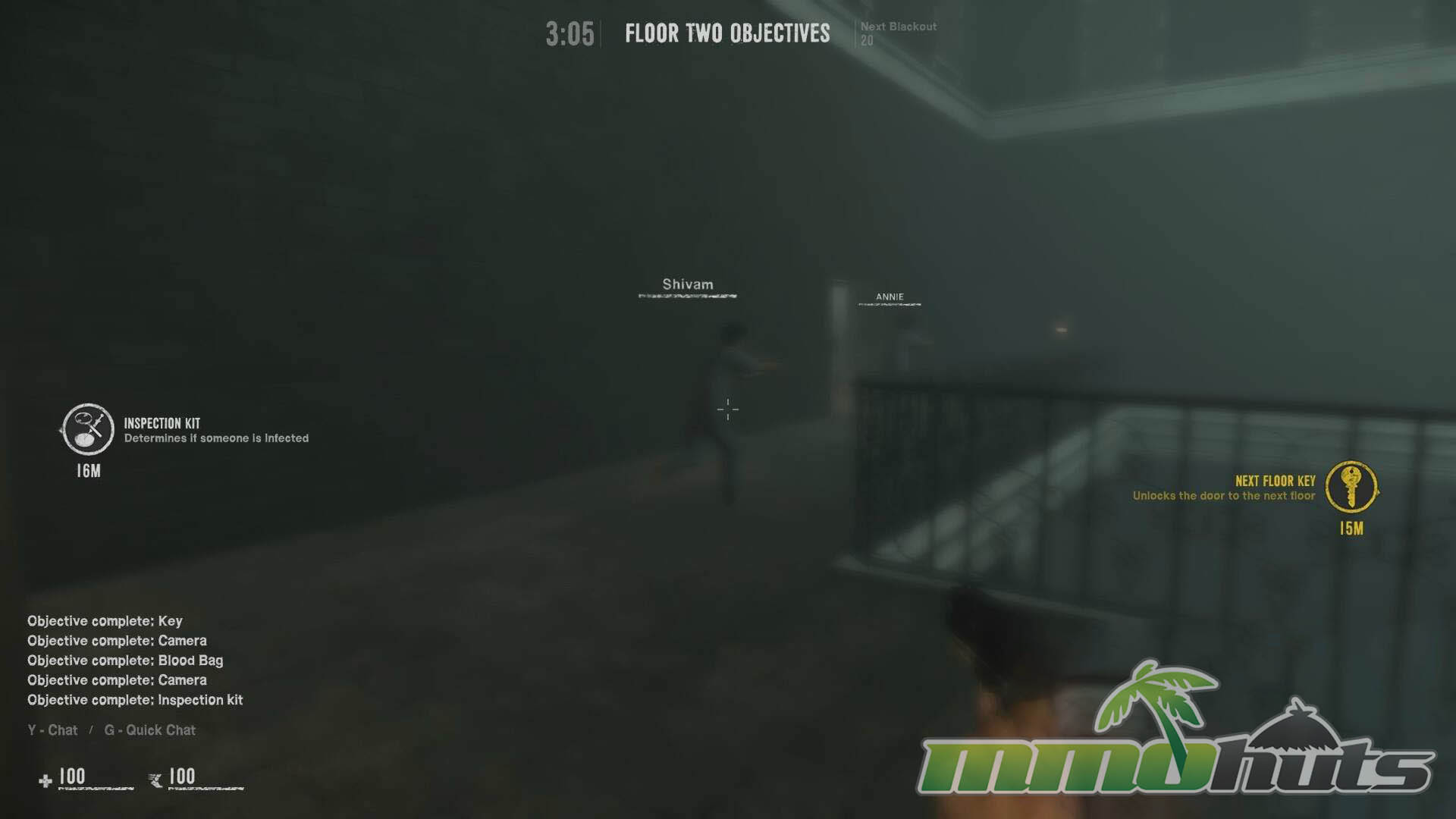
Deceit is built around paranoia. You spawn into a match with a handful of players who all look equally harmless at first glance, but a portion of the lobby is secretly infected. Those infected are playing a different game: they need to thin out the humans and prevent an organized escape, ideally without revealing themselves too early. The uninfected, meanwhile, must gather supplies, stay alive, and make it through the map’s escape sequence while trying to figure out who is lying.
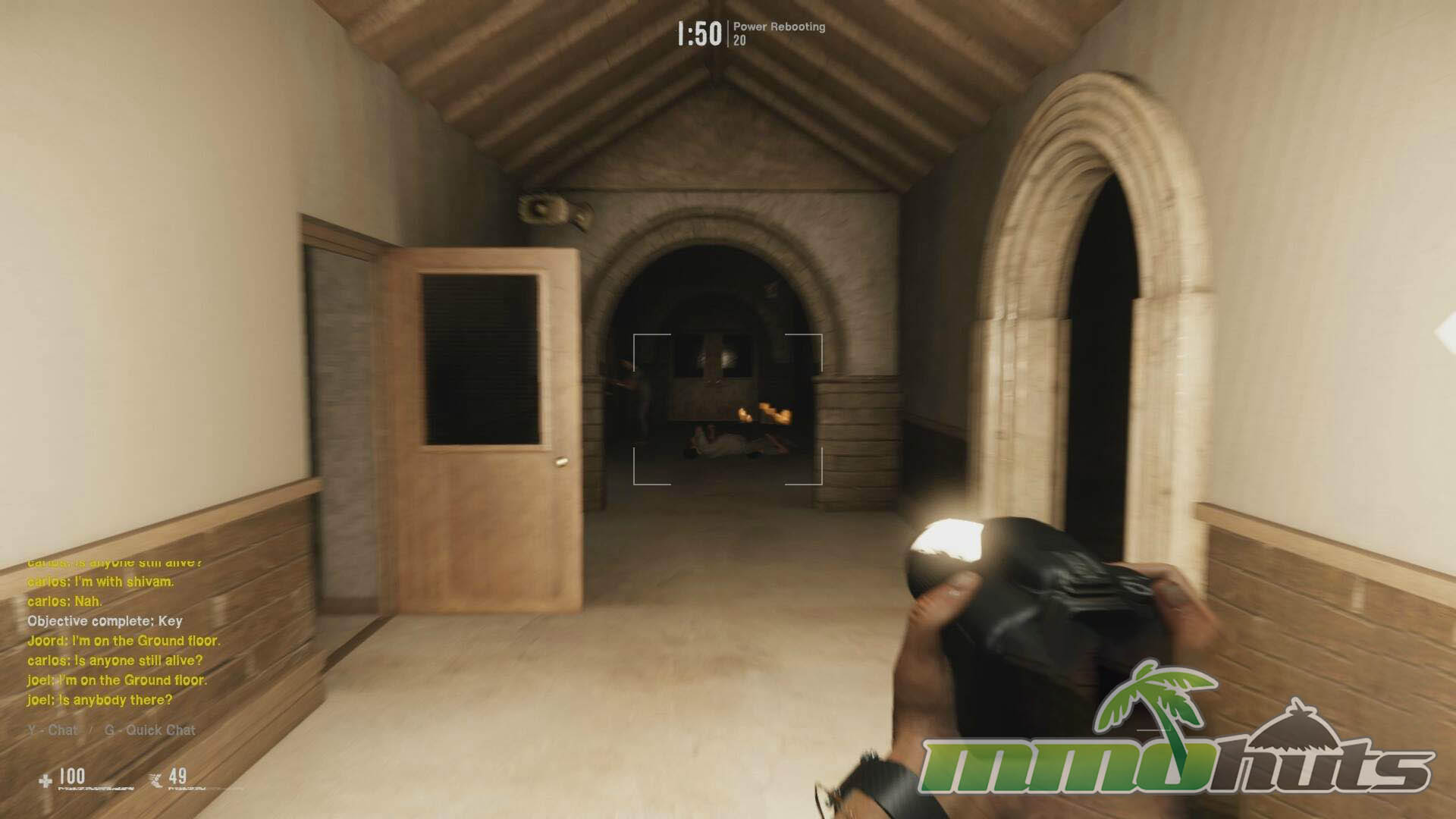
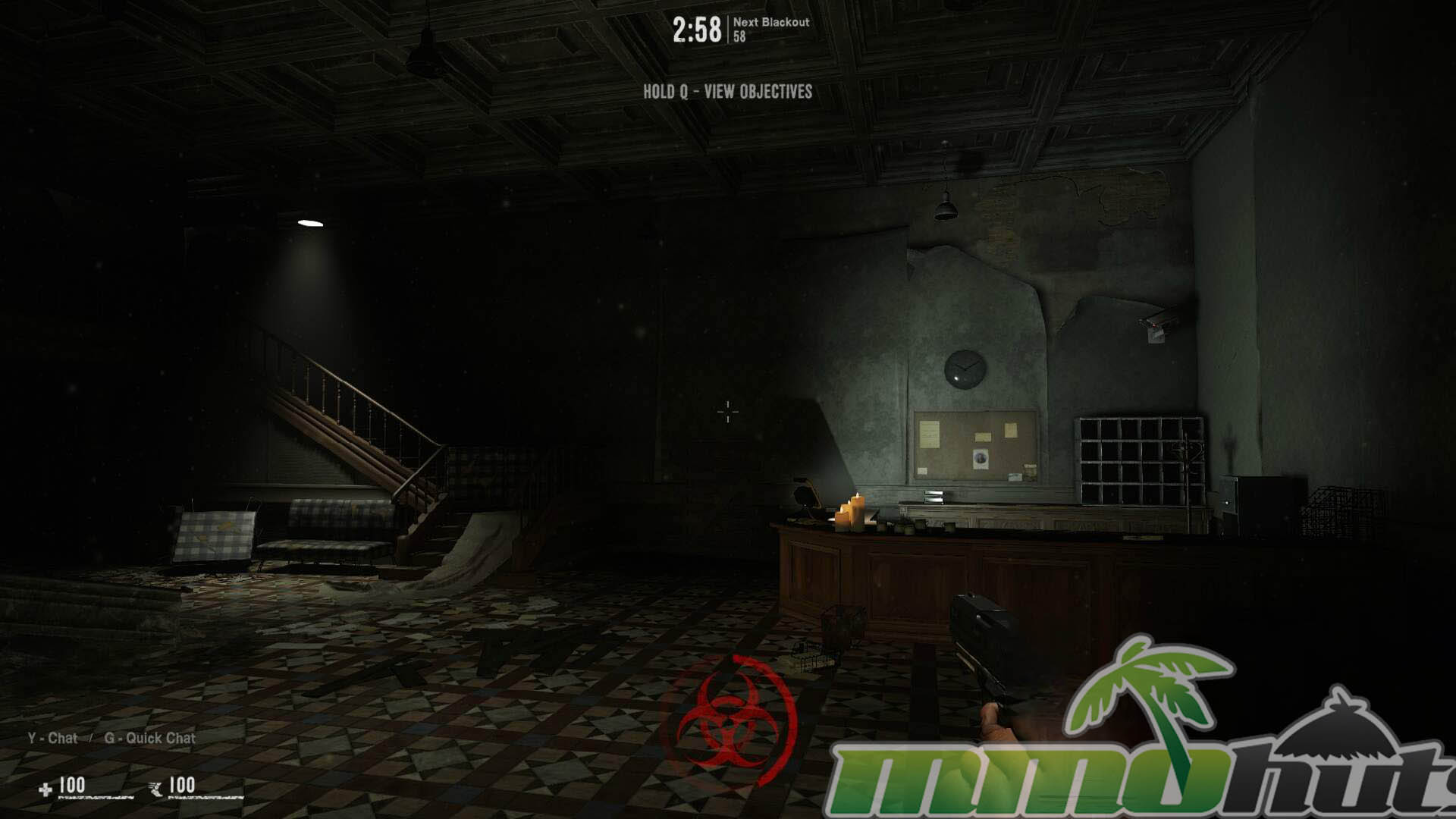
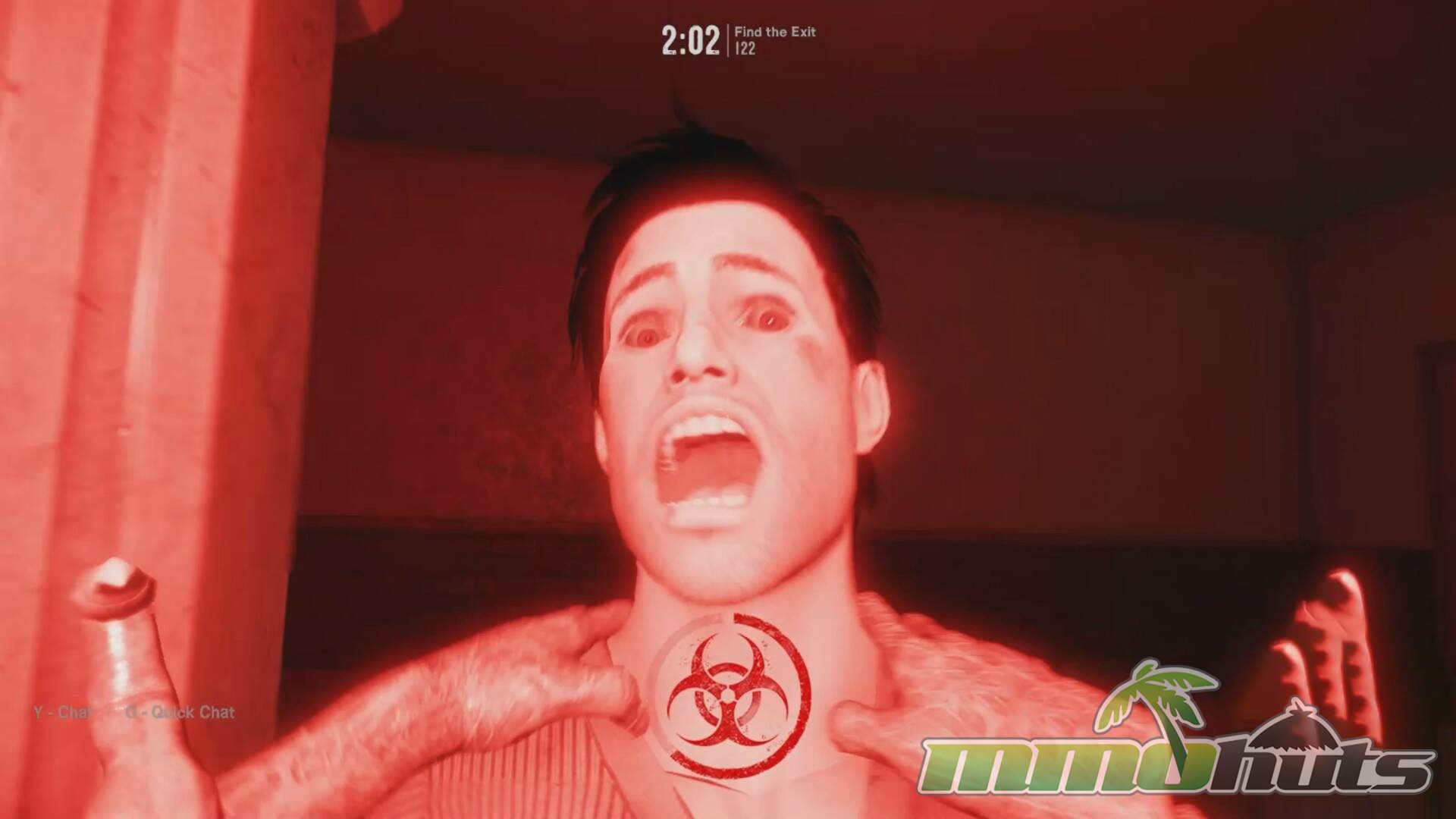
Matches are structured in three rounds, and the most important rhythm is the shift between normal play and blackouts. During these darkness phases, visibility drops and the infected gain the tools they need to hunt, including the ability to operate with night vision. The result is a constant tension between moving as a group for safety and splitting up to loot, explore, or complete objectives faster.
A clever part of Deceit’s design is how player behavior can be interpreted in suspicious ways. Simple decisions, who grabbed an item, who wandered off, who “accidentally” separated the party, can spiral into accusations. Because you still have firearms and can defend yourself, confrontations are not purely conversational, they can turn into messy firefights when trust collapses.
Between rounds you also earn currency, which introduces a light economy layer. Spending well matters because the right purchase can cover for poor teamwork or expose a predator at the perfect moment. Overall, Deceit works best when everyone leans into careful observation, cautious cooperation, and timely betrayal.
Deceit Key Features:
- Group Gameplay – matches revolve around a small lobby where a hidden portion of players is working toward opposing win conditions.
- Light and Dark – blackout segments change the rules of engagement and give the infected their best opening to strike.
- Double Meanings – ordinary actions can look incriminating, fueling suspicion and forcing players to read the room.
- Spend Wisely – earn match currency and choose items that support your plan, whether that is survival or deception.
- Trust No One – social reads and timing are as important as aim, because the real threat is not always obvious.
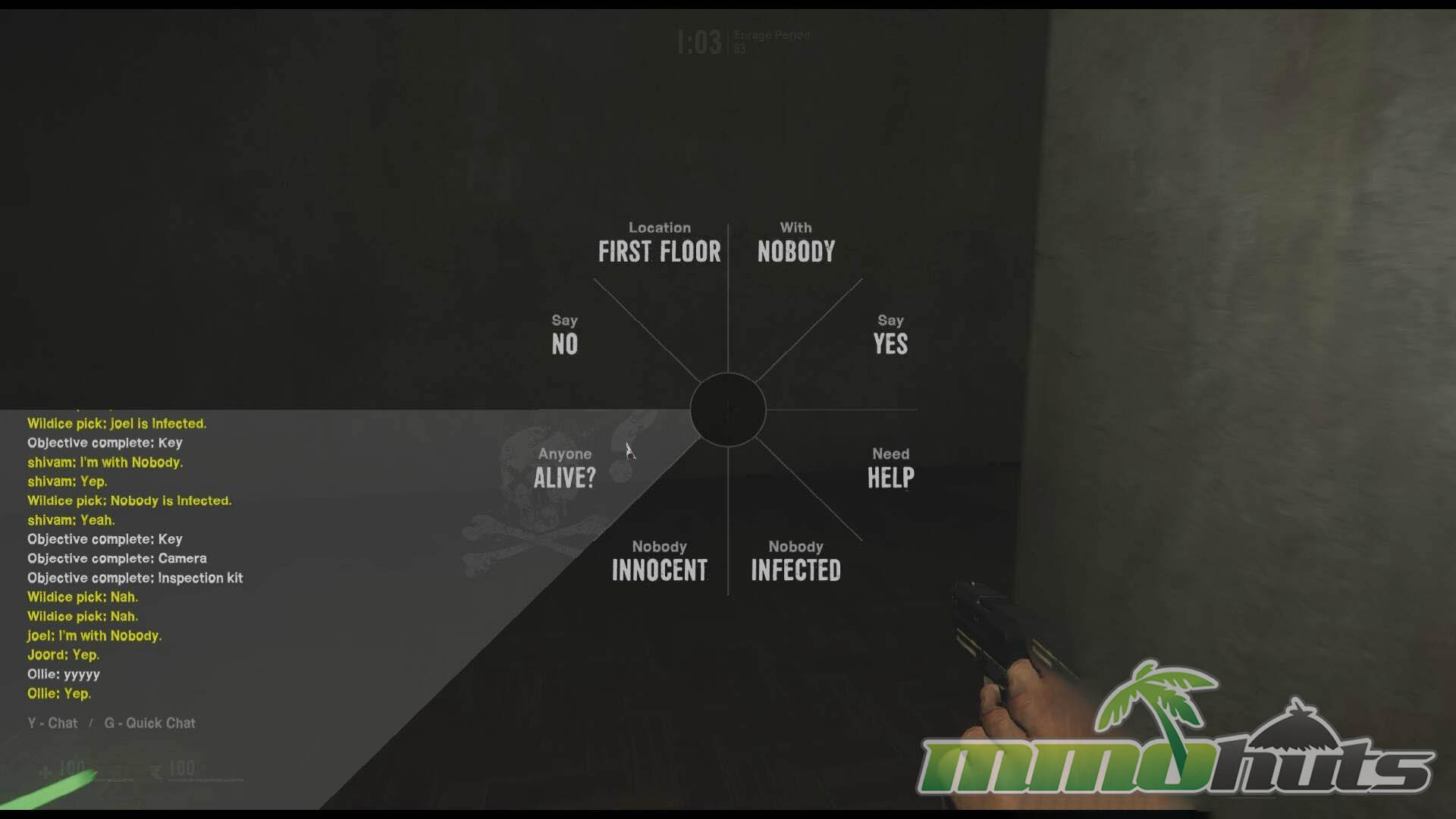
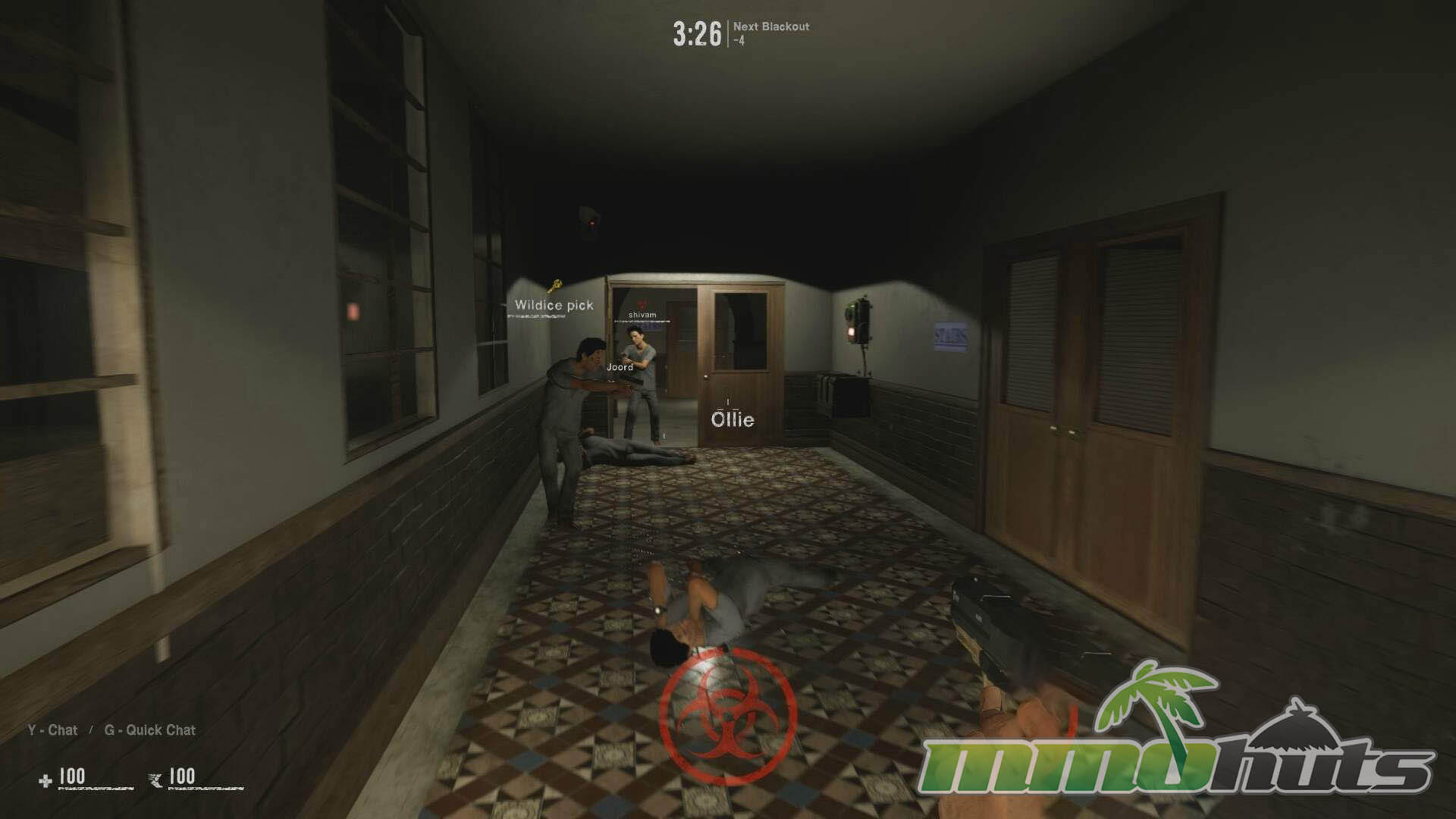
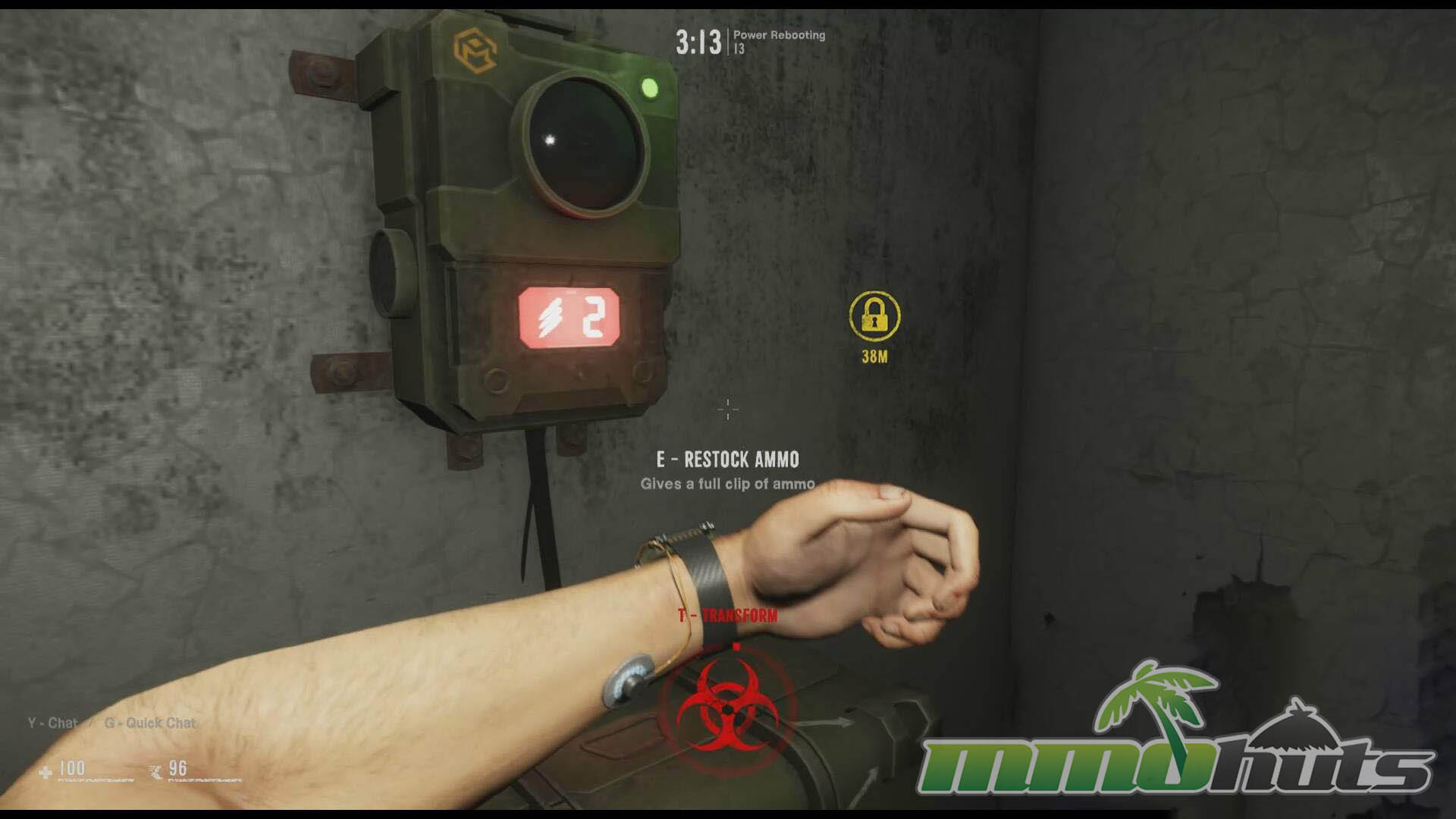
Deceit Screenshots


Deceit Featured Video

Deceit Review
Deceit sits in an interesting middle ground between a party game and a tense horror shooter. At its best, it produces memorable “I knew it” moments where a single clue, a missing item, a player’s route through the map, or a perfectly timed accusation causes the group to either rally together or implode. The core idea is simple, but the match flow gives it variety: calm exploration and tense chatter in the light, then a sudden blackout that forces everyone to commit to their suspicions.
Gunplay is straightforward rather than simulation-heavy, and that is a good fit for the pace. You are not meant to treat Deceit like a pure competitive FPS, because information and positioning matter as much as mechanical skill. A confident infected player can win by manipulating the group and choosing fights that look “justified,” while a smart human team can survive by staying coordinated, sharing information, and using the map’s flow to avoid being isolated.
The standout mechanic is the way darkness changes behavior. In normal lighting, players are bold, they scout, they talk, they test reactions. When the blackout hits, the same players often become cautious and tightly grouped, which is exactly when infected players try to manufacture separation or confusion. That contrast keeps the tension high across the three-round structure and makes each match feel like a series of escalating decisions.
Progression is tied to earning currency and making purchases during the match, which adds a tactical layer without bogging things down. The economy encourages planning: do you buy something immediately for safety, or save for a stronger option later? Because everyone is making those choices, purchases can also become part of the mind game, especially when an item’s appearance or timing raises eyebrows.
Where Deceit struggles is accessibility and consistency. There is a real learning curve, not just in understanding items and map pacing, but also in reading social cues and knowing when to accuse versus when to keep quiet. On top of that, a low playerbase can make it harder to get the kind of lively, talkative lobbies that bring the concept to life. When communication is minimal, the experience can flatten into a more ordinary shooter with fewer deduction highs.
For players who enjoy social deception titles and can handle the tension of being lied to (or doing the lying), Deceit still offers a distinctive blend of horror atmosphere, deduction, and FPS action. It is most rewarding with a group willing to communicate and treat every decision as potential evidence.
Deceit System Requirements
Minimum Requirements:
Operating System: Windows 7
CPU: Core 2 Duo E7600 / Athlon II X3
Video Card: NVIDIA GeForce GTX 550 Ti / AMD Radeon HD 5770 / Intel Broadwell Iris Pro
RAM: 4 GB
Hard Disk Space: 4 GB available space
Recommended Requirements:
Operating System: Windows 10
CPU: Core i5 / Phenom II
Video Card: NVIDIA GeForce GTX 660 or higher
RAM: 4 GB
Hard Disk Space: 10 GB available space
Deceit Music & Soundtrack
Coming soon!
Deceit Additional Information
Developer(s): Automaton
Publisher(s): Automaton
Platform(s): PC, Mac
Game Engine: CryEngine V
Language(s): English, Russian, German, Spanish
Steam Greenlight Post Date: March 18, 2016
Steam Greenlight Award Date: April 2016
Early Access Release Date: October 7, 2016
Development History / Background:
Deceit is a horror FPS created and published by Automaton, a UK-based studio. The project first appeared on Steam Greenlight in March 2016 and was initially being built in Unity. After it was greenlit, development shifted over to CryEngine V, reflecting a push toward stronger visuals and atmosphere. Early Access began on October 07, 2016. The game started as a buy-to-play release, then later moved to a free-to-play model in an effort to bring in more players and keep matchmaking active.