
Dawn of the Immortals is a free-to-play fantasy MMORPG built for mobile, aiming to bring a classic PC-style experience to Android and iOS. It mixes real-time, hack-and-slash combat with a quest-driven campaign, a blend of shared outdoor zones and private instances, and a surprisingly robust pet companion system that lets you collect and grow allies that fight alongside you.
 | Publisher: Fedeen Games Type: Mobile MMORPG Release Date: August 16, 2014 Shut Down: January 08, 2018 Pros: +Fast, action-focused combat. +A sizeable mix of shared zones and instances. +Pet collection and progression has depth. +Strong visuals for its era. Cons: -Monetization can translate into power. -Interface can feel busy on small screens. -Auto-features make it feel hands-off at times. |
Dawn of the Immortals Shut Down on January 08, 2018
Dawn of the Immortals Overview
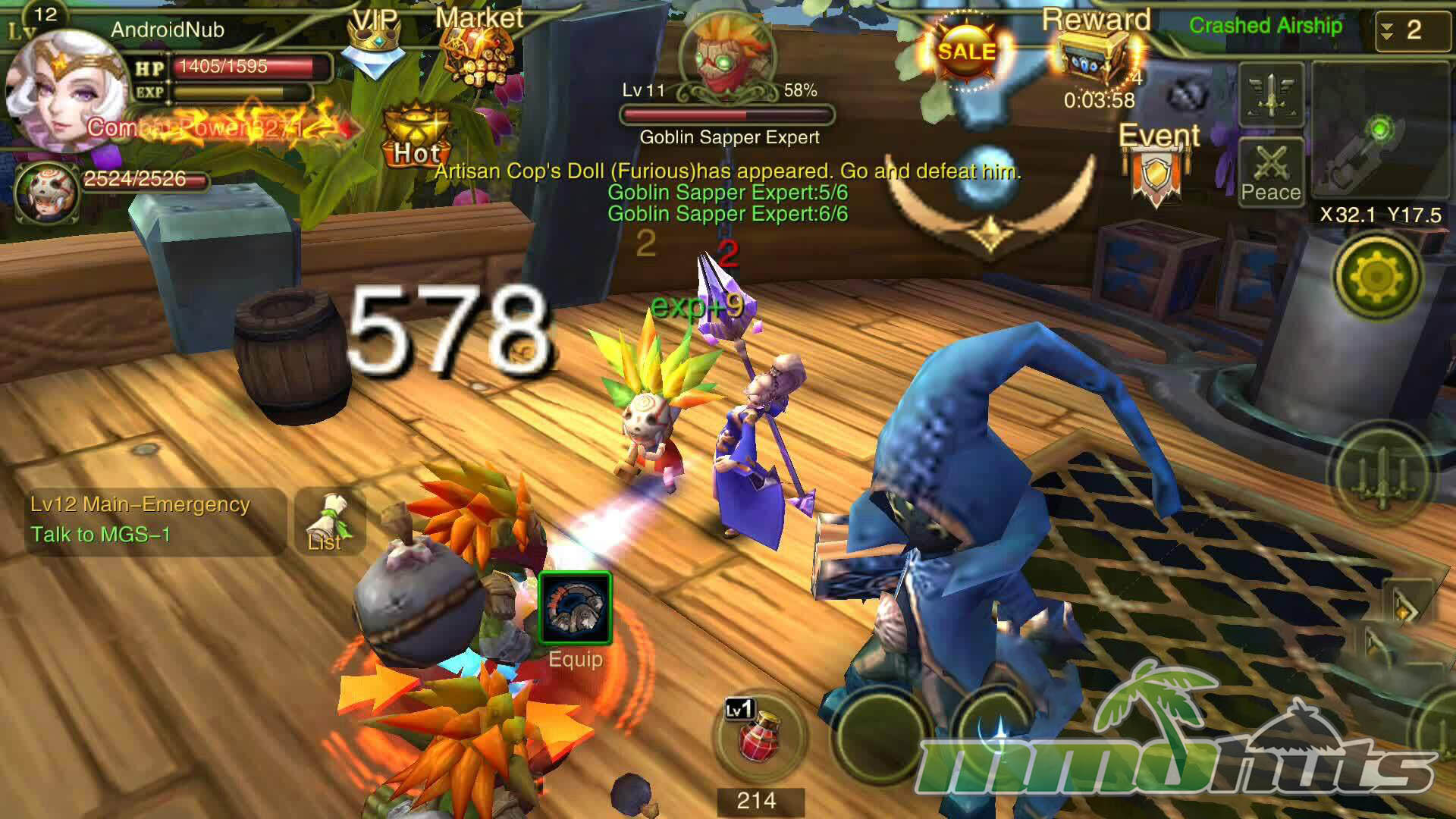
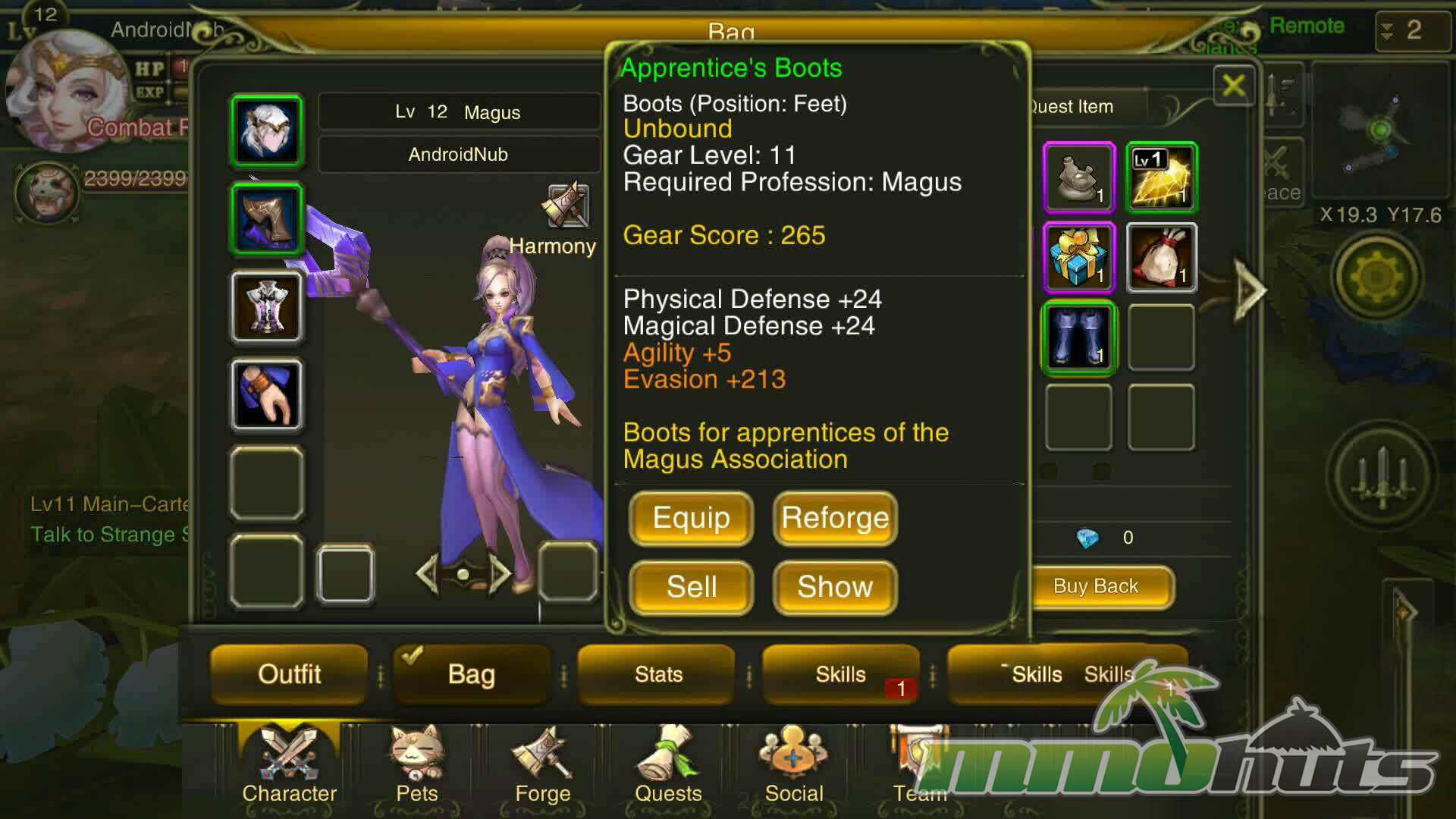
Dawn of the Immortals is a 3D, semi-open world MMORPG developed by Perfect World Entertainment and published by Fedeen Games. The game’s big pitch was delivering sharp-looking fantasy environments on a phone while still keeping the familiar MMO loop intact: you move through quest hubs, travel across persistent areas, dive into instanced dungeons for story beats and bosses, and steadily improve your character through gear upgrades and enhancement systems. Combat is real-time and built around quick attacks and skills, leaning into a hack-and-slash feel rather than a traditional tab-target setup. One of its standout systems is the companion feature, where pets are more than decoration, they level, evolve, and contribute in battle with customizable skills. For players who enjoy trading and optimization, there is also an auction house, plus straightforward progression hooks like weapon and armor enhancement.
Dawn of the Immortals Key Features:
- Large Persistent World – shared towns and field zones supported by plenty of instanced dungeon content.
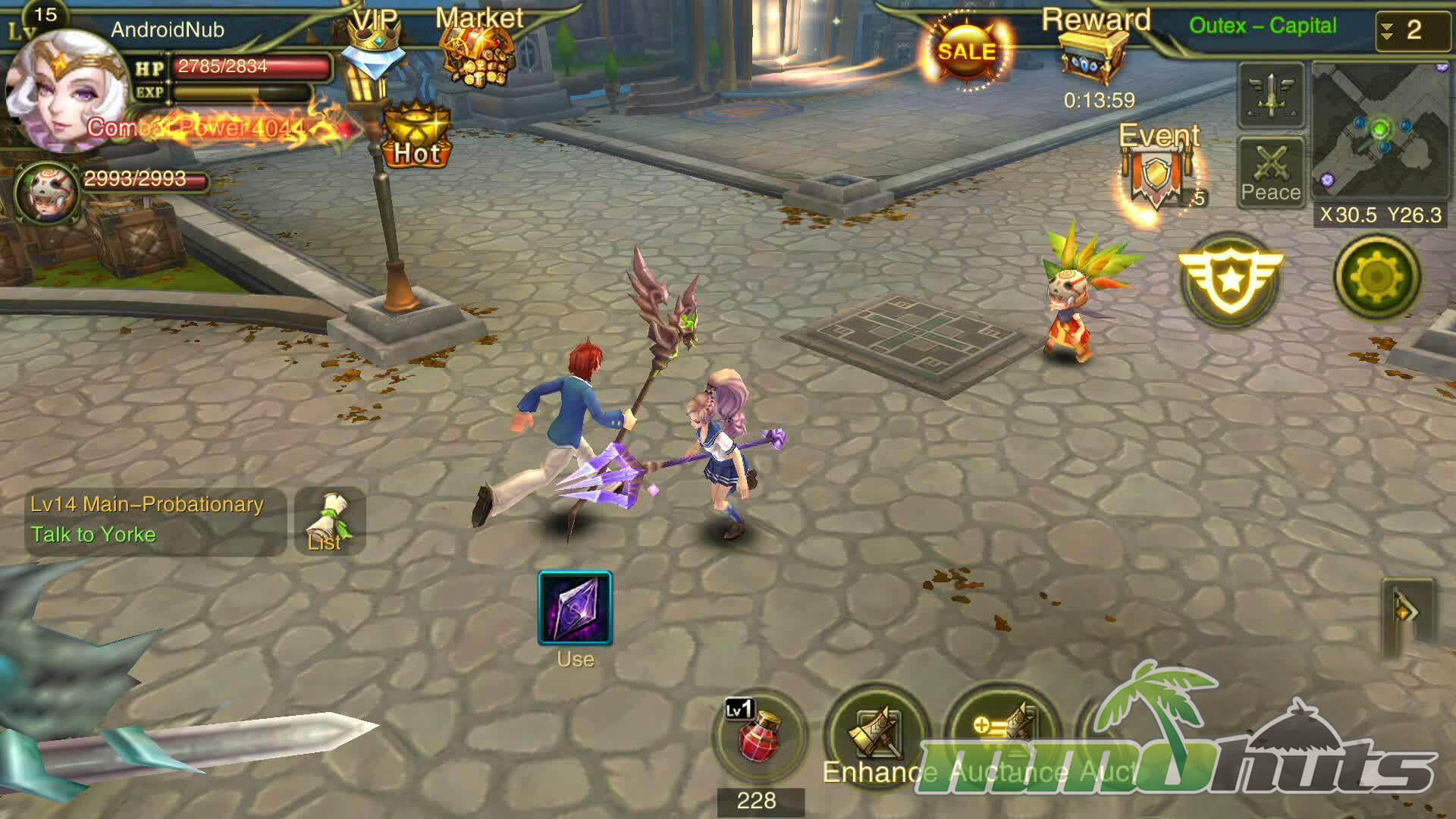
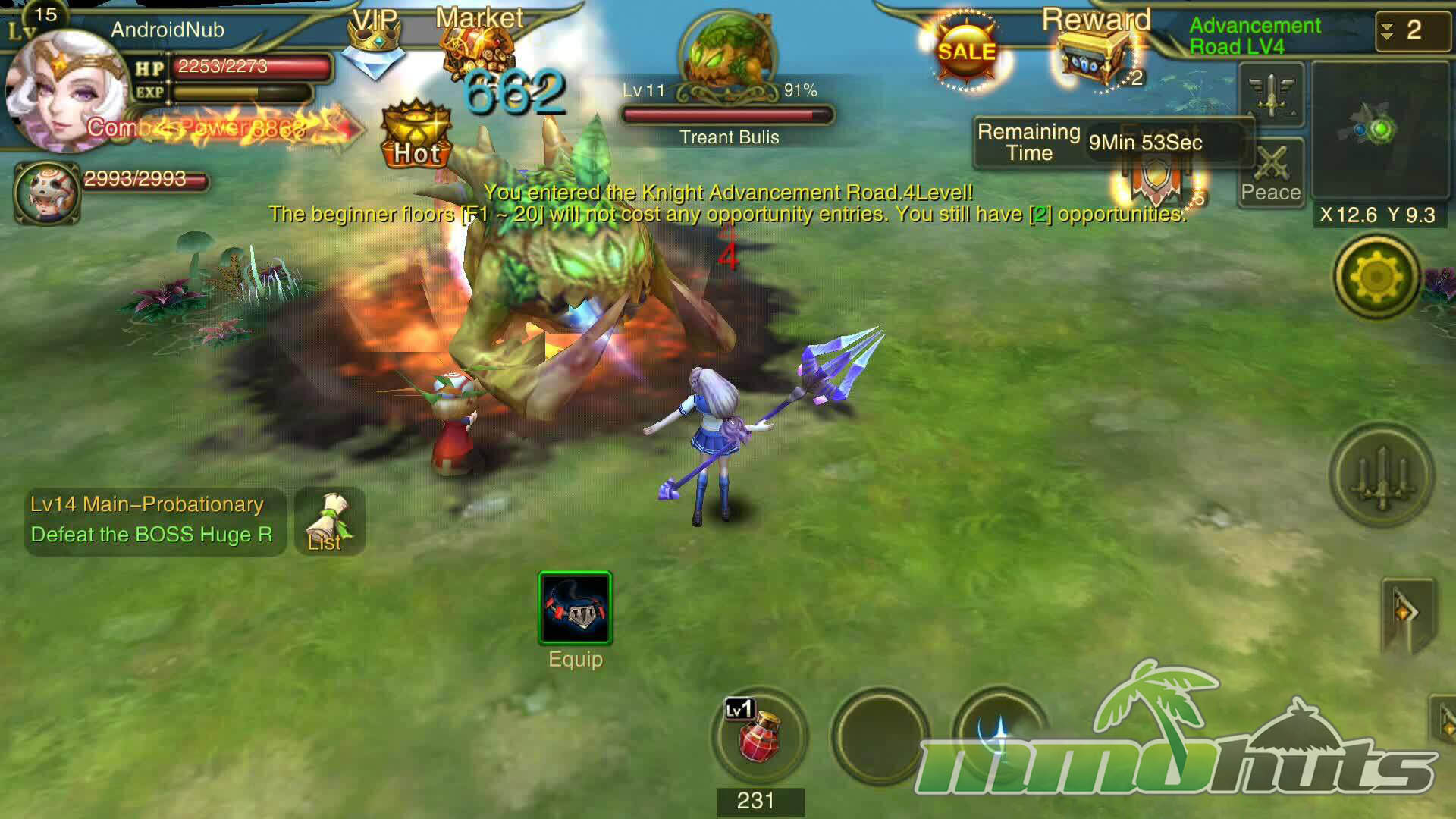
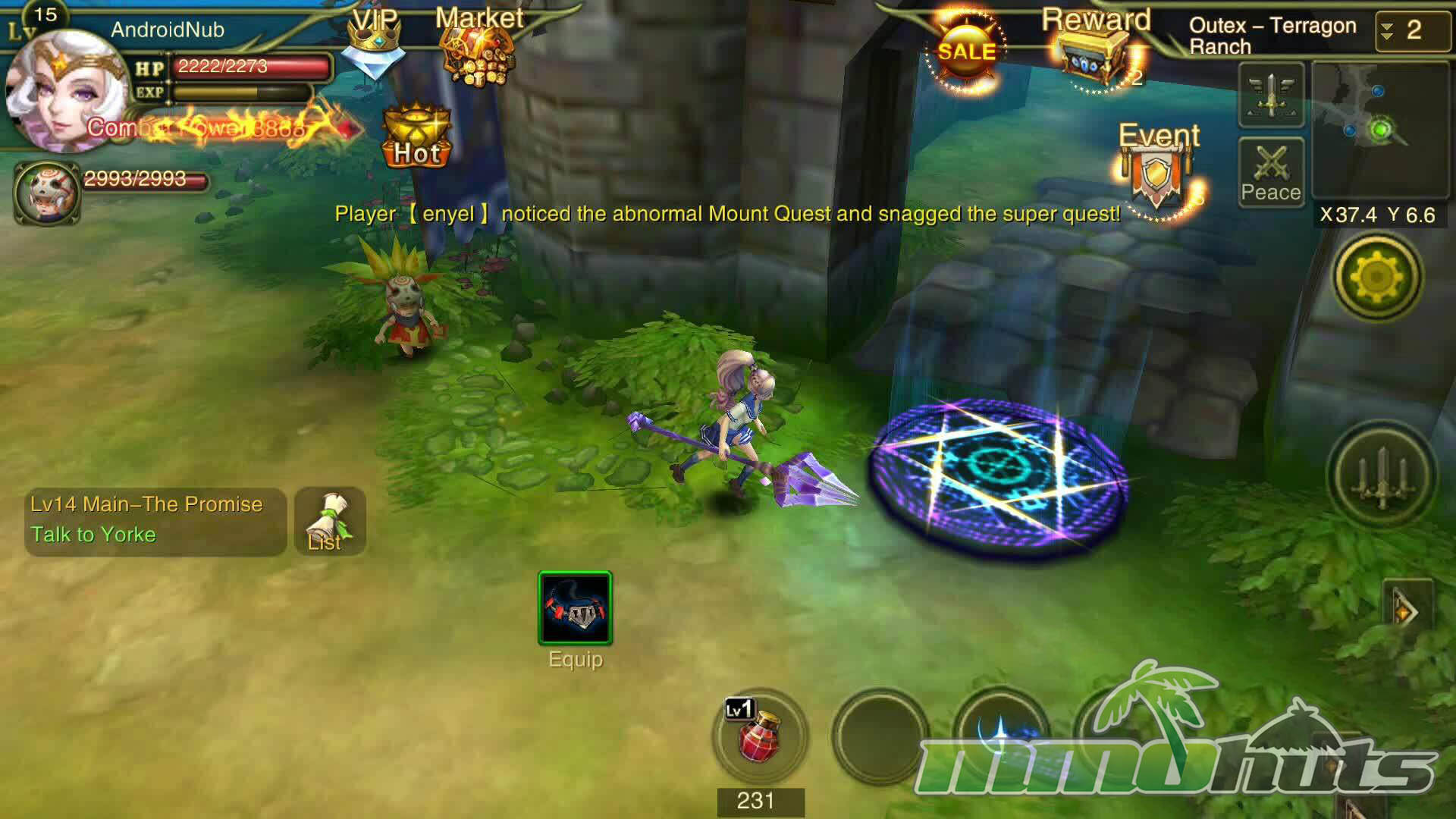
- Good Visuals – colorful, high-detail 3D presentation that stood out on mobile.
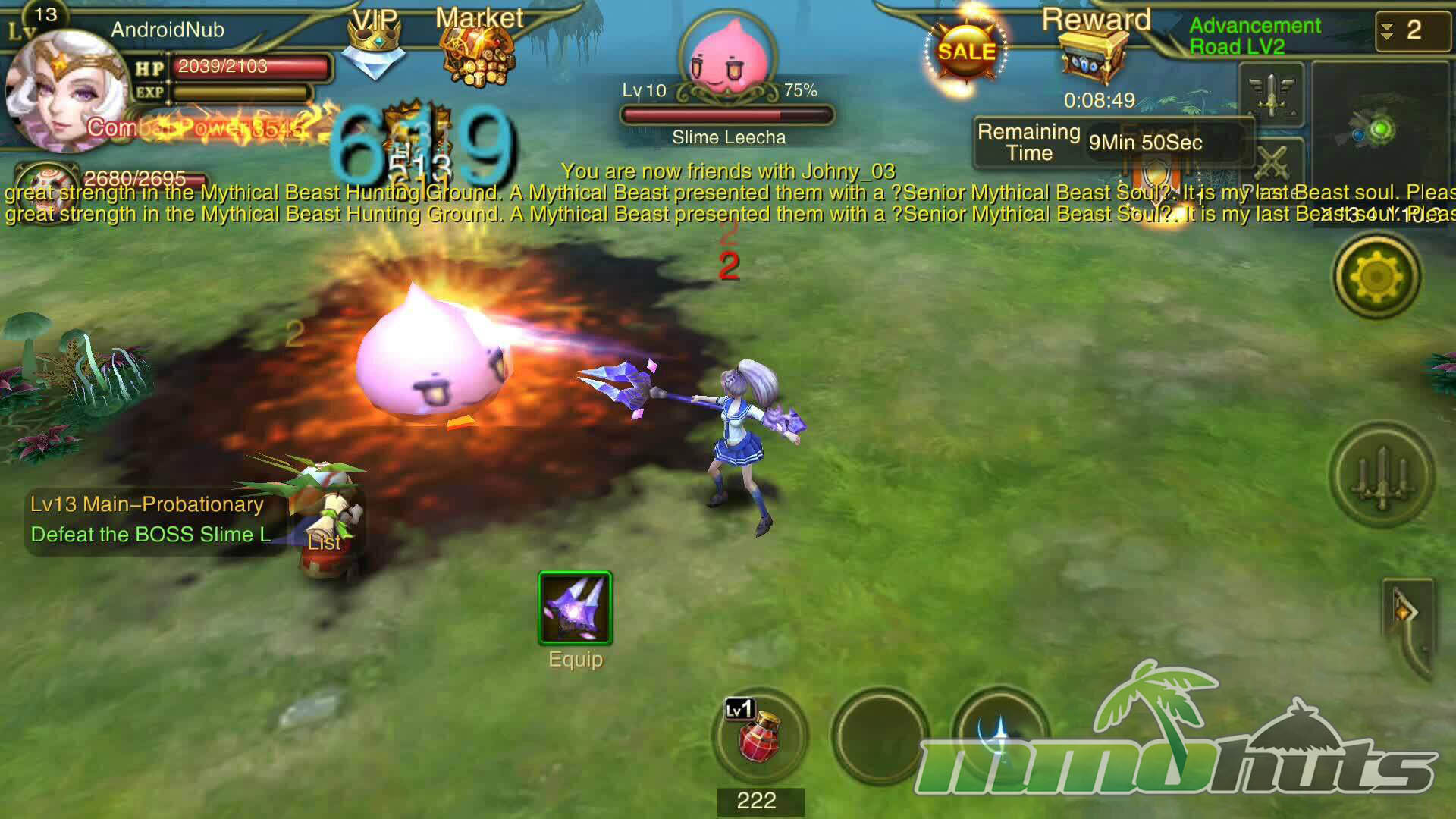
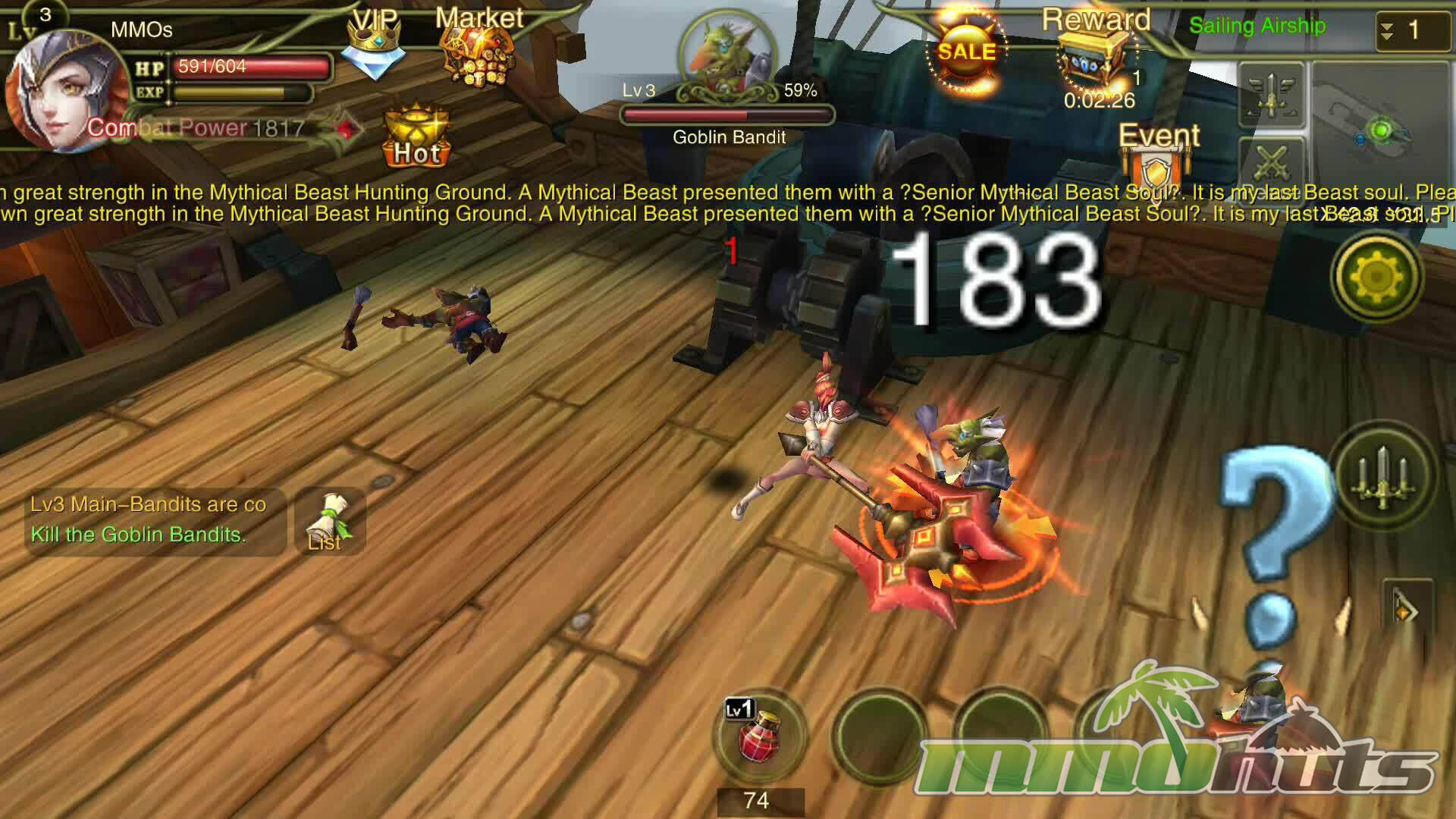
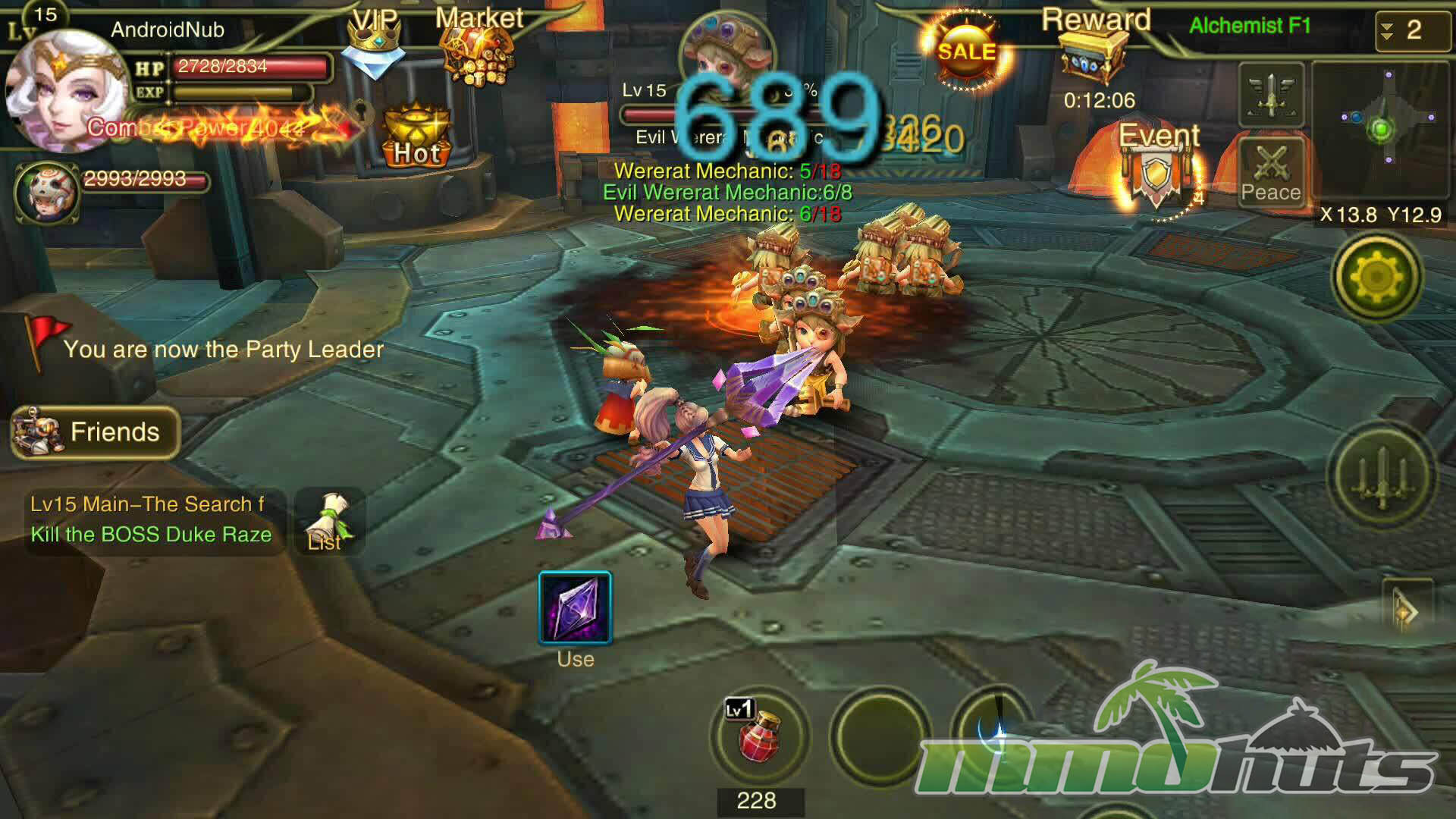
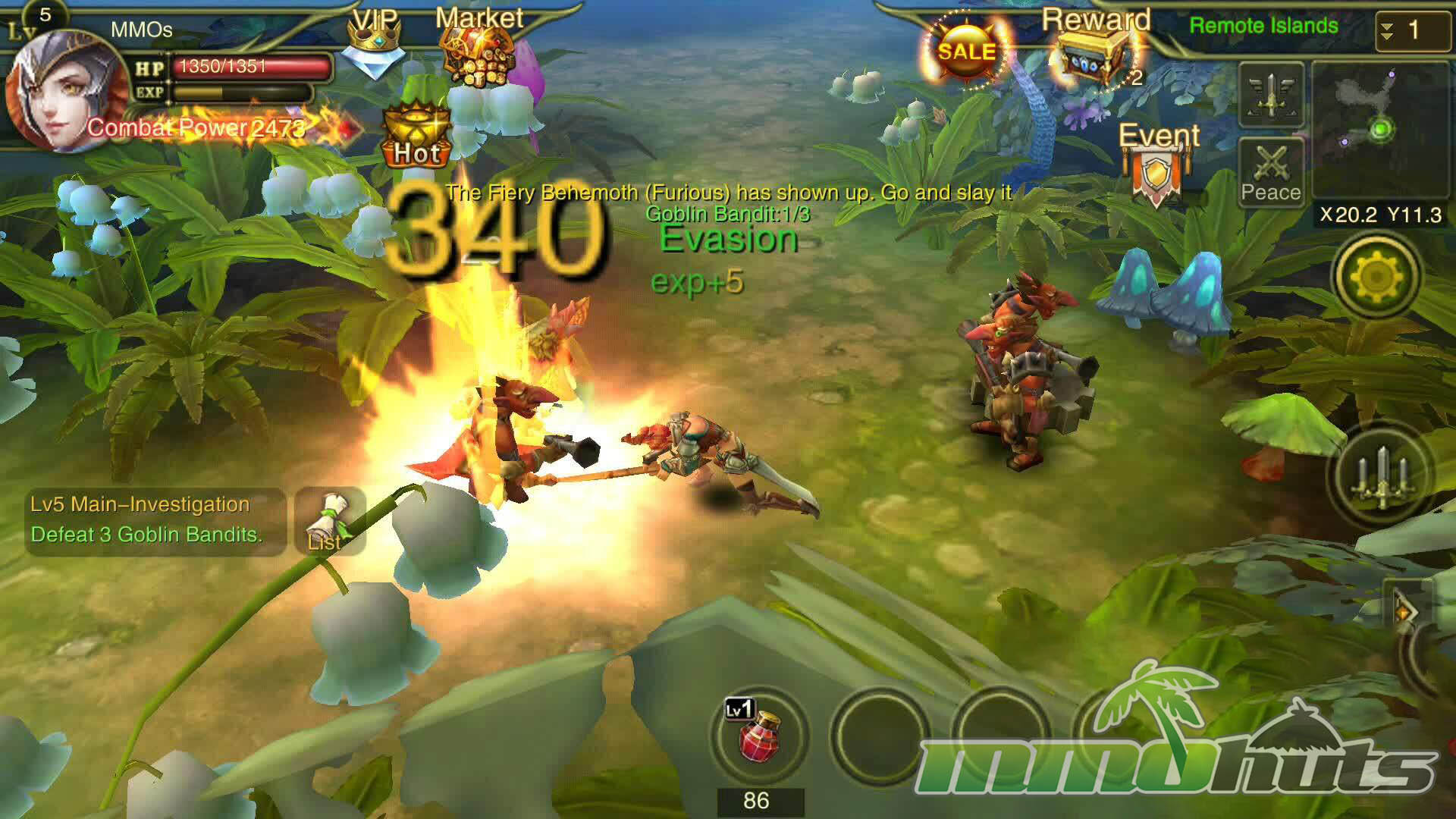
- Engaging Action Combat – real-time hack-and-slash battles with skills on quick access.
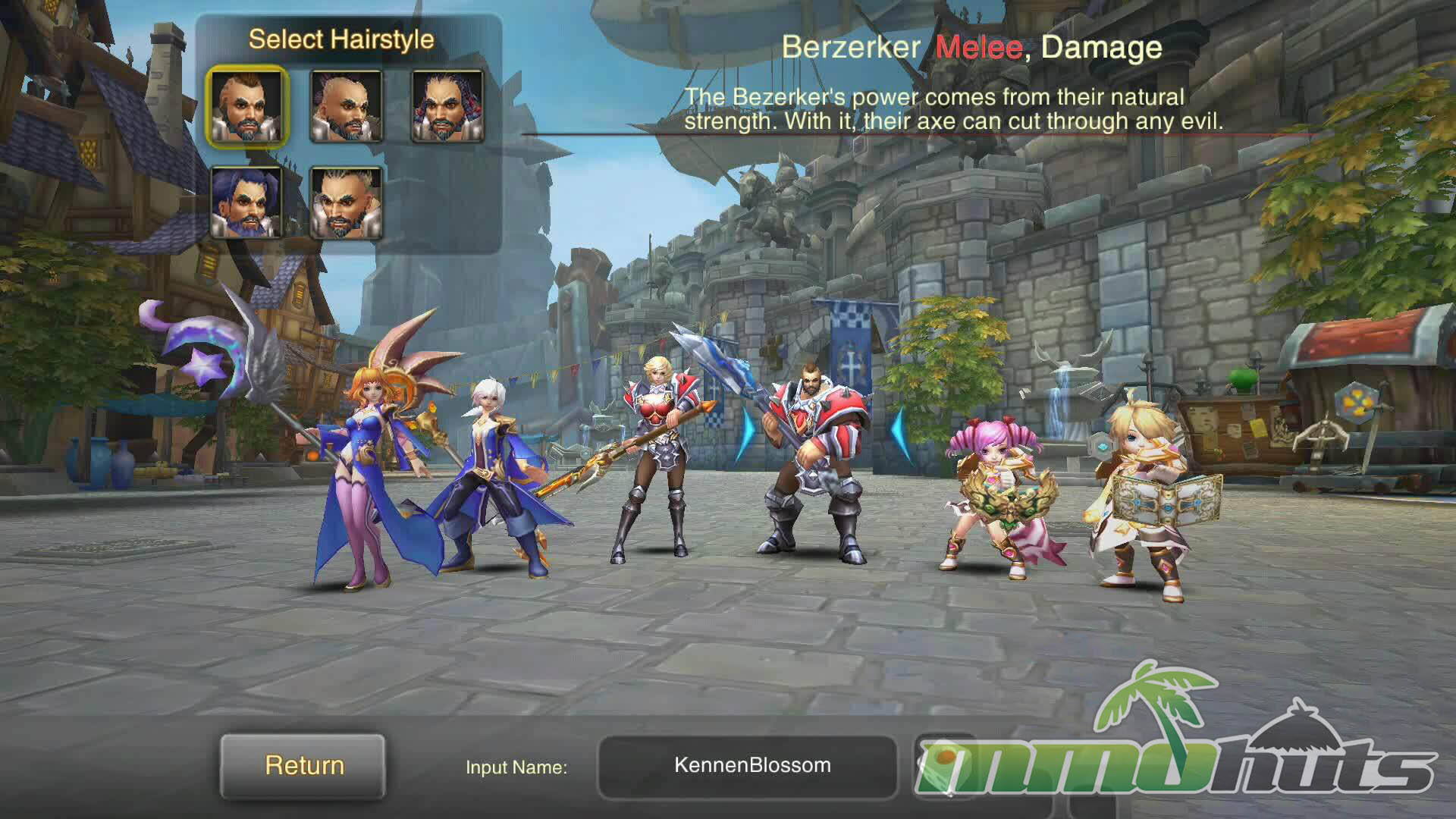
- Three Different Classes – pick from Magus, Berzerker, or Priest.
- Pet System – collect companions, evolve them, and tune their skills.
- Deep Content – a large quest lineup with narrative structure.
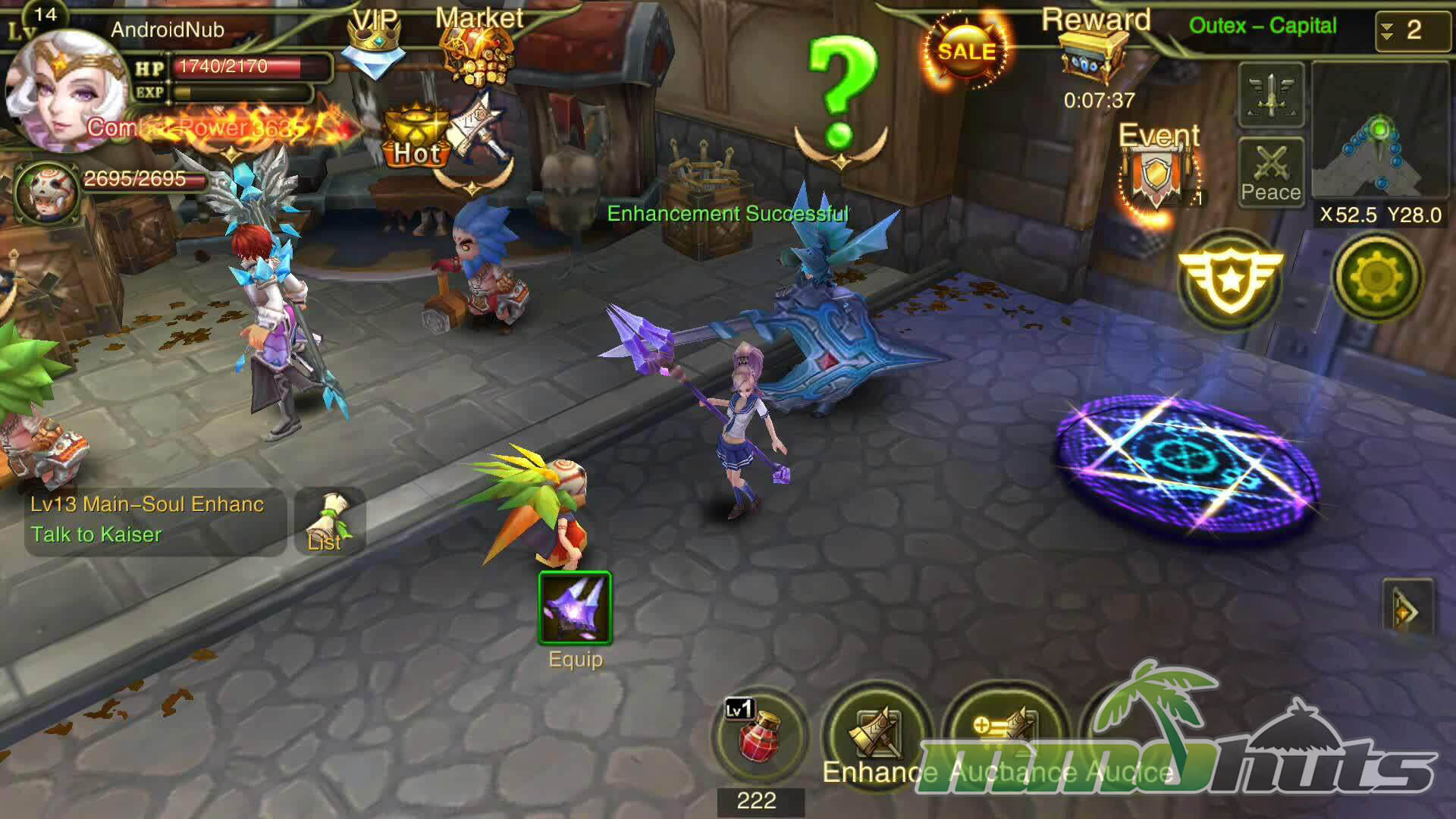
- Auction House – player trading plus gear enhancement for long-term progression.
Dawn of the Immortals Screenshots




Dawn of the Immortals Featured Video

Dawn of the Immortals Review
Dawn of the Immortals is a free-to-play 3D MMORPG for mobile devices, created by Perfect World Entertainment and released under the Fedeen Games publishing label. At the time, it carried extra expectations because Perfect World had already built a reputation in the genre through multiple PC MMORPGs. The game arrived on August 16, 2014 and positioned itself as a “full MMO” you could play on a phone, complete with a shared world, instanced content, and a long quest path. The real question is whether that ambition translated into satisfying day-to-day play, especially once the novelty of mobile-scale visuals and auto-features wore off.
Classes and Character Creation
Character setup is quick and intentionally streamlined. Instead of deep sliders, you choose from six premade heroes that represent the three classes, each with male and female versions: Magus, Berzerker, and Priest. The Magus plays as a ranged spellcaster focused on elemental damage, the Berzerker fills the bruiser role with a heavy two-handed axe and a large health pool, and the Priest acts as the support-oriented option with healing and defensive boosts. Customization is limited to a small selection of hairstyles, but the class silhouettes are distinct, and the characters are visually detailed enough that the lack of face editing does not completely flatten identity.
A Bright Fantasy Setting Built for Short Sessions
The world design uses a hybrid approach that fits mobile play well. You spend time in persistent maps where other players can appear, then you are frequently routed into instanced areas for story quests and major encounters. Visually, the game leans into bright color palettes and high-contrast fantasy environments, and for its release window it delivered a surprisingly crisp look on phones and tablets. Individual outdoor maps are not enormous, but there are many of them, and the constant change of scenery helps the leveling path feel like a journey rather than a single loop. Towns function as shared social spaces with shops, NPCs, and players gathering around typical MMO services.
Quest Flow and Story Instances
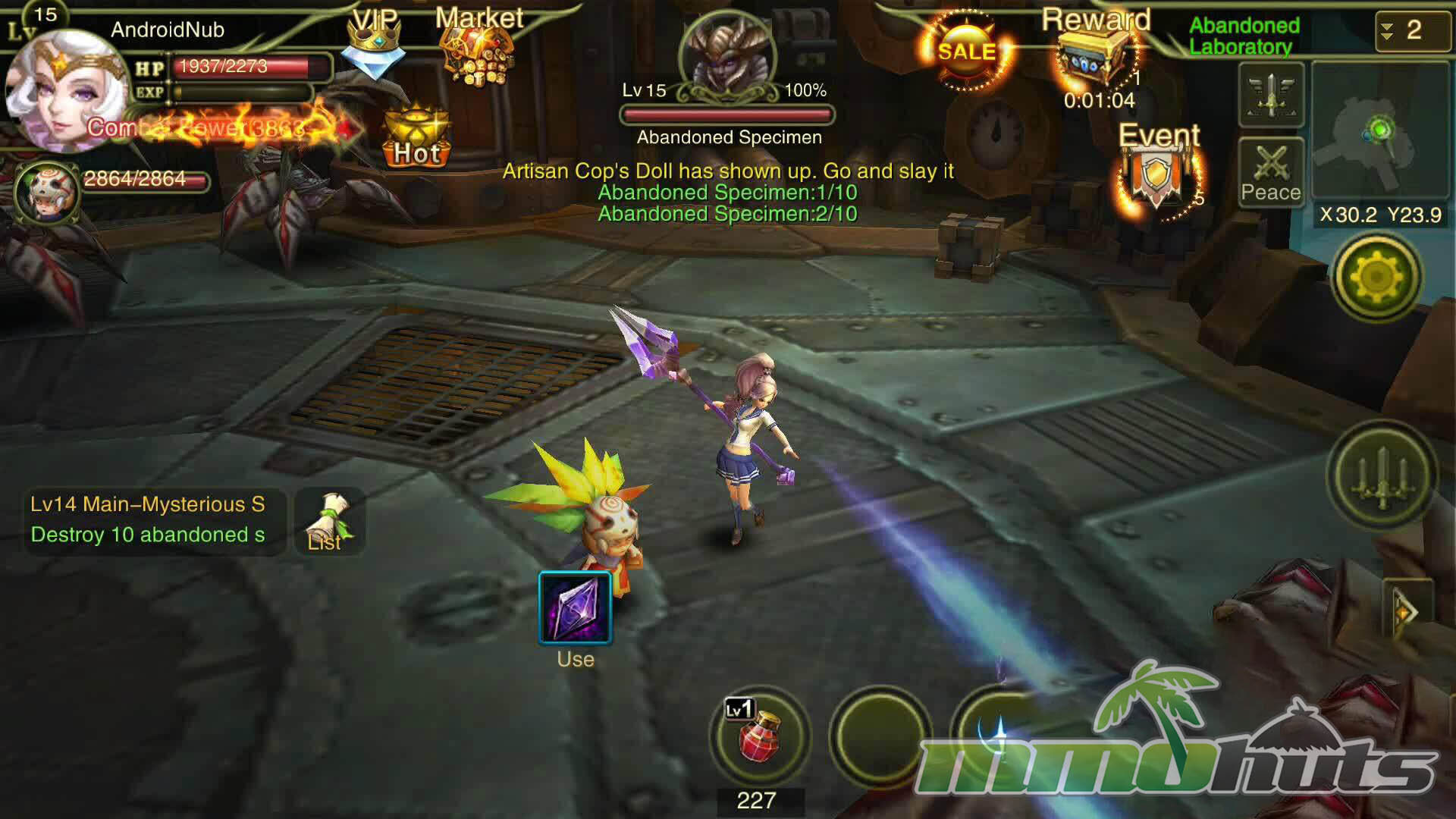
Progression is primarily quest-led, and the game rarely leaves you wondering what to do next. The interface keeps objectives front and center, and a tap-to-navigate system can move you directly to the correct NPC or target. That convenience is a big part of why the game feels approachable, but it also contributes to the “guided” tone that some players interpret as autopilot. Many quests boil down to familiar tasks such as defeating a set number of enemies or turning in dialogue steps, and instanced quest dungeons are used often to pace out the narrative. Those private areas vary in theme and layout, and they typically culminate in a tougher enemy that breaks up the routine. The writing is serviceable and helps frame the constant dungeon hops, even if the mechanical objectives stay straightforward.
Action Combat with a Mobile-Friendly Twist
Combat is built around a virtual joystick for movement and a cluster of buttons for attacks and skills. Where it differs from many action RPGs is how the basic attack behaves: the attack input effectively helps you acquire a nearby target and close distance, then repeated taps keep the offense going. In practice, this means you can fight effectively with minimal manual positioning, because your character naturally shifts from enemy to enemy as long as targets are close. Players who want more control can still move while attacking, which is especially useful for ranged classes that benefit from spacing and kiting. Skills add needed variety and are the main way to break up the rhythm of repeated basic attacks. Combined with the auto-navigation used during questing, the overall experience can feel somewhat automated, even though moment-to-moment fights still have a real-time pace.
Pets as Real Progression, Not Just Cosmetics
One of the more memorable systems is the companion feature. Early on you receive a starter pet, and from there you can collect additional pets that contribute directly in combat. Pets gain experience by fighting and by riding along with your quest progress, and they bring their own skill sets that can enhance the player, strengthen themselves, or hinder enemies. The growth loop includes “STAR” experience, with upgrades for levels 2 through 5 purchased using in-game gold, and a higher-tier step that requires combining three matching pets at level 5 to reach level 6. New pets come from summons tied to in-app purchases, and also from certain instances that can drop Pet Eggs. The result is a companion system that feels like a parallel progression track, giving players something meaningful to build alongside gear and character levels.
Cash Shop/In-App Purchases (IAP)
The store focuses on premium currency (Gems) and offers a mix of convenience and power. Gems can be spent on pet summons and pet-related items such as enhancement materials, skills, and experience stones, and they also cover equipment enhancement supplies, gold, and cosmetic outfits. VIP tiers are another major lever, providing benefits like bonus experience, more PvP challenge capacity, access to special instances, and various quality-of-life boosts. While it is possible to play without paying, spending can accelerate progression through faster pet growth, faster leveling, and quicker gear enhancement. The game is not unplayable without purchases, but the advantages are tangible enough that competitive-minded players may feel pressure depending on their goals.
Final Verdict – Great
For a mobile MMORPG from a studio known for PC MMOs, Dawn of the Immortals largely delivered what it set out to do. It paired strong visuals with a practical mix of shared zones and instanced content, kept combat brisk and approachable, and backed it up with a pet system that added real long-term progression. Its reliance on auto-features and the presence of pay-to-win style advantages can blunt the sense of mastery for some players, but as an accessible, content-rich mobile MMO, it offered a lot to enjoy during its run.
Dawn of the Immortals Online Links
Dawn of the Immortals Official Site
Dawn of the Immortals Facebook
Dawn of the Immortals Google Play Store
Dawn of the Immortals Apple Store
Dawn of the Immortals Gamepedia (Database / Guides)
Dawn of the Immortals System Requirements
Minimum Requirements:
Operating System: Android 3 or later, iOS 5.0 or later
Dawn of the Immortals Music & Soundtrack
Coming Soon…
Dawn of the Immortals Additional Information
Developer: Perfect World Entertainment
Publisher: Fedeen Games
Platforms: Android, iOS
Release Date: August 16, 2014
Shut Down: January 08, 2018
Dawn of the Immortals was developed by Perfect World Entertainment, a China-based game developer and publisher known for producing multiple PC MMORPGs, including Perfect World Online, Forsaken World, and Jade Dynasty. Publishing was handled by Fedeen Games, a mobile publisher owned by or associated with Perfect World Entertainment. As Perfect World Entertainment’s first mobile MMORPG, the game reached over one million downloads worldwide during its lifetime. Fedeen Games also published Elemental Kingdoms, a mobile card-focused RPG that was likewise developed by Perfect World Entertainment. Dawn of the Immortals also sits within the wider “Immortals” brand alongside War of the Immortals and Battle of the Immortals. The game was shut down on January 08, 2018.